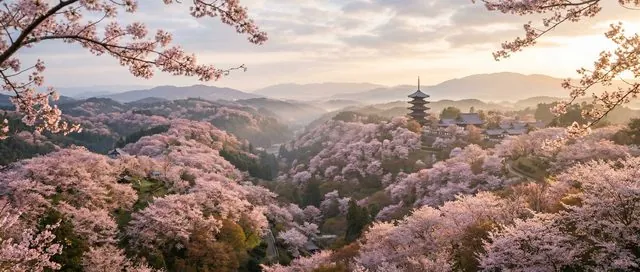
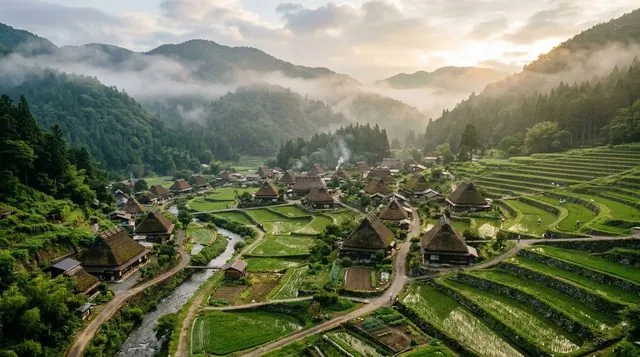
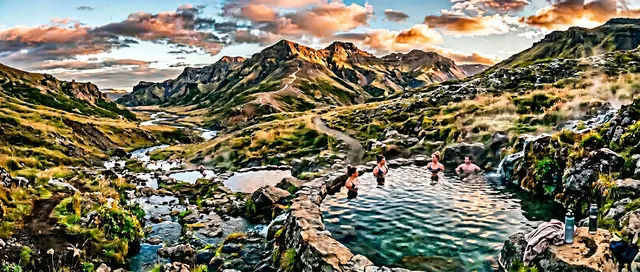
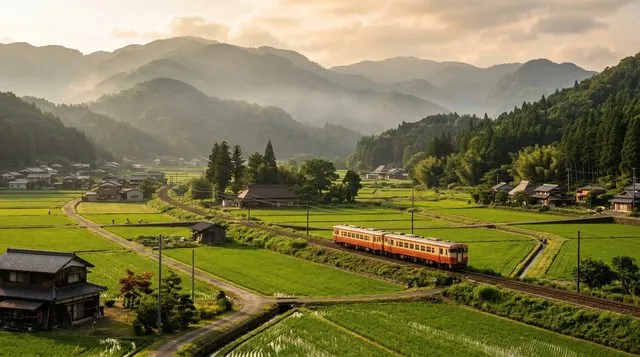
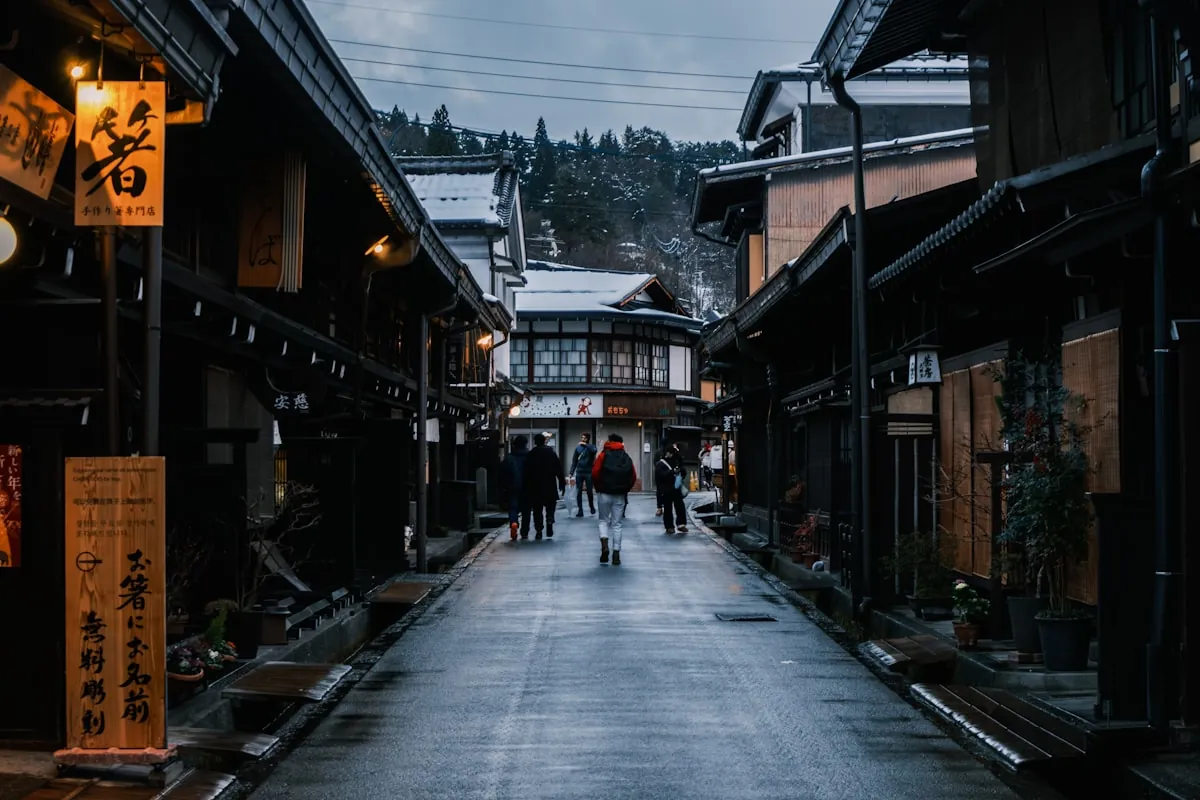
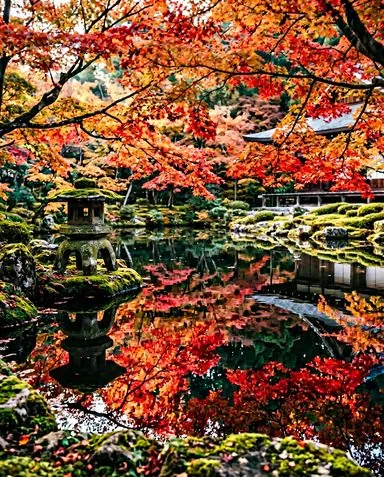
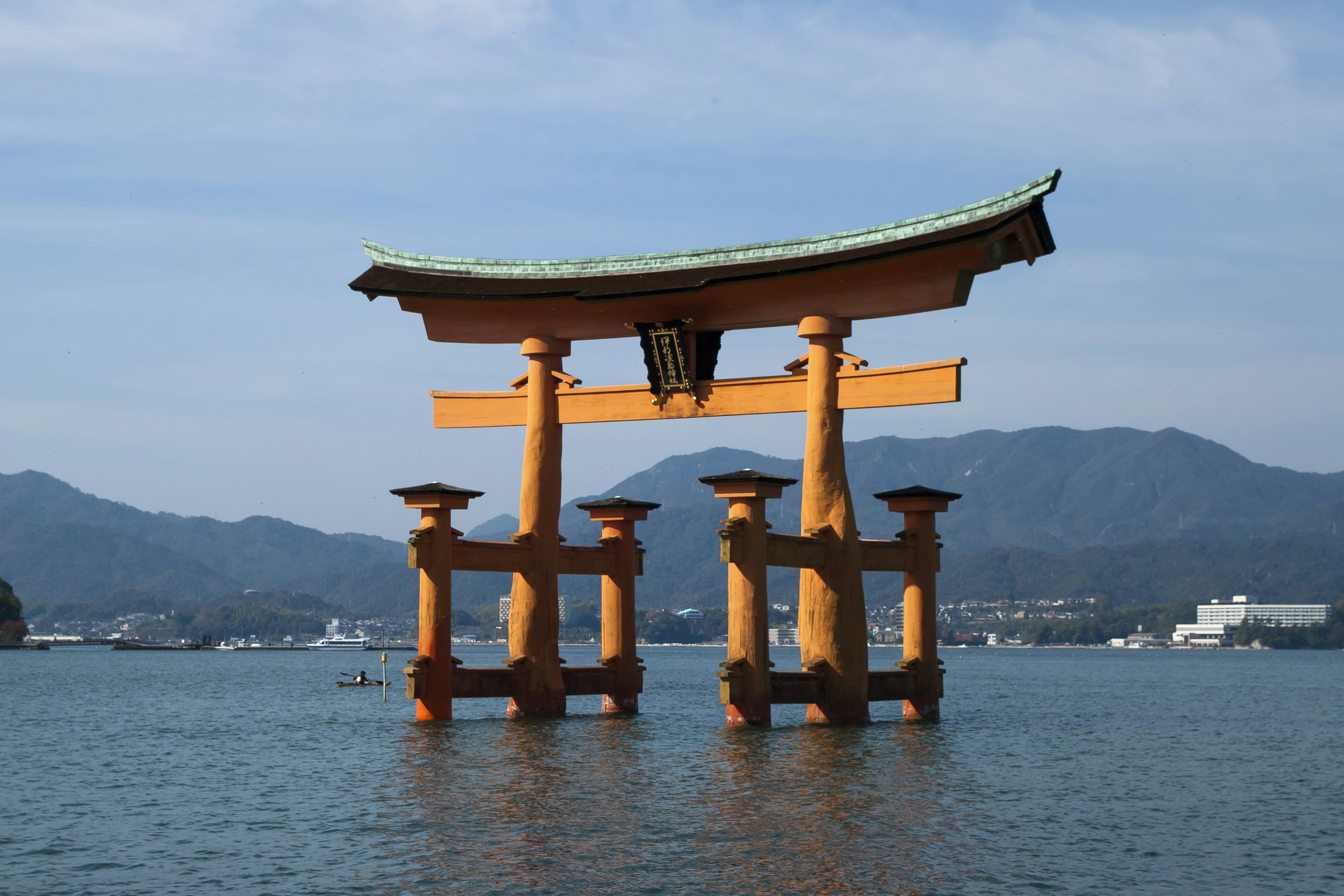
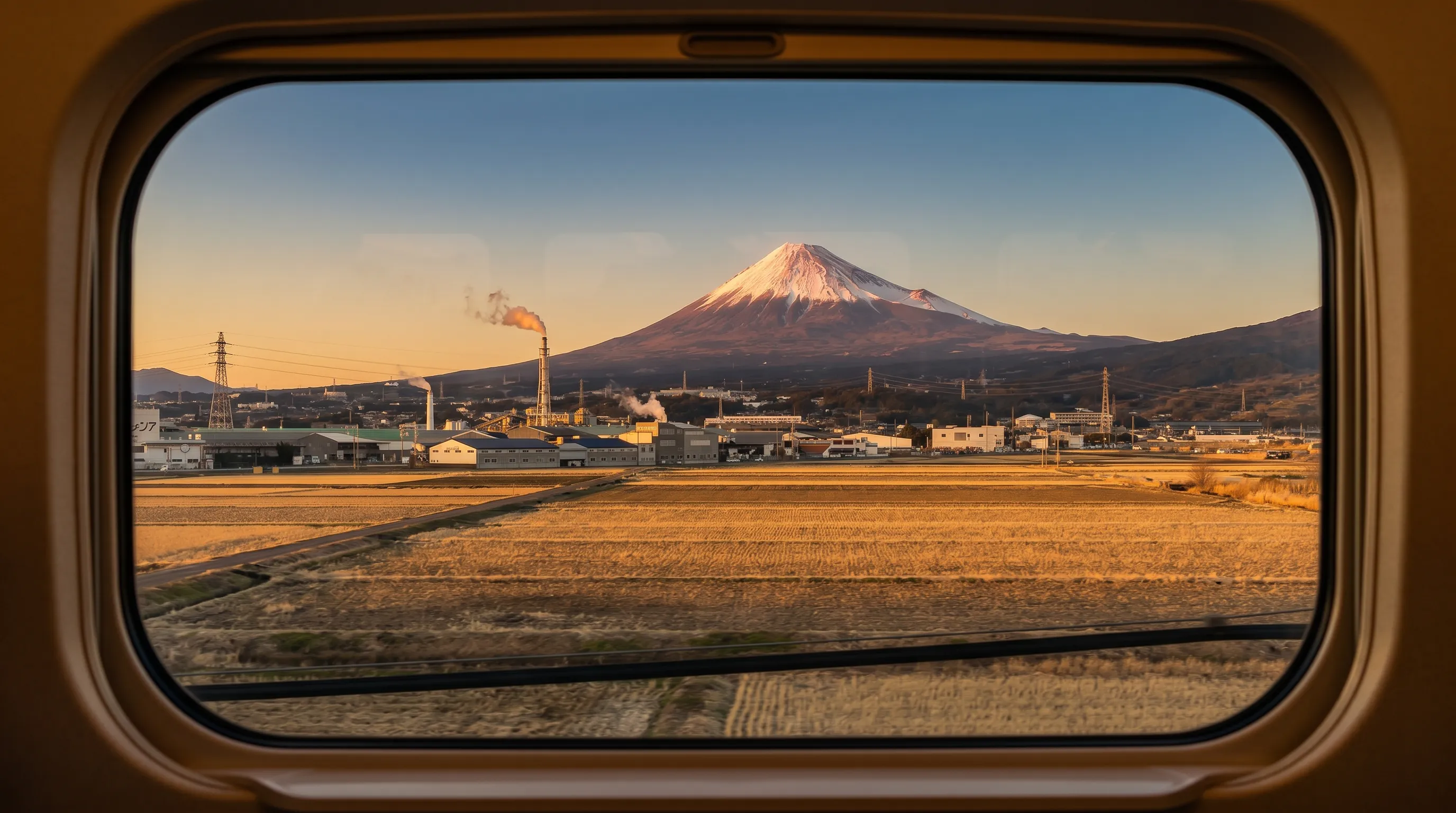
Chugoku is the part of Honshu most travellers pass through on the shinkansen between Osaka and Hakata without ever stopping. That's the missed prefecture. Five of them, actually. The famous southern San'yo coast holds Miyajima's floating torii, the Edo merchant streets of Kurashiki Bikan district, the cycling islands of the Shimanami Kaidō, the hillside temple town of Onomichi, and the perfectly ranked stroll garden Korakuen. The wilder northern San'in coast hides Izumo Taisha, the moss garden of the Adachi Museum of Art, the Tottori Sand Dunes, the rugged Uradome Coast, the radon waters of Misasa Onsen, the karst plateau of Akiyoshidai, the samurai town of Hagi, and Hiroshima City's compact garden Shukkeien.
Prefectures
Five prefectures bridging the two coastlines: sunny south, mythic north.
Hiroshima Prefecture
The Peace Memorial city, the floating torii of Miyajima, and the cycling islands of the Shimanami Kaidō linking Honshu to Shikoku
Peace memorial and Miyajima
- Hiroshima City
- Miyajima
- Onomichi
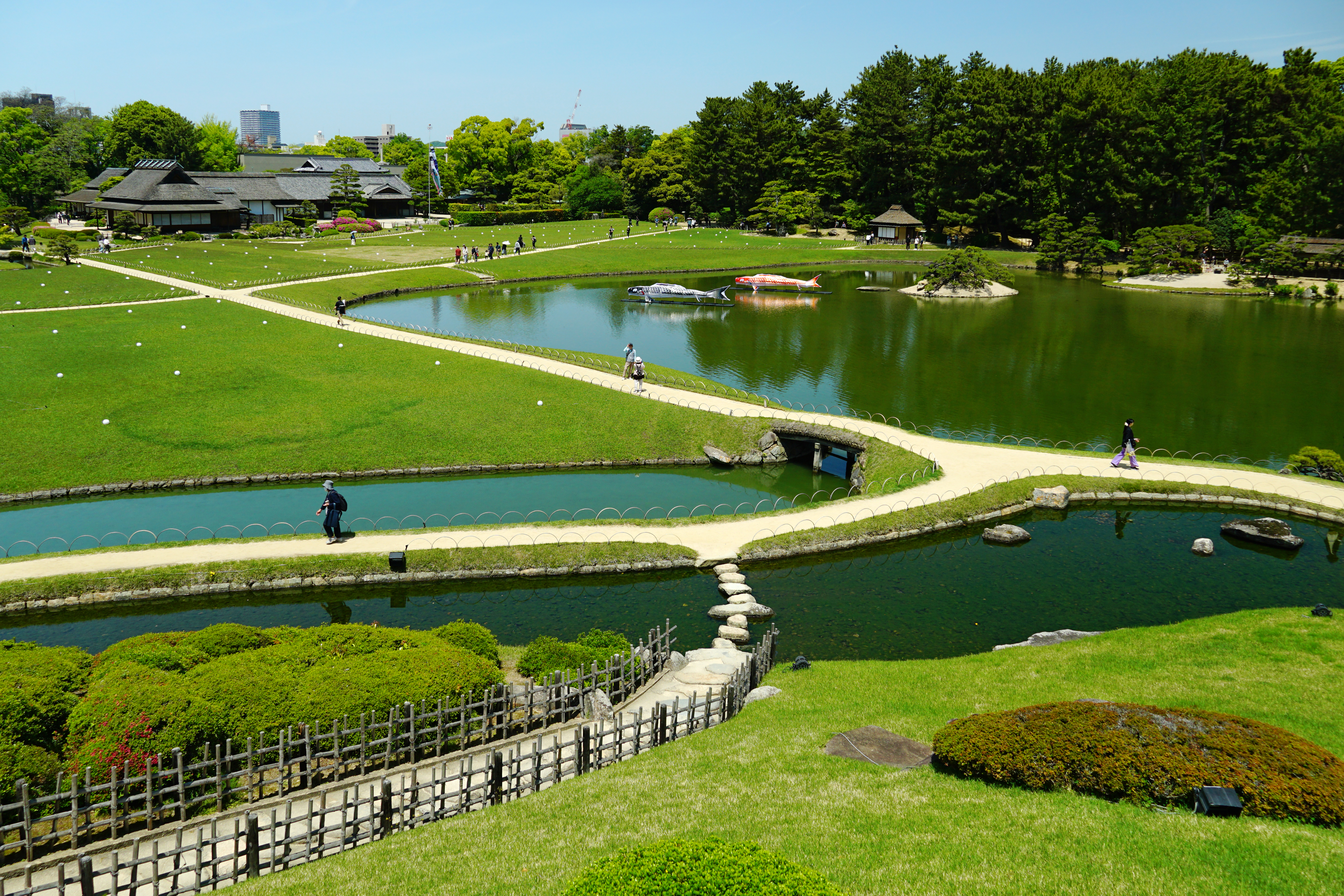
Okayama Prefecture
Japan's sunniest prefecture: Korakuen Garden, the black 'Crow Castle', and the canal town of Kurashiki
Korakuen and Kurashiki
- Korakuen Garden
- Okayama Castle
- Kurashiki Bikan
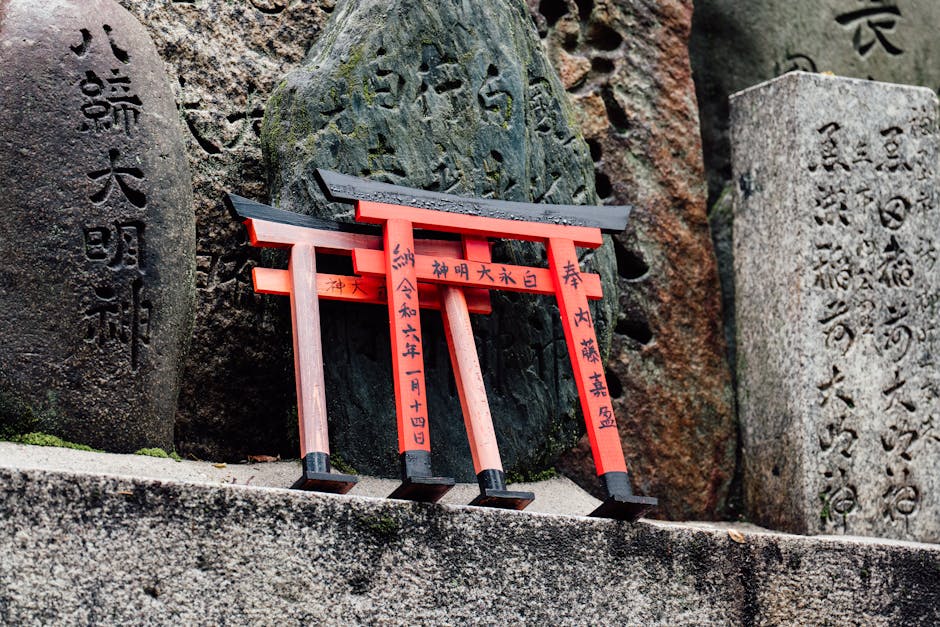
Yamaguchi Prefecture
Honshu's wild western tip: samurai towns, sea-cliff shrines, and Japan's largest karst plateau at Akiyoshidai
Samurai and karst plateau
- Motonosumi Shrine
- Akiyoshidai
- Hagi samurai town
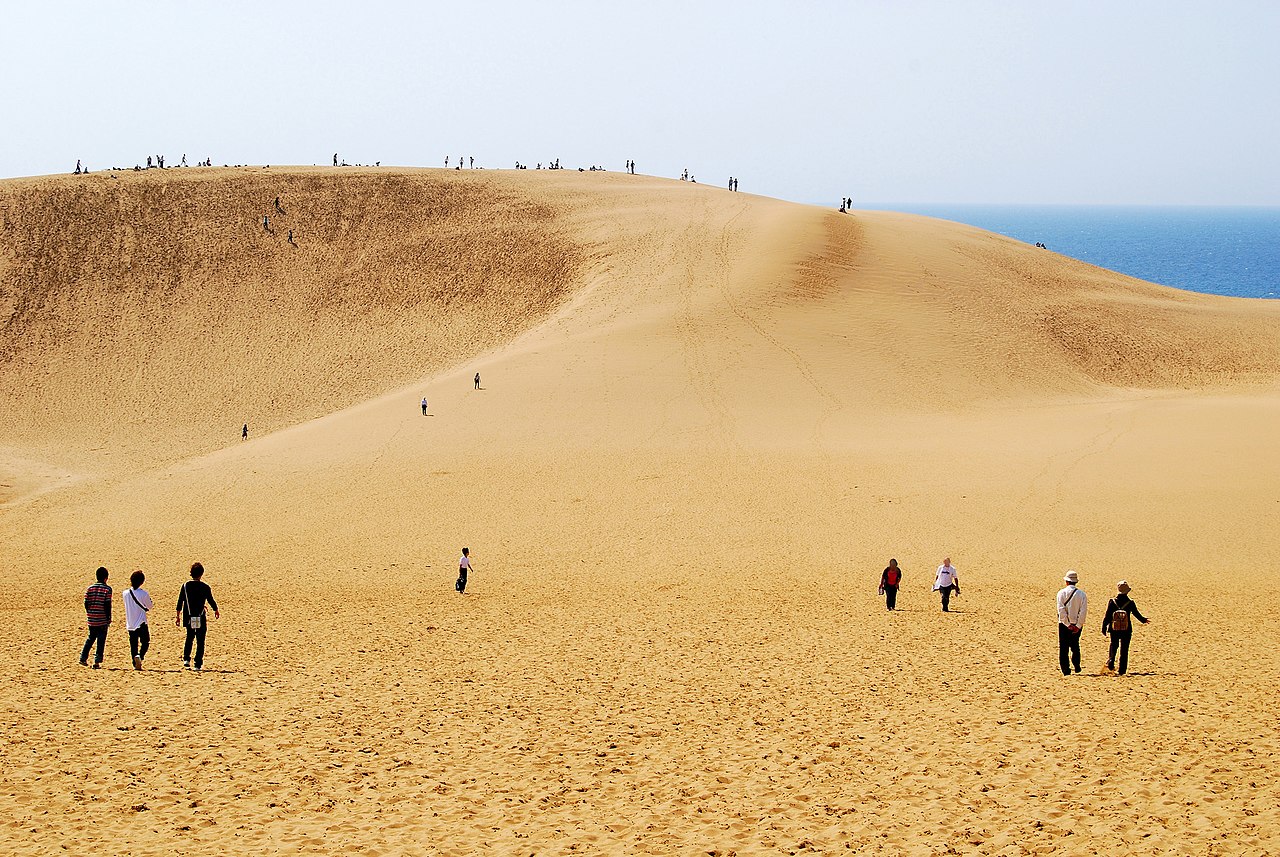
Tottori Prefecture
Japan's least-visited prefecture: desert-like sand dunes, a cliff-side temple, and the radon-rich onsen of Misasa
Sand dunes and onsen
- Tottori Sand Dunes
- Uradome Coast
- Misasa Onsen
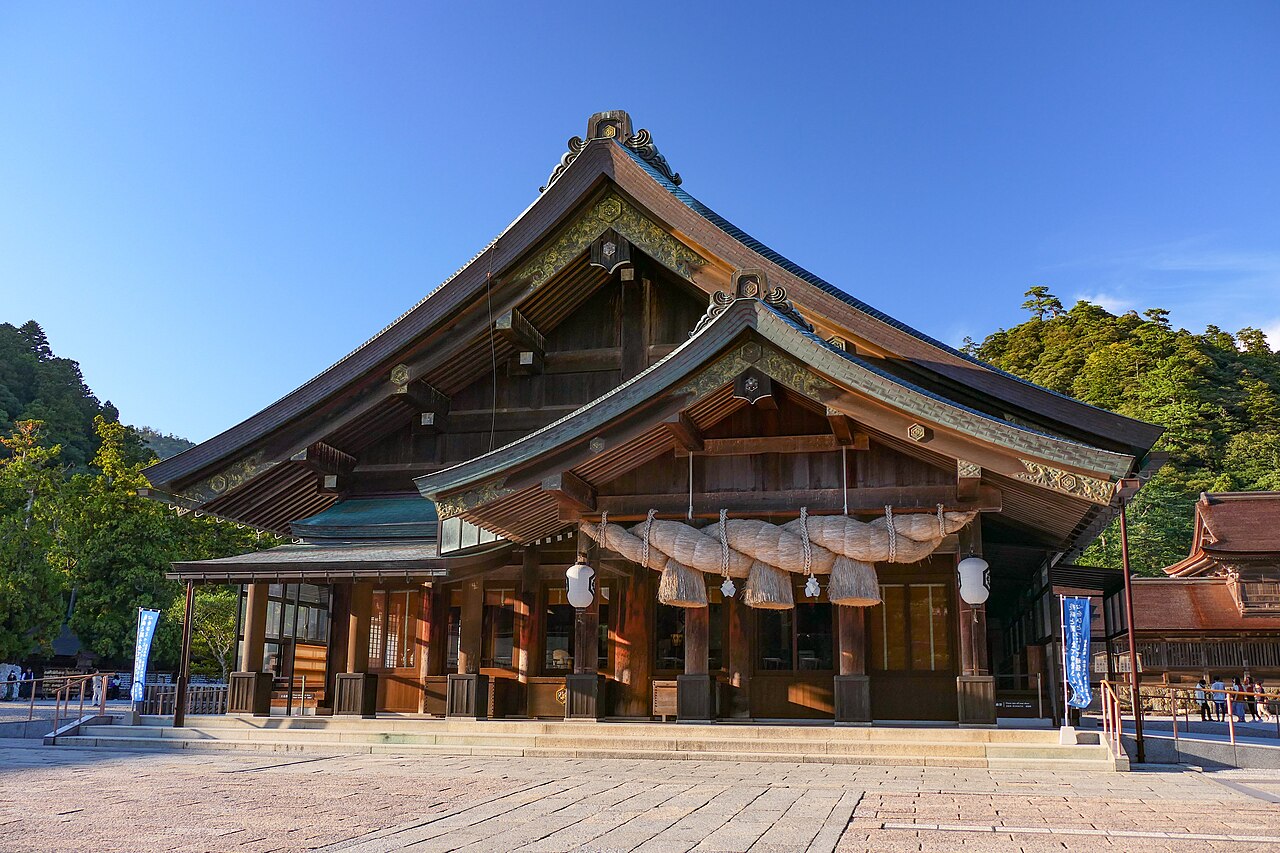
Shimane Prefecture
The mythic San'in coast: Izumo's grand shrine, Matsue's moated castle city, and the silver-mine UNESCO town of Iwami Ginzan
Izumo Taisha and Matsue
- Izumo Taisha
- Matsue Castle
- Adachi Museum
When to Visit
The southern San'yo coast is mild year-round; the northern San'in coast gets proper Sea-of-Japan winter snow.
Springharu
Mar – May10–22°CModerate crowds
Springharu
- Cherry blossoms early April at Hiroshima Castle and Korakuen
- Wisteria peak late April
- Comfortable for cycling the Shimanami Kaidō
- Golden Week last week of April
Summernatsu
Jun – Aug23–33°CModerate crowds
Summernatsu
- Rainy season through early July
- Beach season on the Seto Inland Sea
- Summer fireworks at Hiroshima and Onomichi
- Hot and humid south coast
Autumnaki
Sep – Nov10–24°CModerate crowds
Autumnaki
- Foliage in Sandankyo and Misasa late October
- Mild on the Seto Inland Sea coast
- Autumn shrine festivals at Izumo Taisha
- Light typhoon risk through October
Winterfuyu
Dec – Feb0–11°CLow crowds
Winterfuyu
- Snow on the San'in coast, with the Tottori Sand Dunes covered in white
- Mild and dry on Seto Inland Sea
- Onsen season at Misasa
- Fewest tourists across all five prefectures
Suggested Itineraries
Three routes from a Hiroshima weekend to a deeper coastal loop.
FAQ
What prefectures make up the Chugoku region?
Chugoku consists of five prefectures: Hiroshima, Okayama, Yamaguchi, Tottori, and Shimane. The first three sit on the southern San'yo coast (mild, urban); the latter two on the northern San'in coast (rural, snowy in winter).
How do I get to Chugoku from Tokyo or Kyoto?
By shinkansen, Hiroshima is 4 hours from Tokyo and 100 minutes from Kyoto. Okayama is 3.5 hours from Tokyo and 45 minutes from Kyoto. The San'in coast (Tottori, Shimane) requires connecting limited expresses or domestic flights to Yonago or Izumo airports.
How many days do I need in Chugoku?
Three days for Hiroshima City and Miyajima. Five days adds Onomichi or Kurashiki and the Shimanami Kaidō. A full week opens up the San'in coast: Izumo Taisha, Matsue, the Adachi Museum, and the Tottori Sand Dunes.
What is Chugoku best known for?
Hiroshima's Peace Memorial Park, Miyajima's floating torii, the Shimanami Kaidō cycling route, and Korakuen, one of Japan's three great gardens. The mythic Izumo Taisha shrine on the San'in coast and the Tottori Sand Dunes are the region's biggest non-southern draws.
Is the JR Pass worth it for Chugoku?
The nationwide JR Pass works well if you're combining Chugoku with another region. The dedicated JR West Sanyo-San'in Pass is better value for an in-region loop, covering the shinkansen plus limited expresses to the San'in coast.
What are Chugoku's hidden gems?
The Edo port town of Tomonoura on the Seto Inland Sea, the moss garden of the Adachi Museum of Art near Matsue, the radon-rich Misasa Onsen, the cliff-side Mitokusan Sanbutsuji temple, and the karst plateau of Akiyoshidai with Japan's largest limestone cave.
Is Chugoku worth visiting in winter?
The southern San'yo coast (Hiroshima, Okayama) is mild and dry, ideal for sightseeing without crowds. The northern San'in coast turns into snow country, with the Tottori Sand Dunes occasionally covered in white and Matsue's castle moat freezing.