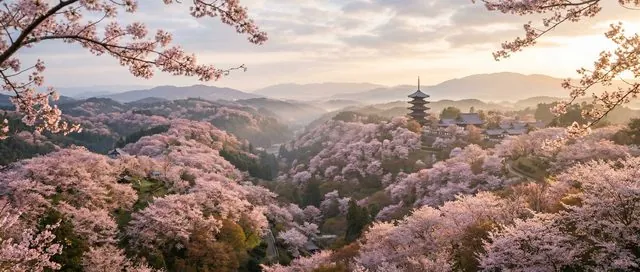
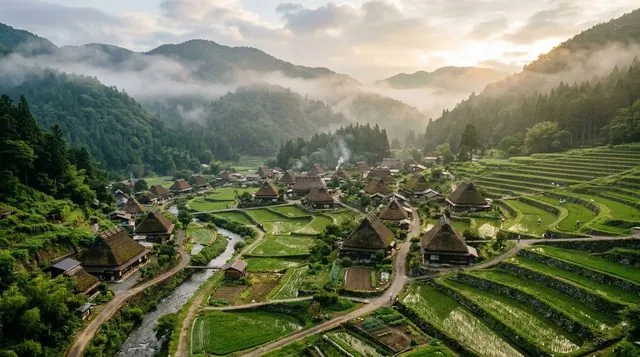
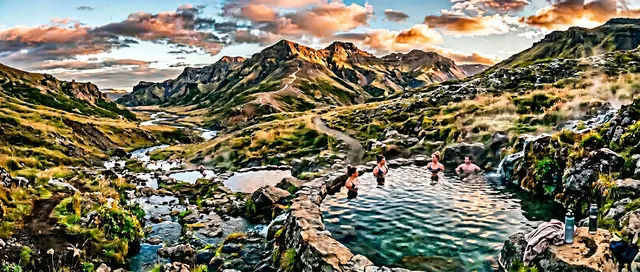
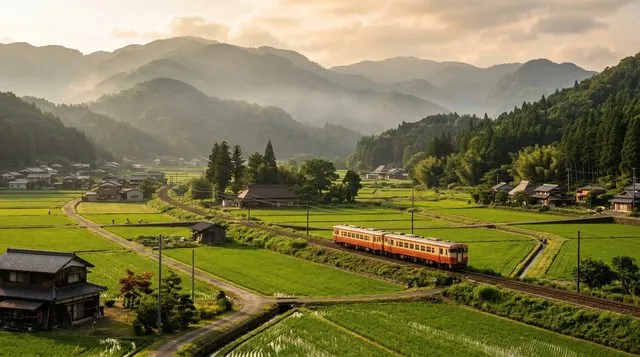
Oita is Japan's onsen capital, with more hot springs and bigger volume than any other prefecture. The headline draws are the eight color-coded Beppu Hells (Jigoku Meguri), the steaming working-class onsen district of Kannawa, the upmarket arts-and-onsen valley of Yufuin, the misty lake of Kinrin Lake, and the rock-carved 12th-century Usuki Stone Buddhas. Plus the ancient Buddhist Kunisaki Peninsula and the rugged Yabakei gorge.
Cities & Towns
Beppu
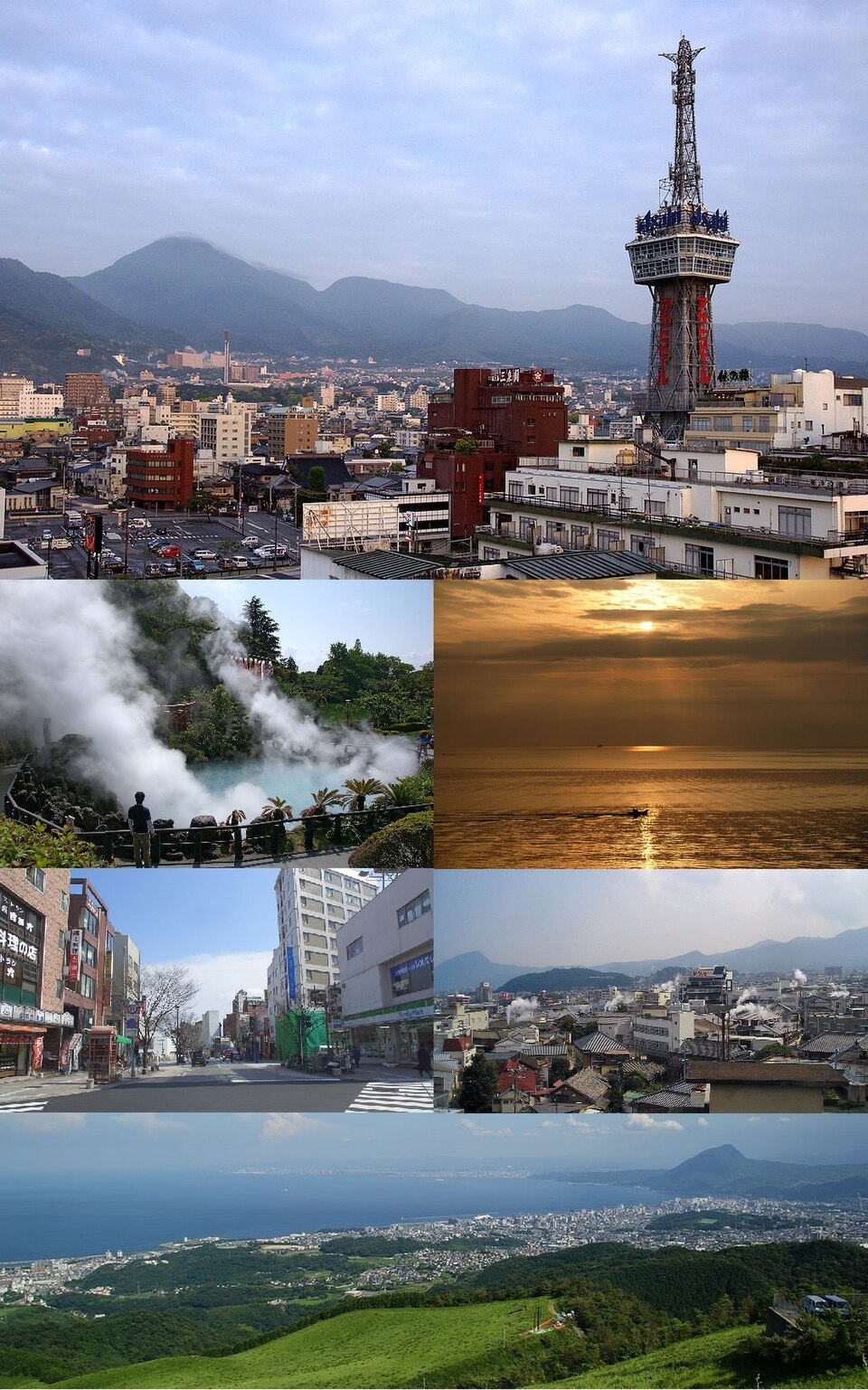
World's biggest hot-spring volume: 8 districts of onsen, the bizarre Hells circuit, and Edo-era public bathhouses
World's biggest onsen volume
- 8 onsen districts
- Jigoku Meguri Hells
- Steam-cooked food
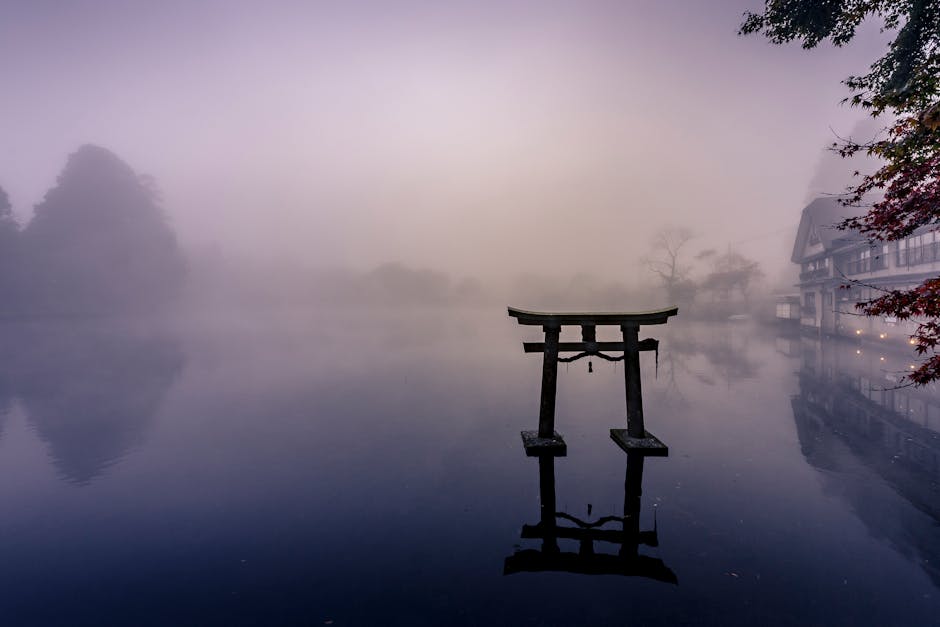
Yufuin
Upmarket arts-and-onsen valley town, with boutique ryokan, the misty Kinrin Lake, and contemporary art galleries dotted along the main street
Upmarket onsen valley
- Boutique ryokan
- Kinrin Lake
- Art galleries
Usuki
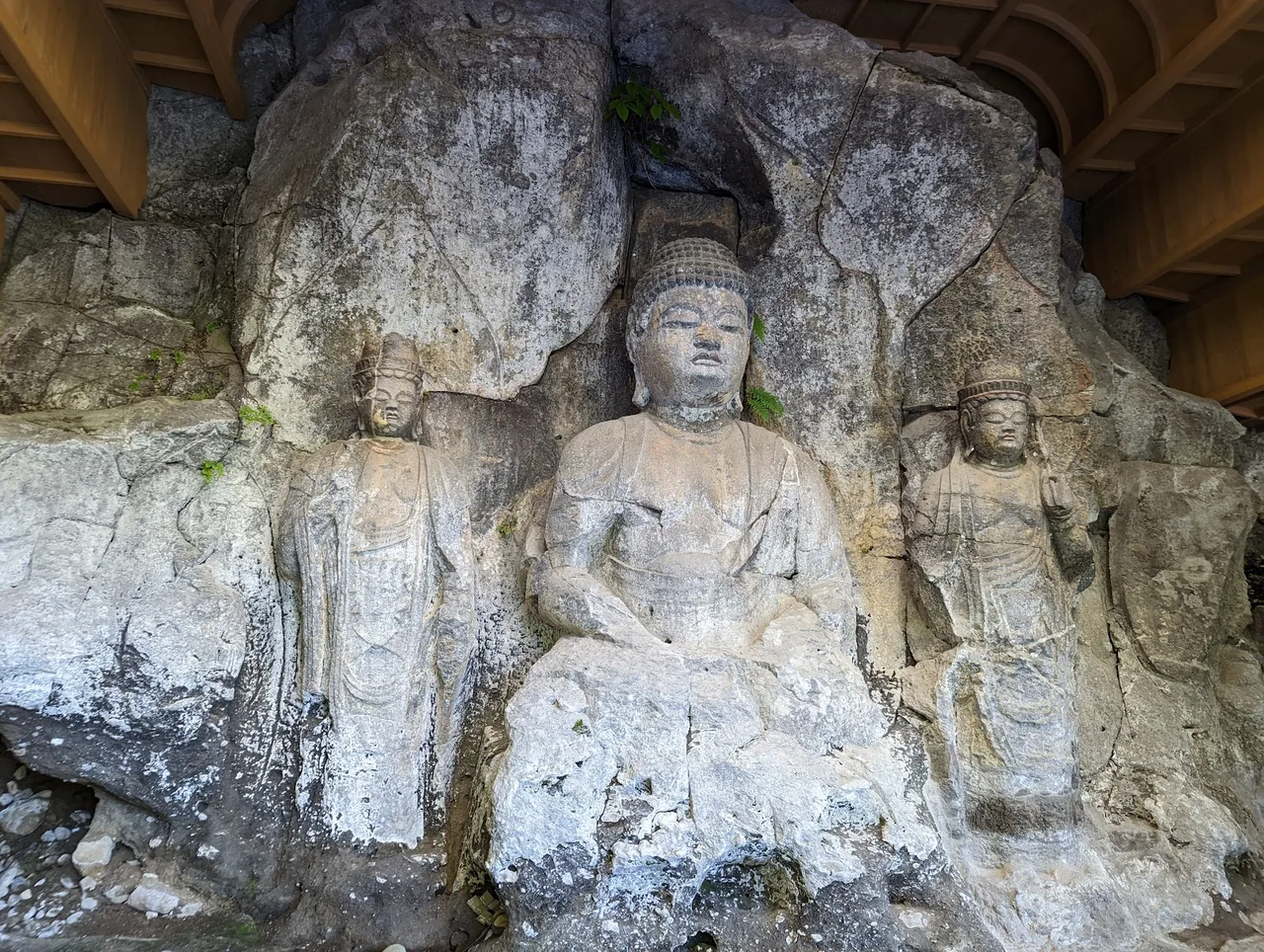
Quiet southeastern castle town, home to the 12th-century Usuki Stone Buddhas carved into volcanic-tuff cliffs
Stone Buddha town
- 12th-c stone Buddhas
- Castle town
- Kyushu's earliest soy sauce
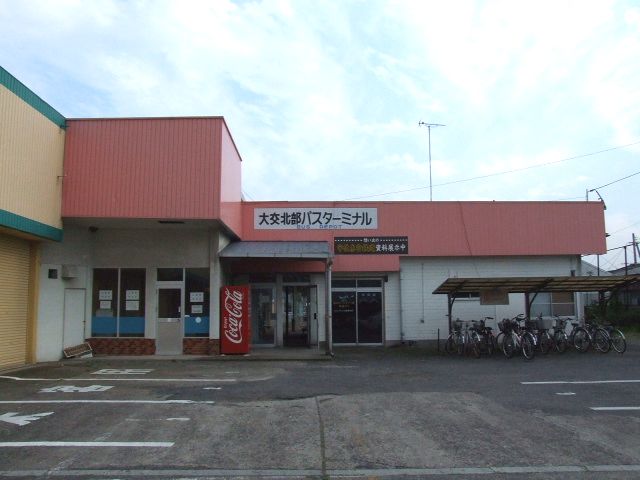
Bungo-Takada
Showa-era preserved town and gateway to the Kunisaki Peninsula; the main street is frozen in the mid-20th century
Showa-era preserved town
- Showa-era streetscape
- Kunisaki gateway
- Soba culture
Top Attractions
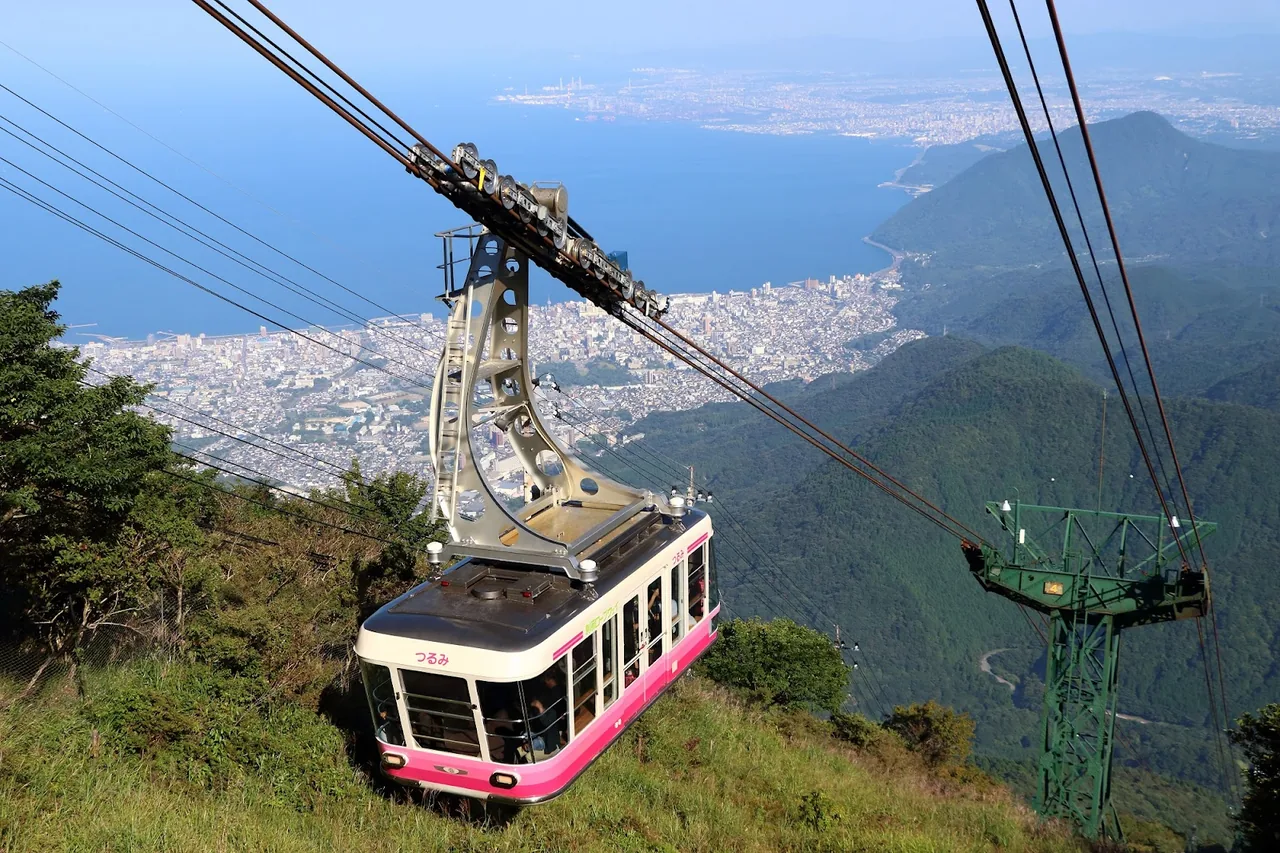
Eight separate steaming hot springs, each a different colour: Umi Jigoku (turquoise), Chinoike Jigoku (blood-red), and six more
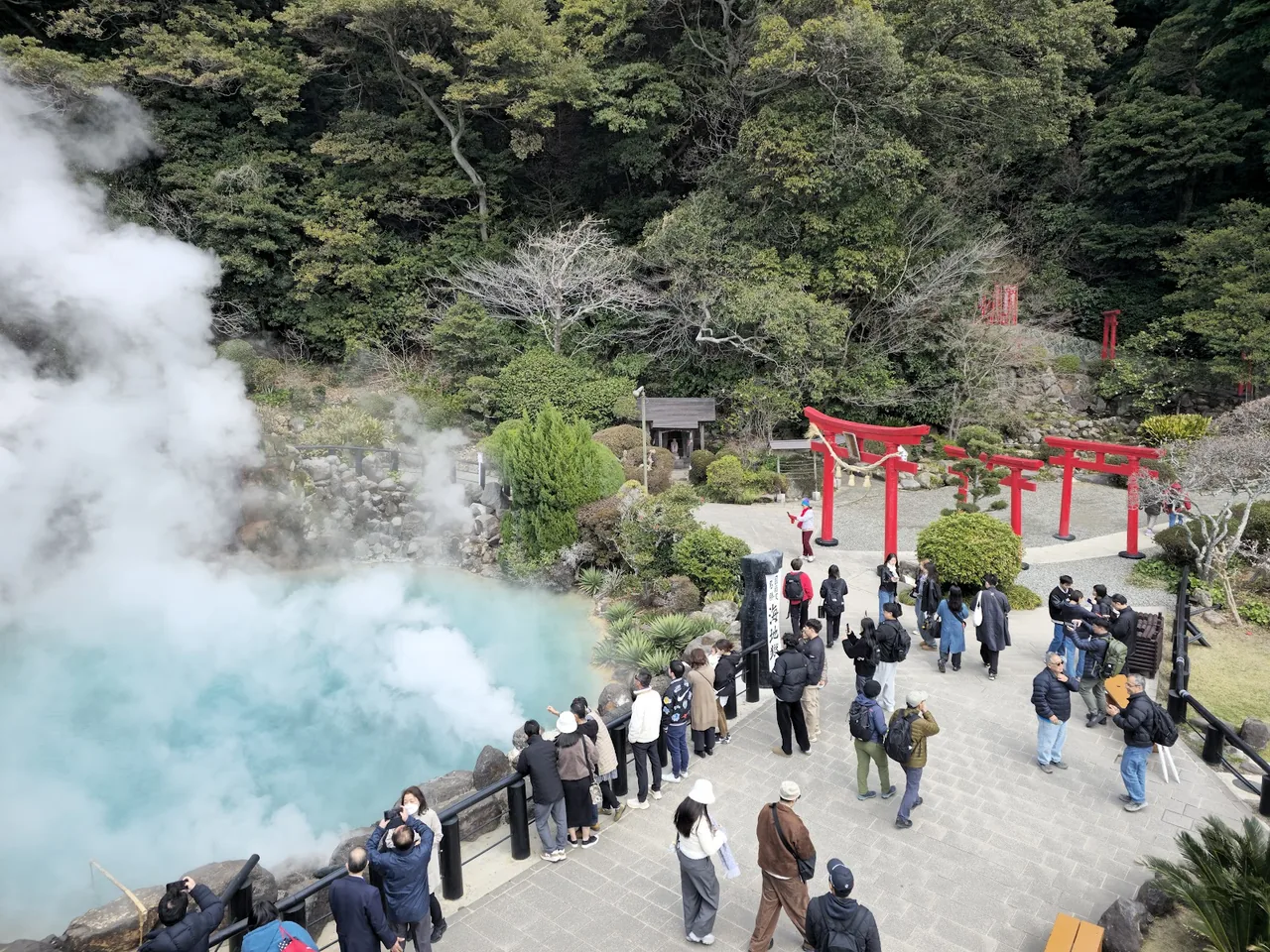
The most famous Beppu hell: a turquoise-blue pool of cobalt-rich 98°C water, with a torii gate behind
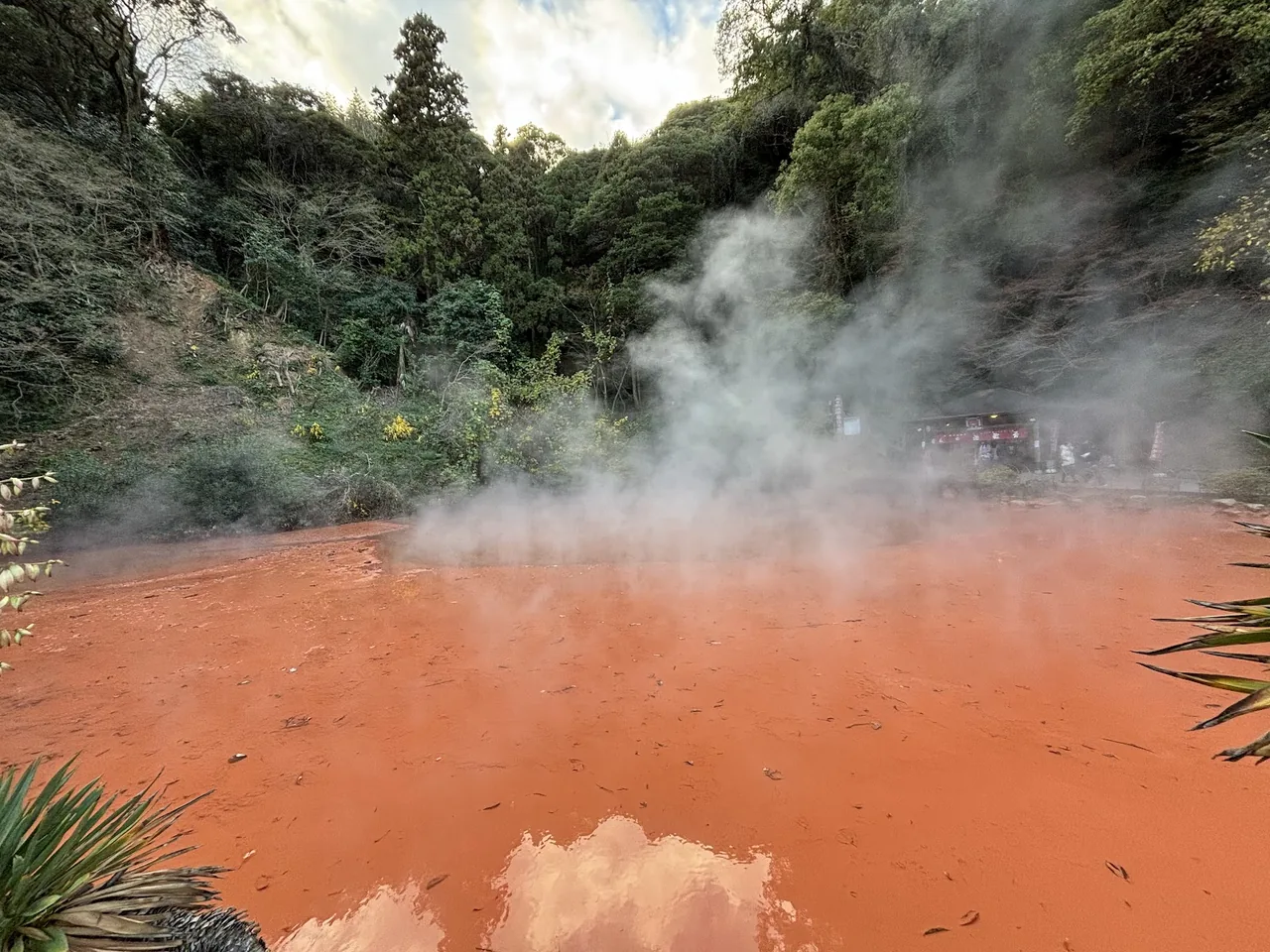
The Blood Pond Hell, a blood-red iron-oxide-rich pool of 78°C water; 'youkojiritsu' minerals colour the steam pink
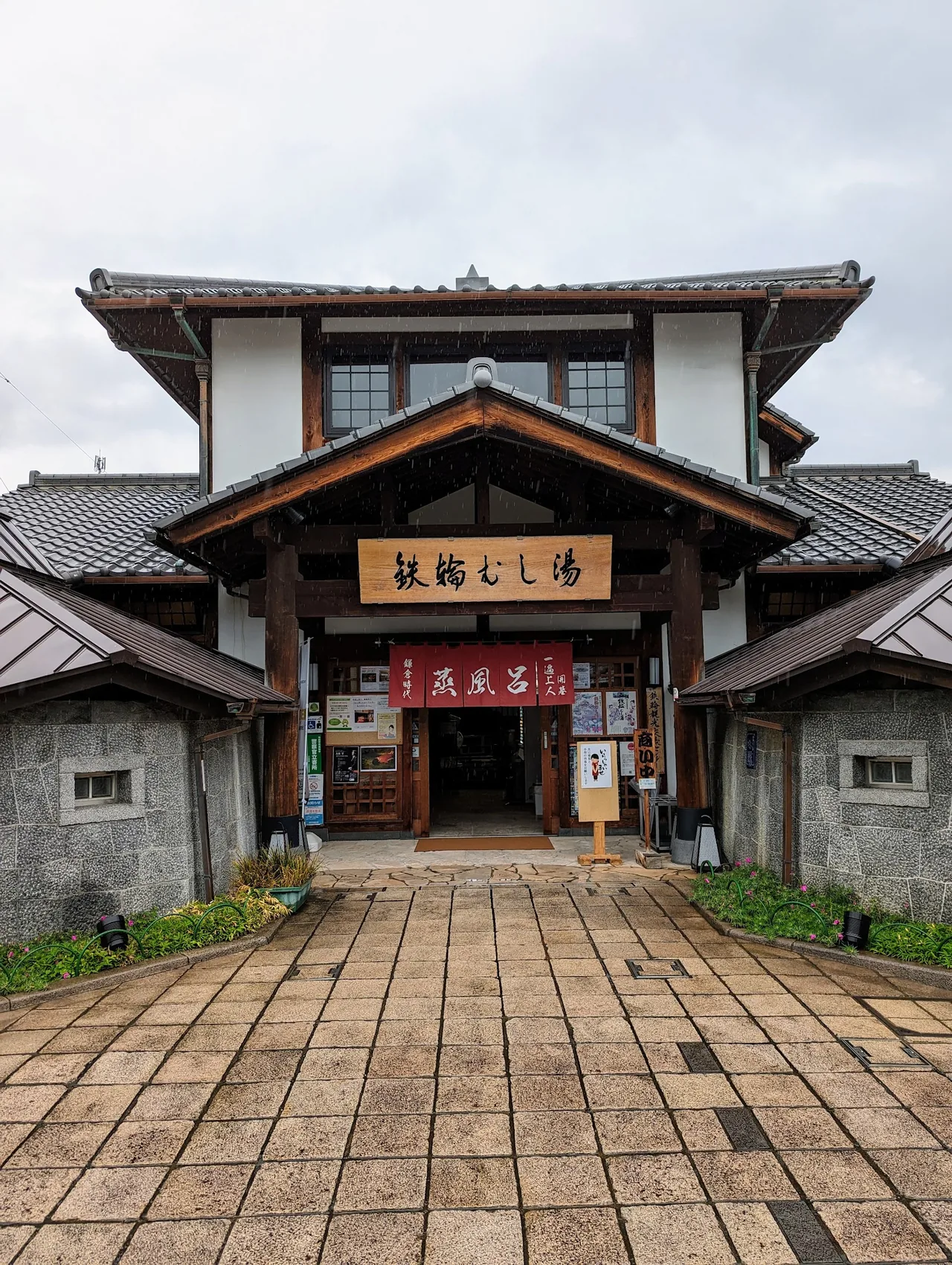
Working-class onsen district at Beppu's heart, where steam rises from manhole covers, locals cook eggs in the heat, and cheap public sento offer the local bath culture
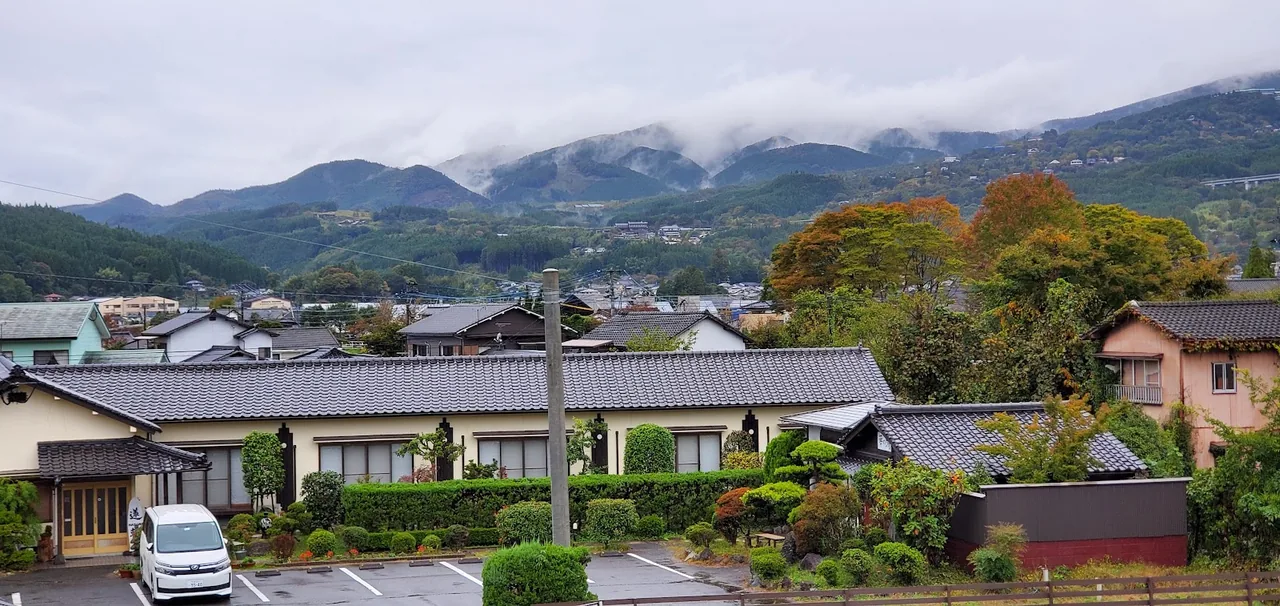
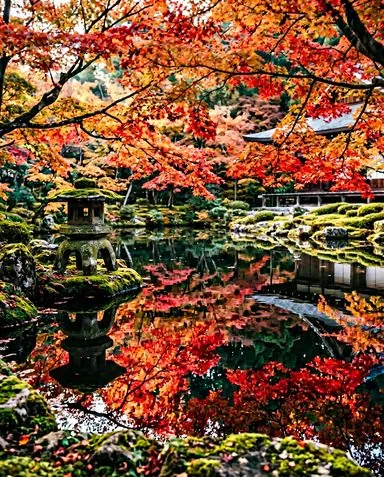
Misty hot-spring valley with the Kinrin Lake at sunrise, surrounded by twin-peaked Mt Yufu, art galleries, and boutique ryokan
 Hidden Gem
60+ Buddhist statues carved into volcanic-tuff cliffs in the 12th century: Japan's only nationally-designated Buddhist relief sculptures
Hidden Gems
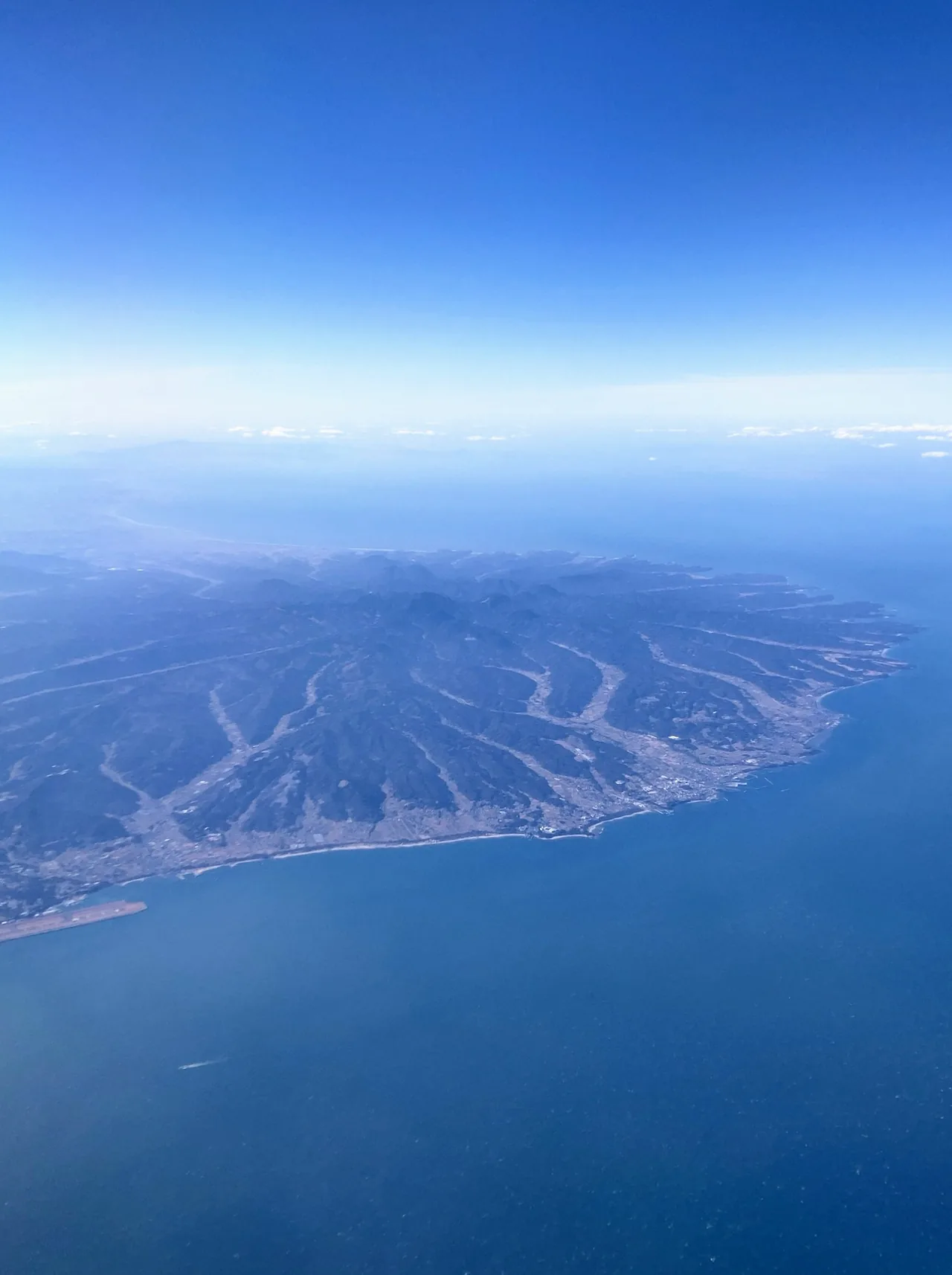 Hidden Gem
Ancient Buddhist peninsula north of Beppu; 28 temples in a sacred mountain circuit, with rock-cut shrines and Edo-era pilgrim trails
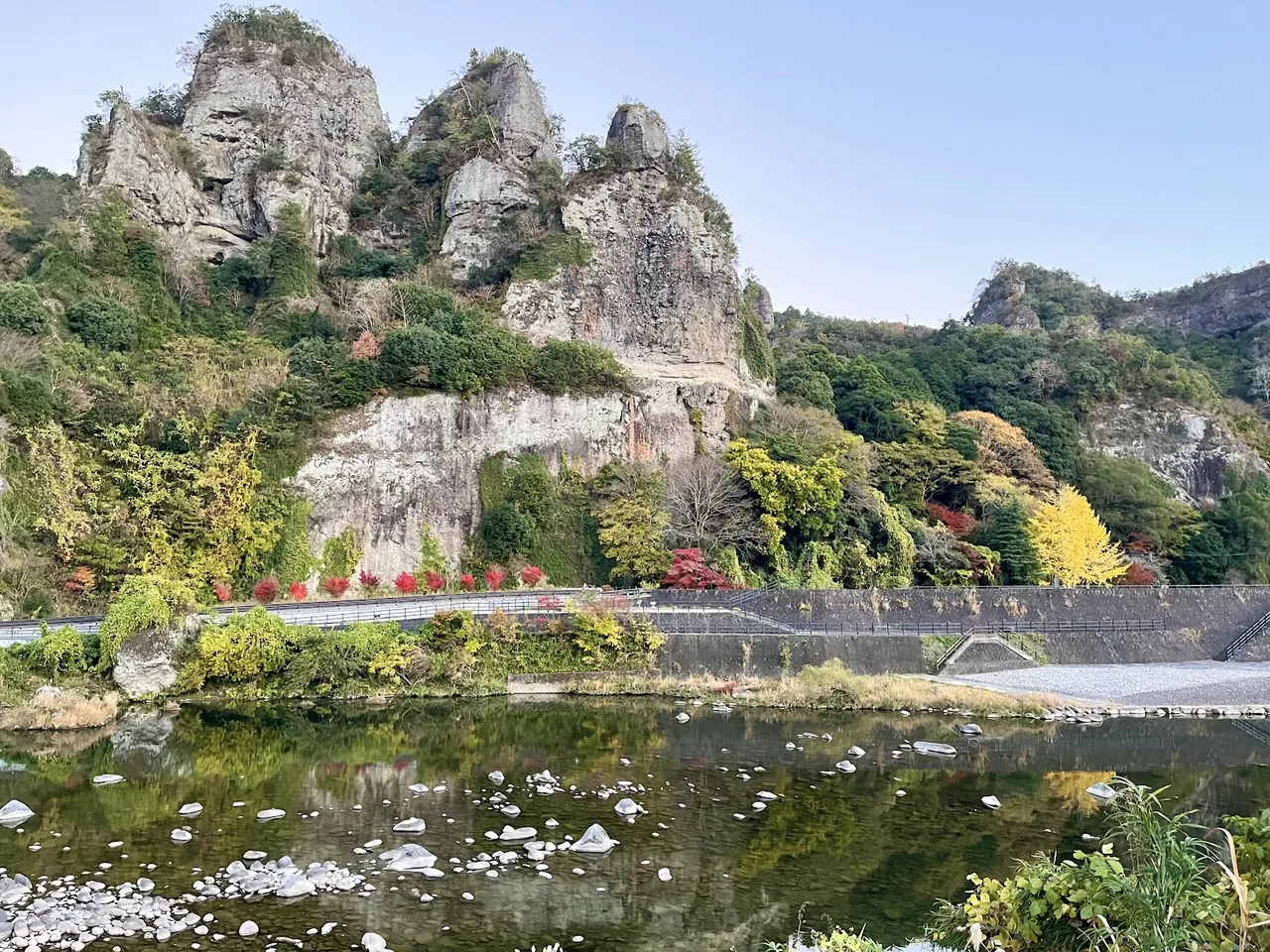 Hidden Gem
Northwestern Oita's autumn-foliage spectacular: an 8km gorge with Aonomon (Blue Gate Tunnel) cut by an Edo-era priest by hand
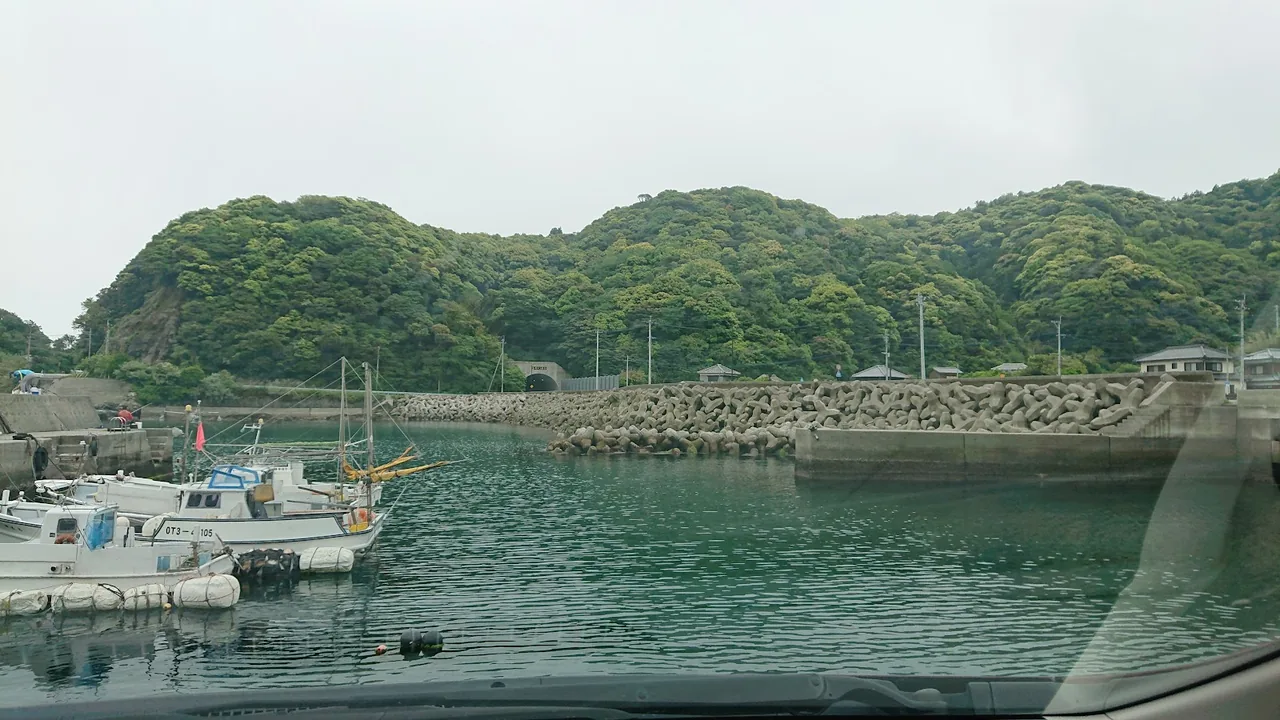 Hidden Gem
Eastern Oita peninsula known for premium aji-ki (mackerel) and saba (mackerel), caught wild and prized by Tokyo sushi restaurants
When to Visit
Springharu
Mar – May12–22°CHigh crowds
Springharu
- Cherry blossoms at Beppu Park late March
- Mild Yufuin weather
- Kunisaki Peninsula in green
- Mt Yufu hiking opens
Summernatsu
Jun – Aug22–32°CModerate crowds
Summernatsu
- Indoor onsen always pleasant
- Rainy season early July
- Yufuin hydrangea peak
- Hot but onsen-friendly
Autumnaki
Sep – Nov12–24°CHigh crowds
Autumnaki
- Yabakei Gorge foliage late October to mid-November
- Comfortable Beppu Hells walking
- Kunisaki temple visits at peak
- Sekisaba mackerel season
Winterfuyu
Dec – Feb5–13°CHigh crowds
Winterfuyu
- Onsen season at peak
- Beppu steam most visible in cold
- Yufuin morning mist on Kinrin Lake
- Snow rare at sea level
Suggested Itineraries
FAQ
How do I get to Oita?
From Hakata: JR Limited Express Sonic to Beppu in 2 hours. From Tokyo: shinkansen to Hakata then Sonic. Domestic flights to Oita Airport (90 min from Tokyo Haneda).
Is the Beppu Hells circuit worth doing?
Yes, for the geological spectacle. Pay one ¥2,200 combination ticket for all eight hells. Each takes 15-20 min; the full circuit is 3-4 hours. Note: these are too hot for bathing. Bathing happens at the Kannawa or Beppu public sento.
Yufuin or Beppu: which onsen town?
Different. Beppu is gritty, working-class, with the Hells and cheap public baths. Yufuin is upmarket, quieter, with boutique ryokan and arts. Many travellers do Beppu by day and Yufuin overnight (40 min apart by JR Limited Express Yufu).
What is Oita best known for?
Beppu's hot springs (the world's biggest volume), the Jigoku Meguri Hells, Yufuin's upmarket onsen valley, Usuki's stone Buddhas, and Sekisaba mackerel from the eastern coast.
How many days do I need in Oita?
One day for Beppu (Hells + one bathhouse). Two days adds Yufuin. Three days lets you reach Usuki Stone Buddhas, Yabakei Gorge, or the Kunisaki Peninsula.
What are Oita's hidden gems?
The Kunisaki Peninsula's 28 ancient Buddhist temples in a sacred mountain circuit, the Edo-era hand-carved Aonomon tunnel through Yabakei Gorge, and the working-class steam district of Kannawa where ¥100 sento baths and steam-cooked street food are still daily routine.
What surrounds the headline spots?
Beyond the obvious draws, Fuki-ji, Futago-ji, Hita Mameda-machi, Nakatsu, Saeki reward travelers willing to step off the main route: local pace, fewer crowds, and a closer feel for the everyday rhythms of the region.