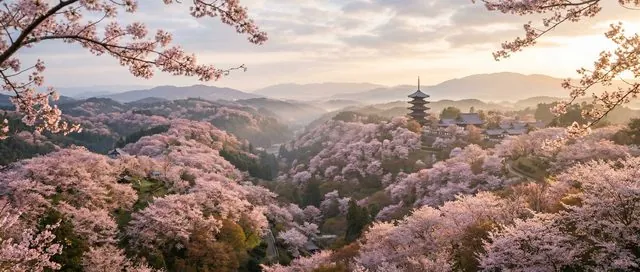
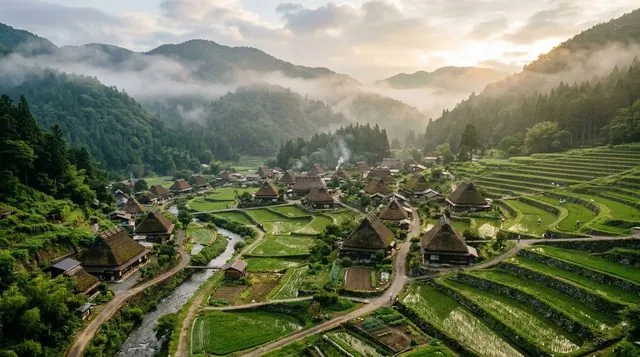
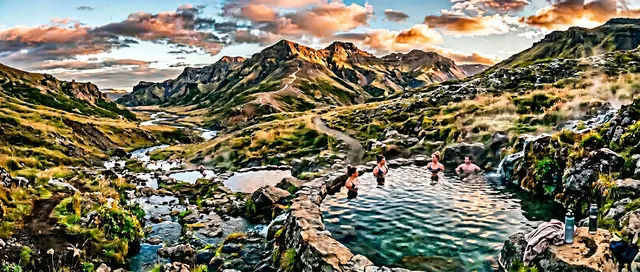
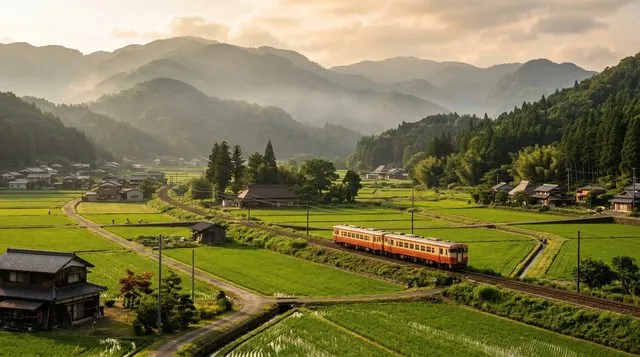
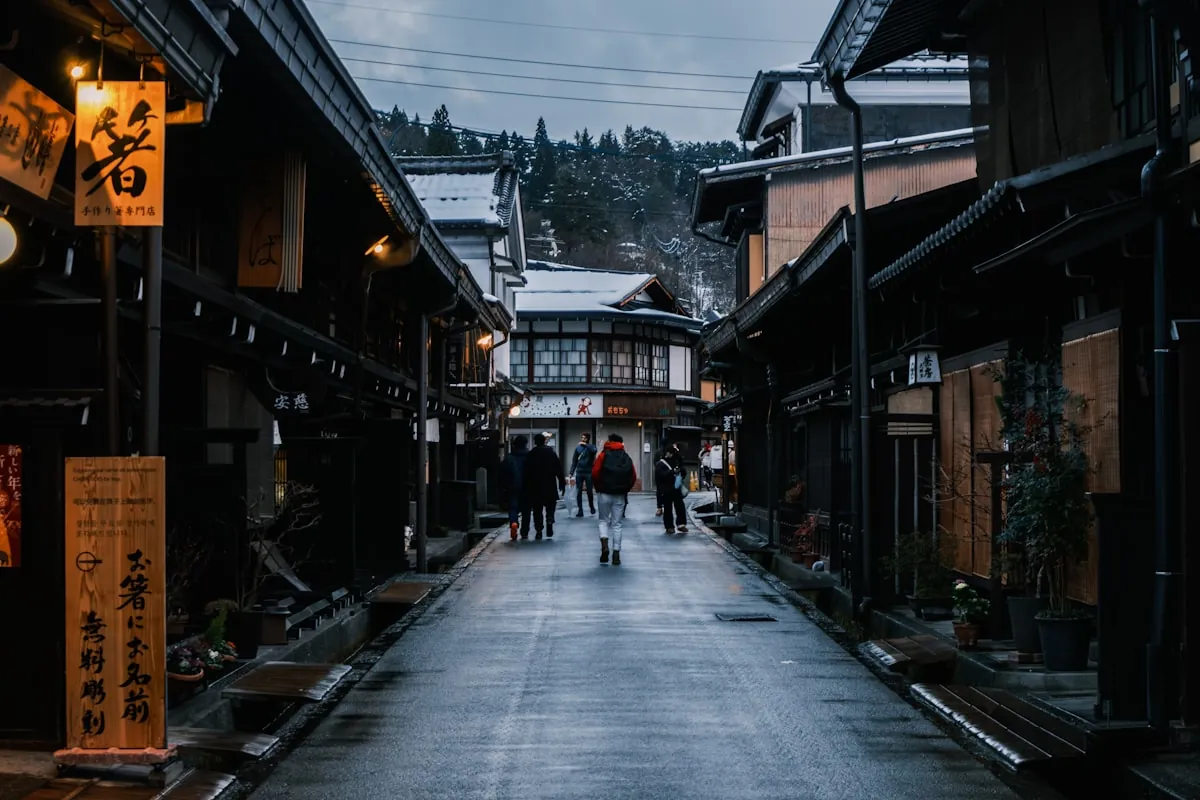

Japan's tourism map shifted hard between 2023 and 2026. The yen weakened ~30% against major currencies, foreign visitor numbers smashed past pre-pandemic peaks, and Kyoto/Mt. Fuji became sites of active over-tourism management (entry fees, time-slot booking, photo-spot fences). Meanwhile a handful of cities upgraded their international infrastructure overnight, and a few more became newly accessible. Here is what 2026 actually looks like.
Click any pin on the map to jump to the entry; the ledger underneath lists the same eight places in scannable order.
Five places to visit in 2026
- 01KanazawaCastle town, finally easy to reach.
- 02Hokkaido (Niseko, Sapporo, Hakodate)Powder, seafood, fewer queues.
- 03Tohoku (Aomori, Yamagata, Akita prefectures)Japan’s quietest major region.
- 04Naoshima & the Inland SeaArt islands, no longer a day trip.
- 05Yamaguchi prefecture (Hagi, Iwakuni)Bridges, kilns, no tour buses.
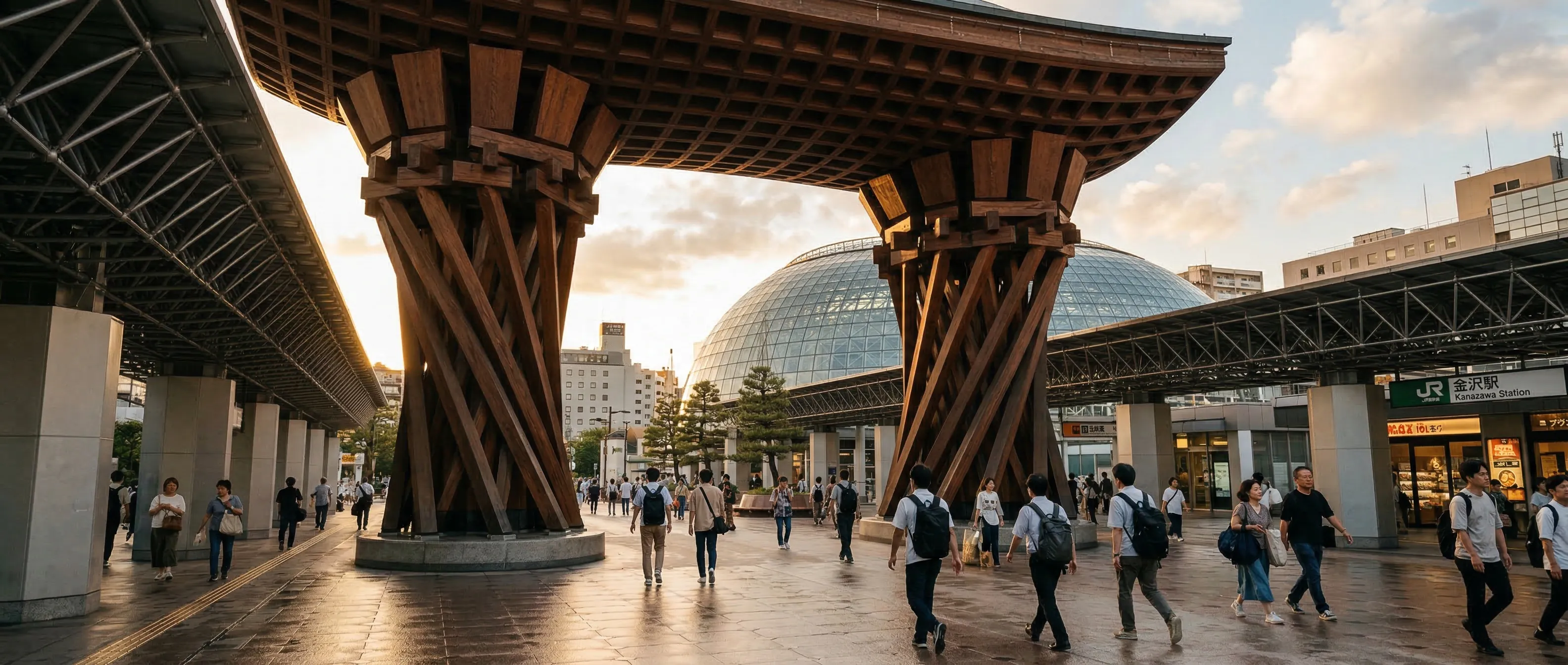
Kanazawa
Hokuriku Shinkansen extension finally pulled this castle-town off the day-trip-from-Kyoto list. Hotel inventory roughly doubled without diluting the geisha-district feel.
Read the Kanazawa guide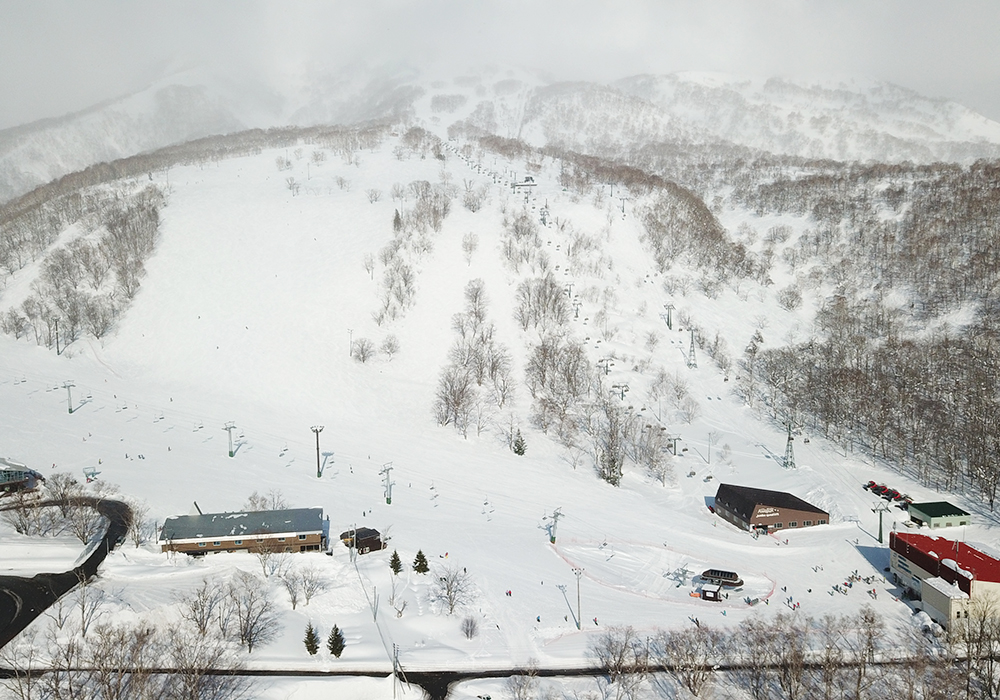
Hokkaido
(Niseko, Sapporo, Hakodate)
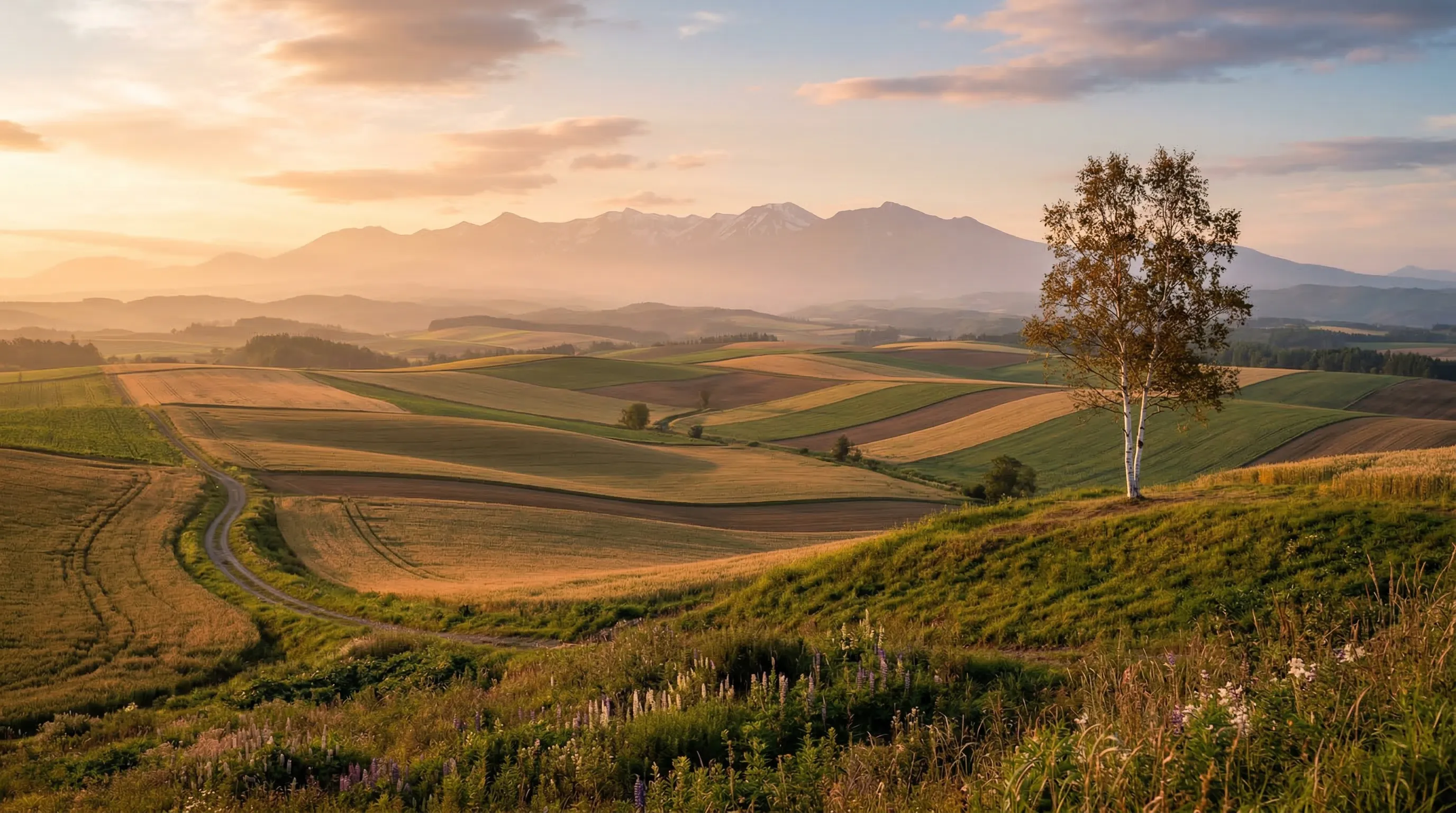
Expanded domestic air capacity and world-class English-language ski infrastructure now meet pricing that is roughly a third lower than Niseko at its 2018 peak.
Read the Hokkaido guide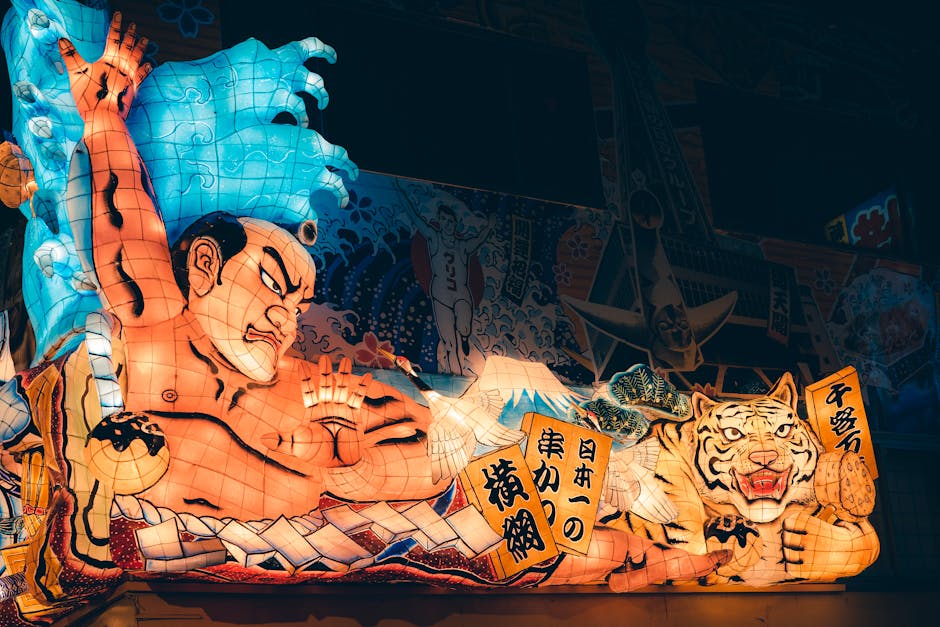
Tohoku
(Aomori, Yamagata, Akita prefectures)
The most under-touristed major region in Japan stayed that way while rivals fought over Kyoto traffic. New boutique ryokan have quietly opened along the coast.
Read the Tohoku guide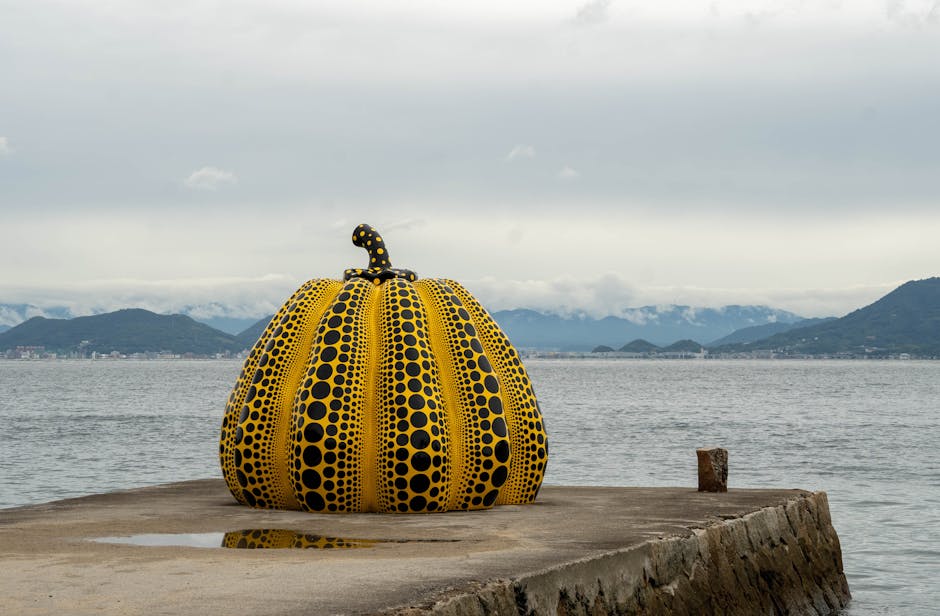
Naoshima
& the Inland Sea
The 2025 Setouchi Triennale added enough permanent installations that the islands now reward a five-day art circuit, not just a day trip from Okayama.
Read the Naoshima guide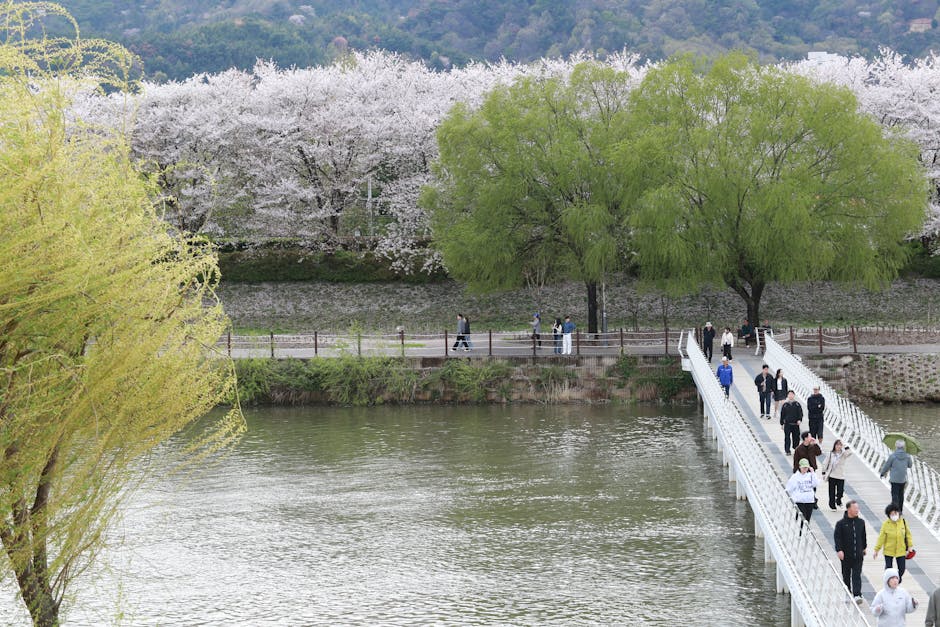
Yamaguchi
prefecture (Hagi, Iwakuni)
A 2025 prefectural tourism push added English signage, restored the Kintai bridge approach, and opened an open-air museum. Visitor flow has gone from "none" to "low" — still the sweet spot.
Three icons we'd quietly remove from your route
Each comes with a specific replacement — drawn from the five above.
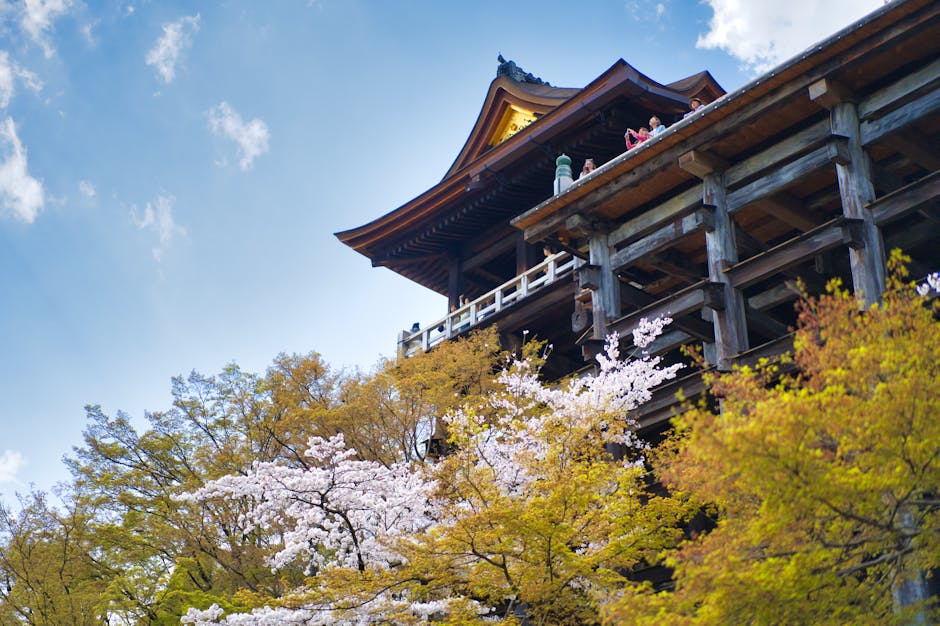
Kyoto
in cherry blossom week
Timed-entry restrictions since 2024, hotel rates triple during sakura week (April 1–7), and photo etiquette is now enforced by ward officers. Visit in November (koyo) or January instead.
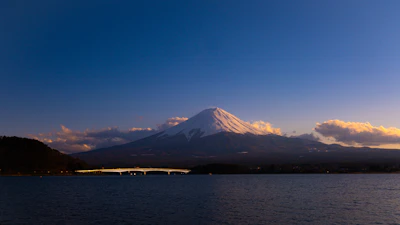
Mt. Fuji
5th Station & Kawaguchiko Lawson
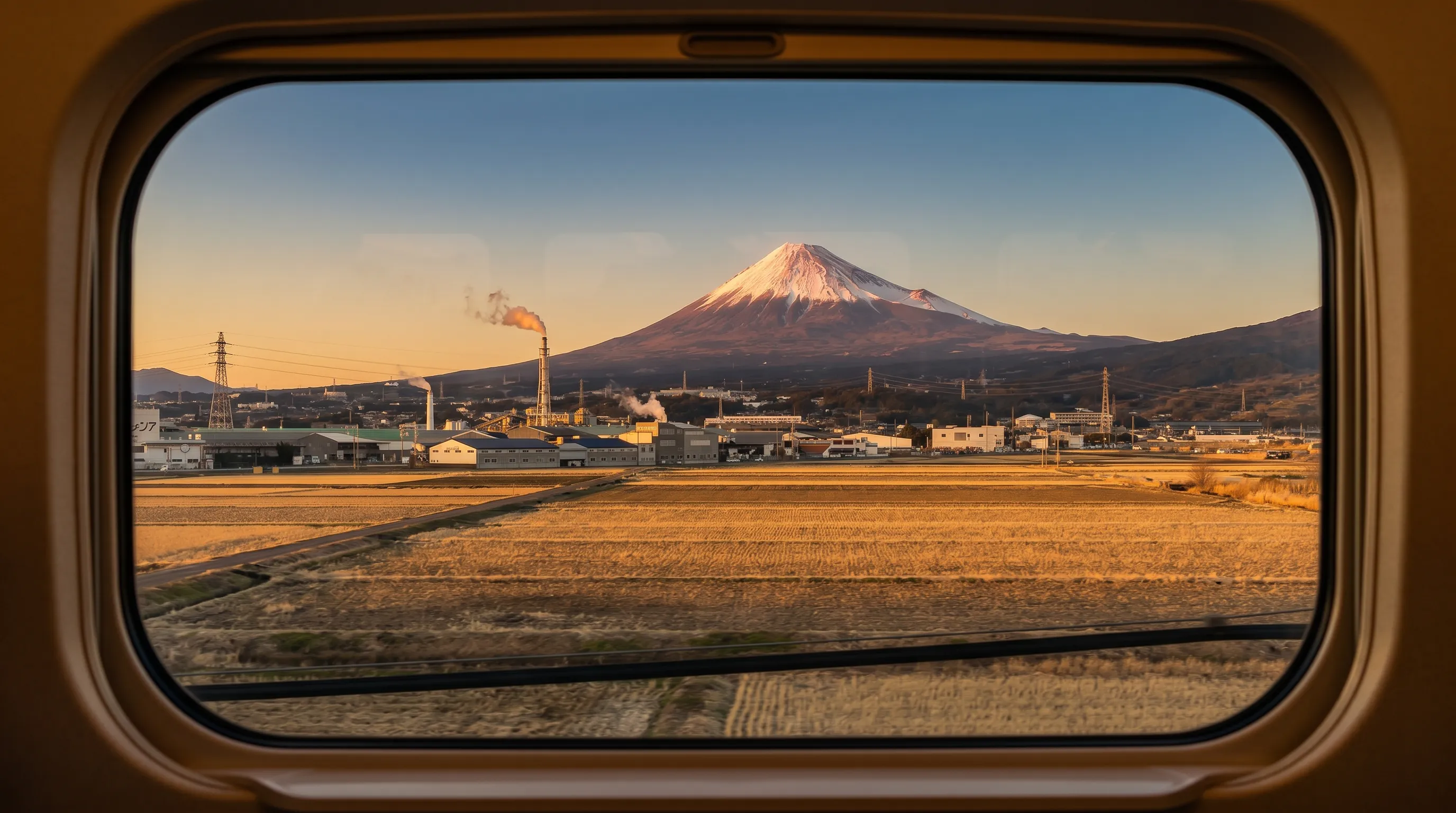
The famous Lawson photo spot is now blocked by an opaque fence. Climbing Fuji requires a ¥4,000 fee and an advance reservation. Hakone and Mt. Takao deliver the same view without the friction.
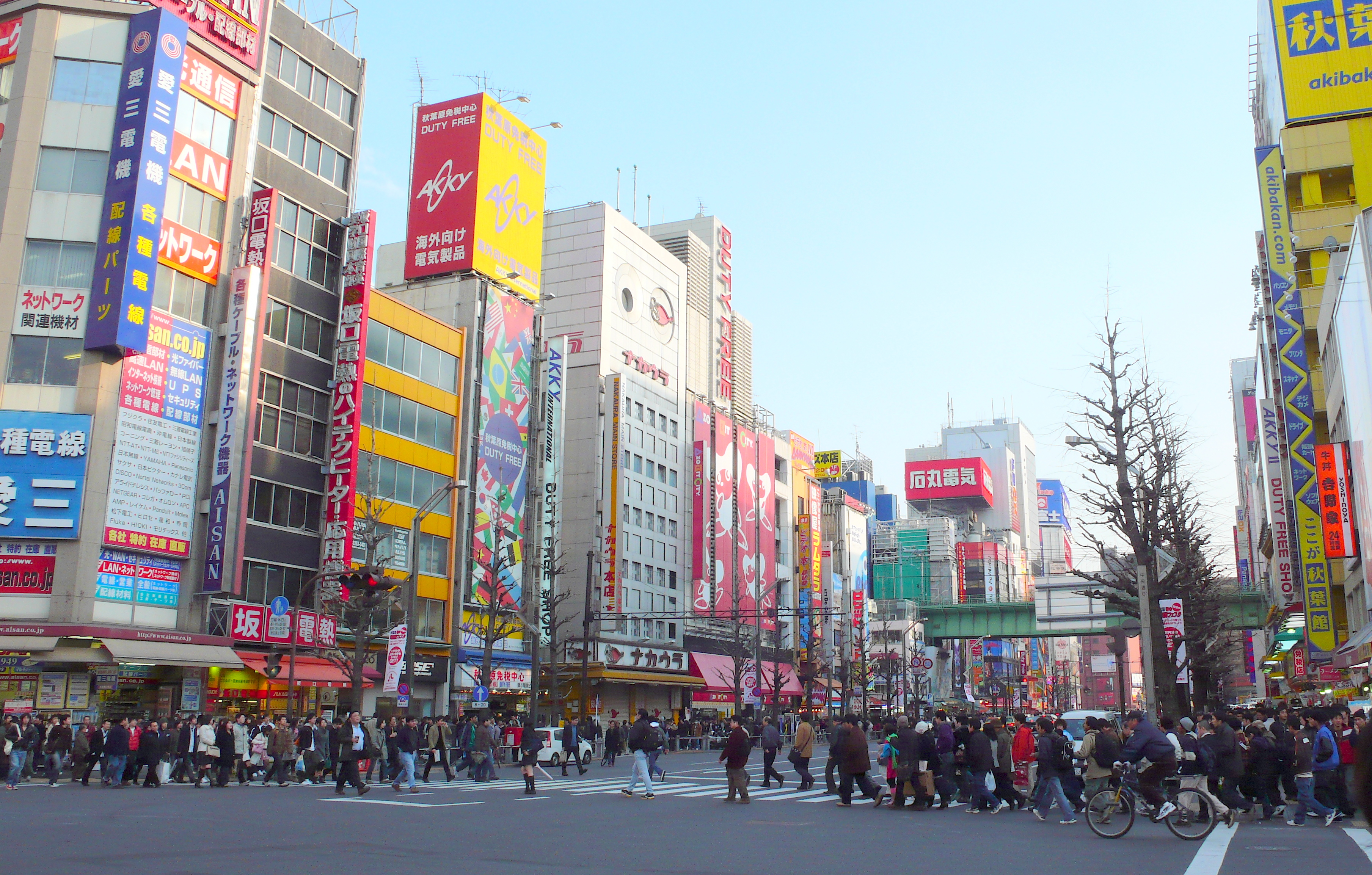
Tokyo
in cherry blossom week
Hotel rates triple, river photo spots are controlled, and last-minute availability collapses. Late March, May, October and December all give you a better Tokyo.
Crowd, cost, connectivity — at a glance, 2023 → 2026
| Destination | Crowd | Cost | Conn. | From Tokyo |
|---|---|---|---|---|
| ✓Kanazawa | — | — | ▲ | 2h 30m direct |
| ✓Hokkaido | — | ▼ | ▲ | 1h 30m flight (or 4h shinkansen to Hakodate) |
| ✓Tohoku | — | — | ▲ | 3h shinkansen to Aomori |
| ✓Naoshima | ▲ | ▲ | — | 4h via Okayama + ferry |
| ✓Yamaguchi | — | — | ▲ | 4h 45m shinkansen |
| ✗Kyoto | ▲ | ▲ | — | 2h 15m shinkansen |
| ✗Mt. Fuji | ▲ | ▲ | — | 2h bus |
| ✗Tokyo | ▲ | ▲ | — | You are there. |
▲ noticeably up since 2023 · ▼ down · — stable. Green = good for the traveller, red = worse.
When to visit Japan in 2026
Twelve months, two data points: how busy it gets and what the weather actually does. Use this for orientation — the full breakdown lives in the dedicated guide.
Jan
CrowdQuiet
Weather4° · Cold, dry
Feb
CrowdQuiet
Weather5° · Cold, snow inland
Mar
CrowdModerate
Weather10° · Cool, plum blossom
Apr
CrowdPeak (sakura)
Weather16° · Mild
May
CrowdPeak (GW)
Weather21° · Warm, dry
Jun
CrowdModerate
Weather24° · Wet, tsuyu
Jul
CrowdBusy
Weather29° · Hot, humid
Aug
CrowdPeak (Obon)
Weather32° · Hot, humid
Sep
CrowdModerate
Weather27° · Warm, typhoons
Oct
CrowdQuiet
Weather20° · Cool, dry
Nov
CrowdModerate
Weather14° · Cool, koyo peak
Dec
CrowdQuiet
Weather8° · Cold, dry
- Quiet — favour
- Moderate / Busy
- Peak — avoid
Three ready routes built around the winners
Each itinerary stays away from the three skips and leans into the five better-in-2026 destinations. Open the one that fits your length, or browse every itinerary we publish.
What people actually ask before booking
Is Kyoto still worth visiting in 2026?
Yes — just not during cherry-blossom week (roughly April 1–7). The same temples and machiya streets are dramatically quieter and a third of the price in November (koyo), late May, or January when snow lands on the moss gardens. The timed-entry pilots introduced in 2024 only kick in around peak weekends; off-peak Kyoto in 2026 is arguably better than it has been in a decade.
What is the best month to visit Japan in 2026?
For first-timers wanting weather + scenery, late October to mid-November is the strongest window: koyo (autumn foliage) without sakura-week pricing. For powder, January–February in Hokkaido. For empty cities and cheap hotels, mid-May, late September and December outside Christmas week. Avoid the Golden Week peak (April 29–May 5), Obon (mid-August) and sakura week (April 1–7).
What replaces the Mt. Fuji Lawson photo spot?
Three working alternatives. Hakone gives you Fuji over Lake Ashi from the Komagatake ropeway. Mt. Takao is a quick train from Shinjuku and frames Fuji from a forested ridge. The Shizuoka tea fields near Fujinomiya put Fuji behind rows of green — a more interesting shot than the convenience-store one anyway.
Which regions still feel "off the beaten path" in 2026?
Tohoku and Yamaguchi remain the most under-touristed major regions, despite measurable improvements in connectivity and signage. Shikoku and Kyushu’s interior (away from Beppu and Yufuin) are similar. The Inland Sea islands now have a five-day art circuit, but outside Triennale years even those are quiet on weekdays.
The pattern
The places getting better in 2026 are the secondary cities the government is actively promoting to dilute Kyoto/Tokyo crowds. The places getting worse are the ones with iconic single-spot photo opportunities. Plan accordingly.
For the actual two-week itinerary that takes advantage of all five “better in 2026” recommendations, see Three Weeks Hidden-Gem.