First-timer's two weeks in Japan
Tokyo · Kyoto · Osaka · Hiroshima · Takayama · Hirayunomori. The route I'd send my own family on, with a real ryokan at the end.
 Nick van der Blom
Why this route
We kept Hiroshima as a daytrip from Osaka rather than an overnight, freeing the full two weeks for Tokyo, Kyoto, Osaka, Takayama, and Hirayu Onsen, cities done properly, not rushed through. Matsumoto anchors the return leg. The one caution: mid-summer humidity in Tokyo and Osaka is punishing; the mountain pivot to Takayama and Hirayu becomes essential relief.
Why Tokyo
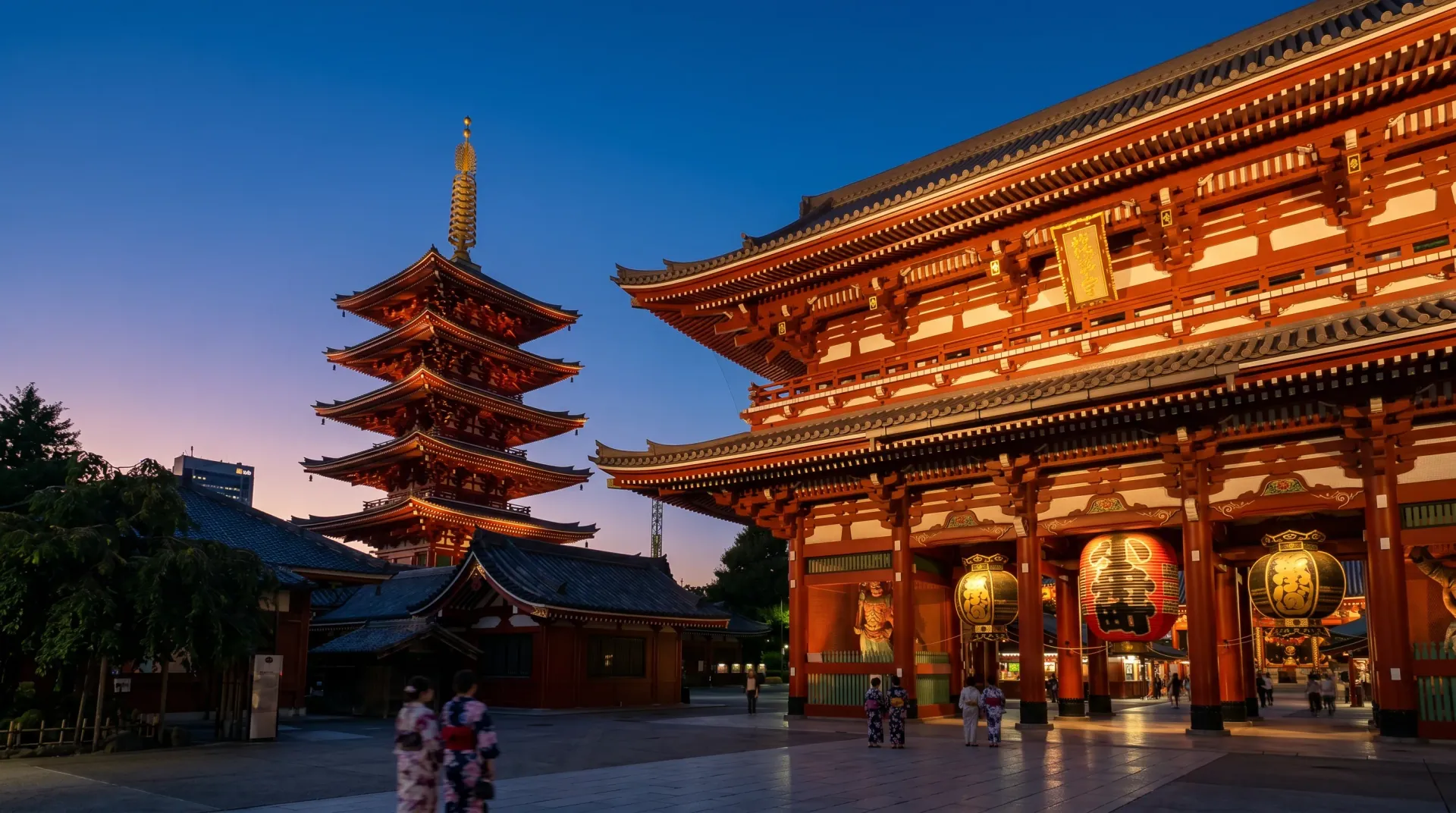
Tokyo opens the route for a reason: three days here is enough to shed the jet-lag, read the city's rhythm, and leave before it overwhelms. Arrive into Asakusa and walk straight to Sensō-ji as the lanterns come on: that first evening sets the tone without demanding anything. The second day belongs to the west side: Meiji-jingū early, before the forest fills, then south through Aoyama and Cat Street, and Shibuya Sky at dusk for the transition from daylight to a city of lights. Eat skewers in Omoide Yokochō before the crowds peak, then one drink in Golden Gai. Save the third day for Yanaka (slow, shitamachi, the Tokyo that doesn't perform for anyone) before the Shinkansen east tomorrow.
17 things to see and do
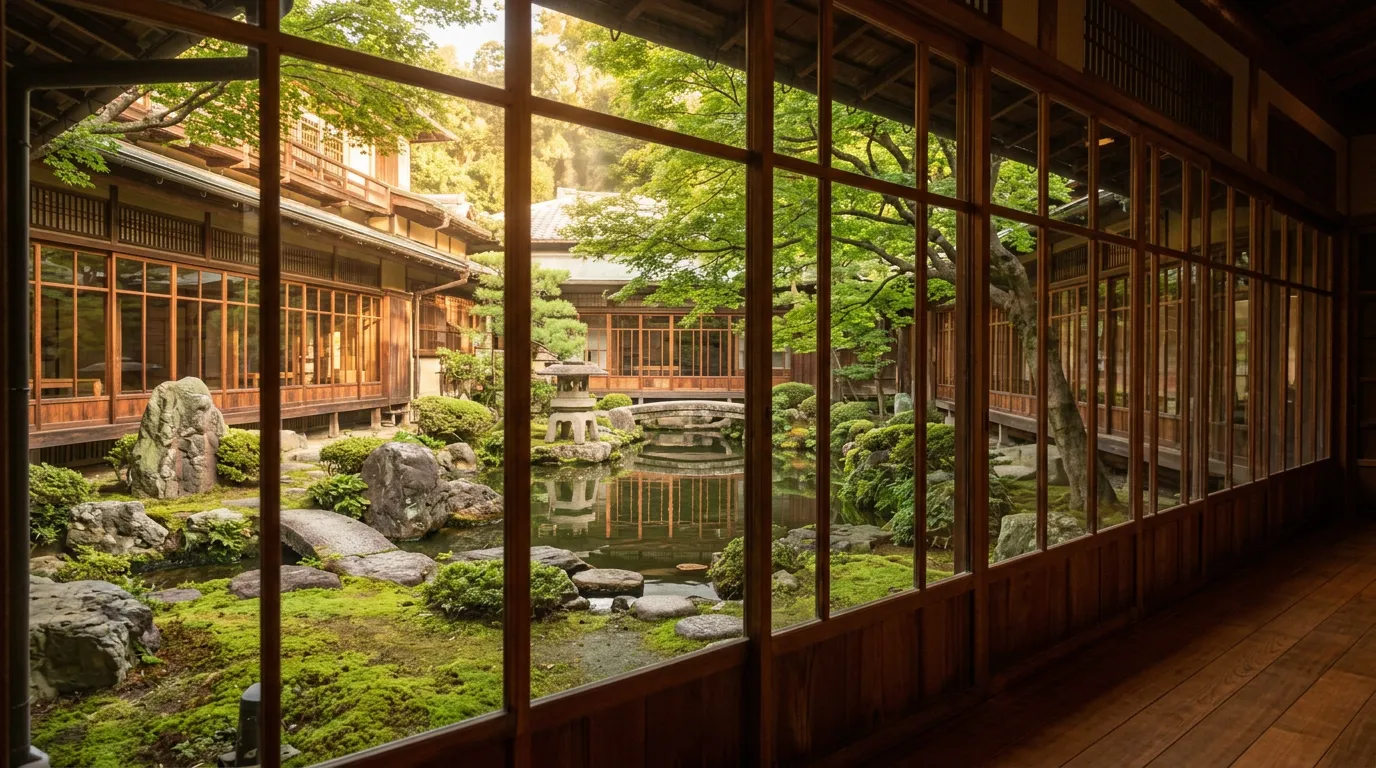 Hidden gemAsakura MuseumA sculptor's former home with a courtyard pool, an upstairs library, and a roof terrace that frames the old shitamachi.
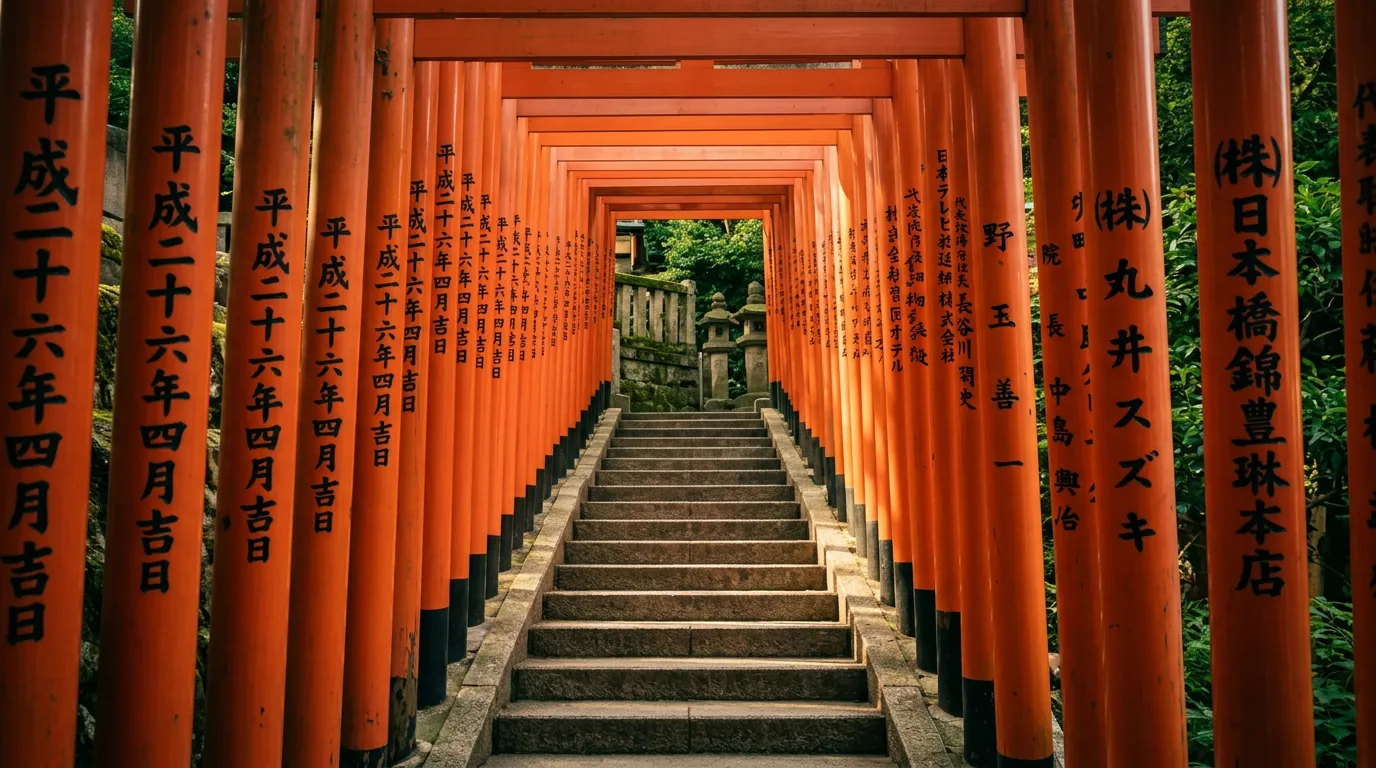 Hidden gemHie Shrine torii pathA miniature version of Kyoto's Senbon Torii, 90 steps through vermillion gates that climb a hill in the middle of Akasaka.
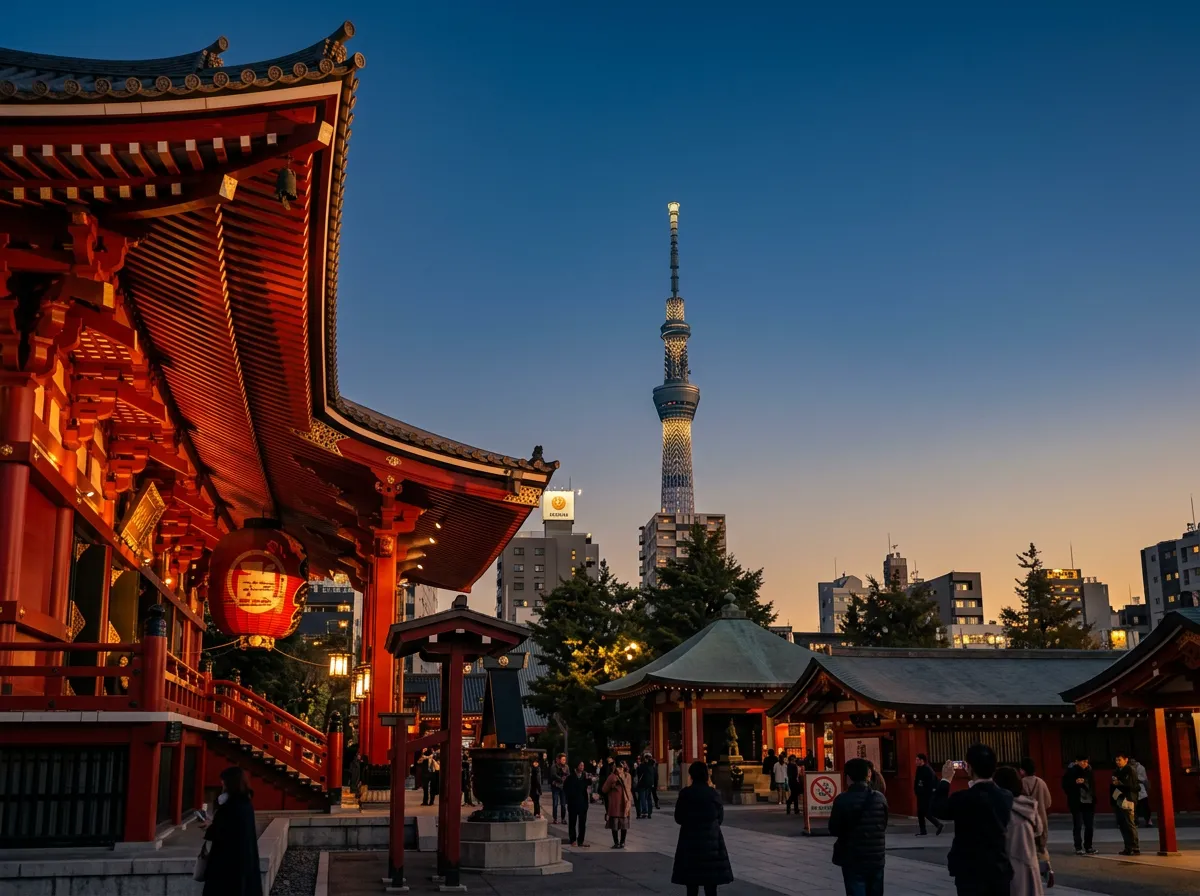 Must-seeSensō-ji at duskTokyo's oldest temple, founded 645 AD.
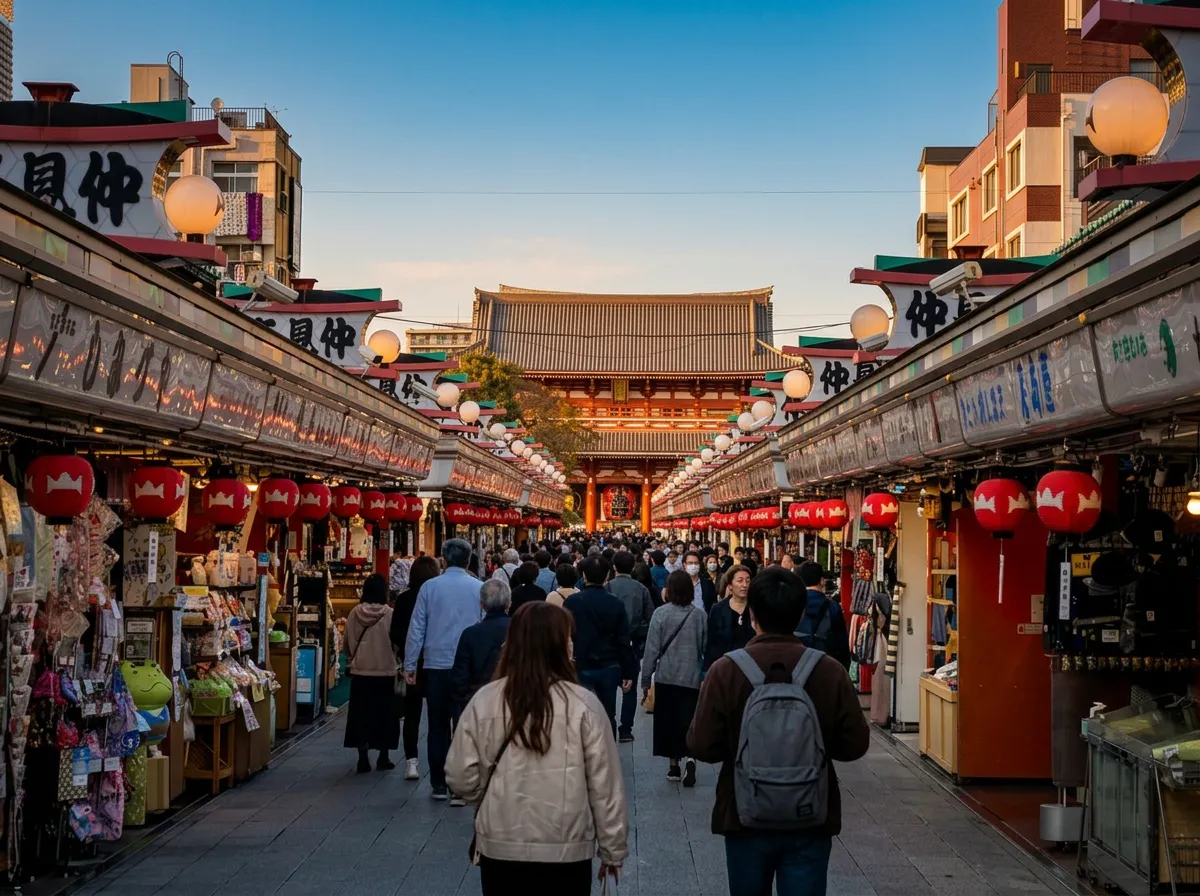 NeighbourhoodNakamise-dōri strollAsakusa · Free
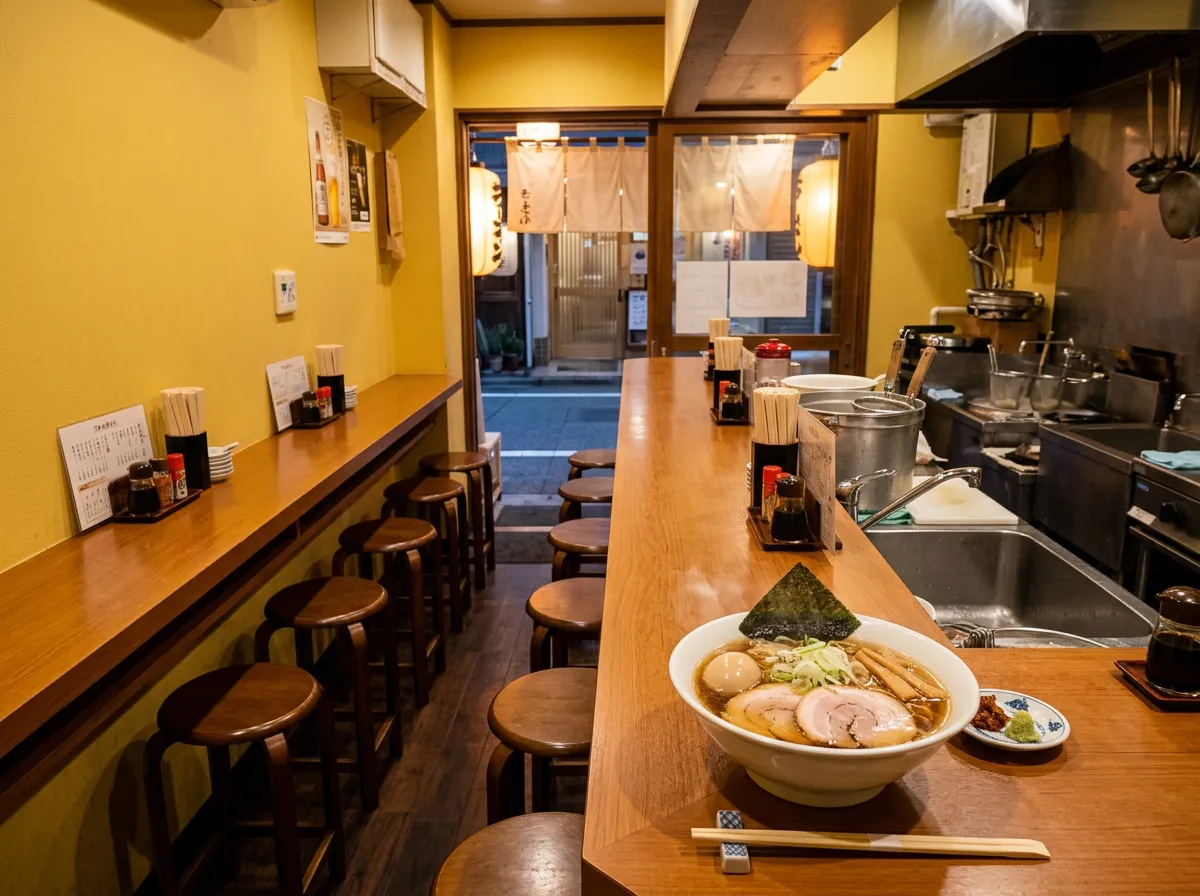 EatFuji RamenAsakusa · ~¥1,200
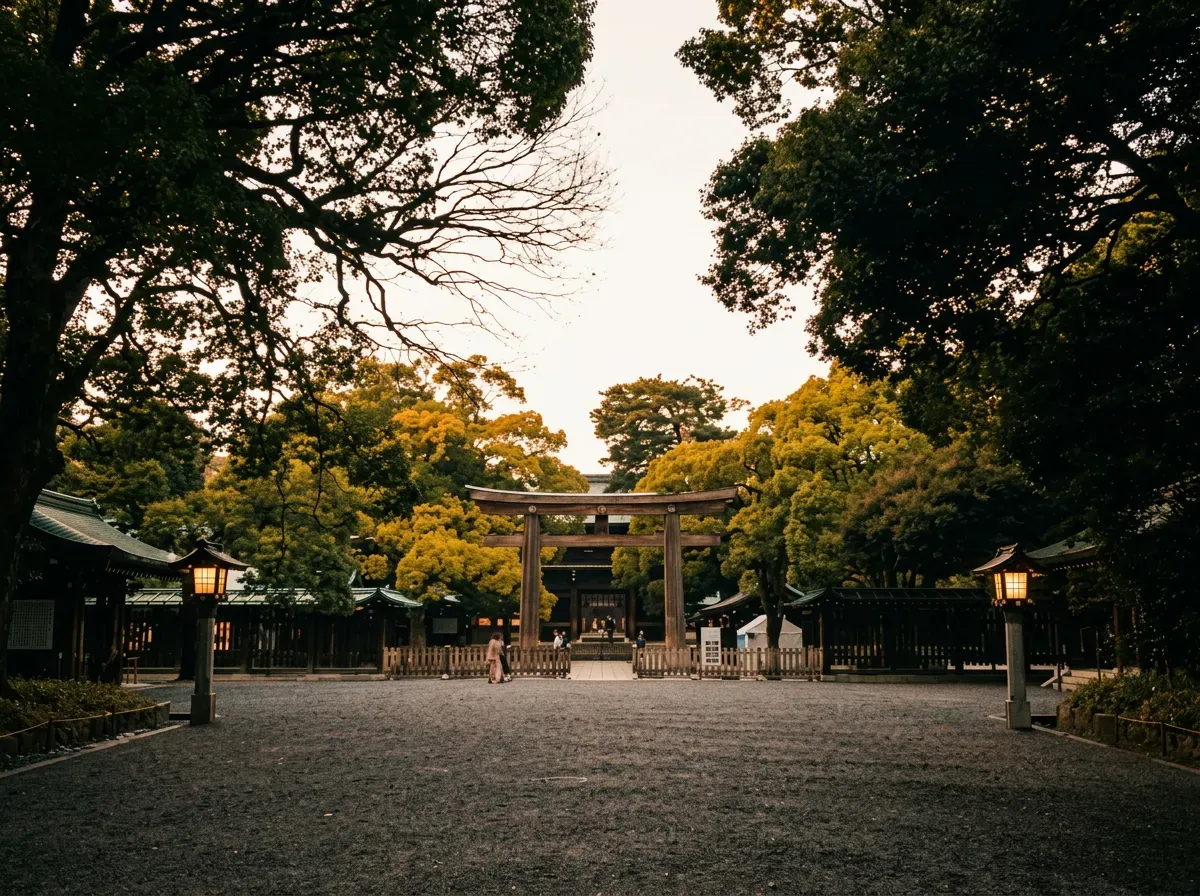 Must-seeMeiji-jingūA Shinto shrine to Emperor Meiji and Empress Shōken inside a 70-hectare forest planted from 100,000 donated trees in 1920.
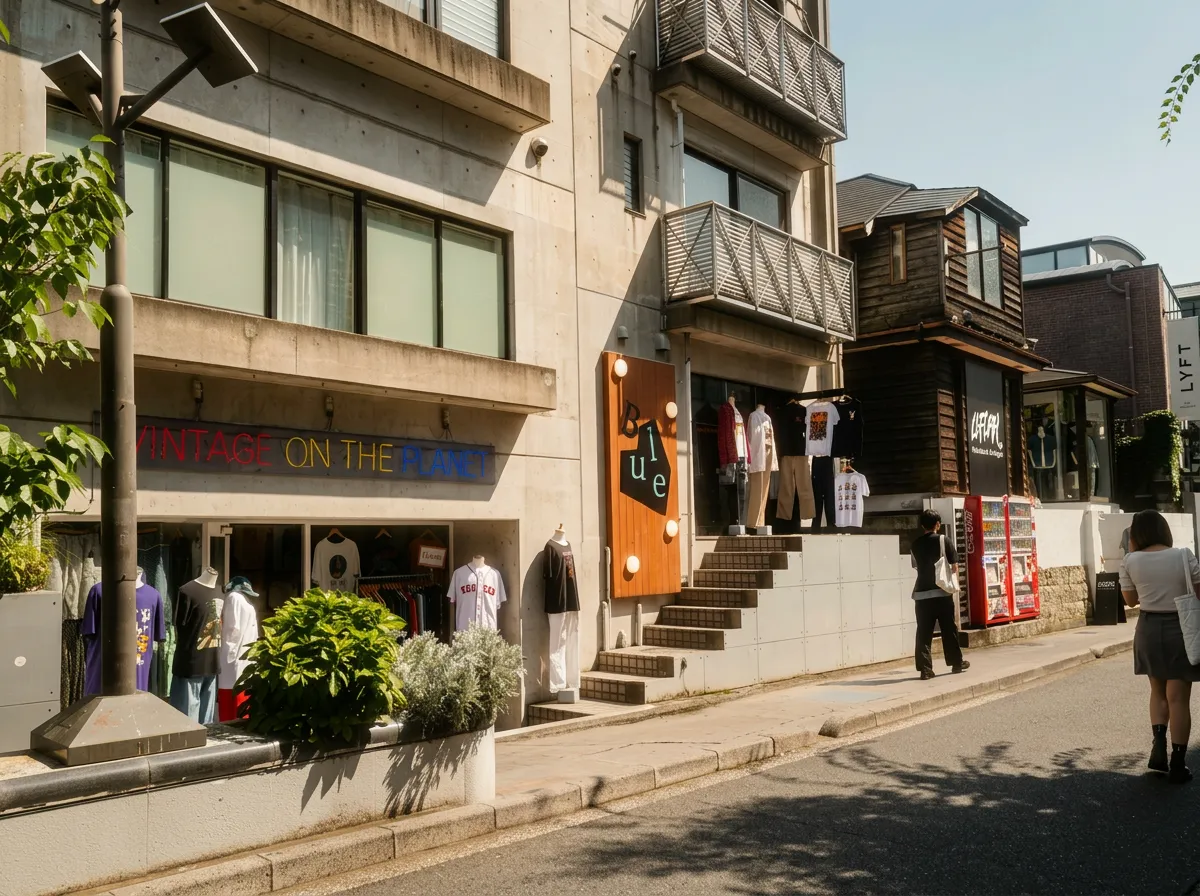 NeighbourhoodCat StreetHarajuku · Free
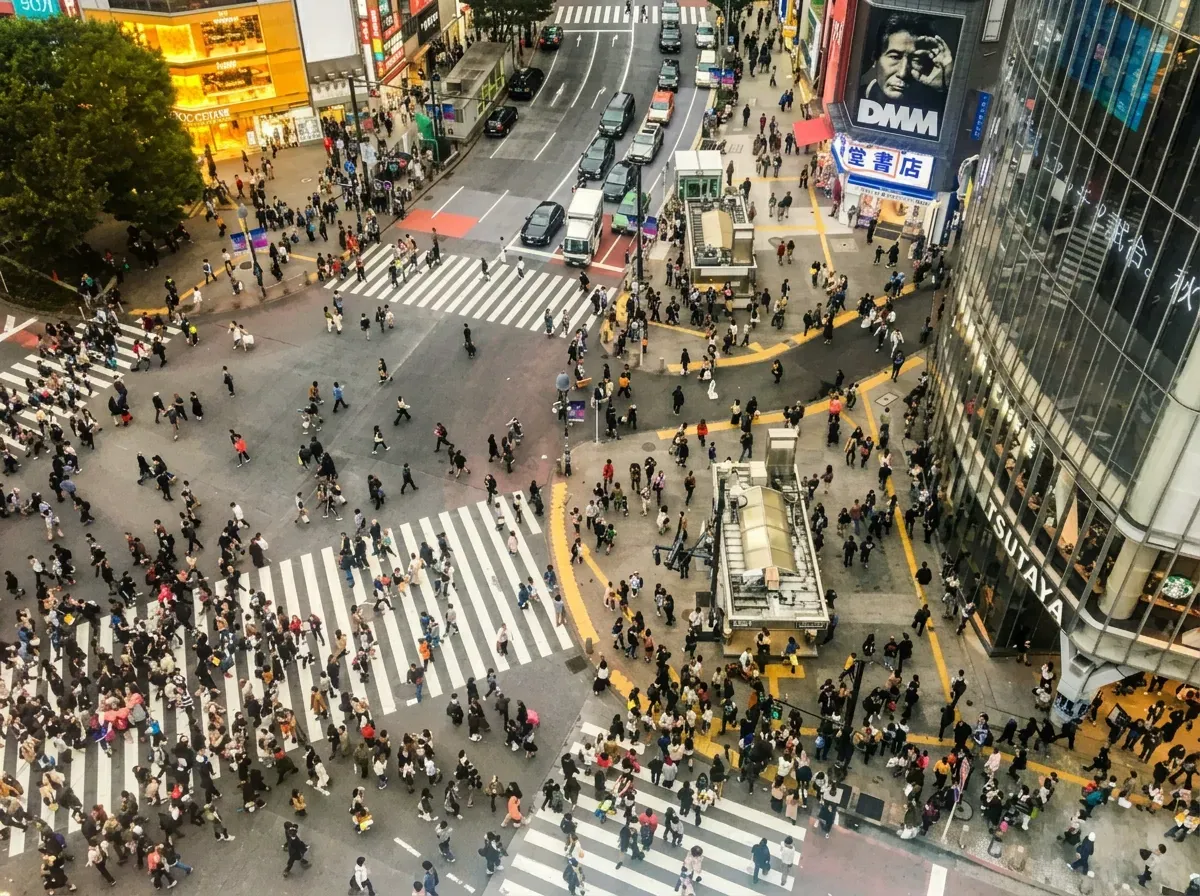 Must-seeShibuya CrossingShibuya · Free
Show 9 more optionsShow fewer options
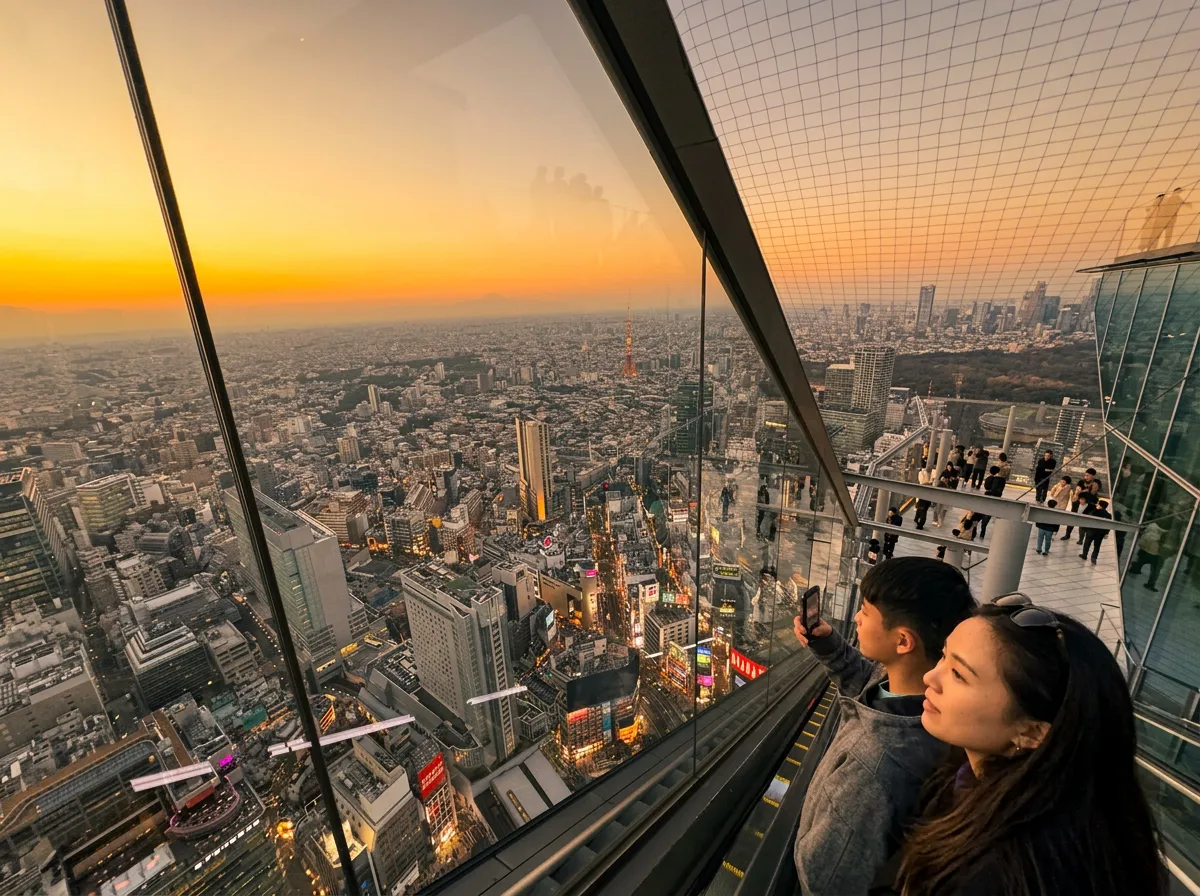 Must-seeShibuya Sky (sunset)A 230m open-air observation deck on top of the Shibuya Scramble Square.
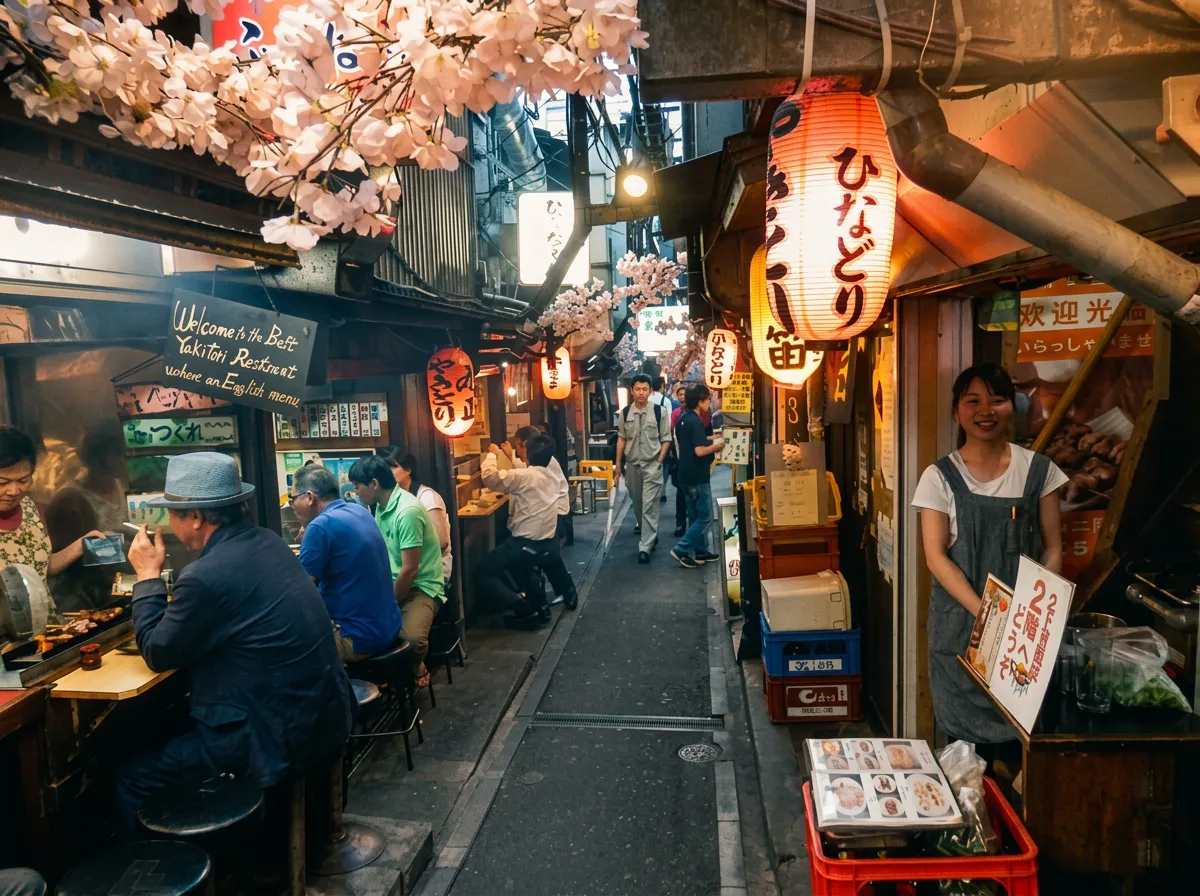 EatOmoide YokochōShinjuku · ~¥2,500
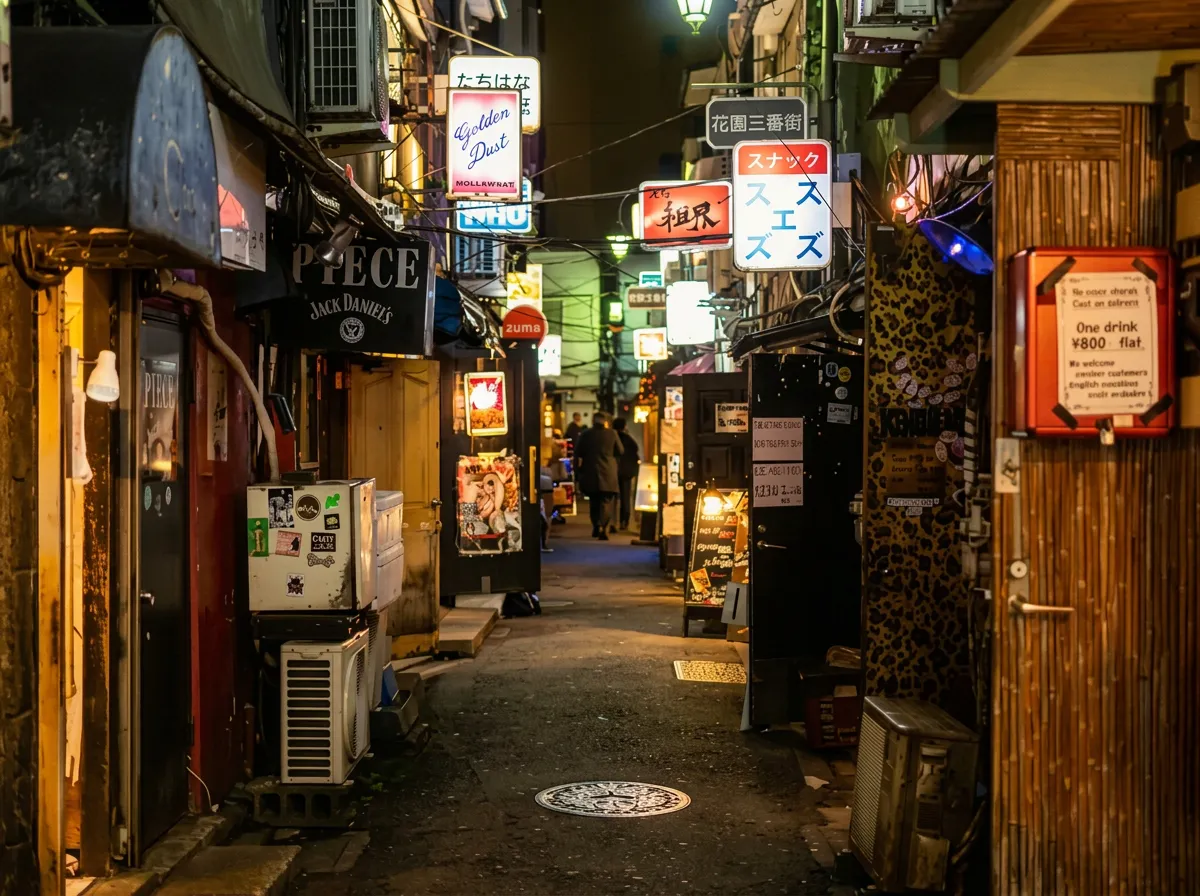 EatGolden GaiA six-alley grid of micro-bars in Shinjuku, 200 bars across the whole district, most seating five to eight people.
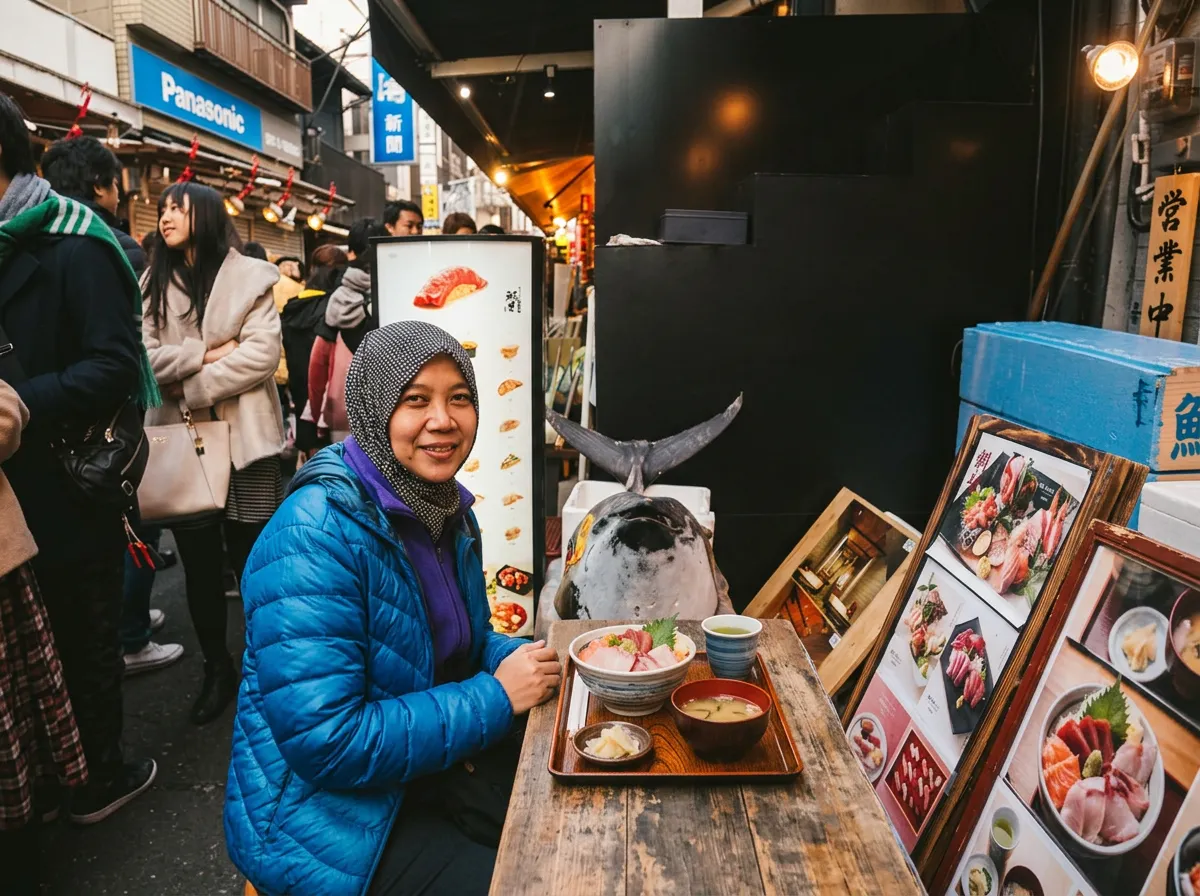 EatTsukiji Outer Market breakfastTsukiji · ~¥2,000
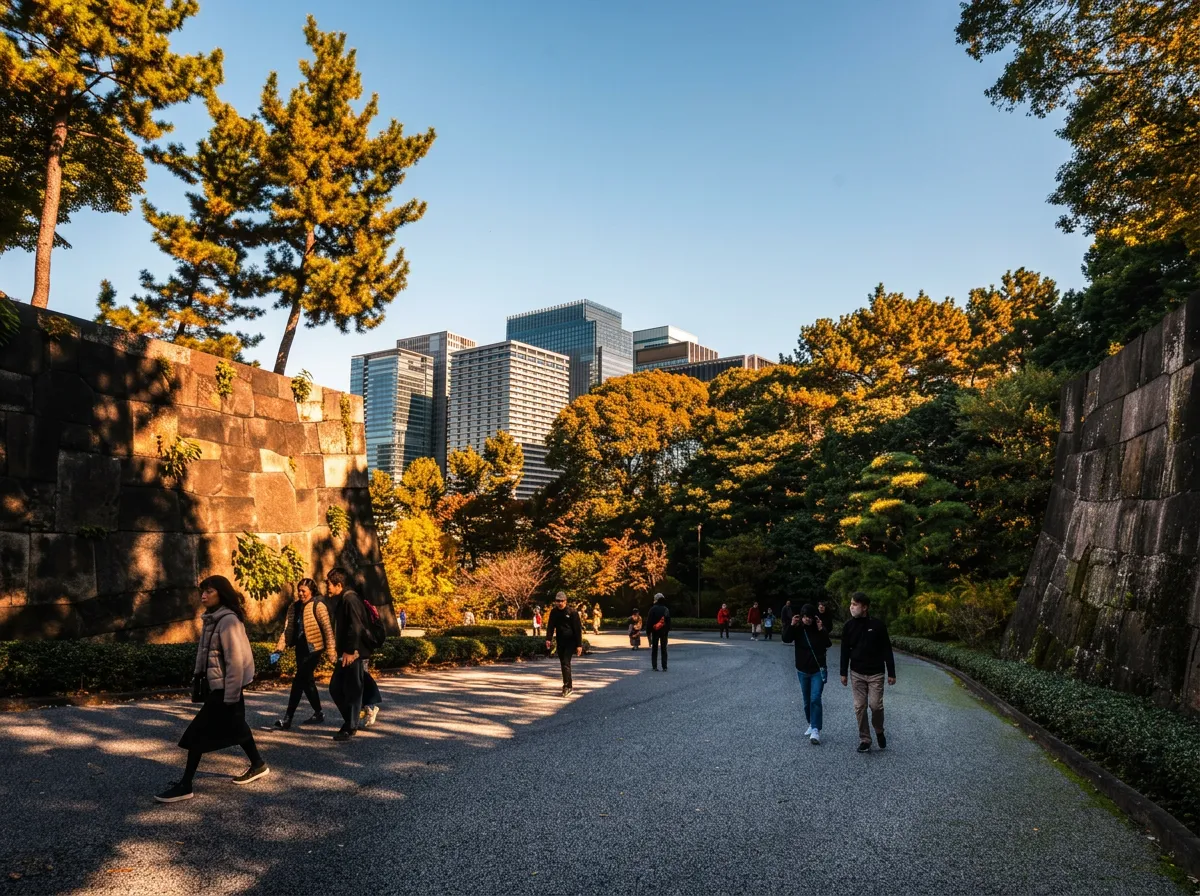 Must-seeImperial Palace East GardensMarunouchi · Free
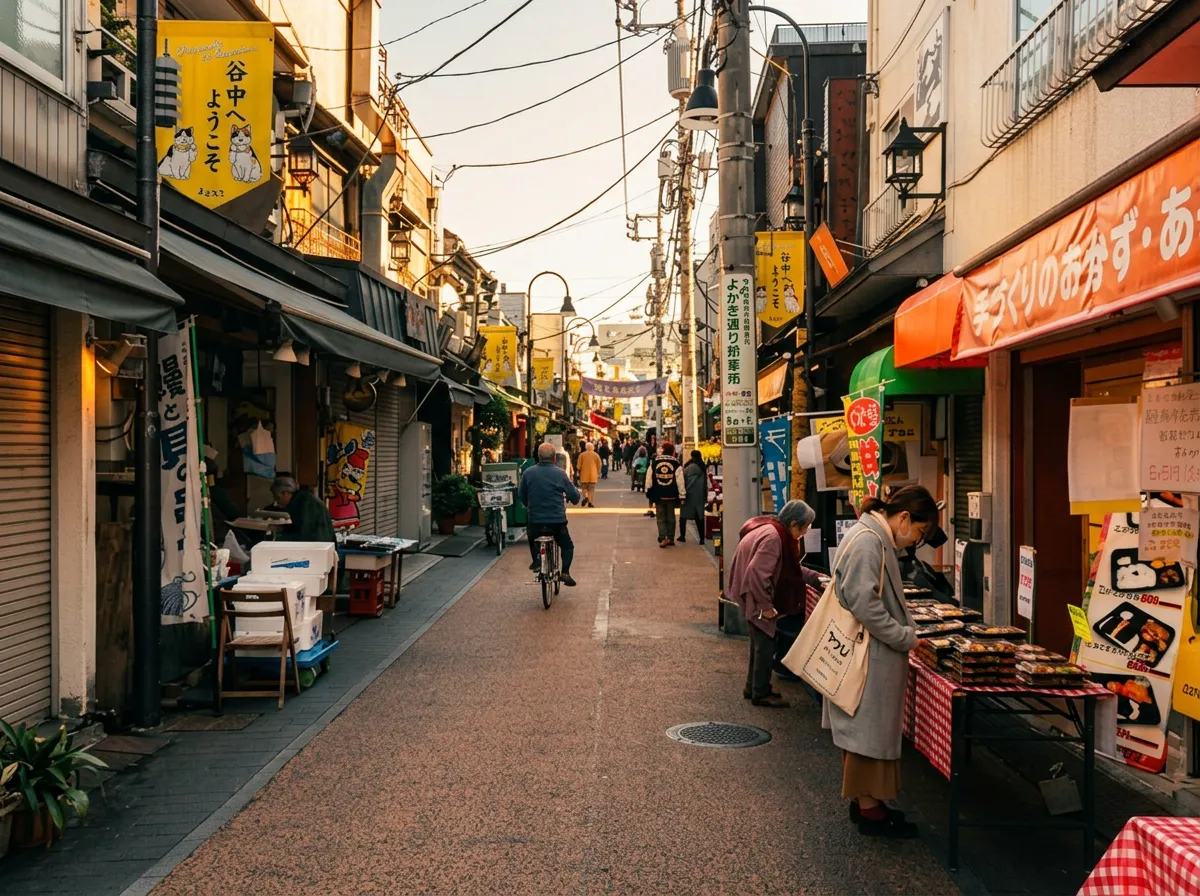 NeighbourhoodYanaka GinzaYanaka · ~¥1,000
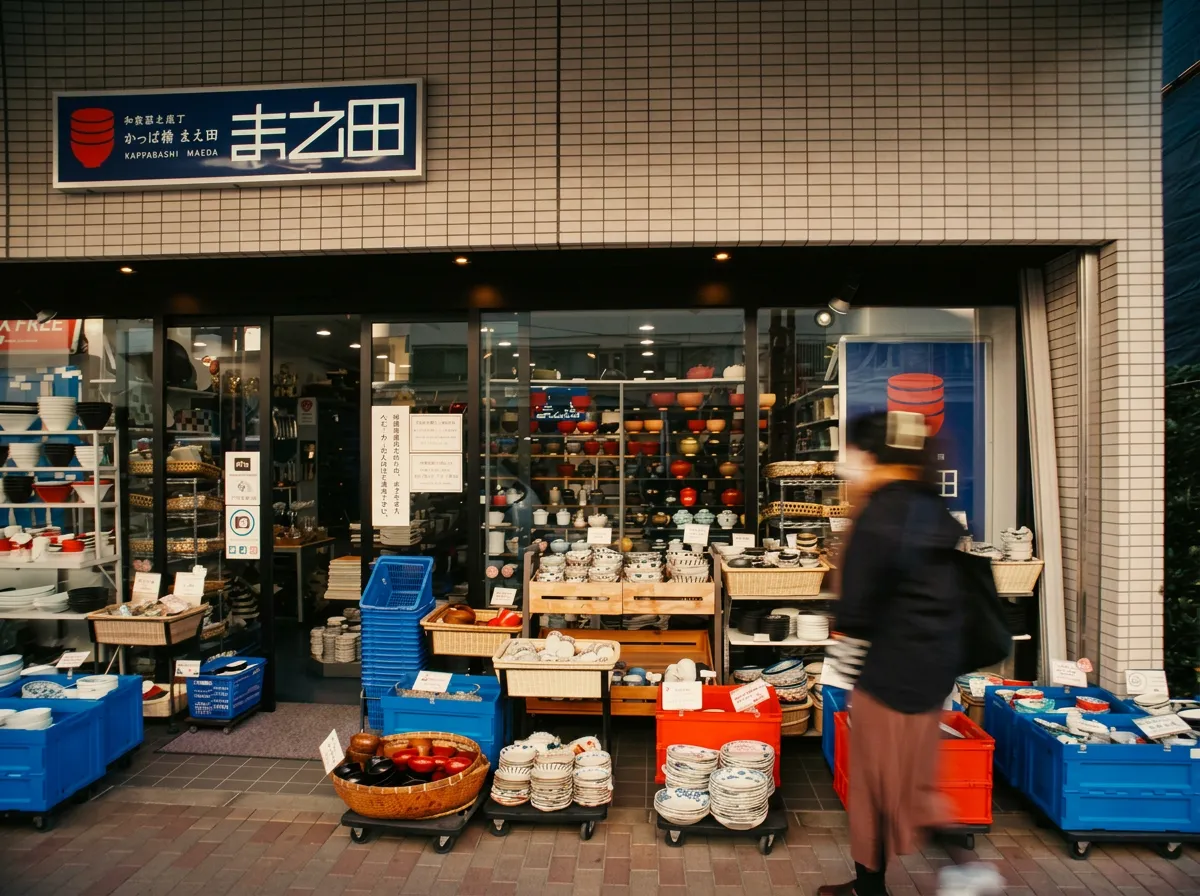 NeighbourhoodKappabashi kitchen streetAsakusa · varies
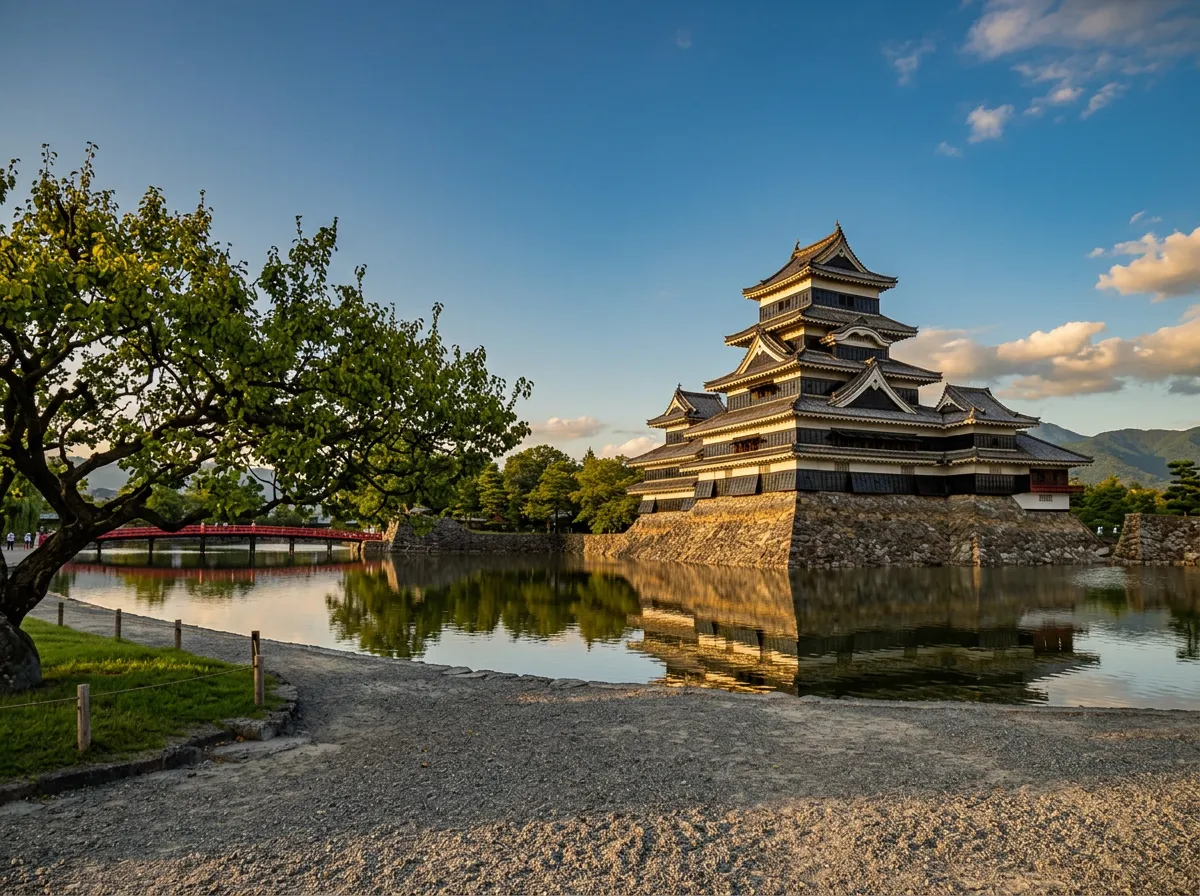 Must-seeMatsumoto CastleOne of Japan's twelve original castles and the oldest five-tier wooden castle still standing.
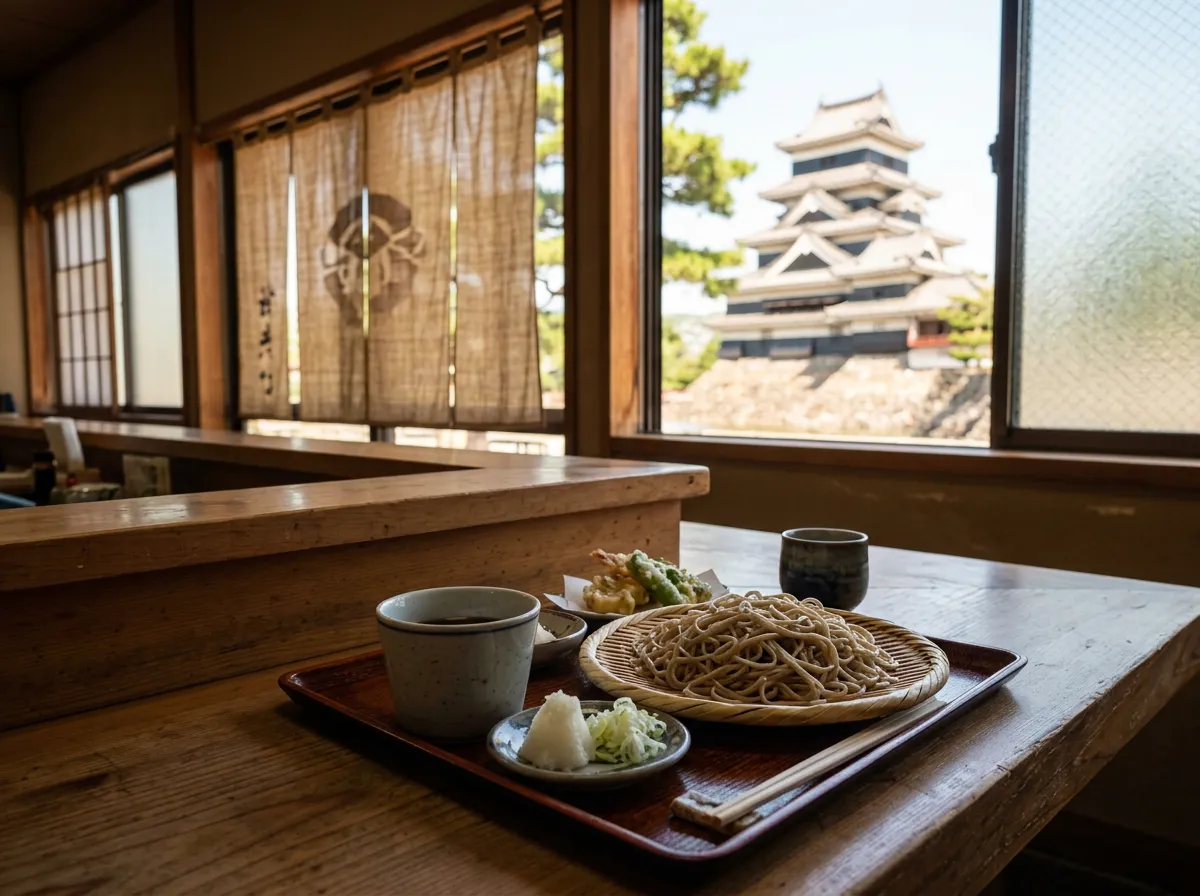 EatMatsumoto soba lunchMatsumoto · ~¥1,500
Where to sleep in Tokyo
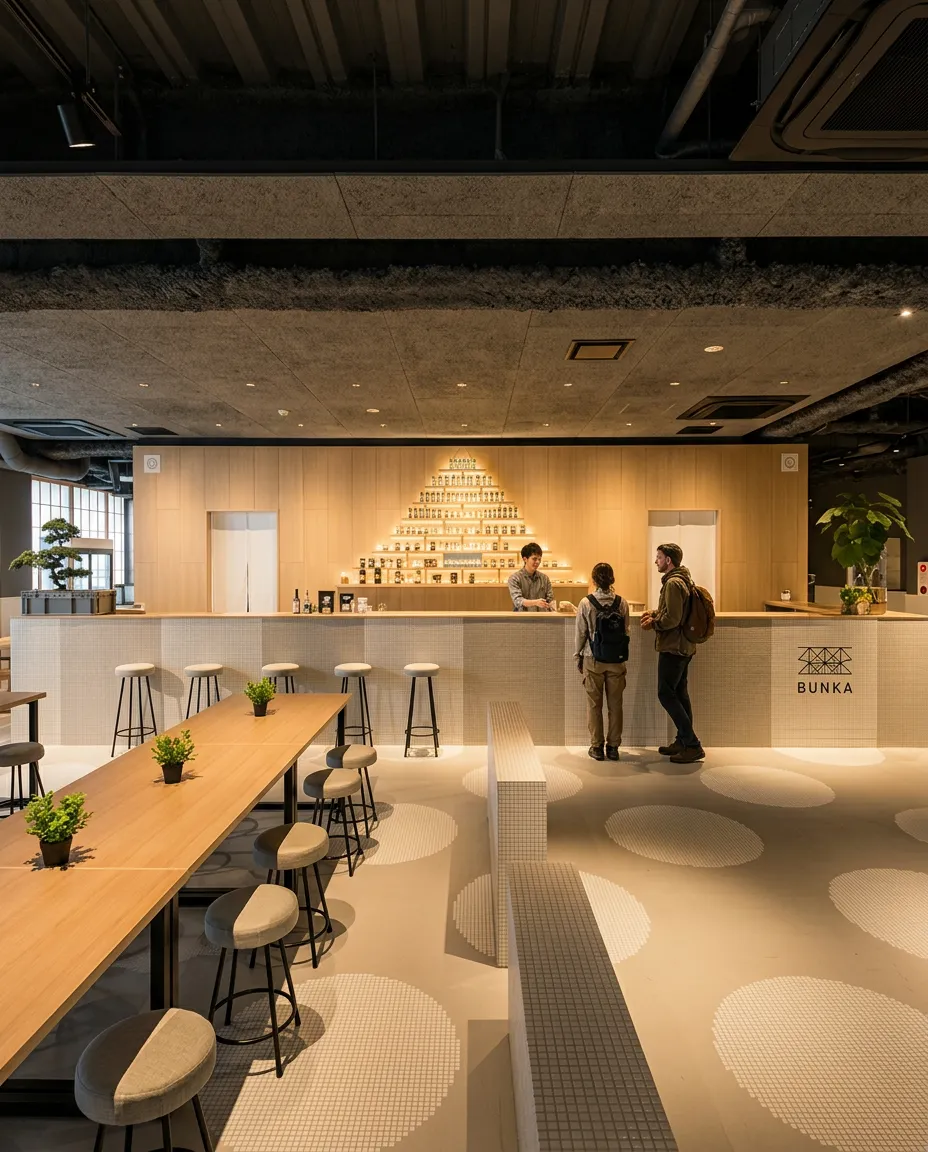 BUDGET · HostelBUNKA HOSTEL TOKYOAsakusaRenovated 80-year-old building, capsule rooms with curtains and lockable storage. Ten minutes from Sensō-ji. The café-bar downstairs is the bonus.¥4,500/nightSee rates ↗
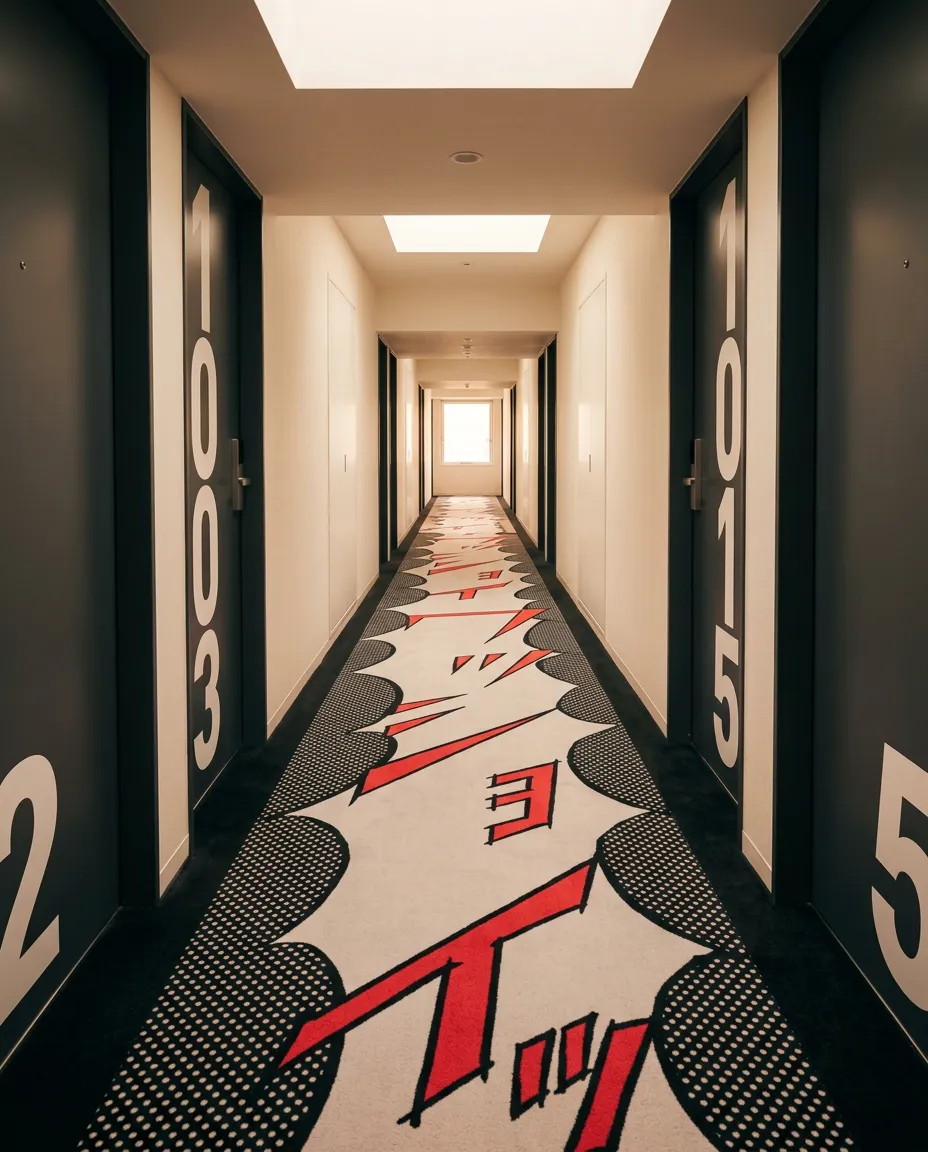 MID · HotelHotel Tavinos AsakusaAsakusaRecommendedNick's own pick. Stayed in 2022 and 2024. Manga-themed but the rooms are clean and quiet, the staff are used to first-timers, and it's a five-minute walk to Fuji Ramen.¥11,000/nightSee rates ↗
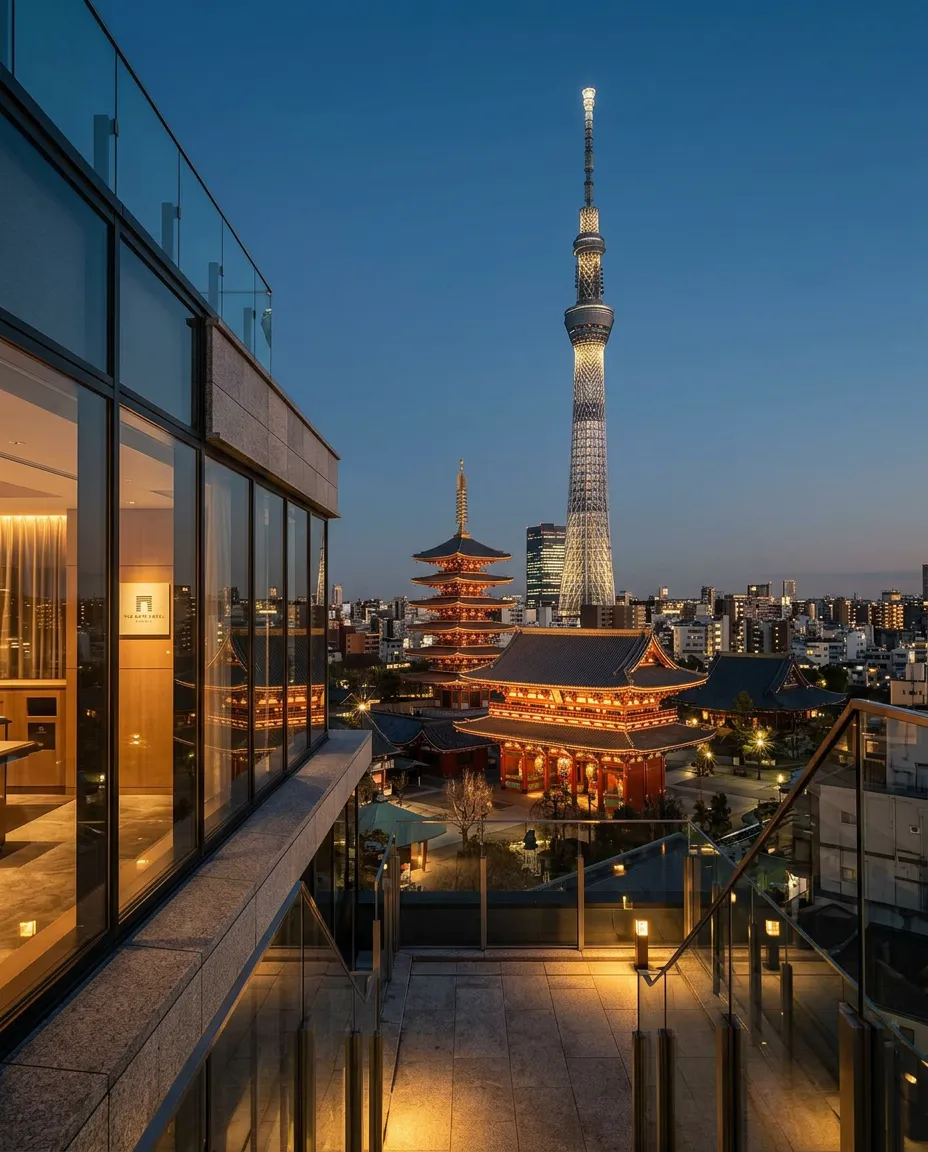 LUXURY · HotelThe Gate Hotel Kaminarimon by HulicAsakusaBoutique stay with a rooftop terrace that frames Sensō-ji and Skytree. The deep bath in every room is part of the appeal. And rare in Tokyo at this price.¥45,000/nightSee rates ↗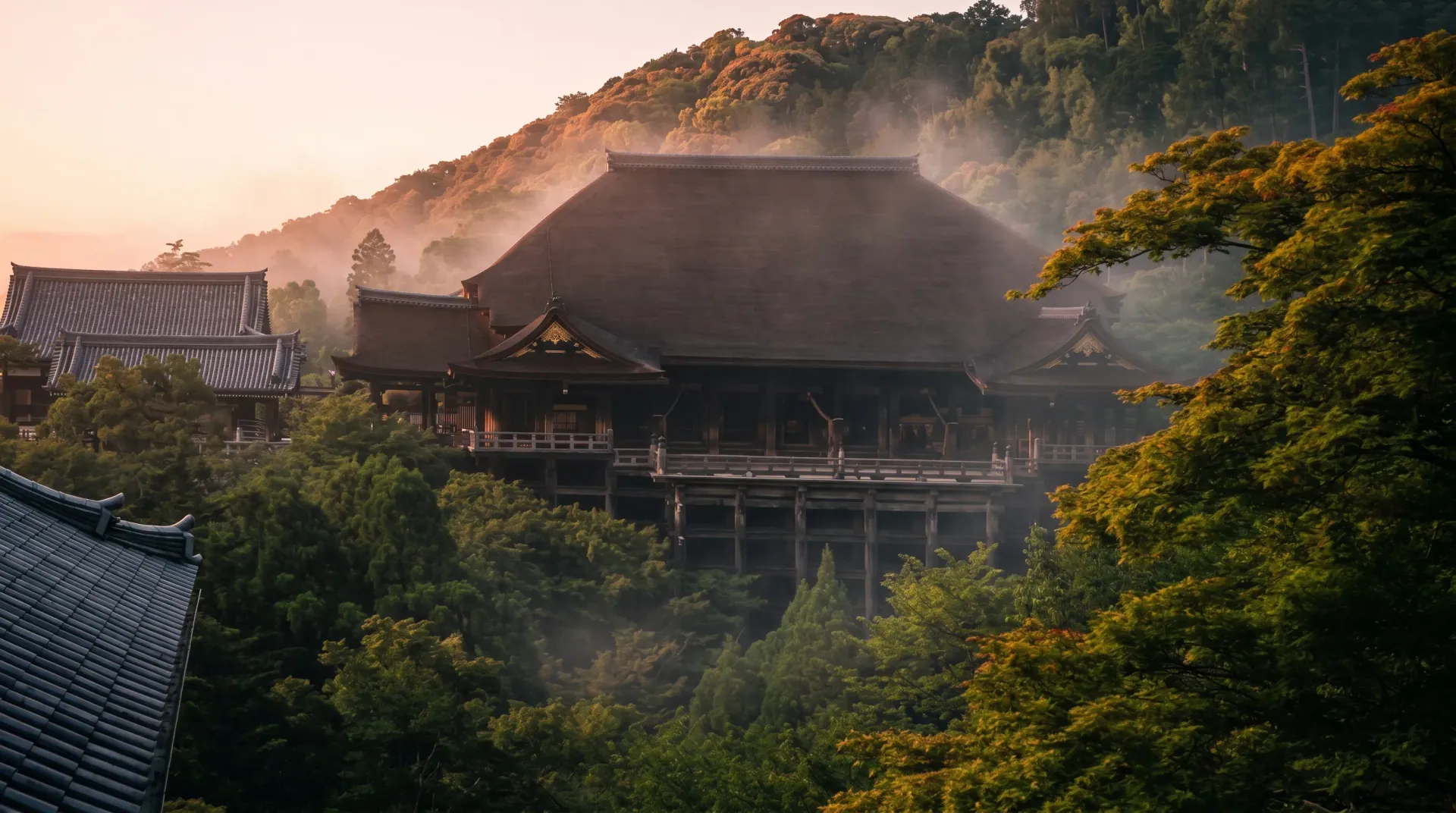
Why Kyoto
Kyoto earns three nights because it cannot be done in two without losing the thing that makes it work: the early start. Kiyomizu-dera at opening is a different place from the one that exists by mid-morning, and the whole eastern spine (down Sannen-zaka, past Yasaka Pagoda at dusk, through Yasaka Shrine and into a Pontochō counter dinner) flows naturally from that first hour. The second day belongs to Arashiyama, where the bamboo grove is only the entrance to Tenryū-ji's Sōgenchi garden, and to Daitoku-ji's zen subtemples in the north, nearly empty and built for sitting still. The Philosopher's Path and Hōnen-in fill the quieter afternoon between. Three nights make the rhythm possible.
16 things to see and do
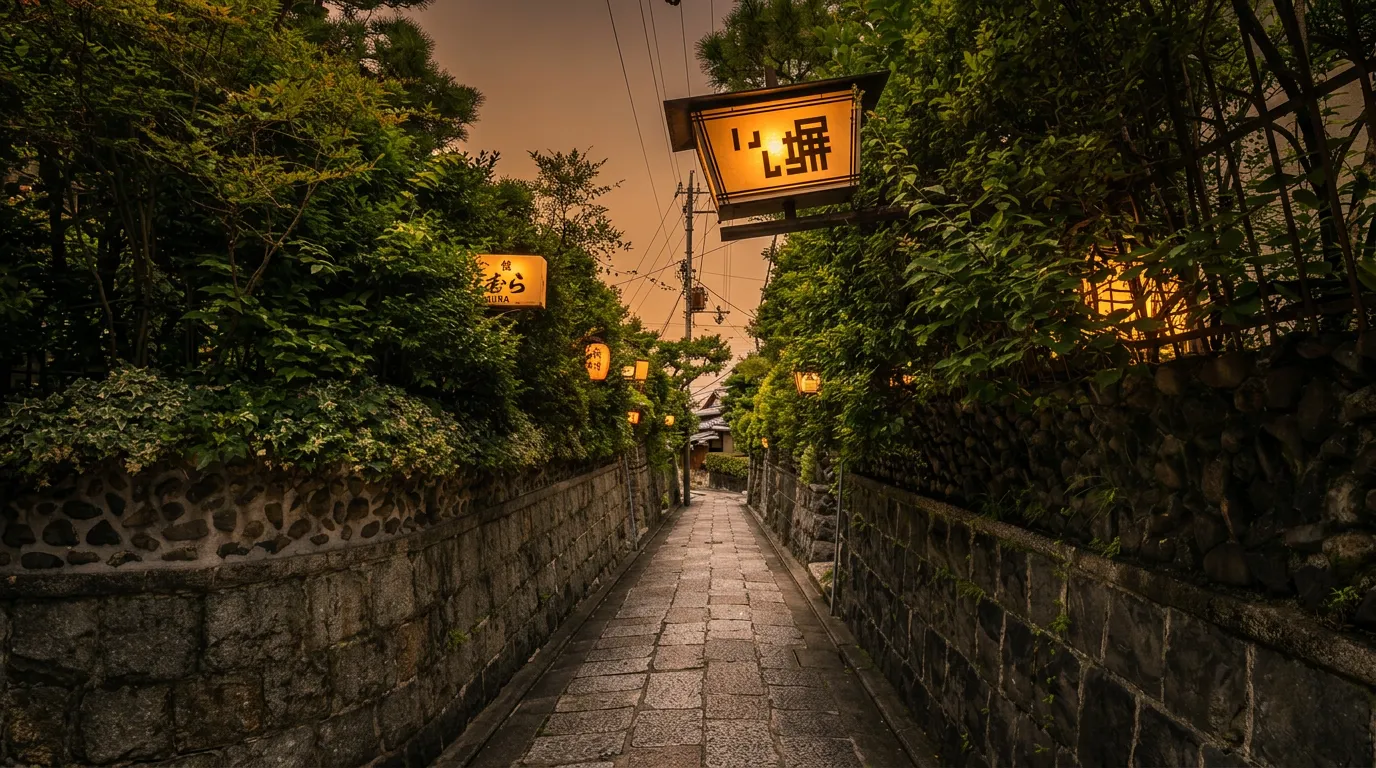 Hidden gemIshibei-kōji alleyA 100-metre stone-paved alley with traditional wooden machiya on both sides.
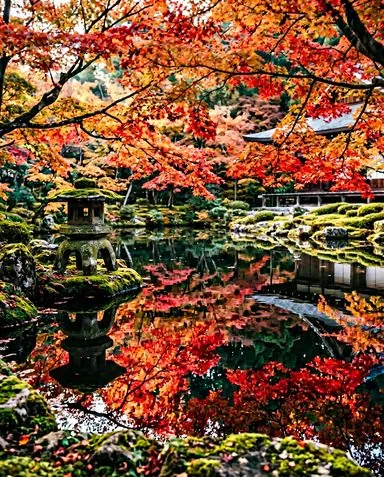
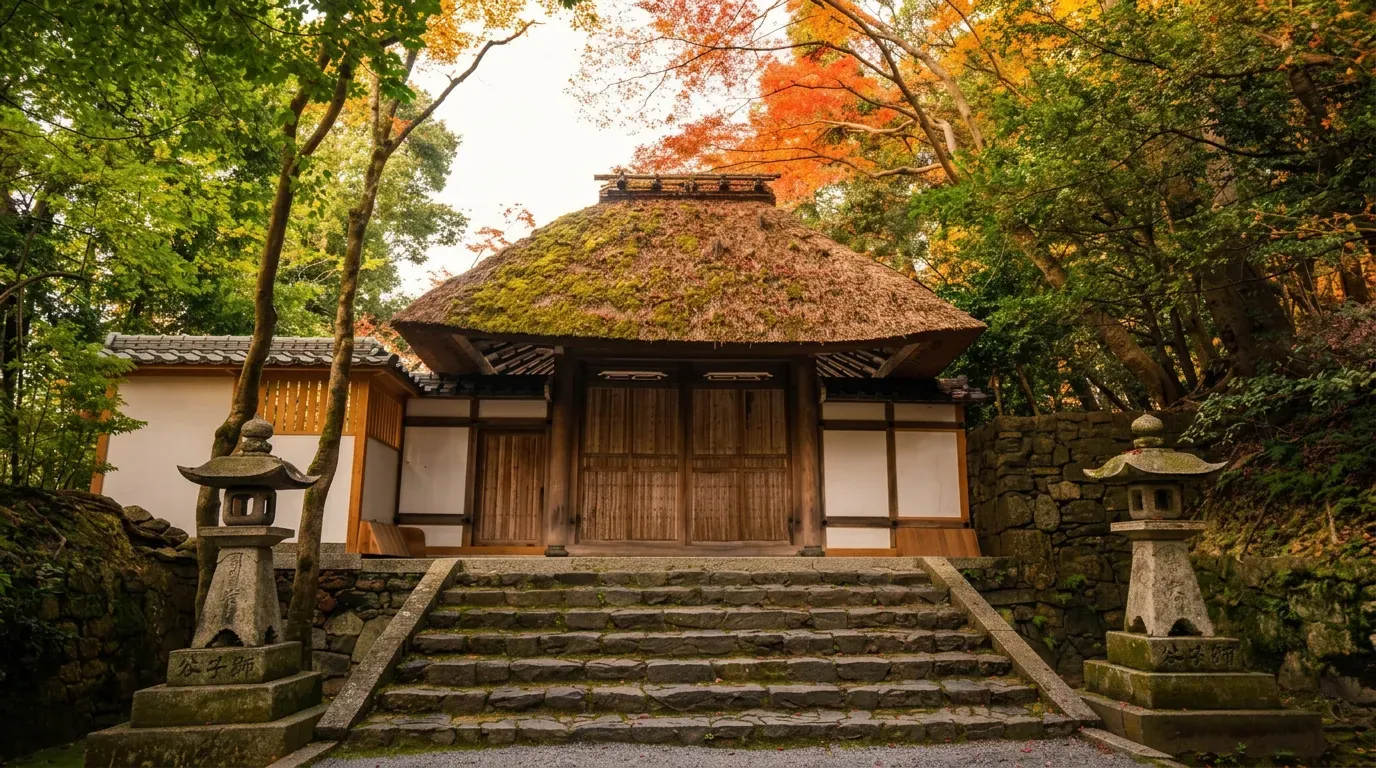 Hidden gemHōnen-inA small Pure Land temple with a moss-covered thatched gate and two sand mounds raked into seasonal patterns.
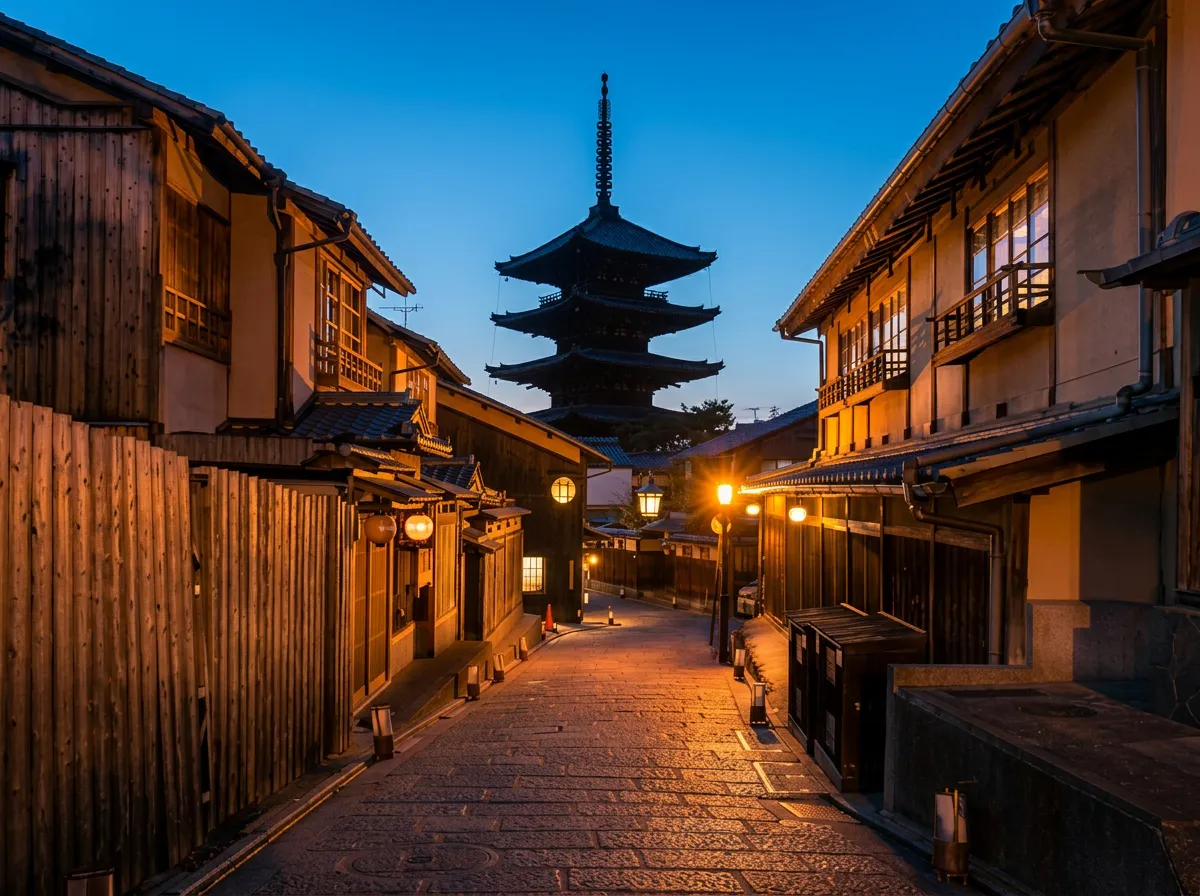 Must-seeYasaka Pagoda at duskHigashiyama · Free
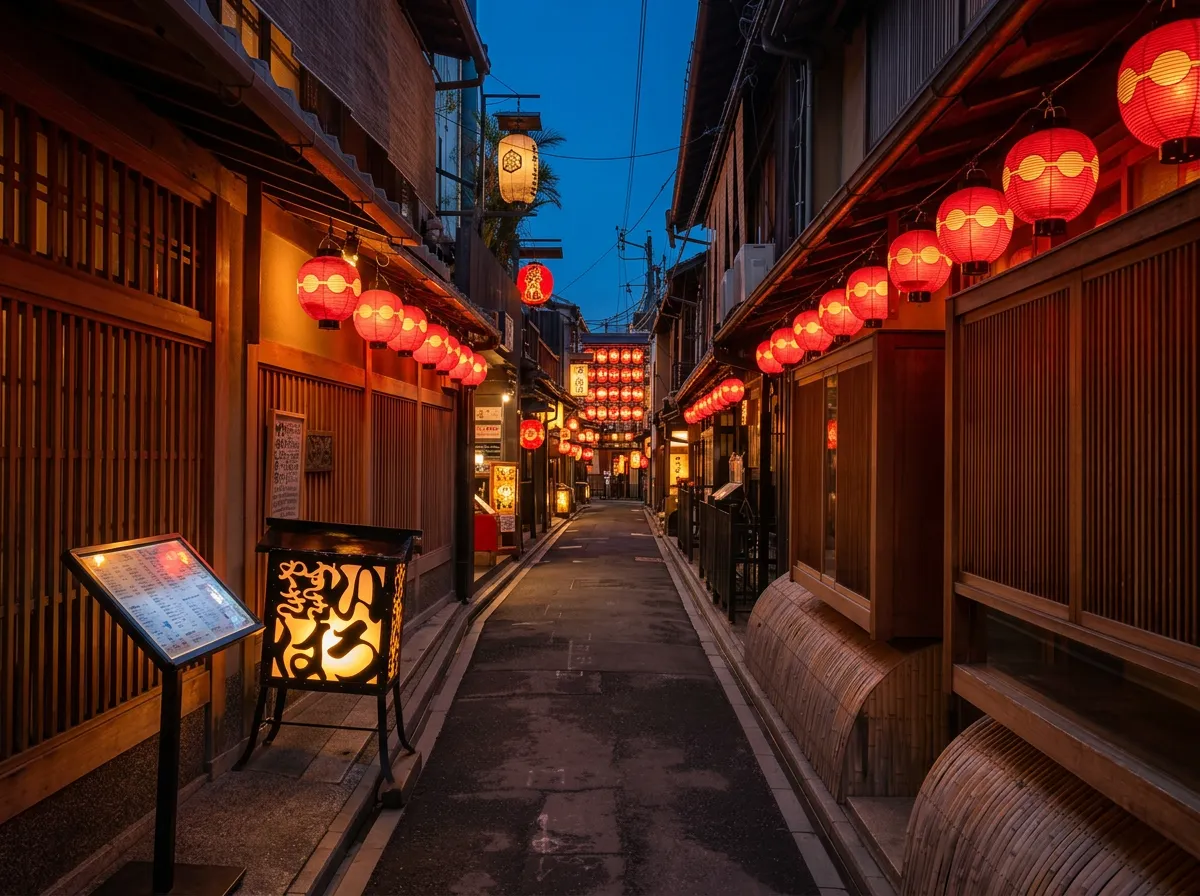 EatPontochō dinnerPontochō · ~¥4,000
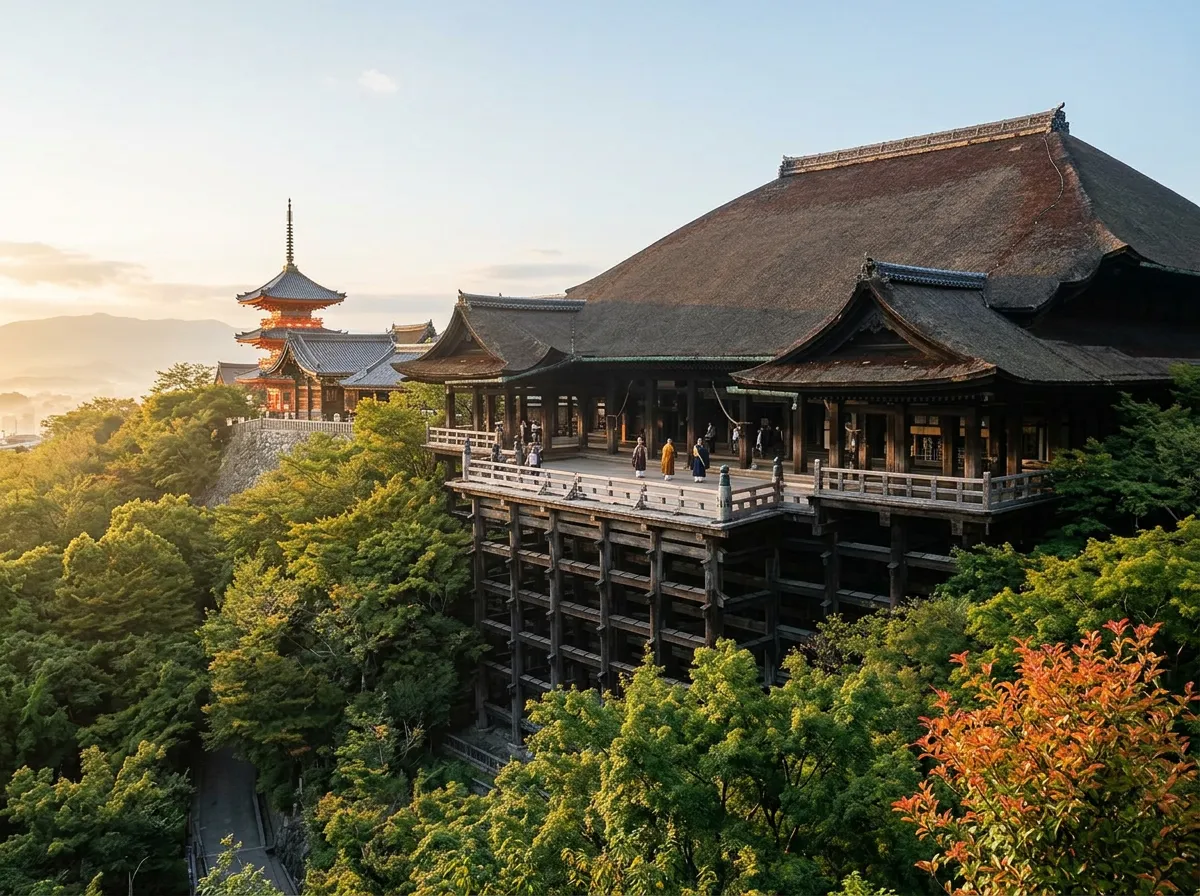 Must-seeKiyomizu-dera at openingA wooden temple complex on the eastern Kyoto hillside, founded 778 AD.
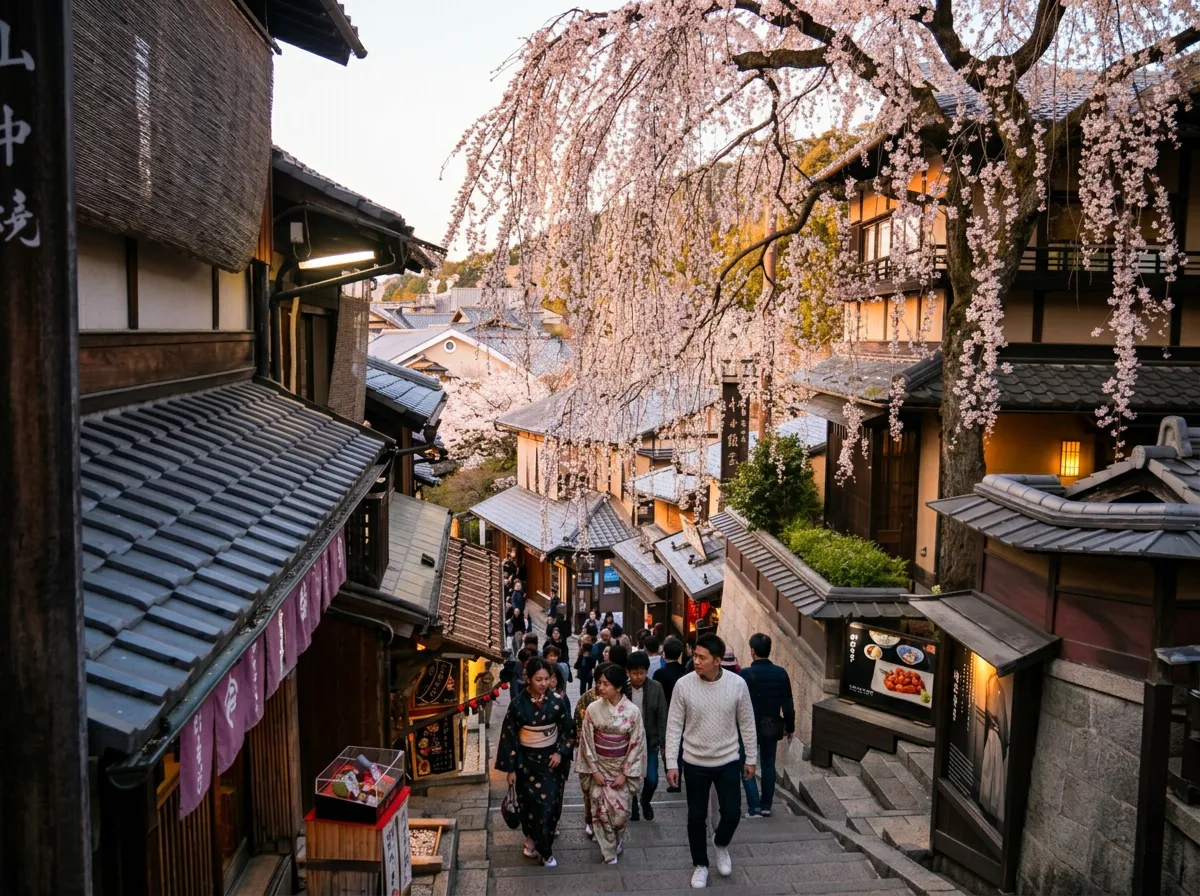 NeighbourhoodSannen-zaka + Ninen-zakaHigashiyama · Free
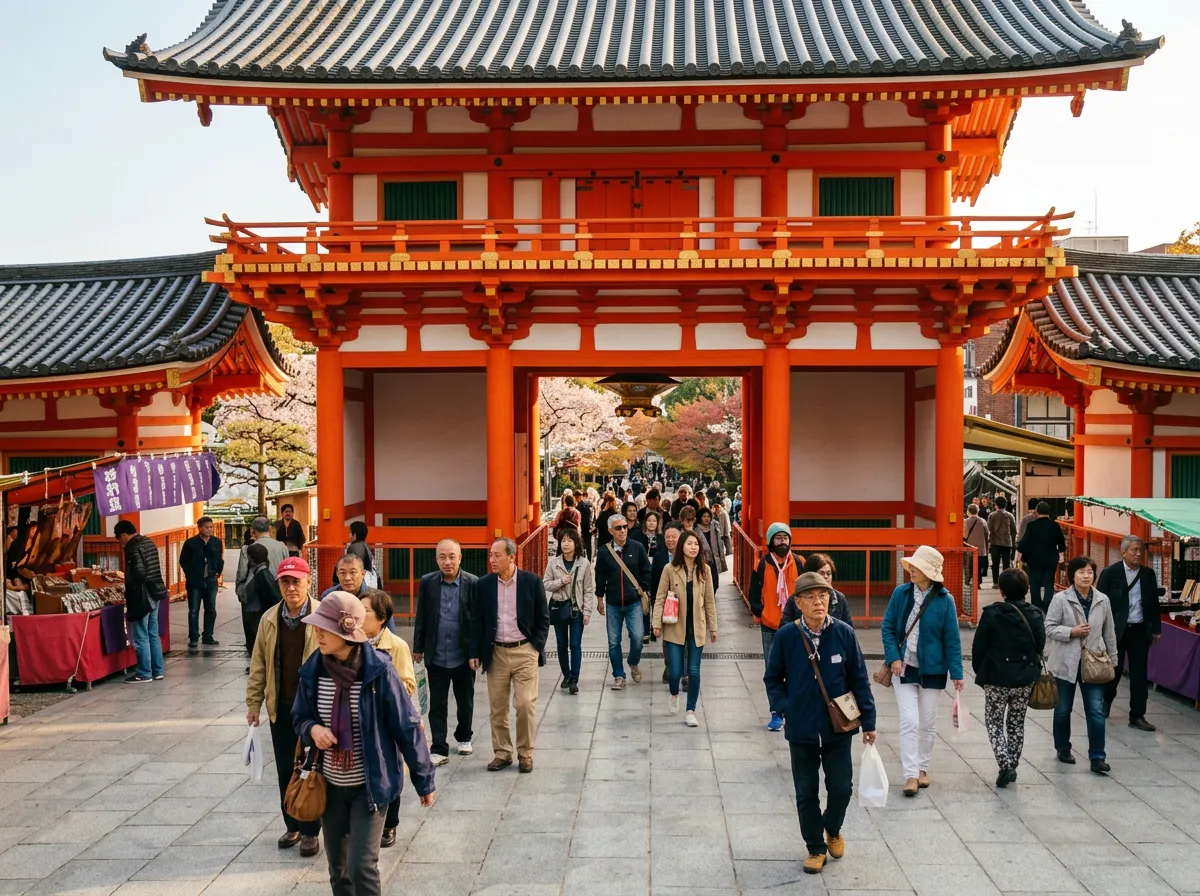 Must-seeYasaka Shrine + MaruyamaHigashiyama · Free
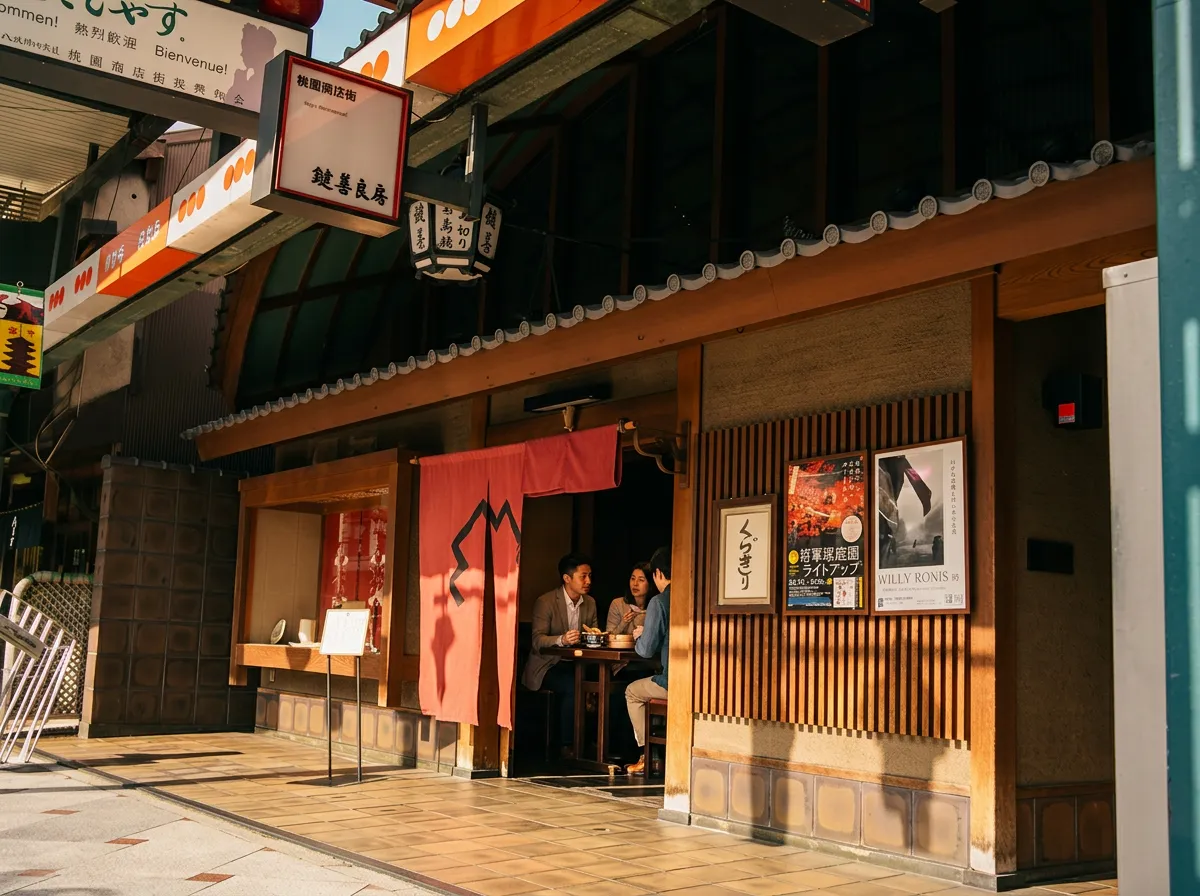 EatHigashiyama lunchGion · ~¥2,500
Show 8 more optionsShow fewer options
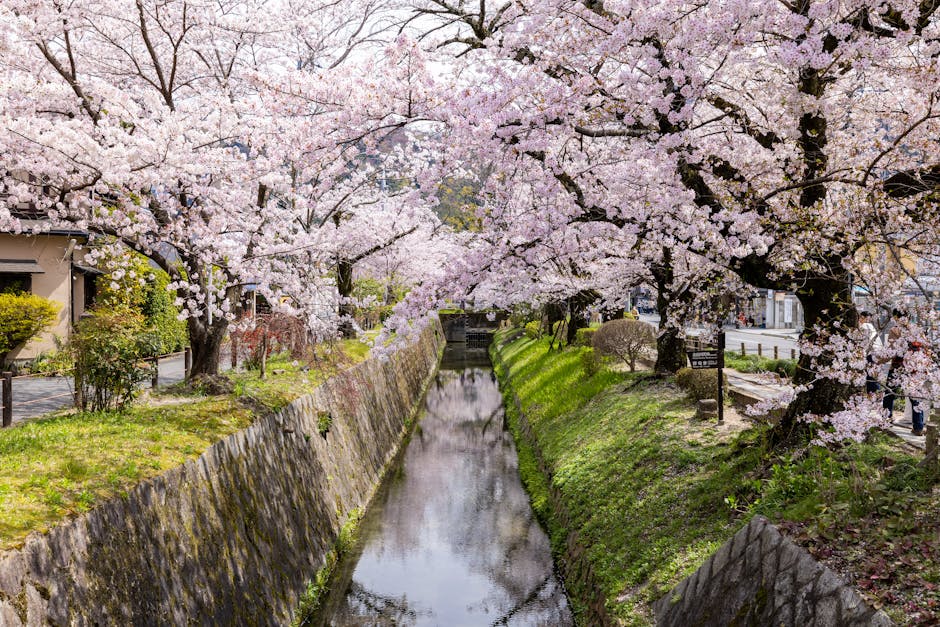 Must-seeGinkaku-ji + Philosopher's PathHigashiyama · ¥500
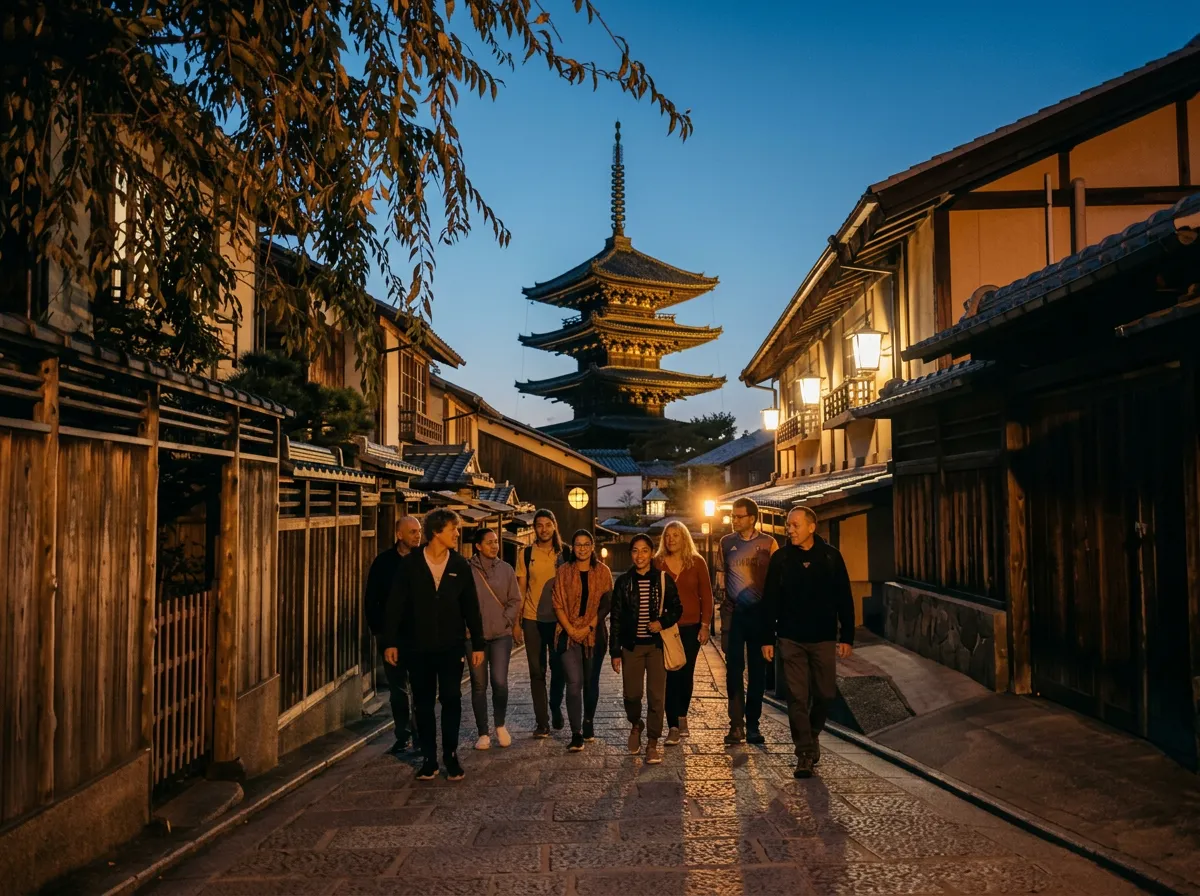 NeighbourhoodGion evening walkGion · Free
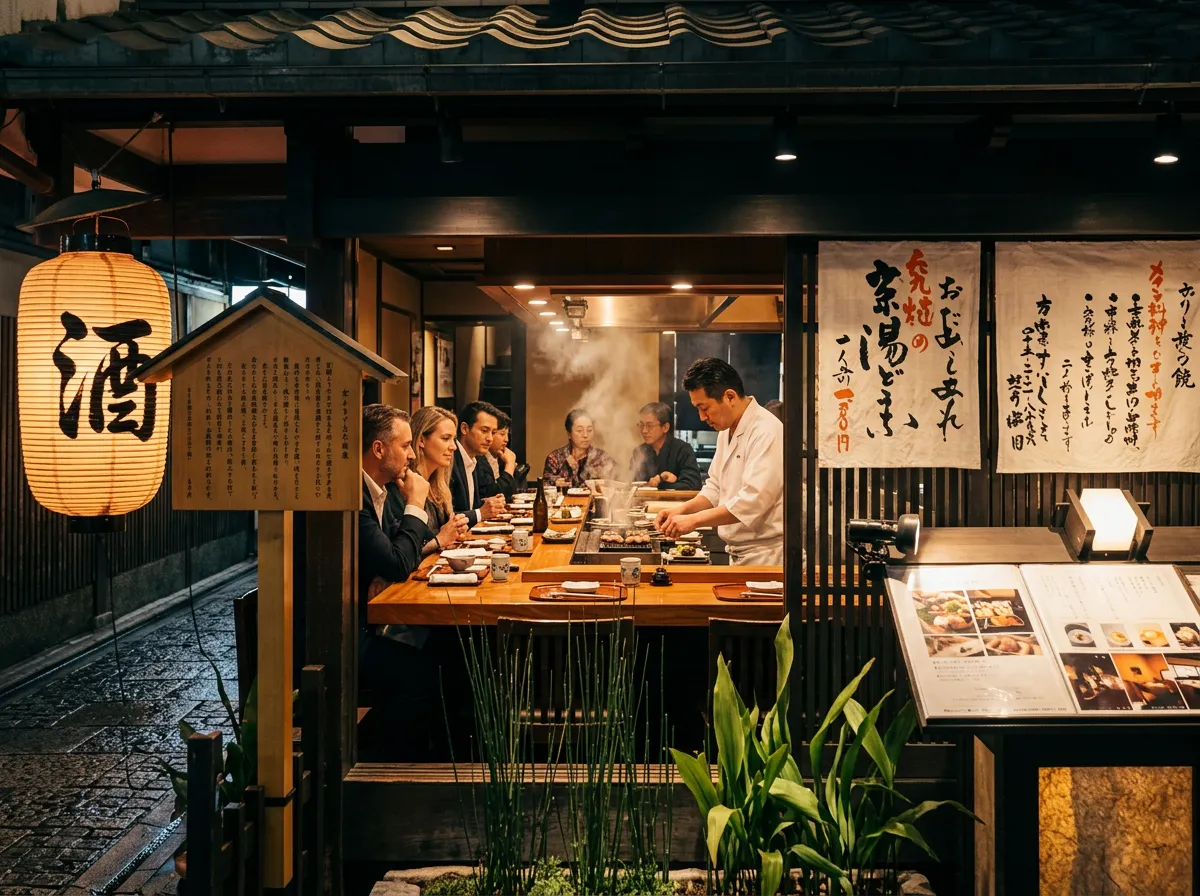 EatPontochō counter dinnerPontochō · ~¥4,000
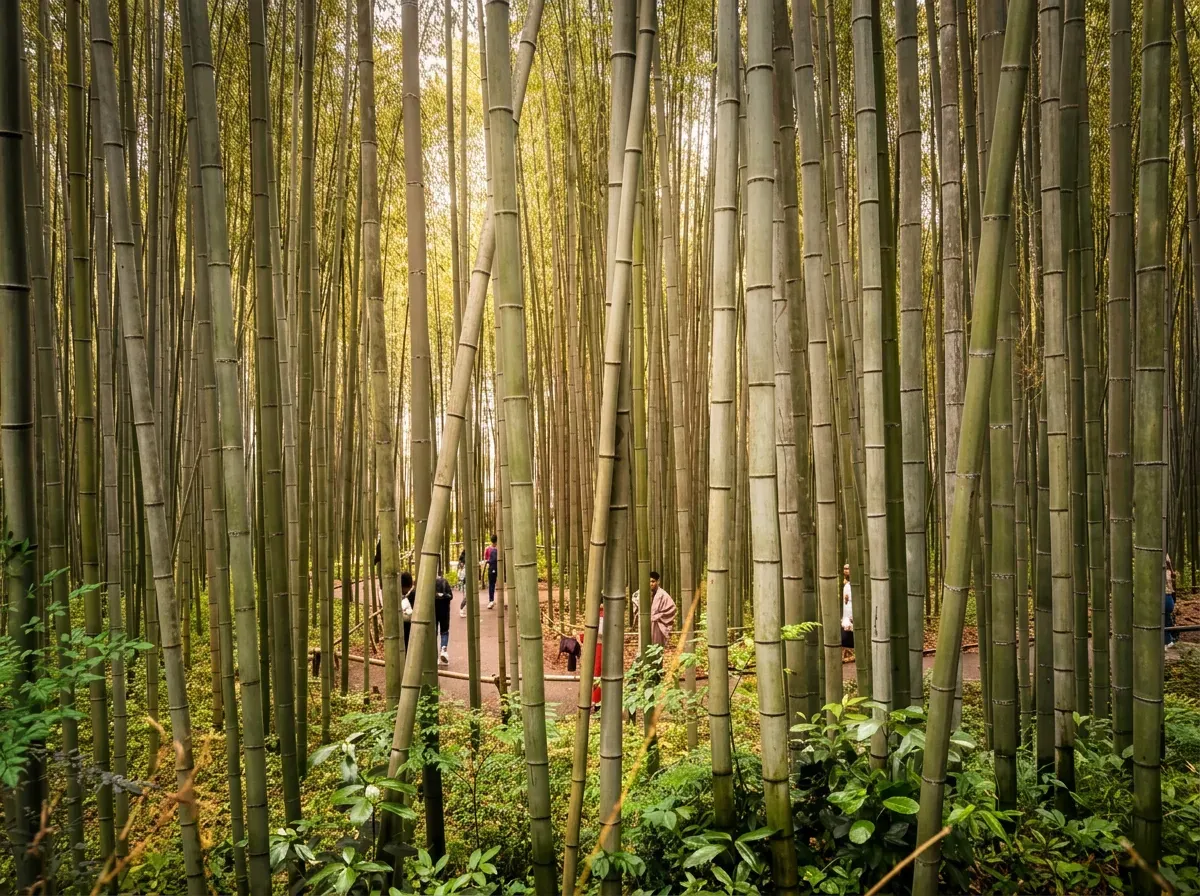 Must-seeArashiyama bamboo grove · earlyA 500-metre path through 150-foot Moso bamboo, in north-west Kyoto.
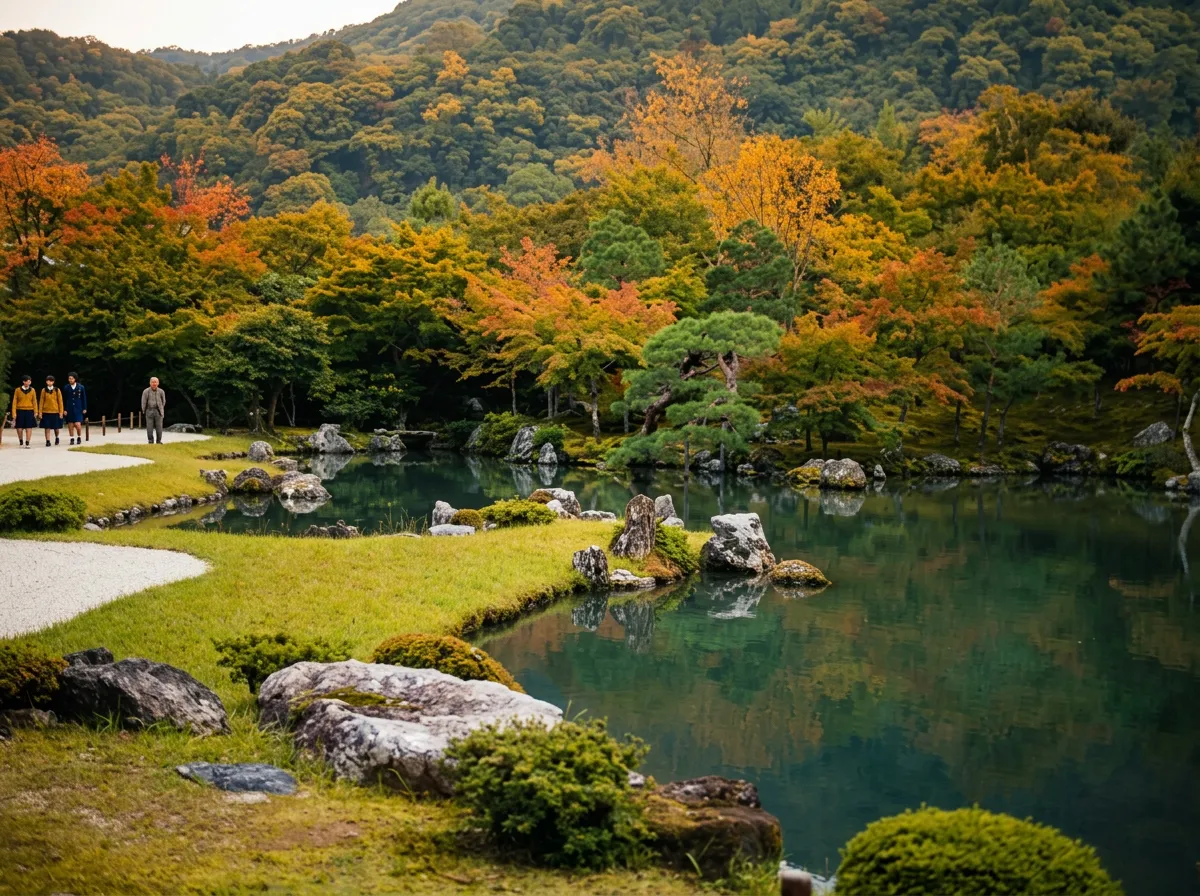 Must-seeTenryū-ji + Sōgenchi gardenArashiyama · ¥500
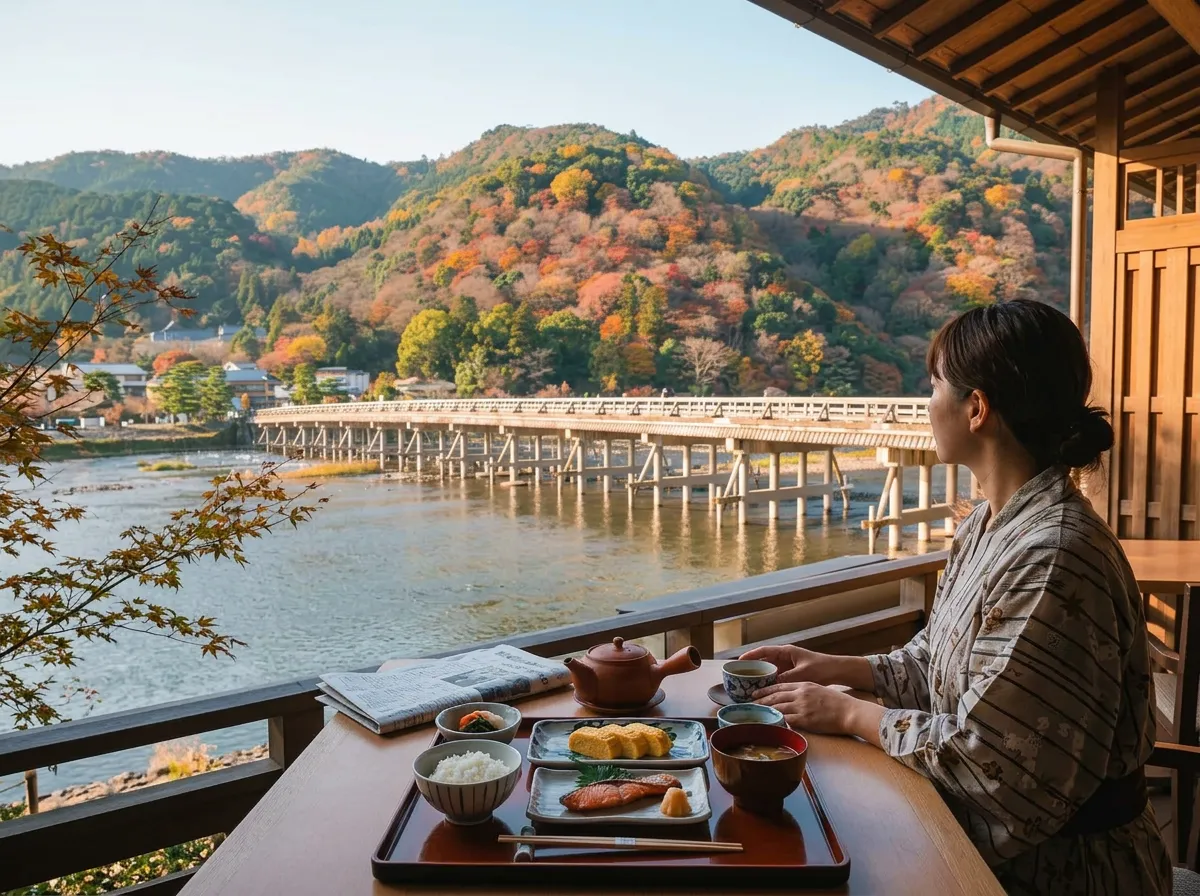 EatTogetsukyō bridge + breakfastArashiyama · ~¥1,200
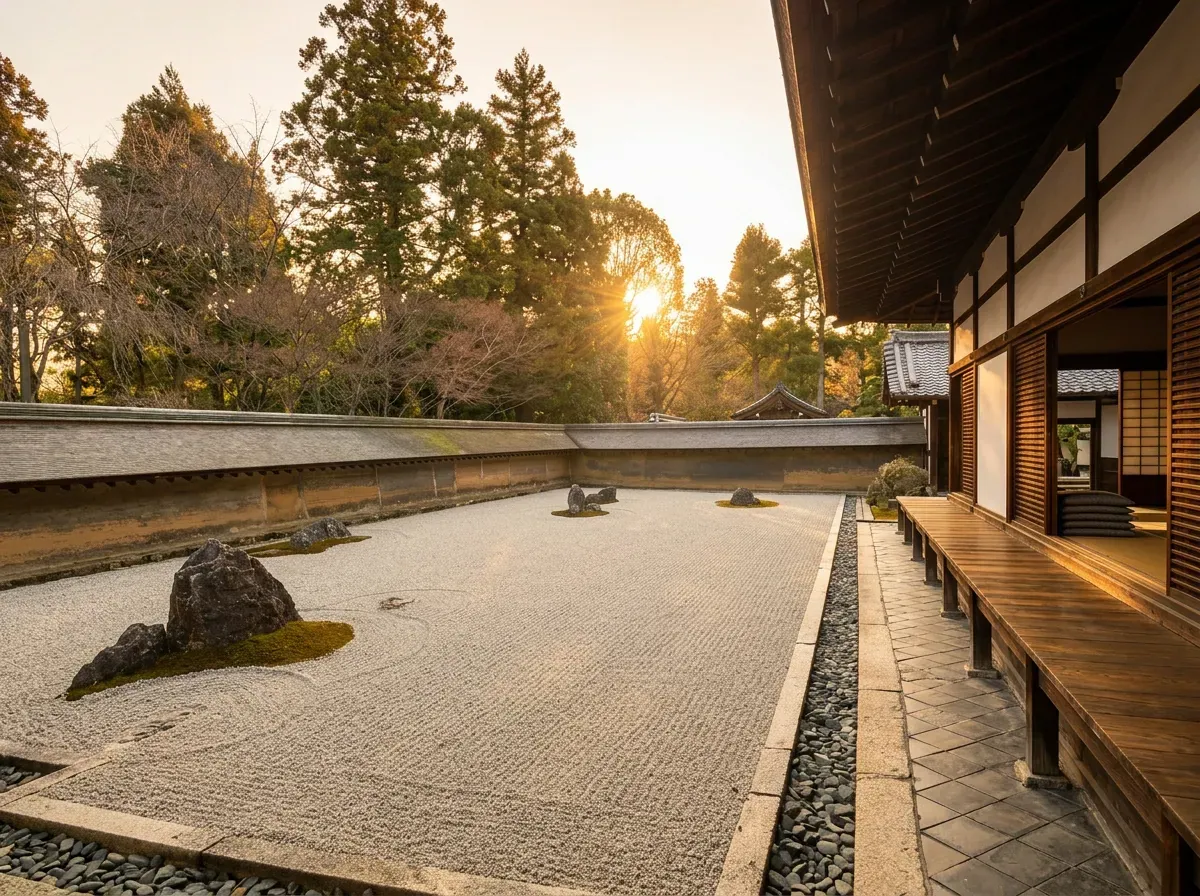 Must-seeDaitoku-ji zen subtemplesNorthern Kyoto · ¥400 each
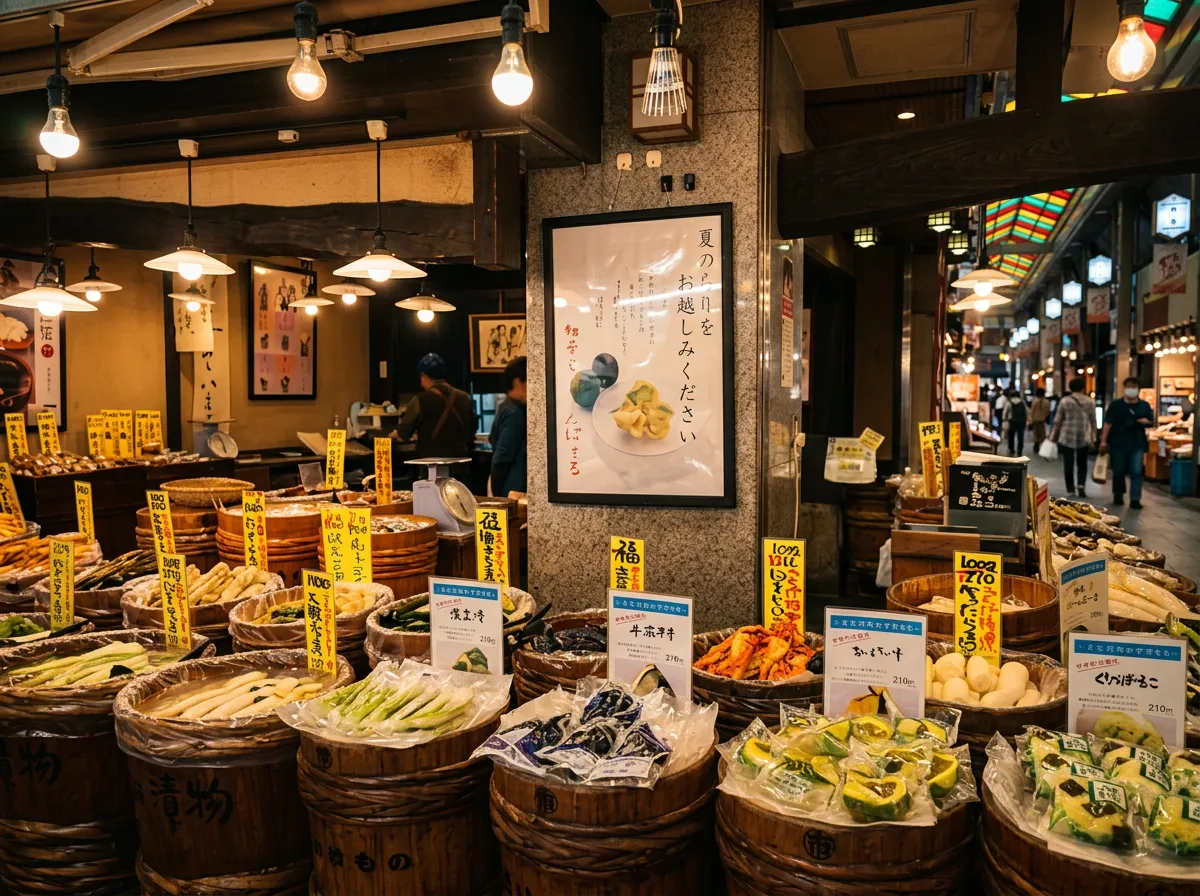 NeighbourhoodNishiki Market eveningNakagyō · ~¥2,500
Where to sleep in Kyoto
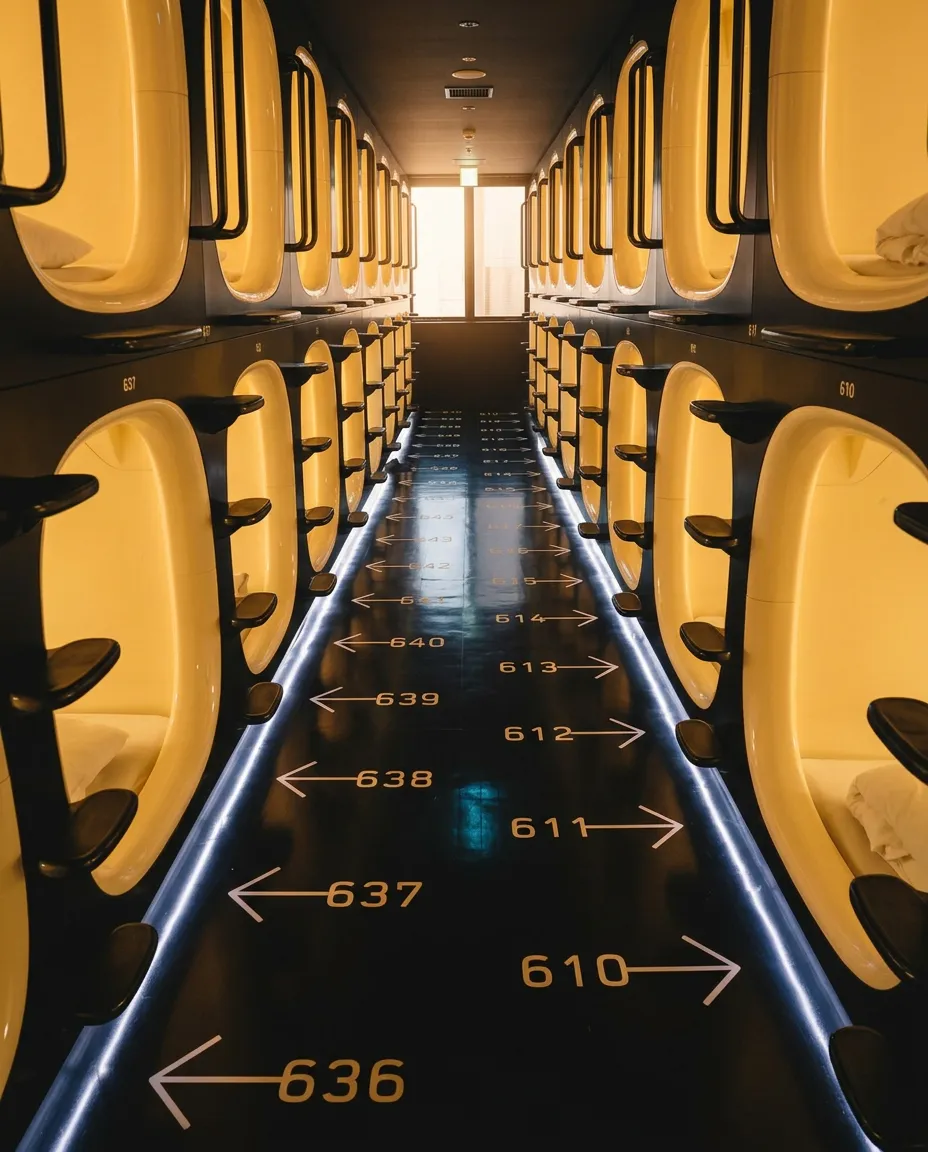 BUDGET · Capsule9 Hours Kyoto TeramachiTeramachi · 5 min to PontochōNick stayed here in 2017. Capsule hotel, futuristic. Stark white pods, sleek bathroom block, lockers replace closets. <strong>If a capsule night belongs on the trip</strong>, this is the easiest place to try one: central, English-friendly, and the lights wake you with sunrise simulation. Not for two-person travel. Each pod is for one.¥4,200/nightSee rates ↗
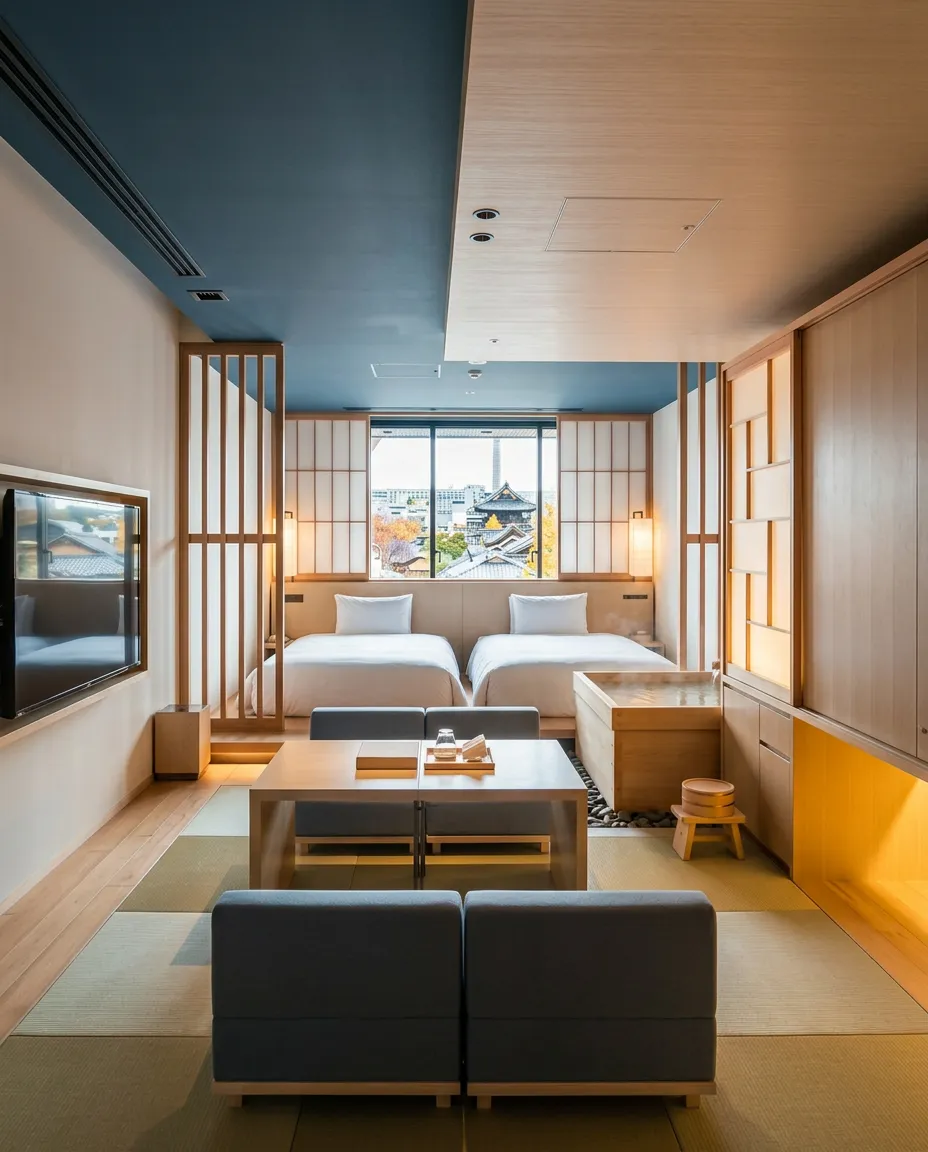 MID · HotelHotel Kanra KyotoKarasuma · between Kyoto Station and downtownRecommendedTraditional-modern boutique with hinoki baths in every room and a tatami sleeping area. The right balance of "ryokan feel" without committing to a full kaiseki dinner.¥22,000/nightSee rates ↗
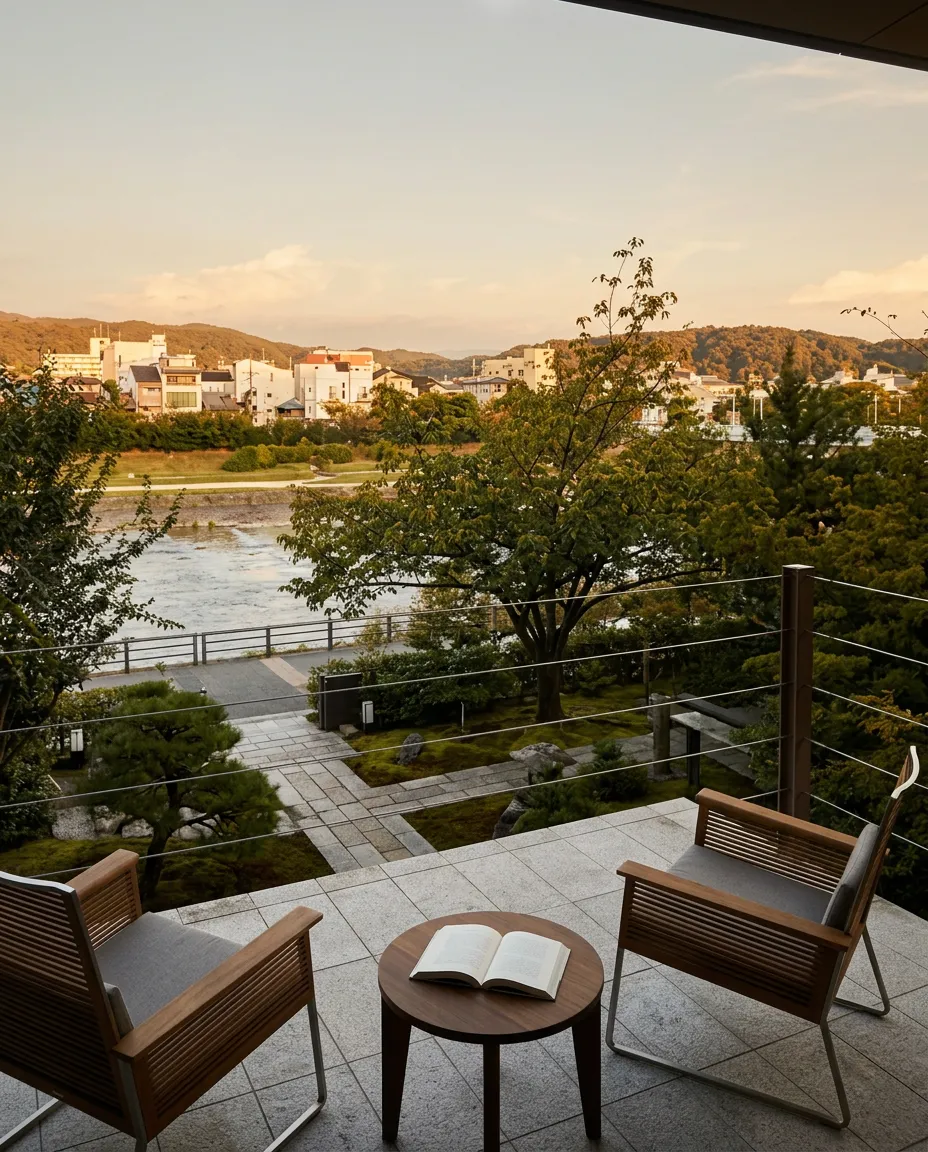 LUXURY · HotelThe Ritz-Carlton KyotoNijō · Kamogawa riversideRiverside on the Kamogawa, ten minutes from Pontochō. The garden bath suites are the editorial pick. But the standard rooms also face the river.¥90,000/nightSee rates ↗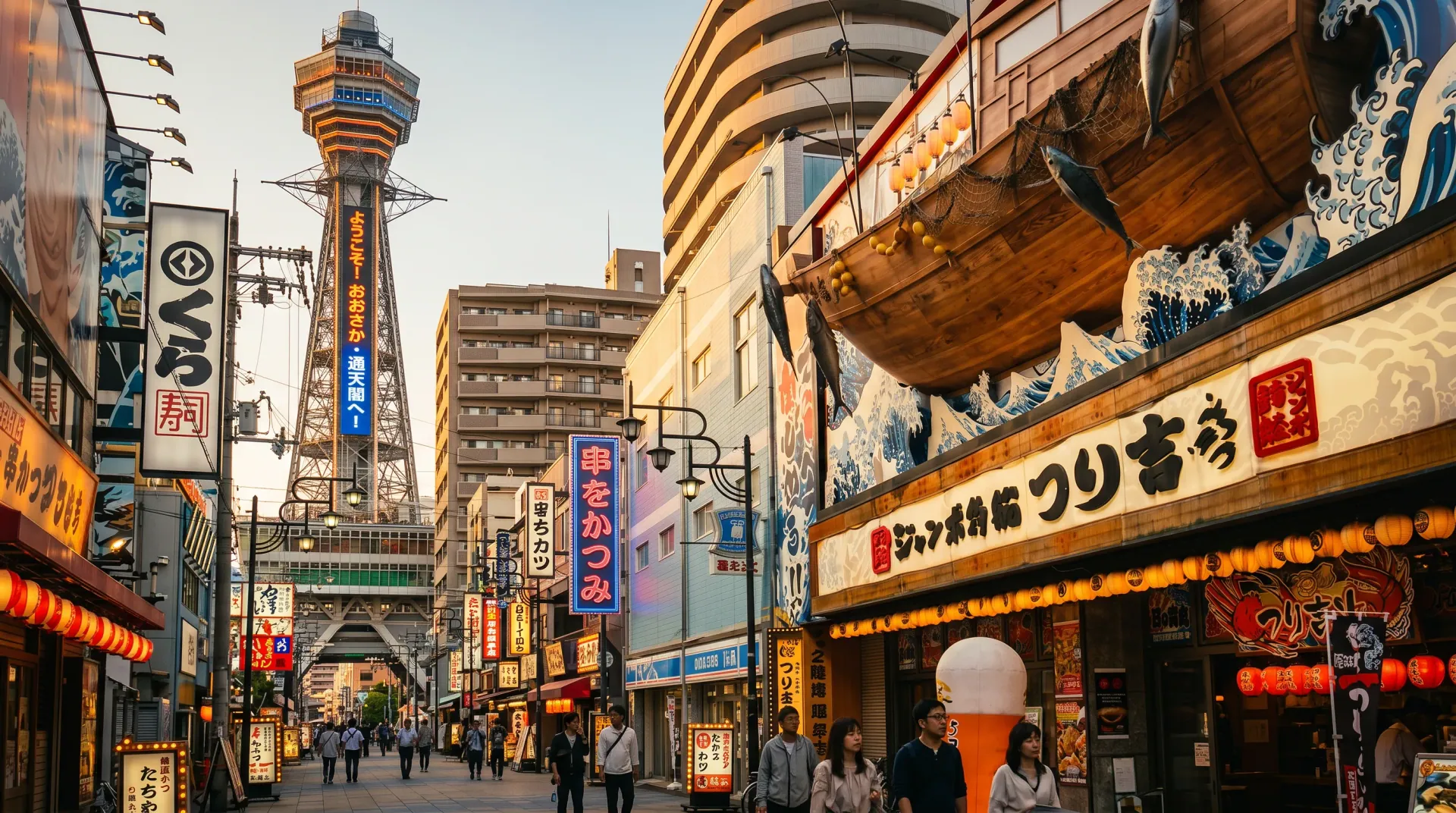
Why Osaka
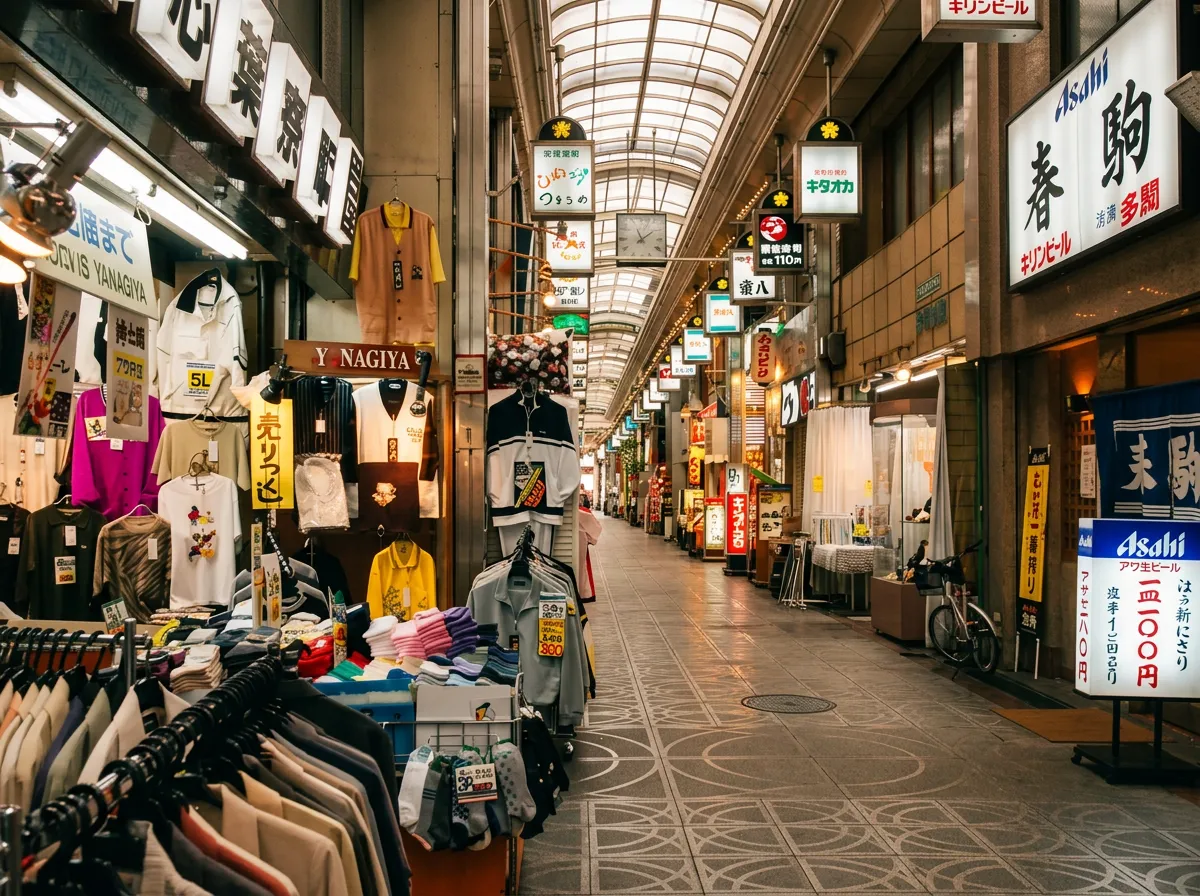
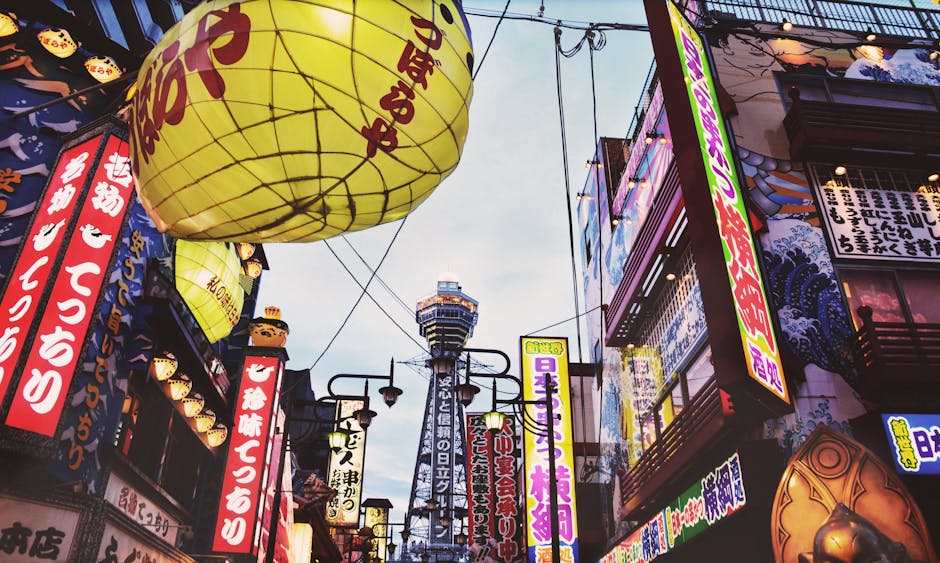
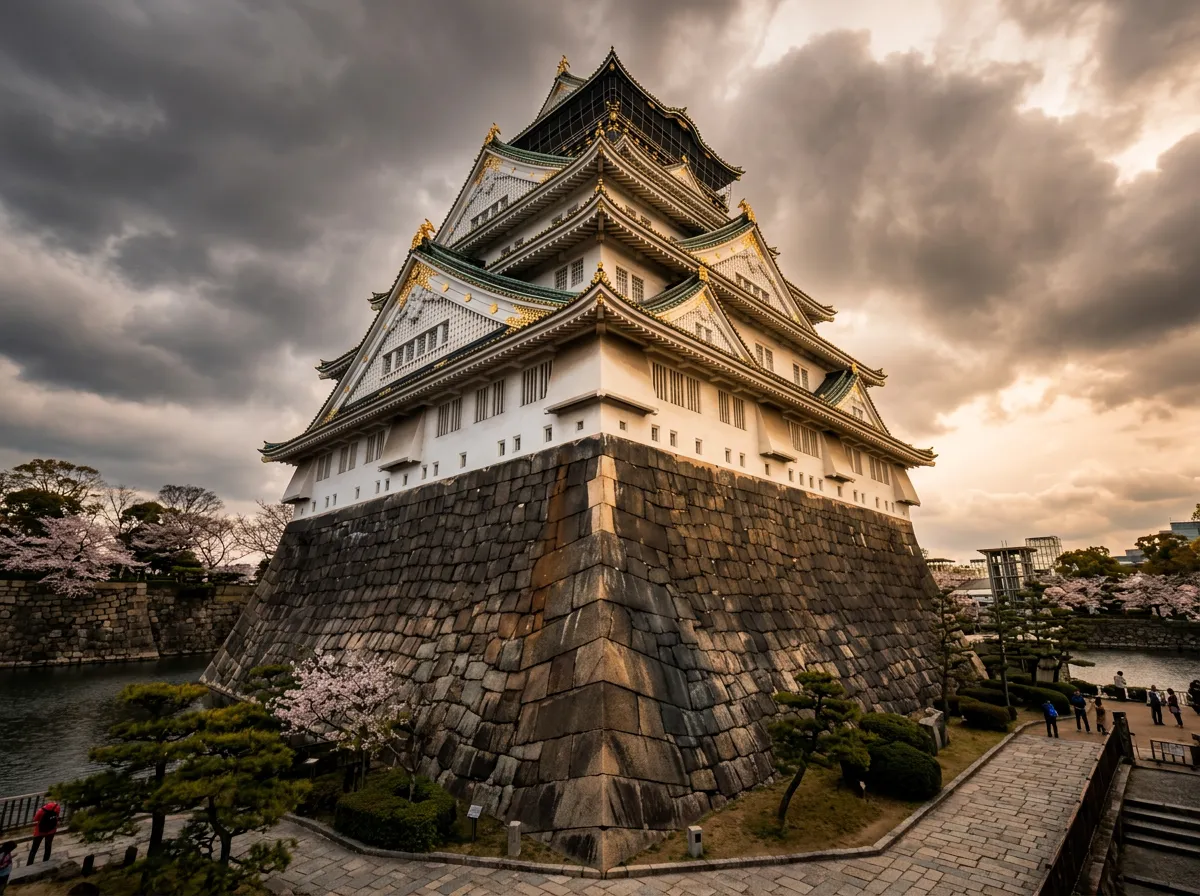
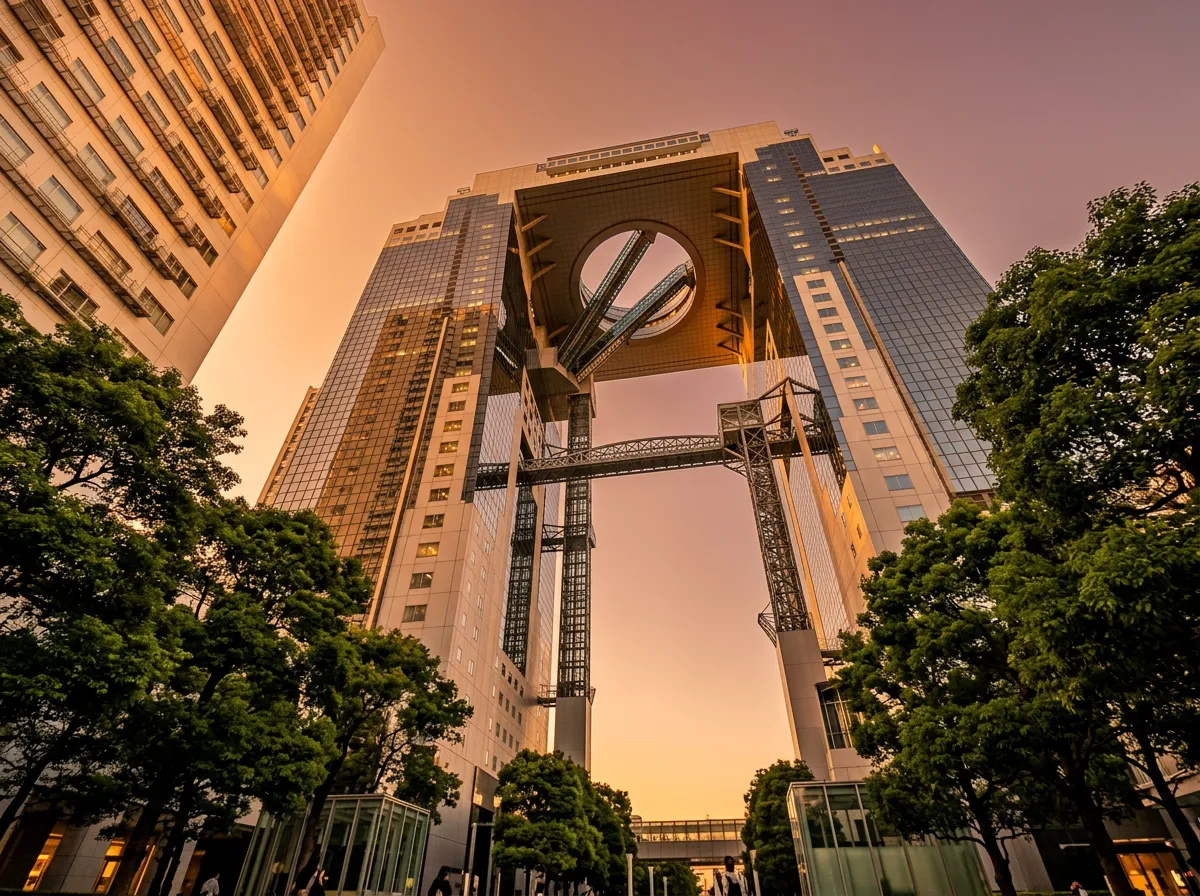
Osaka earns three nights because it carries two very different days. The first is the Hiroshima day-trip: take an early Sakura shinkansen, reach the Peace Memorial Museum before the school groups arrive, eat layered Hiroshima okonomiyaki at Okonomi-mura, and consider Miyajima only if the museum hasn't taken everything you have: the torii is best at high tide, so check before committing to the ferry. Come back to Dotonbori for a low-key evening; the day earns it. The second day belongs to Osaka itself: Kuromon Ichiba early, Shinsekai and Tsutenkaku mid-morning, the Umeda Sky Building at dusk when the city lights up below you.
14 things to see and do
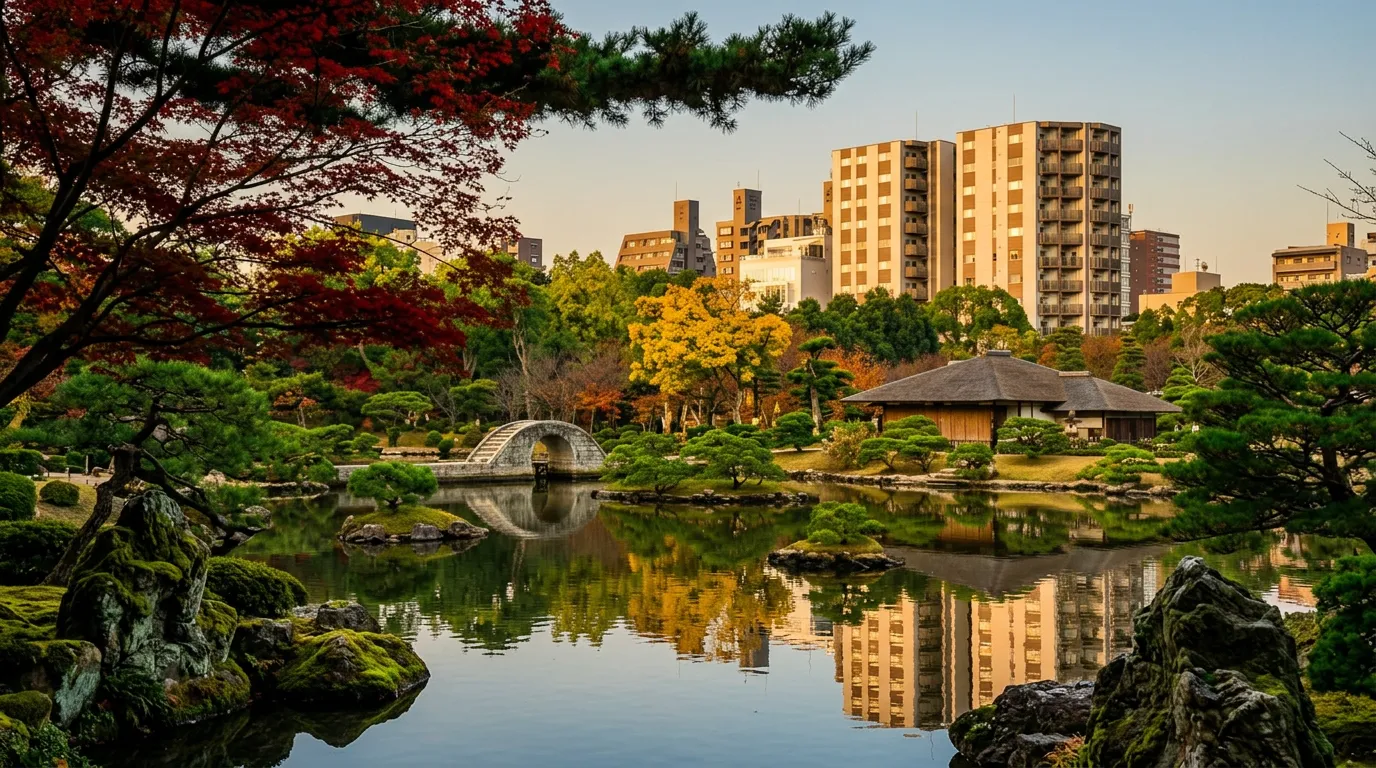 Hidden gemShukkei-en GardenA 17th-century daimyō garden.
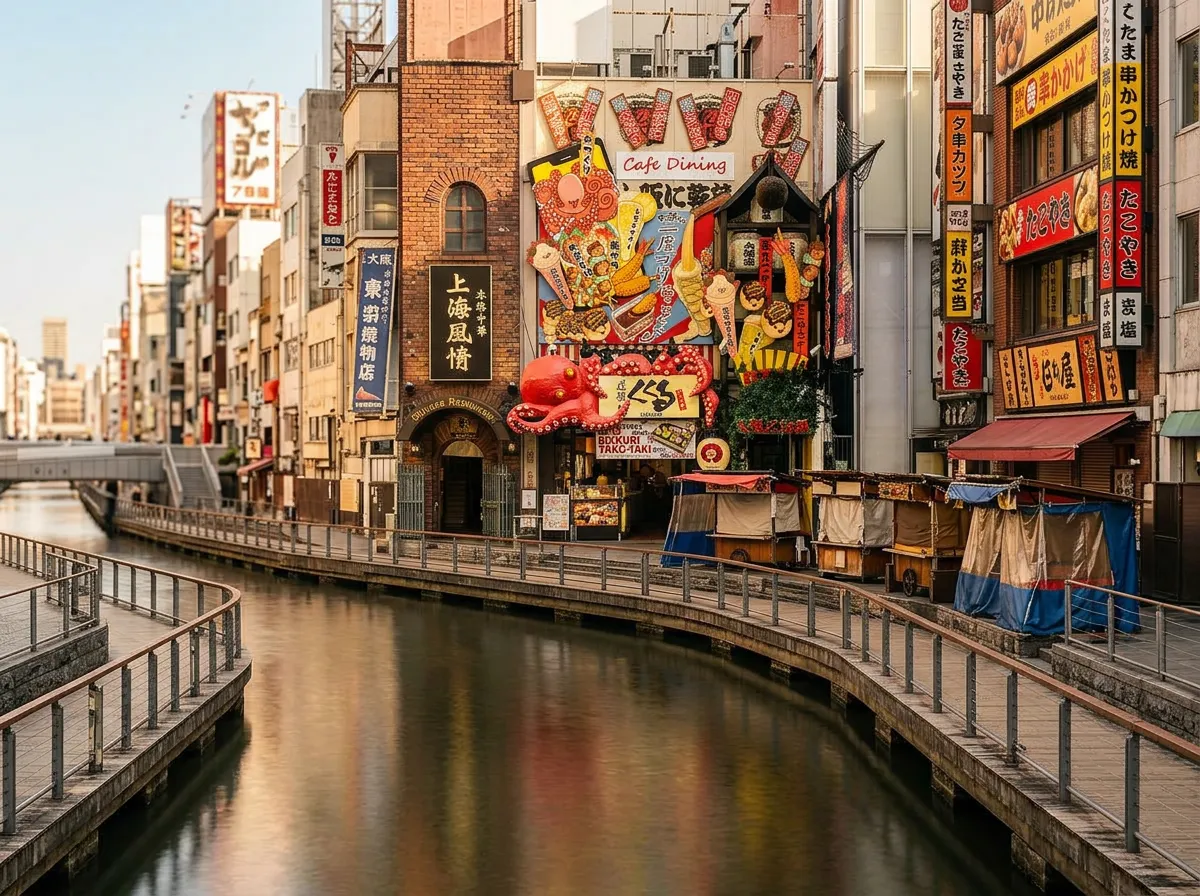 NeighbourhoodDotonbori afternoon walkDotonbori · Free
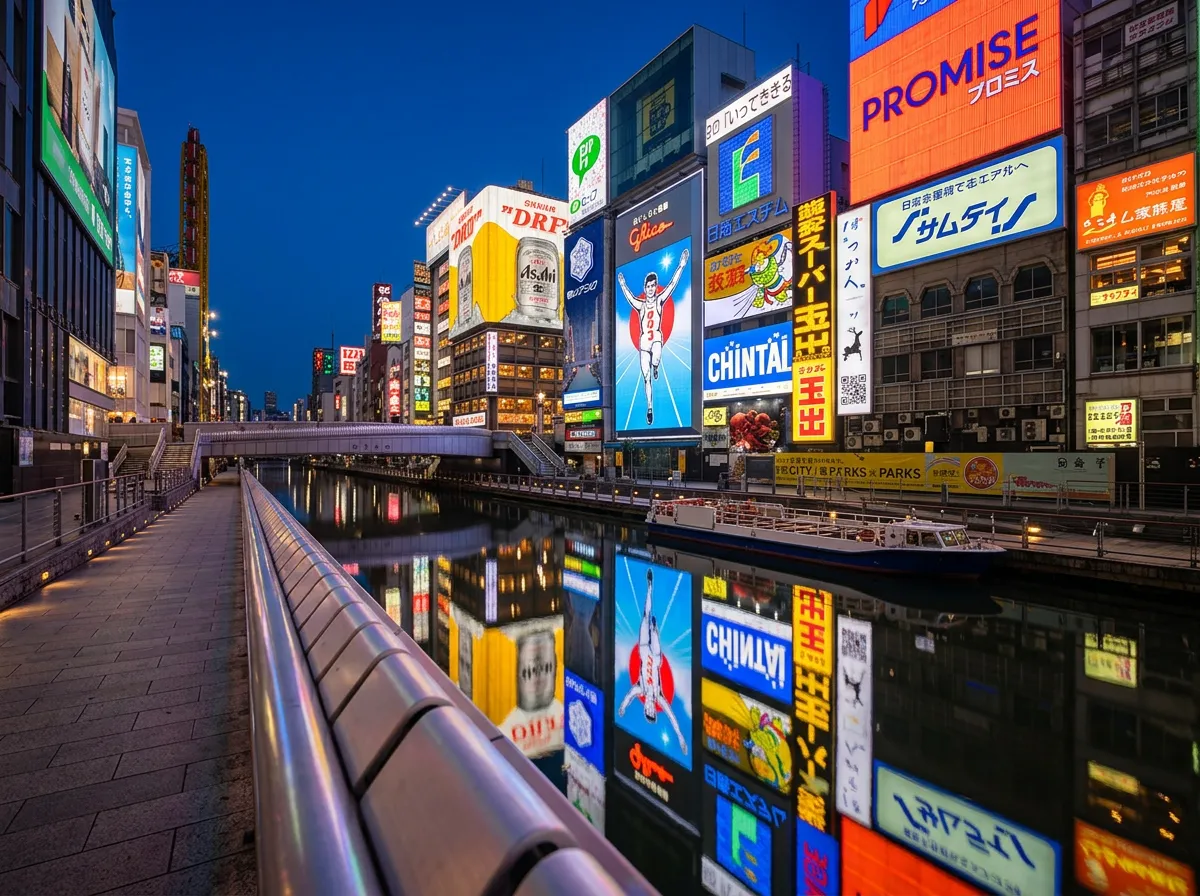 Must-seeGlico Sign at duskDotonbori · Free
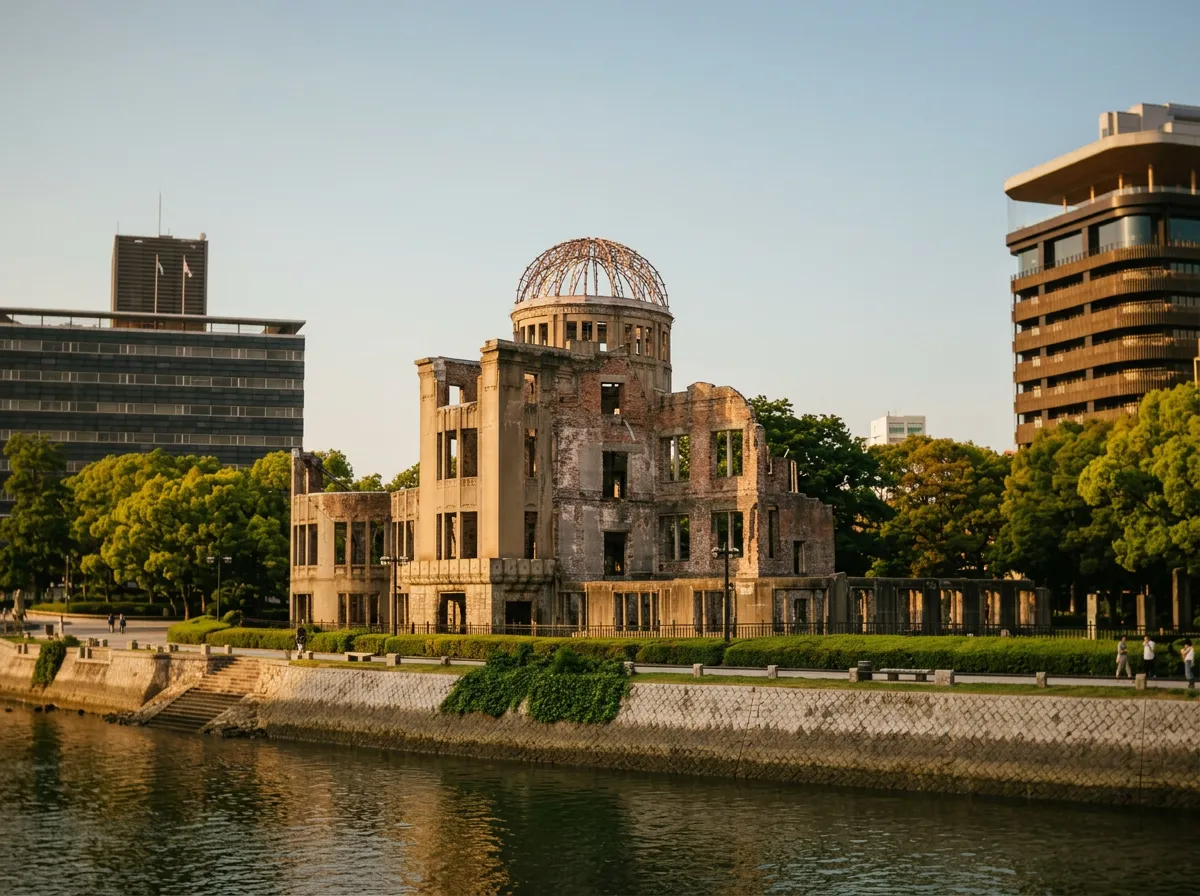 Day-trip · HiroshimaAtomic Bomb DomePeace Park · Free
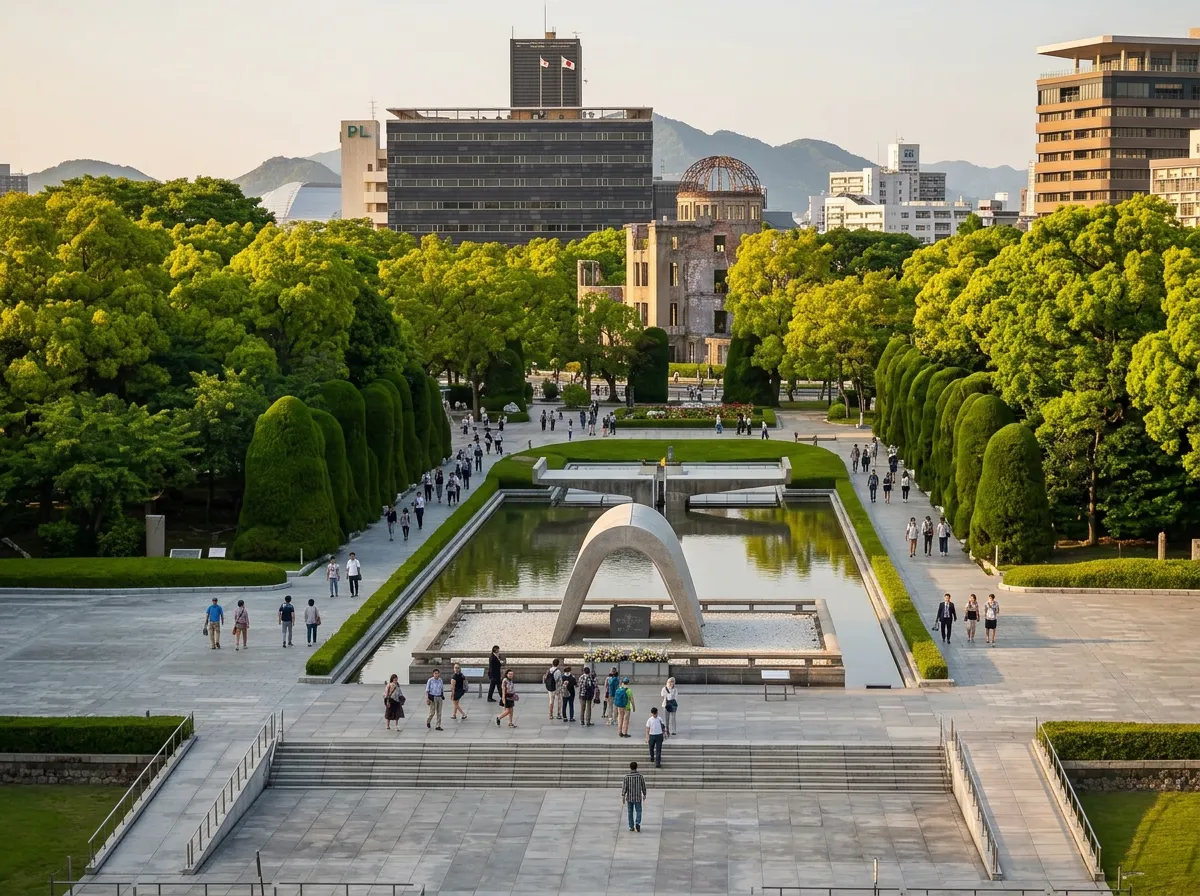 Day-trip · HiroshimaPeace Memorial MuseumThe defining museum of 20th-century Hiroshima.
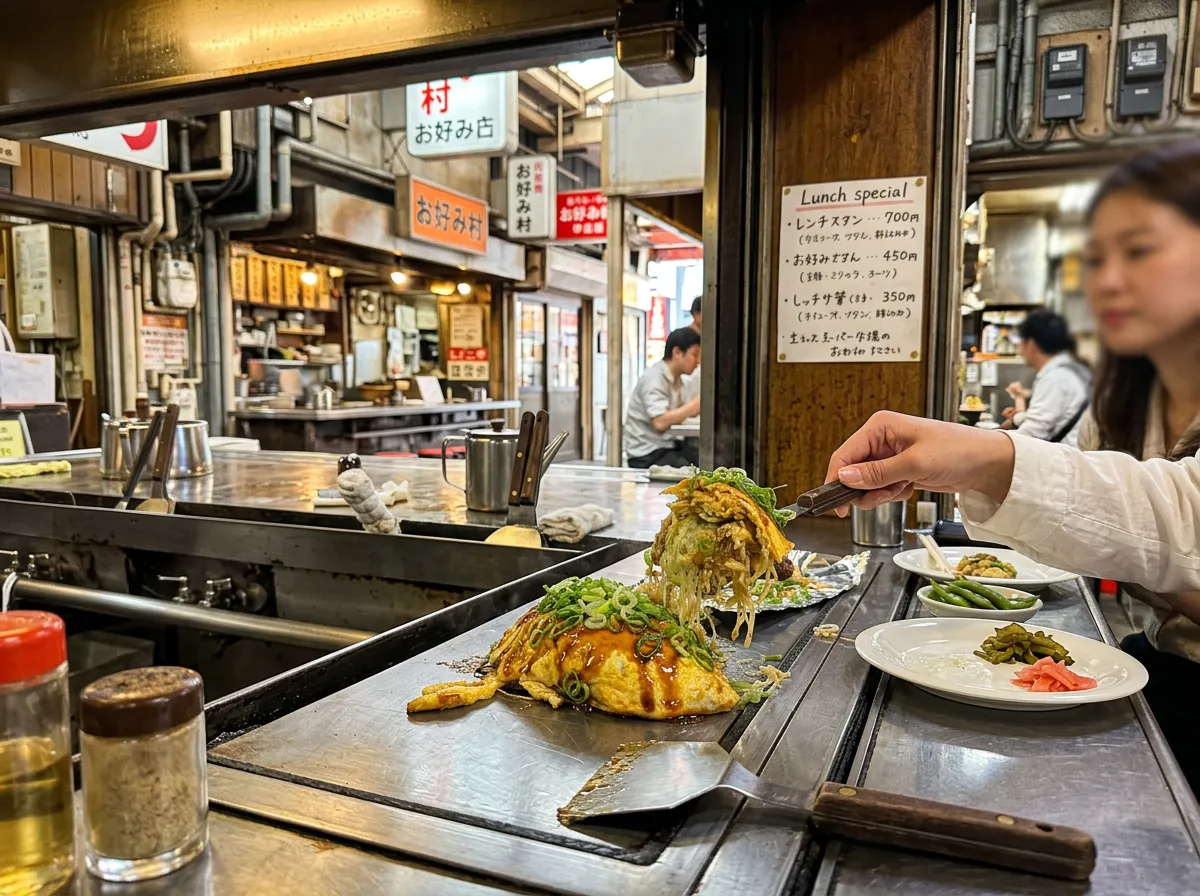 EatHiroshima okonomiyaki lunchOkonomi-mura · ~¥1,500
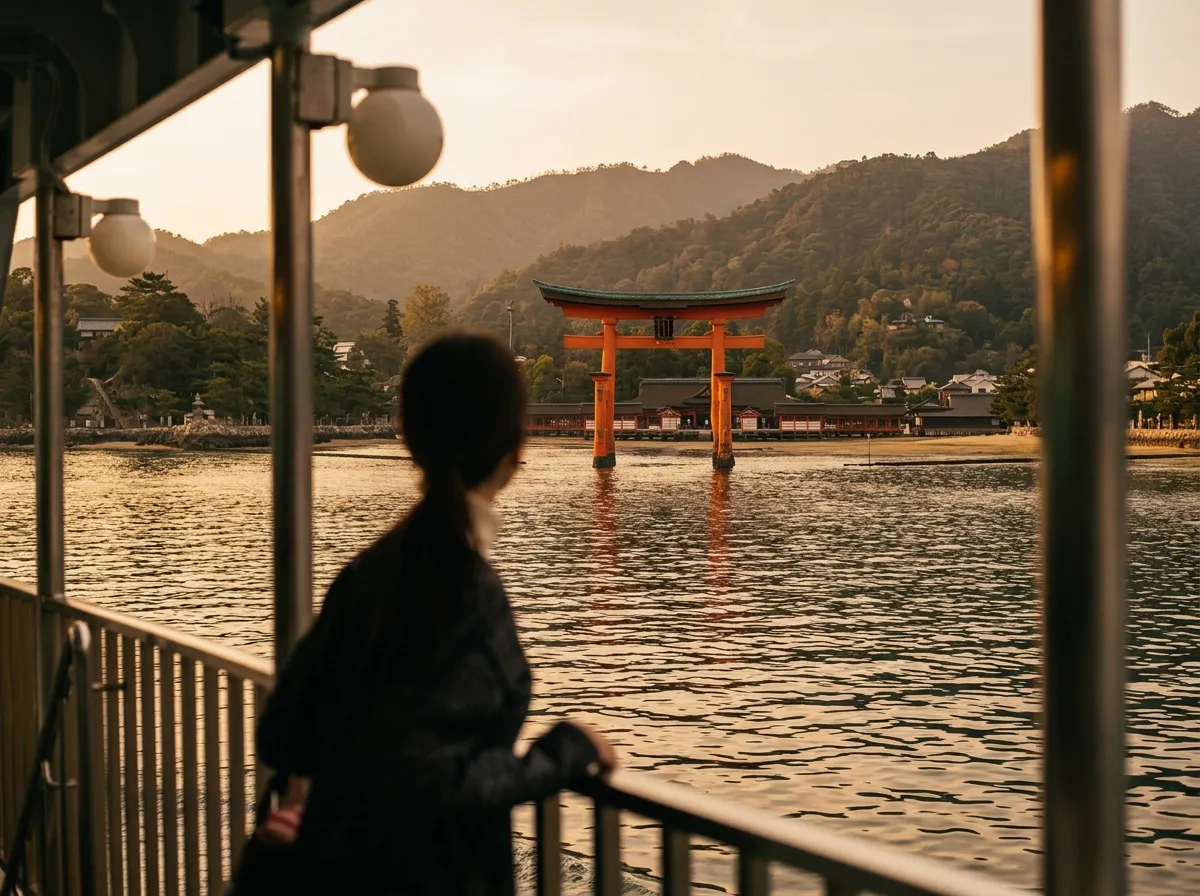 Day-trip · HiroshimaMiyajima ferry + toriiMiyajima · ¥200
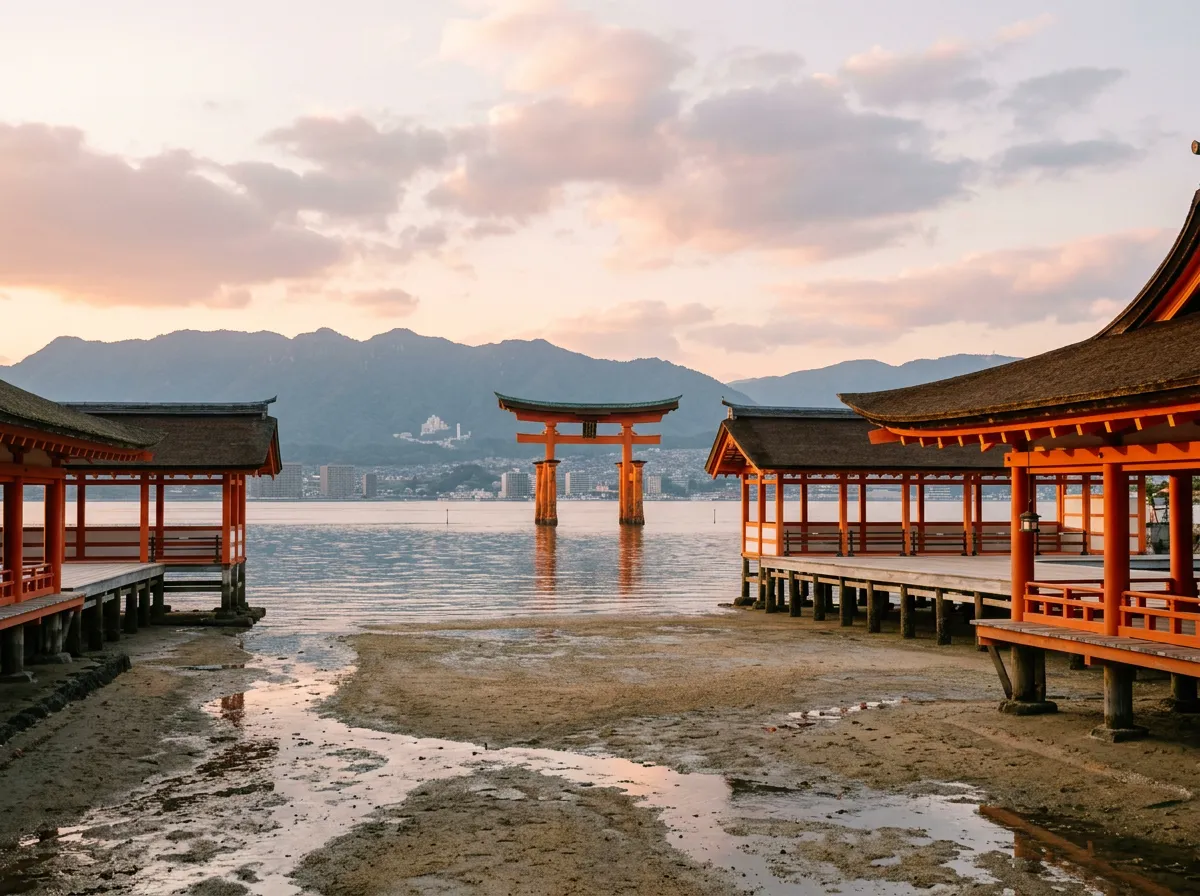 Day-trip · HiroshimaItsukushima ShrineMiyajima · ¥300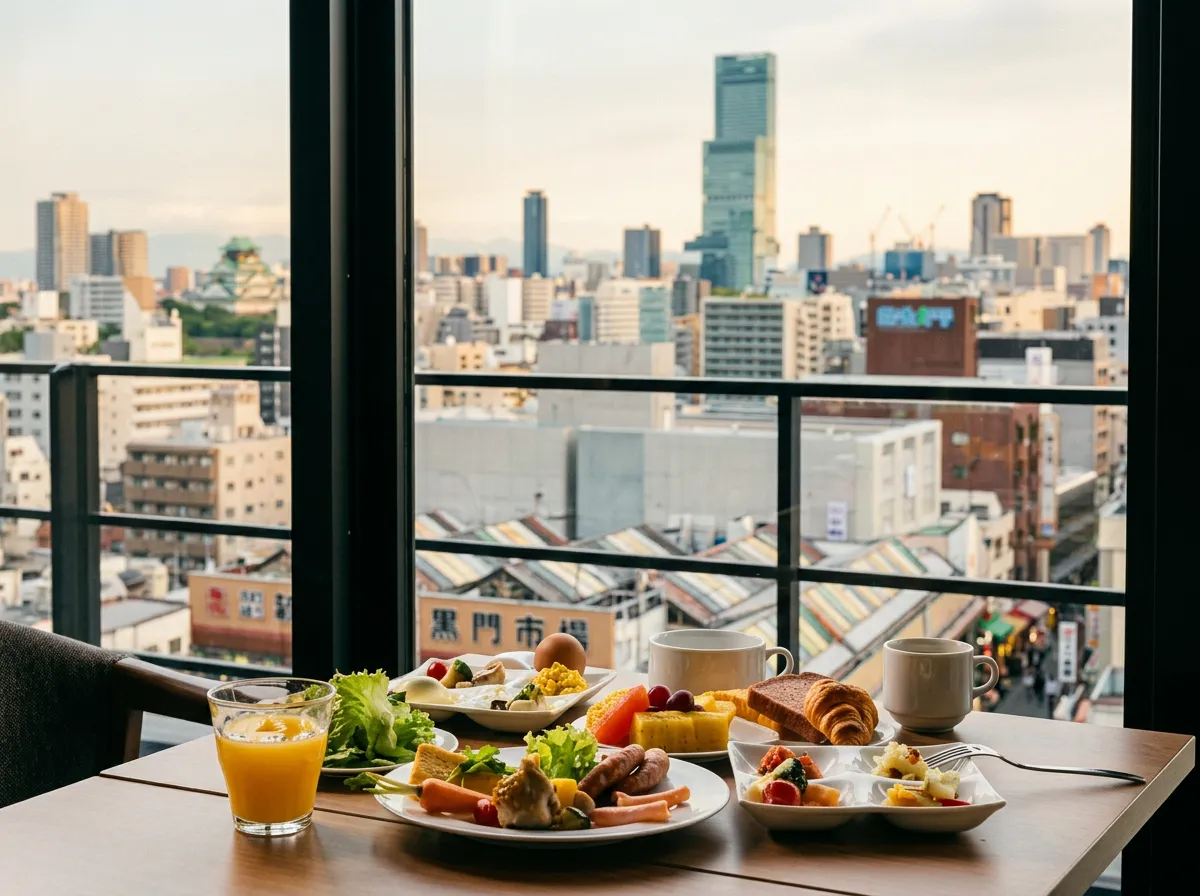
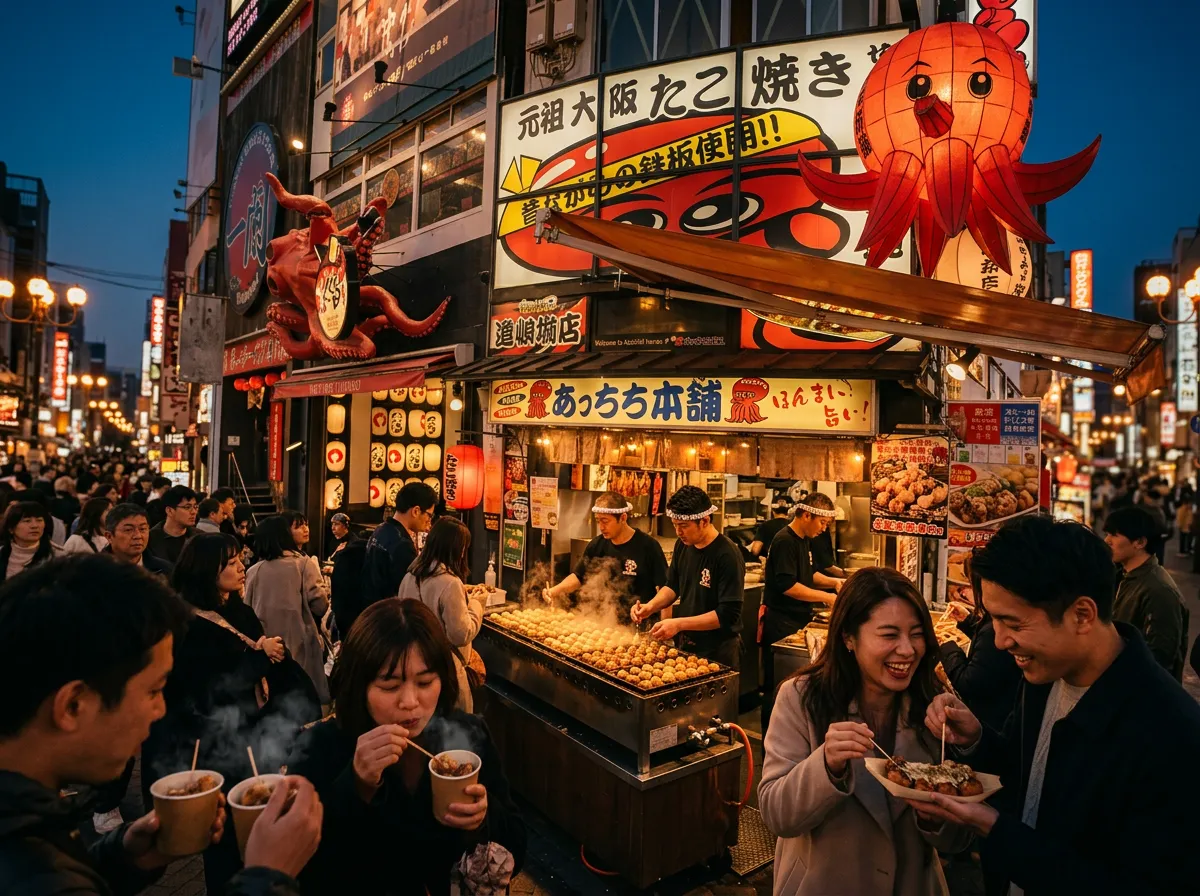
Where to sleep in Osaka
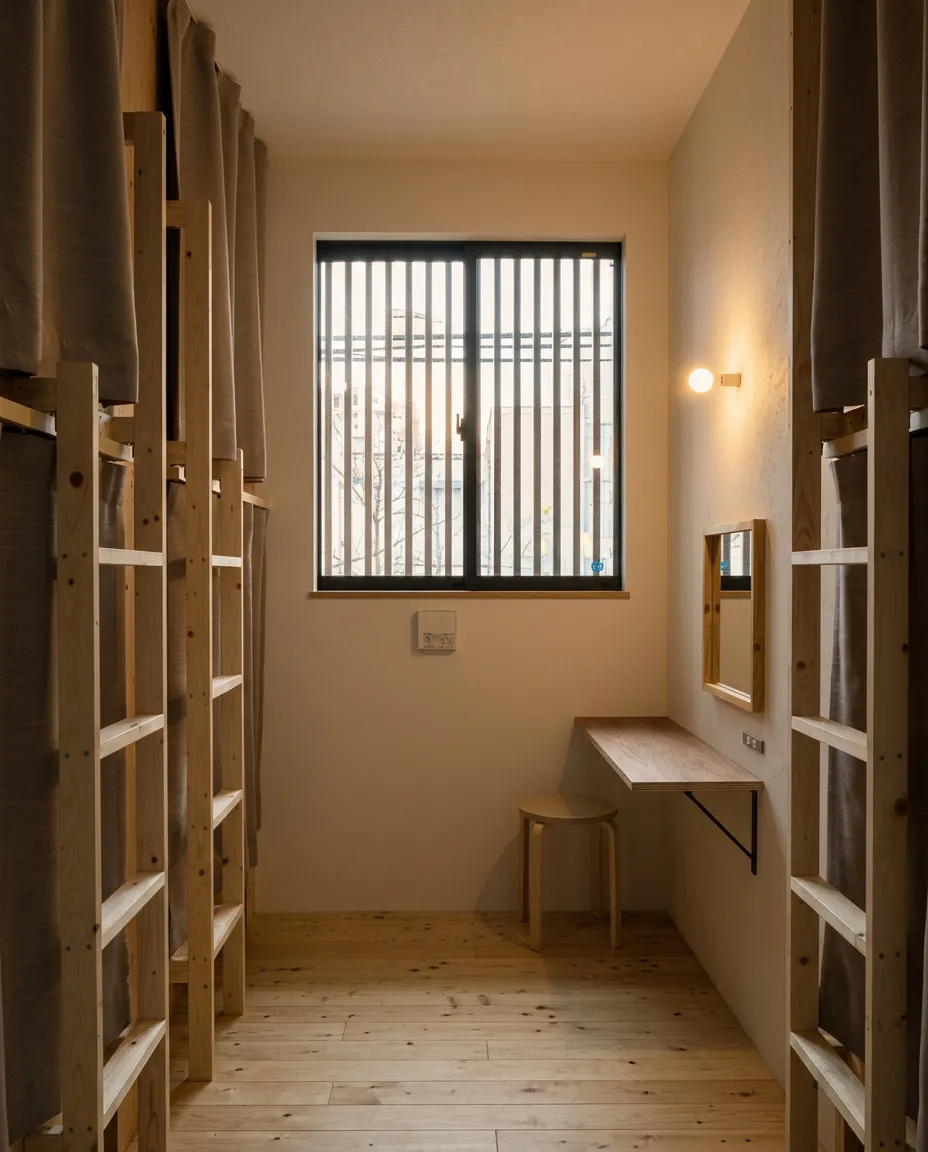 BUDGET · HostelHostel Mitsuwaya OsakaNamba · 10 min to DotonboriRenovated old-town building, communal kitchen and lounge. The owner runs a free walking tour twice a week. Worth signing up on arrival.¥4,800/nightSee rates ↗
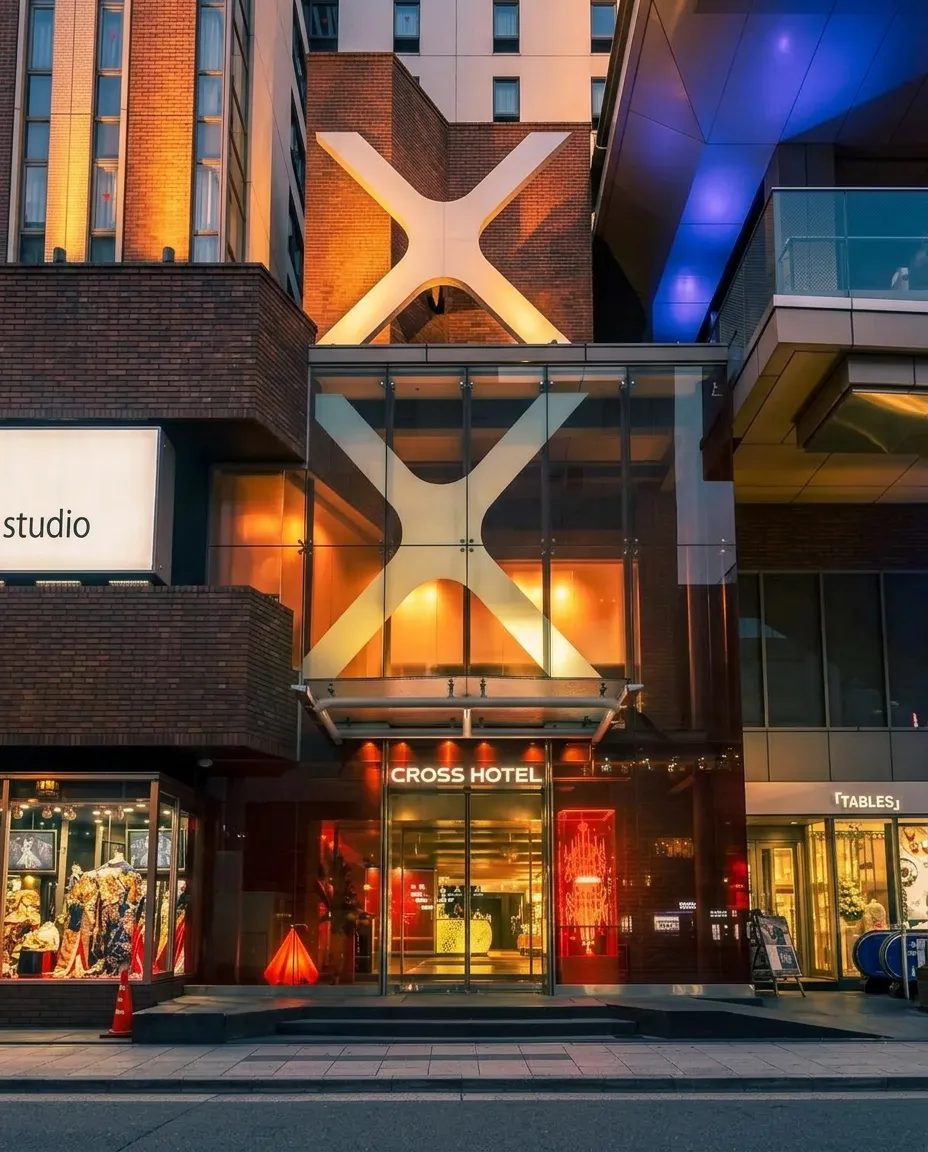 MID · HotelCross Hotel OsakaShinsaibashi · 5 min to DotonboriRecommendedDirectly between Shinsaibashi shopping arcade and the Dotonbori canal. Five minutes to either. Modern rooms, decent breakfast buffet, the lobby café is a working spot.¥17,000/nightSee rates ↗
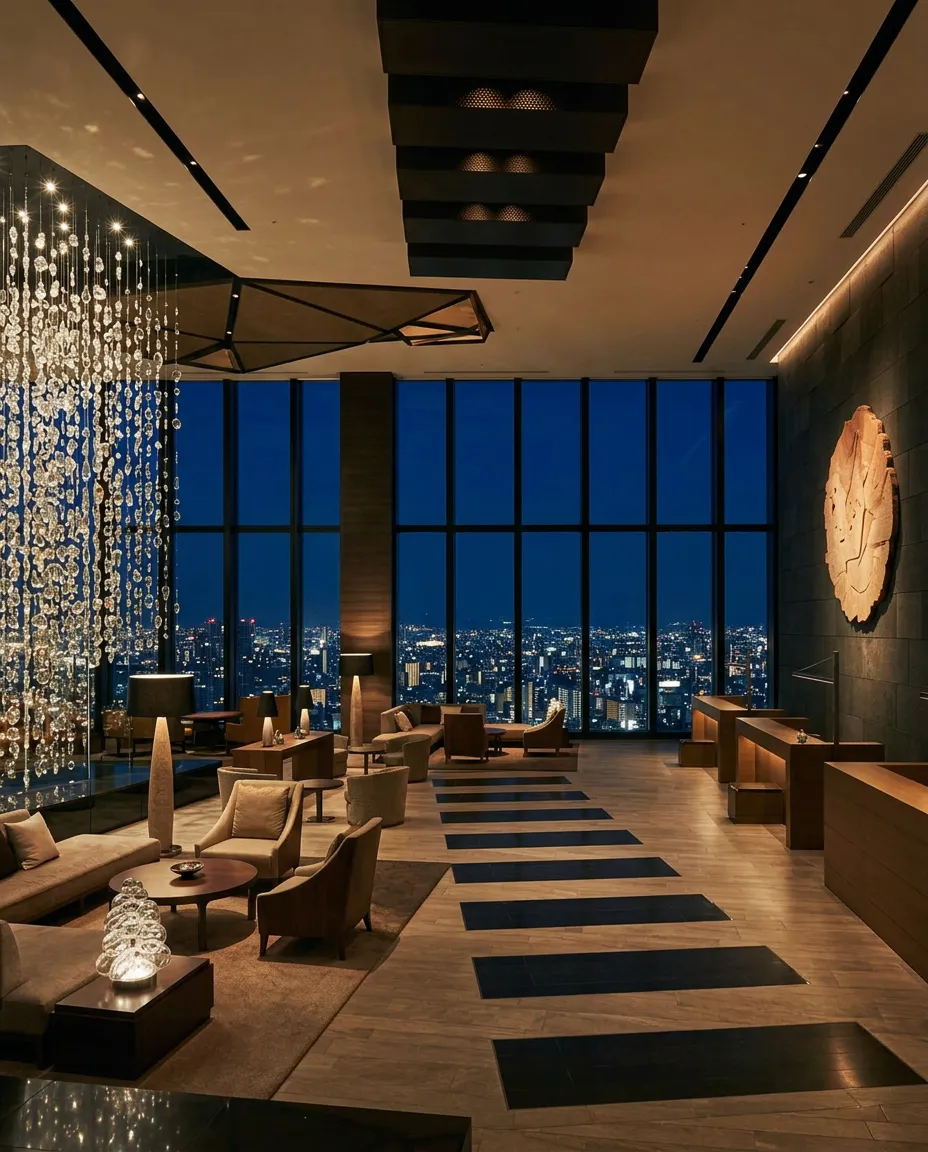 LUXURY · HotelConrad OsakaNakanoshima · skyline-facingTop of the Nakanoshima Festival Tower, 40-some floors above the river. The bar on the top deck does the best martini in the city, and the breakfast is worth waking up for.¥65,000/nightSee rates ↗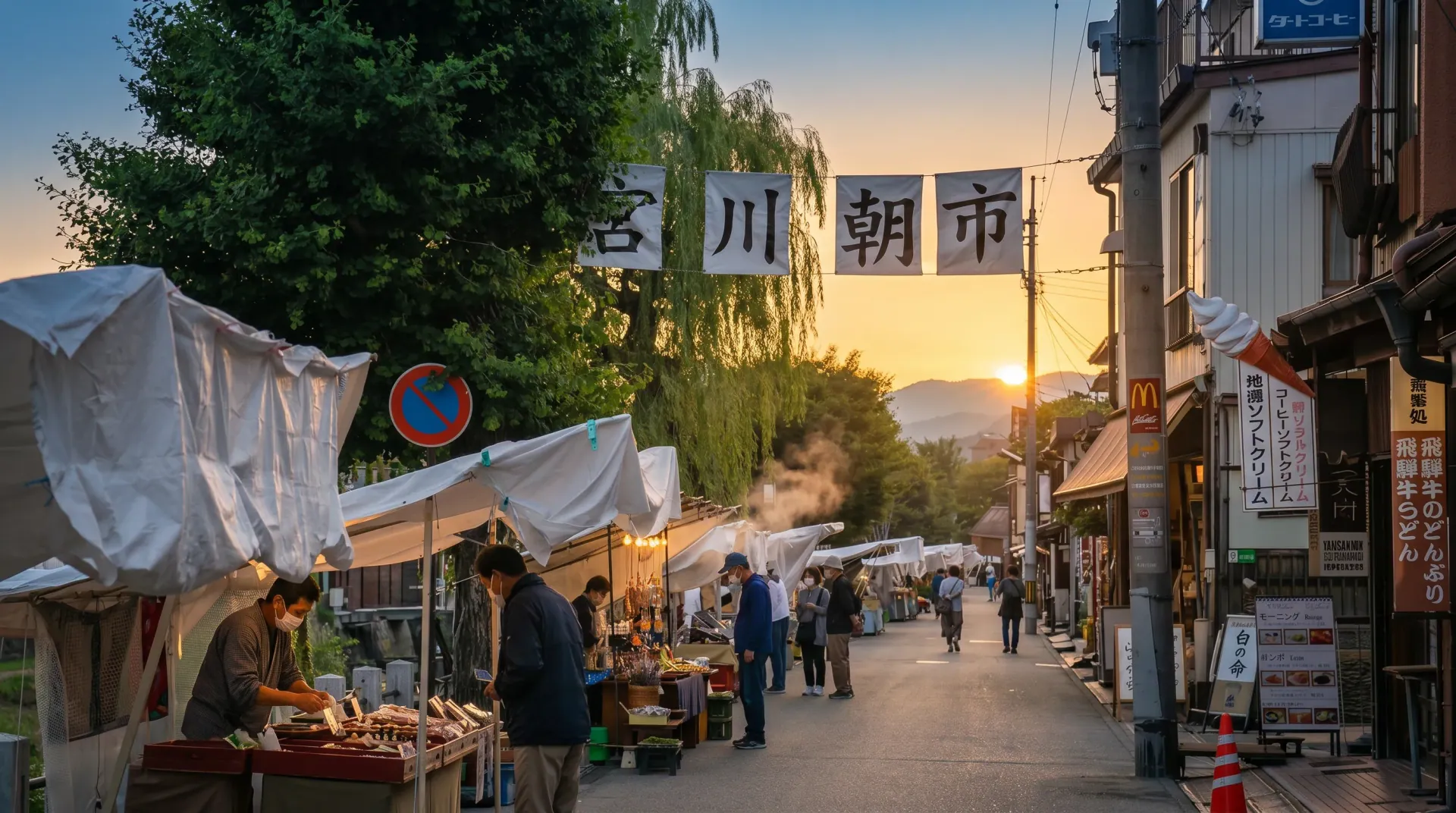
Why Takayama
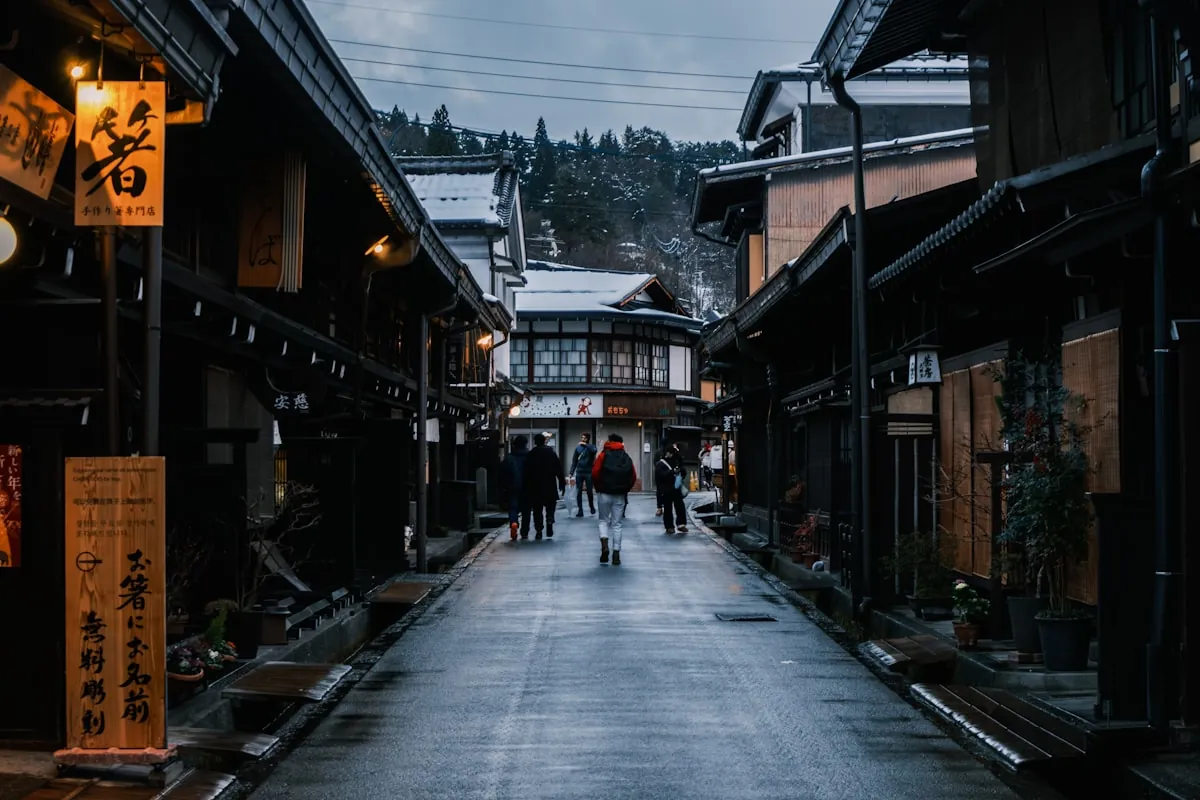
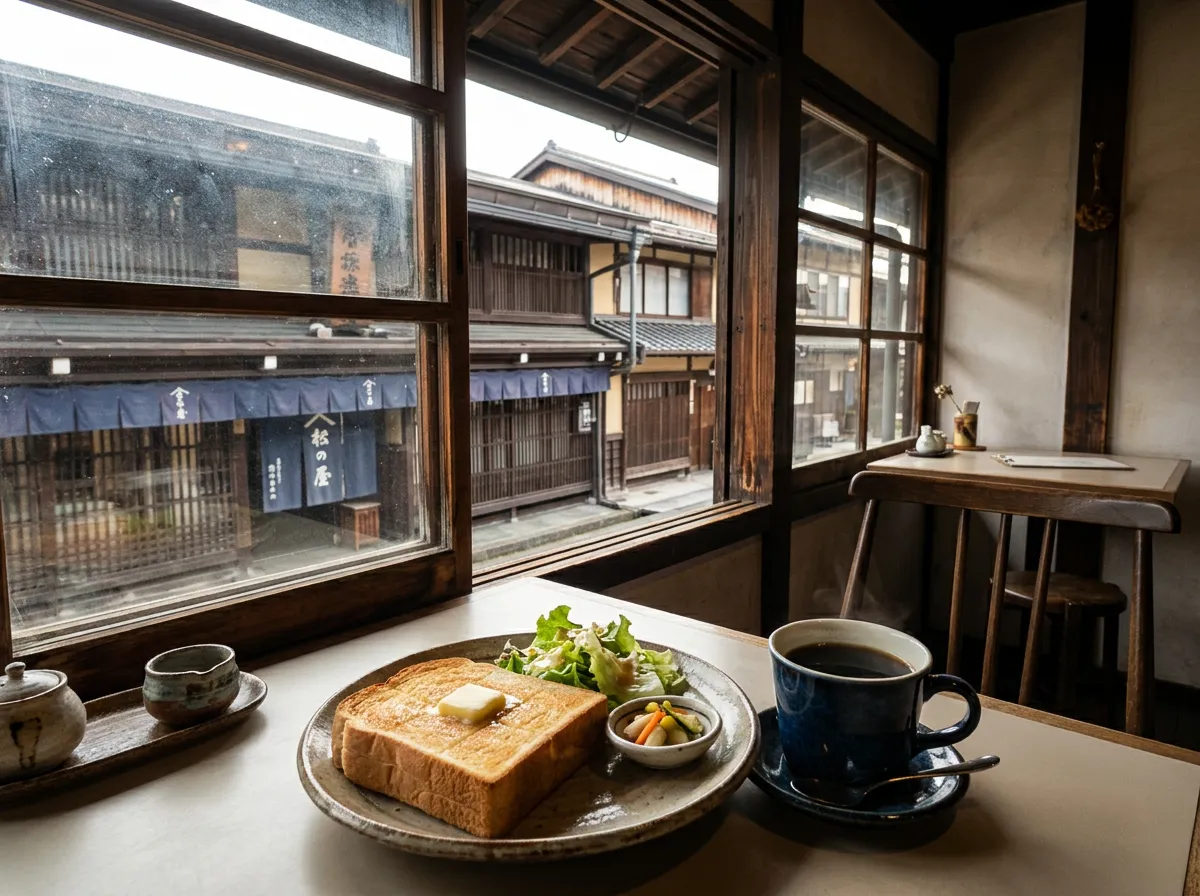
Takayama is where the route earns its shape. The Wide-View Hida from Nagoya follows the Hida River gorge for the better part of two hours: sit on the right side after Mino-Ōta and the mountains do the work. Arrive, drop bags, and walk Sanmachi-suji at dusk before the day-trippers clear out and the lanterns come up. The next morning belongs to the Miyagawa riverside market, then sake flights at Funasaka or Hirata-Shuzō, then the Takayama Jinya: the only surviving Edo regional office in Japan and genuinely worth the forty minutes. End the afternoon at Hida Folk Village on the hill west of town; walk up rather than taking the bus.
11 things to see and do
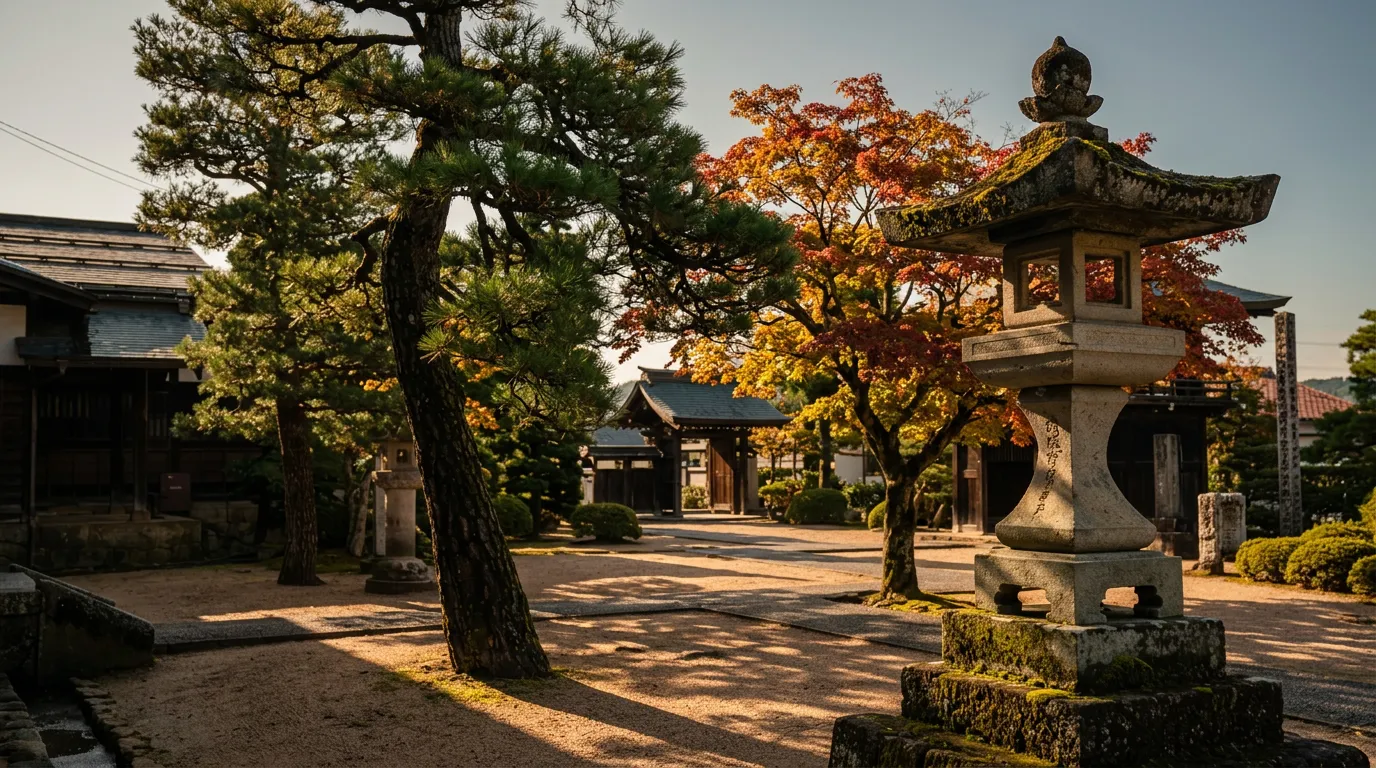 Hidden gemHigashiyama Walking CourseA 3.5 km walking route through 15 small temples and shrines on the hillside east of Takayama's old town.
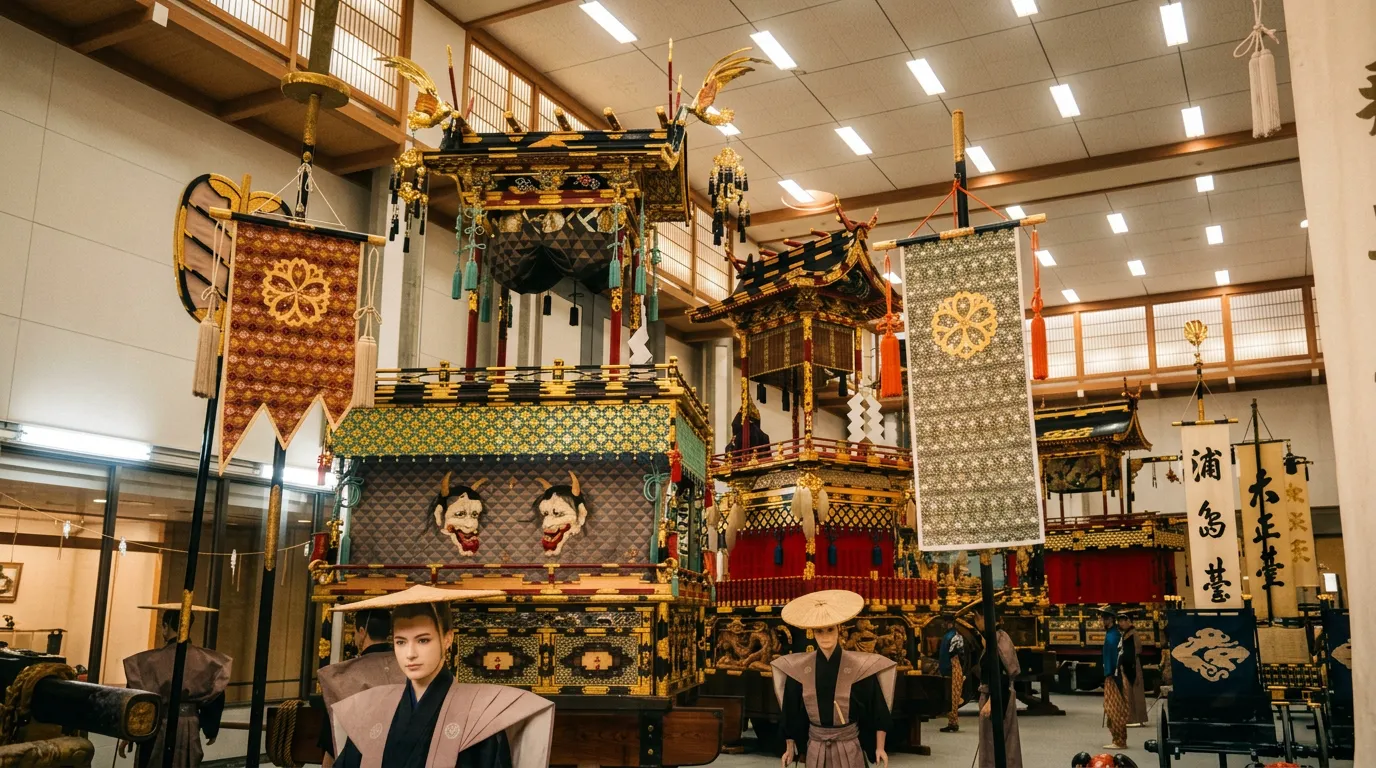 Hidden gemYatai-KaikanA purpose-built hall housing four of the 23 festival floats used in the Takayama Matsuri each spring and autumn.
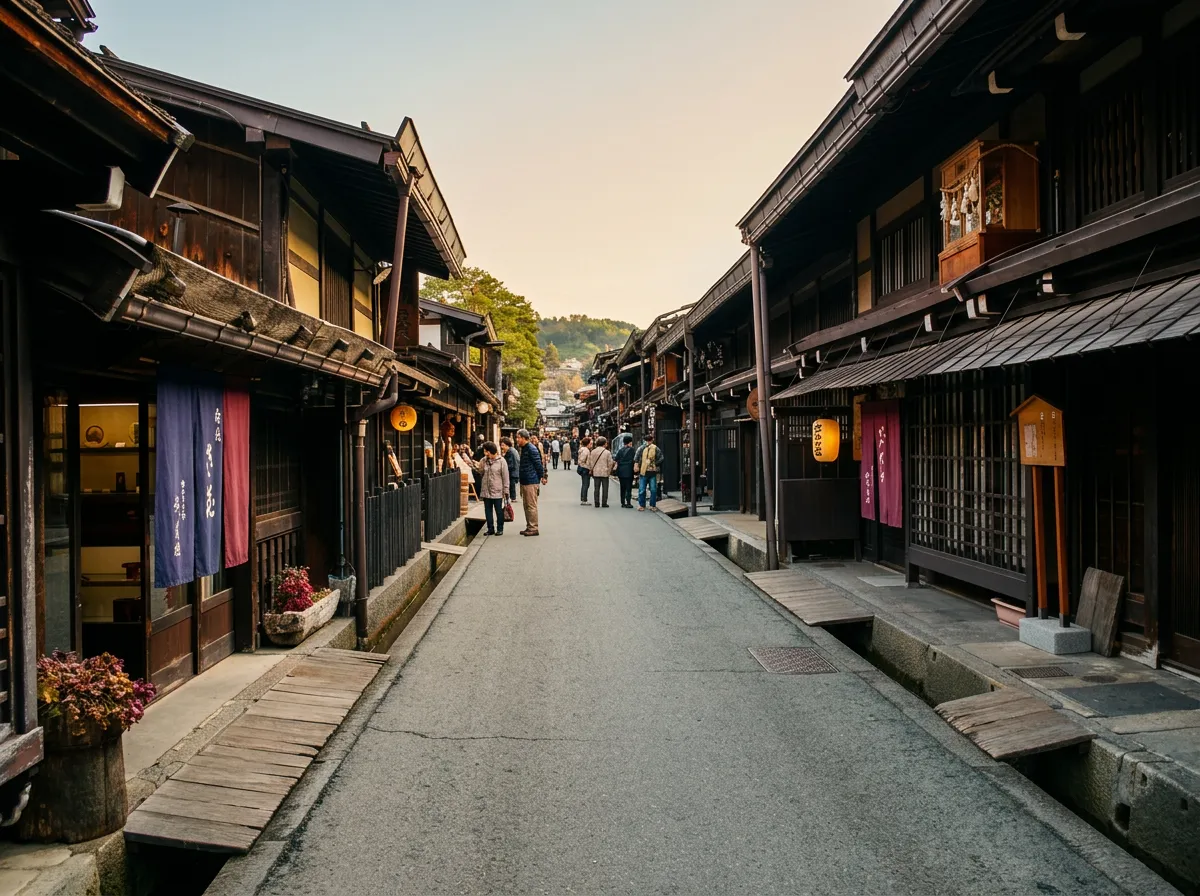 NeighbourhoodSanmachi first walkSanmachi · Free
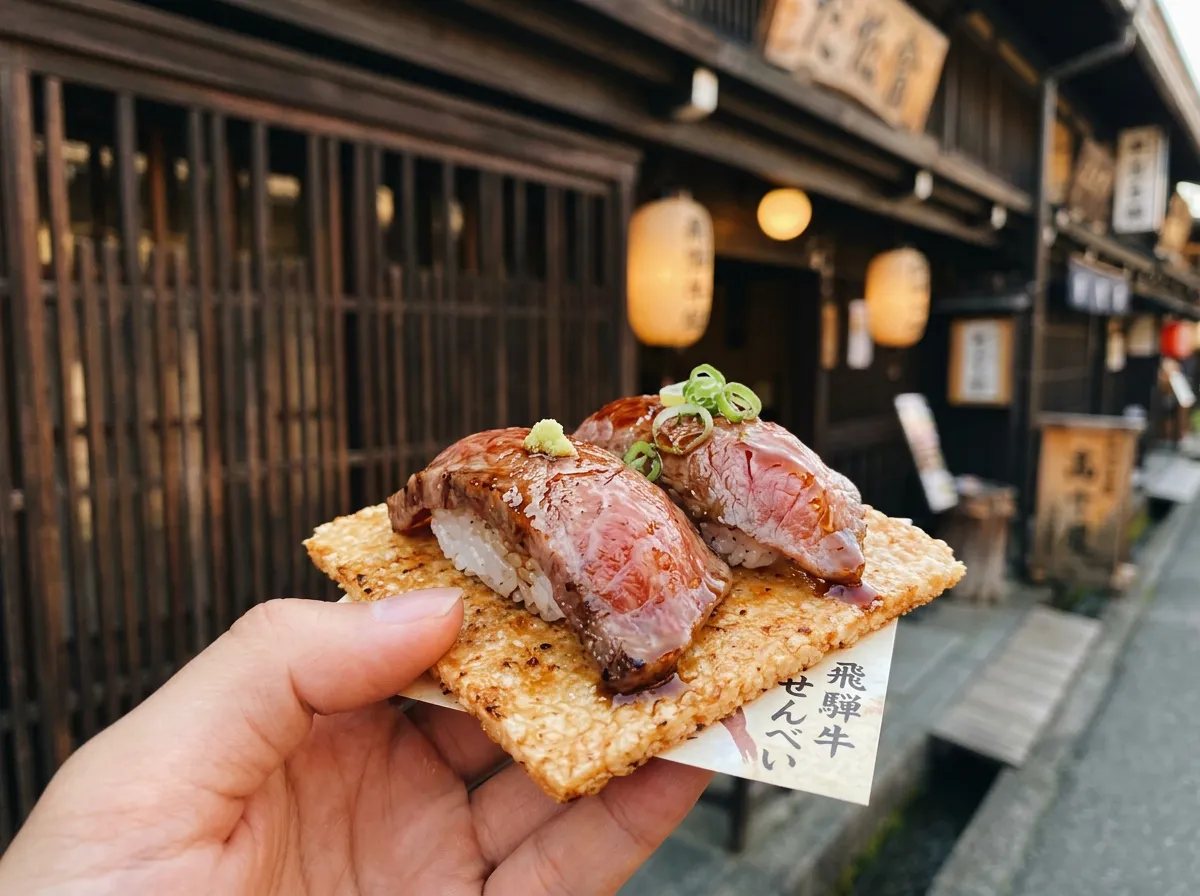 EatHida beef first tasteTakayama · ~¥4,500
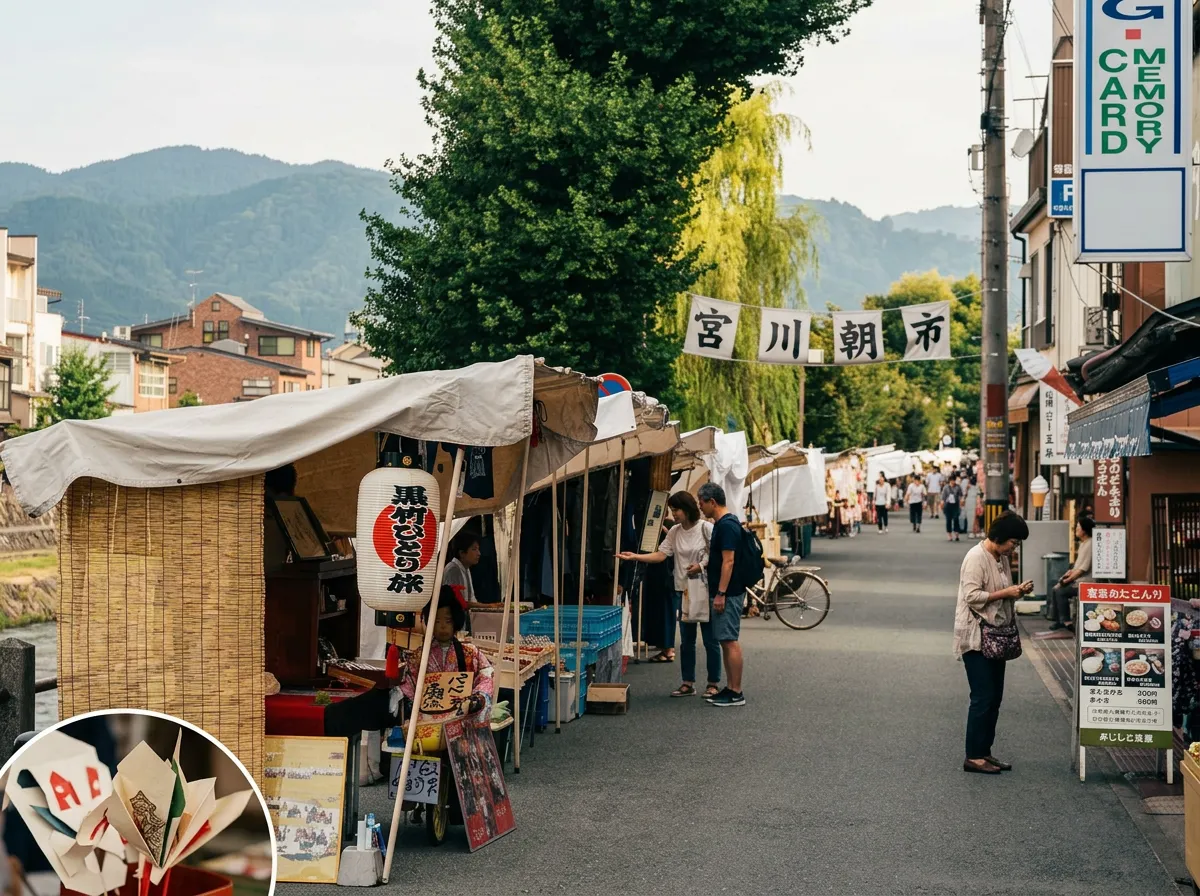 NeighbourhoodMiyagawa morning marketMiyagawa · ~¥1,500
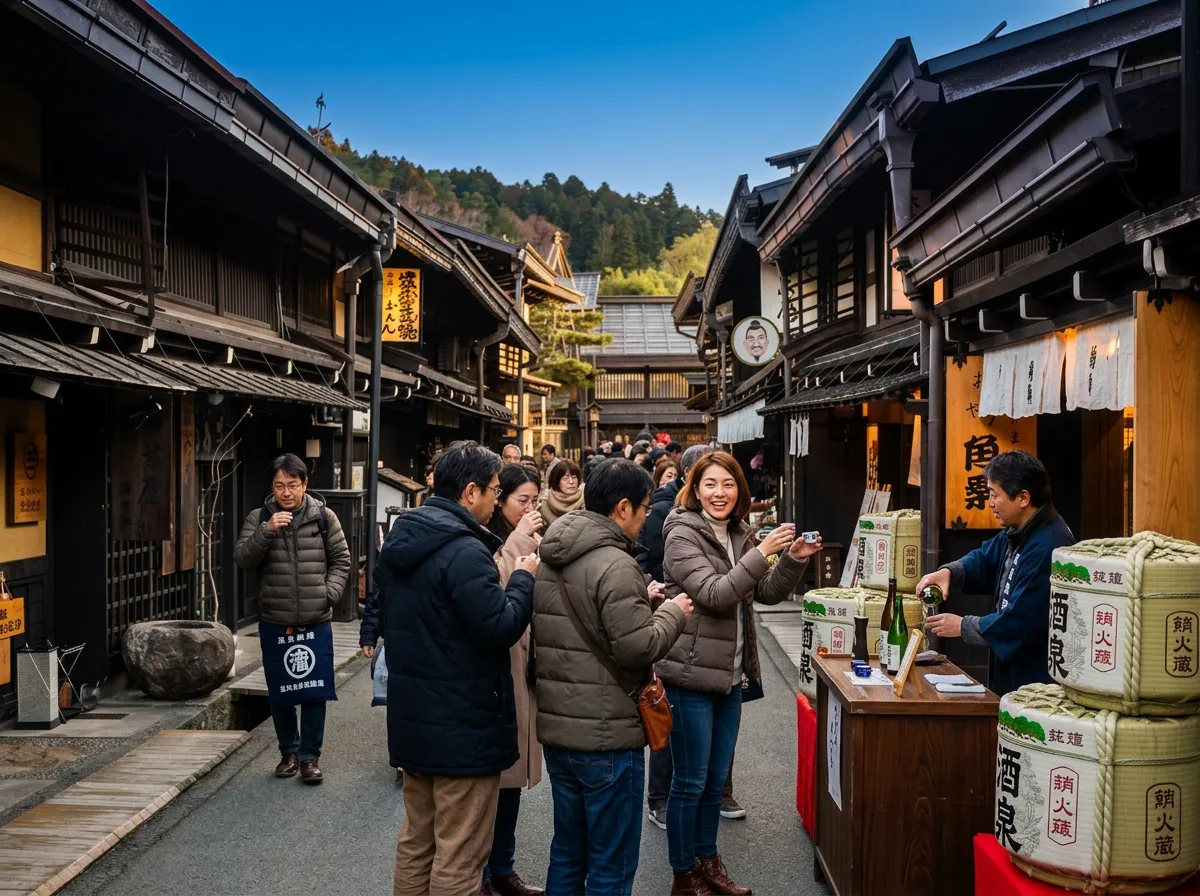 Must-seeSanmachi sake tastingSanmachi · ¥500/flight
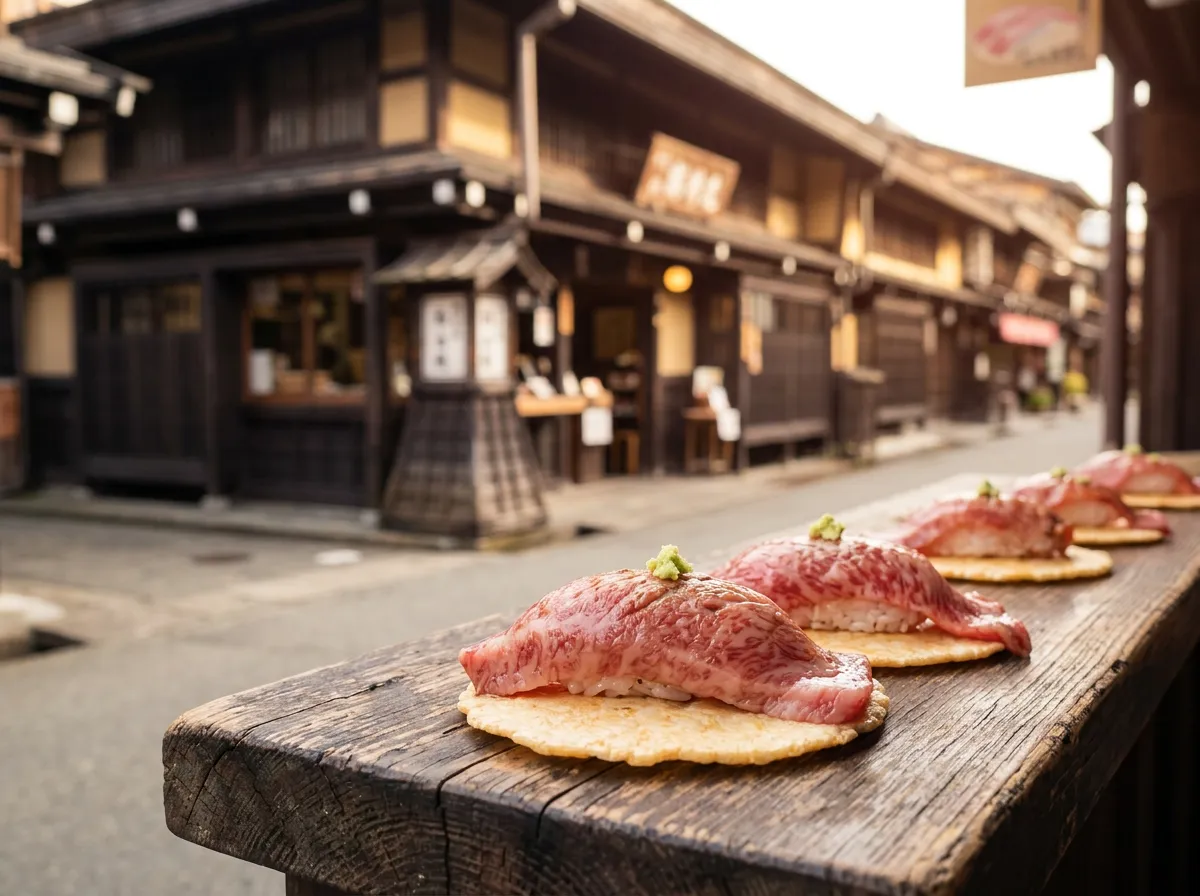 EatHida-beef nigiri lunchSanmachi · ~¥1,200
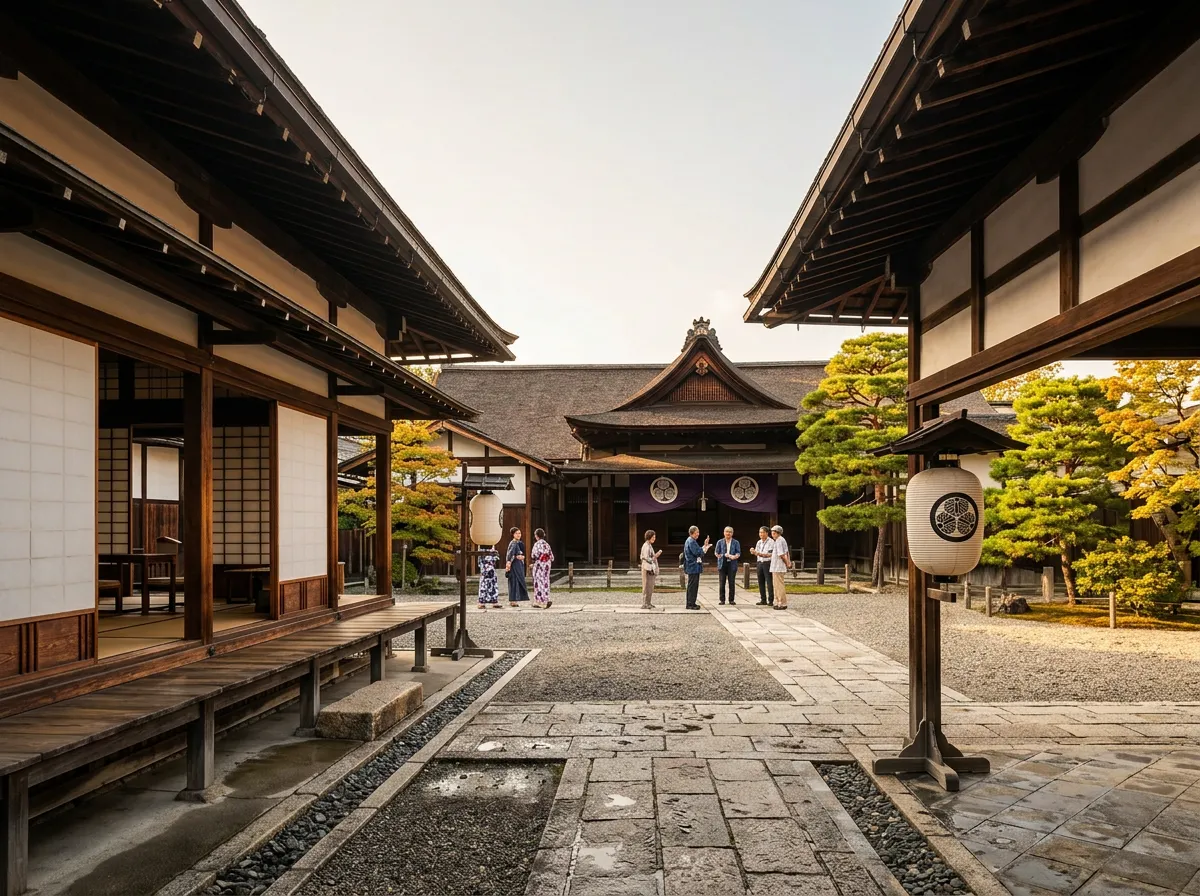 Must-seeTakayama JinyaTakayama · ¥440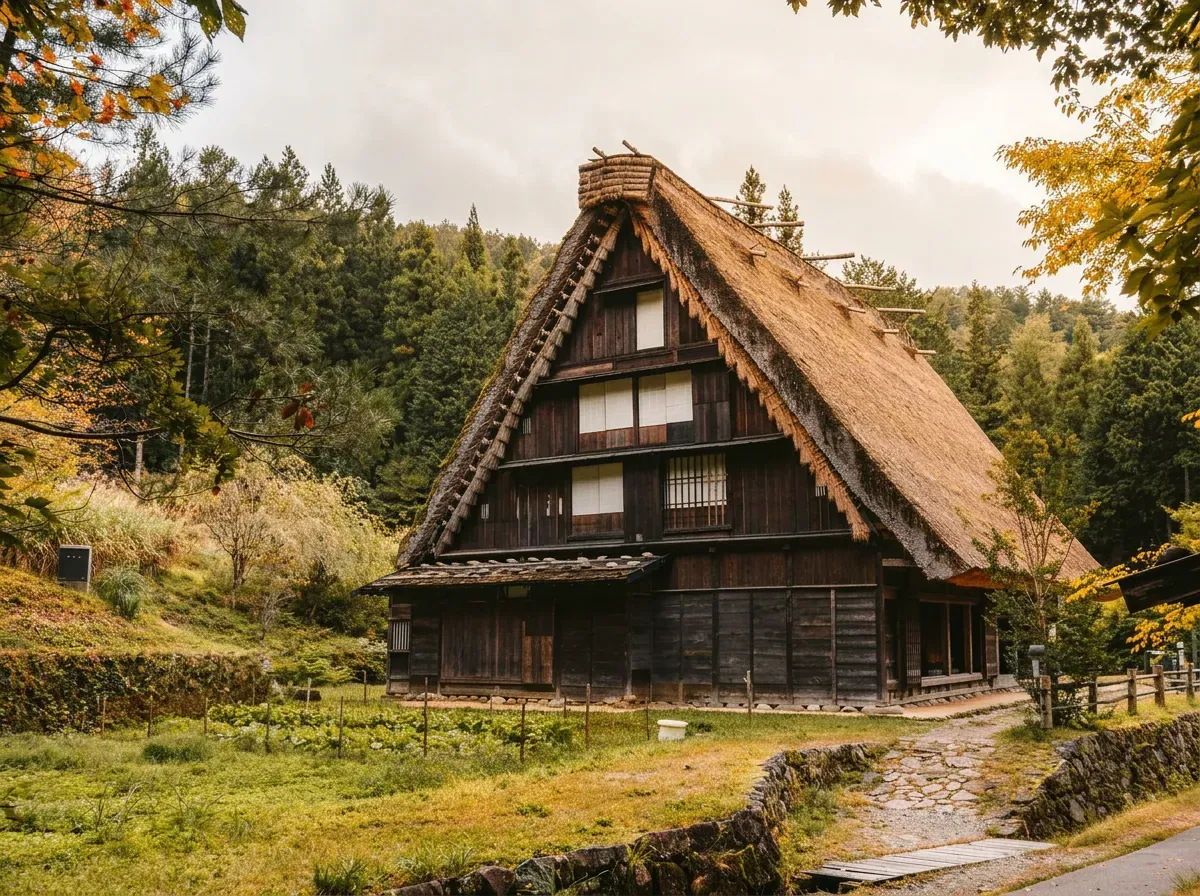
Where to sleep in Takayama
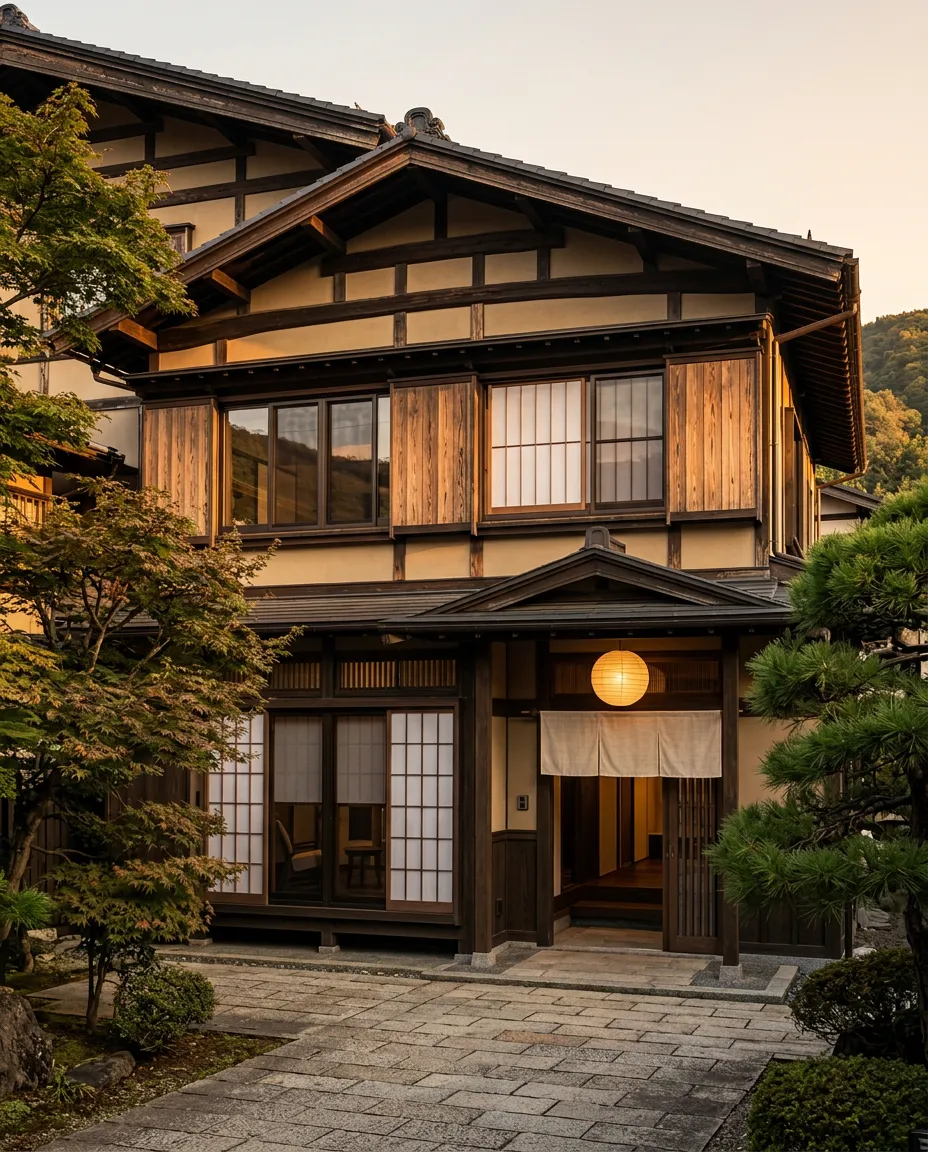 BUDGET · HostelK's House Hida-Takayama10 min walk from Takayama StationBackpacker classic in a converted machiya. Traditional wood frame, shared bathrooms, sociable common room. Best for travellers who want a guesthouse feel without committing to a full ryokan.¥4,500/nightSee rates ↗
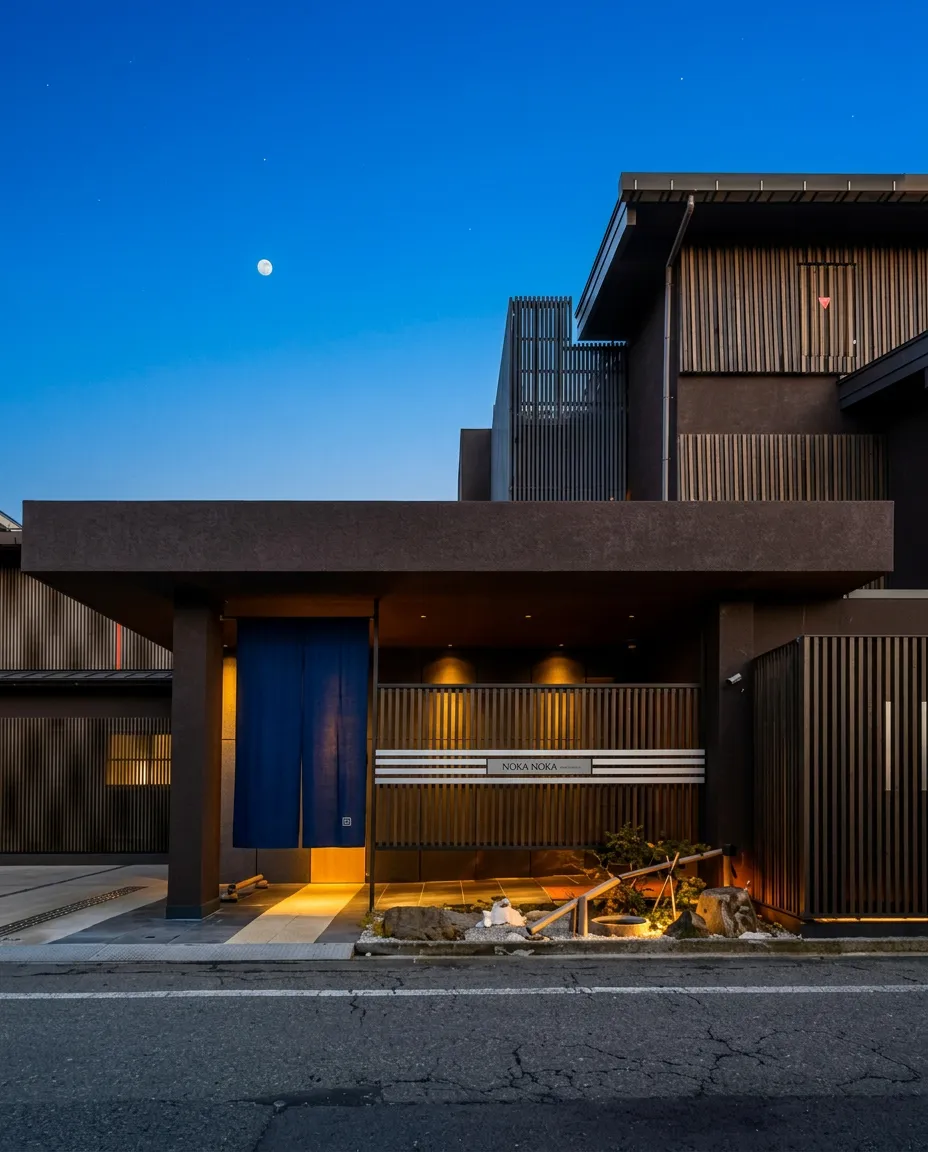 MID · HotelHotel Around Takayama5 min from Takayama StationRecommendedContemporary boutique with a top-floor onsen overlooking the mountains. The right middle ground if Hirayunomori is the planned ryokan moment. Modern bedding, breakfast, and a soaking option without committing to kaiseki dinner.¥18,000/nightSee rates ↗
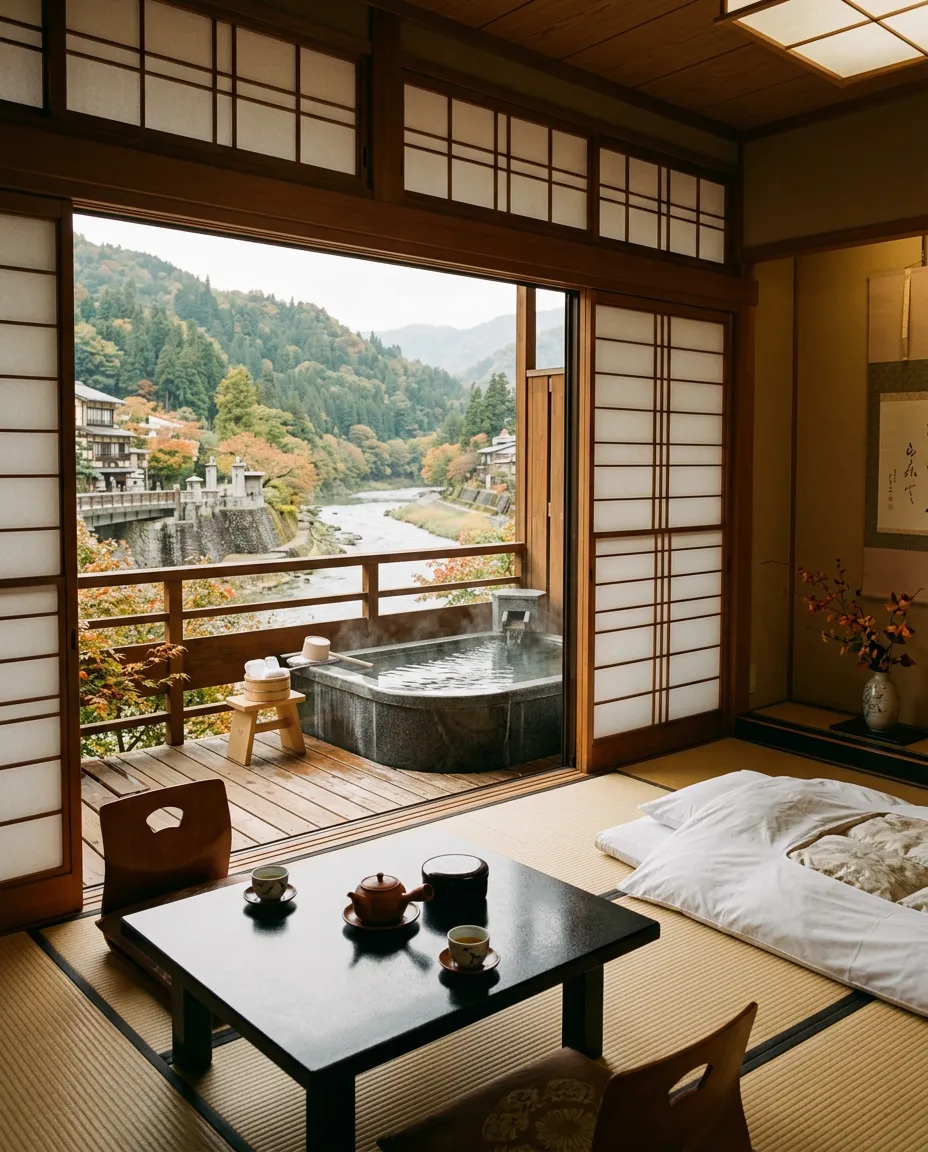 LUXURY · RyokanHonjin Hiranoya KachoanMiyagawa riverside, walk to SanmachiTraditional ryokan on the Miyagawa River with private onsen suites and a 12-course Hida-beef kaiseki. Distinct from Hirayunomori. Riverside-urban rather than mountain-rustic. If the trip allows two ryokan moments, this is the first.¥55,000/nightSee rates ↗
Why Hirayu Onsen
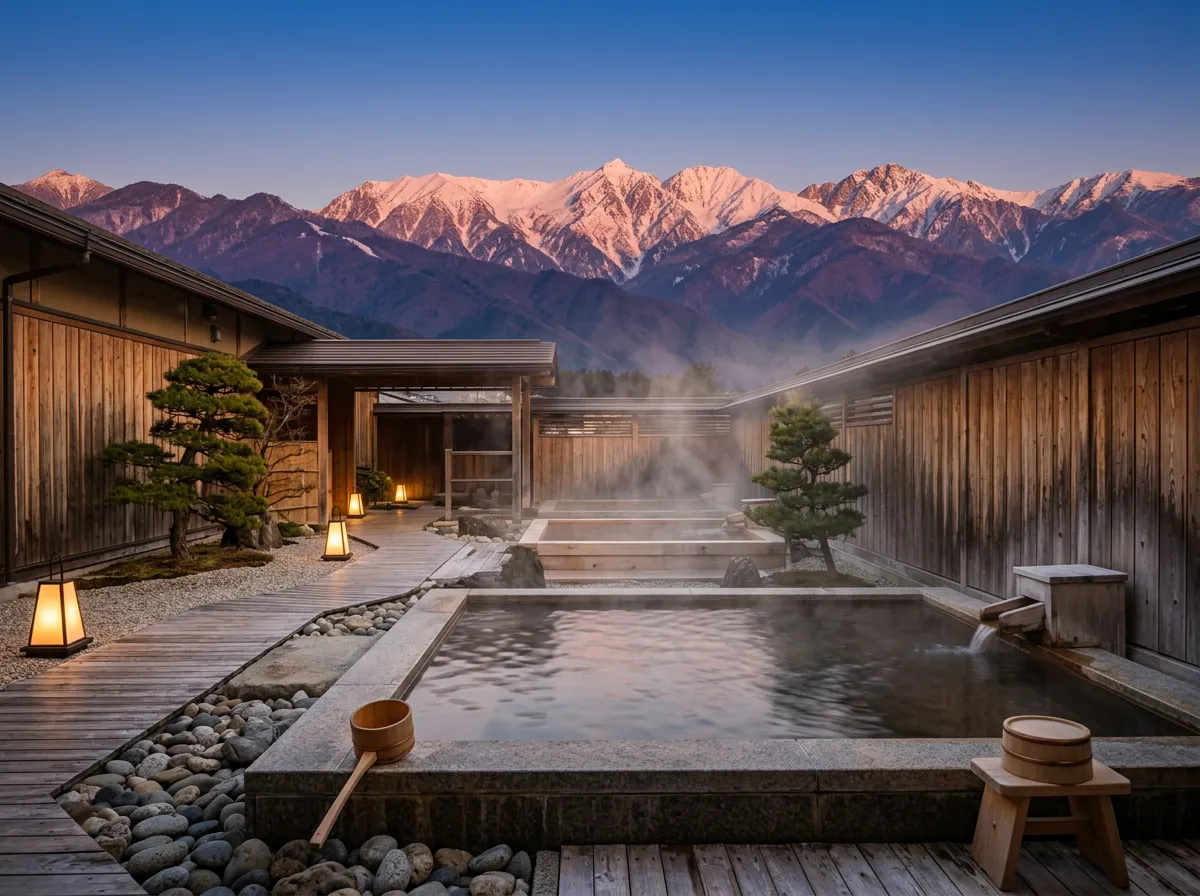
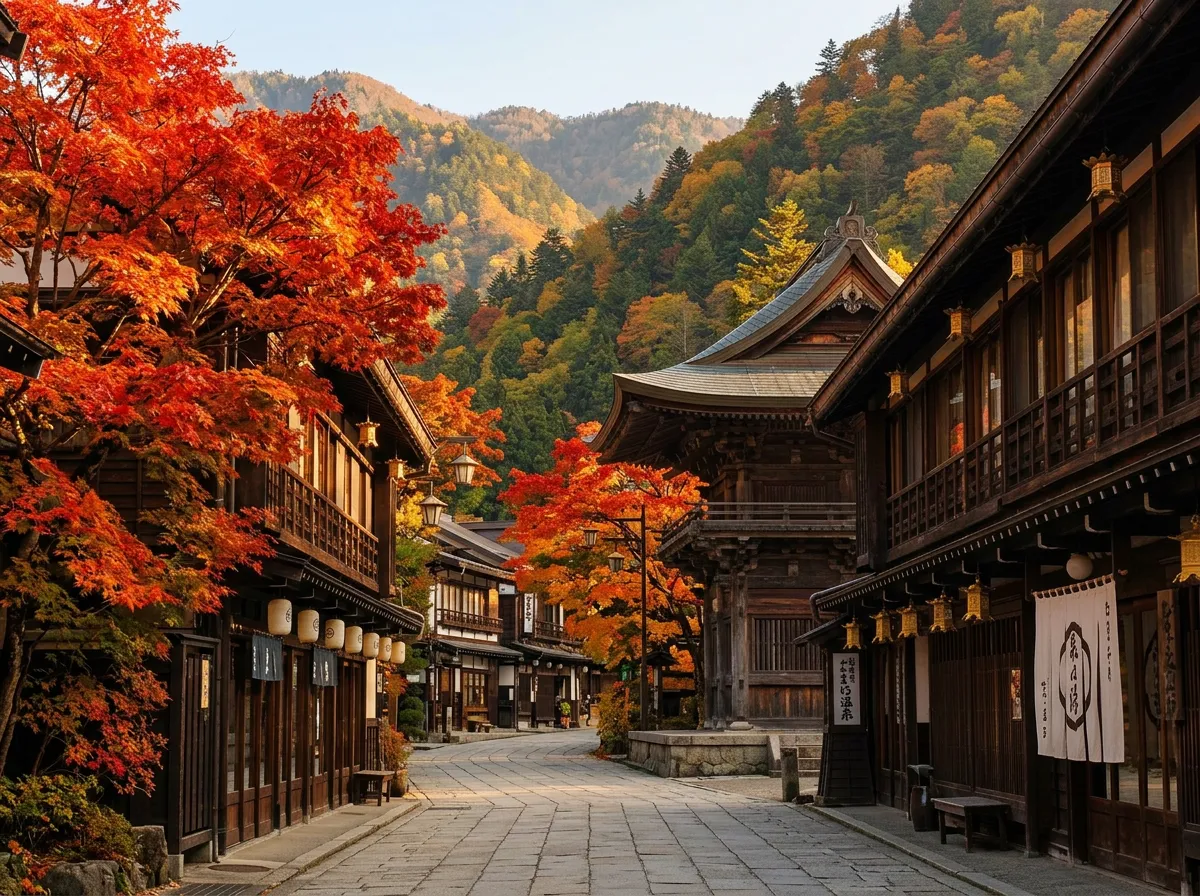
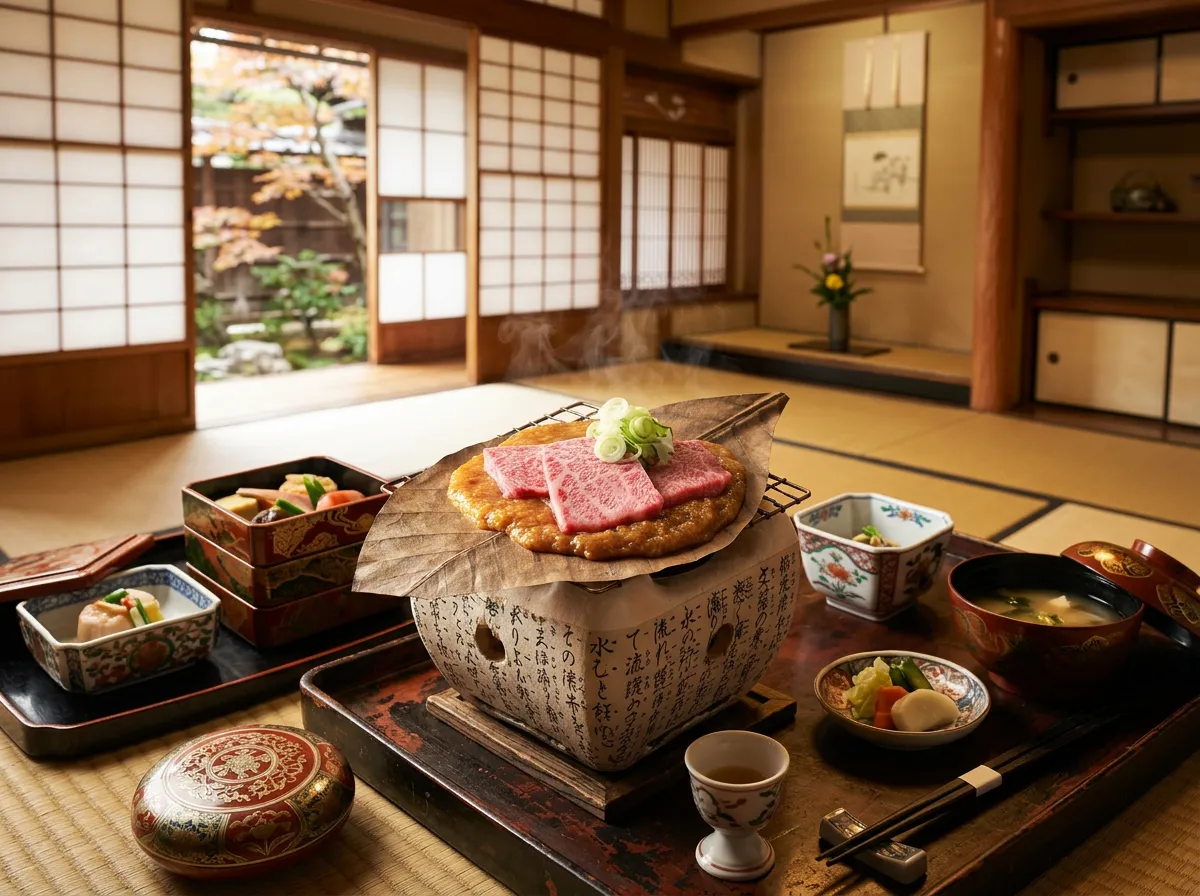
Hirayu Onsen is where the route earns its ending. A one-hour Nōhi Bus climb from Takayama deposits you in a thermal village wedged between five hot-spring sources and the Northern Japanese Alps, and Hirayunomori (three private baths, seven shared, kaiseki in your room) is the editorial ryokan moment the whole trip has been building toward. Change into the yukata on arrival, reach the rotenburo early before other guests appear, and let the rhythm take over: bath, kaiseki, bath, sleep. On the full day, the Shin-Hotaka Ropeway climbs to a 2,156-metre panorama if skies are clear; otherwise, doing nothing on purpose is equally correct.
10 things to see and do
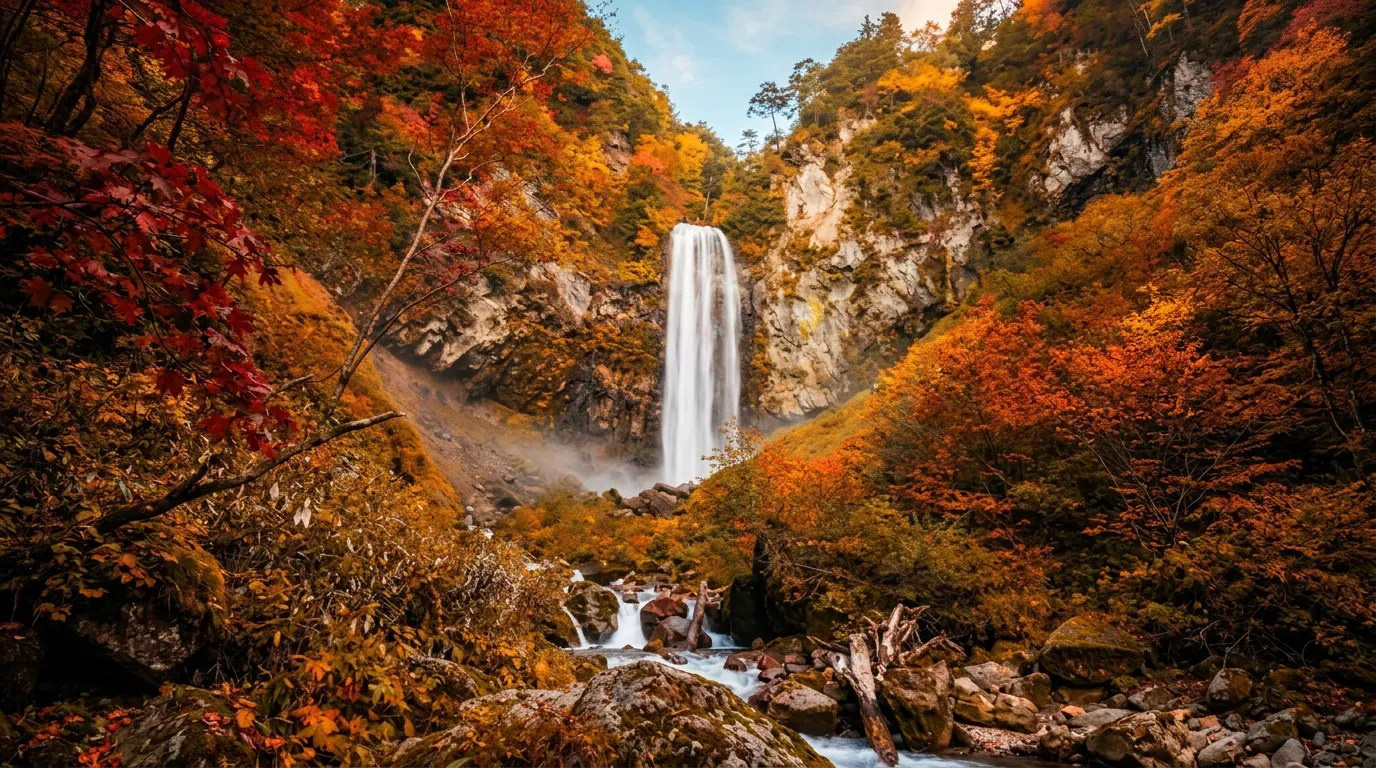 Hidden gemHirayu Tarumi FallsA 64-metre waterfall directly behind the village.
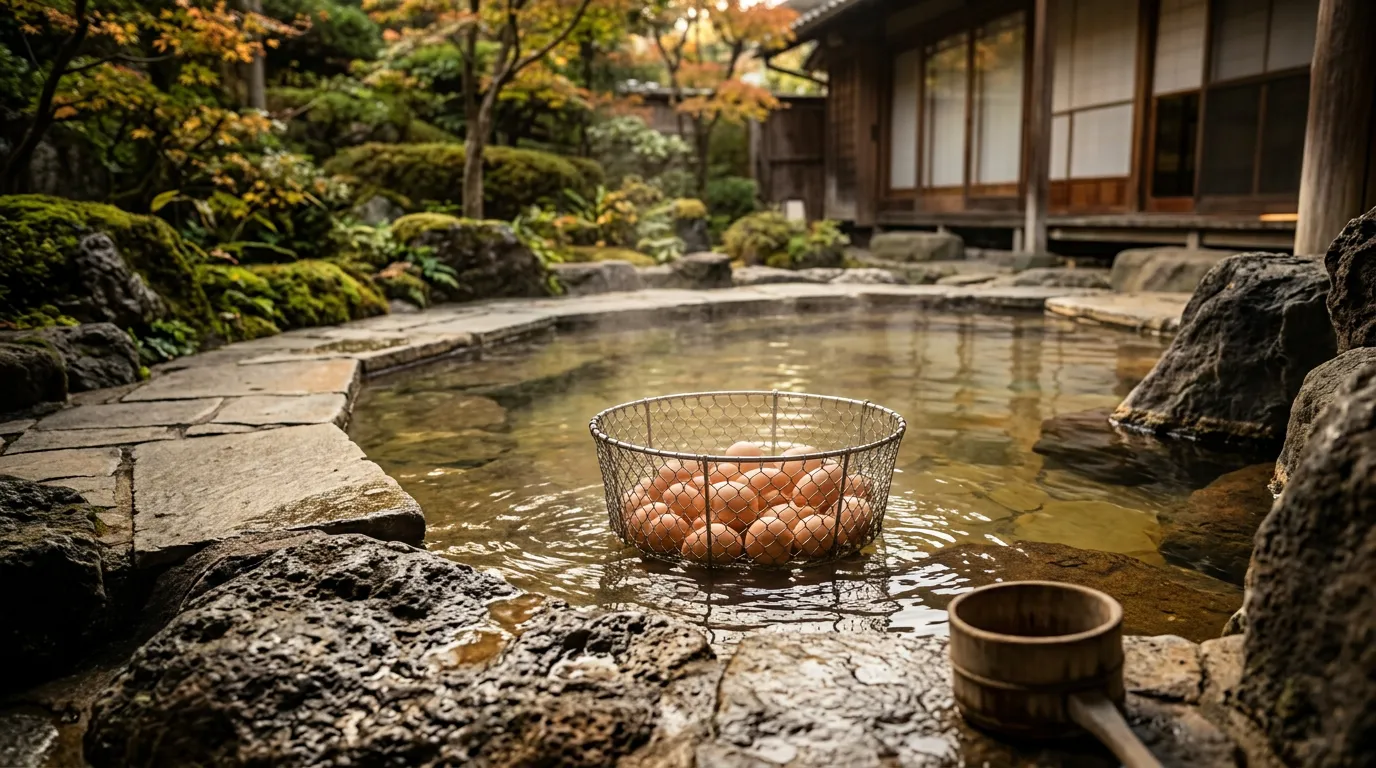 Hidden gemHirayu onsen-tamago stationA hot-spring source pool set up with wire baskets so visitors cook their own eggs.
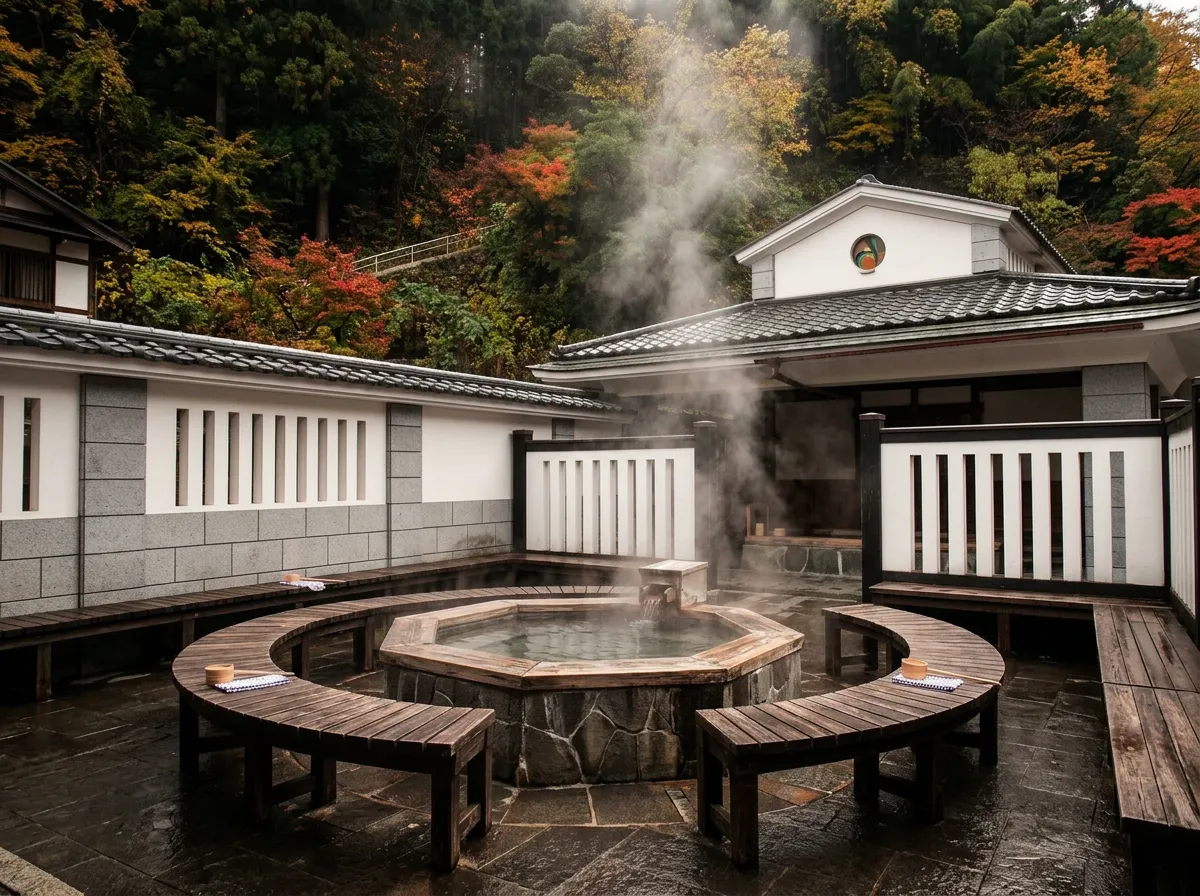 NeighbourhoodVillage + free footbathHirayu · Free
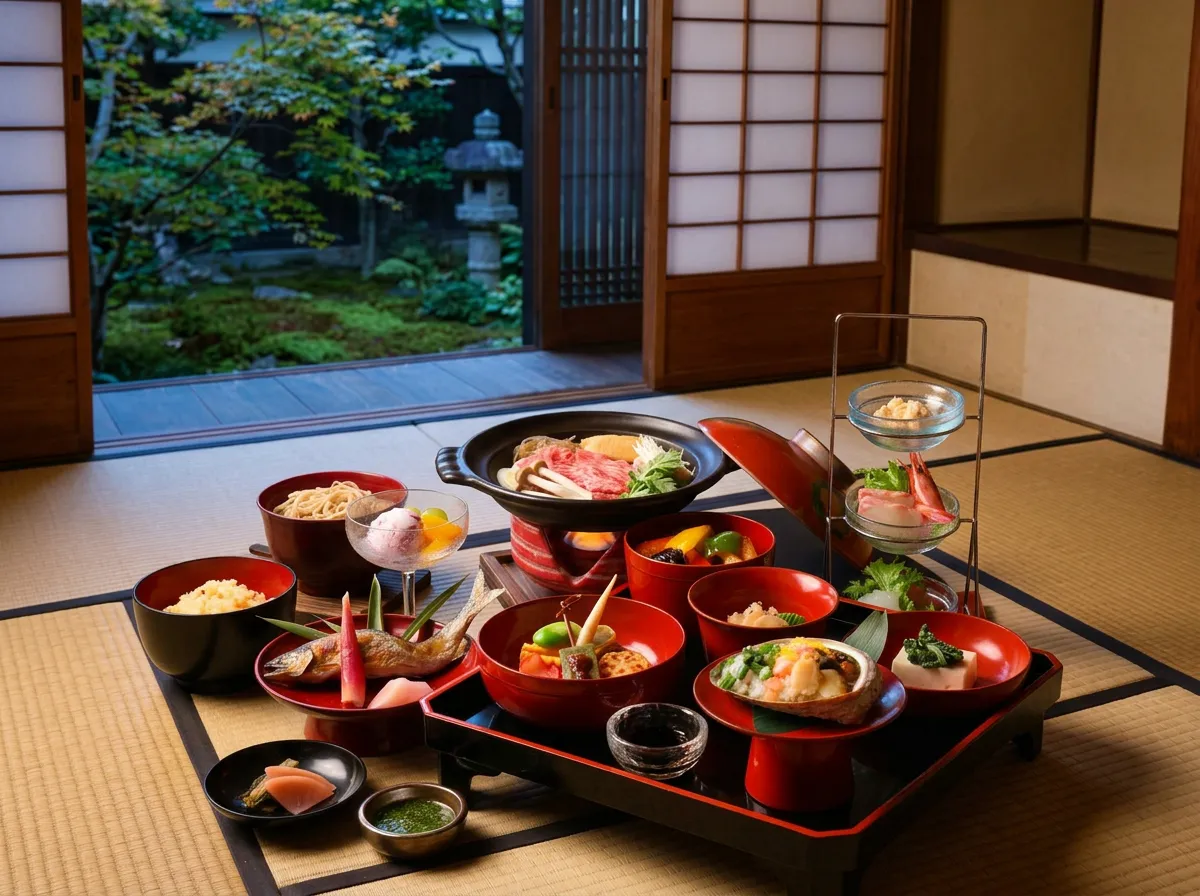 Must-seeBath + kaiseki at the ryokanHirayunomori · –
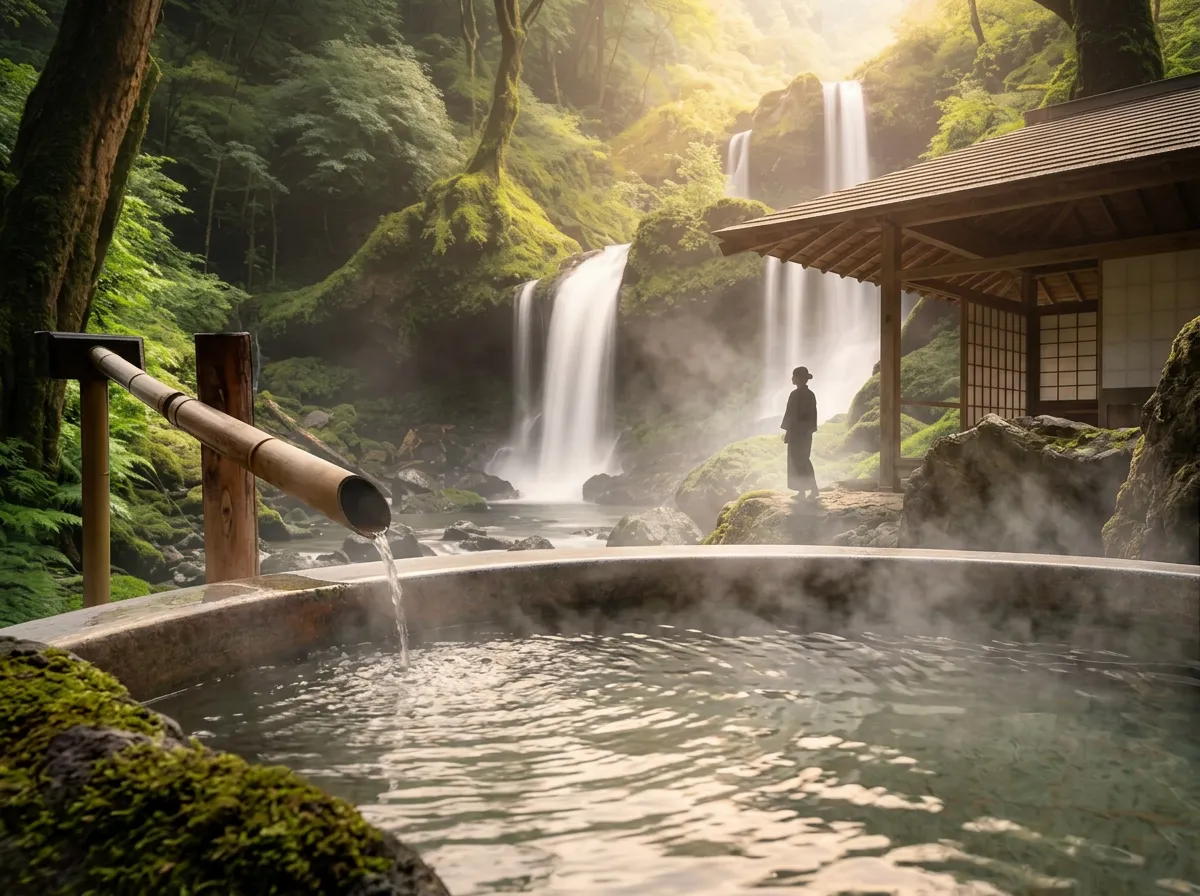 Must-seeMorning bath at HirayunomoriHirayunomori · –
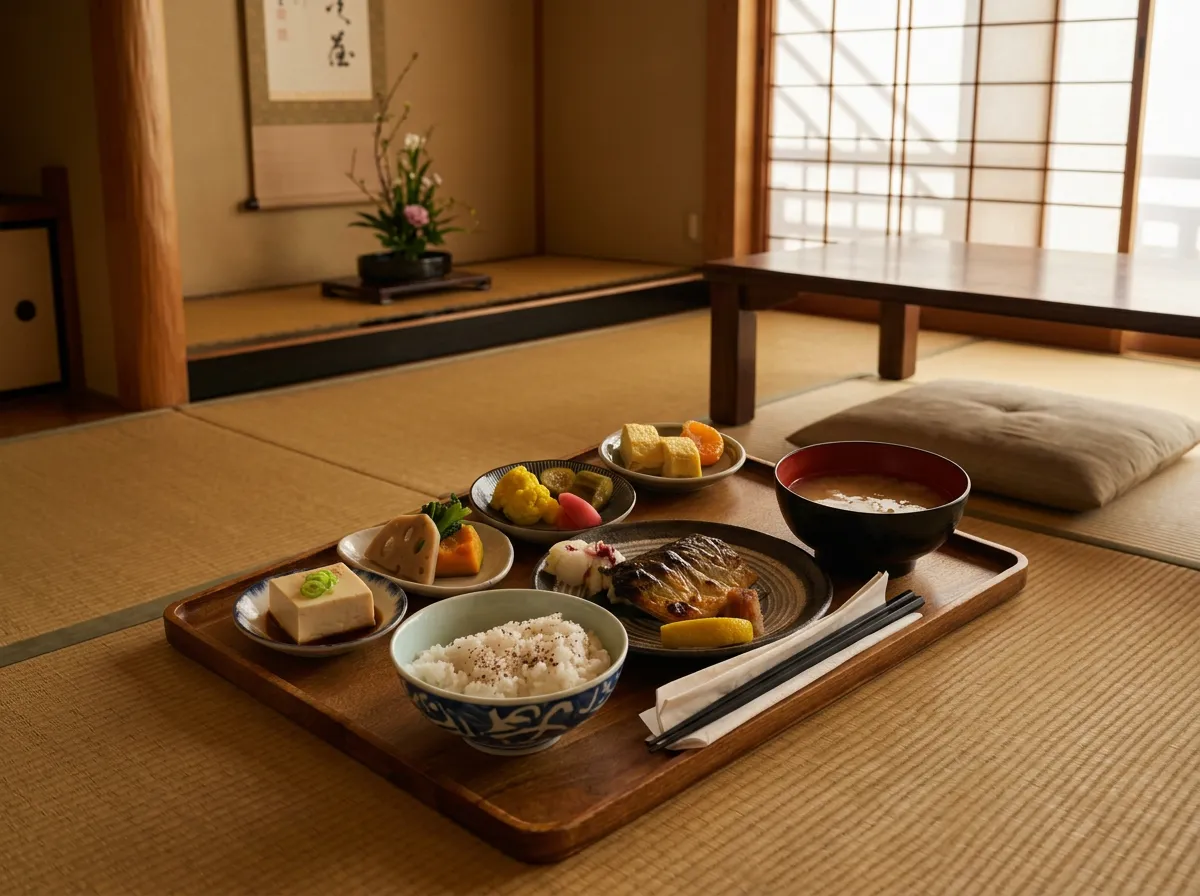 EatRyokan breakfastHirayunomori · –
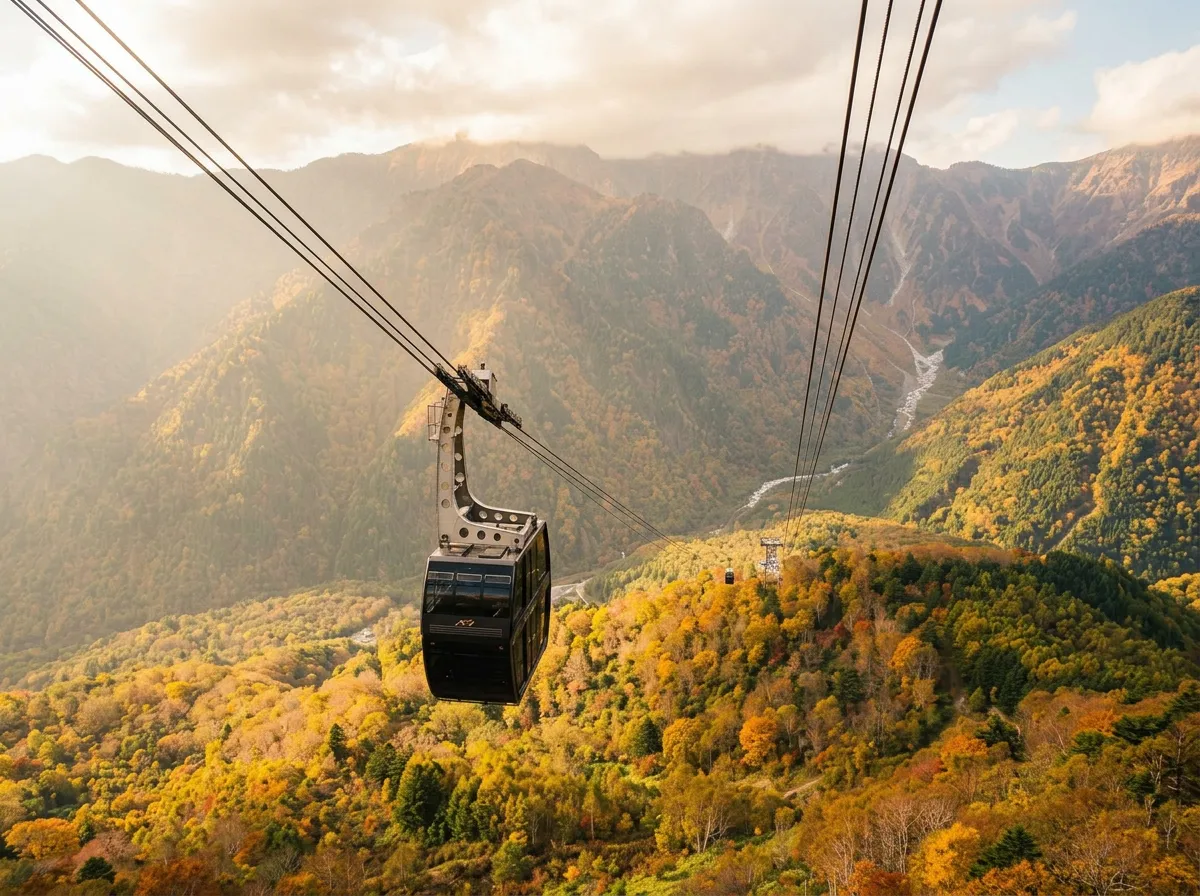 Must-seeShin-Hotaka RopewayThe only double-deck ropeway in Japan, climbing 1,000 metres in two stages to a 2,156m observation deck.
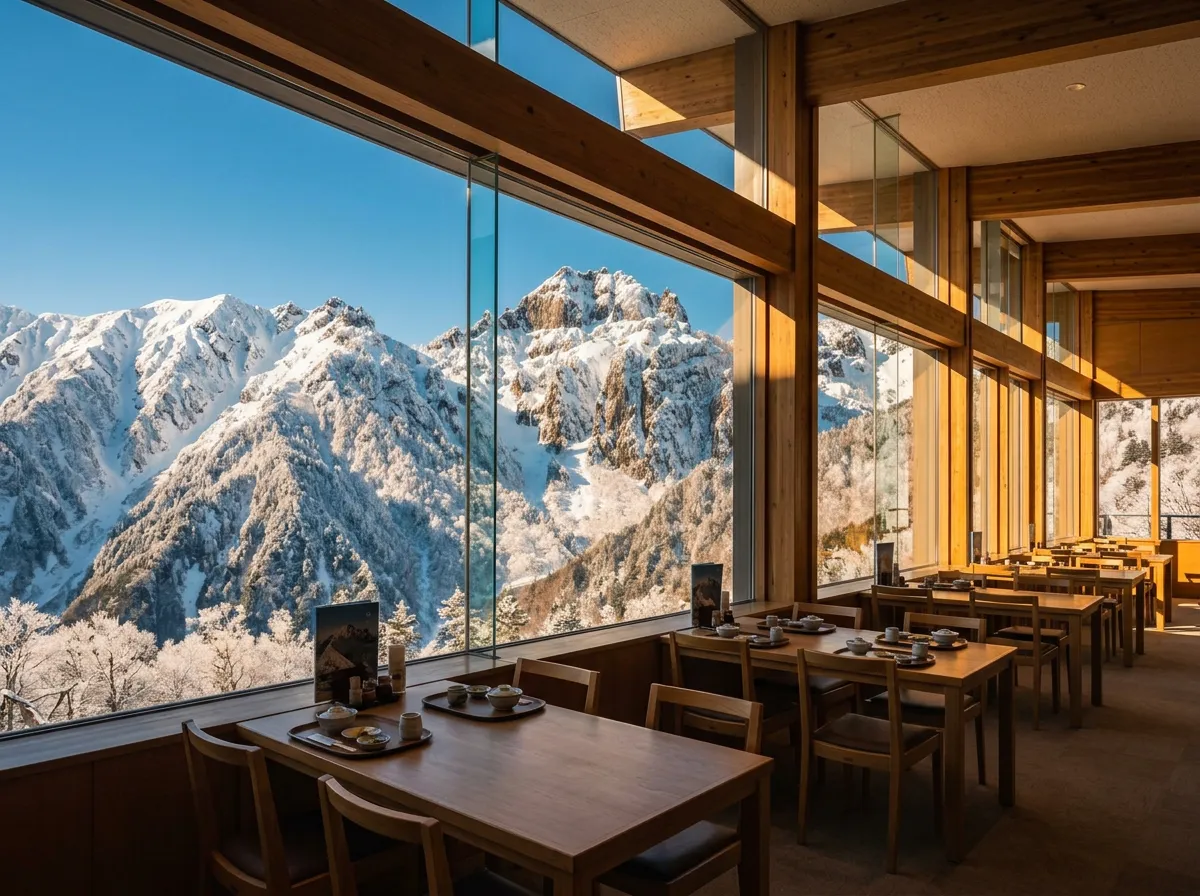 EatRopeway summit lunchOkuhida · ~¥1,500
Show 2 more optionsShow fewer options
Where to sleep in Hirayu Onsen
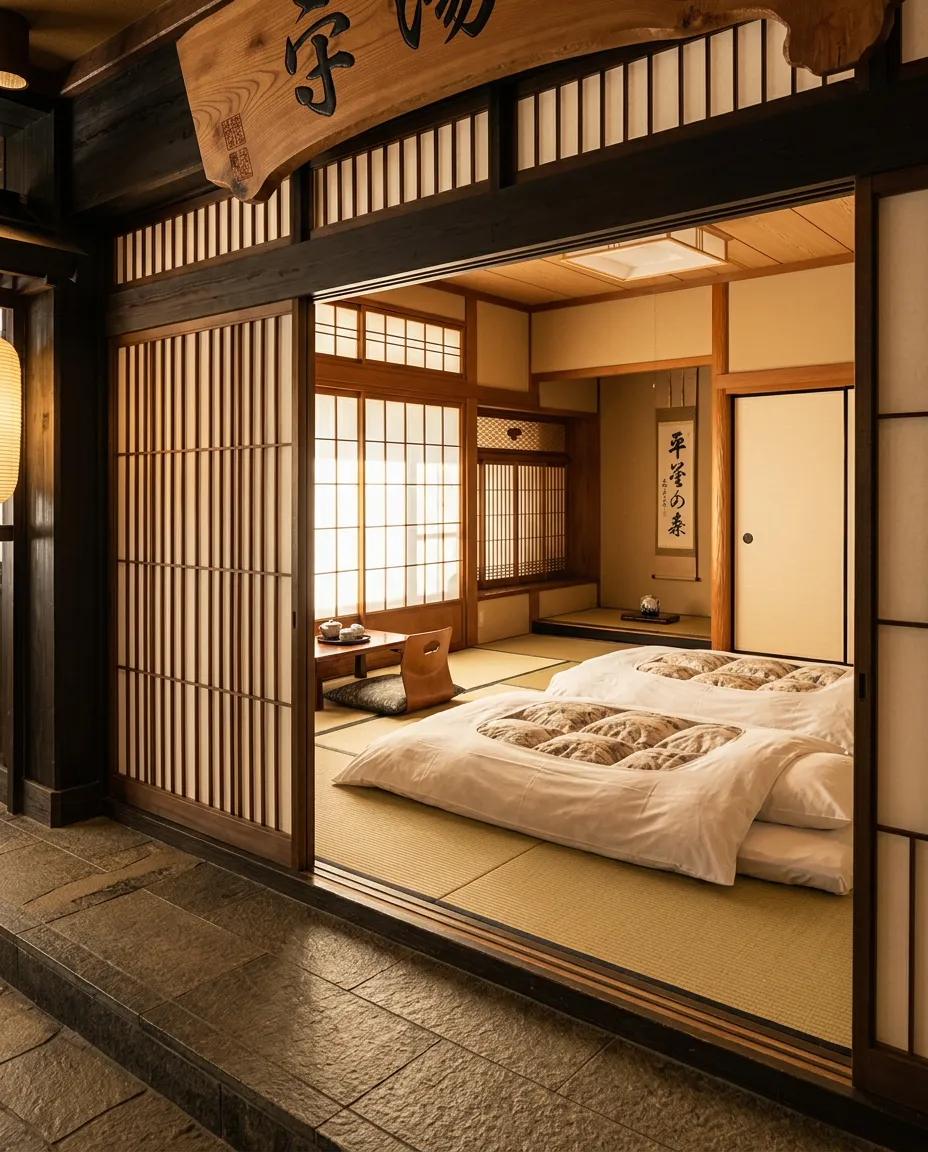 BUDGET · RyokanHirayunomori · Wakaba standard tatamiHirayu Onsen · forested entryStandard tatami room with shared baths only. Half-board (kaiseki dinner + breakfast) included. <strong>Same baths, same kaiseki</strong> as the higher tiers. The differences are room size and whether you have a private bath.¥18,000 per person · half-board/nightSee rates ↗
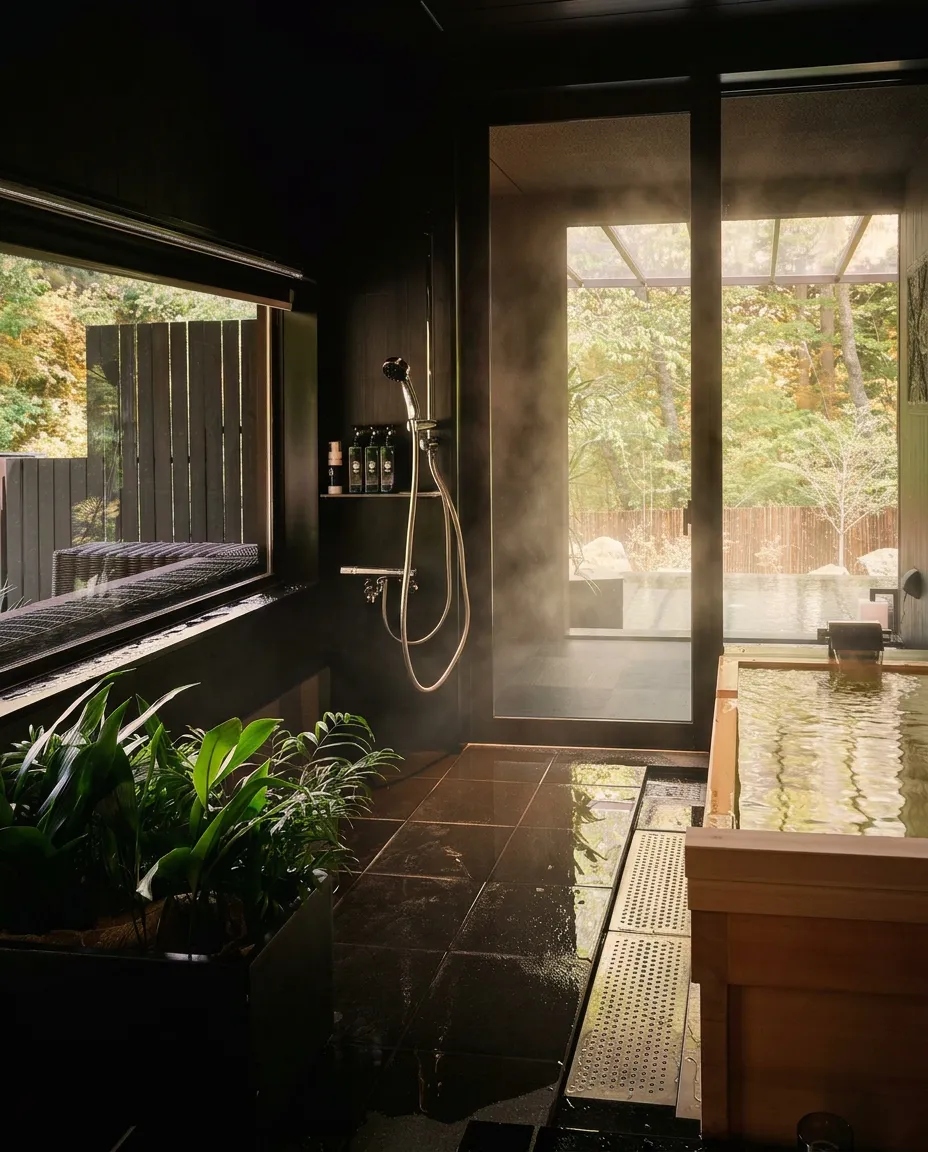 MID · RyokanHirayunomori · Tsubaki tatami with private bathHirayu Onsen · forested entryRecommendedThe category Nick books: standard tatami room with a private hinoki bath looking out at the garden. Half-board included. The middle ground between Wakaba's shared-only and Matsu's full rotenburo suite. And the room category most first-timers should book.¥28,000 per person · half-board/nightSee rates ↗
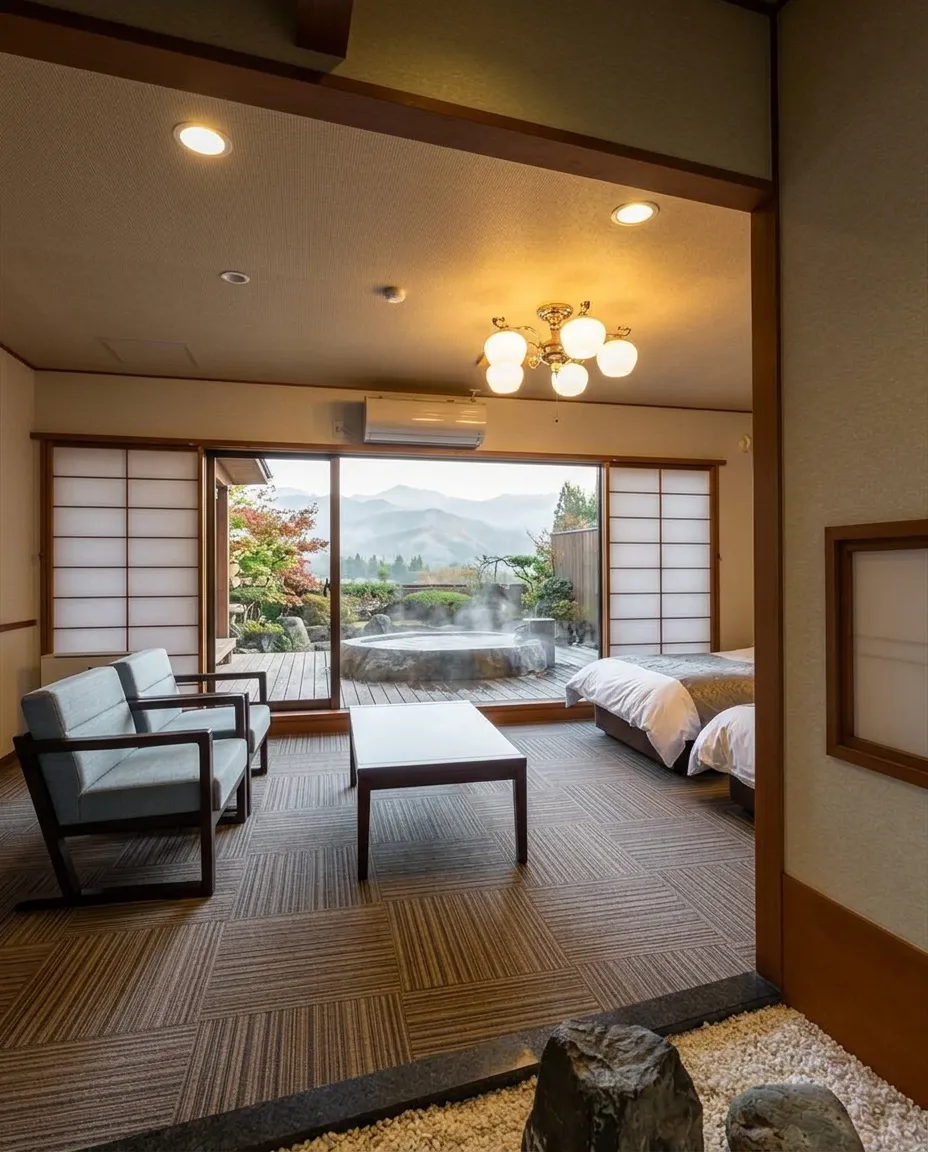 LUXURY · RyokanHirayunomori · Matsu suite with rotenburoHirayu Onsen · forested entrySuite with full outdoor rotenburo (hot-spring pool), separate living area, and premium kaiseki including Hida-gyū course. Two-person occupancy. The bath alone is private and uncovered to the mountain air. The editorial moment of the trip.¥48,000 per person · half-board with premium kaiseki/nightSee rates ↗
More routes like this
14 days·First-timersTwo weeks in Japan with kidsThe 14-day first-timer route, framed for families. Three nights per city, real ryokan, manageable transit days, and the temple-with-Pocky-break version of every "must-see".10 days·First-timersFirst-timer's ten days in JapanTokyo · Kyoto · Osaka · Hiroshima. The classic ten-day arc, without the mountain detour. Same big three, one heavy day-trip, home rested.10 days·First-timersA ten-day Japan honeymoonRyokan over hotels. Slow trains over Shinkansen sprints. Tokyo + Kyoto + Osaka with the luxury tier as the default, plus an optional slow-travel anchor at the end (Naoshima, Kinosaki Onsen, or Okinawa).Read before you go
- Is the JR Pass worth it?The maths for a route like this, on one page.
- Riding the Shinkansen for the first timeNozomi, Hikari or Kodama, seats, luggage.
- Get your eSIM before you flySet it up at home, switch it on when you land.
- Suica on your iPhoneAdd it in Wallet, top up, tap through every gate.
- Tokyo airport to the cityNarita and Haneda: the routes that make sense.
- What a Japan trip costsReal numbers for flights, hotels, food and trains.
- Cash or card in JapanHow much yen to carry and where cards fail.
- Japan packing listWhat to bring, what to buy there.