Part of Nara Prefecture, Kansai
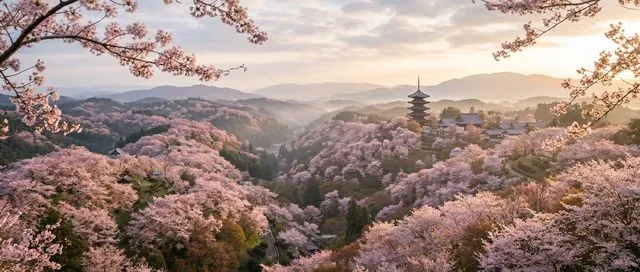
Nara was Japan's first permanent capital, and that weight of history is everywhere: in the 1,300-year-old temples, the sacred deer that bow for crackers, and the massive bronze Buddha that has watched over this city since 752 AD. What makes Nara special isn't just its antiquity, but its intimacy. Where Kyoto can feel overwhelming with choices, Nara distills Japan's spiritual heart into a walkable park where deer roam freely between UNESCO World Heritage sites. It's profound without being pretentious, ancient without feeling frozen in time.
When to Visit
Nara shines in spring and autumn when the deer park transforms with seasonal colors.
What to Do in Nara
Nara Park concentrates Japan's spiritual treasures in one walkable area, plus a few hidden corners worth seeking out.
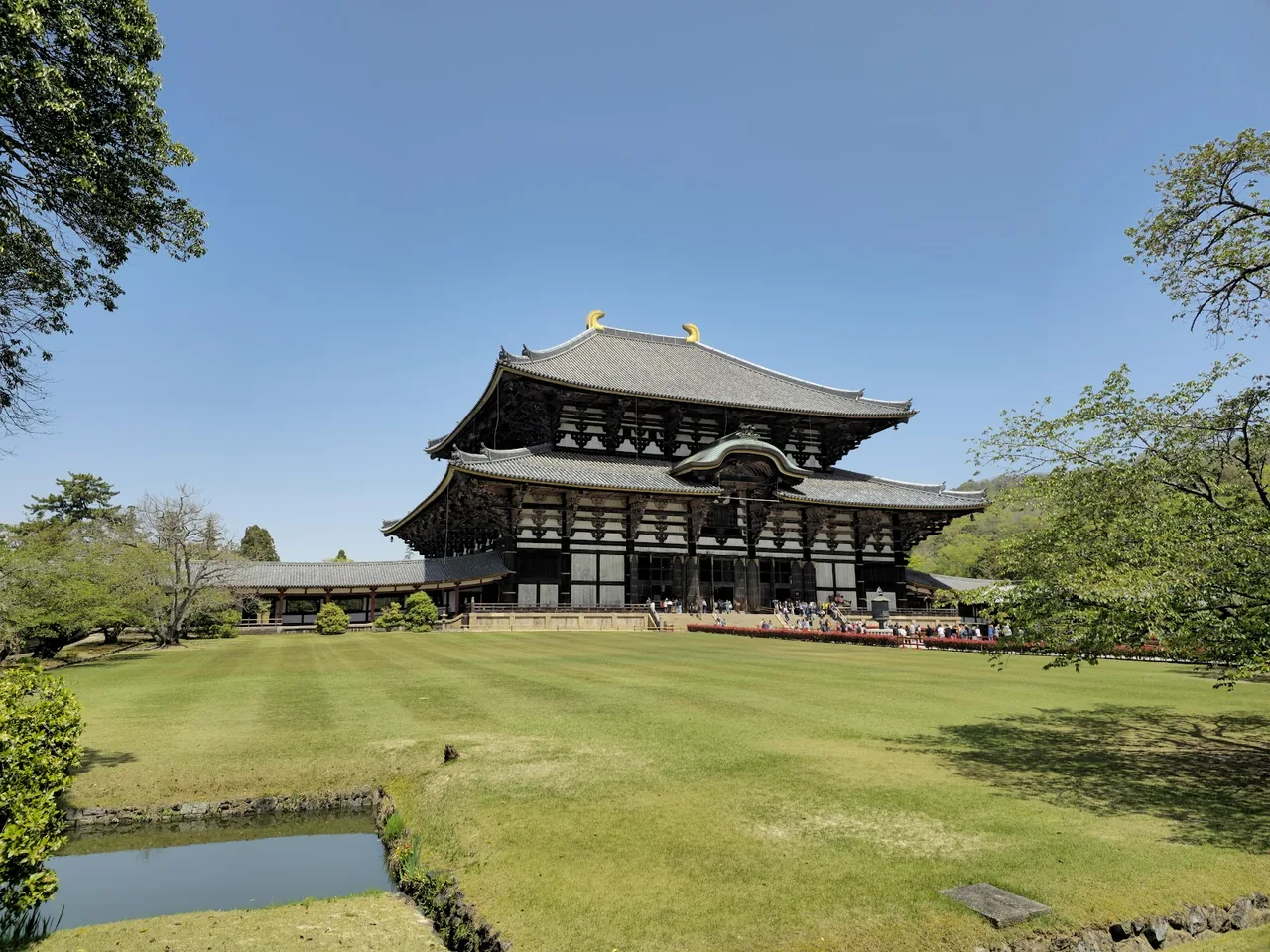
Home to Japan's largest bronze Buddha statue in a massive wooden hall
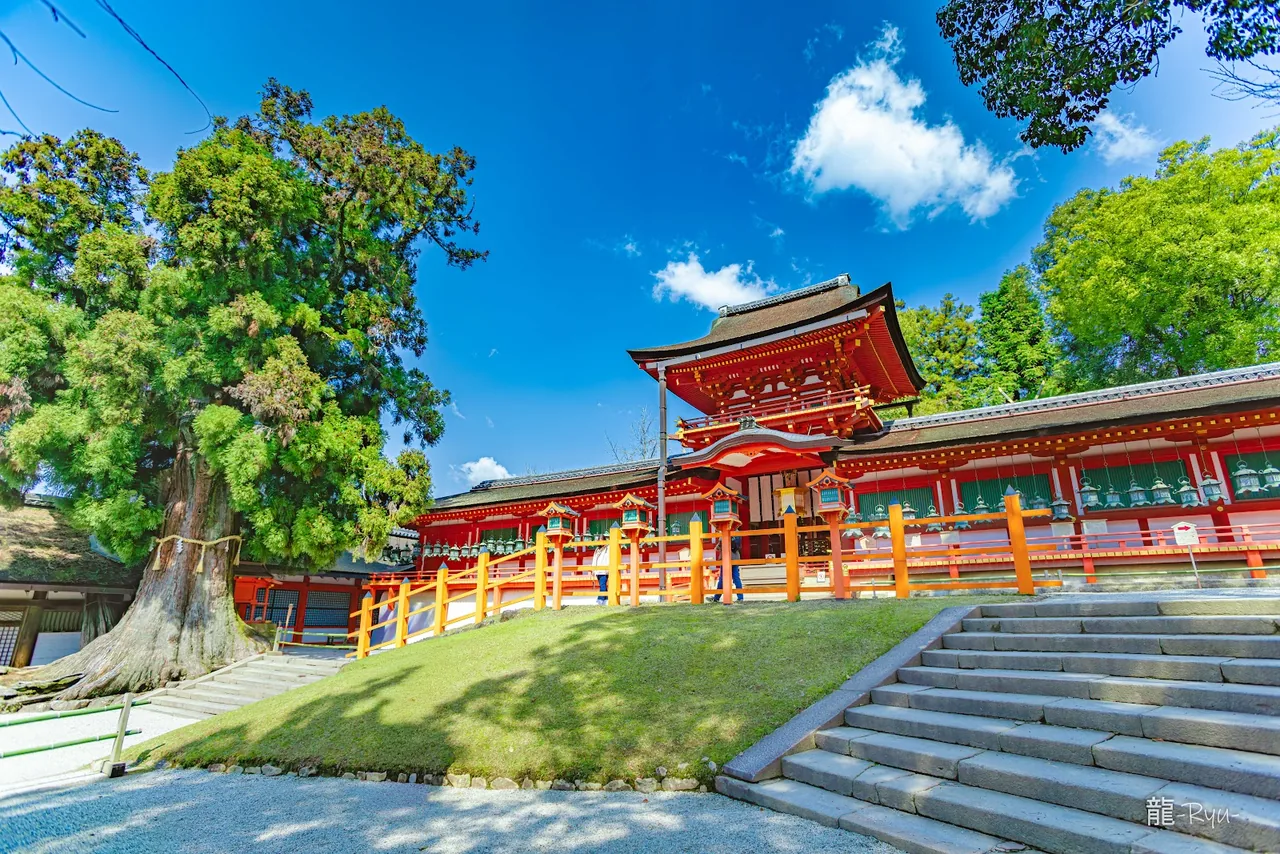
Thousands of stone and bronze lanterns line the paths to this vermillion shrine
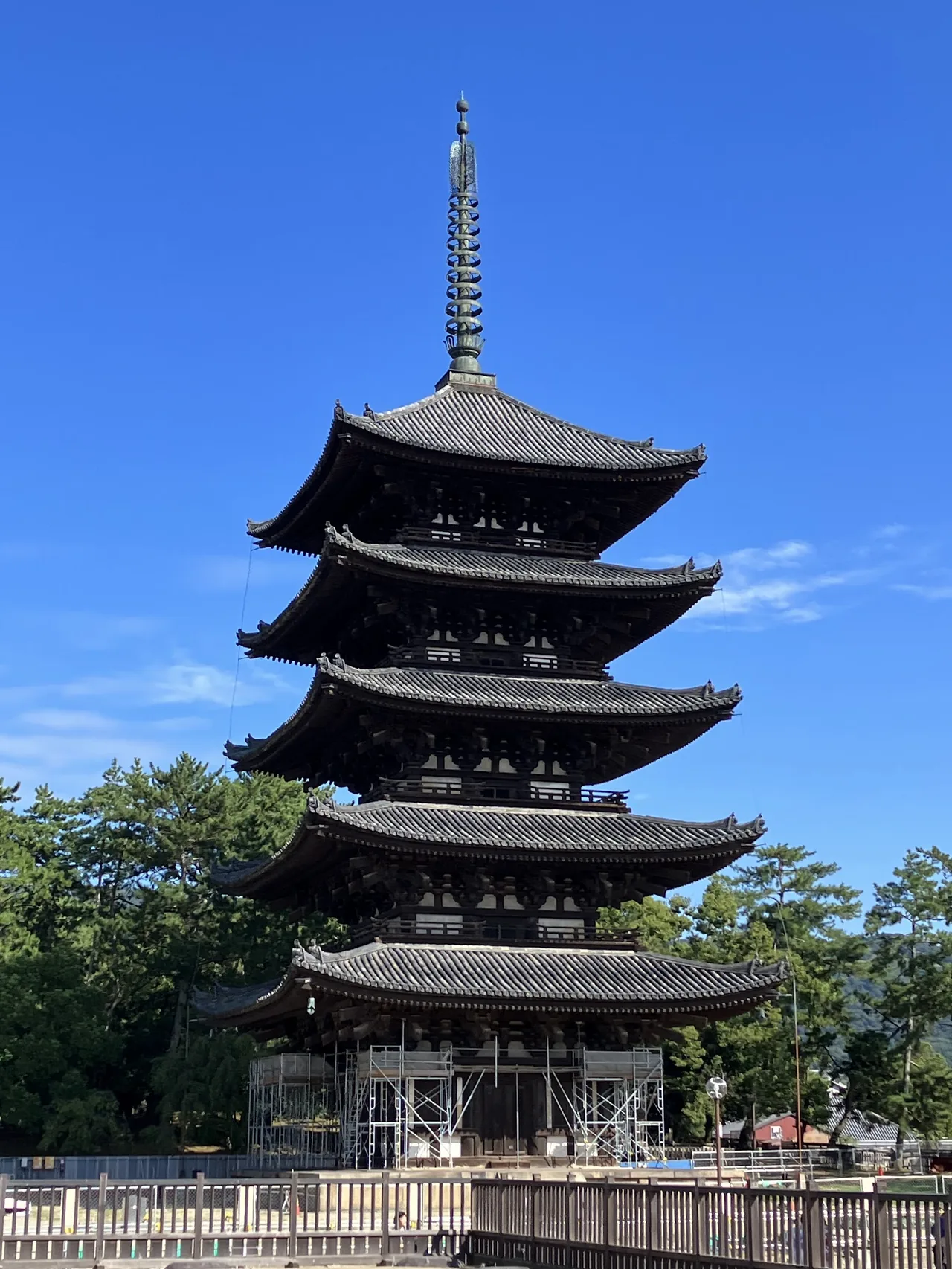
Five-story pagoda and national treasures with fewer crowds than Todai-ji
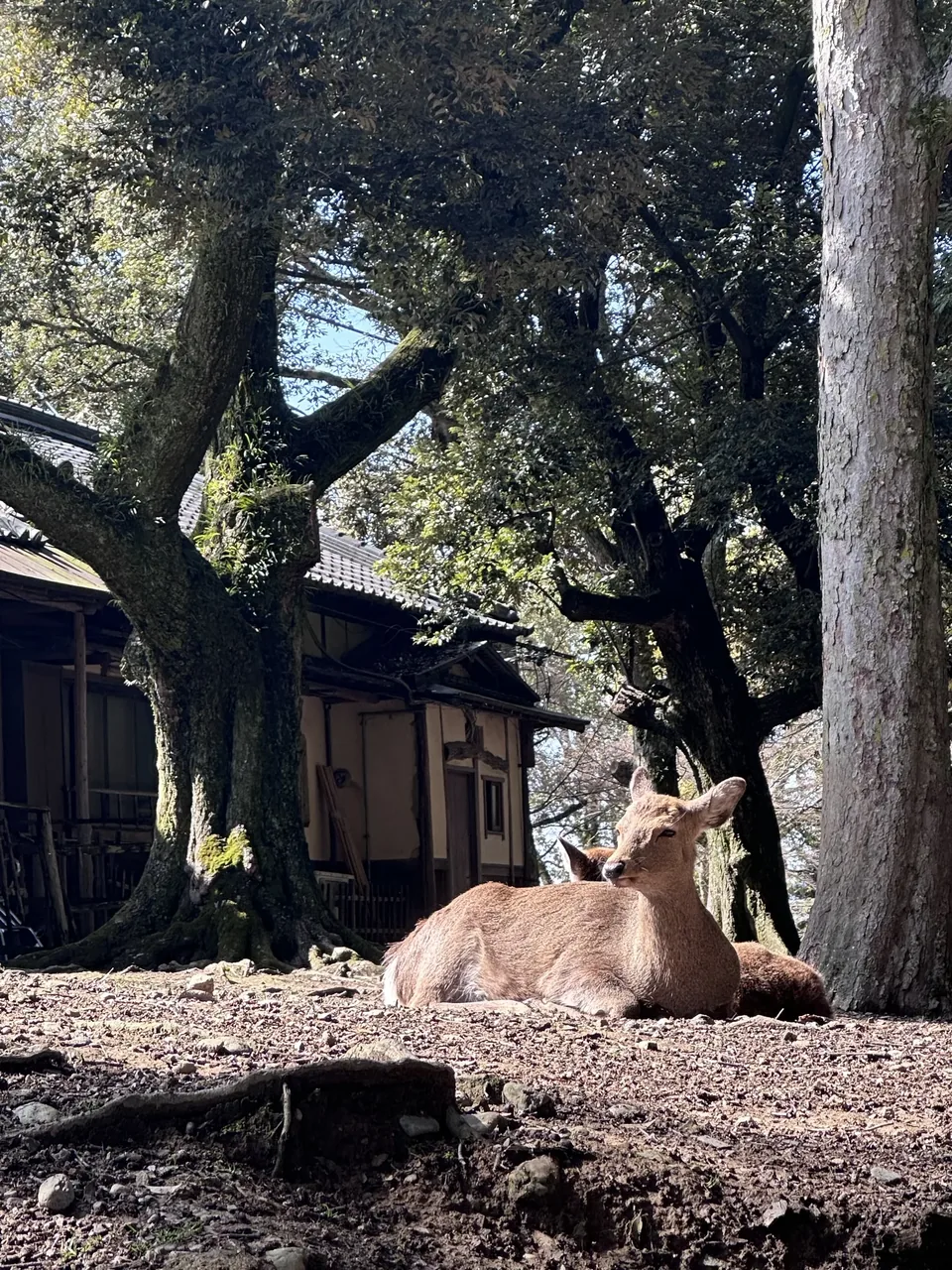
Sacred deer roam freely among ancient temples in Japan's most atmospheric park
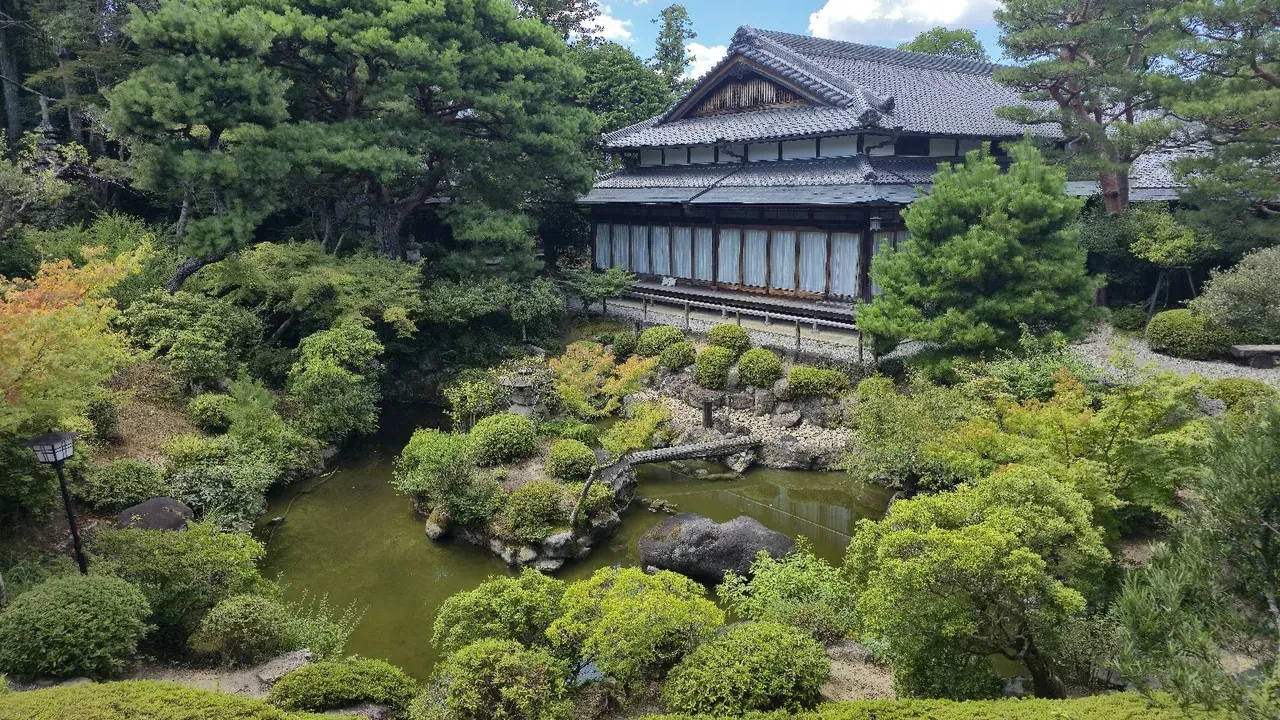 Hidden Gem
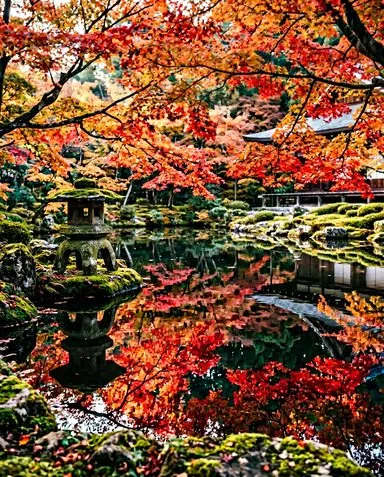
Three distinct garden styles with pond views and zero crowds; most tourists miss it
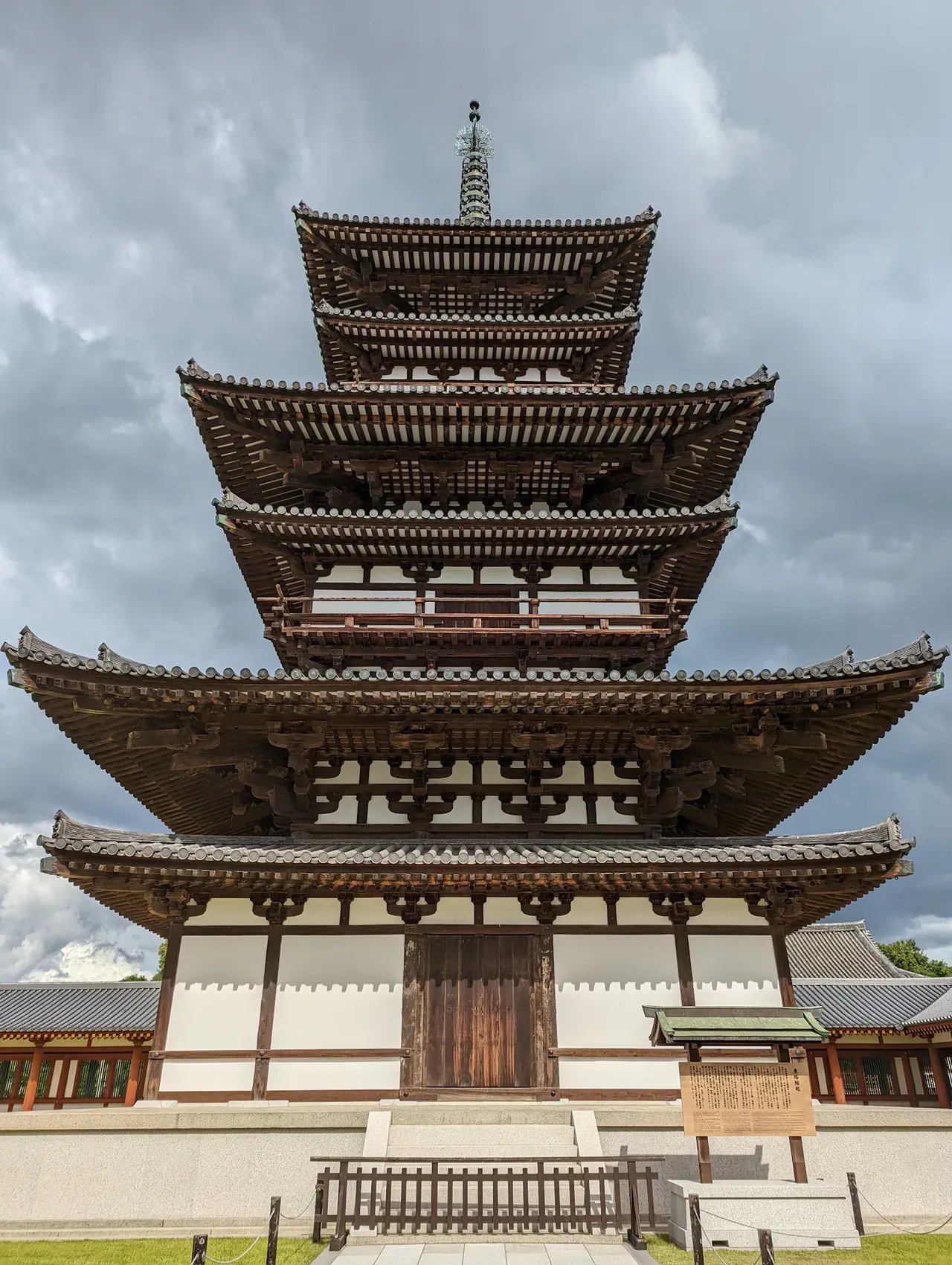 Hidden Gem
Twelve guardian statues surround a healing Buddha in this overlooked temple
Skip the Crowds
- Visit before 8am: Nara Park at sunrise belongs to you and the deer. Most tour groups arrive after 9am.
- Skip the main Todai-ji entrance. Enter through the quieter Nigatsudo path for temple views without the bottleneck.
- Explore Kasuga Taisha's back trails. The main shrine gets packed, but the mountain trails behind it see maybe a dozen visitors per day.
- Weekdays over weekends: Nara's day-trip accessibility means weekends bring crowds from Osaka and Kyoto. Tuesday-Thursday are noticeably quieter.
- Late afternoon magic: Most visitors leave by 4pm to catch trains back to Kyoto. The hour before sunset offers golden light and empty pathways.
- Consider Yoshikien over Isuien: Free entry for foreigners and a fraction of the visitors, yet equally beautiful traditional gardens.
Food & Drink
Nara's food scene centers on local specialties and temple-adjacent comfort food, plus some genuine surprises.
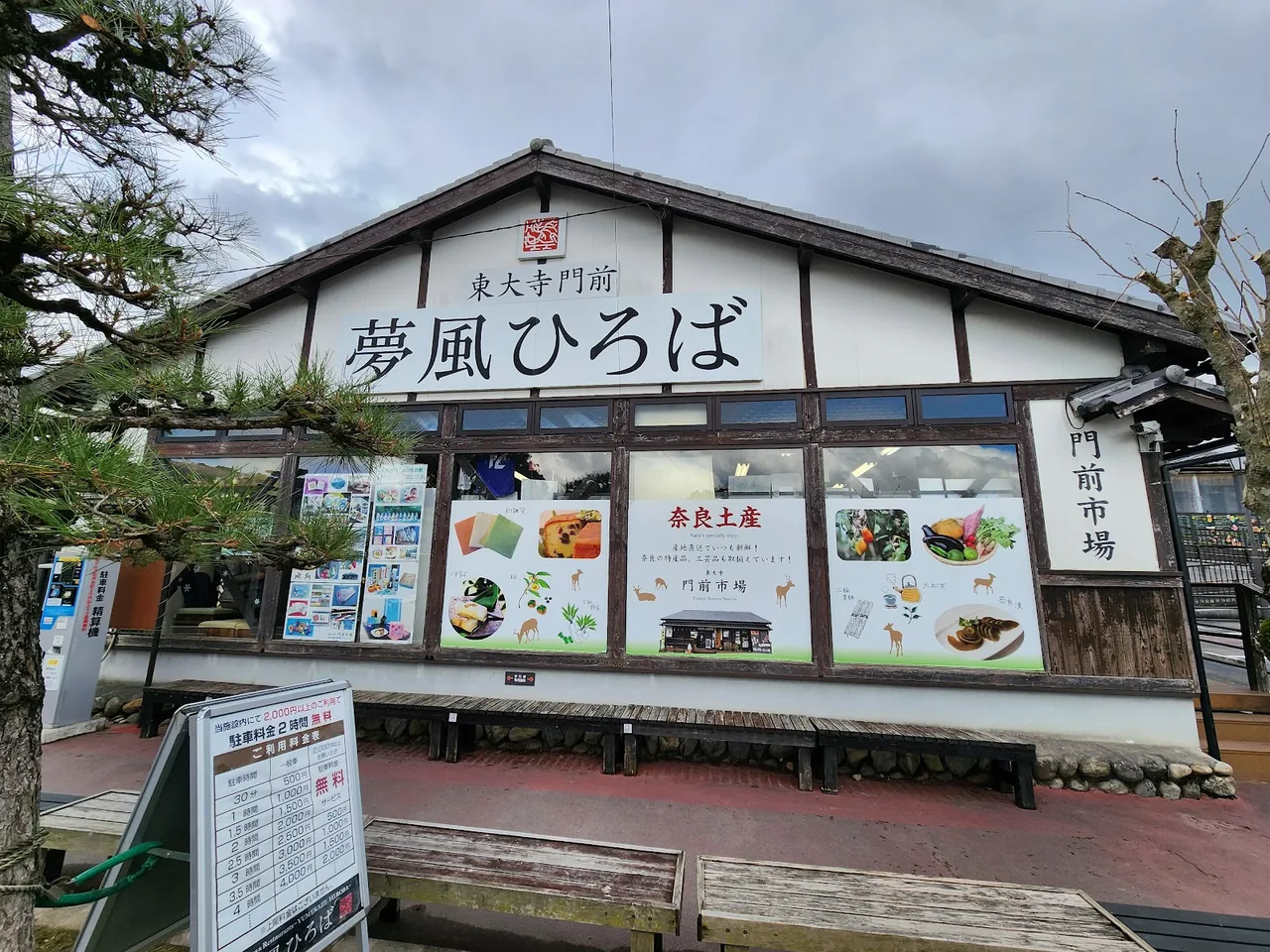
Famous Nara pudding in flavors like matcha and sake

Traditional kaiseki featuring Yamato vegetables and local sake
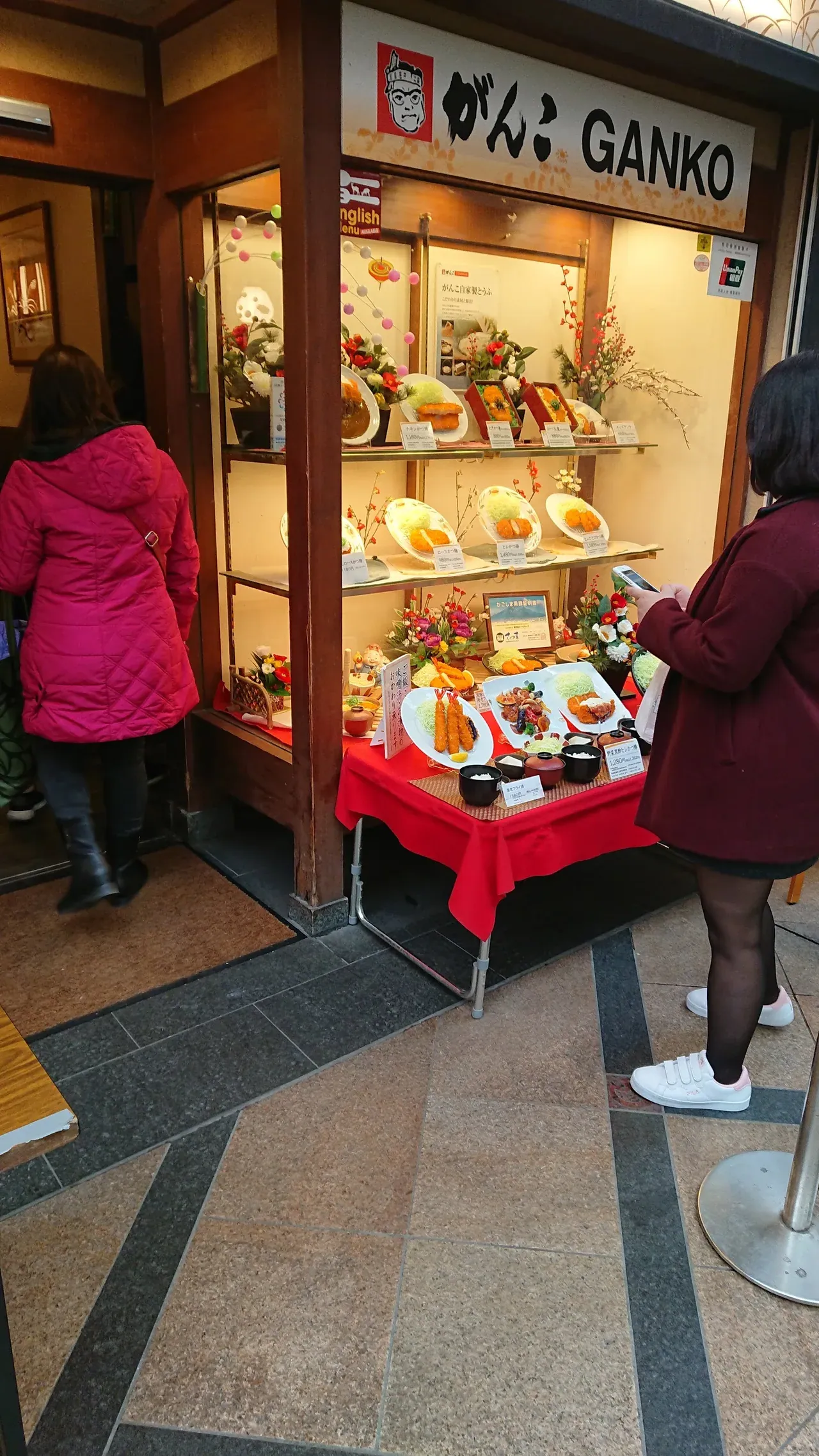
Fresh sushi and seasonal dishes in a traditional setting
Where to Stay
Nara's accommodation options range from traditional ryokan to modern hotels, all within walking distance of the deer park.
Booking links are affiliate links. They cost nothing extra and support the site.
Day Trips
Nara's central location makes it a perfect base for exploring Kansai's hidden corners and sacred mountains.
Events in Nara
Matsuri can double a neighborhood's crowds overnight. Plan toward them or around them; these are the dates that shape the year.
How to Get There
Getting to Nara is straightforward from major Kansai cities. Consider purchasing a Nara transport pass through Klook if you plan to visit multiple temples and use local buses.
FAQ
How long do you need in Nara?
A full day covers the main temples and deer park comfortably. Half-day trips work if you focus on Todai-ji and Nara Park, but you'll miss Kasuga Taisha's mountain trails and the quieter temples.
Can you really pet the deer in Nara?
The deer are wild, not pets. They tolerate gentle touching but can bite or headbutt if they feel threatened. Bow first, offer crackers with an open palm, and don't grab or chase them.
Is Nara better as a day trip or overnight stay?
Day trips work perfectly from Kyoto or Osaka; most sights are within walking distance of the stations. Stay overnight only if you want to explore Mount Yoshino or experience the park at sunrise without rushing.
Which station is better: JR Nara or Kintetsu Nara?
Kintetsu Nara Station is closer to the park (5-minute walk versus 15 minutes from JR). The Kintetsu line from Osaka is also slightly faster and cheaper than JR.
What's the best time of day to visit Todai-ji?
Early morning (8-9am) or late afternoon (4-5pm) avoid the tour group rush. The massive Buddha hall is most atmospheric with soft lighting, not the harsh midday sun.
Do you need to buy deer crackers or can you bring your own snacks?
Only buy official deer crackers (¥200 per pack) from certified vendors. Human food and other snacks can make deer sick, and feeding unauthorized food is prohibited by law.
How much does it cost to visit Nara's main temples?
Todai-ji costs ¥600, Kasuga Taisha's main halls ¥500, and Kofuku-ji's museum ¥700. Nara Park itself is free, as are the outer grounds of most temples. Budget around ¥2,000 for temple admissions.