



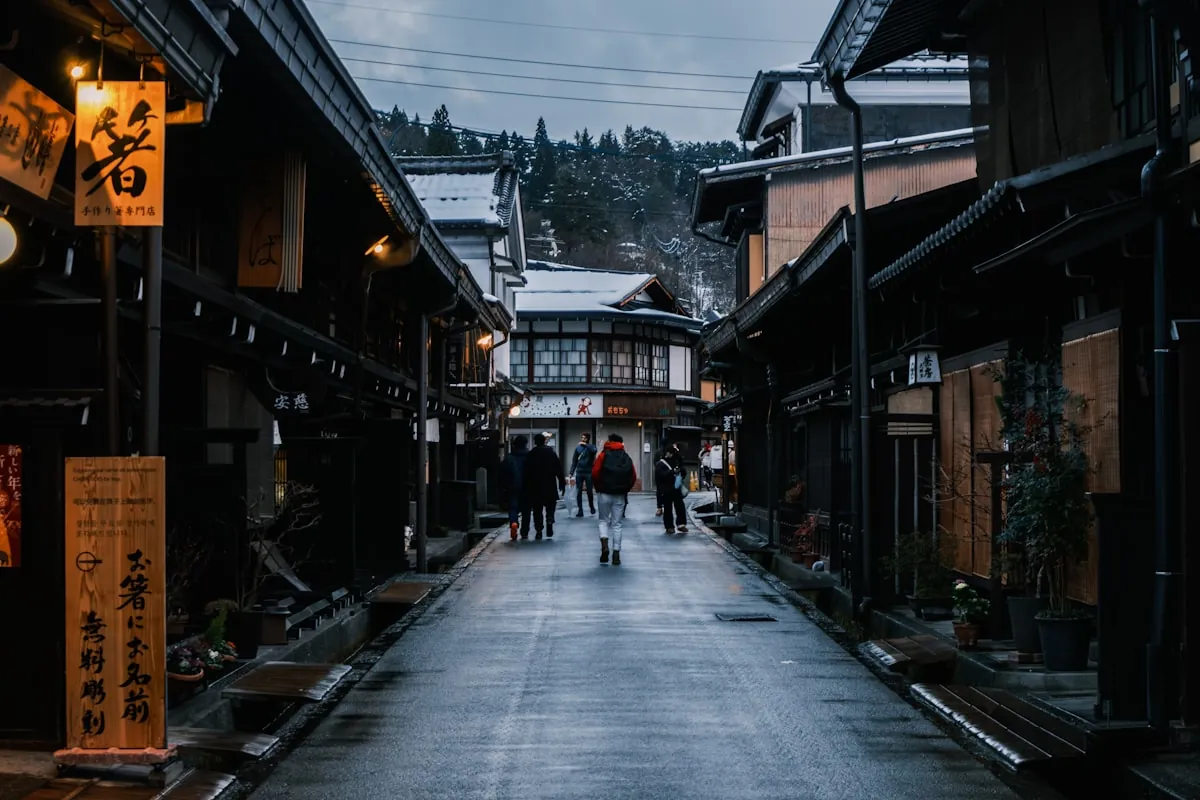


The Japanese money system is in a transition. Five years ago you needed cash for everything; now most chains, hotels, and city restaurants take credit cards and IC cards. But traditional restaurants, small shrines, ryokan, and rural towns still operate cash-only. The right approach in 2026: Suica/PASMO IC card for daily transit and convenience-store payments; one international credit card; and ¥10,000–20,000 cash buffer for the cash-only spots.
Yen: the basics
Japanese yen (¥). 1 USD ≈ ¥150–155, 1 EUR ≈ ¥160–165 in 2026 (the yen has weakened significantly since 2020). Coins: ¥1, ¥5, ¥10, ¥50, ¥100, ¥500. Notes: ¥1,000, ¥2,000 (rare), ¥5,000, ¥10,000. Always carry small change for shrine donation boxes (¥5 is lucky), vending machines, and small ramen shops.
ATMs that actually work for foreign cards
- 7-Eleven ATMs (7-Bank): every 7-Eleven, every prefecture, English menu, takes Visa/Mastercard/Amex/JCB/Cirrus/Plus. The default for foreign cardholders.
- Japan Post Bank (Yucho) ATMs: at every post office, similar foreign-card support, slightly stricter hours.
- Bank ATMs (MUFG, SMBC, Mizuho): usually don't take foreign cards. Avoid.
Withdrawal fees are typically ¥110–220 per transaction. Most cards charge a foreign-transaction fee of 1–3% on top. Withdraw ¥30,000–50,000 at a time to minimise per-transaction fees.
Credit cards: when they work, when they don't
- Always works: Visa, Mastercard, JCB at hotels, chain restaurants, department stores, Shinkansen ticket machines, online bookings.
- Often works: Amex (less universal in Japan than elsewhere; bring a Visa/MC backup).
- Often doesn't work: Family-run restaurants, ryokan, small shrines, taxis (mixed), traditional markets.
Bring two different-network cards (one Visa, one Mastercard ideally). JCB is the local Japanese card brand and gets accepted in places where Visa fails; it is worth applying for one specifically for Japan trips if you travel often.
IC card: the daily-life solution
A Suica or PASMO card replaces cash for 90% of daily transactions: trains, metros, buses, vending machines, convenience stores, many supermarkets, even some restaurants. Add one to Apple Wallet or Google Pay before flying; a physical card requires a ¥500 deposit. Top up at any station or convenience store. As of 2024, the regional restriction was removed; one card works nationwide.
Tax-free shopping
Foreign tourists with a passport get an 8–10% consumption-tax refund on purchases over ¥5,500 at participating shops. Two flavours:
- Refund-at-checkout (most modern stores): show passport, pay tax-free price directly.
- Refund-at-counter (some department stores): pay full price, then queue at the tax-refund desk for cash back.
Goods get sealed in a special bag; do not open before leaving Japan. Customs at the airport may ask to inspect. Tax-free purchases are detected by your passport scan at departure.
Currency exchange
The airport currency exchanges have the worst rates. The 7-Bank ATM gives close to interbank rate after fees. Don't exchange in your home country. JR Pass voucher places try to upsell exchange too; skip it. Worst case: arrive with ¥10,000 cash, hit a 7-Eleven ATM on day 1.
For more on the cash-vs-card balance and which sources to use, see the cash vs. card practical guide.