
The classic Tokyo–Kyoto–Hiroshima loop is fine for a first trip. The next ten places are why I keep going back. Ranked by personal-return-frequency, not by tourism stats.
1. Takayama (Gifu)
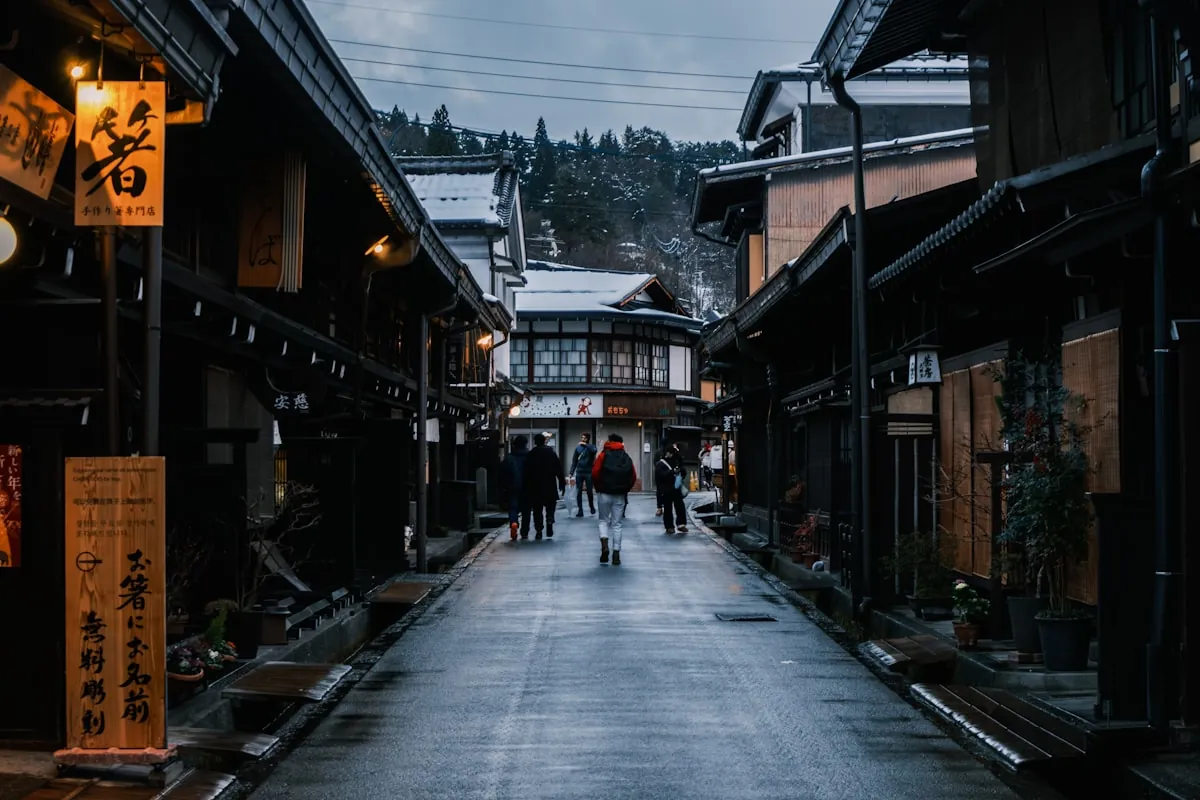
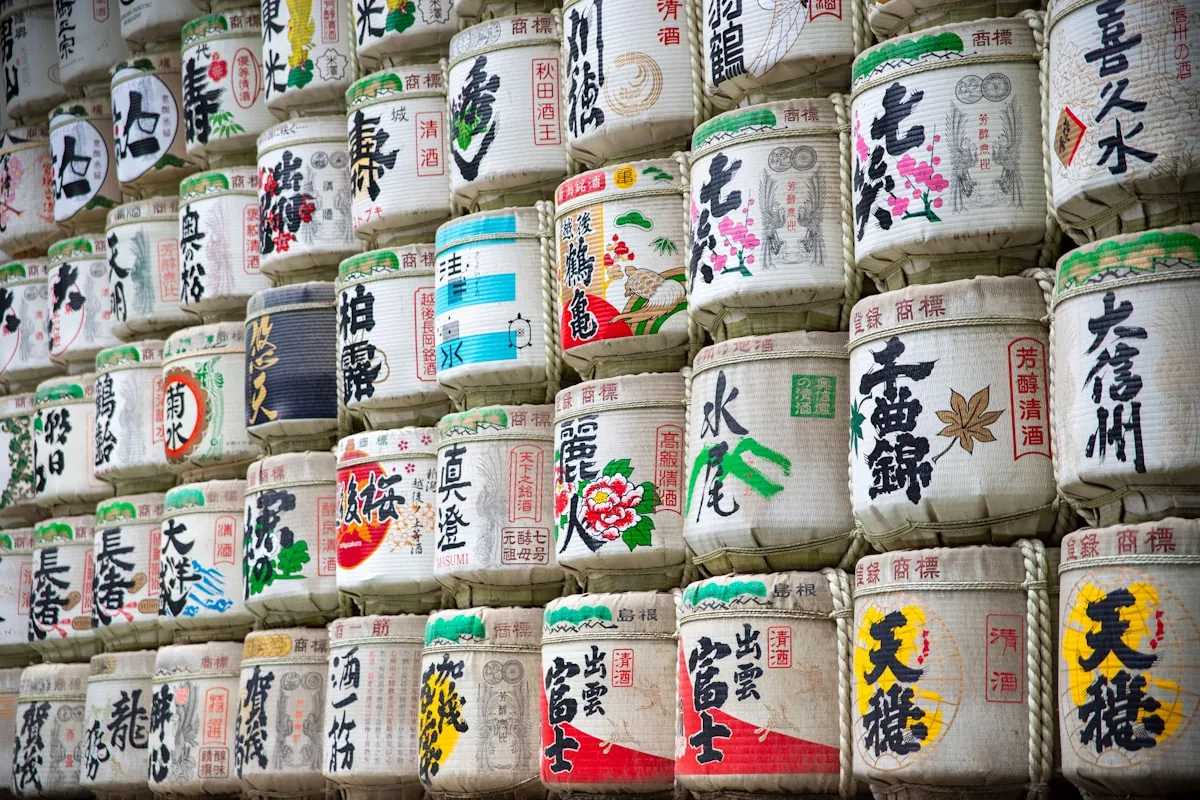
Edo merchant town in the Northern Alps. Six in-town sake breweries, a riverside morning market, and the spring/autumn matsuri float festivals. Two-night detour between Kanazawa and Kyoto. Full Takayama guide.
2. Onomichi (Hiroshima)
Hillside port town with a temple-walk pilgrimage and the start of the Shimanami Kaido cycling route across the Inland Sea. Cats outnumber tourists in winter. Onomichi guide.
3. Kanazawa (Ishikawa)
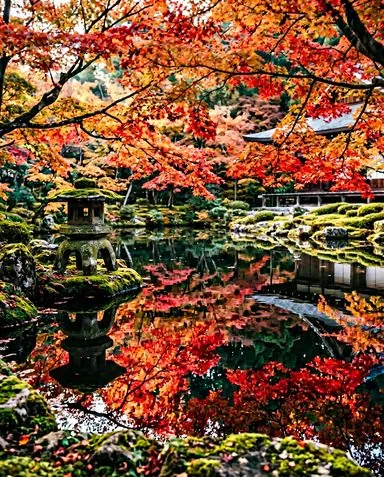
Geisha districts, samurai residences, and Kenroku-en (one of Japan's three perfect gardens), all without Kyoto's crowds. The Hokuriku Shinkansen brought it within 2.5 hours of Tokyo. Kanazawa guide. Andrei at The Verse Voyager strings Kanazawa, Shirakawa-go and Takayama into one west-coast run off the beaten path, which is the easiest way to take three of these in a single week.
4. Naoshima & Teshima (Inland Sea)
Art islands curated by the Benesse Foundation: Yayoi Kusama pumpkins, Tadao Ando architecture, Chichu Art Museum. The single best contemporary-art destination in Japan, and you reach it by a small ferry from Okayama.
5. Beppu (Oita)
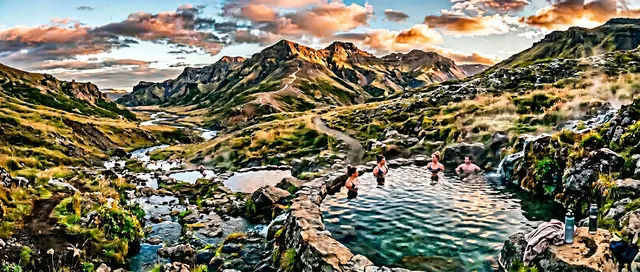
Eight different onsen districts, mud baths, sand baths, steam baths. The largest hot-spring output of any town in Japan. Day-trip from Fukuoka or stay overnight at one of the historic Yufuin-area ryokan.
6. Kinosaki (Hyogo)
Seven public onsen along a wooden-bridge river; the entire town is the experience. Walk between bathhouses in your yukata at night. 2.5 hours by JR Limited Express from Kyoto.
7. Yakushima (Kyushu)
UNESCO sub-tropical rainforest island. Jomon-sugi cedar (~3,000 years old), Mononoke-no-Mori inspired by Studio Ghibli. Ferry or short flight from Kagoshima. Best avoided in typhoon season.
8. Aomori (Tohoku)
Northern terminus of the Tohoku Shinkansen. The Nebuta Festival in early August is the most dramatic illuminated-warrior parade in Japan, and the year-round Nebuta-no-Ie museum has the actual floats on display.
9. Hagi (Yamaguchi)
Quiet former samurai capital on the Sea of Japan side, with preserved warrior-class neighborhoods and a 400-year-old pottery tradition (Hagi-yaki). You'll see maybe 20 other foreign tourists in a day.
10. Iya Valley (Tokushima)
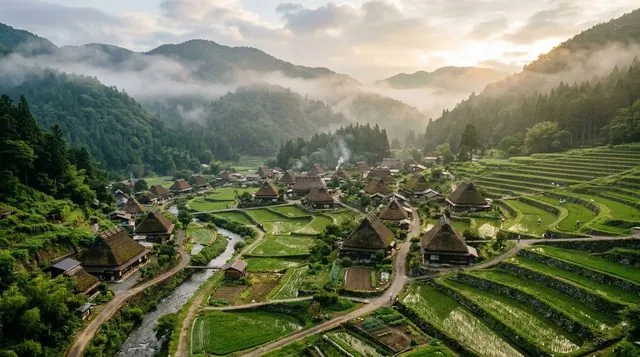
Deep mountain valley in interior Shikoku, with vine bridges over emerald rivers, restored thatched-roof farmhouses (Chiiori), and one of Japan's last truly remote regions. Hard to reach by design; rent a car or take 4+ hours of buses from Tokushima.
How to fit one (or three) into your trip
Don't try to do all ten on one trip. Pick by what's near your existing route. Kansai loop: add Kinosaki + Naoshima. Hokuriku/Chubu loop: Kanazawa + Takayama + Hagi (if extending west). Kyushu trip: Beppu + Yakushima. Tohoku trip: Aomori + Yamadera. Shikoku trip: Iya Valley + Naoshima ferry.
For the actual two-week itinerary that incorporates several of these, see Two Weeks in Japan or the deep-dive Three Weeks Hidden-Gem route.