Ten days in Tohoku, Japan's quiet north
Matsushima Bay, the cliffside Yamadera temple, the Taisho-era ryokan street of Ginzan Onsen, Lake Tazawa's gold statue, Kakunodate's preserved samurai quarter, Aomori's Nebuta floats. The Japan that the Golden Route never reaches.
 Nick van der Blom
Why this route
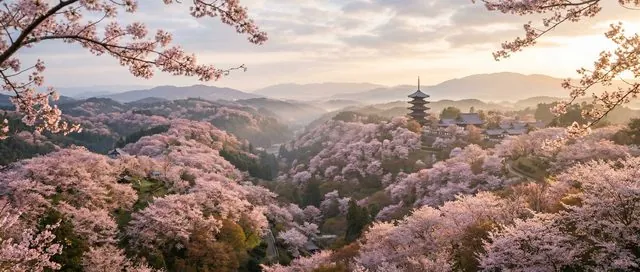
We anchor on Sendai, Yamagata, Akita, and Aomori (eight nights moving north) because Tohoku rewards slow immersion, not day-trip hops. Hiroshima and Kyoto were never candidates; this is a second-trip route entirely. The one thing to watch is season: late April to early May catches Hirosaki's famous late sakura; autumn momiji is the other consensus window.
Why Sendai
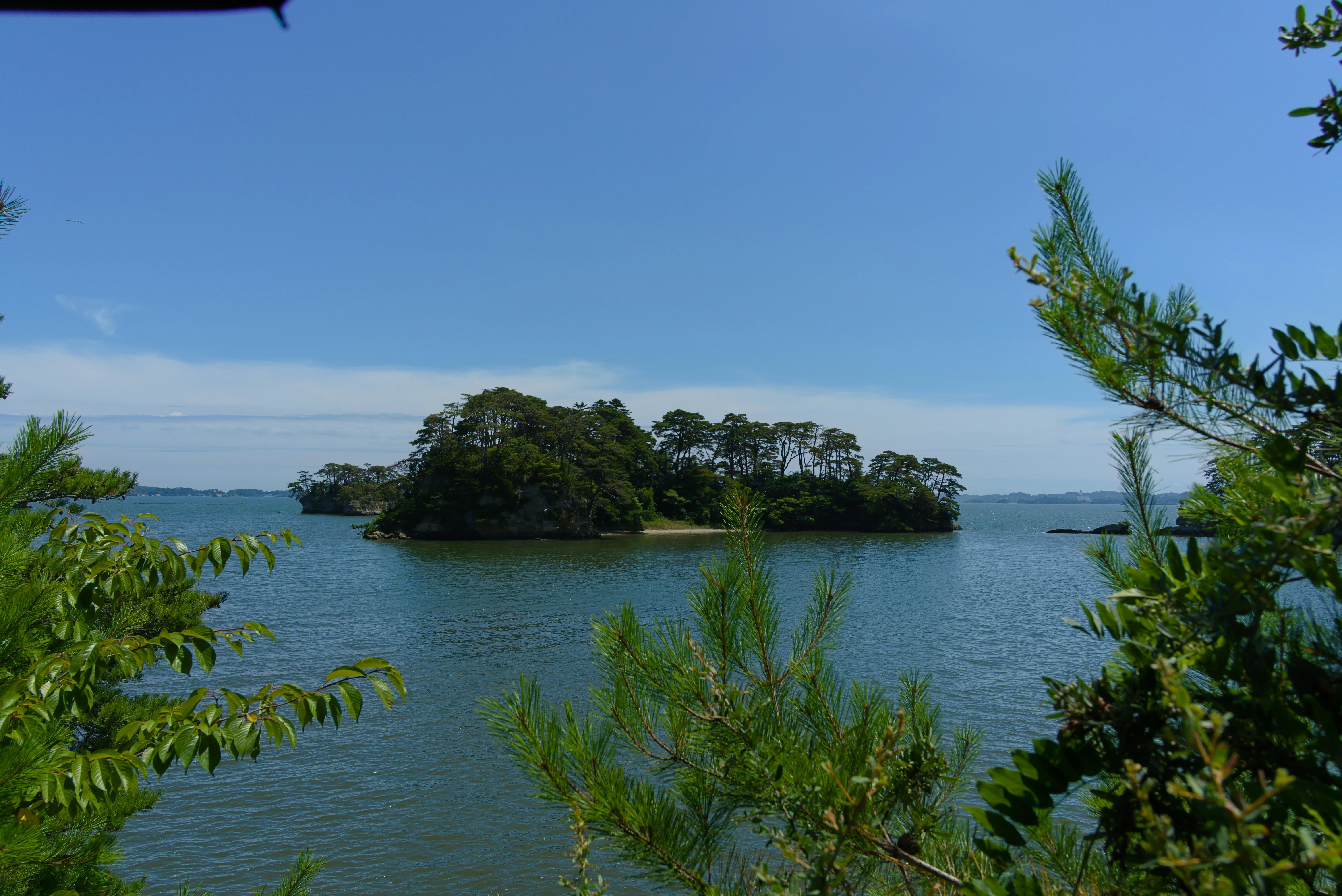
Sendai is the gateway that makes the rest of this route possible, and it earns its two nights. The Hayabusa covers the 360 kilometres from Tokyo in ninety minutes, and the city itself offers a clean first evening: drop bags, walk the covered arcade, and eat gyu-tan at Tasuke, the restaurant that invented the dish in 1948. The following day belongs to Matsushima Bay, forty minutes by JR, a fifty-minute boat cruise threading the pine-covered islands, and Zuiganji's painted screens before the crowds thicken. Walk the vermillion bridge to Fukuura Island early for the quiet shoreline. Zuihōden mausoleum, on its cedar hill above the city, is worth the detour at dusk on the way back.
9 things to see and do
Hidden gemZuihōden mausoleumBuilt 1637, destroyed in 1945, faithfully rebuilt 1979.Hidden gemFukuura Island bridgeA 252m vermillion-painted footbridge to a small island with a botanical garden and quiet shoreline walk.NeighbourhoodAoba-dōri arcade walkSendai · FreeEatRikyu gyu-tan dinnerSendai · ~¥2,400Day-trip · MatsushimaGodaidō pavilion + bridgeMatsushima · FreeDay-trip · MatsushimaMarubun bay cruiseMatsushima · ¥1,500Day-trip · MatsushimaZuiganji + GodaidōMatsushima · ¥700Day-trip · MatsushimaFukuura Island walkMatsushima · ¥200Show 1 more optionShow fewer options
Where to sleep in Sendai
BUDGET · HotelHotel Vista SendaiSendai Station · 5 min walkMid-2010s business hotel with top-floor onsen-style bath. Single rooms small but clean; doubles fit a bag.¥9,500/nightSee rates ↗MID · HotelThe Westin SendaiCentral · 10 min to arcadeRecommendedTallest building in central Sendai with Heavenly-bed Westin rooms from floor 25 upward. The view of the city and Matsushima Bay from the top-floor bar is worth one night.¥22,000/nightSee rates ↗LUXURY · HotelHotel Metropolitan SendaiInside Sendai StationDirect station-attached luxury hotel: wake up, take the lift down, board the Shinkansen. Premium-floor rooms have city view.¥28,000/nightSee rates ↗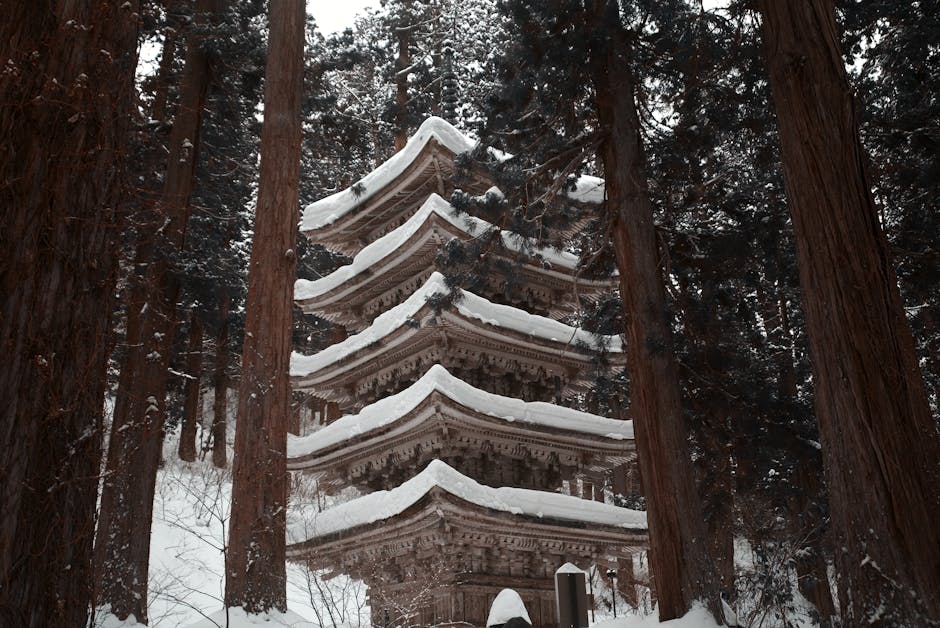
Why Yamagata
Yamadera is the reason this leg of the route doesn't simply skip from Sendai to Yamagata by shinkansen. The Risshaku-ji complex (a 9th-century Zen temple built into a cliff face) earns its thousand steps: the canonical panorama from Godaidō at step 1,000 is the editorial Tohoku photograph, but the small open balcony of Nakado-bashi, tucked between steps 800 and 900, is where most climbers walk past something just as good without noticing. Arrive early; the JR Senzan Line from Sendai takes under an hour and the village is quiet before mid-morning. Afterwards, the short onward train to Yamagata leaves time for imoni-jiru taro stew on Bunkan-dōri and a calm walk through the castle ruins before the night.
6 things to see and do
Hidden gemYamadera Nakado-bashiA small side-pavilion most climbers walk past without stopping: open balcony, no entry fee, panoramic valley view that rivals the canonical Godaidō shot at step 1,000.Must-seeKonponchūdō main hallYamadera · ¥300Must-see1,015-step climbYamadera · –Must-seeGodaidō top viewYamadera · – EatJR to Yamagata + lunchYamagata · ¥240Must-seeBunshōkan + castle ruinsYamagata · ¥620
Where to sleep in Yamagata
BUDGET · HotelHotel Castle YamagataYamagata Station · 8 min walkSolid mid-range business hotel near the castle ruins; tiny on-site onsen pool. Walking distance to the soba lane.¥8,500/nightSee rates ↗MID · HotelYamagata Grand HotelCentral · 5 min from stationRecommendedLargest hotel in town. Big breakfast buffet with local pickles; rooms larger than business-hotel standard.¥14,000/nightSee rates ↗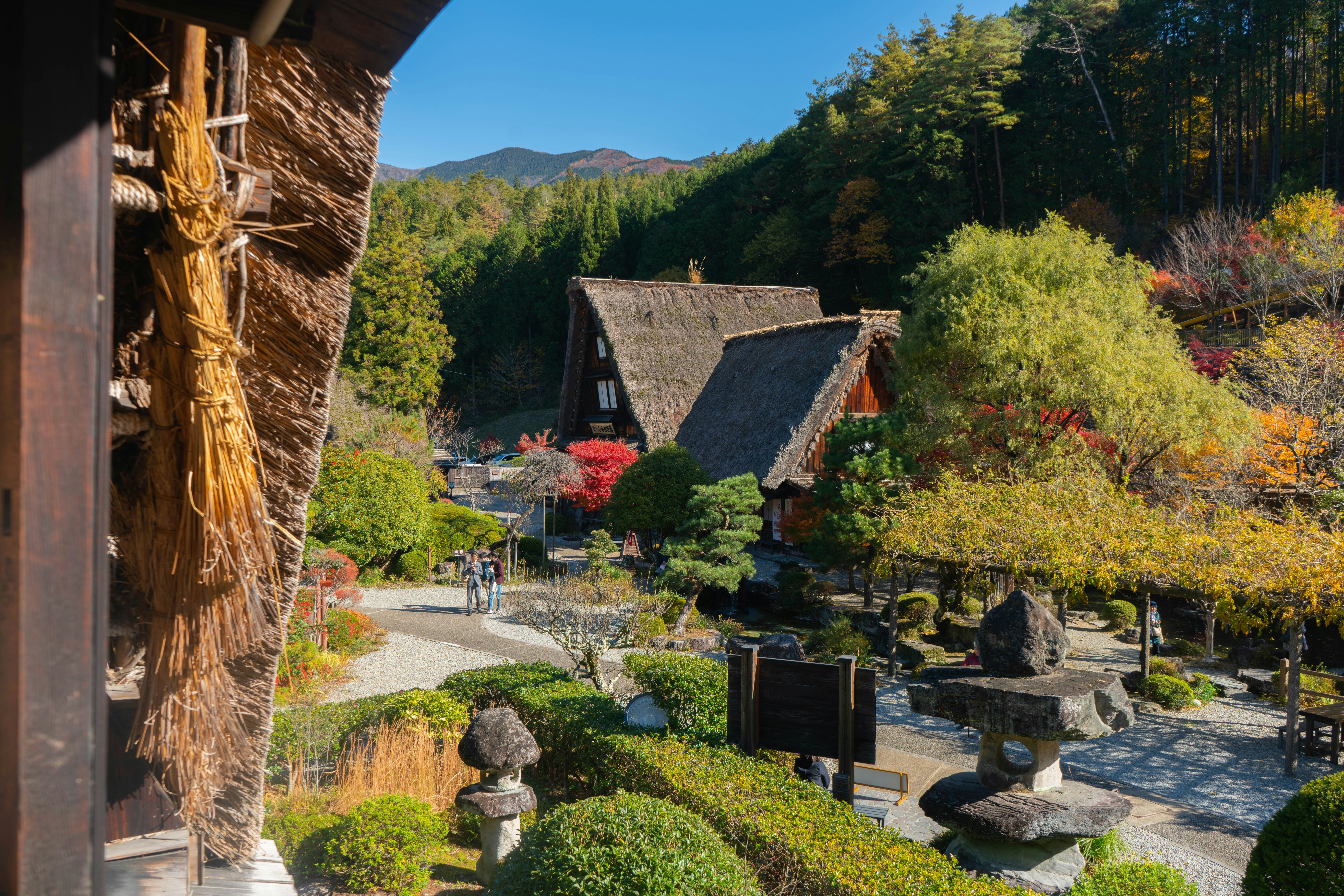 LUXURY · HotelTendō Onsen, HōshikanTendō Onsen · 20 min by trainFor the luxury option, skip Yamagata City and stay at Tendō Onsen 20 min north. Traditional ryokan with cedar baths and prefectural-favourite kaiseki.¥38,000 pp · kaiseki + breakfast/nightSee rates ↗
Why Ginzan Onsen
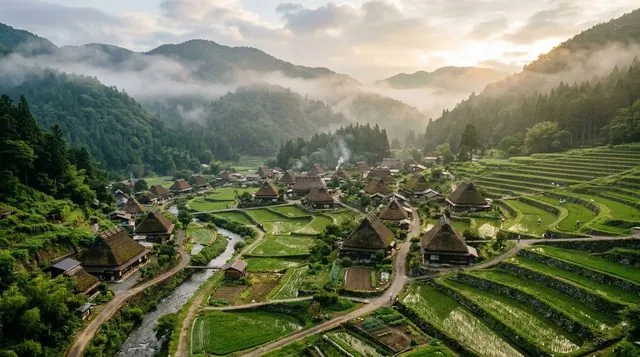
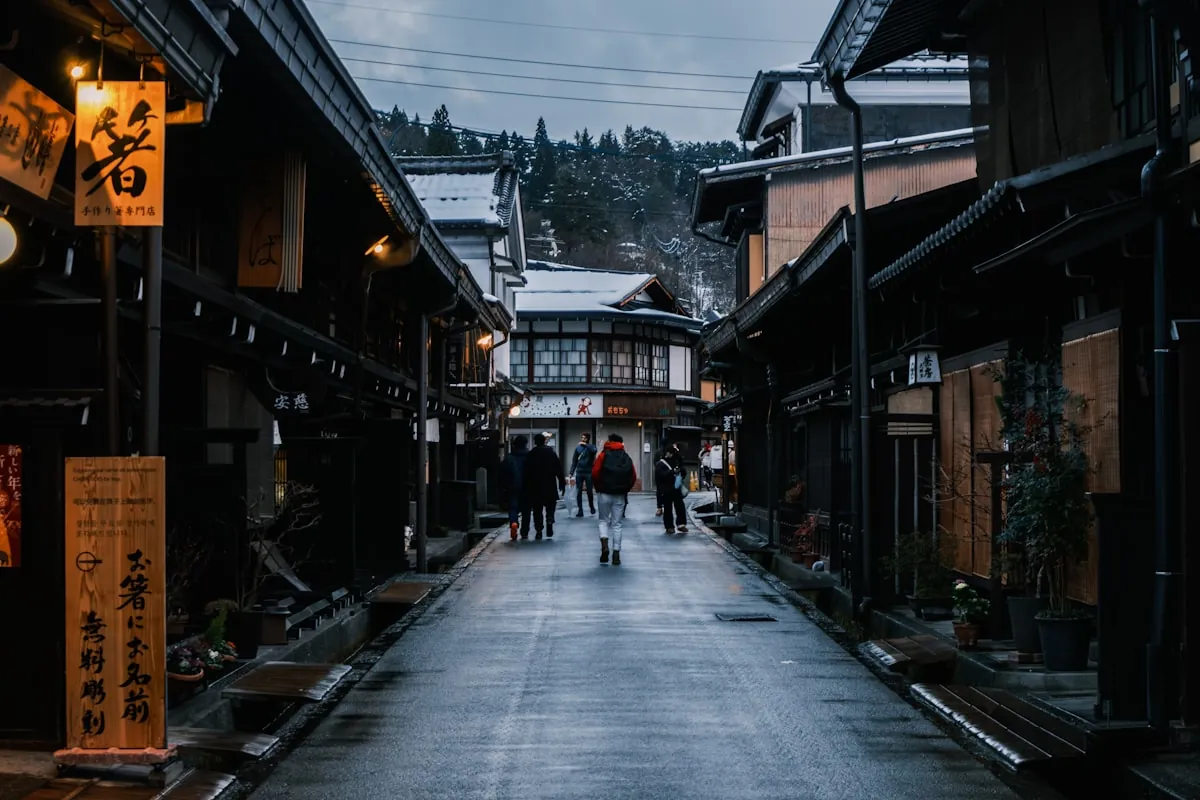
Ginzan Onsen earns its place on the route because nowhere else in Tohoku looks like this. A single street of dark-timber, three-storey Taishō-era ryokan lines a mountain river, and the whole ensemble has been held deliberately unchanged since the 1920s. Arrive in the afternoon, check in, pull on the yukata and clogs your ryokan provides, and walk the street at dusk when the gas lamps come on: that is the image the village was built around. Shirogane-yu, the public bathhouse at the entrance, is worth the half-hour even if your ryokan has its own baths. Walk upstream past the last building to reach Shirogane Falls before dinner. The kaiseki and the tatami complete it. One night is exactly right.
3 things to see and do
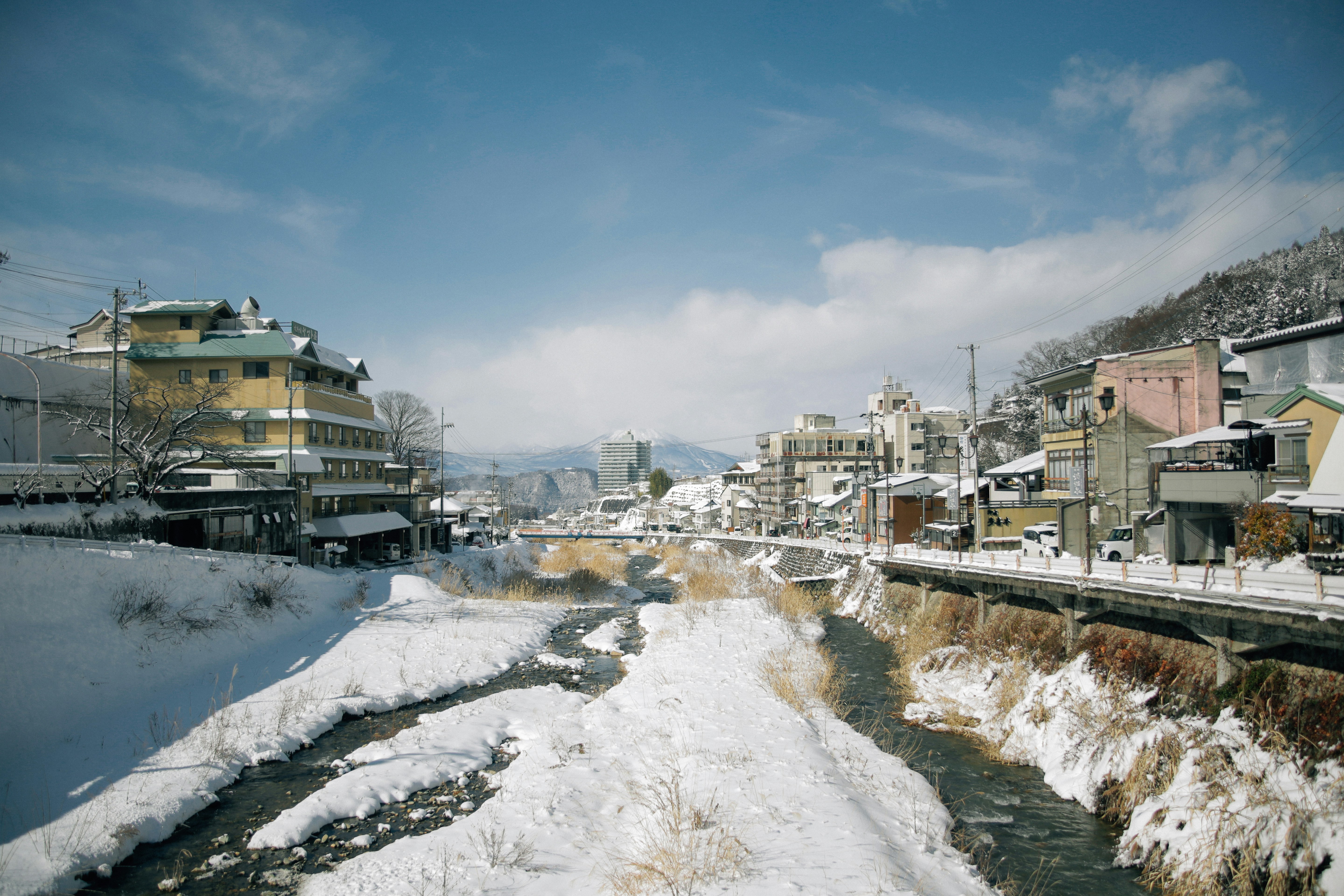
Where to sleep in Ginzan Onsen
BUDGET · RyokanKotobukiya RyokanGinzan main street · river-frontStandard wooden three-story ryokan on the street. Basic tatami rooms, shared bath, full kaiseki dinner. The cheapest way to sleep on the Ginzan strip itself.¥20,000 pp · kaiseki + breakfast/nightSee rates ↗MID · RyokanFujiya Ryokan (renovated by Kuma Kengo)Ginzan main streetRecommendedFamed 350-year-old ryokan, renovated by Kuma Kengo with a bamboo-screen modern interior over the Taishō-era frame. Eight rooms, all with private baths. Book 6 months ahead.¥38,000 pp · kaiseki + breakfast/nightSee rates ↗LUXURY · RyokanNotoya RyokanGinzan upper villageThe largest historic ryokan, partly designated as a National Cultural Property. Rooms range from standard tatami to private-rotenburo suites. The kaiseki kitchen is the prefecture's reference.¥54,000 pp · kaiseki + breakfast/nightSee rates ↗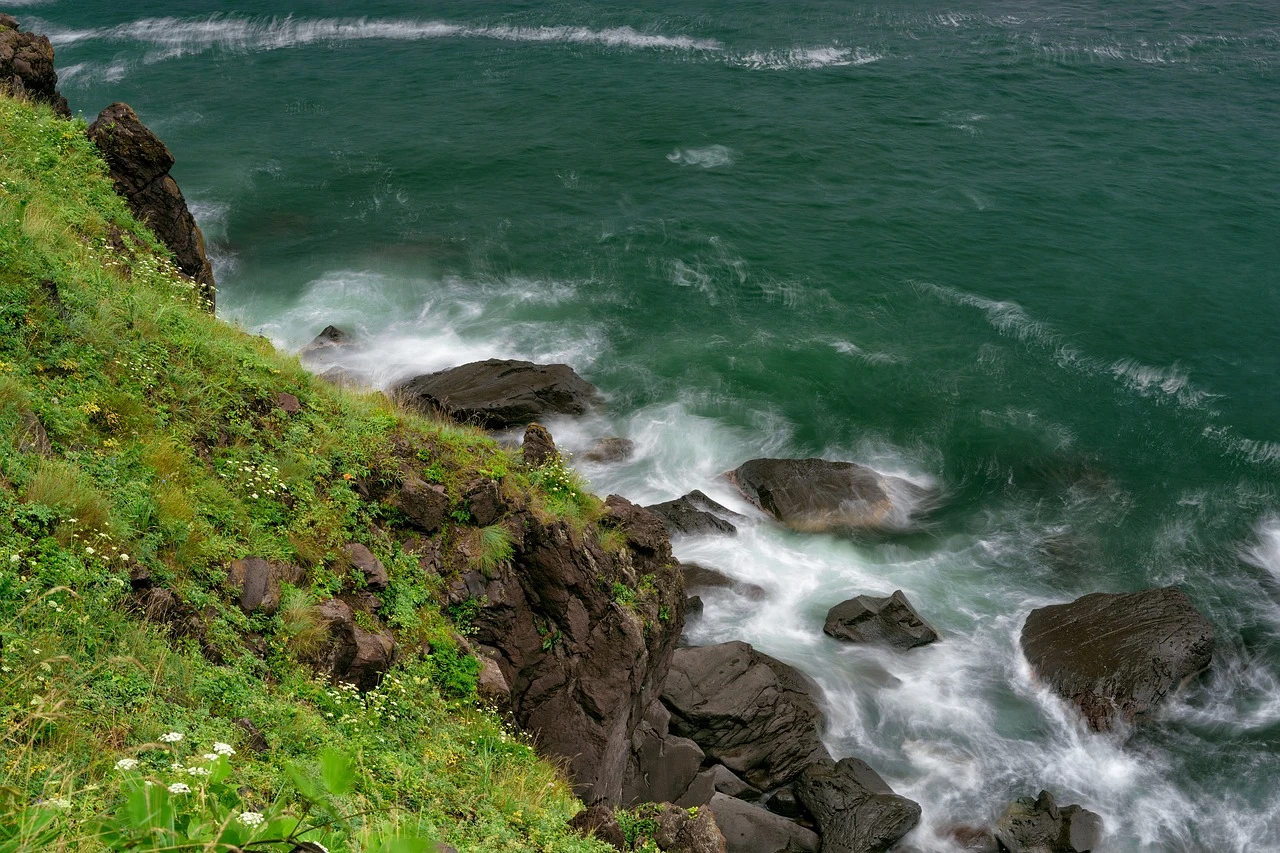
Why Akita
Akita earns its two nights as the base for one of the quietest day-trips on the route. The city itself asks little: drop bags, walk to Senshu Park, and follow the moat around the old Kubota Castle ruins before dinner: kiritanpo, the pounded-rice skewers grilled over cedar, at Saruka near the station. The next morning, the Komachi climbs west over the Senboku mountains to Lake Tazawa, Japan's deepest lake, a near-perfect caldera circle of cobalt water. Rent a bike at the station and loop the 20-kilometre shore: the gilt-bronze Tatsuko statue standing ankle-deep on the west side, the vermillion torii of Goza-no-Ishi shrine reflected in the shallows to the north. Two hours of pedalling, almost no one else.
7 things to see and do
Hidden gemSenshu Park ruinsThe Kubota Castle ruins now form Akita's central park: stone walls, a moat, a reconstructed corner tower (the Osumi-yagura, ¥100 to climb).Hidden gemGoza-no-Ishi shrineA small shrine on the north shore with a vermillion torii standing in the shallow water.Must-seeHotel drop + Senshu ParkAkita · FreeEatSaruka kiritanpo dinnerAkita · ~¥2,500Day-trip · Lake TazawaRent bike + lake startTazawako Stn · ¥1,500Day-trip · Lake TazawaTatsuko statue (west)Tazawa-ko · FreeDay-trip · Lake TazawaReturn Akita + light dinnerAkita · ¥3,260Where to sleep in Akita
BUDGET · HotelComfort Hotel AkitaAkita Station · 3 minReliable mid-range business hotel, walkable everywhere central, free breakfast.¥7,500/nightSee rates ↗MID · HotelHotel Metropolitan AkitaAkita Station · attachedRecommendedJR-owned hotel directly attached to Akita Station. Big rooms by prefectural standards, top-floor breakfast.¥13,000/nightSee rates ↗LUXURY · RyokanNyutō Onsen TsurunoyuNyutō Onsen · 1.5 hr by bus from AkitaFor the luxury option, skip Akita City and stay at Tsurunoyu Onsen, the most famous ryokan in northern Tohoku, a 350-year-old wooden complex with milky-white sulphur baths in deep snow. Book 4 months ahead.¥28,000 pp · kaiseki + breakfast/nightSee rates ↗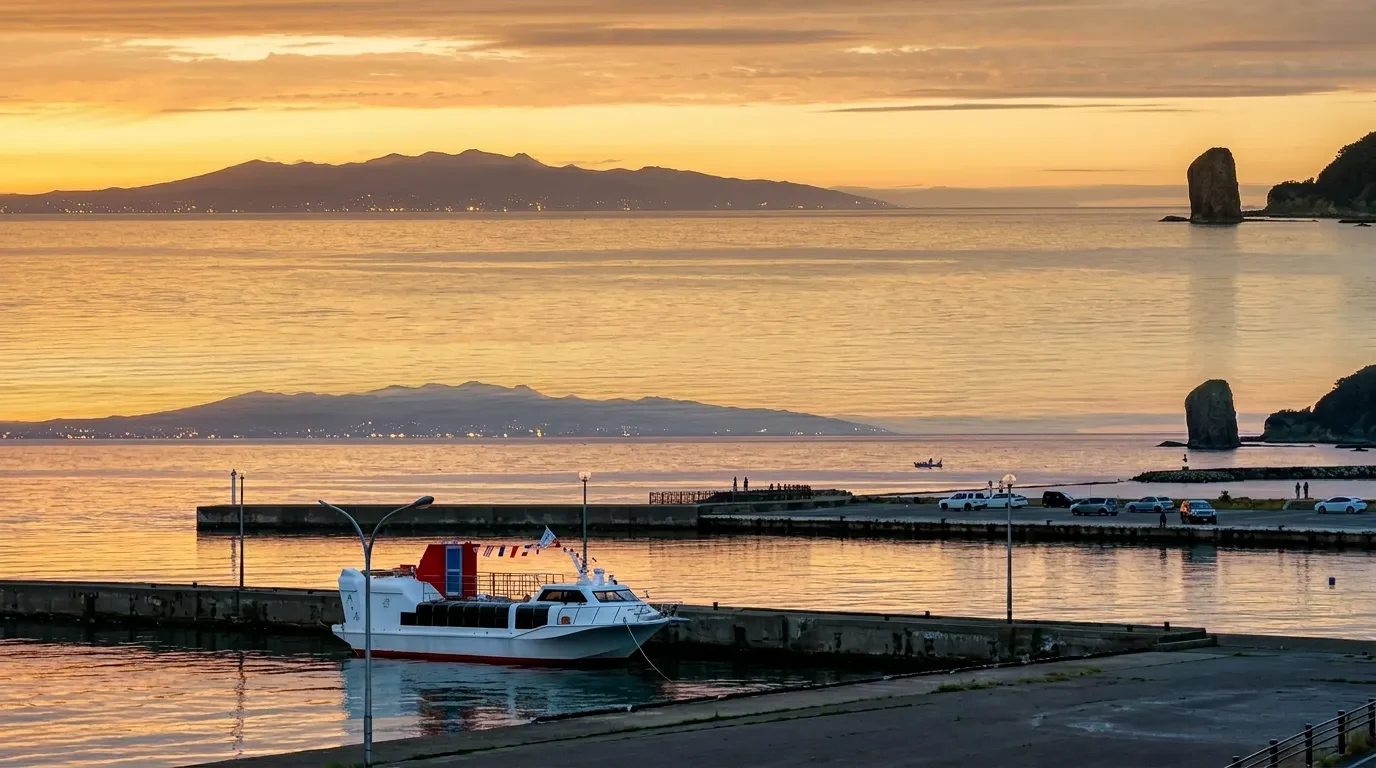
Why Aomori
Aomori earns two nights because it anchors the whole northern arc and delivers things the Golden Route never touches. In Kakunodate, walk the wide cherry-lined street between Ishiguro-ke and Aoyagi-ke: the black wooden walls and the lived-in quiet of a samurai district unchanged since the 1620s. The day trip to Hirosaki is non-negotiable: the original 1611 keep, the moat weeping cherries, and a slice of apple pie at Tamenobu. Back in Aomori, the Nebuta Warasse Museum shows the full-size illuminated floats up close, and the bay walkway west ends at the Asparas tower at dusk, when the water turns orange and the Hakkoda mountains hold the last light.
18 things to see and do
Hidden gemAoyagi-ke north gardenAoyagi-ke's northern garden contains a small bell-tower and a koi pond most visitors miss because they exit through the south gate.Hidden gemHirosaki moat boatsDuring the late-April / early-May sakura window, the outer moat opens for rental rowboats (¥1,000 per 30 min, 4 people max).Hidden gemNebuta workshop tourJune through July, the Nebuta-shi (float artisans) open their workshops to visitors during construction.Hidden gemShin-Aomori ekiben hallThe Shin-Aomori station basement food court has 25 ekiben options including regional specialties: Aomori scallops, salmon ikura, basashi (from Yamagata).Must-seeAoyagi-ke samurai houseKakunodate · ¥500Must-seeIshiguro-ke samurai houseKakunodate · ¥400EatBamboo-craft + lunchKakunodate · ~¥1,500Must-seeCastle park + keepHirosaki · ¥520Show 10 more optionsShow fewer options
EatTamenobu apple pieHirosaki · ~¥1,000NeighbourhoodWestern district walkHirosaki · FreeNeighbourhoodHotel · light dinnerAomori · ~¥2,500Must-seeNebuta Warasse MuseumAomori Bay · ¥620EatA-Factory cidery + tastingBay · ~¥1,000NeighbourhoodAuga basement marketAomori · FreeNeighbourhoodBay walkway westBay · FreeMust-seeAsparas tower at sunsetBay · ¥710EatLast Tohoku dinnerAomori · ~¥3,000NeighbourhoodFinal bay-side coffeeAomori · ~¥600Where to sleep in Aomori
BUDGET · HotelToyoko Inn Aomori-eki Higashi-guchiAomori Station · 3 minStandard Toyoko Inn: small clean rooms, free breakfast, walking distance to the bay and Nebuta Museum.¥7,500/nightSee rates ↗MID · HotelHotel JAL City AomoriCentral Aomori · 12 min from stationRecommendedAomori's best mid-tier hotel. Bay-view rooms available, walking distance to the Nebuta Museum and the bay walkway.¥13,000/nightSee rates ↗LUXURY · RyokanHoshino Resorts AomoriyaMisawa Onsen · 50 min by JR east of AomoriHoshino Resorts' Aomori property, a "Nebuta themed" ryokan with full-size festival floats in the lobby and bath, hot springs, kaiseki. The luxury Aomori option, requires a small east-bound detour.¥38,000 pp · kaiseki + breakfast/nightSee rates ↗More routes like this
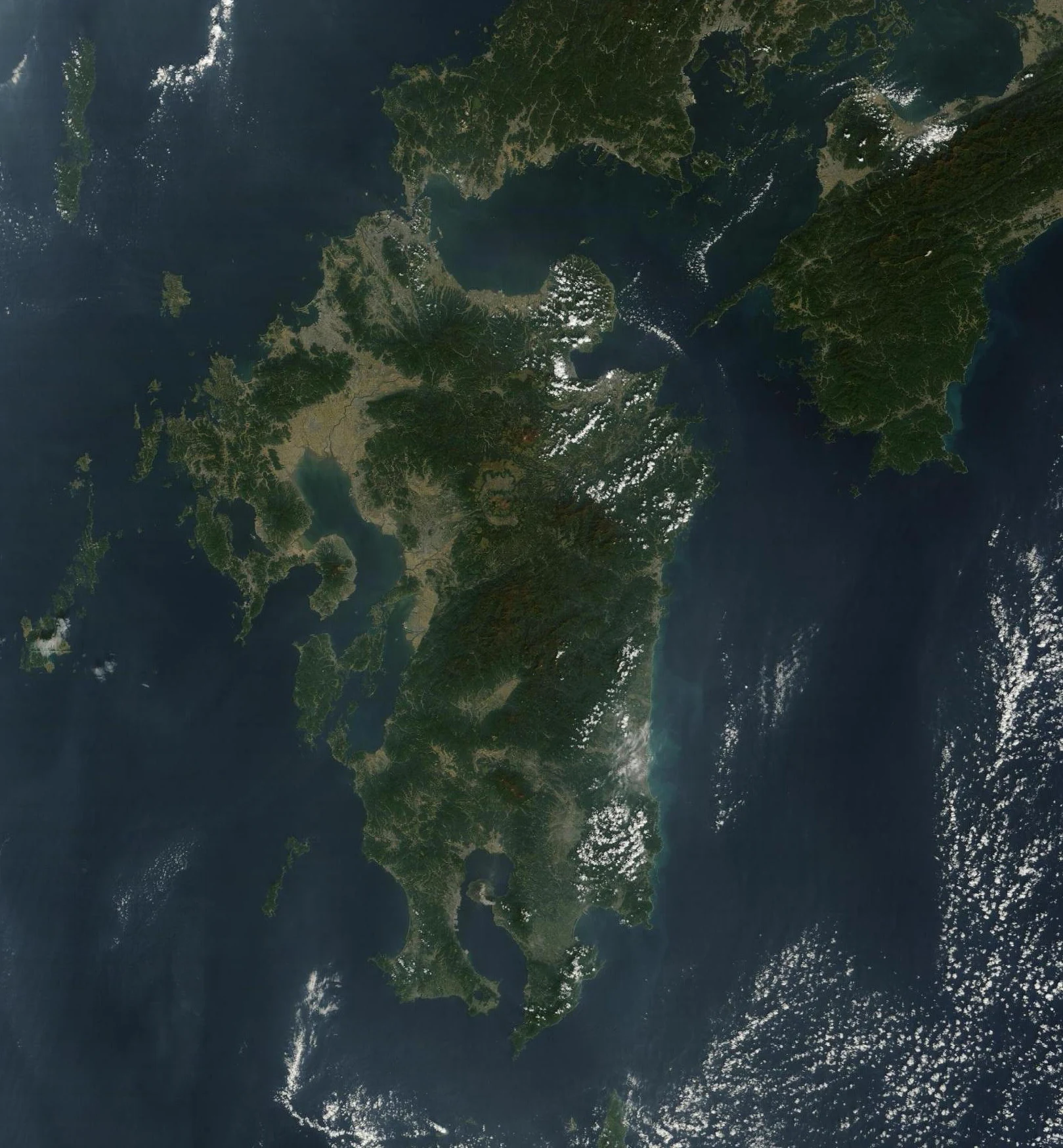 10 days·Returning travellersTen days in Kyushu, the hidden islandFukuoka yatai, Nagasaki harbour, an active volcanic caldera, the ryokan valley of Kurokawa, Yufuin's misty lake, Sakurajima smoking across the bay. The Japan most travellers miss.
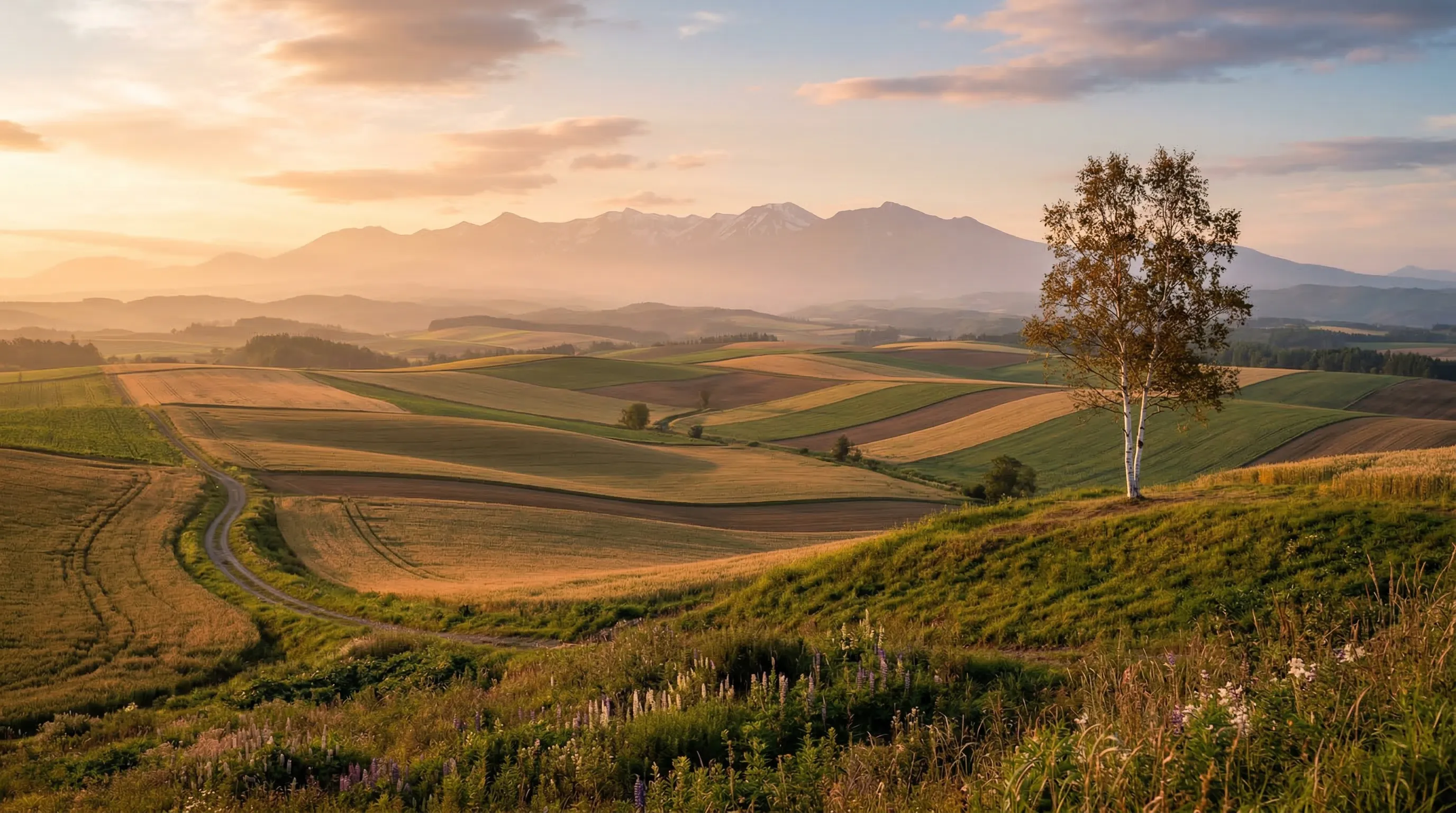 7 days·Returning travellersSeven days in Hokkaido, snow + food + natureSapporo ramen and beer, Otaru's canal town, Noboribetsu's hell-valley onsen, Hakodate's top-ten-night-view harbour. Japan's northern island in a single tight week.
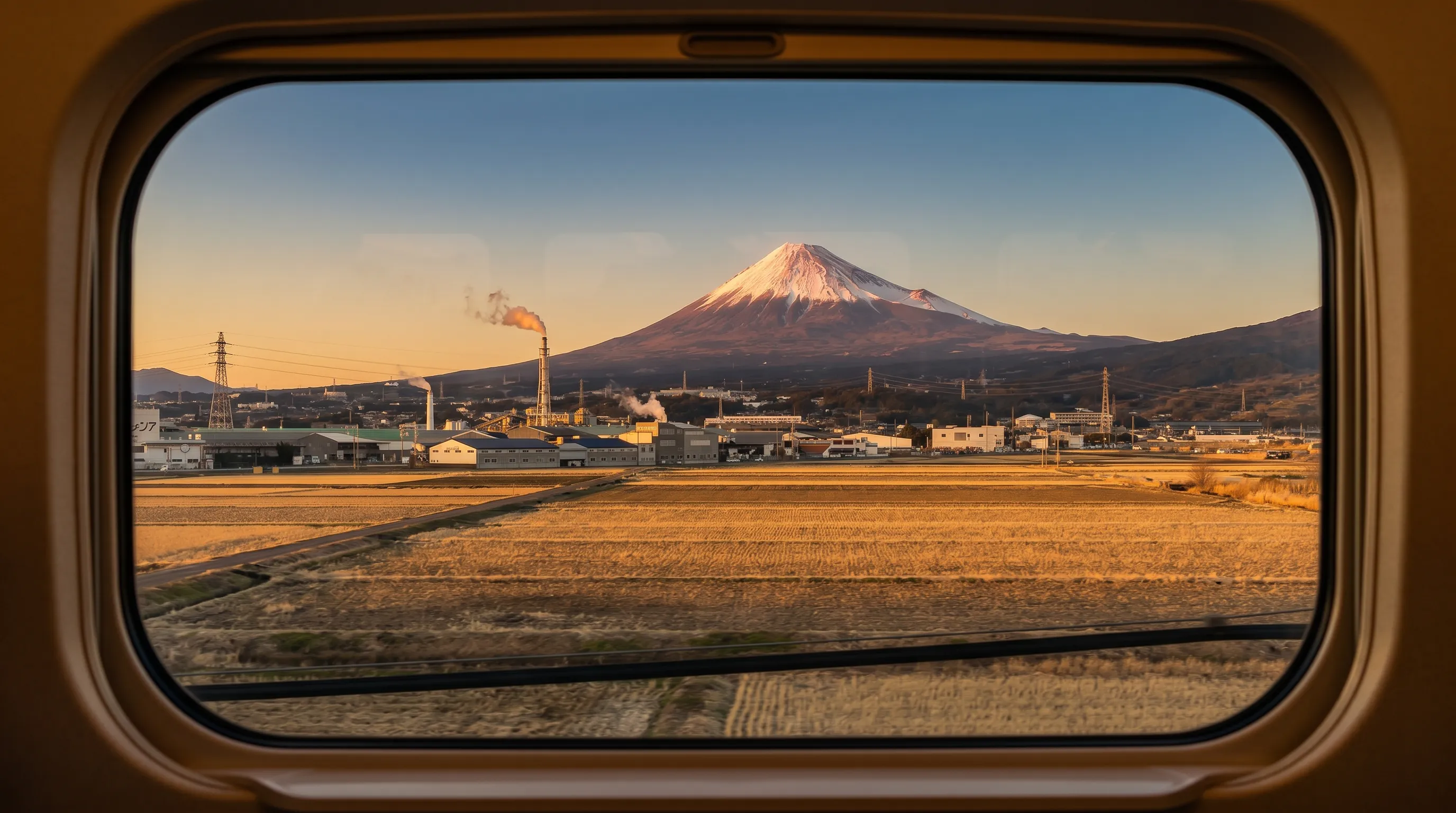 10 days·First-timersFirst-timer's ten days in JapanTokyo · Kyoto · Osaka · Hiroshima. The classic ten-day arc, without the mountain detour. Same big three, one heavy day-trip, home rested.
Read before you go
- Is the JR Pass worth it?The maths for a route like this, on one page.
- Riding the Shinkansen for the first timeNozomi, Hikari or Kodama, seats, luggage.
- Get your eSIM before you flySet it up at home, switch it on when you land.
- Suica on your iPhoneAdd it in Wallet, top up, tap through every gate.
- Tokyo airport to the cityNarita and Haneda: the routes that make sense.
- What a Japan trip costsReal numbers for flights, hotels, food and trains.
- Cash or card in JapanHow much yen to carry and where cards fail.
- Japan packing listWhat to bring, what to buy there.