Three weeks in Japan, the deeper route
The 14-day first-timer route + a seven-day Kyushu finale. Hakata yatai stalls, the Aso caldera, the ryokan valley at Kurokawa, Sakurajima across the bay, a volcanic sand bath at the end.
 Nick van der Blom
Why this route
We kept every stop from the 14-day route (Tokyo, Kyoto, Osaka, Takayama, Hirayu Onsen) then added a Tokyo bridge night before pivoting hard to Fukuoka, Kumamoto, Kurokawa Onsen, and Kagoshima. Hiroshima was cut to control pacing. Watch winter: Aso's bus routes turn unreliable, though Kurokawa Onsen with snow is genuinely worth the gamble.
Why Tokyo
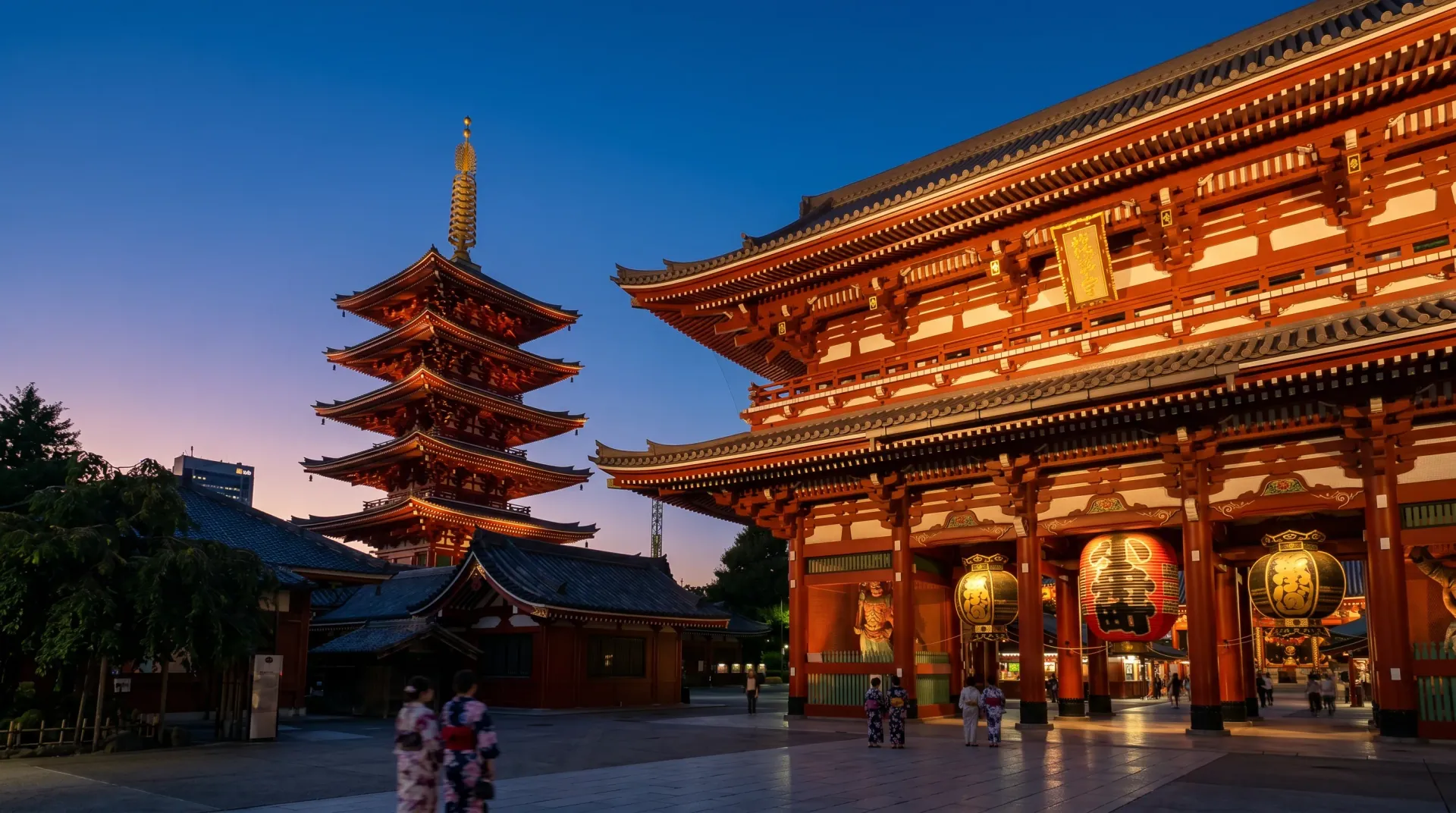
Tokyo opens the route because nowhere else lands a first-timer in Japan as cleanly. The jet-lag strategy is simple: daylight and walking, not sleep. Drop bags in Asakusa, reach Sensō-ji as the lanterns come up, eat ramen at a counter nearby, and stay upright until late. Day two belongs to the west side: Meiji-jingū at opening, when the forested path is genuinely quiet, then south through Cat Street and Aoyama, and Shibuya Sky booked in advance for the sunset slot. Day three is slower, Yanaka Ginza and the Asakura Museum, old Tokyo before the Shinkansen west to Kyoto the next morning.
15 things to see and do
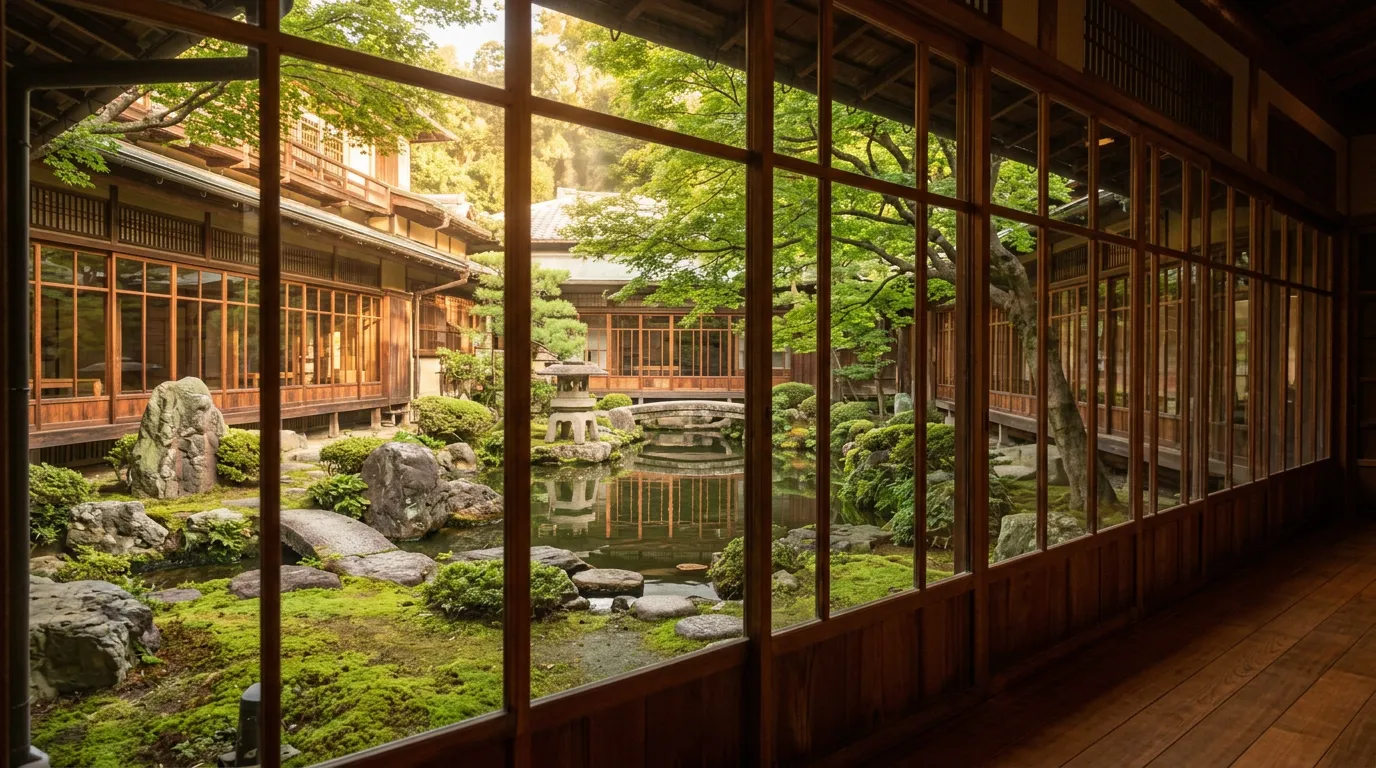 Hidden gemAsakura MuseumA sculptor's former home with a courtyard pool, an upstairs library, and a roof terrace that frames the old shitamachi.
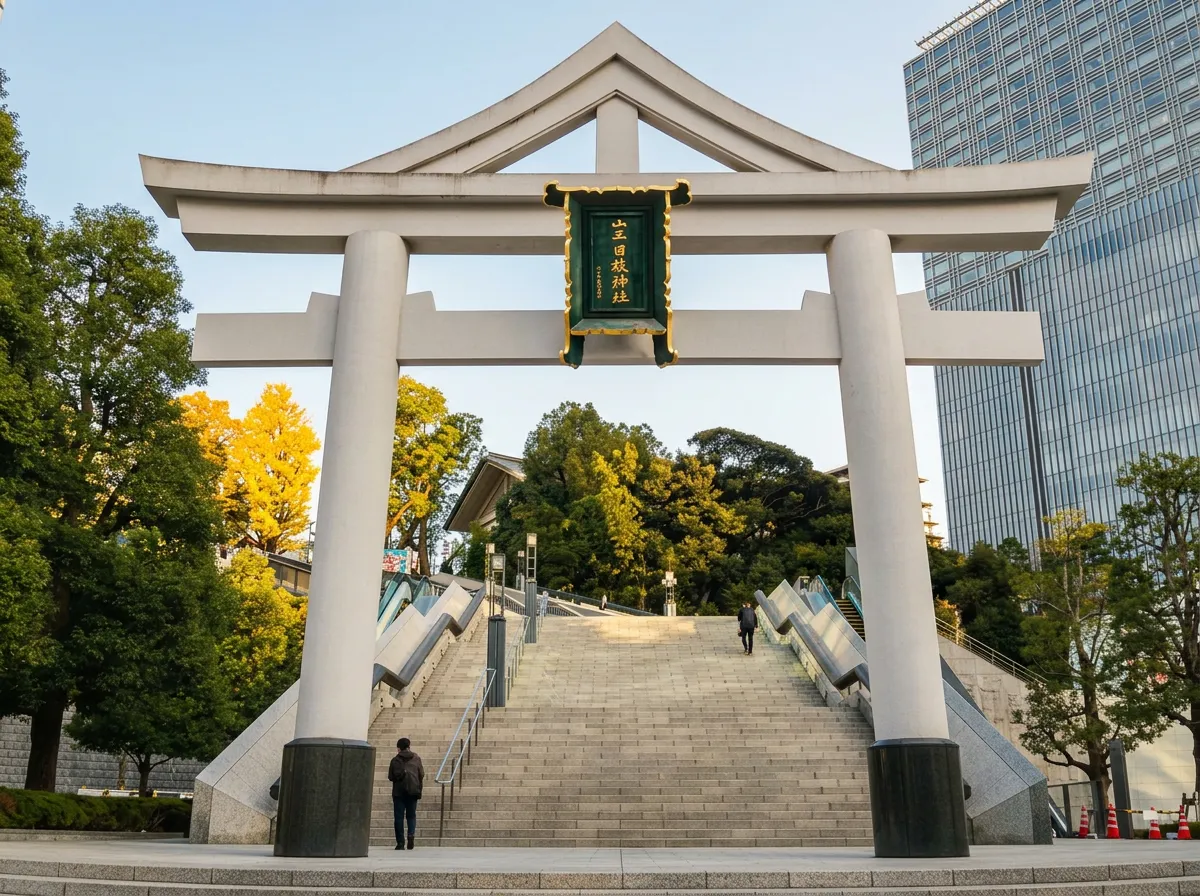
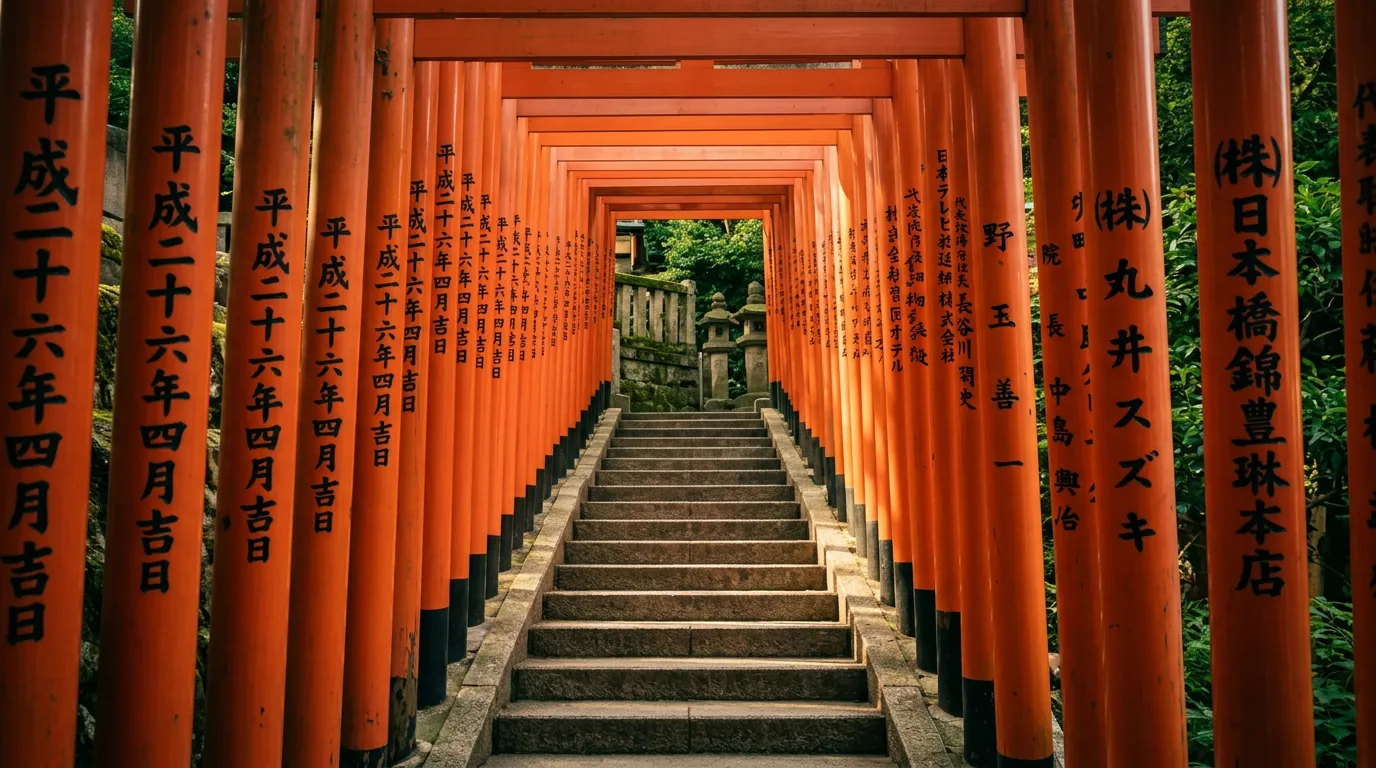 Hidden gemHie Shrine torii pathA miniature version of Kyoto's Senbon Torii, 90 steps through vermillion gates that climb a hill in the middle of Akasaka.
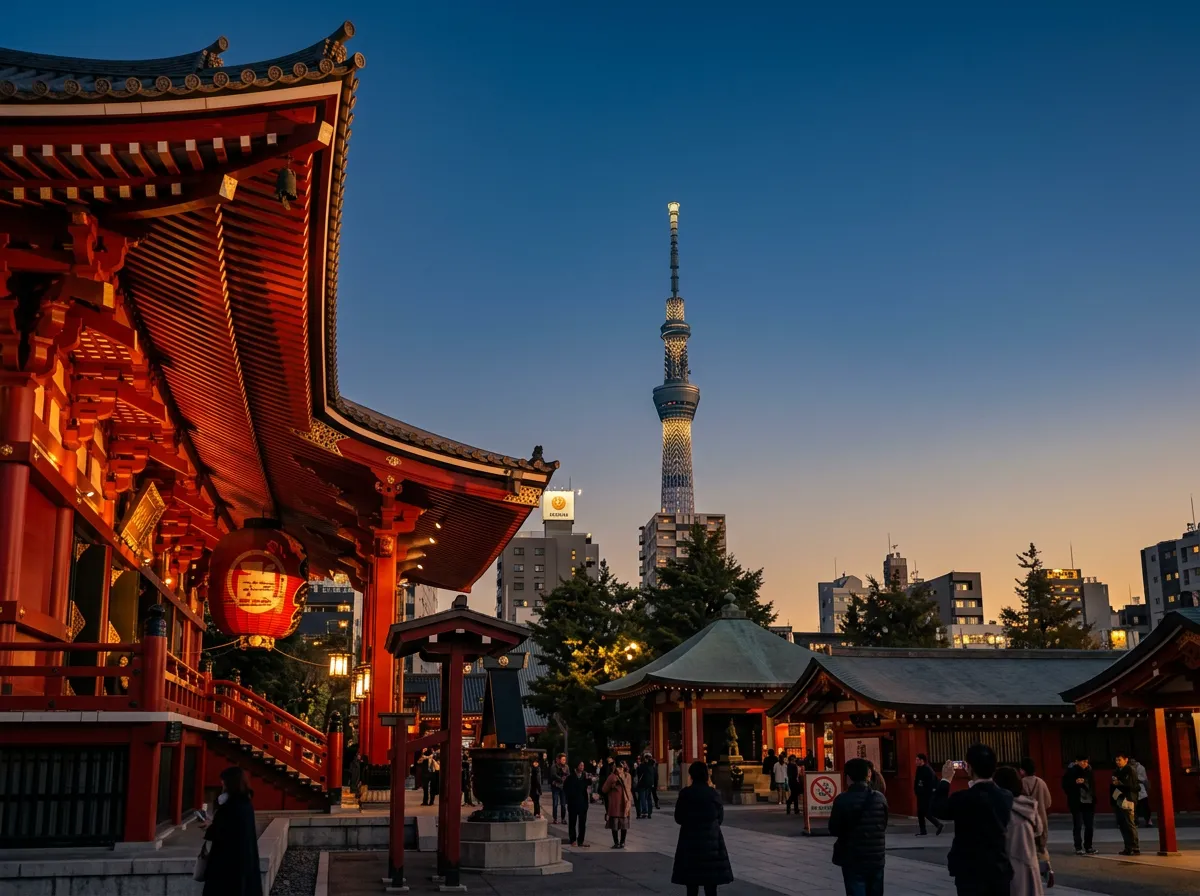 Must-seeSensō-ji at duskTokyo's oldest temple, founded 645 AD.
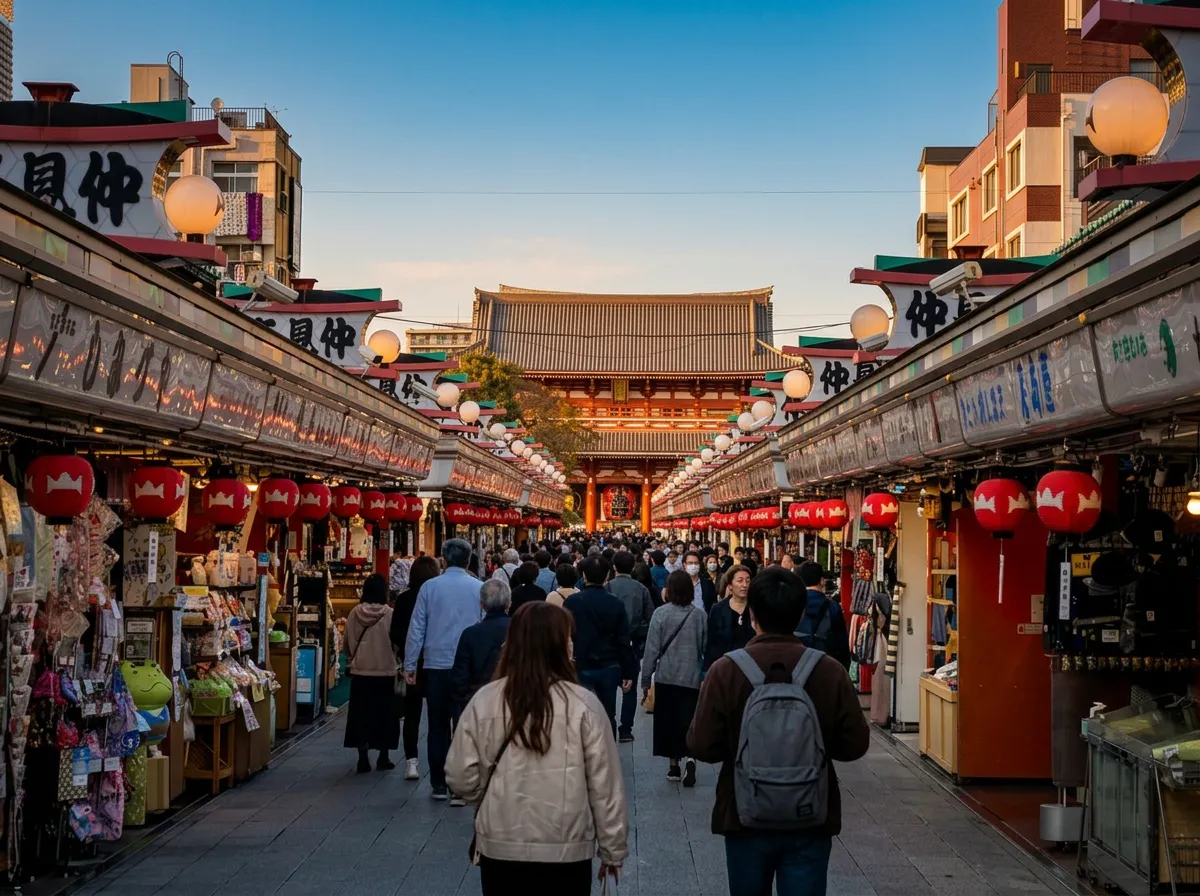 NeighbourhoodNakamise-dōri strollAsakusa · Free
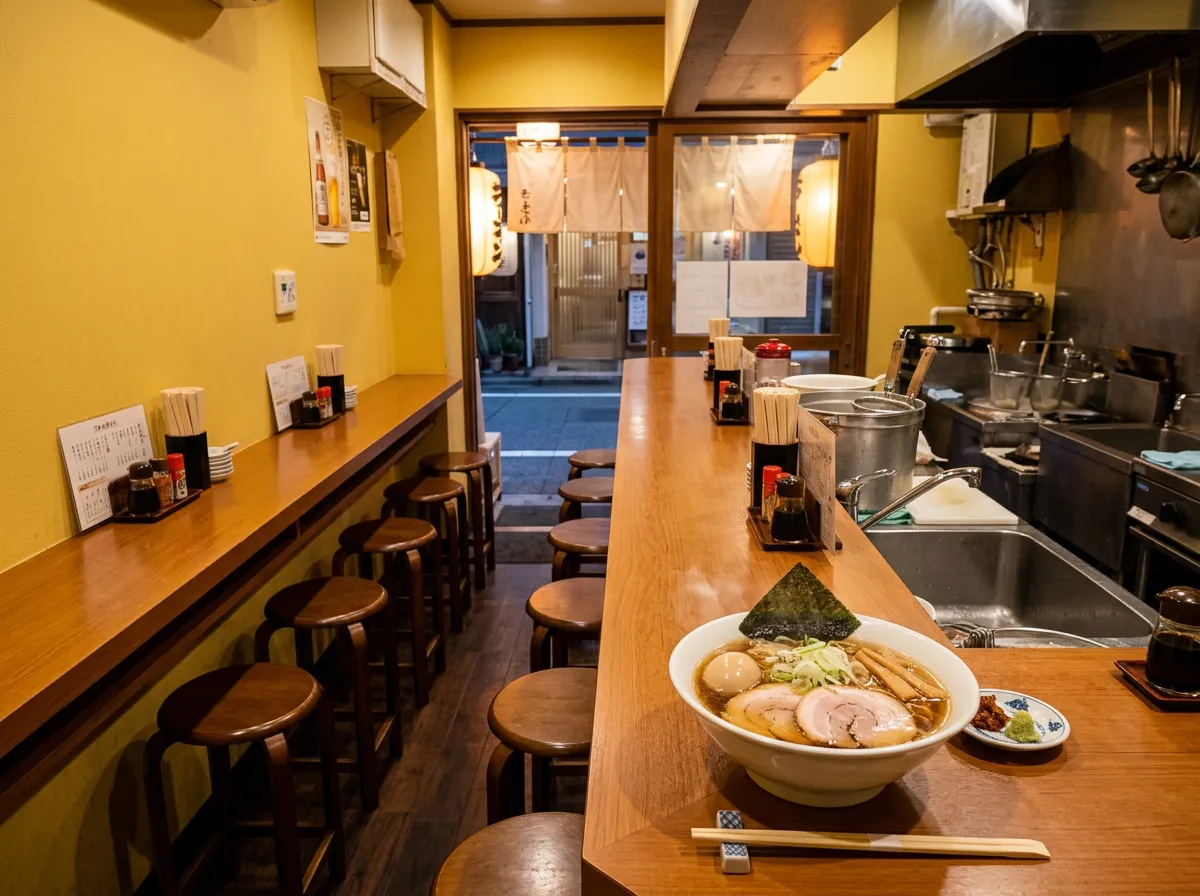 EatFuji RamenAsakusa · ~¥1,200
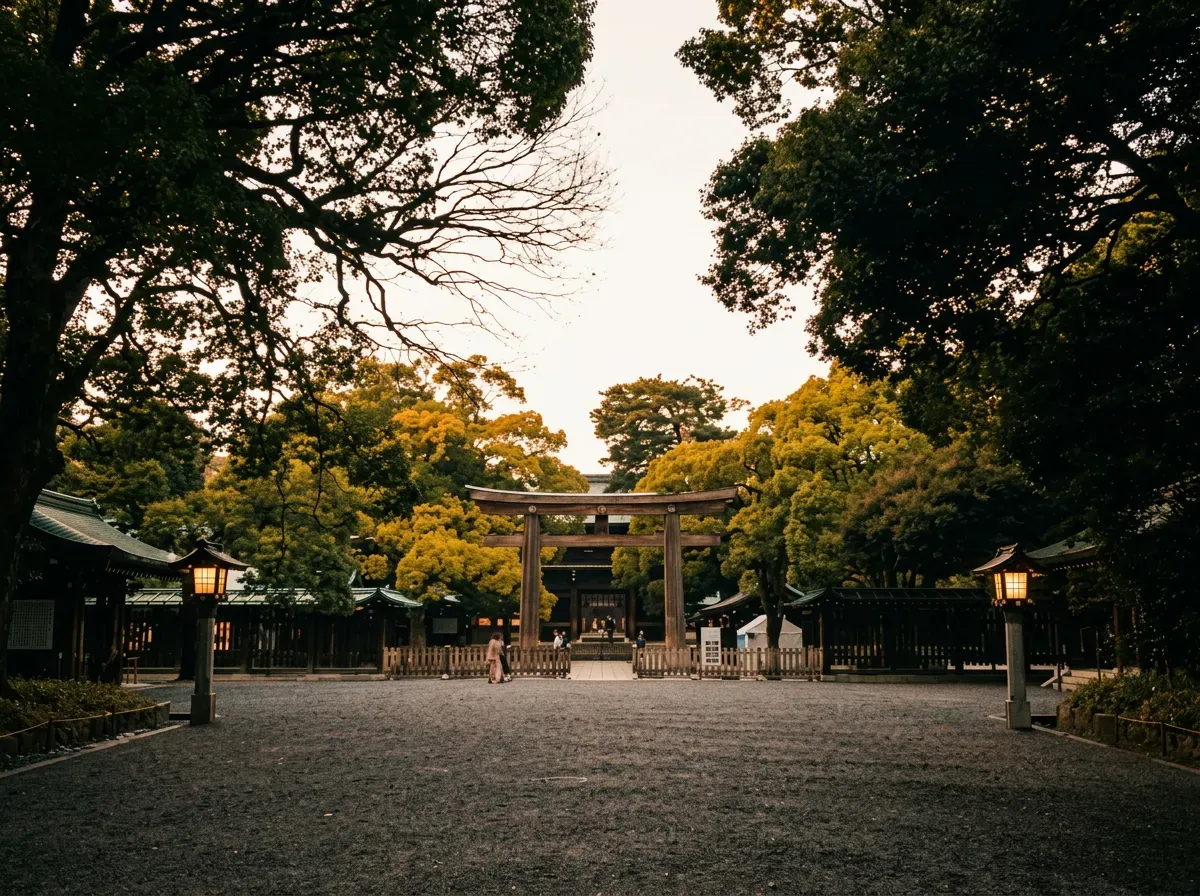 Must-seeMeiji-jingūA Shinto shrine to Emperor Meiji and Empress Shōken inside a 70-hectare forest planted from 100,000 donated trees in 1920.
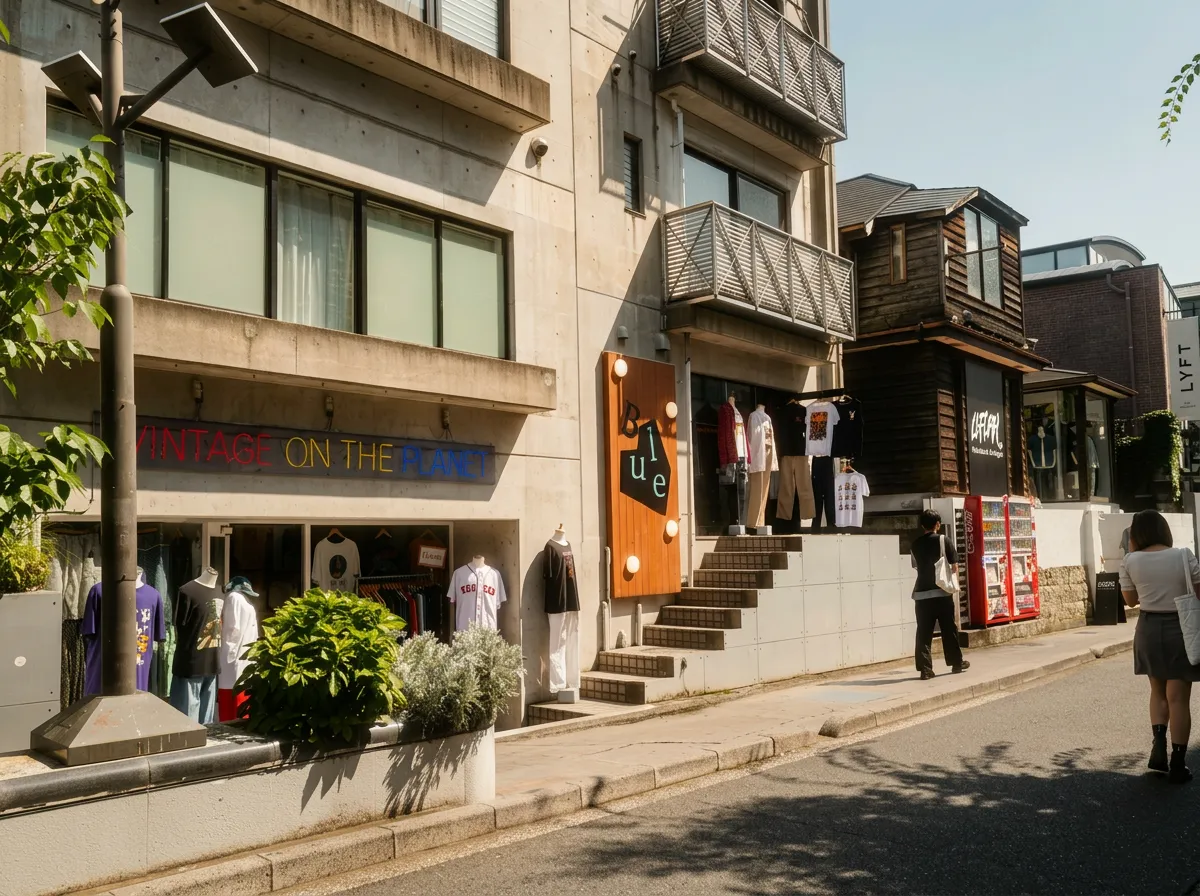 NeighbourhoodCat StreetHarajuku · Free
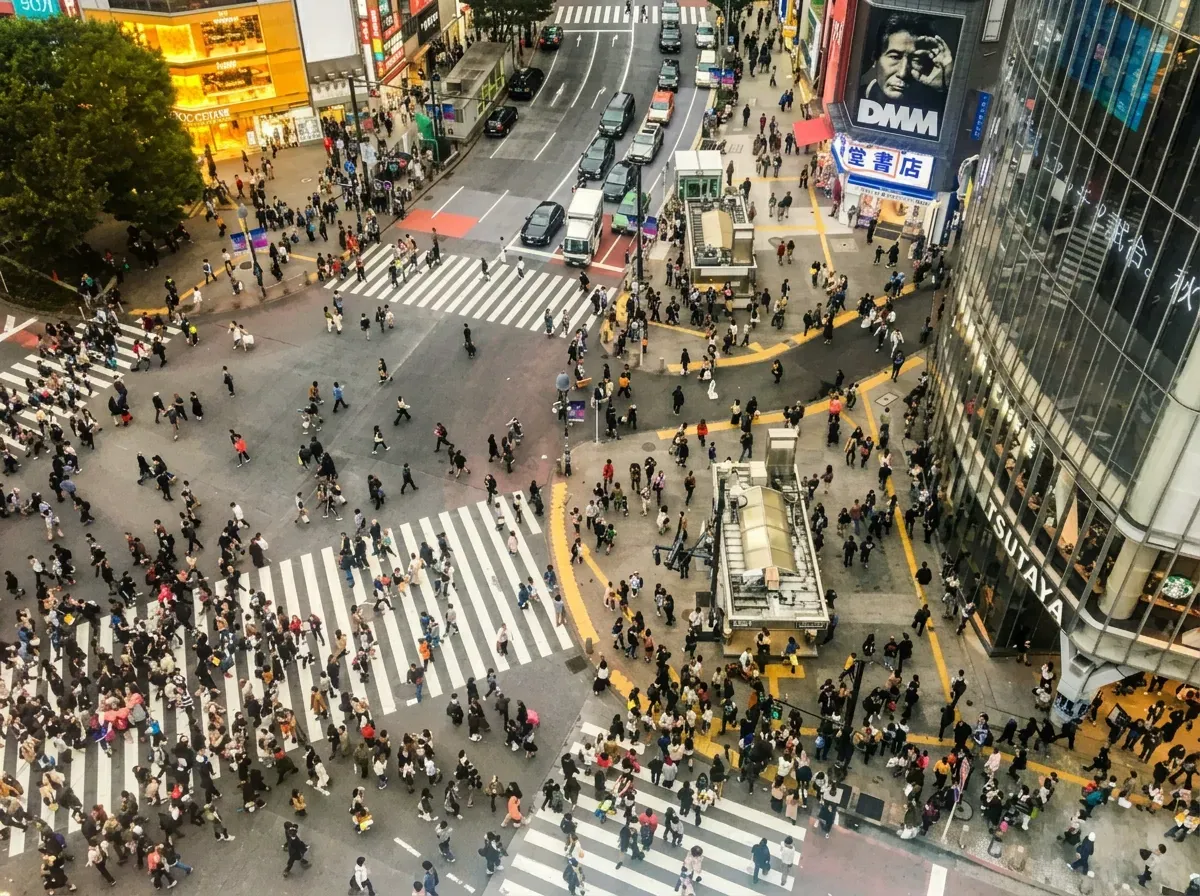 Must-seeShibuya CrossingShibuya · Free
Show 7 more optionsShow fewer options
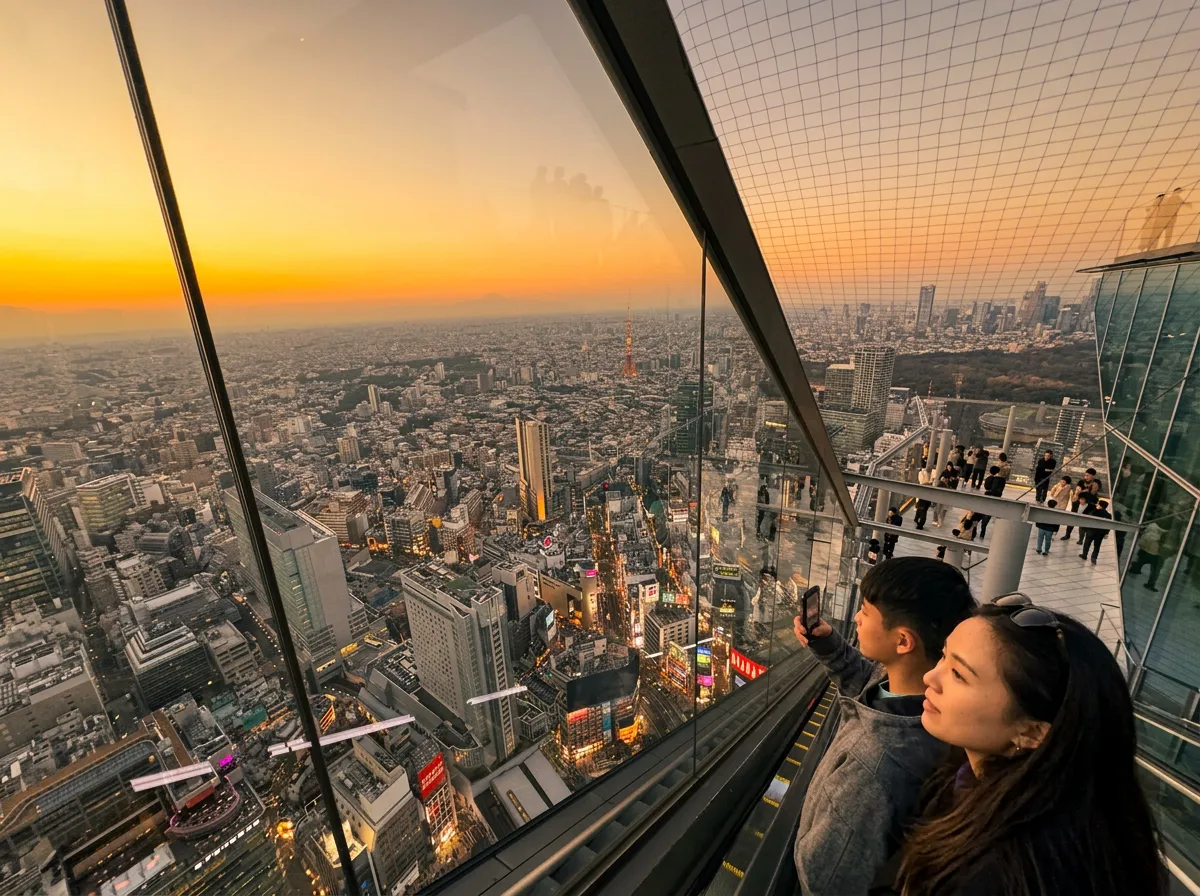 Must-seeShibuya Sky (sunset)A 230m open-air observation deck on top of the Shibuya Scramble Square.
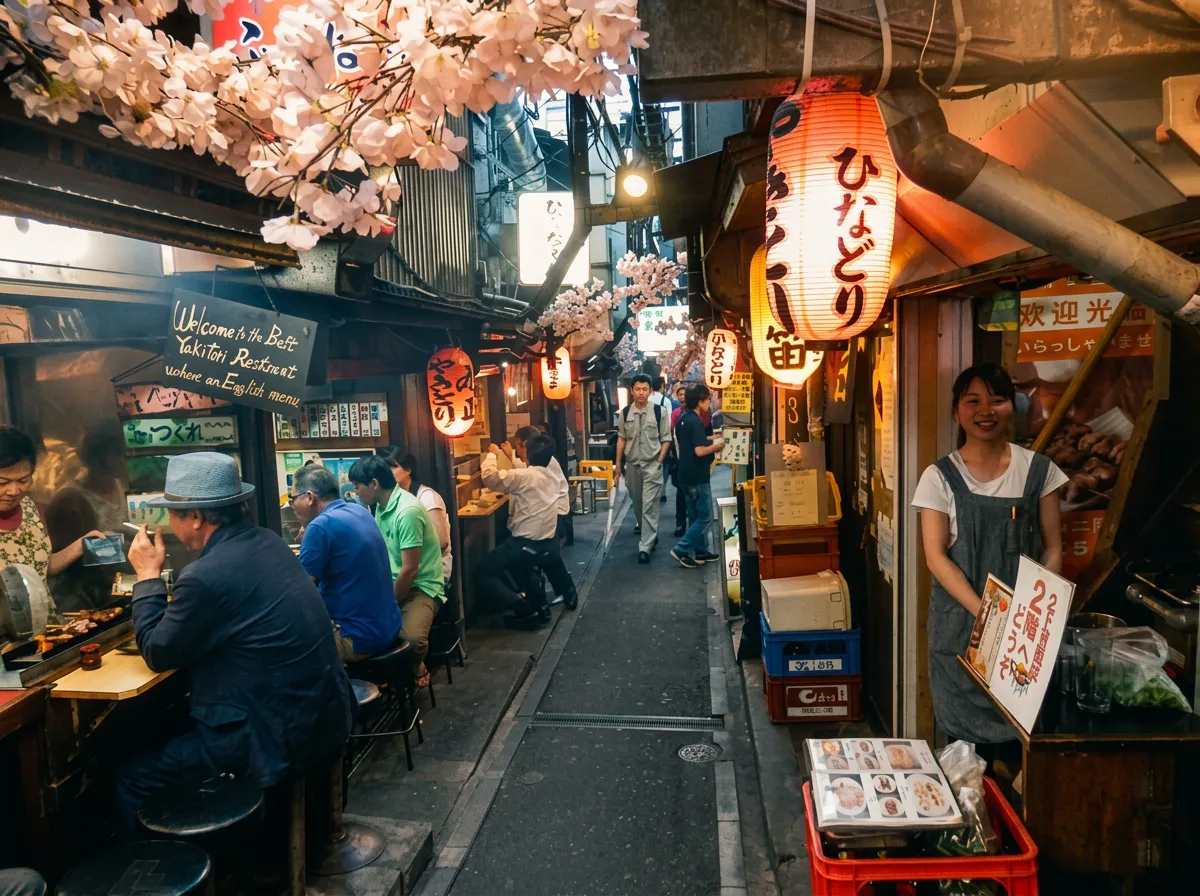 EatOmoide YokochōShinjuku · ~¥2,500
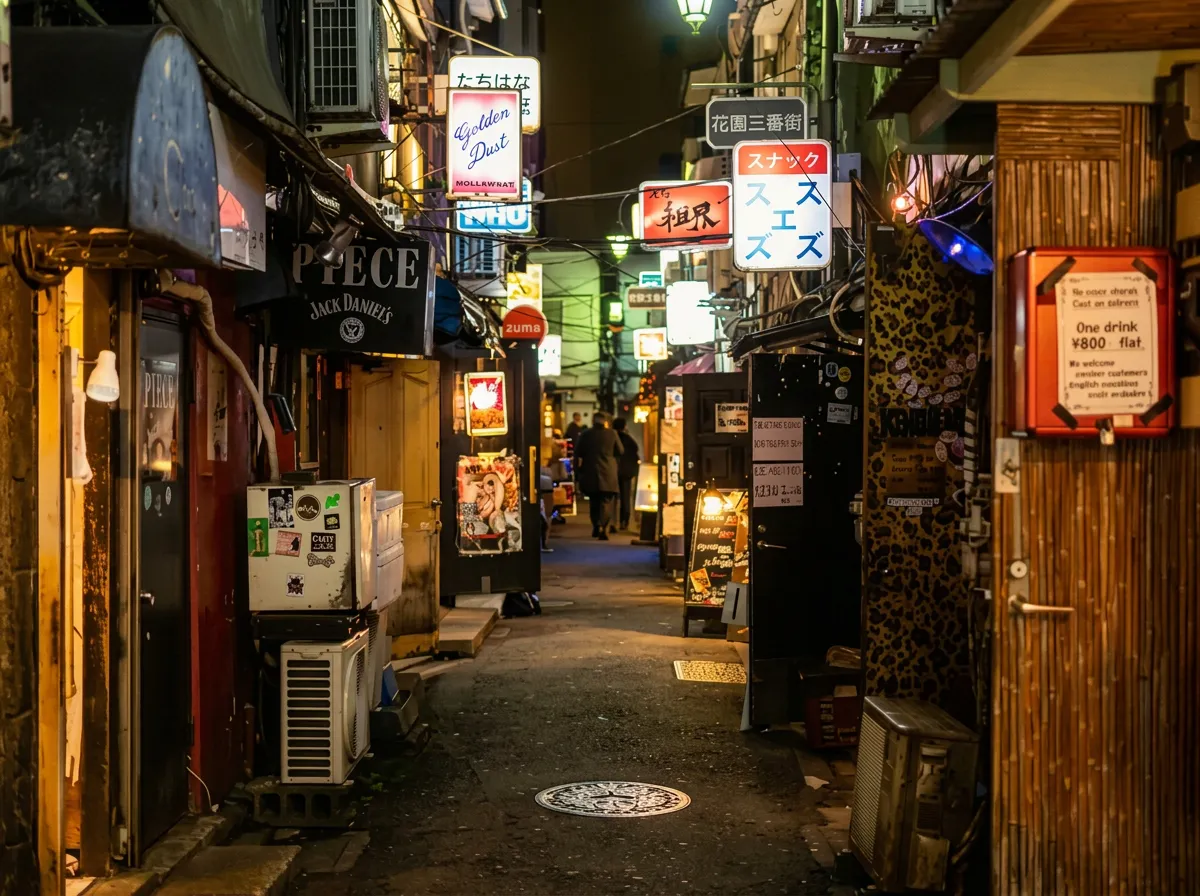 EatGolden GaiA six-alley grid of micro-bars in Shinjuku, 200 bars across the whole district, most seating five to eight people.
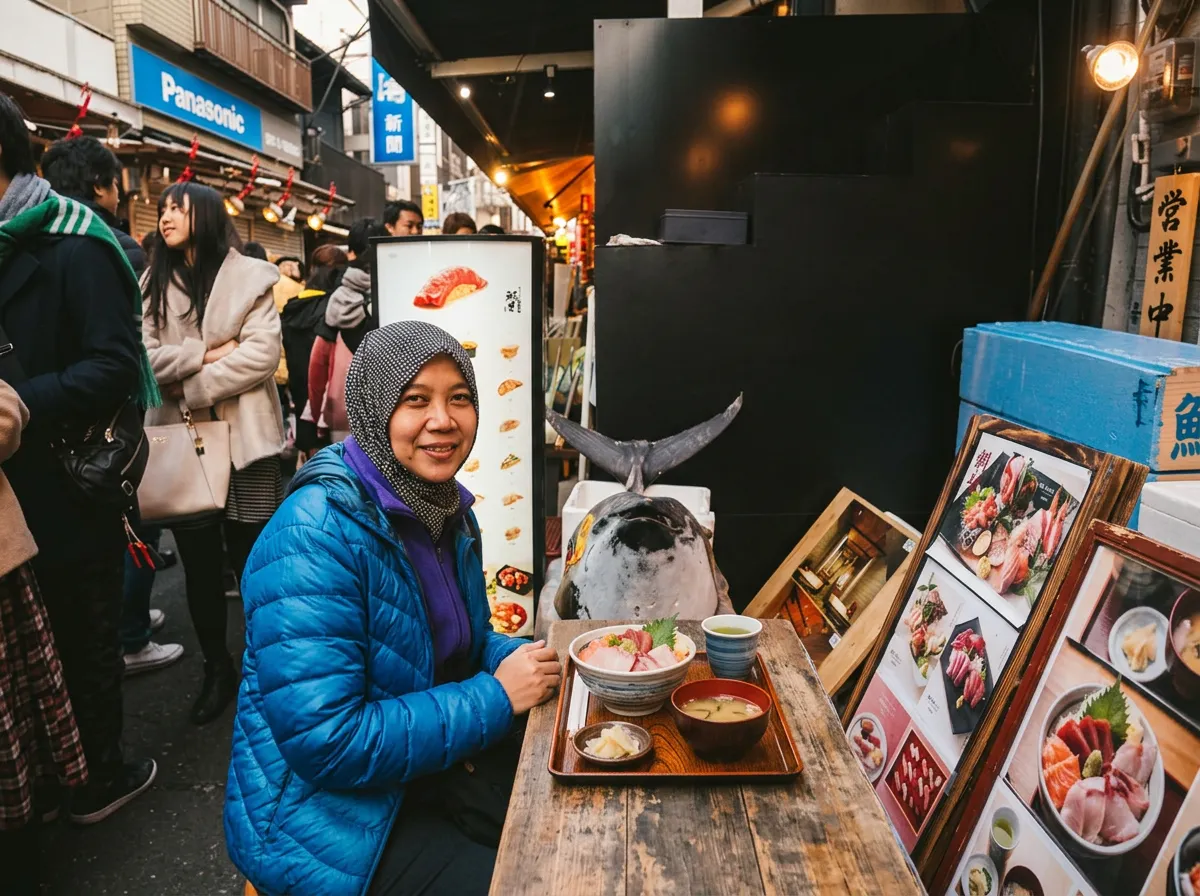 EatTsukiji Outer Market breakfastTsukiji · ~¥2,000
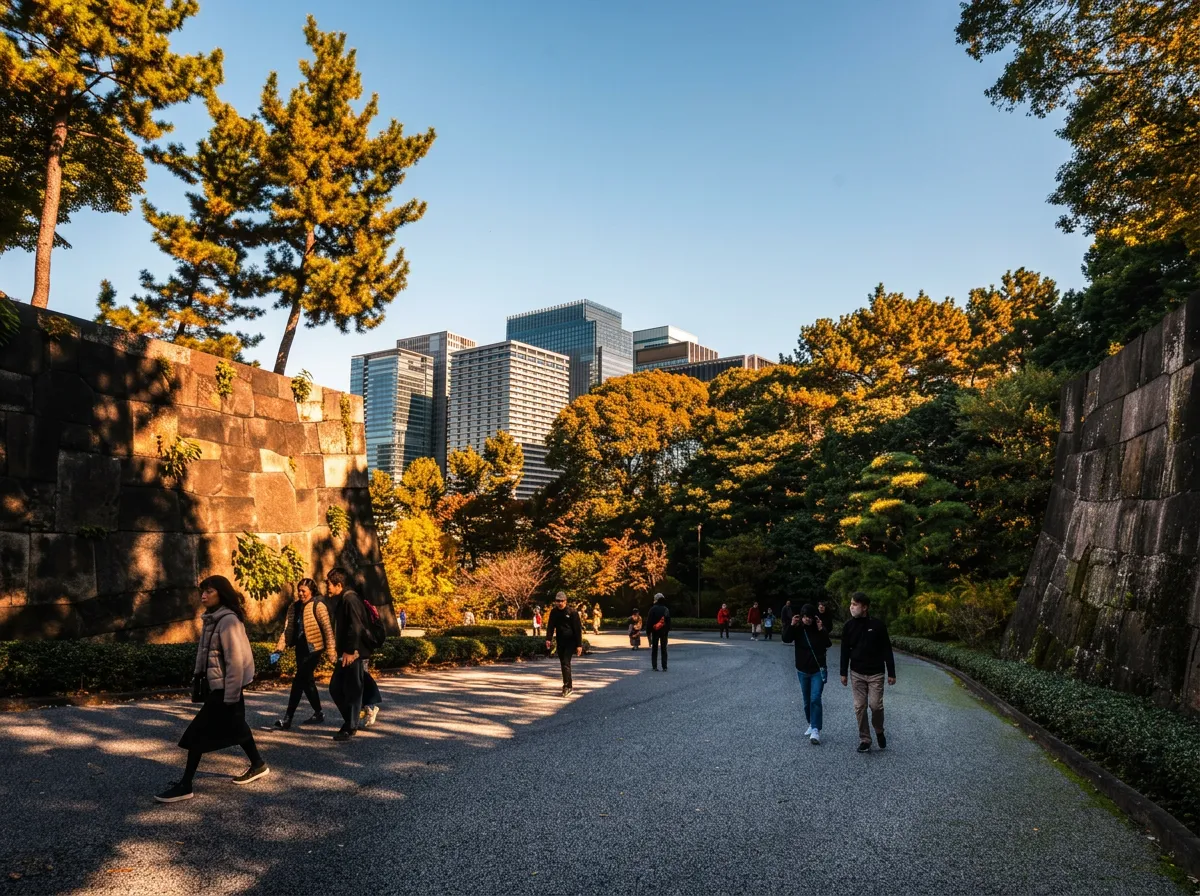 Must-seeImperial Palace East GardensMarunouchi · Free
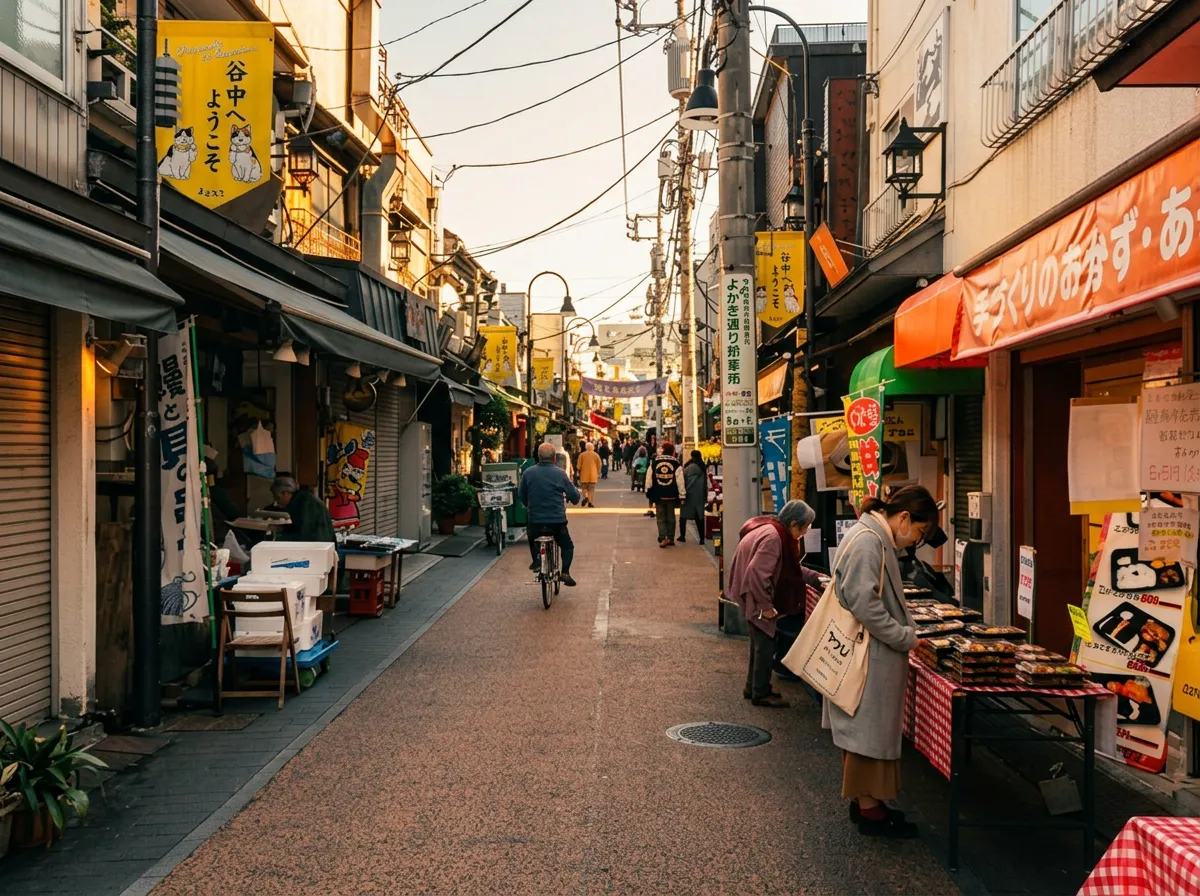 NeighbourhoodYanaka GinzaYanaka · ~¥1,000
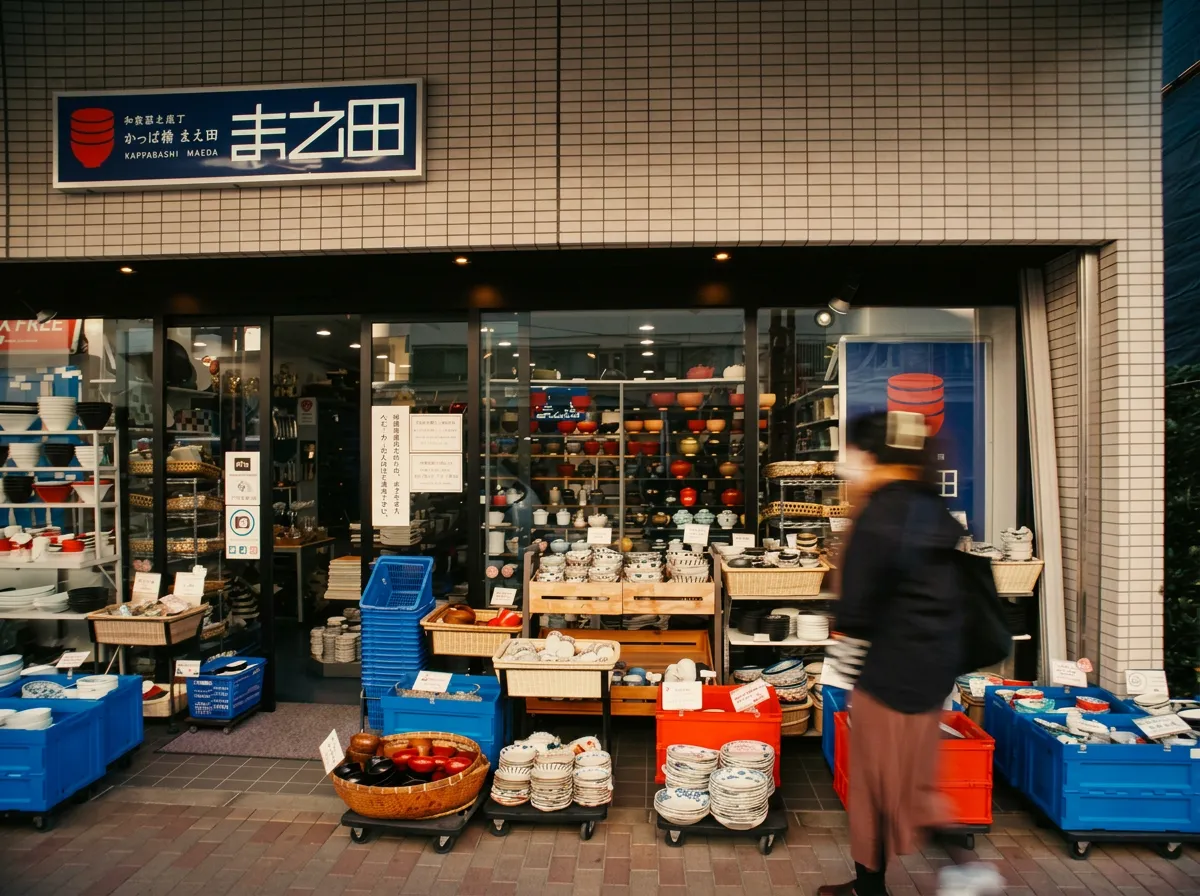 NeighbourhoodKappabashi kitchen streetAsakusa · varies
Where to sleep in Tokyo
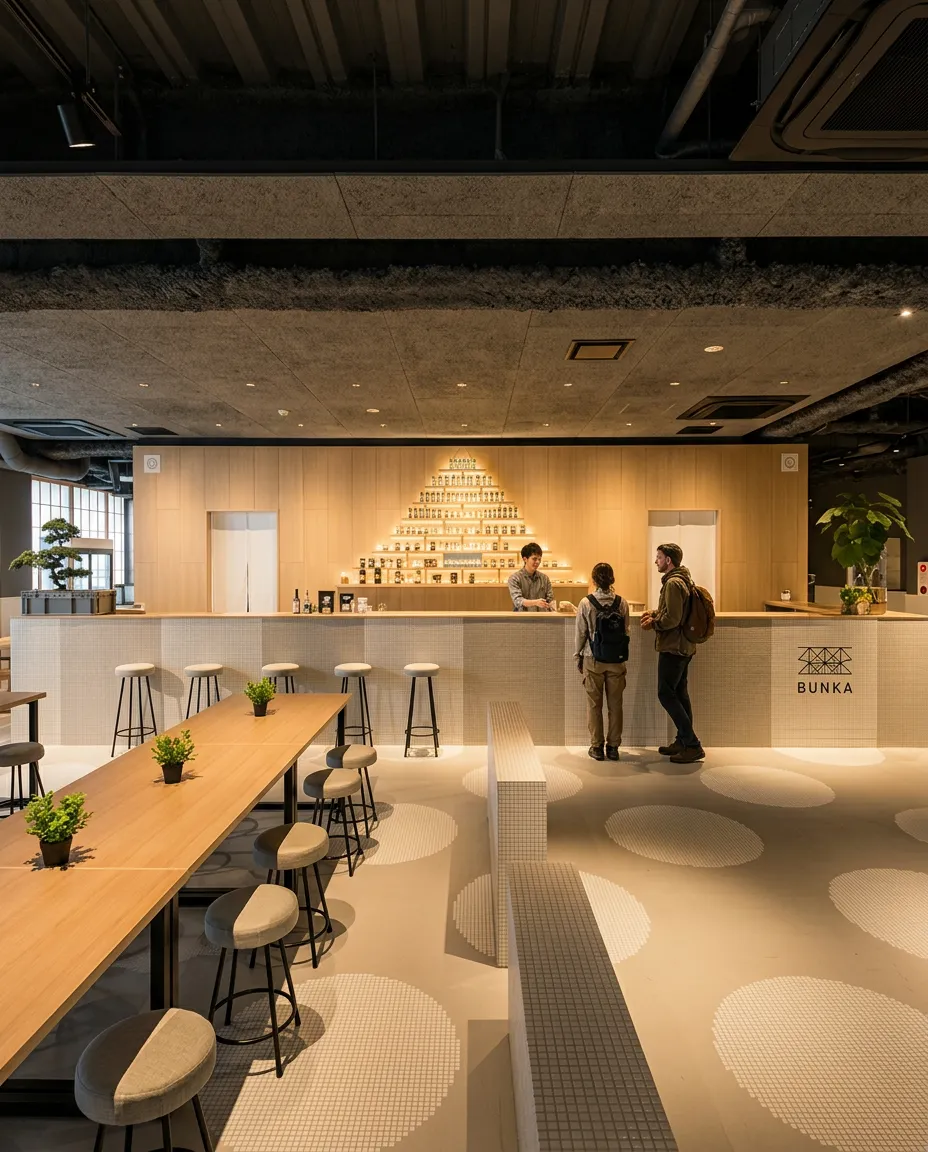 BUDGET · HostelBUNKA HOSTEL TOKYOAsakusaRenovated 80-year-old building, capsule rooms with curtains and lockable storage. Ten minutes from Sensō-ji. The café-bar downstairs is the bonus.¥4,500/nightSee rates ↗
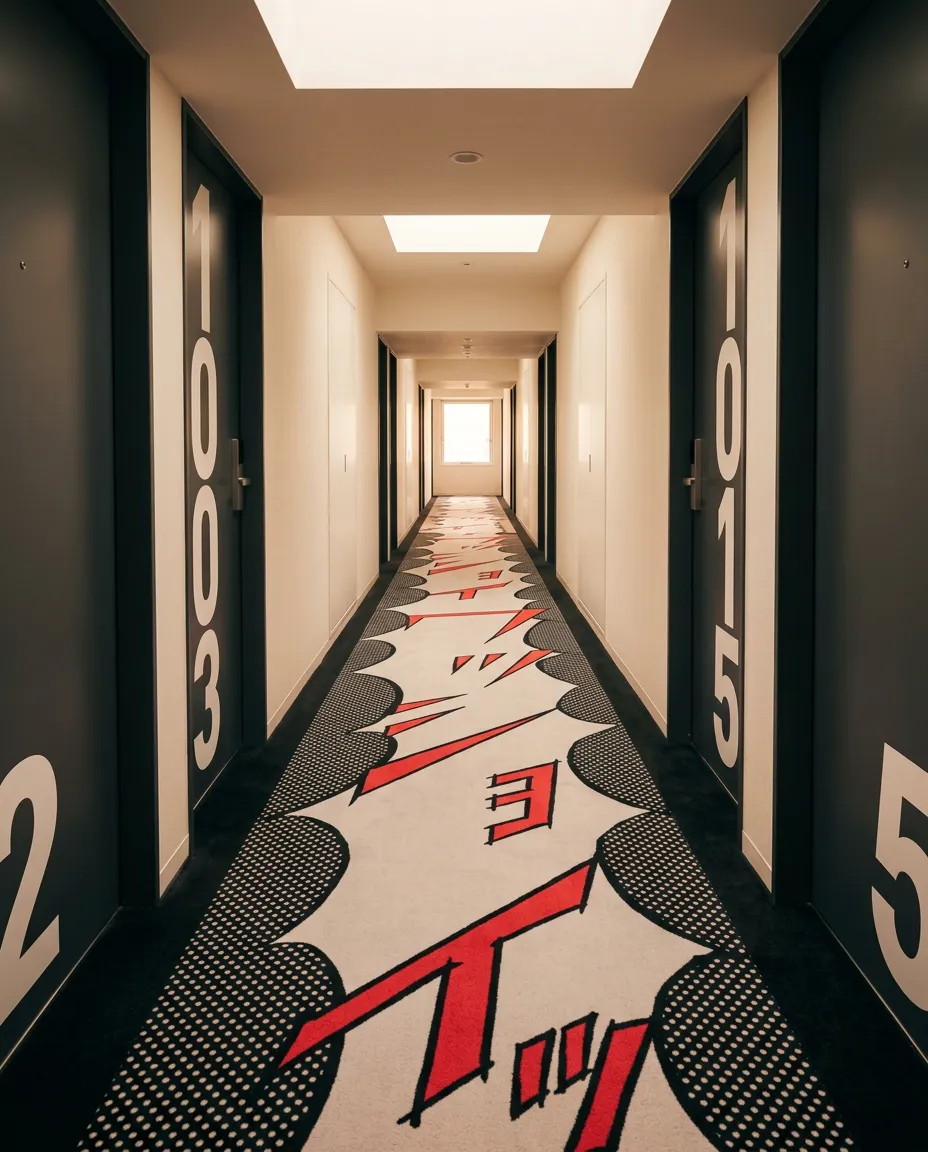 MID · HotelHotel Tavinos AsakusaAsakusaRecommendedNick's own pick. Stayed in 2022 and 2024. Manga-themed but the rooms are clean and quiet, the staff are used to first-timers, and it's a five-minute walk to Fuji Ramen.¥11,000/nightSee rates ↗
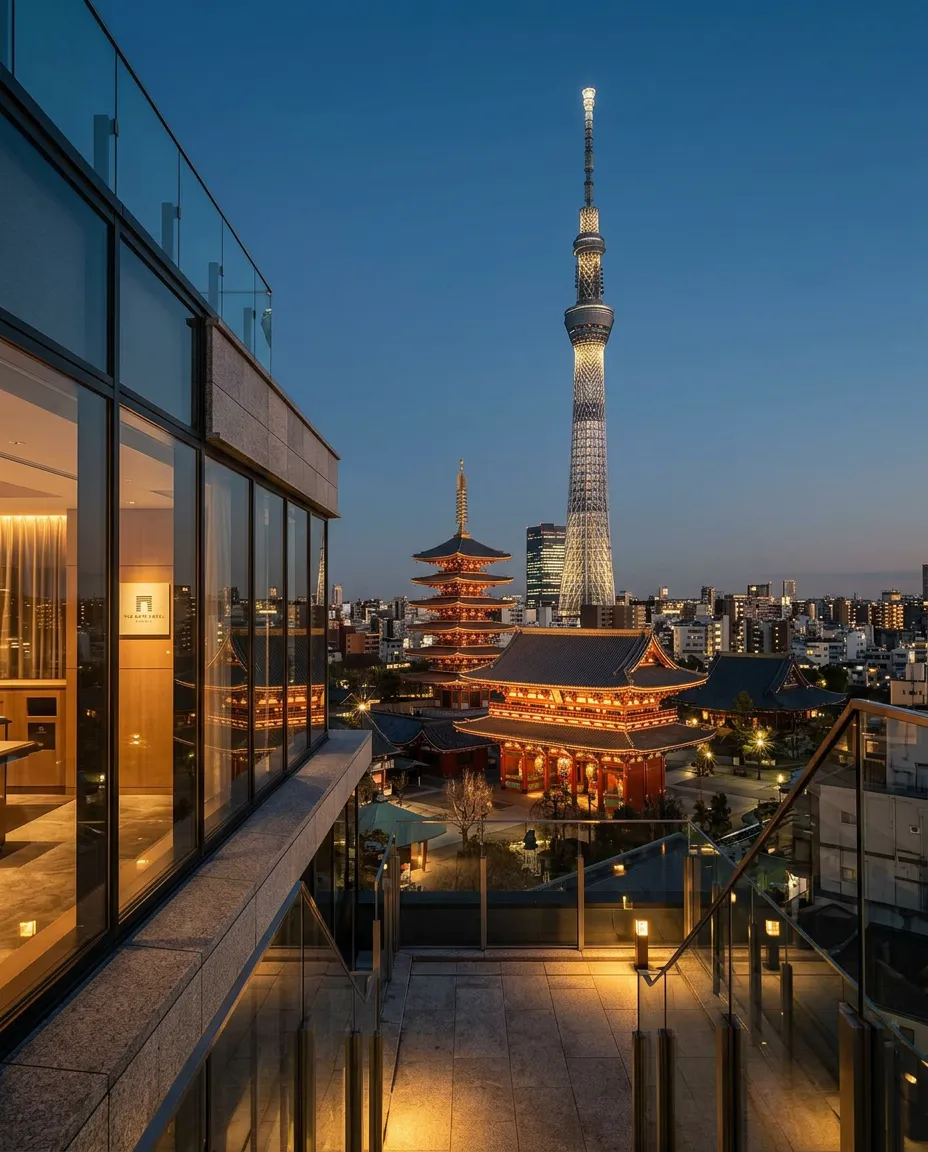 LUXURY · HotelThe Gate Hotel Kaminarimon by HulicAsakusaBoutique stay with a rooftop terrace that frames Sensō-ji and Skytree. The deep bath in every room is part of the appeal. And rare in Tokyo at this price.¥45,000/nightSee rates ↗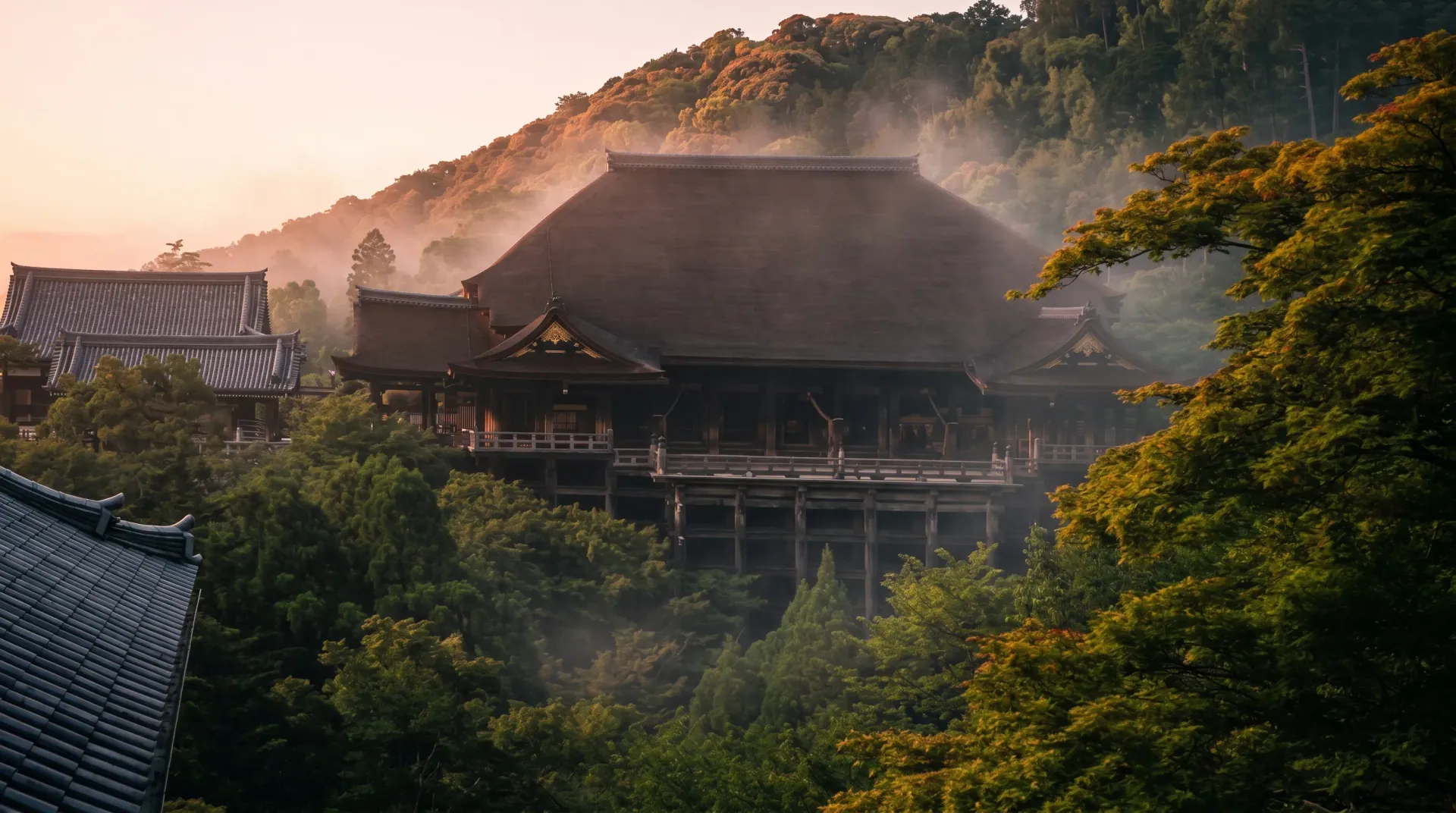
Why Kyoto
Kyoto earns three nights because no other city on this route asks you to slow down in quite the same way. The east side is the first priority: Kiyomizu-dera at opening, then down through Sannen-zaka and Ninen-zaka while the shops are still shuttered and the light is low, pivoting through Yasaka Shrine into Maruyama Park. Walk the Philosopher's Path after lunch and detour into Hōnen-in, which is almost always empty. That evening, Pontochō at dusk before the crowds build, then a counter seat and one drink. Day two belongs to Arashiyama early (bamboo grove first, then Tenryū-ji's Sōgenchi garden) and Daitoku-ji's zen subtemples on the way back, where the entry fee is small and the gardens are meant to be sat in front of.
16 things to see and do
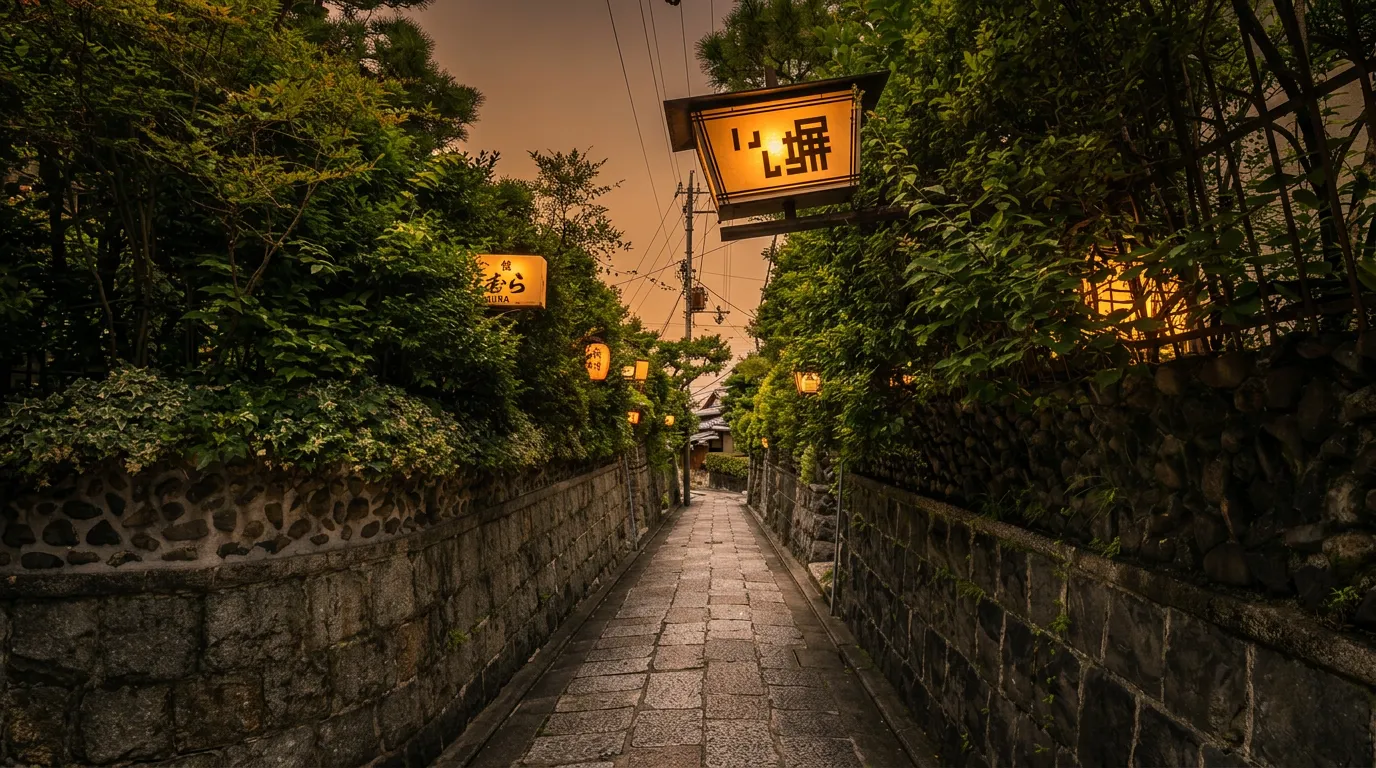 Hidden gemIshibei-kōji alleyA 100-metre stone-paved alley with traditional wooden machiya on both sides.
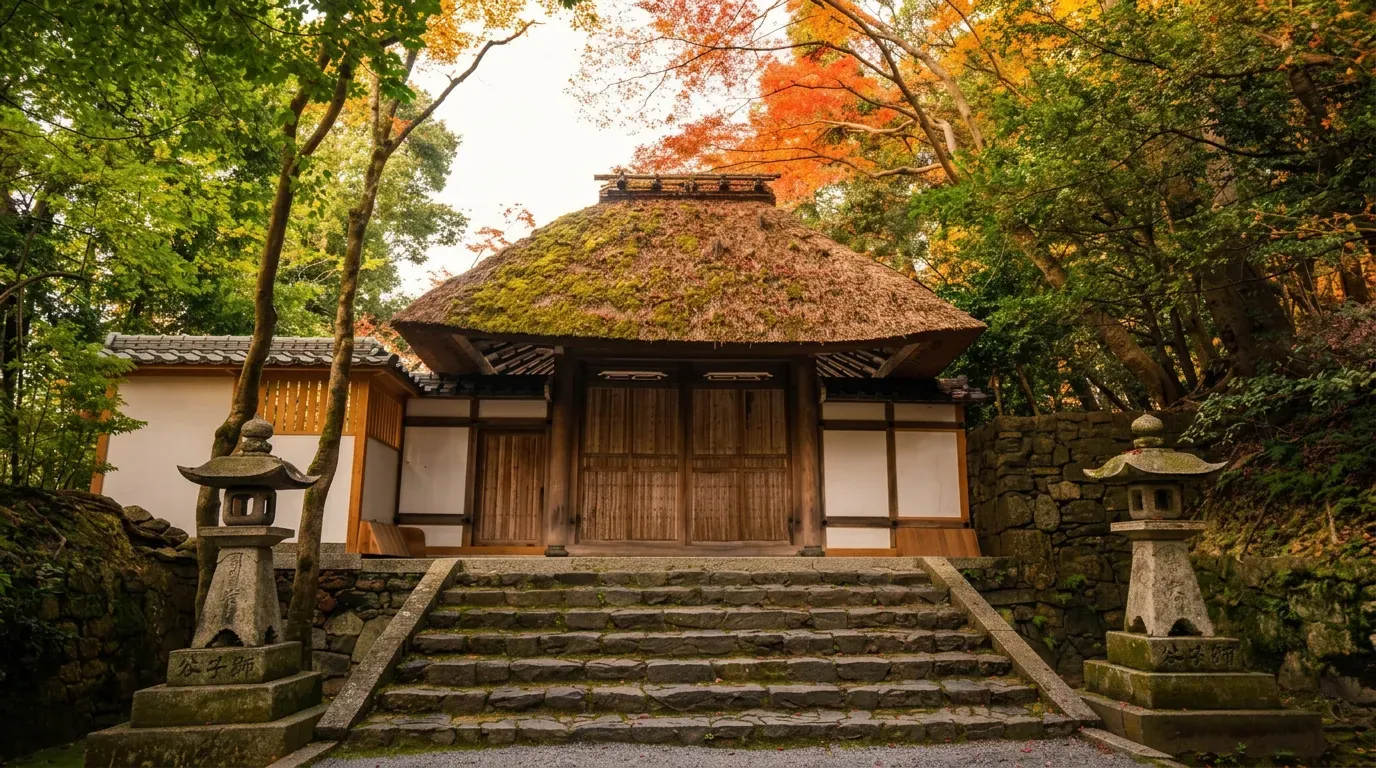 Hidden gemHōnen-inA small Pure Land temple with a moss-covered thatched gate and two sand mounds raked into seasonal patterns.
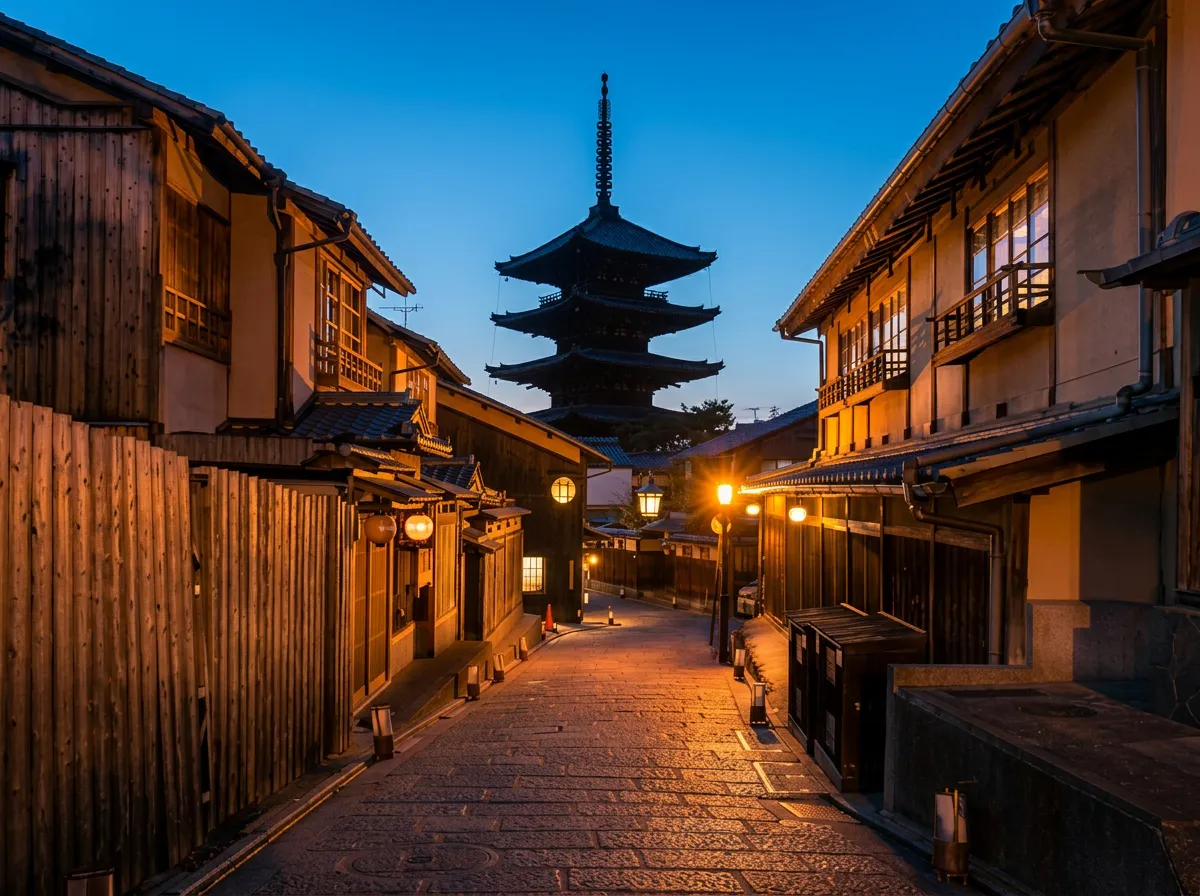 Must-seeYasaka Pagoda at duskHigashiyama · Free
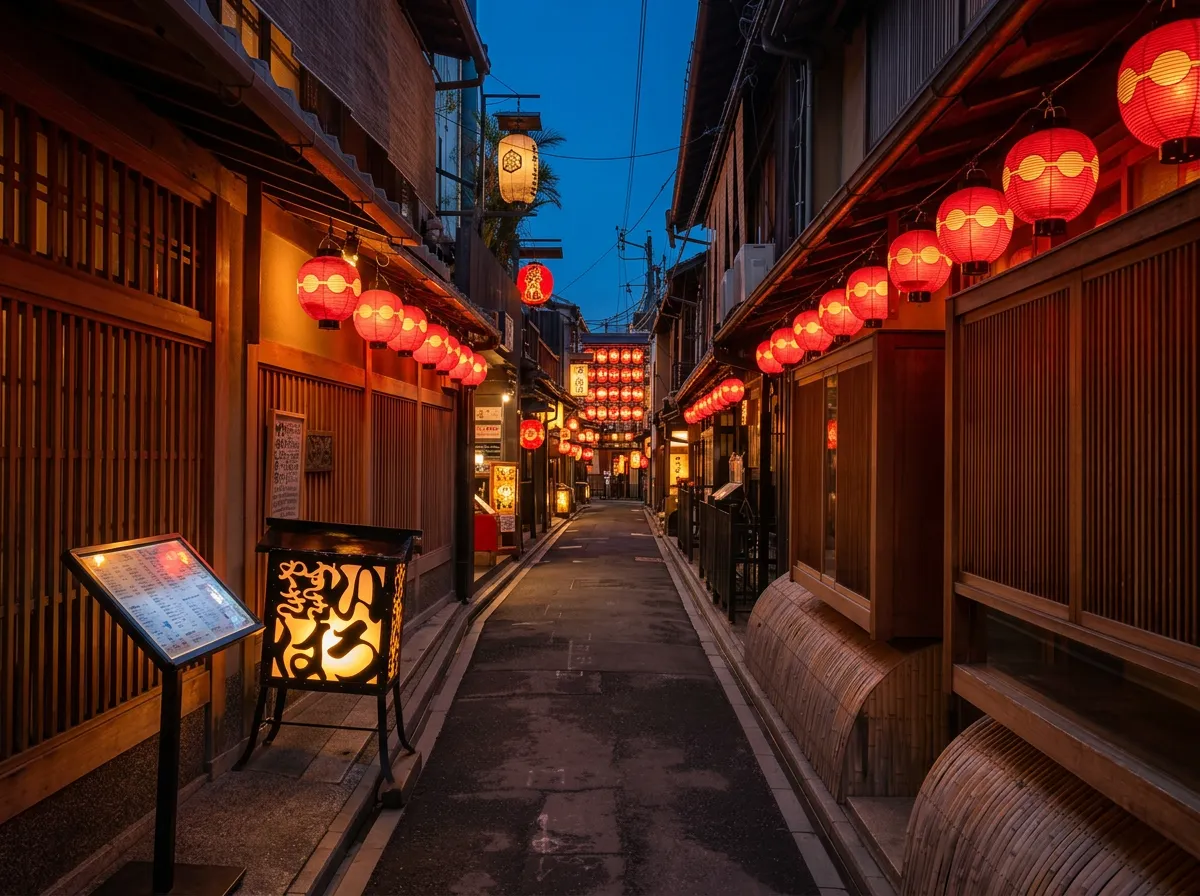 EatPontochō dinnerPontochō · ~¥4,000
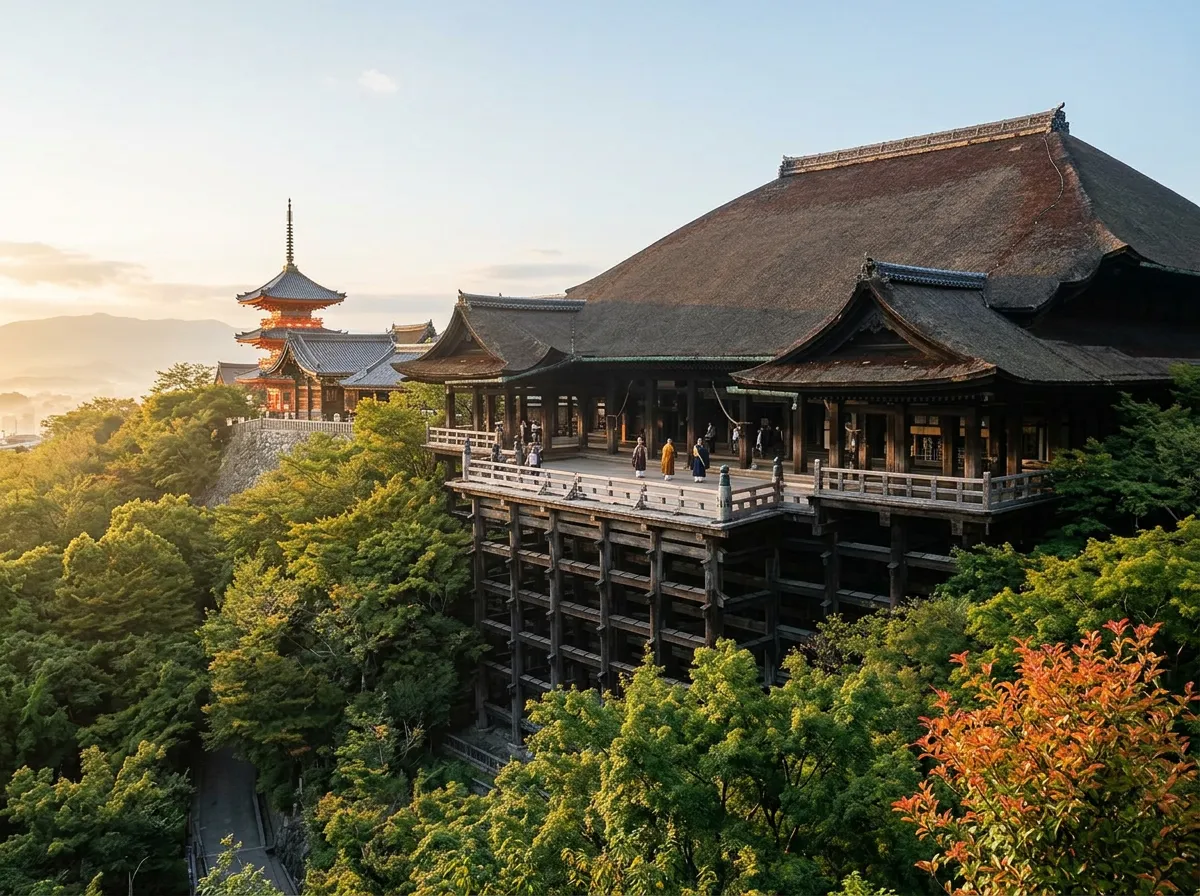 Must-seeKiyomizu-dera at openingA wooden temple complex on the eastern Kyoto hillside, founded 778 AD.
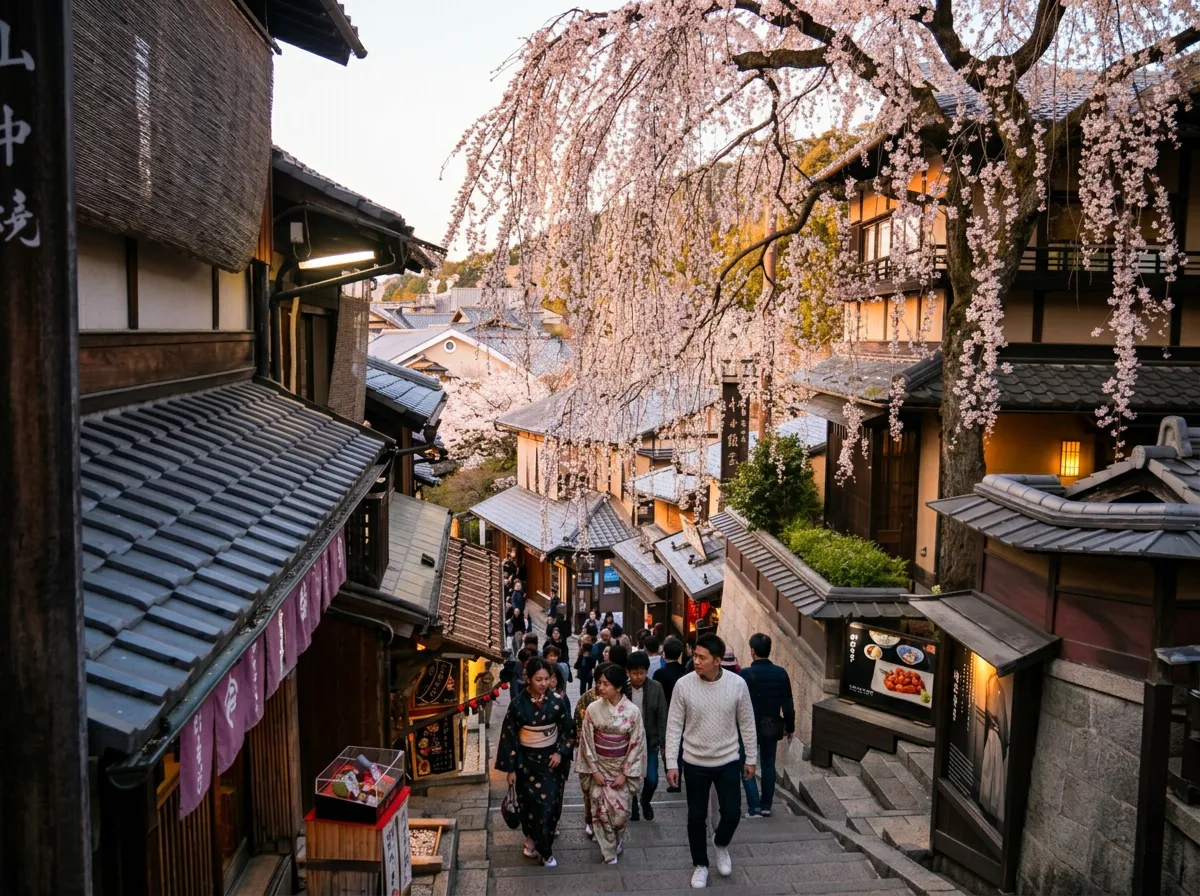 NeighbourhoodSannen-zaka + Ninen-zakaHigashiyama · Free
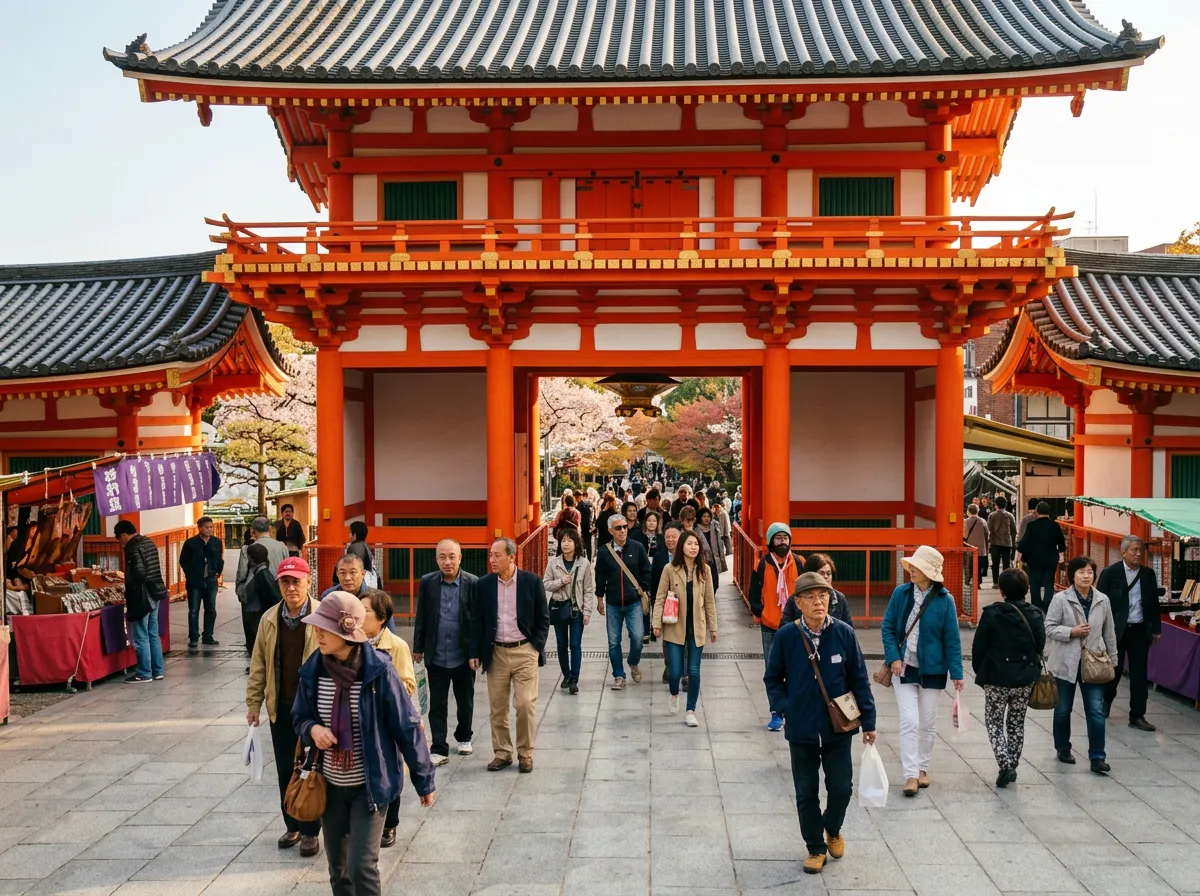 Must-seeYasaka Shrine + MaruyamaHigashiyama · Free
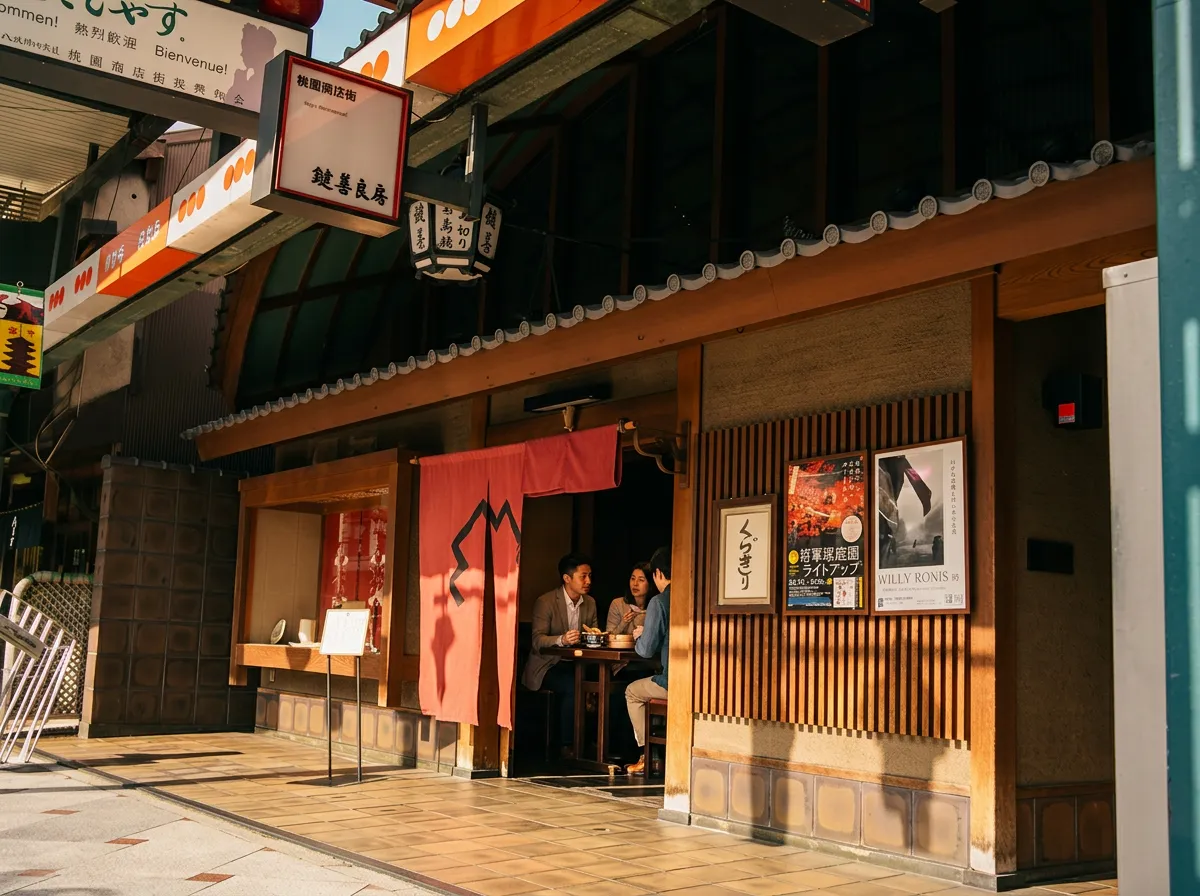 EatHigashiyama lunchGion · ~¥2,500
Show 8 more optionsShow fewer options
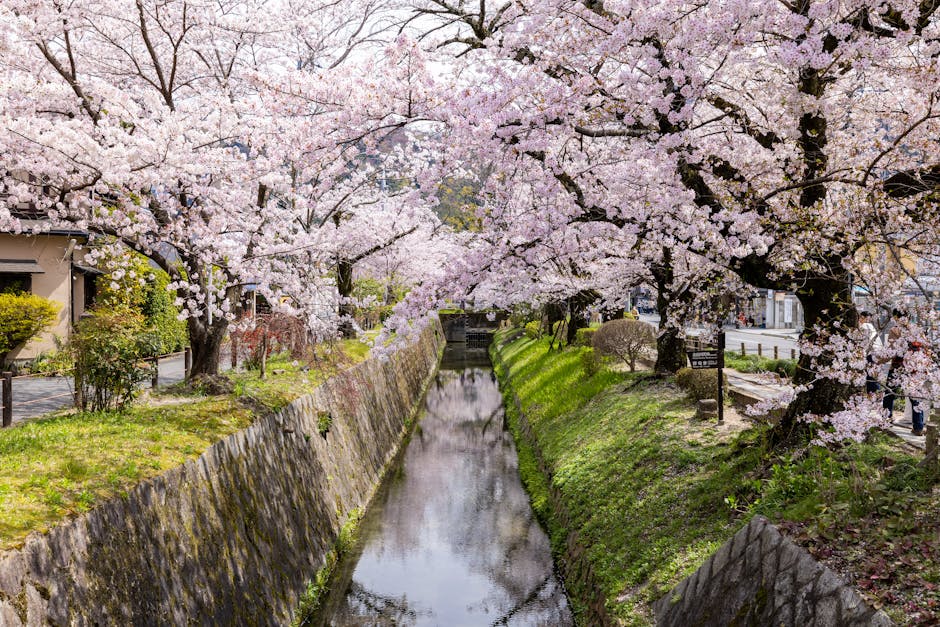 Must-seeGinkaku-ji + Philosopher's PathHigashiyama · ¥500
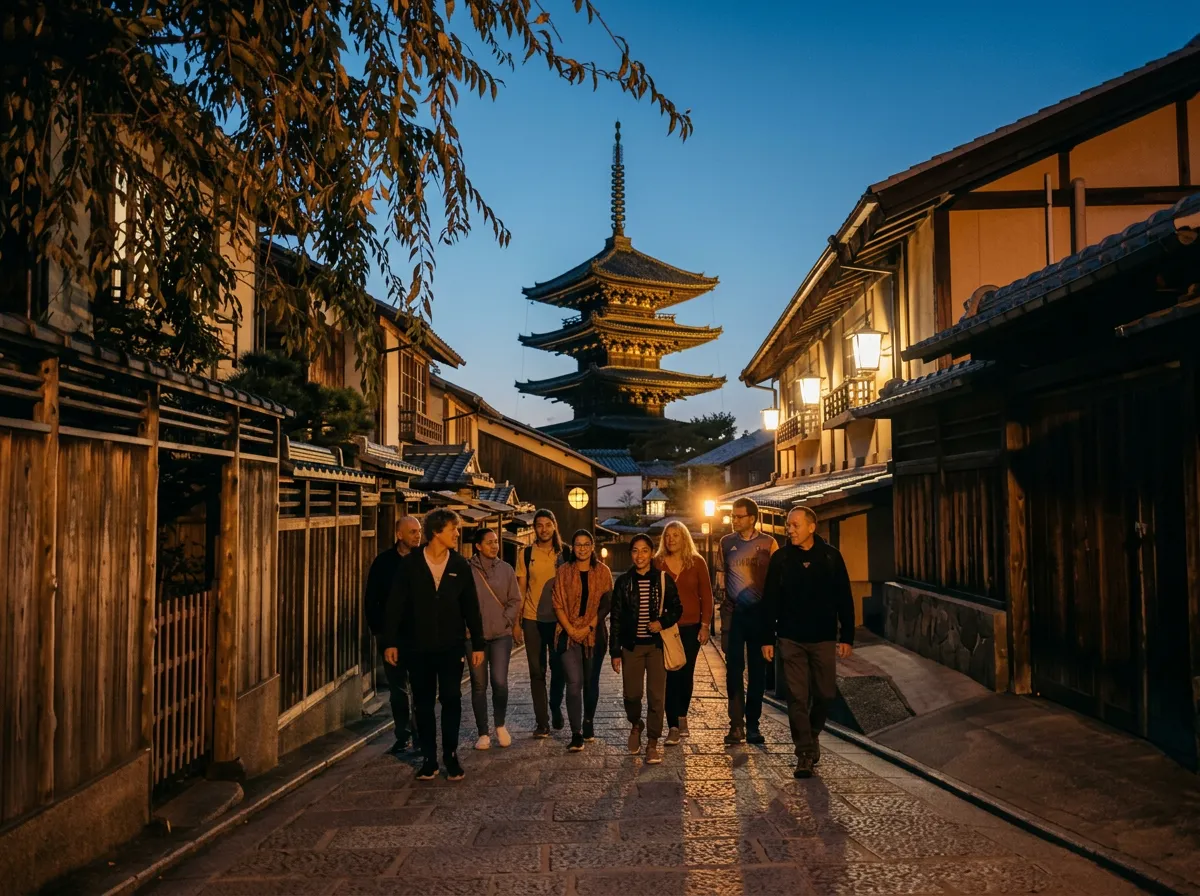 NeighbourhoodGion evening walkGion · Free
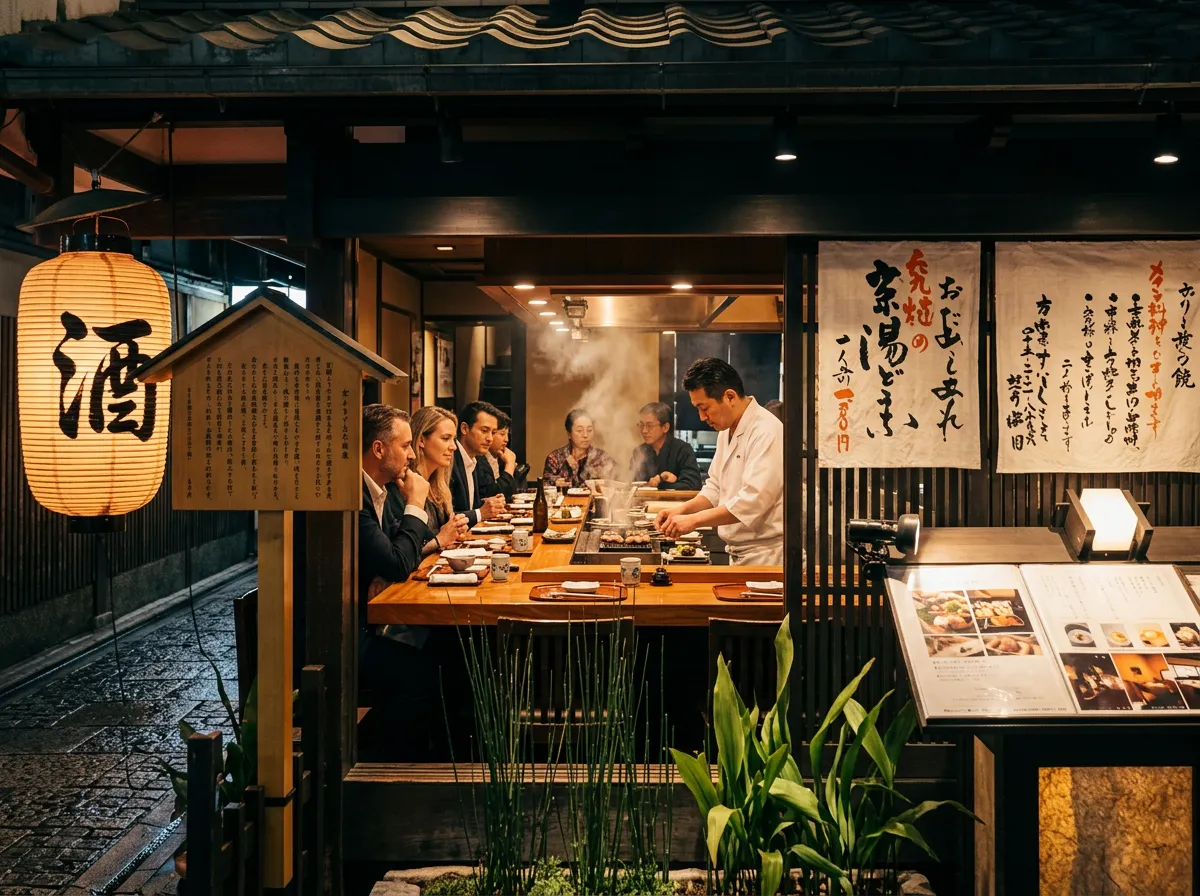 EatPontochō counter dinnerPontochō · ~¥4,000
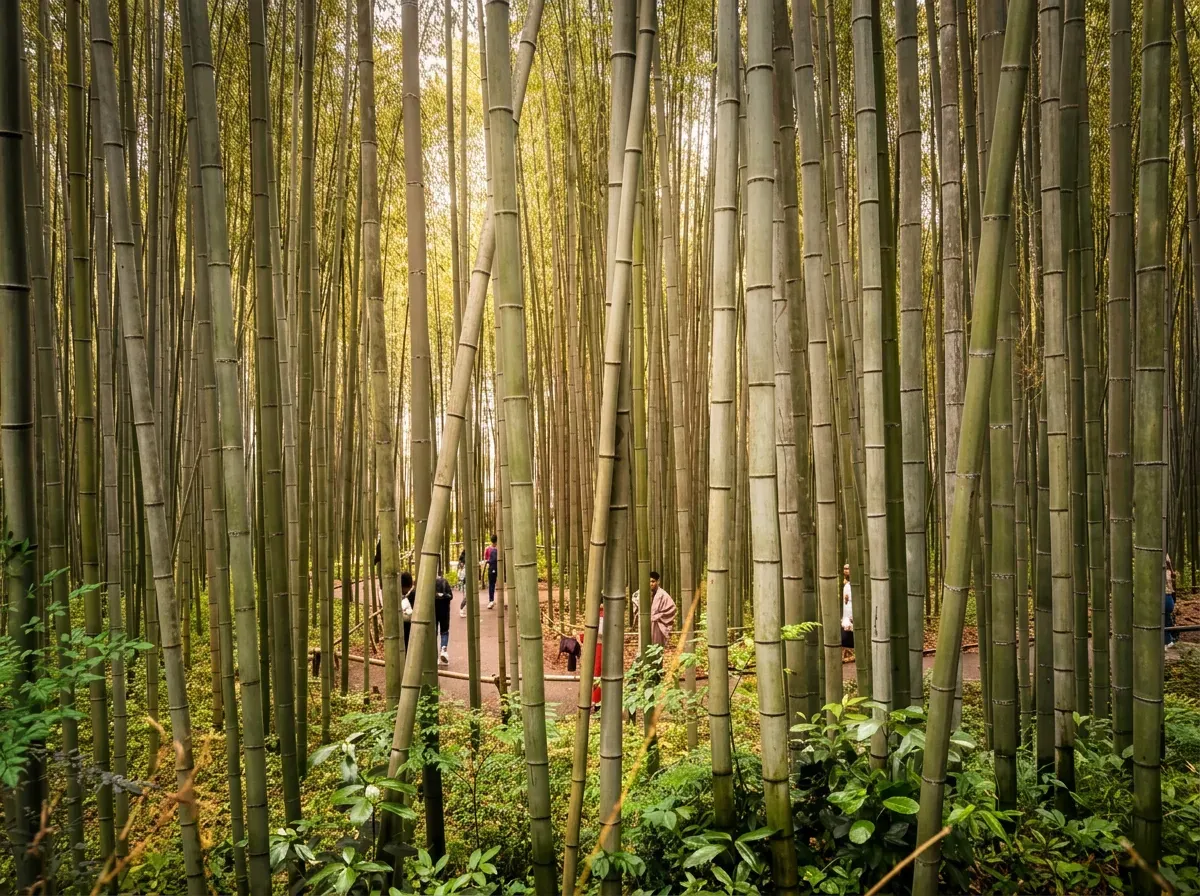 Must-seeArashiyama bamboo grove · earlyA 500-metre path through 150-foot Moso bamboo, in north-west Kyoto.
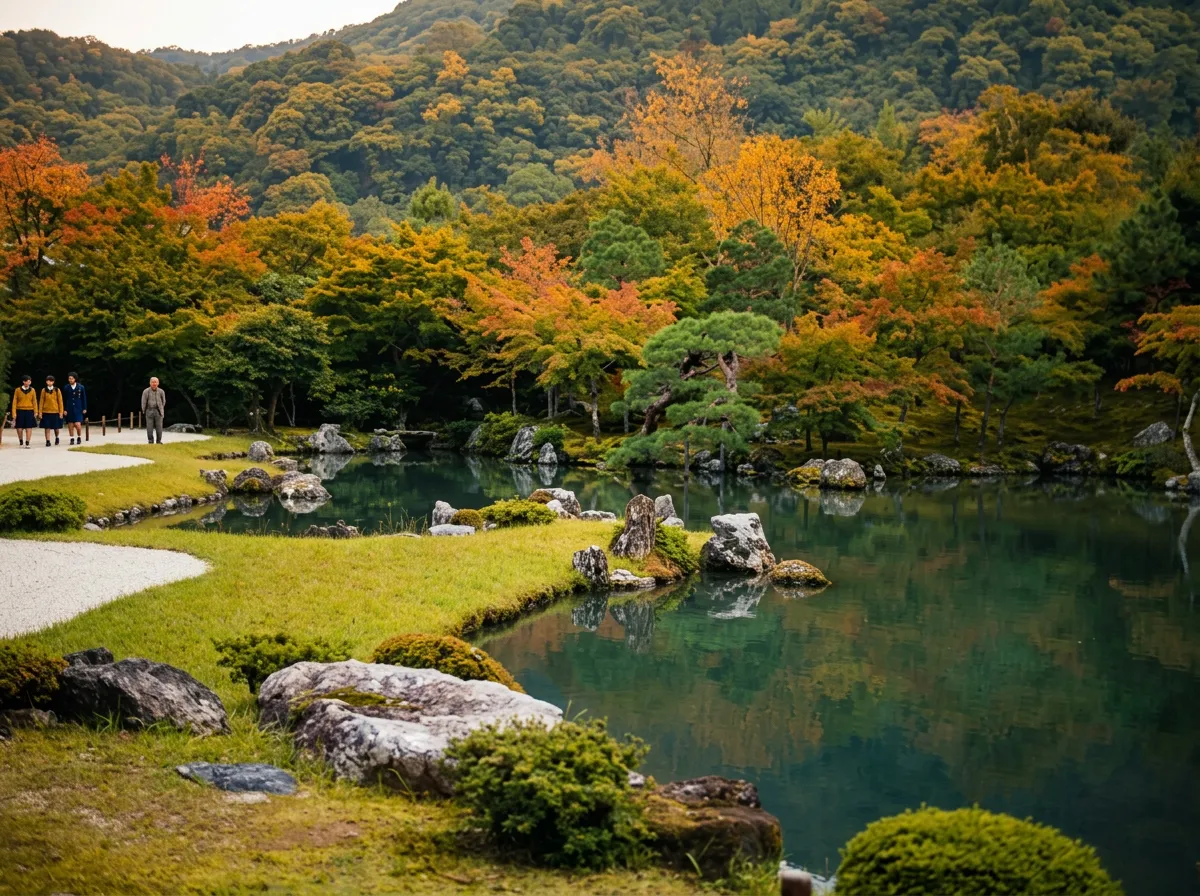 Must-seeTenryū-ji + Sōgenchi gardenArashiyama · ¥500
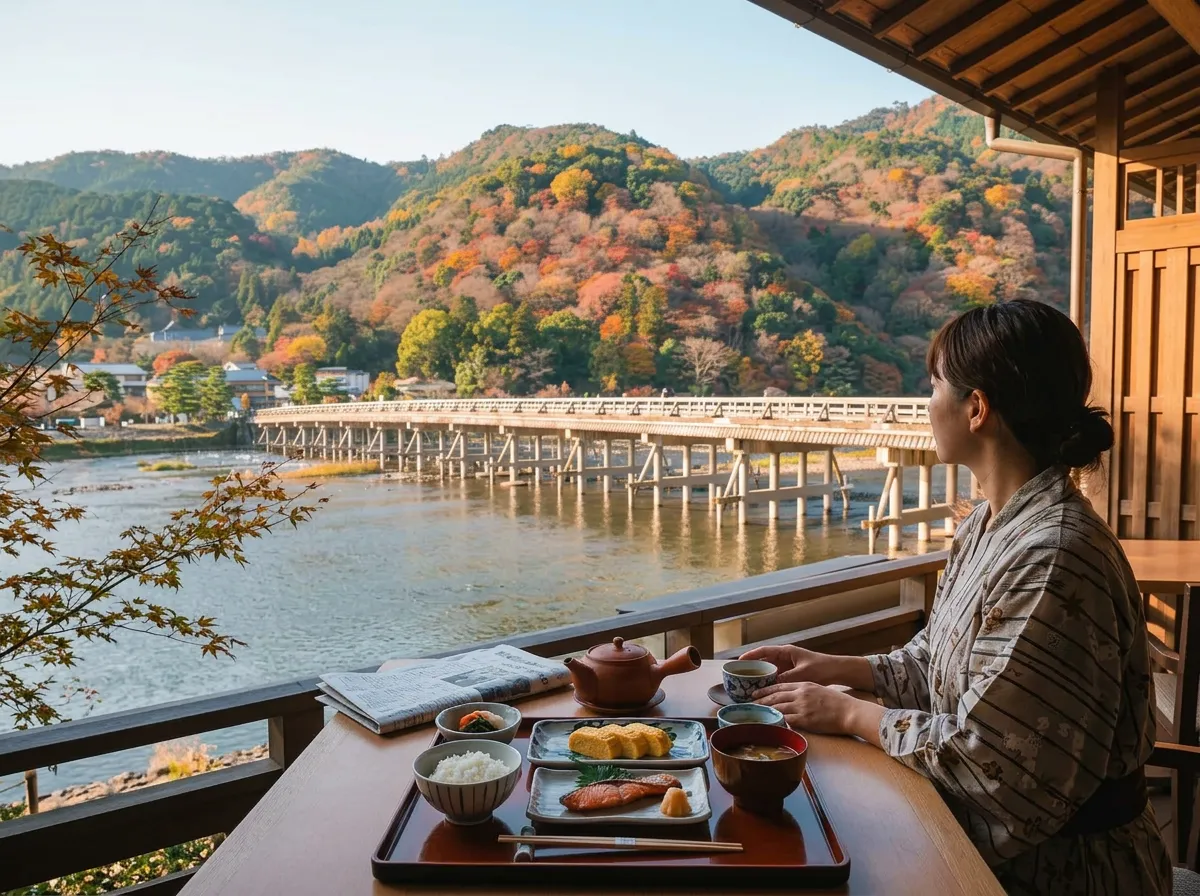 EatTogetsukyō bridge + breakfastArashiyama · ~¥1,200
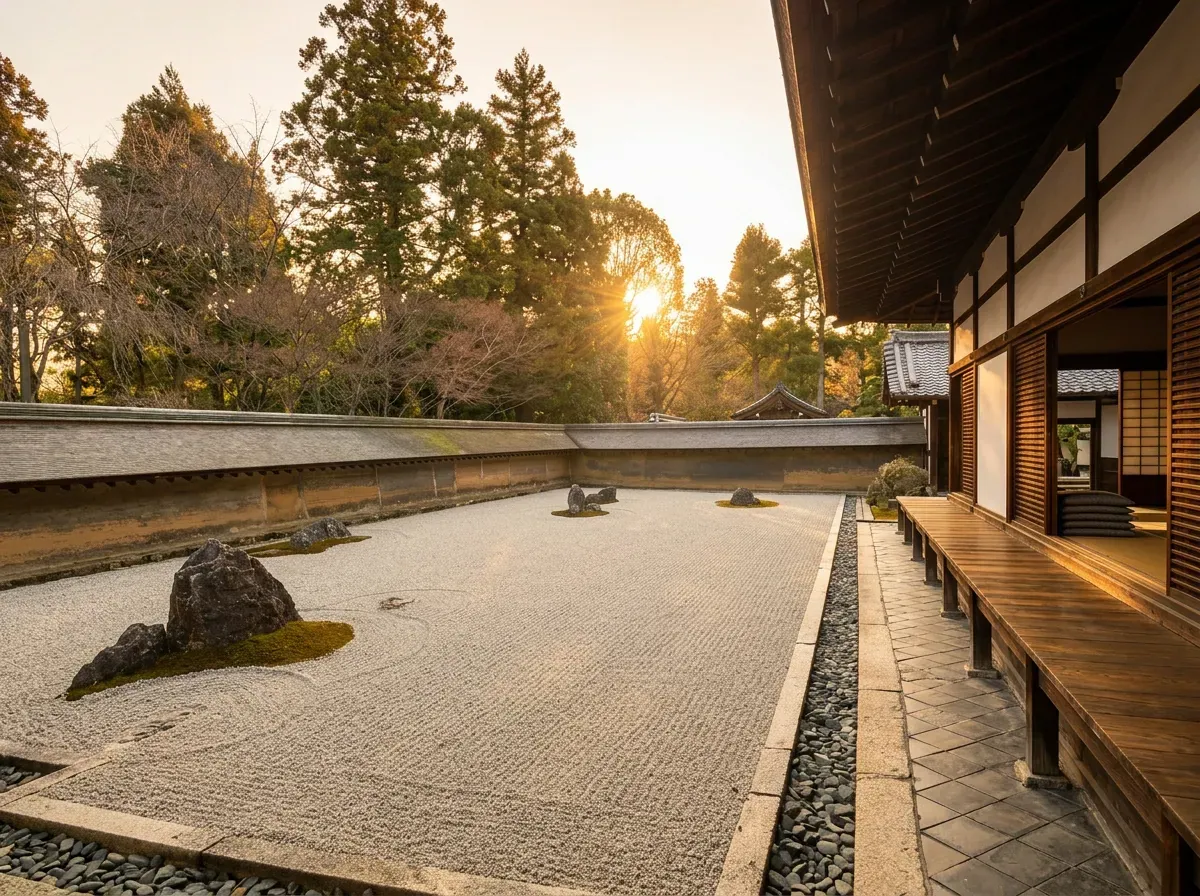 Must-seeDaitoku-ji zen subtemplesNorthern Kyoto · ¥400 each
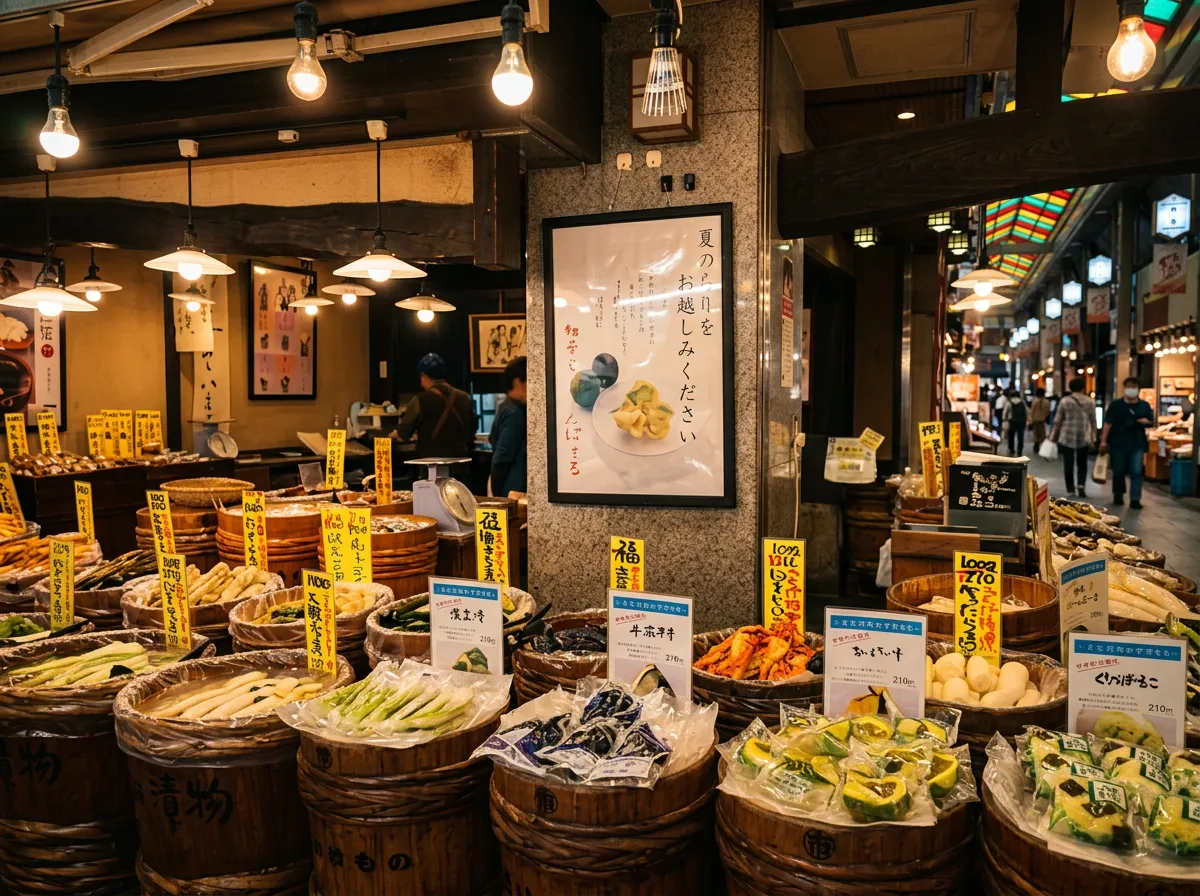 NeighbourhoodNishiki Market eveningNakagyō · ~¥2,500
Where to sleep in Kyoto
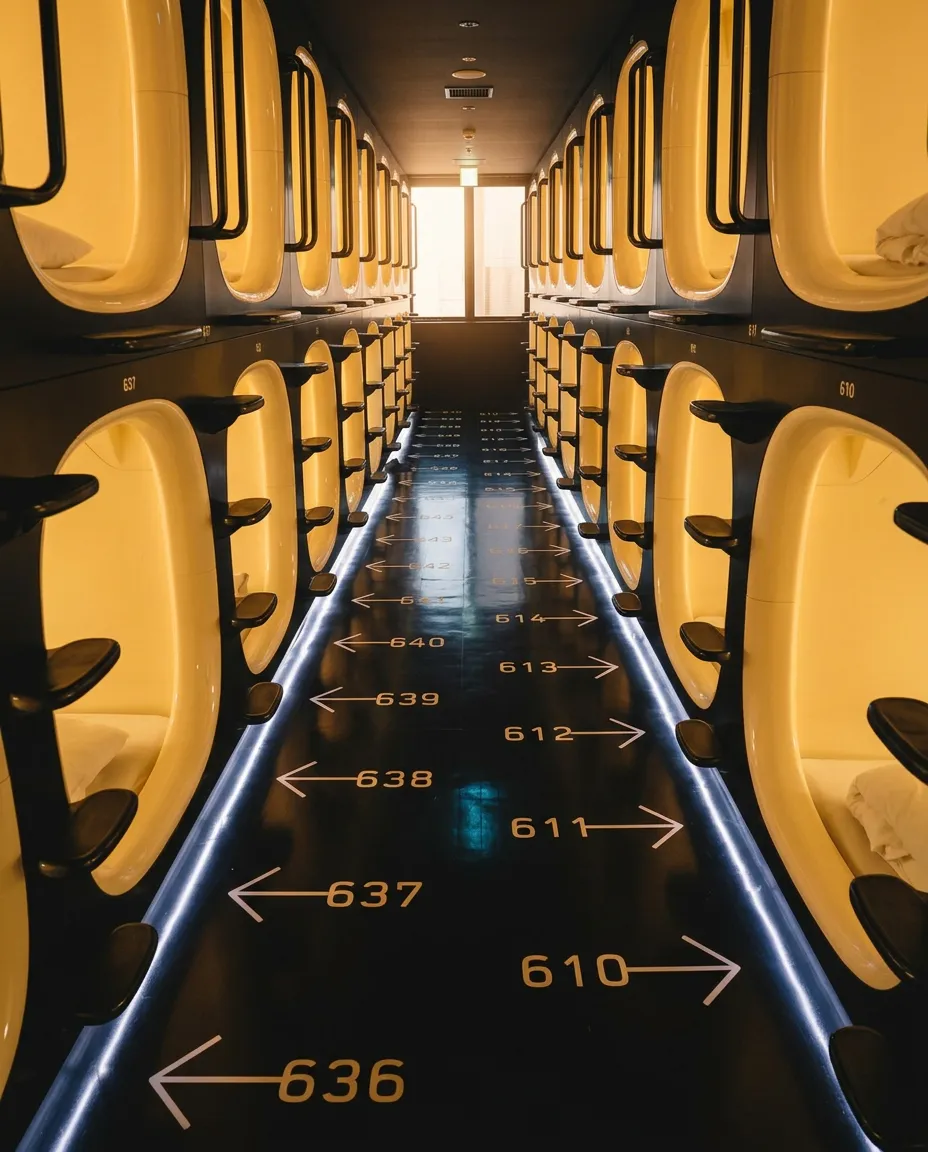 BUDGET · Capsule9 Hours Kyoto TeramachiTeramachi · 5 min to PontochōNick stayed here in 2017. Capsule hotel, futuristic. Stark white pods, sleek bathroom block, lockers replace closets. <strong>If a capsule night belongs on the trip</strong>, this is the easiest place to try one: central, English-friendly, and the lights wake you with sunrise simulation. Not for two-person travel. Each pod is for one.¥4,200/nightSee rates ↗
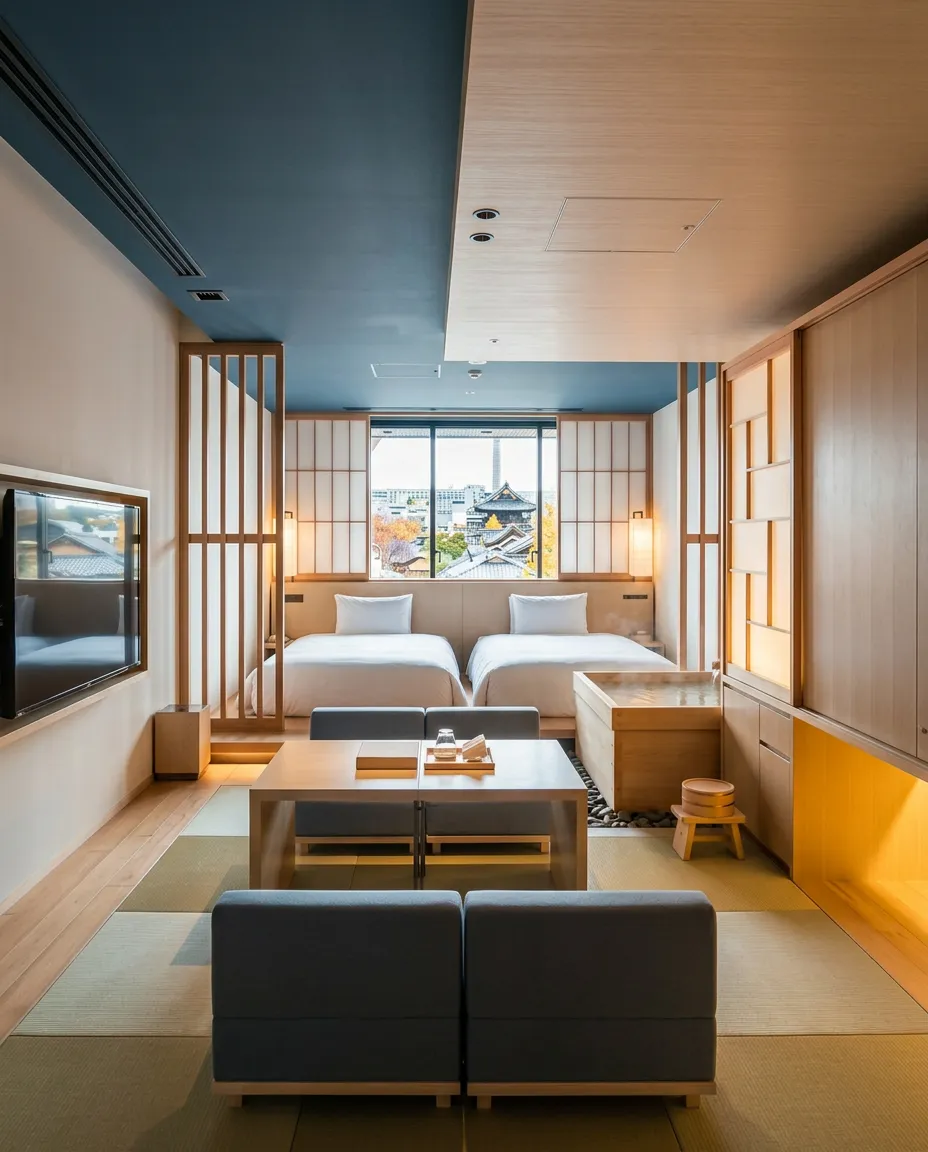 MID · HotelHotel Kanra KyotoKarasuma · between Kyoto Station and downtownRecommendedTraditional-modern boutique with hinoki baths in every room and a tatami sleeping area. The right balance of "ryokan feel" without committing to a full kaiseki dinner.¥22,000/nightSee rates ↗
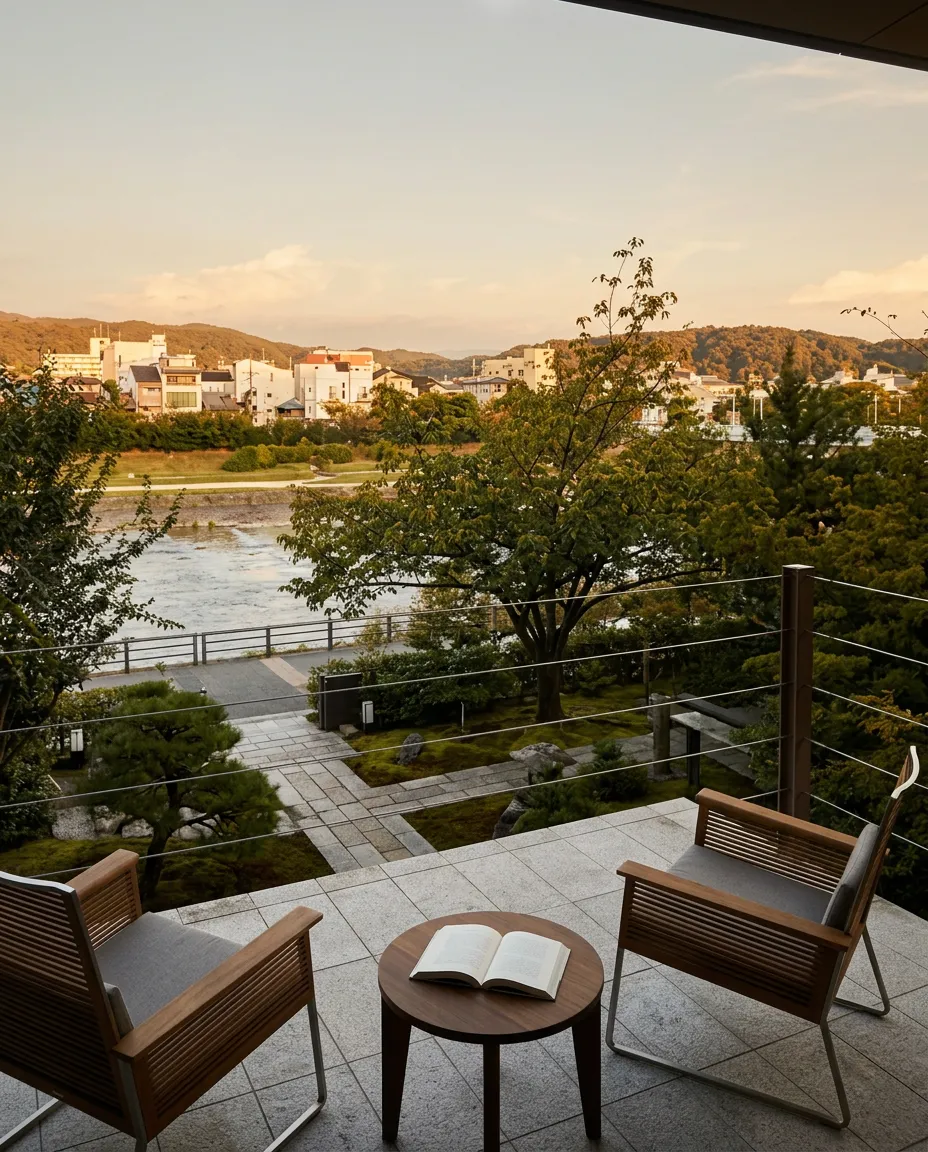 LUXURY · HotelThe Ritz-Carlton KyotoNijō · Kamogawa riversideRiverside on the Kamogawa, ten minutes from Pontochō. The garden bath suites are the editorial pick. But the standard rooms also face the river.¥90,000/nightSee rates ↗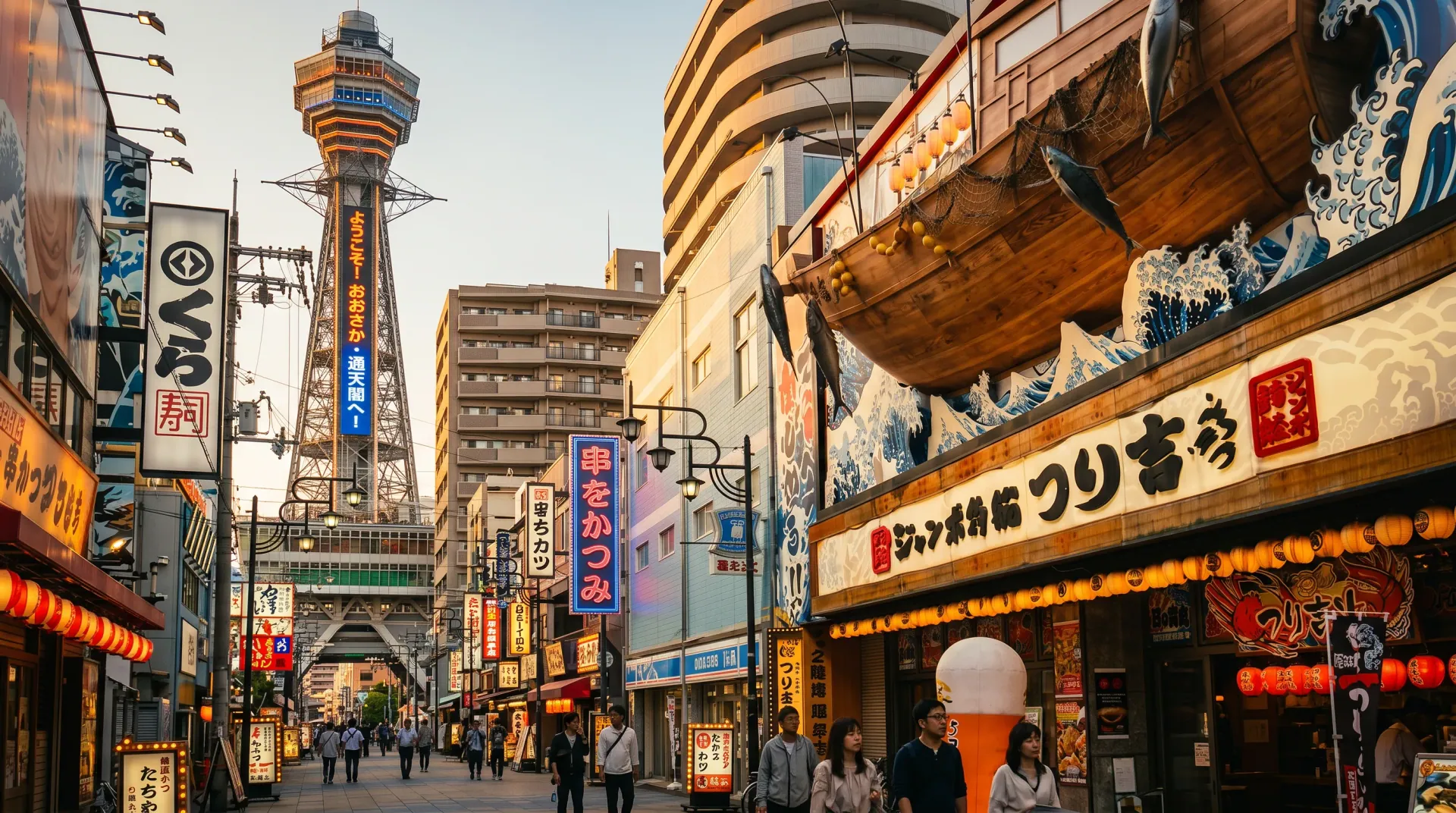
Why Osaka
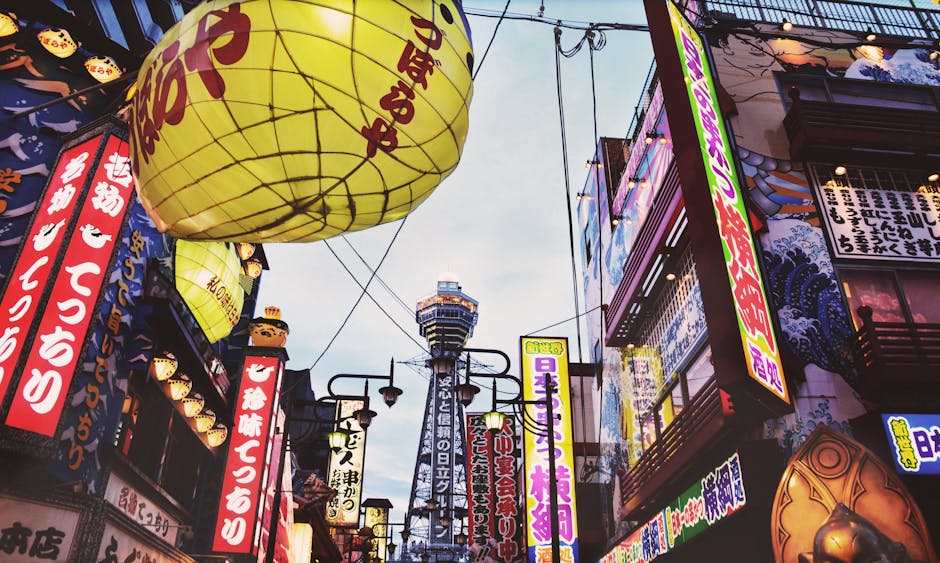
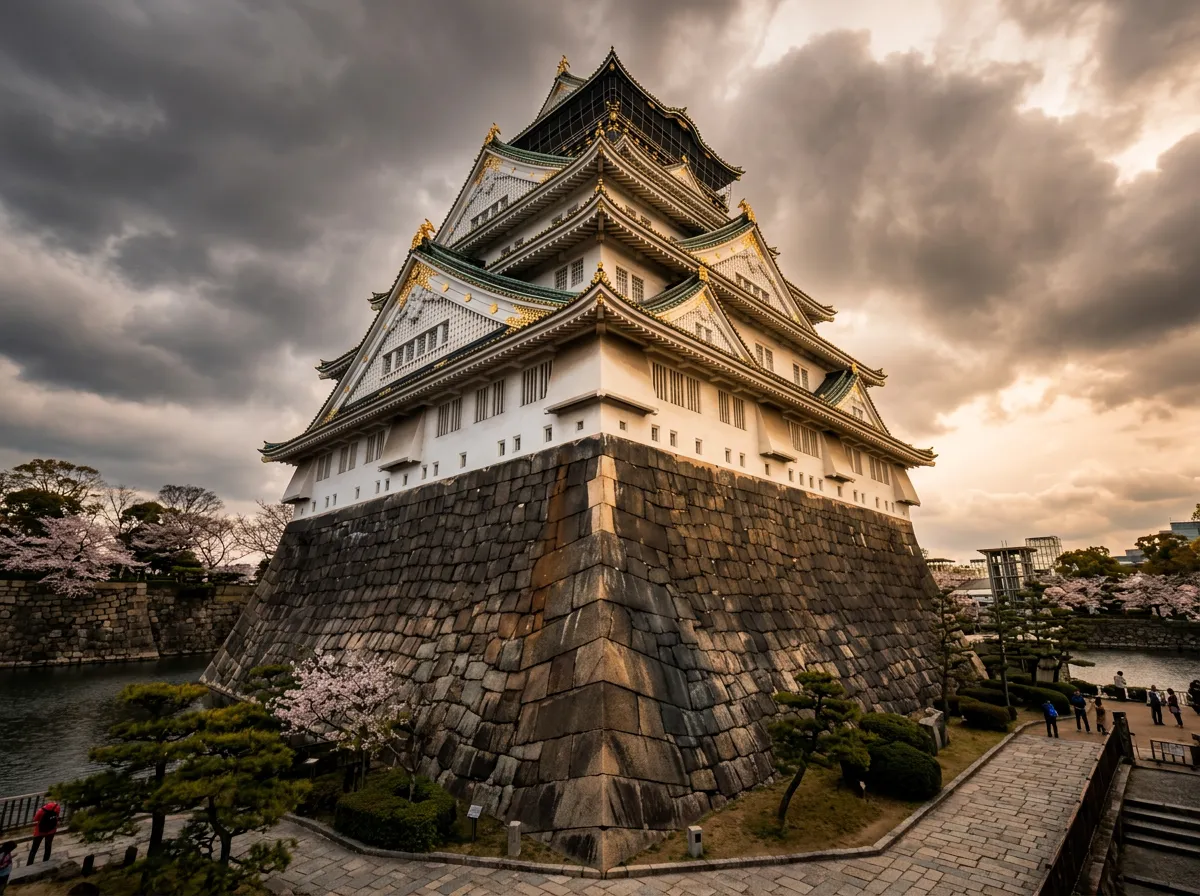
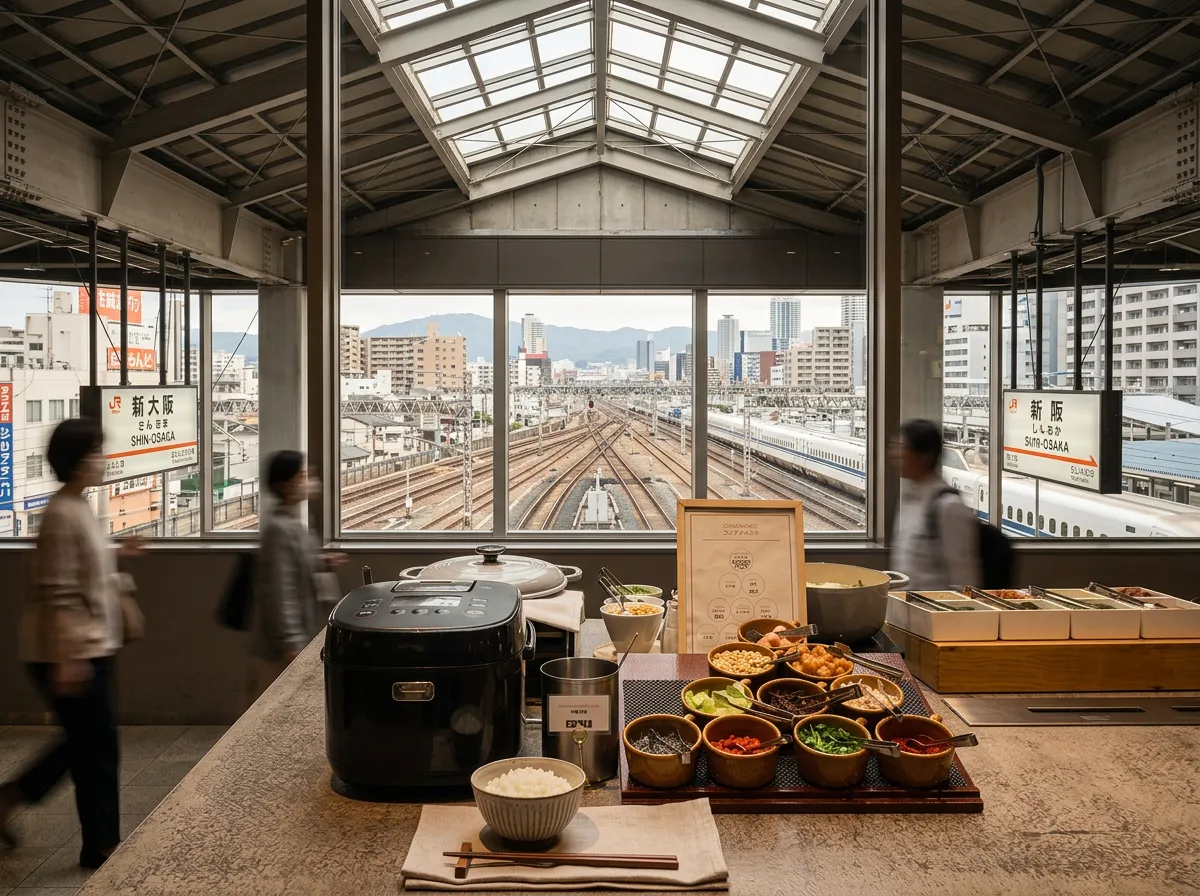
Osaka earns three nights because it absorbs the emotional weight of a Hiroshima day-trip and still has a full city left to explore. On the Hiroshima day, take an early train, reach the Peace Memorial Museum before the school groups arrive, and let it take as long as it takes: lunch on layered Hiroshima okonomiyaki at Okonomi-mura, then Miyajima only if the tide is right and the afternoon is willing. Back in Osaka, the rhythm shifts: Kuromon Ichiba early for breakfast, Shinsekai and Tsutenkaku for the city's older, rougher grain, and Dotonbori at dusk for the Glico sign and a dinner that asks nothing of you. The Umeda Sky Building is worth the entrance fee for the view.
14 things to see and do
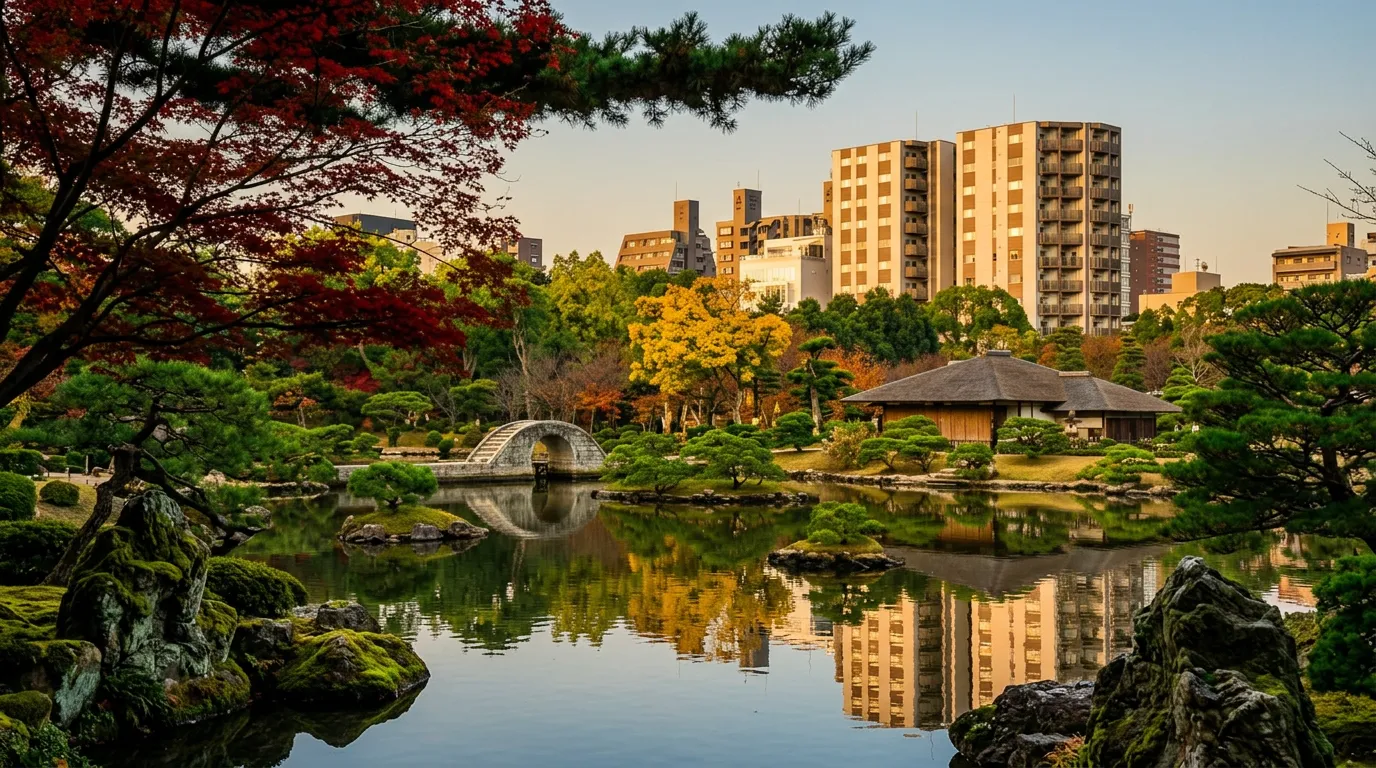 Hidden gemShukkei-en GardenA 17th-century daimyō garden.
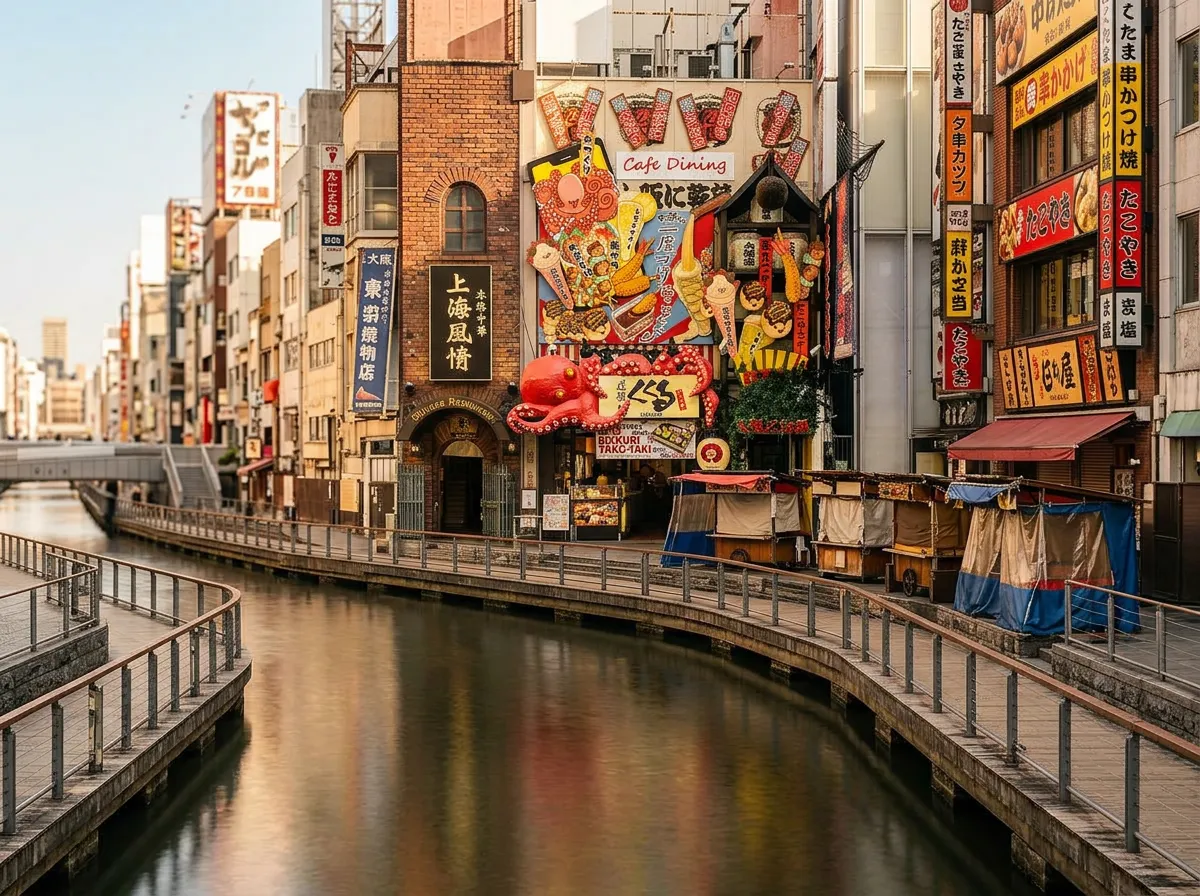 NeighbourhoodDotonbori afternoon walkDotonbori · Free
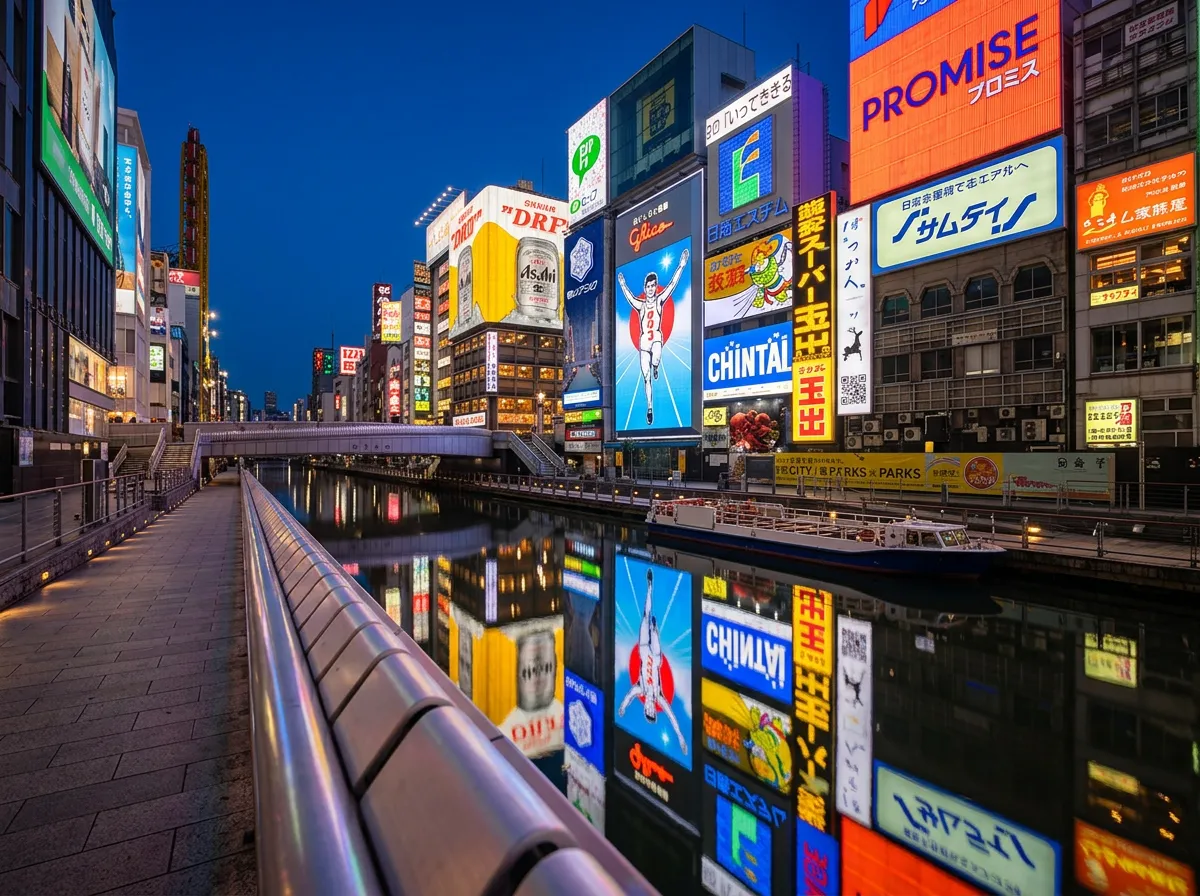 Must-seeGlico Sign at duskDotonbori · Free
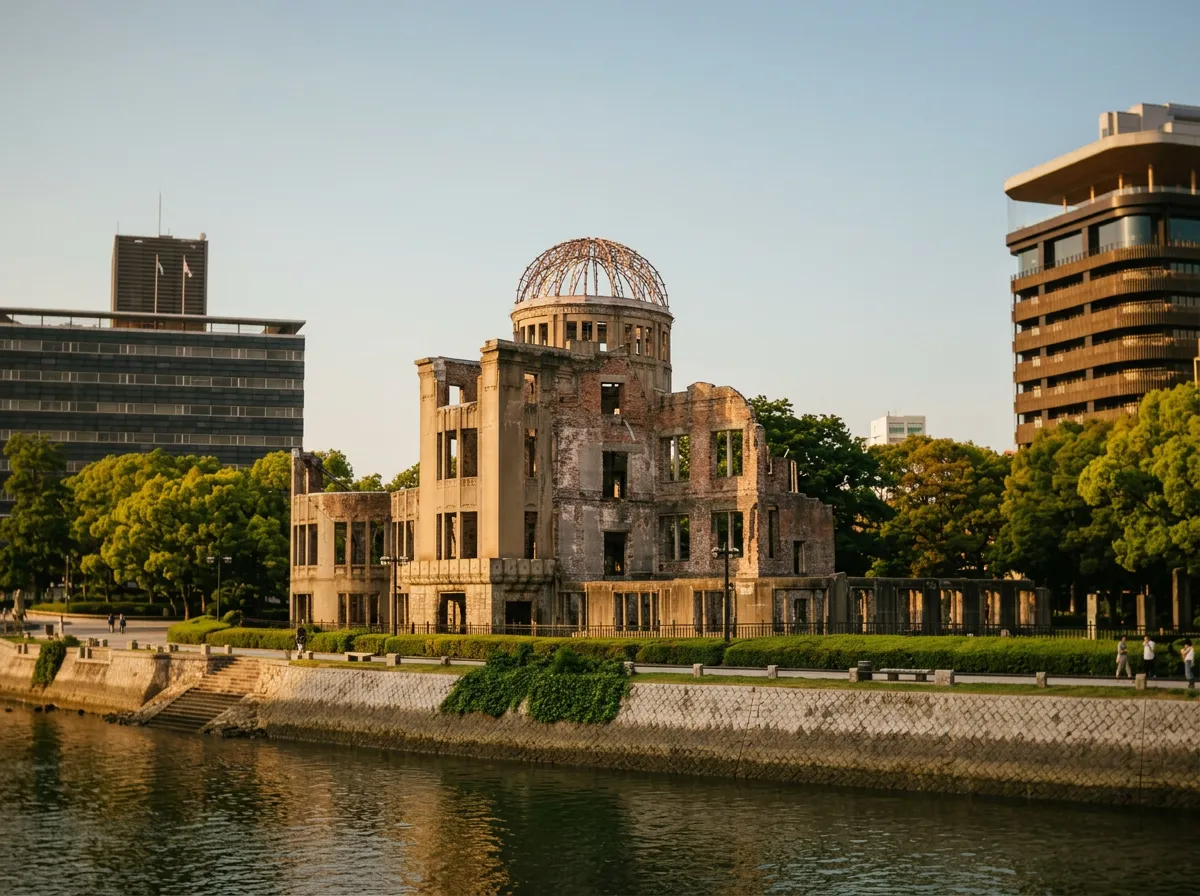 Day-trip · HiroshimaAtomic Bomb DomePeace Park · Free
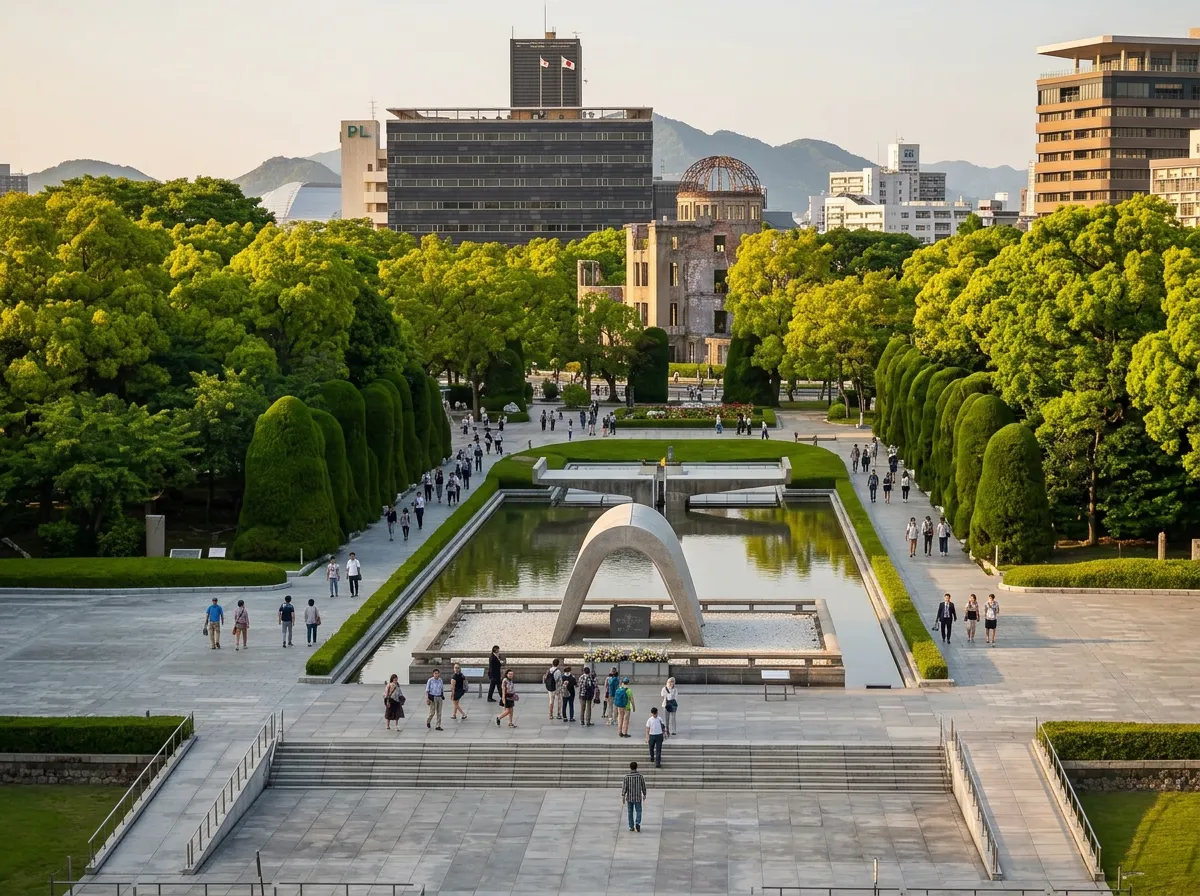 Day-trip · HiroshimaPeace Memorial MuseumThe defining museum of 20th-century Hiroshima.
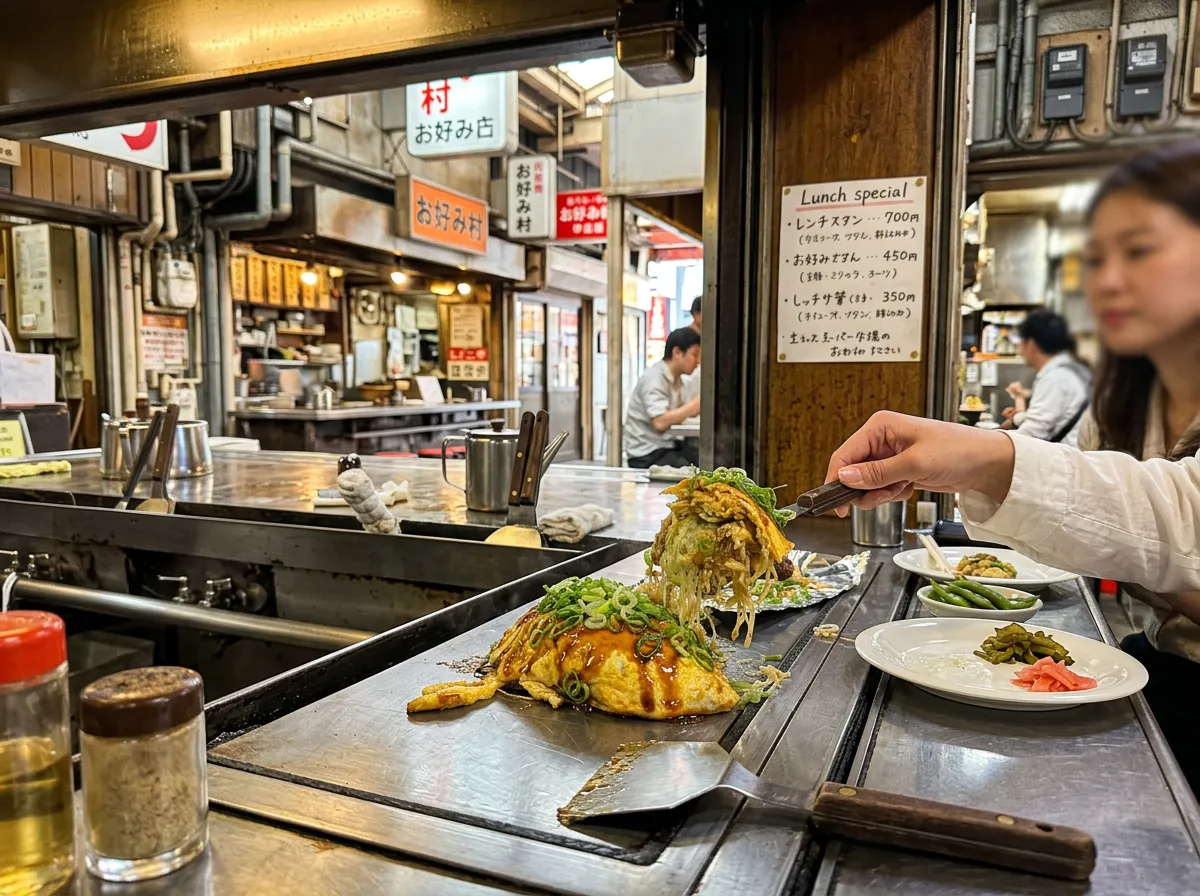 EatHiroshima okonomiyaki lunchOkonomi-mura · ~¥1,500
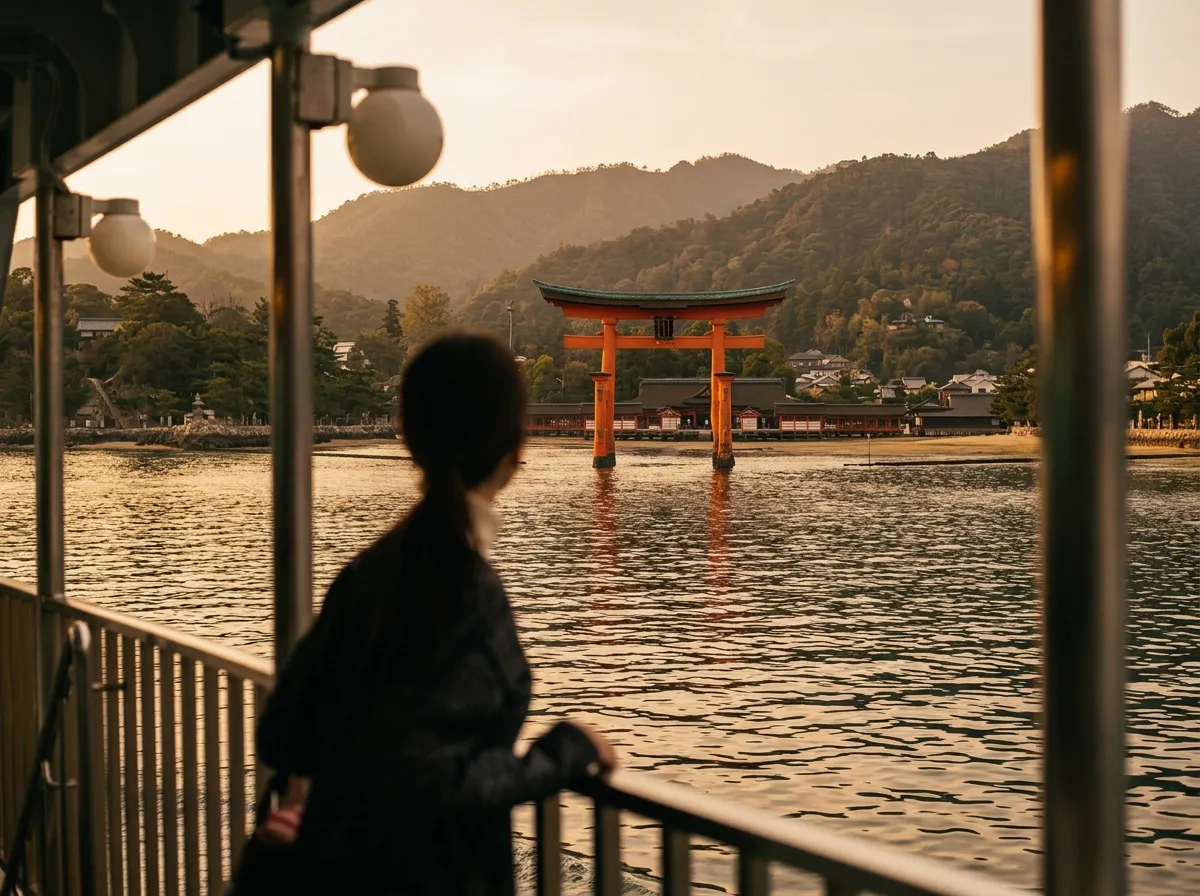 Day-trip · HiroshimaMiyajima ferry + toriiMiyajima · ¥200
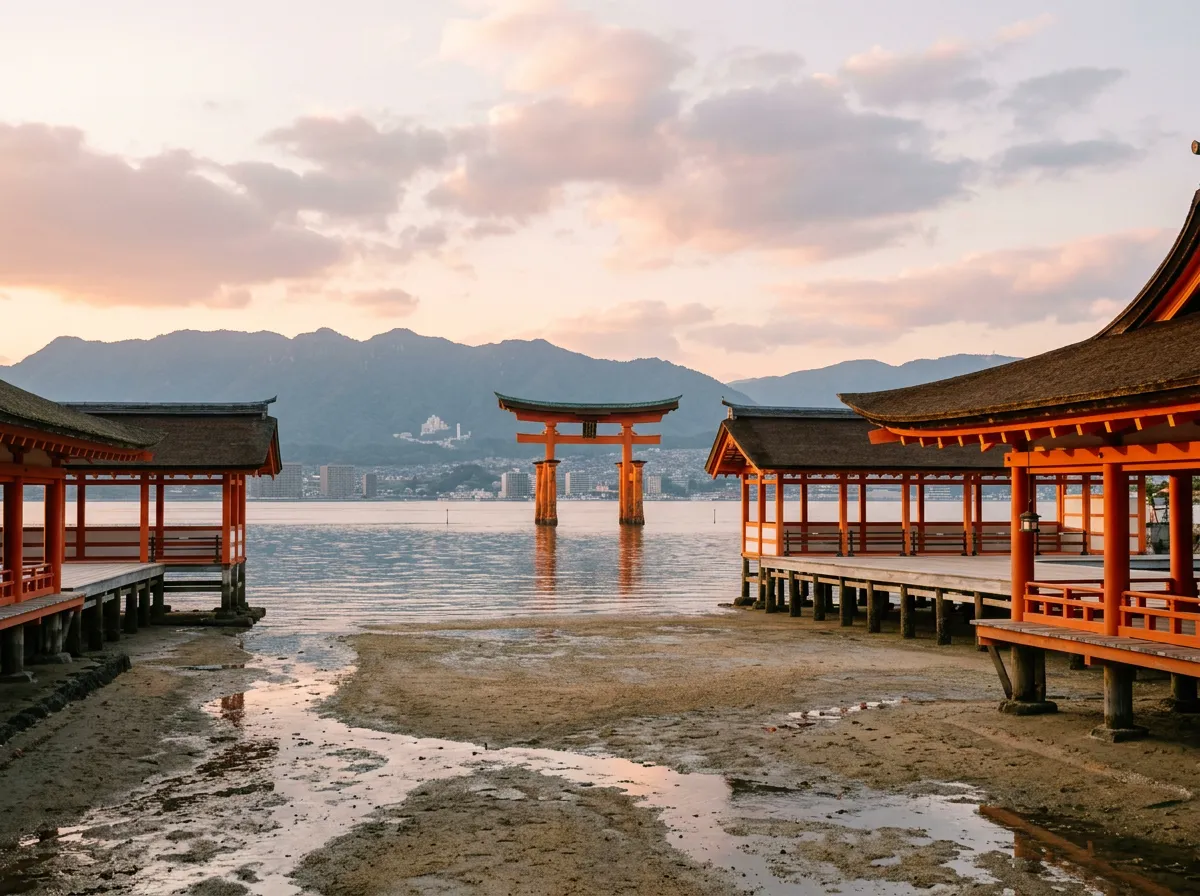 Day-trip · HiroshimaItsukushima ShrineMiyajima · ¥300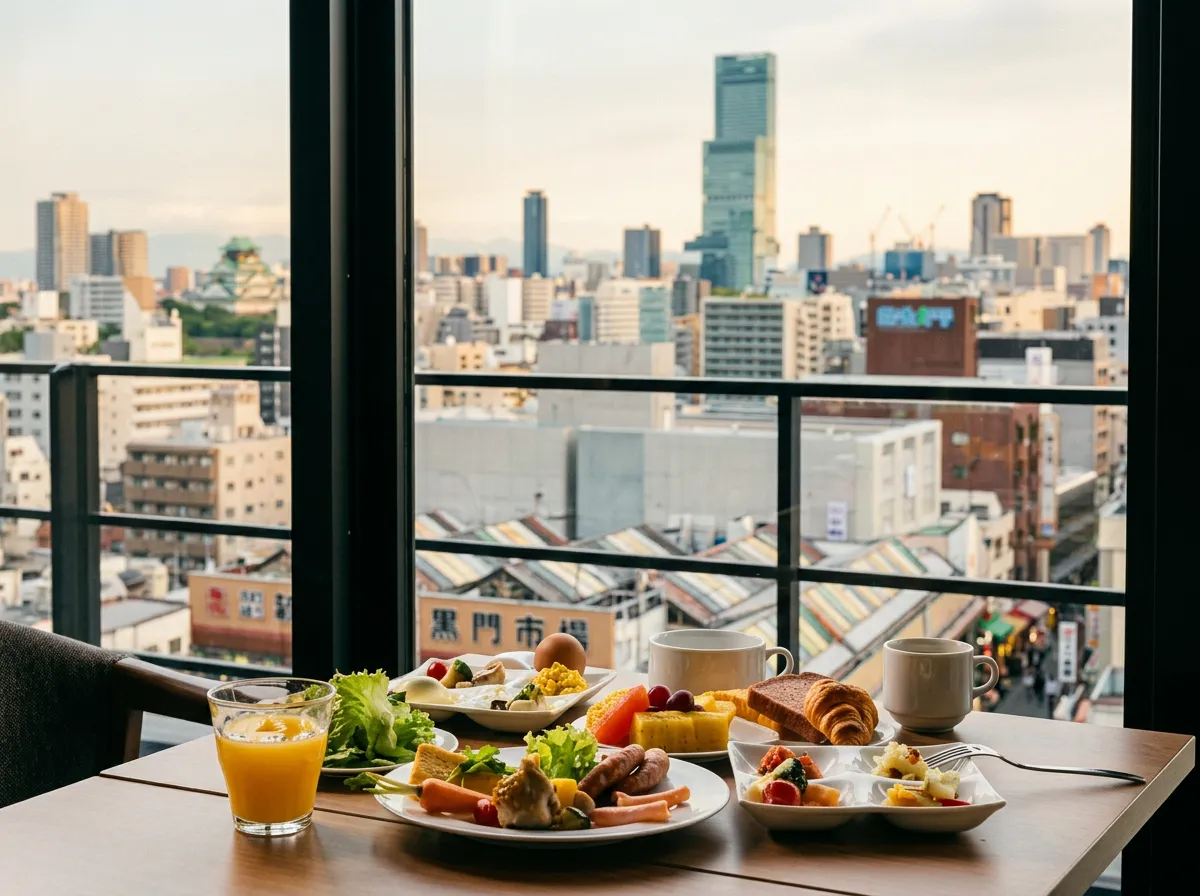
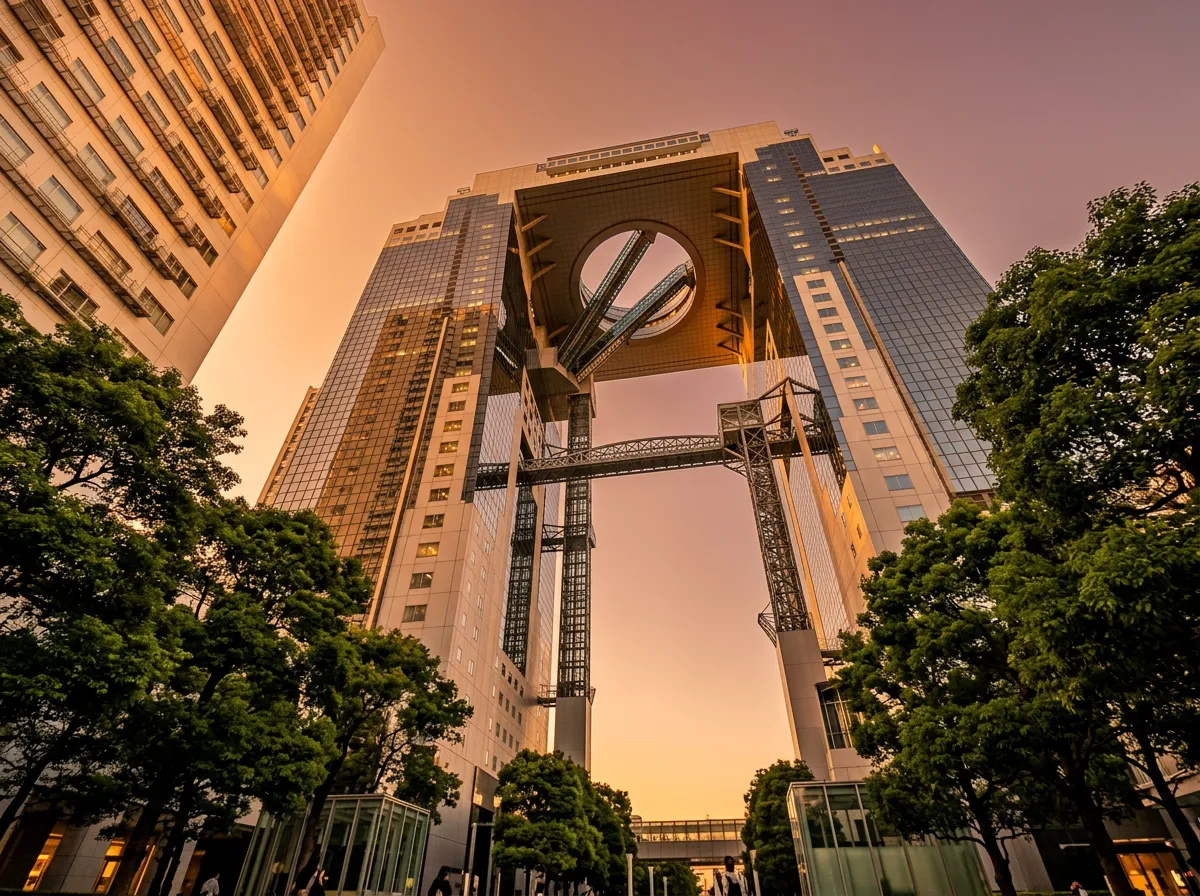
Where to sleep in Osaka
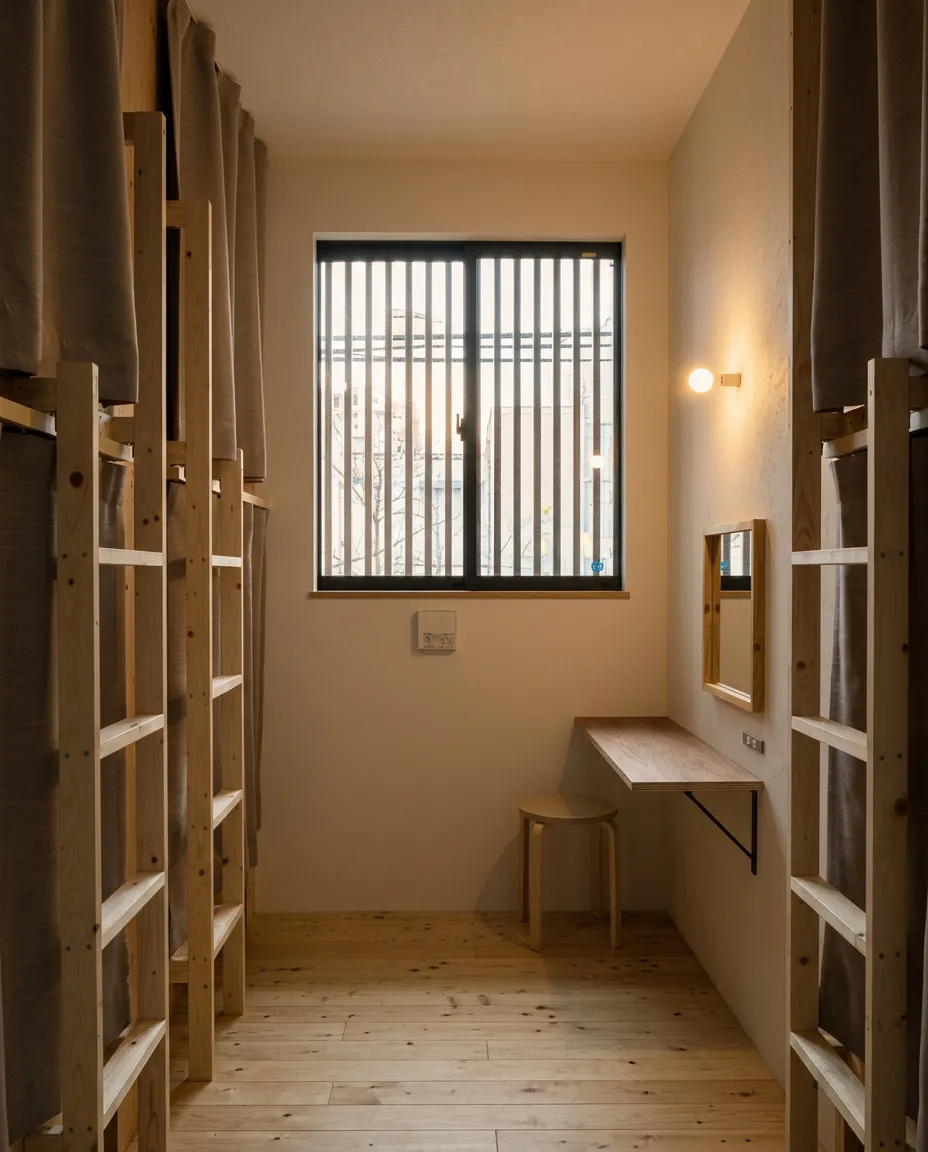 BUDGET · HostelHostel Mitsuwaya OsakaNamba · 10 min to DotonboriRenovated old-town building, communal kitchen and lounge. The owner runs a free walking tour twice a week. Worth signing up on arrival.¥4,800/nightSee rates ↗
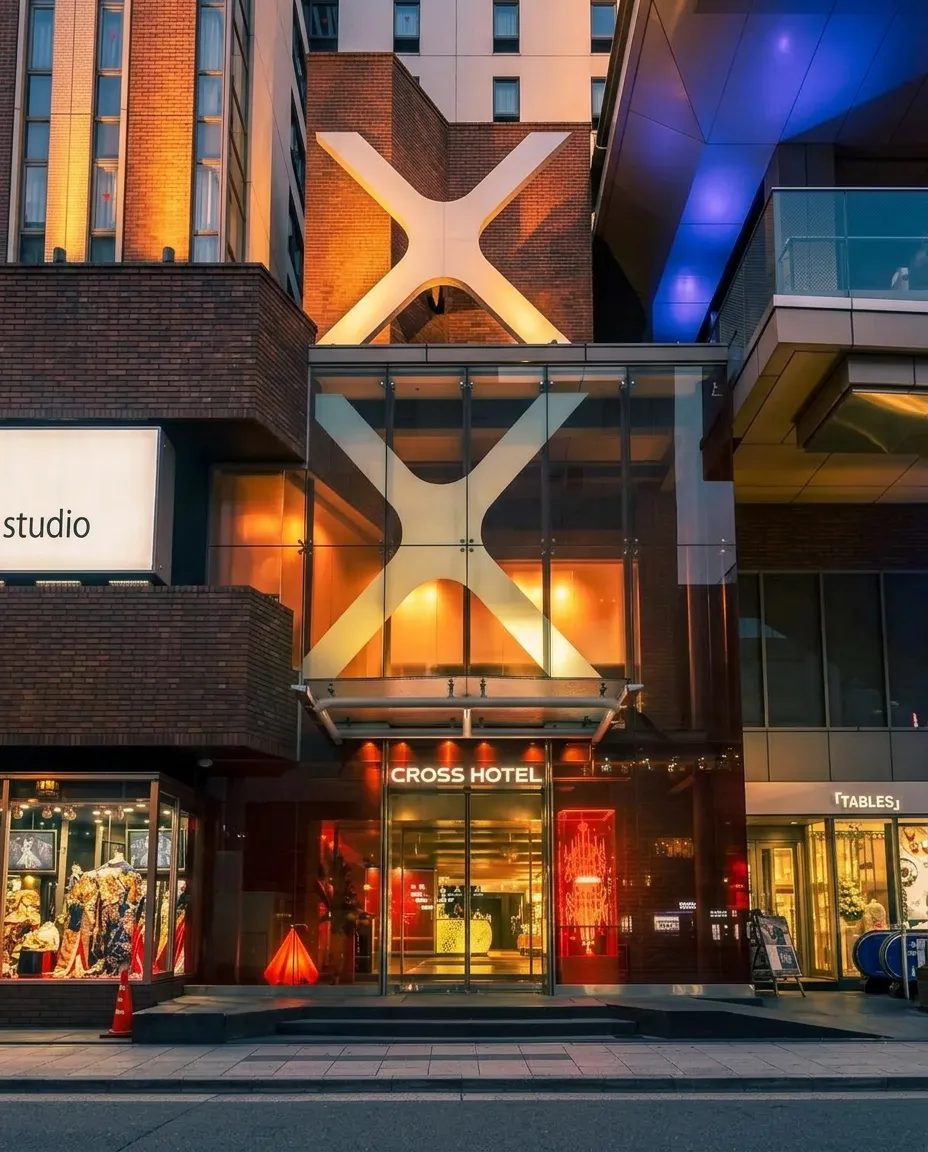 MID · HotelCross Hotel OsakaShinsaibashi · 5 min to DotonboriRecommendedDirectly between Shinsaibashi shopping arcade and the Dotonbori canal. Five minutes to either. Modern rooms, decent breakfast buffet, the lobby café is a working spot.¥17,000/nightSee rates ↗
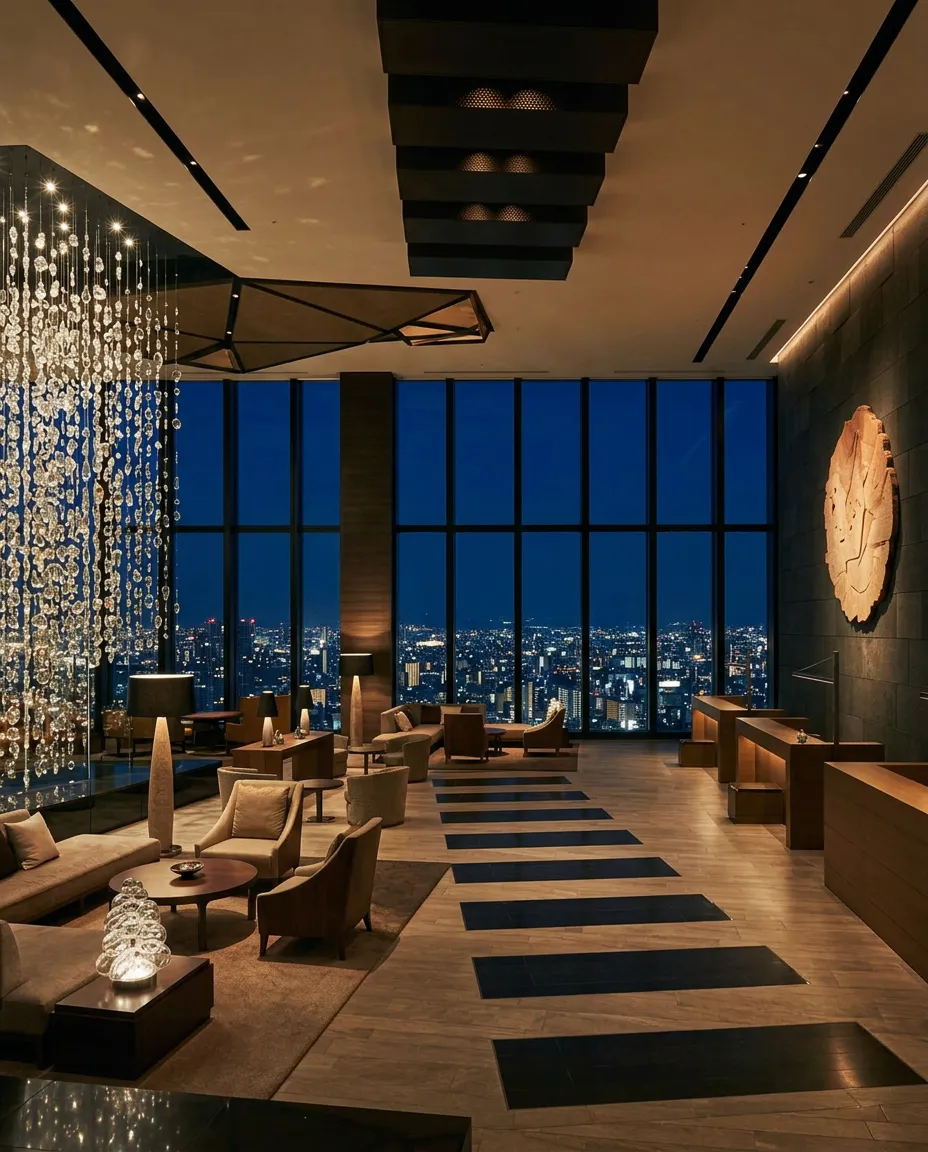 LUXURY · HotelConrad OsakaNakanoshima · skyline-facingTop of the Nakanoshima Festival Tower, 40-some floors above the river. The bar on the top deck does the best martini in the city, and the breakfast is worth waking up for.¥65,000/nightSee rates ↗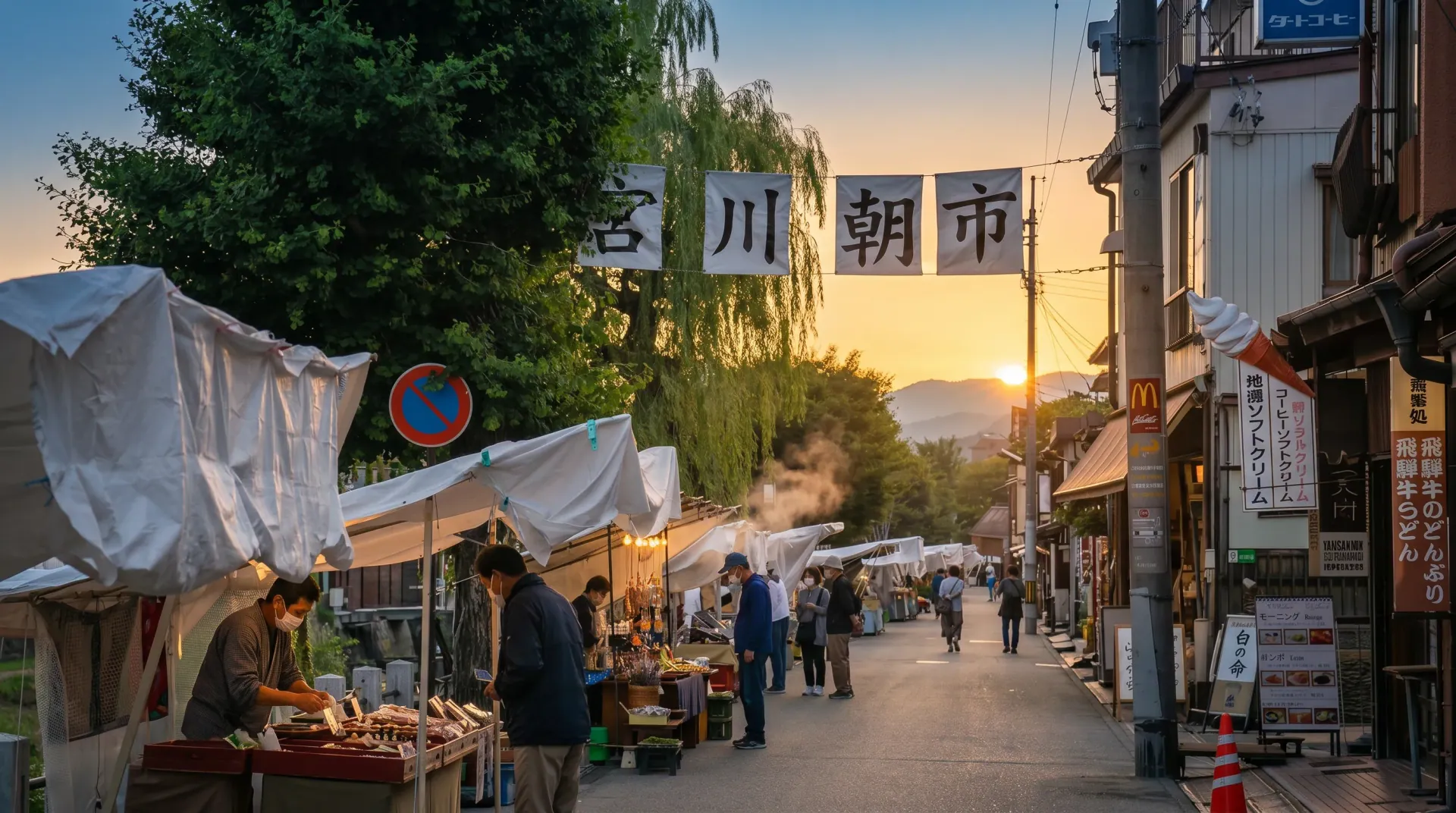
Why Takayama
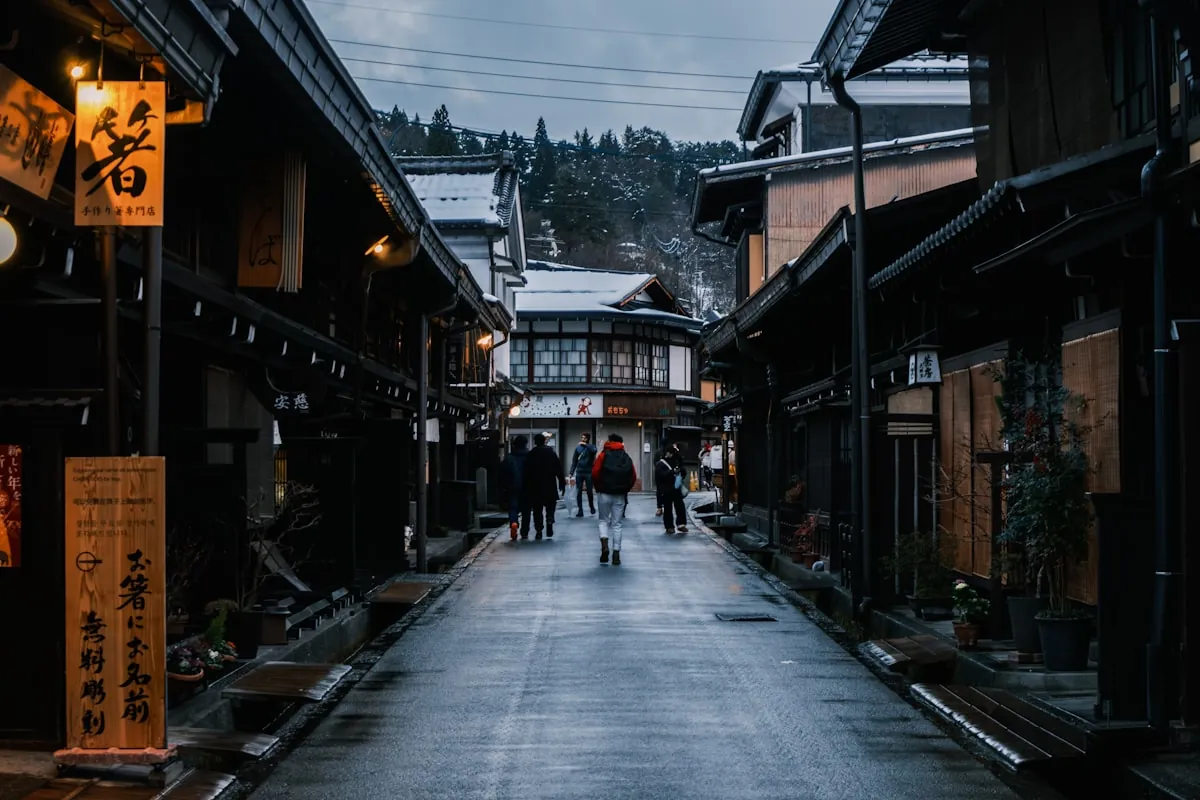
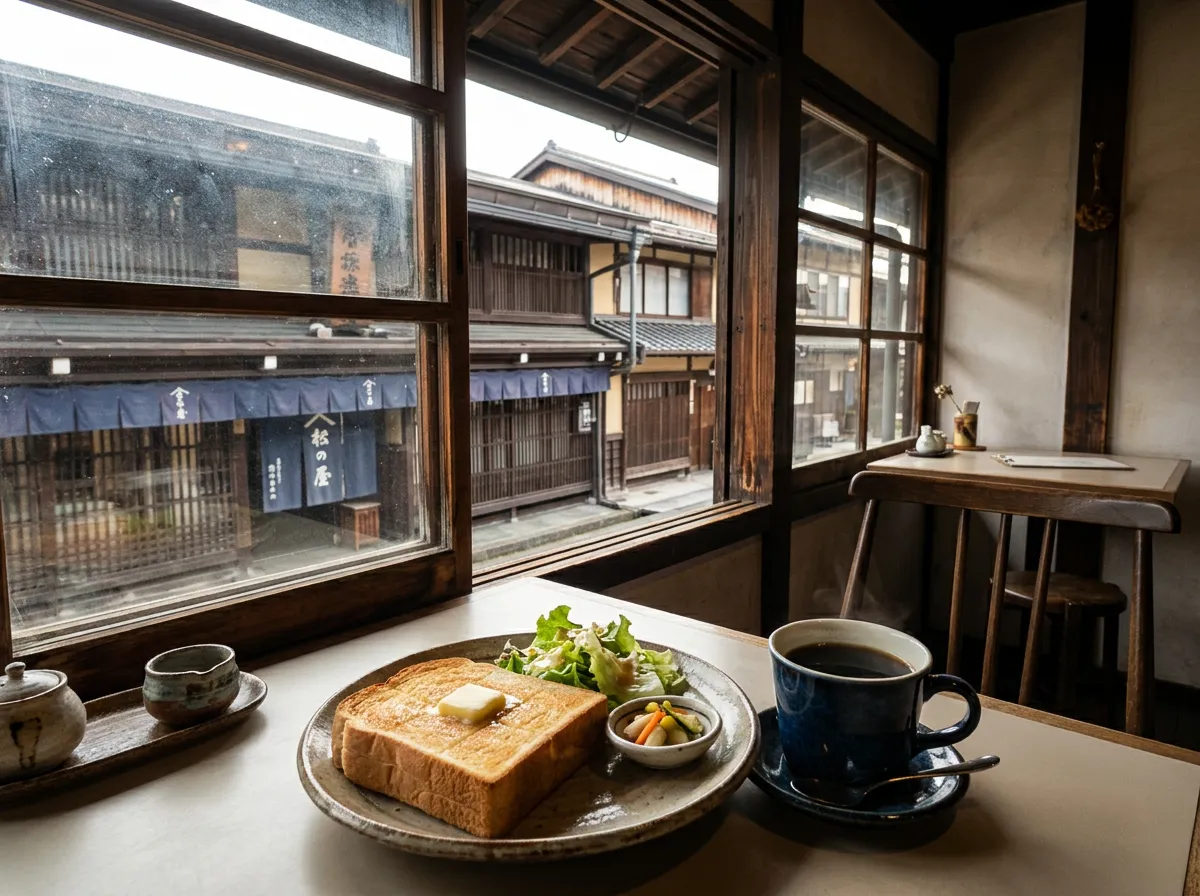
Takayama is where the route earns its depth. The Wide-View Hida follows the Hida River gorge for the better part of two hours, and arriving into the old town after the day-trippers have thinned out (lanterns lit along Sanmachi-suji, the sake breweries closing their shutters) sets the right tone. Spend the morning at the Miyagawa riverbank market, then work through the sake flights at Funasaka before the afternoon opens up. The Takayama Jinya, Japan's only surviving Edo regional office, takes under an hour and earns its entry fee. Walk to Hida Folk Village rather than bussing; the hillside path matters.
11 things to see and do
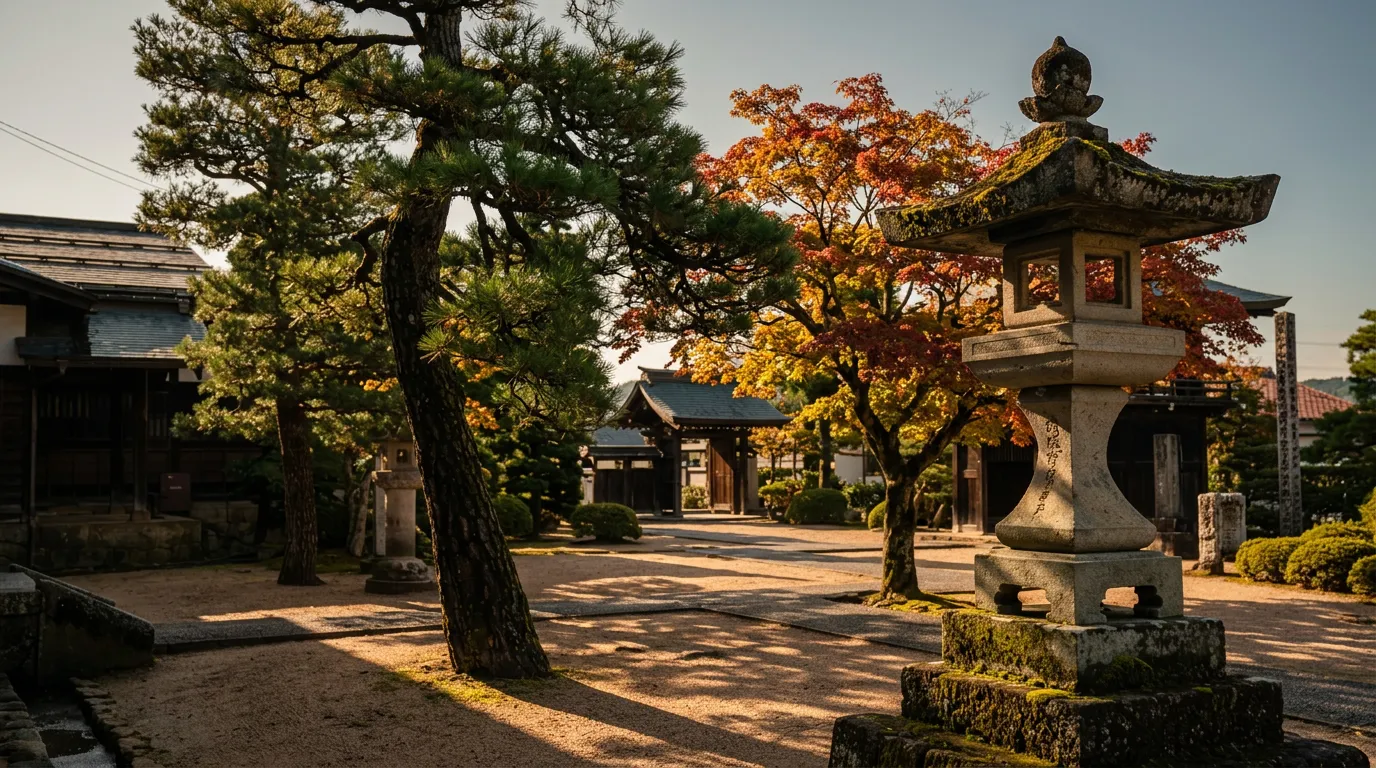 Hidden gemHigashiyama Walking CourseA 3.5 km walking route through 15 small temples and shrines on the hillside east of Takayama's old town.
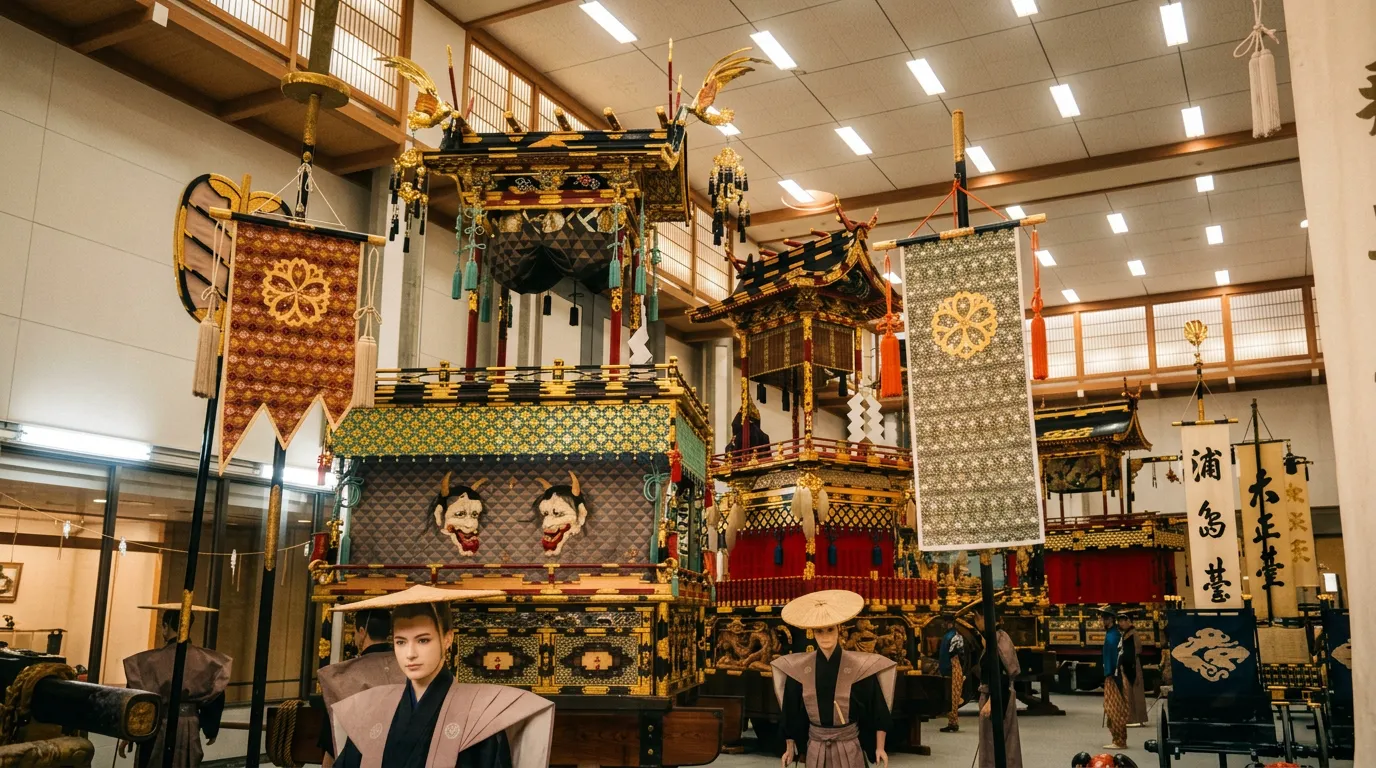 Hidden gemYatai-KaikanA purpose-built hall housing four of the 23 festival floats used in the Takayama Matsuri each spring and autumn.
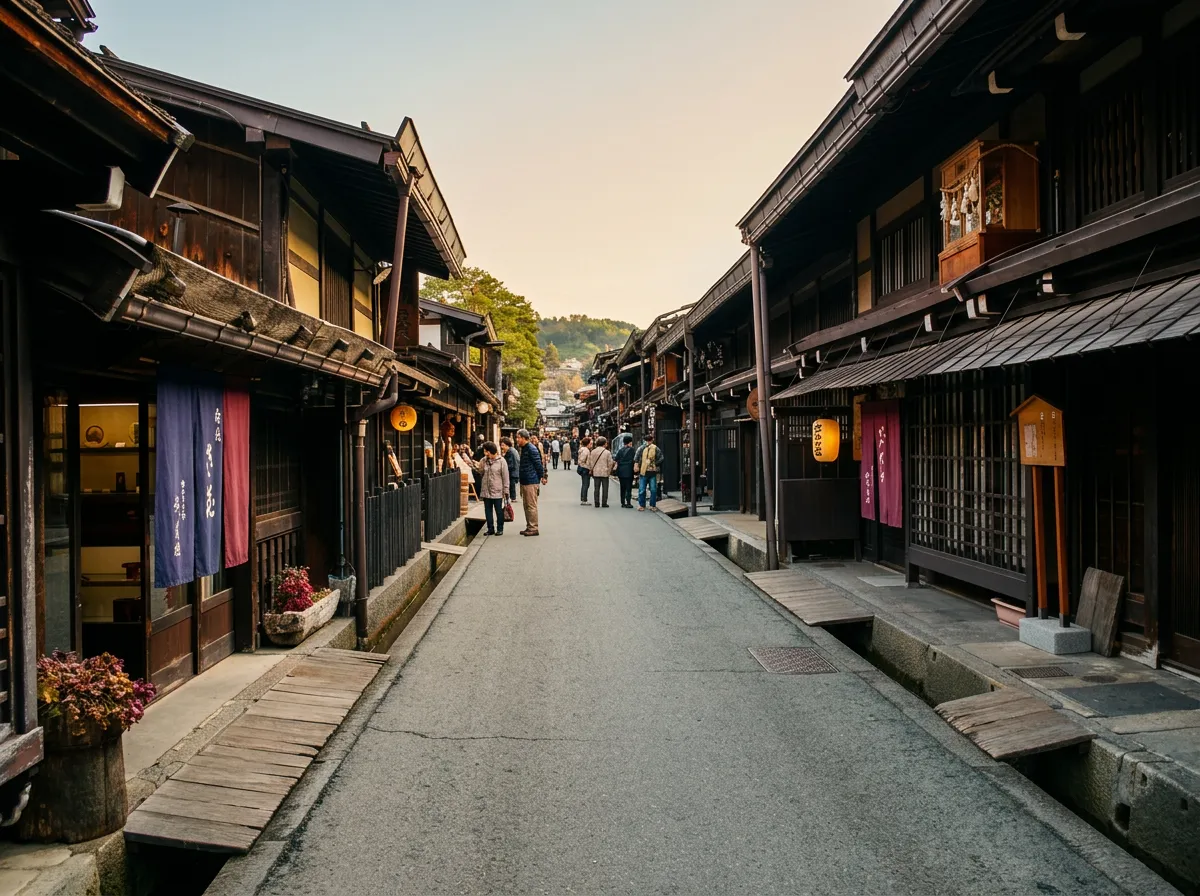 NeighbourhoodSanmachi first walkSanmachi · Free
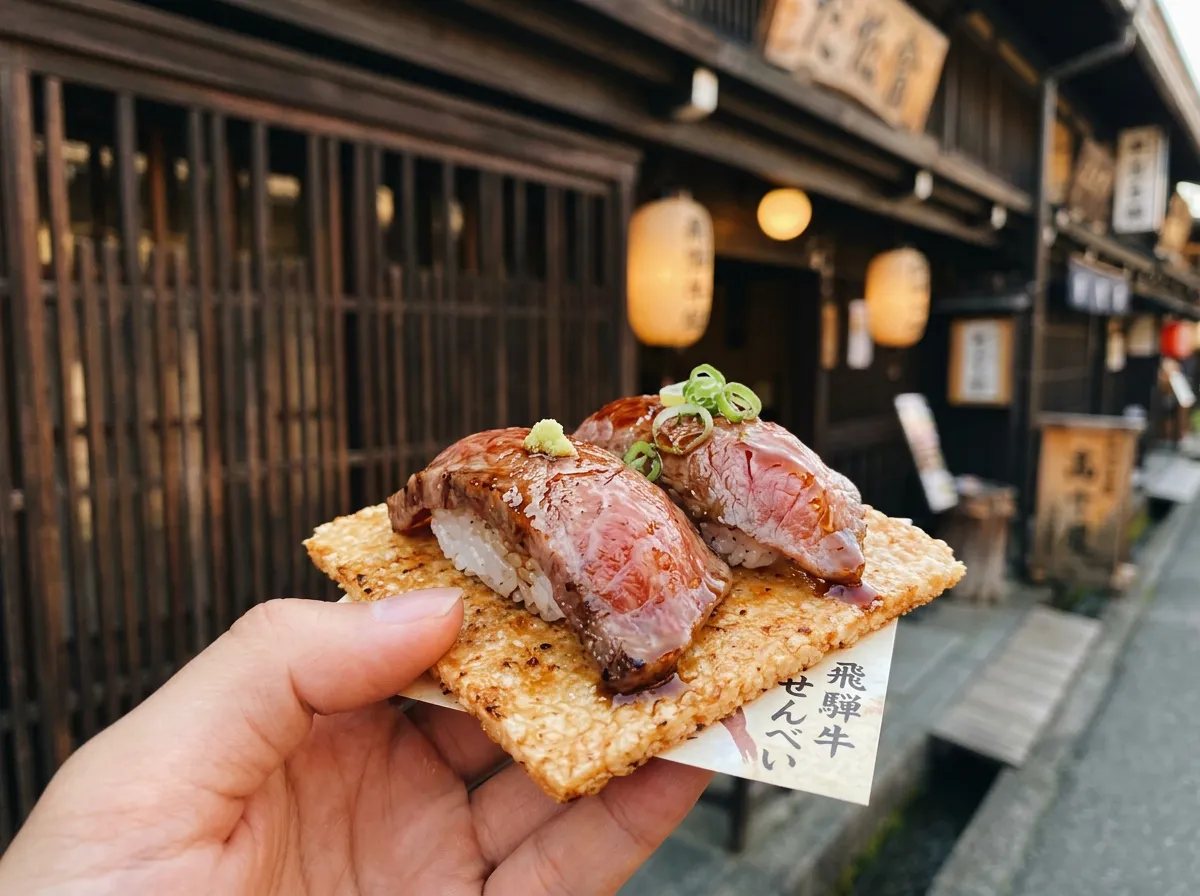 EatHida beef first tasteTakayama · ~¥4,500
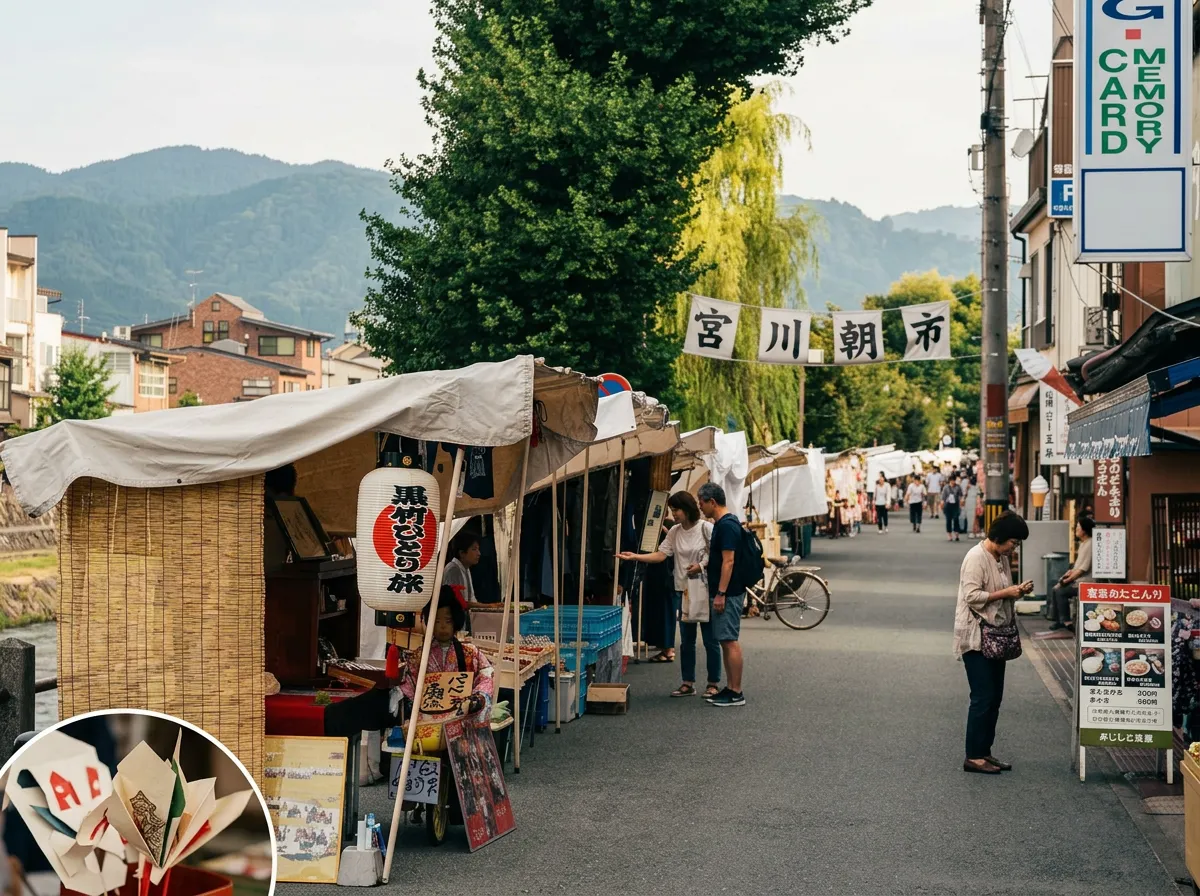 NeighbourhoodMiyagawa morning marketMiyagawa · ~¥1,500
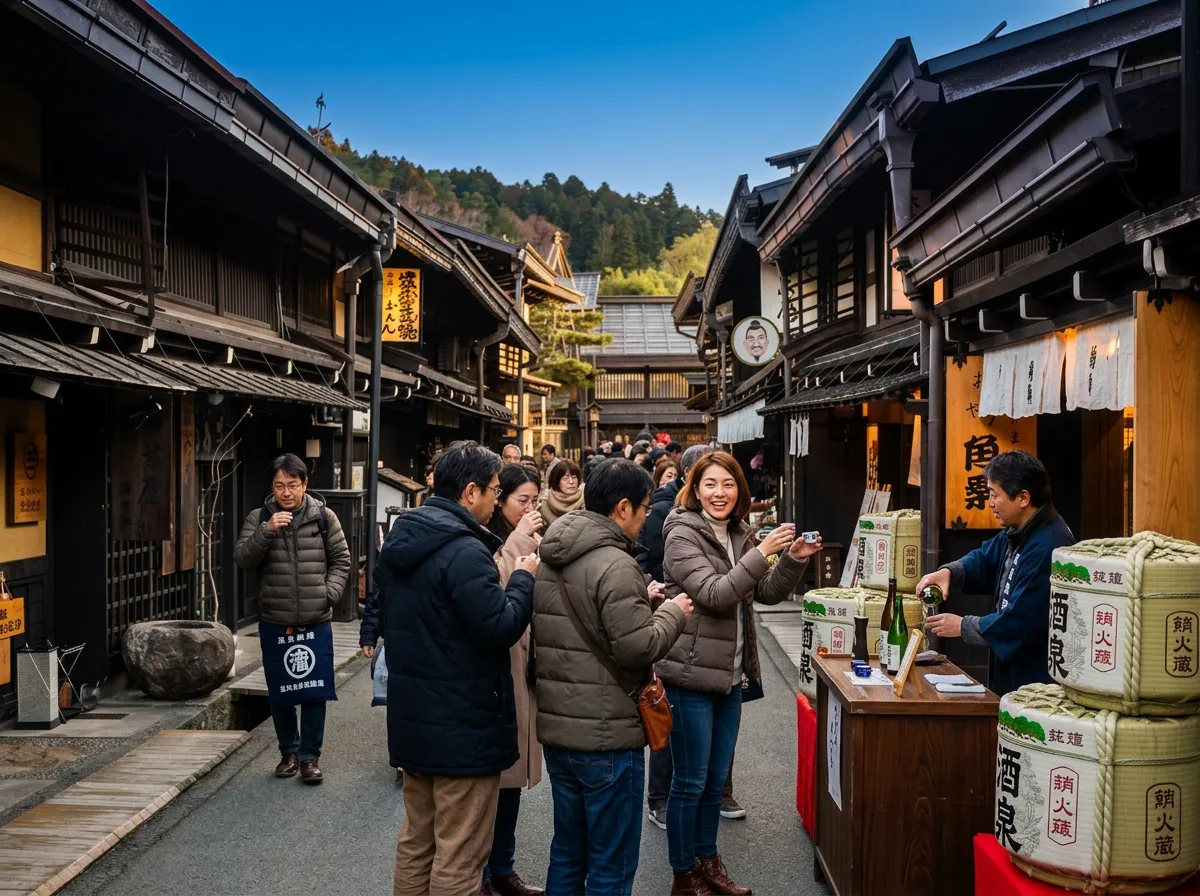 Must-seeSanmachi sake tastingSanmachi · ¥500/flight
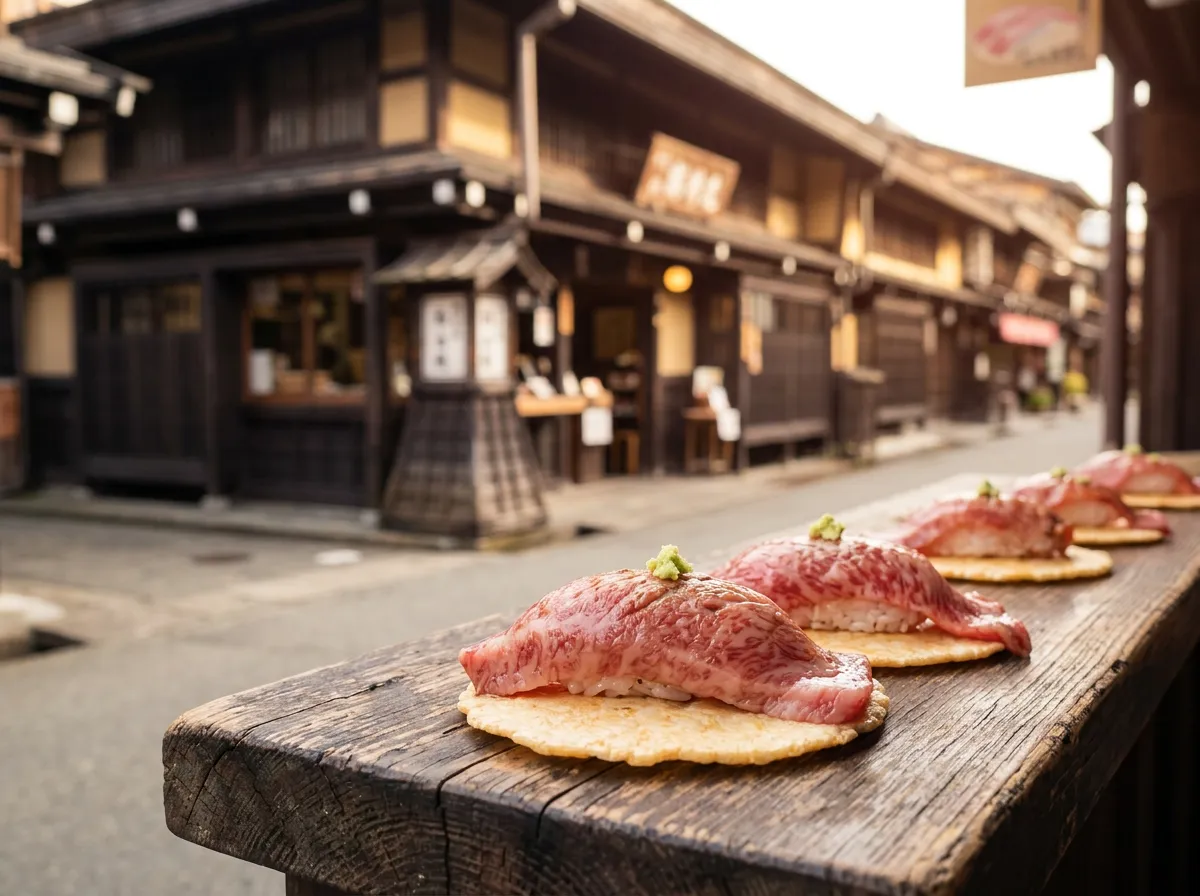 EatHida-beef nigiri lunchSanmachi · ~¥1,200
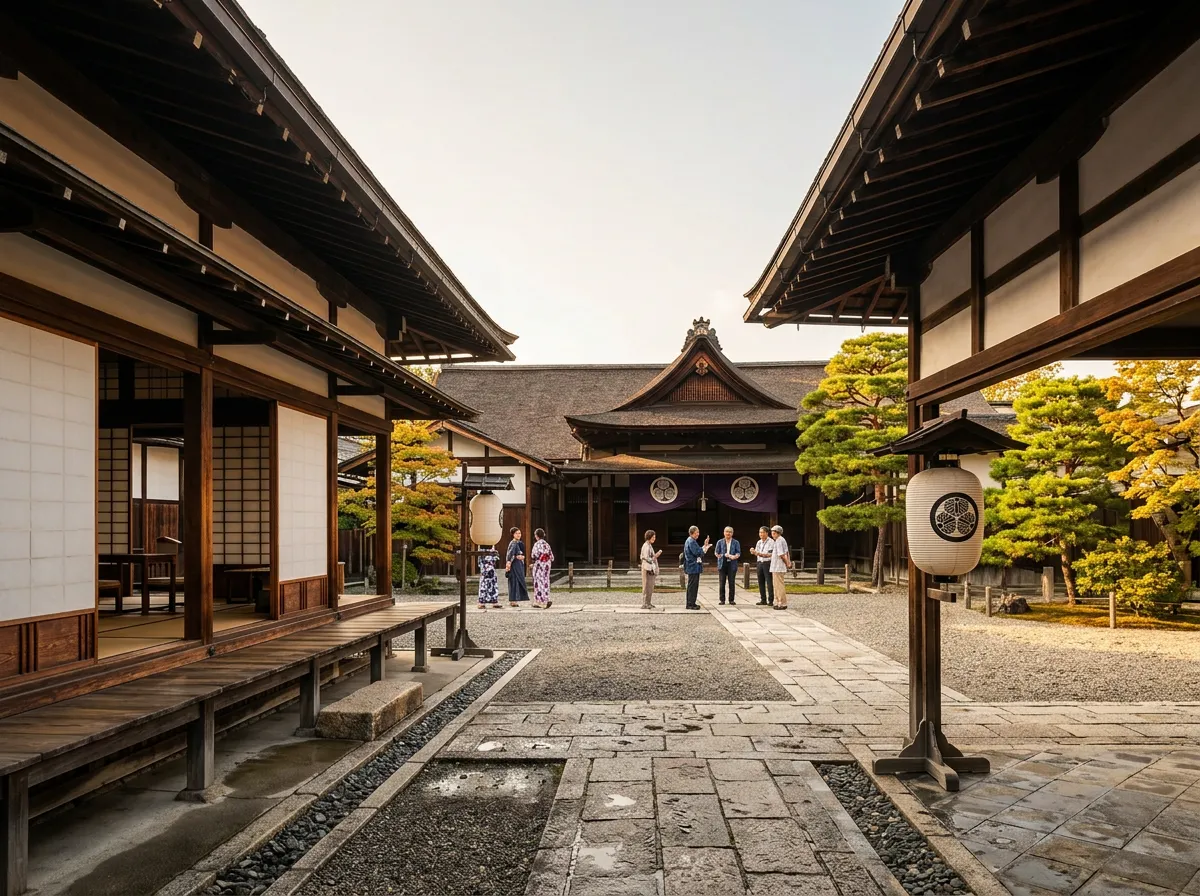 Must-seeTakayama JinyaTakayama · ¥440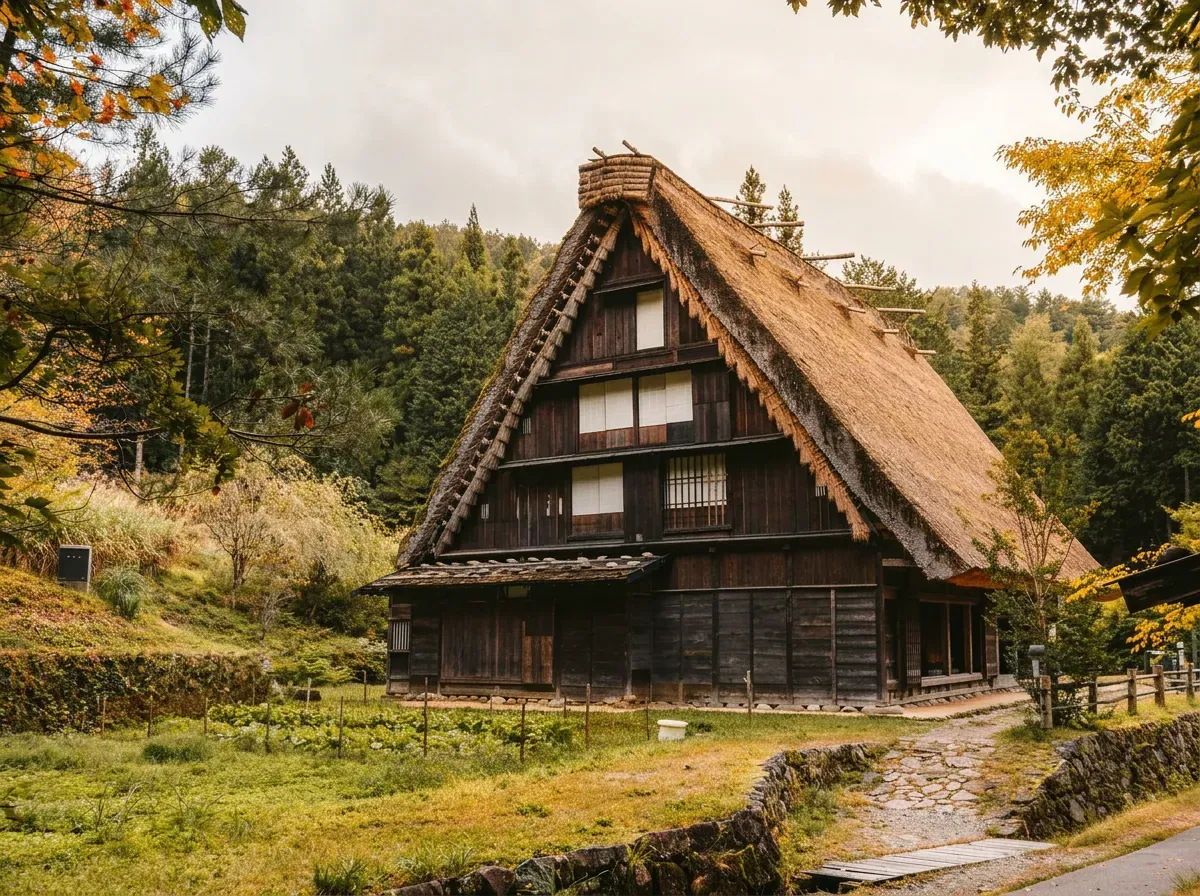
Where to sleep in Takayama
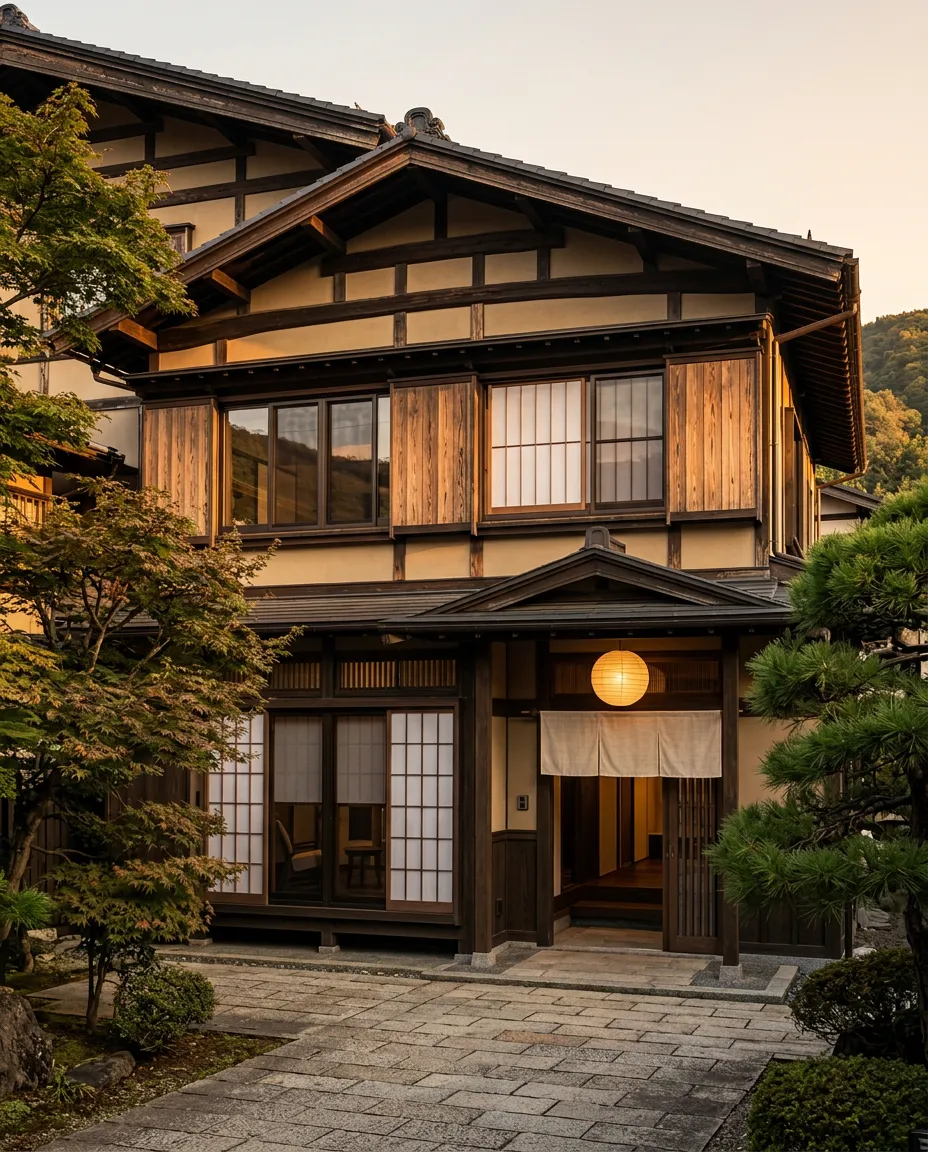 BUDGET · HostelK's House Hida-Takayama10 min walk from Takayama StationBackpacker classic in a converted machiya. Traditional wood frame, shared bathrooms, sociable common room. Best for travellers who want a guesthouse feel without committing to a full ryokan.¥4,500/nightSee rates ↗
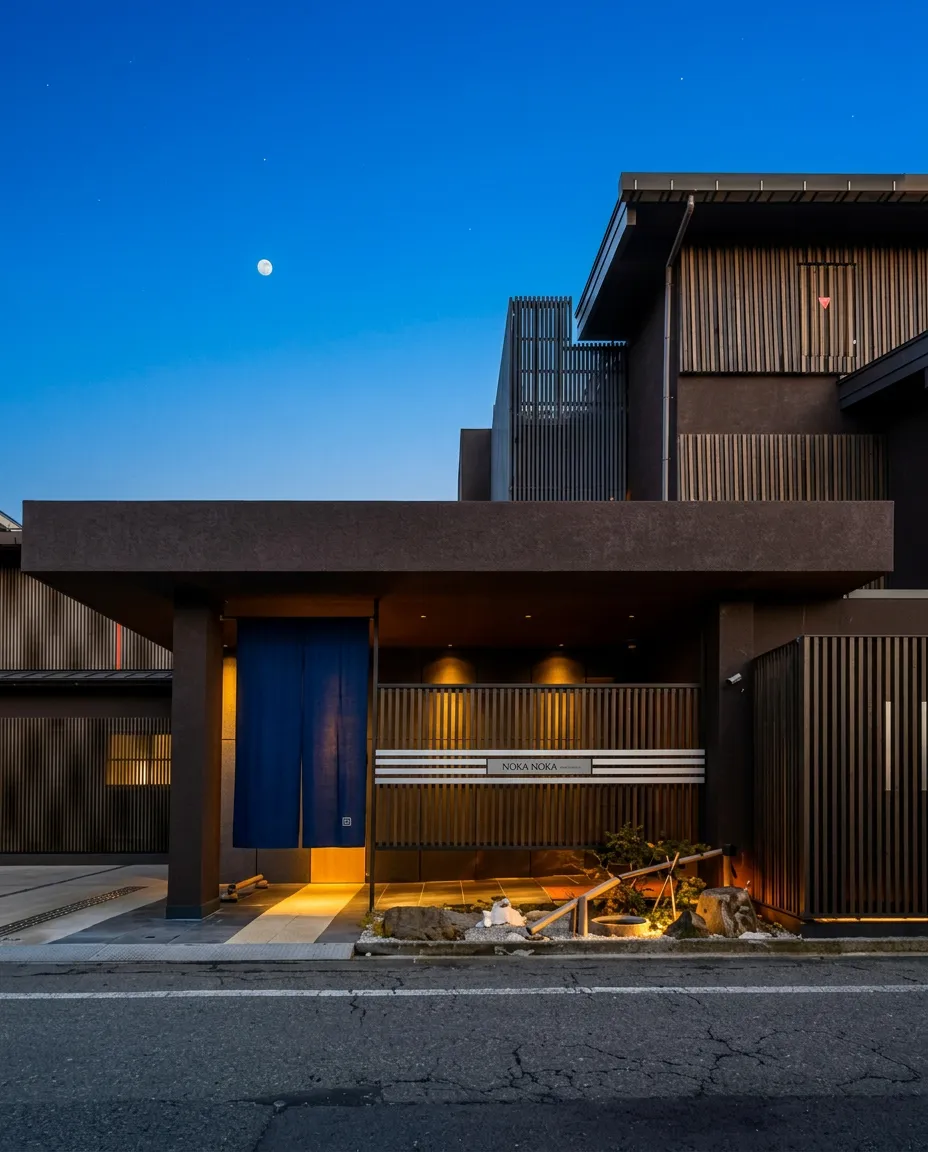 MID · HotelHotel Around Takayama5 min from Takayama StationRecommendedContemporary boutique with a top-floor onsen overlooking the mountains. The right middle ground if Hirayunomori is the planned ryokan moment. Modern bedding, breakfast, and a soaking option without committing to kaiseki dinner.¥18,000/nightSee rates ↗
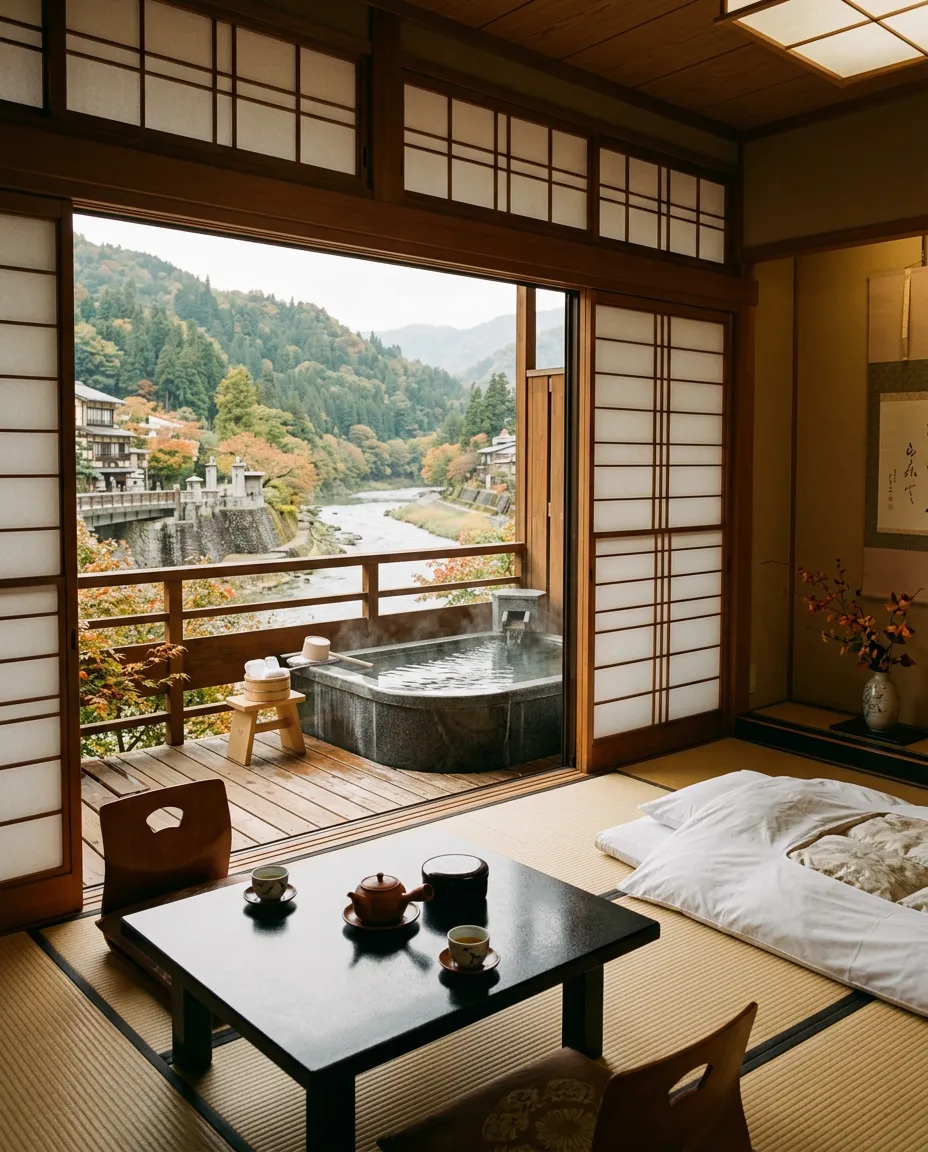 LUXURY · RyokanHonjin Hiranoya KachoanMiyagawa riverside, walk to SanmachiTraditional ryokan on the Miyagawa River with private onsen suites and a 12-course Hida-beef kaiseki. Distinct from Hirayunomori. Riverside-urban rather than mountain-rustic. If the trip allows two ryokan moments, this is the first.¥55,000/nightSee rates ↗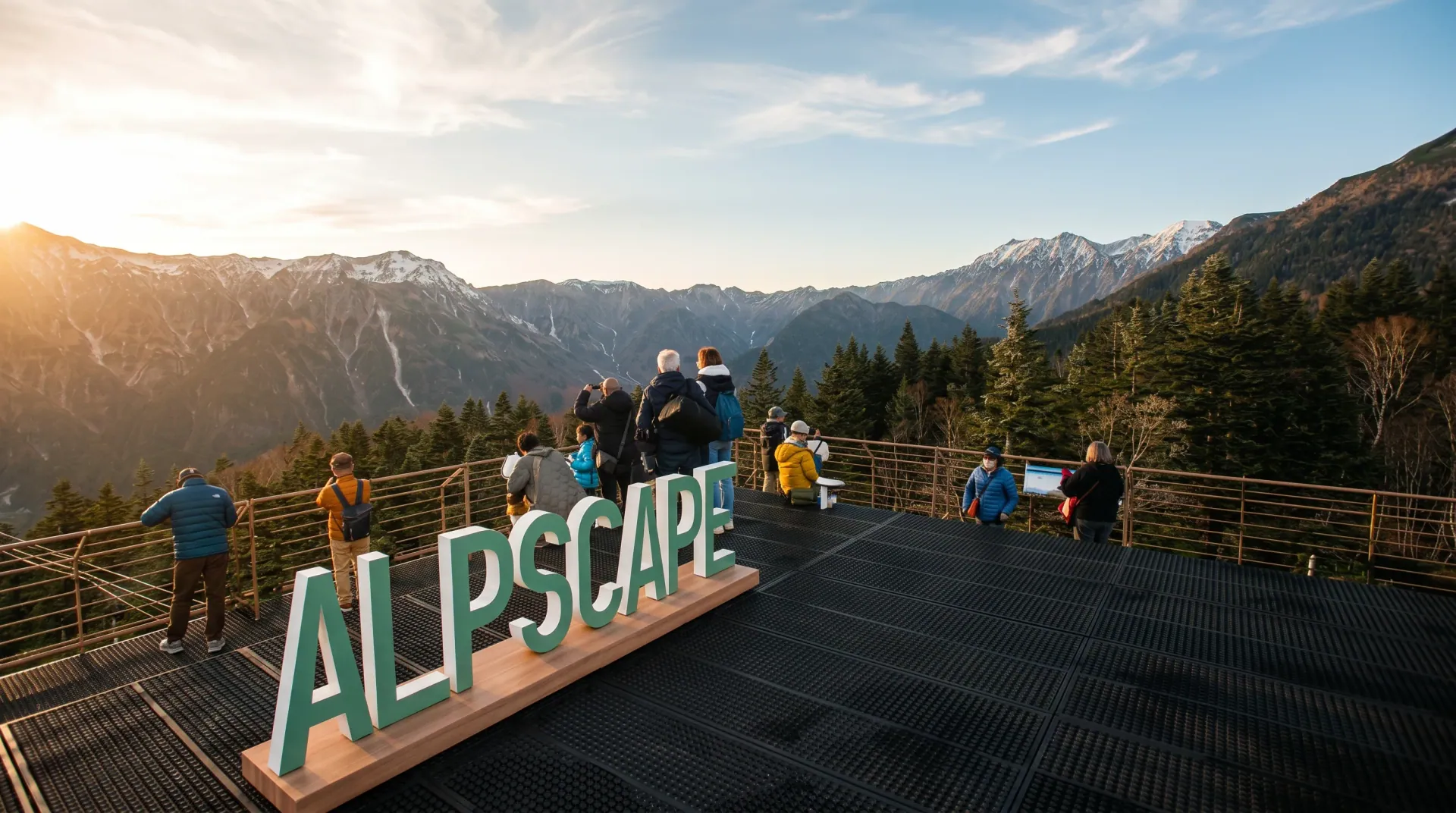
Why Hirayu Onsen
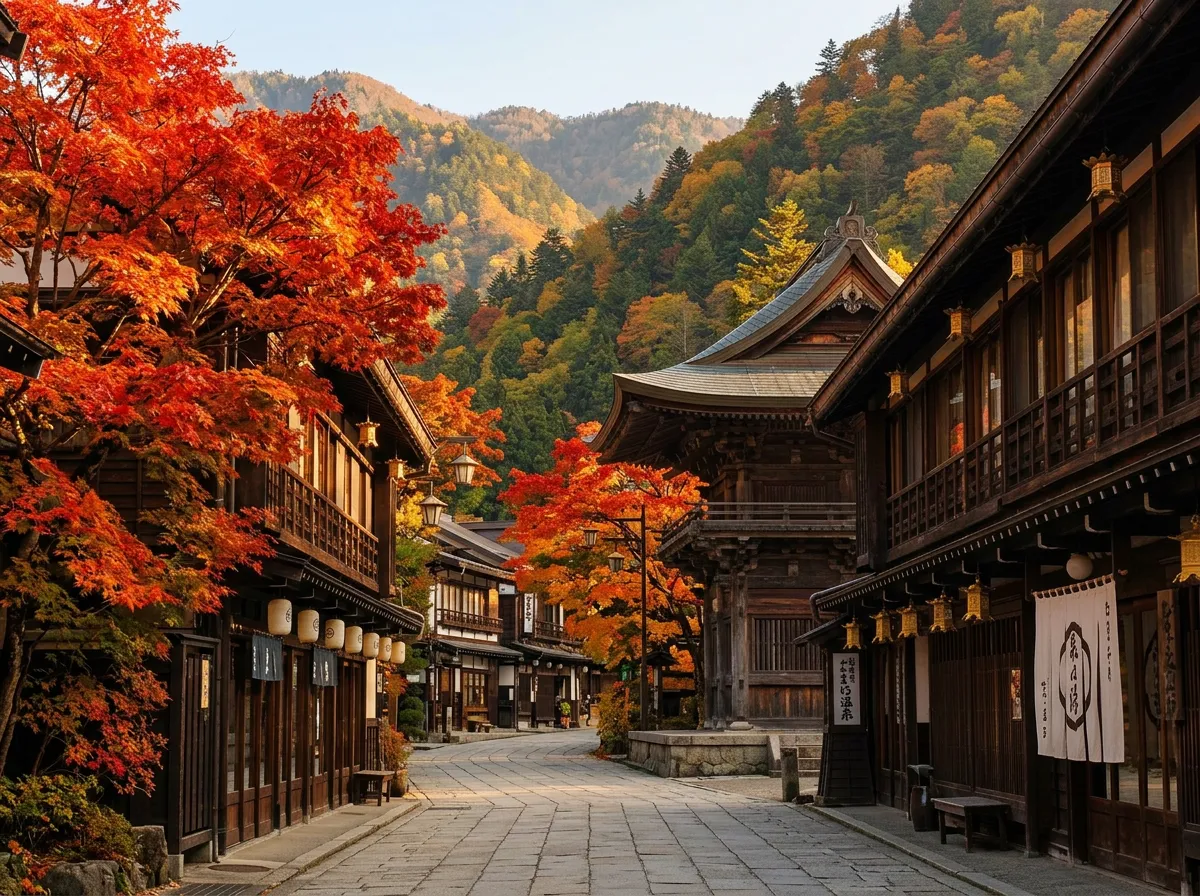
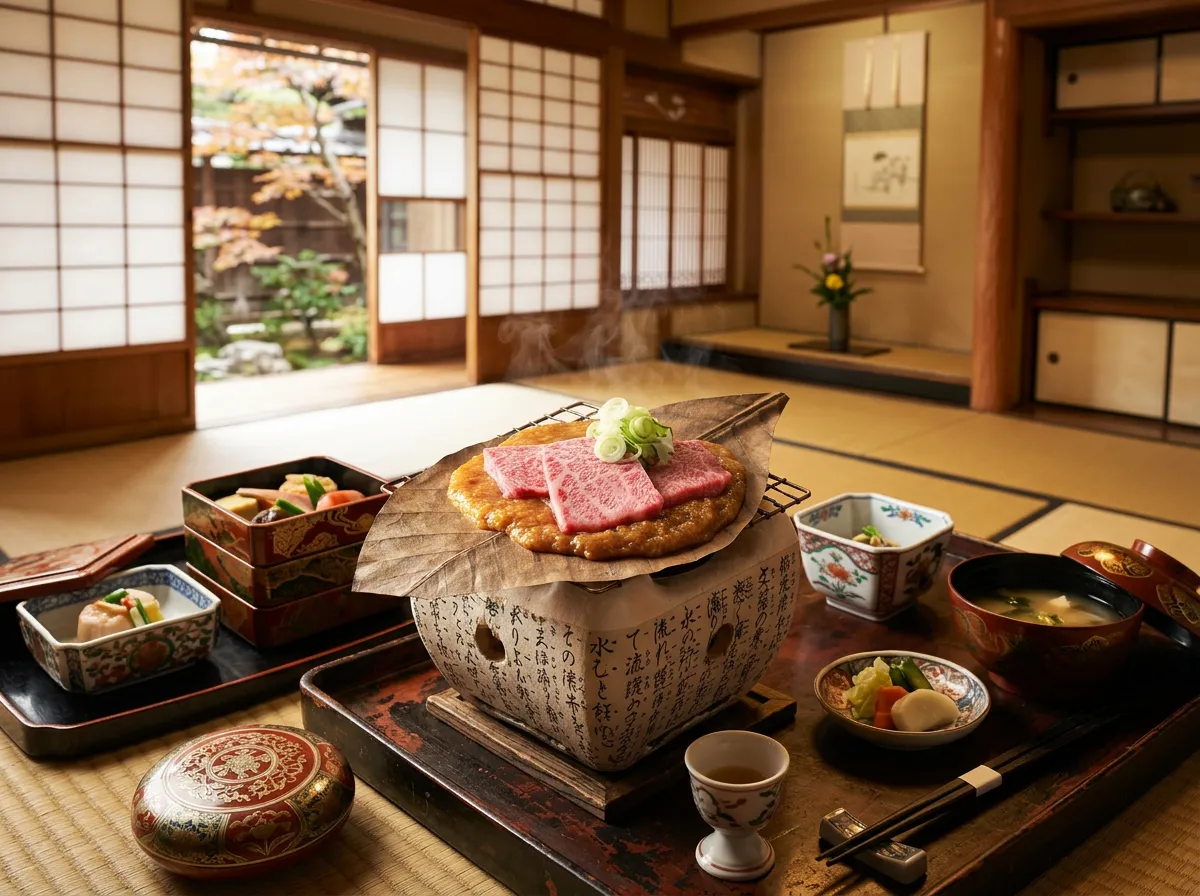
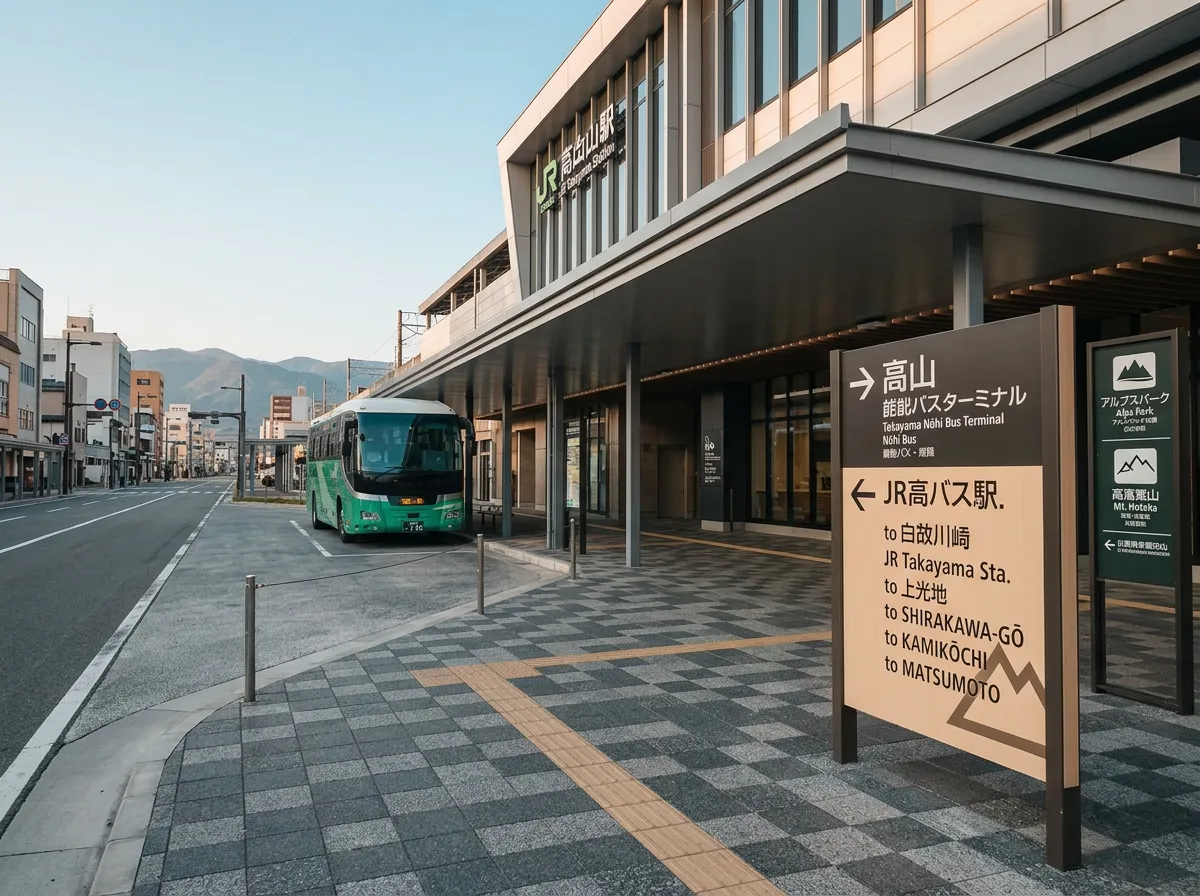
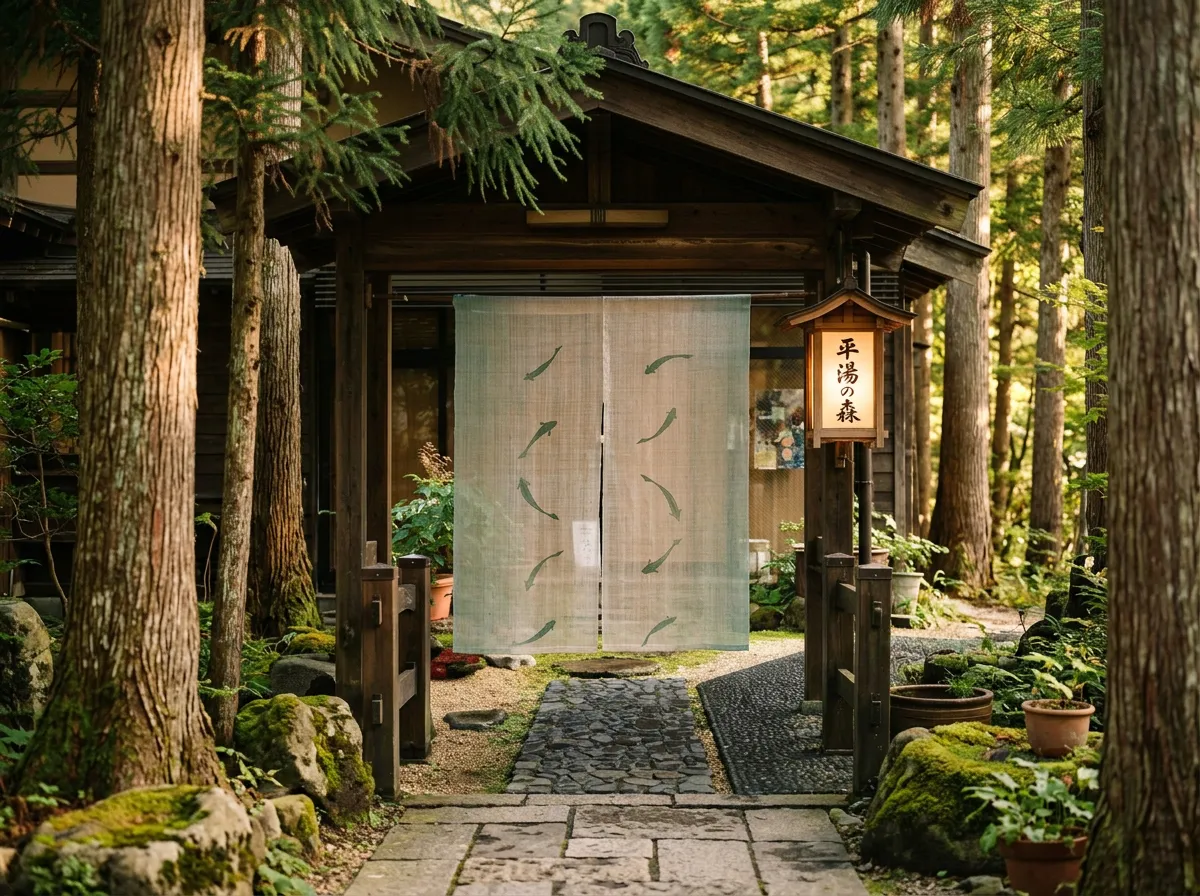
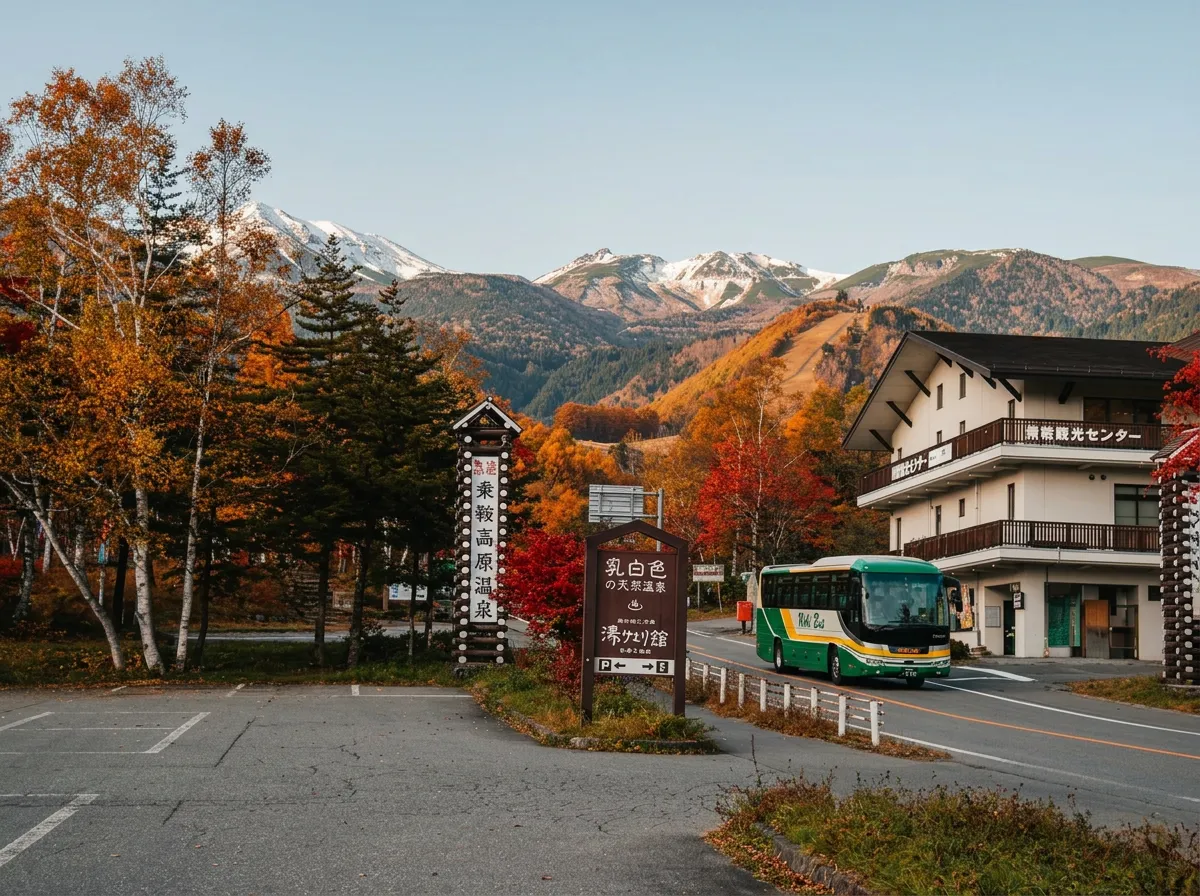
Hirayu Onsen earns two nights because it is the route's only genuine stop where doing nothing is the correct plan. The Nōhi Bus from Takayama climbs into the Okuhida valley and deposits you at a hot-spring village fed by five thermal sources, and Hirayunomori is where you stay: tatami, kaiseki, three private baths, seven shared. The rhythm is bath, meal, bath, sleep, repeated. Early in the morning the outdoor rotenburo is cold air against hot water with the Alps catching first light. If the peaks are clear, the Shin-Hotaka Ropeway is worth the thirty-minute bus, Japan's only double-deck ropeway, 2,156 metres up. If not, stay in the baths.
10 things to see and do
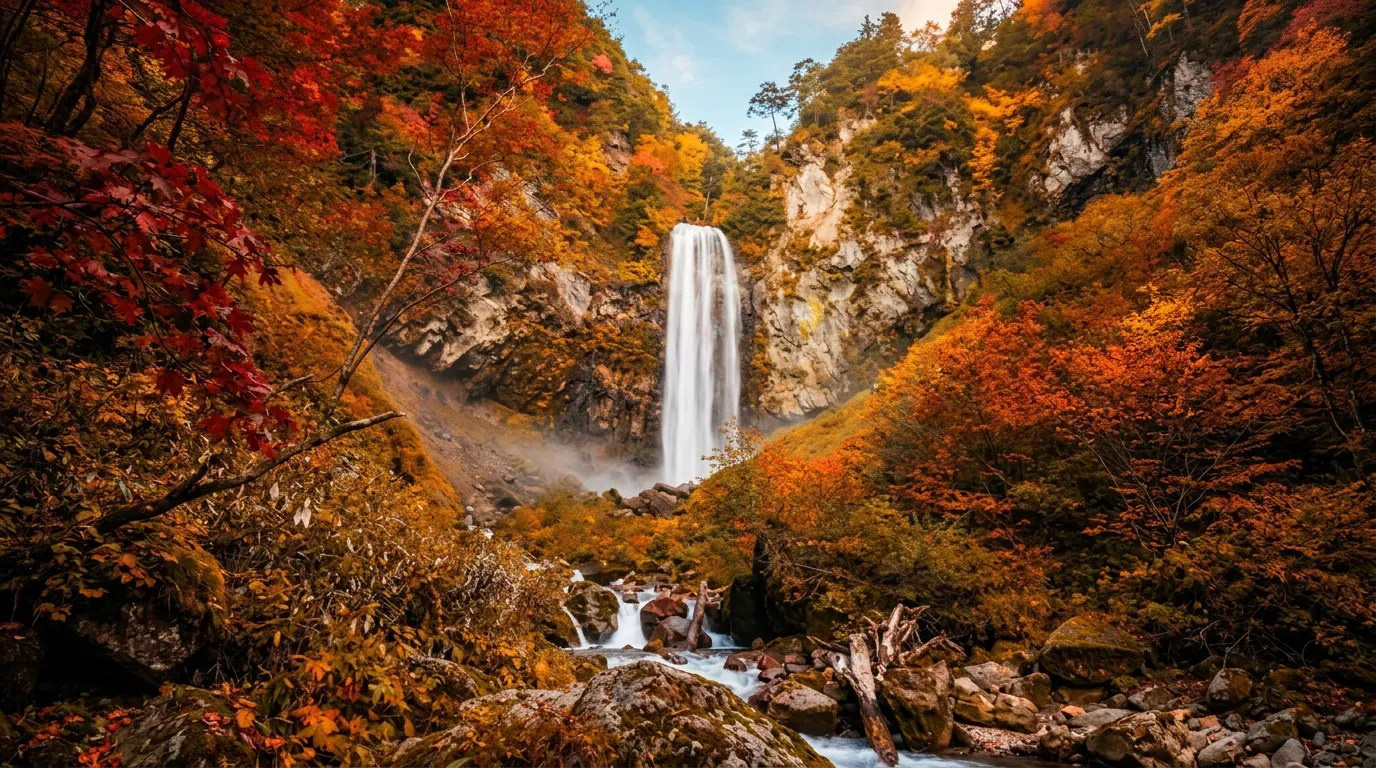 Hidden gemHirayu Tarumi FallsA 64-metre waterfall directly behind the village.
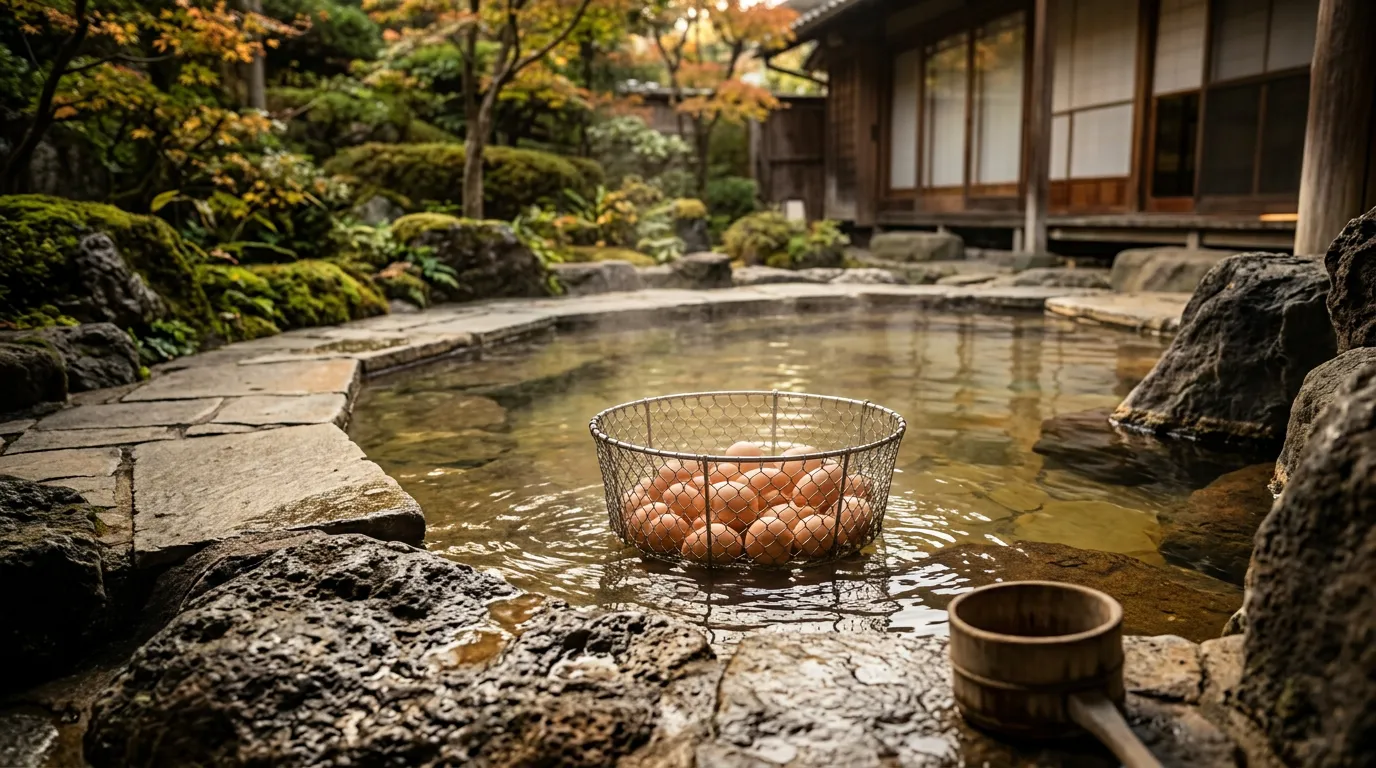 Hidden gemHirayu onsen-tamago stationA hot-spring source pool set up with wire baskets so visitors cook their own eggs.
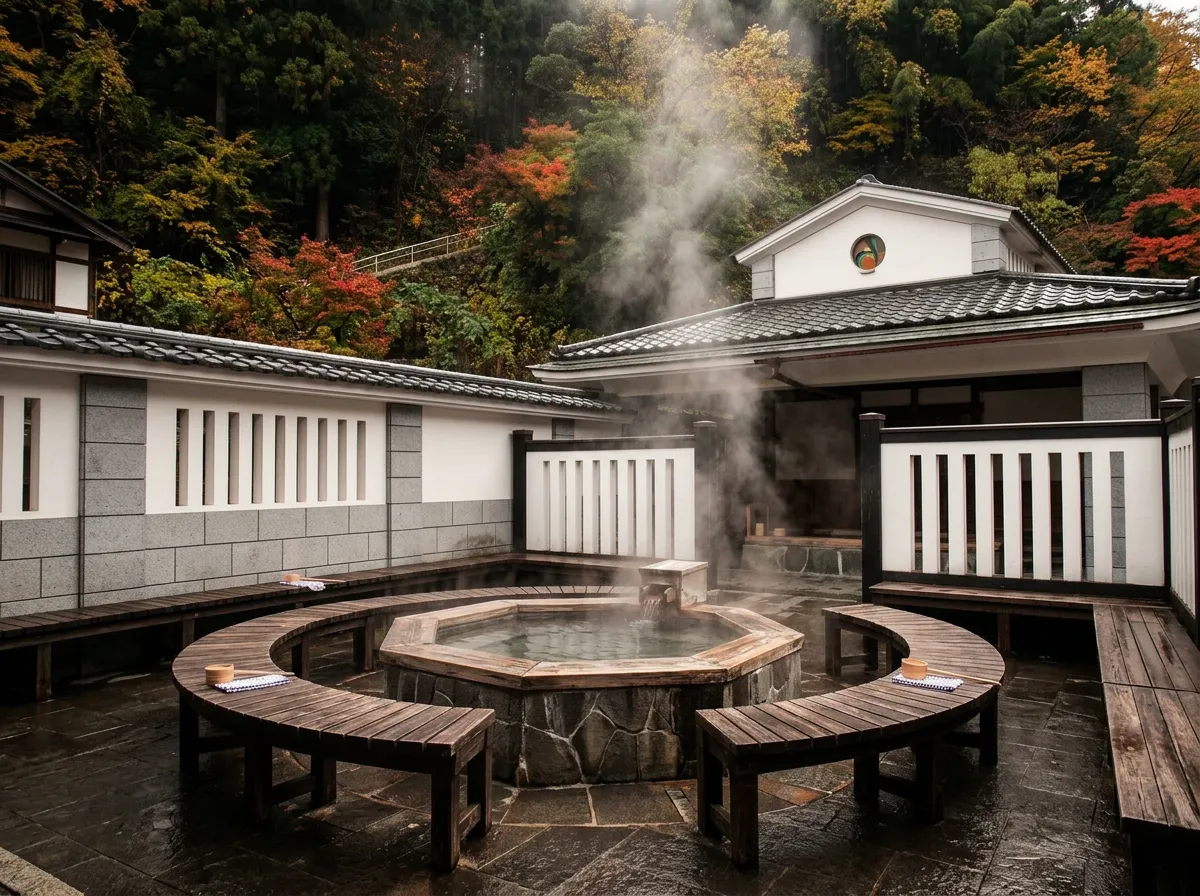 NeighbourhoodVillage + free footbathHirayu · Free
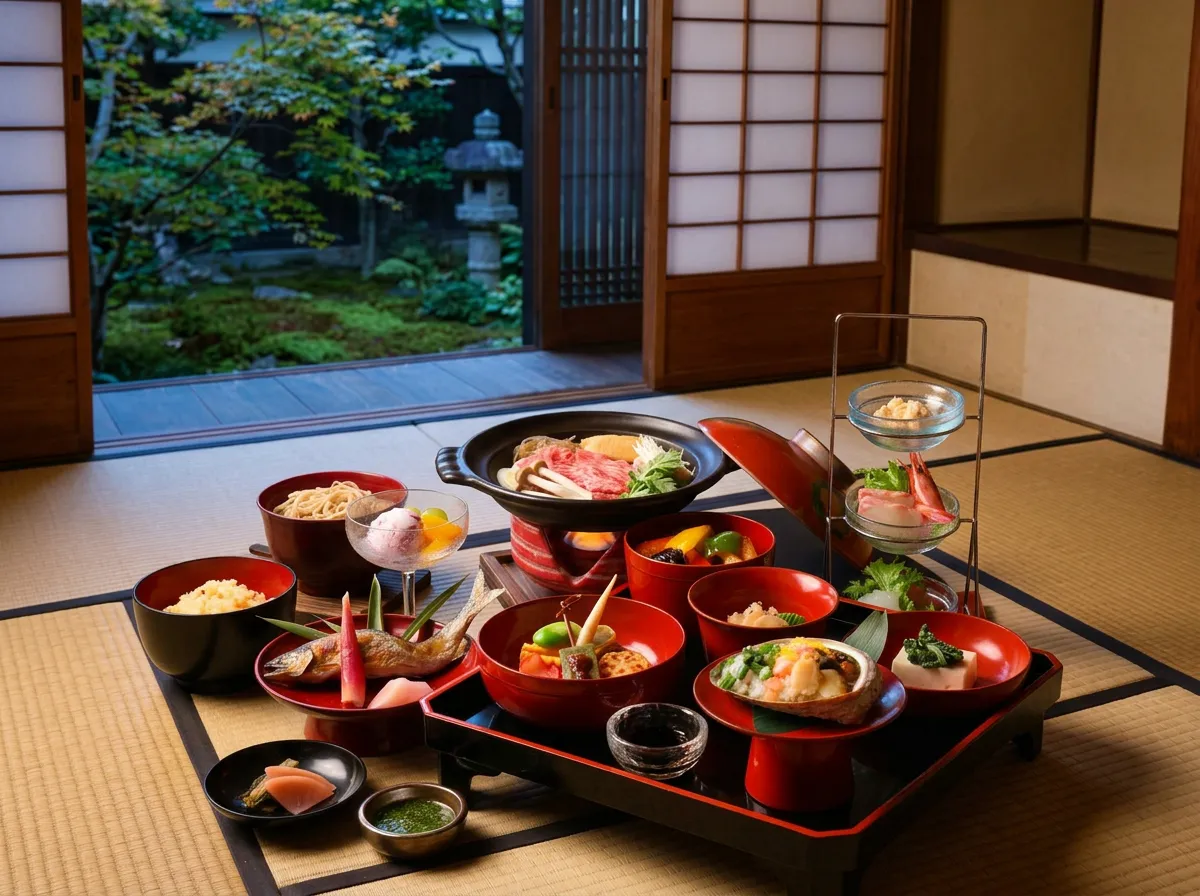 Must-seeBath + kaiseki at the ryokanHirayunomori · –
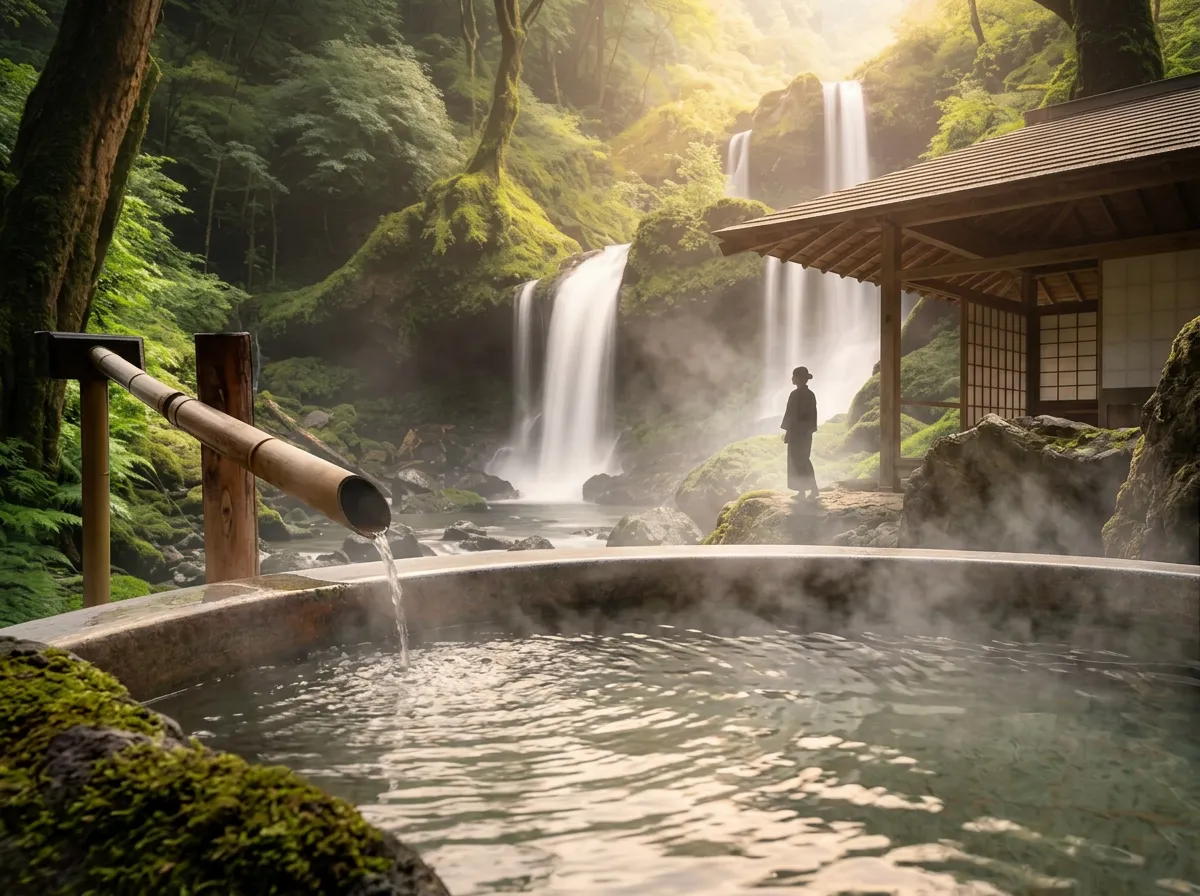 Must-seeMorning bath at HirayunomoriHirayunomori · –
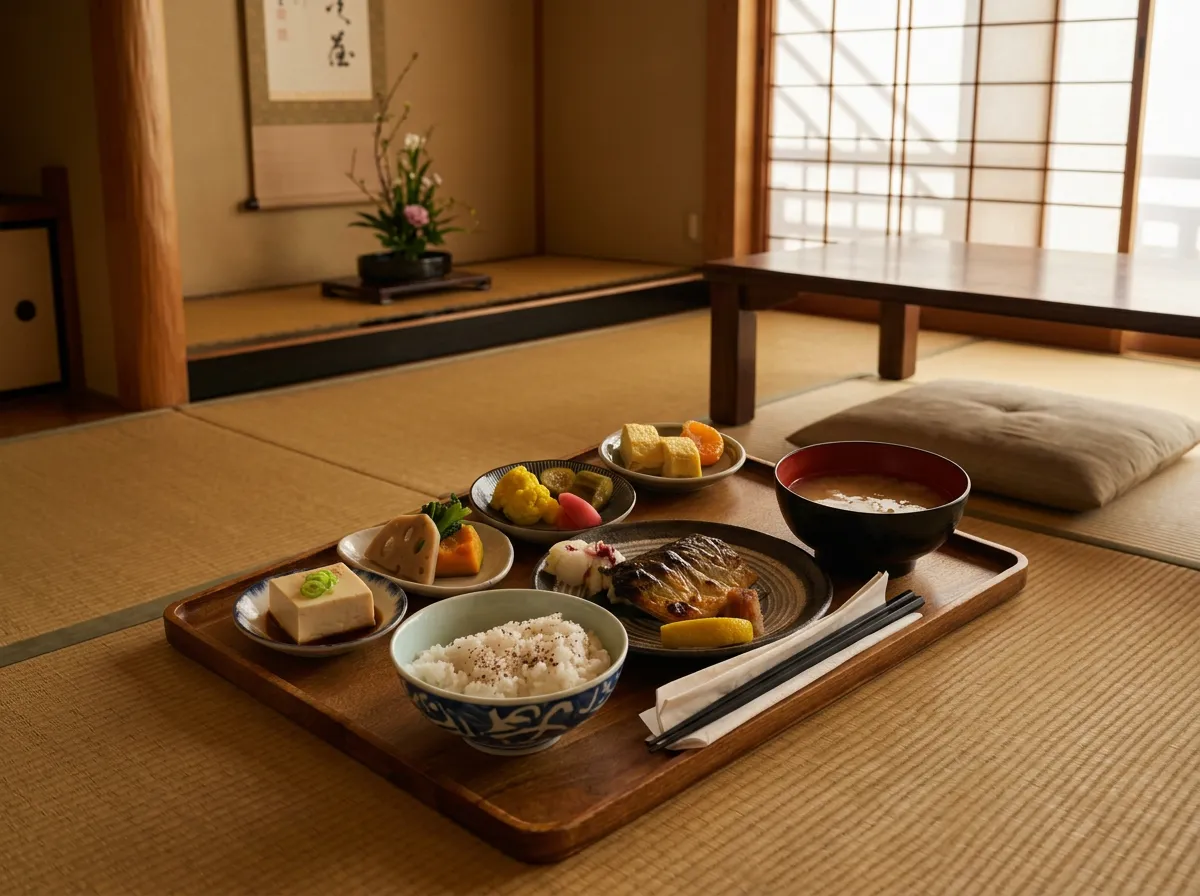 EatRyokan breakfastHirayunomori · –
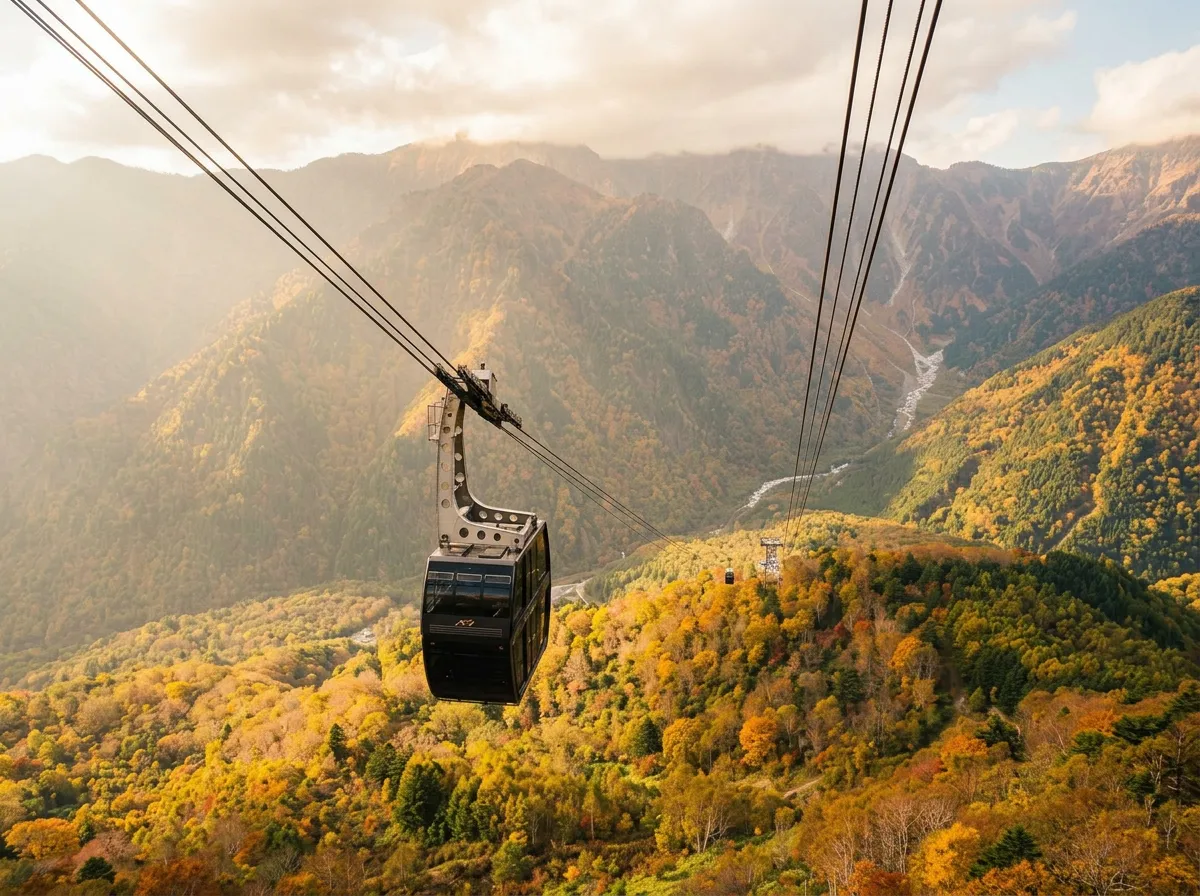 Must-seeShin-Hotaka RopewayThe only double-deck ropeway in Japan, climbing 1,000 metres in two stages to a 2,156m observation deck.
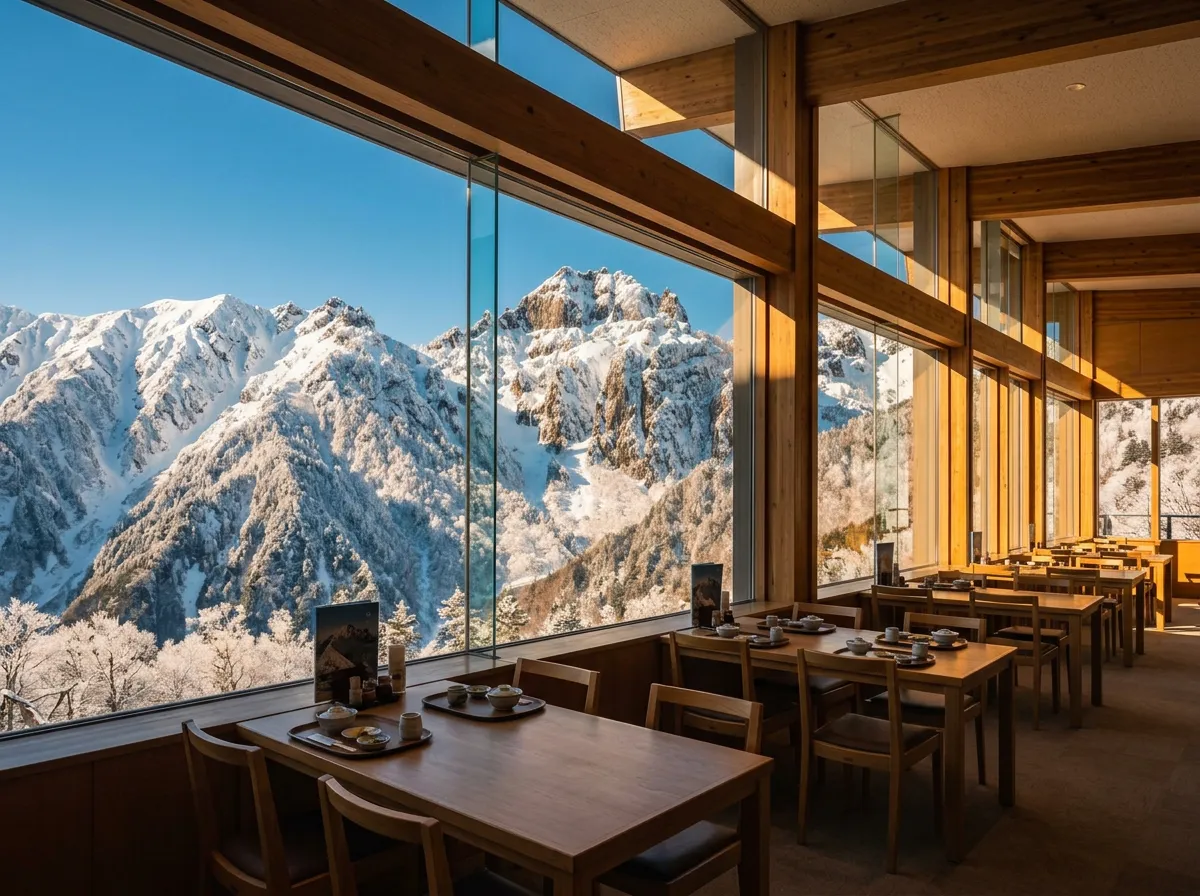 EatRopeway summit lunchOkuhida · ~¥1,500
Show 2 more optionsShow fewer options
Where to sleep in Hirayu Onsen
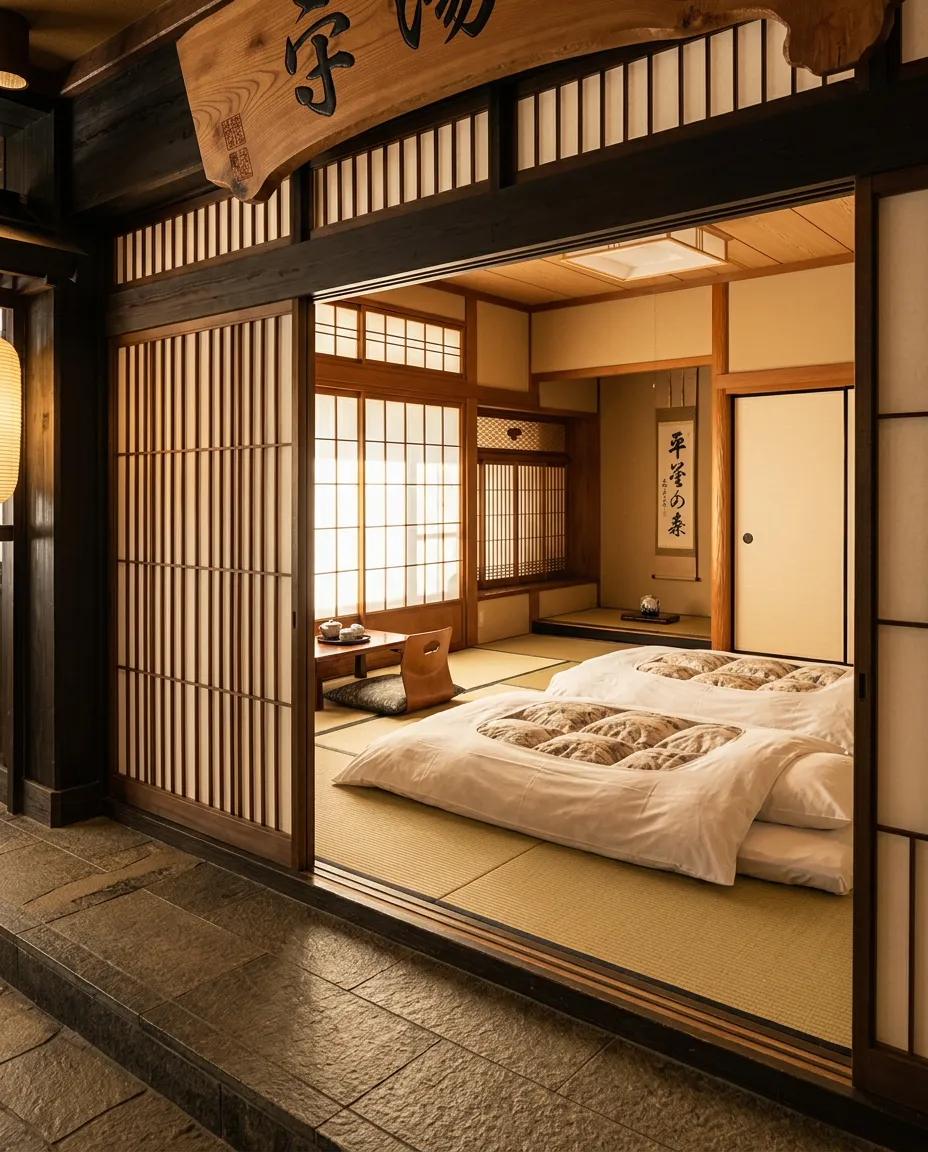 BUDGET · RyokanHirayunomori · Wakaba standard tatamiHirayu Onsen · forested entryStandard tatami room with shared baths only. Half-board (kaiseki dinner + breakfast) included. <strong>Same baths, same kaiseki</strong> as the higher tiers. The differences are room size and whether you have a private bath.¥18,000 per person · half-board/nightSee rates ↗
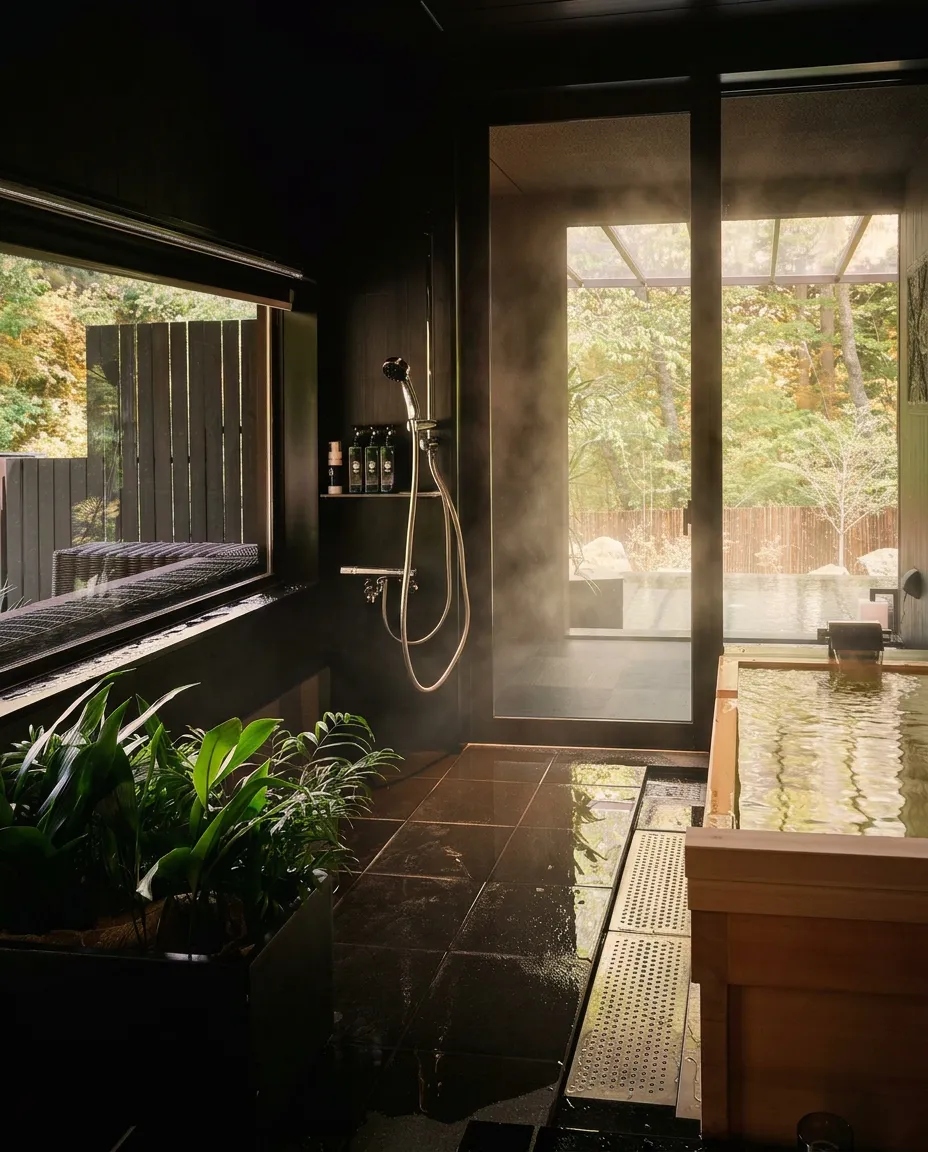 MID · RyokanHirayunomori · Tsubaki tatami with private bathHirayu Onsen · forested entryRecommendedThe category Nick books: standard tatami room with a private hinoki bath looking out at the garden. Half-board included. The middle ground between Wakaba's shared-only and Matsu's full rotenburo suite. And the room category most first-timers should book.¥28,000 per person · half-board/nightSee rates ↗
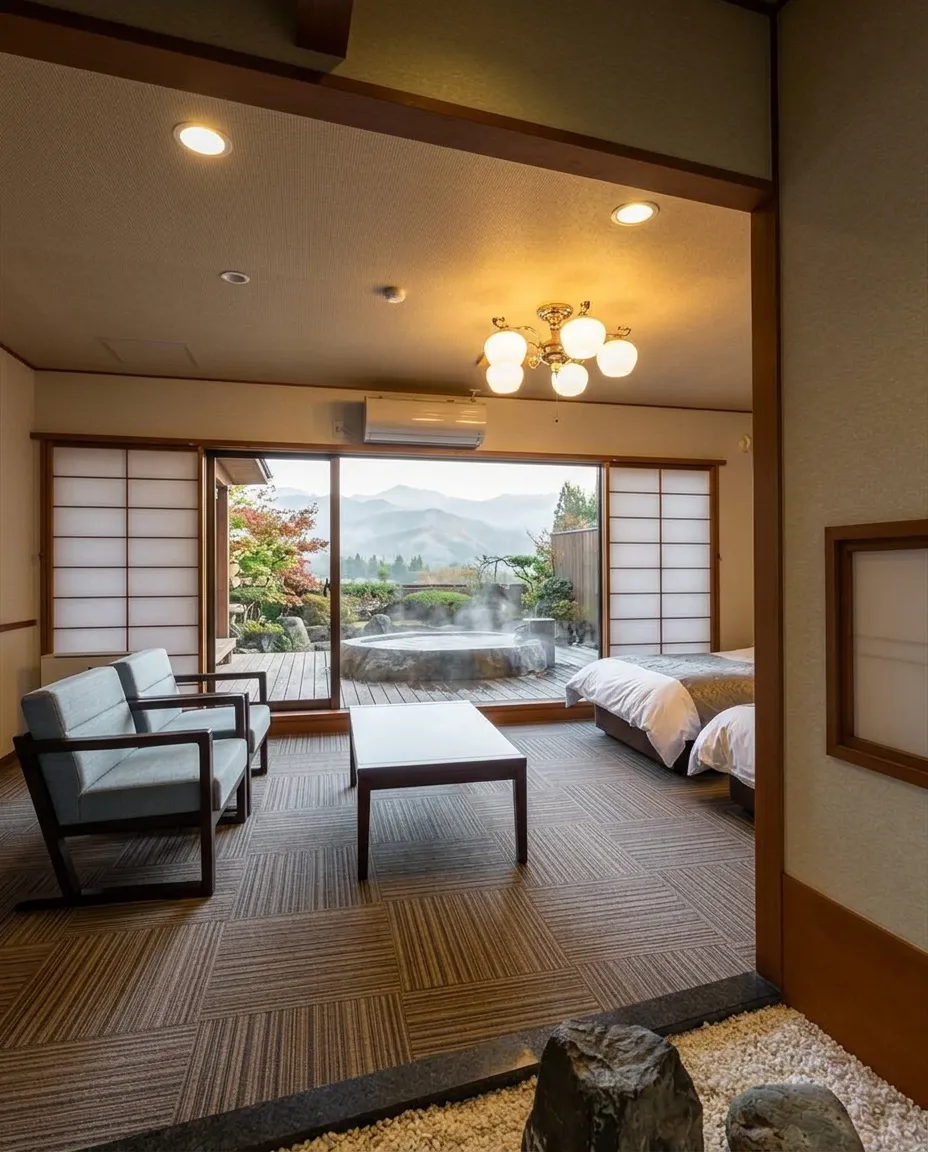 LUXURY · RyokanHirayunomori · Matsu suite with rotenburoHirayu Onsen · forested entrySuite with full outdoor rotenburo (hot-spring pool), separate living area, and premium kaiseki including Hida-gyū course. Two-person occupancy. The bath alone is private and uncovered to the mountain air. The editorial moment of the trip.¥48,000 per person · half-board with premium kaiseki/nightSee rates ↗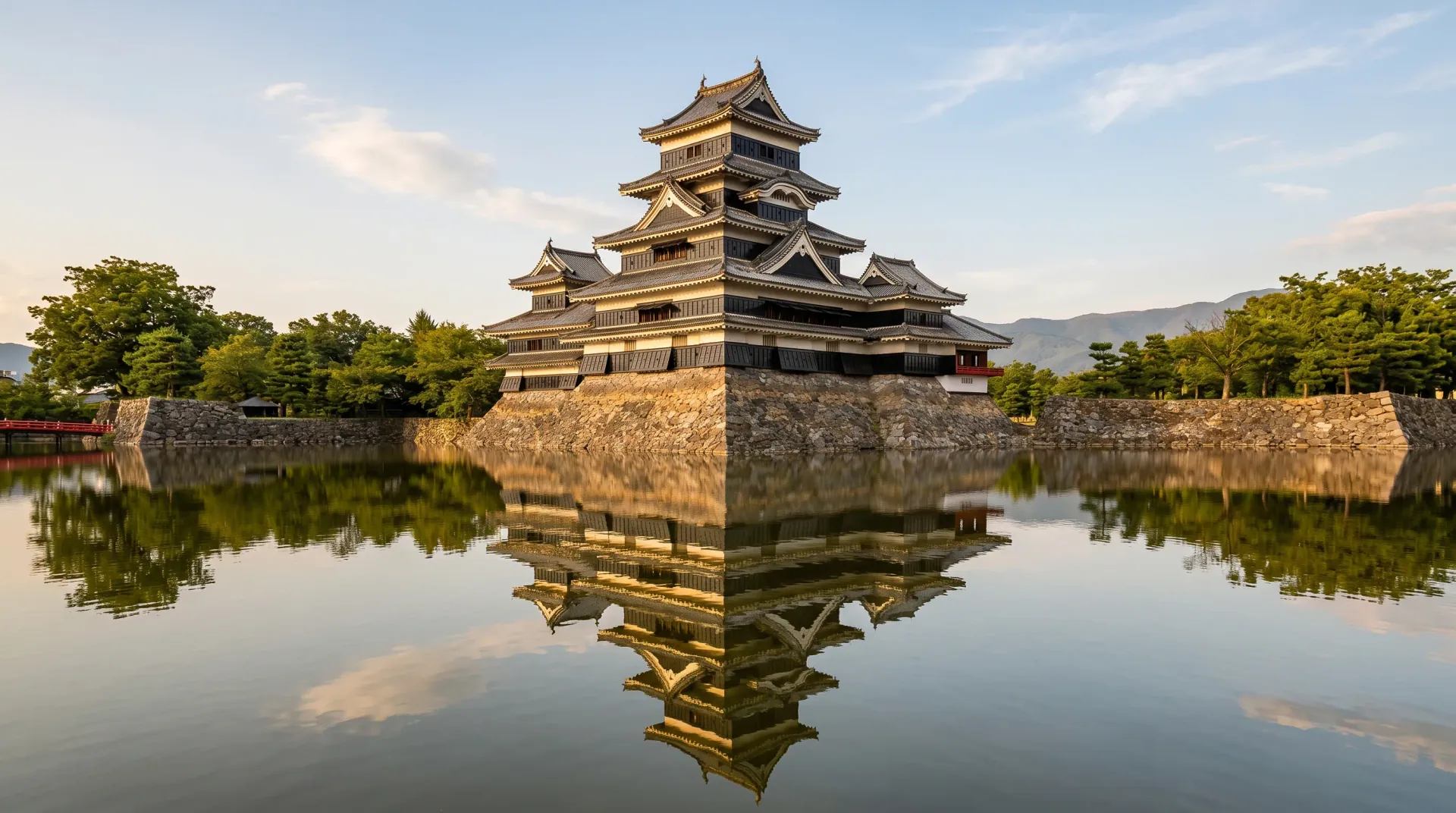
Why Tokyo
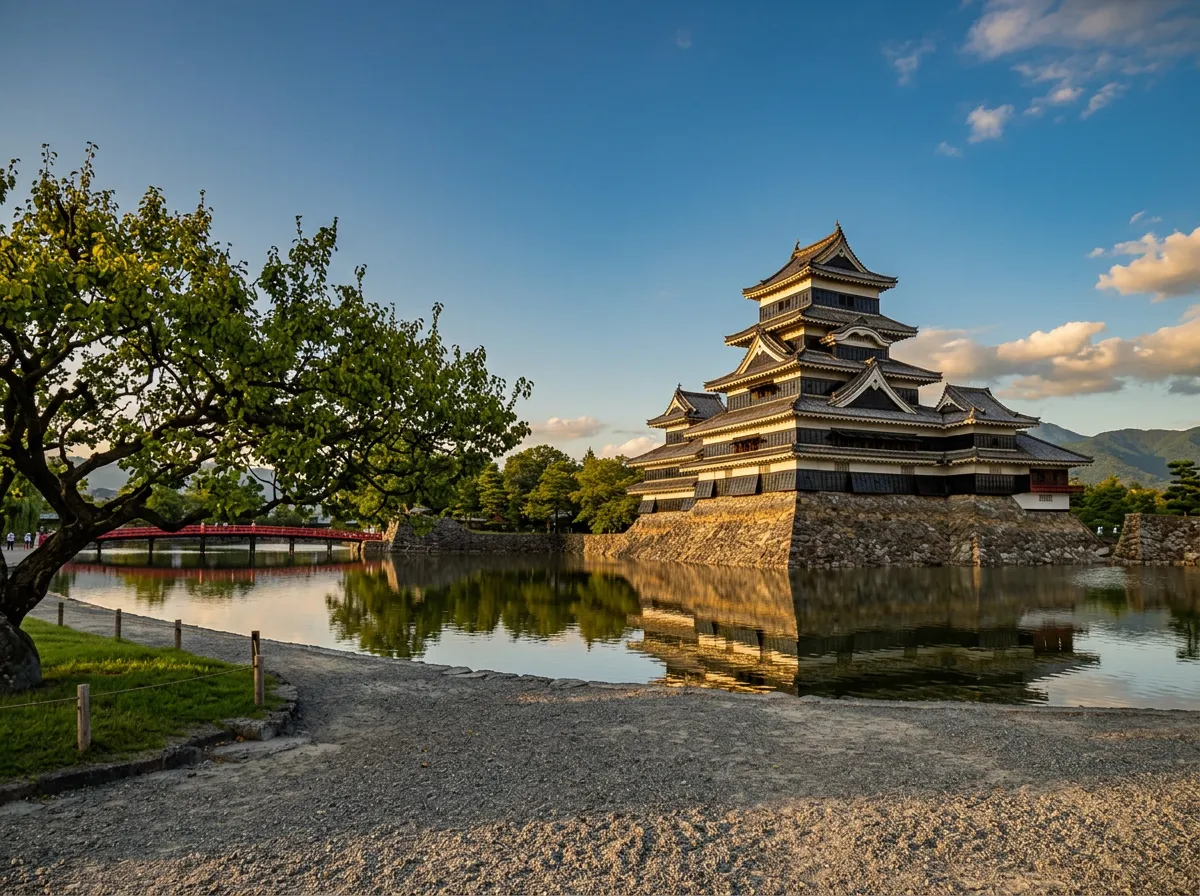
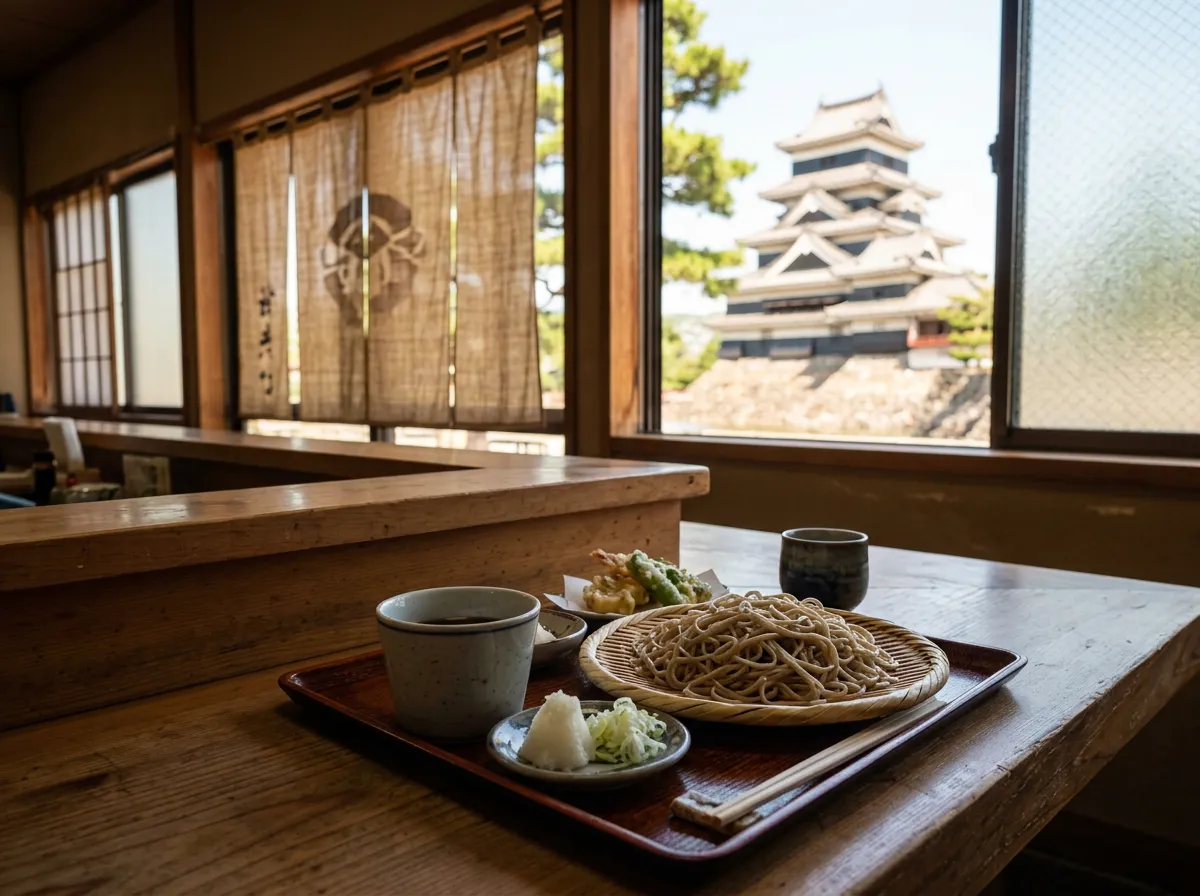
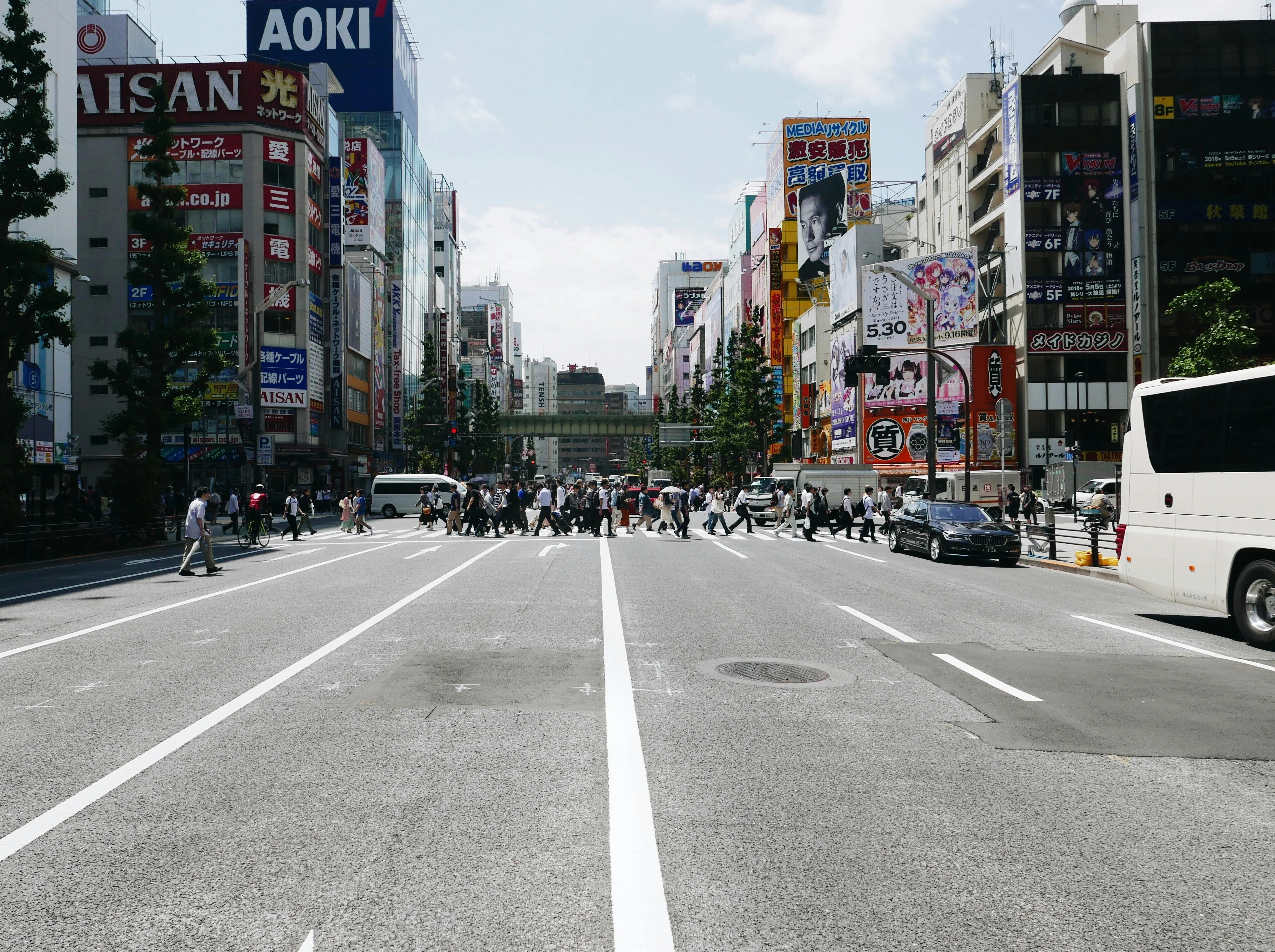
Day 14 is a travel day with a reward built in. The Nōhi bus out of Hirayu drops you in Matsumoto with enough time for a soba lunch near the station and a walk to Matsumoto Castle, one of only twelve original castles surviving in Japan and the oldest five-tier wooden structure still standing. The black exterior and red bridge are the photograph; forty-five minutes is exactly right. The Azusa Limited Express back to Shinjuku is covered by the JR Pass. Book a mid-range business hotel near Tokyo Station, drop the bags, and close the evening at a Yurakucho gado-shita izakaya: yakitori, cold beer, no ceremony. Tomorrow, Kyushu begins.
4 things to see and do

Where to sleep in Tokyo
BUDGET · HotelAPA Hotel Tokyo-Eki Yaesu-chuo-guchiTokyo Station · 3 min walkStandard APA business hotel, three minutes from Tokyo Station's Yaesu exit. Small but clean rooms, decent breakfast buffet. The location is the point: out the door, into the Shinkansen tomorrow morning.¥9,500/nightSee rates ↗MID · HotelHotel Niwa TokyoOchanomizu · 12 min to Tokyo StationRecommendedQuietly boutique Japanese-modern hotel in Kanda. Garden lobby, calm rooms with hinoki bath, ten minutes by Marunouchi line to Tokyo Station. The best one-night Tokyo bridge stay.¥19,000/nightSee rates ↗LUXURY · HotelThe Tokyo Station HotelTokyo Station · inside the buildingInside the red-brick Marunouchi-side building of Tokyo Station itself. Edwardian-era heritage rooms, central location, two-minute walk to tomorrow's Shinkansen platform. The Tokyo bridge stay if budget allows.¥55,000/nightSee rates ↗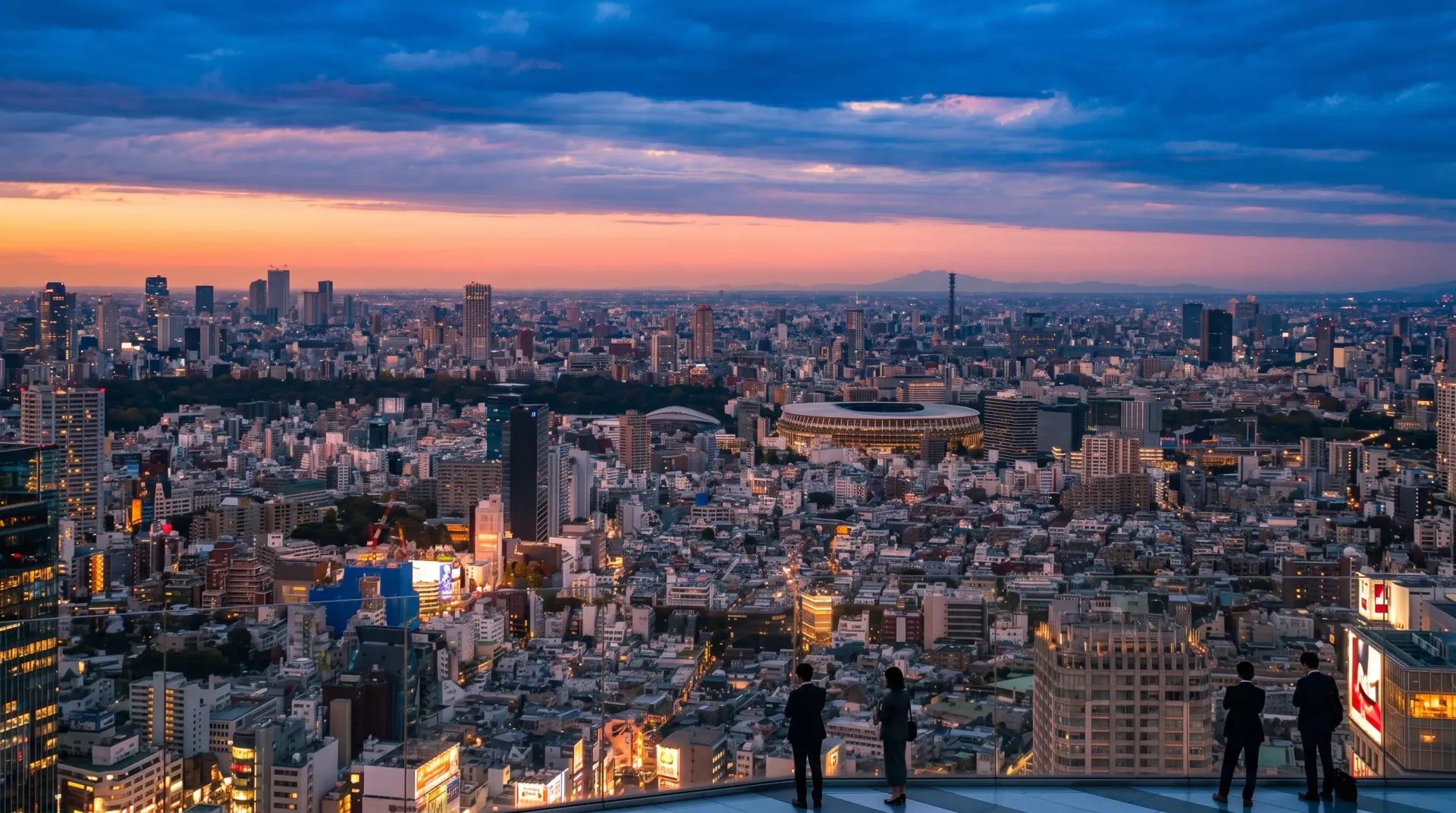
Why Fukuoka
Fukuoka earns its place as the Kyushu gateway because it is a genuine city that happens to move at half the pace of Tokyo, with food that punches well above its price. Day 15 is a transit day redeemed by evening: the yatai stalls along the Naka River near Tenjin are tarp-covered, ten-seat-counter affairs serving tonkotsu, oden, and cold beer, and the early evening hour is when locals outnumber visitors. Day 16 belongs to Dazaifu Tenmangū in the morning: arrive early, before the school groups, and detour five minutes to Komyozen-ji's moss garden, which almost nobody finds. Return to Hakata for a bowl at Shin-Shin and leave the next morning rested.
8 things to see and do
Hidden gemHakata yatai stallsFukuoka's open-air food stall culture, almost unique to Hakata.Hidden gemKomyozen-ji moss gardenA Zen temple with a dry-stone-and-moss garden that locals know and most tourists walk past.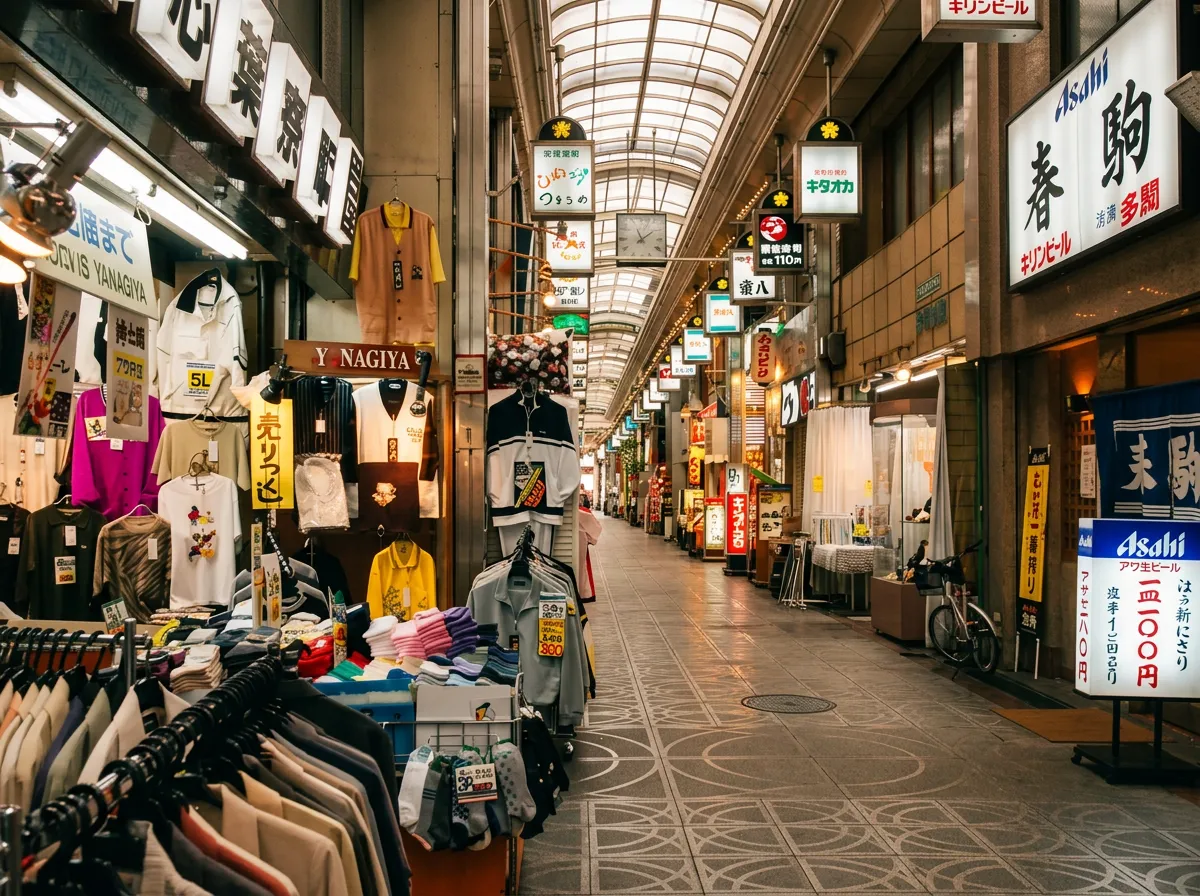 NeighbourhoodCanal City + Tenjin walkTenjin · Free
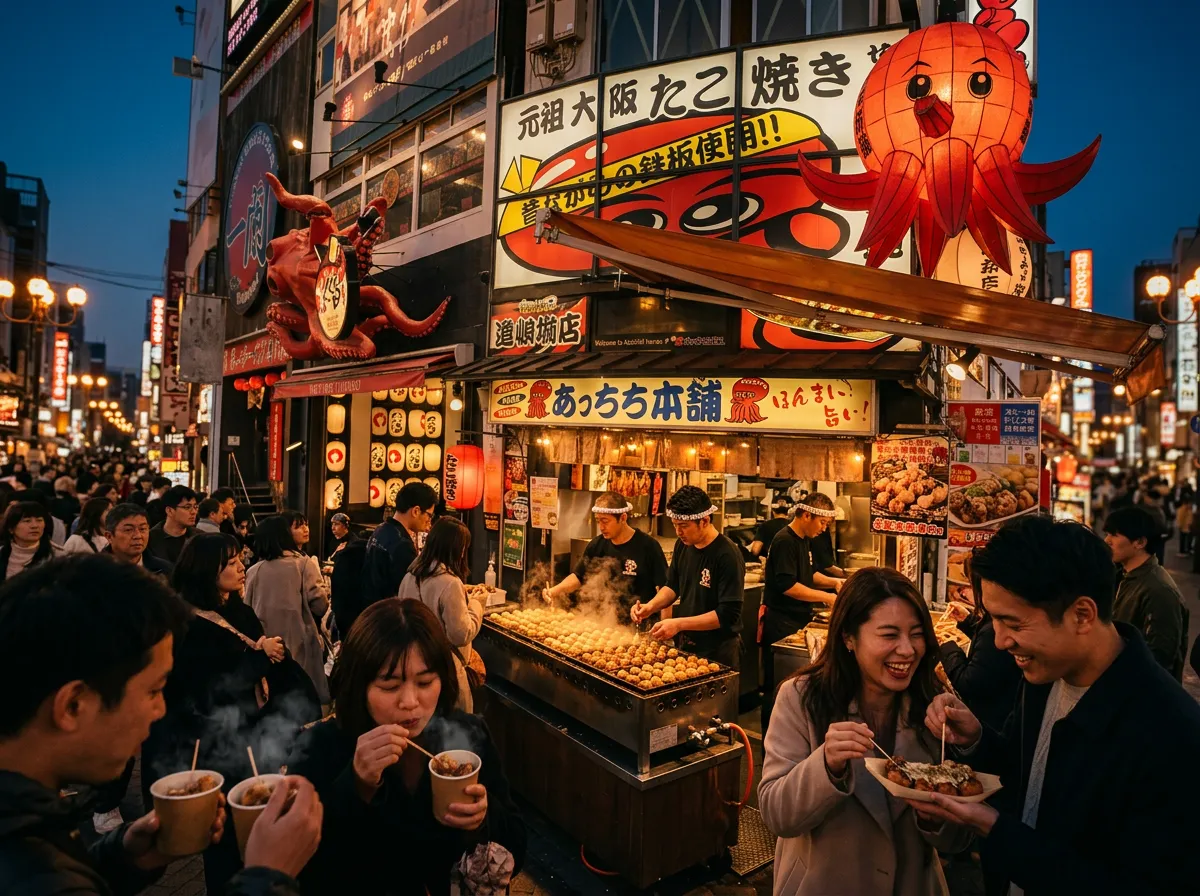 EatYatai stalls dinnerTenjin · ~¥3,000Must-seeKushida Shrine at openingHakata · Free
 EatHakata-machiya breakfastHakata · ~¥1,500Must-seeDazaifu TenmangūDazaifu · FreeEatShin-Shin tonkotsu ramenTenjin · ¥850
Where to sleep in Fukuoka
BUDGET · Capsule9h nine hours Hakata StationHakata Station · 2 min walkSame capsule concept as the Kyoto 9 Hours from Day 04. Two minutes from Hakata Station, direct walk to the Sakura platform for Day 17. White minimal pods, sunrise simulation, communal lounge.¥4,800/nightSee rates ↗MID · HotelHotel Forza Hakata-Eki Chikushi-guchiHakata Station · 5 min walkRecommendedModern business-boutique opposite the Chikushi-guchi exit of Hakata Station. Larger rooms than typical Japanese mid-range, deep bath, English-friendly front desk. The right Fukuoka two-night base.¥14,000/nightSee rates ↗LUXURY · HotelGrand Hyatt FukuokaCanal City · in the entertainment complexInside the Canal City entertainment complex. Direct walk to the Naka River for evening yatai, walking distance to Tenjin. Spa floor, top-floor breakfast with skyline view. The Fukuoka luxury default.¥38,000/nightSee rates ↗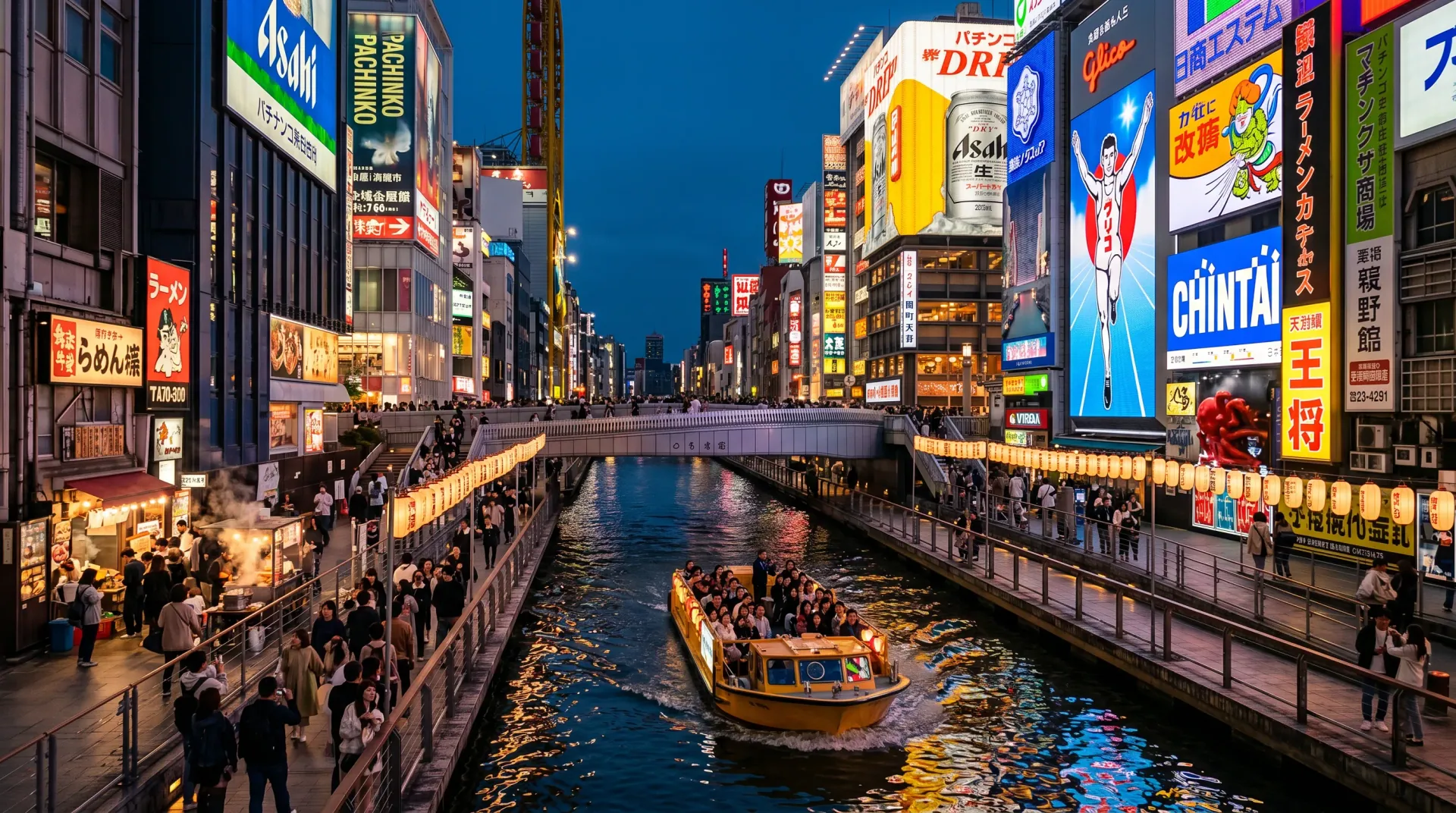
Why Kumamoto
Kumamoto earns its single night as the natural pause between Hakata's energy and the Aso highlands ahead. The Kumamoto Castle is the anchor: reconstruction runs through 2037, but the outer walls and main keep are open again, and the Edo-period scale (stone ramparts stacked in curves the Japanese call musha-gaeshi) justifies the ¥800 entry. Do the castle early, before tour groups arrive, then walk the outer grounds at your own pace. Lunch at Suganoya follows naturally: basashi, the city's raw horse-meat sashimi, arrives thinly sliced with ginger and garlic, and tastes far cleaner than the description suggests. If time allows before the evening, the tram to Suizenji Jōjuen (a 17th-century Hosokawa garden nearly empty on weekday afternoons) rewards the detour.
3 things to see and do
Where to sleep in Kumamoto
BUDGET · HostelHostel Kumamoto ToumaKumamoto Station · 8 min walkRenovated townhouse hostel, communal kitchen, bunk dorms, three small private rooms upstairs. Owner-operator who runs free castle-history walking tours twice weekly.¥3,800/nightSee rates ↗MID · HotelMitsui Garden Hotel KumamotoCentral Kumamoto · 5 min to castleRecommendedModern business hotel from the Mitsui chain, top-floor onsen-style bath with castle view, generous breakfast buffet. Best one-night stop in the city centre.¥13,000/nightSee rates ↗LUXURY · HotelHotel Nikko KumamotoKumamoto Station · 3 minThe city's top-tier business-luxury hybrid. Castle view from the higher rooms, top-floor restaurant with horse-meat tasting menu, direct walk to the Kyushu Shinkansen platform for Day 18.¥28,000/nightSee rates ↗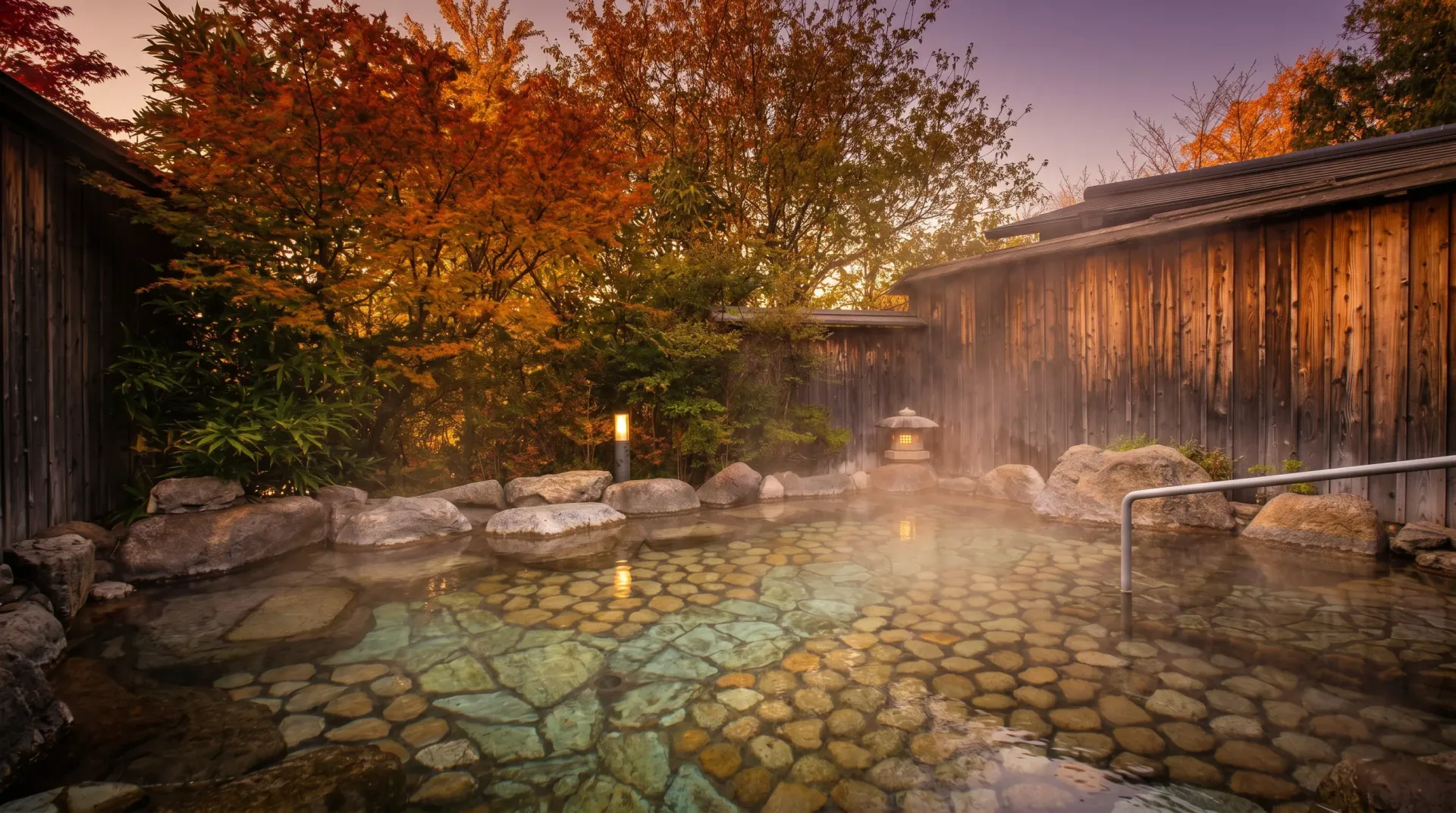
Why Kurokawa Onsen
Kurokawa Onsen earns its place on the route not as a detour but as the emotional centre of the Kyushu leg. The day begins on the Hōhi line climbing into the Aso caldera: sit on the right side as the train enters the bowl and the scale of it, 25 kilometres across, registers properly. At the crater base, check the hazard board before committing to the cable car; when Nakadake is open, the rim walk above steaming green-blue water is unlike anywhere else in Japan. By afternoon, one ridge over, Kurokawa is everything the caldera is not: dark timber, a forested gorge, thirty quiet ryokan and no neon. The tegata pass earns its keep; save one bath for dusk and another for dawn.
4 things to see and do
 Hidden gemKusasenrigahama plainA flat grassy lake-bed inside the outer caldera ring, with horseback riding (¥1,500 for 10 min) and gentle walking trails.
 Day-trip · Mount AsoAso Volcano Museum checkAso · ¥1,100
 Day-trip · Mount AsoNakadake crater (weather)Aso · ¥1,000
 Must-seeFinal Kurokawa bathKurokawa · –
Where to sleep in Kurokawa Onsen
BUDGET · RyokanIyashi no Sato KiyashikiKurokawa village edge · 8 min walk to centreThe budget Kurokawa entry: basic tatami room with two private rotenburo (one indoor wooden, one open-air stone), full kaiseki dinner, river view. Most Kurokawa ryokan price per person, not per room; this is the floor.¥16,000 pp · kaiseki + breakfast/nightSee rates ↗MID · RyokanYamamizuki RyokanKurokawa centreRecommendedThe Kurokawa default: wood-and-paper ryokan with eight rooms, all with private cypress-wood rotenburo, all river-facing. Multi-course kaiseki using local kuma vegetables and Hida beef. Reservation needed 2+ months ahead in autumn.¥24,000 pp · kaiseki + breakfast/nightSee rates ↗LUXURY · RyokanSanga RyokanKurokawa centre · river-frontThe luxury Kurokawa pick. 14 rooms, all with private outdoor rotenburo overlooking the river or forest. Kaiseki served in-room. The ryokan tegata bath-pass is included free. Most-photographed Kyushu onsen.¥42,000 pp · kaiseki + breakfast/nightSee rates ↗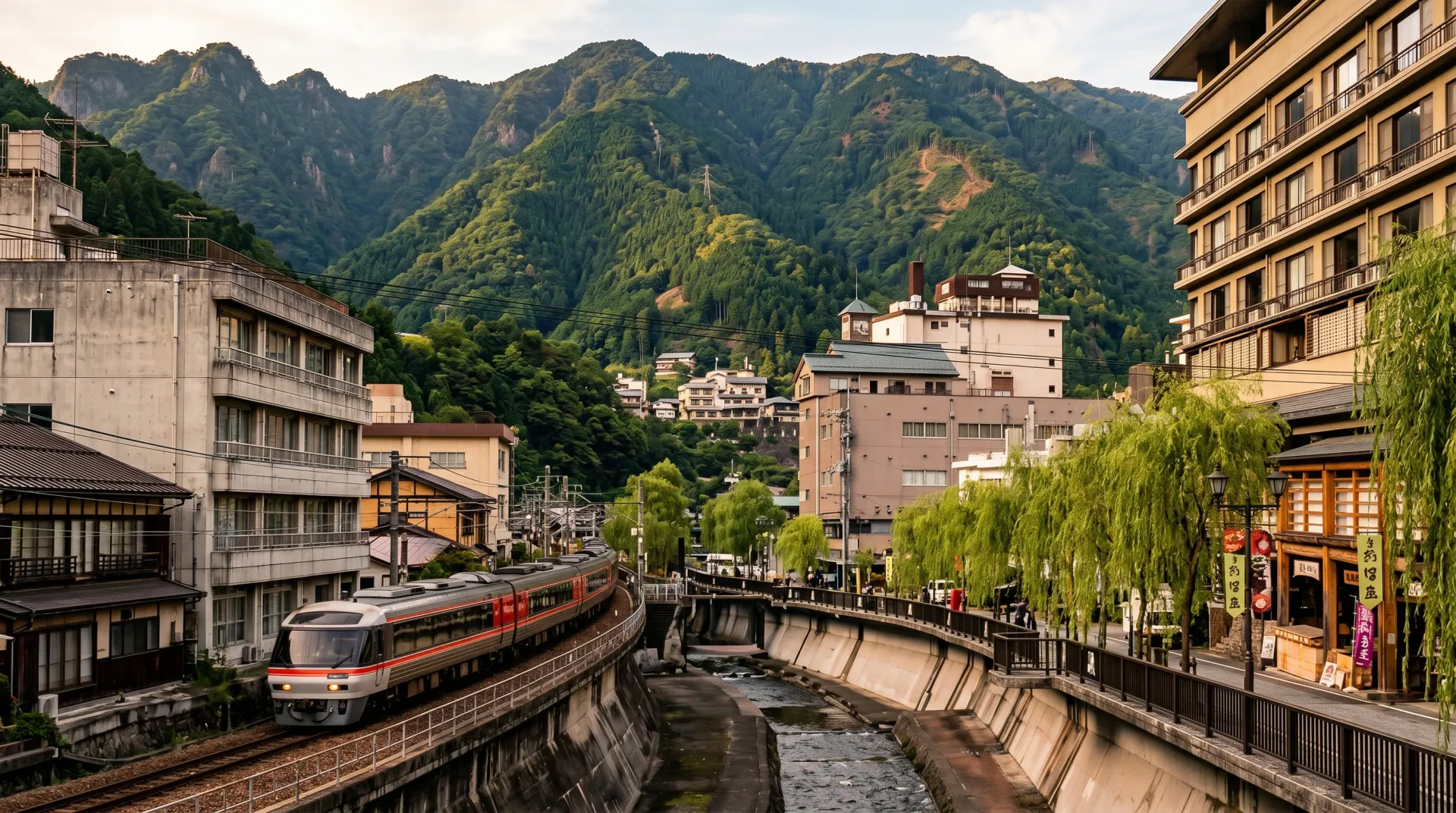
Why Kagoshima
Kagoshima closes the Kyushu loop with two things no other city on this route offers: an active volcano four kilometres offshore and a sand bath heated by the earth itself. Arrive mid-afternoon and go straight to Sengan-en, the Shimazu lords' garden, for the classic Sakurajima photograph before the light drops. That evening, kurobuta black pork (shabu-shabu at Ichiniisan) is the meal to make. The full day belongs to Ibusuki: ride the Tamatebako observation train south, submit to fifteen minutes buried in volcanic sand at Saraku, lunch on katsuo donburi at Aoba, and return. The last morning, Sengan-en at opening is quieter and worth the early start.
9 things to see and do
Hidden gemSengan-en (Iso Garden)A 17th-century daimyō garden built by the Shimazu lords.Hidden gemChiringashima sand spitA sand bridge that appears only at low tide between the Satsuma Peninsula and the small Chiringashima island.Hidden gemSenganen morning visitThe same garden as Day 19, but at 09:00 when it has just opened and almost no one is there.EatIchiniisan kurobuta dinnerTenmonkan · ¥4,800Day-trip · IbusukiSaraku sand bathIbusuki · ¥1,100EatAoba katsuo donburi lunchIbusuki · ¥1,800Day-trip · IbusukiChiringashima check (tide)Ibusuki · Free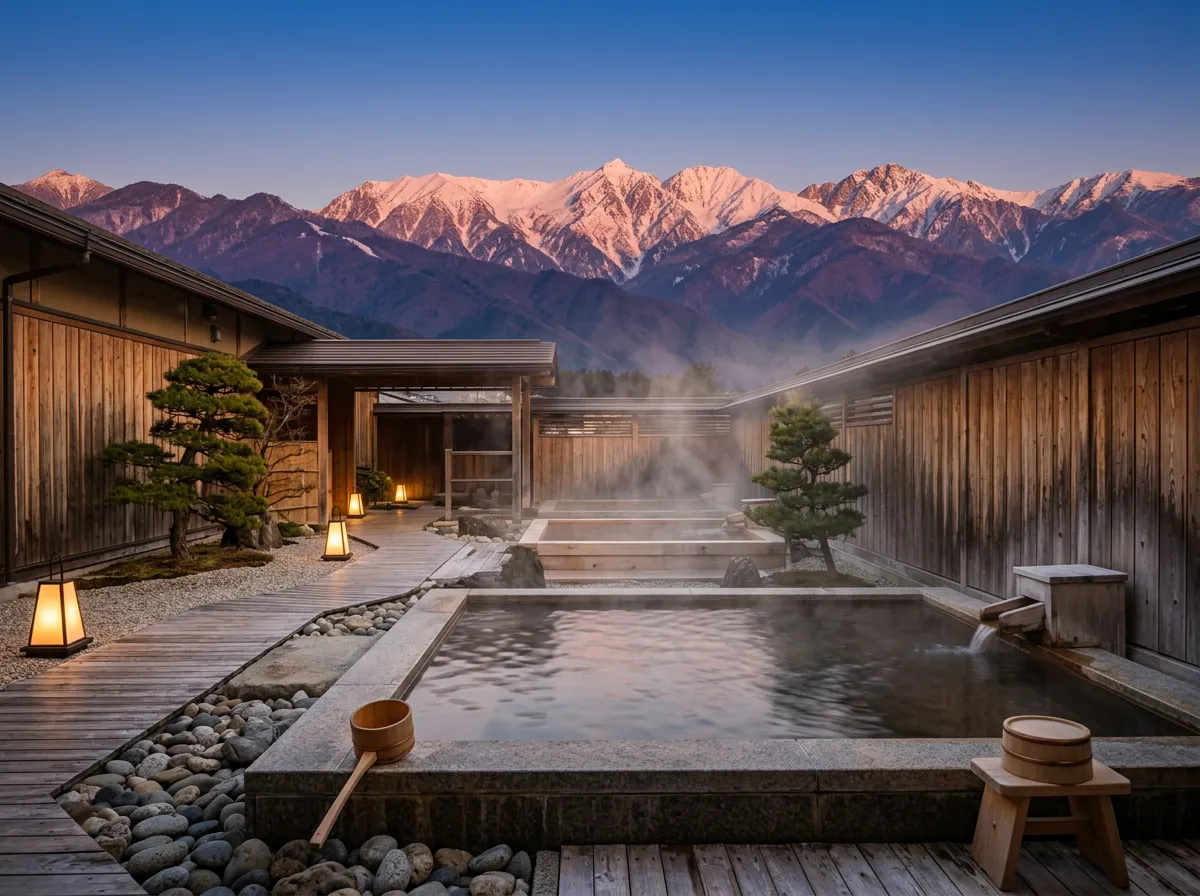 EatTenmonkan final dinnerTenmonkan · ~¥3,500
Show 1 more optionShow fewer options
Where to sleep in Kagoshima
BUDGET · CapsuleCABIN&LOUNGE HIGHLAND STATION INN KagoshimaKagoshima-Chuo Station · 1 min walkModern capsule directly opposite the Shinkansen exit. Each pod has a privacy door, USB charging, and a desk lamp. Communal bath is large enough that off-peak it feels private.¥4,500/nightSee rates ↗MID · HotelJR Kyushu Hotel KagoshimaKagoshima-Chuo Station · attachedRecommendedConnected directly to Kagoshima-Chuo Station via skywalk. Modern Western-style rooms with bay-view options (request "harbour side" at booking). Buffet breakfast is the best of any chain hotel south of Fukuoka.¥14,500/nightSee rates ↗LUXURY · HotelSHIROYAMA HOTEL kagoshimaHilltop · 10 min by hotel shuttleThe single Kagoshima luxury hotel worth recommending. Hilltop position with the postcard Sakurajima view from the top-floor onsen + breakfast room. Free shuttle to/from the station every 30 min.¥36,000/nightSee rates ↗More routes like this
14 days·First-timersFirst-timer's two weeks in JapanTokyo · Kyoto · Osaka · Hiroshima · Takayama · Hirayunomori. The route I'd send my own family on, with a real ryokan at the end.14 days·First-timersTwo weeks in Japan with kidsThe 14-day first-timer route, framed for families. Three nights per city, real ryokan, manageable transit days, and the temple-with-Pocky-break version of every "must-see".10 days·First-timersFirst-timer's ten days in JapanTokyo · Kyoto · Osaka · Hiroshima. The classic ten-day arc, without the mountain detour. Same big three, one heavy day-trip, home rested.Read before you go
- Is the JR Pass worth it?The maths for a route like this, on one page.
- Riding the Shinkansen for the first timeNozomi, Hikari or Kodama, seats, luggage.
- Get your eSIM before you flySet it up at home, switch it on when you land.
- Suica on your iPhoneAdd it in Wallet, top up, tap through every gate.
- Tokyo airport to the cityNarita and Haneda: the routes that make sense.
- What a Japan trip costsReal numbers for flights, hotels, food and trains.
- Cash or card in JapanHow much yen to carry and where cards fail.
- Japan packing listWhat to bring, what to buy there.