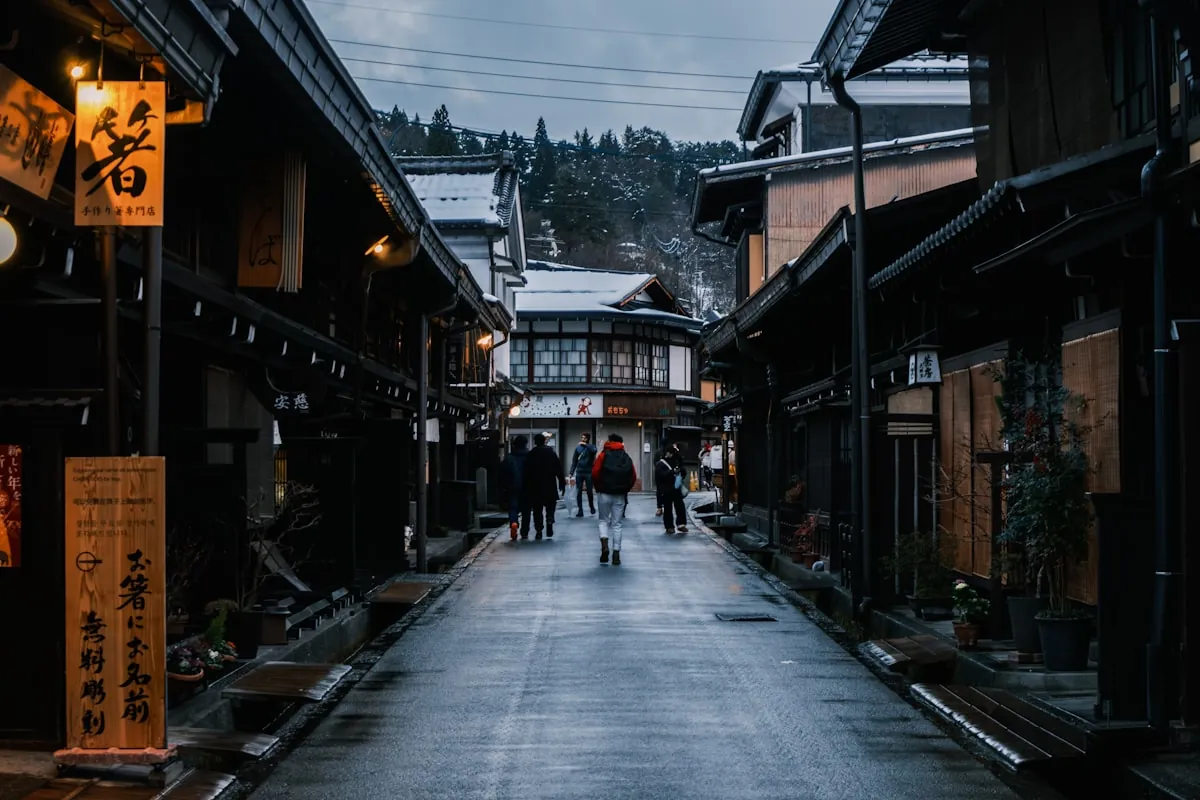
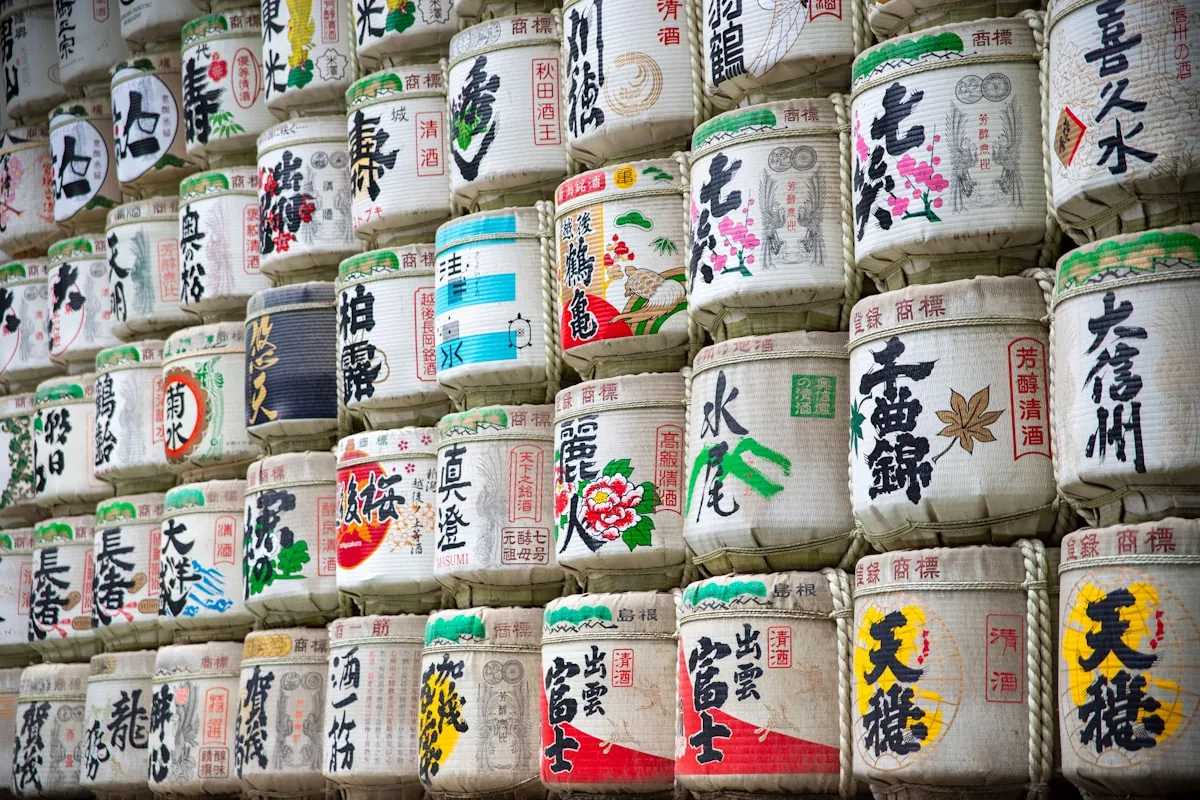
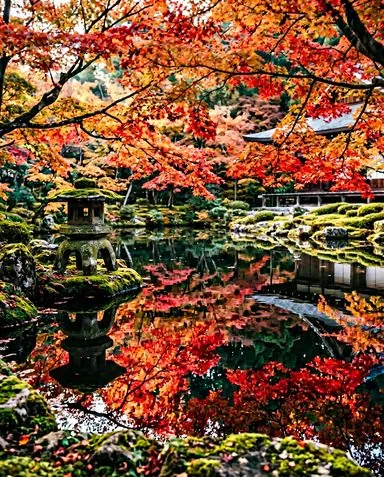
Hokkaido is Japan's wild northern frontier: the country's second-largest and least-developed main island, an entire region that is also a single prefecture. Eighty-three thousand square kilometres of volcanic peaks, marshlands, drift-ice coasts and farm country, with the highest concentration of national parks in Japan and a pace of life shaped by snow, dairy, and Ainu heritage. The headline sights are well known (Sapporo's snow festival, Niseko's powder, the Otaru canal, the lavender of Furano and Biei, the steaming hot springs of Noboribetsu), but the real reward is what comes after them: the wild interior of Daisetsuzan National Park, the UNESCO wilderness of the Shiretoko Peninsula, and the Ainu cultural heartland anchored by the Upopoy National Ainu Museum in Shiraoi.
Prefectures
Hokkaido is unique: a region that corresponds to a single prefecture, the largest in Japan by area.
When to Visit
Hokkaido has no rainy season and four sharply distinct seasons, including the country's earliest autumn foliage and an entirely separate winter from the rest of Japan.
Springharu
Apr – May2–12°CLow crowds
Springharu
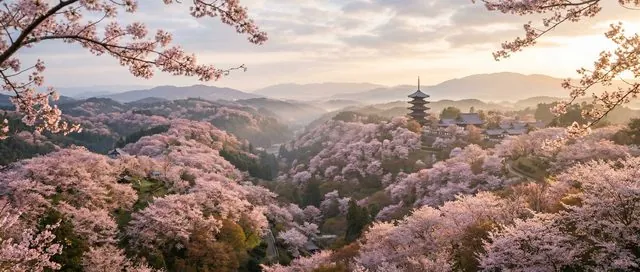
- Cherry blossoms arrive in early May, weeks after the rest of Japan
- Snow lingers in mountain areas through April
- Few crowds before Golden Week
- Fresh seafood season begins
Summernatsu
Jun – Aug18–26°CHigh crowds
Summernatsu
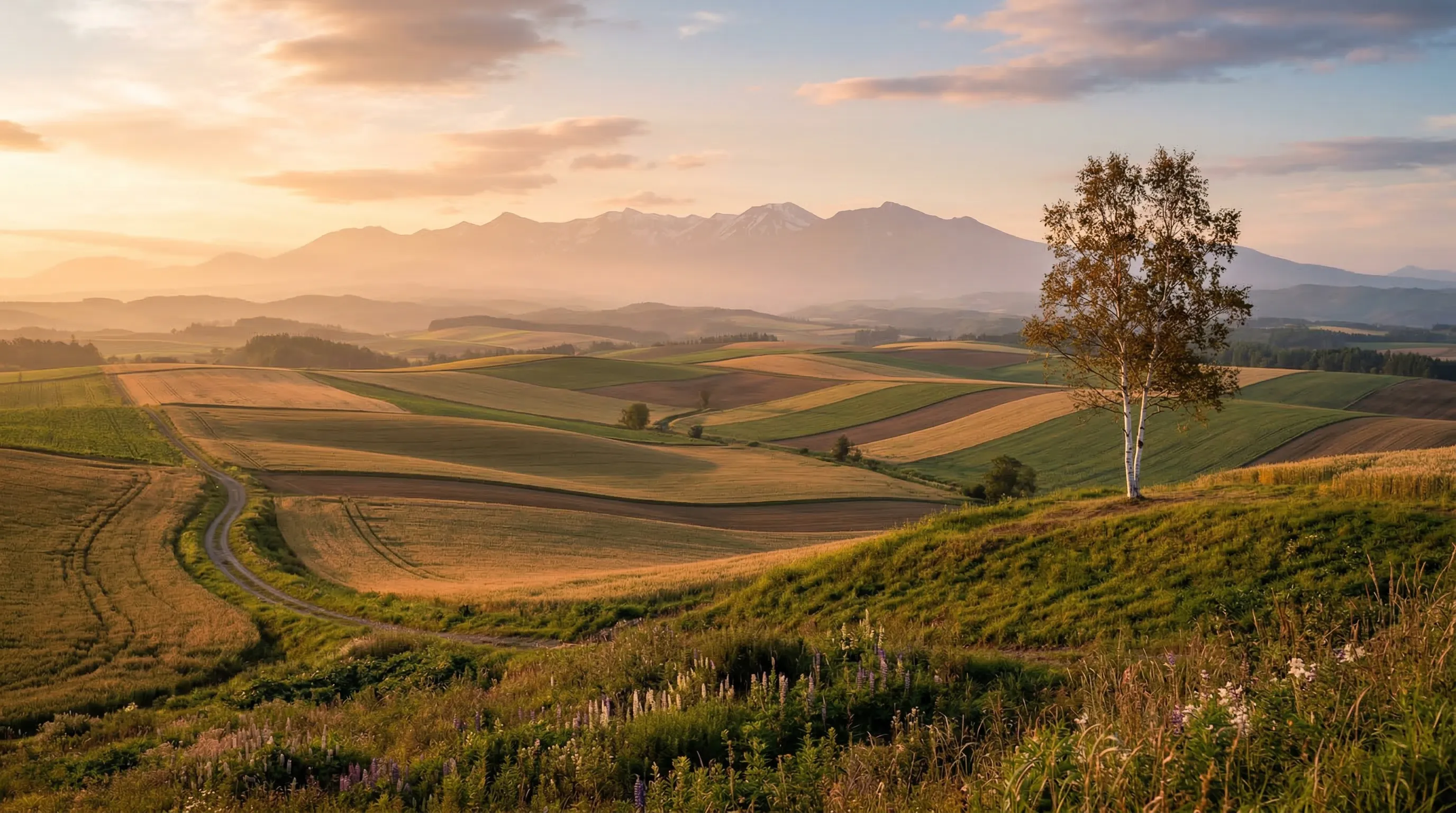
- Furano and Biei lavender peaks early to mid-July
- Comfortable temperatures with no rainy season, a rarity in Japan
- Hiking season in Daisetsuzan and Shiretoko
- Best wildlife viewing: brown bears, whales, seabirds off Shiretoko
Autumnaki
Sep – Nov5–18°CModerate crowds
Autumnaki
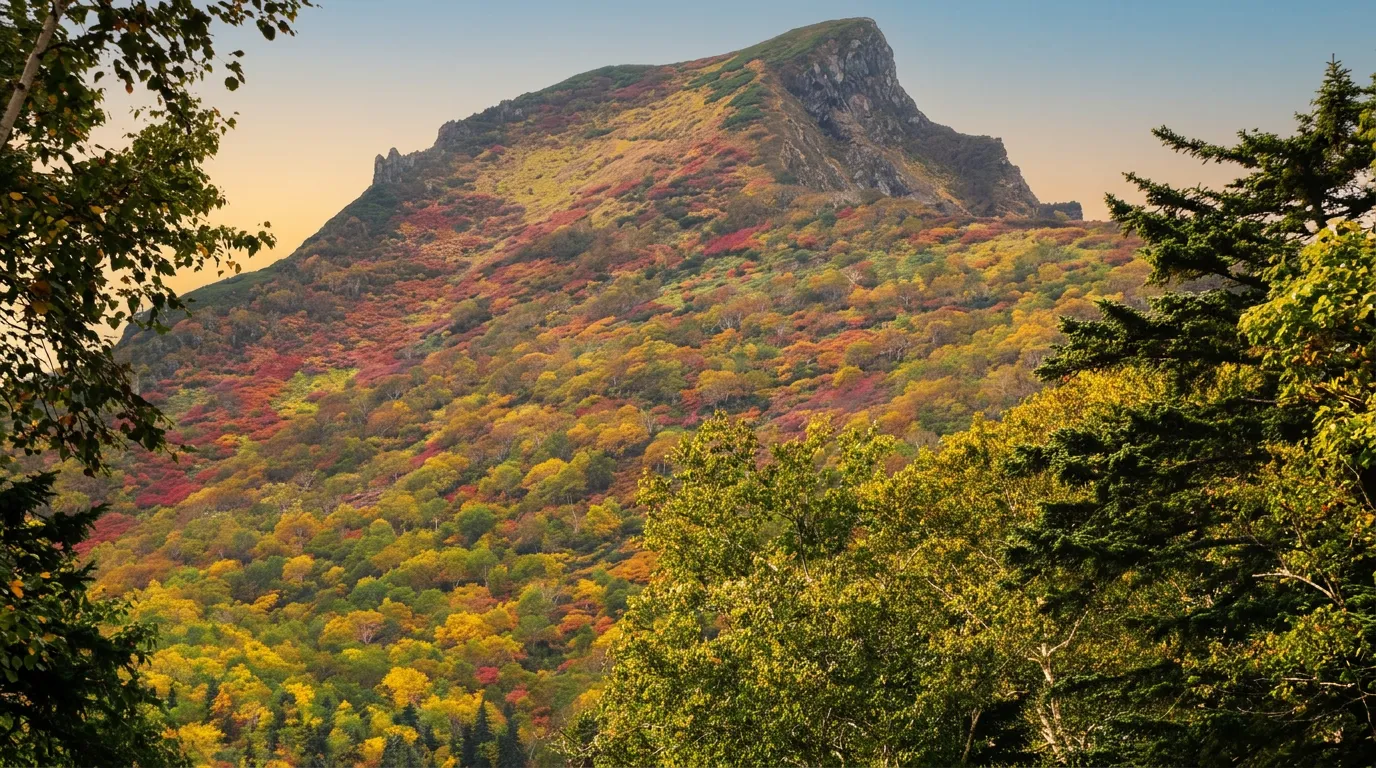
- Foliage starts mid-September in Daisetsuzan, the earliest in Japan
- Vivid burnt oranges, reds and yellows across the highlands
- Comfortable for hiking and road trips
- Fewest crowds of any non-winter month
Winterfuyu
Dec – Feb-8 to 2°CHigh crowds
Winterfuyu
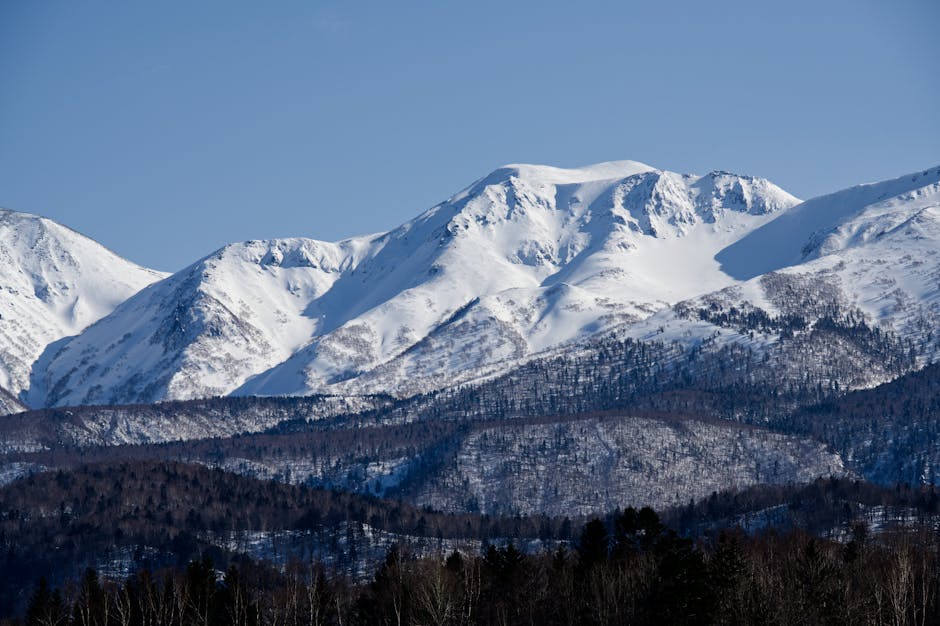
- World-class powder snow at Niseko, Furano and Rusutsu
- Sapporo Snow Festival in early February
- Drift ice on the Sea of Okhotsk near Abashiri (February to March)
- Heavy snowfall; flights and rail can be disrupted
Suggested Itineraries
Hokkaido rewards distance. Pair Sapporo's urban core with central highlands, or push east into wilderness almost no foreign tourist reaches.
FAQ
How do I get to Hokkaido from Tokyo or Osaka?
The fastest route is by air, about 90 minutes from Tokyo Haneda or Narita to New Chitose Airport (Sapporo's gateway), and roughly two hours from Osaka. The Hokkaido Shinkansen runs from Tokyo to Shin-Hakodate-Hokuto in around four hours, with onward limited expresses to Sapporo.
How many days do I need in Hokkaido?
Five days is the minimum to see Sapporo plus one regional highlight like Furano or Hakodate. A week or more lets you reach Shiretoko in the east or the Shakotan and Rishiri-Rebun coastlines in the northwest, the parts of Hokkaido most visitors skip.
Is Hokkaido worth visiting outside of winter?
Absolutely. Summer brings lavender fields, hiking and wildlife. Hokkaido also has no rainy season, unlike the rest of Japan. Autumn foliage arrives earlier here than anywhere else in the country, and spring brings late cherry blossoms with almost no crowds.
What is Hokkaido best known for?
Powder snow, vast national parks, dairy and seafood, and Ainu culture, the indigenous heritage of Japan's north. Sapporo, Niseko, and the Sapporo Snow Festival are the headline draws, but Hokkaido's defining feature is its scale and emptiness compared to the rest of Japan.
Do I need a car to travel around Hokkaido?
For Sapporo and major destinations like Otaru, Furano, and Hakodate, trains and buses work well. To reach Shiretoko, the Shakotan Peninsula, or the Tokachi farming region, a rental car is the only practical option, and Hokkaido's empty, sweeping roads make self-driving a pleasure.
Is Hokkaido good for first-time visitors to Japan?
It depends on the season. In winter Hokkaido offers an experience unmatched anywhere on Honshu, and works well as a four-or-five-day extension to a Tokyo-Kyoto trip. In summer or autumn it's a destination in its own right, but it lacks the temple-and-castle classics most first-timers come for.
Where are Hokkaido's hidden gems?
The eastern coast (Kushiro Marshland with its Japanese cranes, Lake Mashu's mirror surface, and the Shiretoko Peninsula's bears and drift ice) sees a fraction of the visitors of Sapporo and Niseko. Tokachi's dairy plain and the offshore Rishiri and Rebun islands are even quieter.