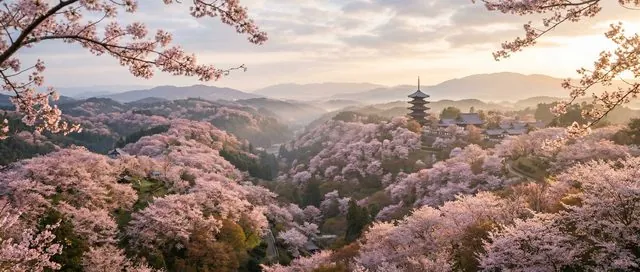
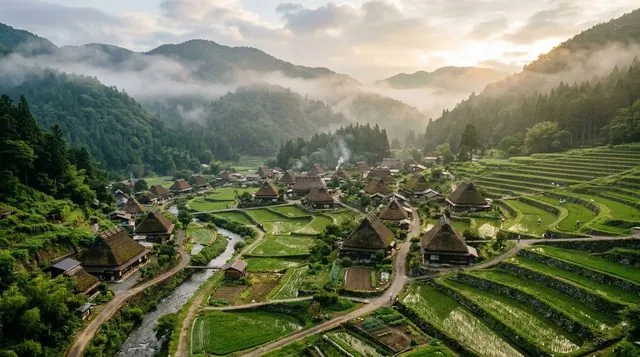
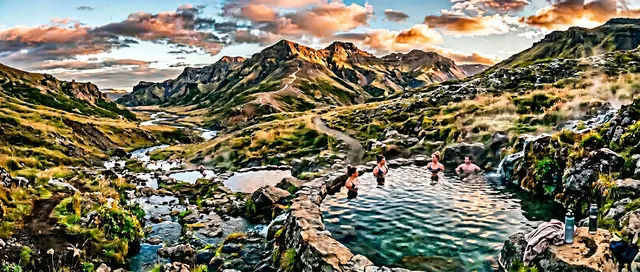
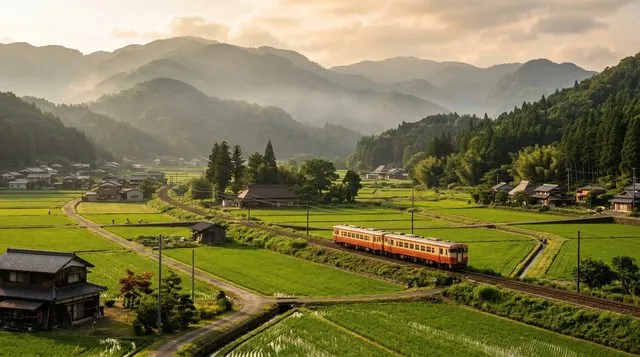
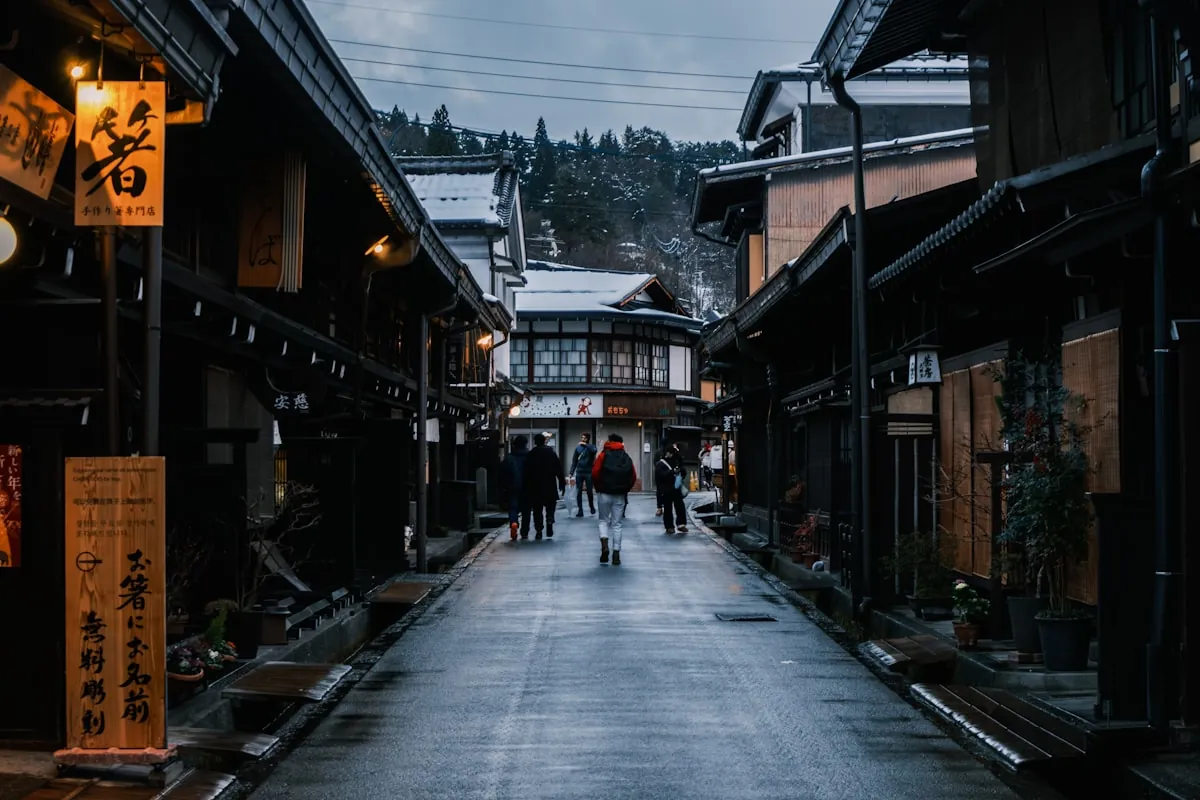
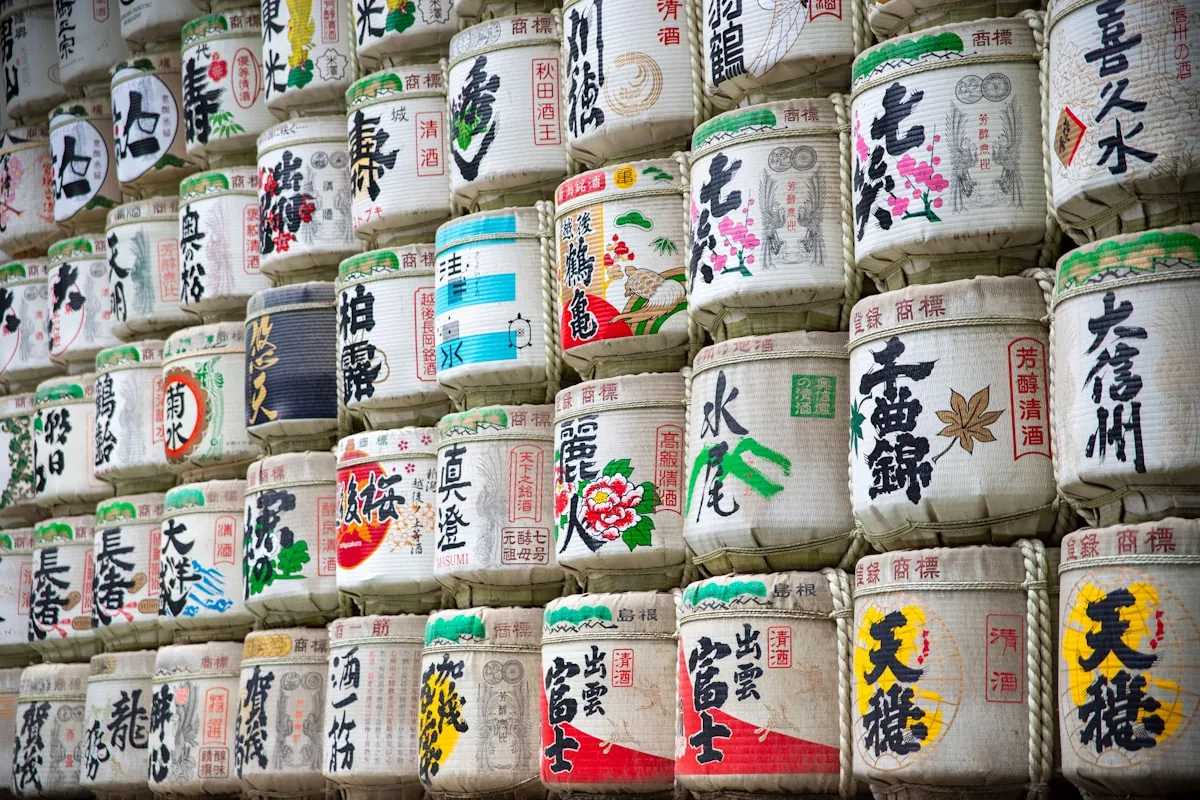
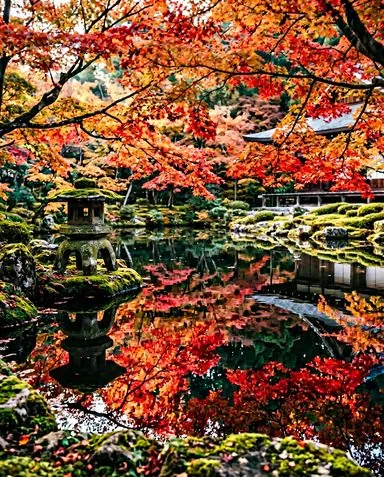
Saga is Kyushu's most quietly elegant prefecture: porcelain towns with 400-year traditions, ancient archaeological wonders, and a balloon-fiesta valley that fills with colour every November. The headline draws are the Yayoi-period Yoshinogari Historical Park, the seafront Karatsu Castle, the porcelain town of Arita Porcelain Park, the autumn Saga International Balloon Fiesta, and the cliffside botanical garden Mifuneyama Rakuen.
Cities & Towns
Saga City
The capital: Saga Castle ruins, Bakumatsu-era technological heritage, and the November balloon fiesta
Capital and balloon city
- Saga Castle Honmaru
- Balloon Fiesta November
- Bakumatsu heritage
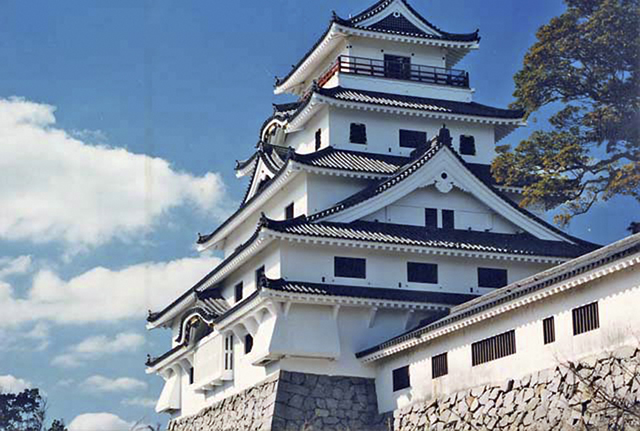
Karatsu
Coastal castle town with rebuilt Karatsu Castle on a Sea-of-Japan promontory and Karatsu-yaki pottery
Coastal castle town
- Karatsu Castle
- Karatsu-yaki pottery
- Niji-no-Matsubara pine grove
Arita
Birthplace of Japanese porcelain; Arita-yaki has been produced here since 1616, with kiln streets, museums, and the giant porcelain torii
Japanese porcelain birthplace
- Arita Porcelain Park
- Tozan Shrine
- Kyushu Ceramic Museum
Imari
Historical export-porcelain port with a kiln district at Okawachiyama, the secret 'Forbidden Kiln' village where descendants of the original master craftsmen still produce porcelain
Forbidden Kiln porcelain
- Forbidden Kiln village
- Okawachiyama district
- Imari export porcelain
Top Attractions
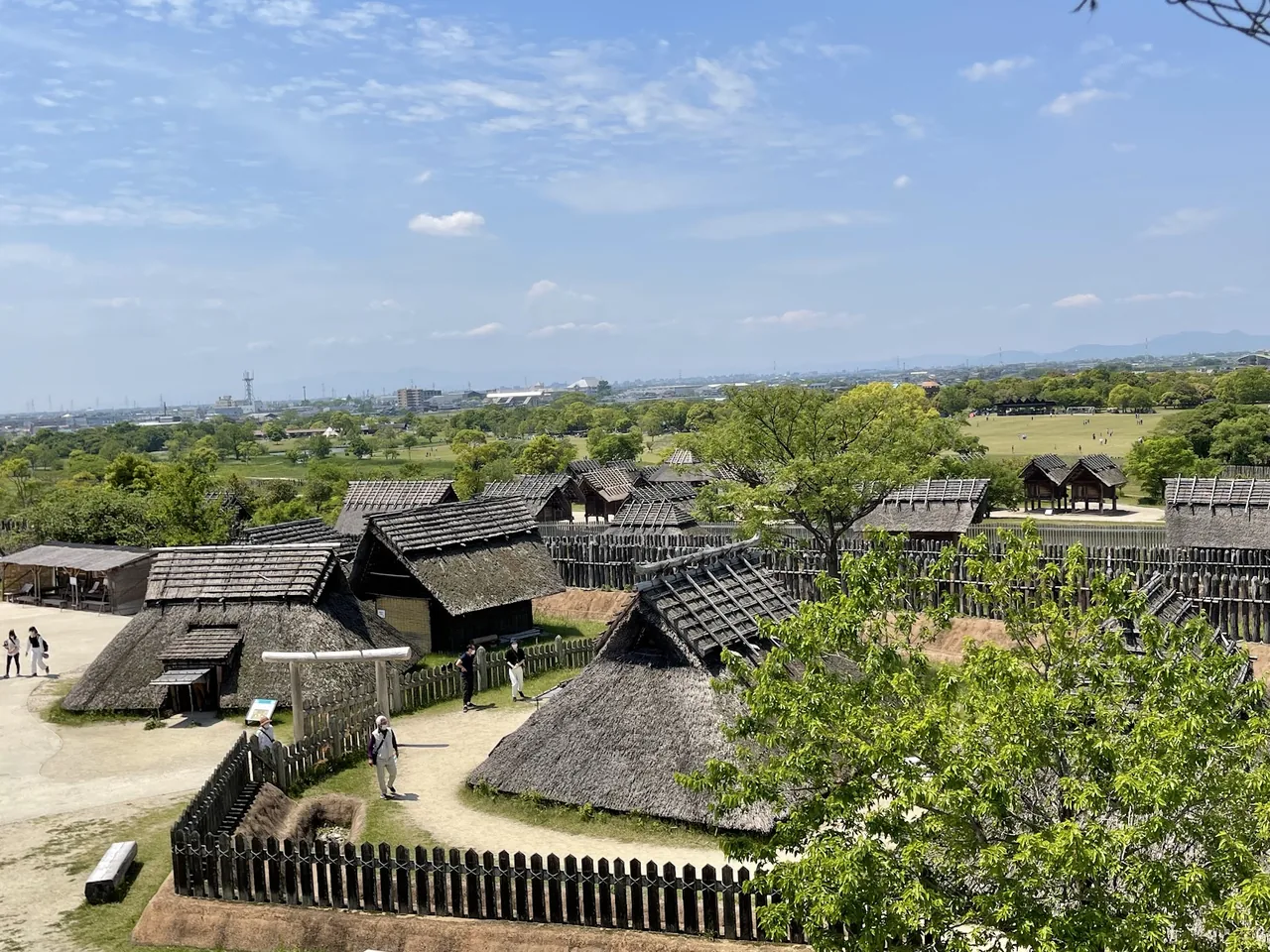
Yayoi-period (300 BC-300 AD) reconstructed settlement: burial mounds, watchtowers, and one of Japan's most important archaeological sites
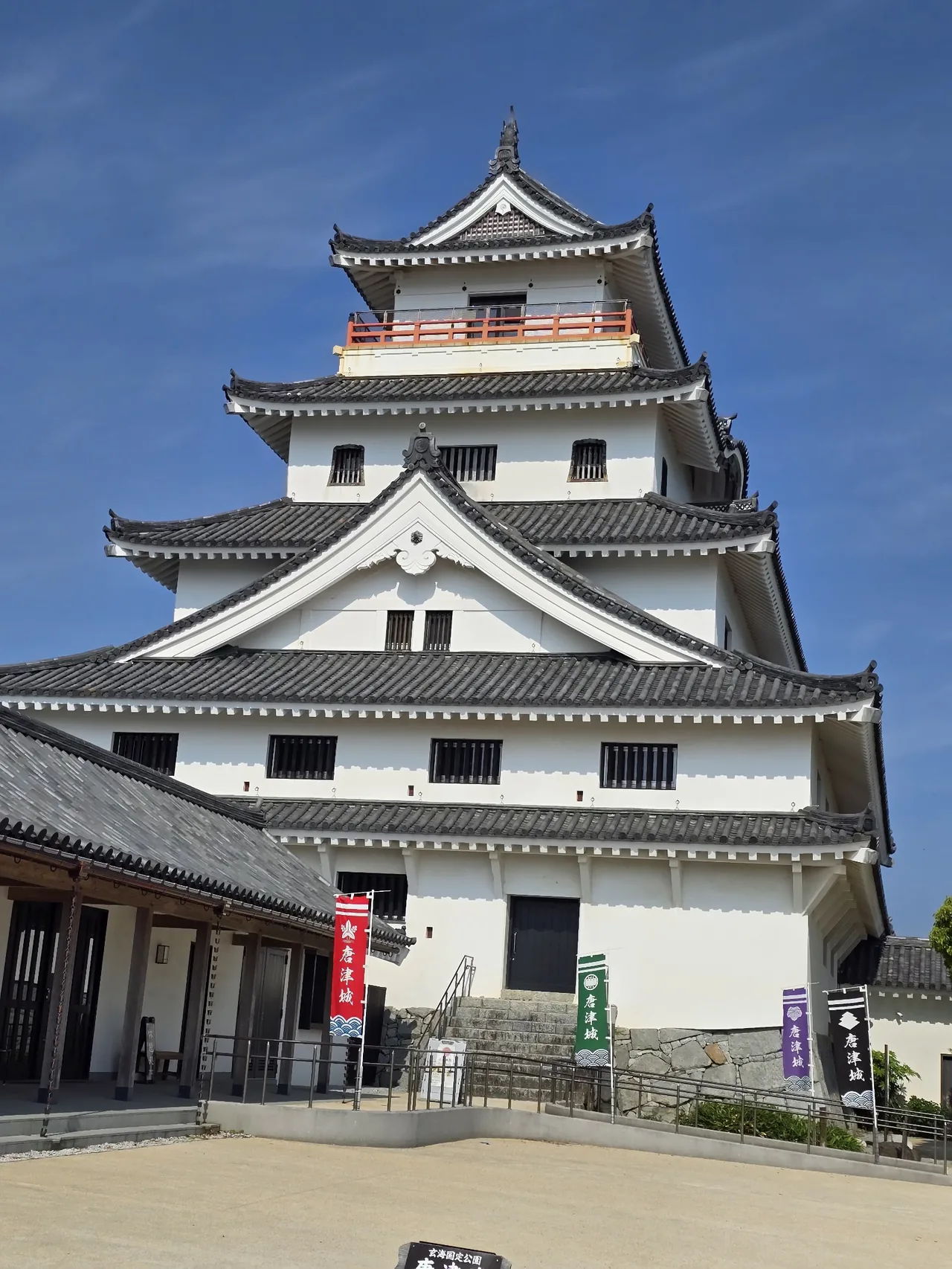
Reconstructed castle (1966) on a coastal promontory, overlooking Karatsu Bay and the Niji-no-Matsubara pine grove
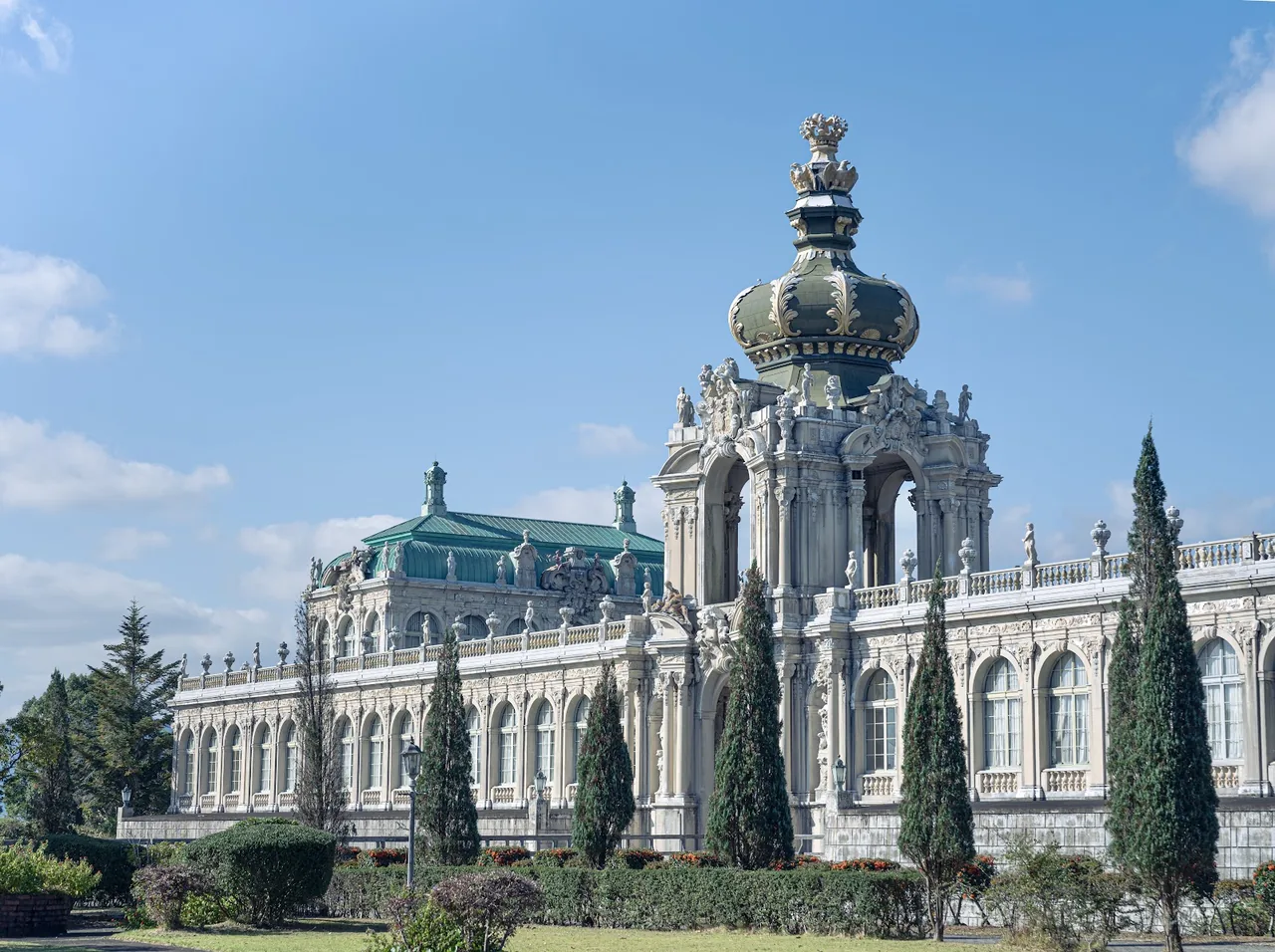
Theme park celebrating Arita-yaki: a full-size replica of Dresden's Zwinger Palace, plus working kilns, restaurants, and seasonal markets
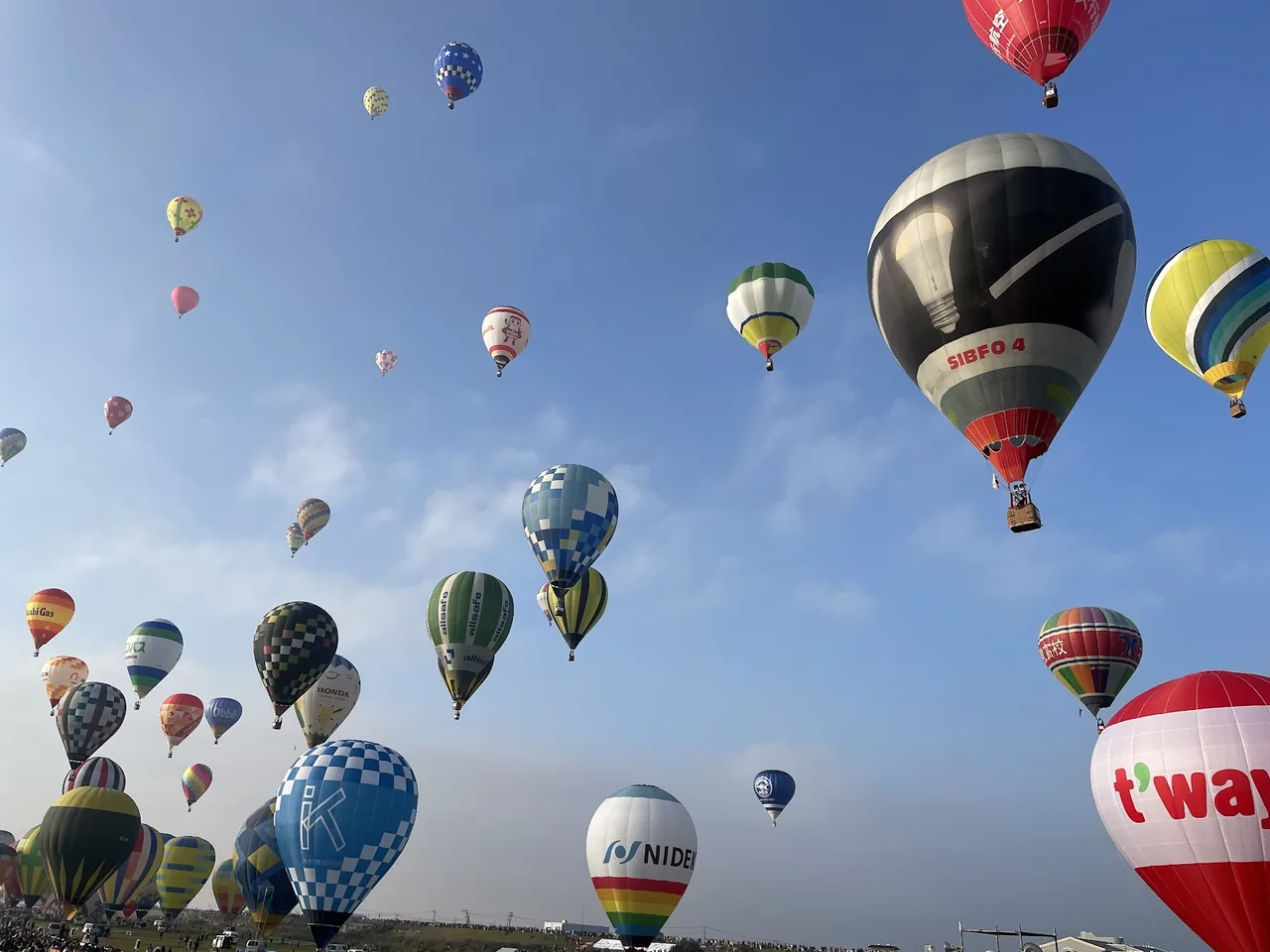
Asia's largest hot-air balloon competition; 100+ balloons launch from the Saga river plains every late October to early November
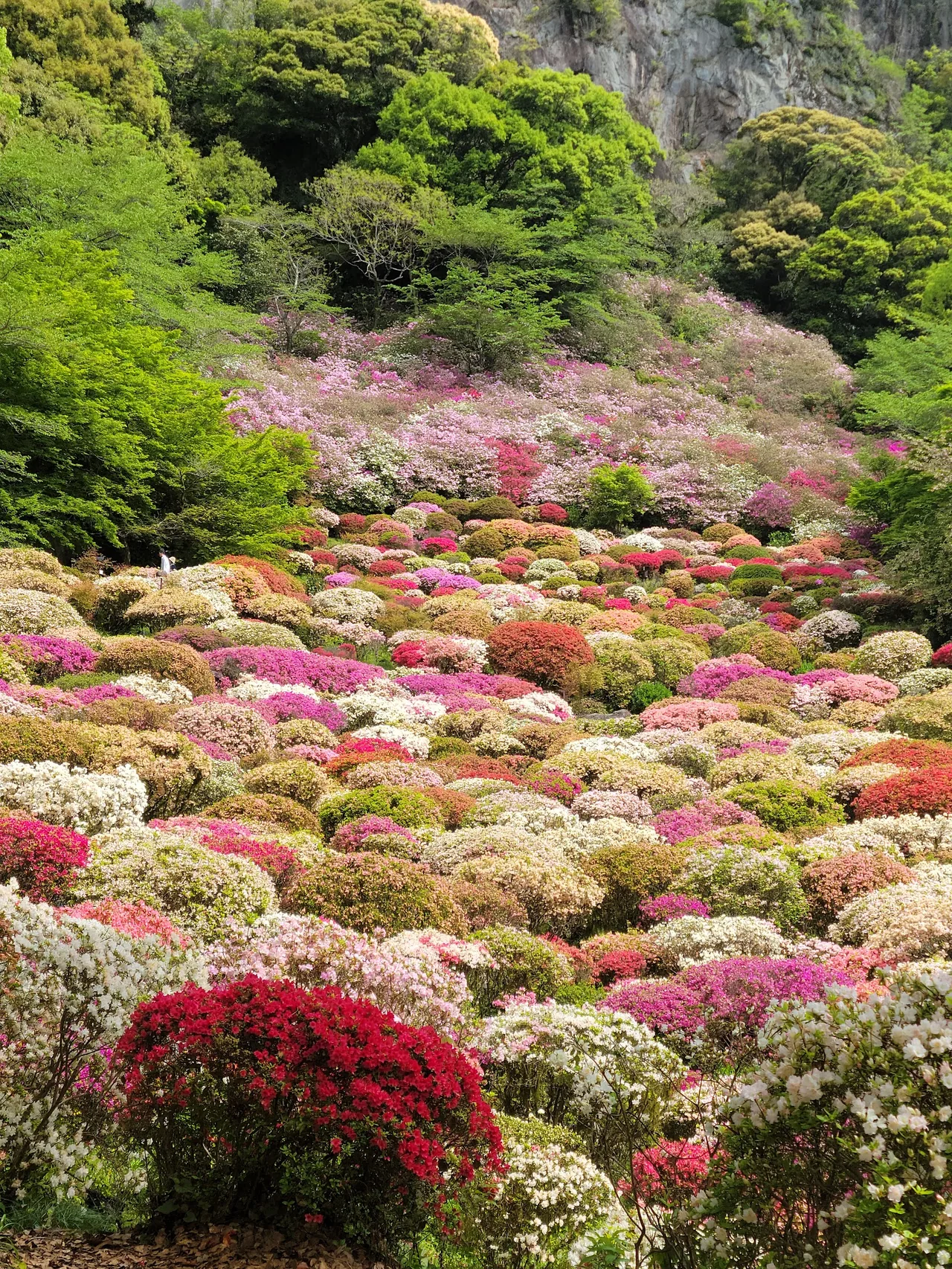
Cliff-side botanical garden in Takeo: 50 hectares of azaleas, cherries, and rhododendrons under a 210m granite cliff
Hidden Gems
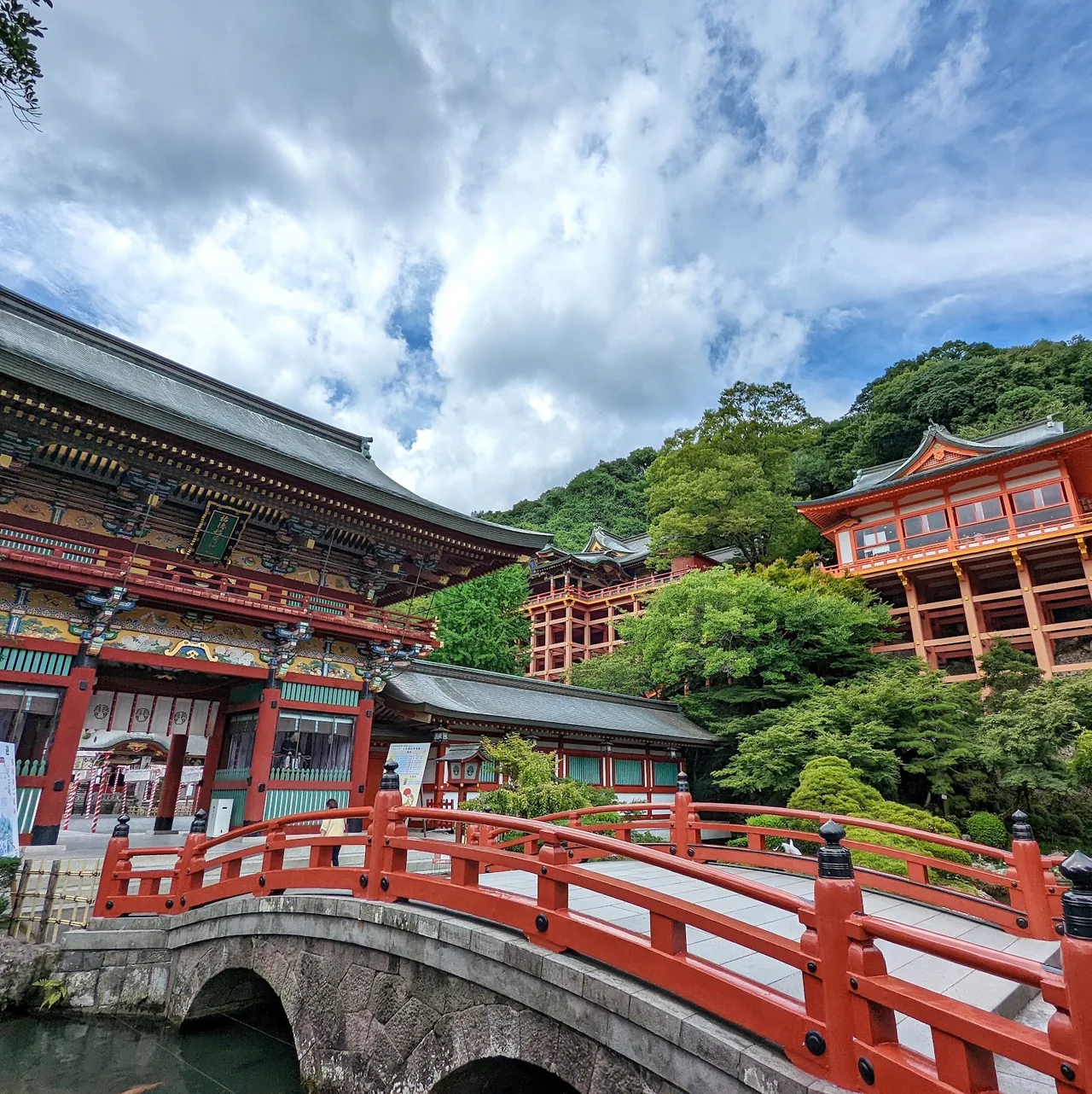 Hidden Gem
One of Japan's three great Inari shrines, a vermillion shrine on a forested hillside south of Kashima
Soft-water hot-spring town in southwest Saga: milky-skin baths, tea-fields outside town, and traditional ryokan along the Otonashi river
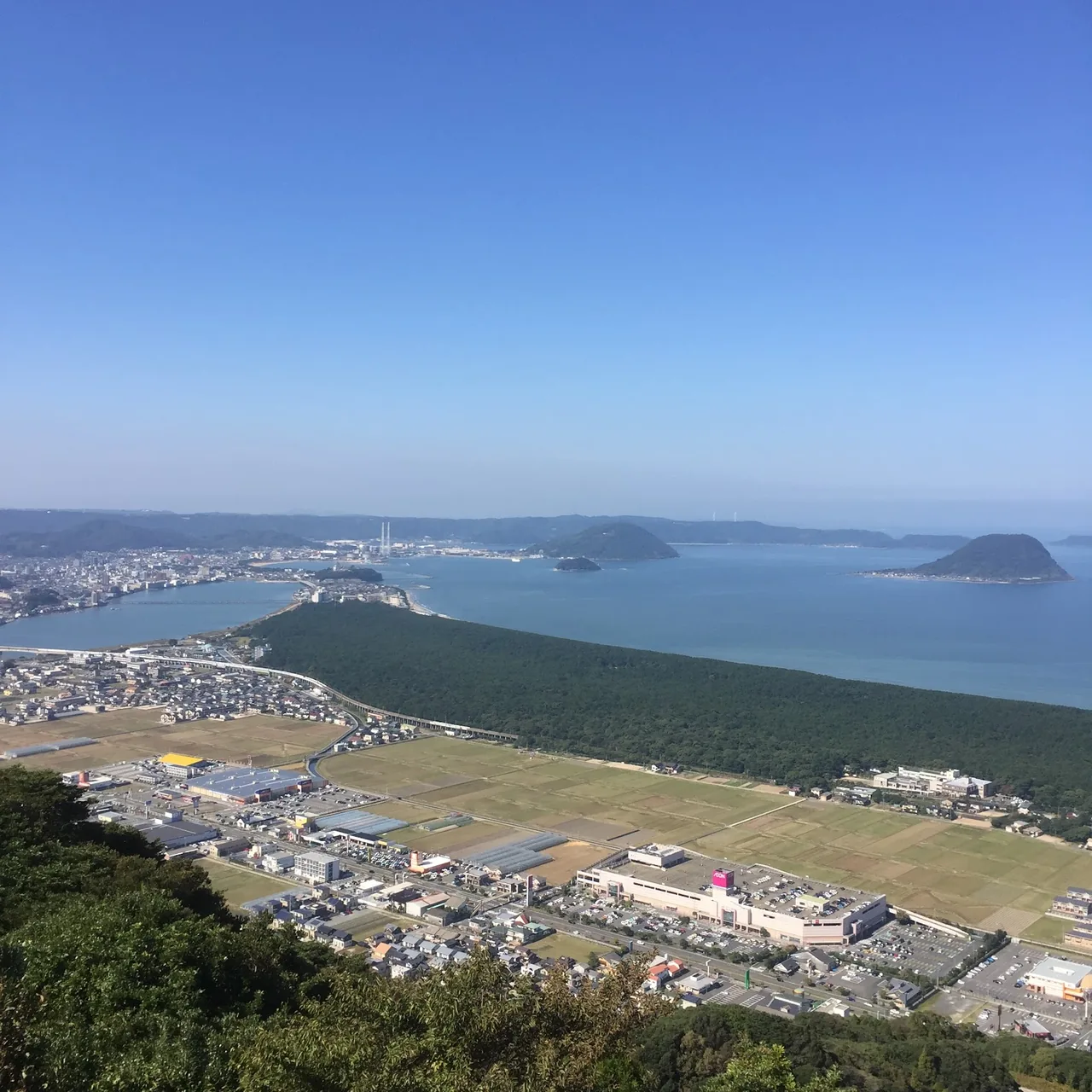 Hidden Gem
5km crescent of black pines along Karatsu Bay, one of Japan's three great pine landscapes since the 17th century
When to Visit
Springharu
Mar – May10–22°CHigh crowds
Springharu
- Mifuneyama Rakuen azalea peak late April
- Cherry blossoms at Karatsu Castle
- Arita Pottery Festival Golden Week
- Mild Yoshinogari weather
Summernatsu
Jun – Aug22–32°CModerate crowds
Summernatsu
- Beach season at Karatsu Bay
- Rainy season early July
- Saga Castle summer night-illuminations
- Karatsu Kunchi preparations
Autumnaki
Sep – Nov11–24°CHigh crowds
Autumnaki
- Saga International Balloon Fiesta late October-early November
- Karatsu Kunchi Festival November 2-4
- Mifuneyama autumn foliage
- Comfortable Yutoku Inari visits
Winterfuyu
Dec – Feb5–12°CLow crowds
Winterfuyu
- Mild Kyushu winter
- Plum blossoms in Saga gardens
- Winter Pottery Festival in Imari February
- Quiet Yoshinogari grounds
Suggested Itineraries
FAQ
How do I get to Saga from Tokyo or Fukuoka?
From Fukuoka (Hakata): JR Limited Express Kamome to Saga in 40 min. From Tokyo: shinkansen to Hakata (5 hours) then transfer. Karatsu and Arita are reached via JR Karatsu Line and Sasebo Line respectively from Hakata.
When is the Saga Balloon Fiesta?
Late October to early November (typically Oct 31 - Nov 5). 100+ balloons launch from the Saga river plains at dawn and again before sunset. Free spectator areas; bring binoculars.
Is Arita worth a detour for porcelain?
For ceramic-fans, absolutely. The Arita Pottery Festival in Golden Week (April 29-May 5) draws 1 million visitors with 400+ stalls. Outside the festival, kiln workshops are open year-round; the giant porcelain torii at Tozan Shrine is photographable any day.
What is Saga best known for?
Yayoi-period Yoshinogari archaeology, Arita and Imari porcelain (400+ years of tradition), the Saga Balloon Fiesta, Karatsu Kunchi Festival, and the Niji-no-Matsubara pine grove on Karatsu Bay.
How many days do I need in Saga?
One day for Yoshinogari and Saga City. Two days adds Karatsu and Arita. Three days lets you reach Imari's Forbidden Kiln village or Ureshino Onsen.
What are Saga's hidden gems?
The Forbidden Kiln village of Okawachiyama in Imari, the soft-water Ureshino Onsen with its tea-field views, and Yutoku Inari Shrine (one of Japan's three great Inari shrines).
What surrounds the headline spots?
Beyond the obvious draws, Nijinomatsubara, Ogi Town, Takeo Onsen reward travelers willing to step off the main route: local pace, fewer crowds, and a closer feel for the everyday rhythms of the region.