
Japan runs an astonishing number of festivals. The big national-scale matsuri (Gion in July, Awa Odori in August, Sapporo Snow Festival in February) are deservedly famous and overrun. But the country also runs an estimated 300,000 smaller neighbourhood matsuri a year: local shrine festivals, harvest celebrations, hanabi (fireworks) over a single river, autumn yatai pulls, winter snow lanterns. Picking one as the centrepiece of a trip is one of the best ways to see Japan as Japanese people experience it. Picking the right month matters more than picking the right town.
Festival types: what you're actually seeing
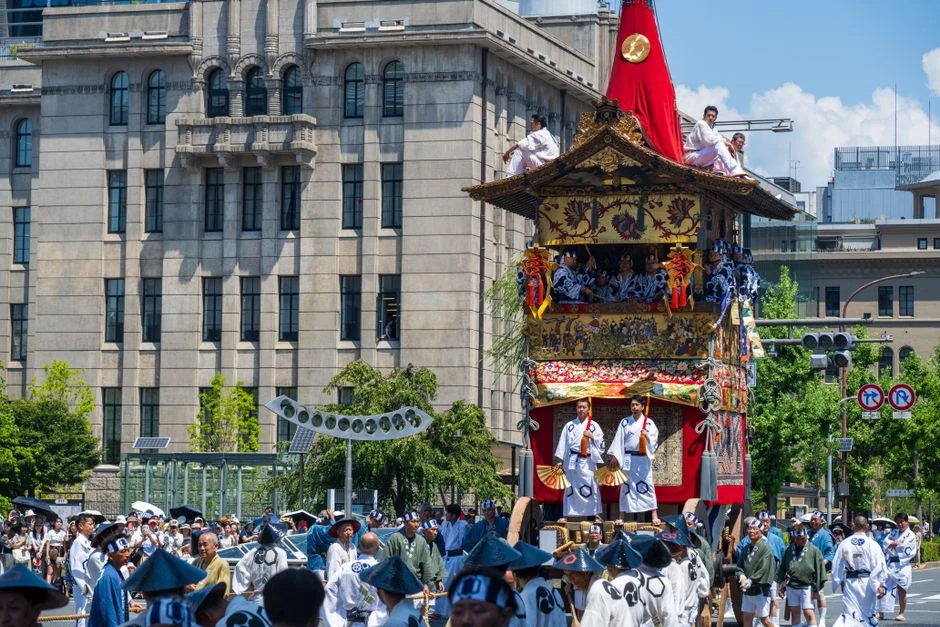
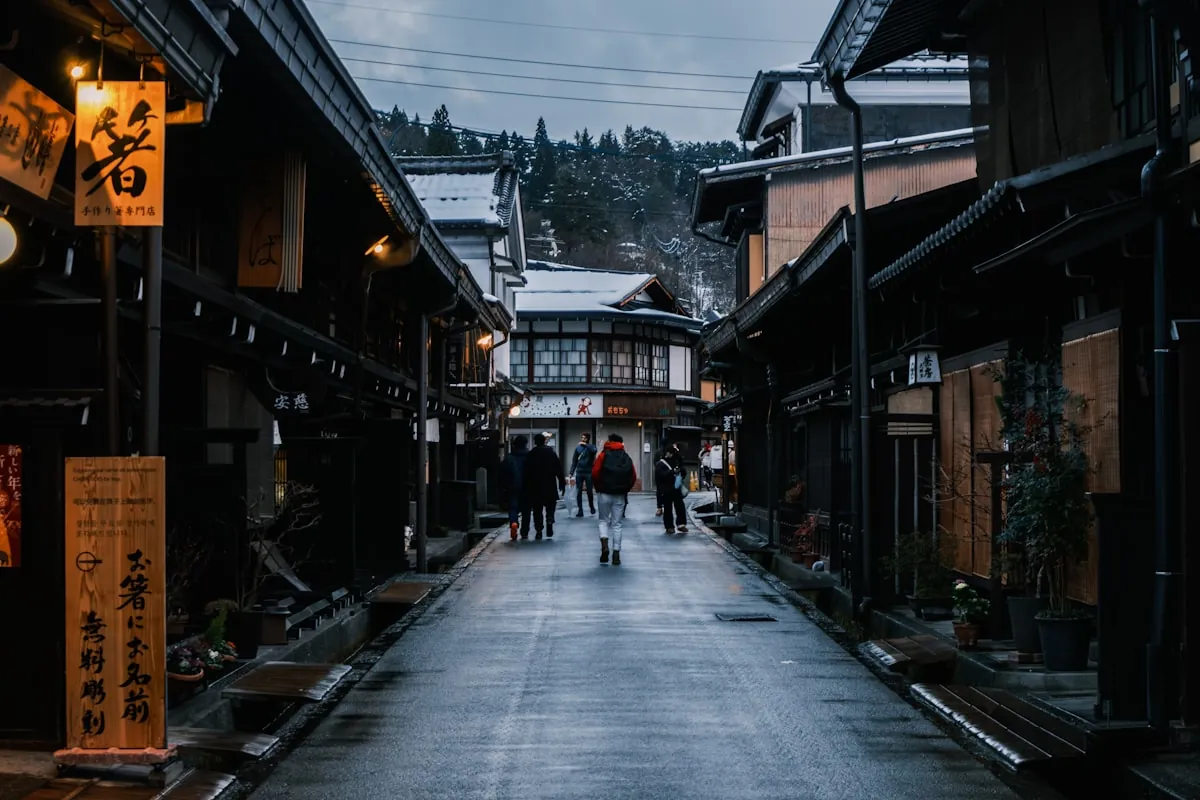
- Yatai matsuri (float festivals): wooden carts pulled through streets by community teams. Takayama (April/October), Kyoto Gion (July), Hida-Furukawa (April).
- Hanabi (fireworks): the summer-night specialty; Sumida River (Tokyo, late July), Nagaoka (Niigata, early August) and Lake Suwa (Nagano, mid-August) are the biggest three.
- Odori (dance): Awa Odori (Tokushima, mid-August) and Gujo Odori (Gifu, July–September) are the two great regional dances; locals teach visitors the steps.
- Yuki-matsuri (snow festivals): Sapporo (early February) is the biggest; smaller ones at Otaru (snow lanterns) and Yokote (snow domes).
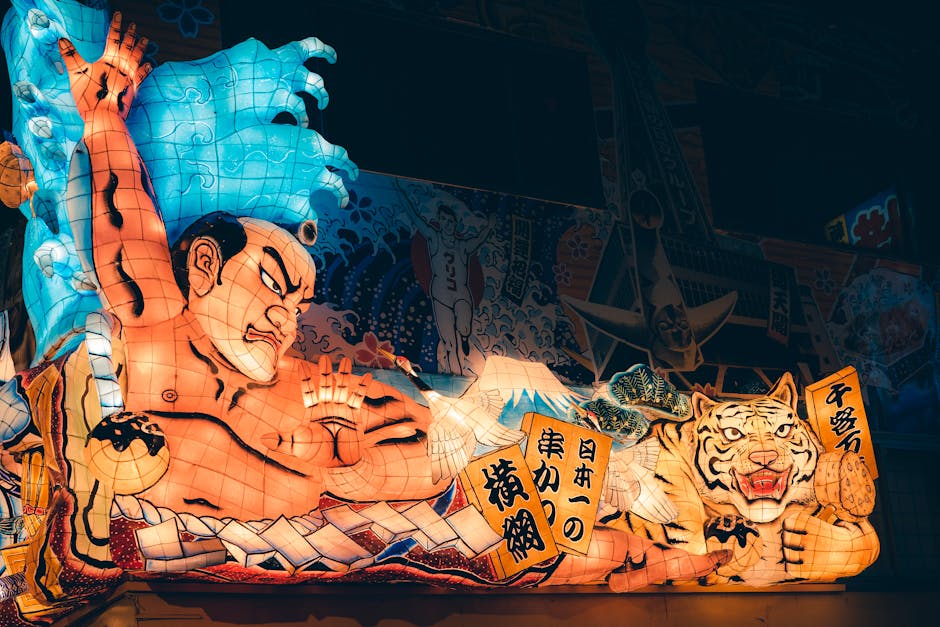
- Lantern festivals: Aomori Nebuta (early August) is the dramatic outlier, with illuminated giant warrior floats; daytime parade then night procession.
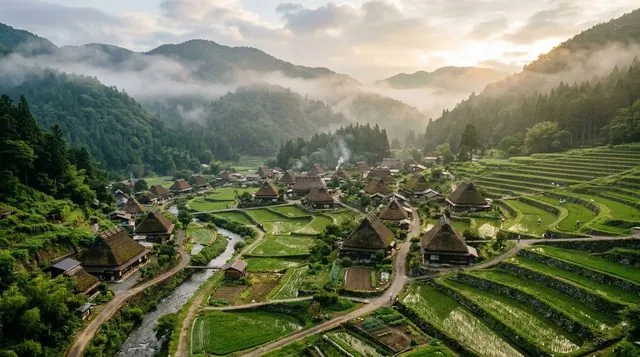
- Harvest / regional: village shrine festivals every weekend in autumn; small in scale but the most authentic experience. Pick by region you're in.
Picking the right month
- January: Yamayaki grass-burning at Mt. Wakakusa (Nara, mid-January). Coming-of-Age Day kimono parades nationwide.
- February: Sapporo Snow Festival (Hokkaido). Setsubun bean-throwing at temples nationwide on 3 February.
- March: Hina Matsuri doll festivals throughout. Omizutori water-drawing at Todai-ji (Nara, 1–14 March).
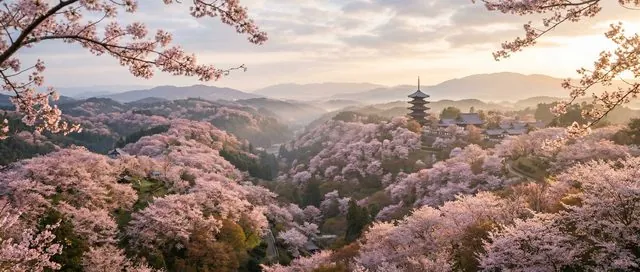
- April: Cherry blossom hanami parties in every park. Takayama Spring Matsuri (14–15 April).
- May: Sanja Matsuri (Asakusa Tokyo, third weekend), the biggest Tokyo matsuri.
- June: Toukasan Yukata Festival (Hiroshima, first weekend). Beginning of the rainy season.
- July: Gion Matsuri (Kyoto, all month, biggest float parade 17 July). Sumida River fireworks (Tokyo, last Saturday).
- August: Awa Odori (Tokushima, 12–15). Aomori Nebuta (2–7). Obon ancestor festivals nationwide (13–16).
- September: Kishiwada Danjiri (Osaka, mid-September), fast-pulled wooden floats, slightly dangerous, very atmospheric.
- October: Takayama Autumn Matsuri (9–10). Nagasaki Kunchi (7–9), Chinese-influenced.
- November: Shichi-Go-San at shrines mid-month (children in formal kimono). Various harvest matsuri.
- December: Chichibu Yomatsuri (3 December, Saitama), a night float festival with mountain fireworks.
How to attend without screwing it up
- Book accommodation early. Festival town hotels triple in price and book out 6+ months ahead. The trick: stay one stop on the train and commute in.
- Wear the yukata if you have one. No-one minds tourists in yukata, and most onsen towns rent them. Festival nights in summer are the only acceptable time to wear one in public outside an onsen.
- Cash, small denominations. Yatai (food stalls) are cash-only. Bring ¥1,000 notes and ¥100 coins.
- Don't push to the front. The locals have positioned themselves for the float view their family has had for generations. Hang back, watch from the second row.
- Last train. Festival nights sometimes override last-train timetables, but not always. Check the JR or Tokyu site the day of, or stay overnight.