

For the whole of July, Kyoto belongs to its oldest festival. Gion matsuri fills the city centre with towering wooden floats, lantern-lit evenings and a ritual rhythm that has run, almost unbroken, since 869. Most visitors come for one morning and miss the best of it. Here is how to do it properly.
A month-long festival, not a single parade
Gion matsuri is the festival of Yasaka Shrine, and it runs across the entire month of July. It began in 869 as a religious rite to appease the gods during an epidemic, and it has been staged almost every year since, making it one of the longest continuous festivals anywhere in the world. That history is not a footnote. It is the reason the floats are built the way they are, and the reason the rituals still feel serious rather than staged.
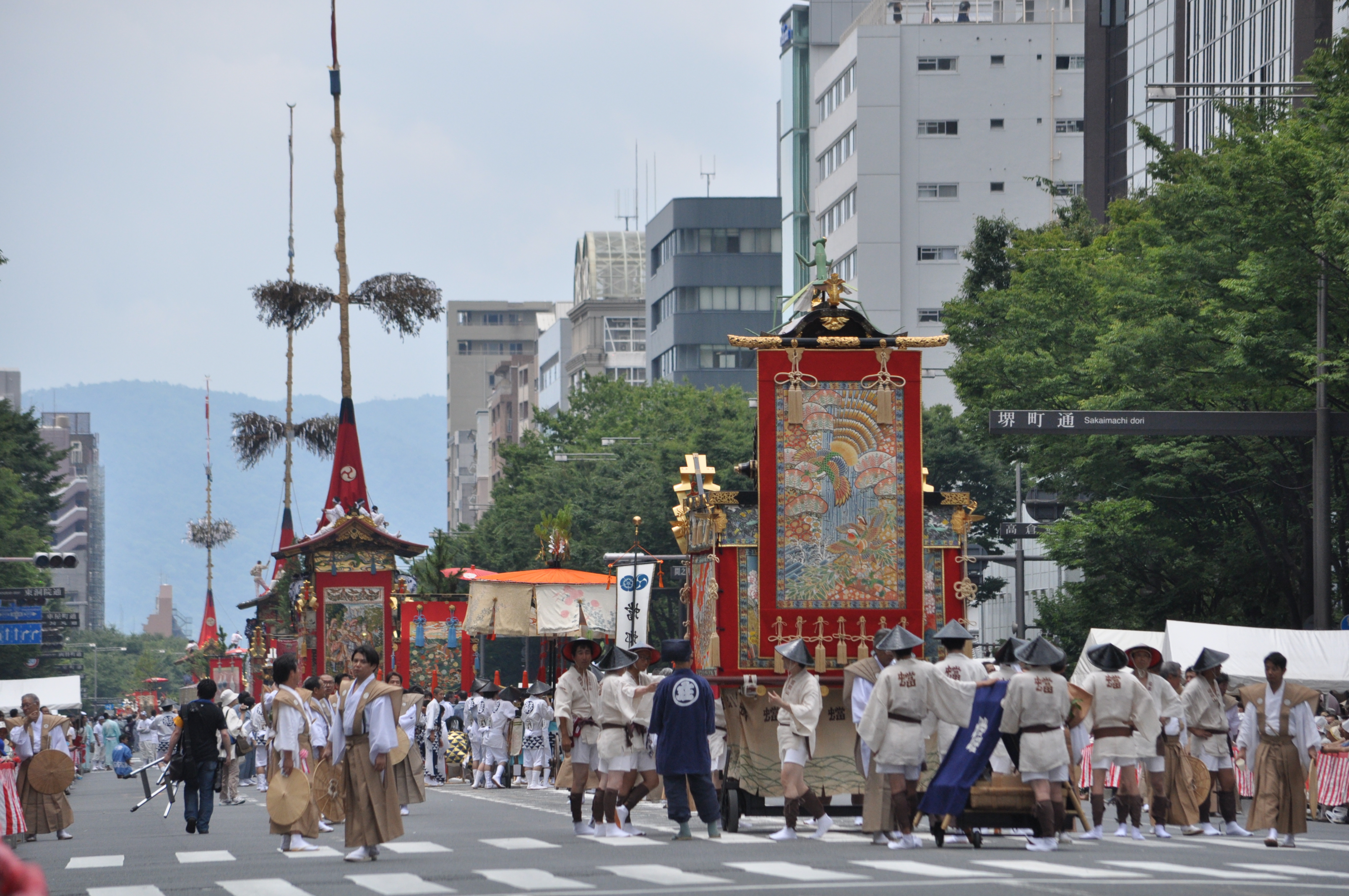
Almost everyone fixes on a single date: the great float procession on 17 July. It is genuinely spectacular. It is also the most crowded, most roped-off, most distant way to see the festival. The floats roll past behind barriers while you stand three deep on a pavement in the heat. There is a better way in.
Skip the scramble for a procession spot. The evenings before it are where the festival actually breathes.
The two halves
The festival splits in two. The first half (the saki matsuri) peaks with the procession on 17 July; the second half (the ato matsuri) peaks with a smaller procession on 24 July, reintroduced in 2014 after a 48-year gap. In total more than thirty floats take part: twenty-three smaller yama and ten great hoko. The largest hoko stand up to 25 metres tall, weigh as much as 12 tonnes, and roll on wheels as tall as a person. They are assembled by hand in the streets each year, without a single nail.
Yoiyama: the real heart of it
On the three evenings before each procession, the floats are parked in the streets around the Karasuma–Shijo crossing, and this is where the festival comes alive. These evenings are called yoiyama. From around 18:00 until 23:00 the central streets close to traffic, food stalls crowd the pavements, and the floats blaze with rows of paper lanterns. You can walk right up to them. Some you can climb into. In 2026 the full pedestrian street closures fall on the evenings of 15 and 16 July, ahead of the first procession.
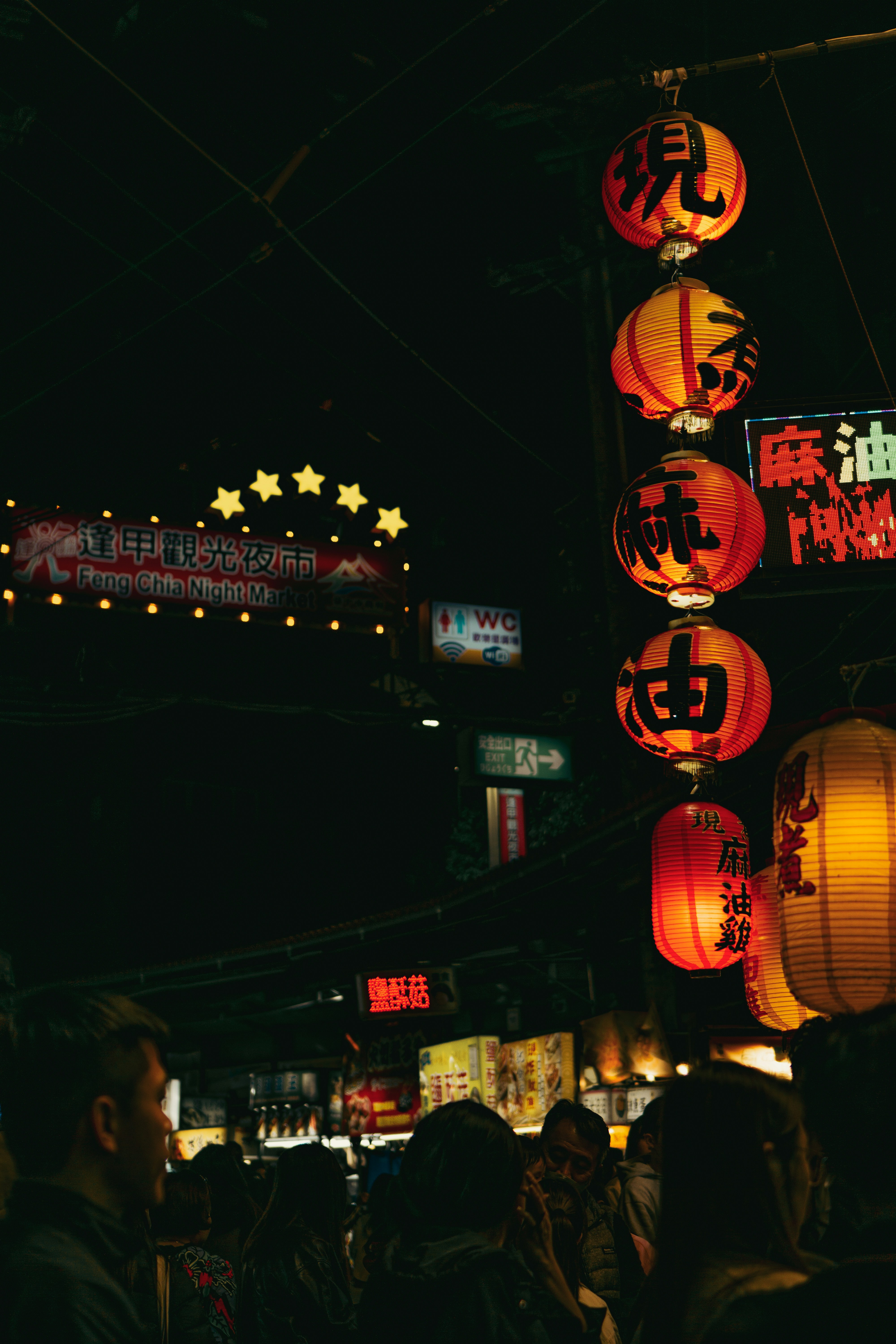
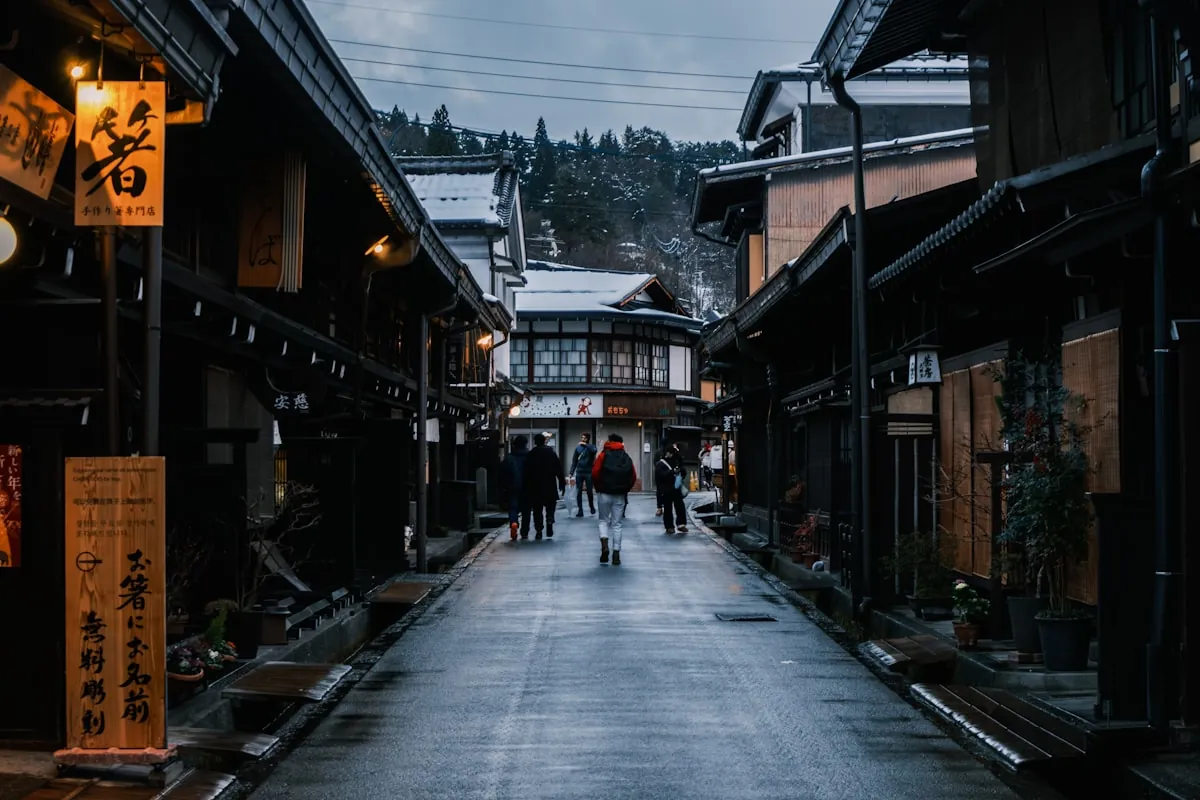
There is a quieter pleasure folded into these nights, too. During yoiyama, families in the old merchant houses open their doors and set out heirloom folding screens, scrolls and ceramics for passers-by to admire, an informal tradition sometimes called the screen festival. Wander the side streets off the main route and you are no longer a spectator at a parade. You are a guest in a neighbourhood's biggest night of the year.
Walk the lantern-lit streets at nine in the evening, a 25-metre float glowing above you, and the festival stops being something you watch.
The processions, if you want them
If you do want the parade, know what you are signing up for. The first procession sets off from Shijo-Karasuma at 09:00 on 17 July and follows a three-kilometre route along Shijo, Kawaramachi and Oike, finishing around 13:00. The second, on 24 July, runs from 09:30 to about 11:50. Paid grandstand seats in front of the city hall start at around ¥6,000 and must be booked in advance; otherwise the long route means decent free standing spots are easier to find than you would expect. Arrive early, claim a kerb, and bring water: mid-July in Kyoto regularly tops 33°C with heavy humidity.
The shrine and the sacred child
For all the spectacle downtown, the festival's spiritual centre is Yasaka Shrine, on the eastern edge of the Gion district. On the evening of 17 July the shrine's deities are carried out through the streets on portable shrines (mikoshi) on the shoulders of local men, returning on the 24th. One of the festival's oldest customs survives here too: a local boy is chosen each year as a divine messenger, and from the 13th until he is paraded on the 17th, his feet may not touch the ground.
Practical tips
- Do prioritise the yoiyama evenings (15–16 July in 2026) over procession day if you have to choose. More atmosphere, closer floats, far better photos.
- Do arrive in the float district by 18:30, before the crowds thicken and while there is still light to get your bearings.
- Don't count on a great procession view without effort. Either book a grandstand seat well ahead, or take a free spot along Oike by 08:00.
- Do dress for serious heat: light clothing, a hat, water, and a plan to retreat indoors at midday. A rented yukata is welcome and keeps you cool.
- Do book accommodation in central Kyoto months ahead; July fills early because of the festival.
- Don't photograph with a tripod in the crowded streets, and keep one hand free in the densest stretches near the floats.
Why this festival rewards patience
Gion matsuri is not a show that happens to you in two hours. It is a month of preparation, ritual and neighbourhood pride that you can either skim or step into. The travellers who remember it best are rarely the ones who fought for a procession spot. They are the ones who wandered a side street at nine in the evening, lanterns swaying overhead, and realised they had stopped checking the time.
Give it an evening, not a morning. That is the difference between seeing Gion matsuri and being inside it.
It pairs naturally with the rest of a July stay in the city. Beat the heat with an early start at Fushimi-Inari before seven, or the Arashiyama bamboo grove at first light, and save the festival for the cool of the evening. It is the centrepiece of Kyoto's calendar, and one of the great Japanese festivals worth building a whole trip around.
FAQ
When is Gion matsuri in 2026?
It runs across the whole of July. The headline dates are the float processions on 17 and 24 July, and the lantern-lit yoiyama evenings beforehand, with the main street closures on 15 and 16 July ahead of the first procession.
Is the procession or the yoiyama evening better?
For most visitors, the yoiyama evenings. The floats are parked at street level, lit with lanterns and open to approach, with food stalls all around. The procession is grander but distant, crowded and roped off.
Do I need a ticket?
No ticket is needed for the yoiyama evenings or to watch the procession from the street. Only the grandstand seats in front of the city hall are paid (from around ¥6,000) and must be booked in advance.
How early should I arrive on procession day?
For a free standing spot, aim to be on the route by around 08:00 for the 09:00 start on 17 July. The route is three kilometres long, so spots away from the start are easier to claim.
How hot is Kyoto during the festival?
Very. Mid-July routinely tops 33°C with high humidity. Carry water, wear a hat, plan outdoor sightseeing for early morning or evening, and use the festival's night events to your advantage.