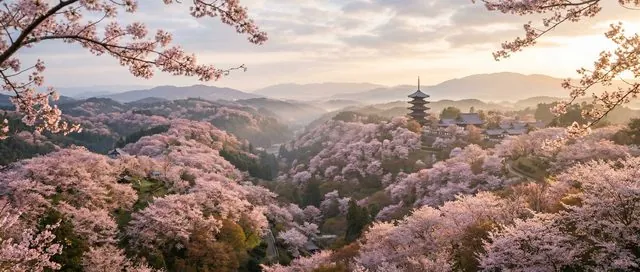
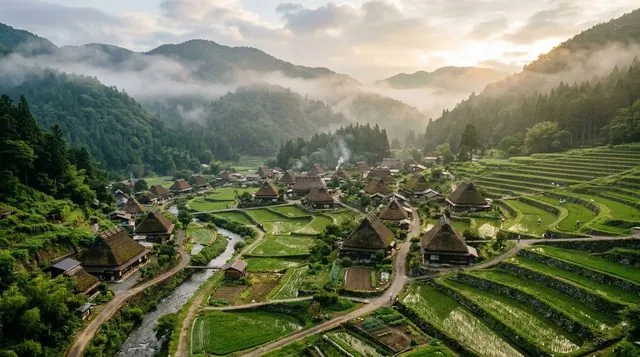
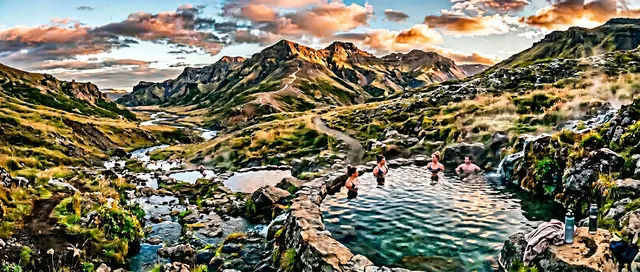
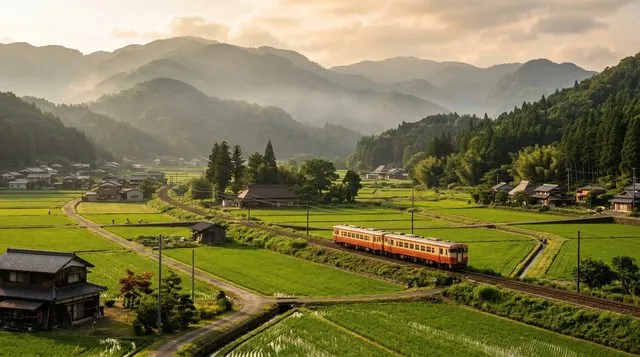
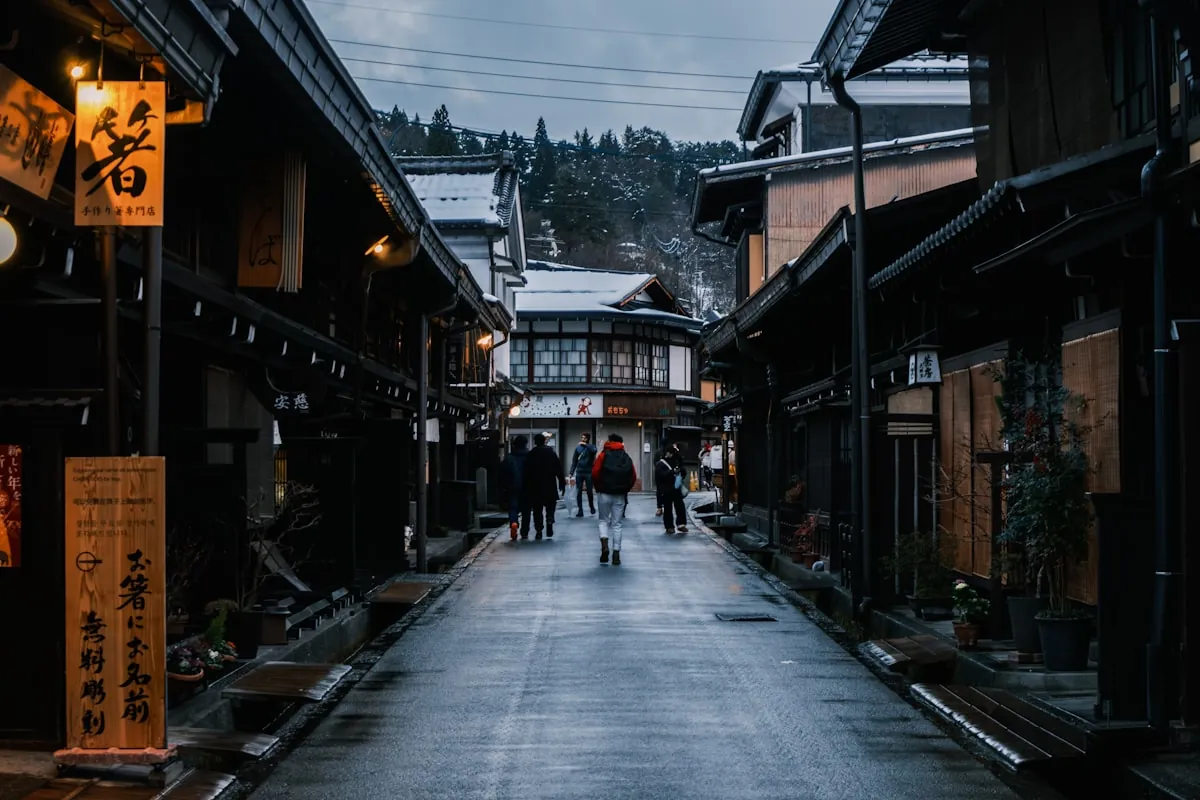
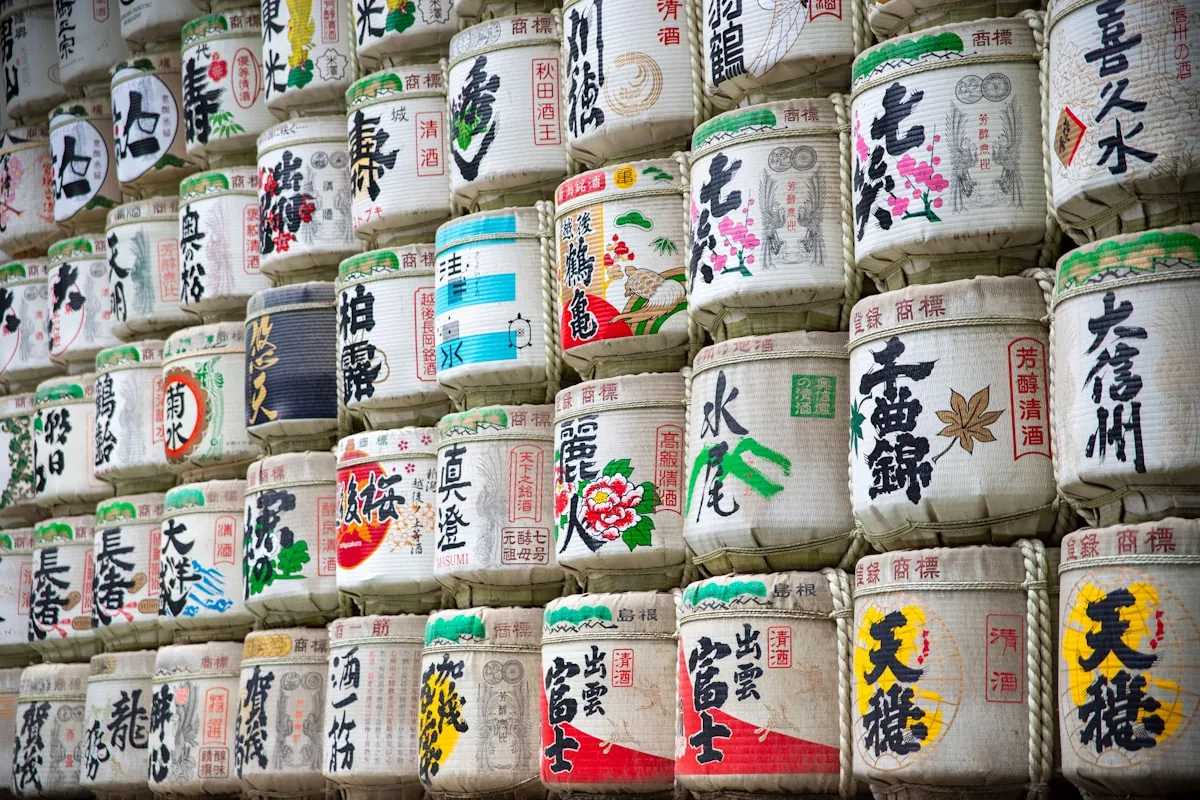
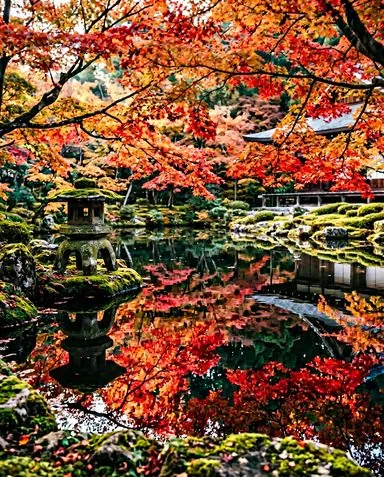
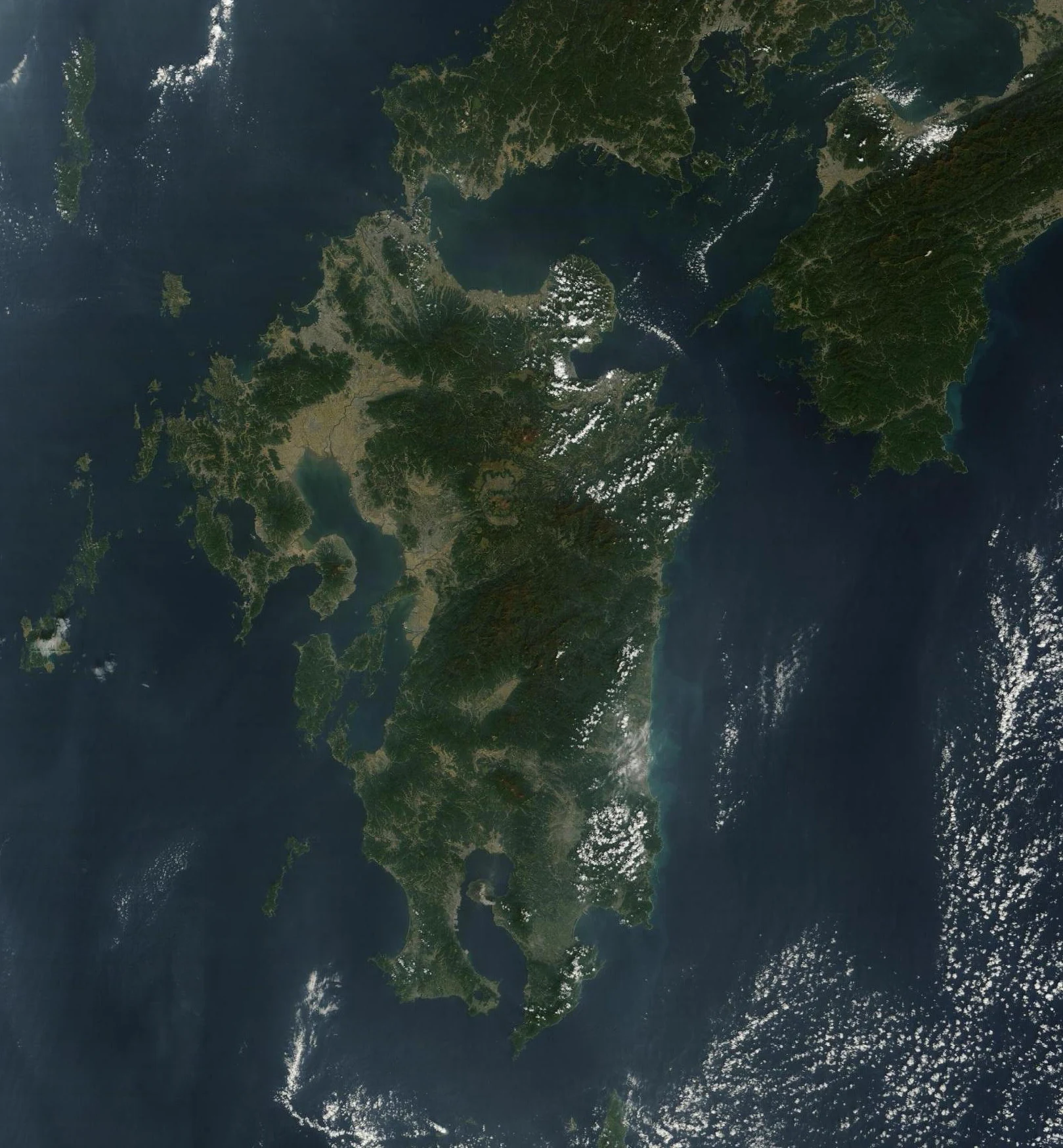
Kyushu is where Japan's story starts: the island closest to the Asian mainland, the first to absorb outside influence, and still the least crowded of the country's major destinations. Seven prefectures stretch from Fukuoka's neon-lit food stalls south to Kagoshima's ash-dusting volcano, with active calderas, centuries-old onsen towns, and a subtropical coastline in between. Most visitors to Japan never make it past Osaka. Kyushu is the strongest argument for going further.
Prefectures
Seven prefectures, each with a distinct pull, from Fukuoka's urban energy to Kagoshima's volcanic edge.
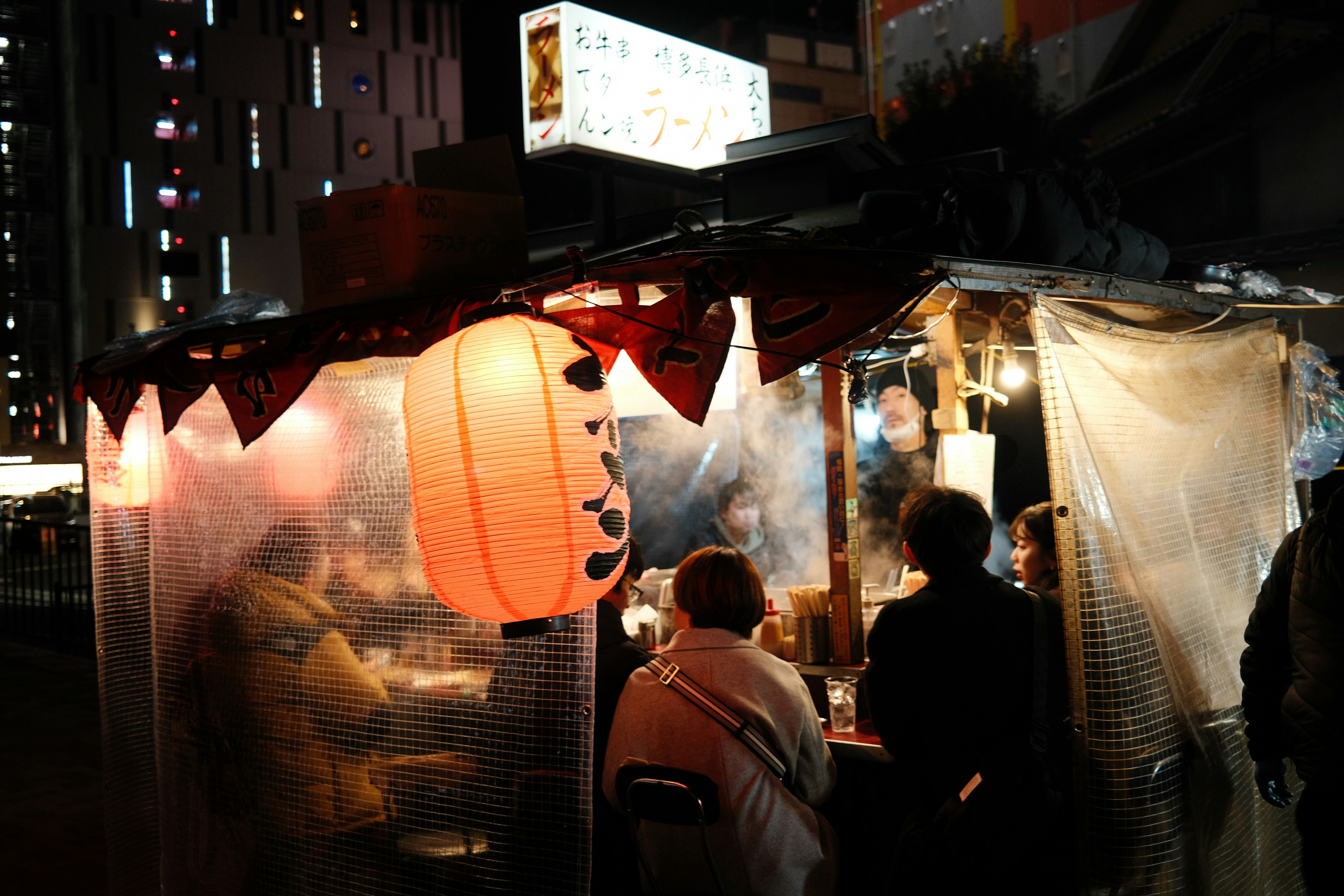
Fukuoka Prefecture
Kyushu's gateway city: yatai street food, tonkotsu ramen, and fast connections to everywhere else on the island
Street food and city energy
- Hakata ramen district
- Dazaifu Tenmangu
- Kawachi Fujien
Saga Prefecture
Centuries-old pottery towns, quiet onsen villages, and one of Japan's best Yayoi-era archaeological sites
Pottery and hidden onsen
- Arita and Imari pottery
- Yutoku Inari Shrine
- Yoshinogari Park
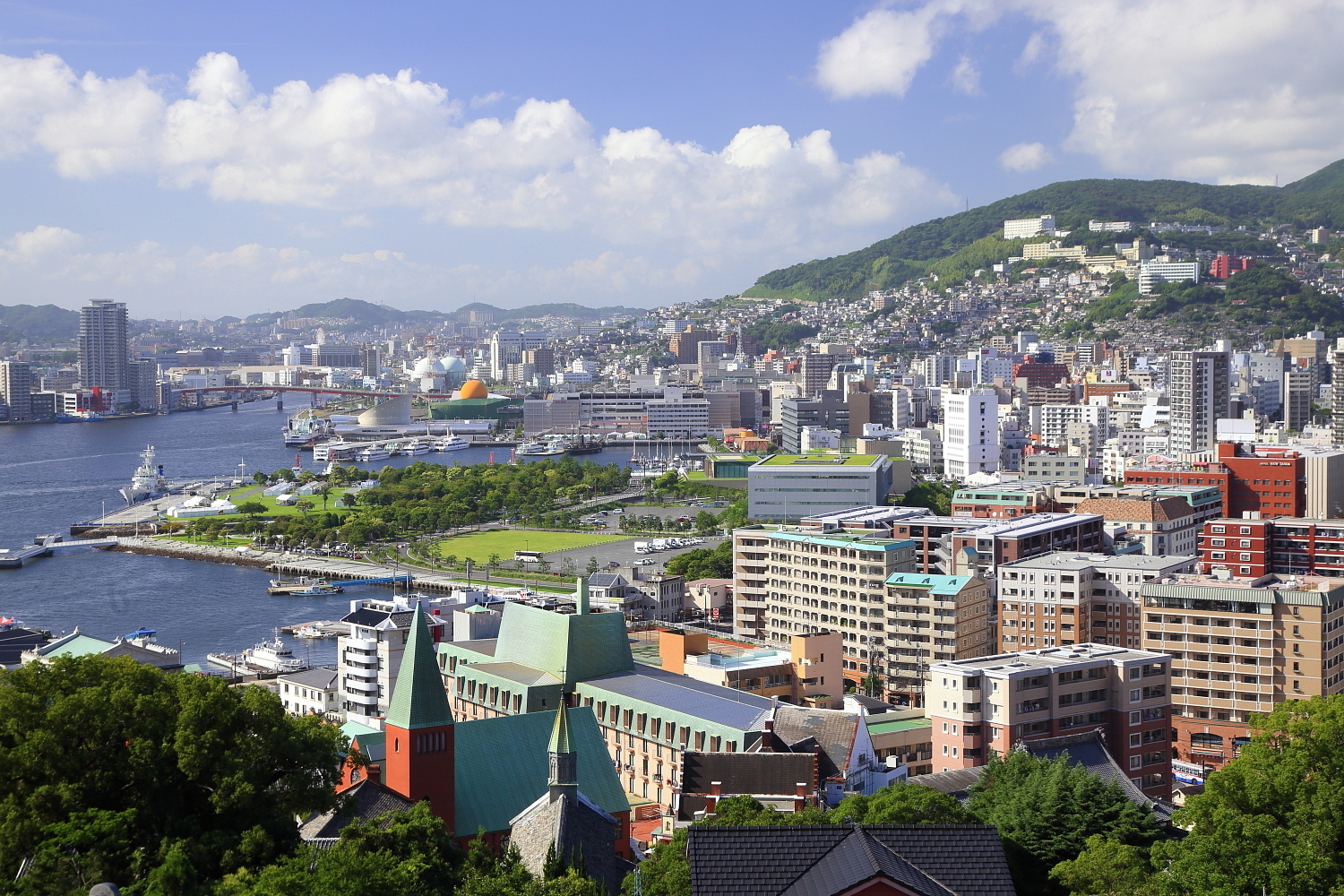
Nagasaki Prefecture
Japan's window to the outside world for two centuries, with layered history, island churches, and a coastline that keeps going
Trade history and island churches
- Dejima trading post
- Goto Islands churches
- Hirado
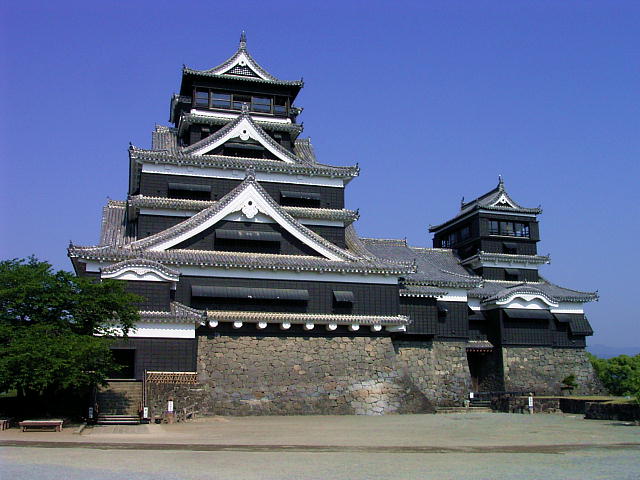
Kumamoto Prefecture
A restored castle, one of the world's largest volcanic calderas, and some of Japan's finest onsen tucked into forested valleys
Volcanoes and castle town
- Kumamoto Castle
- Mount Aso caldera
- Kurokawa Onsen
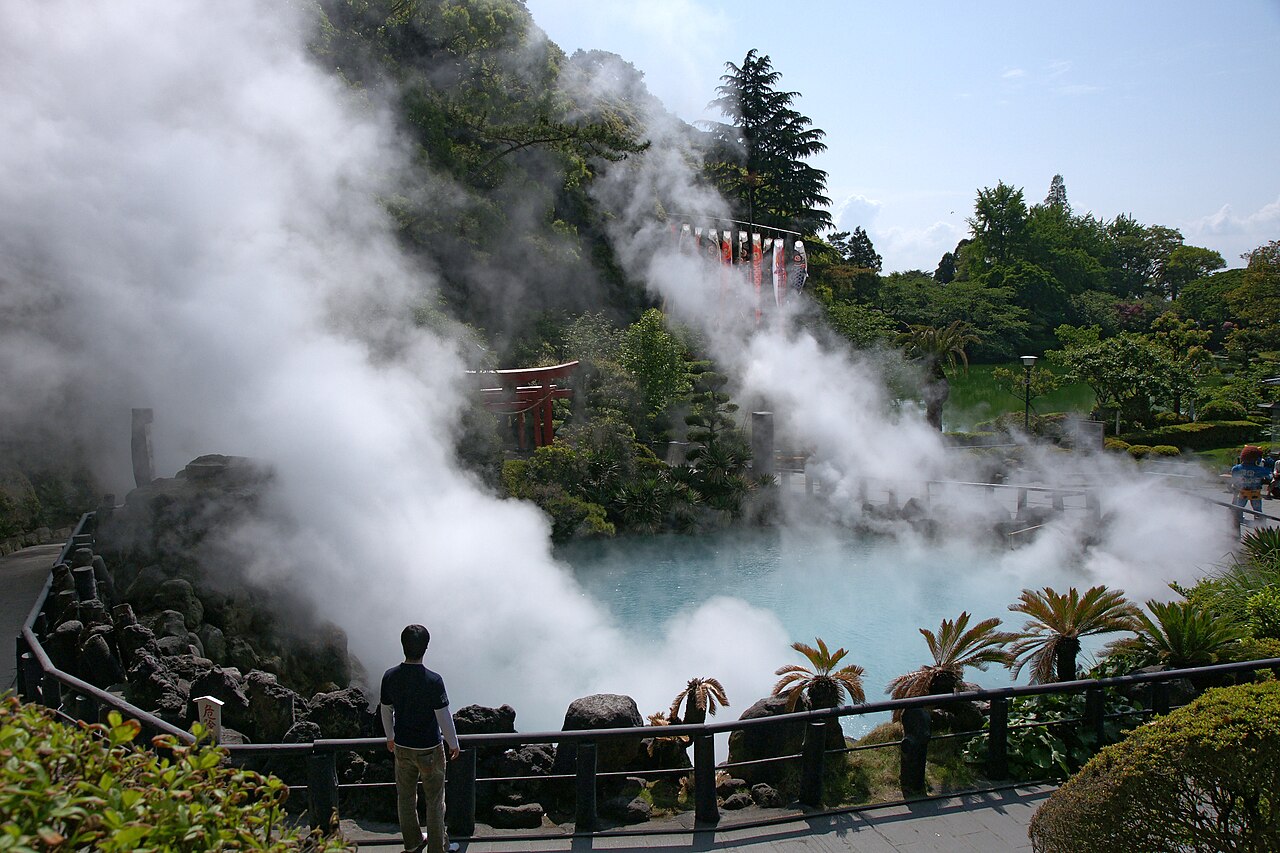
Oita Prefecture
Japan's hot spring capital, from Beppu's steaming hells to Yufuin's rural calm, plus mountain trails most visitors never find
Hot spring heartland
- Beppu onsen and Jigoku
- Yufuin
- Usuki stone Buddhas
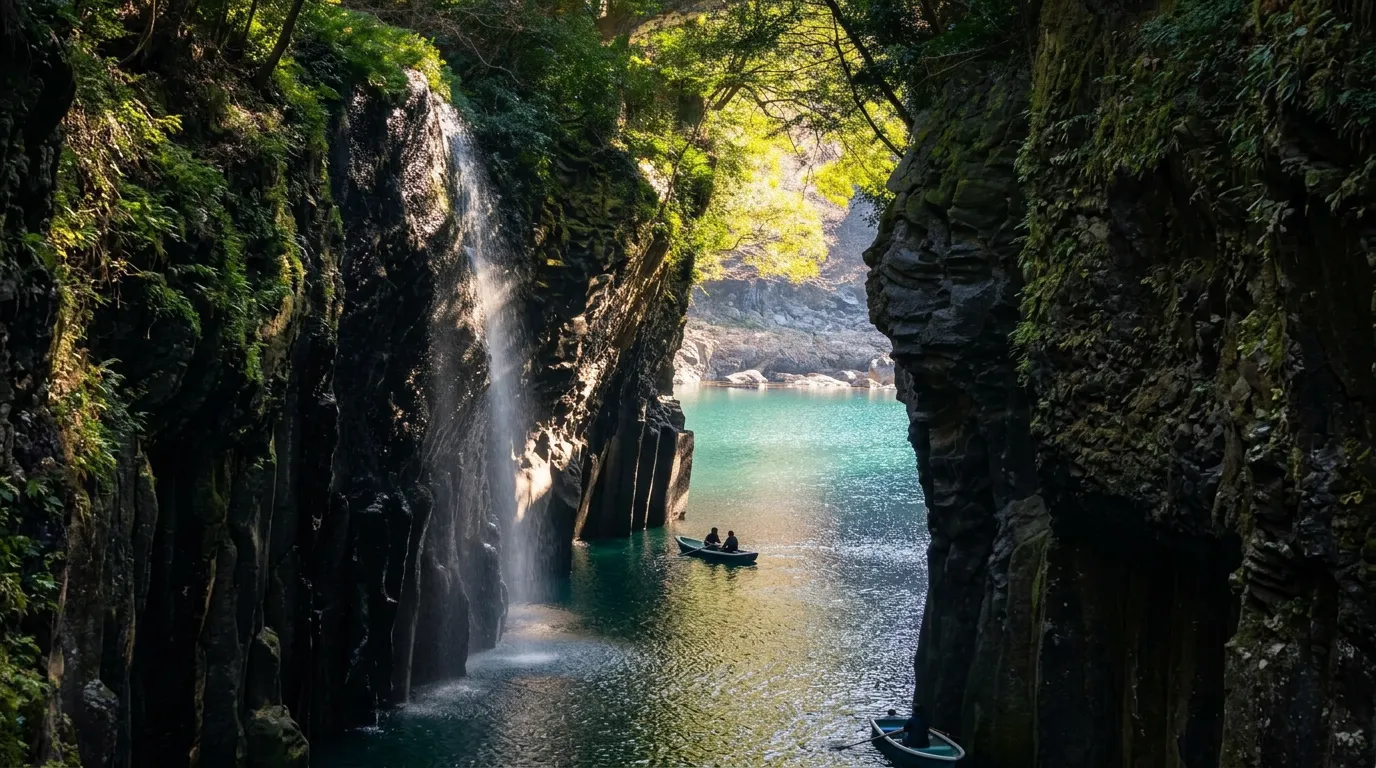
Miyazaki Prefecture
Subtropical Pacific coastline, mountain mythology at Takachiho Gorge, and a surf scene that catches most visitors off guard
Coastline and mythology
- Takachiho Gorge
- Aoshima island
- Okuragahama surfing
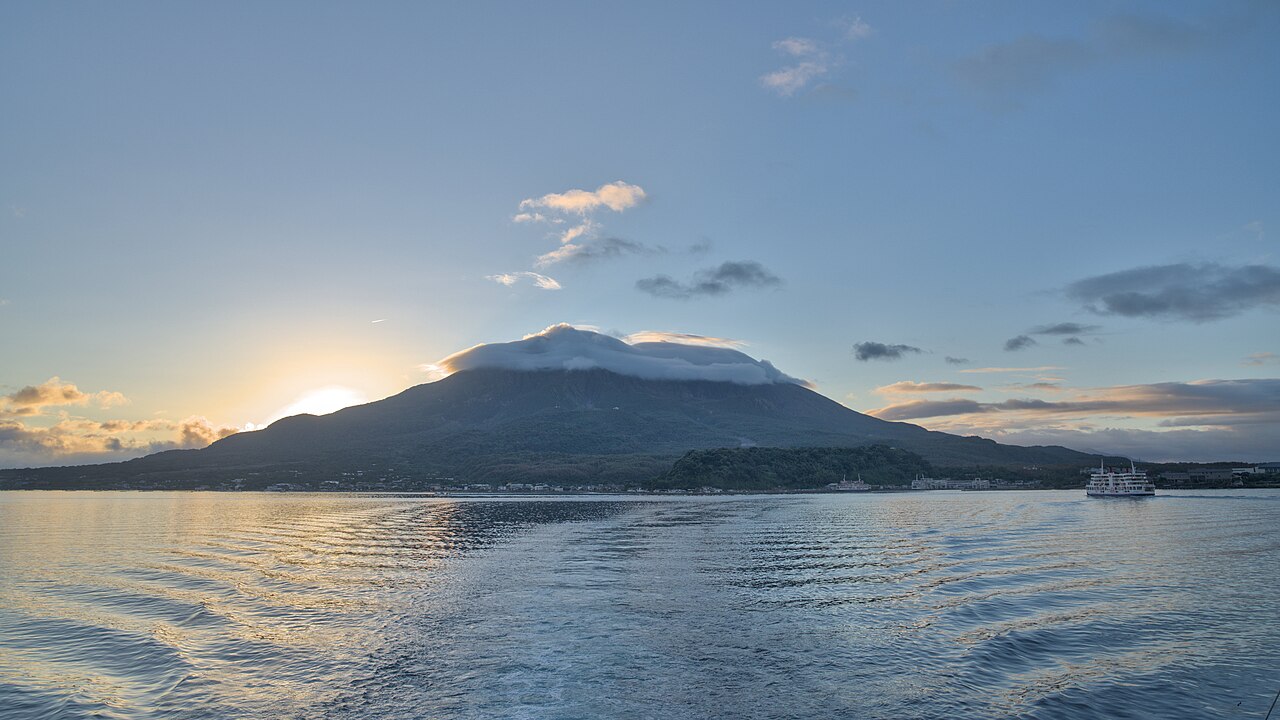
Kagoshima Prefecture
An active volcano visible from every hotel window, subtropical islands with ancient cedar forests, and the southernmost edge of mainland Japan
Volcanoes and subtropical islands
- Sakurajima volcano
- Yakushima cedar forests
- Kirishima-jingu
When to Visit
Kyushu's southern latitude means milder winters and earlier cherry blossoms than the rest of Japan, but also typhoon risk in late summer.
Springharu
Mar – May12–22°CModerate crowds
Springharu
- Cherry blossoms arrive late March, earlier than anywhere else on the mainland
- Wisteria at Kawachi Fujien peaks late April
- Azaleas and tulips through mid-May at Mifuneyama Rakuen and beyond
- Golden Week crowds late April to early May
Summernatsu
Jun – Aug25–33°CModerate crowds
Summernatsu
- Rainy season (tsuyu) through early July; pack accordingly
- Typhoon season begins in July and runs through October
- Surfing on Miyazaki's Pacific coast
- Hot and humid; highland retreats around Mount Aso offer relief
Autumnaki
Sep – Nov12–25°CModerate crowds
Autumnaki
- Typhoon risk lingers into October
- Autumn foliage peaks mid-to-late November around Kirishima and the volcanic highlands
- Comfortable temperatures for hiking and onsen-hopping
- Saga International Balloon Fiesta in autumn
Winterfuyu
Dec – Feb4–12°CLow crowds
Winterfuyu
- Mildest winters of any major Japanese island, rarely freezing at sea level
- Peak onsen season in Beppu, Kurokawa, and Yufuin
- Tonkotsu ramen and shōchū weather in Fukuoka and Kagoshima
- Fewest tourists across the island
Suggested Itineraries
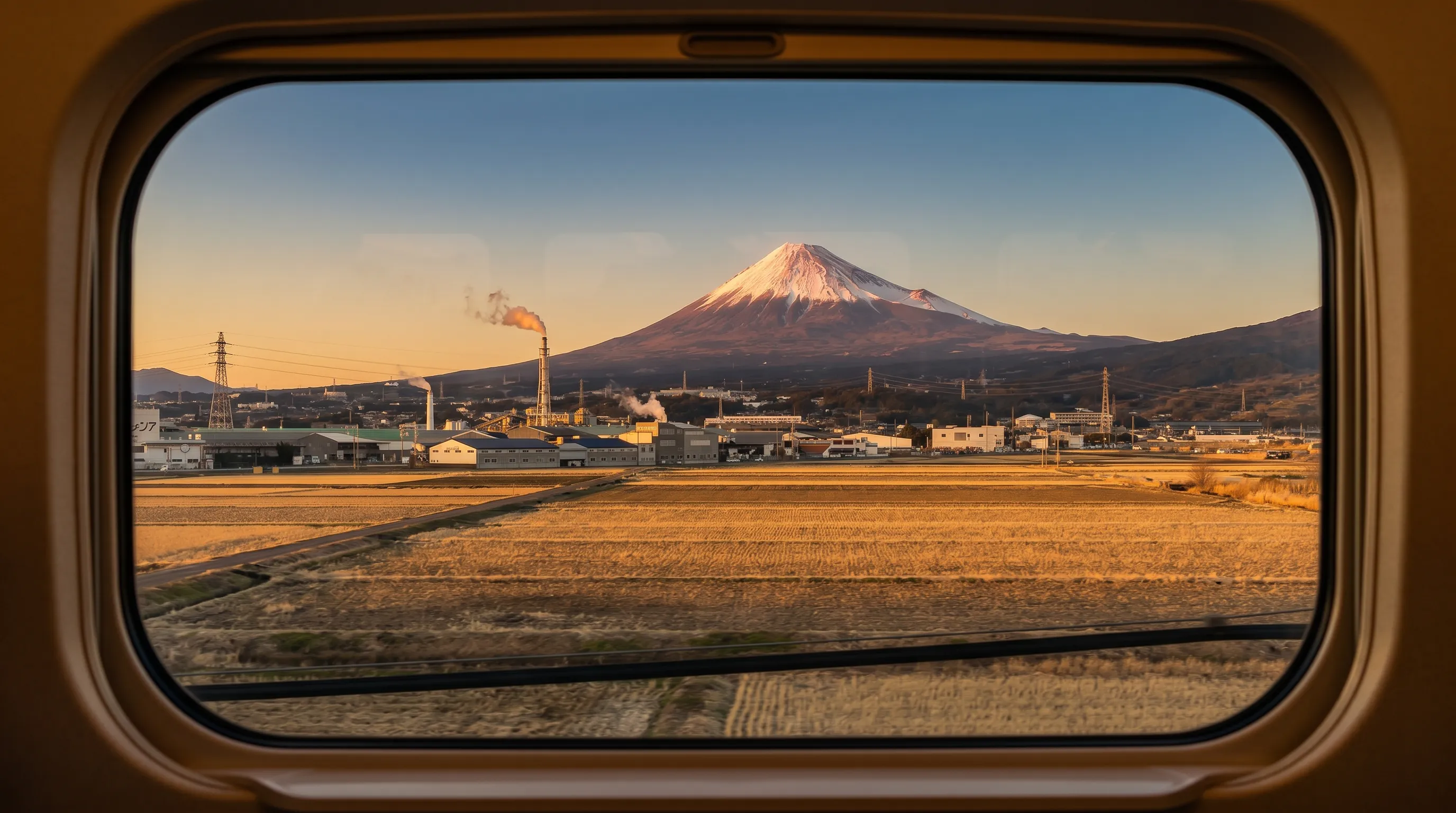
Kyushu rewards slow travel: loop the western shinkansen spine or dig into a single prefecture.
FAQ
How do I get to Kyushu from Tokyo or Osaka?
By shinkansen, Fukuoka (Hakata Station) is about five hours from Tokyo and three hours from Osaka. Domestic flights are faster: roughly 90 minutes from Tokyo and one hour from Osaka. Fukuoka Airport has the most connections and is remarkably close to the city center.
How many days do I need in Kyushu?
Five days covers the western shinkansen corridor from Fukuoka through Kumamoto to Kagoshima comfortably. A week or more allows detours to Beppu's hot springs, Takachiho Gorge, or the subtropical islands of Yakushima and Amami Oshima. Browse ryokan and hotel options across Kyushu on Booking.com to plan where to base yourself each night.
Is the JR Pass worth it for Kyushu?
A dedicated JR Kyushu Railway Pass exists for visitors on a temporary visa and often beats individual tickets if you're making two or more long-distance trips. For travel limited to Kyushu, it's usually better value than the nationwide JR Pass. Check current pricing before you buy.
What is the best time of year to visit Kyushu?
Late March to mid-April for cherry blossoms (they arrive here first) and mid-to-late November for autumn foliage. Winter is mild and uncrowded, ideal for onsen towns. Avoid July through October if typhoons concern you.
Can I get around Kyushu without a car?
The shinkansen connects Fukuoka, Kumamoto, and Kagoshima efficiently. Cities like Nagasaki and Beppu require express trains off the main line. Remote areas (parts of Mount Aso, Takachiho, Yakushima) are bus-only or best reached by rental car.
Is Kyushu safe for tourists?
Yes. Kyushu is as safe as the rest of Japan. The main natural risks are typhoons in late summer and volcanic activity around Mount Aso and Sakurajima; both are well-monitored with clear warning systems. Check local advisories before hiking near active craters.