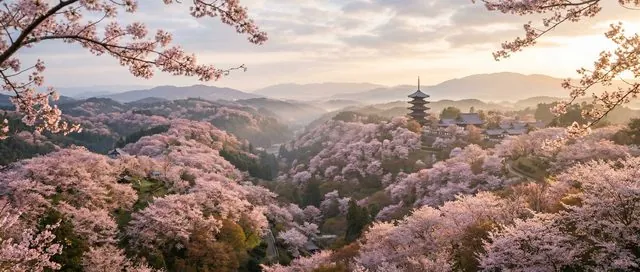
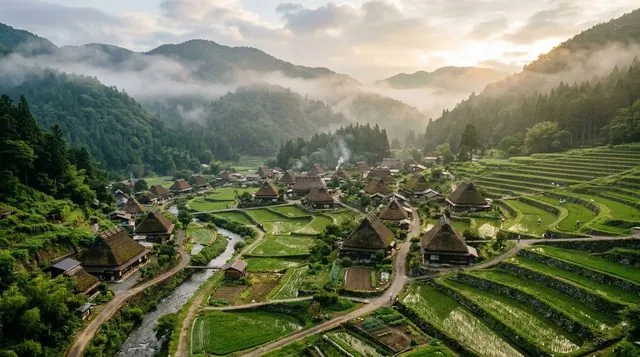
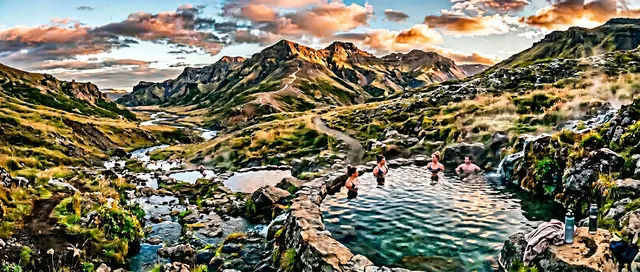
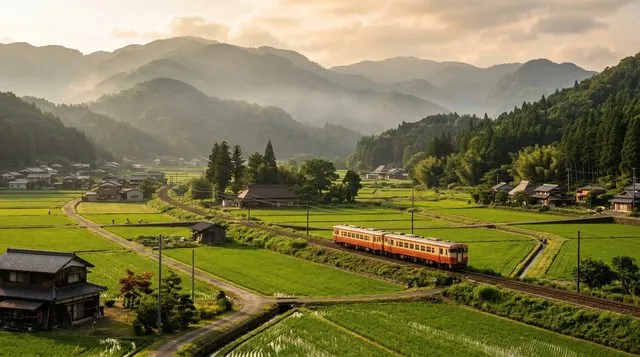
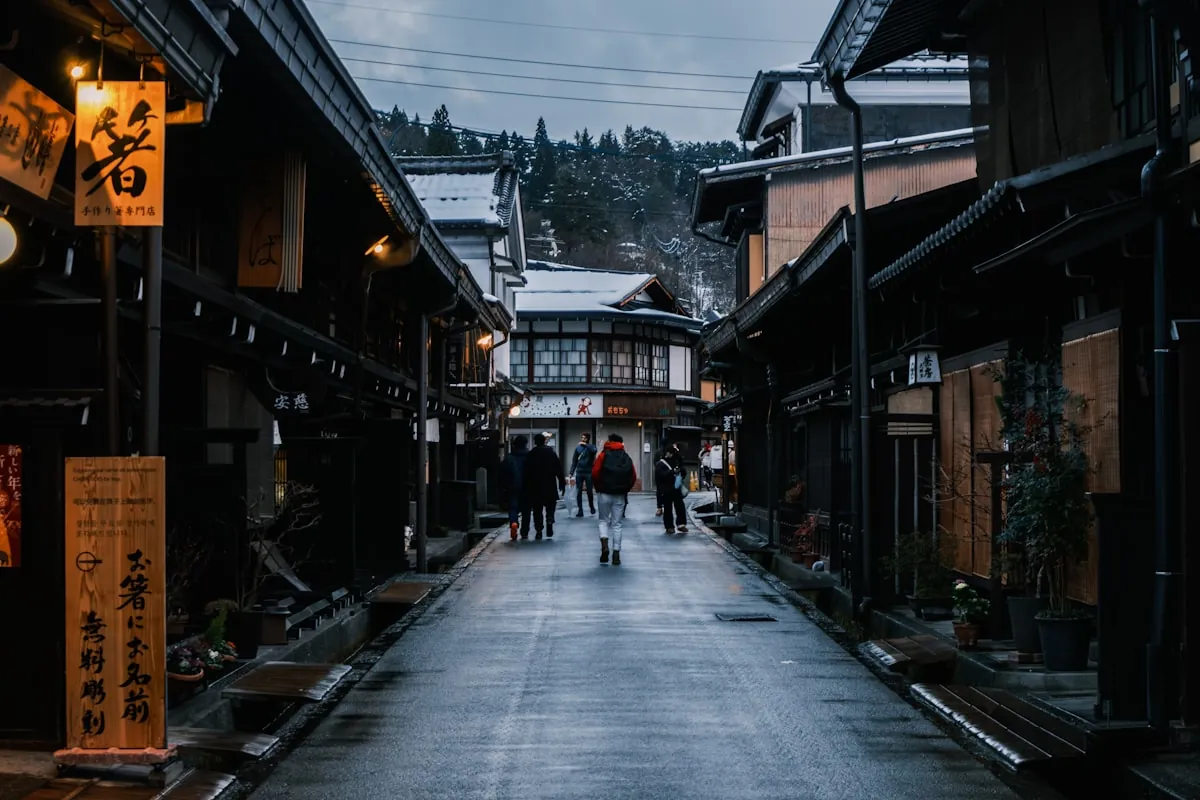
Gunma is the prefecture Tokyo escapes to in winter. Two hours north of Ueno by shinkansen, the lowlands give way to volcanic highlands streaked with onsen towns and snow country. Kusatsu Onsen anchors it all with its sulphurous yubatake hot-spring field; Ikaho Onsen climbs a long stone staircase through wooden ryokan; Shima Onsen sits along a river so blue locals call it "shima blue"; Takaragawa Onsen houses one of Japan's largest open-air baths in a forested gorge; Fukiware no Taki tumbles across a stone shelf locals call the Niagara of the East; Oze National Park rolls out highland wetlands famed for skunk-cabbage in spring; Yagisawa Dam floods a deep alpine valley; the unusual sand-rock formations of Nishi no Kawara Park sit beside Kusatsu's central baths; Tomioka Silk Mill preserves Meiji-era industry as UNESCO heritage; and Minakami serves as Gunma's outdoor-adventure base.
Cities & Towns
Five towns anchoring Gunma's onsen valleys and adventure base.
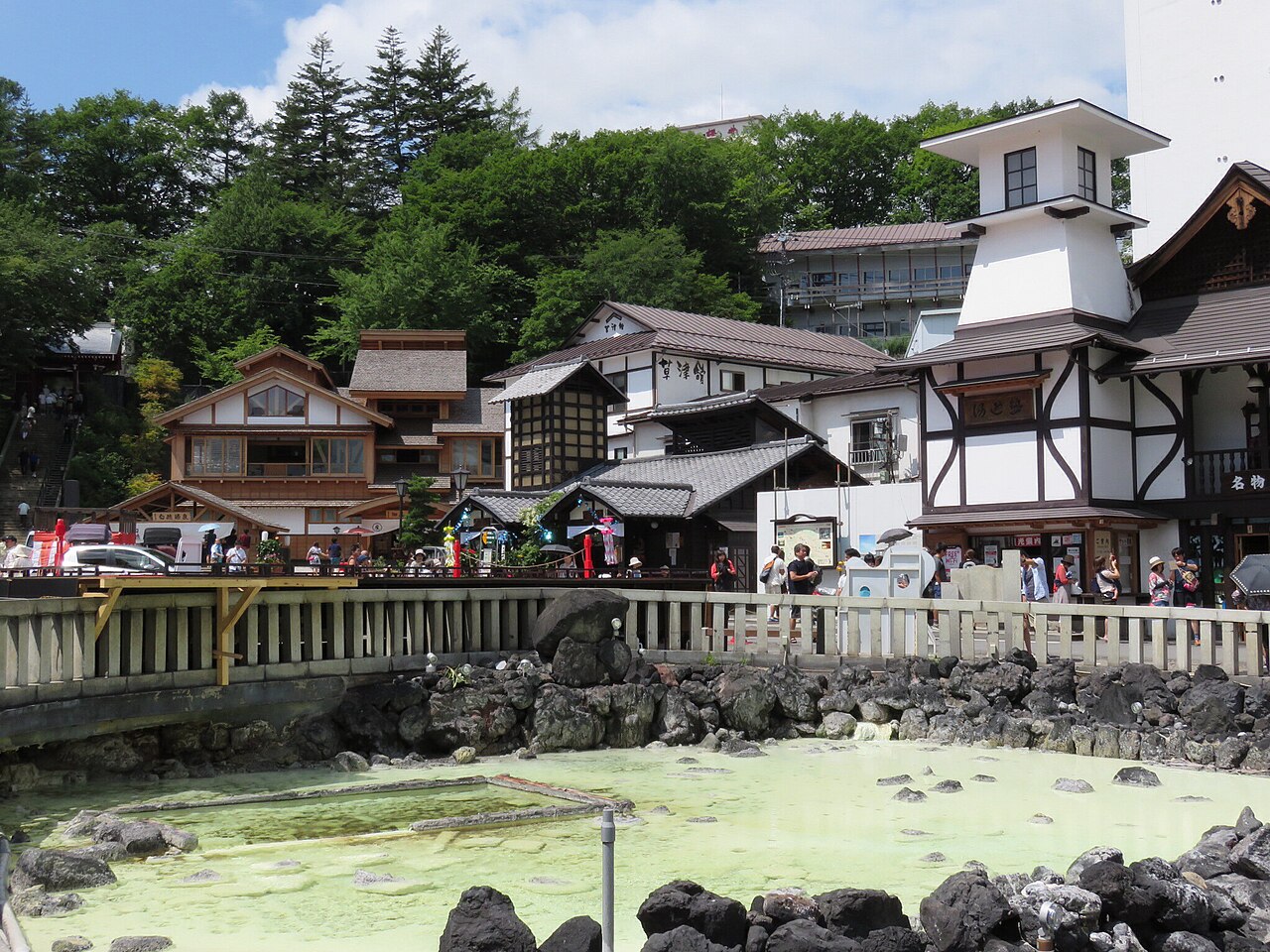
Kusatsu
Japan's most famous hot spring town: the steaming yubatake at the centre, wooden cooling channels, and the hottest springs of any major resort
Most famous onsen town
- Yubatake hot-spring field
- Sai no Kawara baths
- Yumomi water-cooling show
Ikaho
A stepped onsen town climbing a long stone staircase past wooden ryokan, with iron-rich brown waters that locals swear by
Stepped onsen town
- Stone staircase
- Iron-rich waters
- Ropeway to Mount Haruna
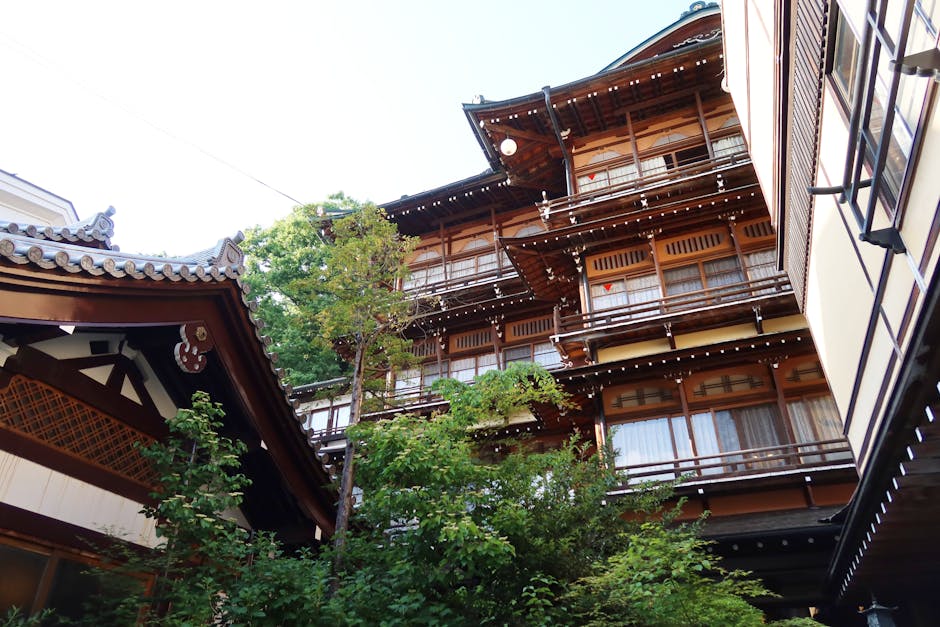
Shima
A quieter river-valley onsen: the blue Shima River, classic ryokan, and a 400-year-old wooden bathhouse said to have inspired Spirited Away
River valley onsen
- Sekizenkan ryokan
- Shima Blue river
- Quiet alternative to Kusatsu
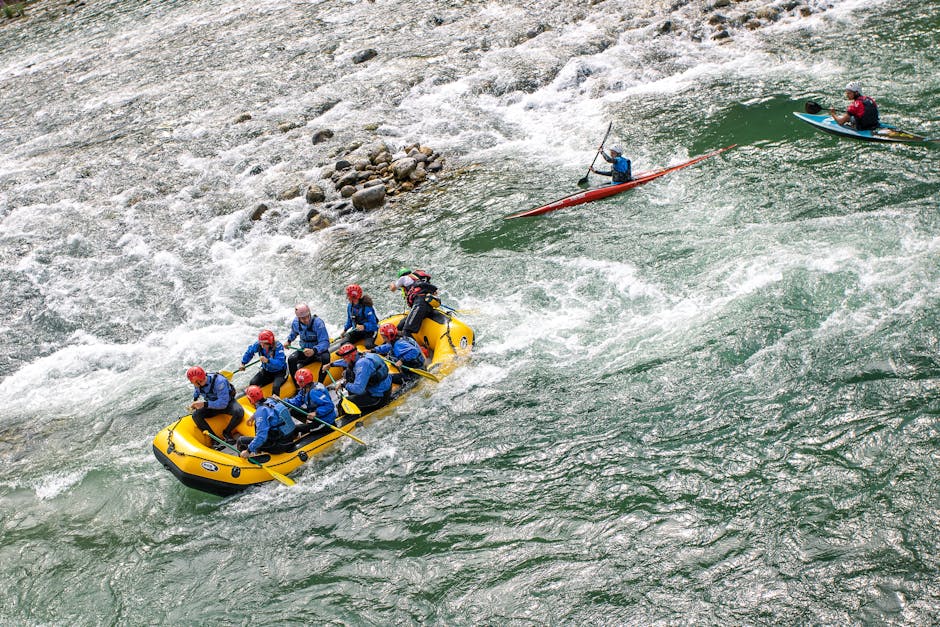
Minakami
Gunma's outdoor-adventure capital: rafting, canyoning, ski areas, and the boulder-cave open-air baths of Takaragawa Onsen
Adventure base town
- Rafting and canyoning
- Takaragawa Onsen
- Tanigawa-dake skiing
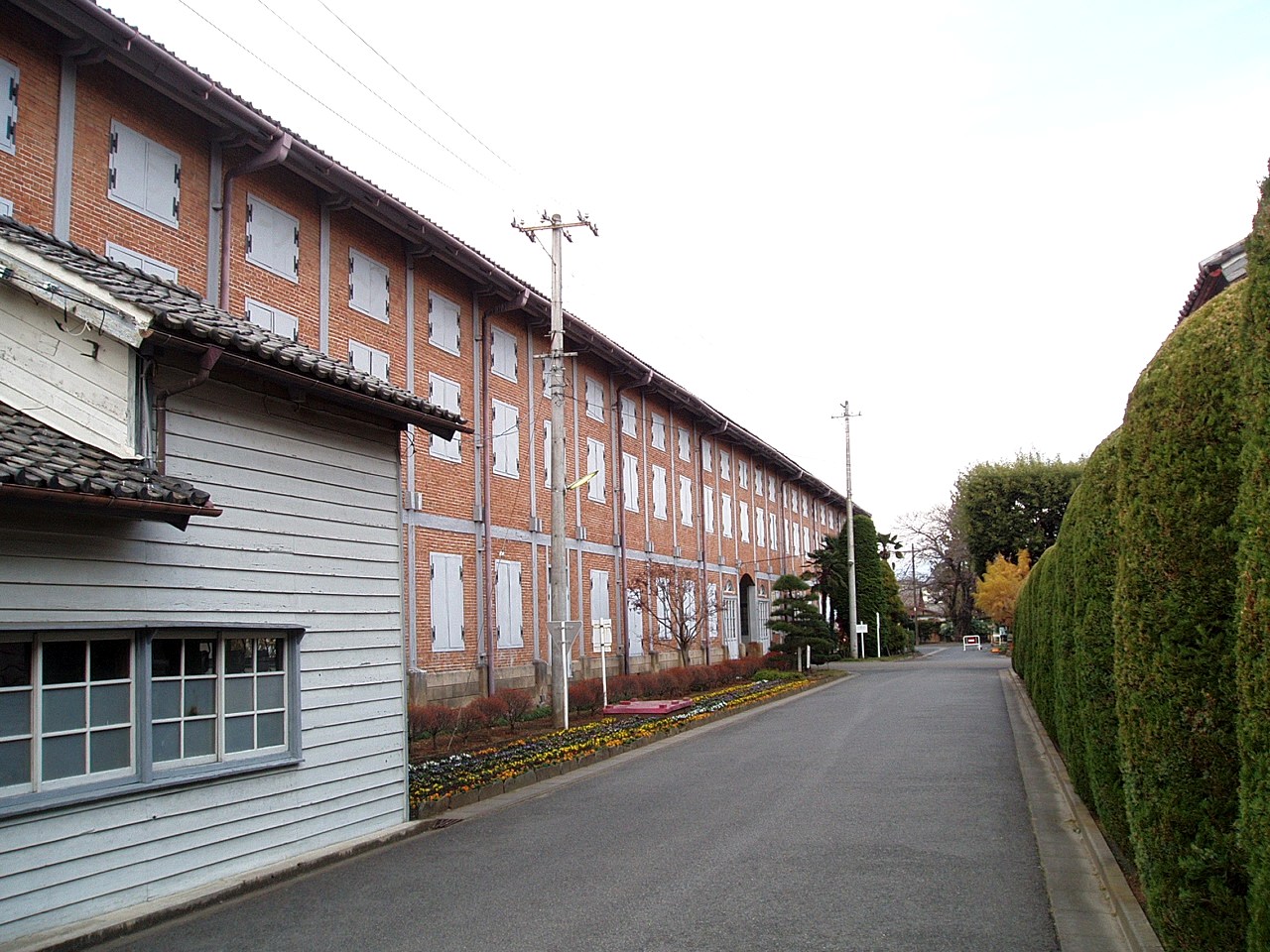
Tomioka
A small lowland city around the UNESCO-listed Tomioka Silk Mill, a perfectly preserved Meiji-era brick factory complex
UNESCO silk mill town
- Tomioka Silk Mill (UNESCO)
- Meiji-era brick
- Konnyaku Park
Top Attractions
Gunma's headline draws across its onsen valleys and adventure country.
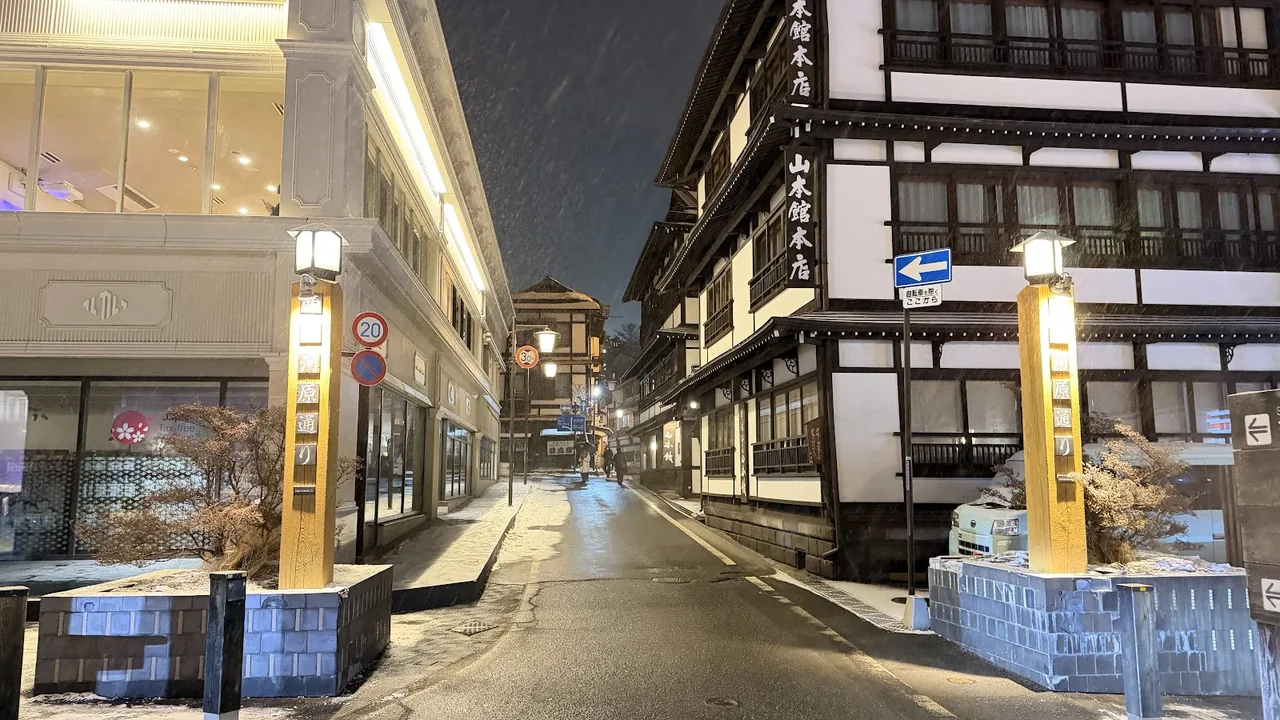
The yubatake hot-spring field at the heart of town: a steaming wooden water-cooling installation surrounded by night-lit baths and ryokan
A 365-step stone staircase climbs the heart of town past traditional ryokan and small shrines, with iron-rich brown waters at the top
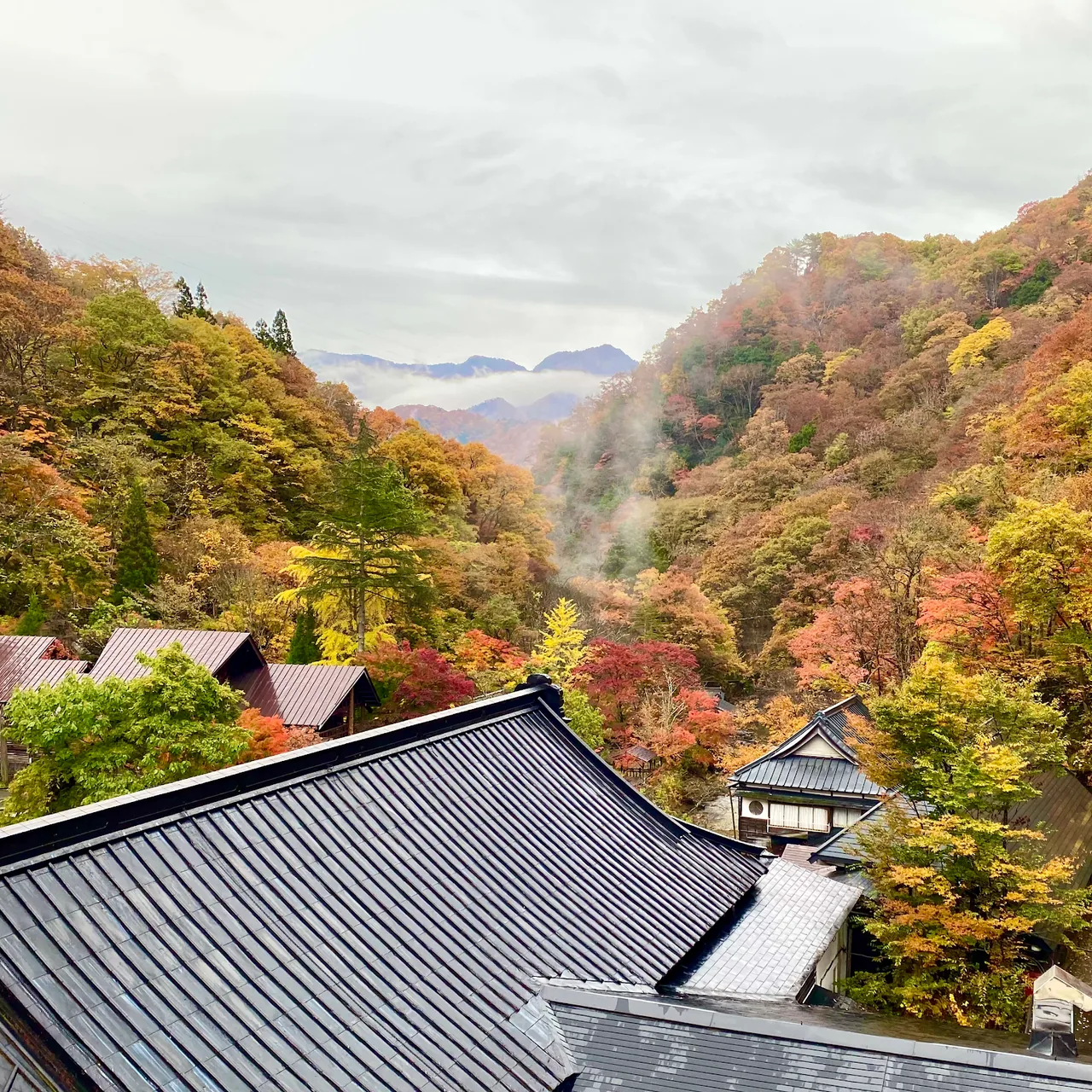
Vast riverside open-air baths spread along boulders and forest, among Japan's largest mixed-bathing rotenburo, an hour's drive from Minakami
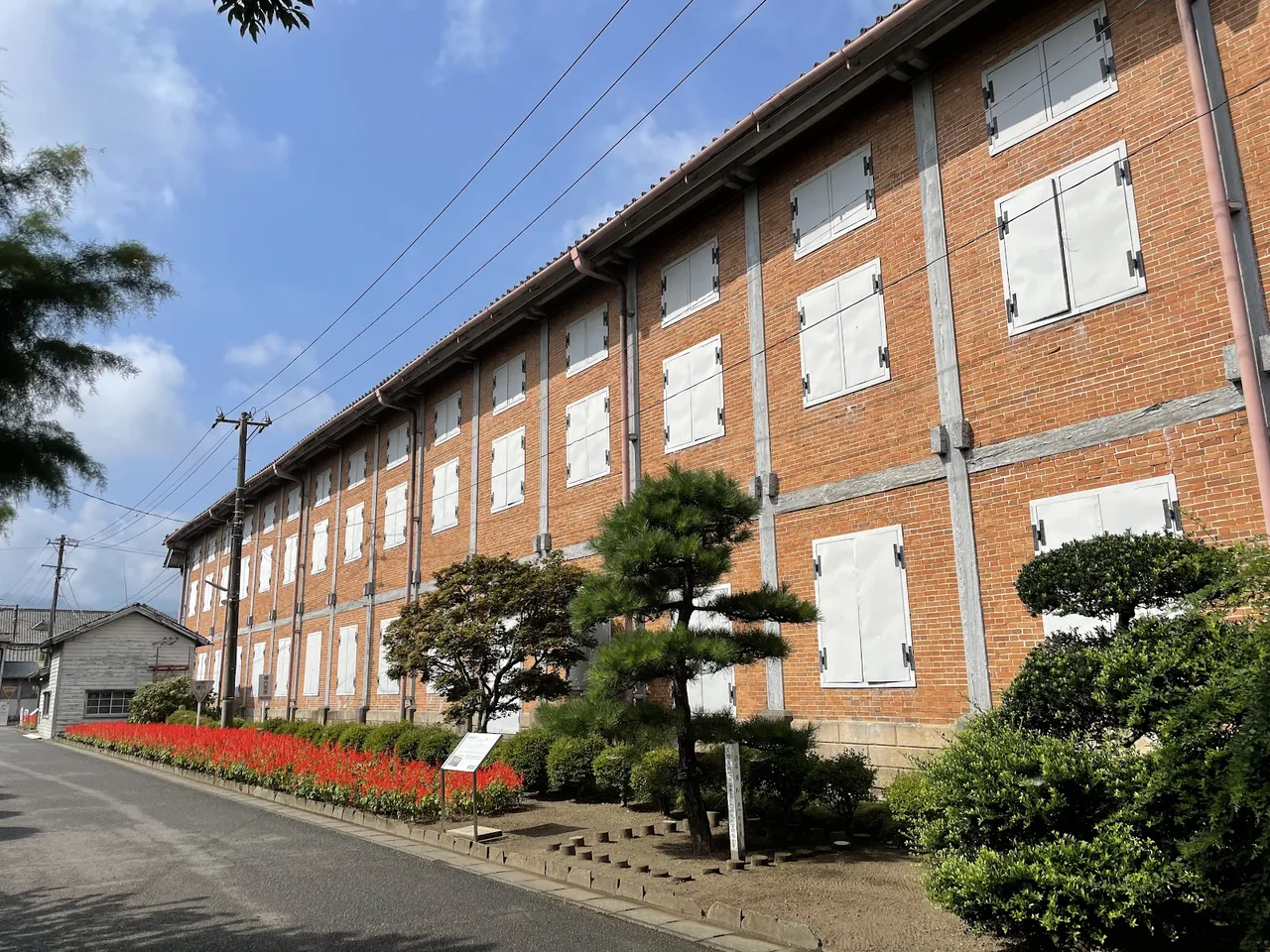
UNESCO-listed Meiji-era silk factory: Japan's first modern industrial complex, with the original 1872 brick buildings still intact
Hidden Gems
Three quieter corners of Gunma beyond the famous onsen names.
A 400-year-old wooden ryokan widely cited as the inspiration for the bathhouse in Spirited Away, open for overnight stays and day visits
 Hidden Gem
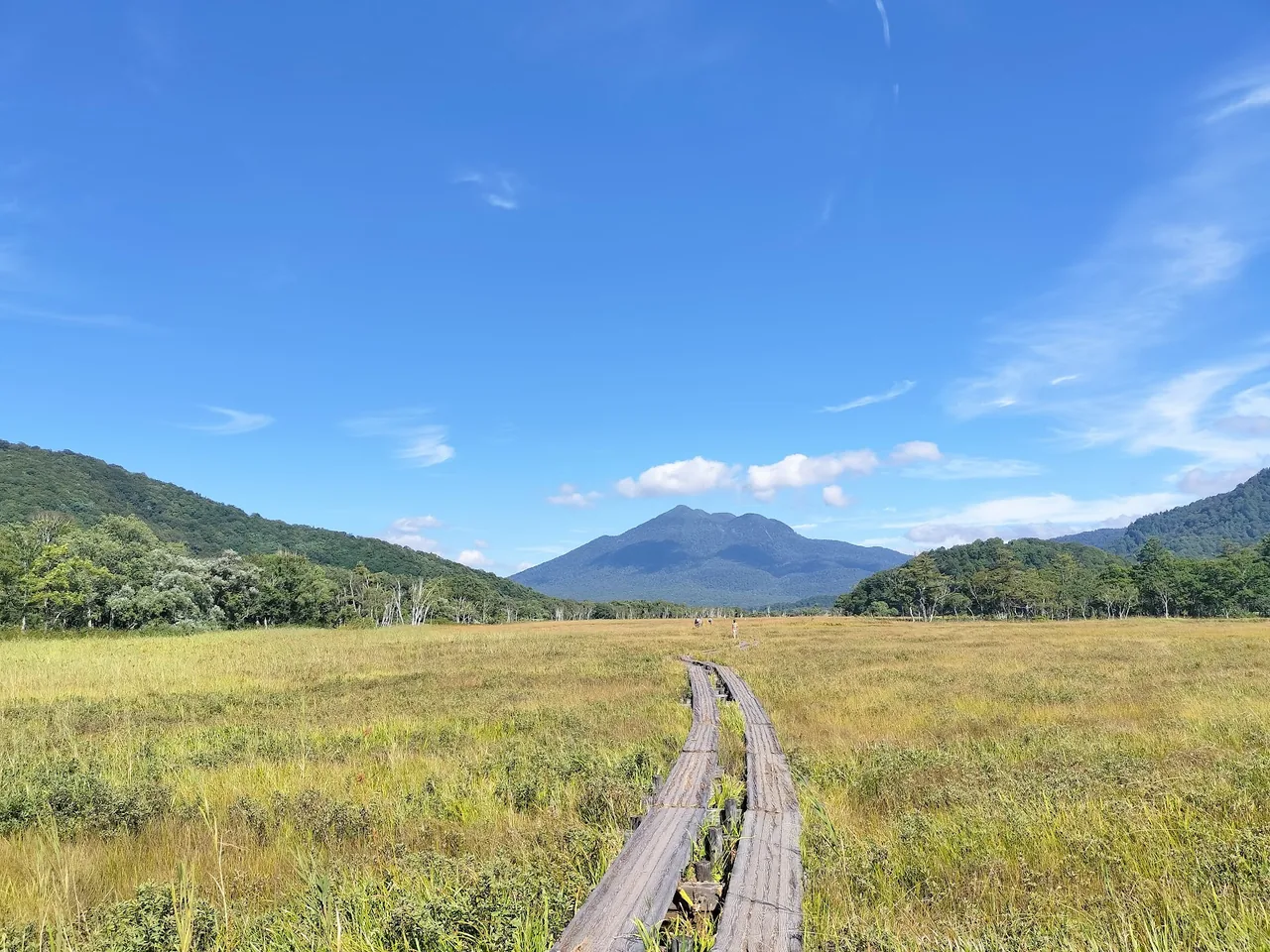
Highland wetlands of skunk-cabbage in spring and golden grasses in autumn: Honshu's largest mountain marshland, accessed by boardwalk
 Hidden Gem
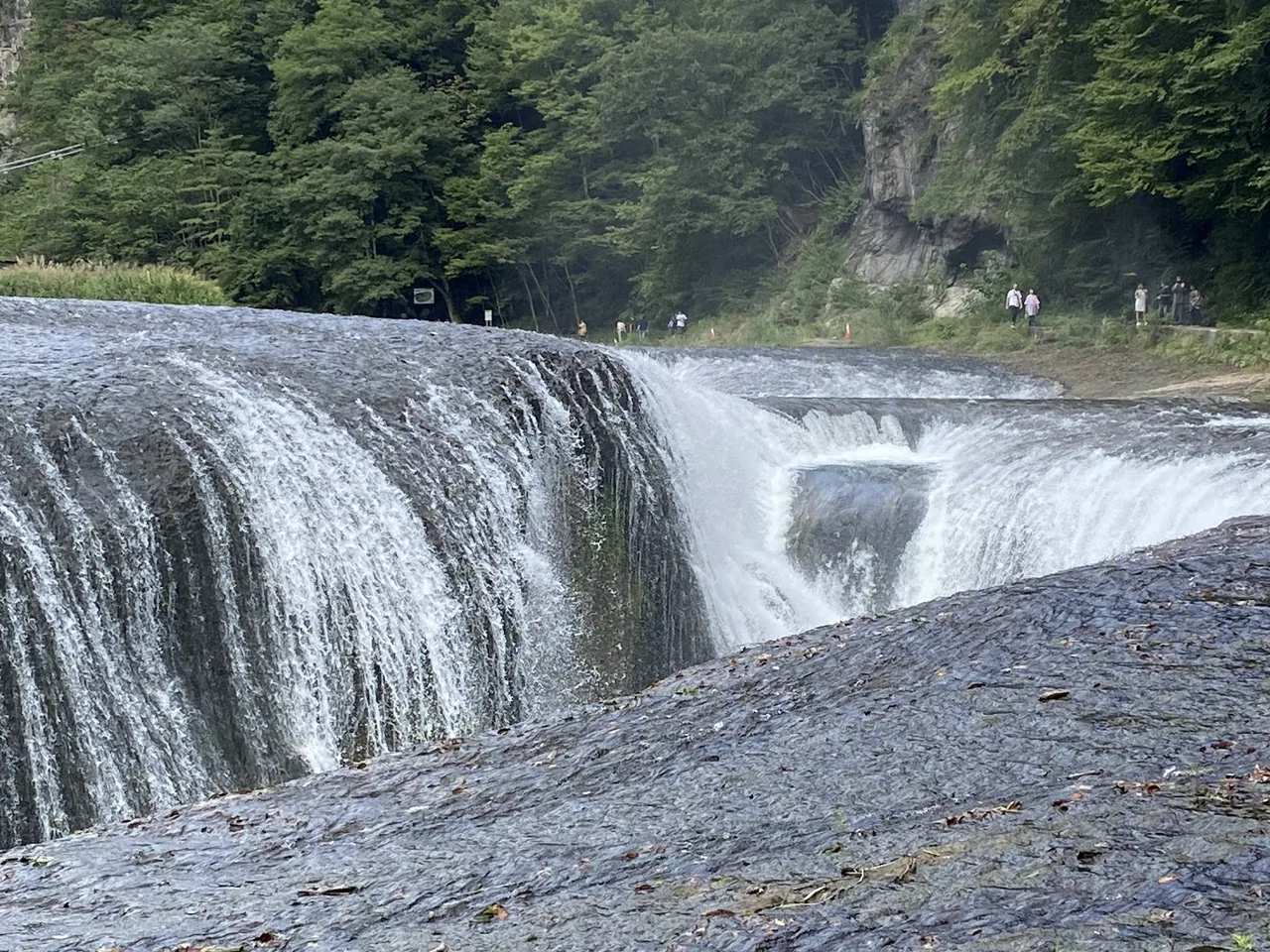
A horseshoe waterfall pouring through a cleft in flat sandstone. Japan's so-called Niagara, set in a quiet northern Gunma forest
When to Visit
Gunma's mountain altitude makes summers cool and winters genuinely snowy.
Springharu
Apr – May5–18°CModerate crowds
Springharu
- Late cherries in Numata mid-April
- Skunk cabbage at Oze National Park late May
- Tomioka Silk Mill comfortable for visits
- Yagisawa Dam green and full
Summernatsu
Jun – Aug18–27°CHigh crowds
Summernatsu
- Cool retreats from Tokyo's heat
- Rafting season in Minakami
- Oze wetland walks at their best
- Rainy season through early July
Autumnaki
Sep – Nov5–18°CHigh crowds
Autumnaki
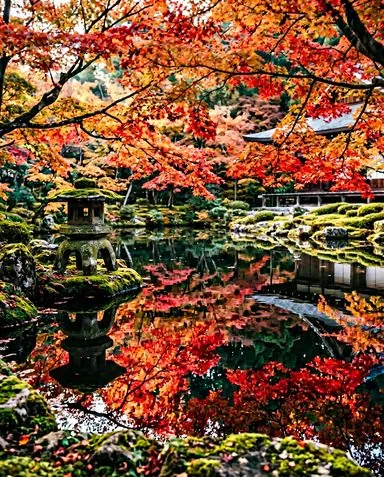
- Foliage in Oze and Takaragawa late October to mid-November
- Kusatsu and Ikaho onsen at peak comfort
- Nishi no Kawara crater scenery
- Cool clear days for the silk mill
Winterfuyu
Dec – Feb-5 to 6°CHigh crowds
Winterfuyu
- Heavy snow in Kusatsu, Minakami, and Tanigawa
- Onsen towns at their atmospheric best
- Skiing at Tanigawadake and Manza
- Steaming yubatake in winter air
Suggested Itineraries
From a single onsen overnight to a full prefecture loop.
FAQ
How do I get from Tokyo to Kusatsu Onsen?
The fastest route is the JR Joetsu Shinkansen to Karuizawa or Takasaki, then a JR limited-express bus to Kusatsu Onsen, 3 hours in total. Direct highway buses from Shinjuku run 4 hours. There's no train station in Kusatsu town itself.
Is Kusatsu or Ikaho better?
Kusatsu has the more dramatic central yubatake and stronger sulphurous waters. Ikaho's stone-staircase town centre is more compact and atmospheric for short stays. Most visitors do one or the other; a 2-night trip can fit both.
What is Gunma best known for?
Onsen towns are the prefecture's defining draw: Kusatsu, Ikaho, Shima, Takaragawa and Minakami. Add the UNESCO-listed Tomioka Silk Mill, the Oze wetlands, and the year-round adventure scene around Minakami.
When is the best time to visit Gunma?
Late October to mid-November for foliage in onsen valleys and Oze. December to February for snow scenery and steaming baths in cold air. June to August for cool relief from Tokyo's heat and the Oze wetland-walk season.
How many days do I need in Gunma?
One overnight in Kusatsu is the minimum to feel like you've been there. Two days lets you add Ikaho or Shima. A full three days opens up Minakami, Takaragawa, and the Tomioka Silk Mill on the way back to Tokyo.
What are Gunma's hidden gems?
Shima Onsen's Sekizenkan ryokan (the Spirited Away inspiration), the highland wetlands of Oze National Park, the riverside Takaragawa rotenburo, and the horseshoe cascade of Fukiware no Taki, Japan's so-called Niagara.