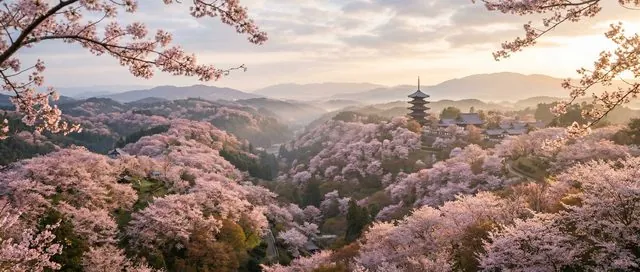
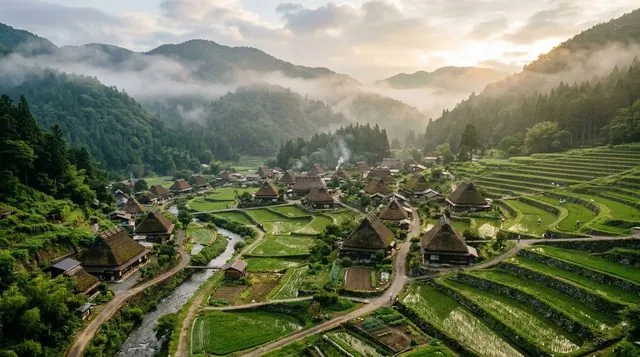
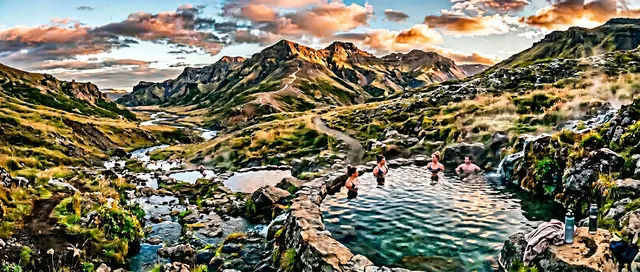
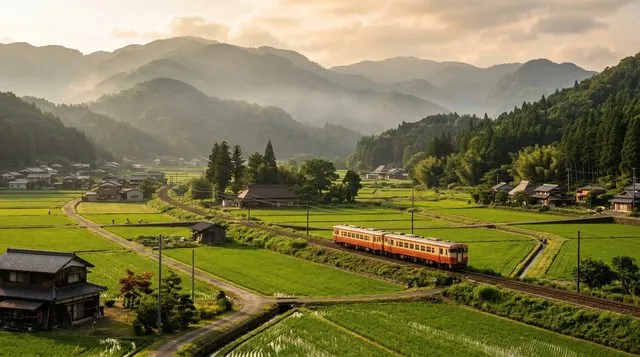
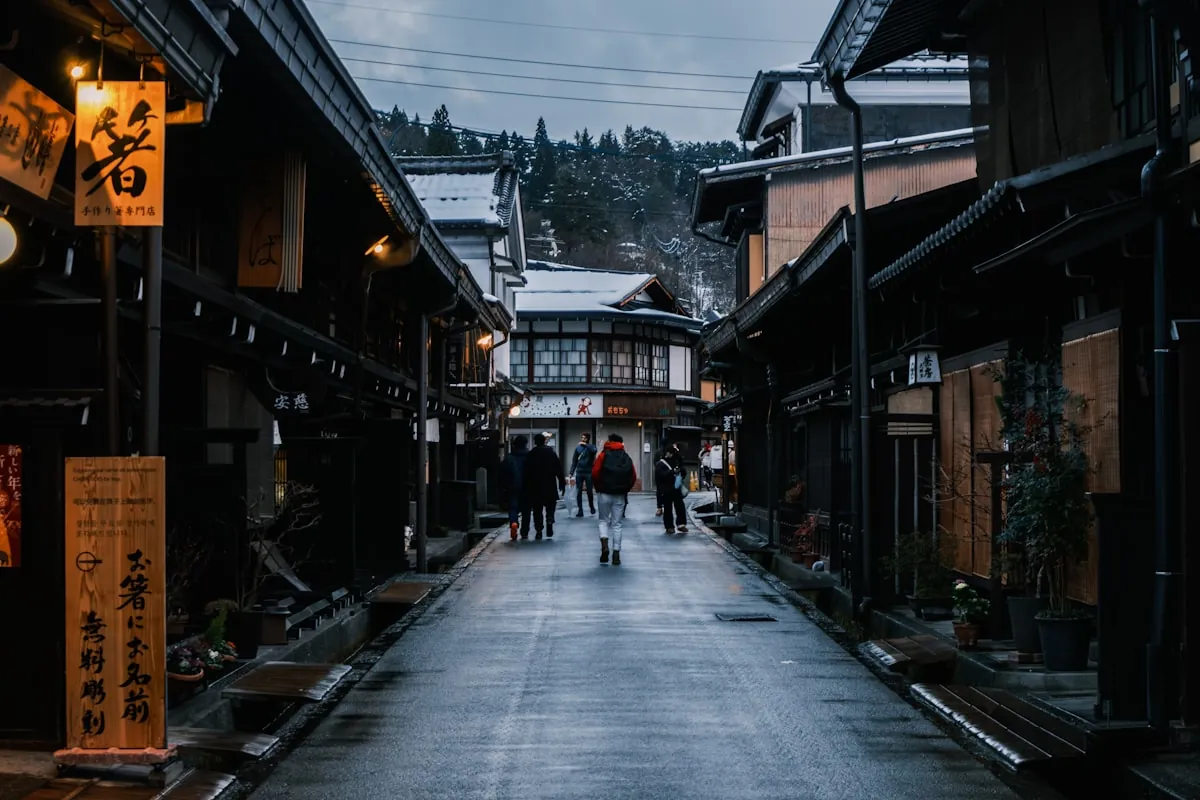
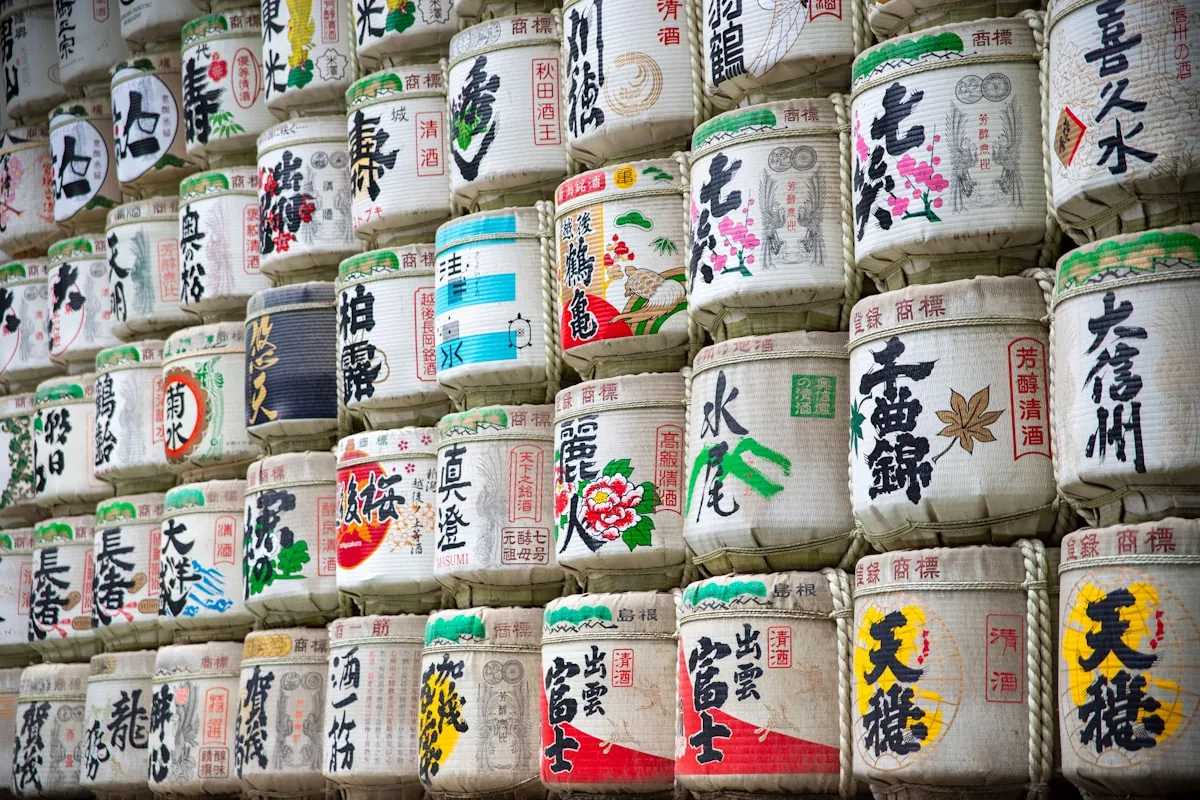
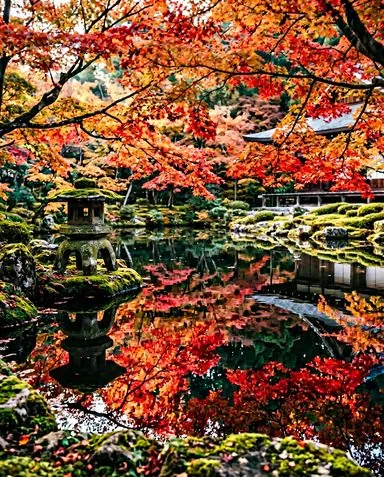

This year I made three Japan trips for a total of 47 nights: March (cherry blossoms), August (festivals), and November (koyo). Fourteen prefectures, three regions I'd never visited, and the slow accumulation of opinions you only get from showing up four times in twelve months. Here is what changed in my head.
The opinion that flipped: Kyoto in spring
I used to tell first-timers Kyoto was unmissable in cherry blossom season. After this March I'd actively talk people out of it. The 2024 timed-entry rules at the Bamboo Grove + Geisha district make casual wandering through Higashiyama nearly impossible without a permit. Hotels triple. Restaurants book months ahead. The temples are still extraordinary, but the friction-to-magic ratio swung against you. Same Kyoto in November is what March used to be. Go then.
The trip I'll repeat: Tohoku in August
I planned a 10-day Tohoku loop around the Aomori Nebuta festival on a hunch. It became the trip of the year. Aomori for Nebuta (the illuminated-warrior parade is genuinely the most dramatic festival I've seen anywhere). Hirosaki for the castle and apple orchards. Yamadera for the temple-on-a-cliff sunrise. Nyuto Onsen for two nights of nothing. Returning August 2026.
The reservations I'd cancel
- The 25,000-yen kaiseki dinner I booked from a Western critic's recommendation in Tokyo. Beautifully made. Stiff atmosphere. The 8,000-yen counter izakaya I went to the next night had more energy and more memorable food.
- The Mt. Fuji 5th Station bus tour I bought. The 2024 climbing reservation system makes spontaneous tours pointless; the 5th Station has been gated and queue-managed. Hakone with a clear-day Fuji view did the same job for a tenth of the time.
The reservation I should have made earlier
Tofuku-ji in koyo season needs an 08:30 entry, which means queueing at 08:00. I tried to walk up at 09:30 and lost an hour to the line. The Eikan-do trick (in “Autumn in Kansai” post) of arriving 06:30 to use the side path is a much better play.
What I'm doing differently in 2026
- Booking accommodations 6 months ahead, not 3. Yen weakness brought volume foreign tourism back; mid-range hotels in Kyoto/Kanazawa book months out for any peak week now.
- Skipping Mt. Fuji unless climbing. The classic Fuji photo opportunities are increasingly fenced or managed. Hakone for the view, Mt. Takao for the day hike.
- Tohoku and Shikoku get more nights. Both are noticeably emptier than the headline regions; both reward the time investment more.
- Sake brewery tours by appointment. Walk-in is fine but the small breweries (Takayama, Kanazawa, Niigata) have a different conversation if you book and arrive at a quiet hour.
- Onsen ryokan more than hotels. A single great ryokan night beats three good hotel nights. I'll cut hotel nights to add ryokan.
The thing nobody warns you about
Japan is exhausting in ways you don't expect. Not the food, not the language, not the trains, but the constant micro-attention to other people. Lining up correctly. Voice volume on trains. Backpack to your front. Cash in two hands. Slip-on shoes for ryokan. Each individual rule is small; the cumulative cognitive load over a 14-day trip is real. Build a half-day “quiet day” into every week of your itinerary. A Tokyo park, a long bath at a sentō, a Kyoto temple garden alone with coffee. Recover. Then continue.
For where I went specifically: Autumn in Kansai covers the November Kyoto/Nara trip. For more context on the changes in 2026: Where to Go in Japan in 2026.