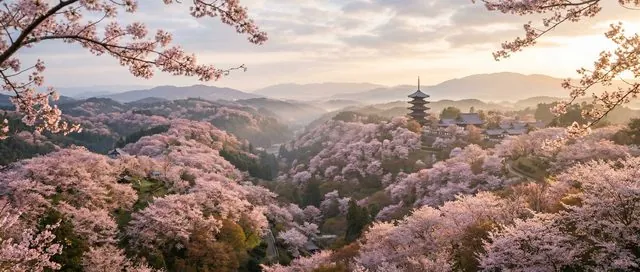
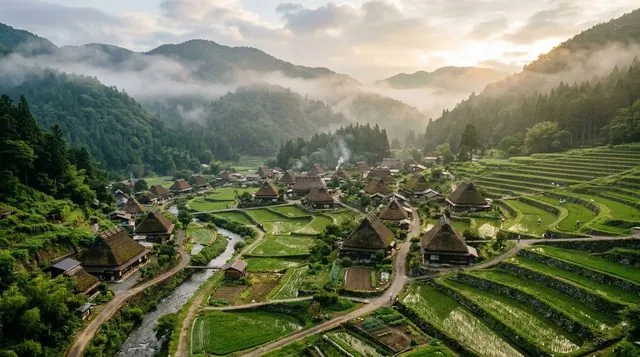
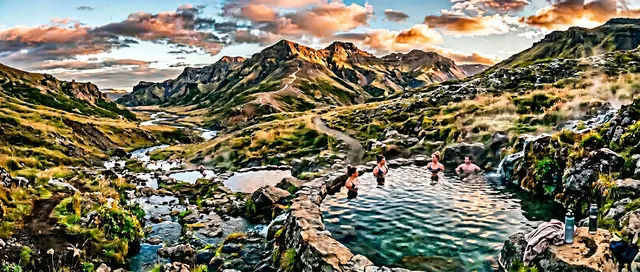
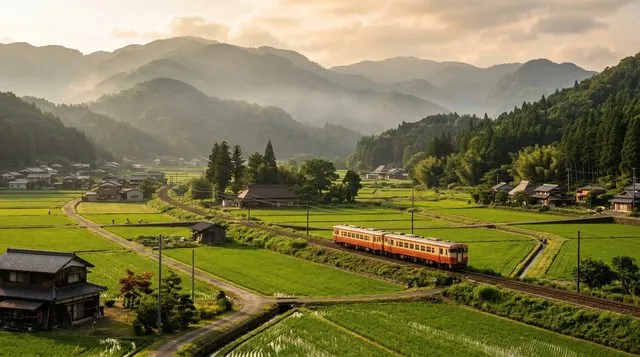
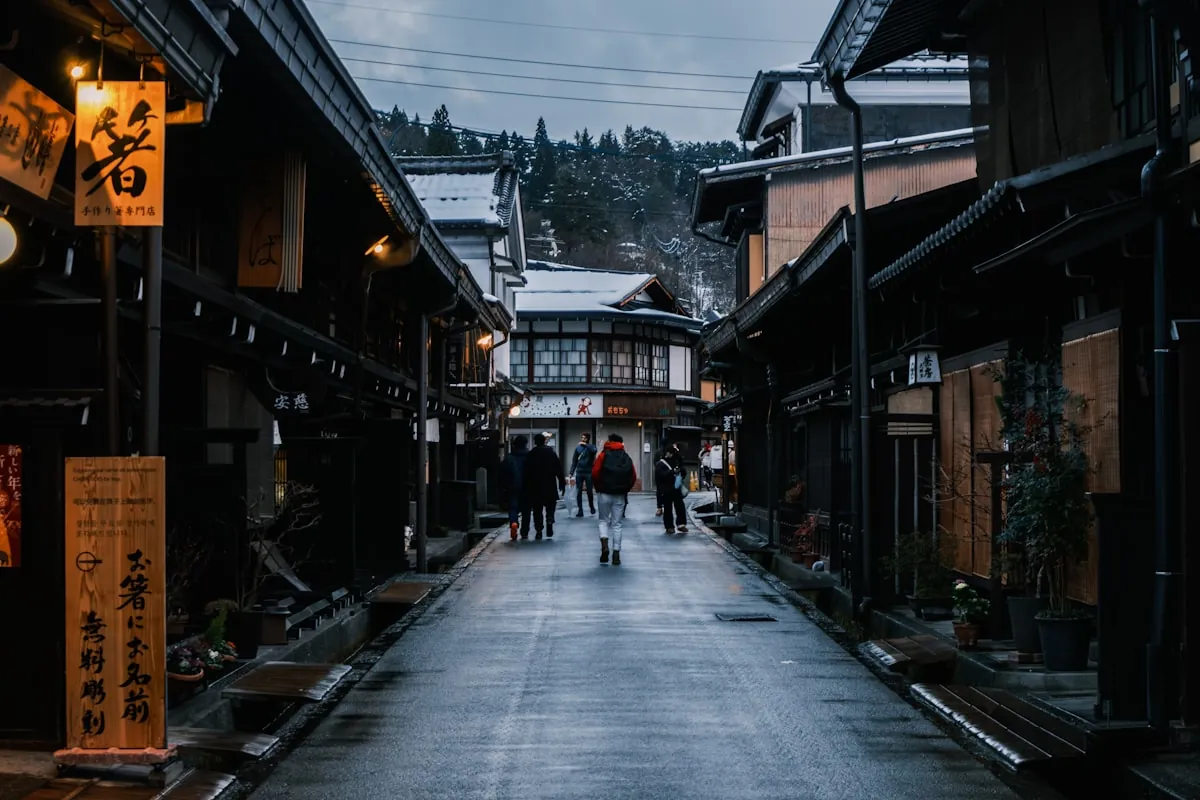
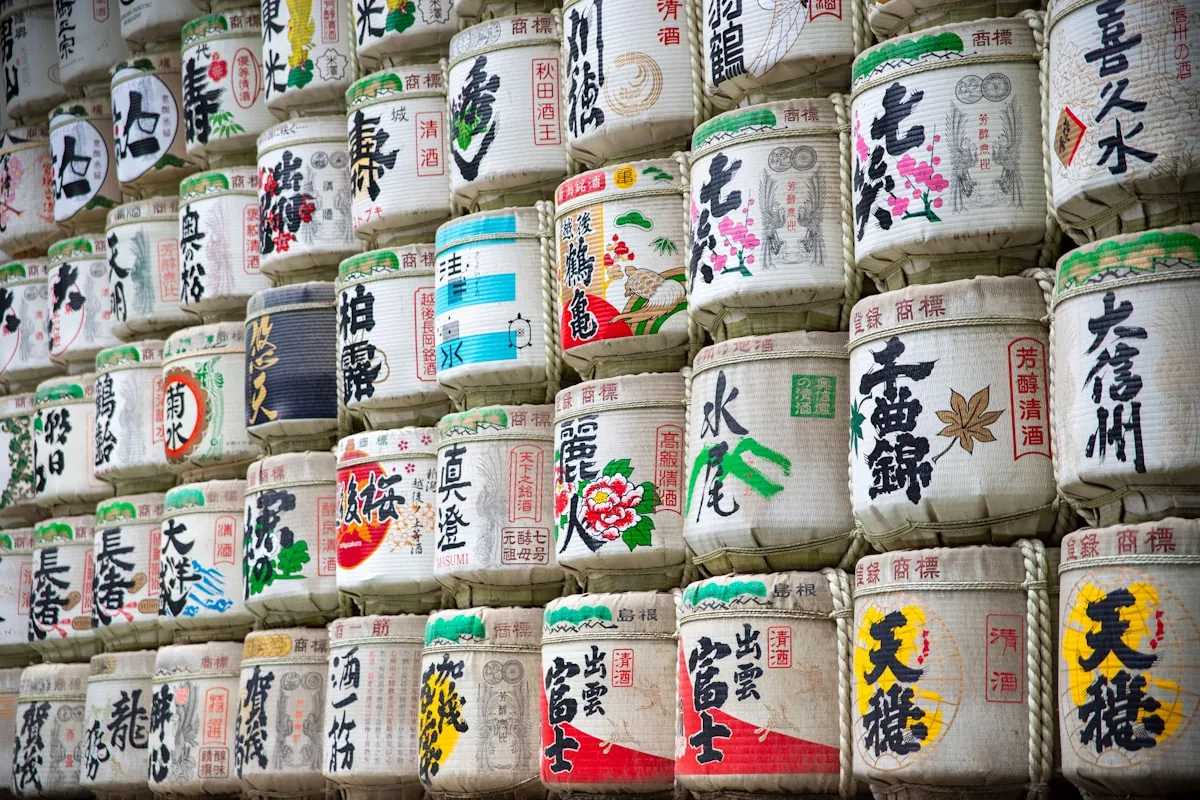
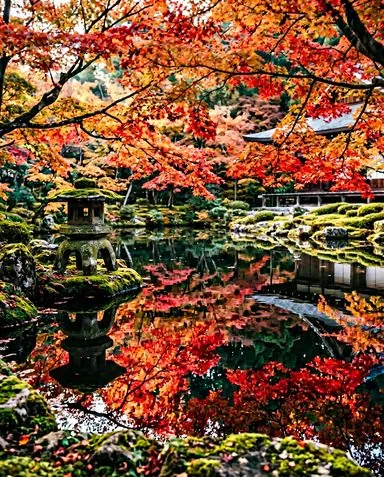
Aomori Prefecture sits at the northern tip of Honshu, where Japan's main island runs out of road. This is the country's top apple-producing region, home to the thunderous Nebuta Festival, a UNESCO-listed beech forest at Shirakami Sanchi, and the volcanic gorge of Oirase: world-class draws that still see a fraction of Kyoto's crowds. Most travelers stop at Tohoku's headline cities; Aomori rewards the ones who keep going.
Cities & Towns
Aomori Prefecture splits into distinct zones (castle towns, coastal cities, and remote peninsulas), each with its own character.
Aomori City
The prefectural capital and home of the thunderous Nebuta Festival: giant illuminated floats, fresh seafood, and a Jomon site older than the pyramids
Nebuta Festival capital
- Nebuta Festival
- Gyosai Center fish market
- Sannai-Maruyama Jomon site
Hirosaki
A castle town with over 2,500 cherry trees and a festival that draws two million visitors every late April; the best blossom viewing in northern Japan
Cherry blossom castle town
- Hirosaki Castle & Park
- Cherry Blossom Festival
- Neputa Festival
Hachinohe
A working Pacific coast city with a legendary weekend morning market, fresh seafood straight off the boats, and a surprisingly deep cultural scene
Pacific coast seafood city
- Minato morning market
- Mutsu Bay seafood
- Kabushima seagull shrine
Towada
The gateway to Oirase Gorge and Lake Towada, plus a contemporary art scene that punches well above its size
Art town and nature gateway
- Towada Art Center
- Oirase Gorge trailhead
- Lake Towada
Top Attractions
From UNESCO beech forests to ancient Jomon ruins, Aomori's headline draws are spread across the prefecture and worth planning around.
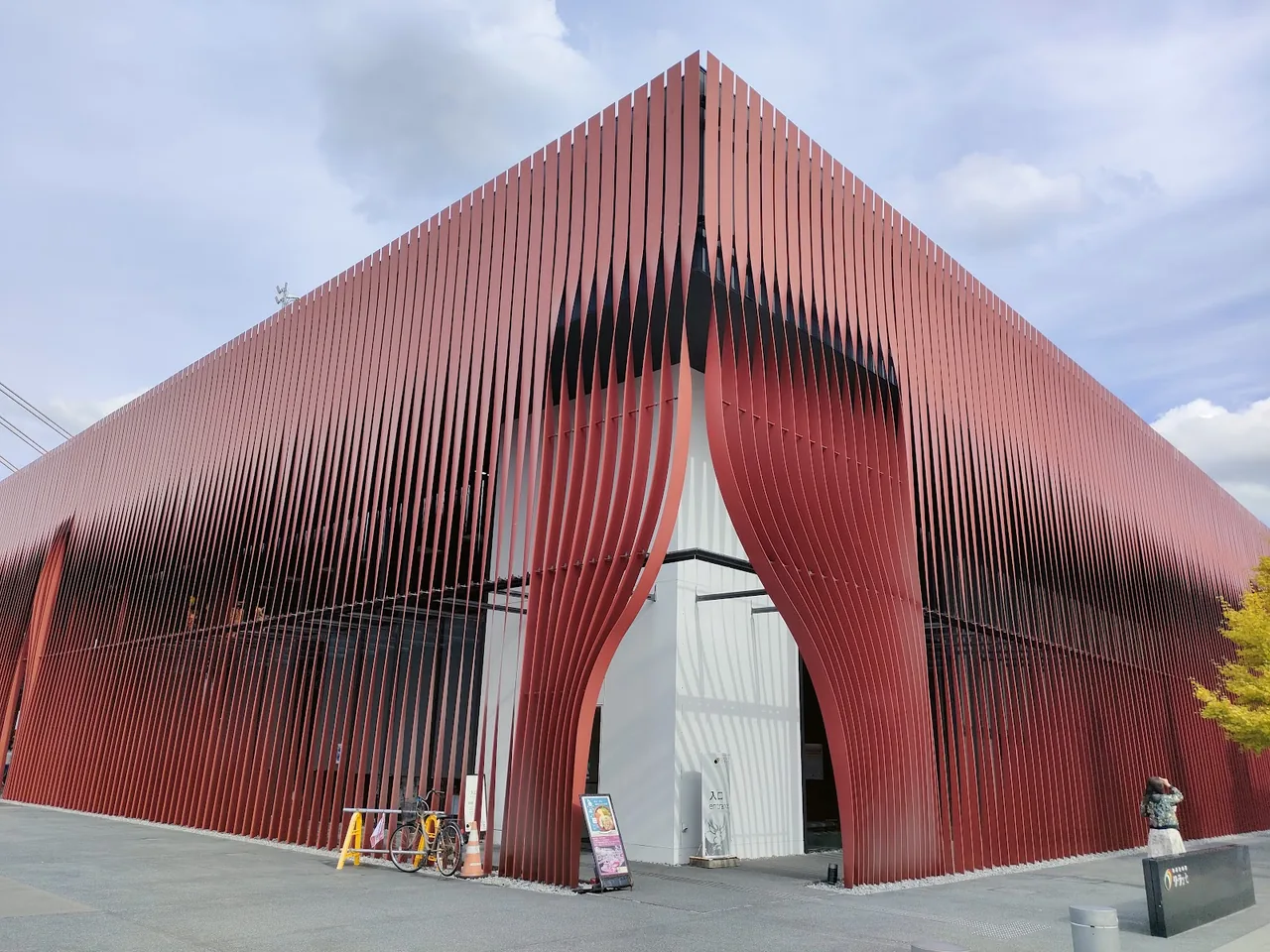
The best year-round introduction to Aomori's defining festival, with full-sized illuminated floats inside a striking harborside building
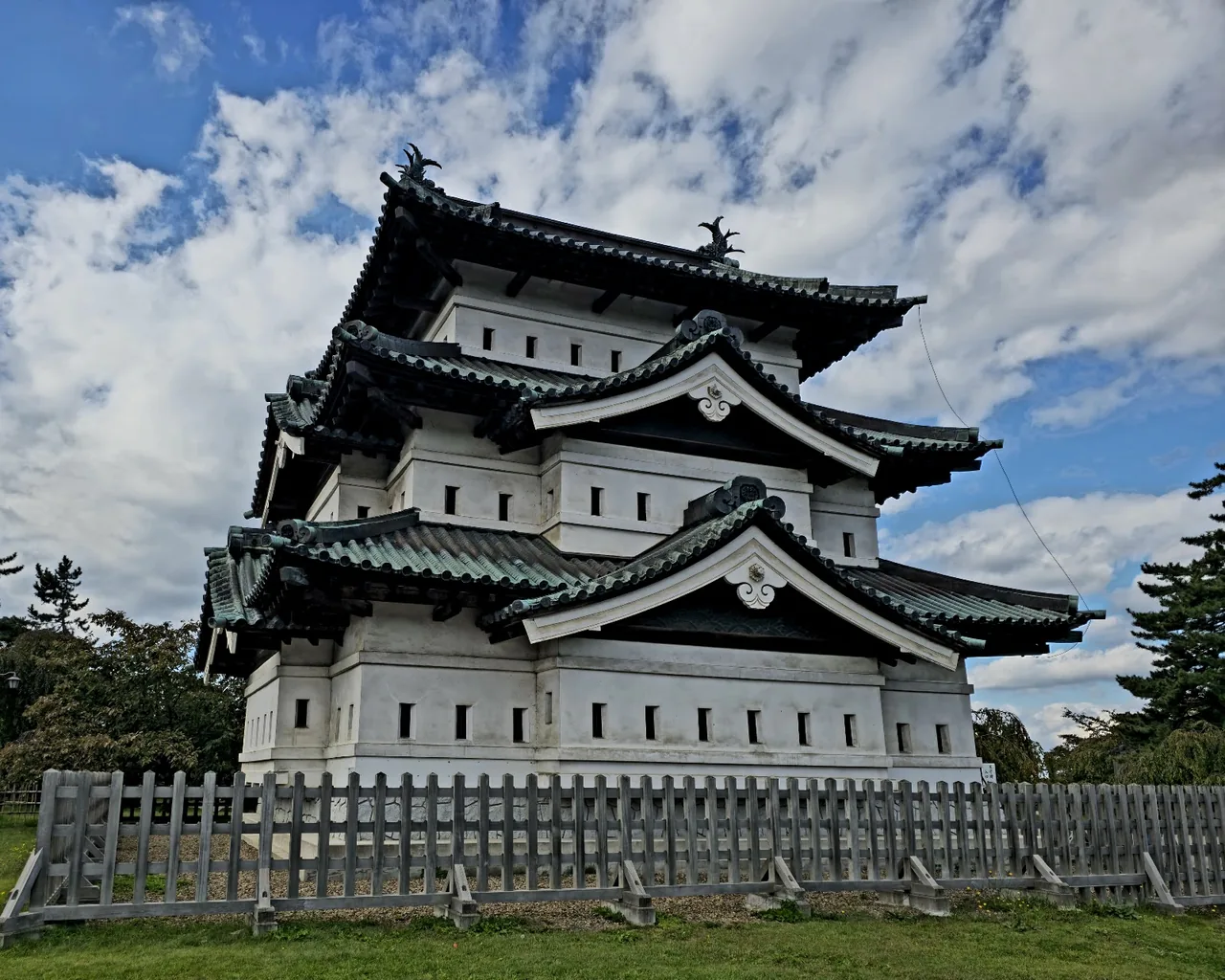
A 1611 castle surrounded by 2,500 cherry trees; Aomori's most iconic spring destination and one of Japan's finest blossom spots
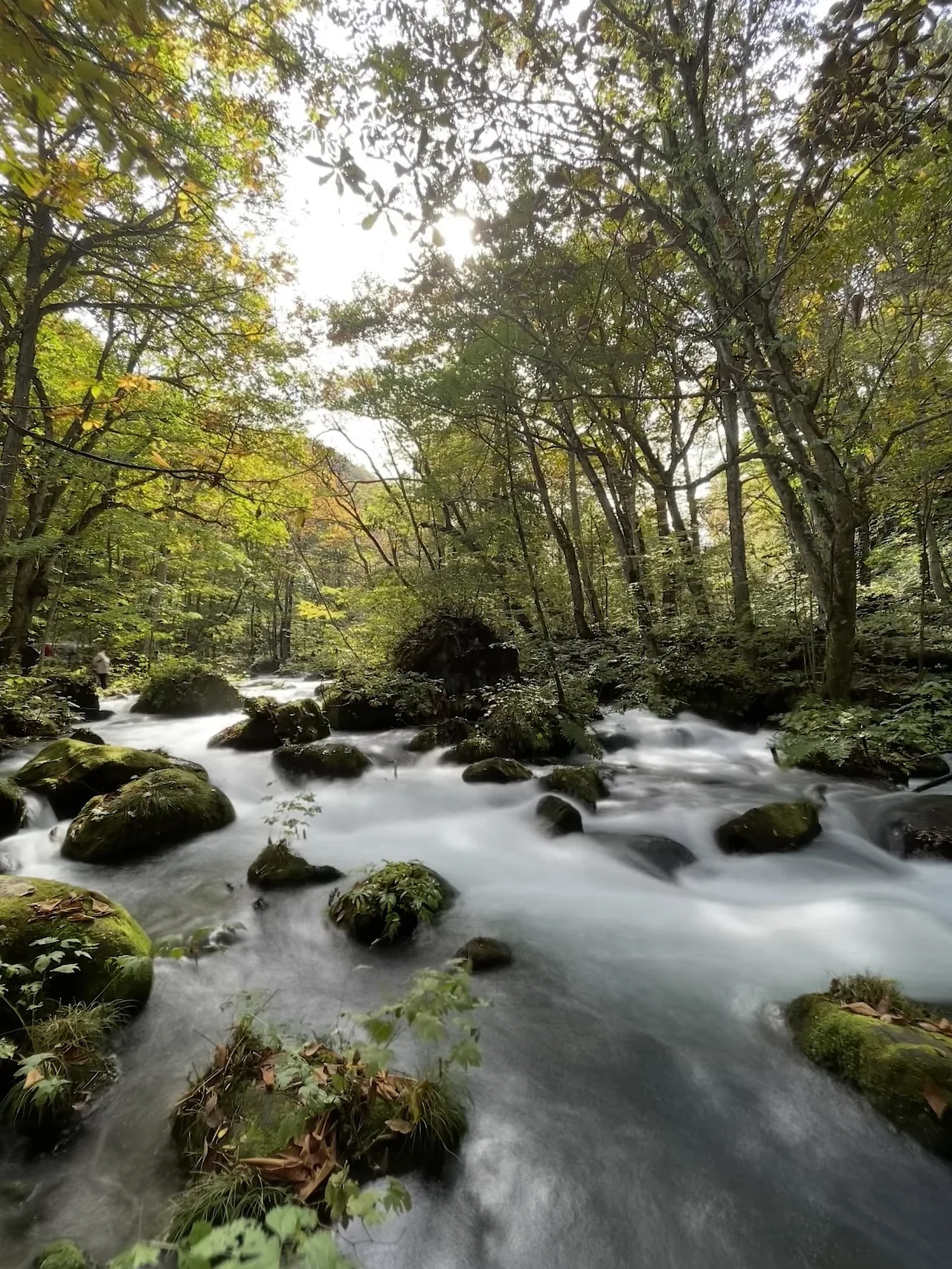
A 14-kilometer river trail through old-growth forest, past 14 waterfalls; at its most spectacular when autumn foliage peaks in mid-October
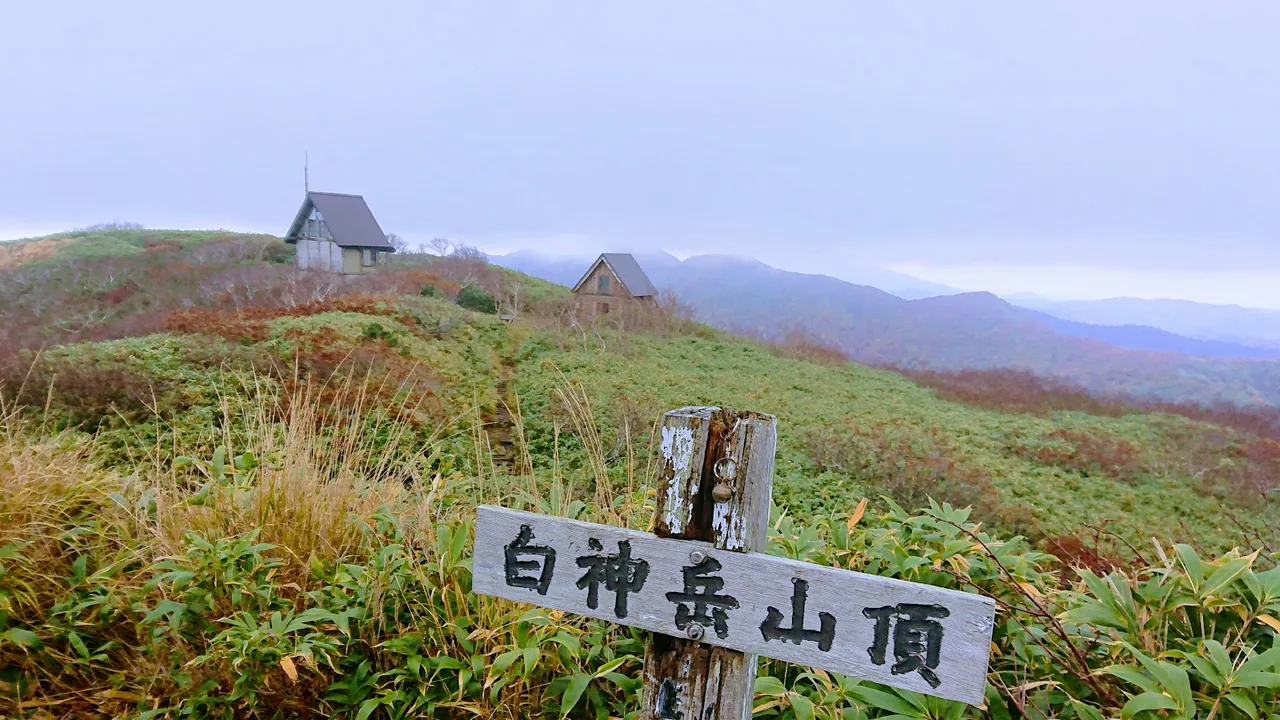
A 130,000-hectare UNESCO World Heritage beech forest straddling Aomori and Akita, one of Japan's last untouched wilderness areas
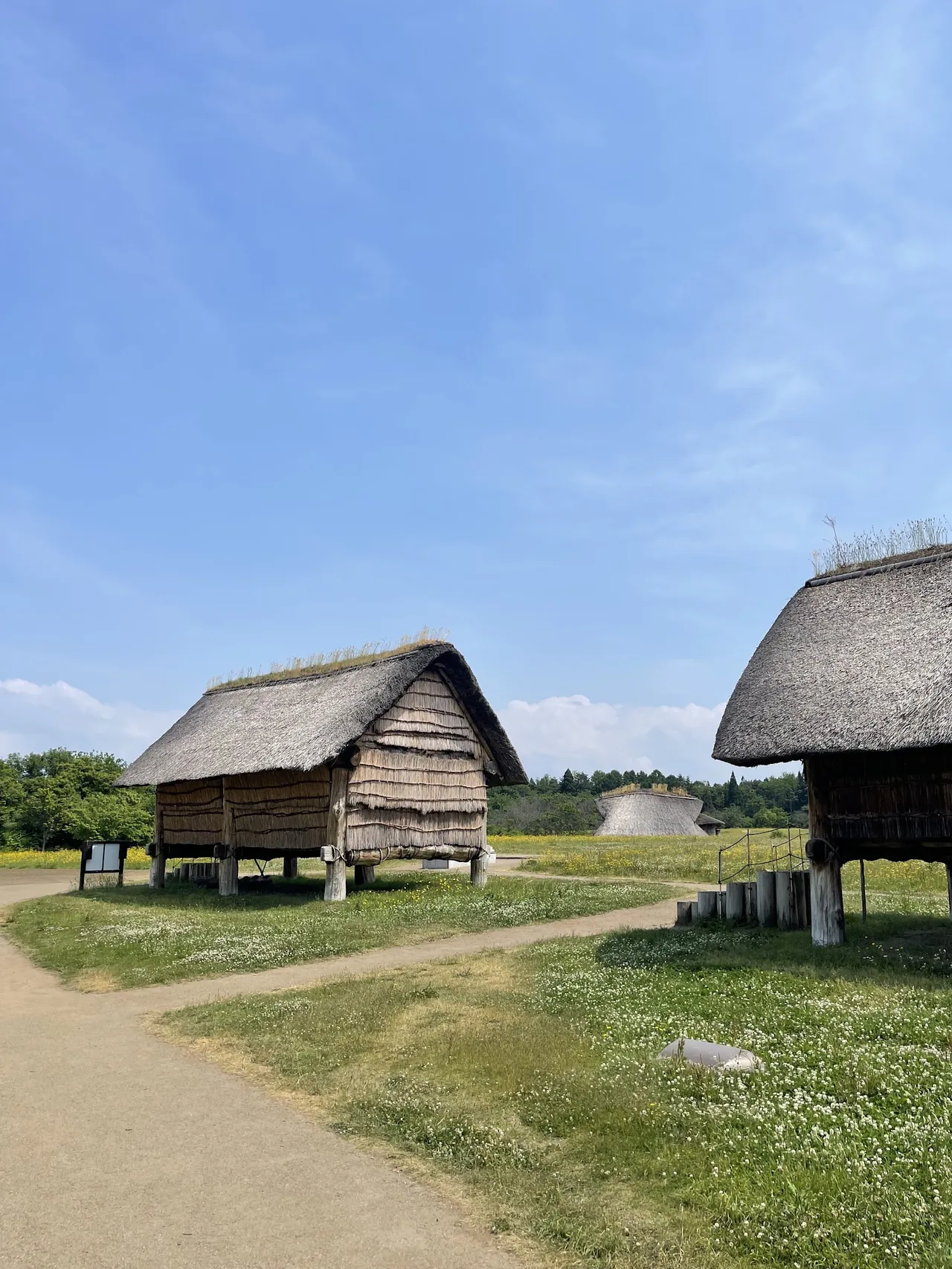
Japan's most significant Jomon-period settlement, with life-size reconstructed dwellings on a site occupied 5,500 years ago, older than the Egyptian pyramids
Hidden Gems
Aomori's lesser-known corners reward the curious, from a volcano-ringed sacred mountain to an impossibly blue lake hidden inside a UNESCO forest.
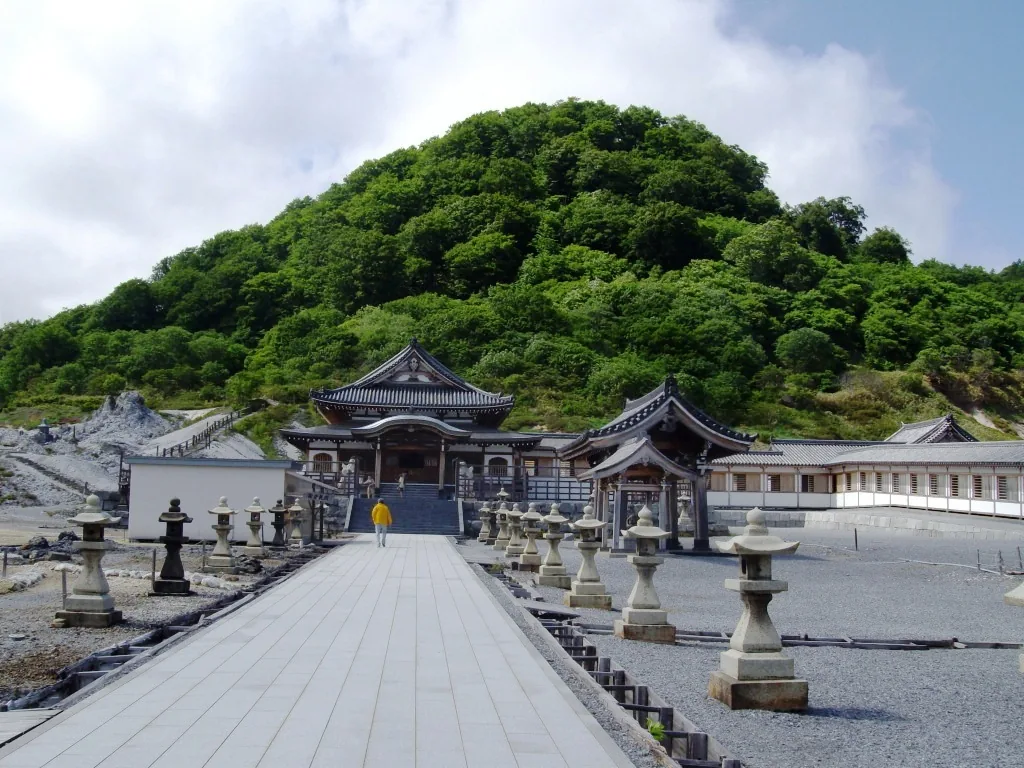 Hidden Gem
A volcanic caldera on the remote Shimokita Peninsula, one of Japan's three sacred mountains, ringed by sulfurous vents and considered a gateway to the afterlife
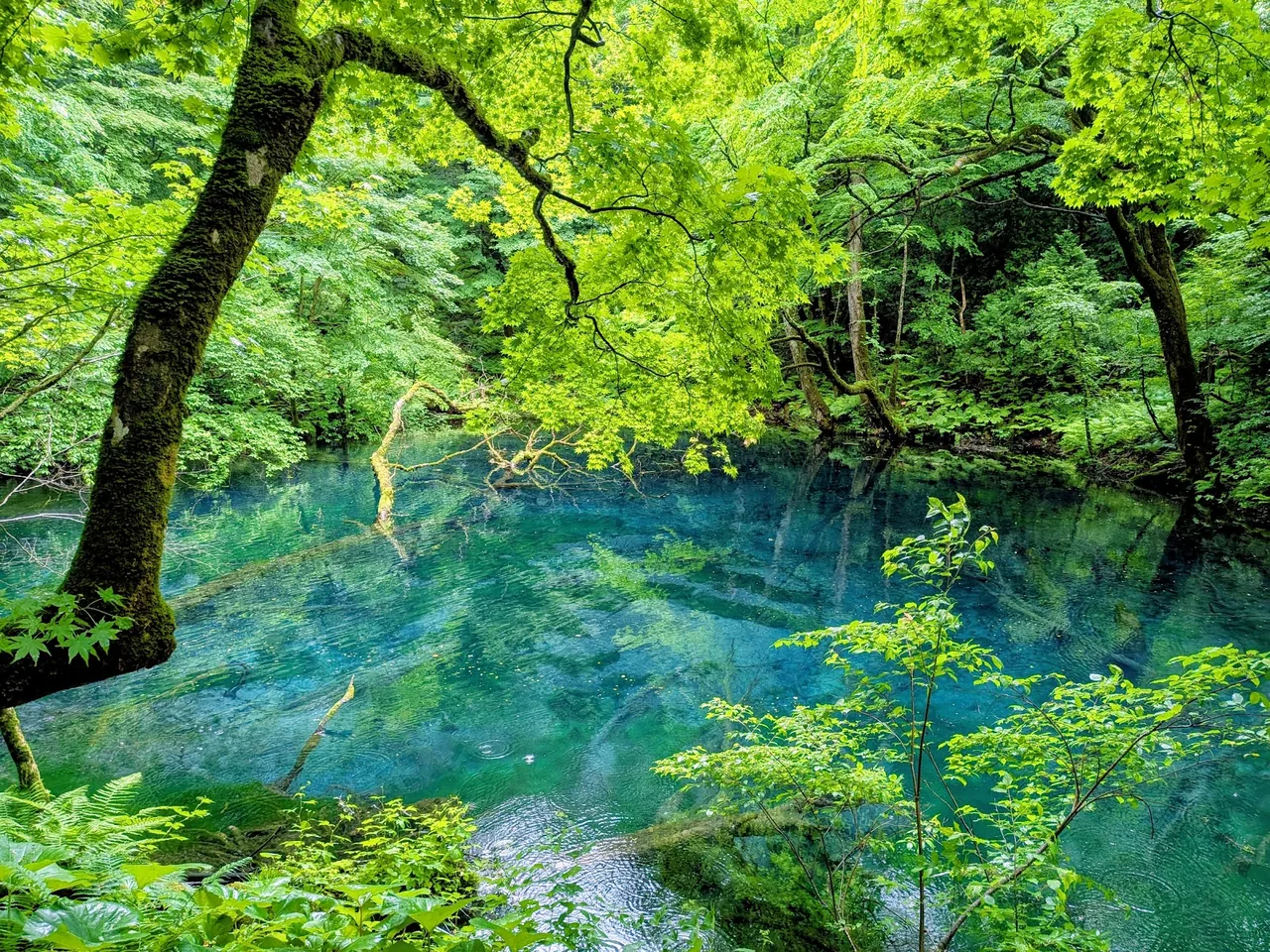 Hidden Gem
A cluster of forest lakes inside Shirakami Sanchi, where Aoike pond glows an almost unreal cobalt blue; accessible only April to November
When to Visit
Aomori's seasons are sharply defined. Cherry blossoms and festivals bookend a short, vivid summer, while winter brings heavy snow and sub-zero temperatures across much of the prefecture.
Springharu
Apr – May8–18°CHigh crowds
Springharu
- Cherry blossoms peak late April at Hirosaki Park
- Hirosaki Cherry Blossom Festival draws around 2 million visitors
- Juniko Lakes and Shirakami trails reopen from late April
Summernatsu
Jun – Aug20–28°CHigh crowds
Summernatsu
- Nebuta Festival in Aomori City, August 2–7, draws over 3 million visitors
- Hirosaki Neputa Festival runs August 1–7
- Comfortable temperatures averaging around 23°C, cooler than most of Japan
Autumnaki
Sep – Nov8–20°CModerate crowds
Autumnaki
- Oirase Gorge foliage peaks mid-October to early November
- Hakkoda Ropeway best autumn views around mid-October
- Juniko Lakes accessible until late November before winter closure
Winterfuyu
Dec – Mar-4–5°CLow crowds
Winterfuyu
- Heavy snowfall on the Tsugaru (Sea of Japan) side
- January–February sees many sub-zero days
- Juniko and many mountain roads closed until spring
Suggested Itineraries
Whether you have a long weekend or a full week, these routes cover Aomori's highlights without backtracking.
FAQ
How do I get to Aomori Prefecture from Tokyo?
The Tohoku Shinkansen runs from Tokyo Station to Shin-Aomori Station in approximately 3 hours 20 minutes. From Shin-Aomori, a 5-minute local train on the Ou Line connects to Aomori Station. Check current fares and schedules before booking: a JR Pass covers this route and can save significantly if you're travelling across multiple Tohoku destinations.
When is the Nebuta Festival in Aomori?
The Aomori Nebuta Festival runs August 2–7 each year, drawing over 3 million visitors. Hirosaki holds its own Neputa Festival August 1–7. Book accommodation months in advance, because rooms sell out across the prefecture during festival week. Search Aomori accommodation on Booking.com early to secure your stay.
When do cherry blossoms bloom in Aomori?
Cherry blossoms peak around late April in Aomori, later than most of Japan. Hirosaki Park's 2,500 trees are the headline draw, with the Cherry Blossom Festival running late April to early May. Expect large crowds; book Hirosaki accommodation well ahead.
Is Shirakami Sanchi accessible year-round?
No. The Juniko Lakes area closes from late November through March, when the roads are impassable. Plan visits between late April and late November. Entering the core World Heritage zone requires a permit; the visitor center is the practical starting point.
What is Aomori Prefecture known for besides the Nebuta Festival?
Japan's top apple-producing region, the UNESCO-listed Shirakami Sanchi beech forest, the 14-kilometer Oirase Gorge with 14 waterfalls, and the 6,000-year-old Sannai-Maruyama Jomon archaeological site. The remote Shimokita Peninsula and its sacred volcano, Osorezan, draw visitors looking for something genuinely off the beaten path.
How many days do you need in Aomori Prefecture?
Three days covers Aomori City and Hirosaki comfortably. Add two more for Oirase Gorge and Lake Towada. A full week lets you reach Shirakami Sanchi and the Shimokita Peninsula without rushing. The prefecture is large, so plan transport carefully: some areas rely on buses with infrequent schedules.
What is the best time of year to visit Aomori?
Late April to early May for cherry blossoms; early August for the Nebuta Festival; mid-October for Oirase Gorge autumn foliage. Summer temperatures average around 23°C, noticeably cooler than central Japan. Winter is beautiful but challenging: sub-zero temperatures and heavy snowfall, particularly on the Sea of Japan side.