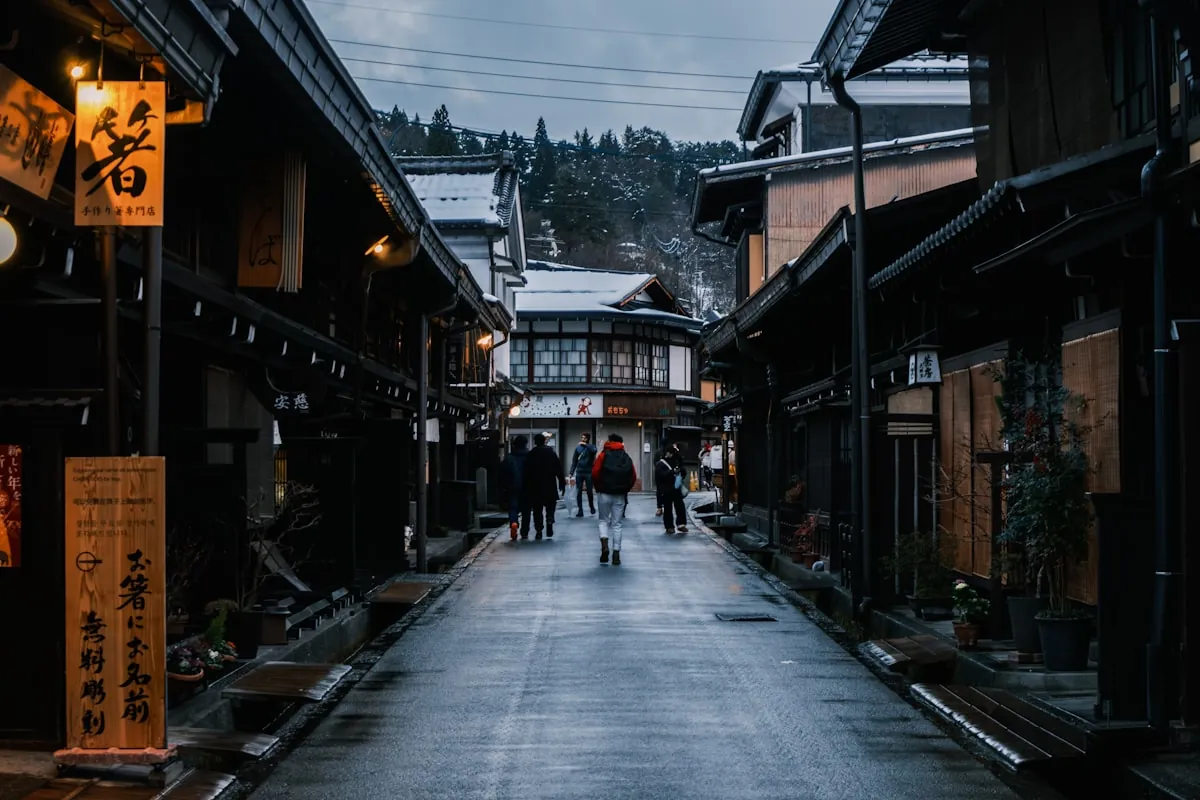
Sanmachi-suji wooden Edo-era merchant street in Takayama lit by morning light
chubu

Takayama

Edo-era merchant town in the Northern Alps — preserved sake breweries, morning markets, and the country's most photogenic float festival twice a year.

Takayama is a preserved Edo merchant town in the northern Gifu mountains — Sanmachi-suji's wooden lattice shopfronts, six in-town sake breweries, and a riverside morning market. Two nights minimum to also fit Shirakawa-go's gassho-zukuri farmhouses or Kamikochi's alpine walks. Spring (14–15 Apr) and autumn (9–10 Oct) matsuri rolls the wooden yatai floats through the old town.

Takayama sits in a mountain basin in northern Gifu, surrounded on all sides by the Japanese Alps. It survived the centuries when most Japanese cities did not — the wooden shopfronts, sake breweries, and merchant houses of Sanmachi-suji were preserved by isolation as much as by intent. Today Takayama is the easy two-night detour between Kanazawa and Matsumoto: morning market on the Miyagawa river, sake-brewery walk through the old town, day trips to Shirakawa-go's gassho-zukuri farmhouses or Kamikochi's alpine valley. Twice a year (April and October) the spring and autumn float festivals bring the wooden yatai out of their storehouses — easily the most beautiful festival in central Japan.

When to Visit

Takayama has four distinct seasons and a winter that drops a metre of snow. Pick by which you want.

Springharu

Mar–May4–18°CHigh crowds
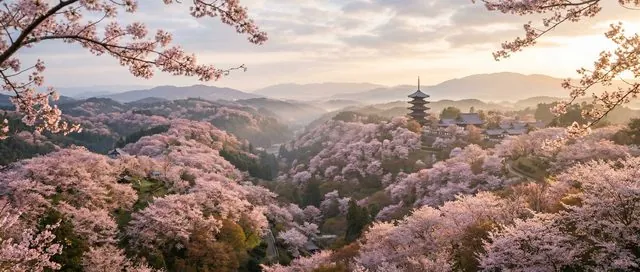
  • Spring Takayama Matsuri (14–15 Apr) — the famous floats roll through Sanmachi-suji
  • Cherry blossoms along the Miyagawa river
  • Cool clear walking weather, low humidity

Summernatsu

Jun–Aug18–28°CModerate crowds
  • Cool mountain air — Takayama is 5–8°C below Tokyo
  • Best base for Kamikochi alpine valley day trips
  • Light early-evening thunderstorms break the day

Autumnaki

Sep–Nov6–22°CHigh crowds
  • Autumn Takayama Matsuri (9–10 Oct) — second yatai festival of the year
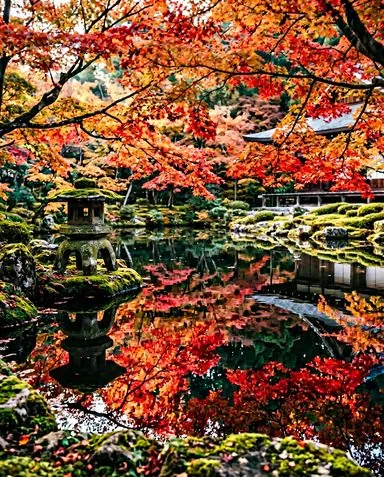
  • Maple peak in Hida-no-Sato open-air museum mid-November
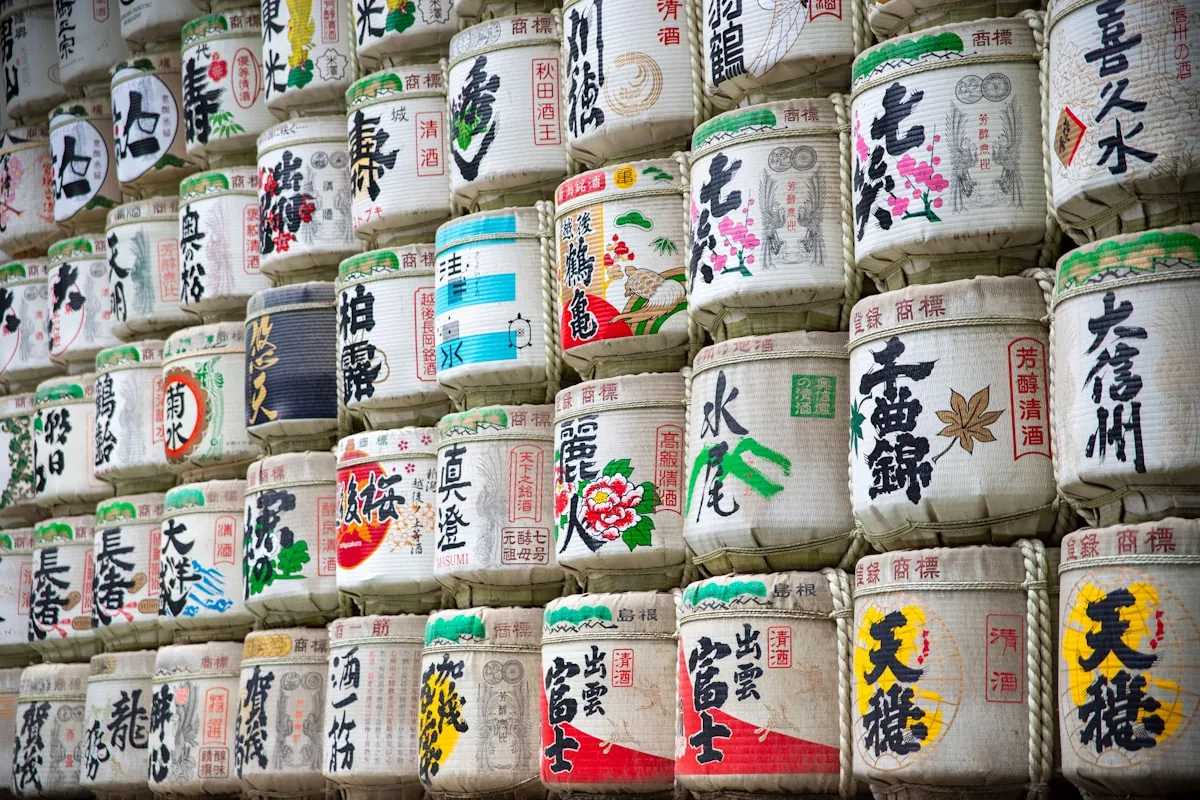
  • Sake brewing season starts — sugidama balls hung at brewery doors

Winterfuyu

Dec–Feb-6–4°CLow crowds
  • Heavy snow on Sanmachi-suji rooftops — quiet, photogenic, almost no foreign tourists
  • Shirakawa-go light-up nights (selected weekends in Jan/Feb)
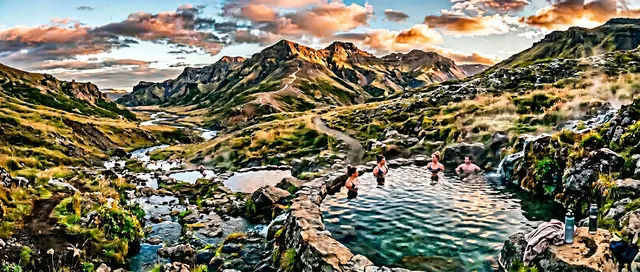
  • Hot sake at the breweries, fresh-snow onsen

What to Do in Takayama

The old town anchors any visit, but the breweries, museums and morning markets are why two nights is the minimum.

Sanmachi-suji Old Town

Three preserved Edo-era merchant streets — wooden lattice shopfronts, sake breweries, sweet-shops; busiest 10:00–15:00

Preserved Edo merchant streets

Miyagawa Morning Market

Riverside open-air market every morning 07:00–12:00 — fresh apples, hida-beef croquettes, miso, pickles

Riverside morning market

Sake Brewery WalkHidden Gem
Sake Brewery Walk

Six working breweries inside Sanmachi-suji — look for the cedar-ball sugidama at the door, walk in for a ¥500 tasting flight

Six working breweries

Hida-no-Sato Open-Air MuseumHidden Gem
Hida-no-Sato Open-Air Museum

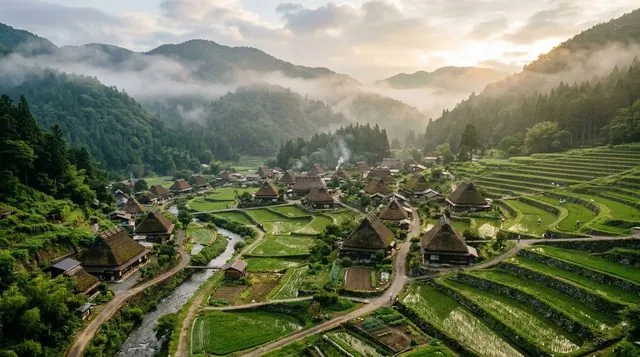
30 relocated traditional gassho-zukuri farmhouses on a hillside, 10 minutes by bus from the station

Open-air farmhouse museum

Takayama Yatai Kaikan

Float exhibition hall — four of the festival yatai on rotating display when the matsuri isn't happening

Festival float exhibition hall

Higashiyama Walking CourseHidden Gem
Higashiyama Walking Course

3.5 km temple-and-shrine walk on the eastern hills behind town — quiet, residential, almost no tourists

Quiet temple walking course

Hida Folk Village (Kokubun-ji)

Town's oldest temple (8th century) with a 1,200-year-old ginkgo and a small three-storey pagoda

Town's oldest temple

Hida Beef Lunch Crawl

Hida wagyu (the Gifu cousin of Kobe beef) — sushi, croquettes, skewers, and full grills along Sanmachi-suji

Hida wagyu specialities

Skip the Crowds

  • Morning market before 09:00. The Miyagawa market opens at 07:00. By 10:00 the day-trip buses arrive from Kanazawa and Nagoya. The first two hours have the best produce and almost no queues.
  • Sanmachi-suji at 18:30. The shops close at 17:00 and most day-trippers leave. The wooden streets are lit by lantern light, the breweries stay open until 19:00, and you can hear your own footsteps.
  • Higashiyama walk instead of Sanmachi. The eastern hills walking course (3.5 km, well-signposted) takes you past 13 temples and 5 shrines — and you'll see maybe 10 other walkers. The same Edo period, almost no tourists.
  • Stay overnight in Takayama, not in Shirakawa-go. Day-trippers from Kanazawa overrun Shirakawa-go from 10:00–16:00. Stay in Takayama, take the early morning bus to Shirakawa-go, walk the village before the buses arrive, return to Takayama for dinner. The village population is 1,800 — the day-tripper count is 8,000.
  • Festival days are not the only days. The April and October matsuri are spectacular but accommodation is booked a year in advance and triple-priced. The Yatai Kaikan exhibition hall has four of the actual festival floats on rotating display year-round.

Food & Drink

Hida beef, miso-marinated vegetables, sake from six in-town breweries, and the regional speciality — hoba miso, miso grilled on a magnolia leaf at the table.

Center4 Hamburgers$$
restaurant

Center4 Hamburgers

Local cult restaurant — Hida-beef burgers and Hida-beef sushi

Near Takayama StationCheck availability →
Heianraku$
restaurant

Heianraku

Tiny family-run shop with the regional Takayama soy ramen

Sanmachi-suji edgeCheck availability →
Funasaka Sake Brewery$
restaurant

Funasaka Sake Brewery

Working brewery + tasting room in Sanmachi-suji — sugidama at the door

Sanmachi-sujiCheck availability →

Where to Stay

Three good areas: ryokan walking distance from Sanmachi-suji, business hotel near the station, or a hot-spring inn out at Hida-Furukawa.

Honjin Hiranoya Kachoan★ Author's Pick$$$
ryokan

Honjin Hiranoya Kachoan

Traditional ryokan five minutes' walk from Sanmachi-suji — kaiseki dinner included

Old townCheck availability →
Hotel Around Takayama$$
hotel

Hotel Around Takayama

Modern boutique hotel two minutes from the station — design-led, includes breakfast

Takayama StationCheck availability →
K's House Takayama$
hostel

K's House Takayama

Backpacker hostel in a converted machiya townhouse — friendly common room, bicycles for rent

Old town edgeCheck availability →

Day Trips

Takayama is the natural base for the Hida region — three world-class day trips within 90 minutes.

How to Get There

Getting There

  1. 1
    Take Tokaido Shinkansen Hikari → Nagoya Station
    1h 40min¥10,360
  2. 2
    Transfer to JR Hida Limited Express → Takayama Station
    2h 30min¥6,140
  1. 1
    Take Nohi / JR Hokuriku Limited Express bus → Takayama Bus Center
    2h 15min¥3,400
  1. 1
    Take Tokaido Shinkansen Hikari → Nagoya Station
    36 min¥5,810
  2. 2
    Transfer to JR Hida Limited Express → Takayama Station
    2h 30min¥6,140
  1. 1
    Take Alpico bus over Norikura pass → Takayama Bus Center
    2h 30min¥3,400

Tips for Visiting

  • Two nights is the minimum. One night = old town + a brewery only. Two nights = morning market + Hida-no-Sato + Higashiyama walk + day trip to Shirakawa-go or Kamikochi. Three nights if you want both Shirakawa-go and Kamikochi.
  • The Hida-go bus pass. ¥3,500 for two days unlimited bus travel covers Shirakawa-go, Hida-no-Sato, and the Hida-Furukawa loop. Pays off on day one.
  • JR Hida Limited Express books out. The two daily trains from Nagoya can sell out 3–4 weeks ahead in autumn / spring peak — reserve seats online before flying.
  • Cash for breweries and small restaurants. The tasting flights, the morning market, and most family restaurants are cash-only. ¥10,000 covers two days easily.
  • Sake to take home. Each of the six breweries has an English label and can ship internationally — ask for the “international shipping” service. Cheaper than buying the same bottle at home.
  • Hida-Furukawa is 15 minutes by train. The smaller, quieter sister town with koi-filled canals — afternoon visit is enough, and the train is part of the JR Pass.
  • Winter snow buses. When the road to Shirakawa-go closes for snow (rare), Nohi bus runs an alternative route via the Tokai-Hokuriku expressway. Always check the day's road status at the bus center before heading out.

FAQ

How many days do you need for Takayama?

Two days minimum: one for the old town, sake breweries, and morning market; one for either Shirakawa-go or Kamikochi (depending on the season). Three nights if you want both day trips, or if you're hitting the spring/autumn matsuri.

Is Takayama worth the detour from Kanazawa to Matsumoto?

Yes. Takayama is the most preserved Edo-era town on the Tokyo–Kanazawa–Kyoto loop, and the day trips (Shirakawa-go, Kamikochi) are world-class. Skipping it because it's “off the line” is the most common Chubu mistake.

Is the JR Pass worth it for Takayama?

If Takayama is part of a wider Tokyo–Kanazawa–Takayama–Kyoto–Hiroshima loop, yes — the JR Hida Limited Express from Nagoya is included. For Takayama alone, the bus from Kanazawa is faster and cheaper.

When is the Takayama Matsuri?

Spring matsuri: 14–15 April. Autumn matsuri: 9–10 October. Both feature the elaborate yatai floats rolled through Sanmachi-suji. Accommodation is booked 6–12 months in advance and triple-priced — book early or visit outside these dates and see the floats in the Yatai Kaikan exhibition hall.

What is the difference between Shirakawa-go and Gokayama?

Shirakawa-go is bigger, busier, and easier to reach (50 min by bus). Gokayama is smaller, quieter, harder to get to (90 min by bus), and has two villages — Suganuma and Ainokura. Both are UNESCO World Heritage. If you want photographs without crowds: Gokayama. If you want one easy day trip: Shirakawa-go.