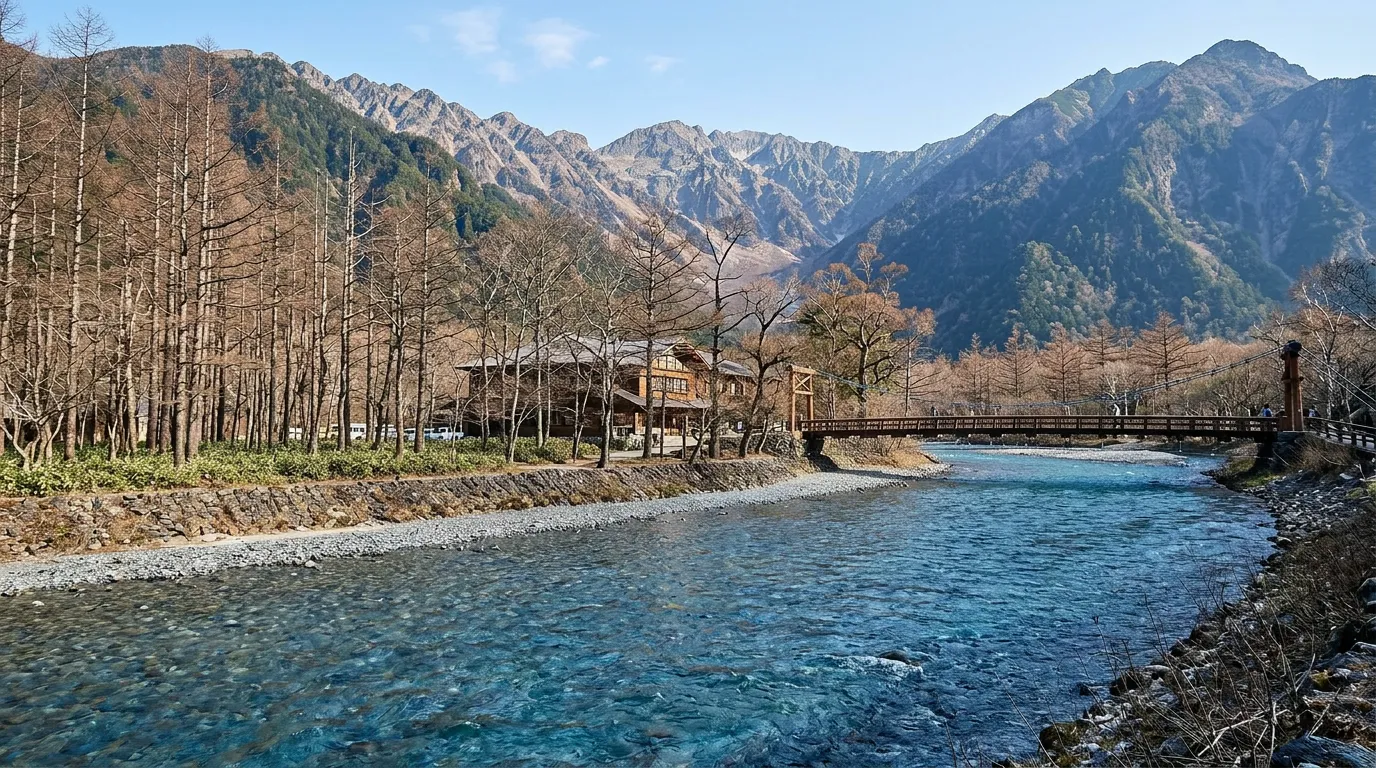
Kamikochi sits at 1,500m in a flat alpine valley between the granite peaks of the Hotaka range. It’s the most accessible serious mountain landscape in Japan: the bus drops you at Kappa-bashi suspension bridge, you walk a flat forest trail along the Azusa river, and within 90 minutes you’re standing in alpine views you’d otherwise need a multi-day climb to reach. The catch: it’s only open 15 April to 15 November (snow closes the access road), private cars are banned year-round, and accommodation books out months ahead in summer.
When to Visit
What to Do in Kamikochi
The standard day-walk takes 3-5 hours; multi-day hikes head deeper into the Hotaka range.
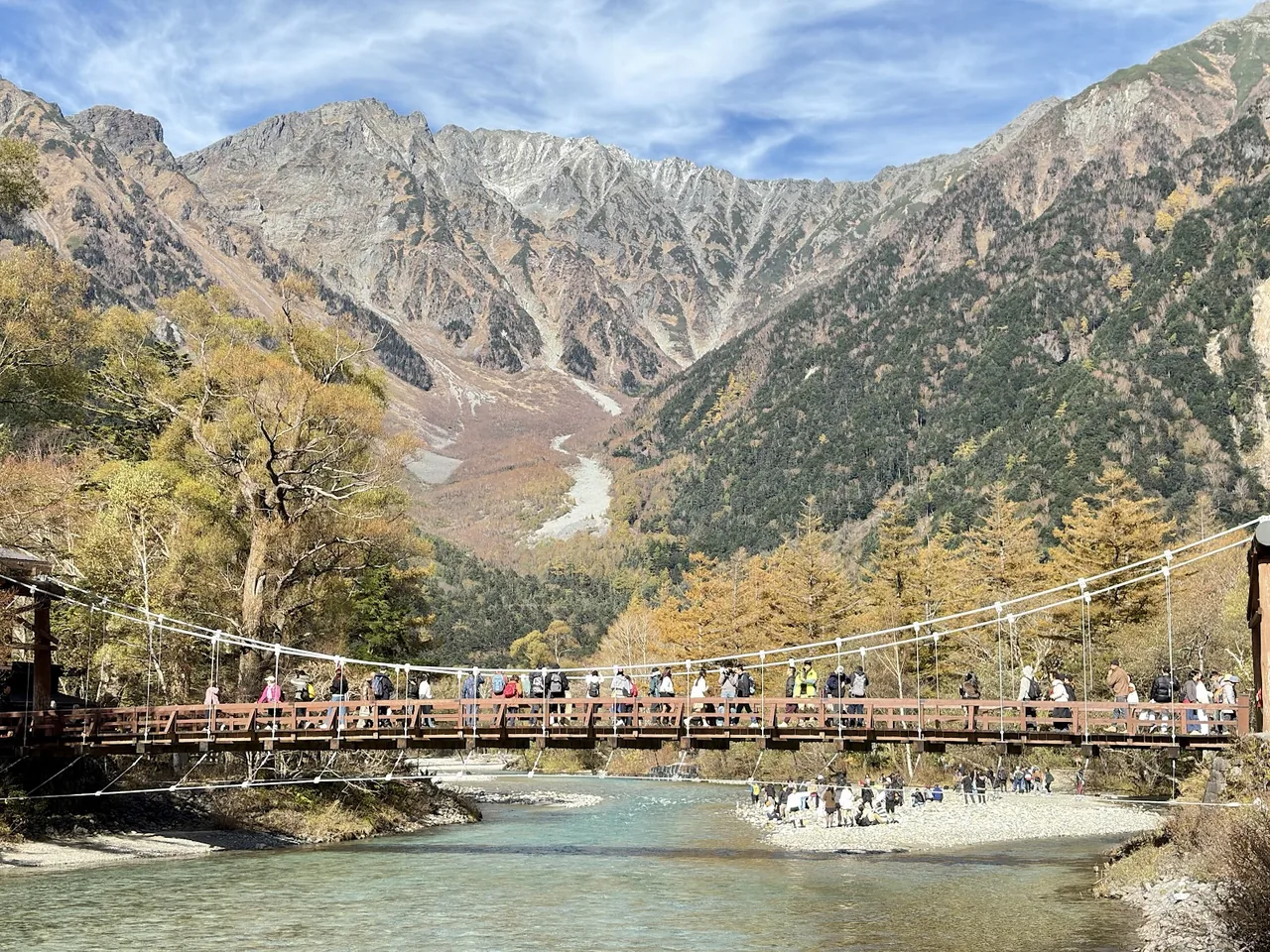
The wooden suspension bridge in the centre of the valley: postcard photograph, busiest spot, but unmissable
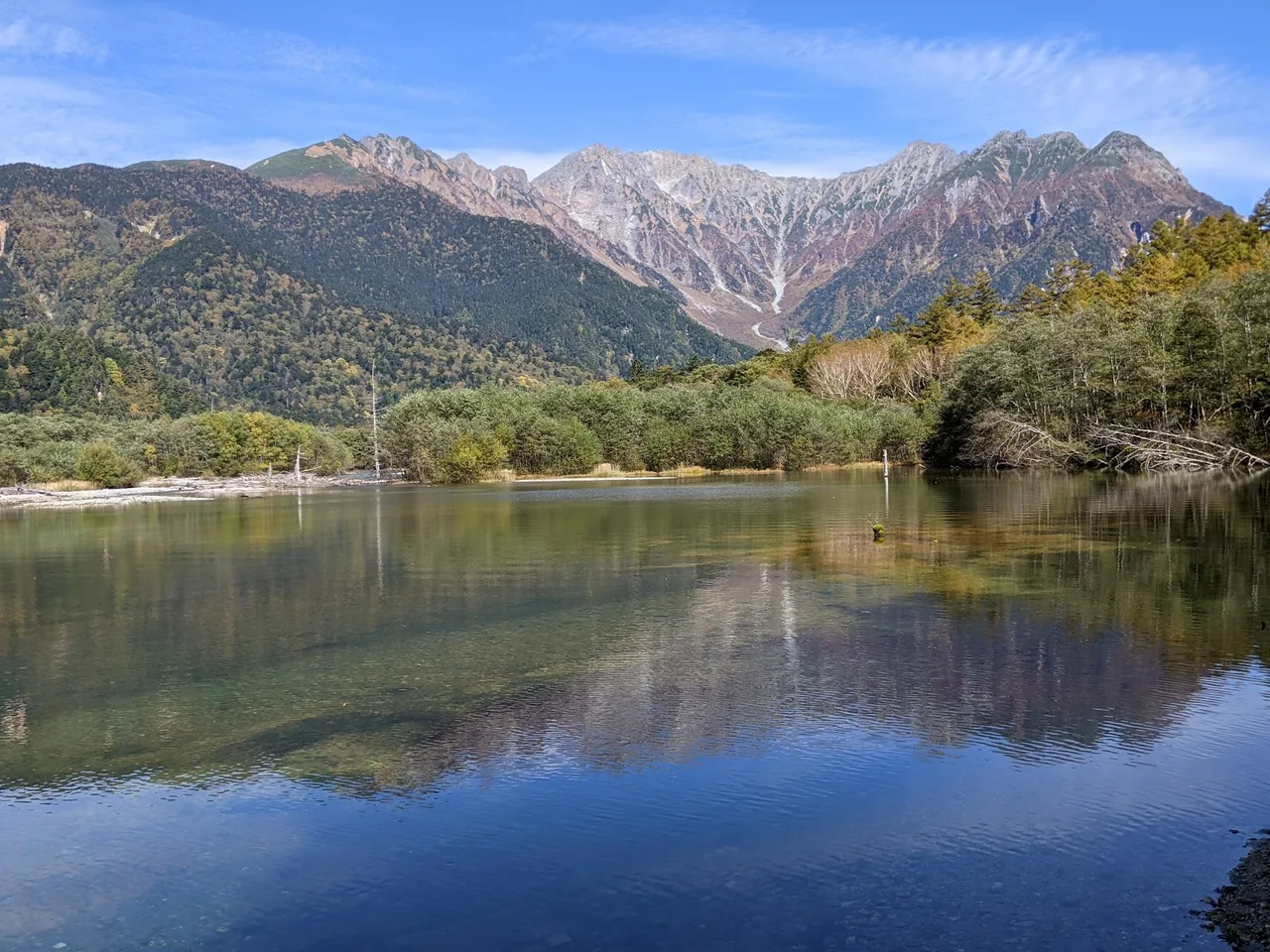
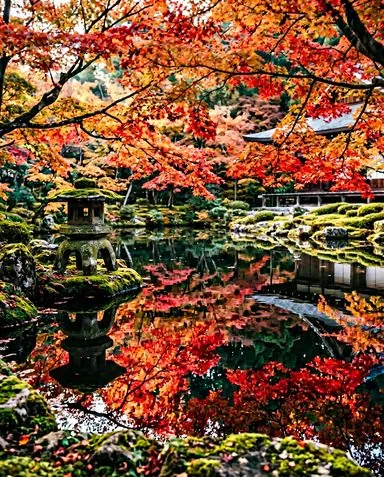
Reflective pond at the western entrance with Yake-dake volcano in the background, best at sunrise mist
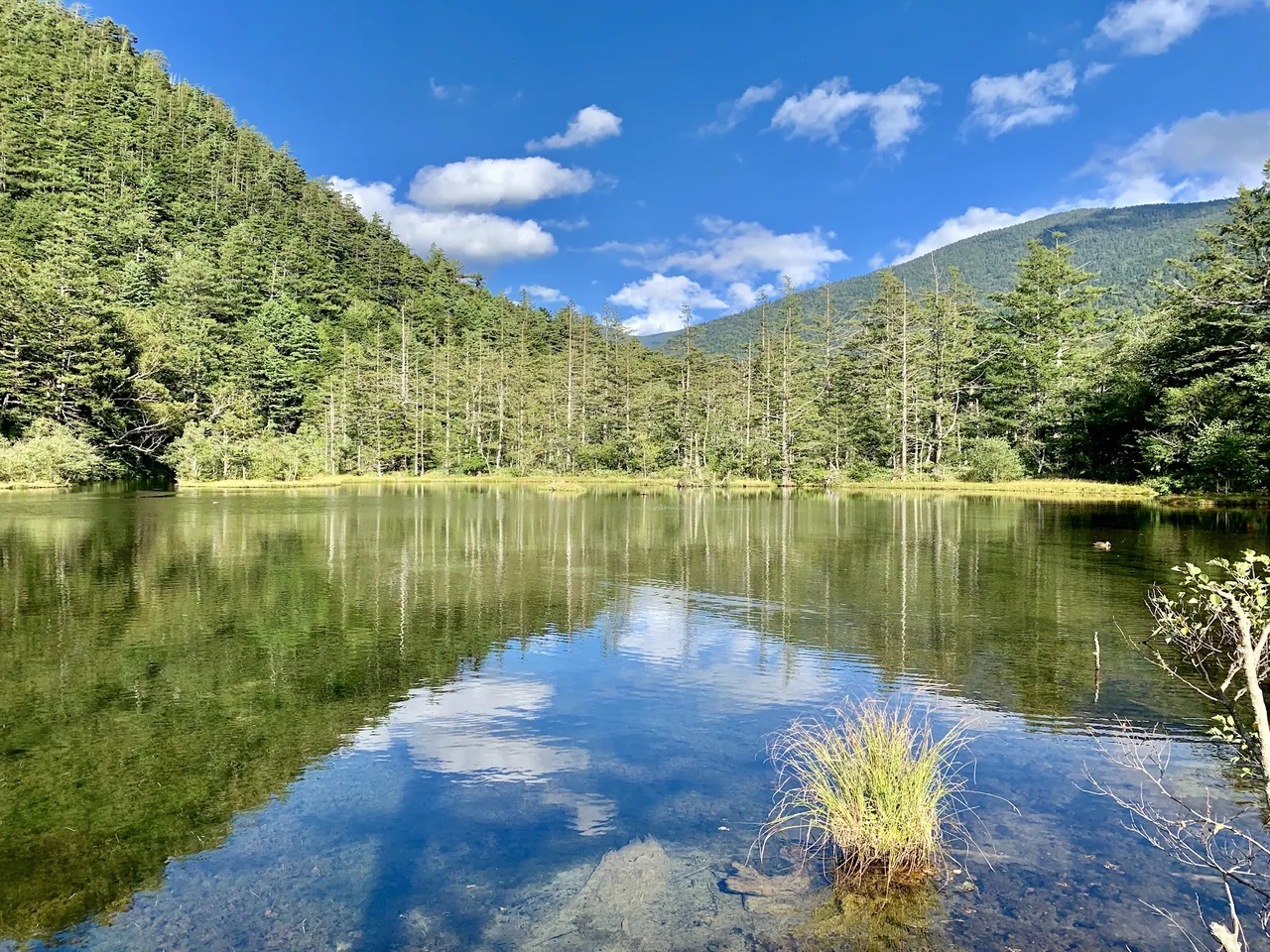 Hidden Gem
Pristine alpine pond 60 minutes east of Kappa-bashi along a flat forest trail, far quieter than the central valley
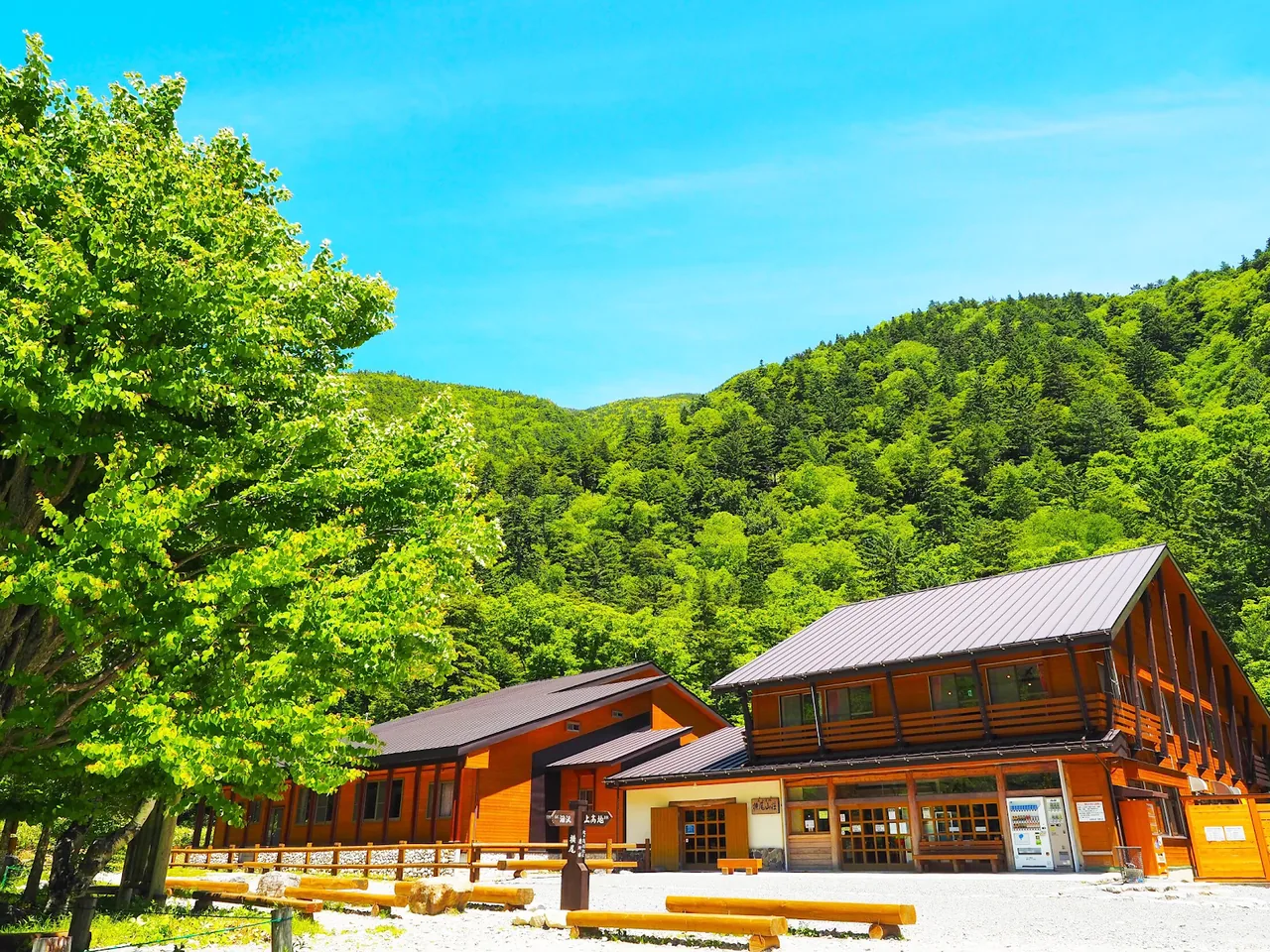 Hidden Gem
2 hours further east; gateway to the serious Hotaka climbing routes. Day-trippers turn back here, climbers sleep in the hut
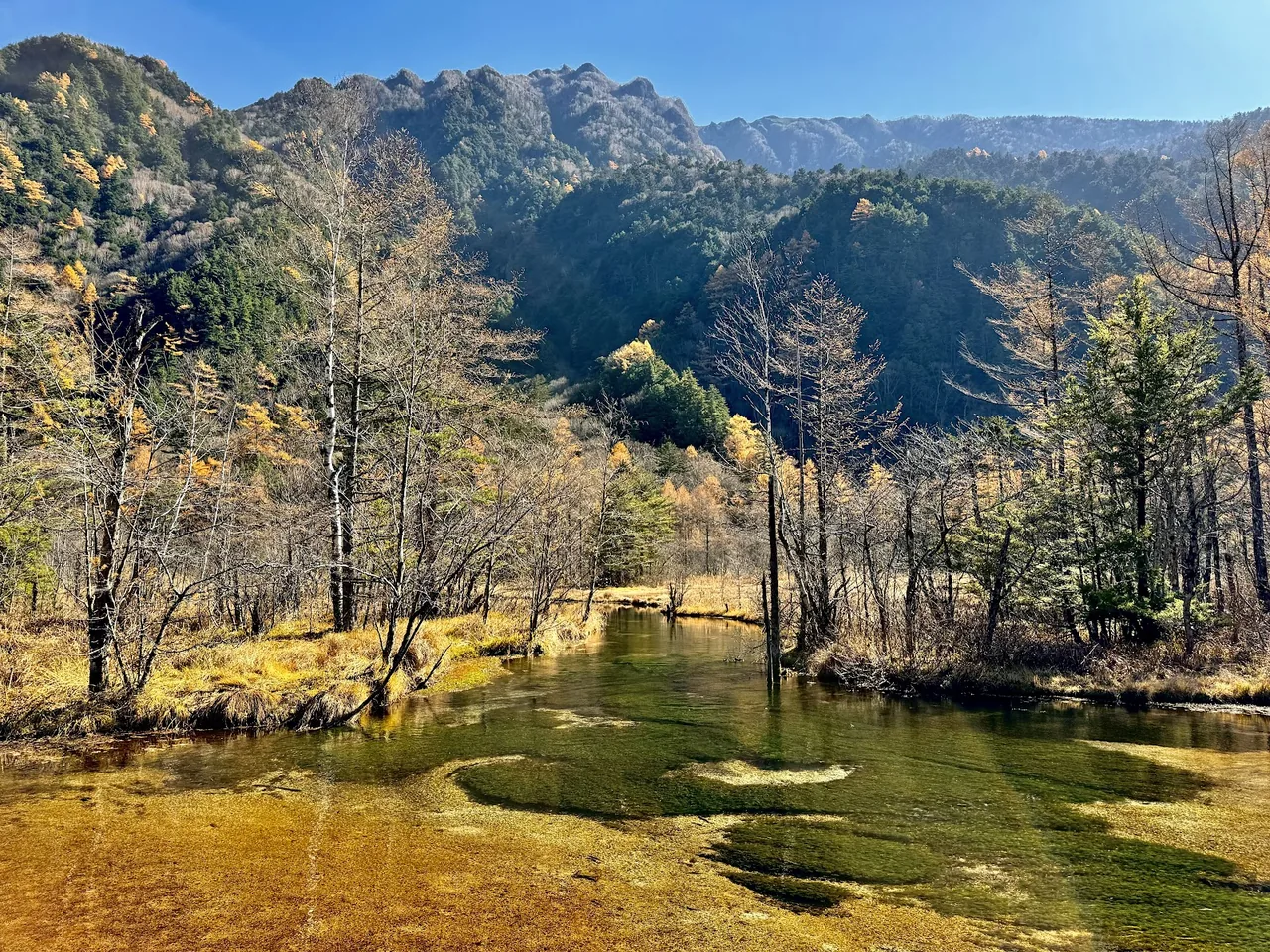 Hidden Gem
Smaller pond between Taisho-ike and Kappa-bashi, quieter than either, with the same reflection-of-Hotaka shot
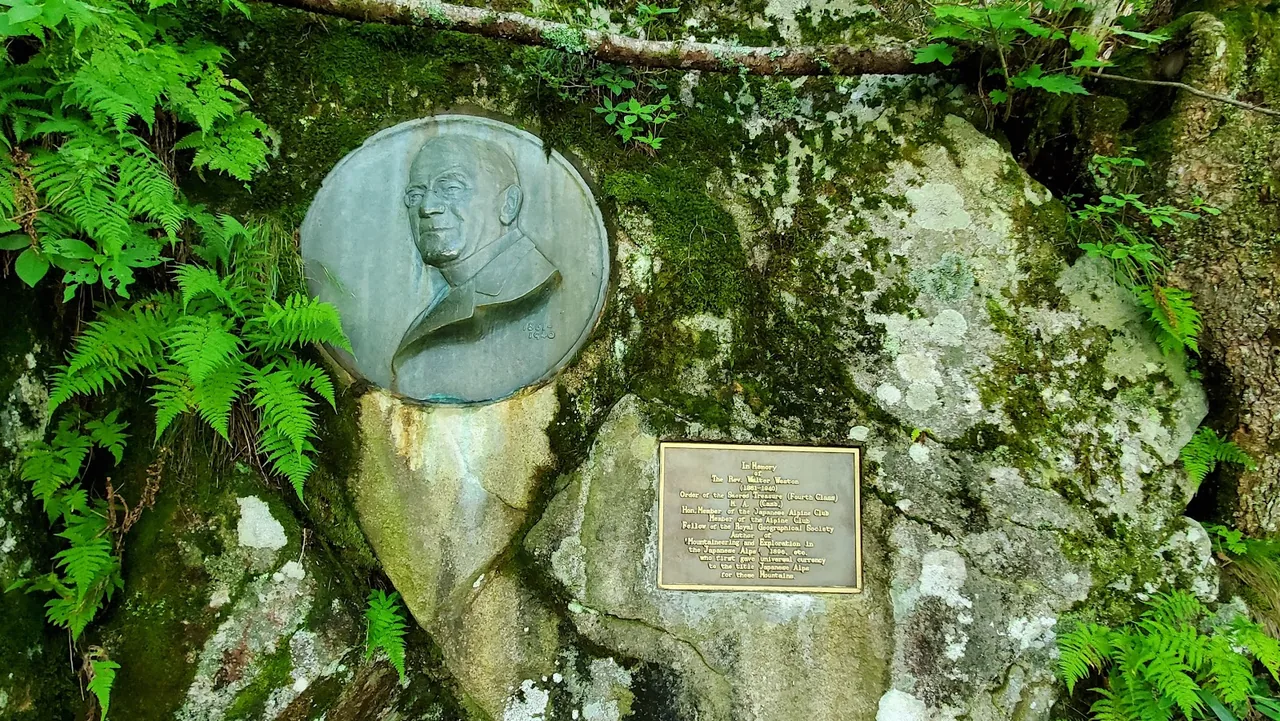
Bronze relief honouring Walter Weston, the British missionary who introduced ‘modern’ alpinism to Japan in the 1890s
Skip the Crowds
- Stay overnight at a hut. Day-trippers leave on the last bus by 17:00; you have the valley nearly empty for sunrise/sunset on day two.
- Walk Myojin-ike, not just Kappa-bashi. 60 minutes east of Kappa-bashi along the river: gorgeous alpine pond, a fraction of the visitors.
- June over July-August. Same flowers, half the crowds. Late September is similar; peak koyo brings them back.
- Take the first bus from Matsumoto. 06:30 departure puts you at Kappa-bashi for sunrise mist over the river.
Food & Drink
Mountain restaurants are limited and expensive; most hikers bring their own. The hotels and huts serve fixed-menu meals.
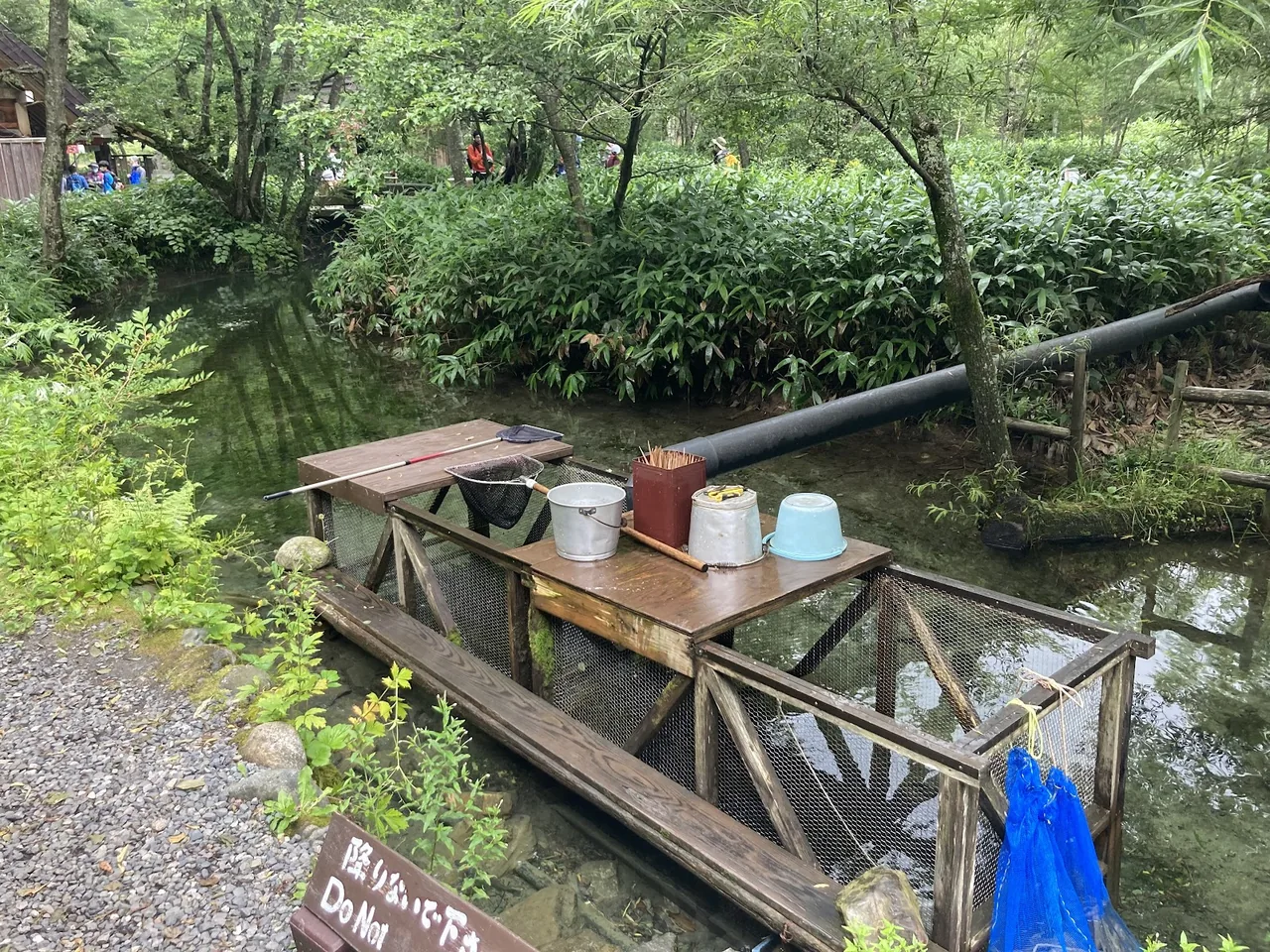 ★ Author's Pick
Charcoal-grilled iwana (mountain trout) on a stick: the signature Kamikochi lunch
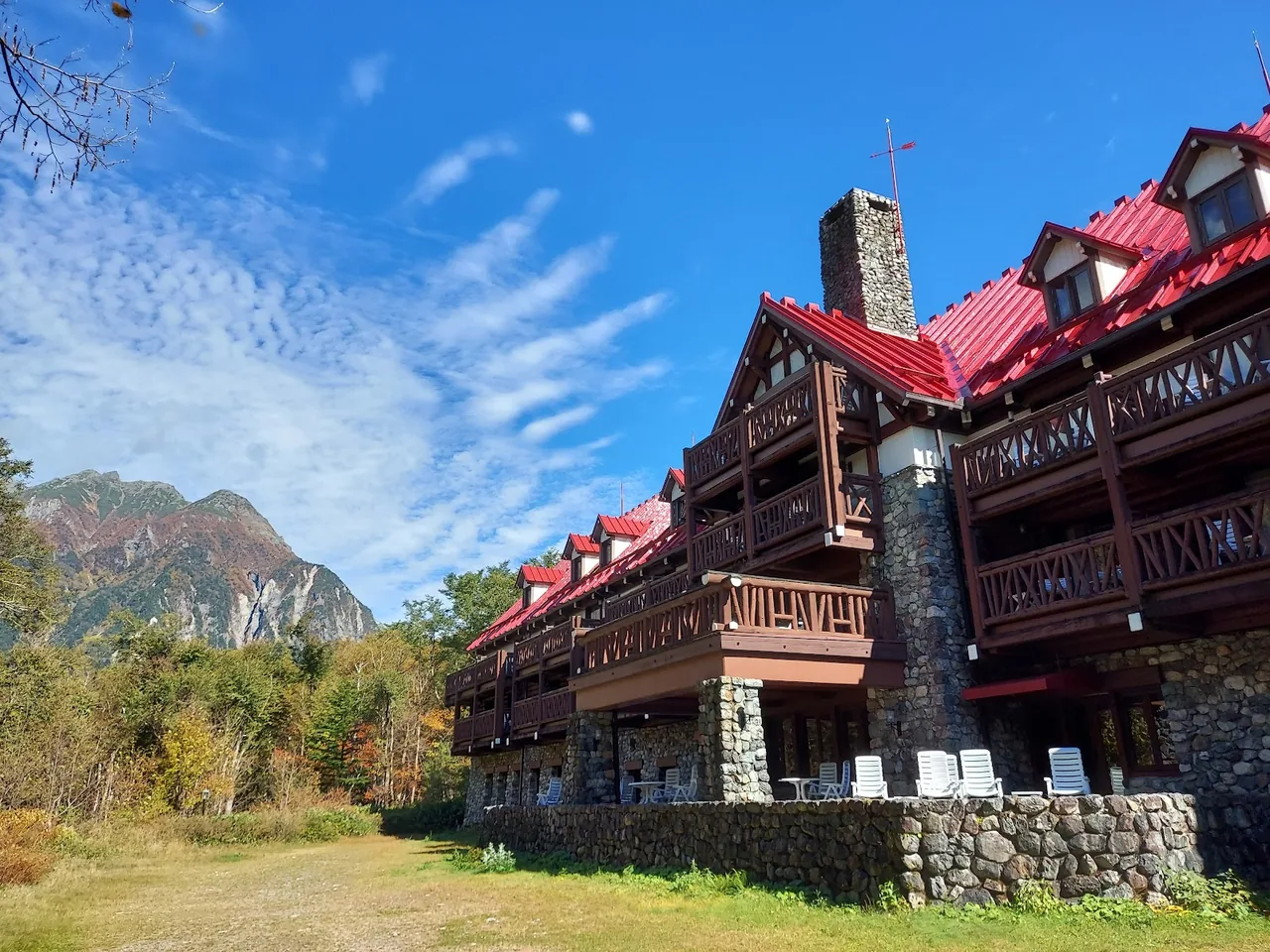
Original 1933 hotel café serving afternoon tea overlooking the valley
Where to Stay
Three tiers: historic hotel, mid-range, mountain hut. Book all of them 3-6 months ahead in summer.
Booking links are affiliate links. They cost nothing extra and support the site.
Day Trips
Most visitors do Kamikochi as a day trip from Takayama or Matsumoto. The valley pairs naturally with these other Northern Alps destinations.
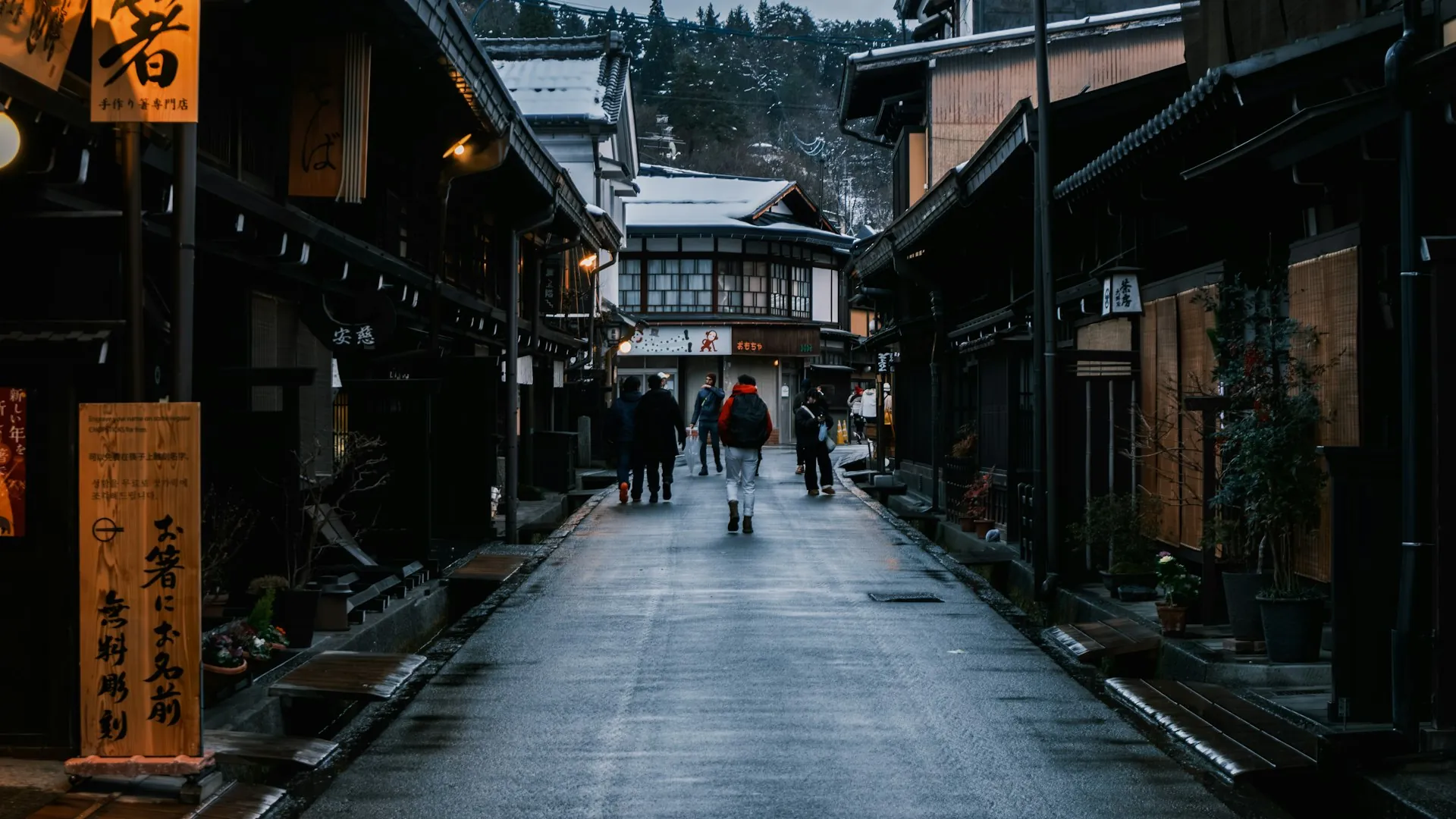
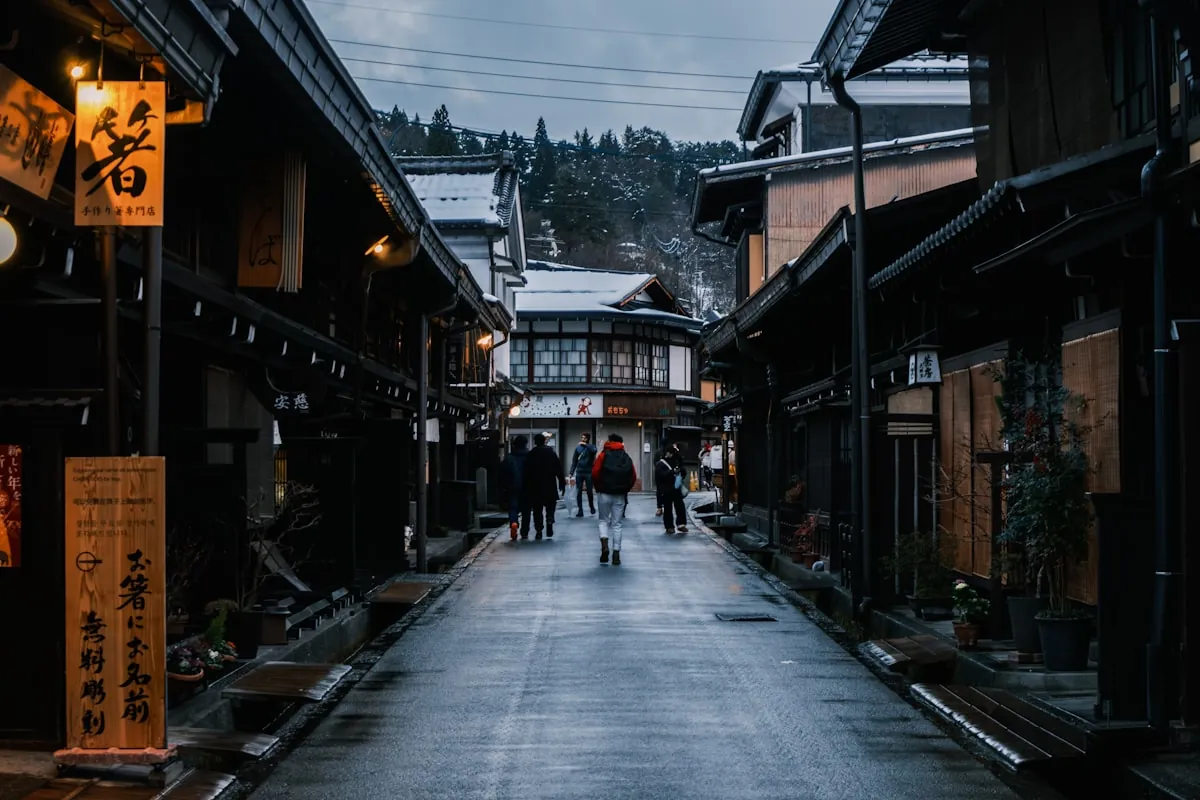
Takayama
Edo-era merchant town in Gifu, 2.5 hours west by Nohi bus over Norikura pass
Edo merchant town
- Sanmachi-suji old town
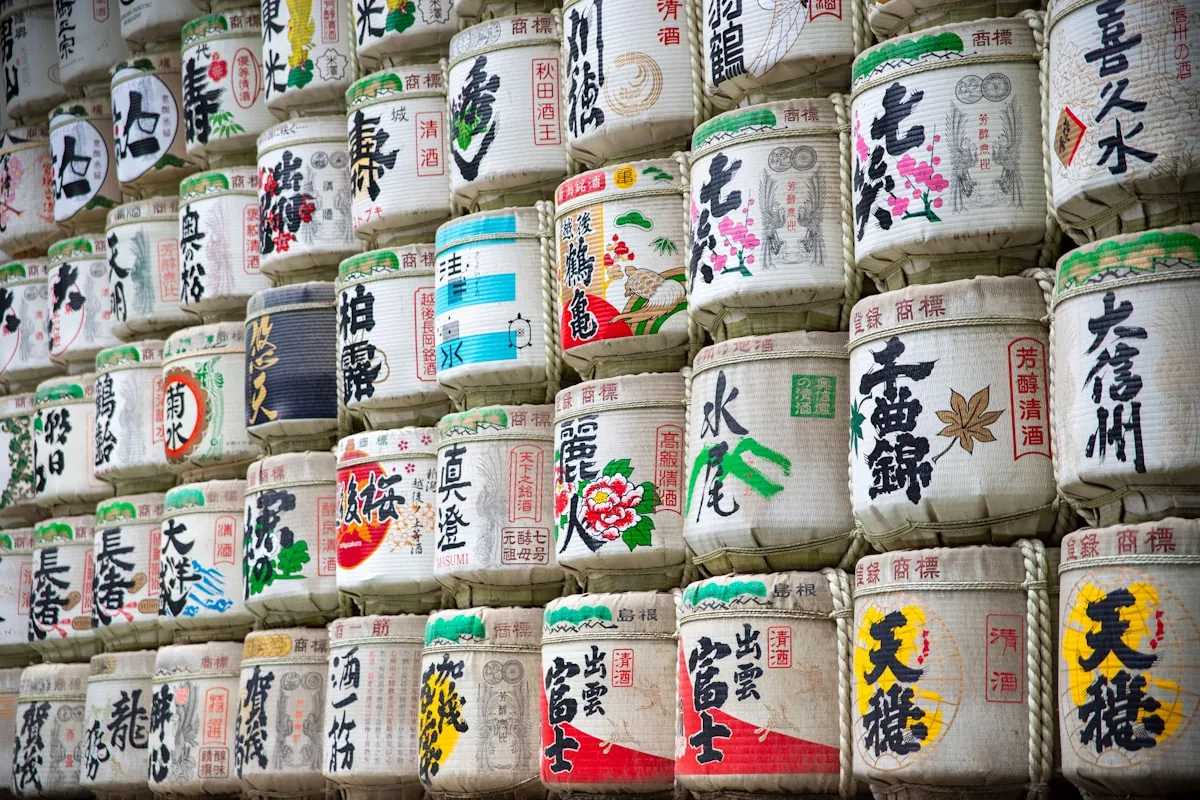
- Six in-town sake breweries
- Spring/autumn matsuri
Matsumoto
Original 16th-century black castle and the alpine gateway, 90 minutes east by bus
Original alpine castle
- Matsumoto-jo black castle
- Nakamachi-dori warehouse street
- Norikura highlands extension
Norikura
3,026m alpine peak with summer skiing and bus access to a high-altitude meadow, 30 min from Kamikochi by bus
3,026m alpine peak
- Bus to 2,700m altitude
- Summer wildflower meadow
- Snow-walking even in July
How to Get There
FAQ
How long do I need at Kamikochi?
One day is enough for the standard Taisho-ike → Kappa-bashi → Myojin-ike walk (5 hours). Two days unlocks the early-morning quiet at Kappa-bashi for sunrise mist plus a longer Yokoo-direction hike. Multi-day Hotaka climbs need 3+ days.
Takayama or Matsumoto as the base?
Matsumoto is closer (90 minutes total) but the bus route is less scenic. Takayama is 2.5 hours over Norikura pass, a gorgeous mountain road and a more interesting overnight base. Most international visitors do it from Takayama.
Can I climb Hotaka from Kamikochi?
Yes. The Hotaka traverses (Yari-Hotaka, Kamikochi-to-Hotakadake) start from Kamikochi but require 2-3 days minimum, mountain hut bookings, and serious altitude/exposure. Day-walkers should turn back at Yokoo Sansou.
Is Kamikochi closed in winter?
Yes. From November 16 to April 14 the access road is closed and most facilities shut. Hardcore winter hikers ski the road in, but it’s not a casual visit. Plan to visit in shoulder seasons (May, late September, mid-October) for the best mix of access + quiet.