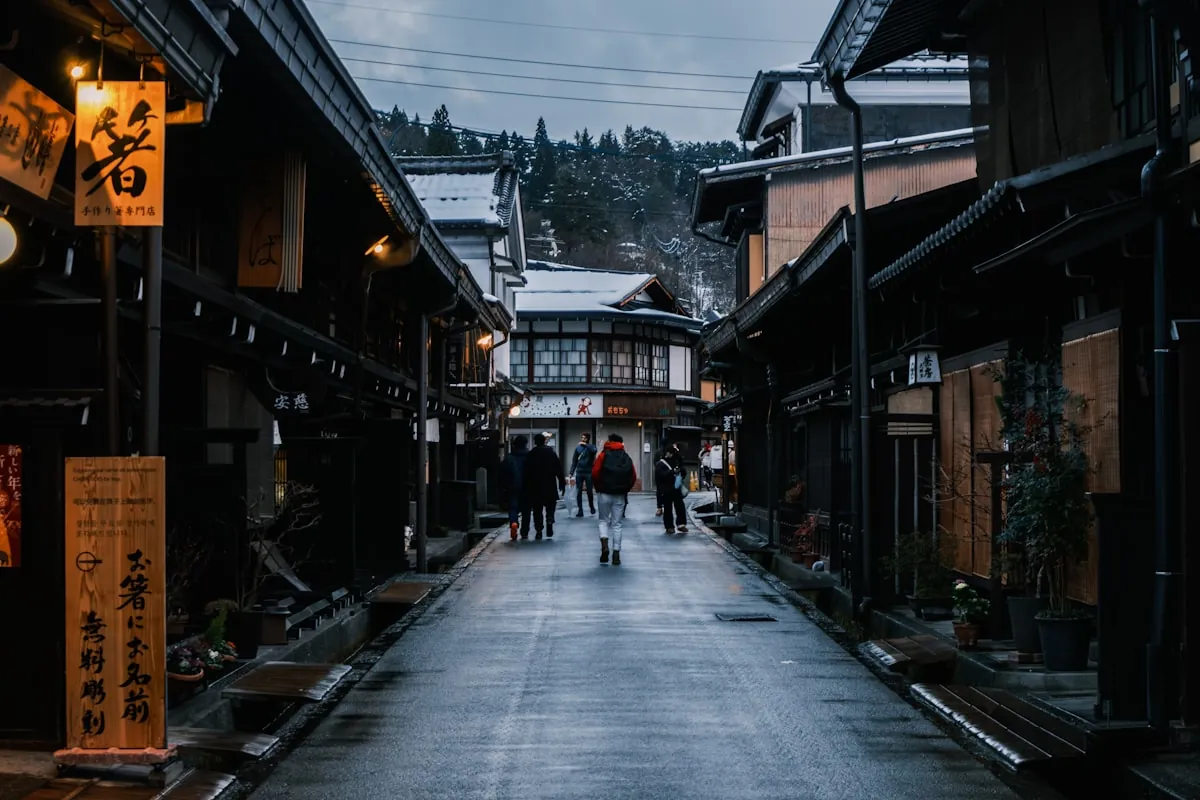
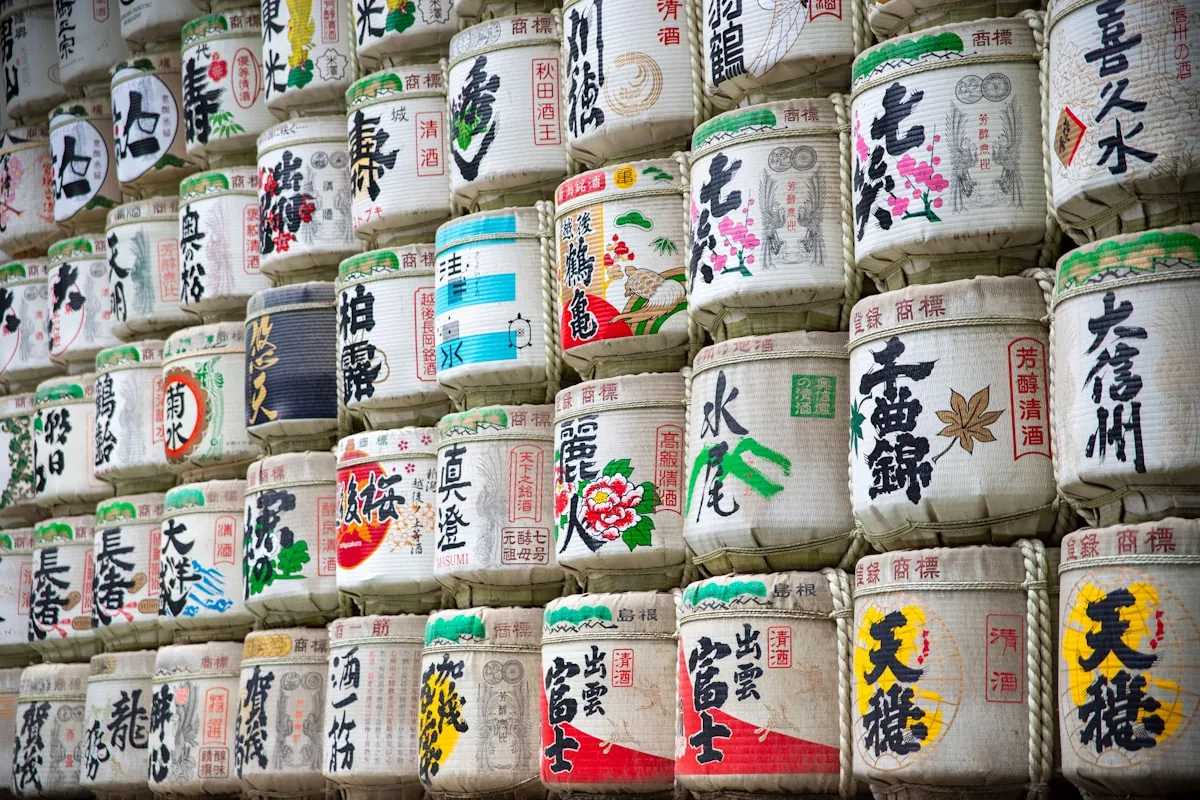
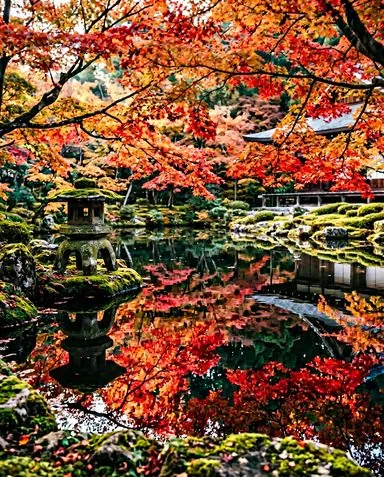
Nagano Prefecture sits at the heart of Honshu, a landlocked mountain stronghold that holds some of Japan's most dramatic landscapes, and some of its least-crowded ones. From the snow monkey hot springs of Jigokudani and the black-walled keep of Matsumoto Castle to the car-free alpine valley of Kamikochi and the pilgrimage trails around Zenko-ji Temple, this is Japan's outdoor and cultural interior at its most rewarding. Autumn foliage here rivals Kyoto's, without the queues.
Cities & Towns
Nagano Prefecture spreads across a wide mountain interior; these are the main bases worth knowing before you plan your route.
Nagano City
The prefectural capital, home to Zenko-ji Temple and the gateway to snow monkey country
Capital & Zenko-ji
- Zenko-ji Temple
- Snow monkey access
- 1998 Olympics legacy
Matsumoto
A castle town with one of Japan's only surviving original black-walled keeps, backed by the Northern Alps
Black castle & Alps
- Matsumoto Castle
- Kamikochi access
- Nakamachi district
Hakuba
Japan's premier alpine resort: ski fields, mountain huts, and year-round outdoor adventure
Ski & alpine resort
- World-class skiing
- 1998 Olympics venue
- Summer hiking
Obuse
A compact, walkable town built on chestnuts and Hokusai. Easy to reach, easy to love
Chestnuts & Hokusai
- Hokusai Museum
- Chestnut sweets
- Sake breweries
Top Attractions
Nagano's headline draws span alpine valleys, ancient pilgrimage temples, and wildlife encounters that exist nowhere else in Japan.
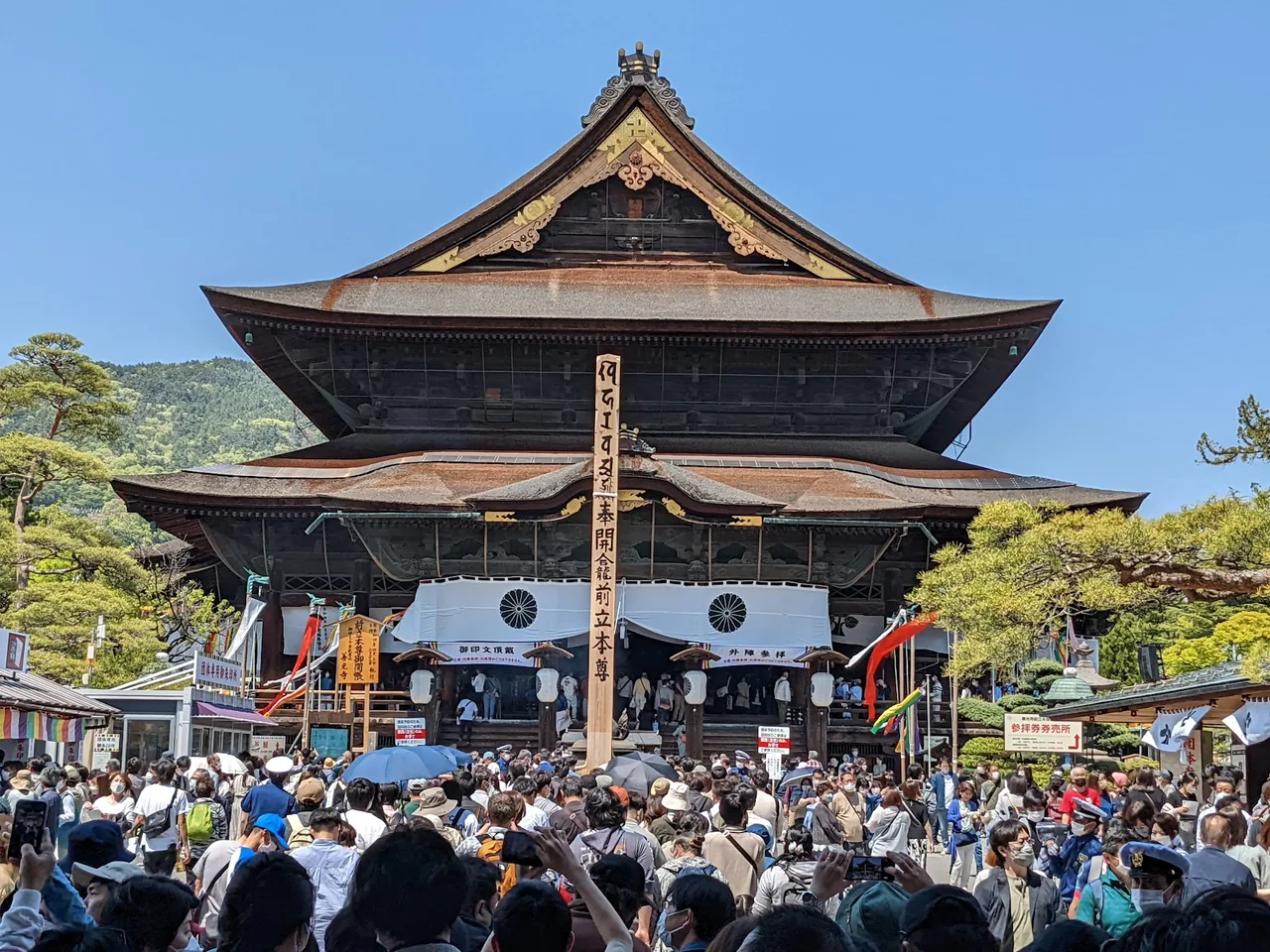
One of Japan's most important Buddhist pilgrimage sites, drawing visitors for over 1,300 years to its ancient halls in Nagano City
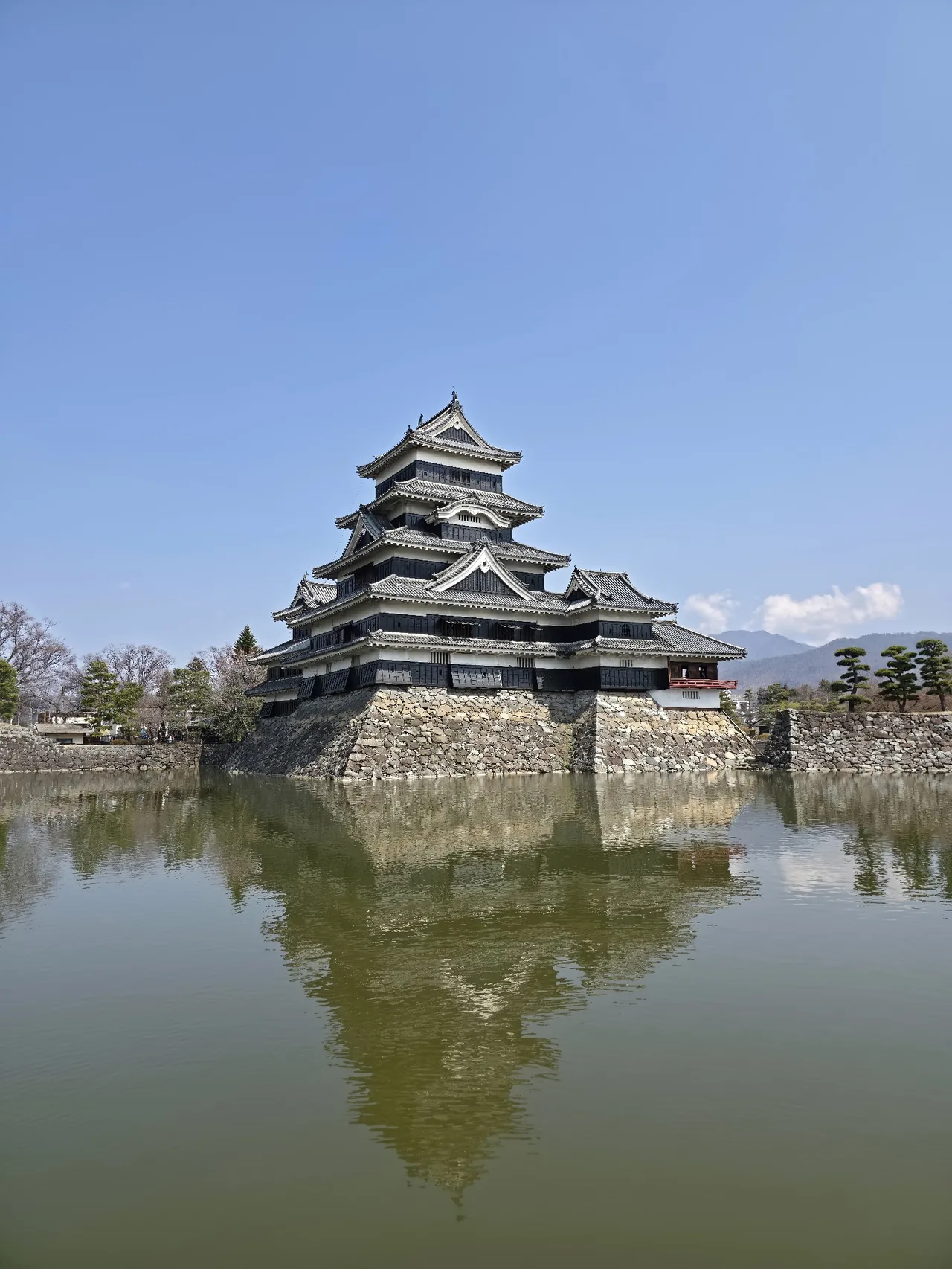
One of only 12 original castles remaining in Japan, its black-lacquered walls rising above a mirror moat in the center of Matsumoto City
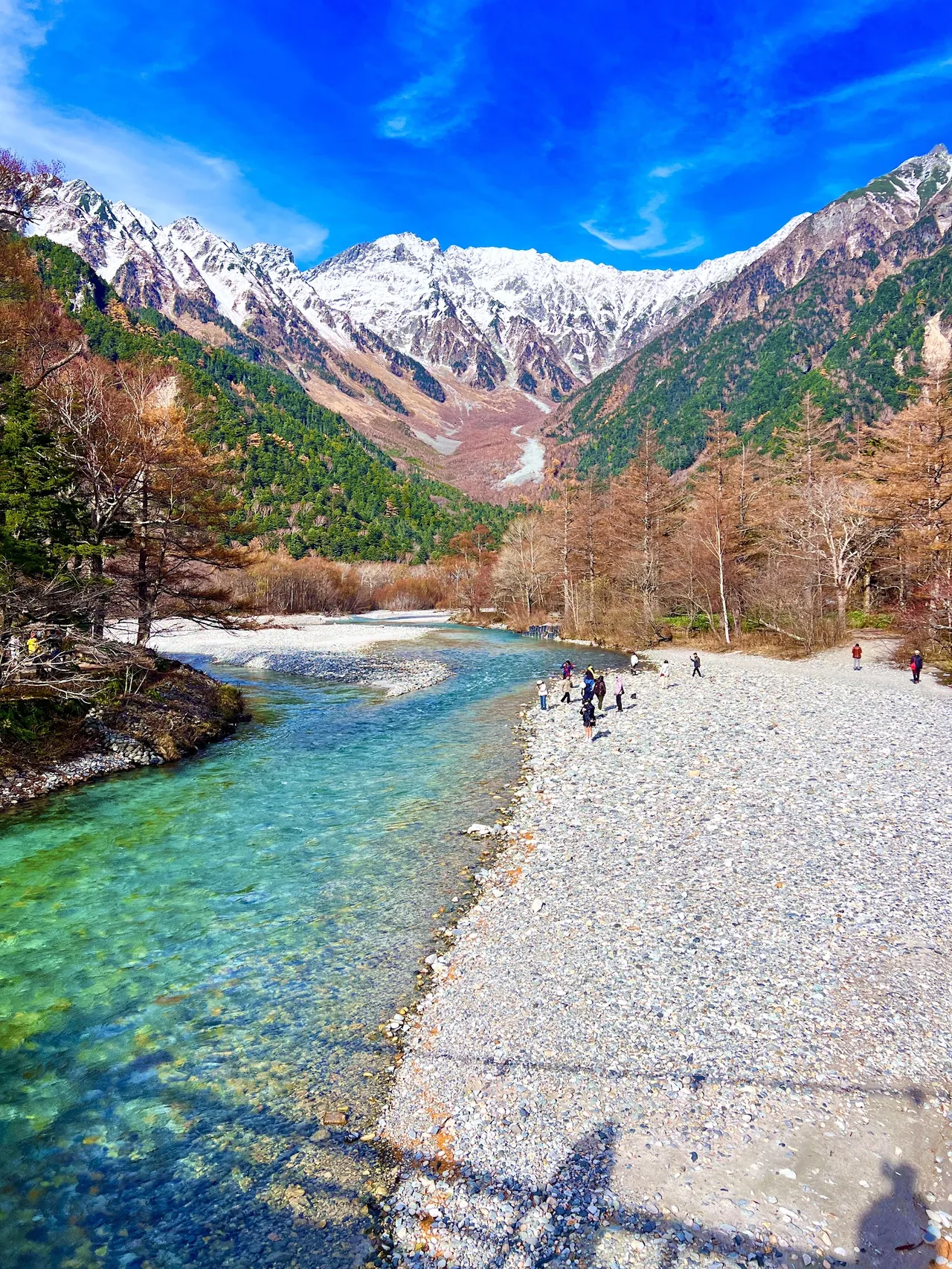
A car-free alpine valley deep in the Northern Alps: Kappabashi bridge, glacial ponds, and hiking trails open mid-April to mid-November
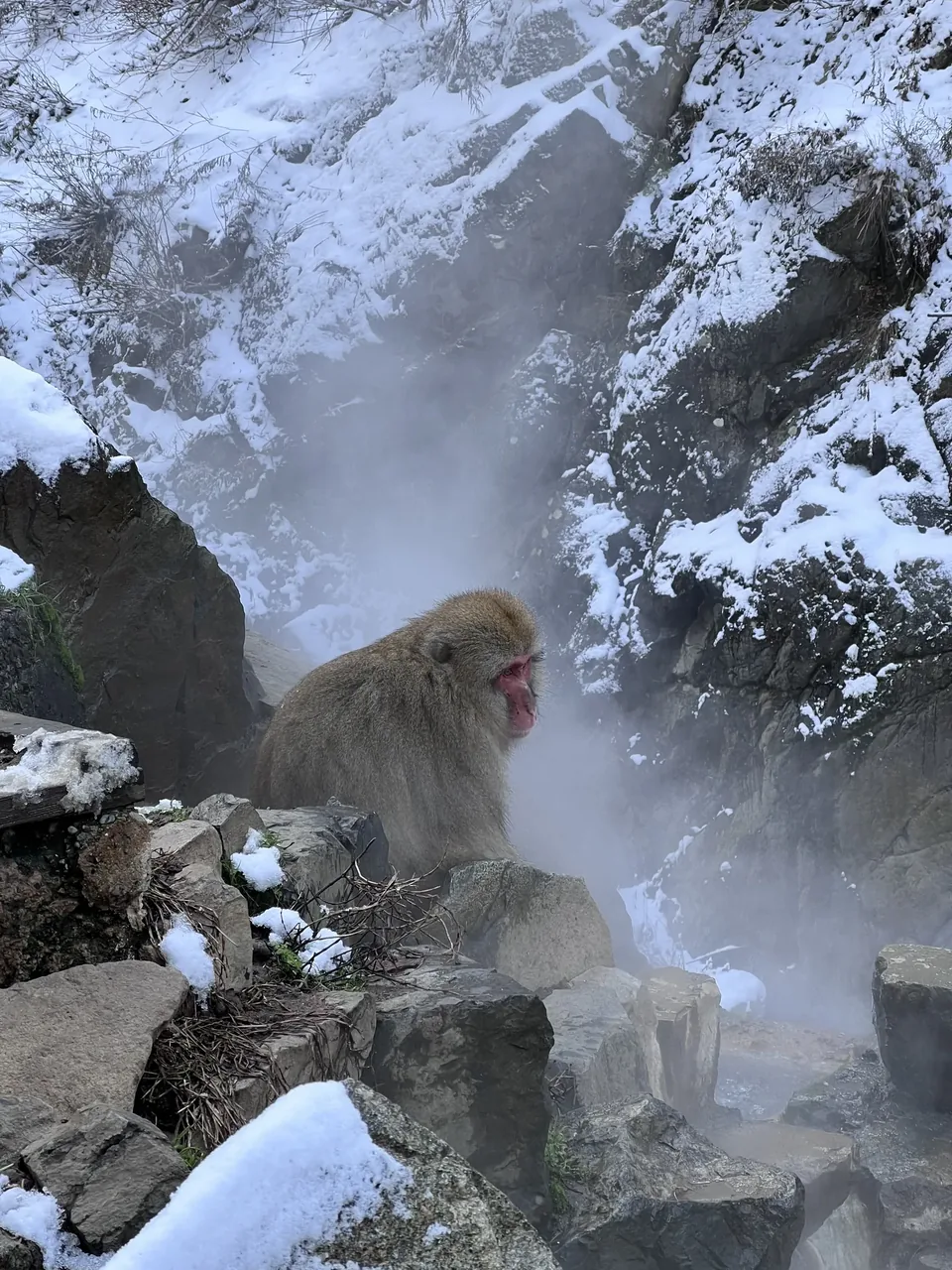
Wild Japanese macaques soaking in natural hot springs, one of Japan's most singular wildlife encounters, accessible from Nagano City
Hidden Gems
Beyond Nagano's headline attractions, these lesser-known destinations reward the traveler willing to look one step further.
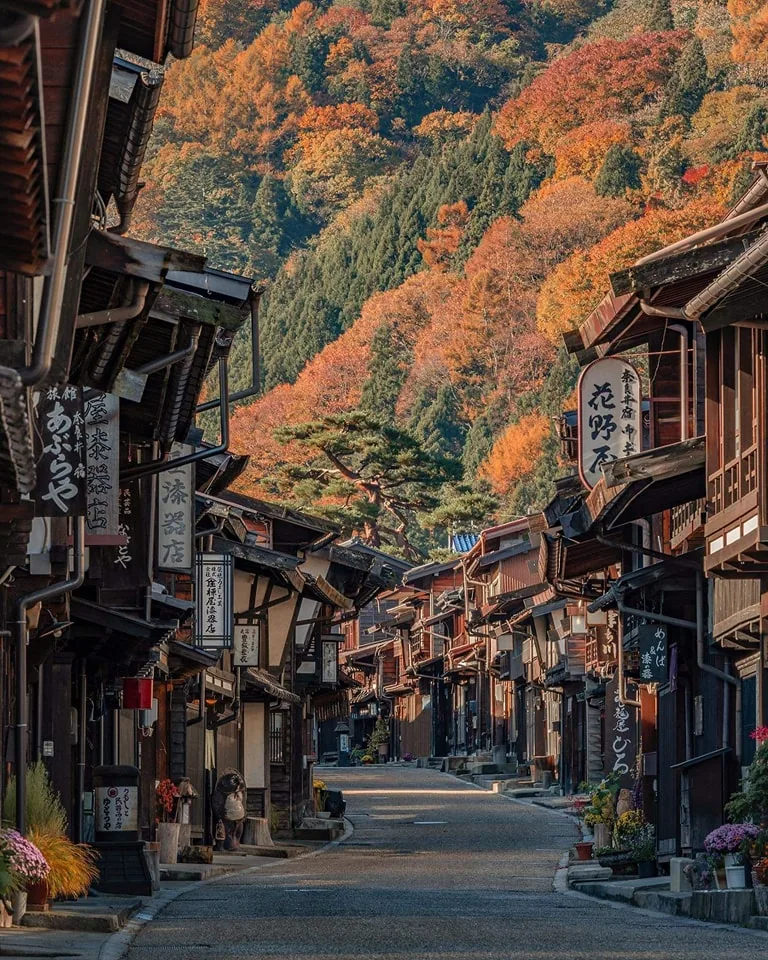 Hidden Gem
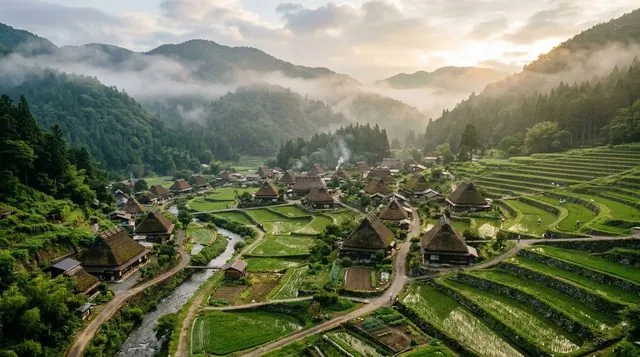
The best-preserved post town on the old Nakasendo highway: a single Edo-period street that most visitors to Nagano never find
 Hidden Gem
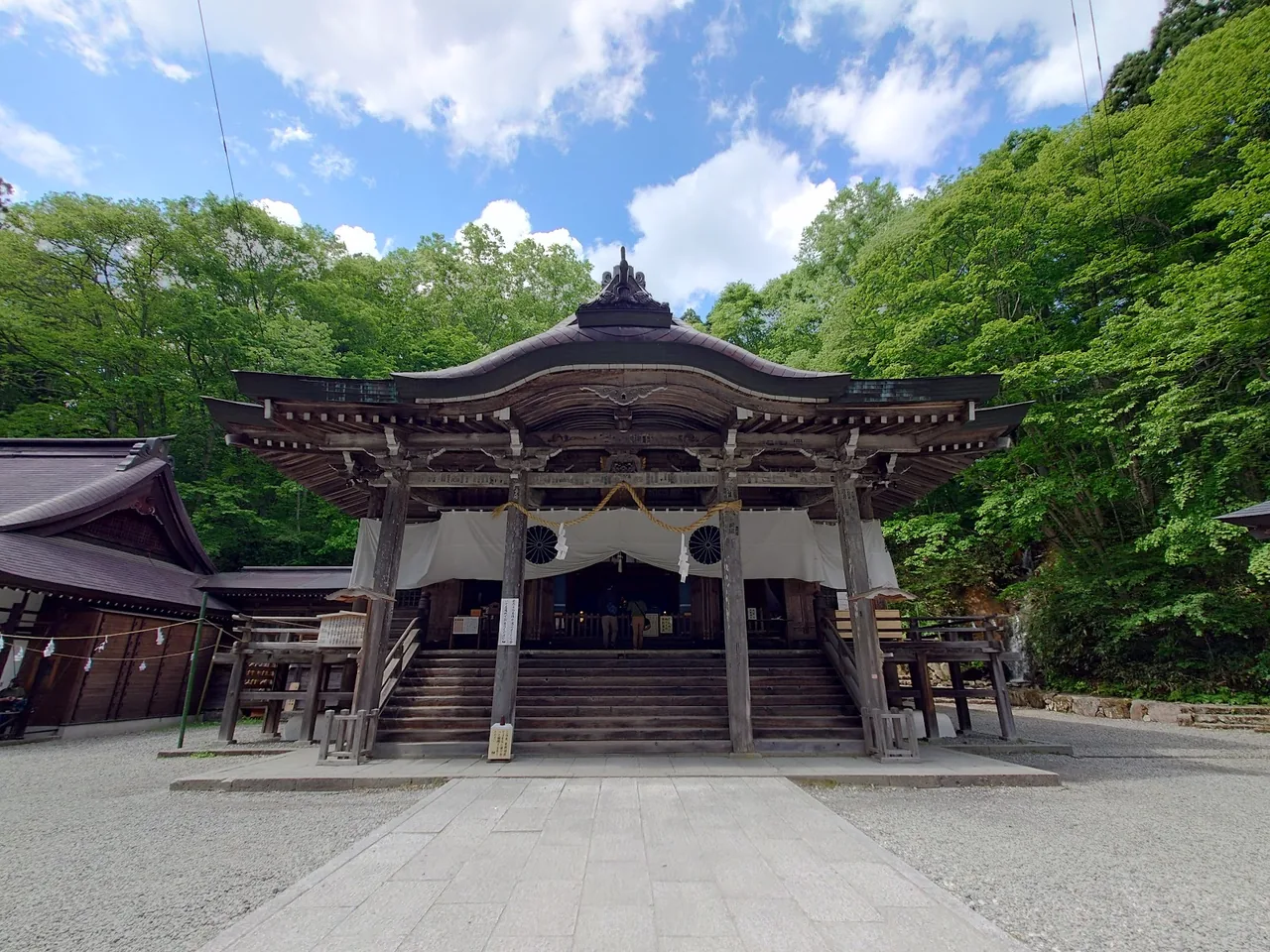
A mountain shrine complex set deep in cedar forest north of Nagano City, connected by a kilometre-long avenue of ancient trees
 Hidden Gem
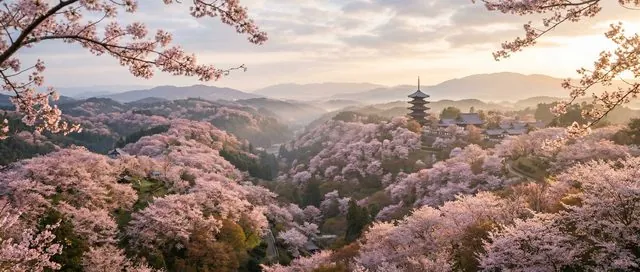
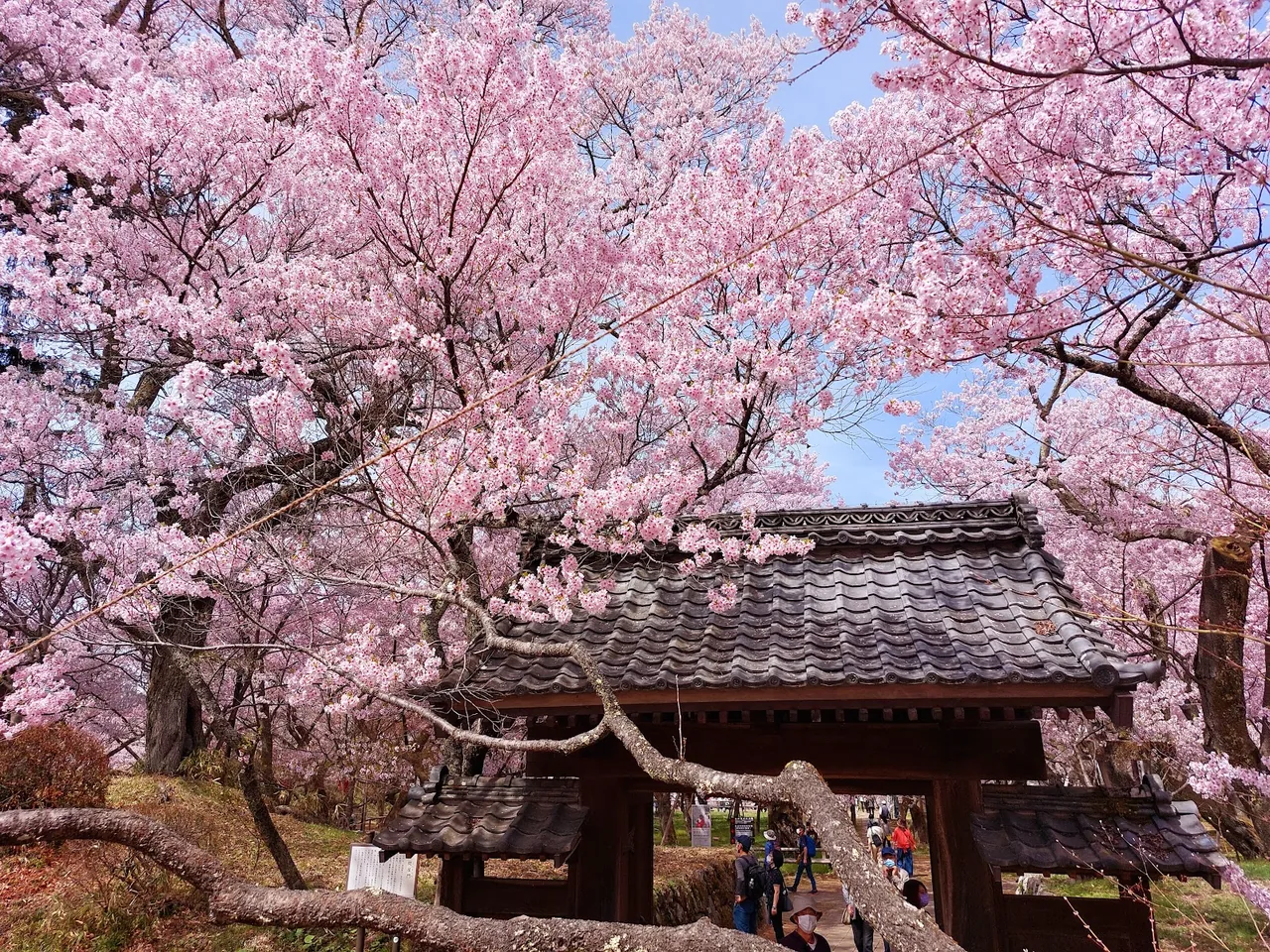
One of Japan's top-ranked cherry blossom sites: castle ruins blanketed in Takato-Kohigan cherry trees, largely unknown outside the prefecture
When to Visit
Nagano works year-round; the question is what you're after. Spring and autumn draw the most visitors; winter is for skiers and snow monkeys.
Springharu
Mar – May5–18°CHigh crowds
Springharu
- Cherry blossoms peak at Takato Castle Park, one of Japan's top sakura spots
- Kamikochi reopens mid-April after winter closure
- Golden Week crowds late April to early May; book ahead
Summernatsu
Jun – Aug15–30°CModerate crowds
Summernatsu
- Kamikochi hiking at its best, cooler than lowland Japan
- Avoid mid-August Obon holidays for popular trailheads
- Alpine wildflowers in the Northern Alps
Autumnaki
Sep – Nov5–22°CHigh crowds
Autumnaki
- Foliage peaks in Kamikochi and Kiso Valley around October–November
- Occasional typhoons in September can disrupt hiking plans
- Kamikochi closes mid-November for winter
Winterfuyu
Dec – Feb-5–5°CModerate crowds
Winterfuyu
- Prime ski season across 80+ resorts including Hakuba
- Snow monkeys at Jigokudani at their most photogenic
- Onsen towns like Nozawa and Shibu Onsen come into their own
Suggested Itineraries
Three days covers Nagano's essentials; a week lets you go deeper into the mountains and post towns.
FAQ
How do I get from Tokyo to Nagano?
The Hokuriku Shinkansen runs from Tokyo Station to Nagano City in around 80–100 minutes, with multiple trains every hour. The fare is approximately ¥8,340 one-way; check current pricing before you travel. Both the JR Pass and the JR East Pass cover this route.
How many days do I need in Nagano Prefecture?
Four to five days gives a solid introduction: enough for Zenko-ji, Matsumoto Castle, Jigokudani, and a half-day in Kamikochi. A full week lets you add the Kiso Valley post towns or an onsen stop in Nozawa Onsen or Shibu Onsen.
When is the best time to visit Nagano?
April–May and October–November offer the most pleasant conditions: cherry blossoms in spring (Takato Castle Park is one of Japan's top sakura spots), and foliage in autumn. Winter is excellent for skiing and snow monkeys but cold, with temperatures dropping to -5°C.
Can I visit Kamikochi by car?
No. Private vehicles are banned from Kamikochi year-round. Access is by train and bus from Matsumoto Station. The valley is also closed from mid-November to mid-April each year.
Is the Japan Rail Pass useful in Nagano?
Yes. The Hokuriku Shinkansen to Nagano City and the JR Azusa limited express to Matsumoto (around 2.5 hours from Shinjuku) are both JR-operated. Note that not all local buses accept IC cards, so carry cash for shorter journeys.
What is Nagano famous for eating?
Shinshu soba is the standout: buckwheat noodles made with alpine water. Oyaki (stuffed grilled dumplings), wasabi, and locally grown apples are also worth seeking out. Nagano is reportedly Japan's leading miso producer, so expect it as a base in many dishes.