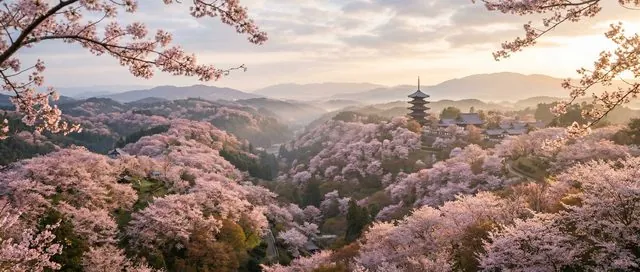
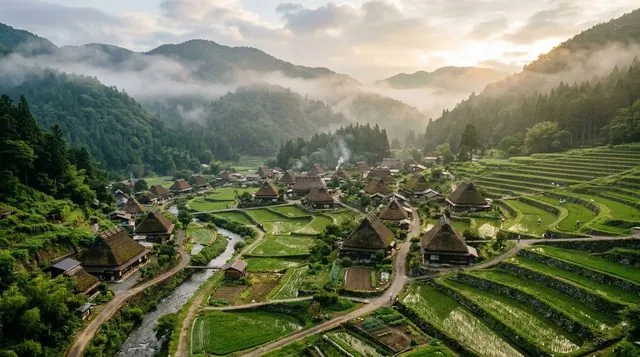

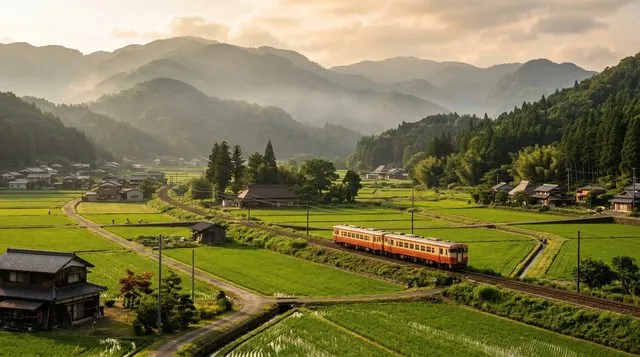
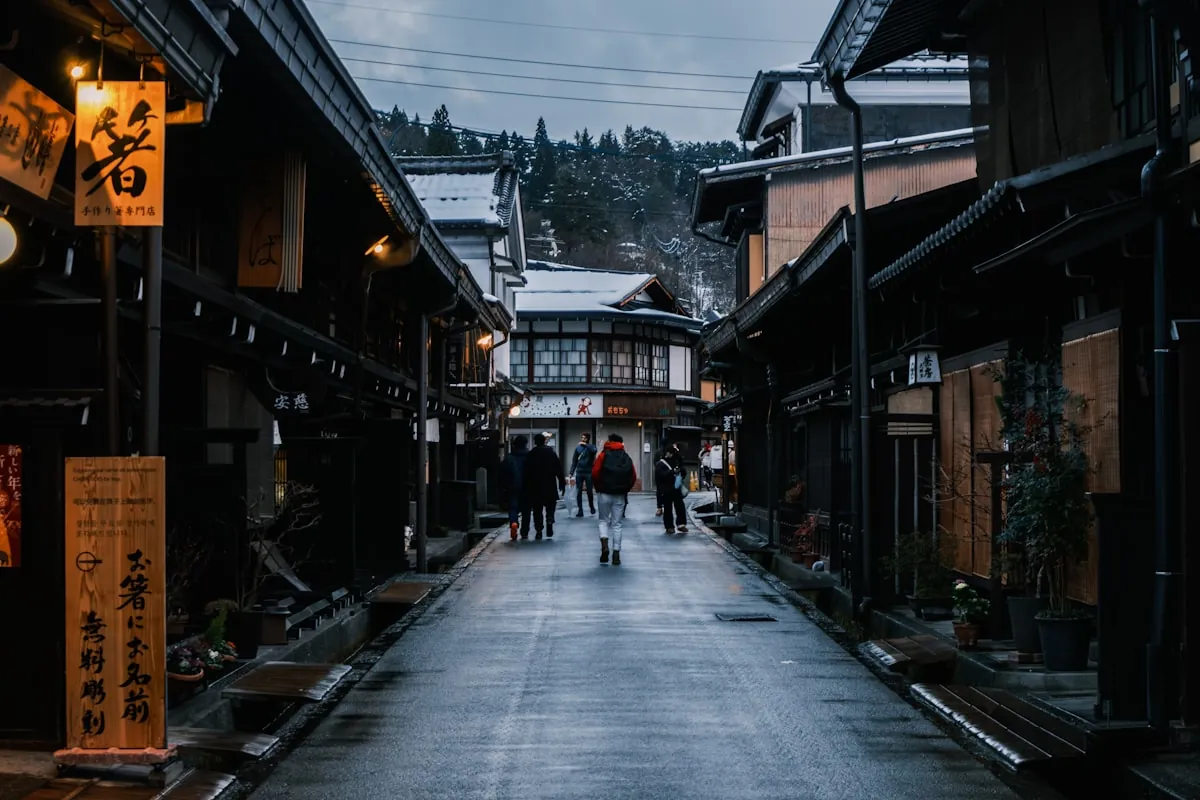
Kanazawa sits on the Sea of Japan coast, shielded from Kyoto's tourist overflow by the mountains of the Noto Peninsula. The result is a city that kept its Edo-period samurai and geisha districts largely intact, built a world-class contemporary art museum, and never quite made it onto the standard itinerary — which is precisely what makes it worth prioritizing. Two to three days here covers Kenroku-en, the Higashi Chaya teahouse quarter, and the Nagamachi samurai district without feeling rushed. kanazawa itinerary
When to Visit
Spring and autumn draw the most visitors — and for good reason. Winter is quieter, snowier, and underrated.
Springharu
Mar – May8–18°CHigh crowds
Springharu
- Cherry blossoms at Kenroku-en peak late March to early April
- Golden Week crowds late April to early May
- Mild walking weather through the samurai districts
Summernatsu
Jun – Aug22–32°CModerate crowds
Summernatsu
- Rainy season through mid-July
- Hot and humid but fewer foreign tourists
- Hyakumangoku Festival in early June
Autumnaki
Sep – Nov8–22°CHigh crowds
Autumnaki
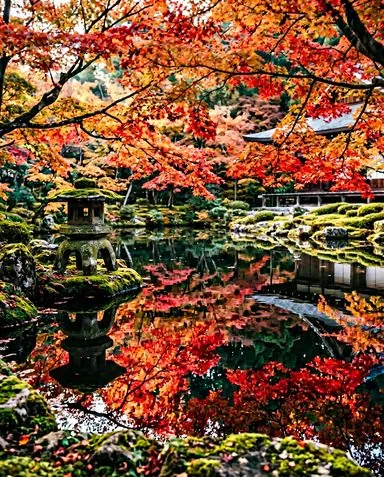
- Peak foliage at Kenroku-en mid to late November
- Comfortable temperatures for exploring Higashi Chaya
- Harvest season for local seafood
Winterfuyu
Dec – Feb0–8°CLow crowds
Winterfuyu
- Snow-dusted Kenroku-en — one of Japan's most striking winter scenes
- Fewest tourists of the year
- Crab season peaks December to February
What to Do in Kanazawa
Kanazawa punches well above its size — a compact city with a full hand of cultural draws, from feudal-era gardens to boundary-pushing contemporary art. The grid below covers the essentials and a few spots most visitors walk straight past.

One of Japan's three great landscape gardens — best before 8am when the gates open free of charge
Japan's most celebrated garden

Kanazawa's best-preserved geisha quarter — latticed ochaya teahouses lining a quiet riverside street
Edo-period geisha quarter

Earthen walls and narrow lanes where Kanazawa's samurai families once lived — Nomura-ke is the standout residence to enter
Preserved samurai neighbourhood

A circular glass building with no front or back — permanent collection free, ticketed exhibitions worth checking
World-class contemporary art

The reconstructed Hishi Yagura turret and Gojikken Nagaya storehouse anchor a park that most visitors rush through on the way to Kenroku-en
Reconstructed Edo-period castle

The city's covered fresh market since the Edo period — snow crab, nodoguro sea bass, and gold-leaf soft serve in one chaotic, delicious block
Kanazawa's historic covered market
Hidden GemKanazawa's smaller, quieter geisha quarter — a single preserved street that most visitors skip entirely in favour of Higashi Chaya
Overlooked geisha quarter
Hidden GemA Edo-period temple built with hidden rooms, trap doors, and escape tunnels — entry by advance reservation only, and worth the planning
Hidden-passage temple, advance booking required
Skip the Crowds
- Kenroku-en at opening: Gates open at 7am in summer — arrive then and the garden is genuinely quiet. By 10am, tour groups dominate. Entry is free before 8am (check current seasonal hours before visiting).
- Higashi Chaya on a weekday morning: The teahouse district fills up by mid-morning on weekends. Weekday visits before 9am are a different experience entirely.
- Nagamachi over Higashi Chaya: Most visitors head straight for the geisha quarter. The samurai district gets a fraction of the foot traffic and is easier to explore at your own pace.
- 21st Century Museum — Tuesday visits: Closed Mondays, which concentrates crowds into Tuesday reopening. Go later in the week for shorter queues.
- Nishi Chaya and Kazuemachi: Two smaller geisha districts that rarely appear on tour itineraries — quieter, less commercial, and worth the short detour.
Food & Drink
Kanazawa's position on the Sea of Japan makes it one of the country's best cities for fresh seafood — Omicho Market is the obvious starting point, but the city rewards wandering beyond it.
★ Author's PickOmicho Market
Kanazawa's 300-year-old covered market — the kaisendon (seafood rice bowls) here are among the freshest you'll find anywhere in Japan. Go for the bowl, stay for the stalls.
Central KanazawaCheck availability →
Tamazushi
Long-established sushi counter near Omicho serving Kanazawa-style nigiri — slightly sweeter rice, local fish varieties you won't find on Tokyo menus. Counter seating only; arrive early or expect a wait.
Omicho areaCheck availability →
Higashi Chaya Kaikaro
A registered cultural property ochaya in the geisha district that serves gold-leaf-dusted matcha and traditional Kanazawa sweets. More atmosphere per cup than anywhere else in the city — check current opening hours before visiting.
Higashi ChayaCheck availability →Where to Stay
Kanazawa's most convenient base is the area between Kanazawa Station and the Katamachi district — close to bus routes that connect all the main sights. Higashi Chaya-side guesthouses offer more atmosphere but fewer transport options.
Hotel Forza Kanazawa
Well-positioned business hotel a short walk from Kanazawa Station — clean, reliable, and a sensible base for day trips across the city. Check current rates before booking.
Kanazawa Station areaCheck availability →
★ Author's PickKanazawa Hakuchoro Hotel Sanraku
Traditional ryokan in the heart of the Higashi Chaya district — tatami rooms, kaiseki meals, and a location that puts you in the geisha quarter after the day-trippers have left. Rates vary significantly by season; verify before booking.
Higashi ChayaCheck availability →
Guesthouse Pongyi
A well-regarded guesthouse popular with independent travelers — social common areas, good local tips from staff, and a central location. Budget-friendly without the hostel atmosphere. Check availability early; fills quickly in spring and autumn.
KatamachiCheck availability →Day Trips
Kanazawa sits within reach of some of the region's most undervisited landscapes — the Noto Peninsula to the north and Fukui's dramatic coastline to the south.

Tojinbo Cliffs, Fukui
Basalt columns rising 25 metres from the Sea of Japan — dramatic coastal scenery without the crowds of better-known viewpoints
Dramatic Sea of Japan coastline
- Thunderbird express from Kanazawa (approx. 1.5 hrs — verify current schedules)
- Sea of Japan coastal walks
- Combine with Fukui's Eiheiji temple
Noto Peninsula
Rugged coastline, isolated fishing villages, and salt farms that have barely changed in centuries
Remote coastline and fishing villages
- Wajima morning market
- Senmaida rice terraces
- Best explored by rental car

Shirakawa-go
UNESCO-listed gassho-zukuri farmhouses in a mountain valley — genuinely striking, but go on a weekday to avoid coach-tour crowds
UNESCO thatched farmhouse village
- Direct bus from Kanazawa (approx. 1.25 hrs — check current timetables)
- UNESCO World Heritage Site
- Combine with Gokayama for fewer crowds
How to Get There
Getting There
- 1Take JR Hokuriku Shinkansen (Kagayaki or Hakutaka) → Kanazawa Station
- 1Take JR Thunderbird limited express → Kanazawa Station
- 1Take overnight highway bus from Tokyo (Shinjuku or Tokyo Station area) → Kanazawa Station
Tips for Visiting
- Higashi Chaya at dusk: The district transforms when the lanterns come on in the evening — worth timing a return visit for the atmosphere rather than just a daytime walk-through.
- Early dining is essential: Many traditional restaurants close by 8pm. This is not Tokyo — plan dinner for 6–6:30pm or risk finding shuttered doors.
- Get a day bus pass: The main sights are spread across the city. Kanazawa's loop bus covers Kenroku-en, Higashi Chaya, and Nagamachi — a day pass is significantly cheaper than paying per ride (check current fares before boarding).
- Kenroku-en free entry: Entry before 8am is free during certain seasons. Confirm the current schedule on the official Kanazawa tourism site before your visit.
- Book ryokan dinners early: Kaiseki meals at traditional inns are typically included in room rates but must be requested at booking — not on arrival.
- Cash still matters: Smaller stalls at Omicho Market and some teahouse district shops are cash-only. Keep yen on hand.
- Noto Peninsula needs a car: Public transport to the peninsula is limited. If a day trip is on the agenda, renting a car from Kanazawa Station is the practical option — check current rental rates before booking.
FAQ
How do I get from Tokyo to Kanazawa?
The JR Hokuriku Shinkansen runs directly from Tokyo Station to Kanazawa Station in approximately 2.5 hours. The Kagayaki service is fastest (non-stop); the Hakutaka makes several stops. Fares run around ¥14,000 one-way — verify current pricing before booking. The JR Pass covers this route. jr pass guide
How many days do you need in Kanazawa?
Two full days covers the essentials — Kenroku-en, Higashi Chaya, Nagamachi, and the 21st Century Museum. A third day opens up Omicho Market at a slower pace and a day trip to the Noto Peninsula or Tojinbo Cliffs.
Is Kanazawa worth visiting without a JR Pass?
It depends on your route. If you're travelling Tokyo–Kanazawa–Kyoto–Osaka, the JR Pass typically covers the cost. For shorter itineraries, individual tickets may work out cheaper. Calculate your specific route before purchasing — check current pass rates before buying. jr pass guide
What is Kanazawa known for?
Kenroku-en (one of Japan's three great landscape gardens), the Higashi Chaya geisha district, Nagamachi samurai quarter, gold-leaf craftsmanship, and some of Japan's freshest Sea of Japan seafood — particularly crab in winter.
When is the best time to visit Kanazawa?
Spring (late March–April) for cherry blossoms and autumn (October–November) for foliage are peak season at Kenroku-en. Winter is quieter, cheaper, and offers snow-dusted garden scenes plus peak crab season — an underrated time to visit.
Is Kanazawa easy to get around without a car?
Yes, for the city itself. The Kanazawa loop bus connects all major sights — a day pass is the economical option (check current fares before boarding). The Noto Peninsula is the exception: public transport is limited, and a rental car is the practical choice for that day trip.