Cities & Towns
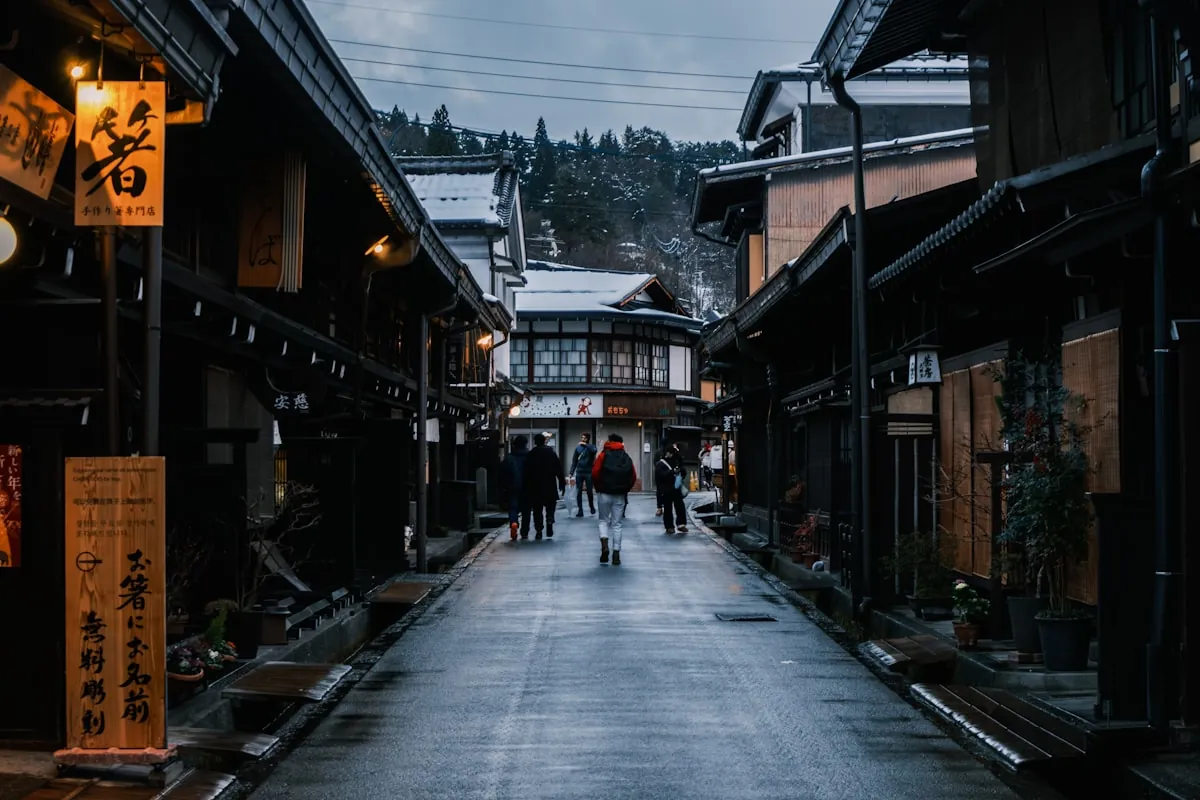
Kanazawa anchors the prefecture, but Wajima and Kaga Onsen reward the detour north and south.
Kanazawa
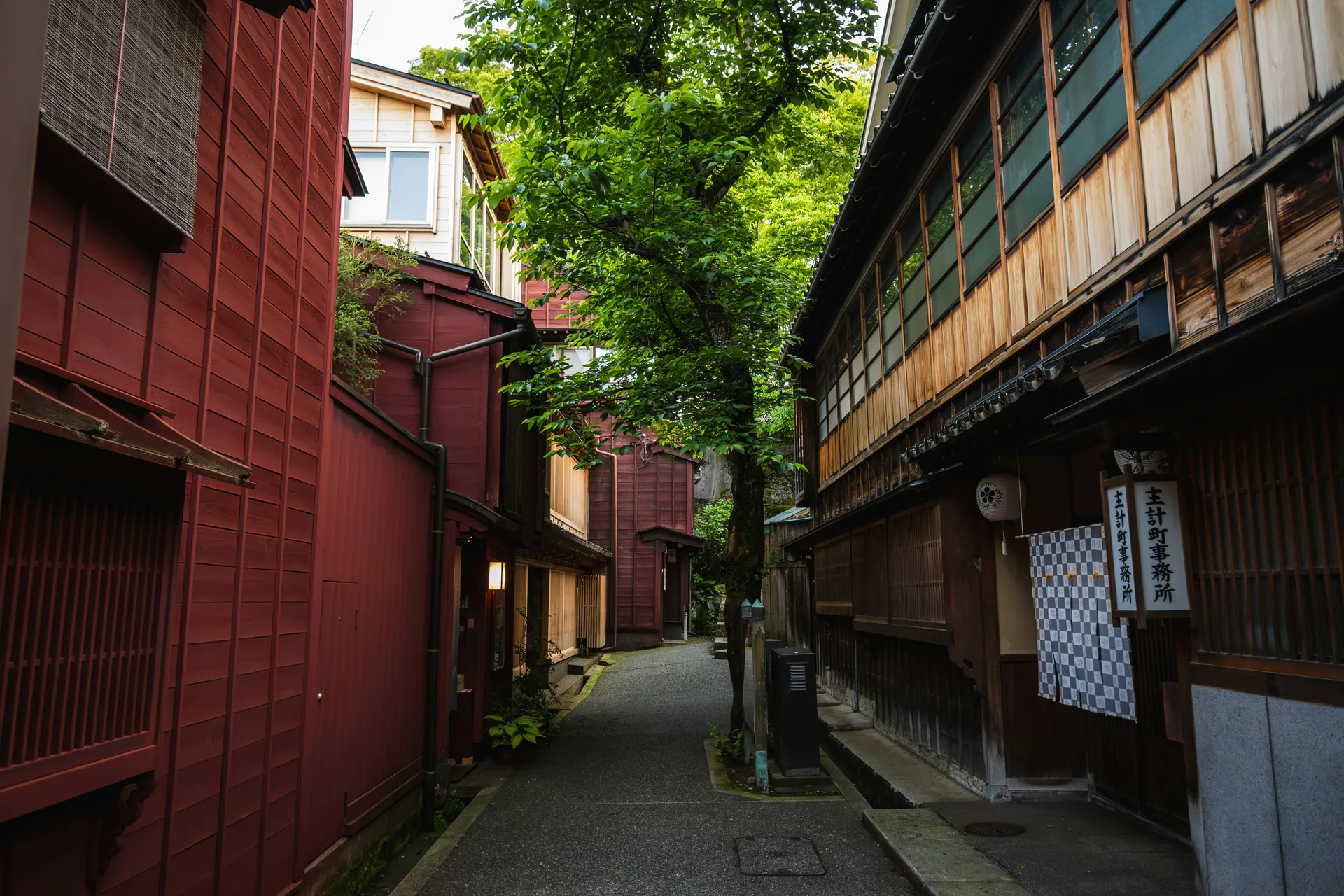
Ishikawa's cultural capital: samurai districts, gold-leaf crafts, and one of Japan's great gardens
Samurai districts & gardens
- Kenroku-en Garden
- Higashi Chaya District
- 21st Century Museum
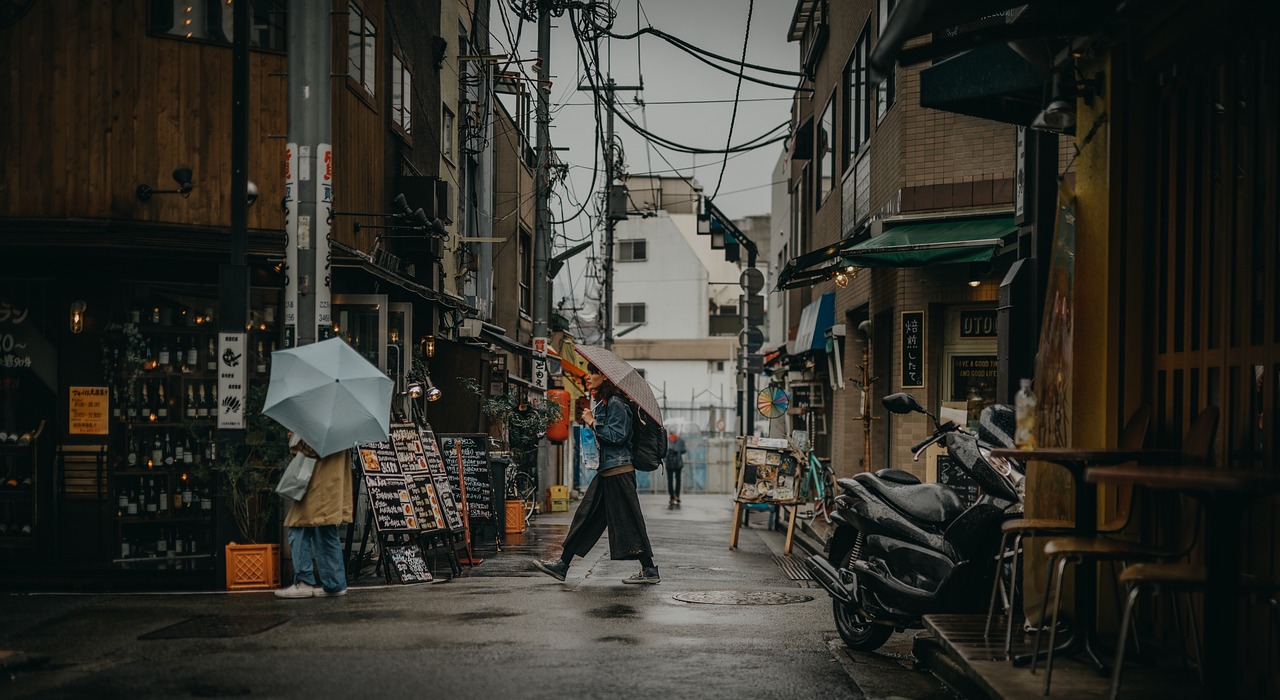
Wajima
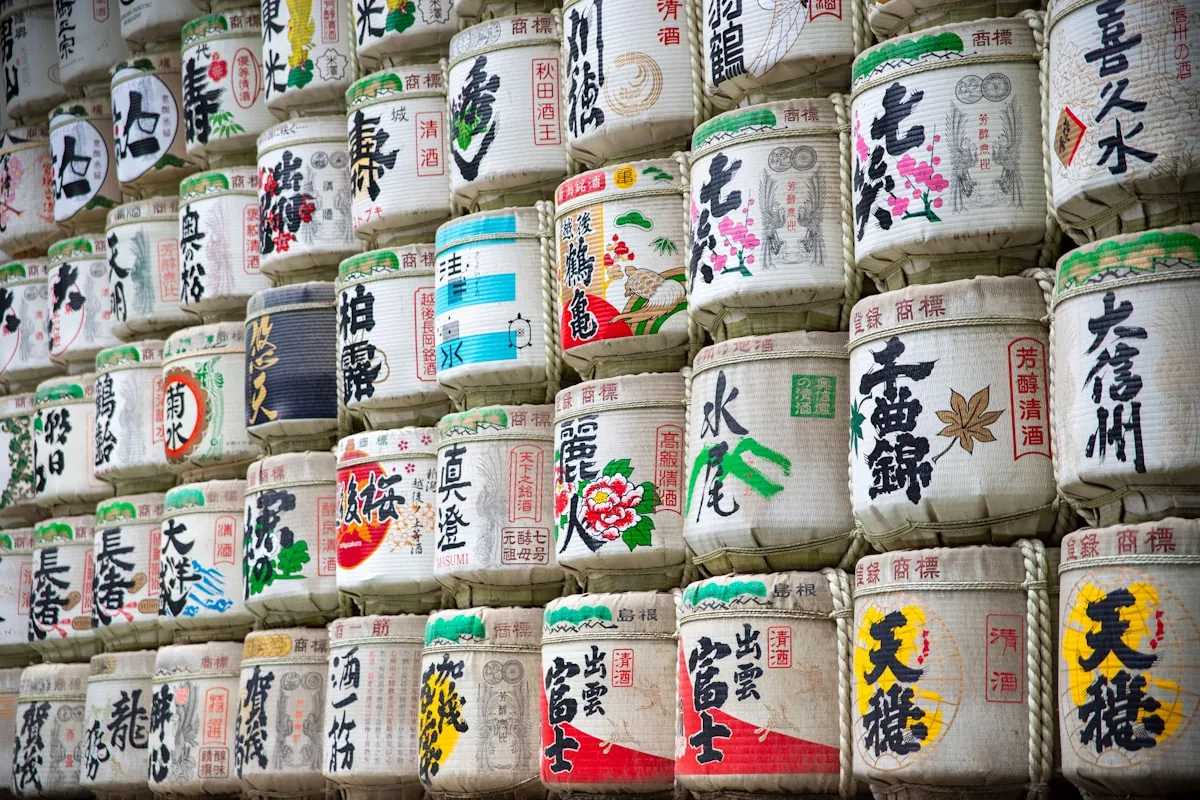
Gateway to the Noto Peninsula, famous for its morning market and lacquerware tradition
Morning market & lacquerware
- Wajima Morning Market
- Wajima lacquerware
- Noto Peninsula access
Kaga Onsen
Four traditional hot spring towns south of Kanazawa, each with its own character and thermal baths
Four hot spring towns
- Yamanaka Onsen gorge walk
- Traditional ryokan stays
- Kutani porcelain
Top Attractions
Ishikawa's standout sights range from Kanazawa's celebrated garden and geisha district to the Noto Peninsula's dramatic coastline and markets.
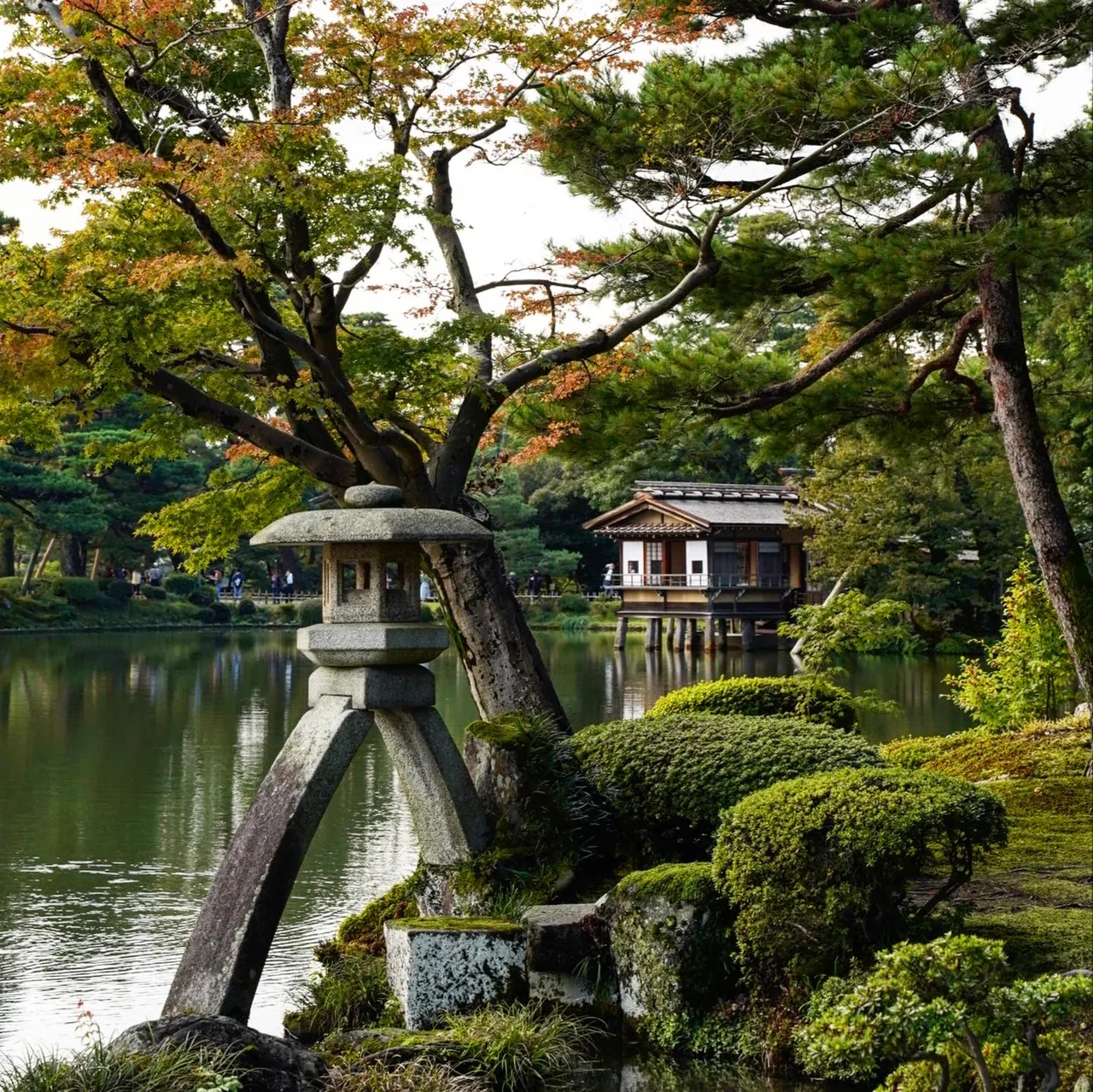
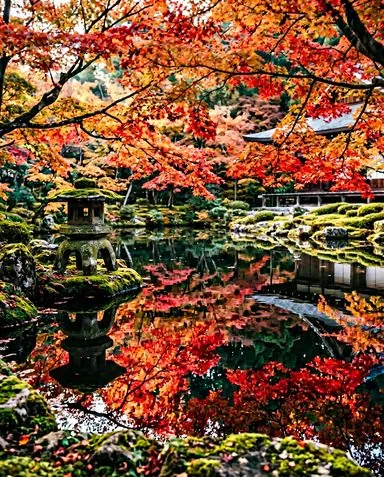
One of Japan's three great landscape gardens, spectacular in every season, from cherry blossoms to yukitsuri snow-roped pines
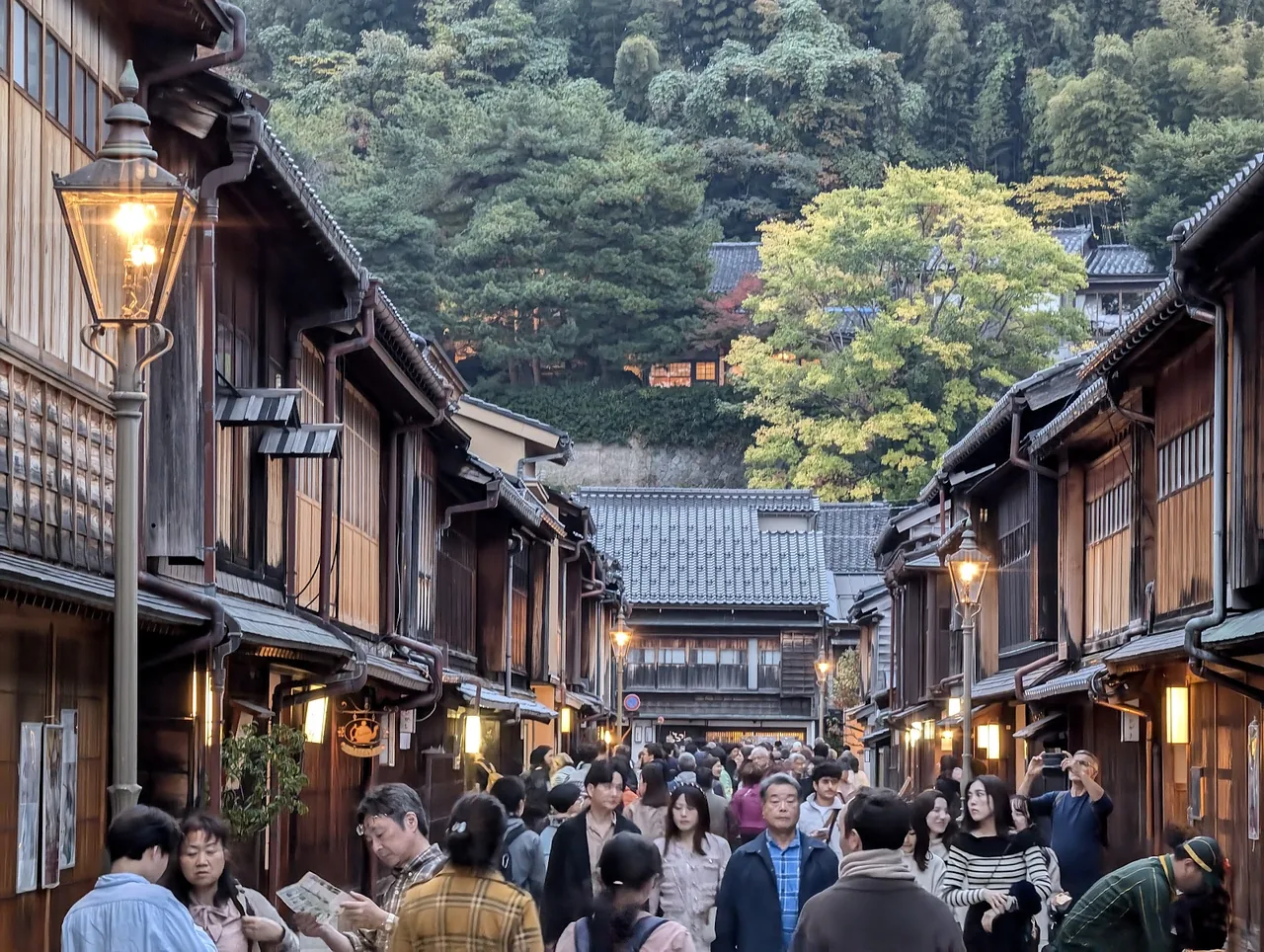
Kanazawa's best-preserved geisha district: wooden lattice facades, gold-leaf cafés, and artisan shops on one quiet street
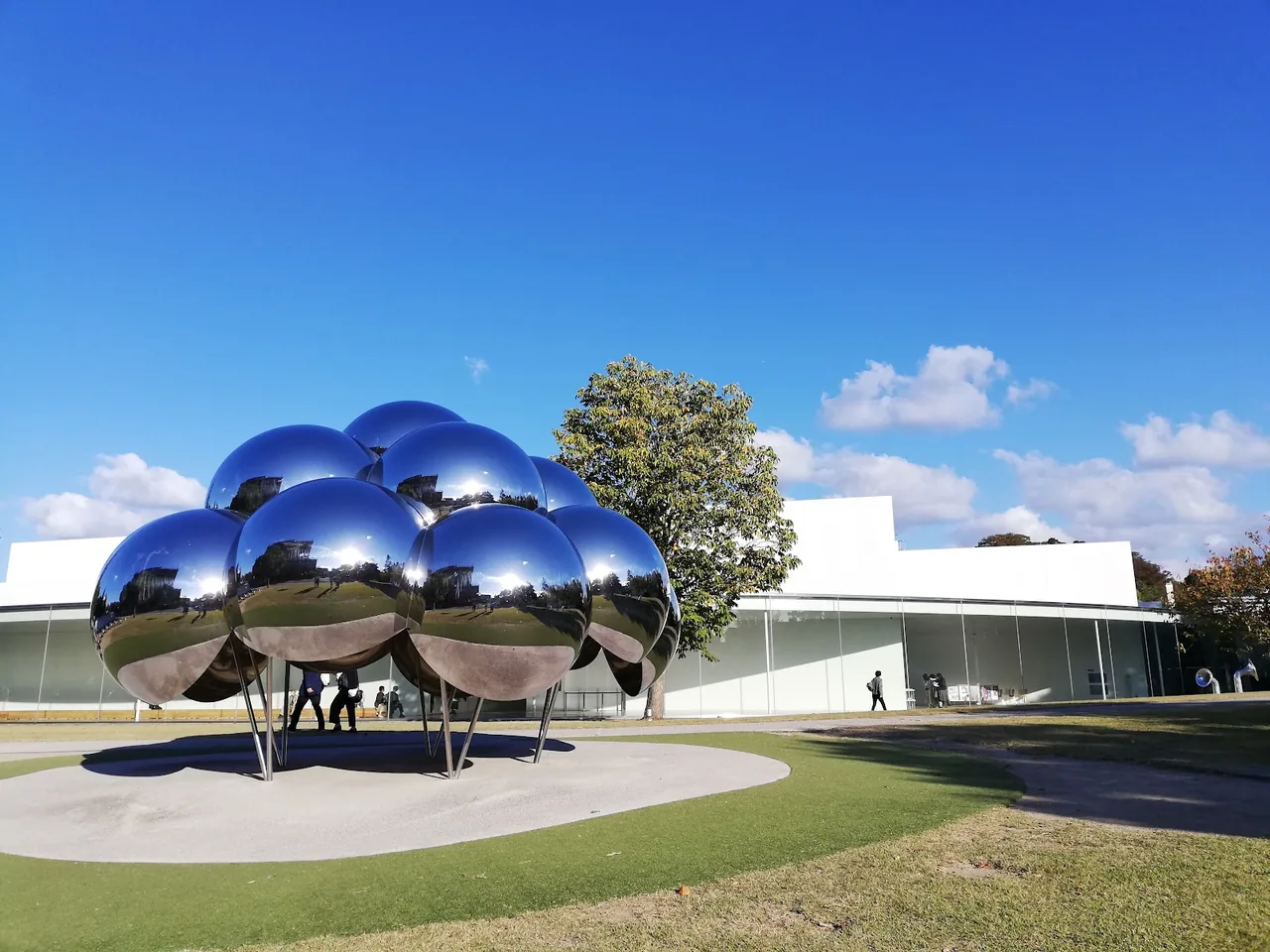
A circular glass museum where Leandro Erlich's Swimming Pool installation makes visitors appear to walk underwater
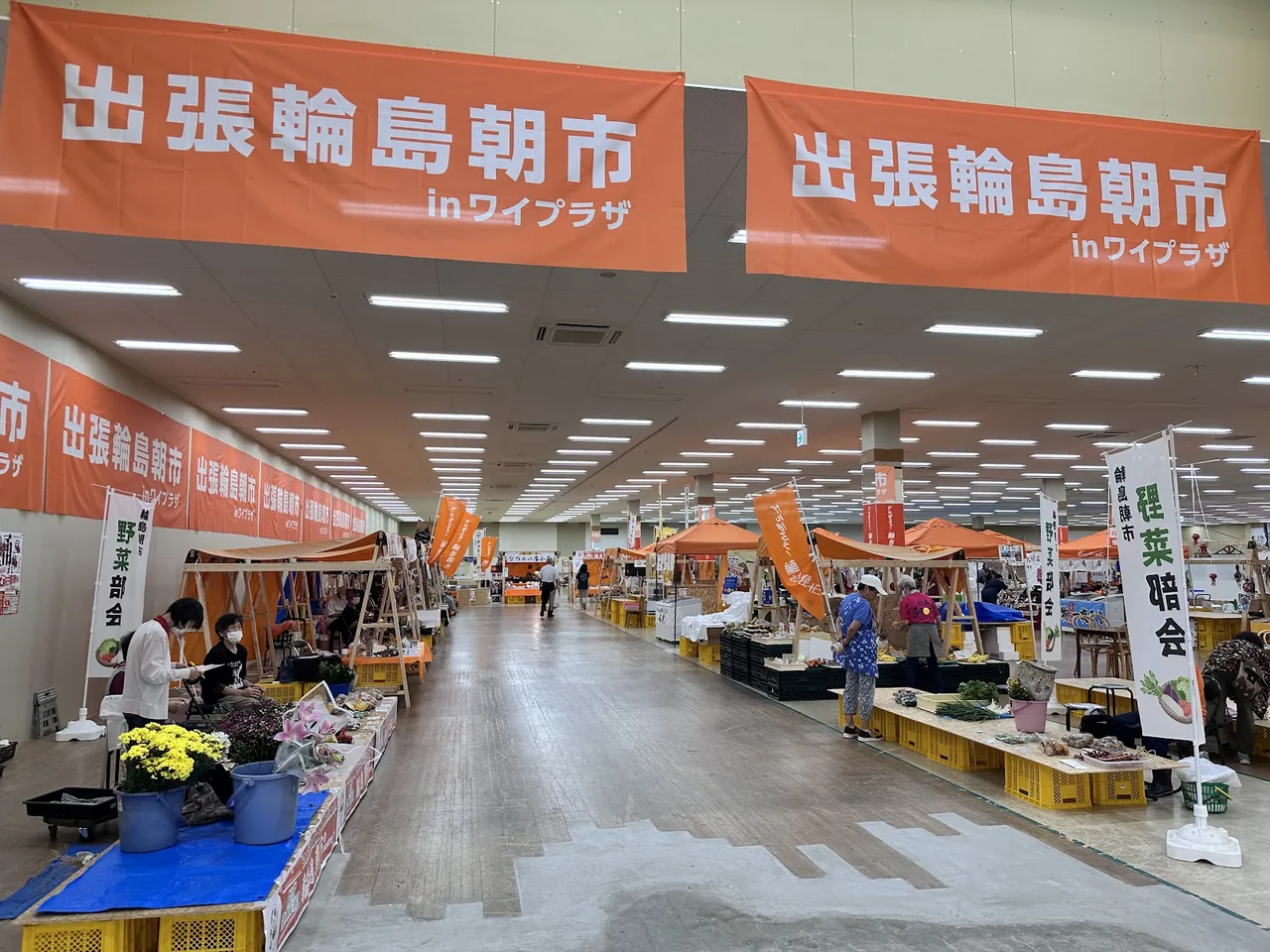
One of Japan's most storied morning markets, currently relocated after the 2024 Noto earthquake but still very much open
Hidden Gems
Beyond Kanazawa's headline sights, Ishikawa rewards those who venture further: into the Noto Peninsula's terraced coastline, ancient shrines, and quiet onsen gorges.
 Hidden Gem
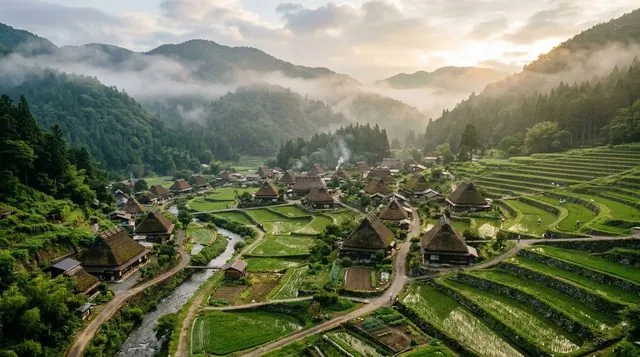
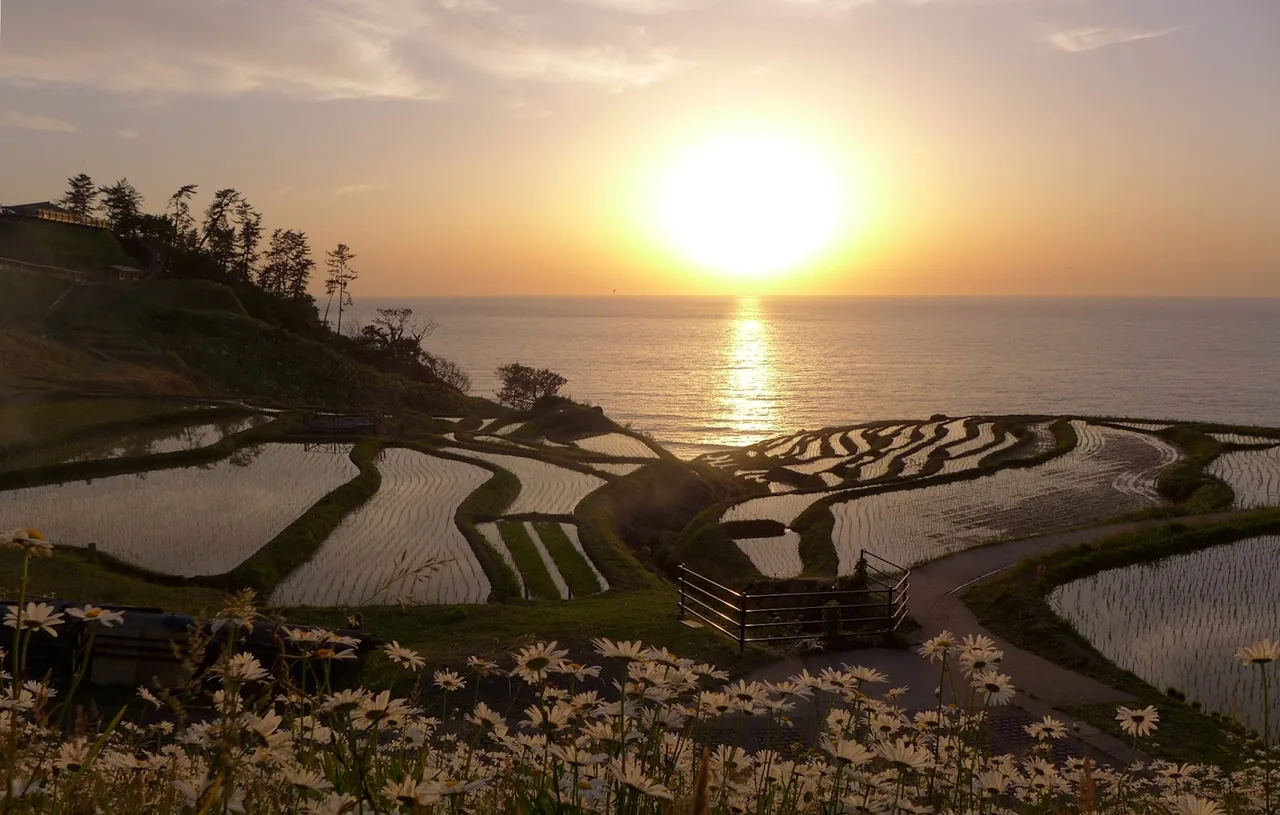
Over 2,000 tiny rice paddies cascading down to the Sea of Japan, one of the Noto Peninsula's most striking landscapes
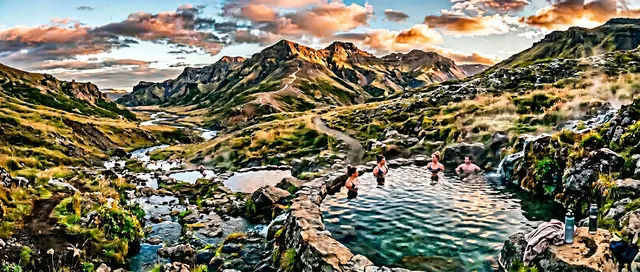
A quiet hot spring town in the Kaga hills, centered on a forested gorge walk that rivals anything in the region
 Hidden Gem
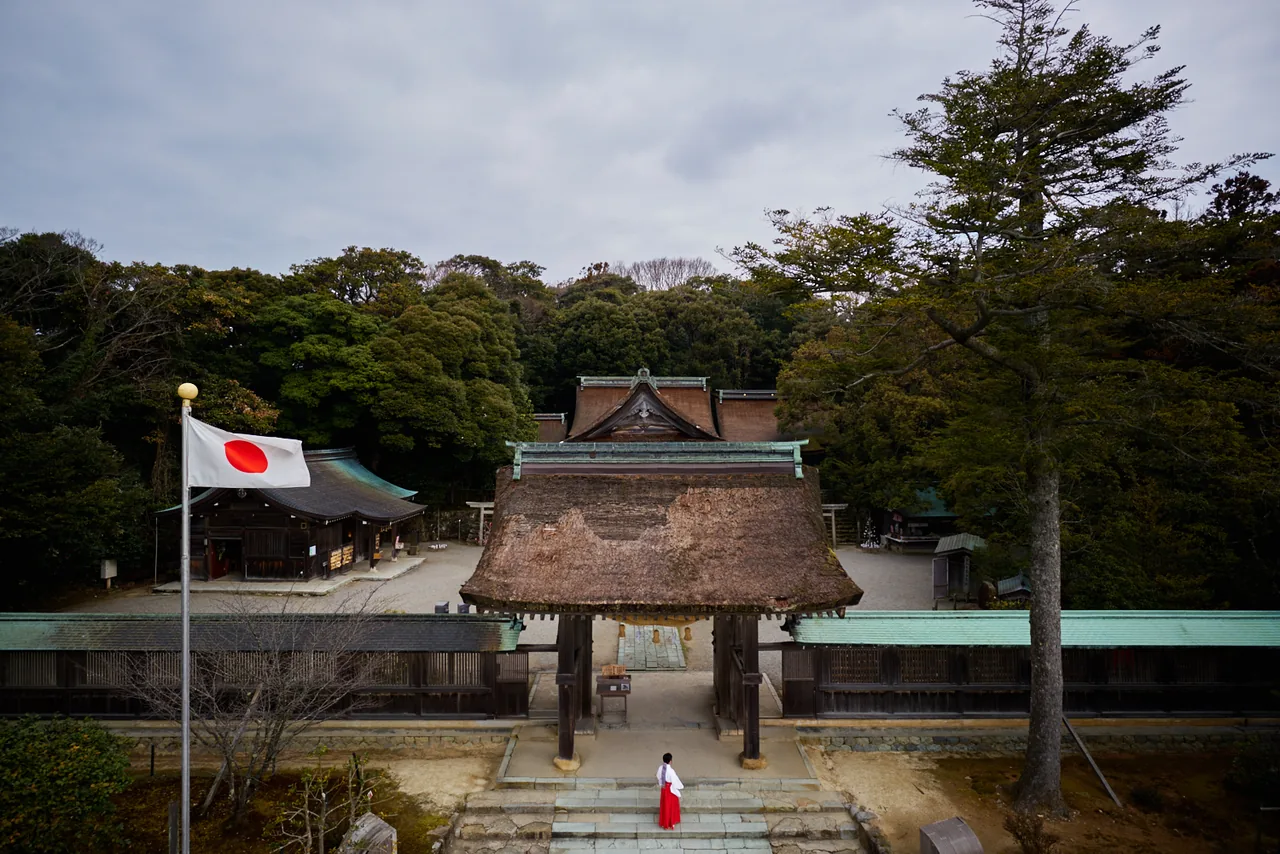
One of the oldest shrines on the Sea of Japan coast, set in deep forest near Hakui. Rarely visited, quietly powerful
When to Visit
Ishikawa is worth visiting year-round, but spring and autumn draw the biggest crowds; winter offers a quieter, snow-draped alternative.
Springharu
Mar – May8–18°CHigh crowds
Springharu
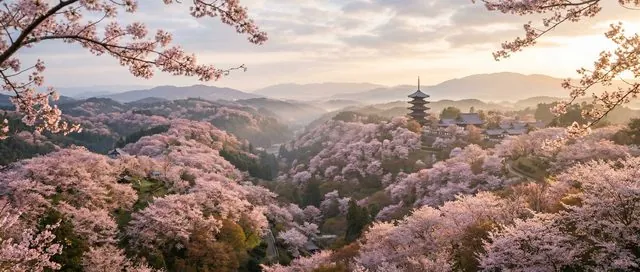
- Cherry blossoms in Kanazawa peak late March to early April, about a week after Tokyo
- Golden Week crowds late April to early May
- Mild temperatures ideal for Kenroku-en Garden and the Higashi Chaya District
- Hyakumangoku Festival on the first weekend of June marks the season's close
Summernatsu
Jun – Aug24–30°CModerate crowds
Summernatsu
- Hot and humid; August averages 30°C
- Noto Kiriko Lantern Festivals bring enormous painted lanterns to fishing villages after dark
- Rainy season through early July
- Fewer international tourists than spring or autumn
Autumnaki
Sep – Nov10–22°CHigh crowds
Autumnaki
- Foliage begins changing late October; peak color around mid-November
- Kenroku-en Garden illuminated after dark from early to late November
- Comfortable temperatures for walking the samurai districts
- One of the best times to visit Yamanaka Onsen's Kakusenkei Gorge
Winterfuyu
Dec – Feb1–8°CLow crowds
Winterfuyu
- Fewest tourists of any season
- Yukitsuri snow-protection ropes installed on Kenroku-en's pines, an iconic winter sight
- Cold and damp; rain or snow most days
- Kaga Onsen hot springs at their most appealing
Suggested Itineraries
Two days covers Kanazawa's core; add a third for the Noto Peninsula or Kaga Onsen.
FAQ
How do I get to Ishikawa Prefecture from Tokyo?
The Hokuriku Shinkansen connects Tokyo to Kanazawa in approximately two and a half hours, the fastest and most convenient option. If you're travelling on a JR Pass, the shinkansen is fully covered. Check current fares and schedules before booking, as prices vary by train type and seat class.
How do I get to Kanazawa from Osaka or Kyoto?
Limited express trains connect Osaka and Kyoto to Kanazawa in around two to three hours, typically with one transfer. Confirm current timetables before travel, as schedules change seasonally.
Is the JR Pass valid for travel to Kanazawa?
Yes. The Hokuriku Shinkansen and most JR limited express services to Kanazawa are covered by the JR Pass. Verify current coverage before purchasing, as pass rules occasionally change.
What is the best time to visit Ishikawa?
Spring (late March to early April) for cherry blossoms and autumn (mid-November) for foliage at Kenroku-en are the most popular windows. Winter is quieter, with snow scenery and onsen season at their peak, though Kanazawa is cold and damp from December through February. Browse ryokan and hotel availability in Ishikawa on Booking.com to find options that suit your travel window.
Do I need a car to explore the Noto Peninsula?
A rental car is the most practical option for reaching the Noto Peninsula's fishing villages, Shiroyone Senmaida rice terraces, and coastal roads. Bus services from Kanazawa to Wajima exist but take around two to two and a half hours each way; confirm current routes before travel.
Is the Wajima Morning Market still running after the 2024 earthquake?
Yes, though in a different location. The market is currently being held at Wai Plaza Wajima and other sites while the original area recovers. Hours are approximately 8:00–12:00, closed on the 2nd and 4th Wednesdays; verify the current location and hours before visiting.
How many days do I need in Ishikawa?
Two days covers Kanazawa's core sights: Kenroku-en, Higashi Chaya District, and the 21st Century Museum. Add a third day for the Noto Peninsula or Kaga Onsen. Five days allows a thorough circuit of the prefecture without rushing. Find accommodation in Kanazawa on Booking.com to plan your base.