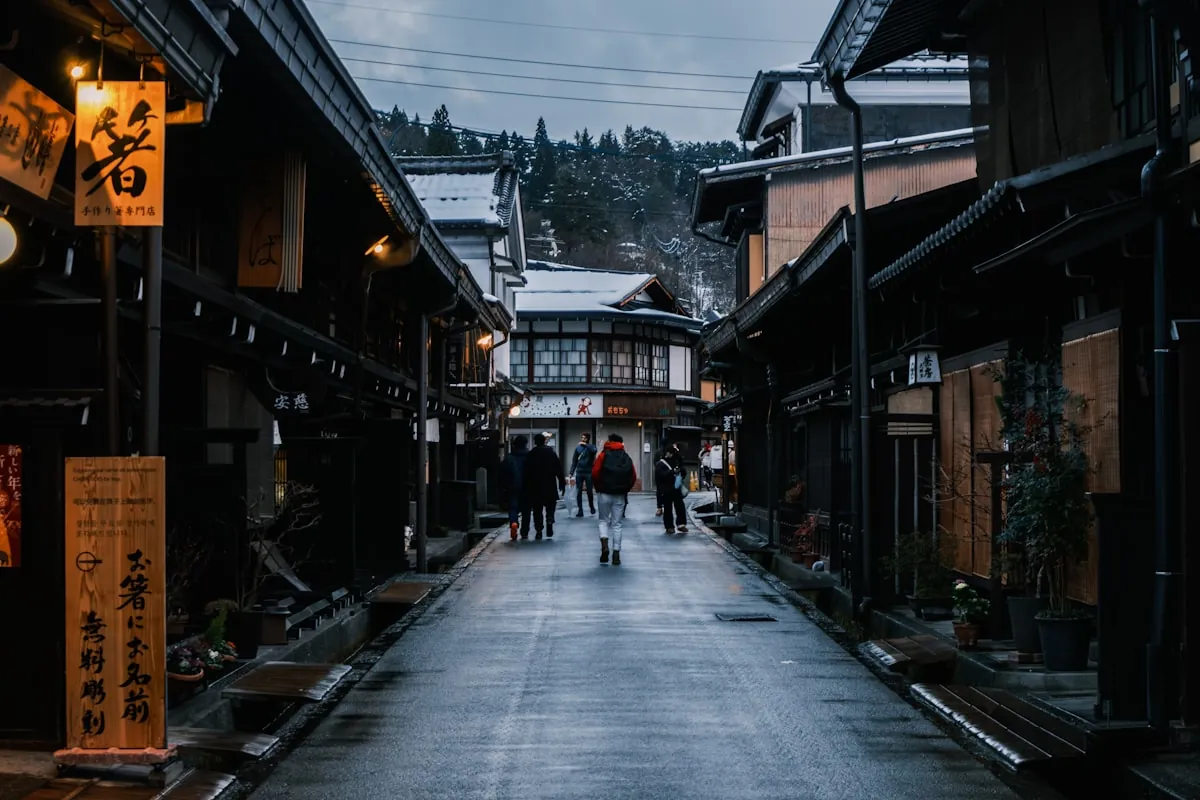
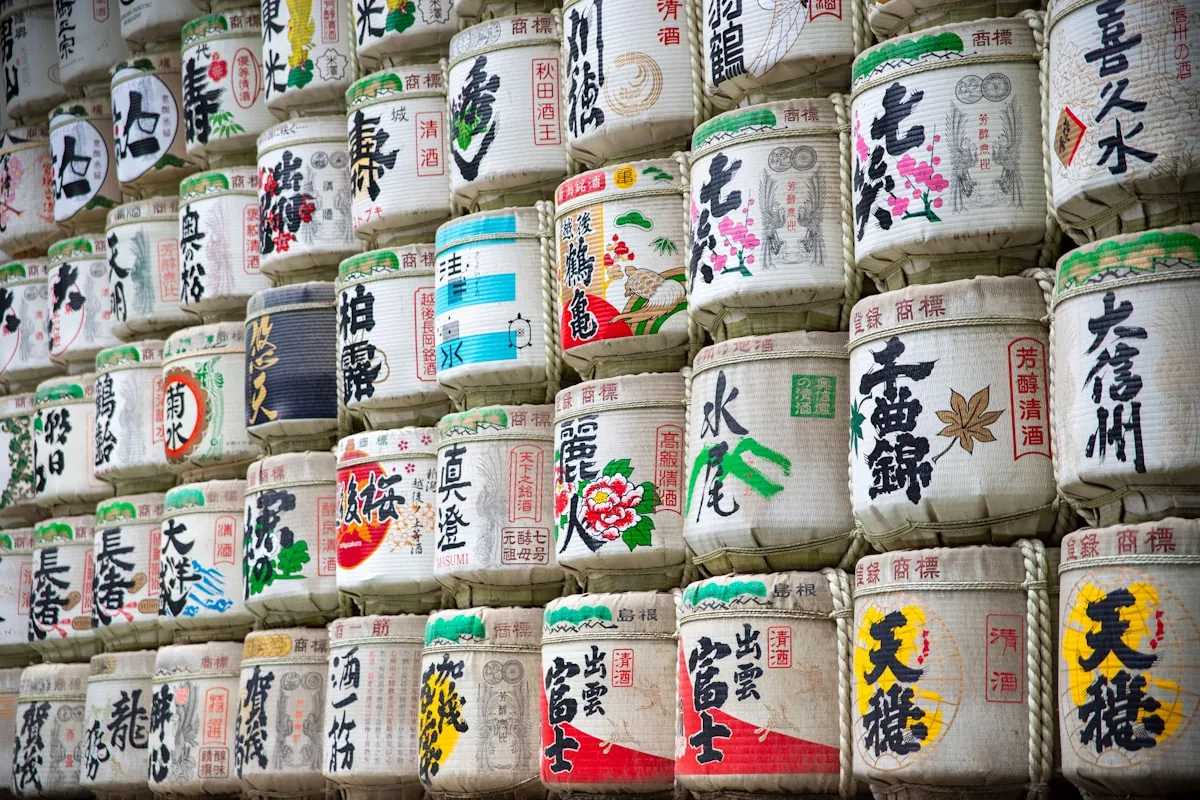
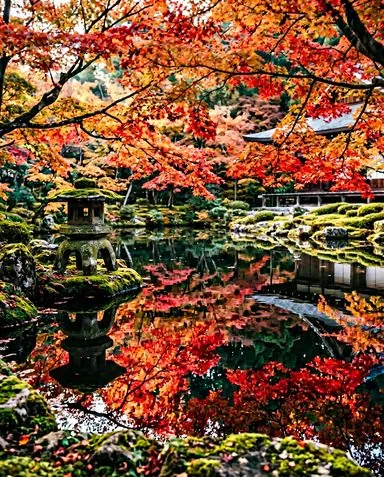
Kansai is Japan at its finest: a region where a thousand years of imperial history converge with the country's most vibrant street culture. From Kyoto's temples to Osaka's food scene, from Nara's deer to Koyasan's mountain monasteries: here you'll find both classical Japan and the modern Japanese spirit, often within a single train ride of each other.
Prefectures
Seven prefectures together form the heart of Japan, each with its own character and story.
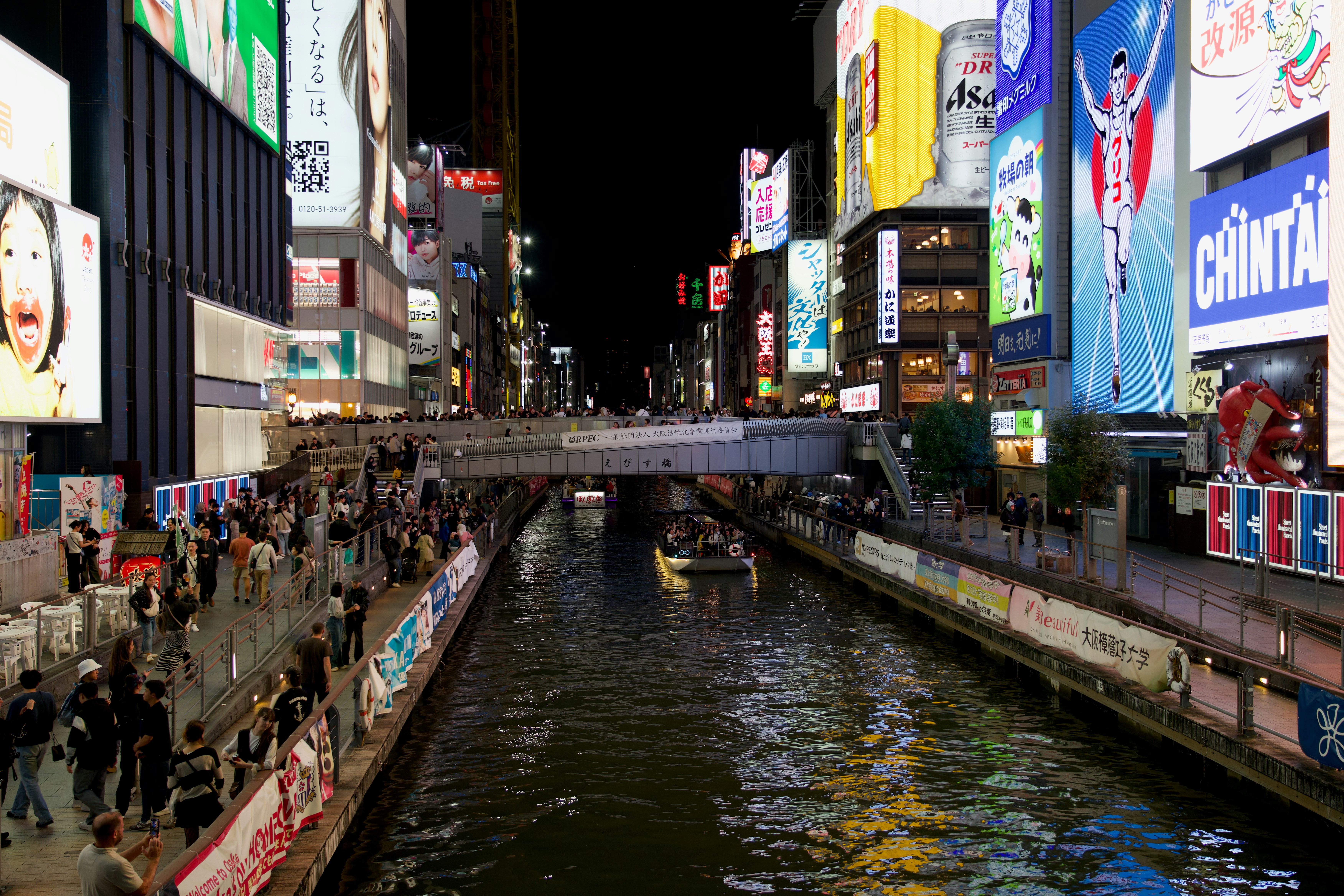
Osaka Prefecture
Japan's kitchen: street food, nightlife, and unforgettable energy
Street food and nightlife
- Dotonbori
- Shinsekai
- Universal Studios Japan
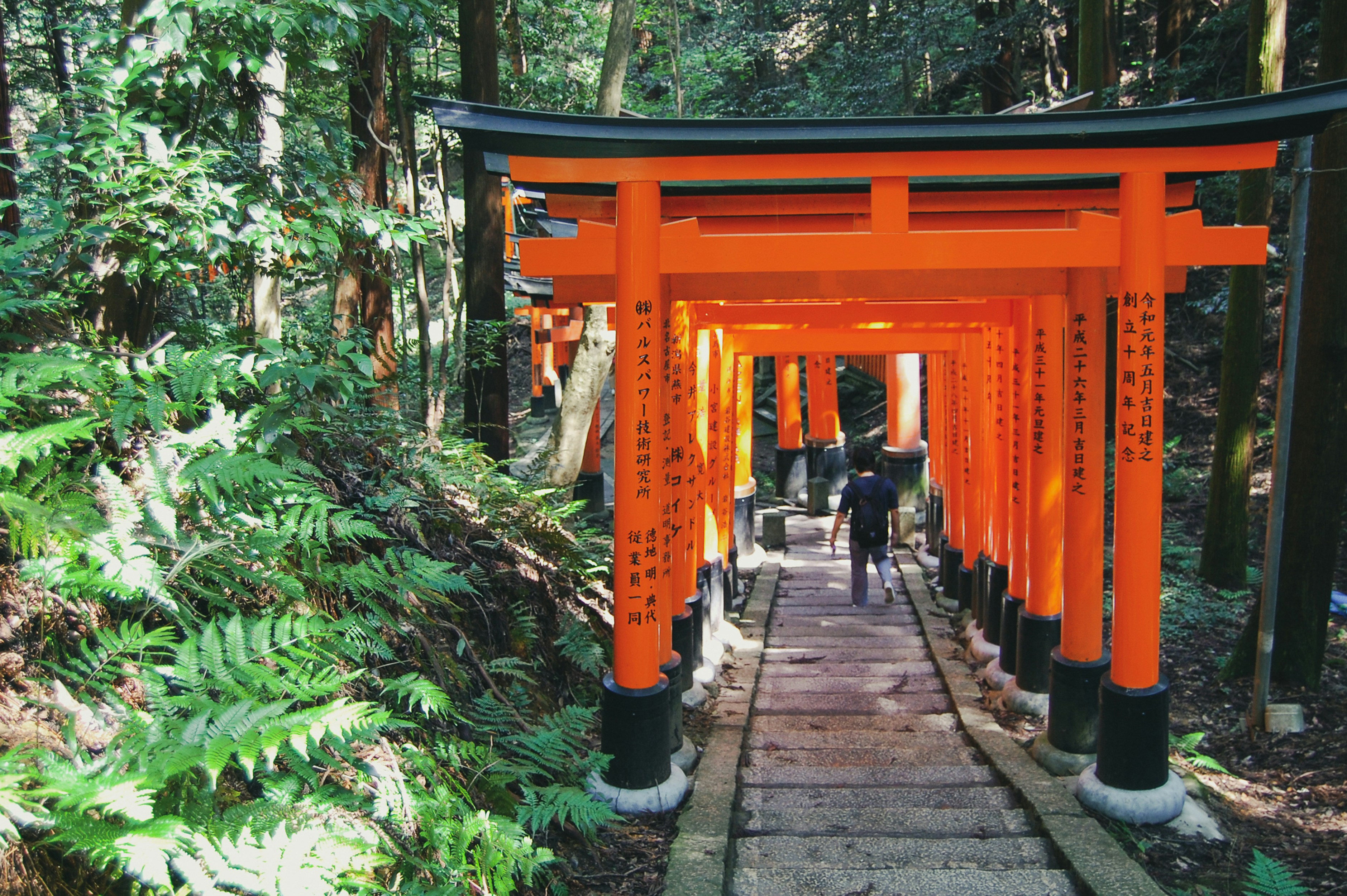
Kyoto Prefecture
Ancient capital with 2,000 temples, traditional districts, and imperial gardens
Temples and tradition
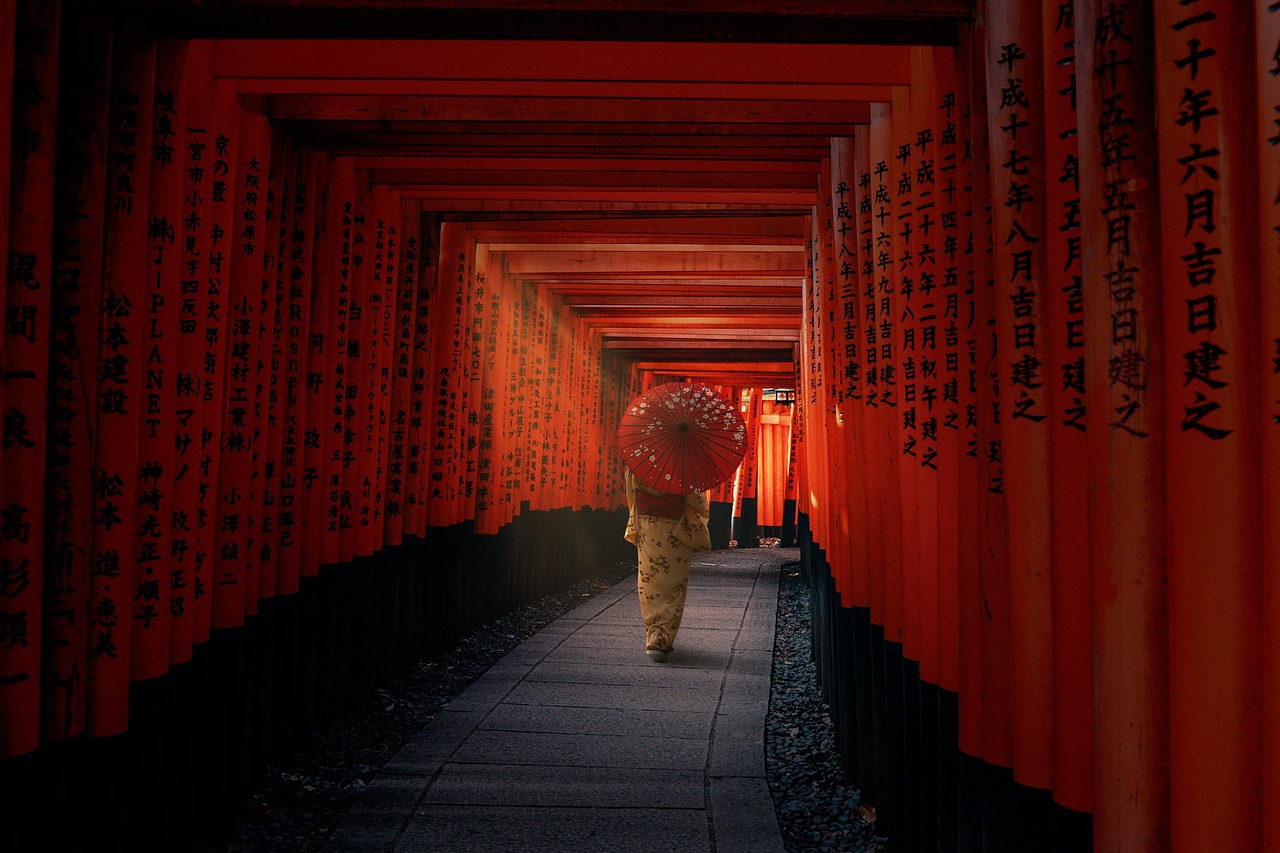
- Fushimi Inari
- Arashiyama
- Gion district
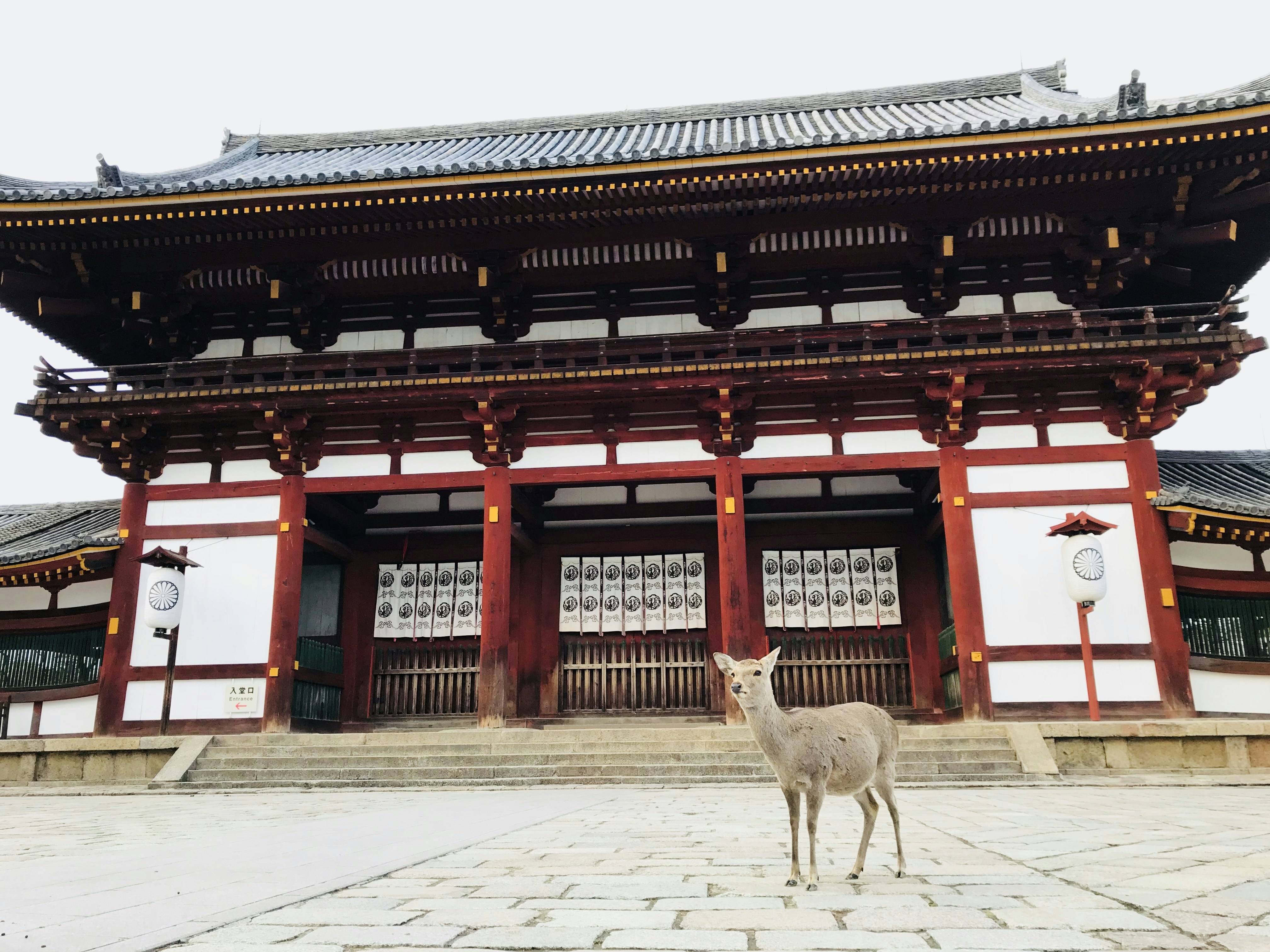
Nara Prefecture
Japan's first capital: sacred deer, giant Buddha, and mountain pilgrimages
Sacred deer and temples
- Nara Park
- Todaiji Temple
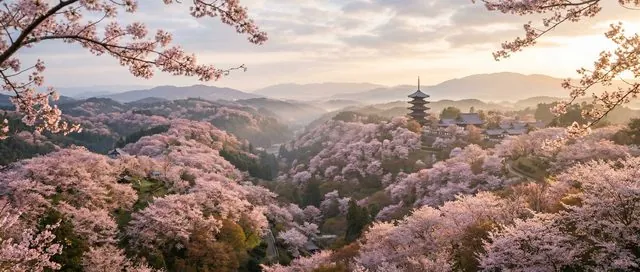
- Mount Yoshino
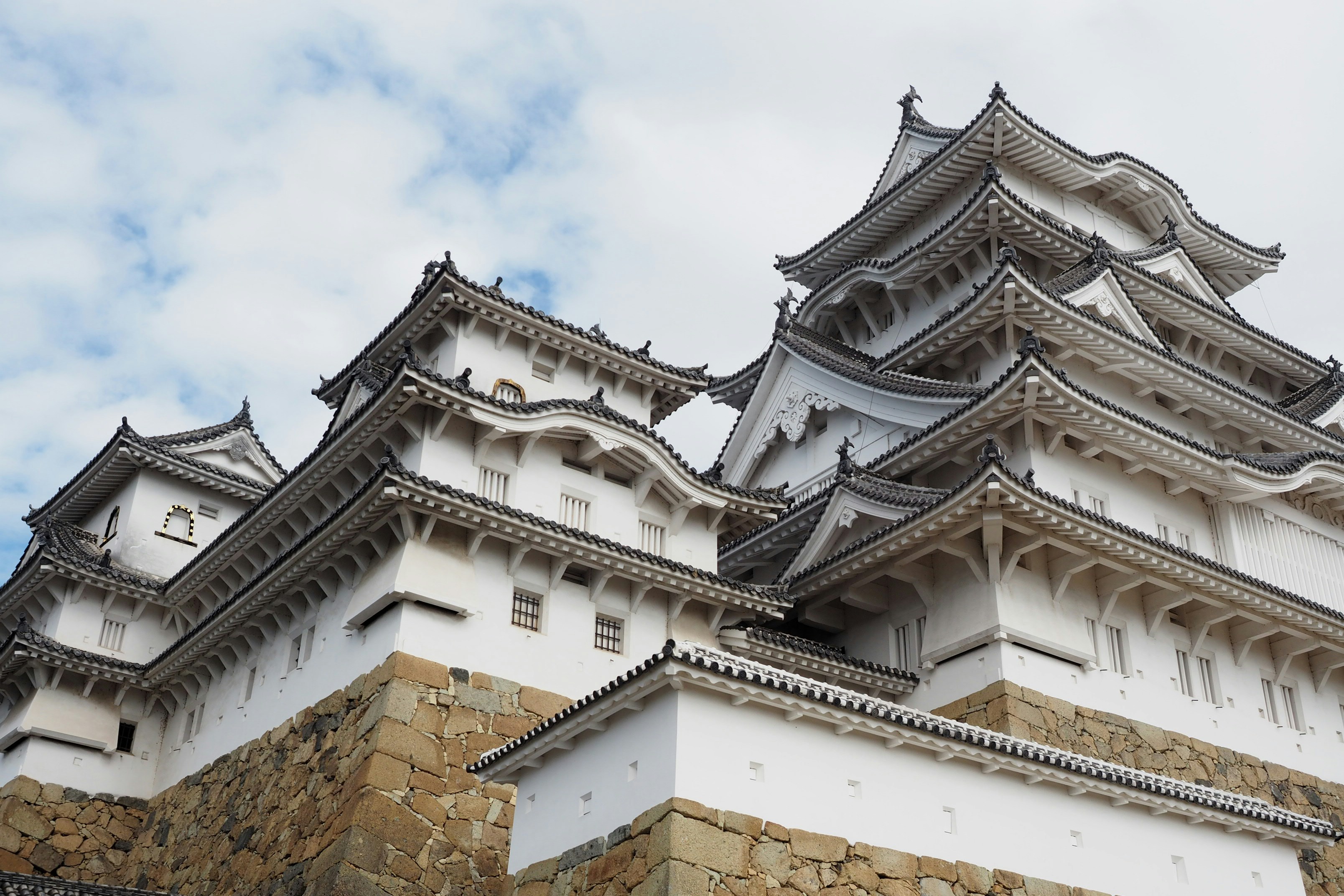
Hyogo Prefecture
Castle towns, sake brewing, and the gateway between mountains and sea
Castles and sake
- Himeji Castle
- Kobe beef
- Arima Onsen
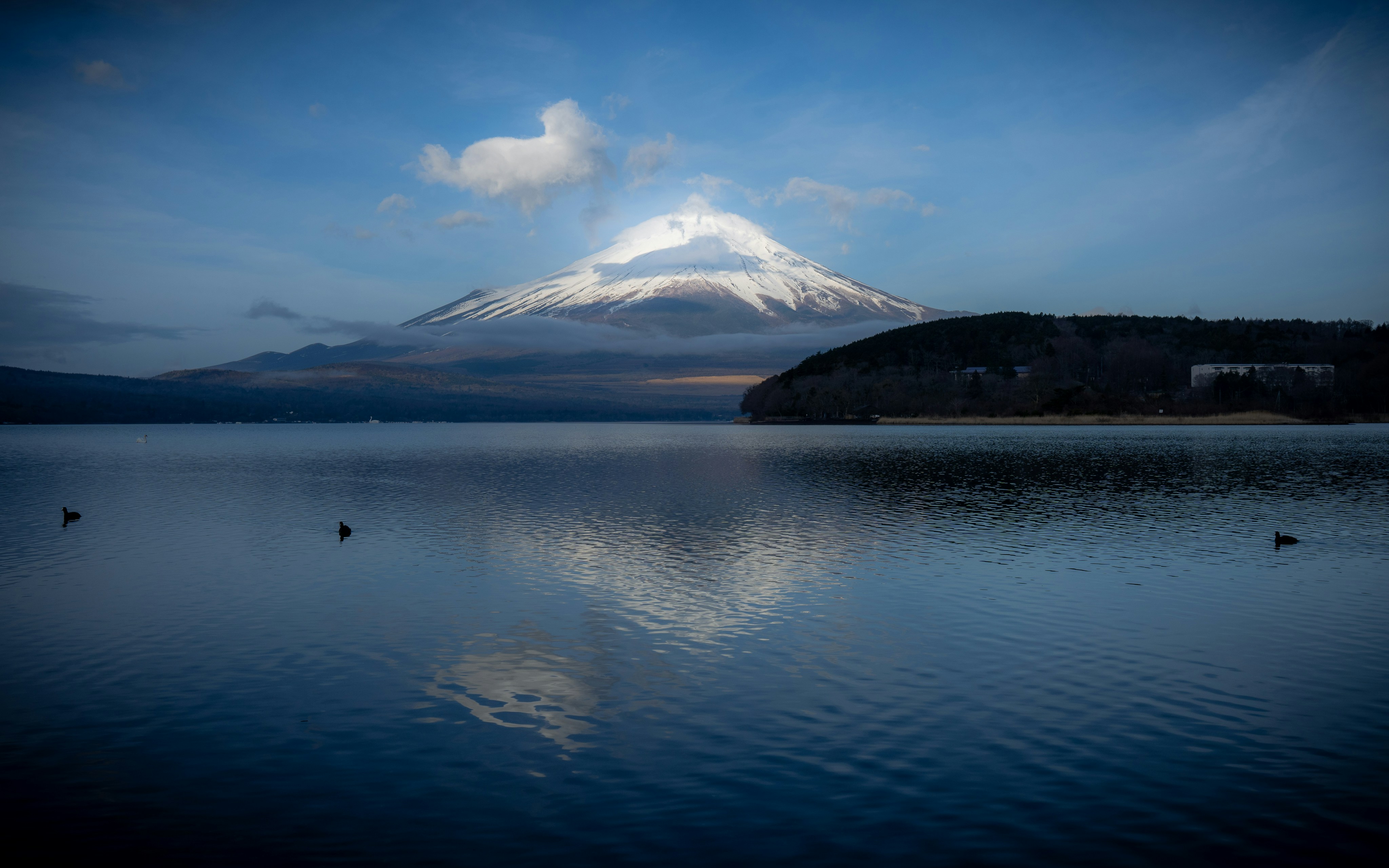
Shiga Prefecture
Lake Biwa's shores: temple towns, mountain trails, and Japan's largest lake
Lake Biwa and mountains
- Lake Biwa
- Hikone Castle
- Enryakuji Temple
Wakayama Prefecture
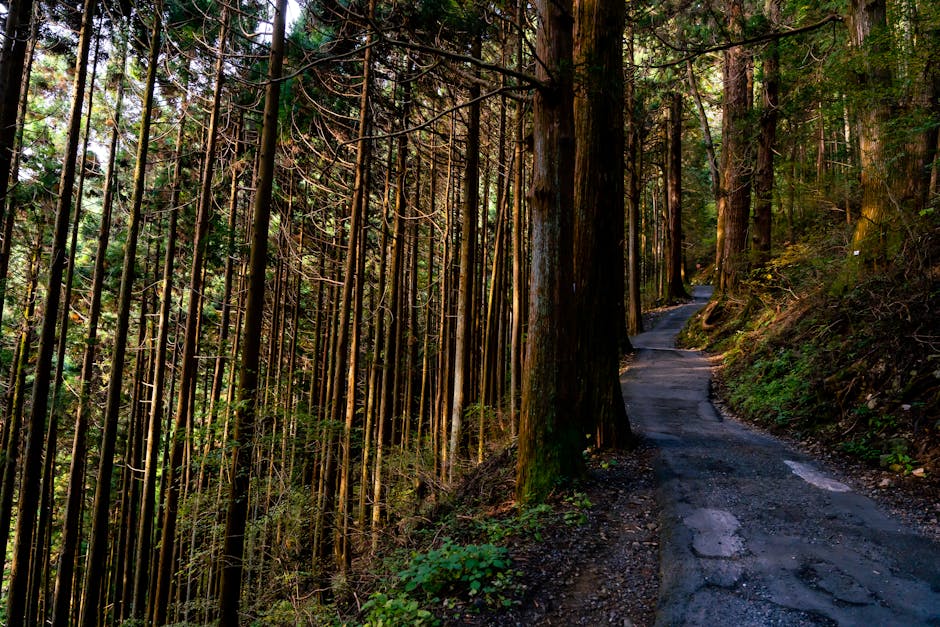
Sacred Kumano trails, hot spring villages, and the spiritual heart of Japan
Sacred trails and onsen
- Kumano Kodo
- Mount Koya
- Shirahama Onsen
Mie Prefecture
Ise Grand Shrine, pearl diving villages, and ninja history in the mountains
Sacred shrines and ninjas
- Ise Grand Shrine
- Toba pearl farms
- Iga ninja museums
When to Visit
Kansai shines year-round, but timing shapes your experience, from cherry blossoms to autumn fire.
Springharu
Mar–May10–22°CHigh crowds
Springharu
- Cherry blossoms in Yoshino and Maruyama Park
- Mild temperatures (15–22°C)
- Golden Week crowds late April
Summernatsu
Jun–Aug26–34°CModerate crowds
Summernatsu
- Gion Matsuri festival in Kyoto
- Tenjin Matsuri in Osaka
- Hot and humid (25–35°C)
Autumnaki
Sep–Nov10–24°CHigh crowds
Autumnaki
- Spectacular autumn foliage in Kyoto
- Perfect temperatures (18–25°C)
- Harvest season for persimmons and chestnuts
Winterfuyu
Dec–Feb2–10°CLow crowds
Winterfuyu
- Onsen season in Arima and Kinosaki
- Fewer tourists
- Cold but dry days (5–12°C)
Suggested Itineraries
From quick city hops to deep cultural immersions: choose the route that matches your pace.
FAQ
What's the easiest way to get around Kansai?
The Kansai Thru Pass (2–3 days, ¥4,380–5,400) covers all trains, subways, and buses between Osaka, Kyoto, and Nara, excluding JR lines. For JR, use the JR Kansai Pass (1–4 days, ¥2,880–7,200). Within cities, a day pass is usually cheaper than buying individual tickets.
How many days do you need for Kansai?
A minimum of 5 days covers the main highlights (2 days Kyoto, 1 day Osaka, 1 day Nara, 1 day travel). For a complete experience, plan 7–10 days; that gives you time for Koyasan, Himeji, Yoshino, or the Kumano Kodo trails.
What's the best base in Kansai?
Osaka for nightlife and food, Kyoto for culture and temples. Osaka Station and Kyoto Station offer the best rail connections. Nara works well as a day trip from either city (45 minutes). Choose based on how you want to spend your evenings.
Is Kansai expensive compared to Tokyo?
Accommodation runs 20–30% cheaper, especially in Osaka. Food costs roughly the same, though Osaka's street food scene offers more budget-friendly options. Attraction prices are comparable. Check current rates before booking.
Which temples should you absolutely not miss?
Fushimi Inari (thousands of torii gates), Todaiji in Nara (an enormous bronze Buddha), and Kiyomizu-dera in Kyoto (a wooden terrace with sweeping city views). For tranquility: a temple stay on Koyasan or the mountain monasteries of Yoshino.
When are the temples least crowded?
Before 8:00 in the morning or after 17:00. Fushimi Inari is open 24/7; go at sunrise for empty paths. Weekdays are quieter than weekends. Avoid Golden Week (late April) and autumn foliage weekends.