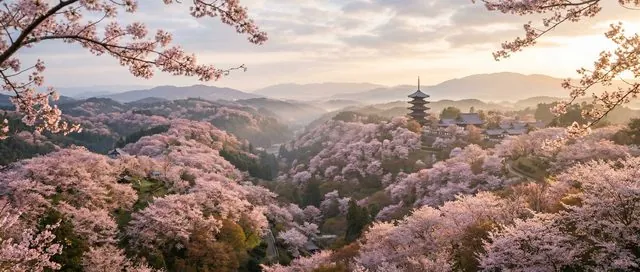
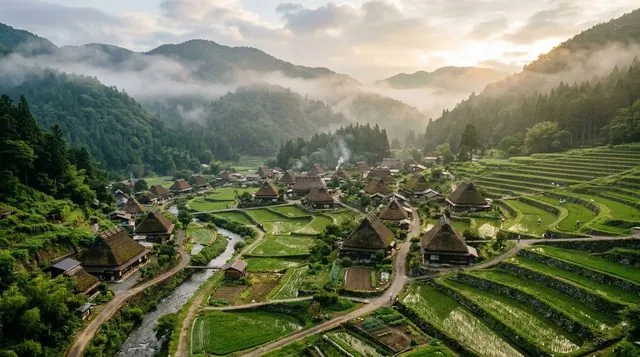
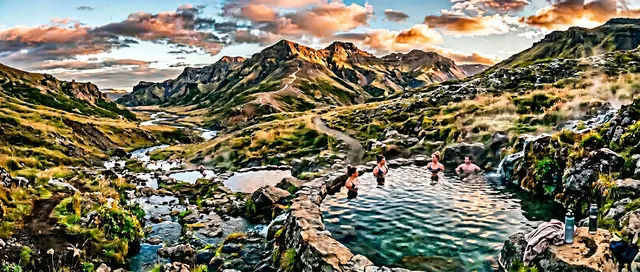
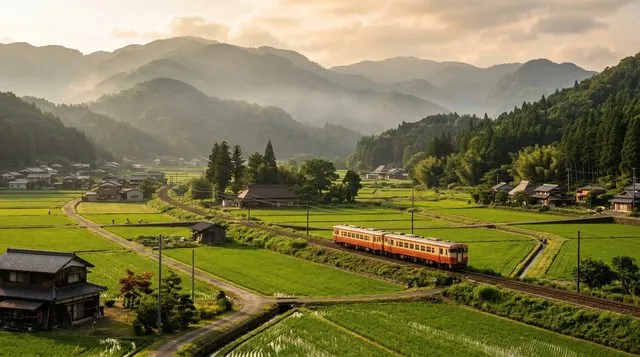
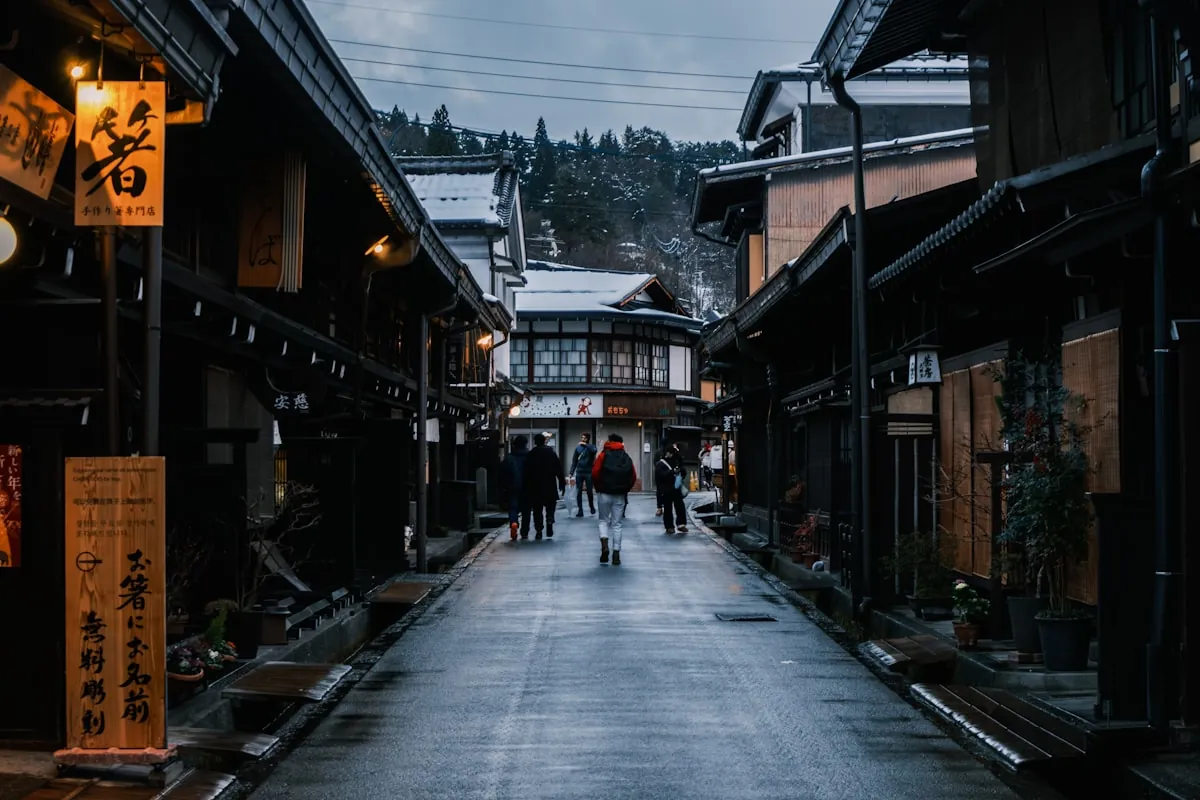
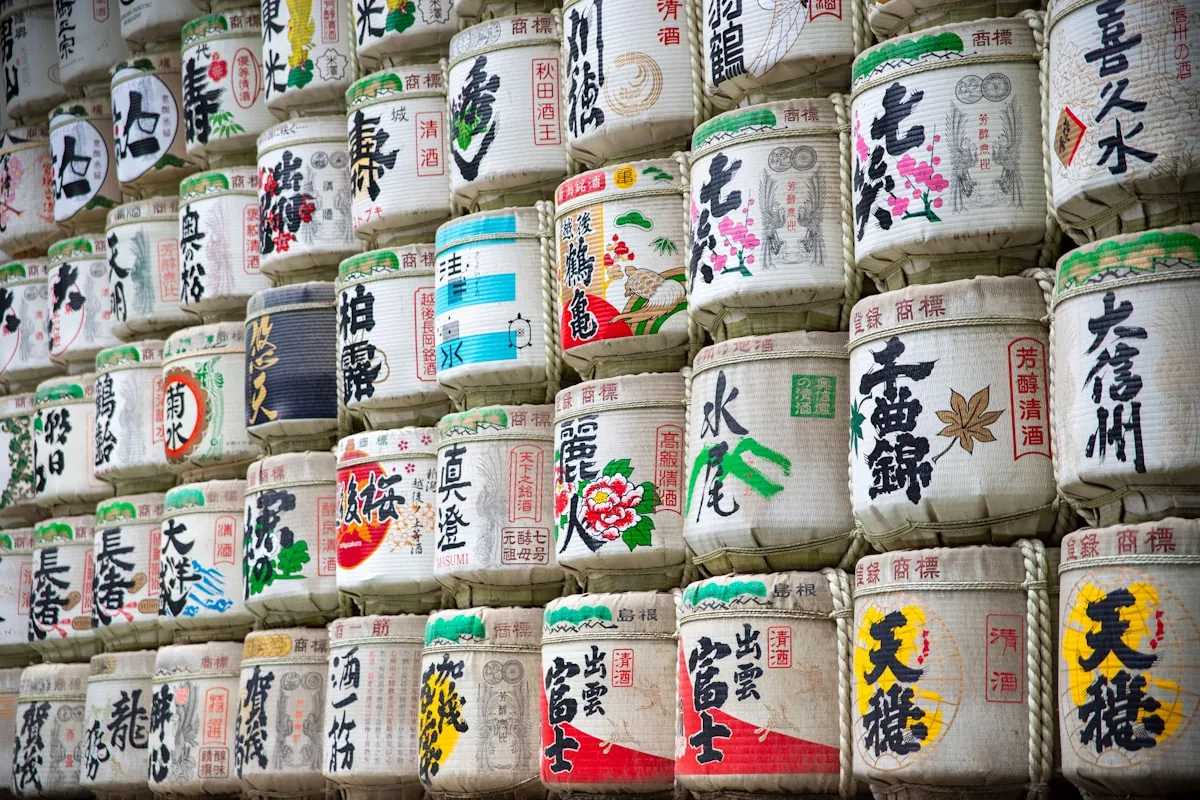
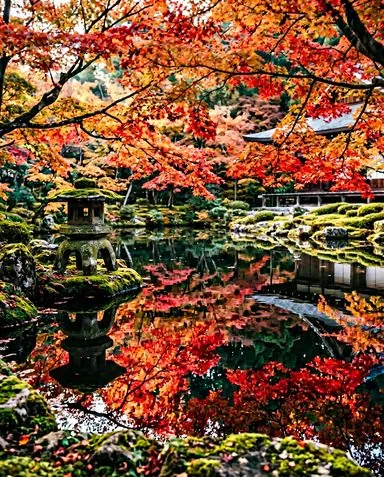
Shizuoka is Japan's transit prefecture: half of all bullet trains pass through and almost no foreign tourists step off. The reward for stopping: the Tokugawa-era Kunozan Toshogu Shrine on a clifftop above Suruga Bay, the steam-locomotive Oigawa Railway climbing through the central mountains, the green-tea hamlet of Utogi Village, the Mount Fuji pilgrimage town of Fujinomiya, and the original-keep Kakegawa Castle. Plus 40% of Japan's tea, the freshest sashimi at Yaizu port, and Mt Fuji's south slopes.
Cities & Towns
Shizuoka City
The capital: Tokugawa Ieyasu's last residence Sumpu Castle, the Sengen Shrine, and the Aoba Yokocho izakaya street
Capital and Tokugawa town
- Sumpu Castle
- Sengen Shrine
- Aoba Yokocho izakaya
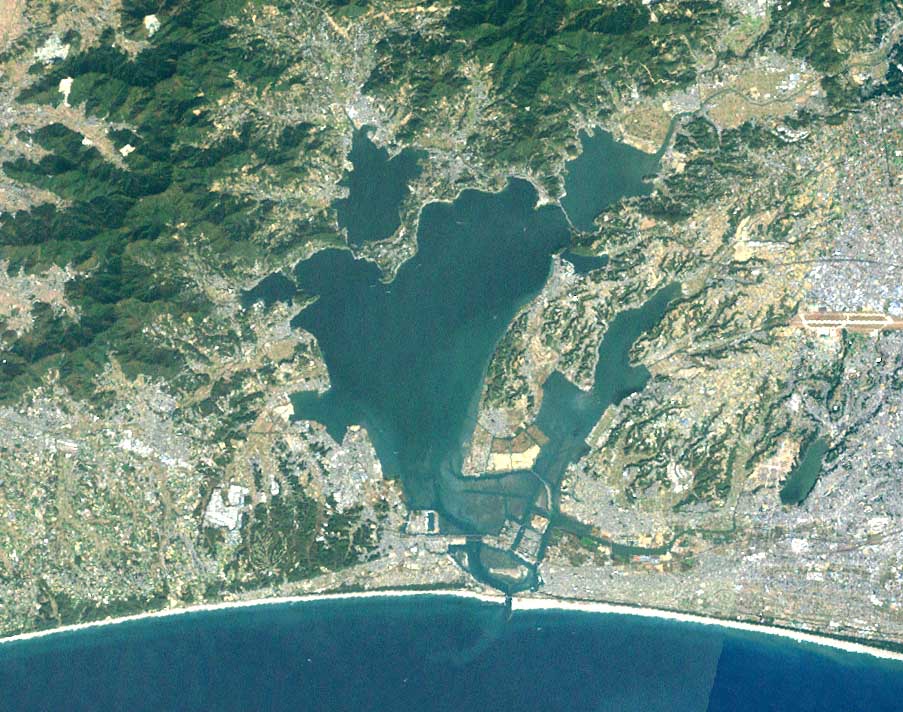
Hamamatsu
Western Shizuoka's industrial city: eel cuisine, the Hamamatsu Castle of Tokugawa Ieyasu's youth, and Lake Hamana
Eel city and lake
- Lake Hamana eel
- Hamamatsu Castle
- Air Park aviation
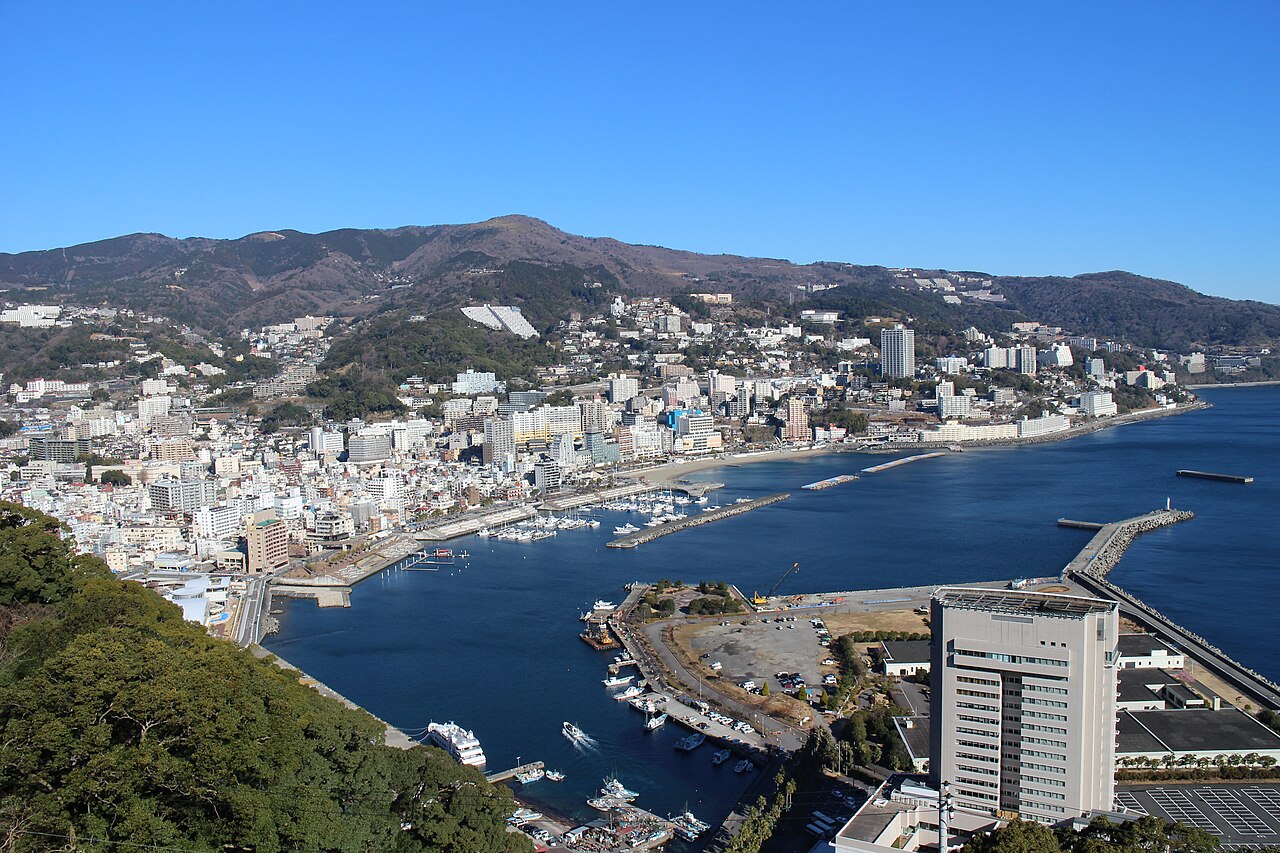
Atami
Onsen-and-flower seaside town a 35-minute Shinkansen from Tokyo: beach, hot springs, and the modernist MOA Museum of Art
Tokyo's nearest hot-spring town
- Atami onsen
- MOA Museum of Art
- Atami fireworks
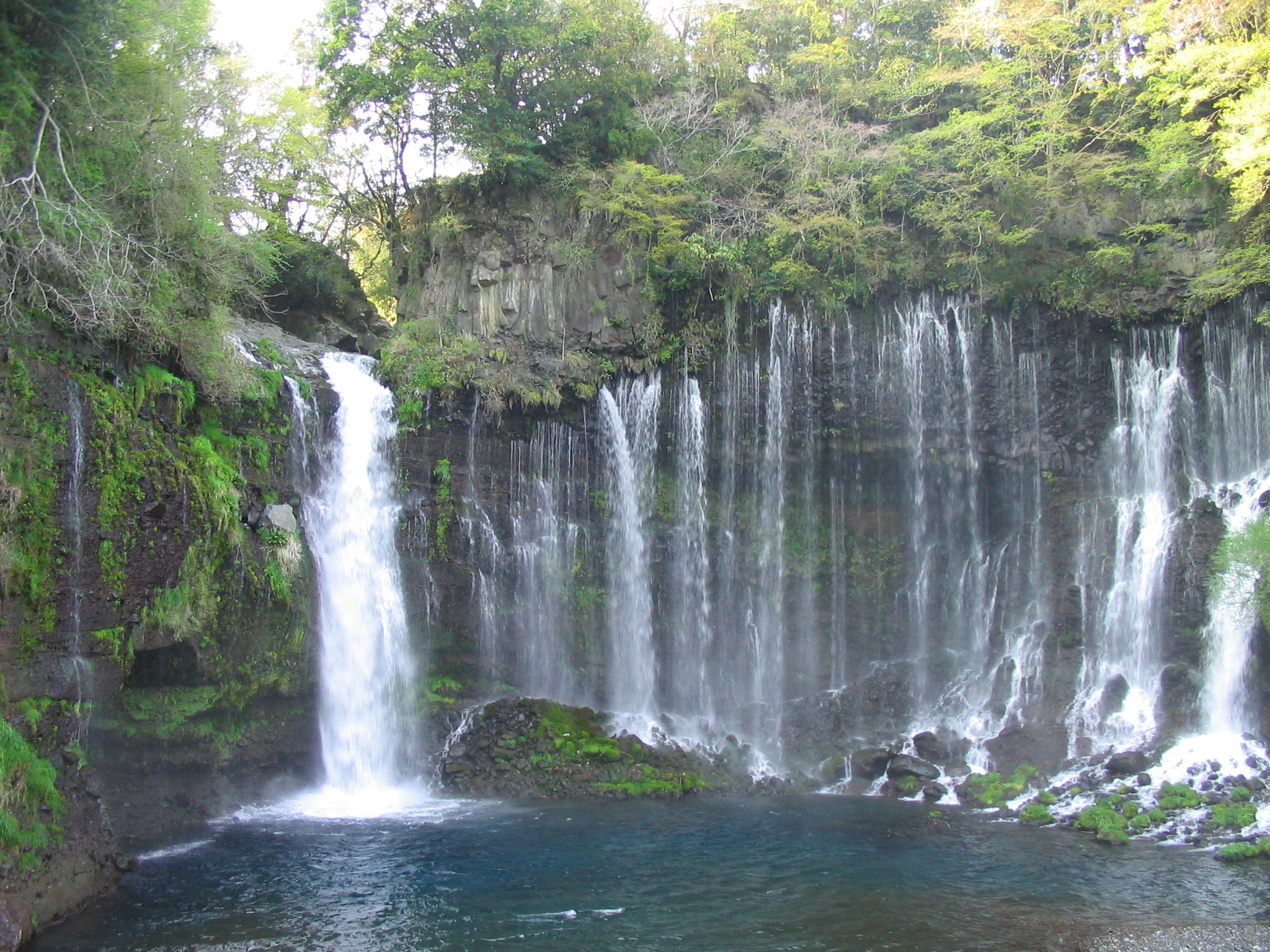
Fujinomiya
Pilgrim base for Mount Fuji's southwest trail: Sengen Taisha shrine, Shiraito Falls, and yakisoba stalls in the old town
Fuji pilgrimage base
- Sengen Taisha
- Shiraito Falls
- Yakisoba culture
Top Attractions
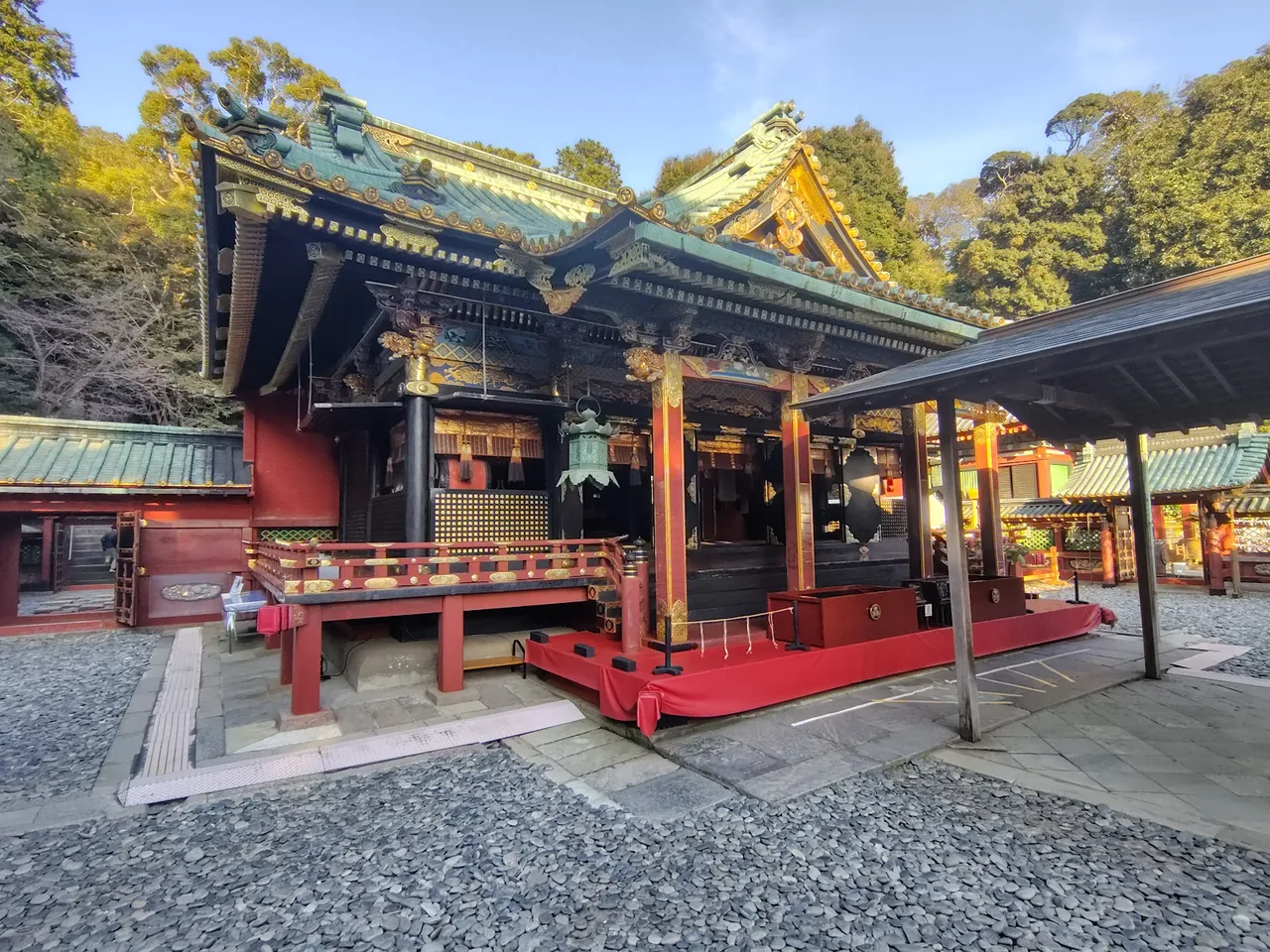
Original mausoleum of Tokugawa Ieyasu: a vermillion shrine on a clifftop reached by 1,159 stone steps from Suruga Bay below
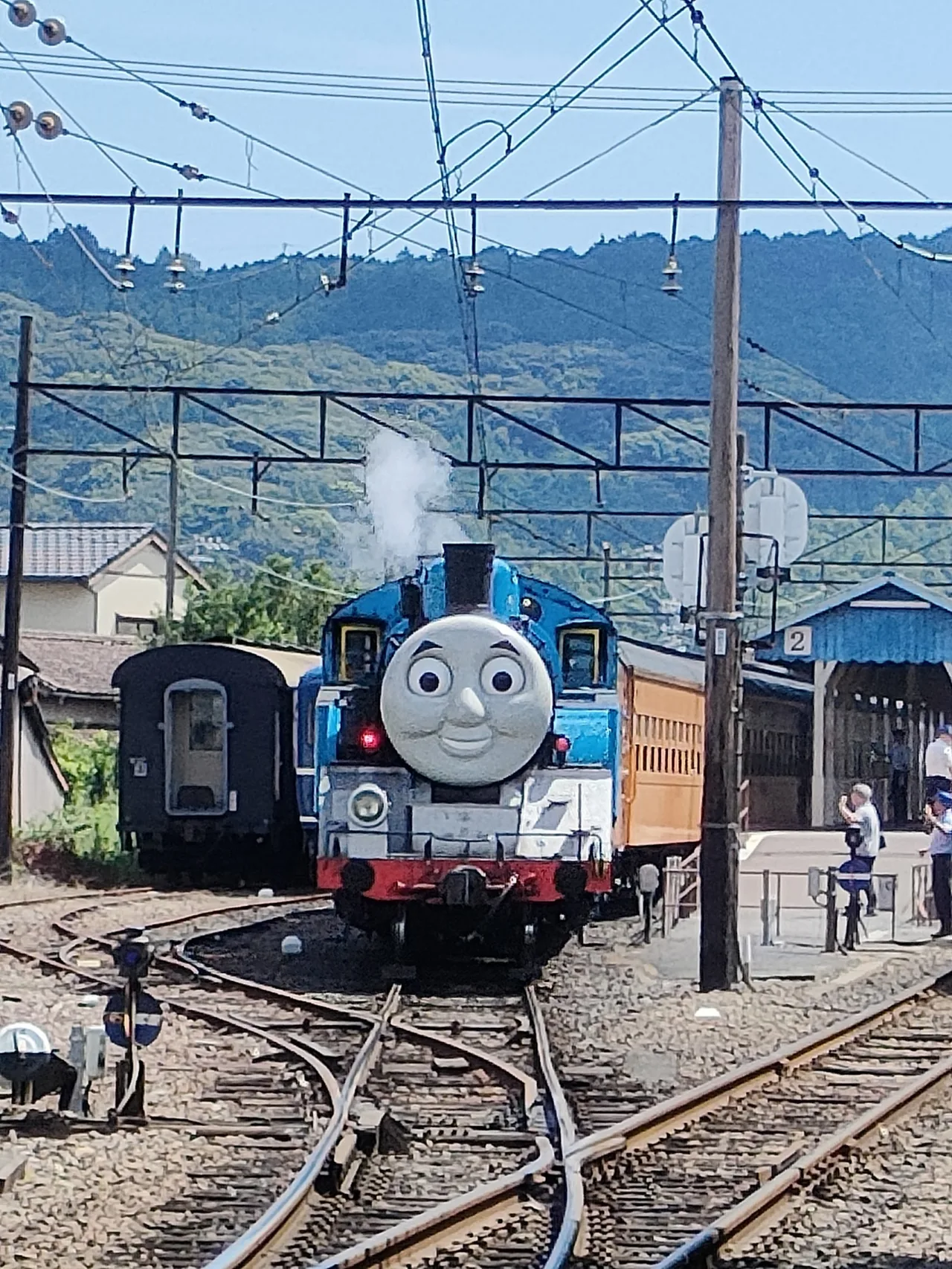
Heritage steam-locomotive line climbing through tea hills and the Oi River gorge, with daily SL trains and rack-railway loops
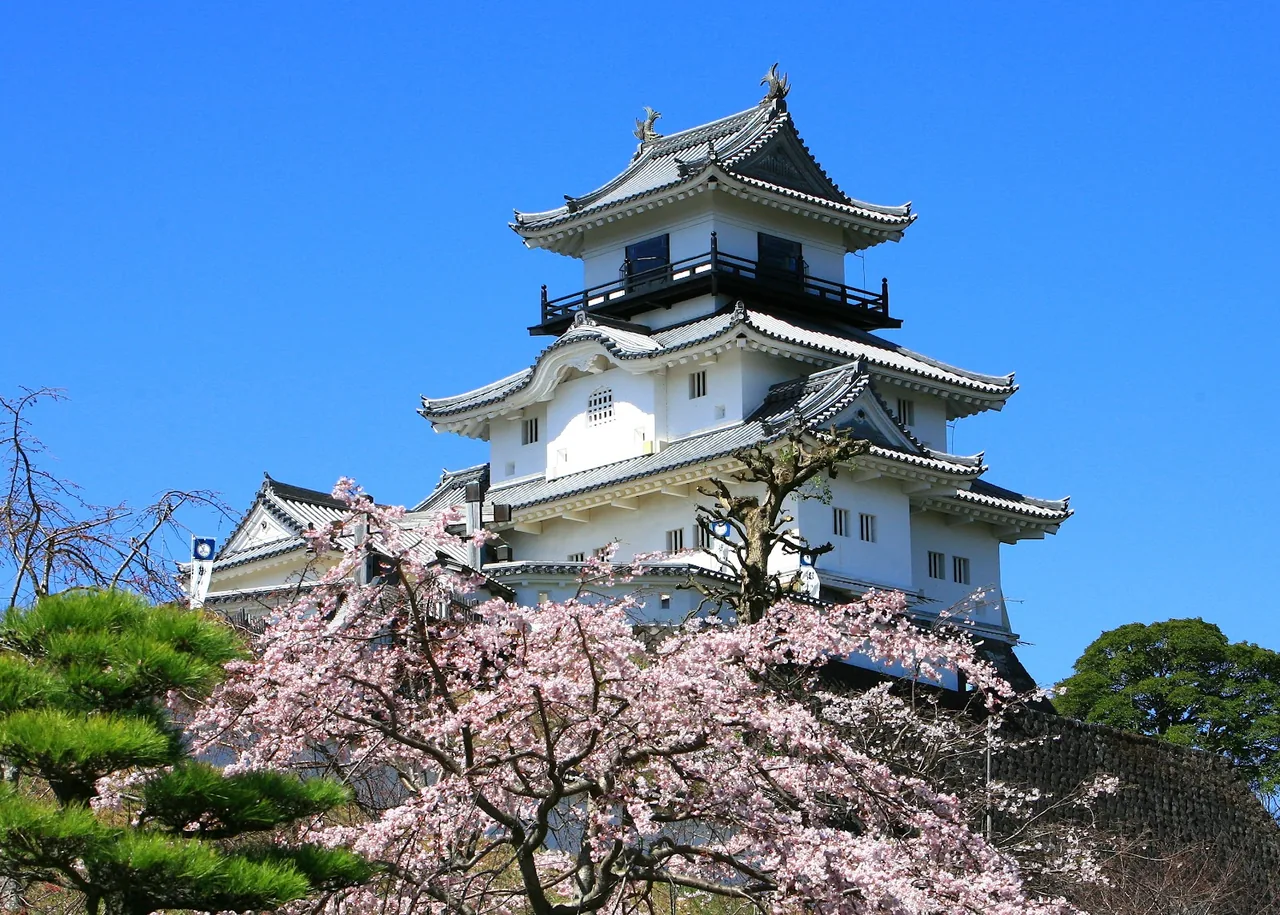 Hidden Gem
Reconstructed wooden castle on the original 1469 site, one of Japan's first all-wood reconstructions, in a quiet town with a kachofugetsu garden
Hidden Gems
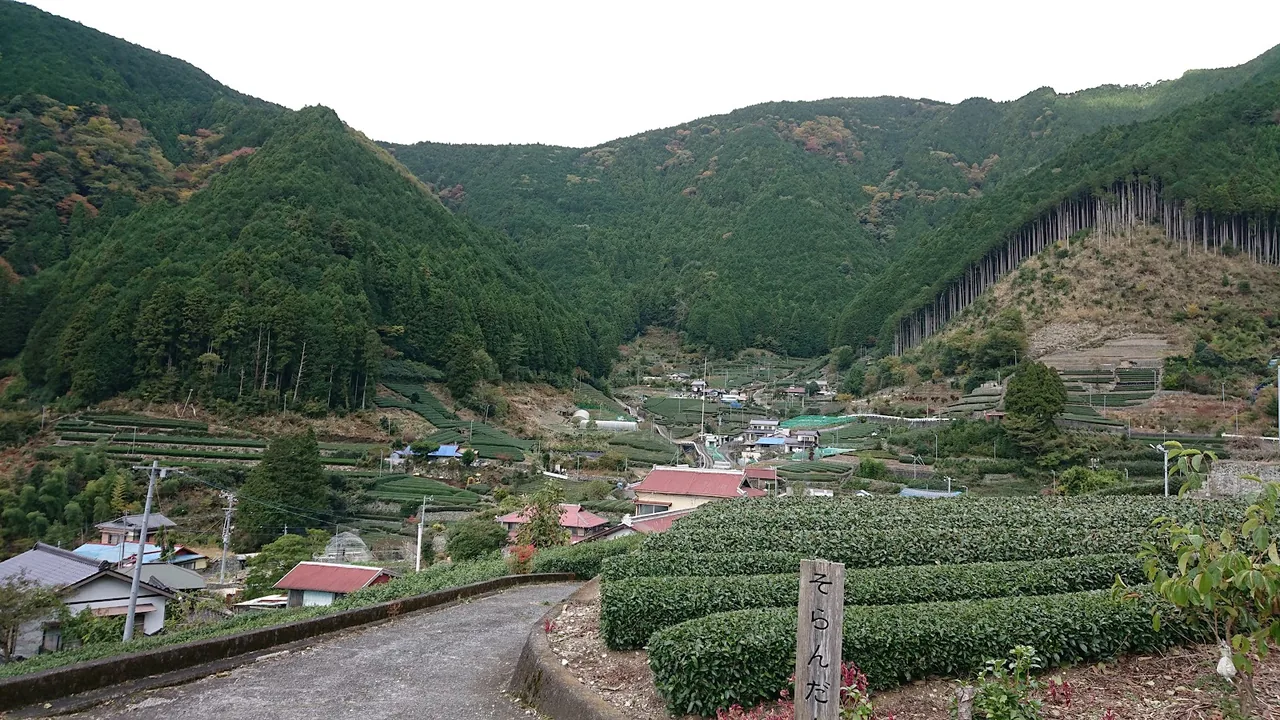 Hidden Gem
Mountain tea village in central Shizuoka: small-batch sencha and matcha producers, plus a Ujiide-style temple-tea heritage
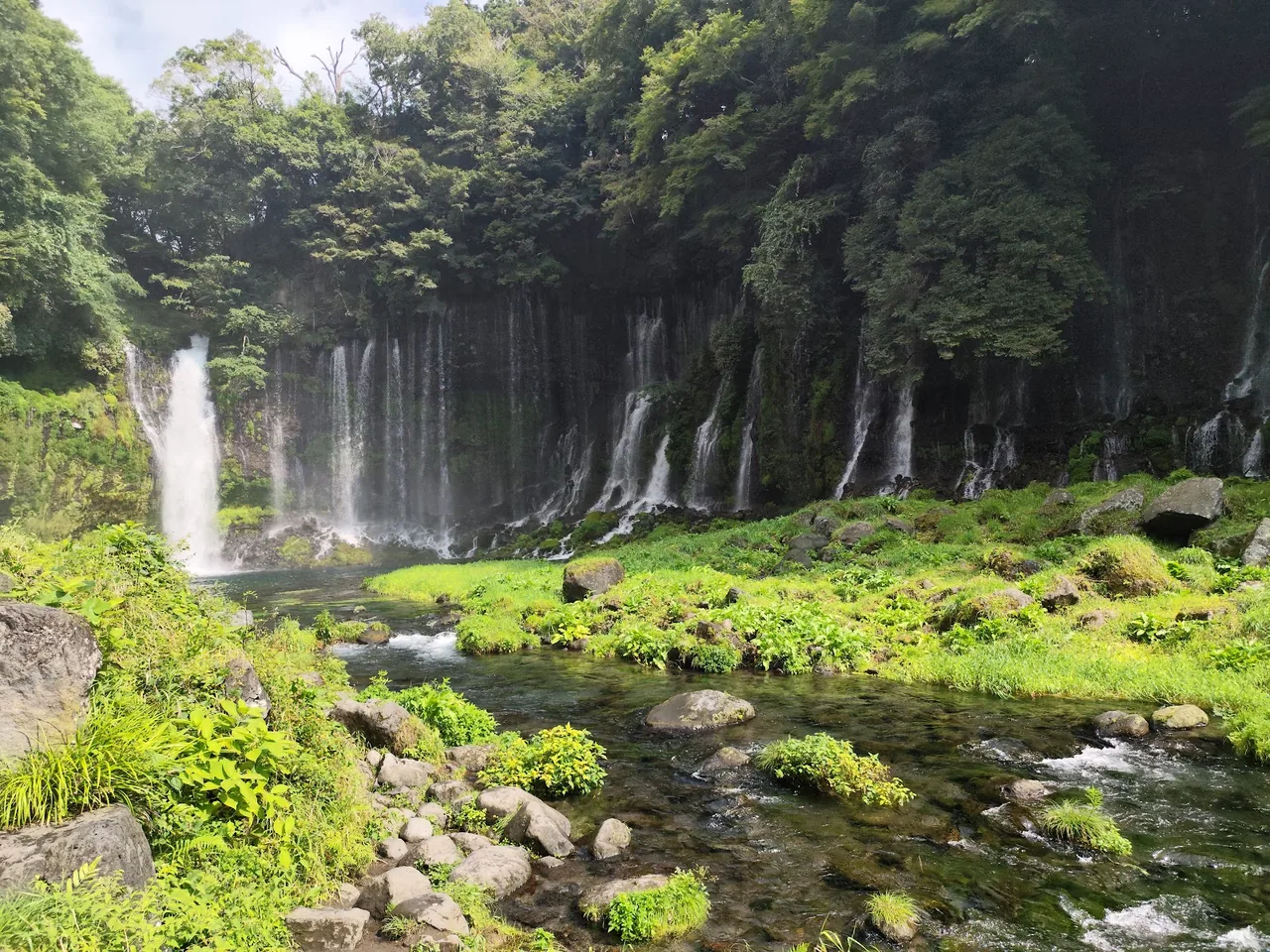 Hidden Gem
150m-wide curtain of silk-thread waterfalls fed by Mount Fuji's springs, a UNESCO-related sacred site of the Mt Fuji ensemble
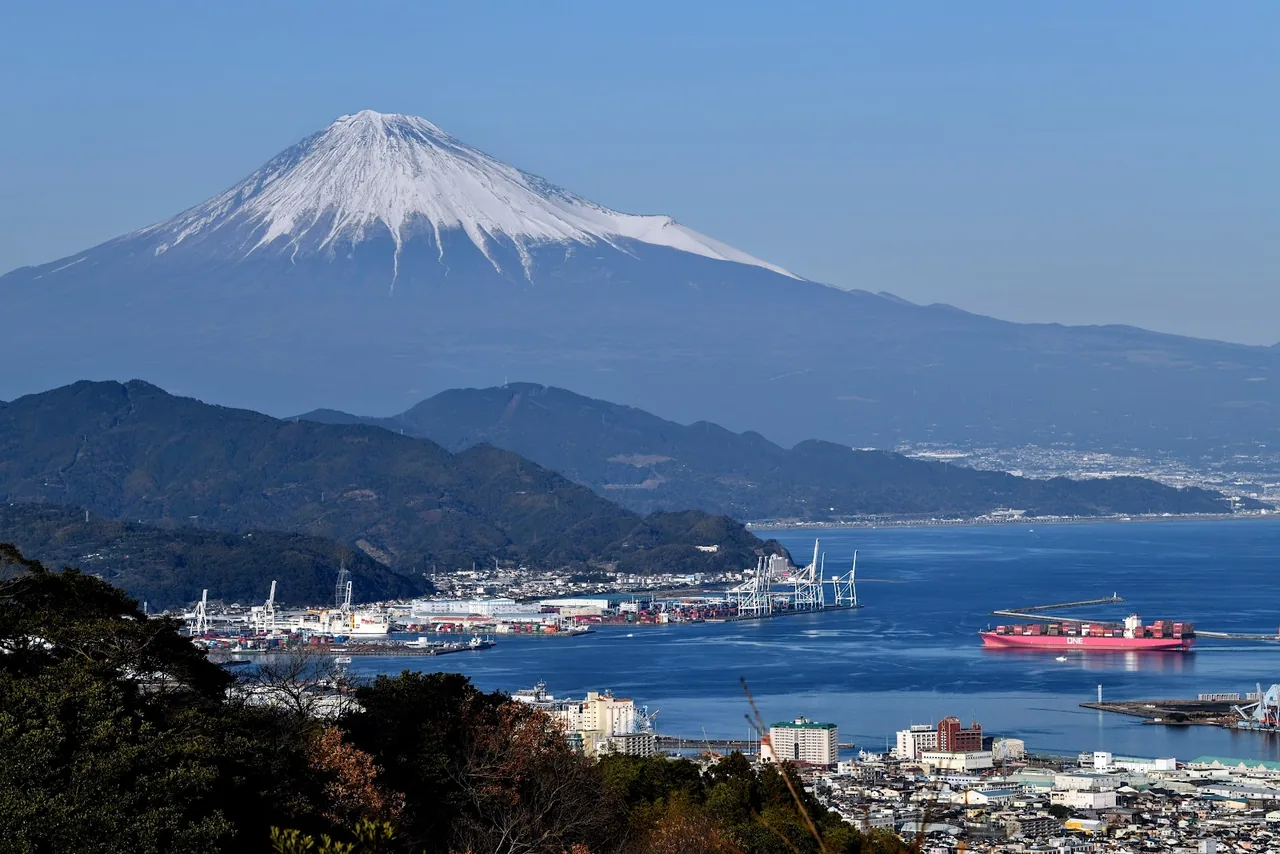 Hidden Gem
Tea-and-tangerine plateau between Shizuoka City and Suruga Bay, with a ropeway down to Kunozan Toshogu and a 360-degree Fuji panorama
When to Visit
Springharu
Mar – May10–22°CModerate crowds
Springharu
- Cherry blossoms at Sumpu and Kakegawa castles
- Tea-picking starts late April
- Mild Atami beach weather
- Wisteria at Atami Plum Garden
Summernatsu
Jun – Aug23–32°CHigh crowds
Summernatsu
- Mt Fuji climbing season (south trail)
- Lake Hamana eel season
- Atami fireworks
- Oigawa Railway peak
Autumnaki
Sep – Nov10–22°CModerate crowds
Autumnaki
- Foliage at Shiraito Falls and Oigawa
- Best clear-Fuji visibility
- Tangerine harvest in Mishima
- Atami plum start late November
Winterfuyu
Dec – Feb5–13°CLow crowds
Winterfuyu
- Atami plums in February
- Mild coastal weather
- Quiet Toshogu shrine visits
- Strawberry picking around Kakegawa
Suggested Itineraries
FAQ
How do I get to Shizuoka from Tokyo?
Tokaido Shinkansen Hikari direct from Tokyo to Shizuoka in 1 hour. Atami is just 35 minutes. Hamamatsu is 95 minutes. JR Limited Express Odoriko also serves the Izu coast.
Is Shizuoka good for Mount Fuji views?
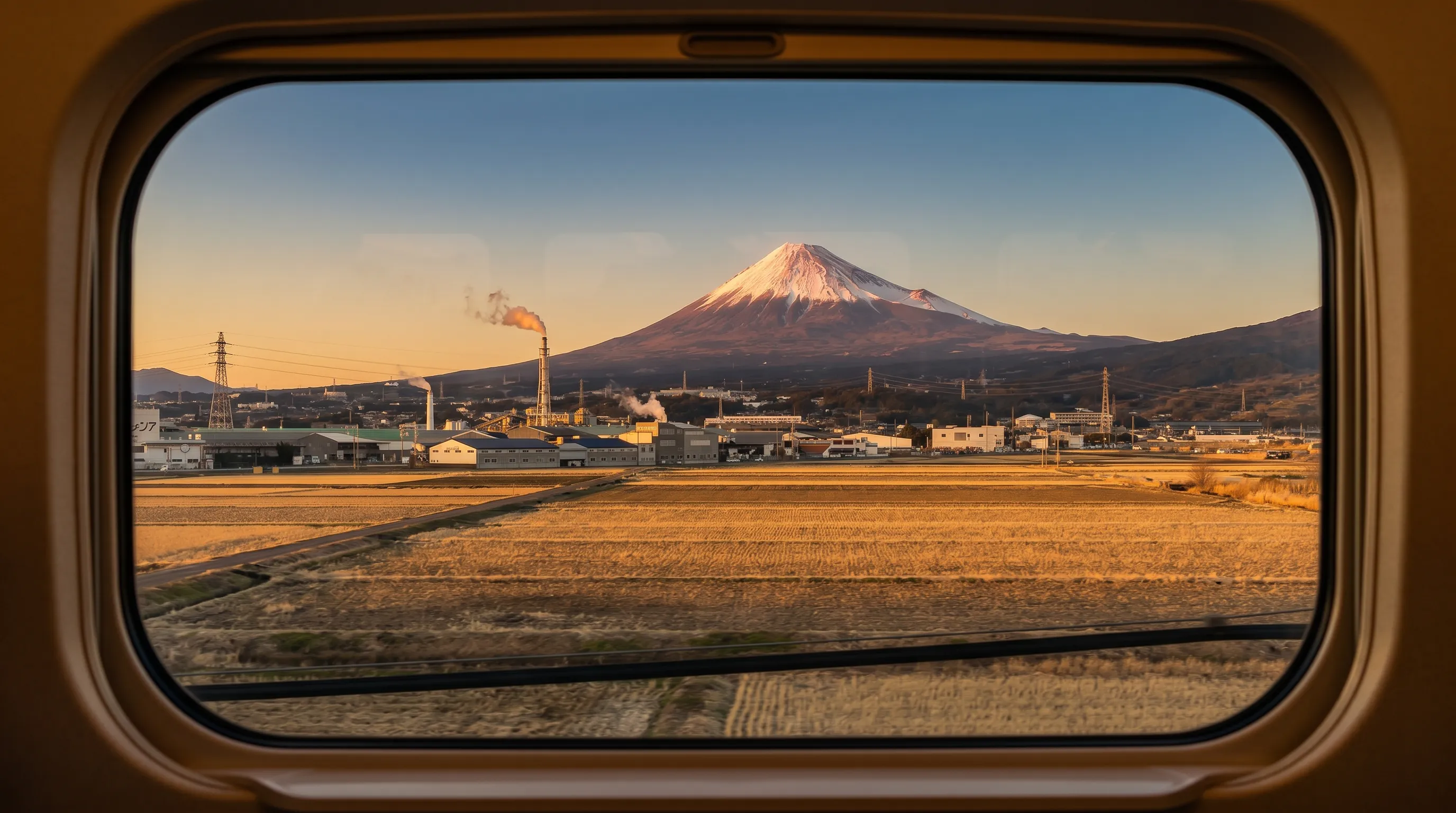
Yes. Shizuoka has the south face of Fuji, less photographed than Yamanashi's north side. Best views from Nihondaira plateau, Mishima Sky Walk, and the Shinkansen platforms at Shin-Fuji Station on clear days.
What is Shizuoka best known for?
Green tea (40% of Japan's production), eel from Lake Hamana, the Tokugawa-era Kunozan Toshogu shrine, the Oigawa heritage steam railway, and Mt Fuji's south side including Shiraito Falls.
How many days do I need in Shizuoka?
One day for Shizuoka City and Kunozan Toshogu. Two days adds Atami and the MOA Museum. Three days lets you take the Oigawa Railway and visit Fujinomiya plus Shiraito Falls.
Is Atami worth the trip from Tokyo?
Yes, 35 minutes by Shinkansen. Hot springs, beach, MOA Museum of Art, and a small but lively old-town atmosphere. Often paired with Hakone for an east-coast onsen weekend.
What are Shizuoka's hidden gems?
The mountain tea village of Utogi above Shizuoka City, the Nihondaira tea-and-Fuji plateau, the silk-thread Shiraito Falls fed by Mount Fuji springs, and the original-design wooden Kakegawa Castle.
What surrounds the headline spots?
Beyond the obvious draws, Shuzenji Onsen, Nishi-Izu Coast, Makinohara tea fields, Cape Ose reward travelers willing to step off the main route: local pace, fewer crowds, and a closer feel for the everyday rhythms of the region.