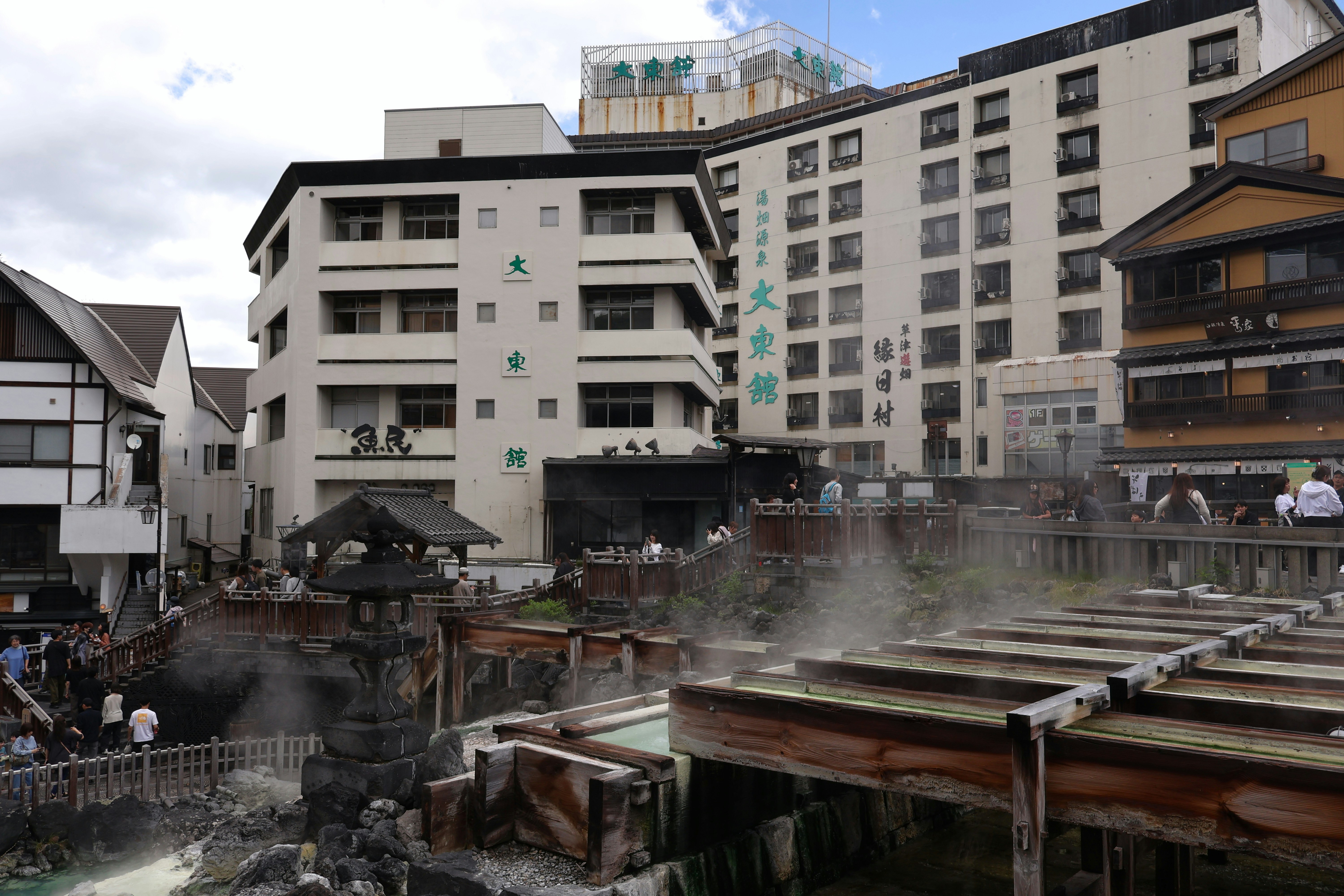
Most overnighters base themselves at one of the famous ryokan: the historic Fujiya Hotel in Miyanoshita has been a landmark since 1878.
Hakone is Kanagawa's most rewarding overnight escape: a compact volcanic valley of steaming hot springs, cedar forests, and caldera lakes within 90 minutes of Tokyo. The Hakone Free Pass strings together a mountain railway, aerial ropeway, and Lake Ashi sightseeing boat into a single loop, making this one of Japan's most logistically elegant short trips. But beneath the well-worn circuit lies older, quieter Hakone: a 400-year-old Tokaido highway teahouse, silver-grass plains that most foreign visitors never find, and ryokan culture that rewards anyone who stays the night.
When to Visit
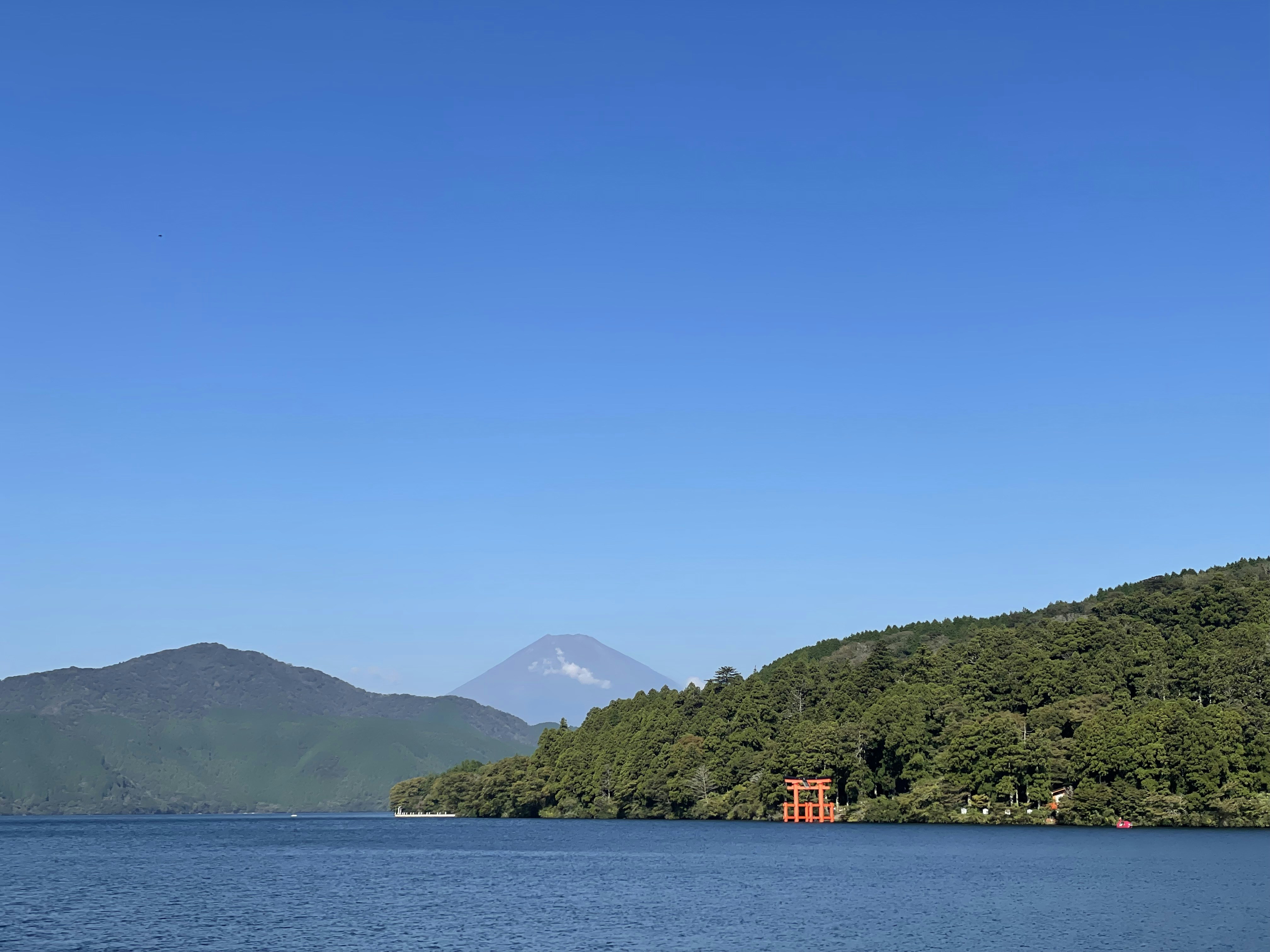
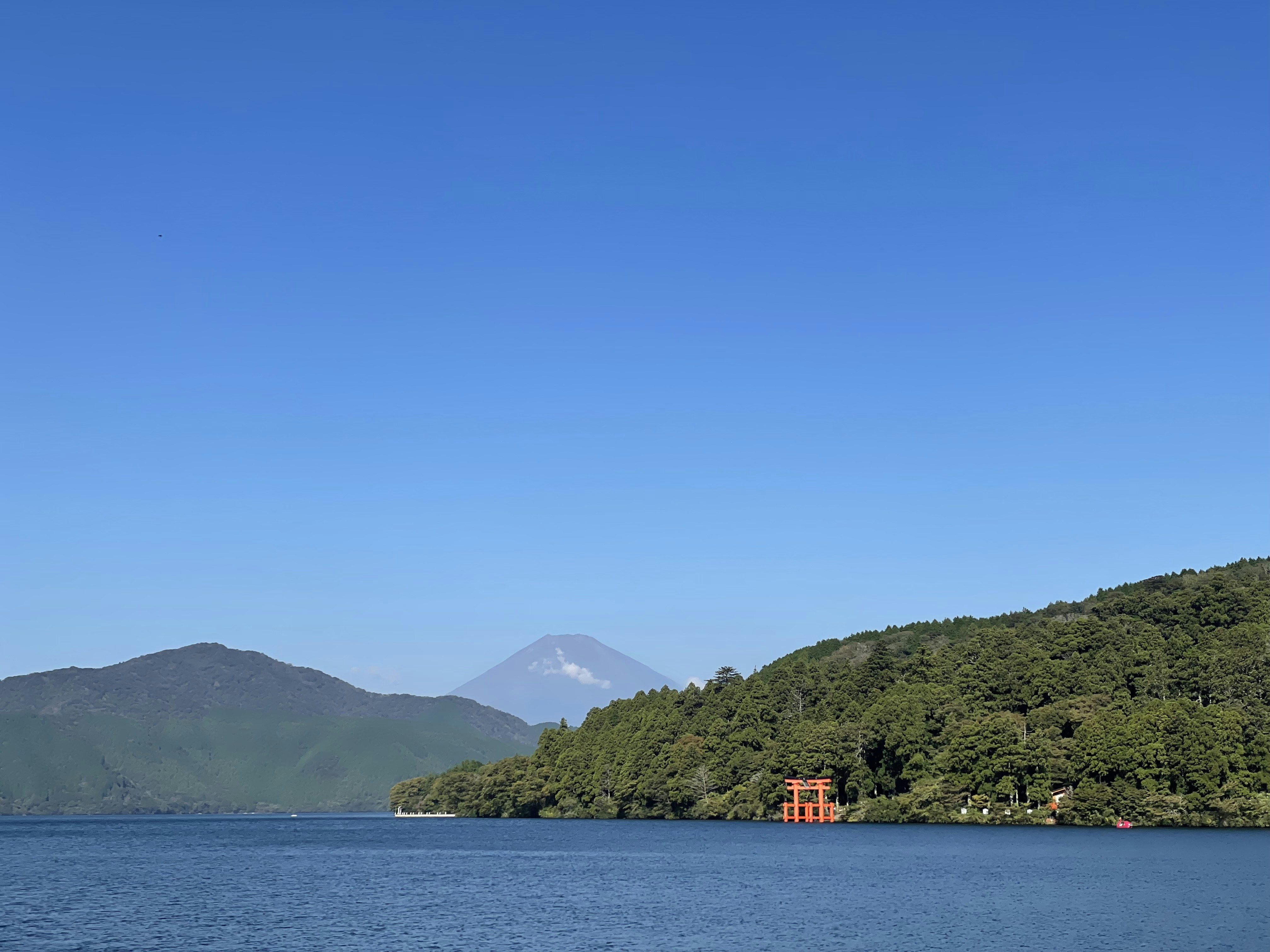
Hakone rewards visits year-round; the season determines whether you're chasing Fuji views, foliage, or onsen in the snow.
What to Do in Hakone
The classic loop covers volcanic craters, a caldera lake, and an open-air sculpture park, but Hakone's lesser-known corners are equally worth your time.
Icons worth the crowds
Hidden gems
More Hakone highlights
Skip the Crowds
- Sengokuhara Susuki Plain: The silver pampas grass fields north of Gora are one of Hakone's most striking autumn sights, and almost entirely absent from foreign-tourist itineraries. Peak season is late October through November; go on a weekday morning before the tour buses arrive from Odawara.
- Amazake-chaya on the old Tokaido: This 400-year-old thatched teahouse sits on the original Edo-period highway that once connected Tokyo to Kyoto. Pilgrims and daimyo stopped here; today it's a quiet 20-minute detour off the standard loop bus route, serving the same sweet amazake it always has.
- Miyagino area for onsen: Hakone-Yumoto draws the most tour groups. The Miyagino district, a short bus ride further up, has smaller ryokan and day-use baths with fewer crowds; Naraya Cafe is here too.
- Hakone-Tozan Railway on a weekday morning: The switchback mountain railway between Hakone-Yumoto and Gora is genuinely scenic, but on weekend afternoons it's standing-room only. Catch it before 9am on a weekday and you'll have a window seat.
Hakone Neighborhoods
Hakone is best navigated as a set of neighborhoods, each with its own pace. These are the areas where the spot guides above cluster.
Food & Drink
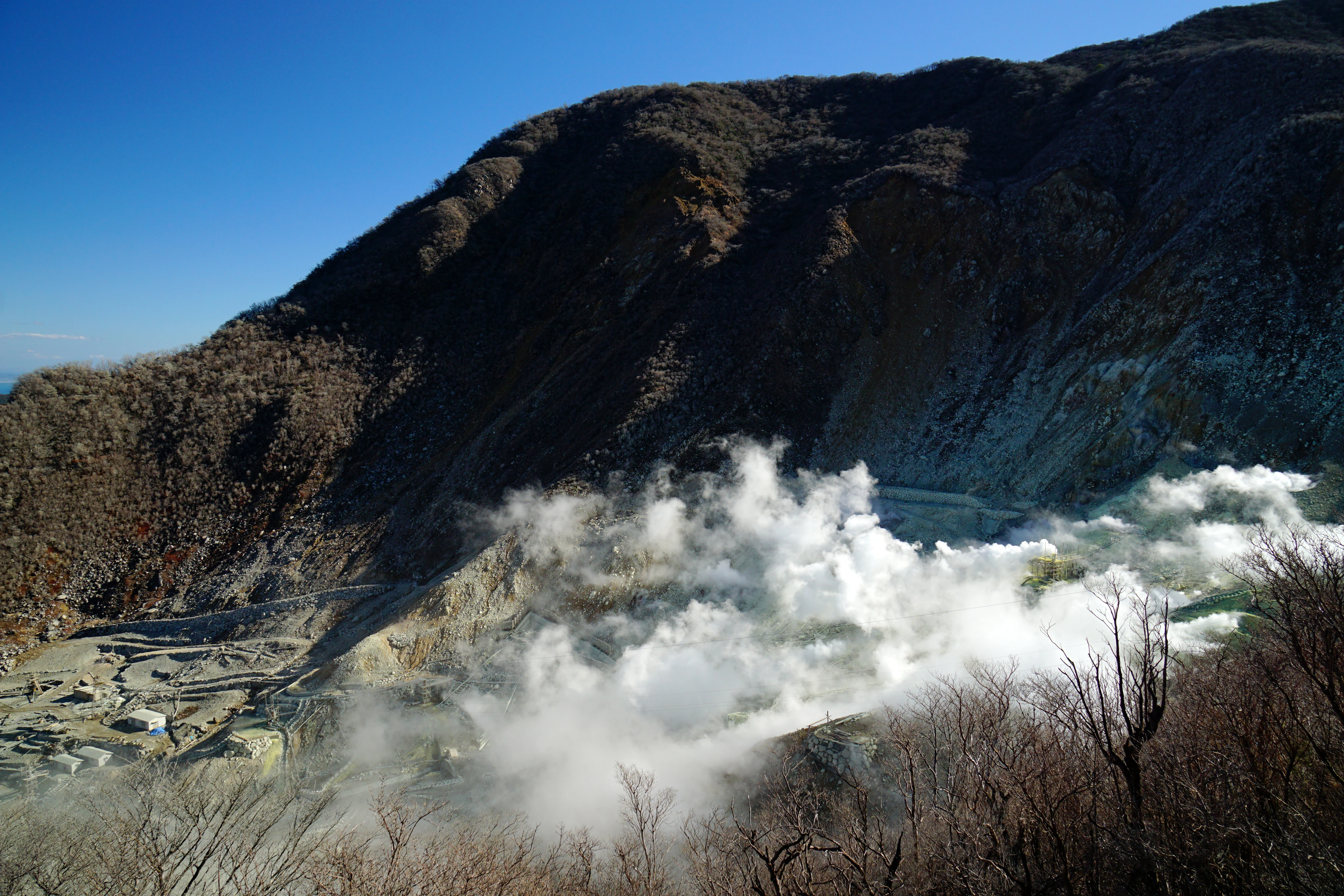
Hakone's table runs from ryokan kaiseki to volcanic-cooked street snacks; the black eggs at Owakudani are as much ritual as food.
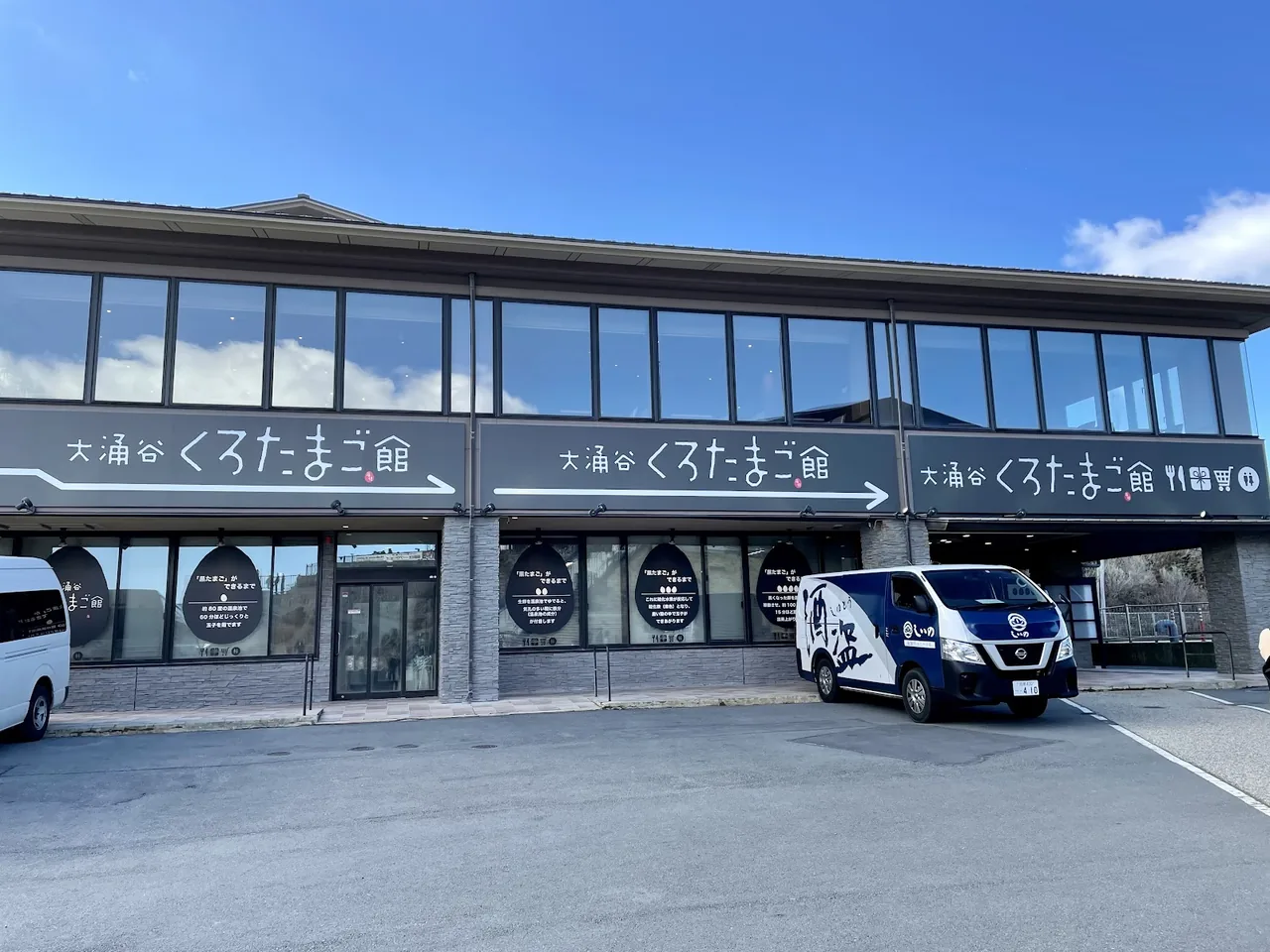
Hard-boiled eggs cooked in volcanic hot springs. The sulphur turns the shells black, and local legend says each one adds seven years to your life
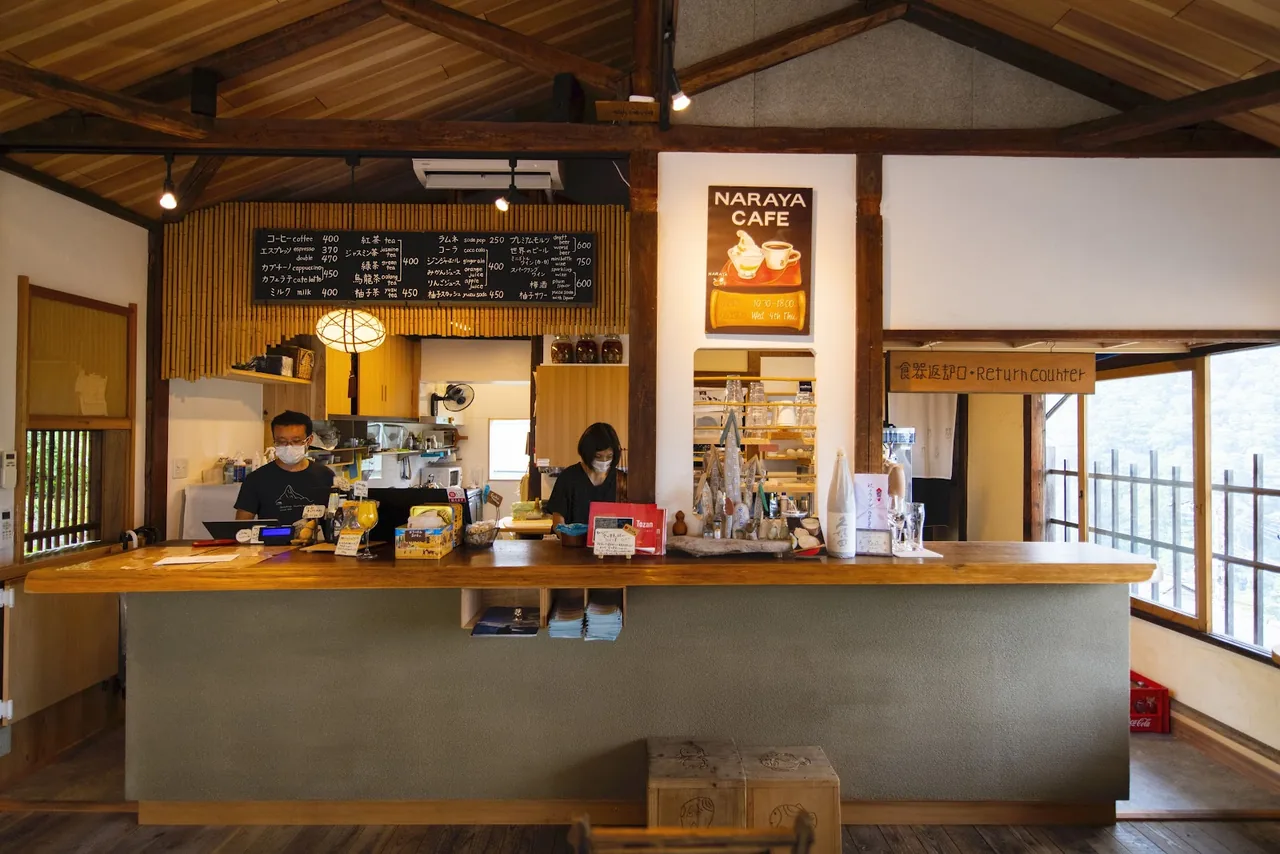
Pour-over coffee with foot-onsen seating: soak your feet in a natural hot spring while you drink
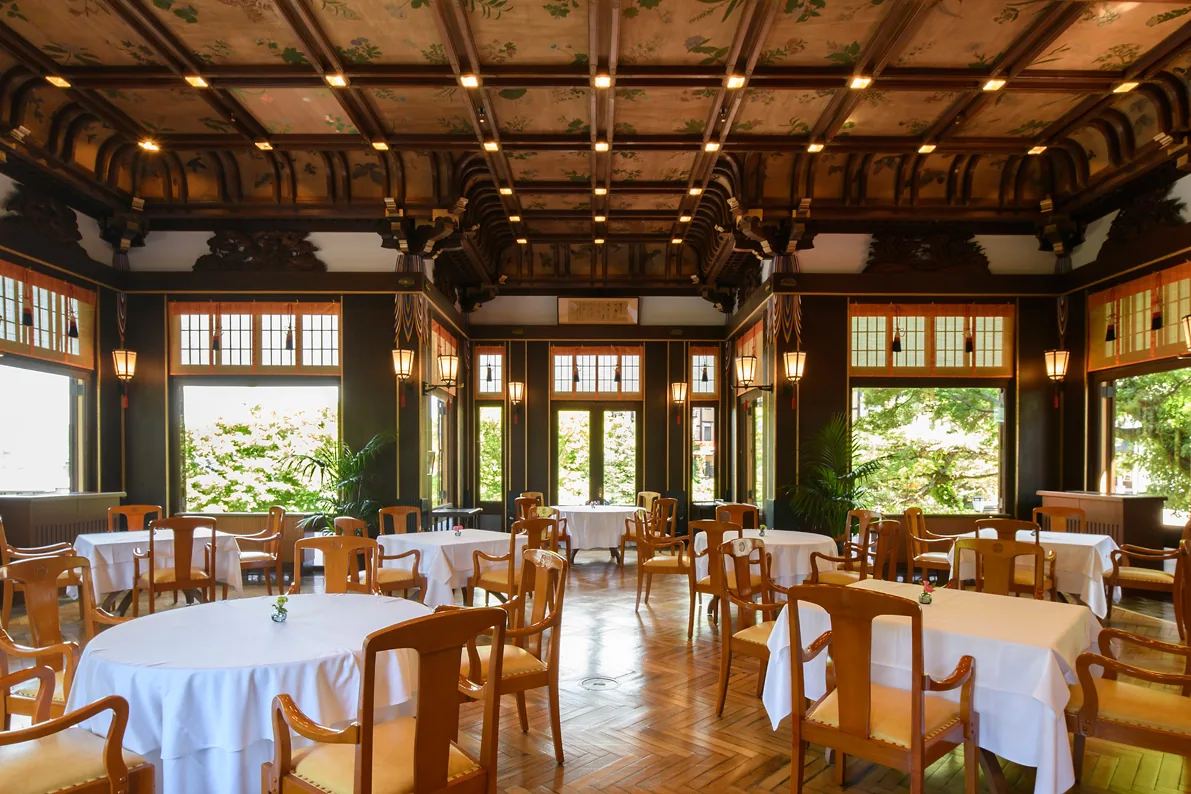
Heritage afternoon tea and set lunches in the original 1878 Meiji-era dining room, a living piece of Hakone's Western-hotel history
Where to Stay
Staying overnight, especially at a ryokan, transforms Hakone from a day trip into the trip. The valley empties after 5pm and the hot springs are yours. First time at a ryokan? Wanderlust Marriage on what to expect at a Hakone ryokan walks through the onsen etiquette and the multi-course kaiseki dinner before you book.
Booking links are affiliate links. They cost nothing extra and support the site.
Day Trips
Two easy escapes from Hakone, both reachable by train in under 30 minutes and worth combining into a longer Kanagawa itinerary.
Events in Hakone
Matsuri can double a neighborhood's crowds overnight. Plan toward them or around them; these are the dates that shape the year.
How to Get There
FAQ
How do I get from Tokyo to Hakone?
The Odakyu Romancecar runs direct from Shinjuku to Hakone-Yumoto in about 85 minutes (reserved seats; check current pricing on the Odakyu website). The cheaper express route from Shinjuku takes roughly 2 hours. JR Pass holders can take the Tokaido Shinkansen to Odawara, then the Hakone-Tozan local line up to Hakone-Yumoto.
How many days do you need in Hakone?
One day is enough for the Hakone Loop. Two days lets you stay overnight at a ryokan and visit the Hakone Open Air Museum properly. Three days opens up Odawara Castle, the MOA Museum of Art across the Atami border, and a slower tea-stop at Amazake-chaya on the old Tokaido highway.
Is the Hakone Free Pass worth it?
Yes, if you plan to use the cable car, ropeway, sightseeing boat, and tour bus on the Hakone loop, typically across one or two days. Buy at any Odakyu station; 2-day and 3-day passes from Shinjuku cover most itineraries. Confirm current pricing before your trip.
Can you do Hakone as a day trip from Tokyo?
Yes, but it's tight and you'll miss the best part. Take the earliest Romancecar from Shinjuku, do the loop counter-clockwise (mountain railway to Gora, ropeway to Owakudani, boat to Moto-Hakone, bus back), and you'll return to Tokyo by early evening. An overnight at a ryokan is significantly more rewarding; the valley empties after 5pm.
Is Hakone worth visiting without seeing Mount Fuji?
Absolutely. Fuji views are never guaranteed: cloud cover and haze obscure it more often than not outside winter. Hakone's volcanic scenery at Owakudani, the sculpture park, the Tokaido highway heritage, and the onsen culture all stand entirely on their own. Think of a Fuji sighting as a bonus, not the point.
When is the best time of year to visit Hakone?
Late October to mid-November for the Sengokuhara susuki plain and autumn foliage along the mountain railway. December to early February for the year's clearest Mount Fuji views from Lake Ashi. Mid-June for hydrangeas along the Hakone-Tozan railway. Winter is also the quietest season outside school holidays.
What are the best onsen options in Hakone?
Most overnighters stay at a ryokan with private baths. For day-use: Hakone Yuryo (20-minute walk from Hakone-Yumoto, private and shared open-air baths in cedar forest) is the most accessible. Tenzan Tohji-kyo further up has a cluster of seasonal pools. Yunessun is the family-friendly novelty option with themed baths. Check current admission prices before visiting; they change seasonally.