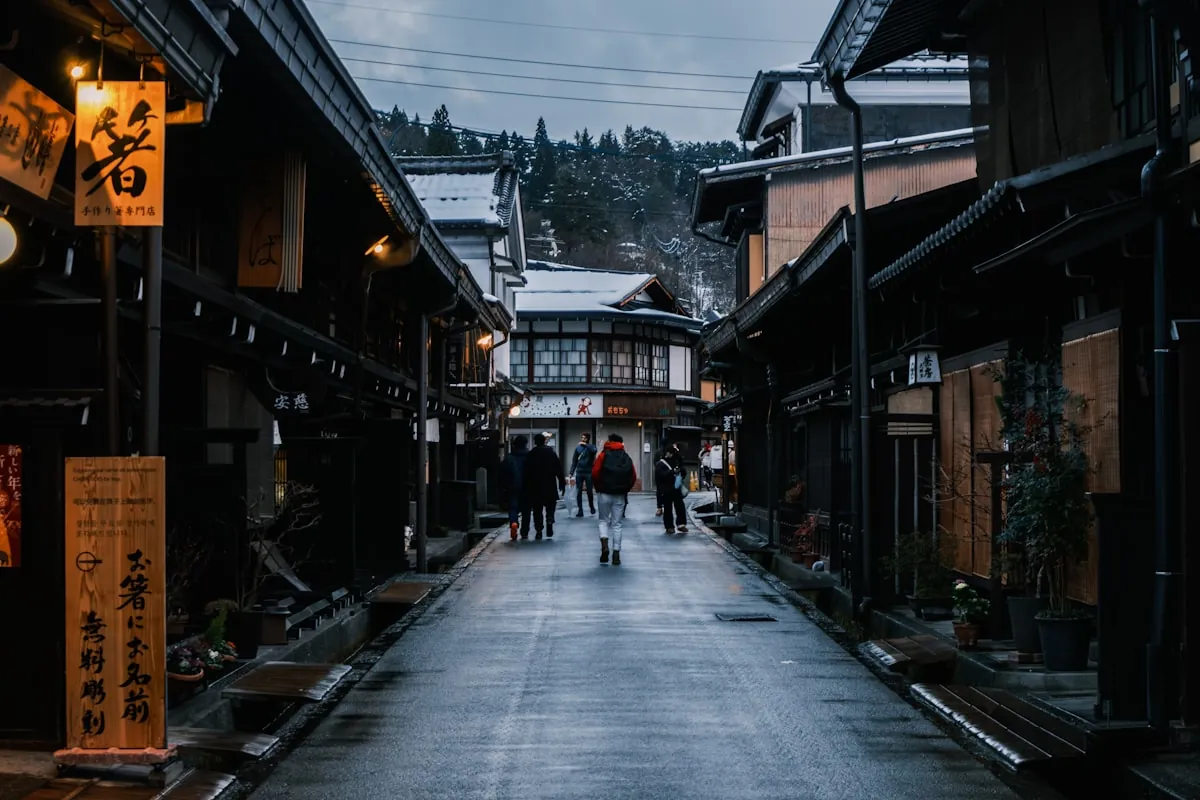

Everyone books February for the Sapporo Snow Festival and stops planning there. That misses half the month.
February runs on two rhythms. The first two weeks are deep winter, ideal for powder skiing and the Snow Festival; the second half is Japan's quietest and most underrated travel window, when plum blossoms begin and spring crowds have not yet arrived.
What you need to know
February is colder than it looks on a world map, and more varied than most guides suggest.
The two acts of February
| Act | Dates | Character | Accommodation | Best for |
|---|---|---|---|---|
| Deep winter | Feb 1–14 | Cold, festival season, peak ski powder | Average, Sapporo premium around Snow Festival | Powder skiing, Snow Festival, winter onsen |
| Pre-spring | Feb 15–28 | Mild start, first plum blossoms, few tourists | Still at winter low; no spring premium yet | Plum viewing, culture, quiet cities, best-value dates |
February weather by region
Japan's coldest or second-coldest month, depending on region: clear skies on the Pacific coast, consistent snowfall in the north and west.
- SapporoHeavy snow guaranteed; full winter gear-9 to -3°C
- KyotoOccasional light snow on the temples2–8°C
- TokyoMostly dry, snow rare3–9°C
- OsakaSimilar to Kyoto3–9°C
- FukuokaMild; plum season starts here first5–11°C
- OkinawaDry and mild, no beach swimming16–20°C
The value case for late February
From February 16 to March 5, plum blossoms are open across the country, hotel rates have not yet shifted to spring pricing, and Shinkansen hayatoku fares are available. Anyone who found late March or early April too crowded and expensive should look seriously at this window.
- 16 Feb–5 MarBest-value window of early springPlum blossoms out, hotels still on winter rates
- Feb 28Winter hotel rates run untilExcept Sapporo during Snow Festival week
- Late MarWhen foreign visitor numbers peakStill weeks away in late February
How to plan your February trip
Decide: early or late February
Early February (1–14) is for the Snow Festival and skiing; late February (15–28) for plum blossoms, shoulder pricing and quieter cities. With 10–14 days you can do both: Hokkaido first, then south as the month turns.
Book Sapporo accommodation early
The Snow Festival runs approximately February 4–11 in 2027 (confirm on the official Sapporo event site). Sapporo hotels sell out faster for this week than for any other event in Japan: book three to four months ahead.
Target the pre-festival window for Snow Festival photos
Sculpture construction at Odori Park begins around January 25–31. Entry is free and the works are nearly finished, at a fraction of the crowd. February 1–3, just before the official opening, is the insider choice.
Secure hayatoku fares for Shinkansen travel
JR's hayatoku early-bird fares open approximately 28 days before departure and sell quickly on the Tokyo–Kyoto corridor. Calendar the booking date; the discount applies to reserved seats only.
Check plum blossom timing before you book late February
Plum bloom shifts by up to two weeks with temperature. The Japan Meteorological Corporation publishes a plum forecast from late January onward; check it before committing to late-February dates.
February highlights and events
February has a stronger event calendar than most Japan guides acknowledge: three Hokkaido festivals in the first fortnight, Setsubun on February 3 and the first plum ceremonies by February 25.
25 Jan–3 Feb
Snow Festival preview window
Odori Park, Sapporo
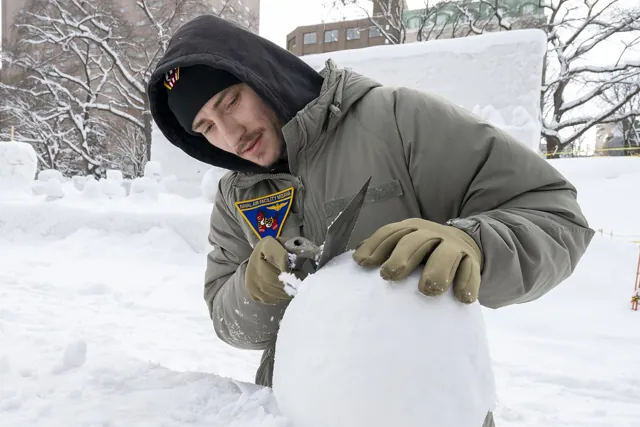
Crews build the sculptures in the open from about January 25. Entry is free, the works are essentially finished, and the two million festival visitors have not arrived yet. Late-January Hokkaido powder is at its peak too.
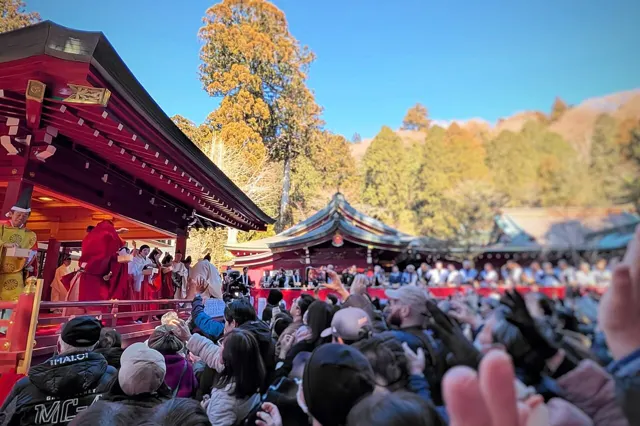 Photo: KQuhen, CC BY-SA 4.0
3 Feb
Setsubun: bean-throwing
Temples and shrines nationwide
Families drive out costumed demons with roasted soybeans to expel bad fortune. Free everywhere, late morning to afternoon; big ceremonies at Naritasan in Chiba, the main Asakusa temple and the Nara main temple.
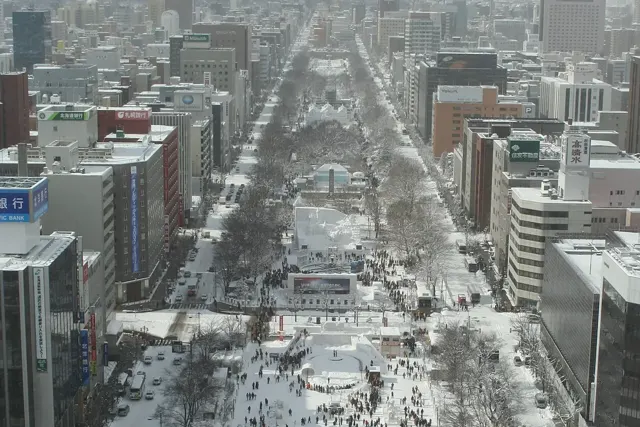 Photo: Eckhard Pecher, CC BY 2.5
4–11 Feb 2027
Sapporo Snow Festival
Odori Park, Susukino and Tsudome, Sapporo
Japan's biggest winter event: monumental snow sculptures in Odori Park, ice sculptures in Susukino, family snow play at Tsudome. Dates are confirmed each autumn. Sapporo is 90 minutes from Tokyo by air.
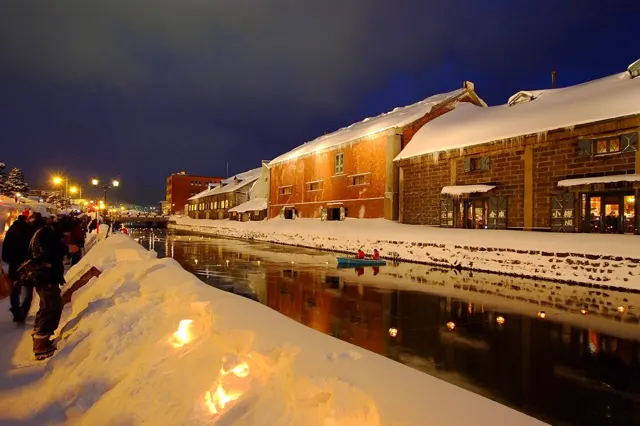 Photo: t-konno, CC BY-SA 3.0
Early Feb weekends
Otaru snow lantern festival
Otaru canal, 40 min from Sapporo by JR
Candles, lanterns and snow sculptures fill the canal district for two consecutive weekends; the candlelit Otaru canal is one of Hokkaido's most photographed winter scenes. An easy day trip from Sapporo during Snow Festival week.
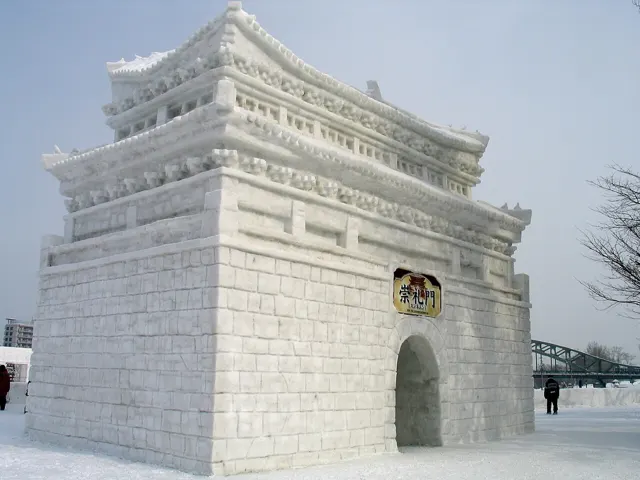 Photo: 京浜にけ, CC BY 3.0
4–11 Feb
Asahikawa winter festival
Asahikawa, 90 min from Sapporo by JR Limited Express
Runs alongside the Sapporo Snow Festival with smaller ice sculptures, fireworks and a local rather than international crowd: a similar experience at a fraction of the visitor numbers.
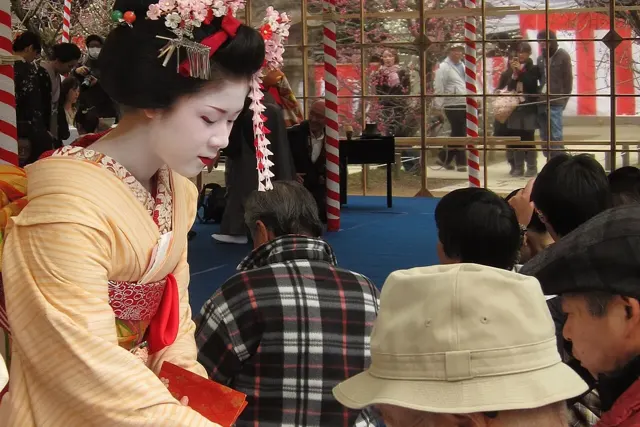 Photo: Nils R. Barth, CC0
25 Feb
Baika-sai plum tea ceremony
Kitano Tenmangu, Kyoto
Geiko from the Kamishichiken district serve matcha under the plum canopy of around 1,500 trees, with the garden open to visitors for the day.
Skiing in February Japan
January and early February are statistically the best months for powder snow in Japan.
- Niseko: the international benchmark, with consistent deep powder, English-language services and Japan's most developed resort infrastructure
- Furano: 90 minutes south of Asahikawa by bus; comparable powder with fewer international visitors and lower lift prices
- Kiroro: between Sapporo and Niseko; a local favourite with excellent snow and minimal queues
- Nozawa Onsen, Nagano: the best mix of skiing and traditional culture, with free communal soto-yu baths; quieter by mid-February, after the January 15 Dosojin fire festival
- Hakuba, Nagano: the largest ski area on Honshu, with strong English services
Plum blossoms in late February
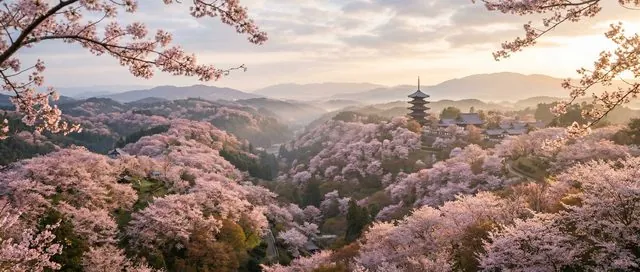
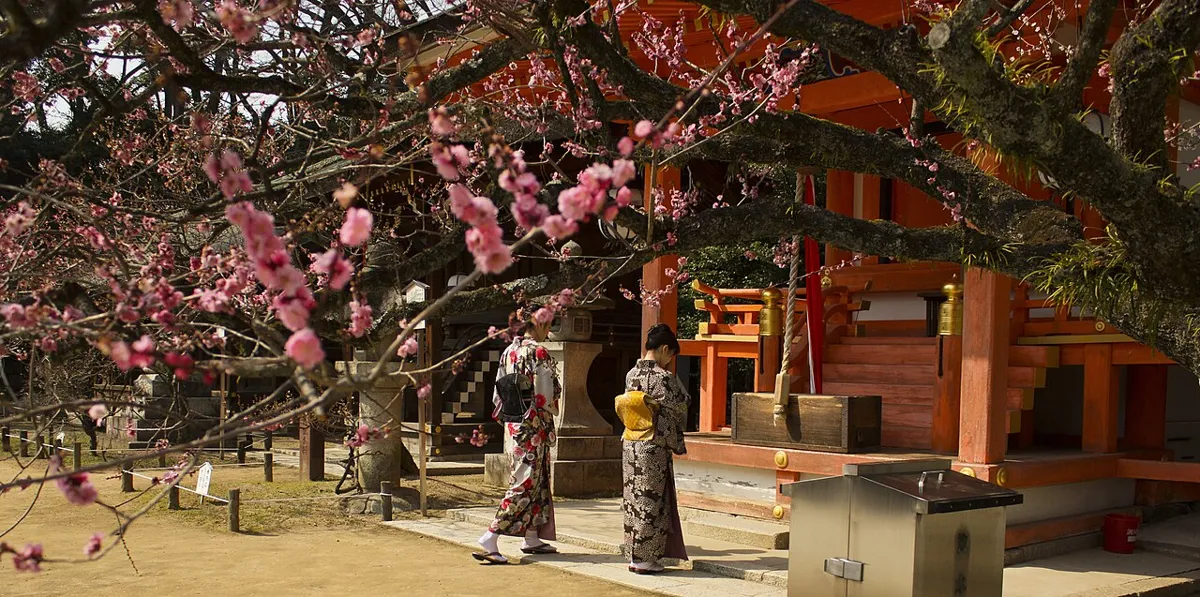
Plum blossoms (ume) open four to six weeks before cherry blossoms: smaller, more fragrant and far less crowded. Late February is peak season across most of Japan except Hokkaido, with Dazaifu Tenmangu near Fukuoka the country's best-known plum shrine.
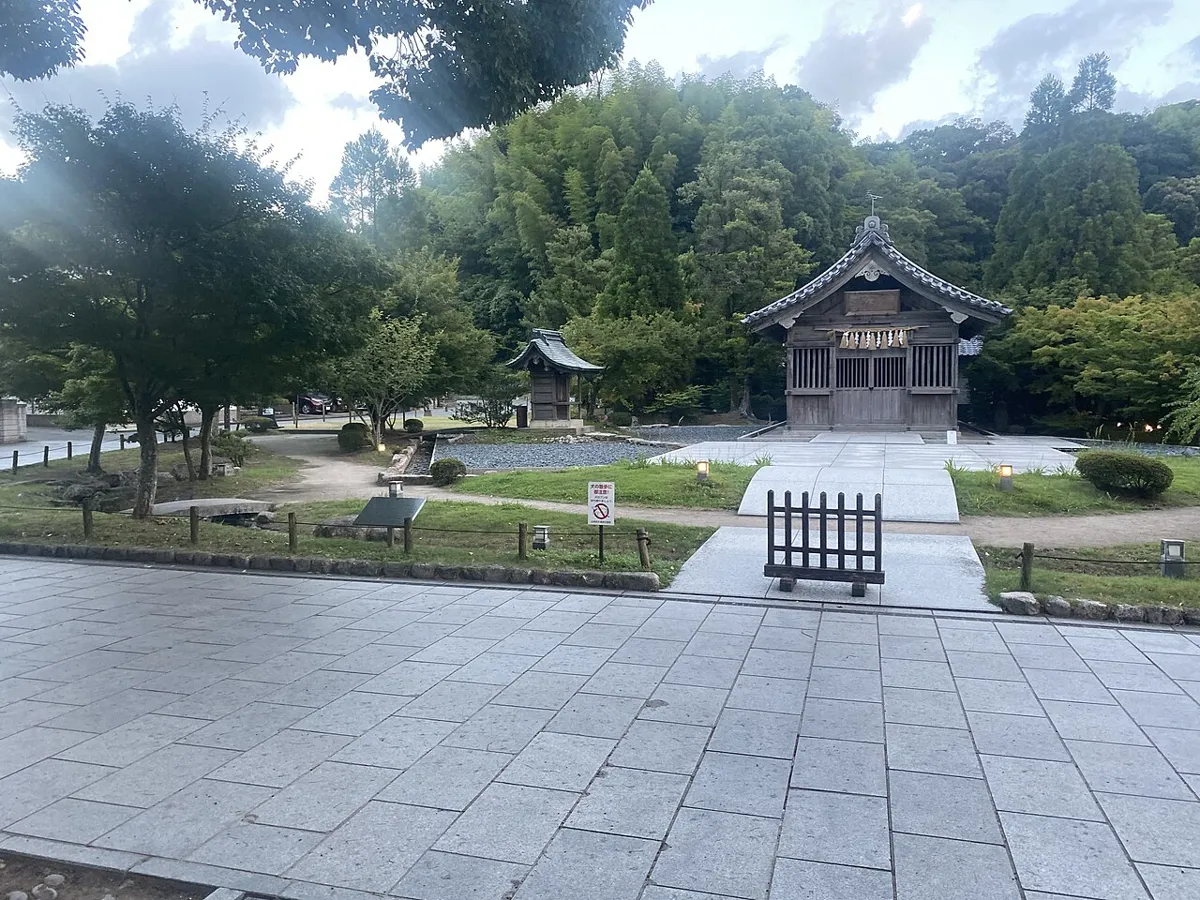 Photo: Immanuelle, CC BY 4.0
Fukuoka: Dazaifu Tenmangu
Around 6,000 plum trees at the shrine of Tenjin, the scholar-deity whose symbol is the plum blossom.
Around 6,000 plum trees at the shrine of Tenjin, the scholar-deity whose symbol is the plum blossom.
- Peak: late February, varying by up to ten days
- 25 minutes from Fukuoka by Nishitetsu rail
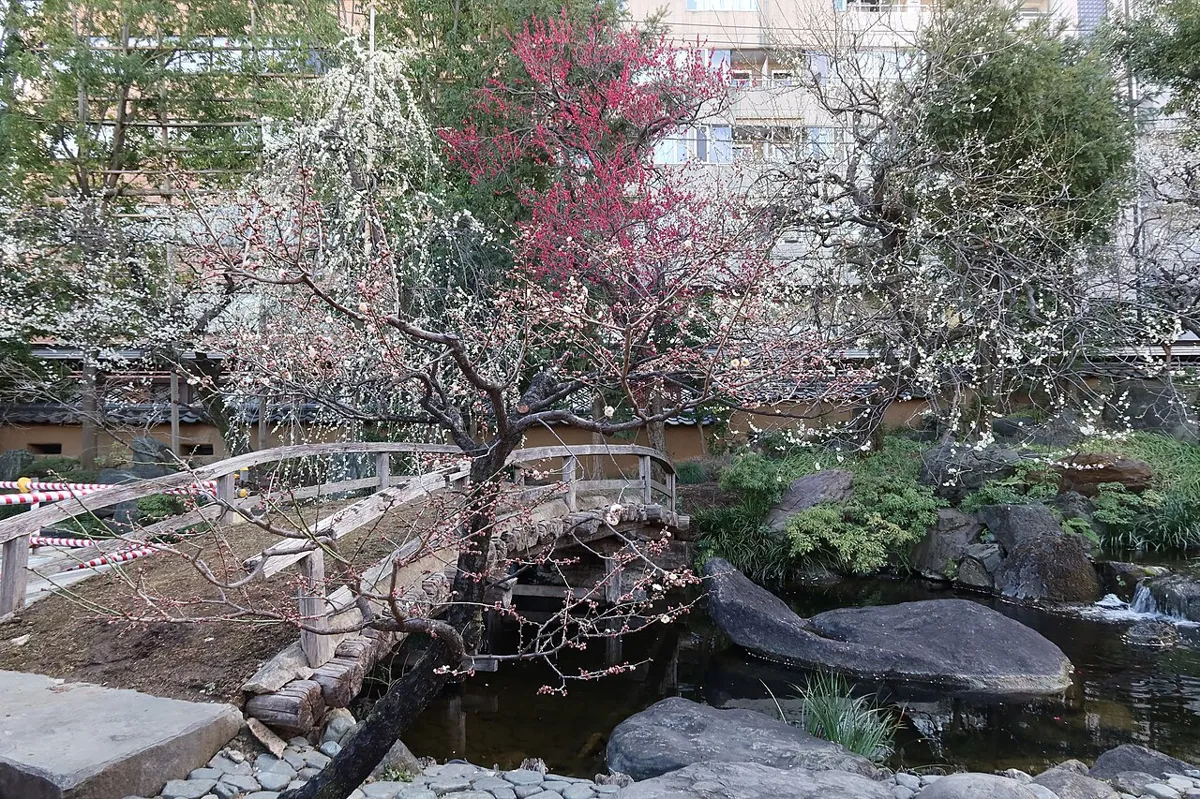 Photo: Pbdragonwang, CC BY-SA 4.0
Tokyo: Yushima and Shinjuku Gyoen
Yushima's Tenjin shrine holds an ume festival each February, with roughly 300 plum trees on steep grounds near Ueno.
Yushima's Tenjin shrine holds an ume festival each February, with roughly 300 plum trees on steep grounds near Ueno.
- Peak: late February
- Shinjuku Gyoen: a plum grove separate from the main garden
- Both free to attend on weekdays
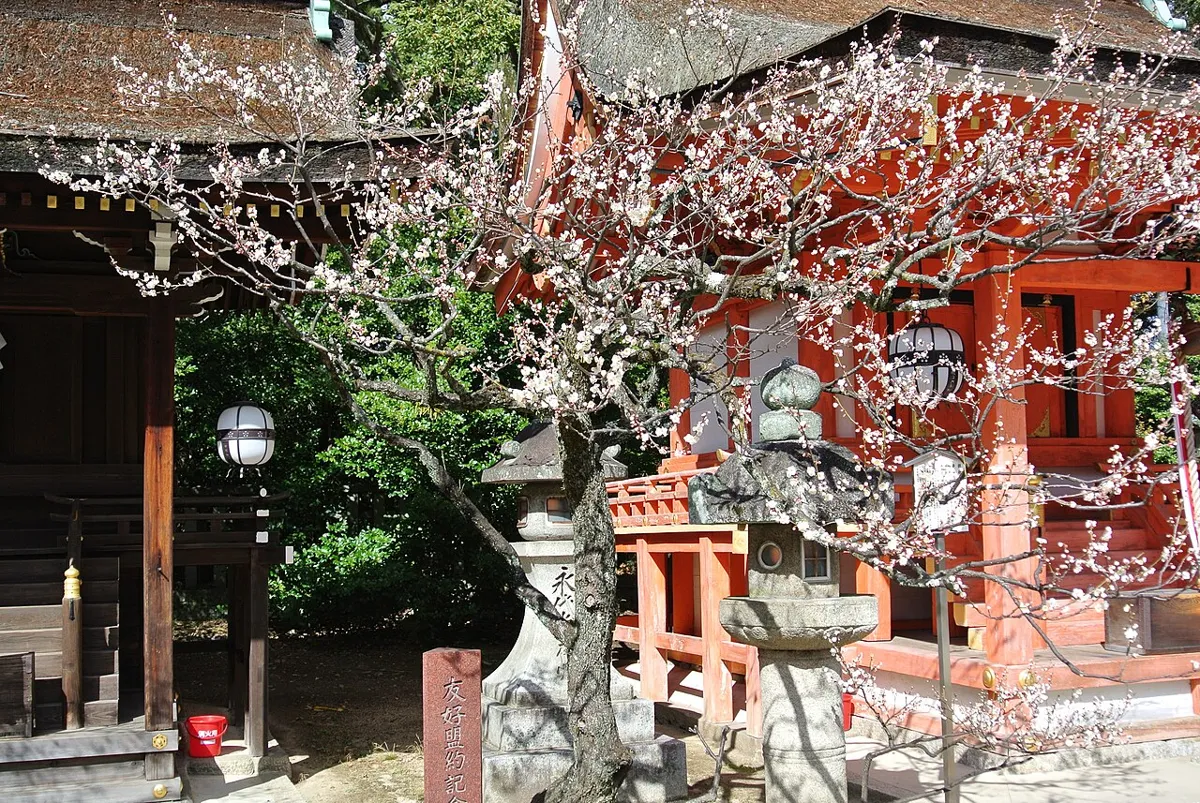 Photo: Suicasmo, CC BY-SA 4.0
Kyoto: Kitano Tenmangu
Around 1,500 plum trees in the Kitano district, with the Baika-sai tea ceremony on February 25.
Around 1,500 plum trees in the Kitano district, with the Baika-sai tea ceremony on February 25.
- Peak: late February to early March
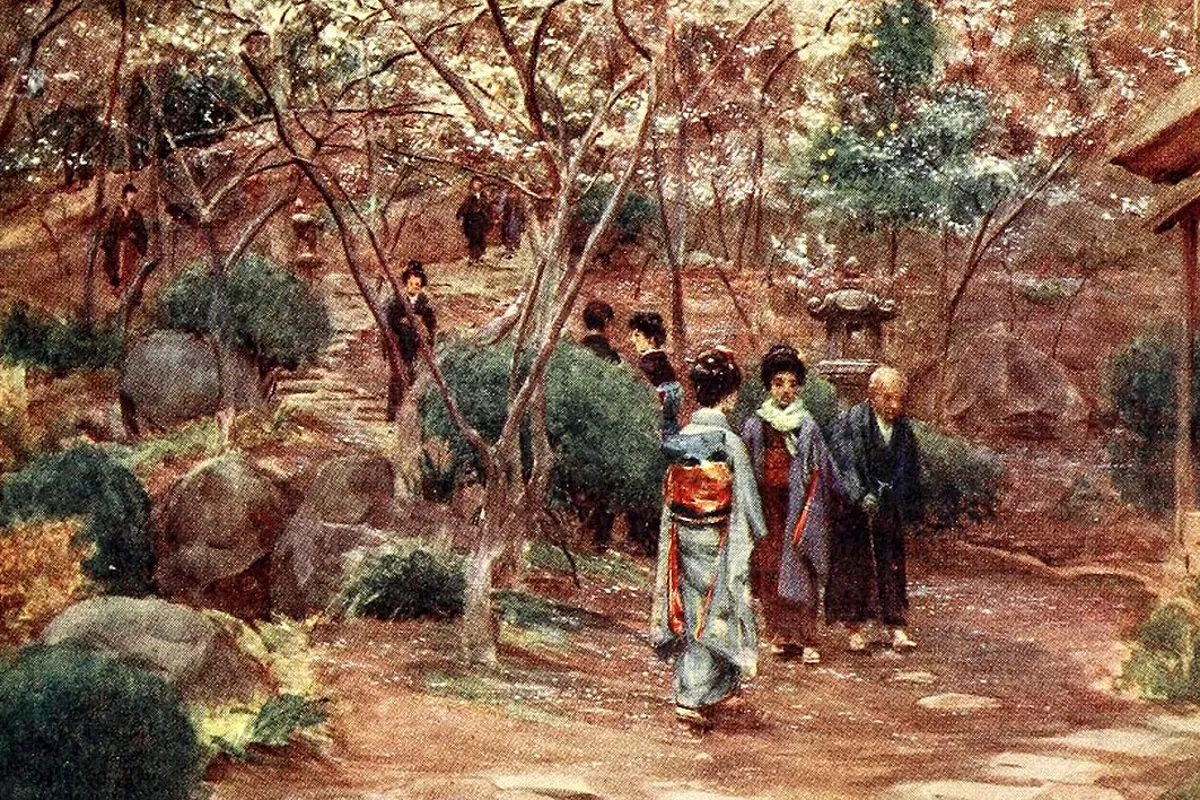
Atami, Shizuoka: the earliest
Around 460 trees above the city, one of the earliest-blooming plum gardens in Japan.
Around 460 trees above the city, one of the earliest-blooming plum gardens in Japan.
- Peak: as early as mid-February in warm years
Where to go in Japan in February
Your ideal February trip depends on when you're going and what you're after. Answer two questions.
Your match
Sapporo Snow Festival
The festival runs approximately Feb 4–11 (confirm 2027 dates on the official site). Book accommodation three to four months ahead: Sapporo sells out faster for this week than any other event in Japan. Add Otaru as a day trip, 40 minutes away by JR.
Festival visitors in early February
Your match
Hokkaido powder skiing
January and early February are peak powder. Niseko offers English services and consistent deep snow. Furano is quieter with comparable quality. Kiroro is the local favourite with minimal lift queues.
Skiers and snowboarders in early February
Your match
Atami: Japan's earliest plum
Atami plum garden can peak as early as mid-February, the earliest major ume destination in Japan, with around 460 trees above the city. A good choice if you're based in Tokyo and want plum blossoms before late February.
Plum blossom seekers in early February
Your match
Tokyo quiet winter
Early February is Tokyo's calmest stretch: 3–9°C, manageable crowds, and Yushima's plum trees just starting to open. Hotel rates are at winter lows, well before spring pricing arrives.
Budget and crowd-avoiders in early February
Your match
Late February plum circuit
Dazaifu Tenmangu near Fukuoka holds around 6,000 plum trees and typically peaks late February and is Japan's top ume site. Kyoto's Kitano Tenmangu shrine runs a plum tea ceremony on February 25. Tokyo's Yushima ume garden peaks in the same window.
Plum blossom seekers in late February
Your match
Late-season skiing: Nozawa Onsen or Furano
Powder stays excellent through February 28. Nozawa Onsen in Nagano is quieter mid-February after the January 15 fire festival crowds; the free soto-yu village baths are genuinely accessible. Furano is less international than Niseko with good late-season conditions.
Skiers in late February
Your match
Post-festival Sapporo or shoulder-season anywhere
After February 11, Sapporo hotel prices drop and the city is calm. Late February is Japan's best-value stretch: winter rates through February 28, few tourists, and plum blossoms opening across the south.
Quiet travel or late festival trips in late February
Your match
Full month: Hokkaido then south
The ideal February trip covers both acts: Hokkaido for skiing and the Snow Festival in early February (Feb 1–14), then travel south as the month turns for plum blossoms and milder weather in late February (Feb 15–28). Hotel rates stay at winter lows through the entire month.
Full month or flexible travelers
Three bases cover the month: Hokkaido and Tohoku for winter, the southern cities for pre-spring.
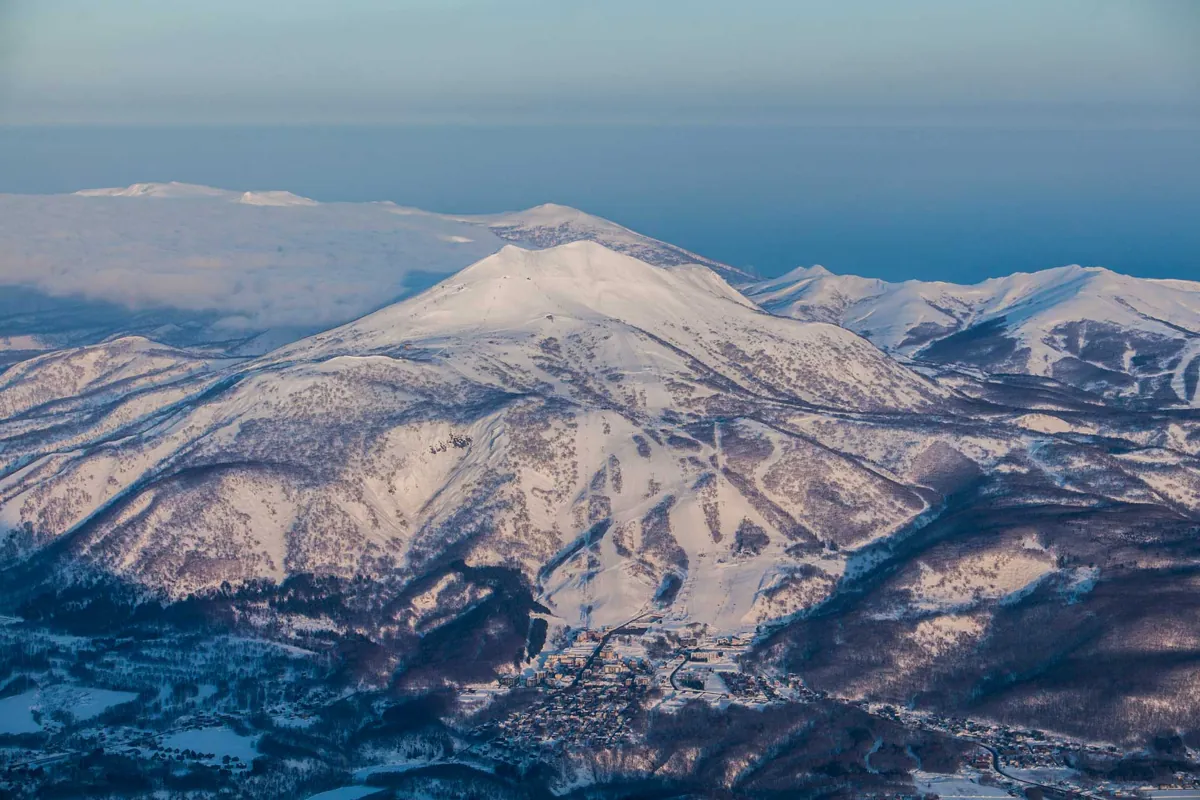 Photo: Alisterio1010, CC BY-SA 4.0
Early February: Sapporo and Hokkaido
The natural base for the Snow Festival, day trips to Otaru and the Hokkaido ski resorts.
The natural base for the Snow Festival, day trips to Otaru and the Hokkaido ski resorts.
- Sapporo: city skiing at Sapporo Teine, 40 minutes away
- Furano and Niseko work as multi-day ski trips from Sapporo
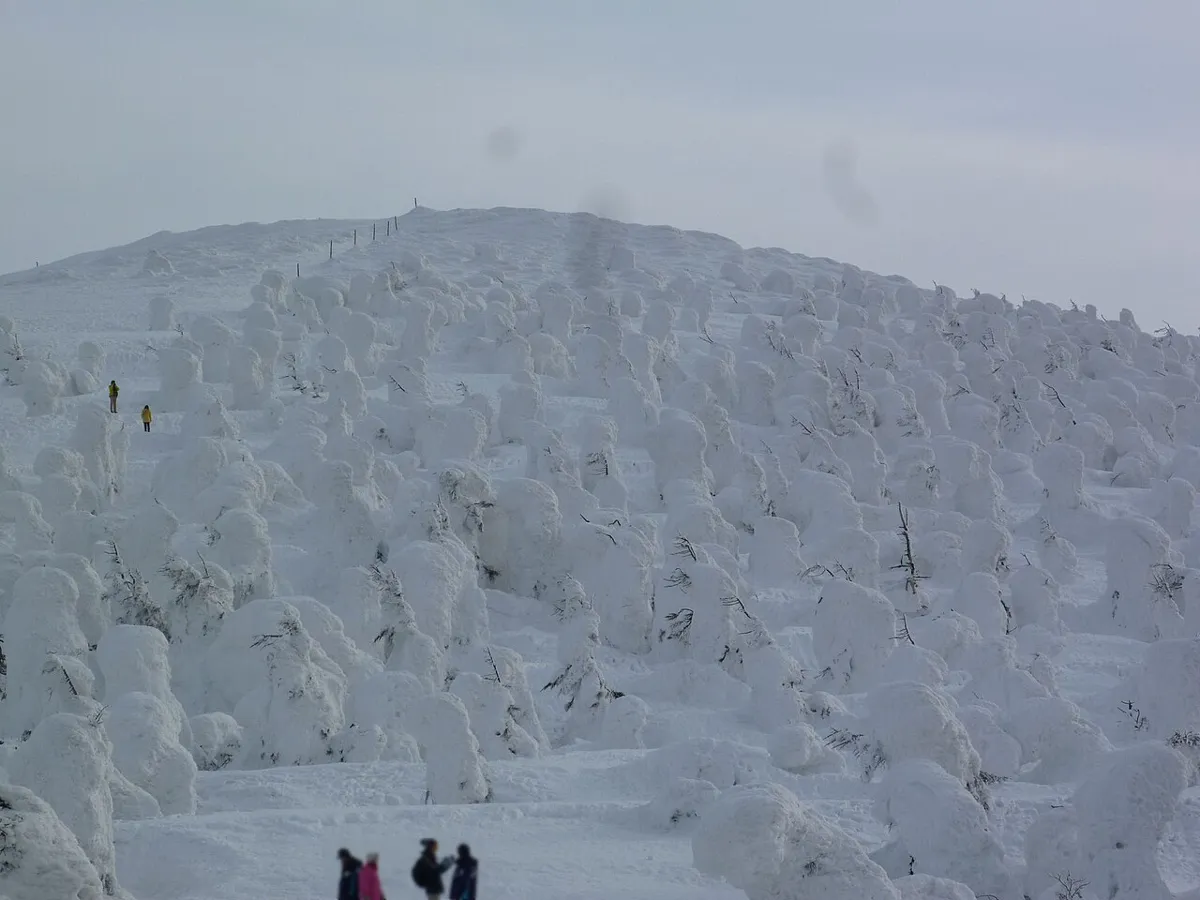 Photo: Suz-b, CC BY-SA 3.0
Early February: Zao and Tohoku onsen
Tohoku is the quietest winter option. Zao's snow monsters (juhyo), trees encased in ice and snow, peak from mid-January through early February.
Tohoku is the quietest winter option. Zao's snow monsters (juhyo), trees encased in ice and snow, peak from mid-January through early February.
- Check the Zao onsen ski resort webcams before you go
- Anywhere in Japan, February is the month for ryokan and onsen: rotenburo in sub-zero air
Late February: Fukuoka, Kyoto, Tokyo
Pre-spring: plum blossoms, winter hotel rates and hardly any international visitors.
Pre-spring: plum blossoms, winter hotel rates and hardly any international visitors.
- Fukuoka: the warmest major city (5–11°C), closest to peak plum
- Kyoto: Kitano's plum grove peaks around February 25; temples as empty as they get before the sakura crowds
- Tokyo: 7–12°C walking weather, plum viewing at Yushima and Shinjuku
February vs. March: which is better?
| February | March | |
|---|---|---|
| Cherry blossoms | None (except late-Feb Kyushu in warm years) | Begin mid-March in Kyushu; Tokyo late March |
| Plum blossoms | Peak late February nationwide | Winding down; overlap with early sakura in south |
| Accommodation prices | Winter low through Feb 28 (except Sapporo festival week) | Spring premium from mid-March onwards |
| Foreign tourist numbers | Very low, especially late February | Rising sharply from mid-March; Golden Week crowds begin forming |
| Skiing | Peak powder early February; good through Feb 28 | Spring skiing conditions from mid-March; crowds increase |
| Temperature | Cold (3–9°C in Tokyo), but manageable | Warming (8–15°C by end of March); pleasant |
The decision rule:
- Coming for the Snow Festival or skiing? February is the only choice.
- Cherry blossoms are the main goal? March or early April.
- Want low prices and first blossoms before the crowds? The February 20 to March 5 window gives plum blossoms fading into the very first sakura in Kyushu while hotel rates are still at winter levels.
See also: Japan cherry blossom season guide and the Japan in January guide.
Tips and common mistakes
- Book Sapporo three to four months ahead. Snow Festival week fills faster than any other event in Japan. The rest of February is easy to book last-minute.
- The pre-festival window (Jan 25 to Feb 3) is the real insider tip. The sculptures are built, the park is free, and the crowds have not arrived. Late January Hokkaido ski conditions are also at peak.
- Plum blossom timing is weather-dependent, not calendar-fixed. Japan's meteorological authority publishes a plum forecast from late January; the window can shift by ten to fourteen days depending on the year.
- Layer for sharp indoor-outdoor temperature differences. Hokkaido streets at −5°C and a heated Sapporo department store at 22°C are on the same trip. Dress in removable layers.
- Zao snow monsters peak mid-January to early February. Book Zao for the juhyo before mid-February, and check webcams first: conditions vary week to week.
- Nozawa Onsen in mid-February is quieter than January. The Dosojin fire festival draws visitors on January 15; by mid-February the village is calm, the powder is still excellent, and the free soto-yu baths are genuinely accessible.
FAQ
Is February a good time to visit Japan?
Yes, for the right kind of trip. February is Japan's quietest month for international visitors: hotel rates are low (except Sapporo during Snow Festival week), crowds are thin, and the cultural calendar is stronger than most guides suggest.
The trade-off is cold weather: 3–9°C in central Japan, much colder in Hokkaido. For skiers, Snow Festival visitors, and plum blossom travellers, February is one of Japan's best months. See also: best time to visit Japan.
How cold is Japan in February?
It depends on where you go. Tokyo and Osaka sit around 3–9°C: cold, but manageable with proper winter clothing. Kyoto is similar, occasionally dipping to 2°C at night.
Sapporo and Hokkaido are genuine winter conditions: −9 to −3°C with heavy snowfall requiring full winter gear. Fukuoka is the mildest major city at 5–11°C. Okinawa stays warm at 16–20°C, though it is too cool for beach swimming.
When is the Sapporo Snow Festival in 2027?
The Sapporo Snow Festival typically runs in early February, approximately February 4–11. The 2027 exact dates will be confirmed on the official Sapporo Snow Festival website (snowfes.com) in autumn 2026. Book accommodation as soon as dates are confirmed: Sapporo hotels sell out for this week faster than any other event in Japan. If you cannot secure accommodation during the official festival, the pre-construction window (approximately January 25 to February 3) offers the same sculptures in an uncrowded setting.
What is Setsubun?
Setsubun falls on February 3 and marks the eve of the traditional spring in the Japanese lunar calendar. The main ritual is mamemaki: families throw roasted soybeans while shouting "Oni wa soto, fuku wa uchi" (demons out, fortune in).
At major temples and shrines, celebrities and sumo wrestlers perform public bean-throwing ceremonies attended by large crowds. Supermarkets sell ehomaki sushi rolls on the day: eaten uncut, in one direction, in silence, for good luck. It is a free, entirely accessible cultural event at any temple or shrine.
Can you see plum blossoms in February?
Yes, late February is peak plum season across most of Japan. Dazaifu Tenmangu shrine near Fukuoka is typically at peak late February; Kyoto and Tokyo peak in the last week of February through the first week of March. Atami in Shizuoka can bloom as early as mid-February. Plum blossoms precede cherry blossoms by four to six weeks and draw far smaller crowds, with no spring pricing premium on accommodation.
Is Hokkaido worth visiting in February if I'm not skiing?
Yes, for the Snow Festival alone. Sapporo hosts one of Asia's largest winter festivals, and the Otaru canal winter festival adds a different but complementary experience 40 minutes away. The Asahikawa winter festival runs simultaneously, 90 minutes from Sapporo by train.
Non-skiers can also enjoy Sapporo's city life: the Tanuki-koji covered arcade, the night market in Susukino, and the city's ramen scene are all winter-appropriate. Day trips to the Noboribetsu onsen resort are popular from Sapporo without requiring ski gear.
How does February compare to March for visiting Japan?
February is cheaper, quieter, and has plum blossoms. March has cherry blossoms in the south from mid-month and across central Japan by late March, but also sharp price increases and rising crowds.
If cherry blossoms are your main reason to visit, March is the correct choice, though late February in Kyushu sometimes gets the first sakura in warm years. If you want the best hotel rates, thin crowds, and don't need cherry blossoms, the last two weeks of February are the optimal window. See the cherry blossom guide for the full picture.
What should I pack for Japan in February?
For Tokyo, Kyoto, and Osaka: a winter coat, thermal underlayers (Japanese "heat-tech" from Uniqlo is sold everywhere and worth buying on arrival), and waterproof shoes or boots. For Hokkaido: full winter gear rated to at least −10°C, waterproof ski trousers if skiing, insulated boots, hand warmers, and a hat that covers your ears. For all regions: a small day bag for layers, since Japanese indoor heating is aggressive: you remove your coat immediately upon entering any shopping centre, restaurant, or station building.