
The honest answer to the best time to visit Japan isn't "spring or autumn". It's a trade-off between crowds, cost, weather, and what you actually want to see. This guide breaks the year down month by month, names the exact dates to avoid, and tells you where to go instead when the famous spots are full.
Japan's seasons at a glance
Crowd and cost scored 1 (quiet) to 5 (peak); pick your trade-off.
January
CrowdQuiet
WeatherCold, dry, clear
February
CrowdQuiet
WeatherColdest, snowy north
March
CrowdModerate
WeatherCool, warming
April
CrowdPeak
WeatherMild, pleasant
May
CrowdBusy
WeatherWarm, comfortable
June
CrowdQuiet
WeatherRainy, humid
July
CrowdModerate
WeatherHot, humid
August
CrowdBusy
WeatherHottest, humid
September
CrowdQuiet
WeatherWarm, typhoon risk
October
CrowdModerate
WeatherMild, clear
November
CrowdPeak
WeatherCrisp, dry
December
CrowdQuiet
WeatherCold, dry
Use this table to find your window fast, then read the month that fits. Crowd and cost are scored 1 (quiet/cheap) to 5 (peak).
| Month | Season | Crowds | Cost | Weather | Why go |
|---|---|---|---|---|---|
| January | Winter | 2 | 2 | Cold, dry, clear | Cheapest flights, snow, no queues |
| February | Winter | 2 | 2 | Coldest, snowy north | Snow festivals, powder, plum blossoms |
| March | Spring | 3→5 | 3→5 | Cool, warming | Early sakura, rising buzz |
| April | Spring | 5 | 5 | Mild, pleasant | Peak cherry blossoms (and peak crowds) |
| May | Spring | 5→2 | 5→2 | Warm, comfortable | Golden Week, then a glorious quiet window |
| June | Summer | 2 | 2 | Rainy, humid | Lowest crowds, hydrangeas, lush green |
| July | Summer | 3 | 3 | Hot, humid | Festivals, Hokkaido escape, the sea |
| August | Summer | 4 | 4 | Hottest, humid | Fireworks and festivals (but Obon travel) |
| September | Autumn | 2 | 2 | Warm, typhoon risk | Calm, cheaper, early northern colour |
| October | Autumn | 3 | 3 | Mild, clear | Best all-round weather, autumn begins |
| November | Autumn | 4→5 | 4 | Crisp, dry | Peak autumn leaves in Kyoto and Nara |
| December | Winter | 2 | 3 | Cold, dry | Illuminations, temples without tourists |
Spring: March to May
Late February to mid-March: the underrated window
Plum blossoms open before the cherries and draw almost no one. Days are cool but bright, prices are still in winter territory, and you can stand in front of a famous temple gate without a crowd. If you want spring colour without spring chaos, this is the smart traveller's secret.
Late March to early April: peak sakura
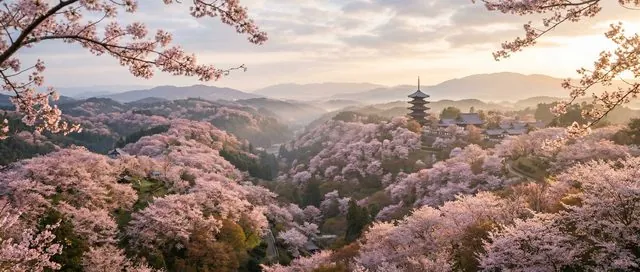
This is the most beautiful, and most crowded, time to be in Japan. Cherry blossom peak in Tokyo and Kyoto usually lands in the last days of March and the first week of April, but it shifts a week either way each year. Watch the bloom forecast from late February and book flexible accommodation. Expect prices 20–40% above baseline and headline spots shoulder-to-shoulder. For the full regional bloom calendar and where to escape the worst of it, see our cherry blossom season guide.
Consider this instead: if your dates are fixed in peak week, skip Kyoto's most famous paths and head north. The blossom front reaches Tohoku a week or two later, with a fraction of the crowds.
Late April to early May: Golden Week (avoid)
Golden Week is a cluster of national holidays and the single busiest domestic travel period of the year. In 2026 it runs from Wednesday 29 April, with a continuous holiday block from 2 to 6 May (6 May is a substitute holiday). Bullet trains sell out weeks ahead, hotel prices spike 30–50%, and major sights are packed with domestic tourists. Unless you're already locked in, plan around it, and read our Golden Week survival guide if you can't.
Consider this instead: rural Japan absorbs the crowd far better than the cities. Trade Tokyo and Kyoto for the mountains and coast of Tohoku or the quieter corners of Chugoku.
Mid-to-late May: one of the best windows all year
When Golden Week is over, Japan exhales. Late May has warm, dry, comfortable weather, deep green landscapes, and crowds that have melted away, yet prices drop back to normal. If someone asks us for a single underrated time to visit, this is often the answer.
Summer: June to August
June: rainy season, and quietly wonderful
Most of Japan enters tsuyu, the rainy season, in early June. Yes, it rains, but rarely all day, and the pay-off is real: the lowest tourist numbers of the year, hydrangea-covered temple gardens, vivid green rice terraces, and noticeably lower prices. Pack a compact umbrella and quick-dry layers and you'll have famous places nearly to yourself. (Hokkaido skips tsuyu almost entirely; see the regional section.)
July and August: hot, humid, and full of festivals
High summer is genuinely hot and sticky across most of the country, with temperatures regularly in the low-to-mid 30s°C. It's also matsuri season: Japan's biggest festivals light up July and August. The catch is Obon, the mid-August ancestral holiday (around 13–15 August), when millions travel home and transport and lodging surge. For the festival calendar, see our Japanese festivals guide.
Consider this instead: beat the heat by going north. Hokkaido averages a pleasant ~20°C in summer, with lavender fields and no tsuyu.
Autumn: September to November
September: calm after the heat
Early September is still warm and carries some typhoon risk, so watch forecasts if you're island-hopping. But crowds are thin, flights are cheaper, and by late month the first autumn colour appears in the far north. A good-value shoulder month for travellers who can stay flexible.
October: the best all-round weather
If you want the safest bet for comfortable, clear days, October is hard to beat. Autumn colour peaks in Hokkaido early in the month and works its way south. The mountains are at their finest, humidity is gone, and the summer crowds haven't yet been replaced by the November leaf-peepers.
Early to mid-November: peak autumn leaves
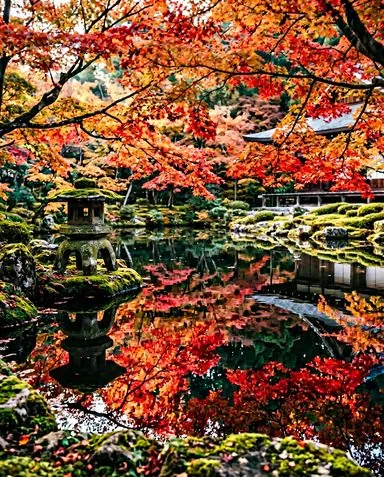
Koyo, the autumn foliage, peaks in Kyoto, Nara and Hiroshima in the first half of November, and it is spectacular. It's also the second great crowd surge of the year. Our advice is simple: visit on weekdays. Weekends at famous maple spots mean queues and gridlock; a Tuesday morning is a different experience entirely. The full regional timing is in our autumn leaves guide.
Consider this instead: at the headline temples, go at opening time on a weekday, or push your trip to late November, when the crowds thin fast and the last colour lingers.
Late November: the quiet tail
As December nears, prices fall and the leaf-peepers go home, yet many gardens still hold colour. A genuinely lovely, lower-stress time to travel.
Winter: December to February
December: illuminations and empty temples
Outside the cherry-blossom and autumn windows, Kyoto and Nara are blissfully uncrowded. December adds winter illuminations in cities nationwide, crisp clear skies, and lower demand right up until the New Year holiday (when domestic travel briefly spikes around 29 December–3 January).
January and February: cheapest, coldest, snowiest
These are the lowest-cost months to fly and the best for snow. The powder in the northern mountains is world-class, plum blossoms begin in February, and famous markets and sights are mercifully quiet. The headline winter event is the Sapporo Snow Festival, running 4–11 February in 2026. For snow destinations and timing, see our snow in Japan guide.
Events to plan around (or avoid)
| Event | Dates (2026) | Impact | Verdict |
|---|---|---|---|
| New Year (Shogatsu) | ~29 Dec – 3 Jan | Many businesses close; domestic travel spikes | Atmospheric but plan around closures |
| Sapporo Snow Festival | 4–11 Feb | Sapporo books out | Go, but reserve early |
| Cherry blossom peak | Late Mar – early Apr | Highest prices, biggest crowds | Worth it with realistic expectations |
| Golden Week | 29 Apr; 2–6 May | Transport sells out, prices +30–50% | Avoid if you can |
| Obon | ~13–15 Aug | Domestic travel surge | Avoid long-distance travel these days |
| Autumn foliage | Early–mid Nov | Weekend gridlock at maple spots | Go on weekdays |
Best time to visit by region
Japan stretches 3,000 km from north to south, so "the best time" depends heavily on where you're headed.
- Hokkaido: July for lavender and cool, dry weather; February for snow festivals and powder. It skips the June rainy season entirely.
- Tohoku: late April for cherry blossoms after the south has finished; late October for early, crowd-free autumn colour.
- Tokyo and Kanto: late March for sakura, November for foliage, and December for clear skies and illuminations.
- Kansai (Kyoto, Osaka, Nara): the cultural heartland is glorious but crowd-sensitive. Favour mid-March, mid-May, or weekday mornings in November.
- Hiroshima and Chugoku: spring and autumn are ideal; the region is milder and less crowded than Kansai year-round.
- Kyushu: the warmest main island, pleasant from March and a good winter choice when the north is frozen.
- Okinawa: October and November are the sweet spot: warm seas, post-typhoon calm, and off-peak prices. Avoid the May–June island rainy season.
- The Japanese Alps: high-mountain areas are summer-and-autumn only; many alpine routes close from mid-November to mid-to-late April under deep snow.
Practical planning tips
- Book early for the peaks. For cherry-blossom and autumn-foliage travel, lock in accommodation 5–6 months ahead; off-peak, 1–2 months is usually fine.
- Budget by season. The same trip can cost 30–50% more in peak weeks. See our Japan travel budget guide before you fix dates.
- Match your rail strategy to your route. If you're hopping between regions in one season, check whether a rail pass pays off in our JR Pass guide.
- Watch the forecasts. Cherry blossom and autumn timing move every year; start checking bloom and foliage forecasts a few weeks out and stay flexible.
- Mind the blackout dates. Golden Week, Obon and New Year aren't just busy; they're expensive and pre-sold. Treat them as hard constraints.
FAQ
What is the single best month to visit Japan?
For most travellers, late October to early November offers the best balance: comfortable weather, autumn colour, and crowds that are manageable on weekdays. Late March (just before peak sakura) and mid-to-late May are close runners-up.
When is the cheapest time to visit Japan?
January and February have the lowest flight prices and quietest sights, followed by June's rainy season. Avoid Golden Week, Obon and New Year, when prices spike sharply.
What months should I avoid?
Not whole months, but specific blocks: Golden Week (29 April and 2–6 May in 2026), Obon (around 13–15 August), and New Year (late December to early January). Travel and lodging surge and prices climb during all three.
Is June a bad time to visit because of the rain?
No, it's underrated. Rain rarely lasts all day, crowds are the lowest of the year, hydrangeas are in bloom, and prices drop. Bring an umbrella and you'll enjoy famous places with room to breathe. Hokkaido skips the rainy season altogether.
When do the cherry blossoms bloom?
Typically late March to early April in Tokyo and Kyoto, earlier in the warm south and later in the north. The exact peak shifts about a week each year, so follow the bloom forecast. See our cherry blossom season guide for the regional calendar.
When is the best time to see autumn leaves?
Early to mid-November in Kyoto, Nara and Hiroshima; early October in Hokkaido and the high mountains. Visit on weekdays to avoid the worst crowds.