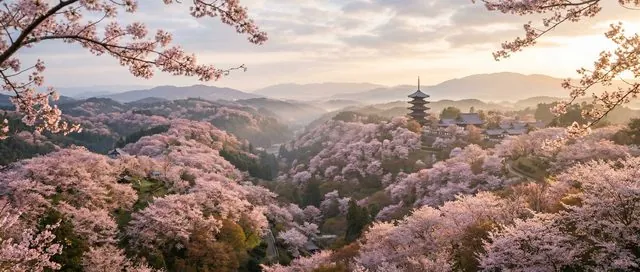
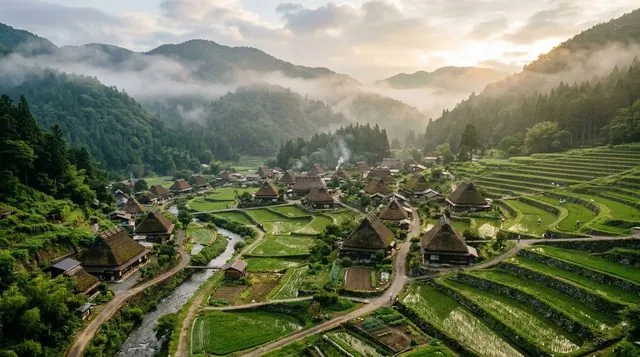
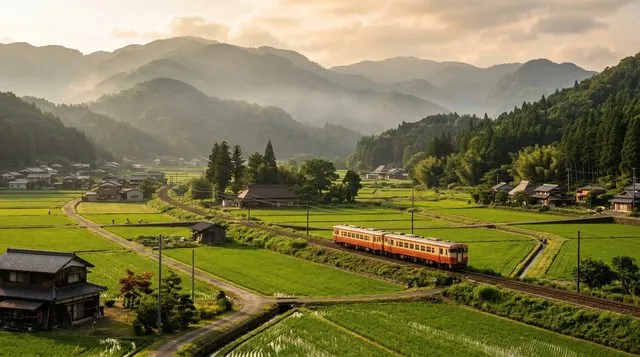
Hiroshima Prefecture is far more than its peace-memorial capital. The city of Hiroshima City anchors the western half with the Hiroshima Peace Memorial Park and a short ferry ride to Miyajima with its UNESCO-listed Itsukushima Shrine. Eastward, the hillside temple town of Onomichi opens onto the cycling islands of the Shimanami Kaidō; Fukuyama guards the eastern gateway with its castle and the Edo-era port of Tomonoura nearby; Takehara preserves a salt-merchant district almost untouched since the 18th century. Inland, the Sandankyo Gorge hides Japan's deepest canyon foliage and the lesser-known island of Osaki-Kamijima sits quietly in the Seto Inland Sea.
Cities & Towns
Five urban anchors stretching from west to east across the prefecture.
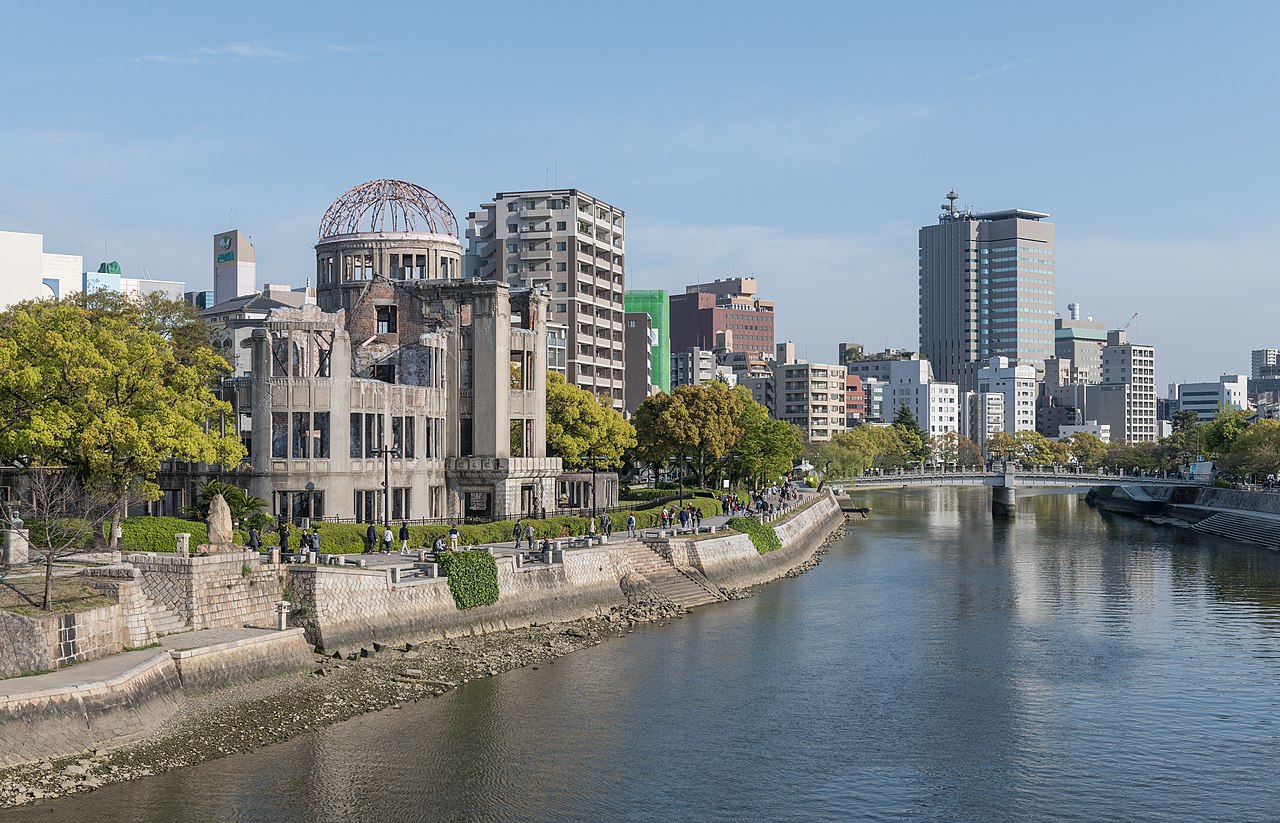
Hiroshima City
The peace-memorial capital: Genbaku Dome, the Memorial Park, and the trams that have rolled through since the 1940s
Peace memorial capital
- Peace Memorial Park
- Hiroshima Castle
- Shukkeien Garden
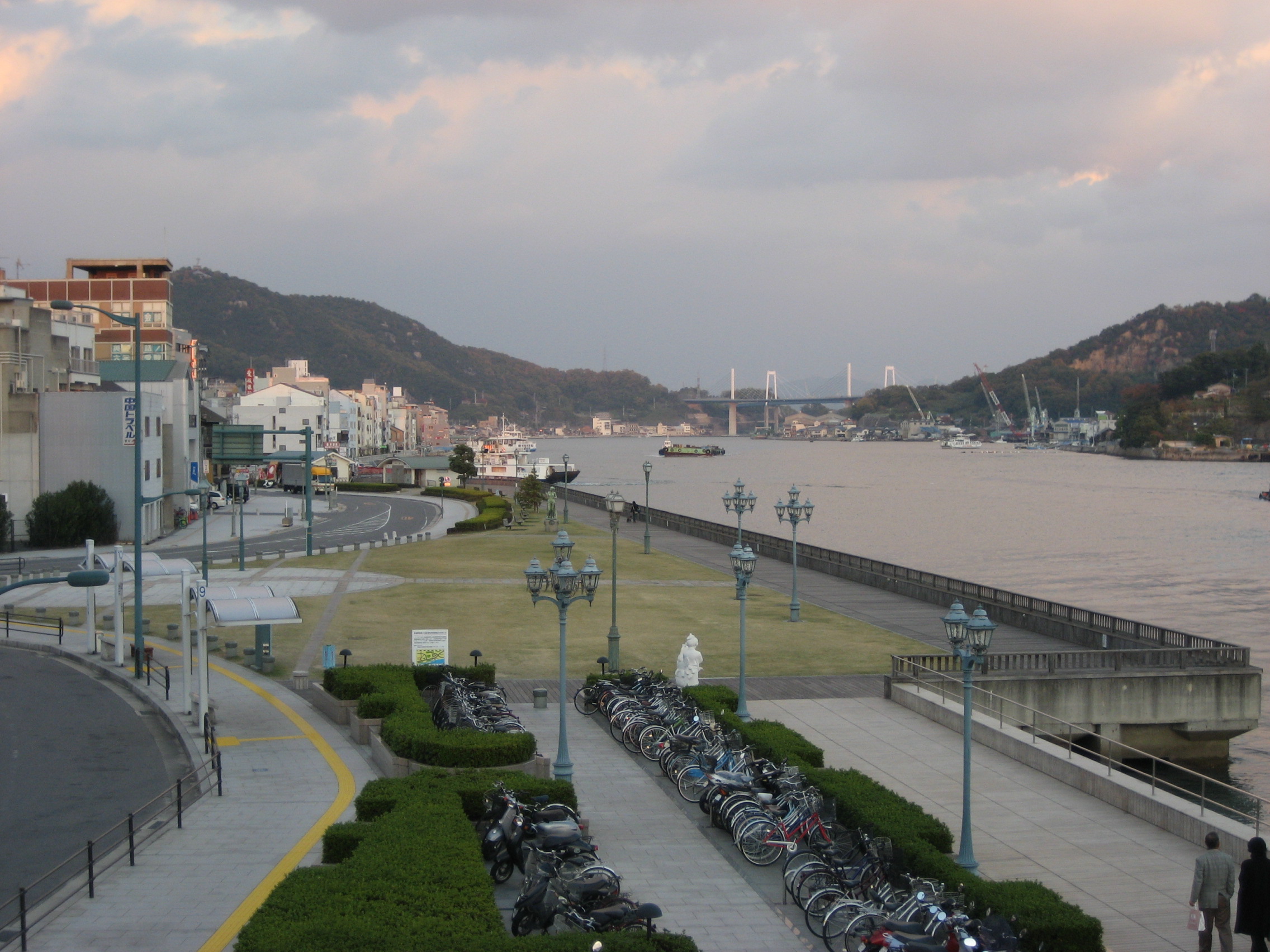
Onomichi
Hillside temple town, indie cafés, and the gateway to the Shimanami Kaidō cycling route across the Seto Inland Sea
Temple hill and cycling
- 25 hillside temples
- ONOMICHI U2 cycle hub
- Shimanami Kaidō start
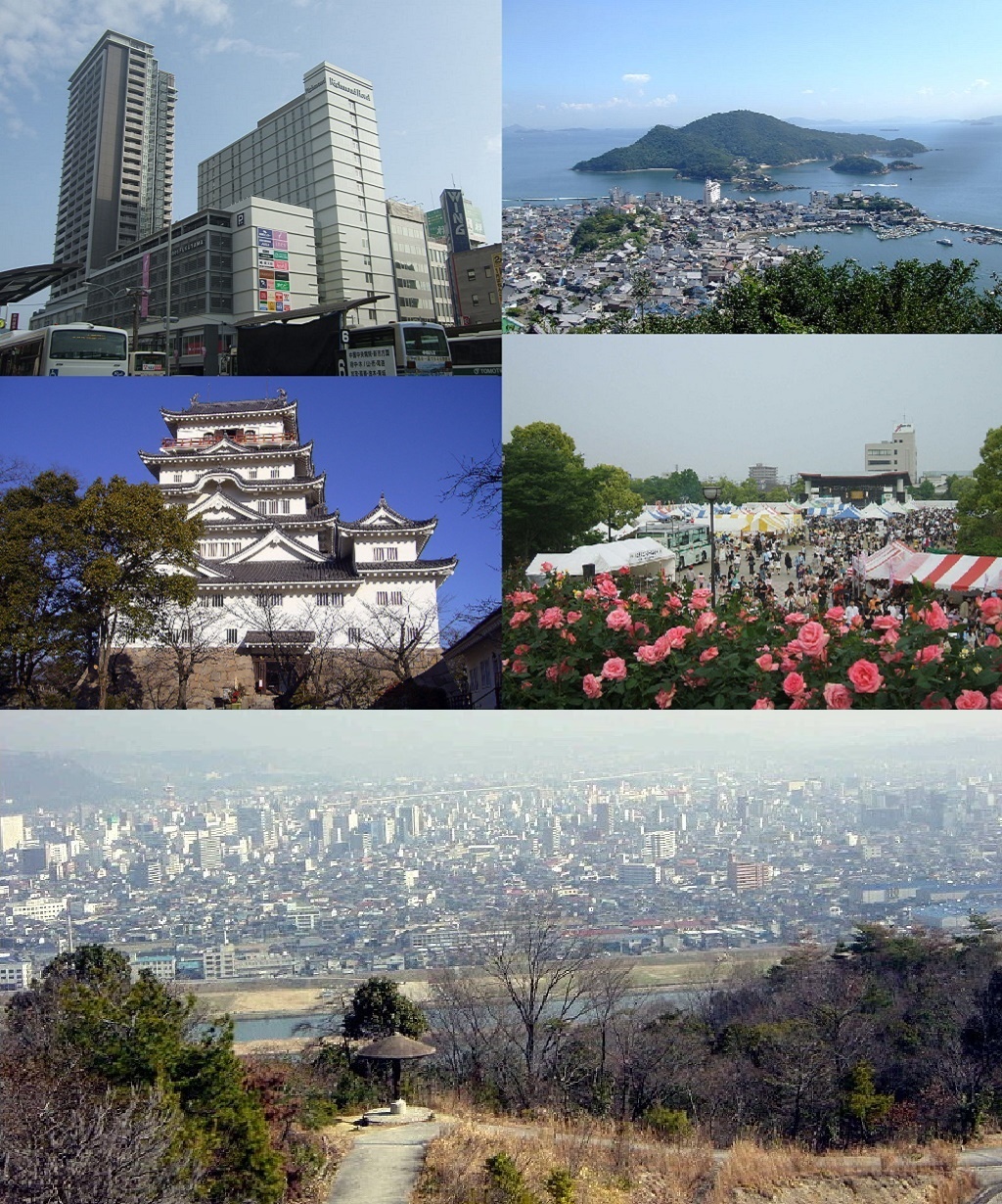
Fukuyama
Eastern gateway with a reconstructed castle next to the shinkansen station and the Edo port of Tomonoura just 30 minutes south
Castle and port gateway
- Fukuyama Castle
- Tomonoura nearby
- Bingo Kasuri textiles
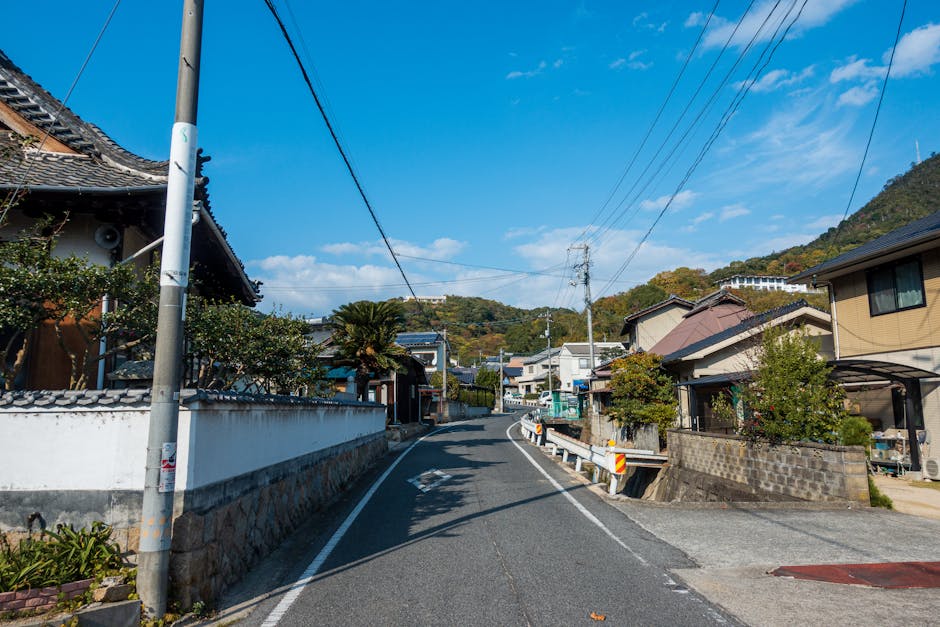
Takehara
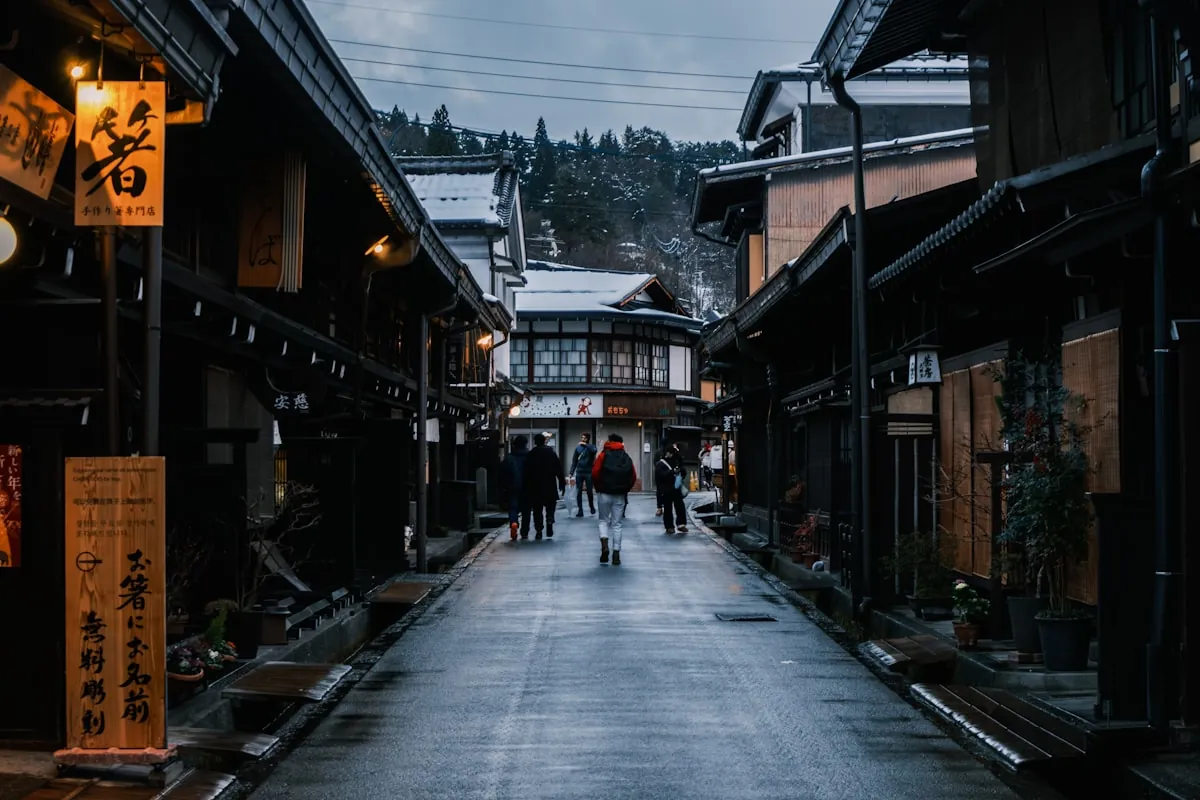
An immaculately preserved Edo-era salt-merchant town: wooden lattice houses, sake breweries, and a Studio Ghibli-feel main street
Edo salt-merchant town
- Preserved Edo streets
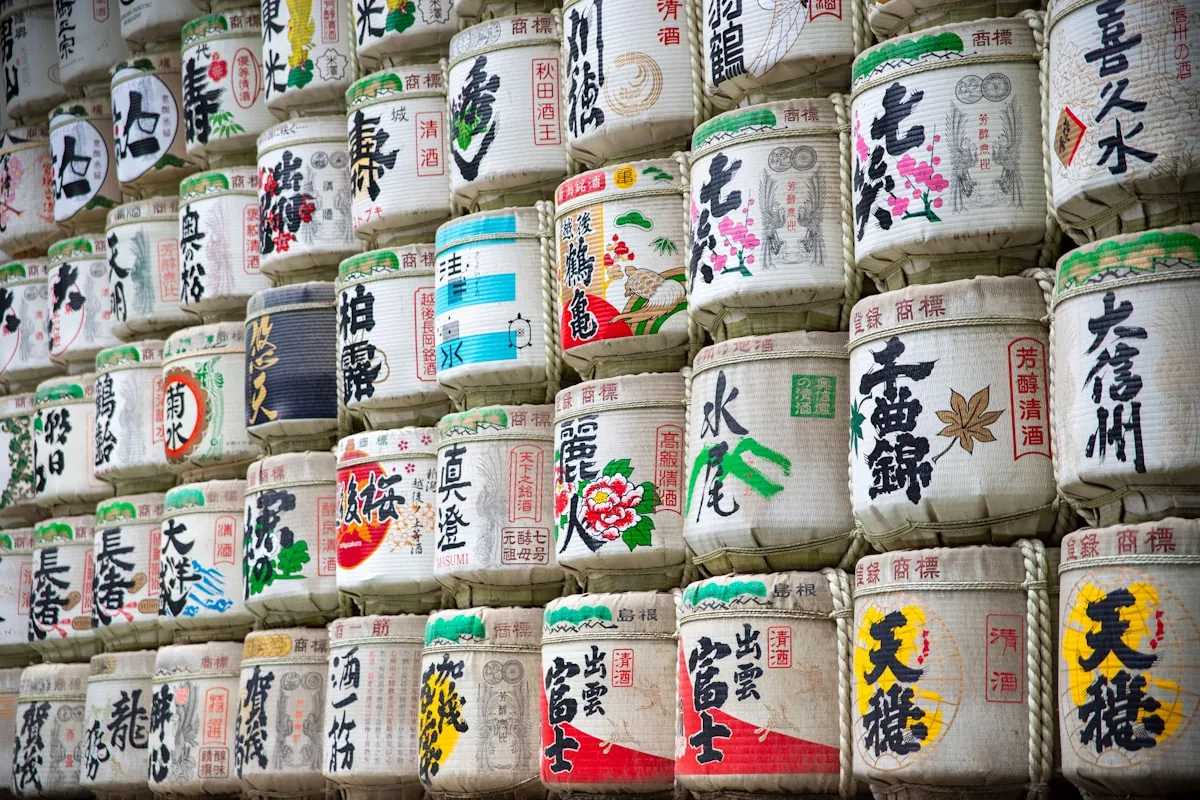
- Sake breweries
- Bamboo grove park
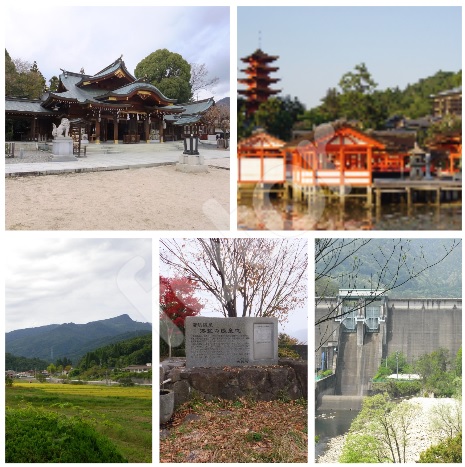
Hatsukaichi
Western gateway and the ferry port for Miyajima; an anchor for the JR Sanyo line and a quiet alternative to Hiroshima City for an overnight
Miyajima ferry gateway
- Miyajima ferry
- Itsukushima coast
- Easy Hiroshima access
Top Attractions
The headline draws across coast and inland.
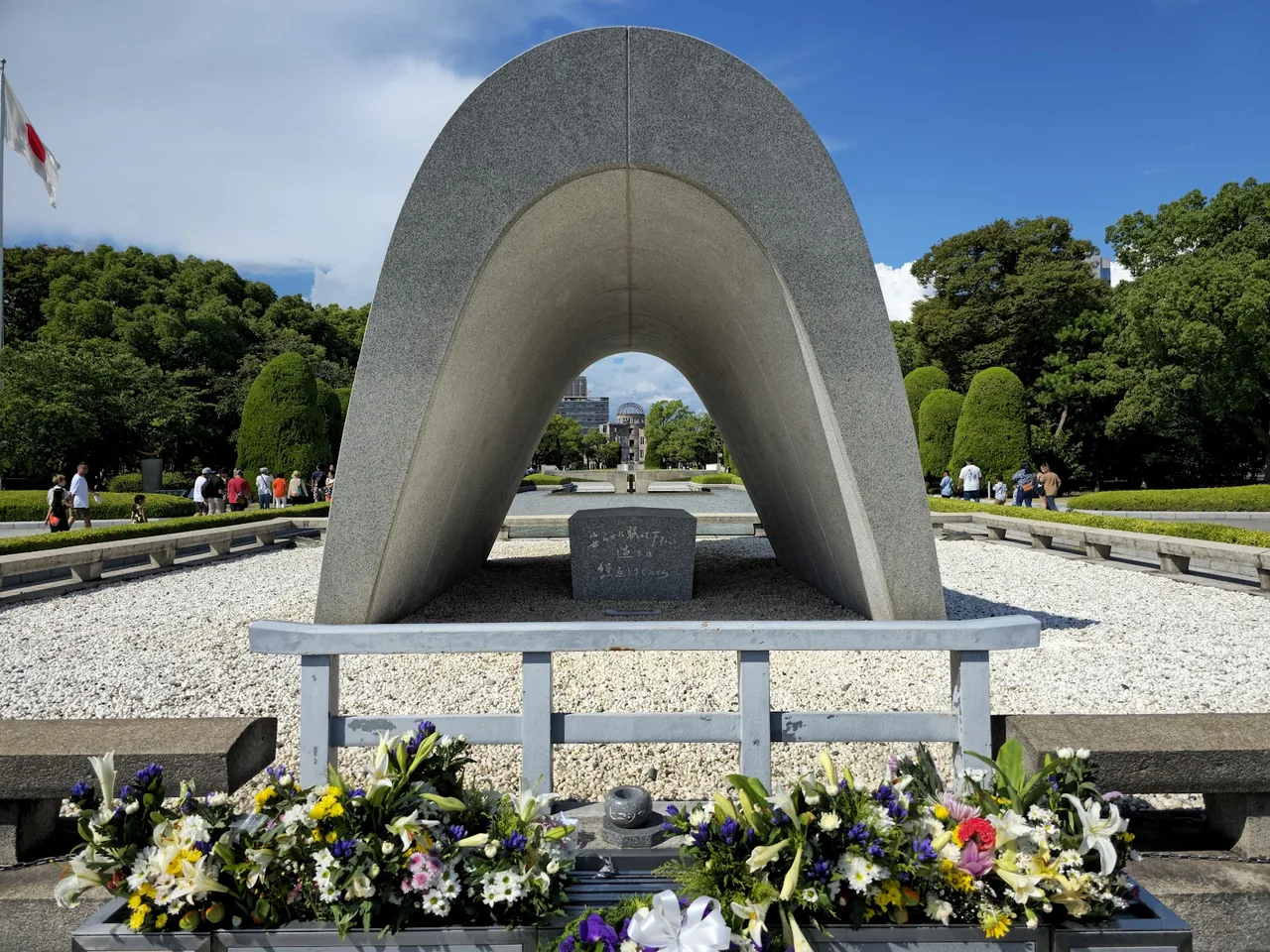
The riverside complex marking the 1945 atomic bombing: Genbaku Dome, the Cenotaph, the Children's Peace Monument, and the museum
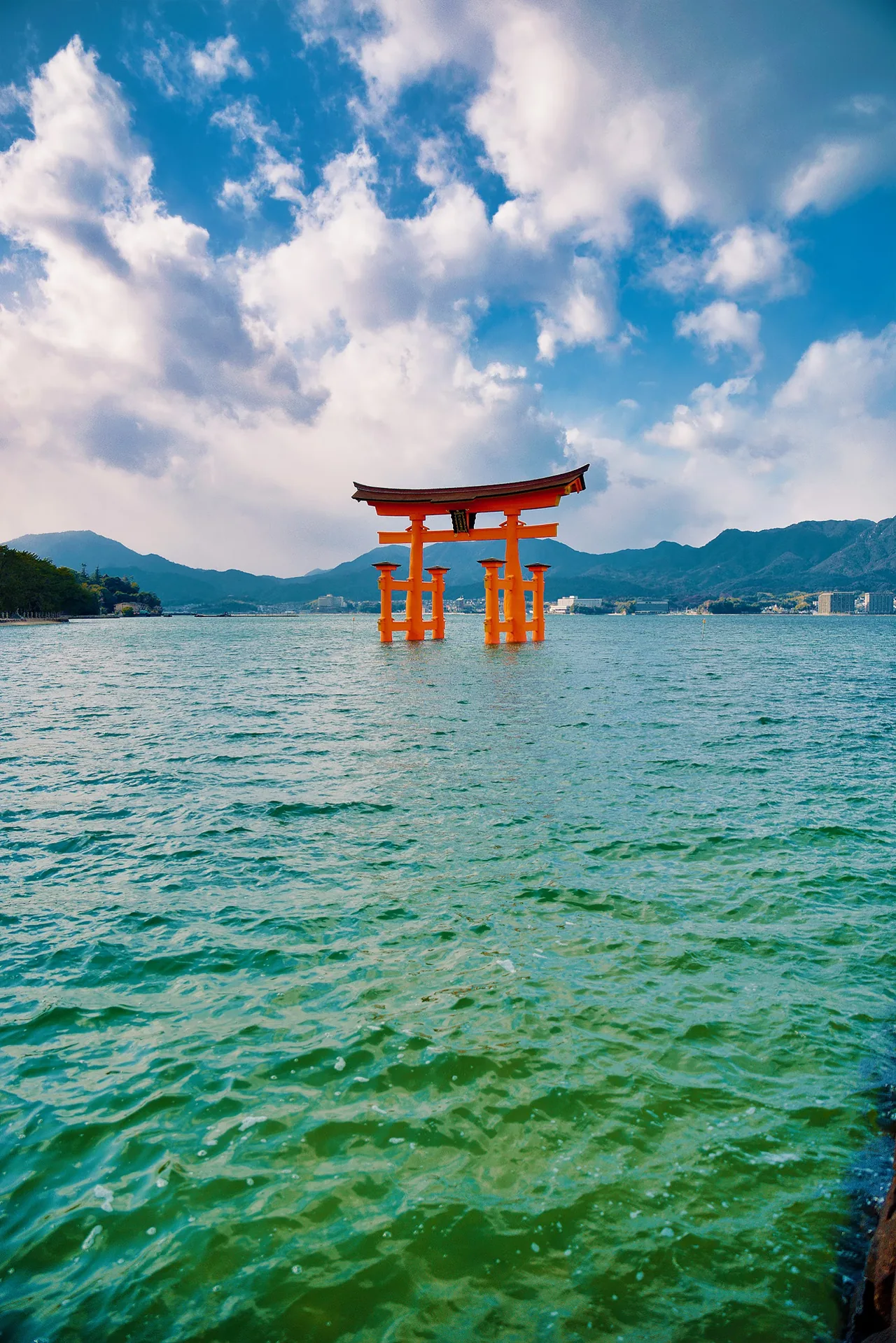
Miyajima's floating torii. At high tide the vermillion gate appears to drift on the Seto Inland Sea
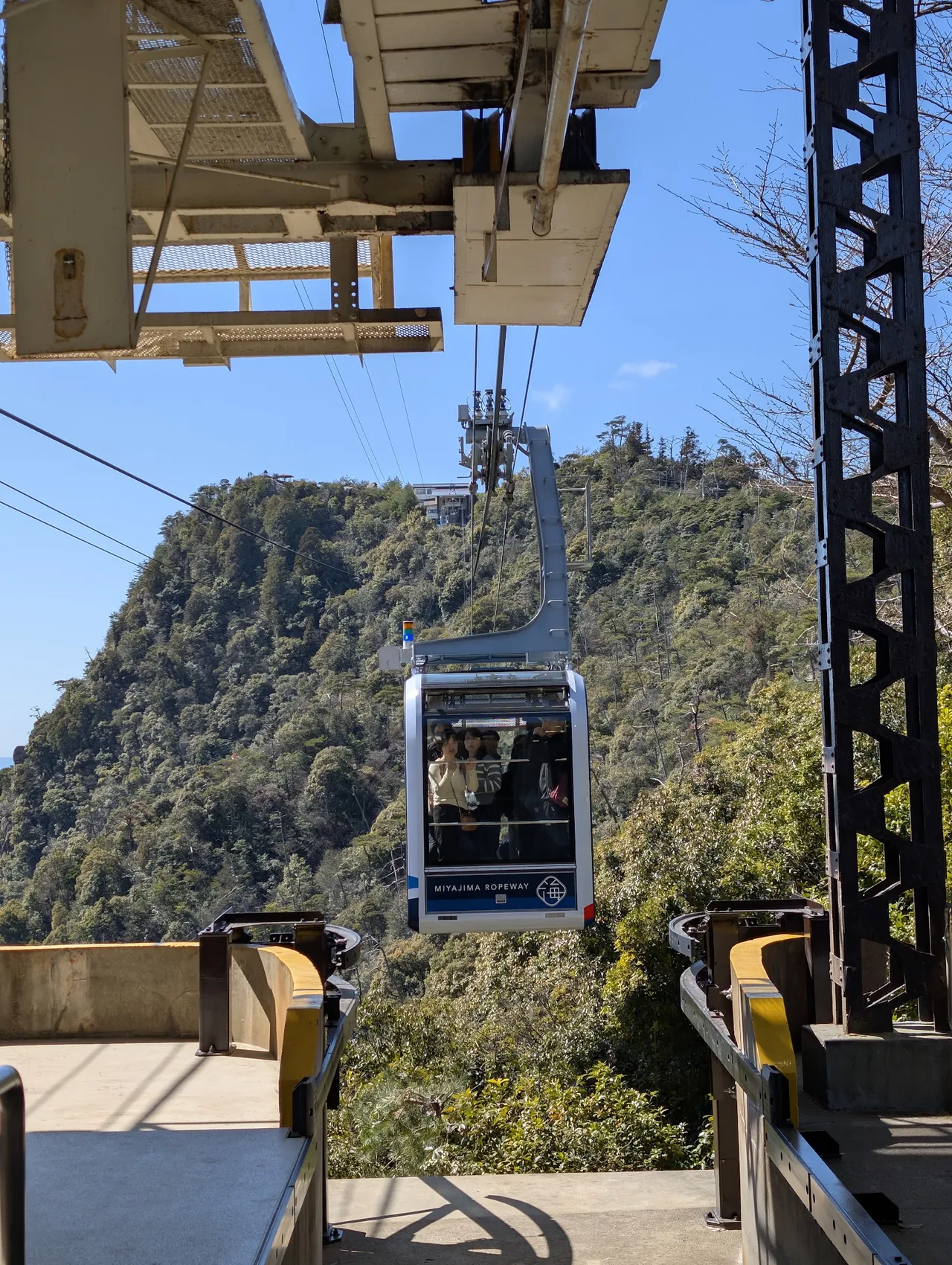
The sacred deer-roamed island just off Hatsukaichi: Itsukushima Shrine, the Mount Misen ropeway, and the country's biggest rice scoop
70-kilometre cycling expressway across six Inland Sea islands from Onomichi to Imabari (Shikoku), Japan's most famous bike route
Hidden Gems
Three corners of Hiroshima Prefecture most travellers skip past.
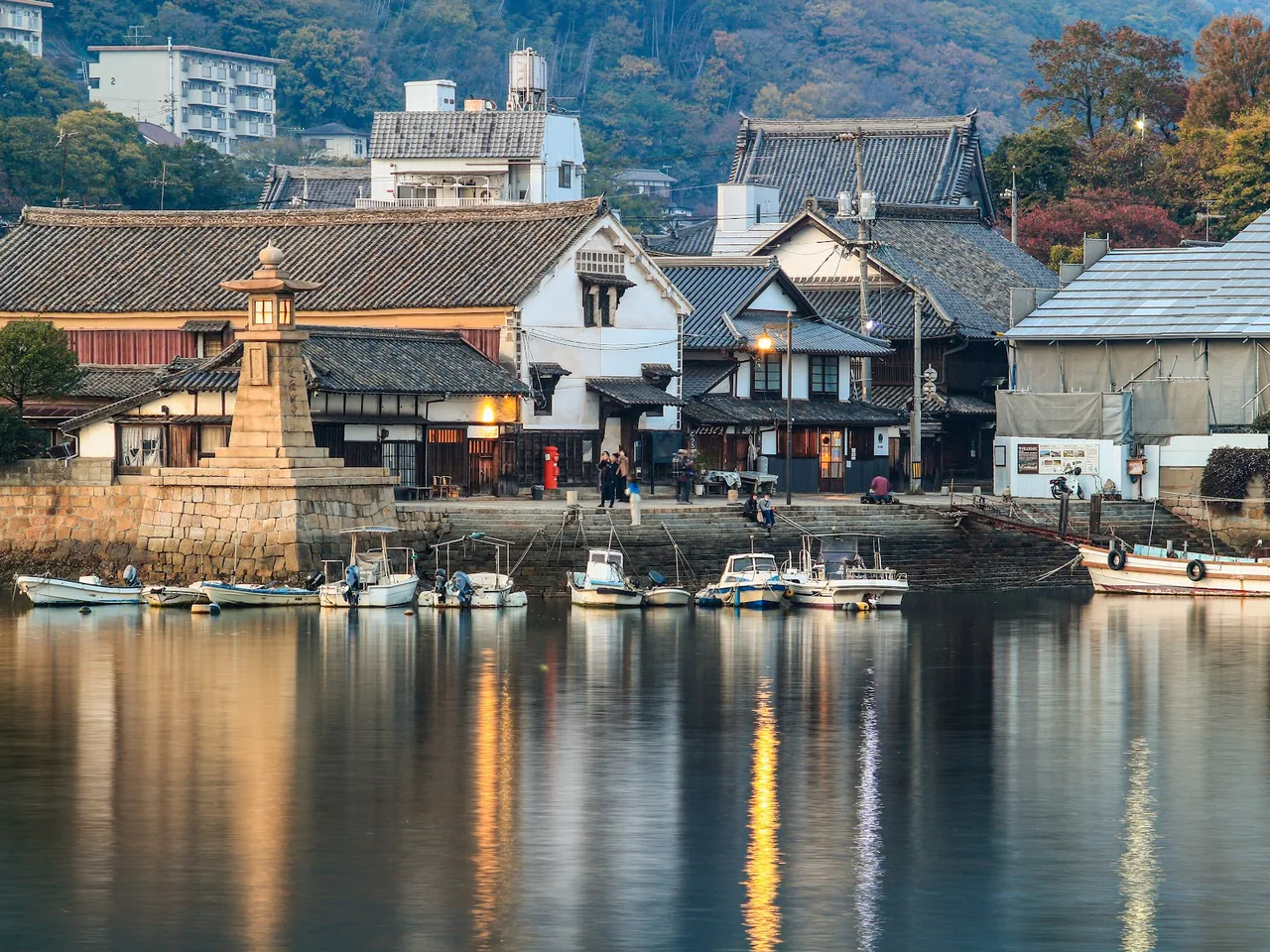 Hidden Gem
An Edo-era port frozen in the 18th century: stone harbour walls, a 16th-century lighthouse, and the inspiration for Studio Ghibli's 'Ponyo'
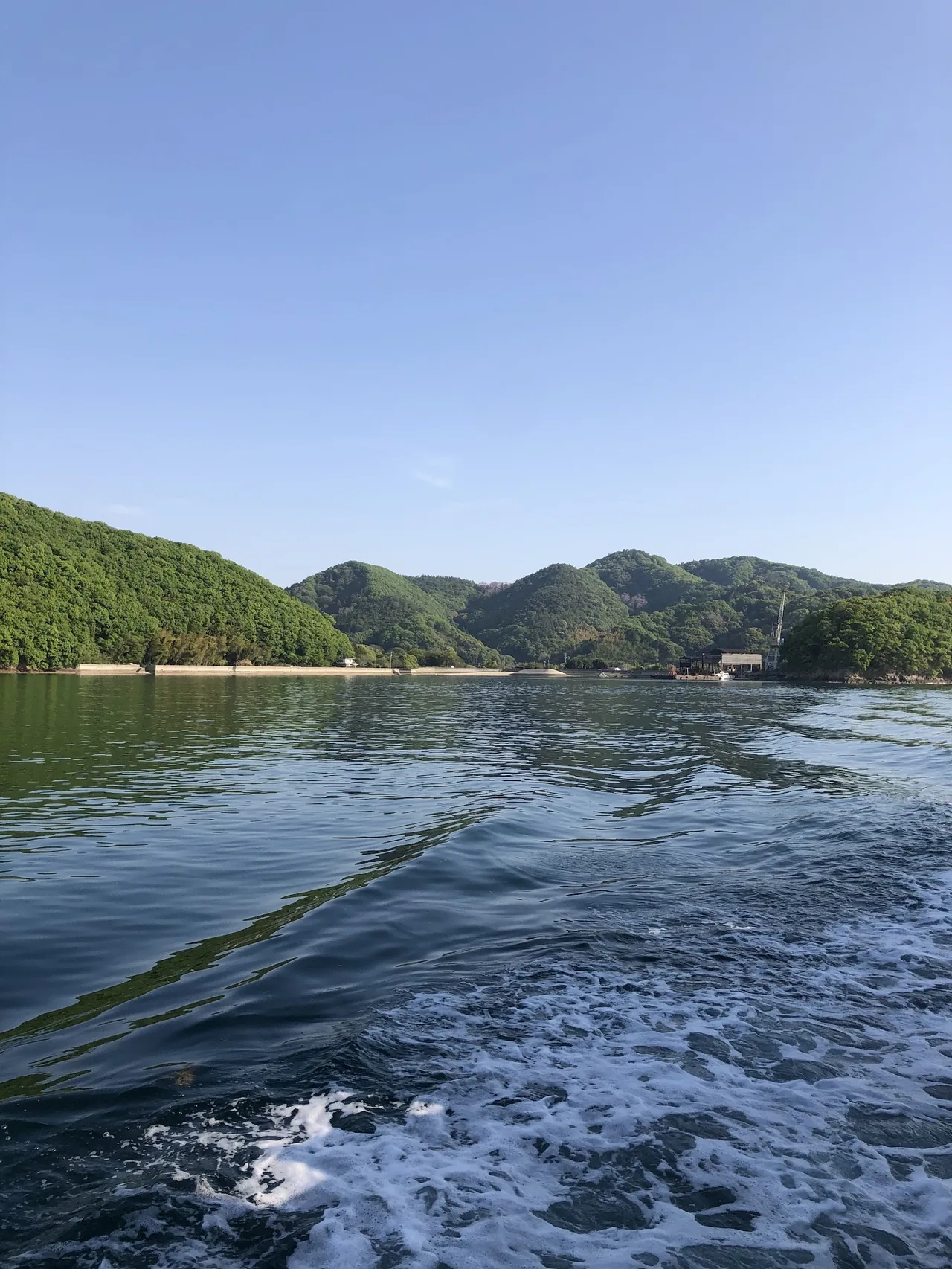 Hidden Gem
A laid-back Seto Inland Sea island known for citrus farms, mountain hikes, and reservation-only craft sake, a one-hour ferry from Takehara
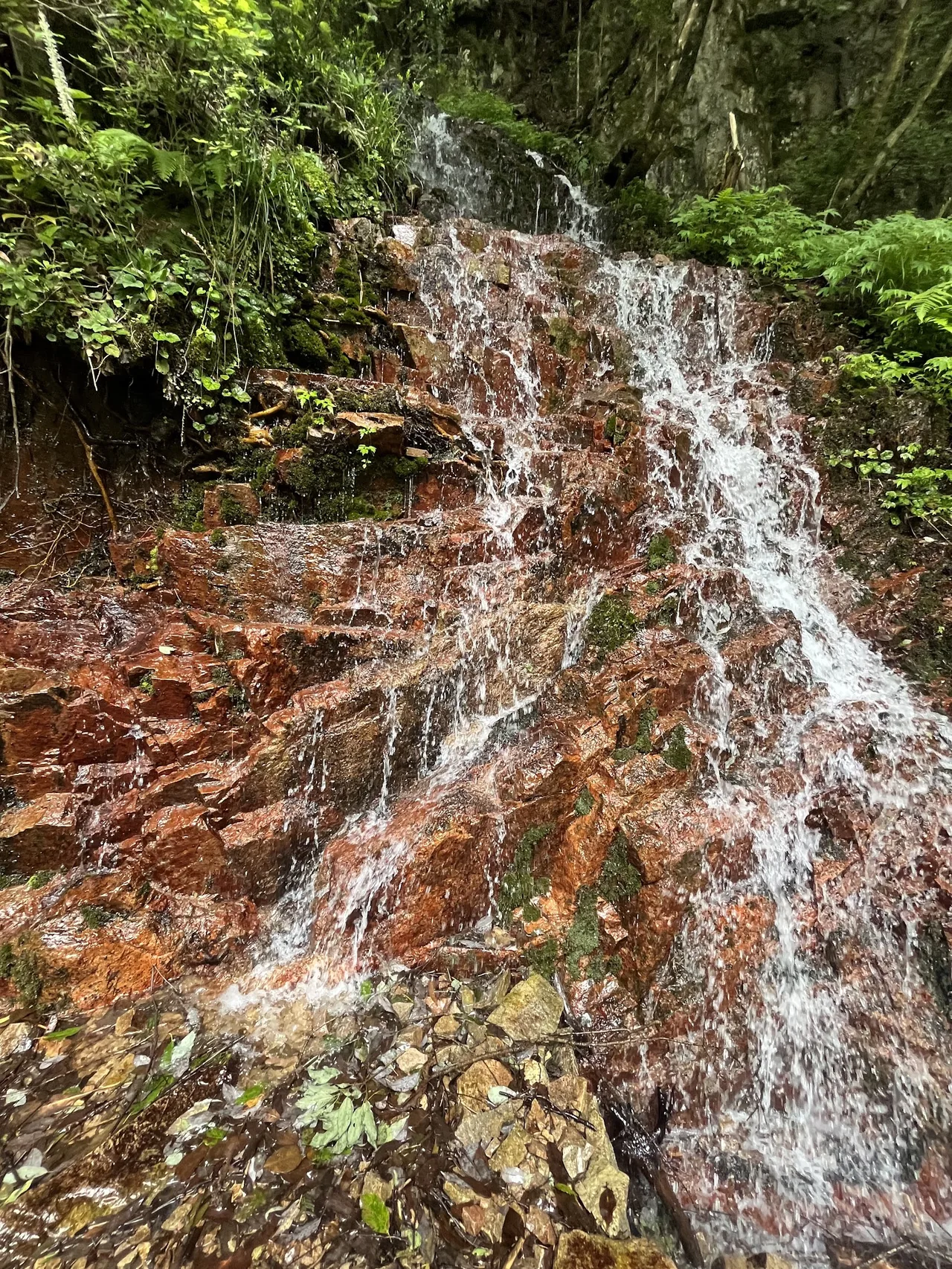 Hidden Gem
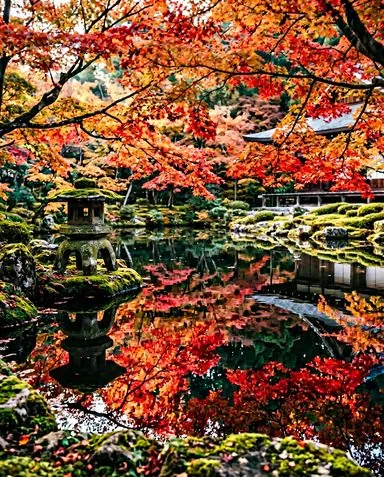
A 16-kilometre forested ravine north of Hiroshima City: autumn foliage, waterfalls, and a quiet trail few foreign tourists ever reach
When to Visit
Hiroshima's coast stays mild year-round; inland gorges get winter snow.
Springharu
Mar – May10–22°CHigh crowds
Springharu
- Cherry blossoms early April at Hiroshima Castle and Shukkeien
- Cycling season opens on Shimanami Kaidō
- Wisteria at Sankizan Park late April
- Golden Week last week of April
Summernatsu
Jun – Aug23–32°CModerate crowds
Summernatsu
- Rainy season through early July
- Miyajima ferry busiest
- Ushita and Onomichi summer festivals
- Beach season in the islands
Autumnaki
Sep – Nov11–24°CHigh crowds
Autumnaki
- Foliage at Sandankyo Gorge mid-October to mid-November
- Mount Misen on Miyajima at peak colour
- Comfortable cycling on Shimanami Kaidō
- Light typhoon risk through October
Winterfuyu
Dec – Feb3–11°CLow crowds
Winterfuyu
- Mild and dry on Seto Inland Sea coast
- Plum blossoms at Shukkeien February
- Snow inland near Sandankyo
- Fewest crowds on Miyajima
Suggested Itineraries
From a Hiroshima weekend to a deeper coastal exploration.
FAQ
How do I get from Tokyo or Kyoto to Hiroshima?
Shinkansen Nozomi from Tokyo is 4 hours; from Kyoto 100 minutes. JR Pass holders use Hikari/Sakura services (slightly slower). Domestic flights from Haneda or Itami land at Hiroshima Airport, 50 minutes by bus from the city.
Can I do Miyajima as a day trip from Hiroshima?
Yes, easily. JR Sanyo line to Miyajimaguchi (25 min), then ferry (10 min). For the floating torii at high tide, check the daily tide chart. Spending a night on the island lets you see the deer at dawn before day-trippers arrive.
How long does the Shimanami Kaidō cycling route take?
The full 70km Onomichi-to-Imabari route takes 5-7 hours one-way for fit cyclists. Most travellers do half (Onomichi to Setoda, ~25km) as a day trip. Bike rentals at ONOMICHI U2 with one-way drop-off available at the Imabari end in Shikoku.
What is Hiroshima Prefecture best known for?
Hiroshima City's Peace Memorial Park, Miyajima's floating torii at Itsukushima Shrine, the Shimanami Kaidō cycling route from Onomichi, and the okonomiyaki layered savoury pancakes that originated here.
How many days do I need in Hiroshima Prefecture?
Two days for Hiroshima City and Miyajima. Three days adds Onomichi. A full week opens up Tomonoura, Takehara, the Shimanami Kaidō, and the Sandankyo Gorge.
What are Hiroshima's hidden gems?
The Edo-era port town of Tomonoura on the Seto Inland Sea, the salt-merchant streets of Takehara, the citrus and craft-sake island of Osaki-Kamijima, and the autumn-foliage trails of the Sandankyo Gorge.
