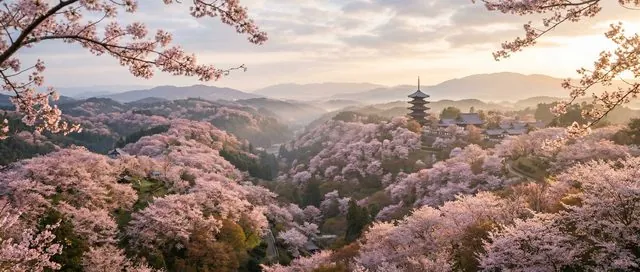

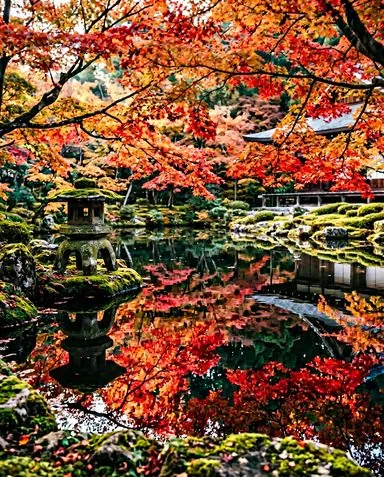
Onomichi's temple-walking course also passes Jodoji, Saikokuji, Anago no Nedoko, and Kōsan-ji Temple on the nearby Ikuchi-jima island, among the town's most evocative sights.
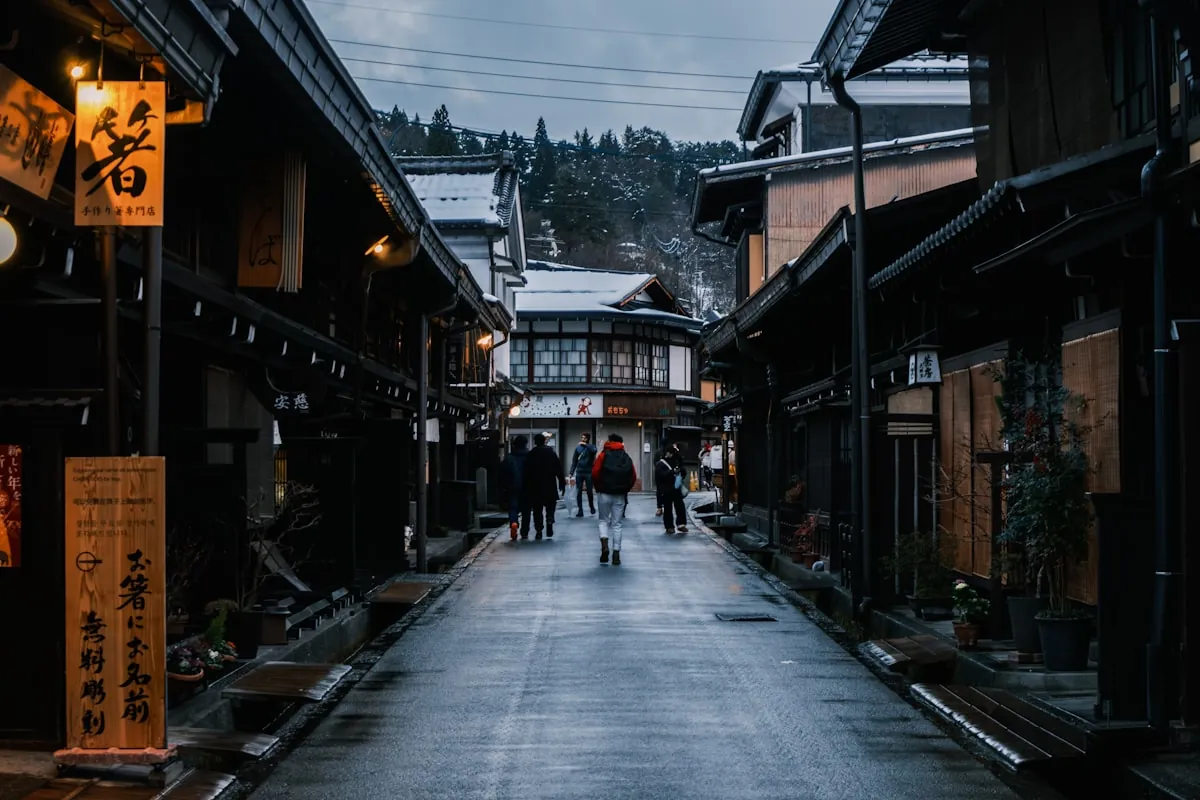
Onomichi is one of western Japan's most atmospheric small cities: a place where steep cobblestone alleys thread between 25 hillside temples, weathered wooden machiya, and indie cafés with harbour views over the Seto Inland Sea. Most visitors pass through on their way to the Shimanami Kaidō cycle route. That's a mistake. The Onomichi travel guide that follows makes the case for staying longer: the hillside temple walk, the pre-dawn Cat Alley, the literary back lanes, and a day trip to Tomonoura that most guides don't mention.
When to Visit
Onomichi rewards visits in every season, but spring and autumn offer the best balance of weather and atmosphere.
What to Do in Onomichi
From the hillside temple walk to the harbour's cycling hub: Onomichi's headline attractions, plus two hidden corners most visitors miss entirely.
Icons worth the crowds
Hidden gems
More Onomichi highlights
Skip the Crowds
- Cat Alley before 9am: After 10am this narrow lane fills with day-trippers. Arrive early and the resident cats are still out, the light is better, and you'll have the painted stones to yourself.
- Western hillside back lanes: The area around Nishituchido and the quiet lanes behind Jōdoji see a fraction of the foot traffic of the main temple walk. Bring a paper map; phone signal is patchy on the upper slopes.
- Eastern fishing harbour: Walk east past ONOMICHI U2 to the small working fishing harbour. Boats, nets, and zero tour groups: a peaceful counterpoint to the main promenade.
- Onomichi City Museum of Art: On Senkoji Hill and almost always quiet. Changing exhibitions focus on regional artists; admission is modest (check current pricing before visiting).
- Hondori arcade: The old covered shopping street feels genuinely local, with a few hardware shops, a tofu maker, a standing ramen counter. Nothing curated for tourists.
Food & Drink
Onomichi ramen is the local obsession, but the hillside café scene and the harbour's eel specialists are worth equal attention.
Where to eat in Onomichi: ramen, lemons & sea bream20 verified picks across the city→Where to Stay
Stay at least one night; the hillside atmosphere after day-trippers leave is the best version of Onomichi. The standout option is Hotel Cycle at ONOMICHI U2, a cycling-focused design hotel where you can store your bike in your room; for a more traditional stay, Shukaen ryokan offers tatami rooms with Seto Inland Sea views on the hillside.
Booking links are affiliate links. They cost nothing extra and support the site.
Day Trips
Three strong options from Onomichi, including Tomonoura, the preserved Edo fishing port that most guides overlook entirely.
How to Get There
FAQ
Is Onomichi worth visiting for more than a day?
Yes, strongly. The day-tripper crowd thins out by late afternoon, and the hillside atmosphere after sunset is a different city. An overnight lets you catch Senkoji Park at sunrise and walk Cat Alley before 9am when it's genuinely quiet. Two nights gives you time for a Shimanami Kaidō cycling day or a ferry to Ikuchijima.
How do I get from Hiroshima to Onomichi?
The JR Sanyō Line rapid service runs directly from Hiroshima Station to Onomichi Station in around 70 minutes (verify current fare before travel; around ¥1,520). Do not take the shinkansen to Shin-Onomichi: that station is 4 km from the town centre and poorly connected. The local train to Onomichi Station is the correct option.
What is Onomichi ramen?
Onomichi ramen uses a soy-based broth made from chicken and pork, finished with a distinctive layer of back fat (seabura) on top. It's served with flat, slightly wavy noodles. The back fat gives the broth a rich, slightly unctuous quality that's unlike ramen styles from Fukuoka or Sapporo. Most counters open for lunch only and sell out by early afternoon.
Can I start the Shimanami Kaidō cycle route from Onomichi?
Yes, Onomichi is the official northern starting point. Rent a bike at ONOMICHI U2 or the station-side rental shop, then take the short ferry across to Mukaishima (bikes welcome, around ¥110; verify current fare). From there the dedicated cycling road runs 70 km across six islands and seven bridges to Imabari on Shikoku. One-way bike drop-off is available at Imabari.
Is Onomichi worth visiting?
For travellers who want a small-town Seto Inland Sea atmosphere with genuine depth, yes. The hillside temple walk is one of the prettiest in western Japan, the cycling infrastructure at ONOMICHI U2 is unmatched, and the indie café and craft scene gives the town a creative energy that larger cities have lost. It rewards those who linger rather than pass through.
What are the hidden gems in Onomichi?
The western hillside back lanes around Nishituchido, the small fishing harbour at the eastern end of town, the Onomichi City Museum of Art on Senkoji Hill, and the Hondori covered shopping arcade for a genuinely local feel. Tomonoura, a preserved Edo fishing port 30 minutes east, is the most underrated day trip in the region.
Can I do Onomichi and Tomonoura in one day?
Tightly. Tomonoura is around 90 minutes from Onomichi by train and bus via Fukuyama. Most travellers do them on separate days, basing in Onomichi or Fukuyama. If combining: 3–4 hours in Onomichi in the morning, 2 hours in Tomonoura in the afternoon. Don't rush either; both towns reward slow walking.