First-timer's ten days in Japan
Tokyo · Kyoto · Osaka · Hiroshima. The classic ten-day arc, without the mountain detour. Same big three, one heavy day-trip, home rested.
 Nick van der Blom
Why this route
We structure ten days as Tokyo (3 nights), Kyoto (3 nights), and Osaka (3 nights) because three nights per city lets you revisit a neighbourhood and eat somewhere unexpected. Day 8 runs Hiroshima as an out-and-back, with the Peace Museum as centrepiece, not afterthought. Avoid mid-July–August: no mountain escape exists on this route.
Why Tokyo
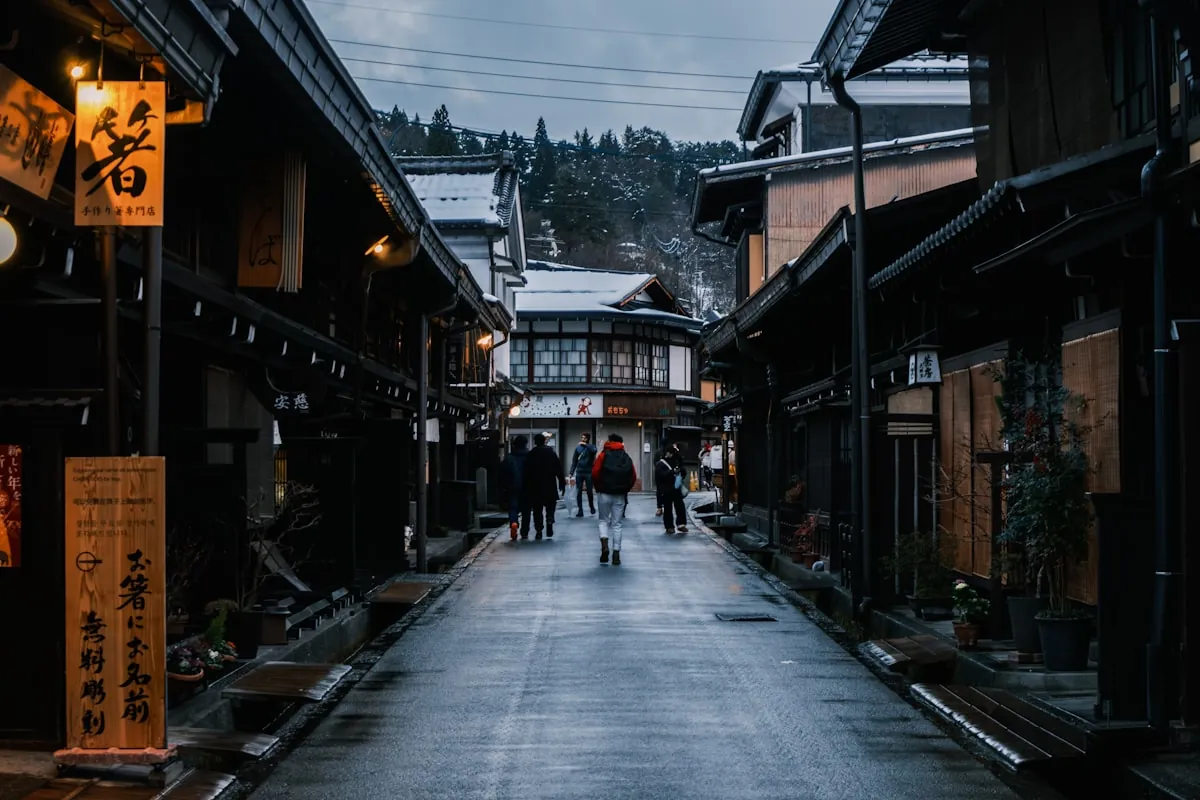
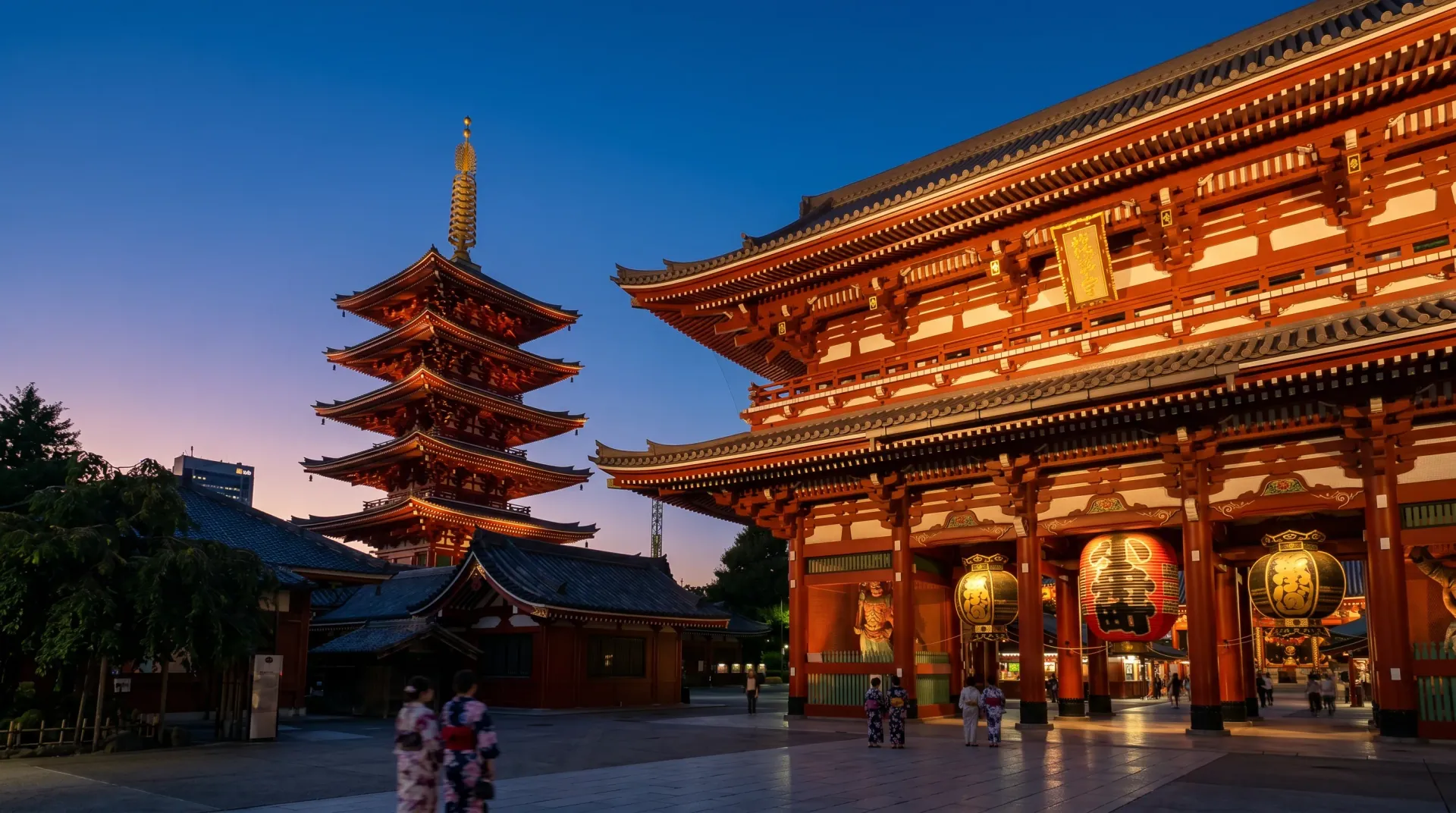
Three nights in Tokyo is the minimum that makes the city readable. Asakusa is the base on purpose: an old-town neighbourhood, walkable from the airport train, with Sensō-ji as the first thing you see when the lanterns come on. The second day runs west to east, through the forest path of Meiji-jingū, the back streets of Harajuku and Shibuya at dusk, and ends in the yakitori alleys of Shinjuku. The third day is for the quiet Tokyo most first trips miss: the outer market at Tsukiji, the Imperial Palace gardens, and Yanaka, where the shitamachi streets still look like the postcards. Jet lag is a daylight problem. Walk, and you beat it.
17 things to see and do
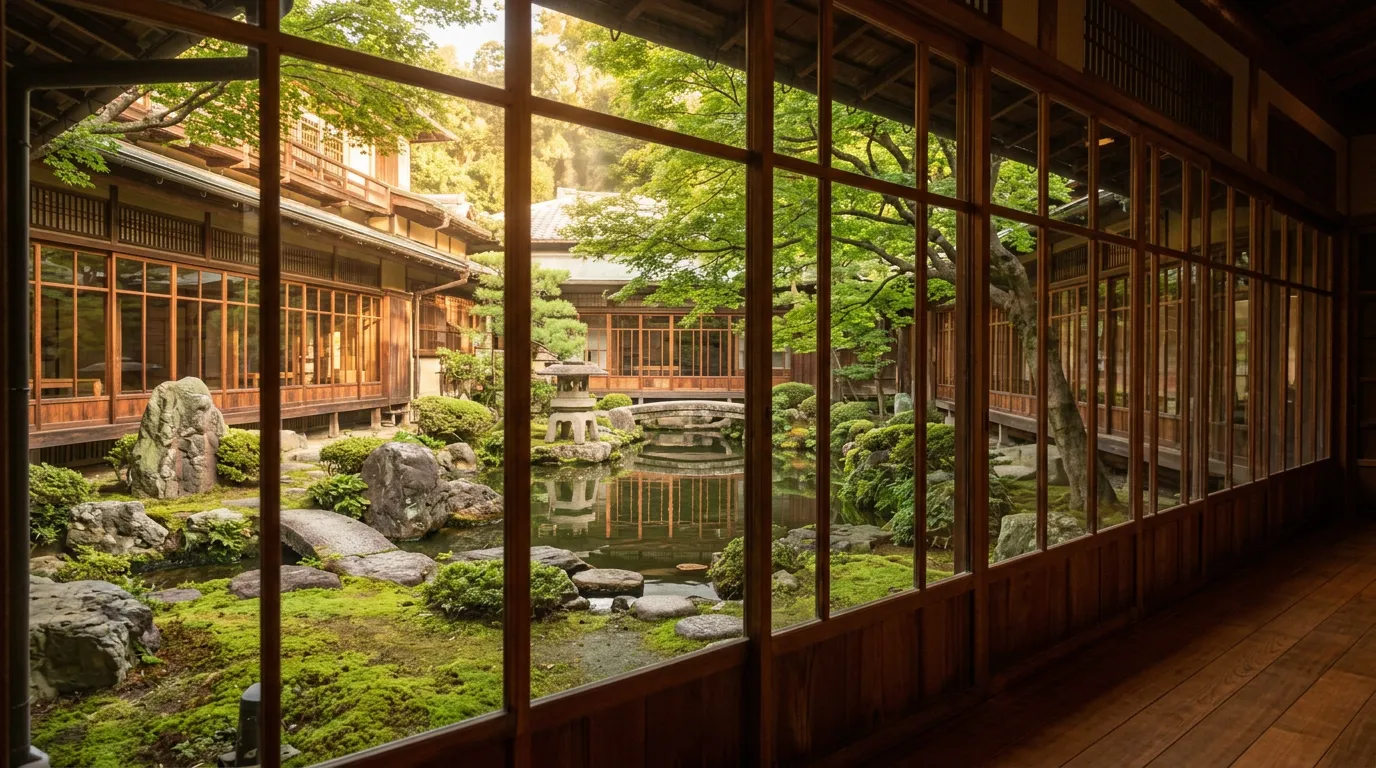 Hidden gemAsakura MuseumA sculptor's former home with a courtyard pool, an upstairs library, and a roof terrace that frames the old shitamachi.
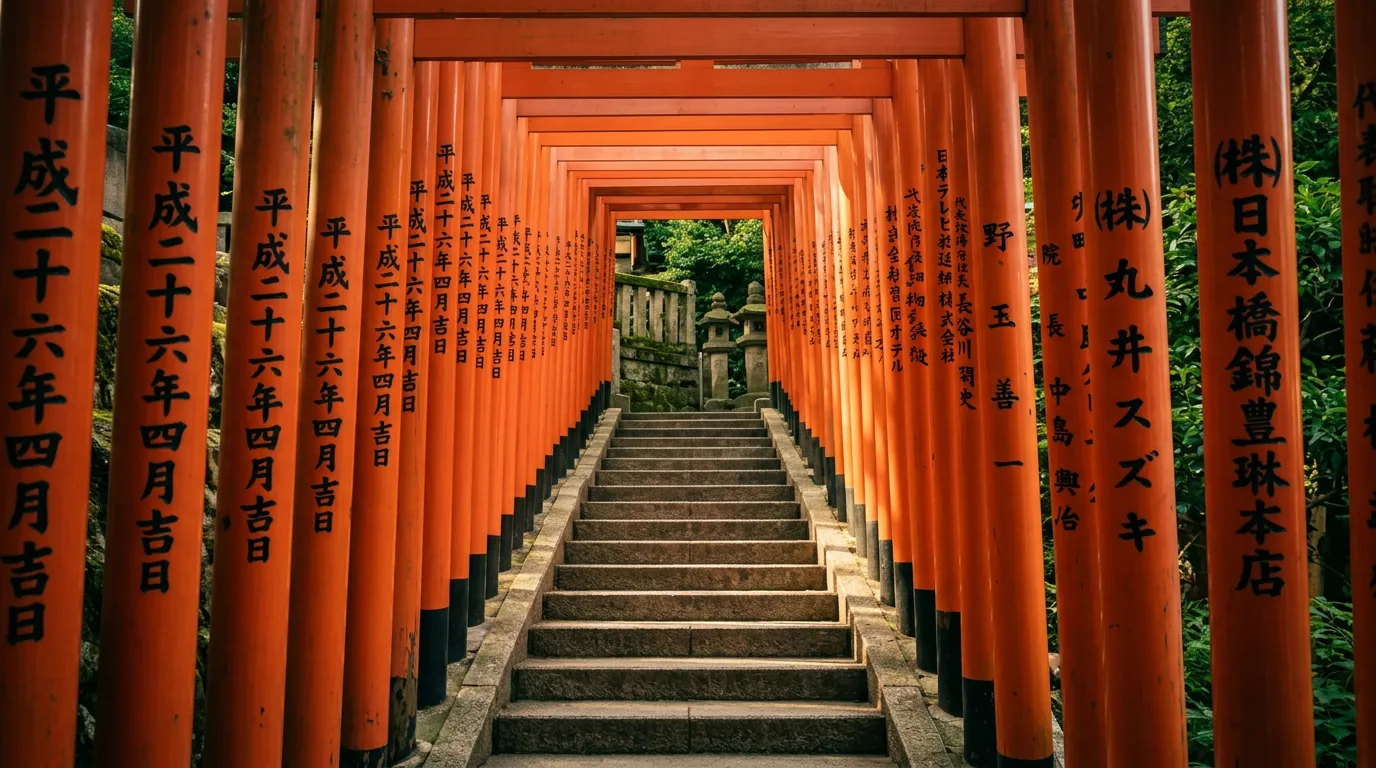 Hidden gemHie Shrine torii pathA miniature version of Kyoto's Senbon Torii, 90 steps through vermillion gates that climb a hill in the middle of Akasaka.
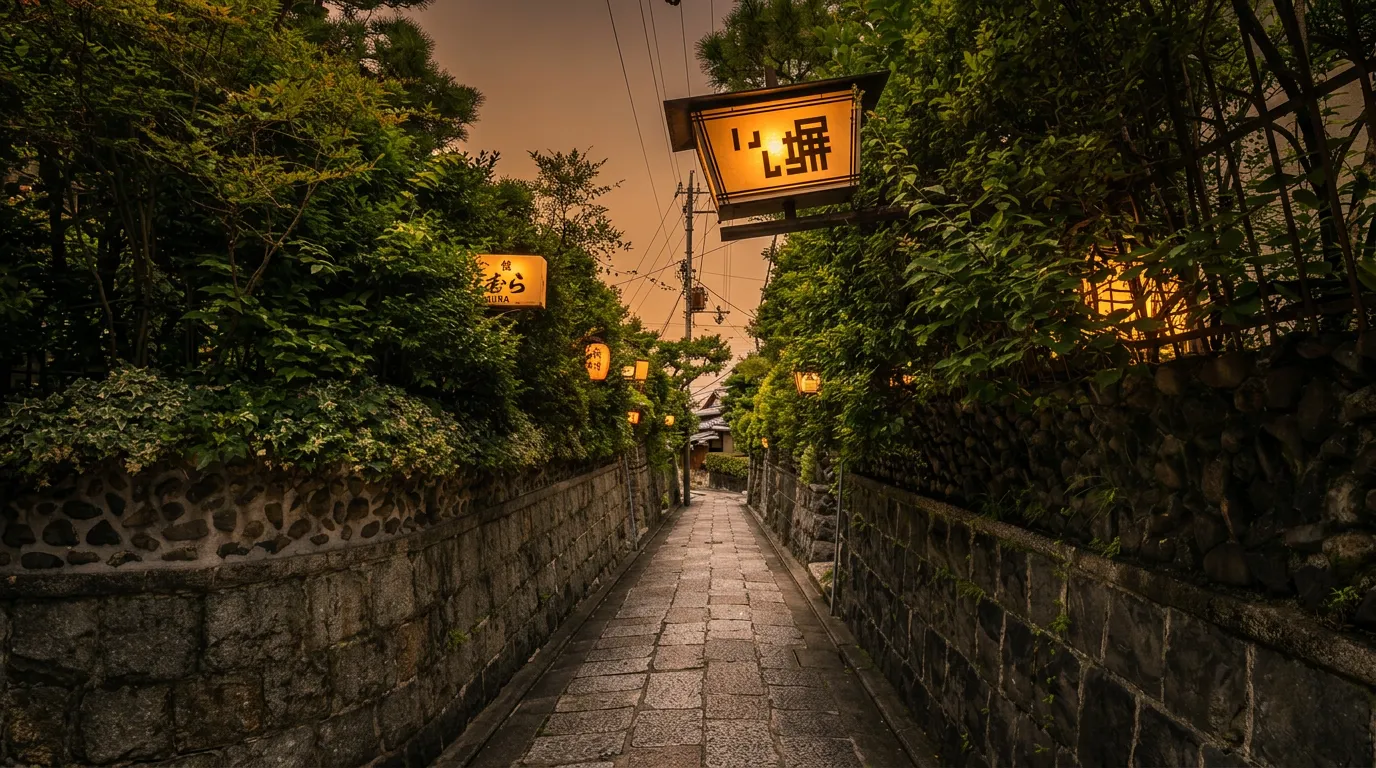 Hidden gemKITTE Rooftop GardenThe roof of the JP Tower, six floors above the Marunouchi-side entrance.
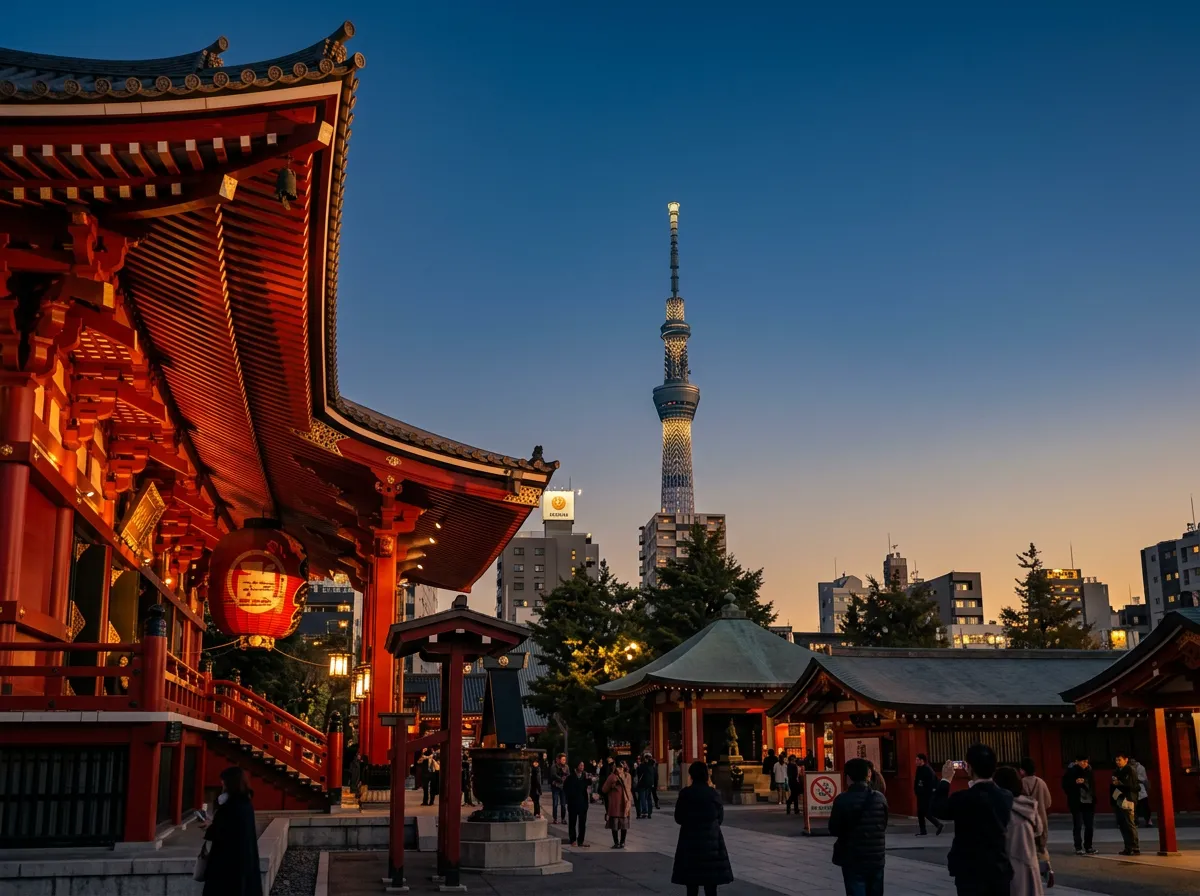 Must-seeSensō-ji at duskTokyo's oldest temple, founded 645 AD.
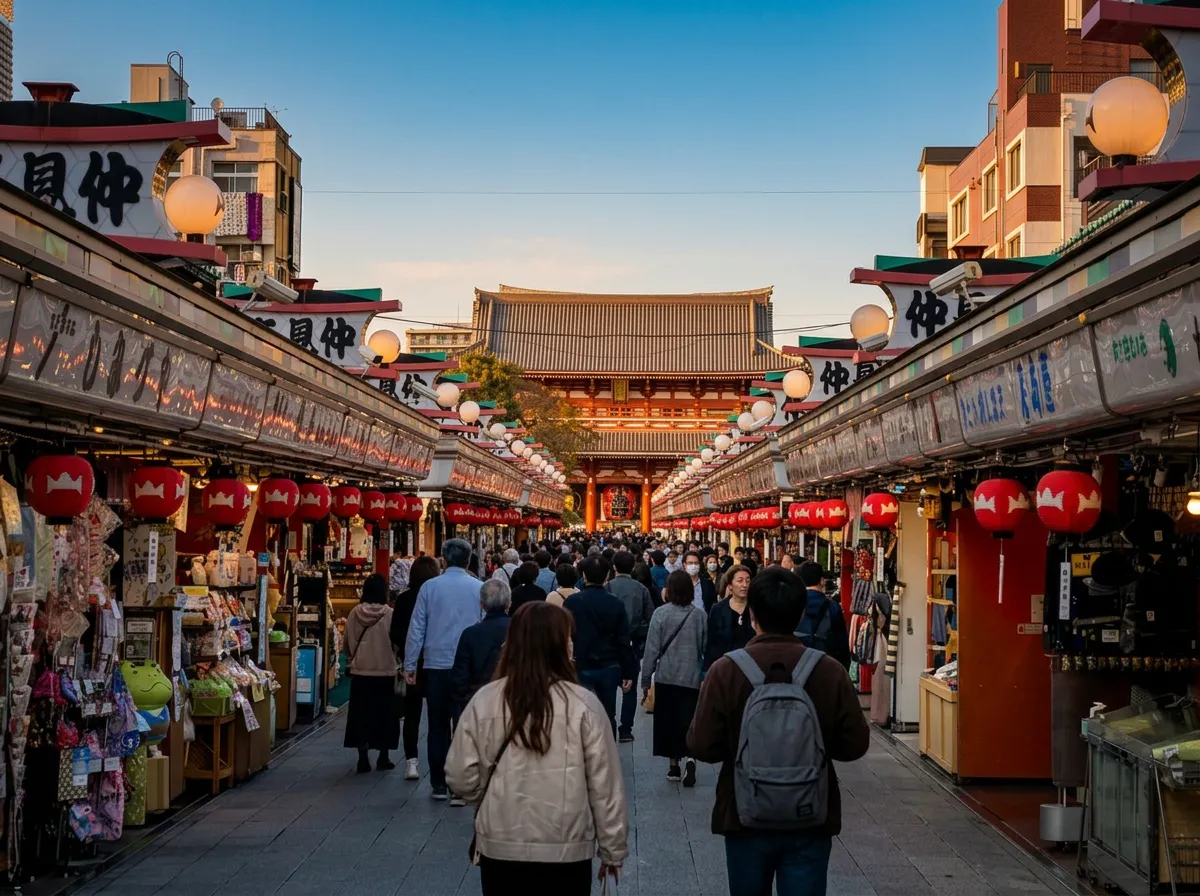 NeighbourhoodNakamise-dōri strollThe 250-metre covered approach to Sensō-ji, lined with around 90 stalls that have sold ningyo-yaki, pickled plums and lacquerware since the 18th century.
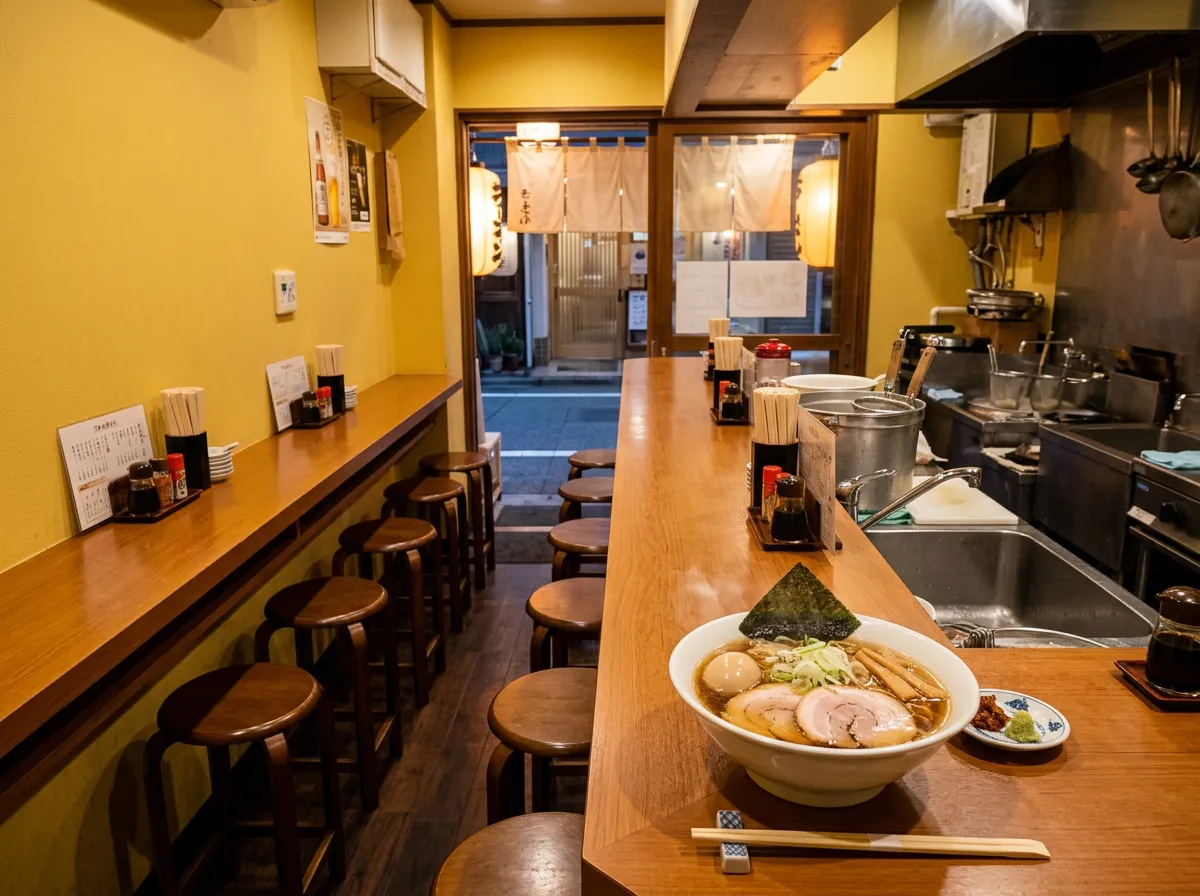 EatFuji RamenAsakusa · ~¥1,200
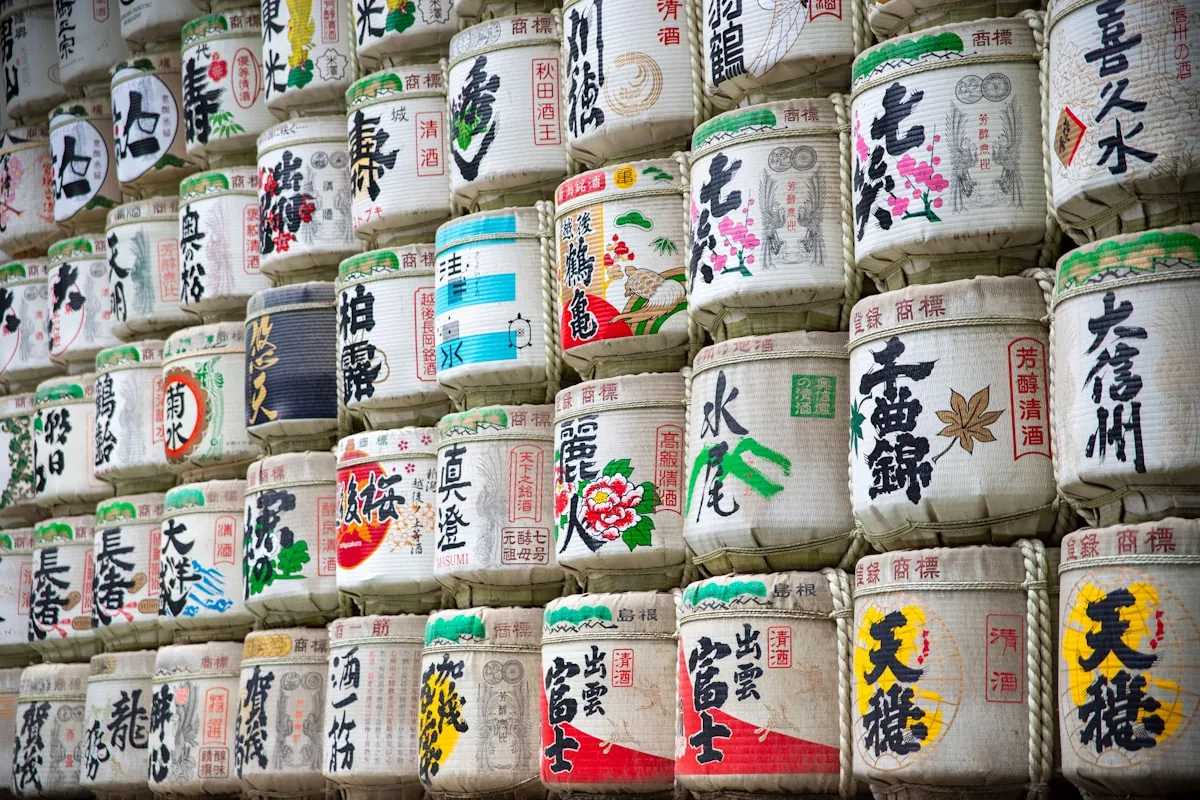
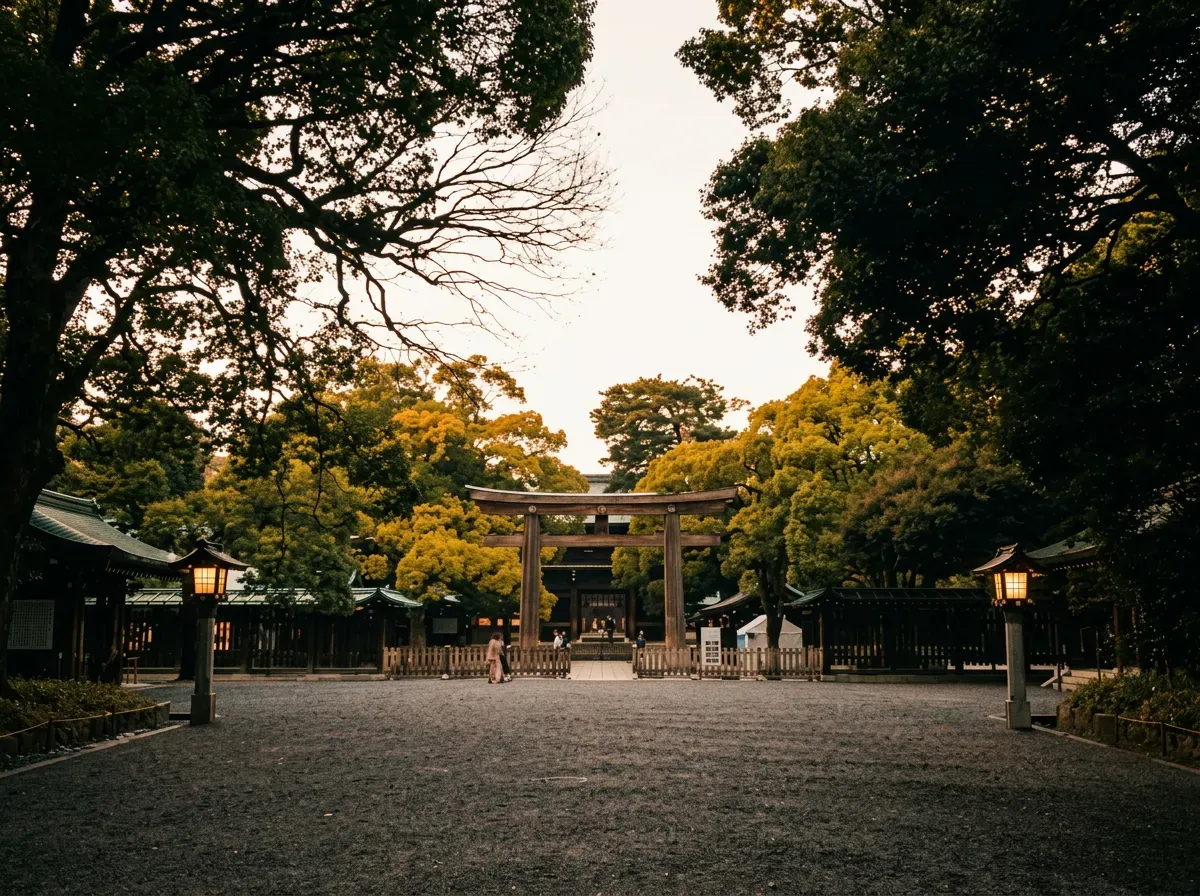 Must-seeMeiji-jingūA Shinto shrine to Emperor Meiji and Empress Shōken inside a 70-hectare forest planted from 100,000 donated trees in 1920.
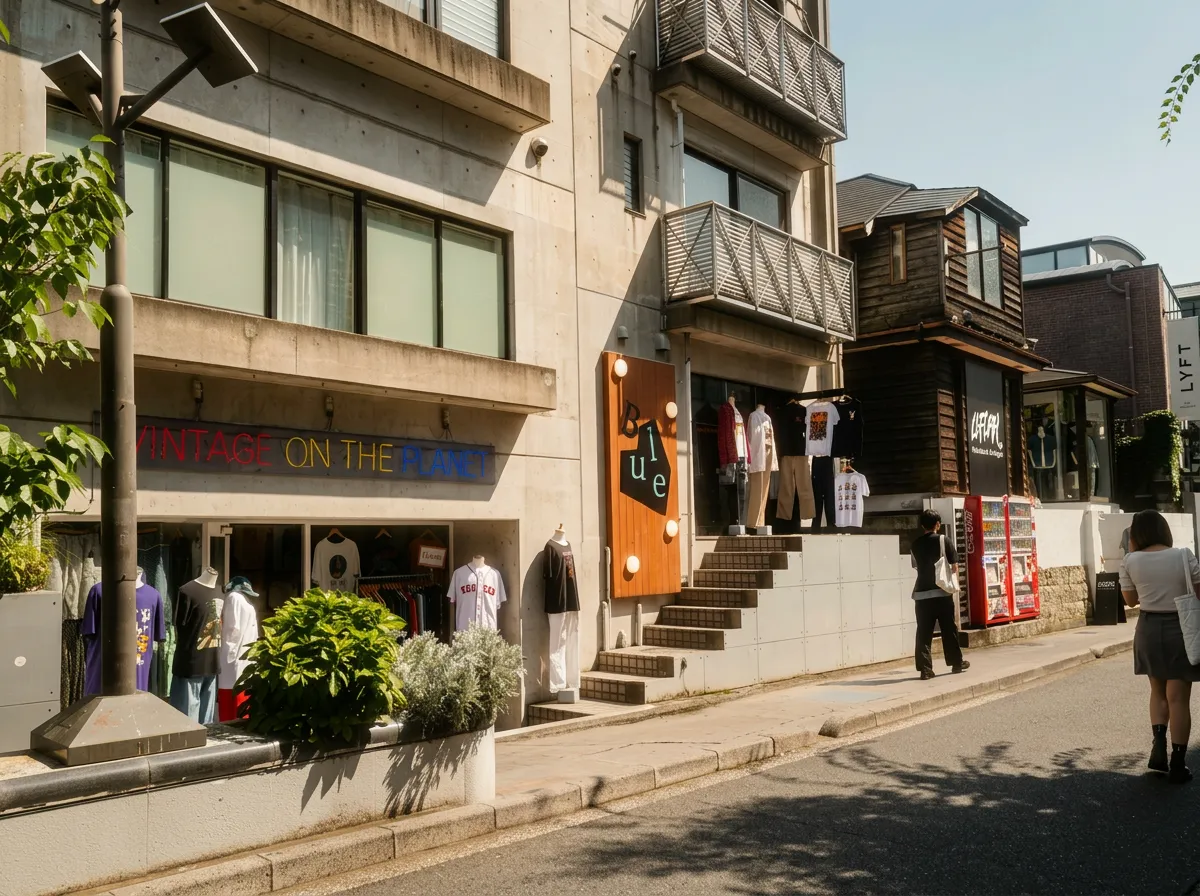 NeighbourhoodCat StreetA pedestrian-friendly back street between Harajuku and Shibuya, lined with independent fashion boutiques and vintage shops.
Show 9 more optionsShow fewer options
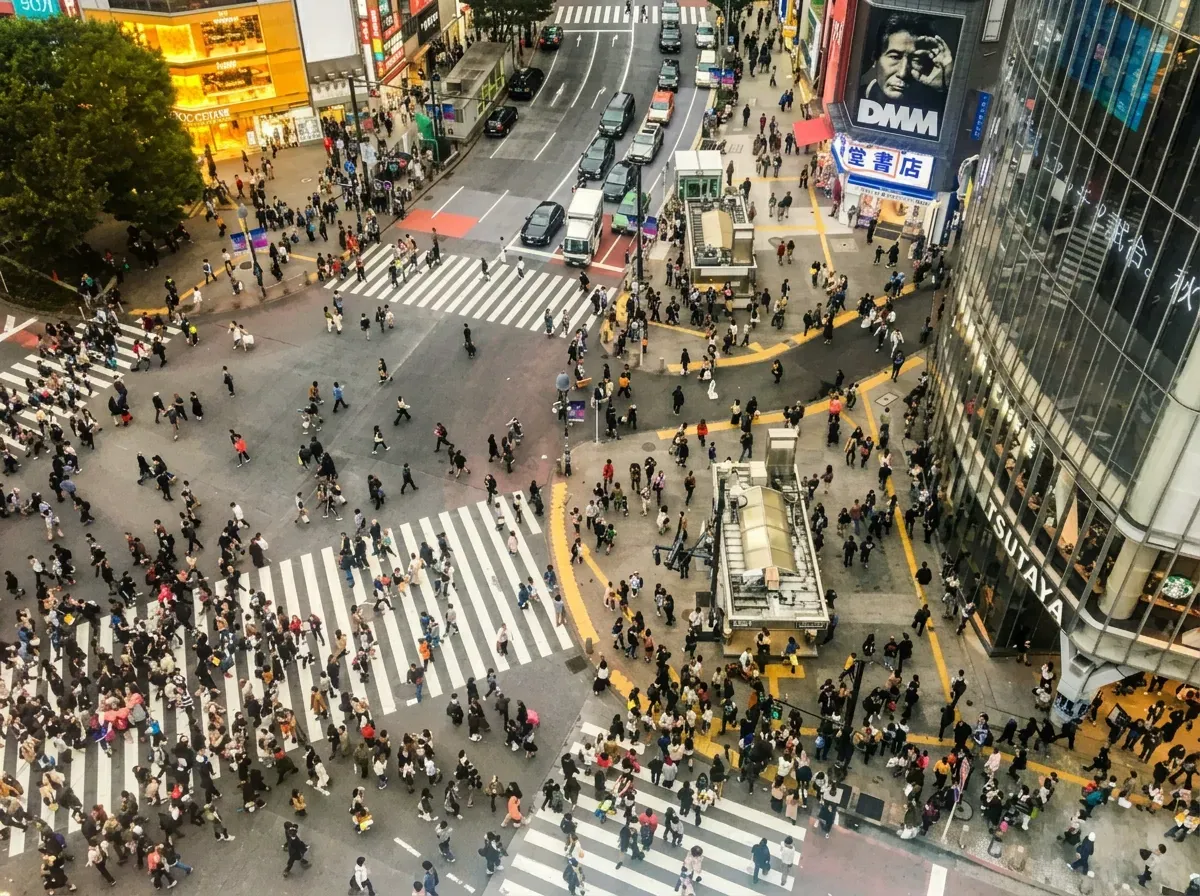 Must-seeShibuya CrossingThe scramble outside Shibuya Station's Hachikō exit, where six pedestrian crossings open at once and the junction floods with people from every direction until the next traffic cycle.
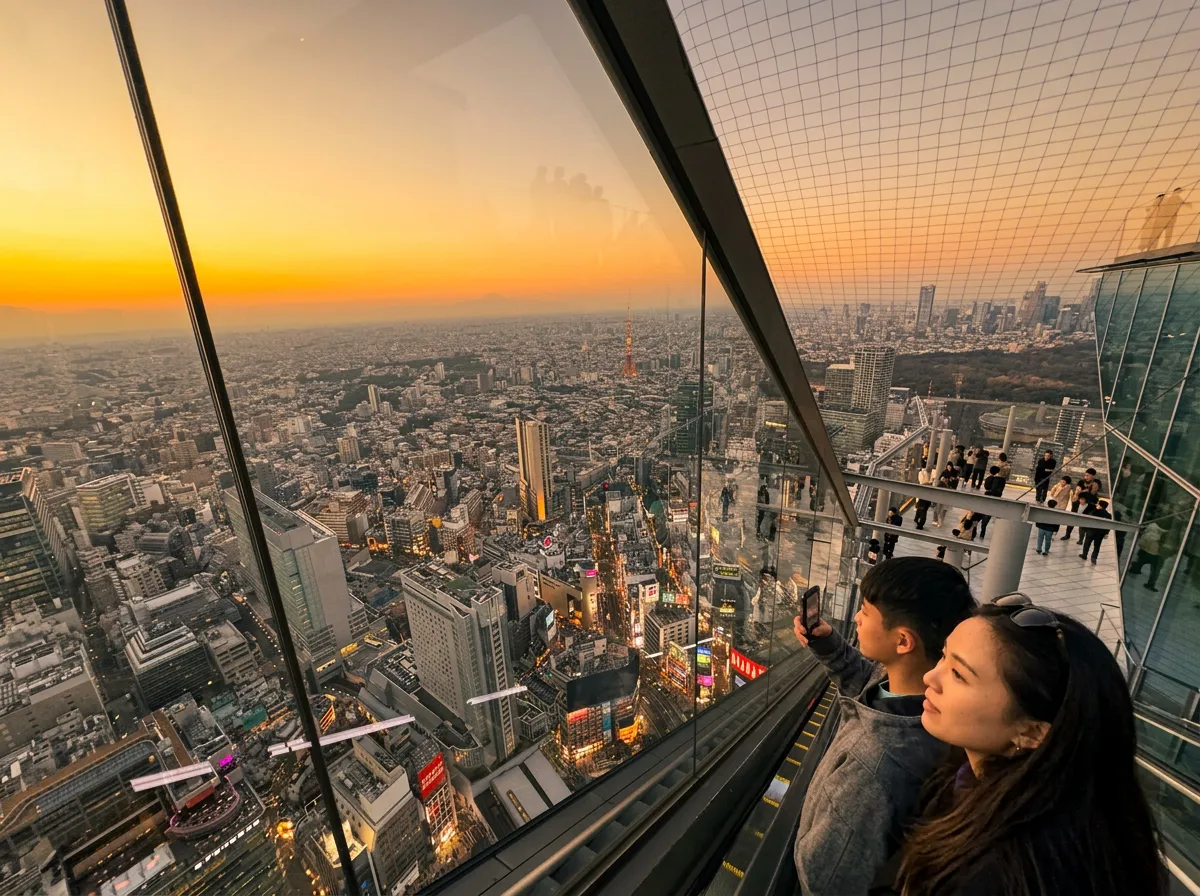 Must-seeShibuya Sky (sunset)A 230m open-air observation deck on top of the Shibuya Scramble Square.
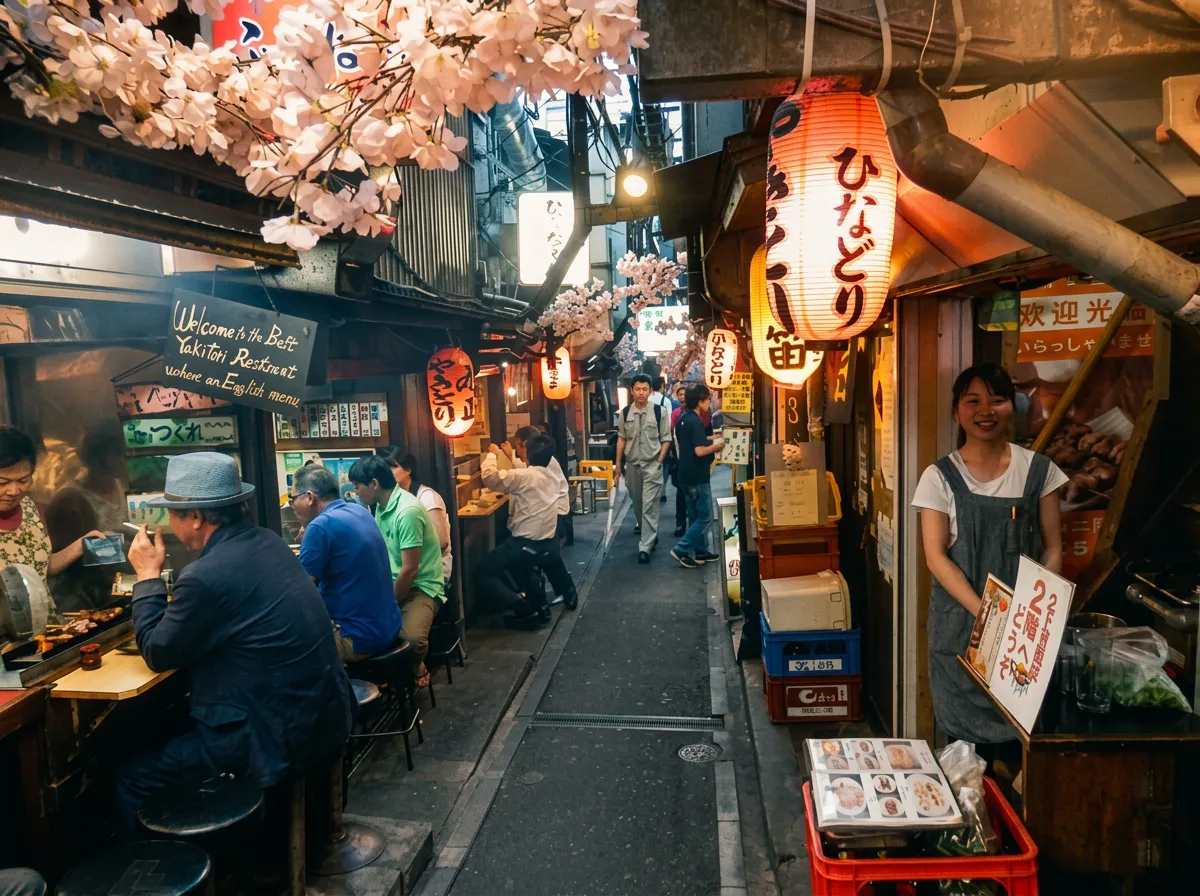 EatOmoide YokochōA narrow alley of tiny yakitori stalls beneath the tracks at Shinjuku Station's west exit, its atmosphere unchanged since the early post-war era.
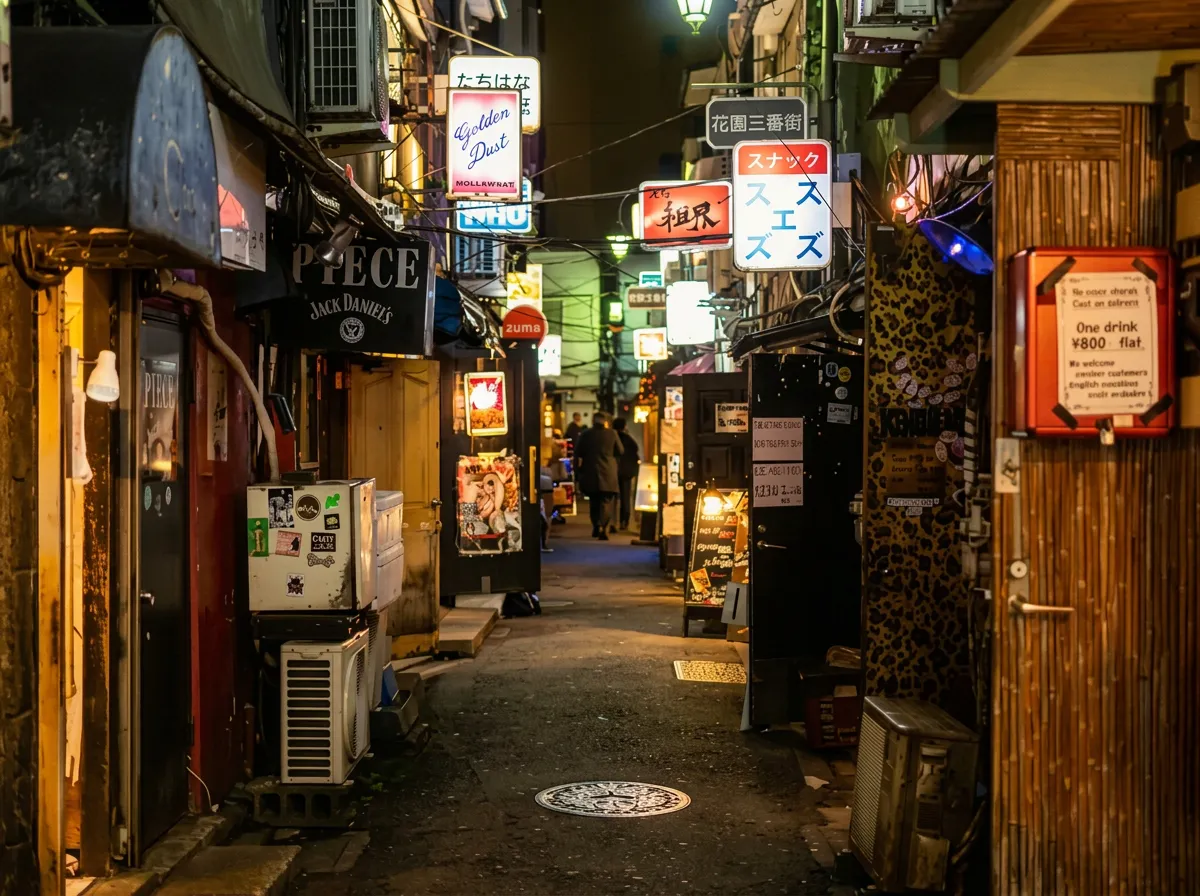 EatGolden GaiA six-alley grid of micro-bars in Shinjuku, 200 bars across the whole district, most seating five to eight people.
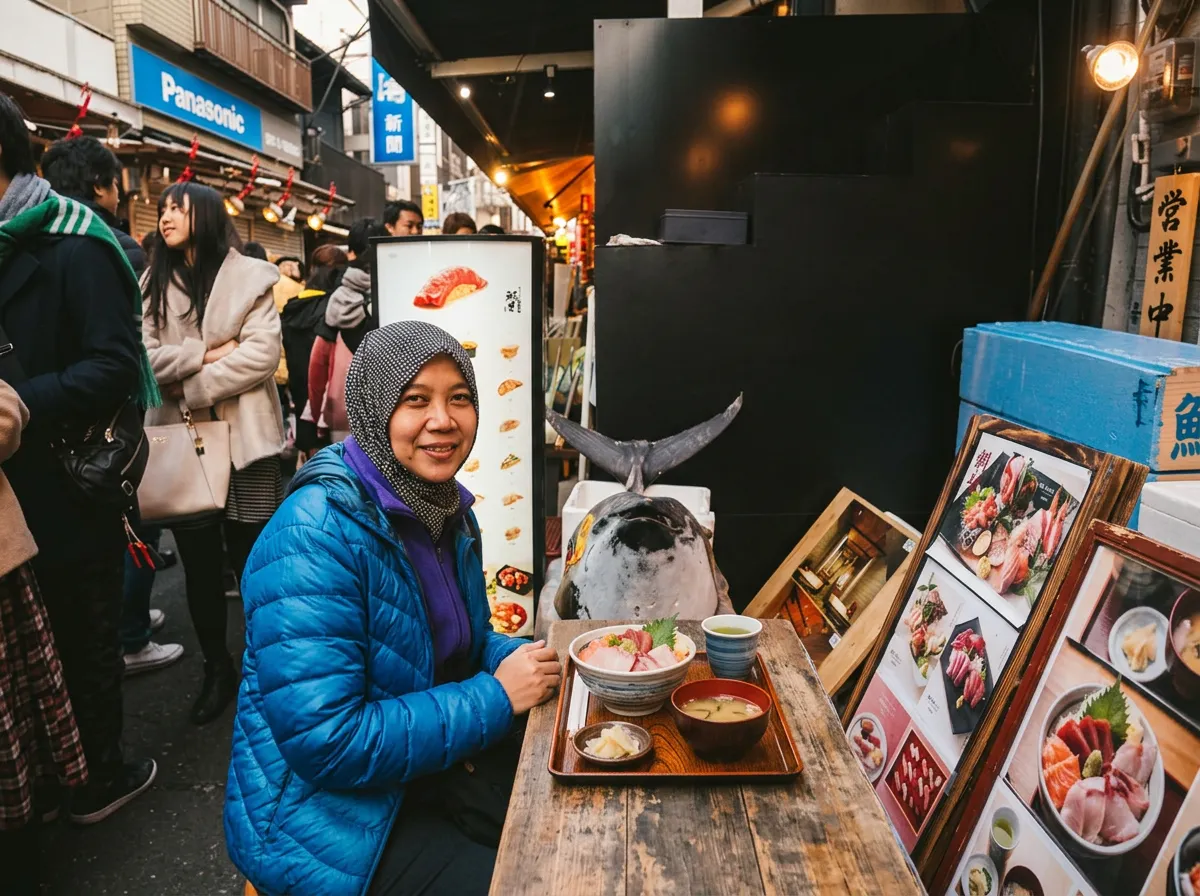 EatTsukiji Outer Market breakfastTokyo's working waterfront market, where the morning catch meets the city.
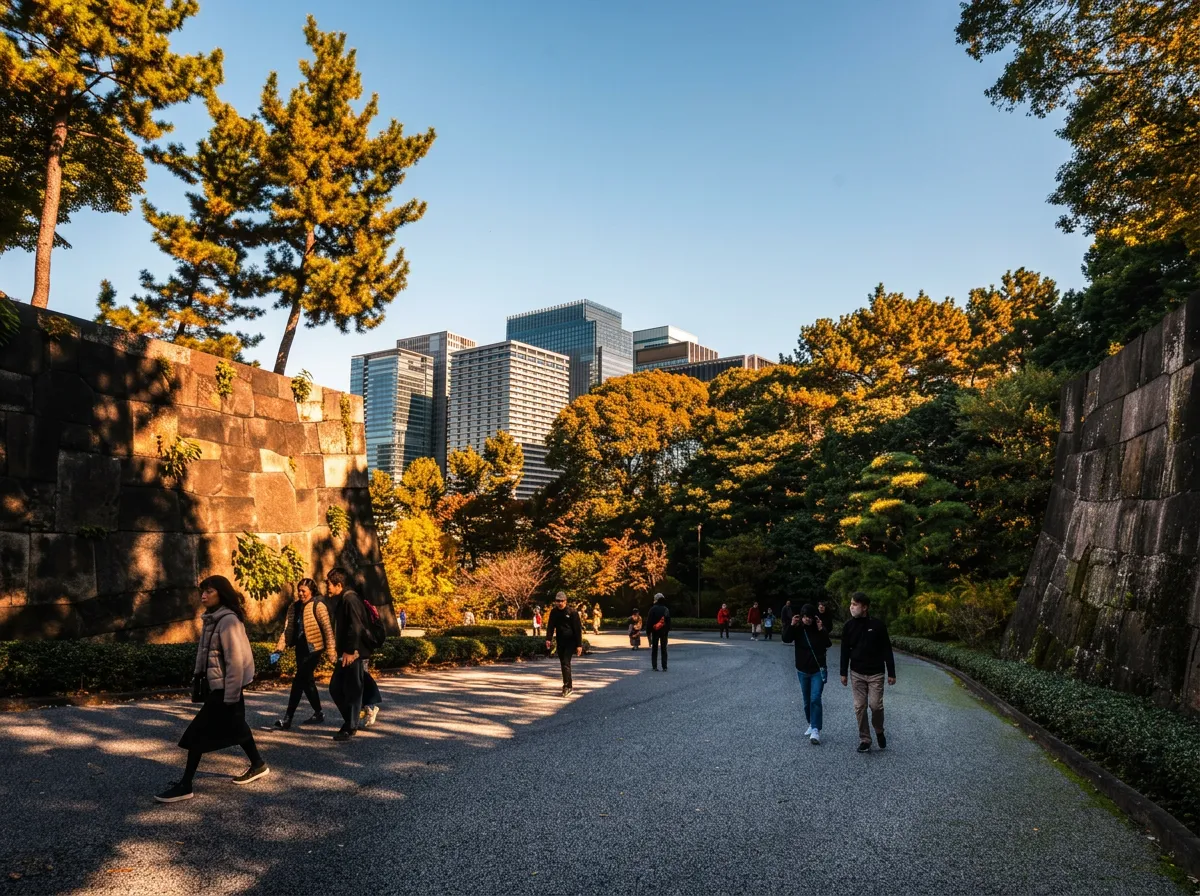 Must-seeImperial Palace East GardensA rare green sanctuary inside the Imperial Palace grounds, laid out over the ruins of Edo Castle, seat of the Tokugawa shoguns.
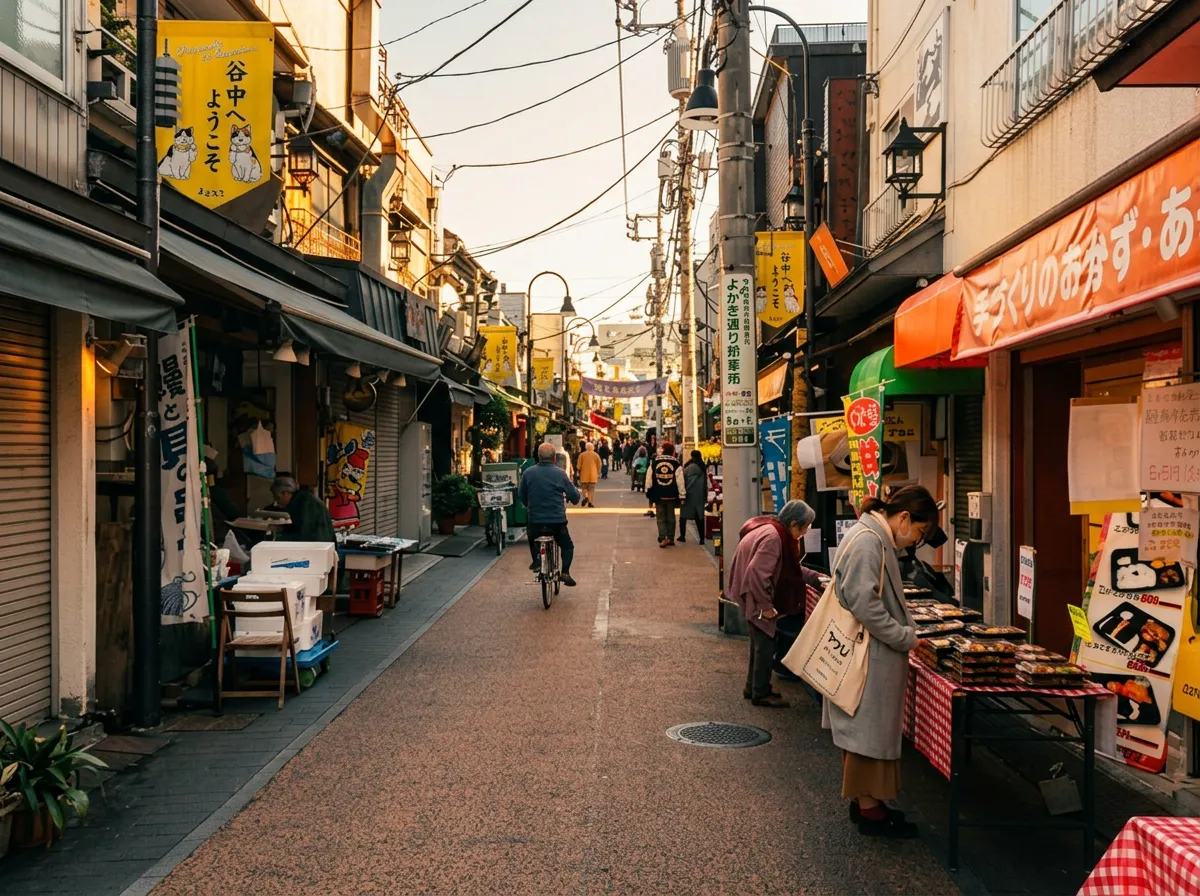 NeighbourhoodYanaka GinzaThe shopping street of Yanaka, a low-rise shitamachi neighbourhood whose wooden merchant houses and temples survived both the 1923 earthquake and the wartime bombing.
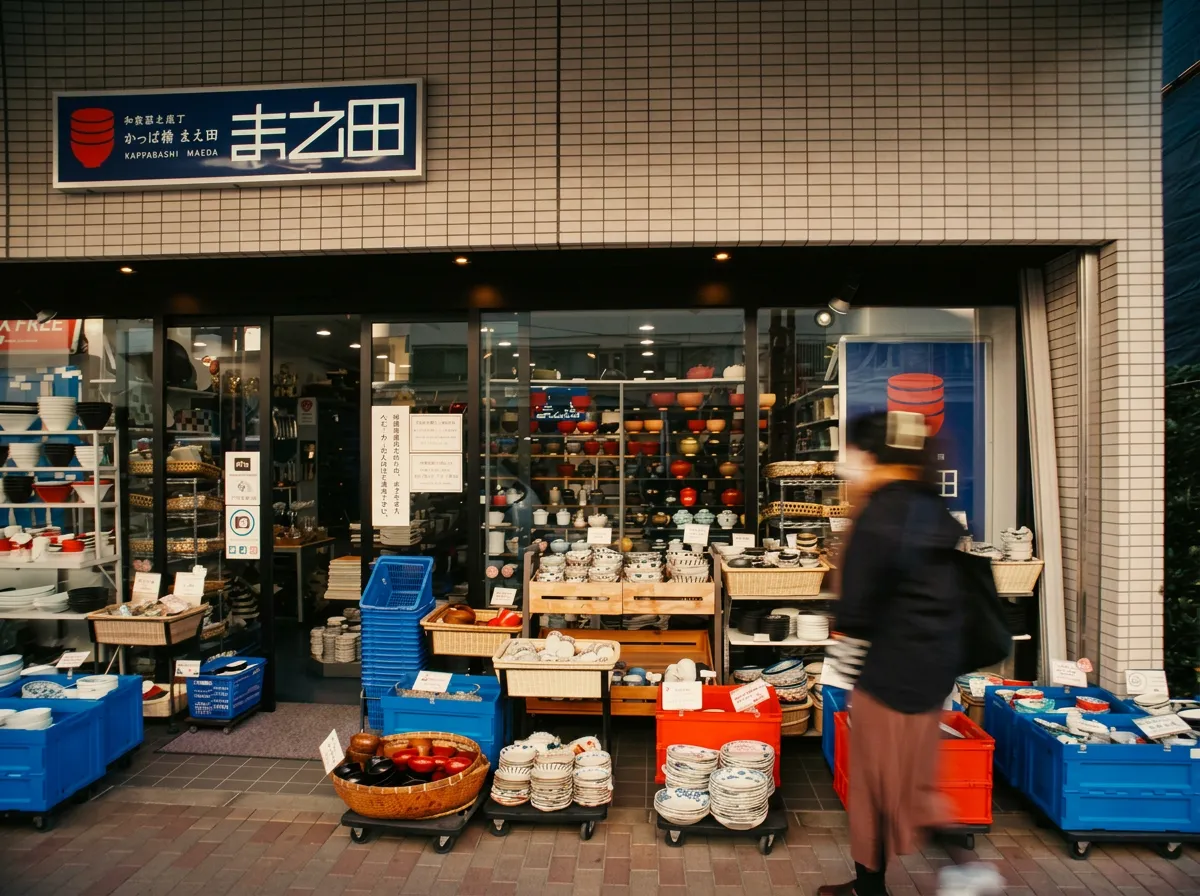 NeighbourhoodKappabashi kitchen streetAsakusa · variesNeighbourhoodMarunouchi + KITTE rooftopMarunouchi · Free
Where to sleep in Tokyo
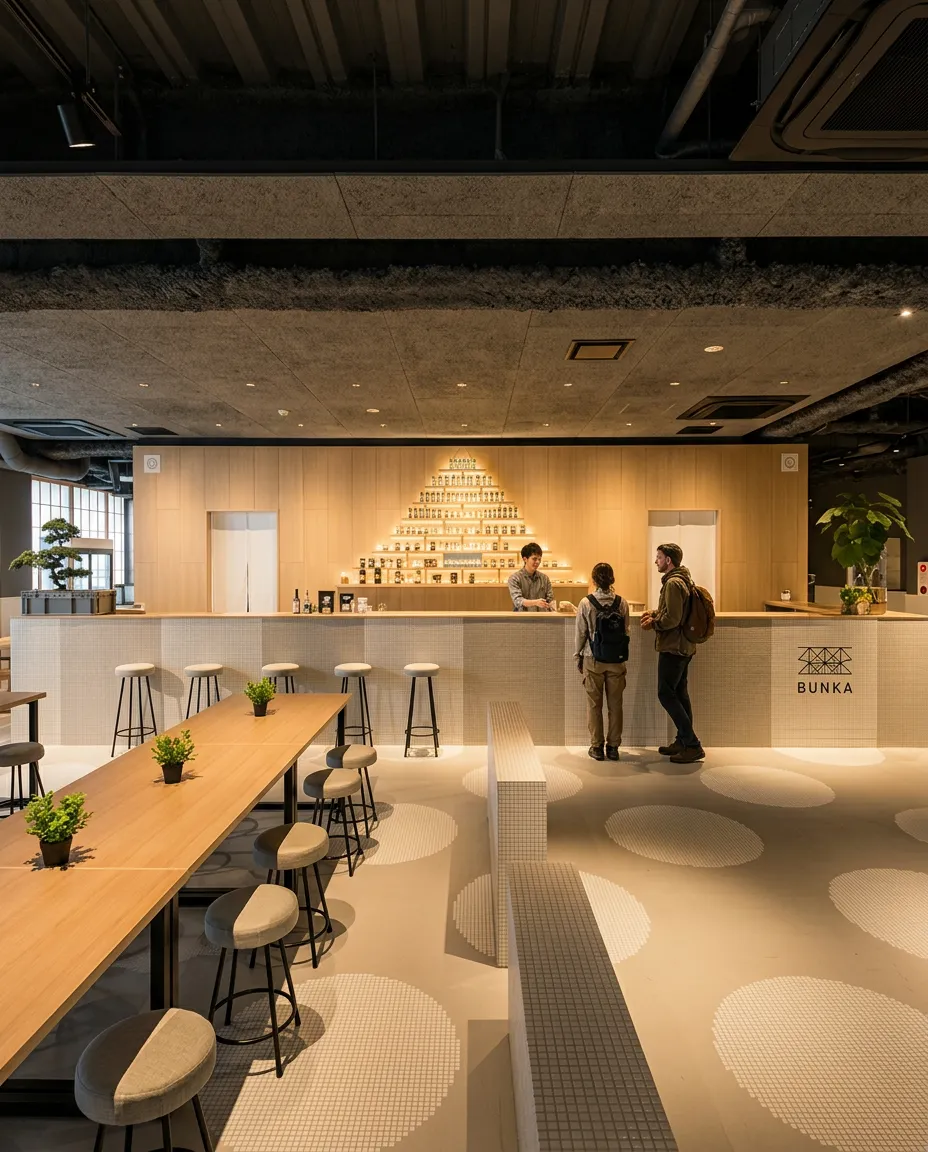 BUDGET · HostelBUNKA HOSTEL TOKYOAsakusaRenovated 80-year-old building, capsule rooms with curtains and lockable storage. Ten minutes from Sensō-ji. The café-bar downstairs is the bonus.¥4,500/nightSee rates ↗
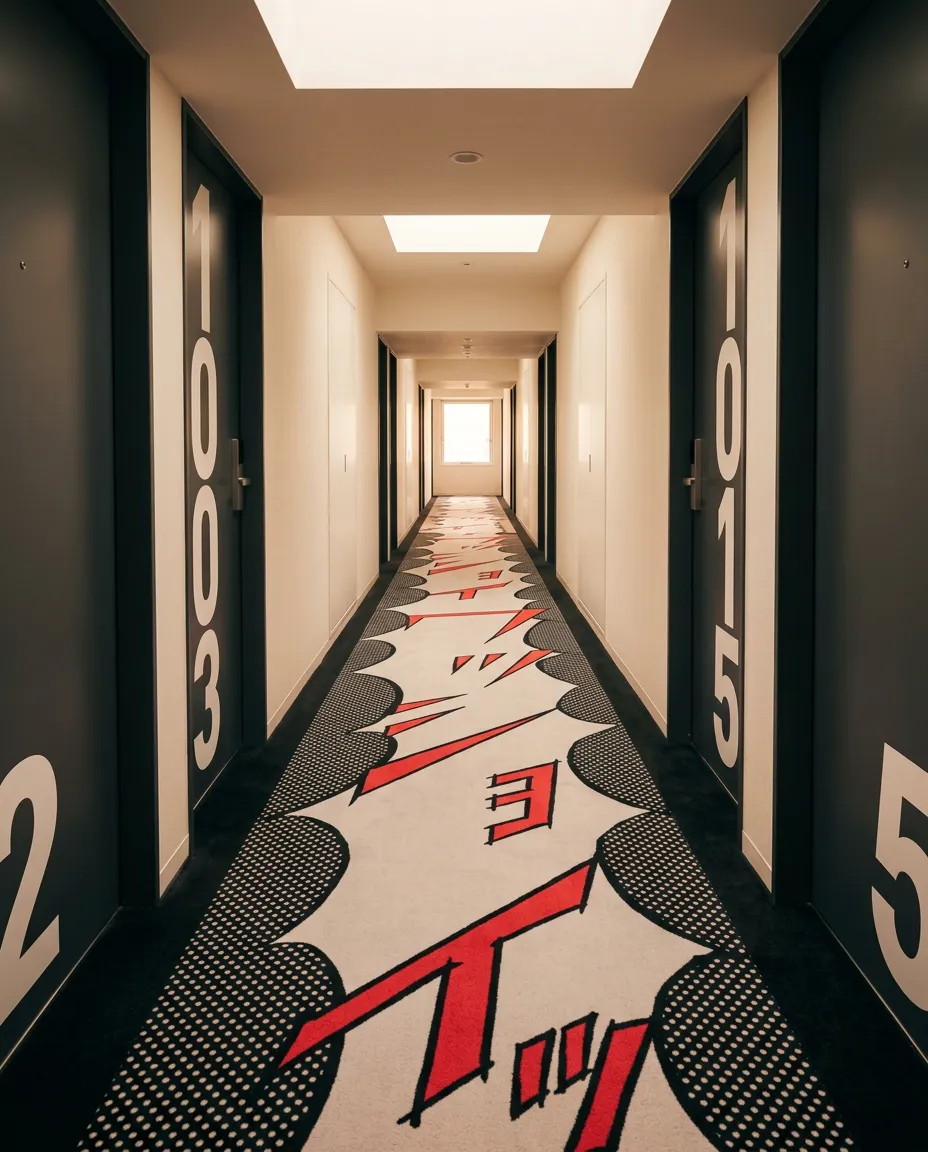 MID · HotelHotel Tavinos AsakusaAsakusaRecommendedNick's own pick. Stayed in 2022 and 2024. Manga-themed but the rooms are clean and quiet, the staff are used to first-timers, and it's a five-minute walk to Fuji Ramen.¥11,000/nightSee rates ↗
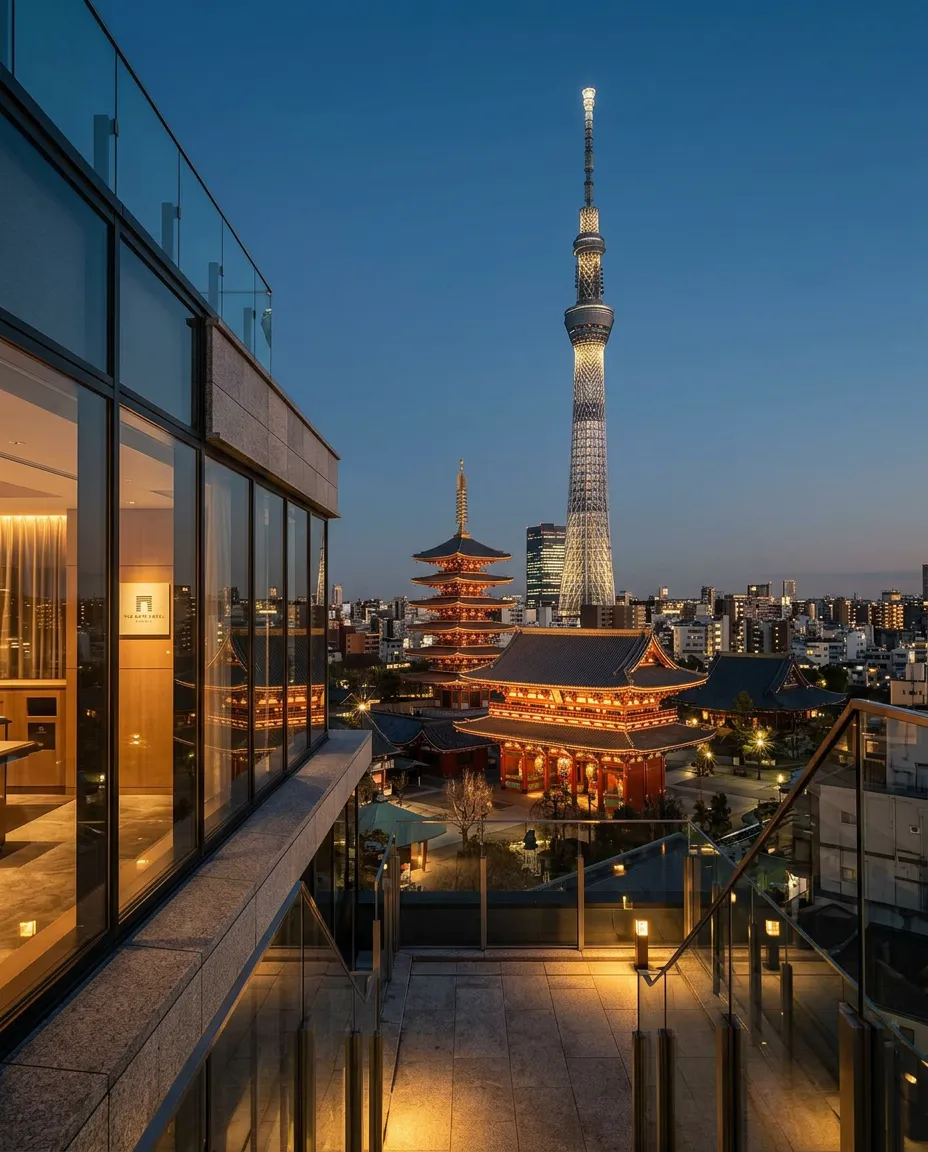 LUXURY · HotelThe Gate Hotel Kaminarimon by HulicAsakusaBoutique stay with a rooftop terrace that frames Sensō-ji and Skytree. The deep bath in every room is part of the appeal. And rare in Tokyo at this price.¥45,000/nightSee rates ↗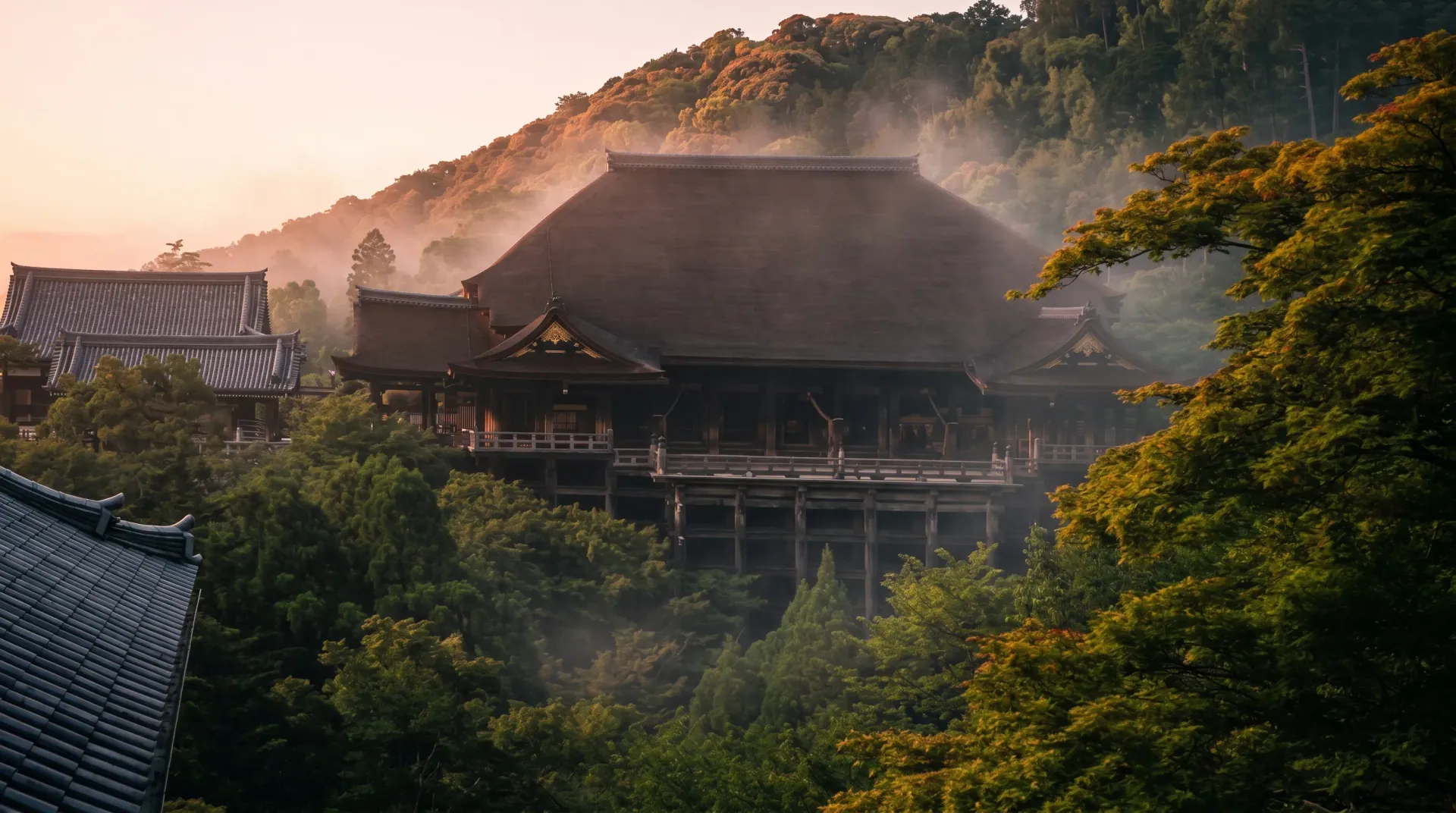
Why Kyoto
Kyoto rewards the early riser and punishes everyone else. The east side, from Kiyomizu-dera down the stone lanes of Sannen-zaka to Yasaka Shrine, is one continuous walk that is calm at opening and shoulder to shoulder by mid-morning. Do it once, early, and the rest of the stay opens up: Ginkaku-ji and the Philosopher's Path, an evening in Gion, and a full day in Arashiyama, where the bamboo grove is only the beginning. Daitoku-ji's zen subtemples are the counterweight, nearly empty, with gardens meant to be sat in front of. Three nights is what makes this rhythm possible without rushing any of it.
16 things to see and do
Hidden gemIshibei-kōji alleyA 100-metre stone-paved alley with traditional wooden machiya on both sides.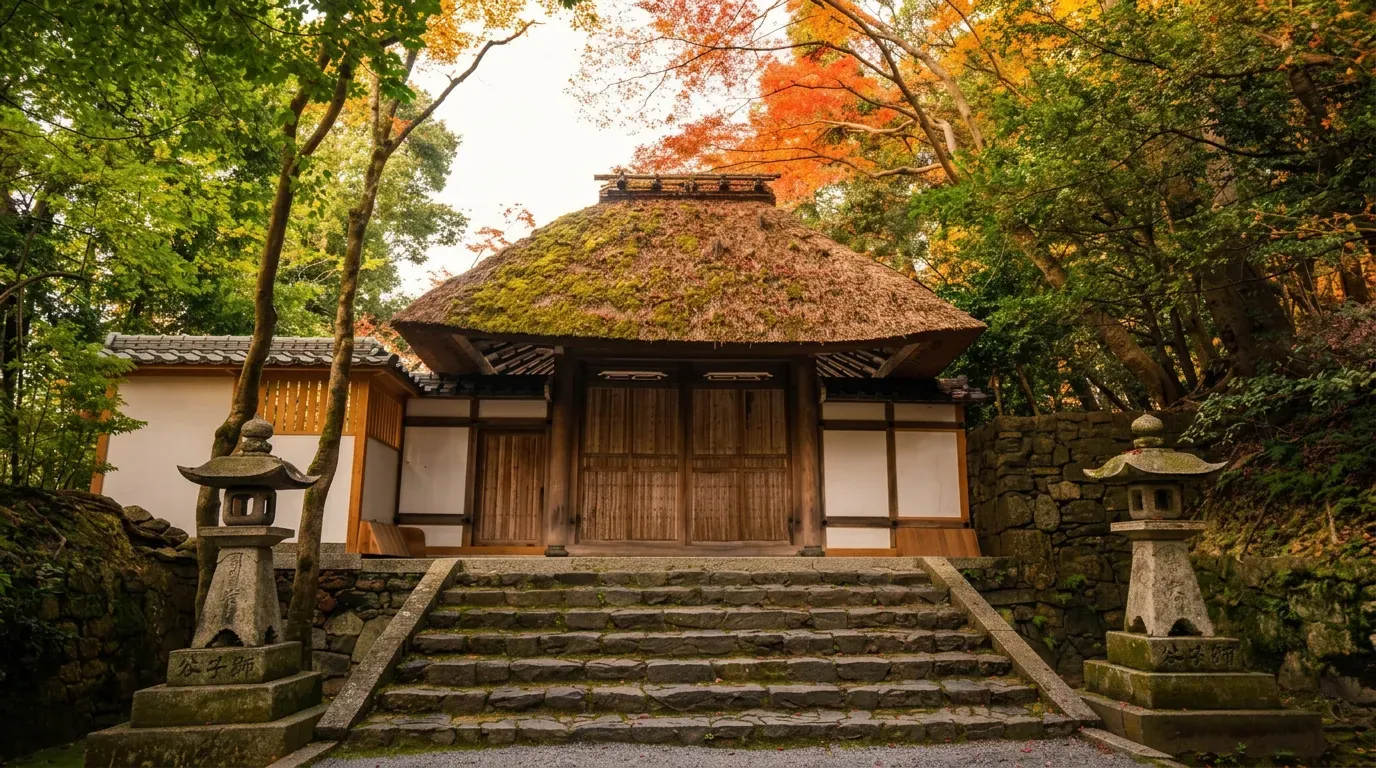 Hidden gemHōnen-inA small Pure Land temple with a moss-covered thatched gate and two sand mounds raked into seasonal patterns.
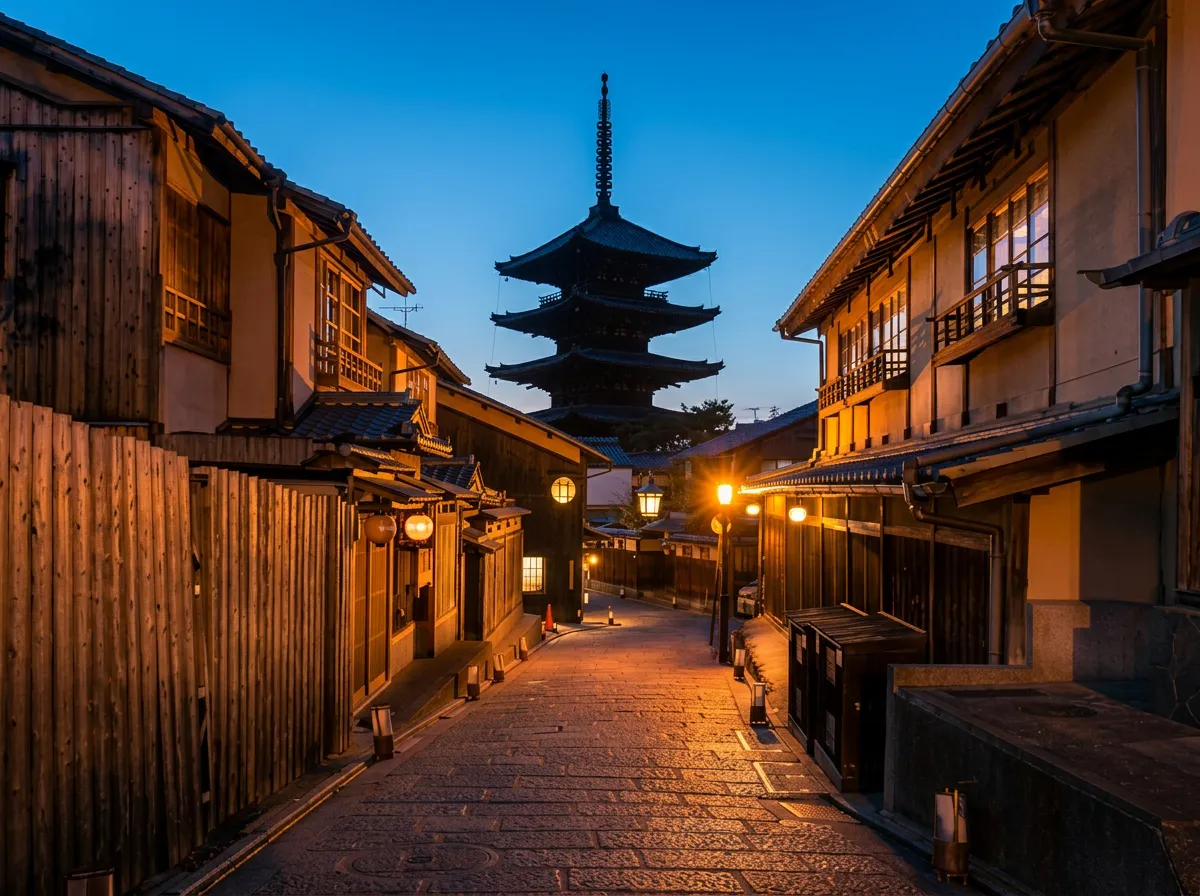 Must-seeYasaka Pagoda at duskHigashiyama · Free
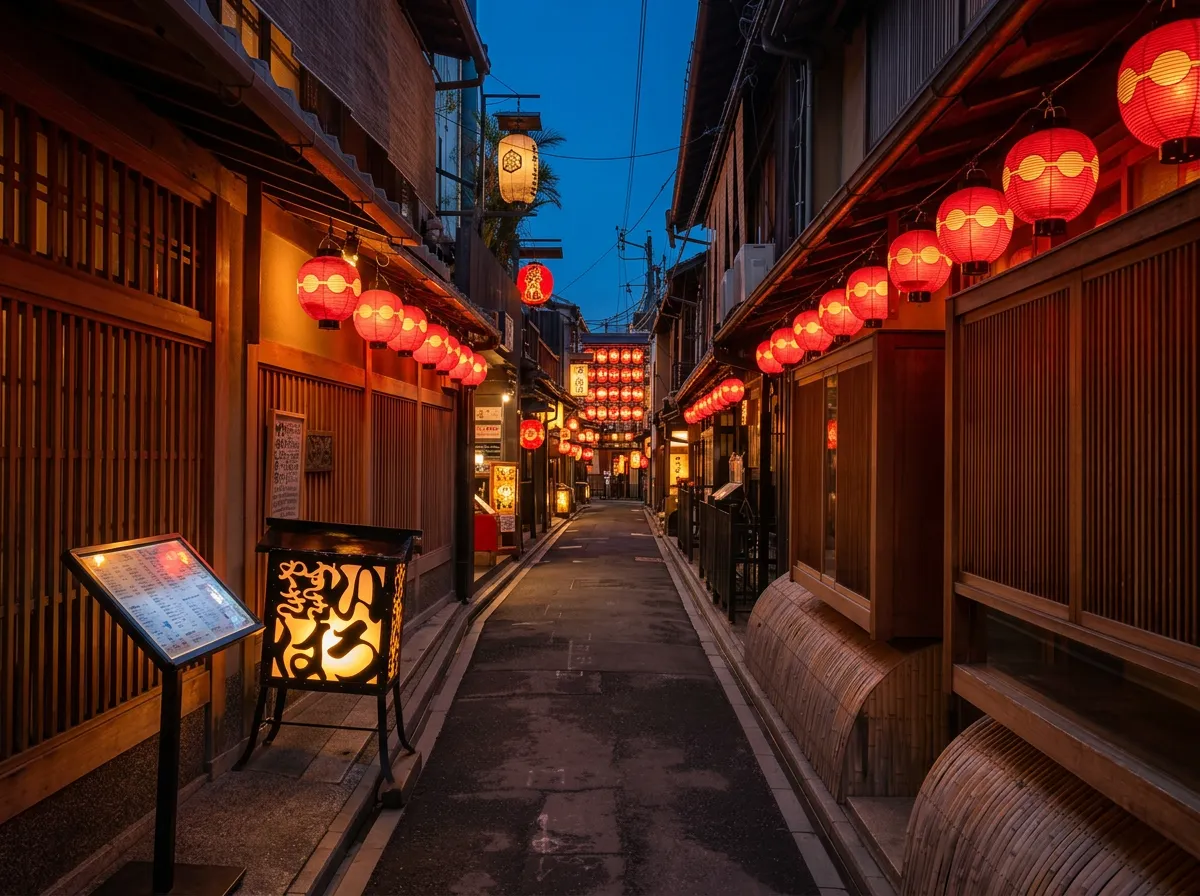 EatPontochō dinnerPontochō · ~¥4,000
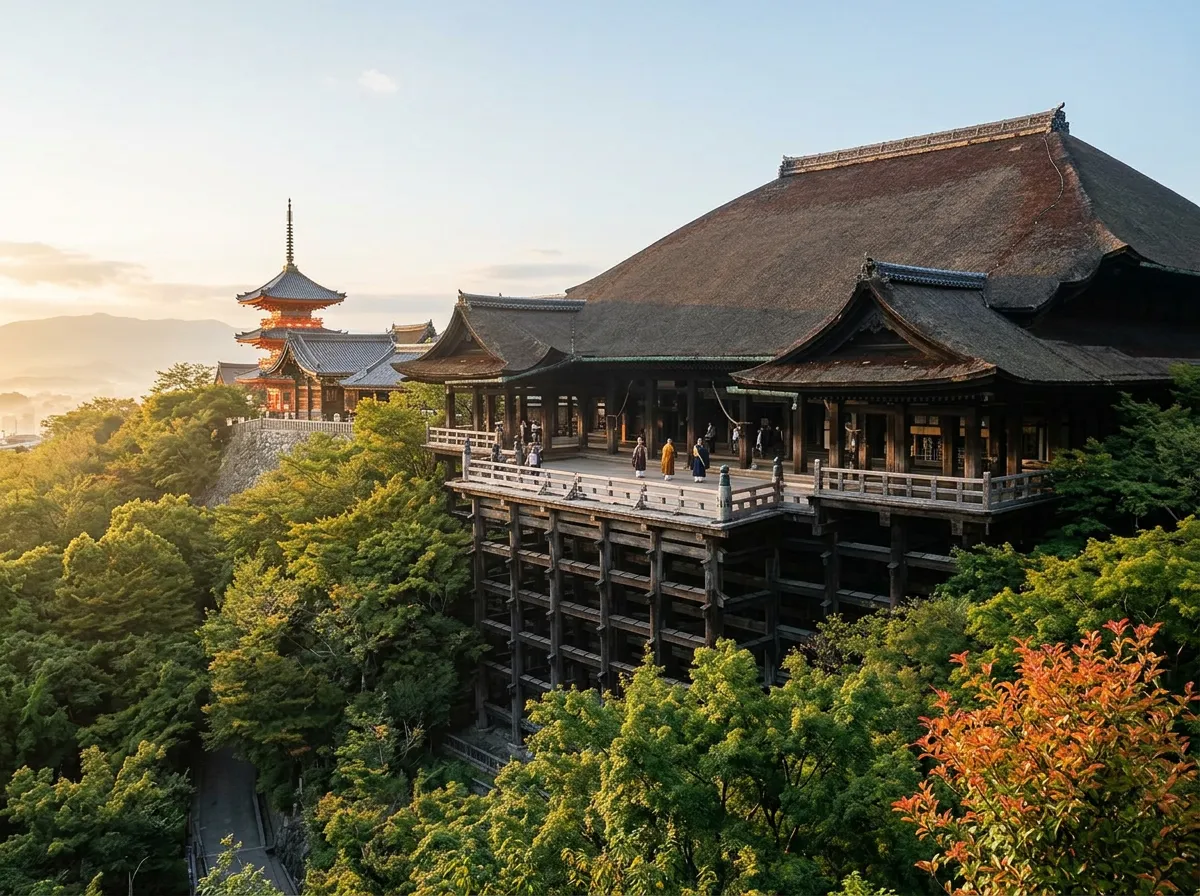 Must-seeKiyomizu-dera at openingA wooden temple complex on the eastern Kyoto hillside, founded 778 AD.
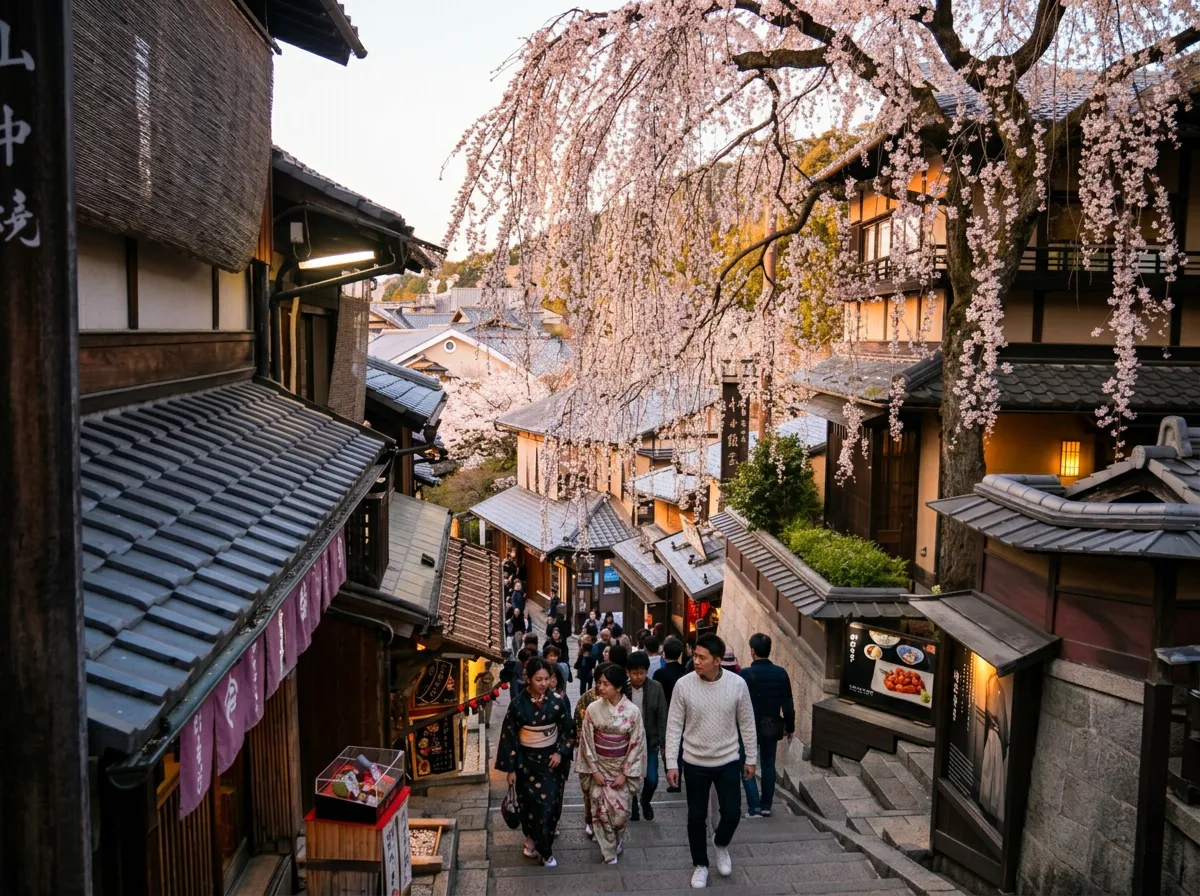 NeighbourhoodSannen-zaka + Ninen-zakaHigashiyama · Free
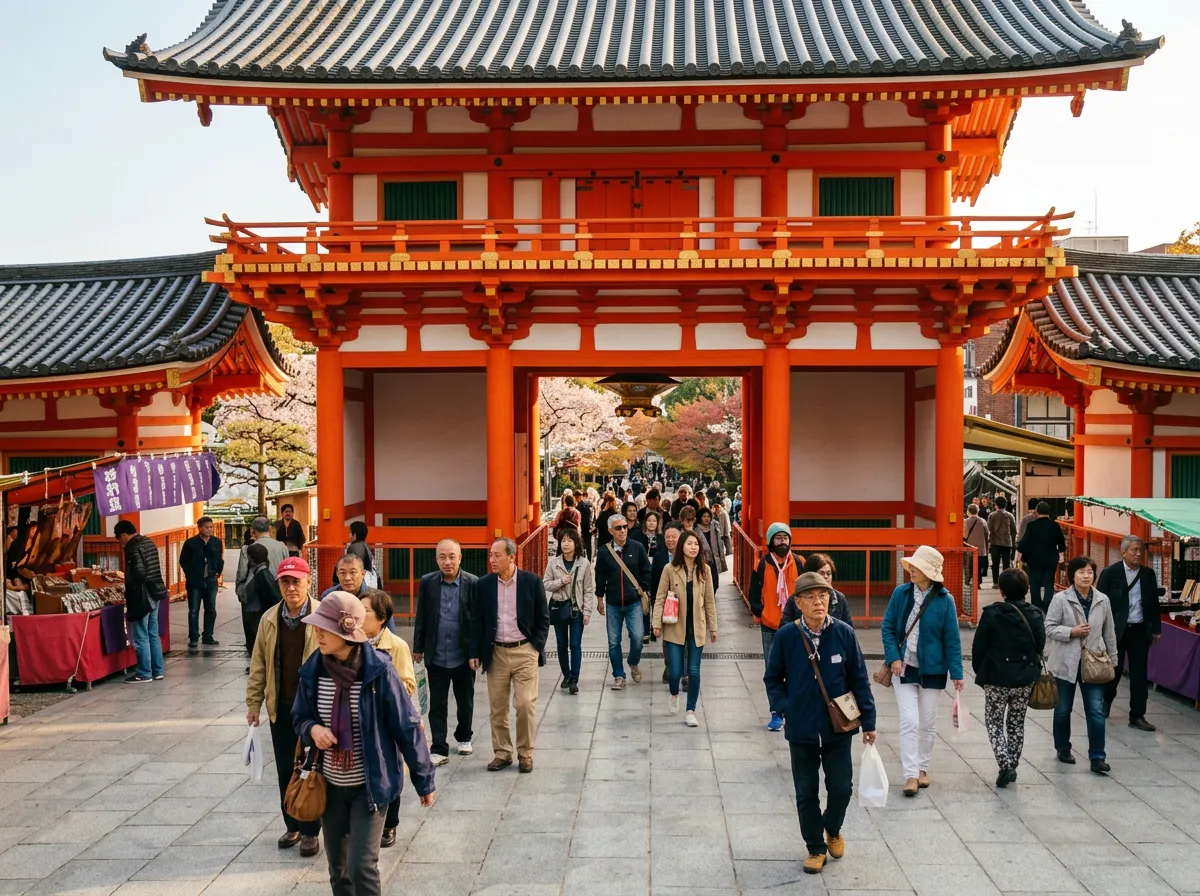 Must-seeYasaka Shrine + MaruyamaGion's lantern-lit guardian shrine, dedicated to Susanoo and home of the Gion Matsuri, never closes and never charges.
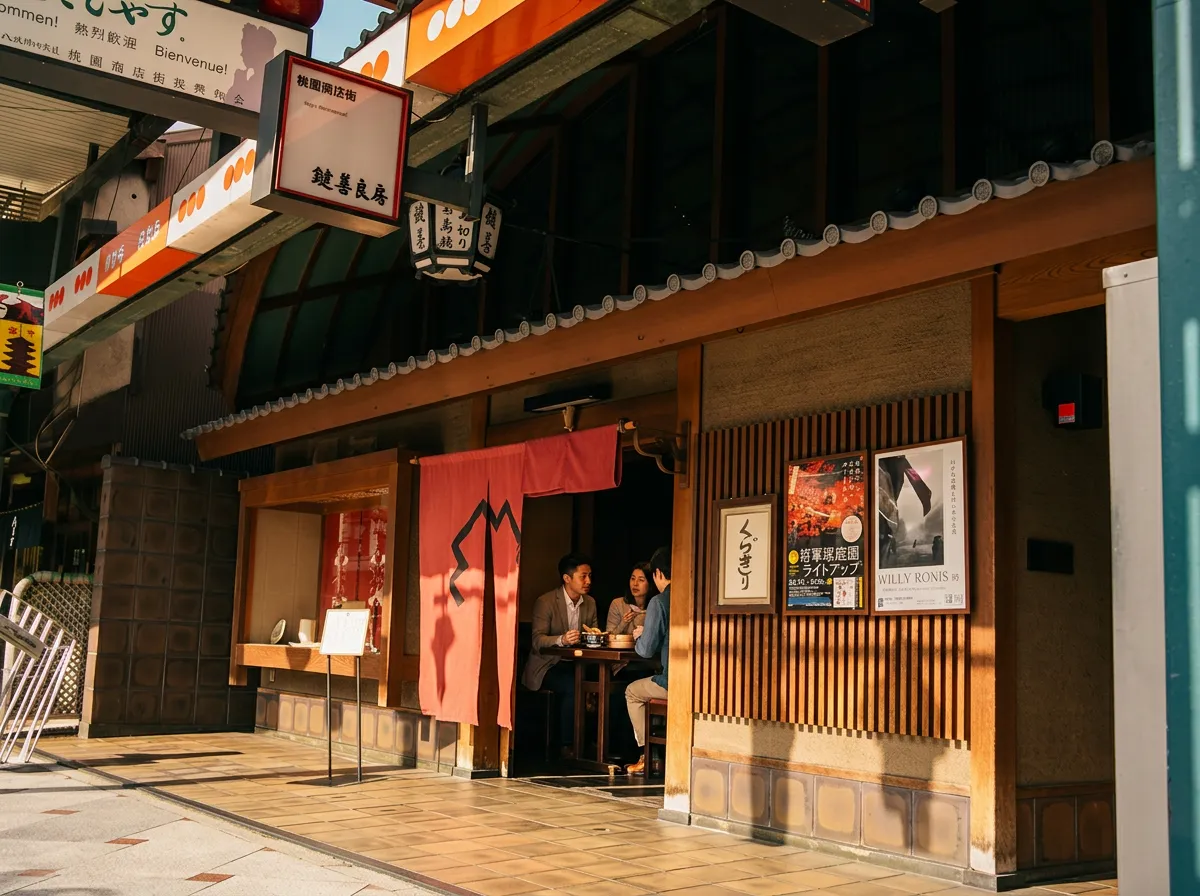 EatHigashiyama lunchGion · ~¥2,500
Show 8 more optionsShow fewer options
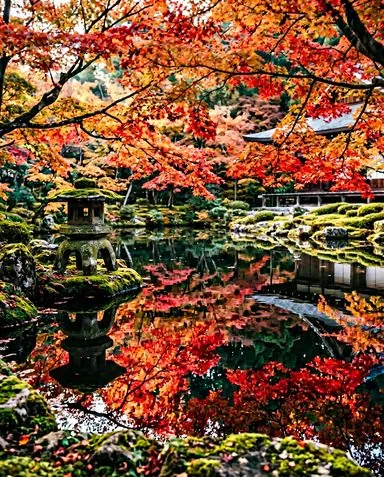
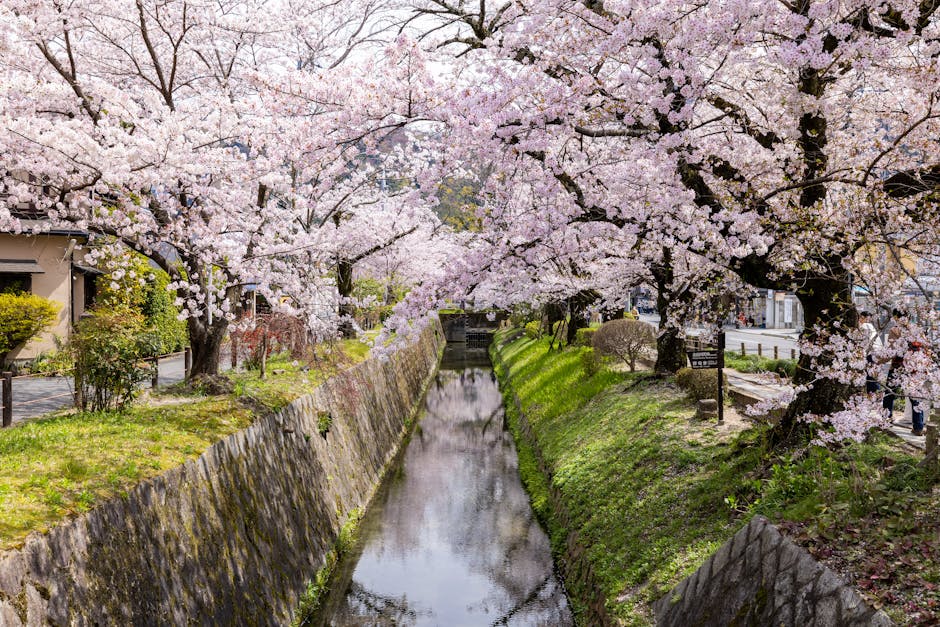 Must-seeGinkaku-ji + Philosopher's PathThe Silver Pavilion is a 15th-century Zen temple and UNESCO site, prized for its cone of white sand and raked garden above a pond.
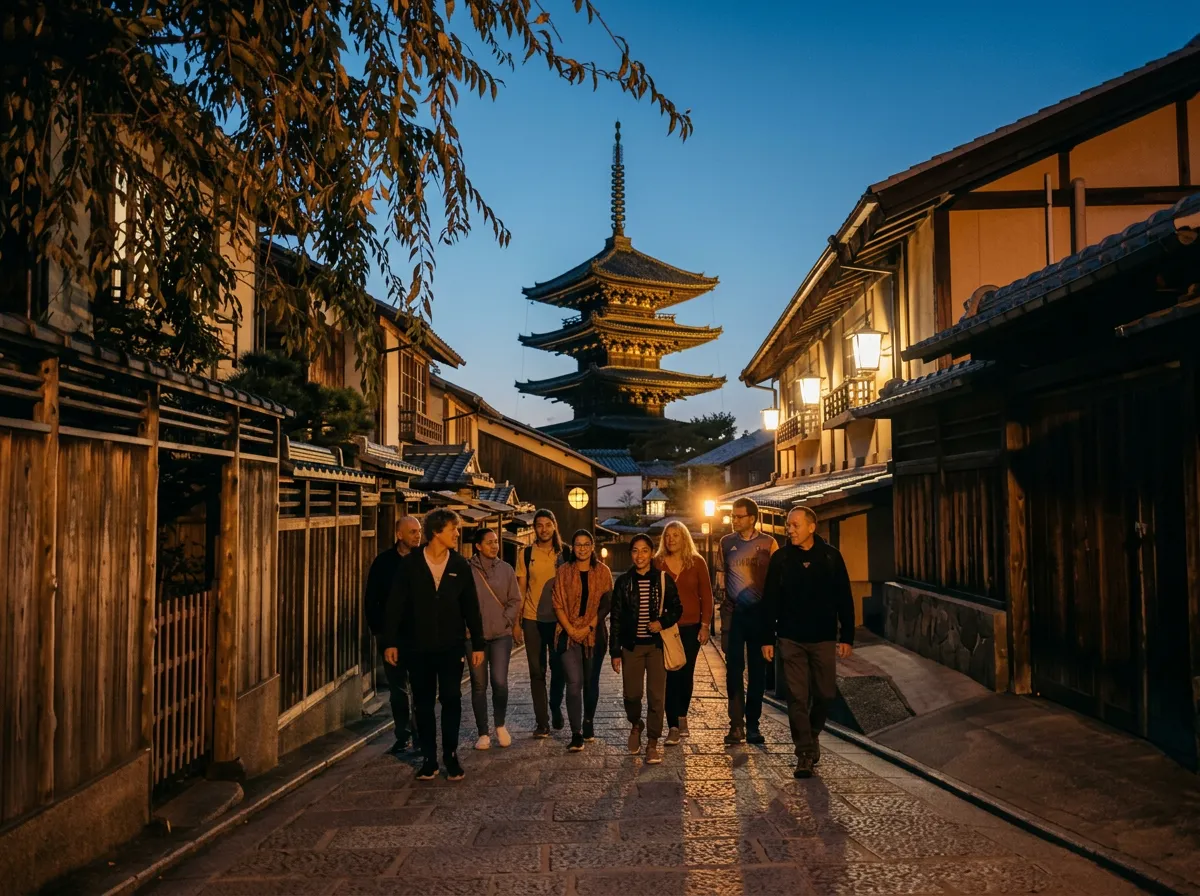 NeighbourhoodGion evening walkKyoto's historic entertainment district along Hanamikōji and the Shirakawa canal, where wooden machiya teahouses still work as ochaya for geiko and maiko.
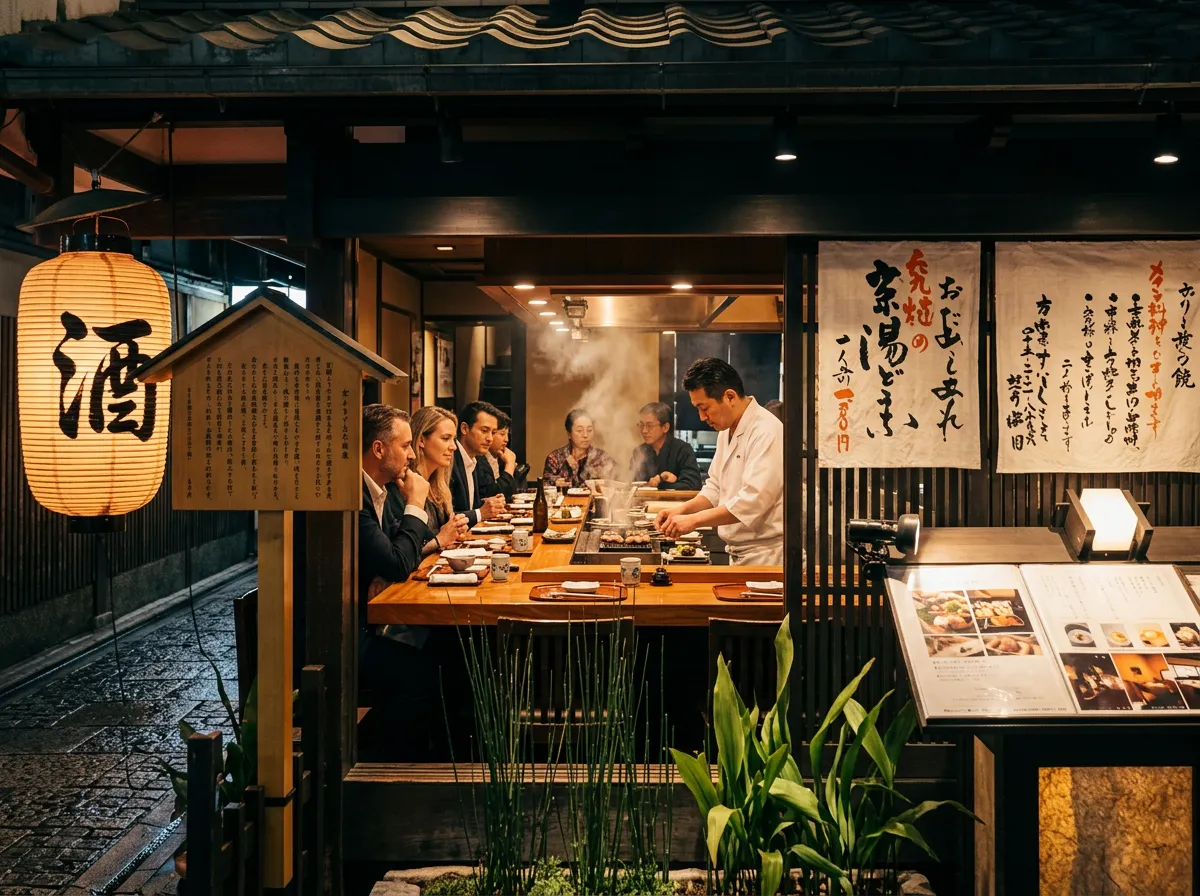 EatPontochō counter dinnerPontochō · ~¥4,000
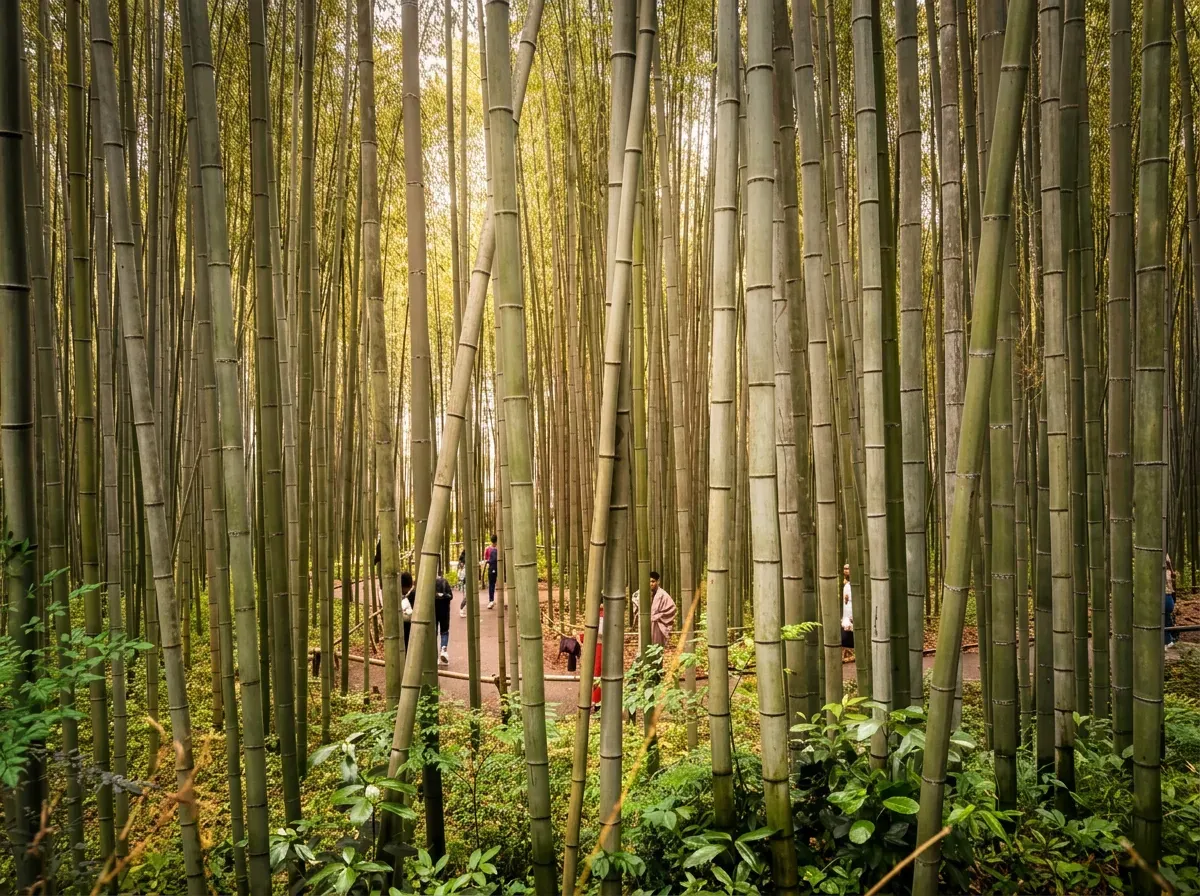 Must-seeArashiyama bamboo grove · earlyA 500-metre path through 150-foot Moso bamboo, in north-west Kyoto.
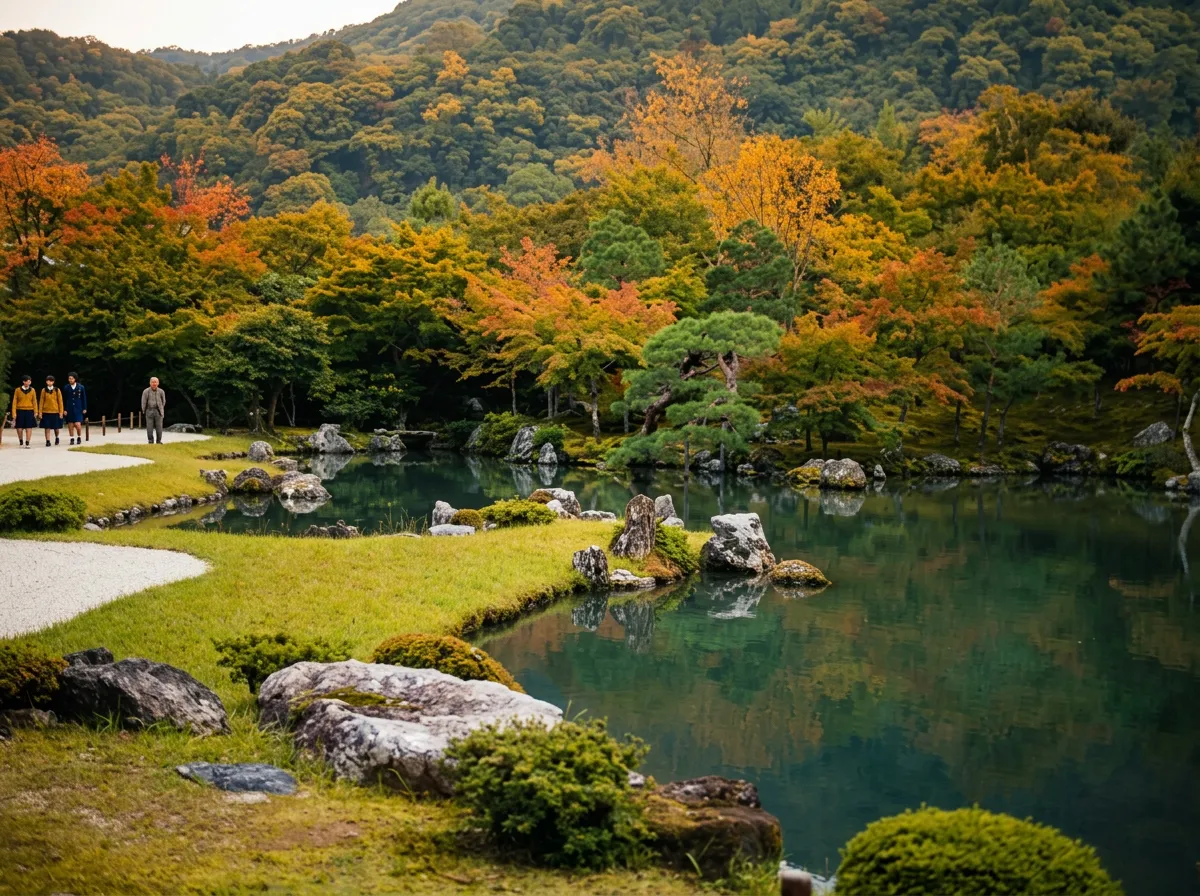 Must-seeTenryū-ji + Sōgenchi gardenArashiyama's principal Rinzai Zen temple, founded in 1339 by Ashikaga Takauji.
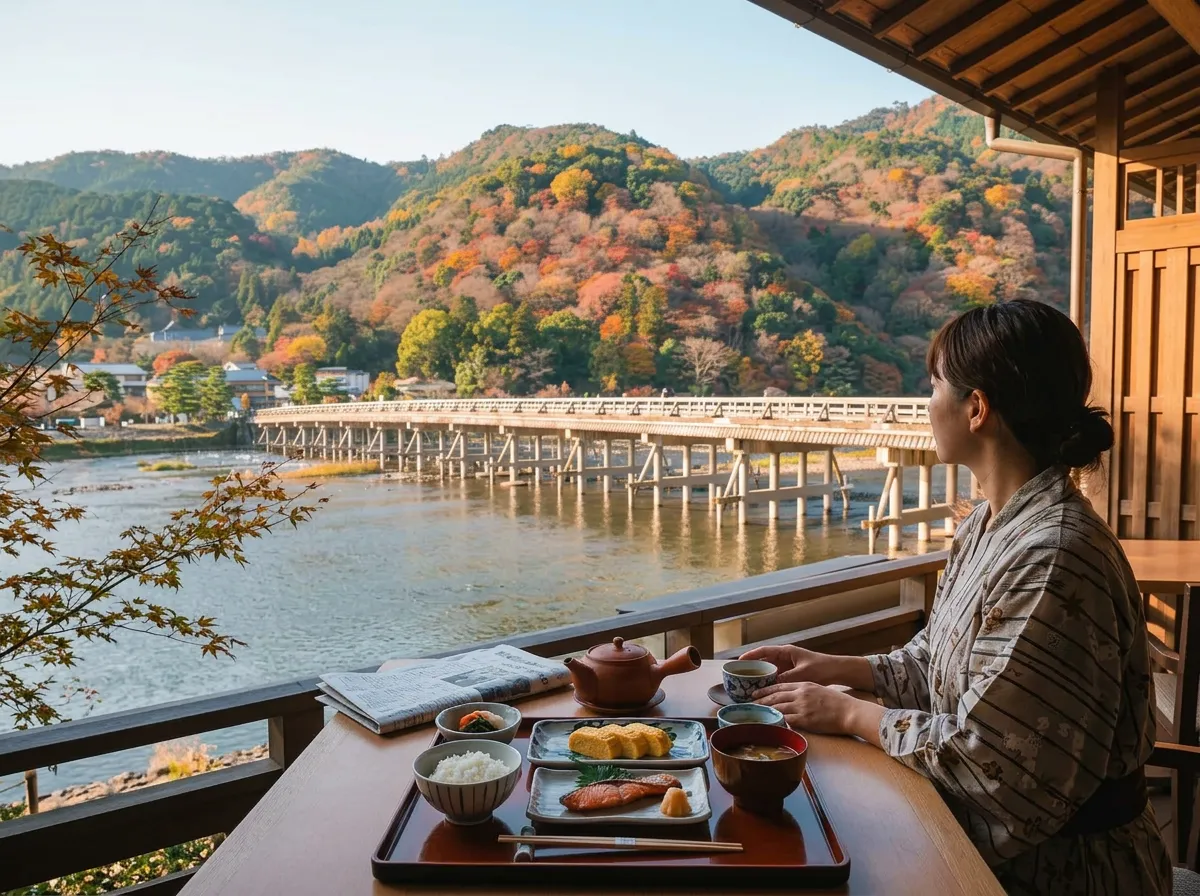 EatTogetsukyō bridge + breakfastA 155-metre wooden bridge over the Ōi River at Arashiyama, framed by wooded hills.
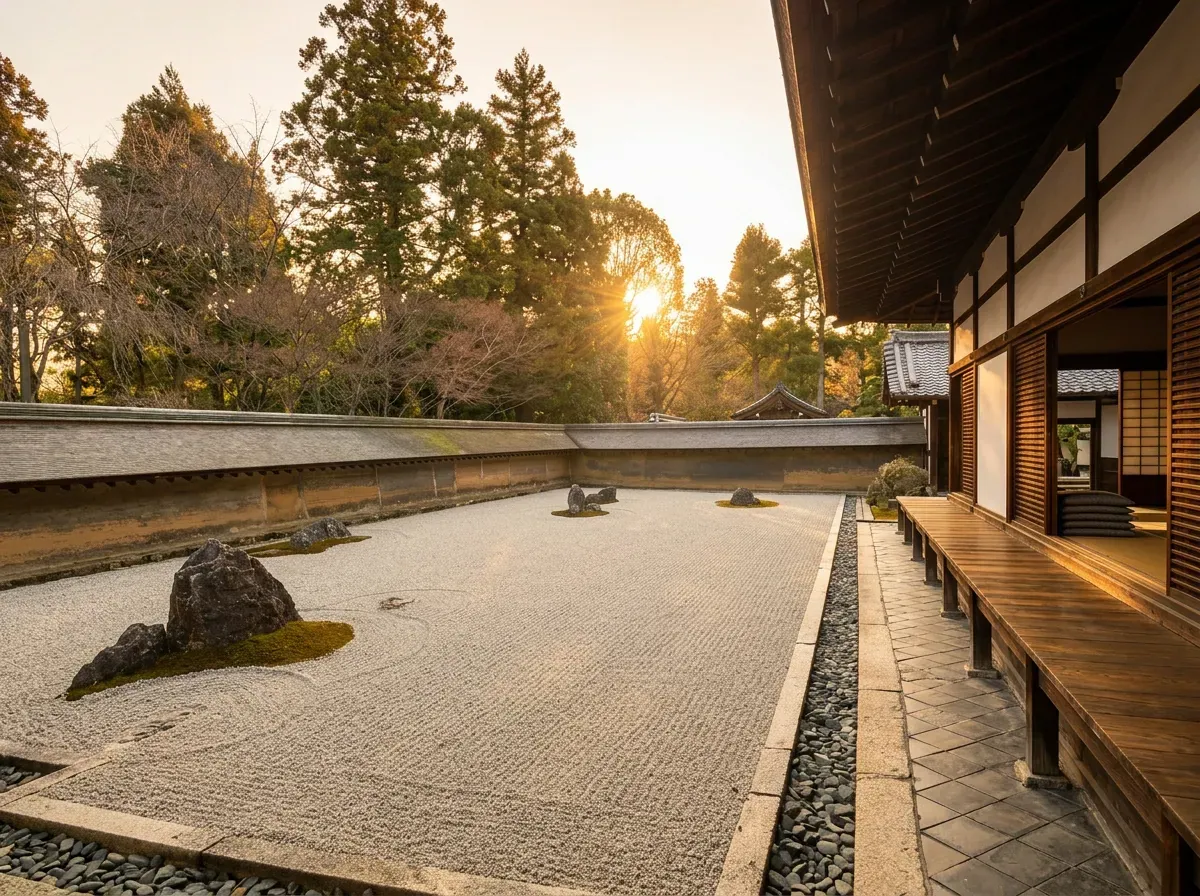 Must-seeDaitoku-ji zen subtemplesNorthern Kyoto · ¥400 each
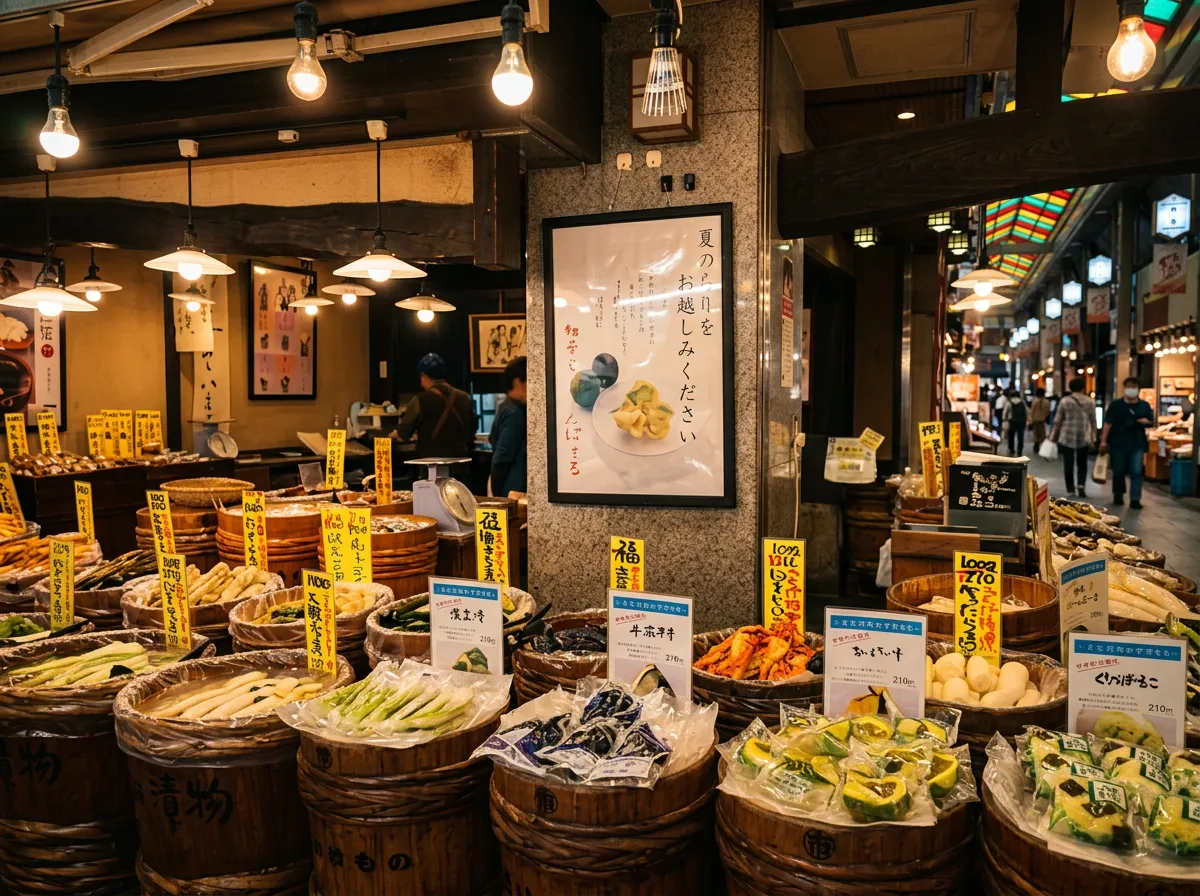 NeighbourhoodNishiki Market eveningKyoto's centuries-old kitchen lane, a covered market of food stalls, crafts and pickles.
Where to sleep in Kyoto
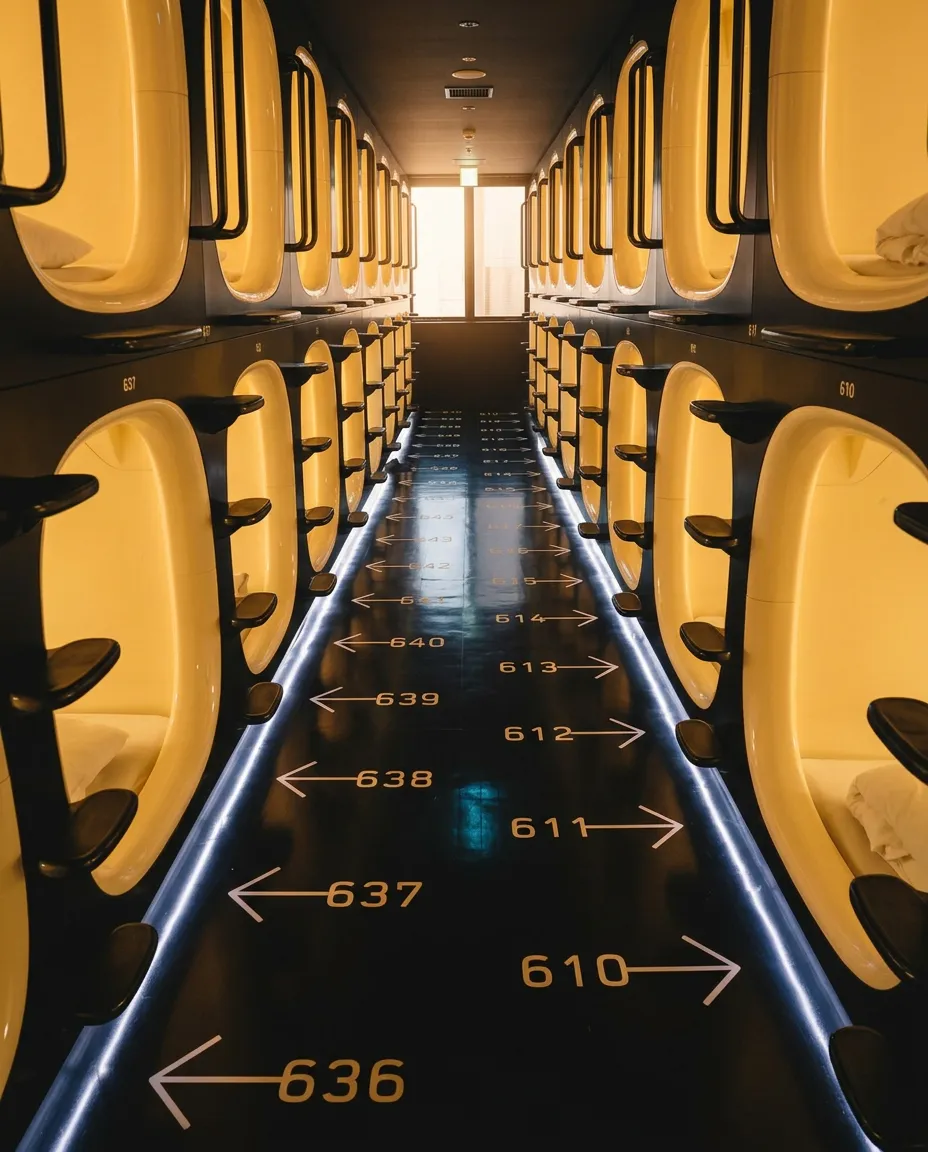 BUDGET · Capsule9 Hours Kyoto TeramachiTeramachi · 5 min to PontochōNick stayed here in 2017. Capsule hotel, futuristic. Stark white pods, sleek bathroom block, lockers replace closets. <strong>If a capsule night belongs on the trip</strong>, this is the easiest place to try one: central, English-friendly, and the lights wake you with sunrise simulation. Not for two-person travel. Each pod is for one.¥4,200/nightSee rates ↗
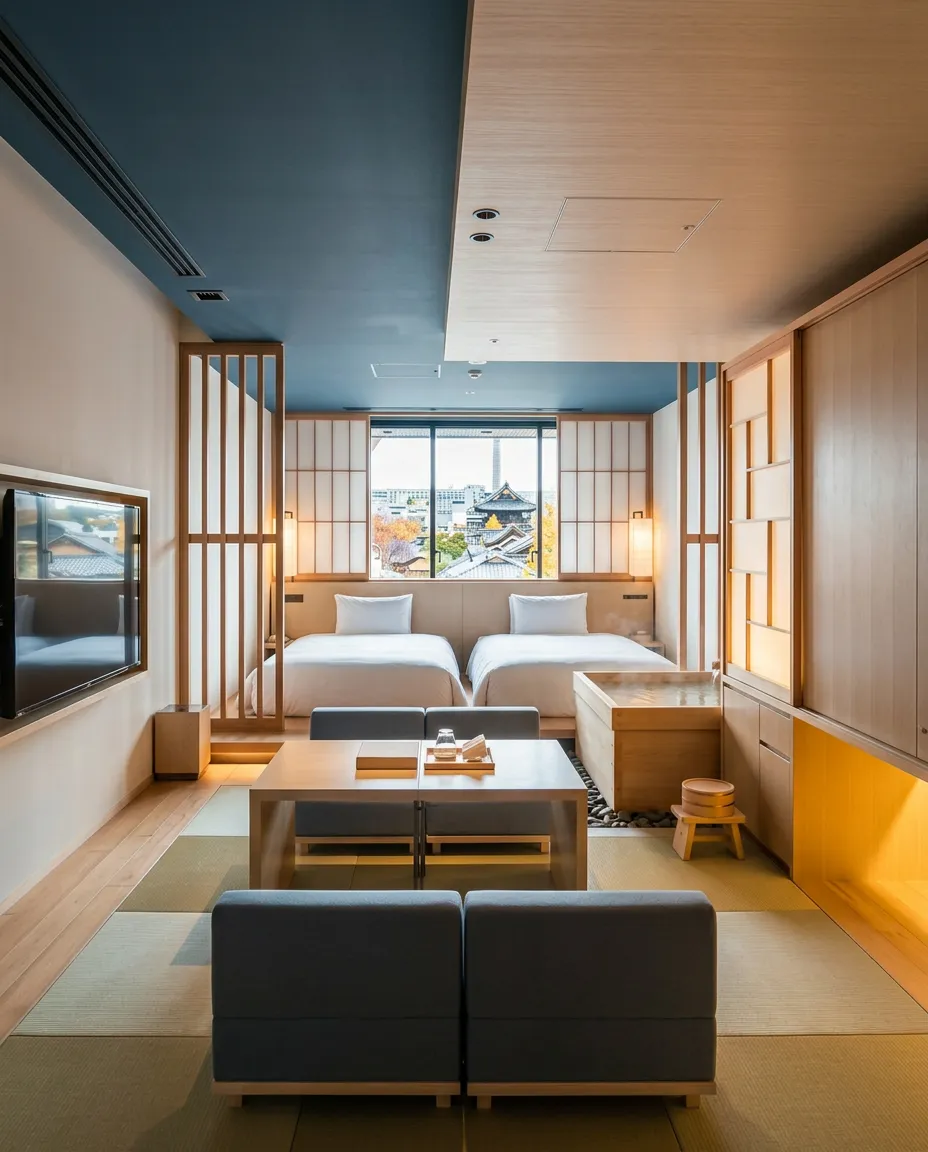 MID · HotelHotel Kanra KyotoKarasuma · between Kyoto Station and downtownRecommendedTraditional-modern boutique with hinoki baths in every room and a tatami sleeping area. The right balance of "ryokan feel" without committing to a full kaiseki dinner.¥22,000/nightSee rates ↗
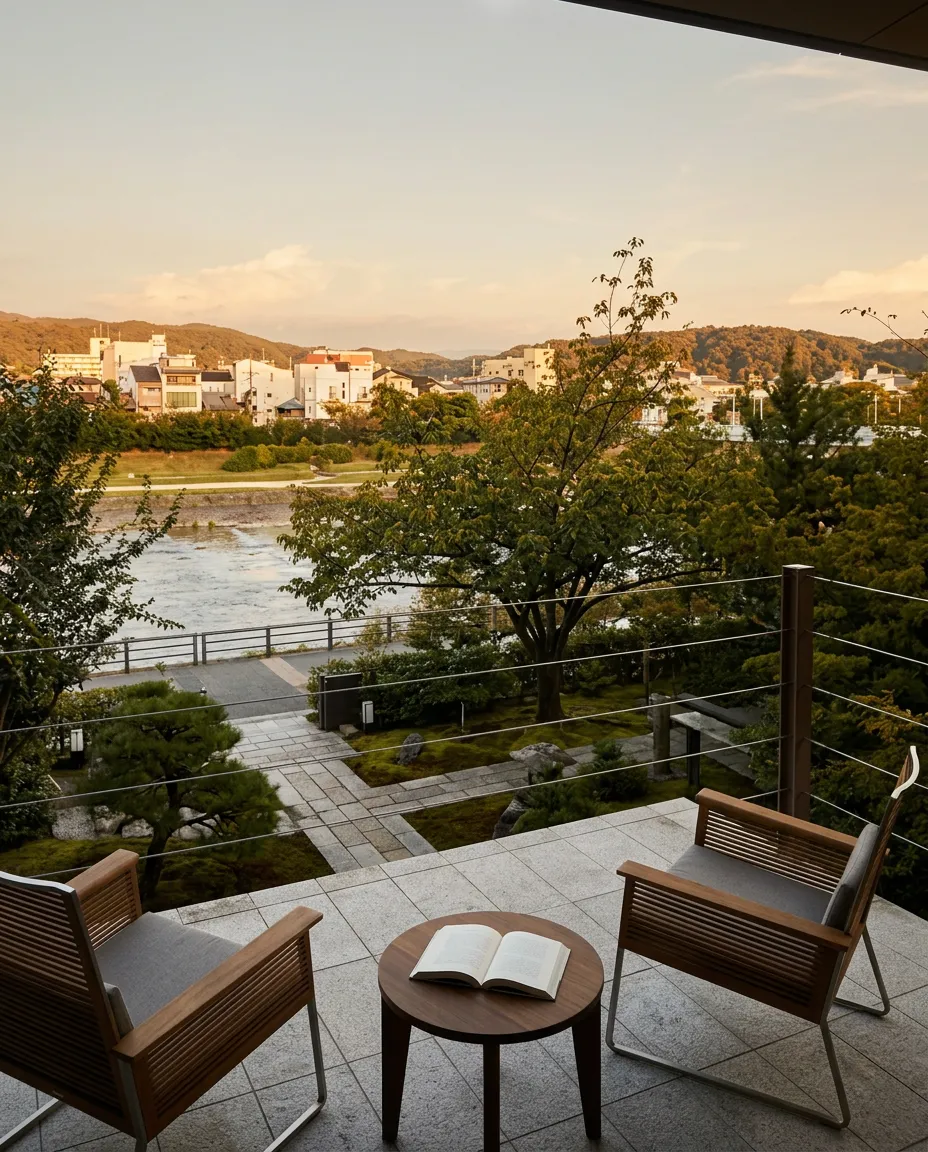 LUXURY · HotelThe Ritz-Carlton KyotoNijō · Kamogawa riversideRiverside on the Kamogawa, ten minutes from Pontochō. The garden bath suites are the editorial pick. But the standard rooms also face the river.¥90,000/nightSee rates ↗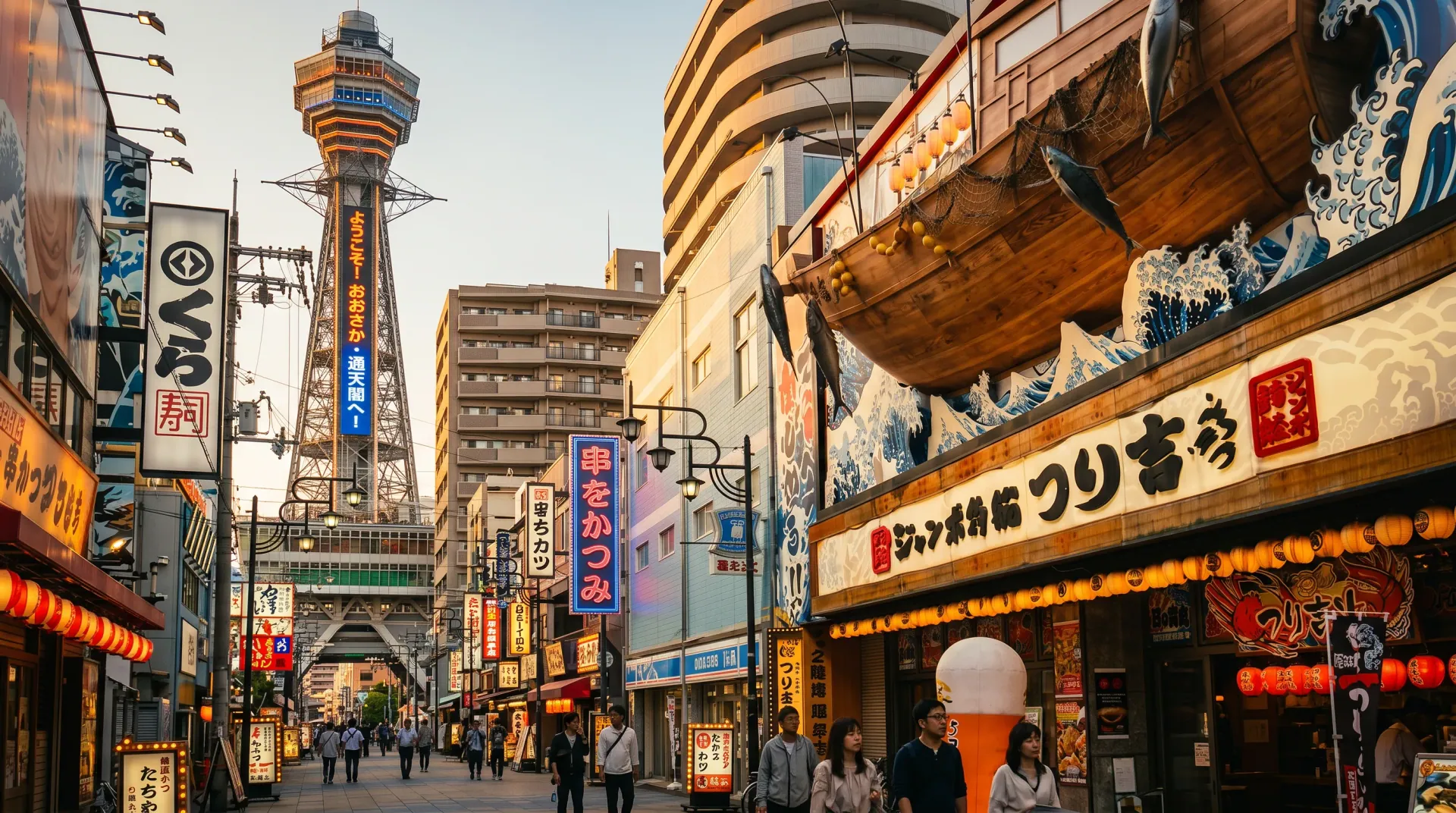
Why Osaka
Osaka is the base for the last stretch because it eats better than Kyoto, sleeps cheaper, and sits forty minutes closer to Hiroshima on the Shinkansen. Namba puts you in the middle of it: Dotonbori and its neon canal at dusk, Kuromon market for breakfast, the covered arcades of Shinsaibashi. The Hiroshima day-trip is the heavy day of the trip. The Peace Memorial Museum is its centre, and Miyajima's floating torii is what you do with the afternoon. The final full day is Osaka's own: the castle, the retro streets of Shinsekai, and the Umeda Sky Building for the view before a last Dotonbori dinner.
15 things to see and do
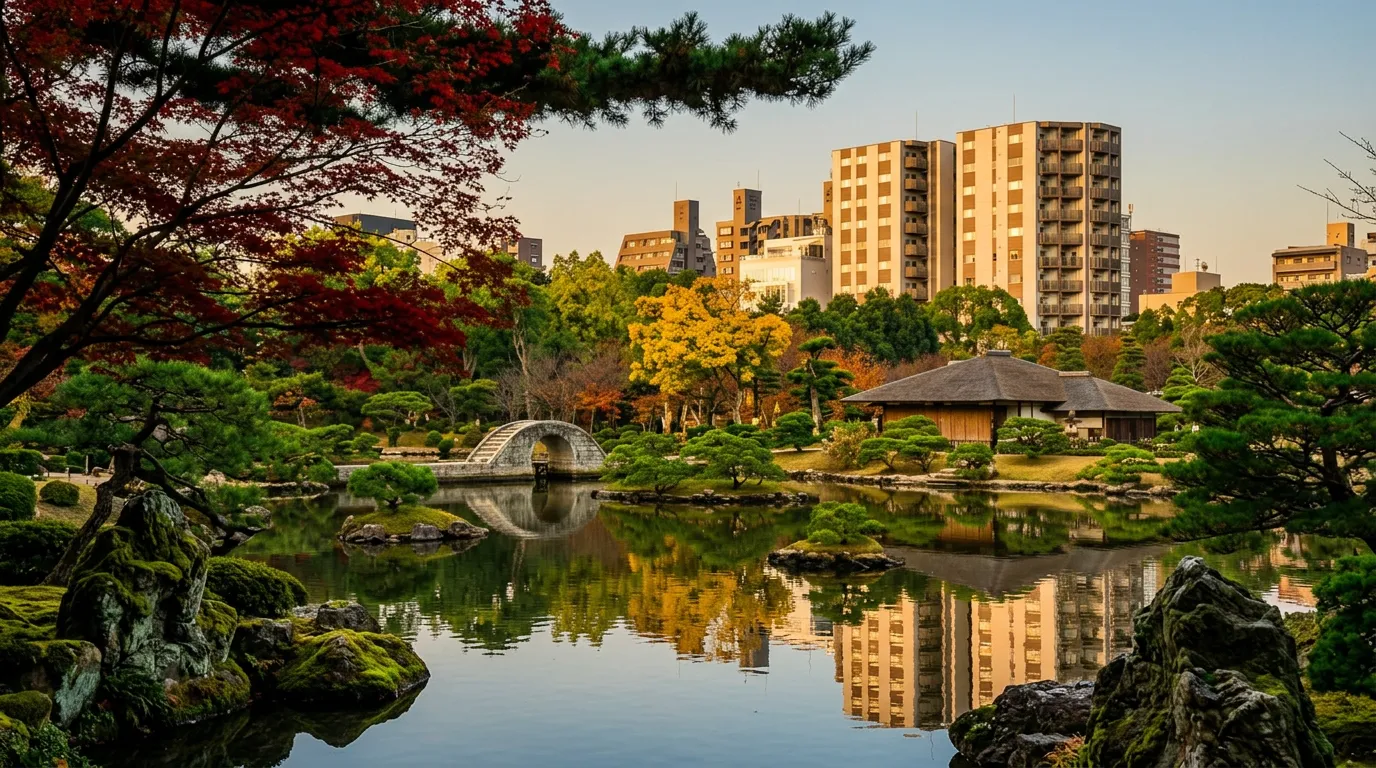 Hidden gemShukkei-en GardenA 17th-century daimyō garden.
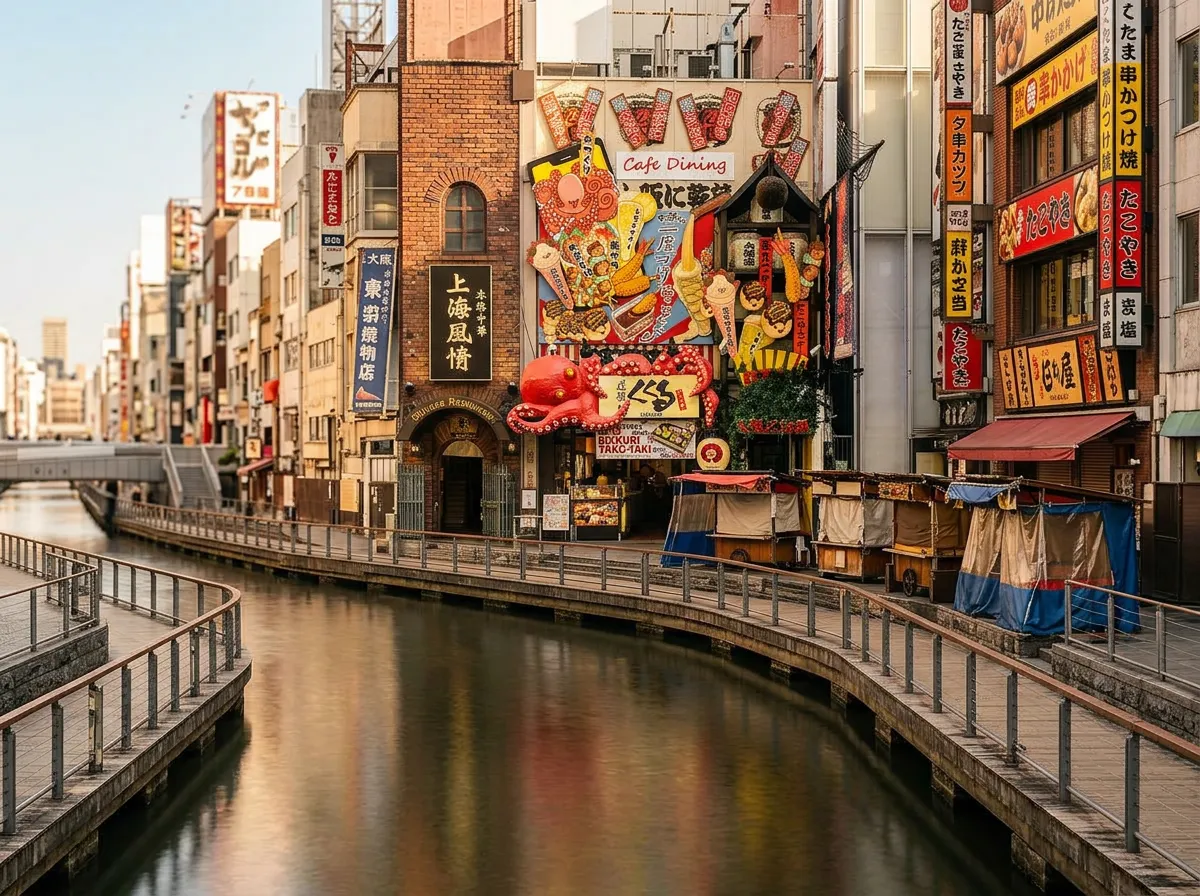 NeighbourhoodDotonbori afternoon walkOsaka's neon canal strip along a kilometre of the Dōtonbori-gawa, lined with giant mechanical crabs, glowing takoyaki shops and the Glico running man that has marked the city entrance since 1935.
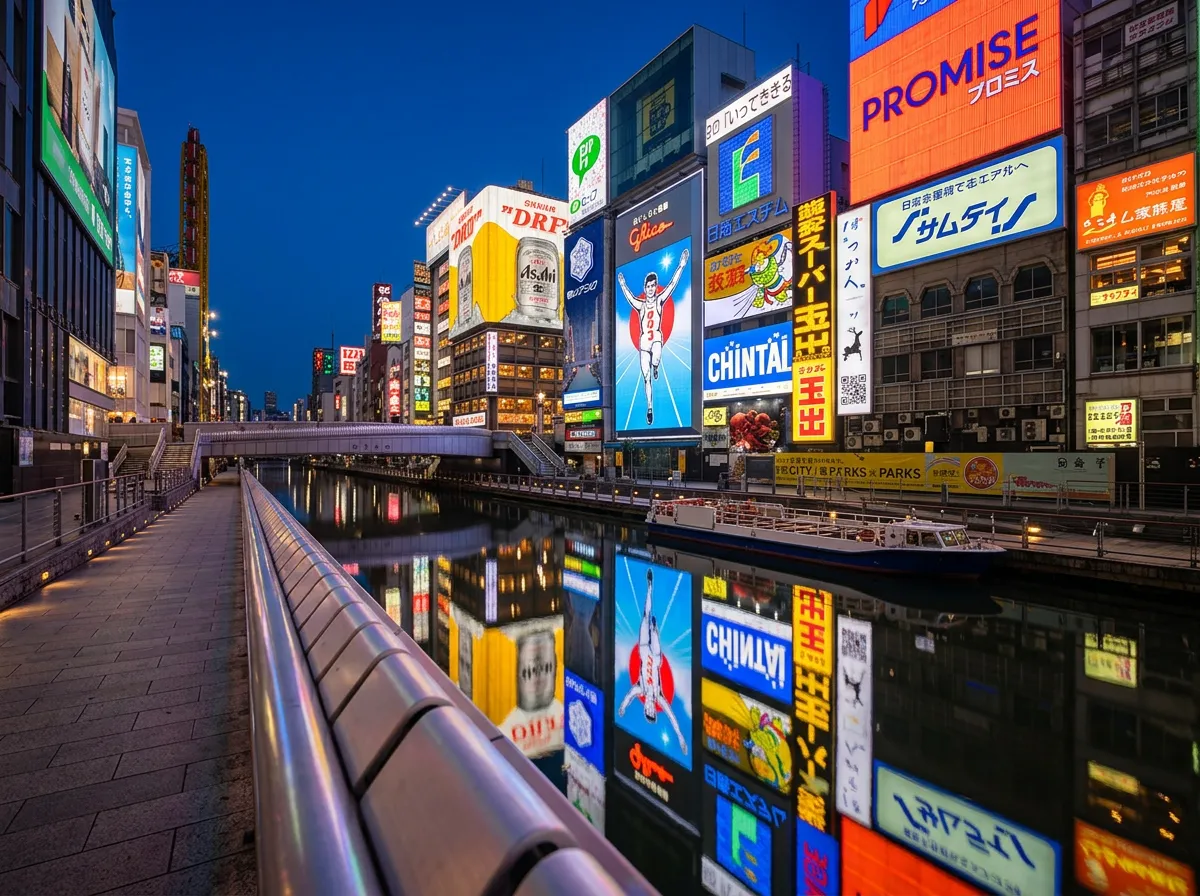 Must-seeGlico Sign at duskDotonbori · Free
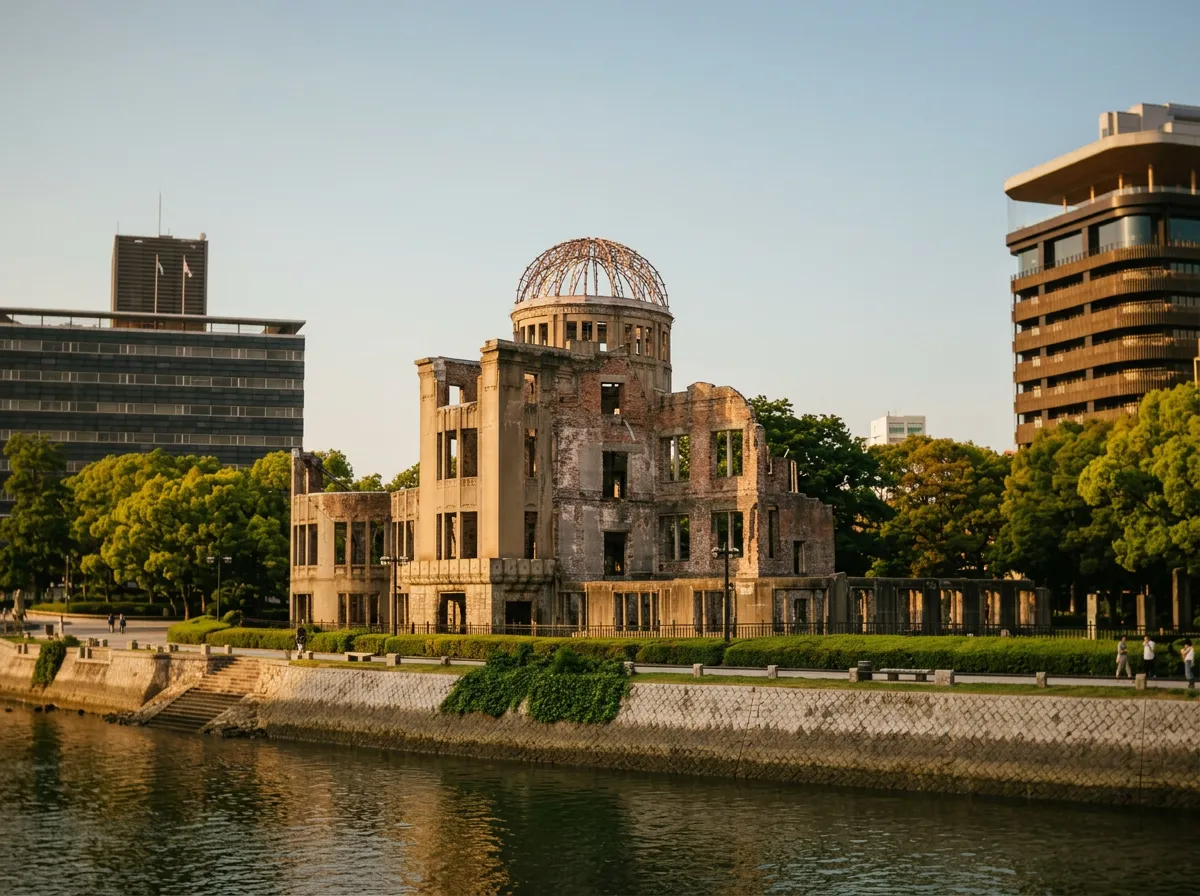 Day-trip · HiroshimaAtomic Bomb DomeThe preserved ruin of the Prefectural Industrial Promotion Hall, one of the few buildings left standing after the bomb on 6 August 1945.
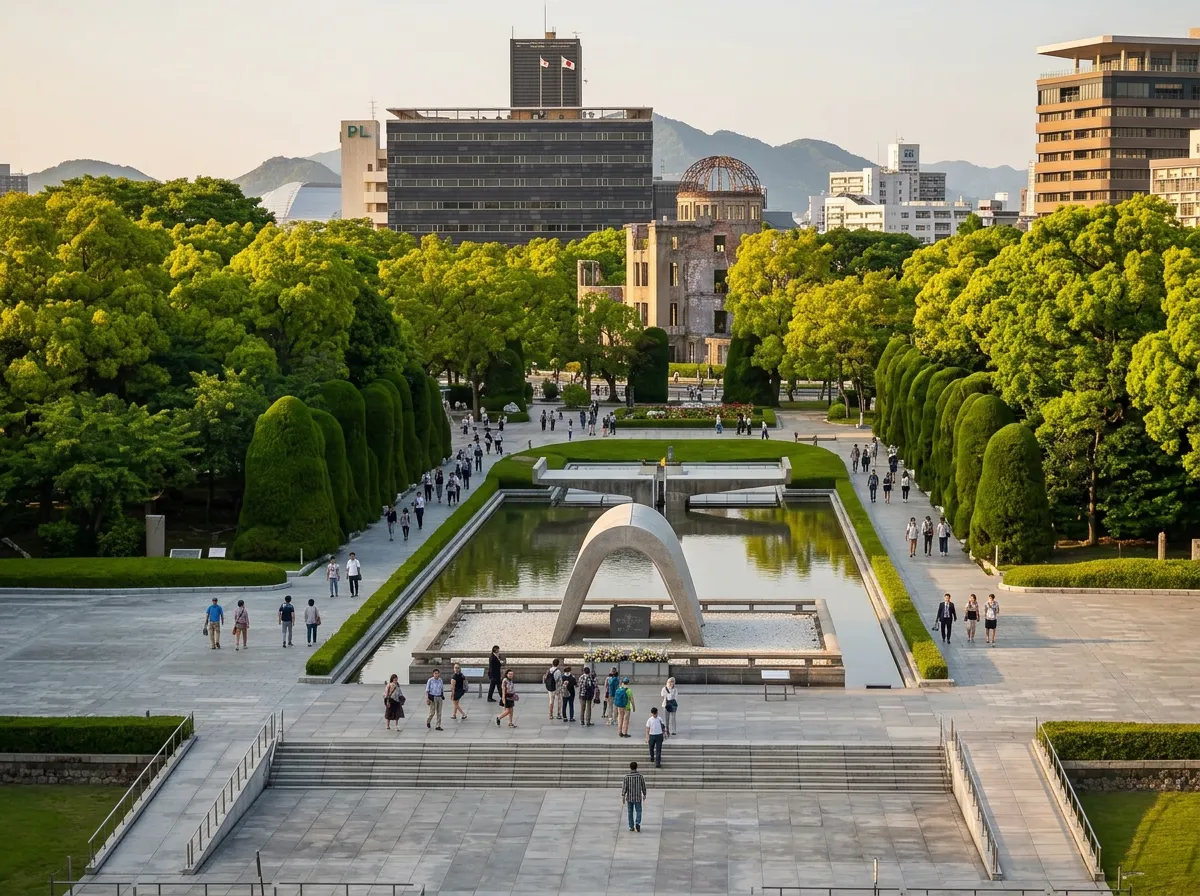 Day-trip · HiroshimaPeace Memorial MuseumThe defining museum of 20th-century Hiroshima.
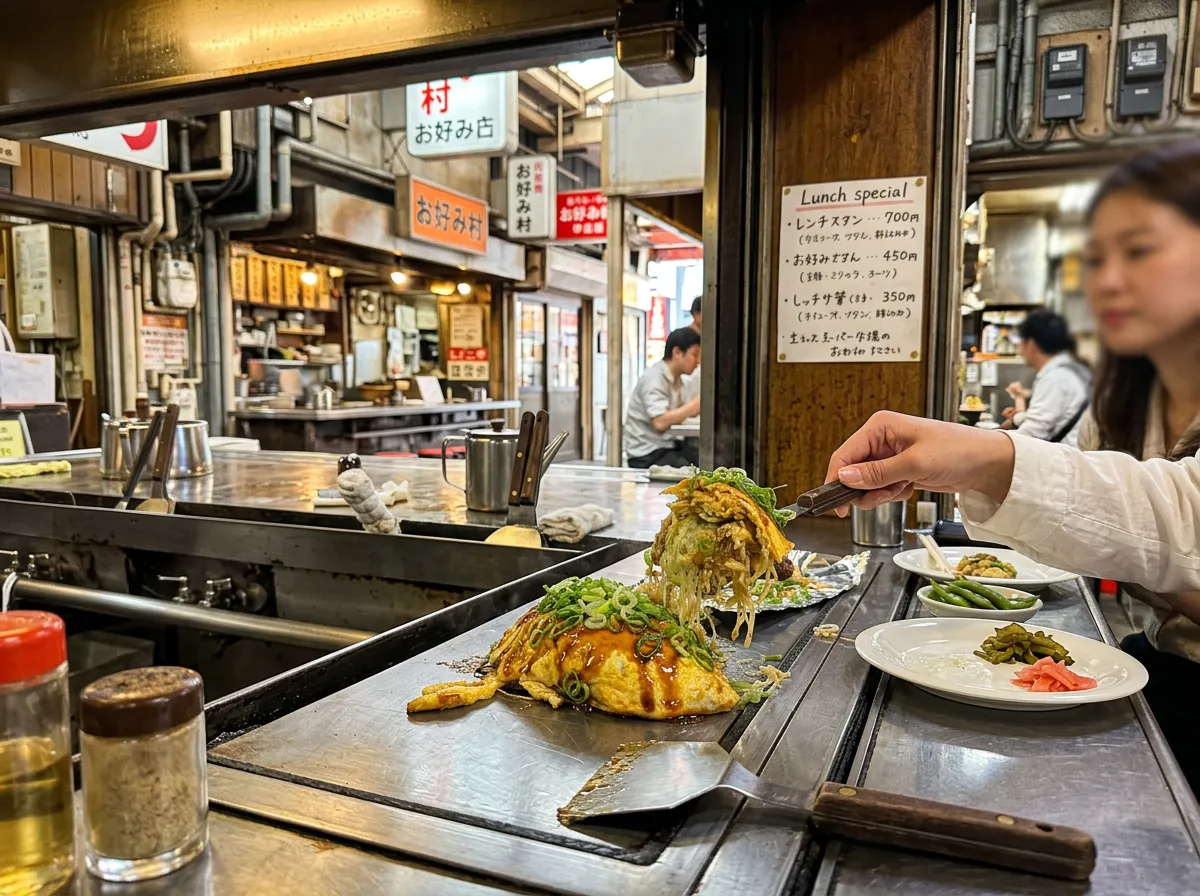 EatHiroshima okonomiyaki lunchA mid-range okonomiyaki spot in Shintenchi where every order is cooked on the griddle in front of you.
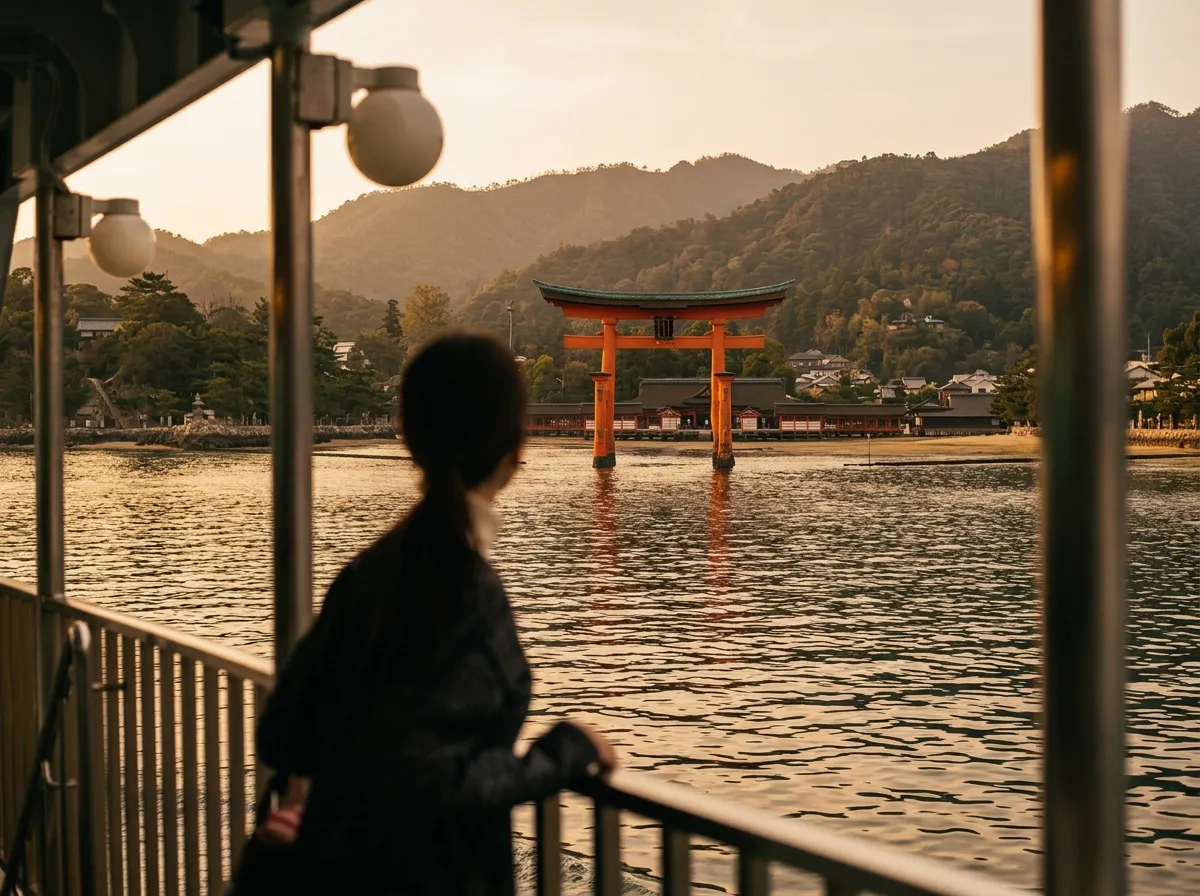 Day-trip · HiroshimaMiyajima ferry + toriiThe vermilion O-torii of Itsukushima Shrine seems to float between sea and sky off Miyajima, and is viewable at any hour from the shore.
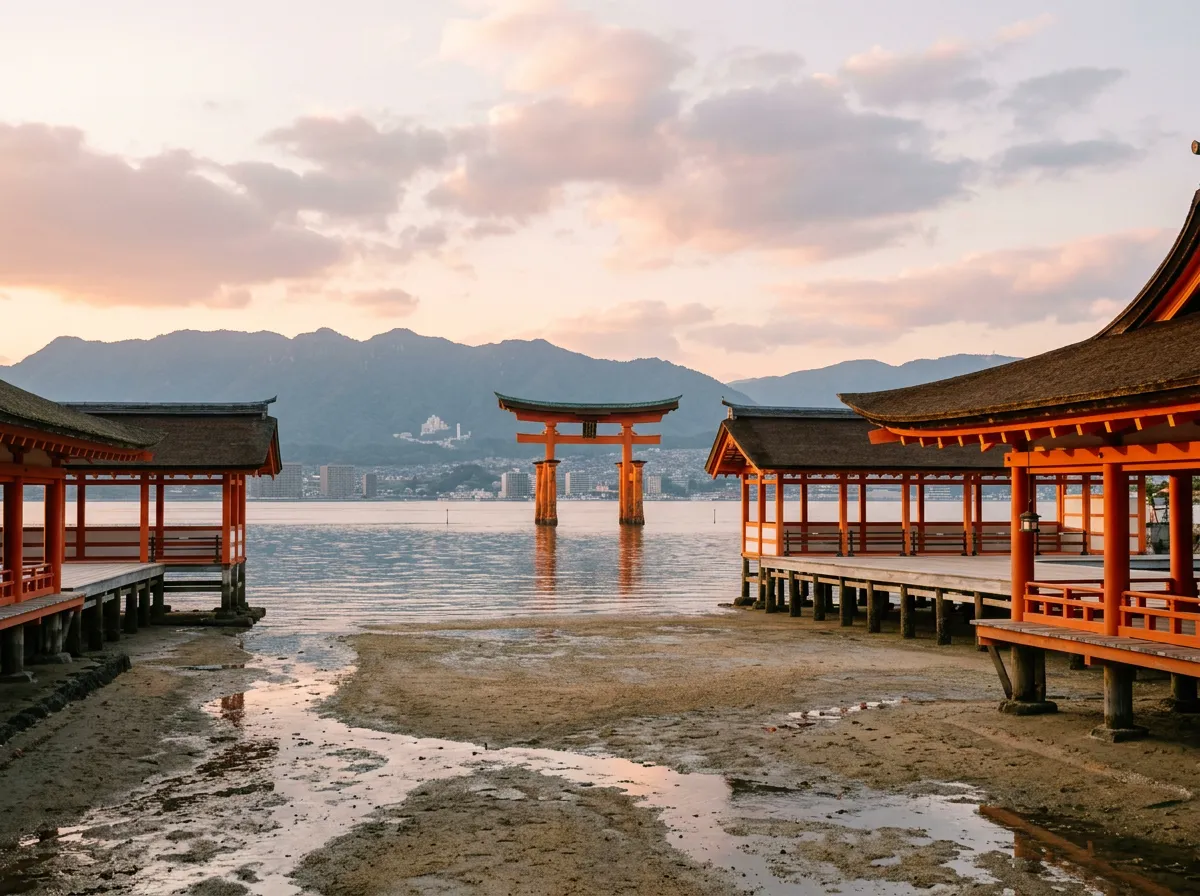 Day-trip · HiroshimaItsukushima ShrineThe shrine whose vermilion torii rises from the Seto Inland Sea, and one of Japan's most-visited: over 35,000 Google reviews averaging 4.6 stars.
Show 7 more optionsShow fewer options
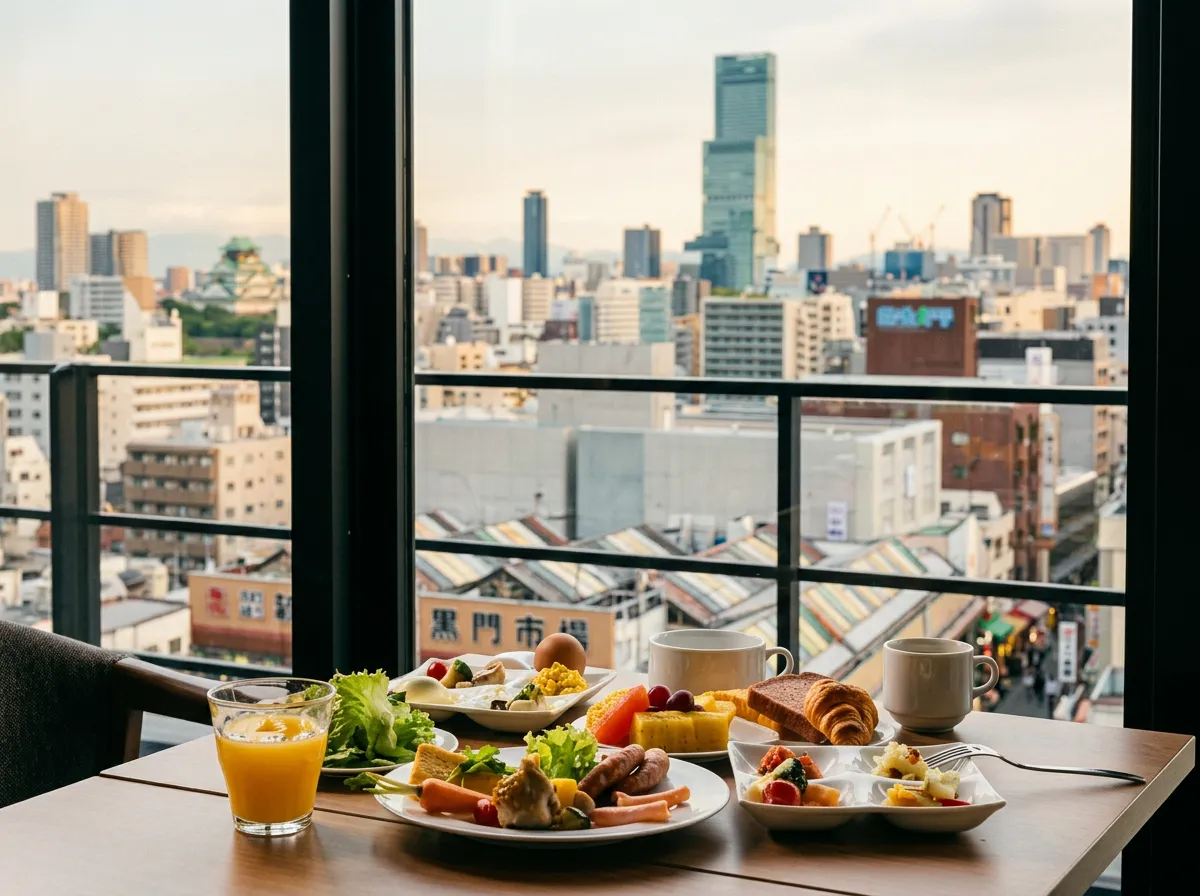 EatKuromon Ichiba breakfastOsaka's bustling covered market, alive with colour, vendors and street food from opening.
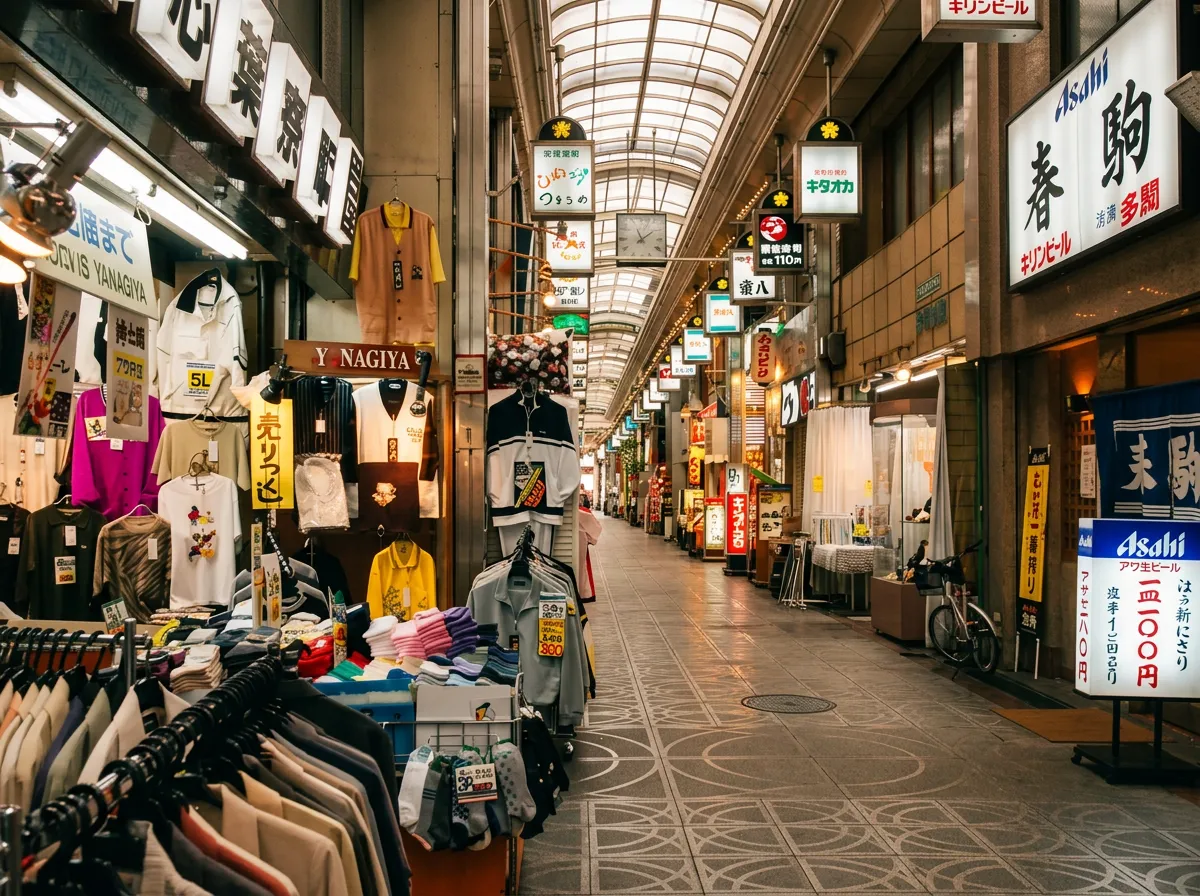 NeighbourhoodShinsaibashi arcade walkOsaka's great covered arcade, a shōtengai where the city's restless energy finds its stride.
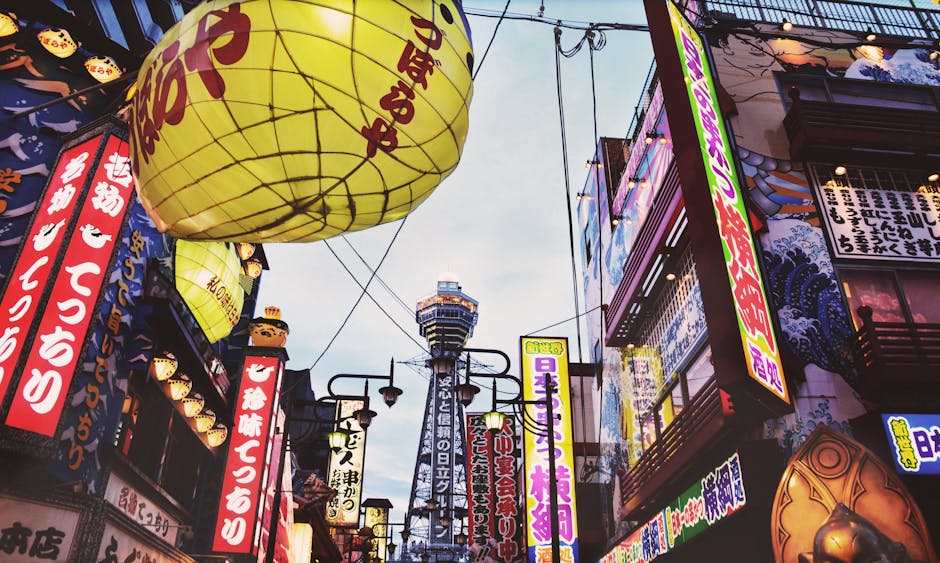 NeighbourhoodShinsekai + TsutenkakuThe soul of old Osaka: a quietly humming market district under Tsūtenkaku, the city's beloved retro tower, whose observation deck looks straight down over Shinsekai.
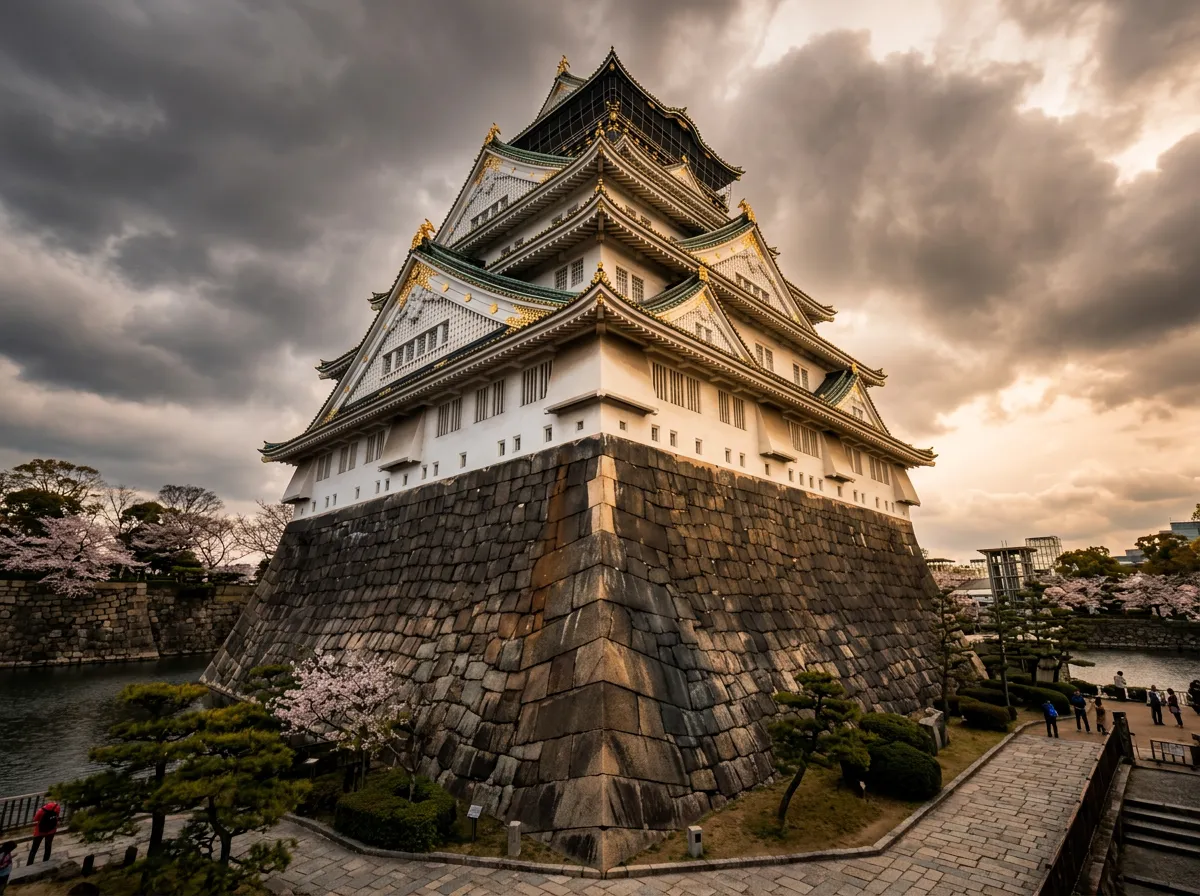 Must-seeOsaka CastleOsaka's great stone sentinel, rising above a moat-ringed park.
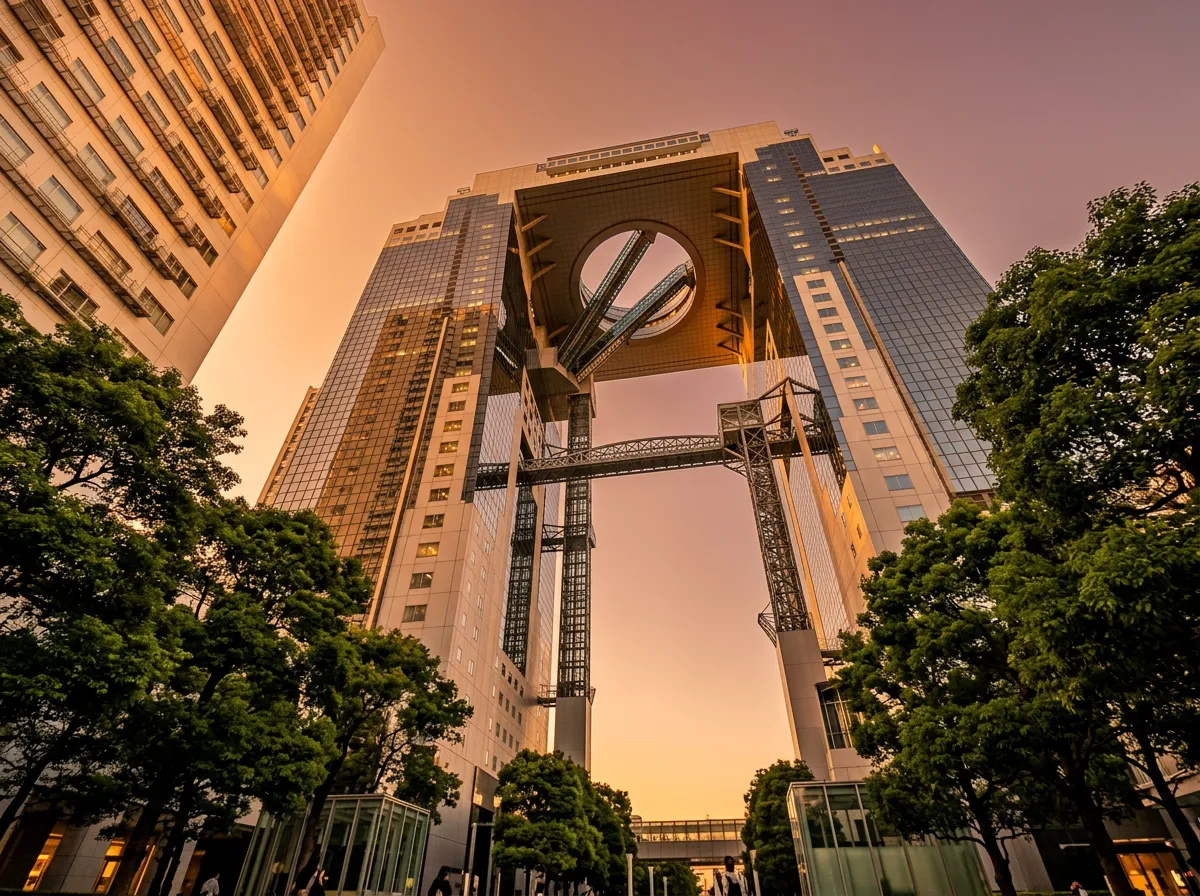 Must-seeUmeda Sky BuildingTwo towers joined above the city, with an escalator ride between them up to the open-air Kūchū Teien observatory.
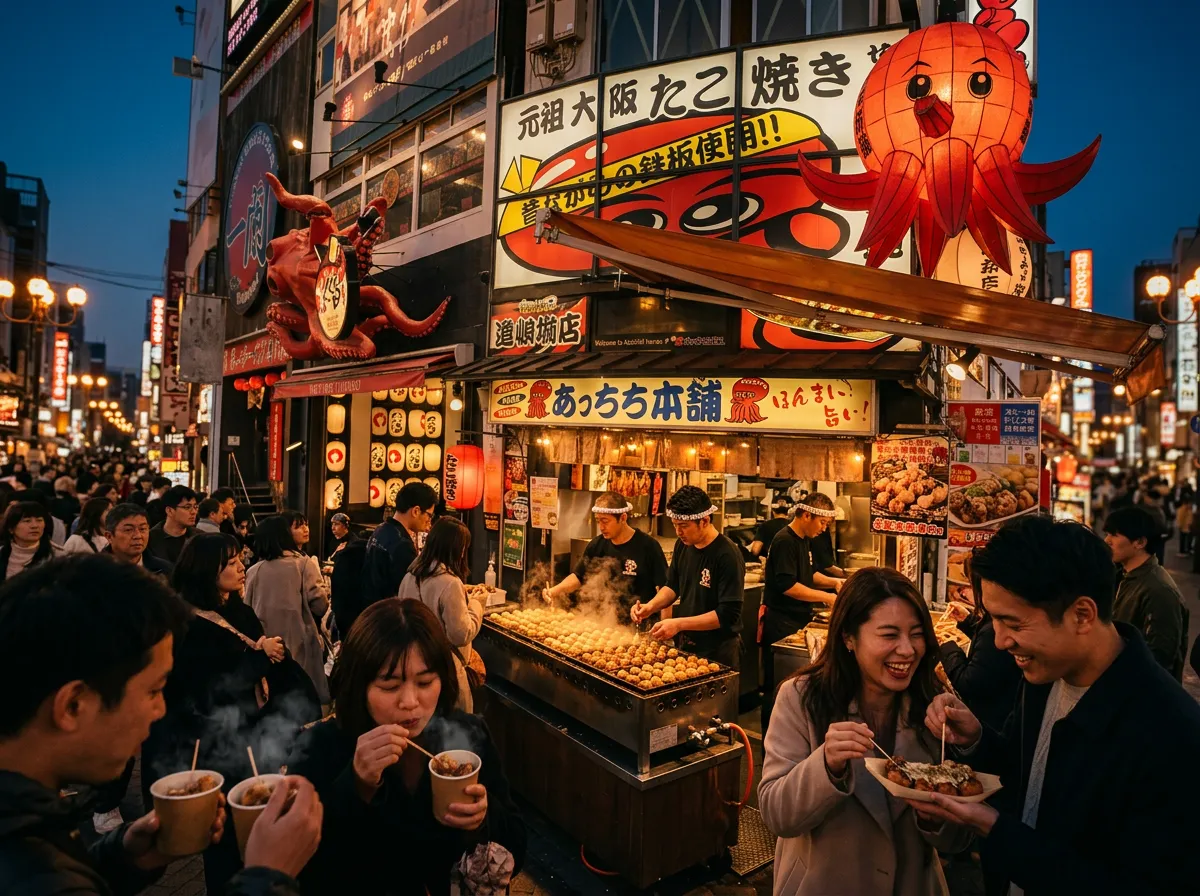 EatDotonbori dinnerOsaka's neon canal strip is also its dinner district: glowing takoyaki restaurants under giant mechanical crabs, with the Glico running man lighting the entrance since 1935.
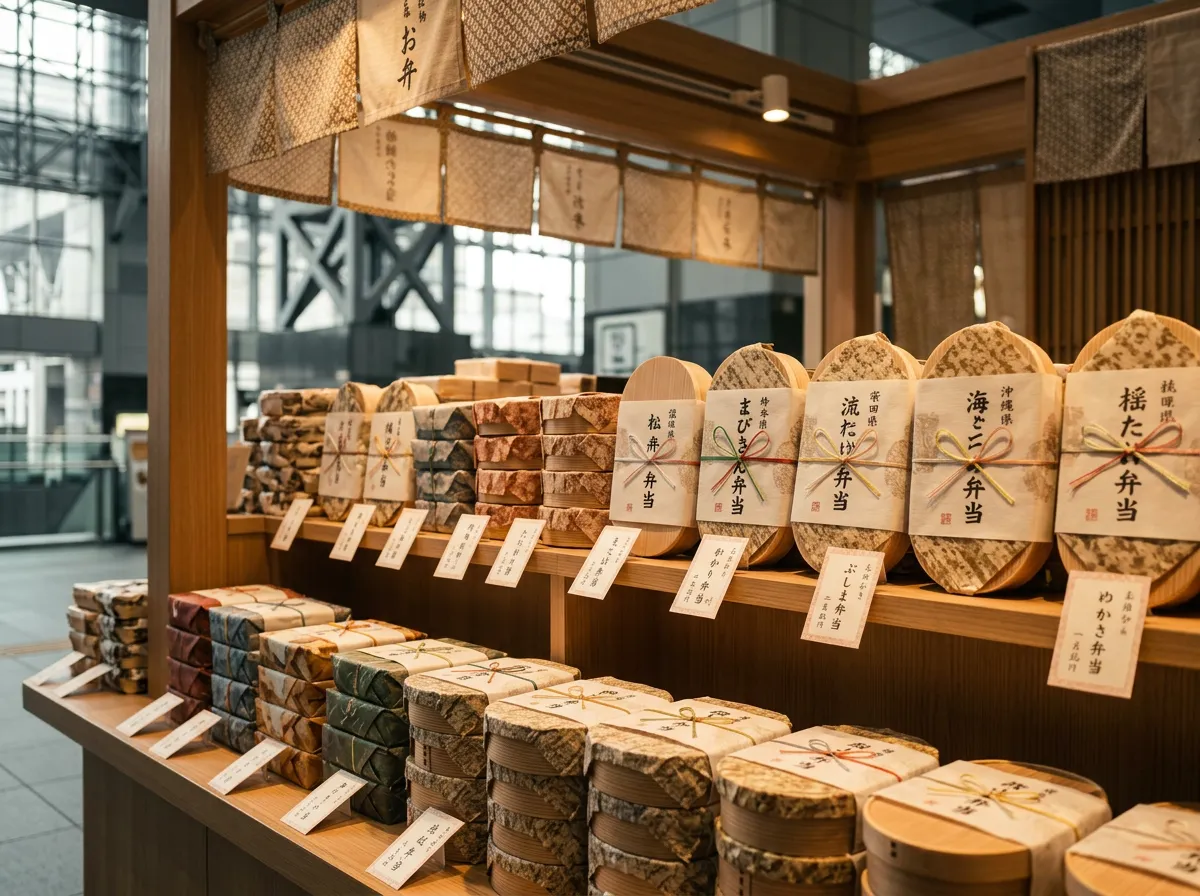 EatFinal Osaka breakfastNamba · ~¥1,500
Where to sleep in Osaka
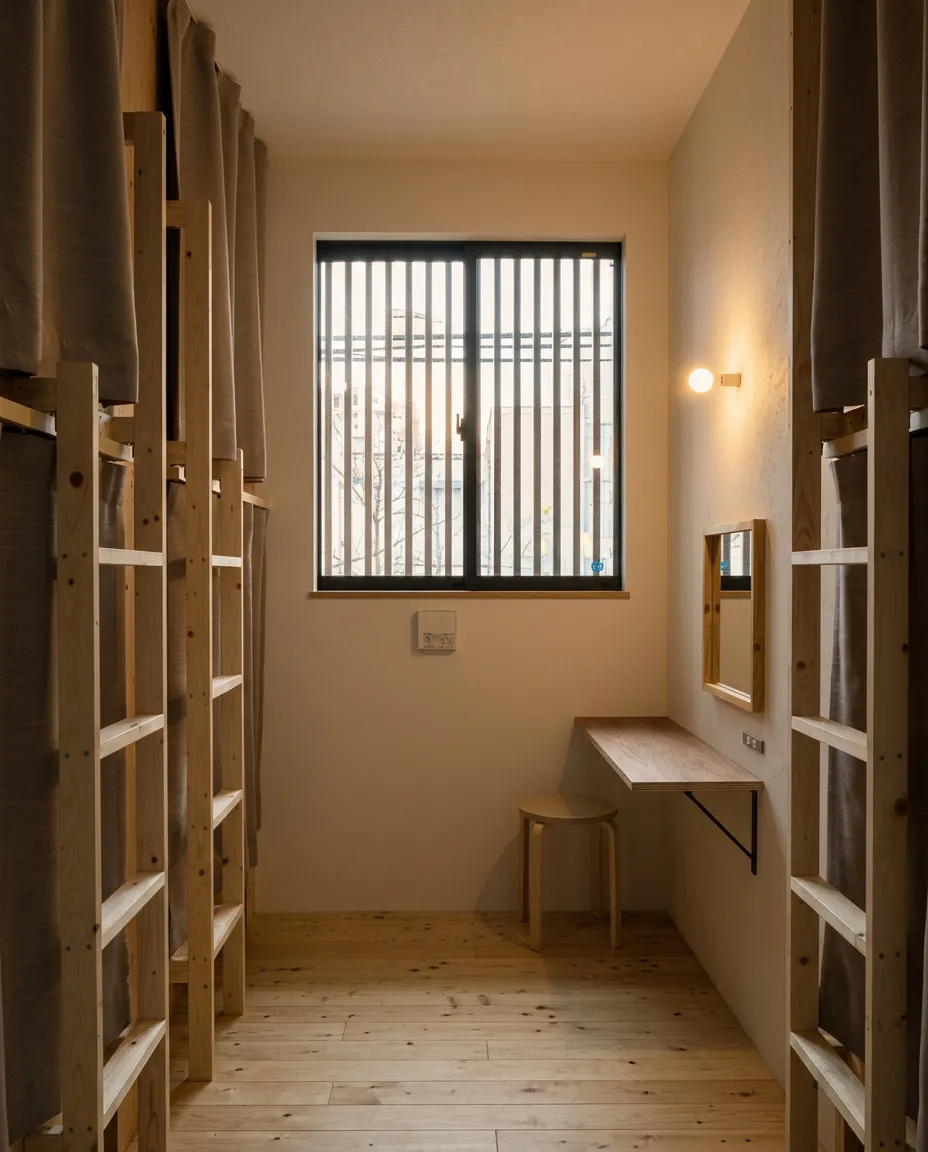 BUDGET · HostelHostel Mitsuwaya OsakaNamba · 10 min to DotonboriRenovated old-town building, communal kitchen and lounge. The owner runs a free walking tour twice a week. Worth signing up on arrival.¥4,800/nightSee rates ↗
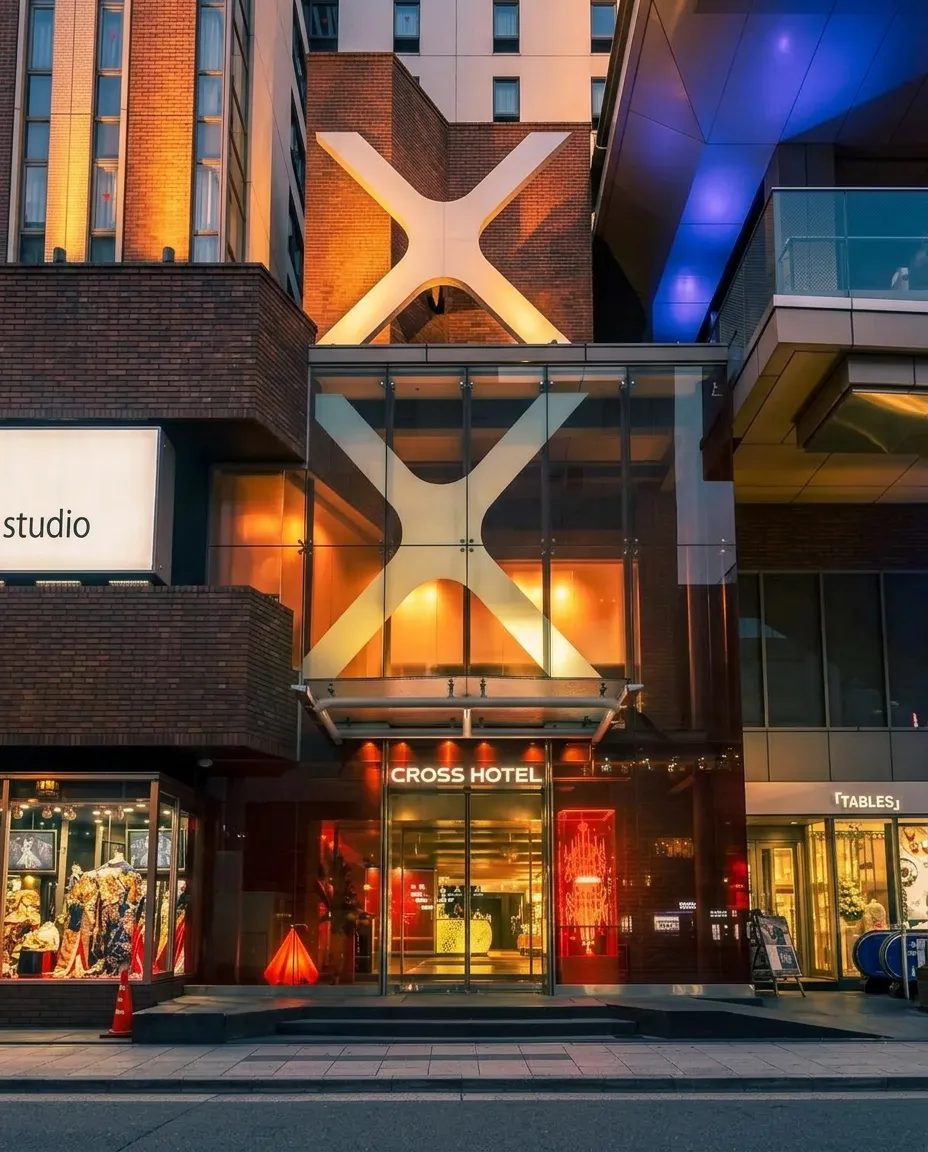 MID · HotelCross Hotel OsakaShinsaibashi · 5 min to DotonboriRecommendedDirectly between Shinsaibashi shopping arcade and the Dotonbori canal. Five minutes to either. Modern rooms, decent breakfast buffet, the lobby café is a working spot.¥17,000/nightSee rates ↗
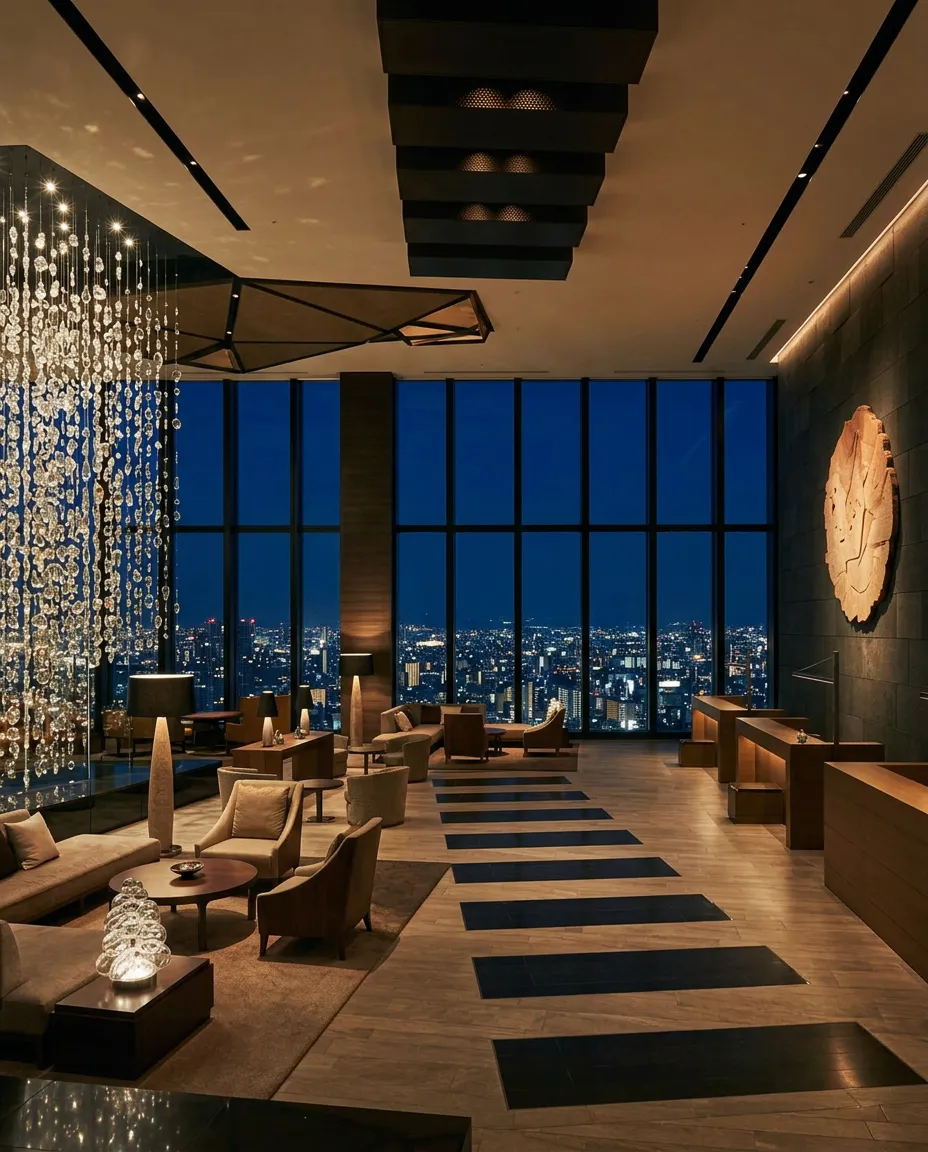 LUXURY · HotelConrad OsakaNakanoshima · skyline-facingTop of the Nakanoshima Festival Tower, 40-some floors above the river. The bar on the top deck does the best martini in the city, and the breakfast is worth waking up for.¥65,000/nightSee rates ↗
More routes like this
10 days·First-timersA ten-day Japan honeymoonRyokan over hotels. Slow trains over Shinkansen sprints. Tokyo + Kyoto + Osaka with the luxury tier as the default, plus an optional slow-travel anchor at the end (Naoshima, Kinosaki Onsen, or Okinawa).7 days·First-timersSeven days in Japan, honestOne week is too short. So we cut a city. Tokyo and Kyoto, done properly, instead of three cities done badly.14 days·First-timersFirst-timer's two weeks in JapanTokyo · Kyoto · Osaka · Hiroshima · Takayama · Hirayunomori. The route I'd send my own family on, with a real ryokan at the end.Read before you go
- Is the JR Pass worth it?The maths for a route like this, on one page.
- Riding the Shinkansen for the first timeNozomi, Hikari or Kodama, seats, luggage.
- Get your eSIM before you flySet it up at home, switch it on when you land.
- Suica on your iPhoneAdd it in Wallet, top up, tap through every gate.
- Tokyo airport to the cityNarita and Haneda: the routes that make sense.
- What a Japan trip costsReal numbers for flights, hotels, food and trains.
- Cash or card in JapanHow much yen to carry and where cards fail.
- Japan packing listWhat to bring, what to buy there.