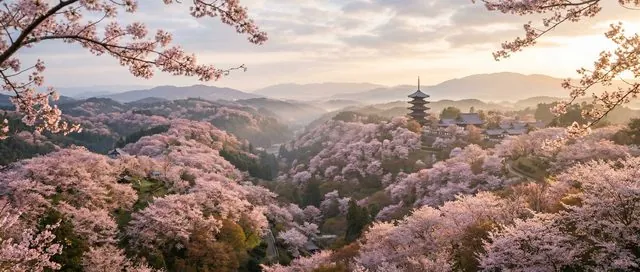
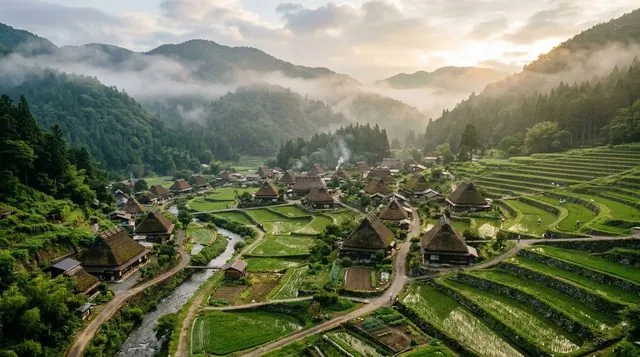
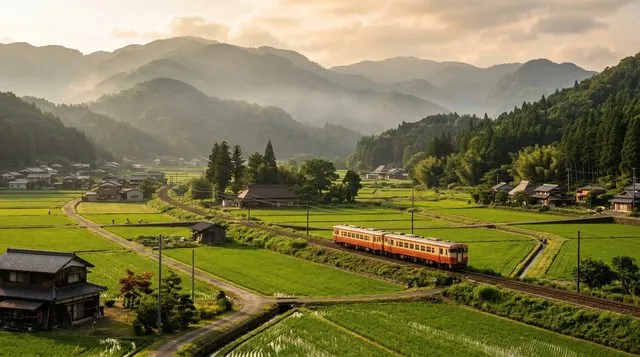
Shizuoka City is where Tokugawa Ieyasu chose to live out his life, and where he was first buried, at the gilded Kunozan Toshogu on a mountain above the sea. Most Shinkansen passengers shoot straight past, which is exactly why the Fuji views from Miho no Matsubara and the tea-covered hills stay uncrowded.
When to Visit
The main variable is Mount Fuji: winter air is clearest, summer haze hides it most afternoons.
What to Do in Shizuoka City
Ieyasu's legacy, two of Japan's most painted Fuji views, and museums nobody queues for.
Icons worth the crowds
Hidden gems
More Shizuoka City highlights
Skip the Crowds
- Shizuoka barely has crowds; its problem is the opposite: people skip it. Use that.
- Ride the Nihondaira Ropeway to Kunozan Toshogu before 10:00 and you'll share Ieyasu's shrine with a handful of pilgrims; Nikko's version sees busloads.
- Go to Miho no Matsubara at sunrise: the pines are empty and Fuji is at its clearest.
- Hike the Satta Pass on a weekday morning in winter: Hiroshige's view, zero tour buses.
- The Aoi Ward izakaya alleys fill with locals, not tourists; arrive by 18:00 for a counter seat.
Food & Drink
Sakura shrimp from Suruga Bay, wasabi grown in mountain streams, Shizuoka oden, and the country's finest green tea.
Where to eat in Shizuoka: sakura shrimp, unagi & green tea19 verified picks across the city→Where to Stay
Stay near the station. Everything radiates from there by bus and Shizutetsu line.
Booking links are affiliate links. They cost nothing extra and support the site.
Day Trips
The rest of the prefecture (tea fields, steam trains and the Izu coast) starts at the station.
How to Get There
FAQ
Is Shizuoka City worth stopping between Tokyo and Kyoto?
Yes. It's exactly halfway on the Hikari, and one day buys you Ieyasu's original shrine, a UNESCO Fuji view and tea culture without a single queue. Luggage lockers at the station make a stopover easy.
Where is the best Mount Fuji view in Shizuoka City?
Three contenders: Miho no Matsubara (Fuji over sea and pines), Nihondaira Yume Terrace (360° observatory) and Satta Pass (the Hiroshige print view). Winter mornings are most reliable for all three.
What is the connection with Tokugawa Ieyasu?
Ieyasu grew up here as a hostage, returned to rule from Sumpu Castle in retirement, and was buried at Kunozan Toshogu in 1616, a year before his remains moved to Nikko. The shrine here is the original.
What food is Shizuoka known for?
Green tea (nearly half of Japan's production), sakura shrimp and fresh wasabi from Suruga Bay valleys, Shizuoka oden simmered in dark broth, and unagi from Lake Hamana.
How do I get to Miho no Matsubara?
Bus from Shimizu Station (25 minutes) or a flat cycle ride along the coast. Combine it with the Shimizu port sushi market for a half-day.
How many days do I need?
One well-planned day covers the Kunozan–Nihondaira–Miho triangle. Two days adds Satta Pass, Sengen Shrine and the Serizawa museum at a relaxed pace.