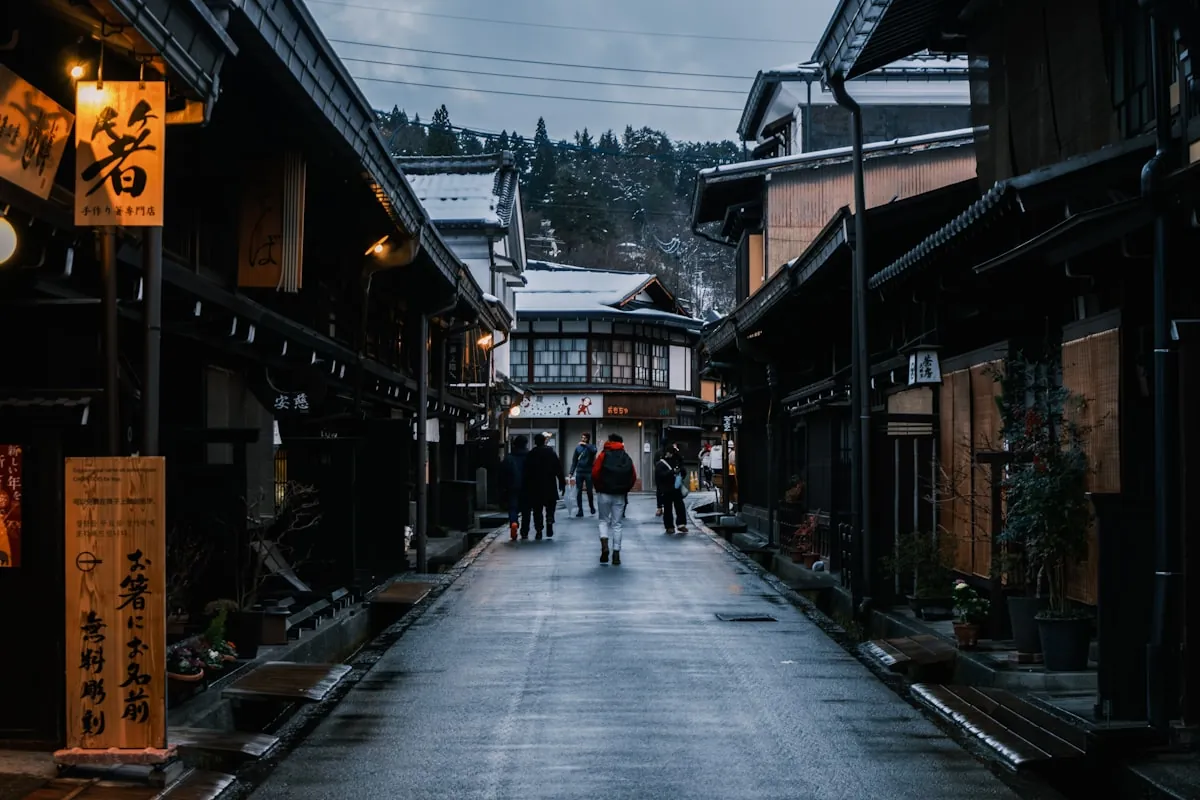
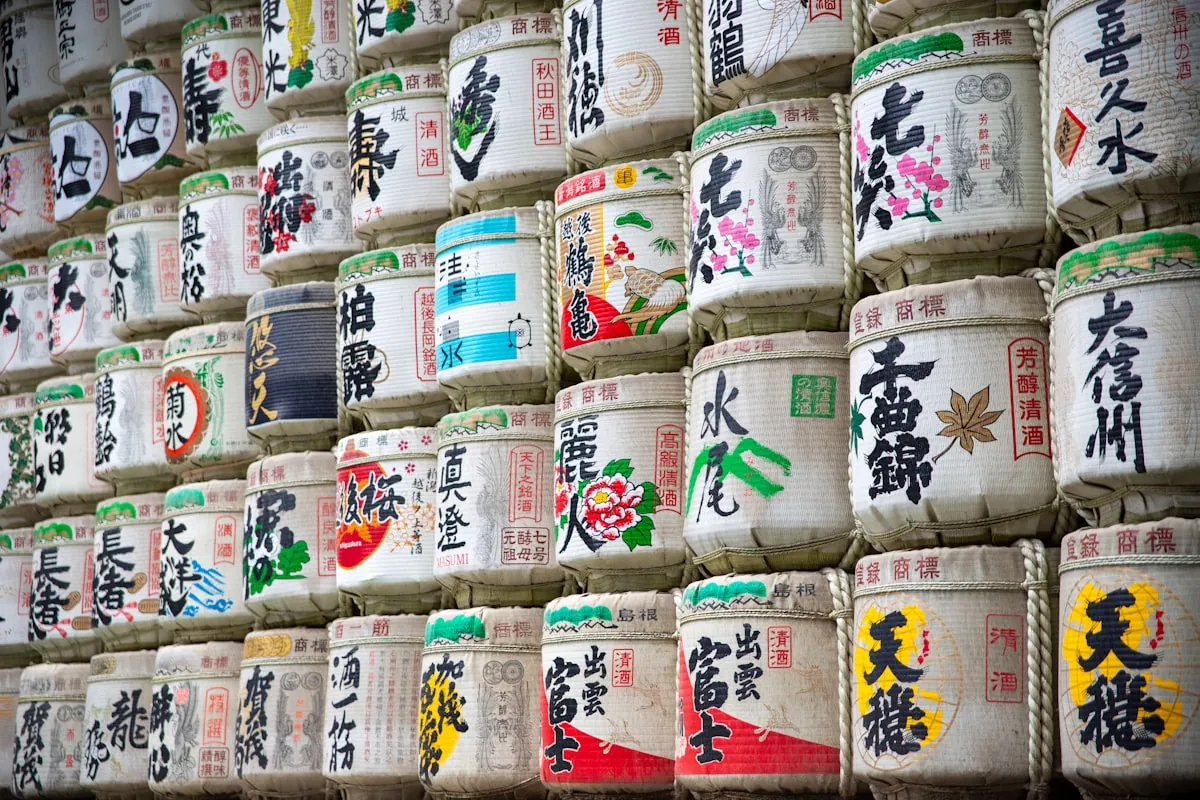
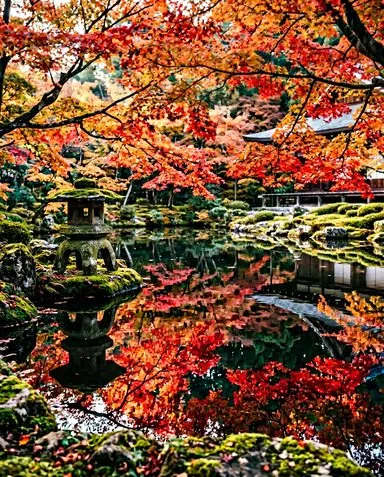
Okinawa Prefecture is Japan's only subtropical prefecture: a 1,000-kilometre arc of more than 160 islands that was, until 1879, the independent Ryukyu Kingdom. Most travellers fly in to the main island, where Naha's Kokusai Street and the reconstructed Shuri Castle anchor the urban side. But the prefecture's character lives offshore: the dive sites of the Kerama Islands, the milky-white sand of Kume Island, the WWII memorials of Okinawa, the UNESCO-listed jungle of Iriomote Island, the resort beaches of Ishigaki, and Taketomi Island's coral-walled village frozen in the 19th century. Yambaru National Park on the main island's wild north protects native species found nowhere else, while Churaumi Aquarium near Nago houses three whale sharks, Cape Manzamo's elephant-trunk cliff anchors the west-coast sunset circuit, and Zamami Village in the Kerama Islands hosts humpback whales each winter.
Cities & Towns
Three main settlements anchor the main island, plus the small port towns of the outer islands.
Naha
Okinawa's subtropical capital: Ryukyuan history, Kokusai Street's neon, and ferry connections to almost every outer island
Capital and ferry hub
- Kokusai Street
- Shuri Castle area
- Tsuboya pottery district
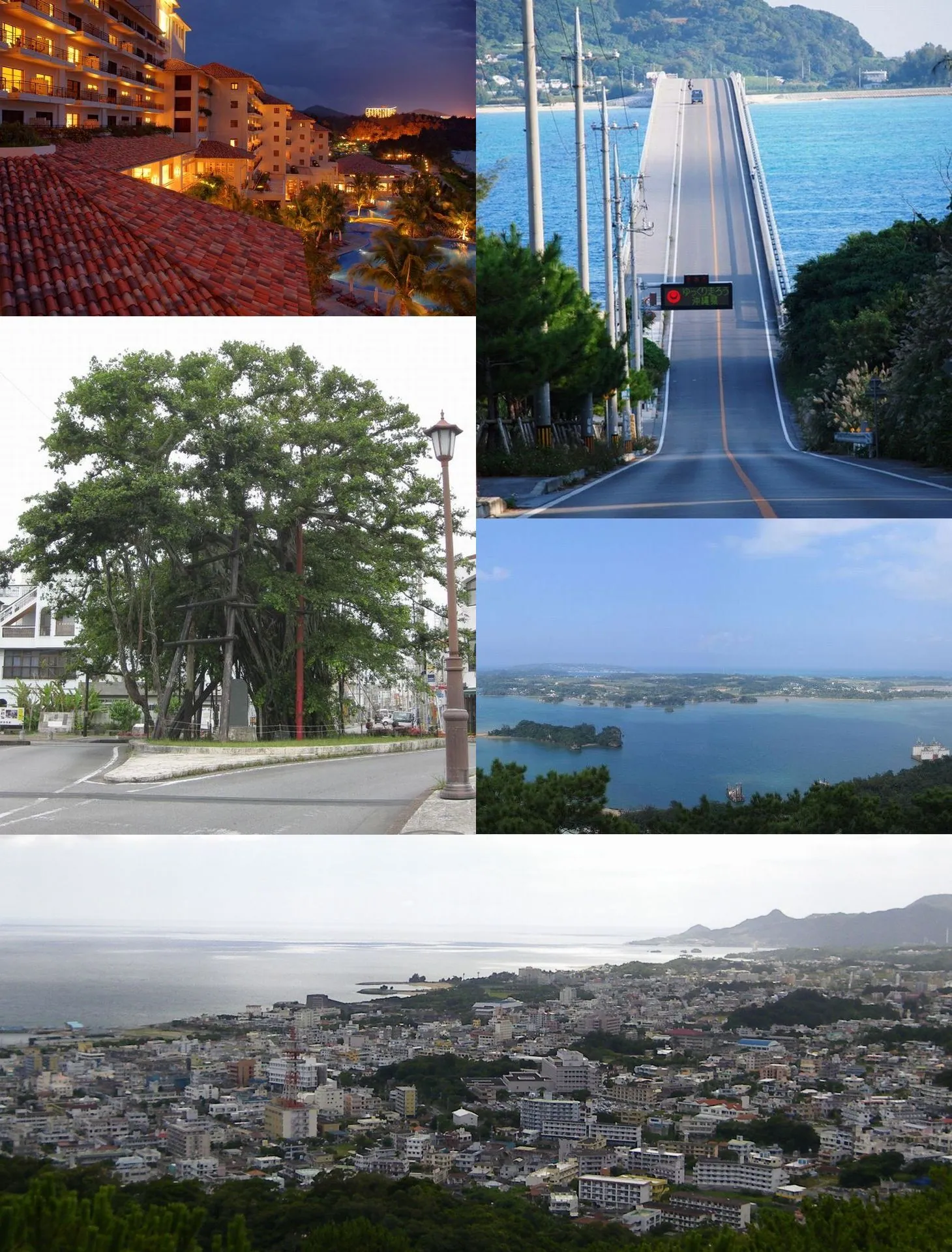
Nago
Northern gateway to Yambaru's jungle, the Churaumi Aquarium, and the white-sand beaches of the Motobu Peninsula
Gateway to the wild north
- Churaumi Aquarium
- Motobu Peninsula
- Yambaru access
Ishigaki
Capital of the Yaeyama Islands: coral reefs, manta rays at Kabira Bay, and the launching point for Taketomi and Iriomote
Yaeyama gateway
- Kabira Bay
- Manta ray dives
- Taketomi ferry
Top Attractions
The headline draws: Ryukyuan castle ruins, coral lagoons, and the country's most famous aquarium.
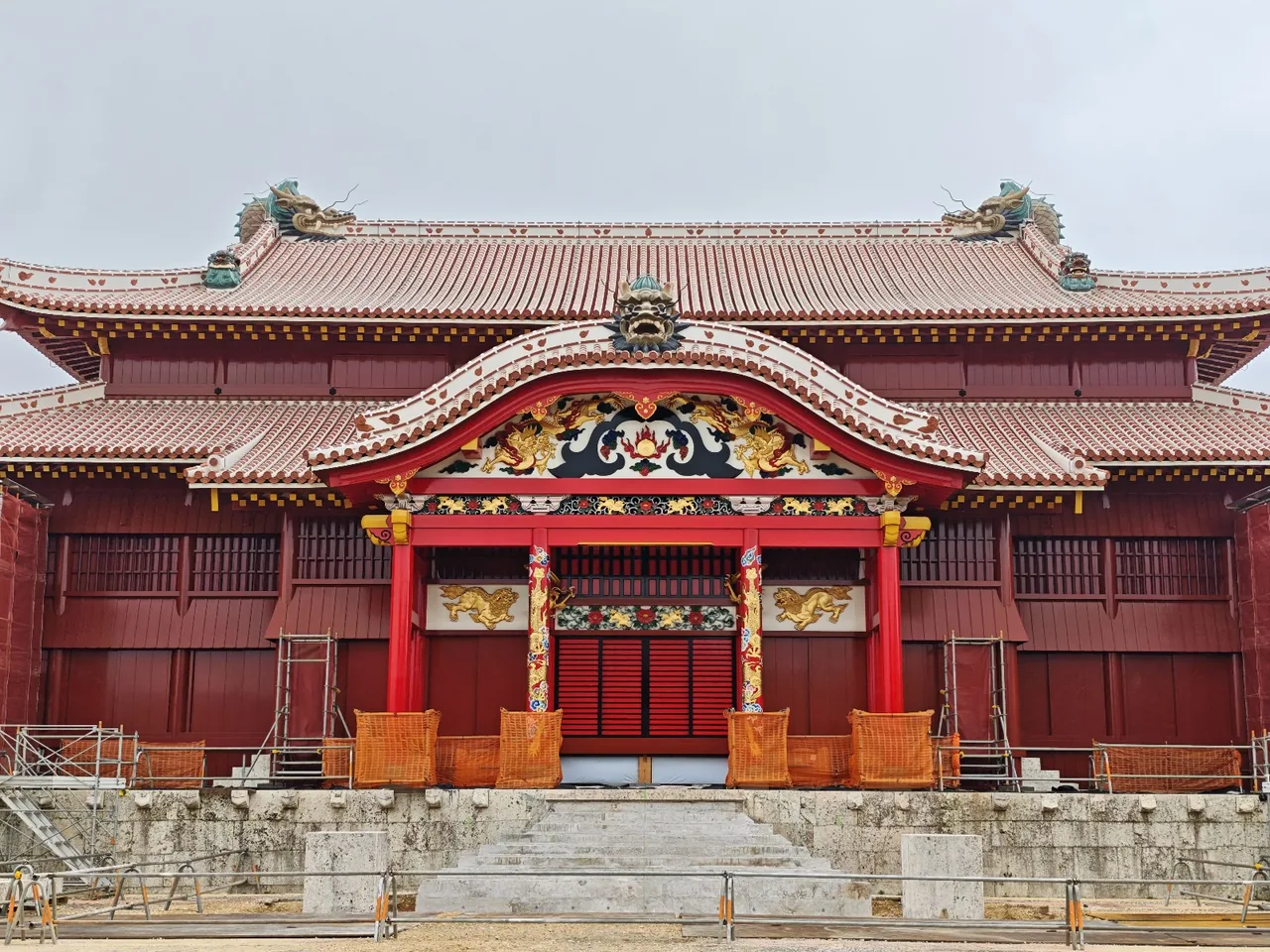
Reconstructed seat of the Ryukyu Kingdom on a hilltop above Naha, the heart of Okinawa's pre-modern history
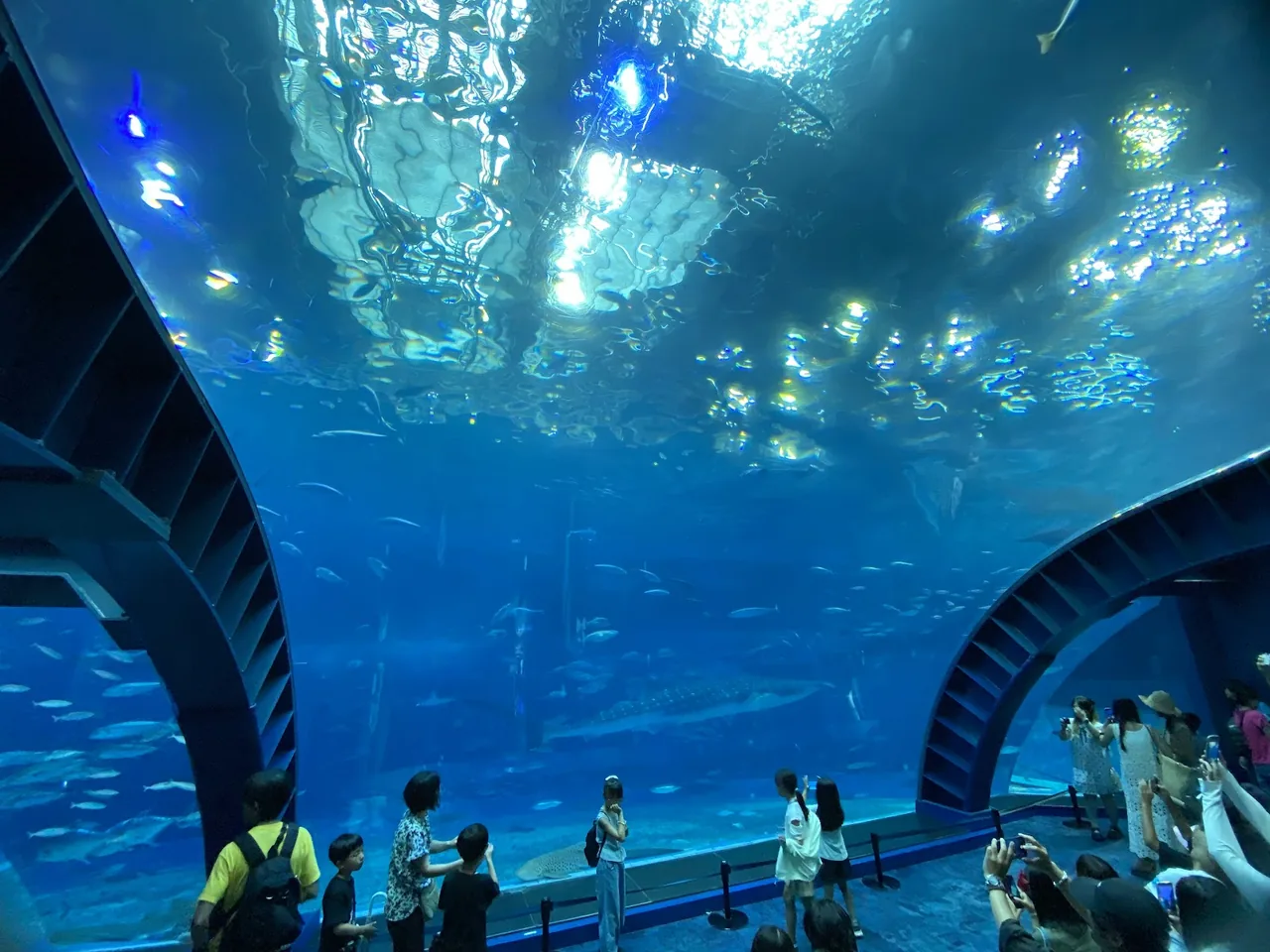
Japan's most famous aquarium. The giant Kuroshio tank houses three whale sharks and dozens of manta rays
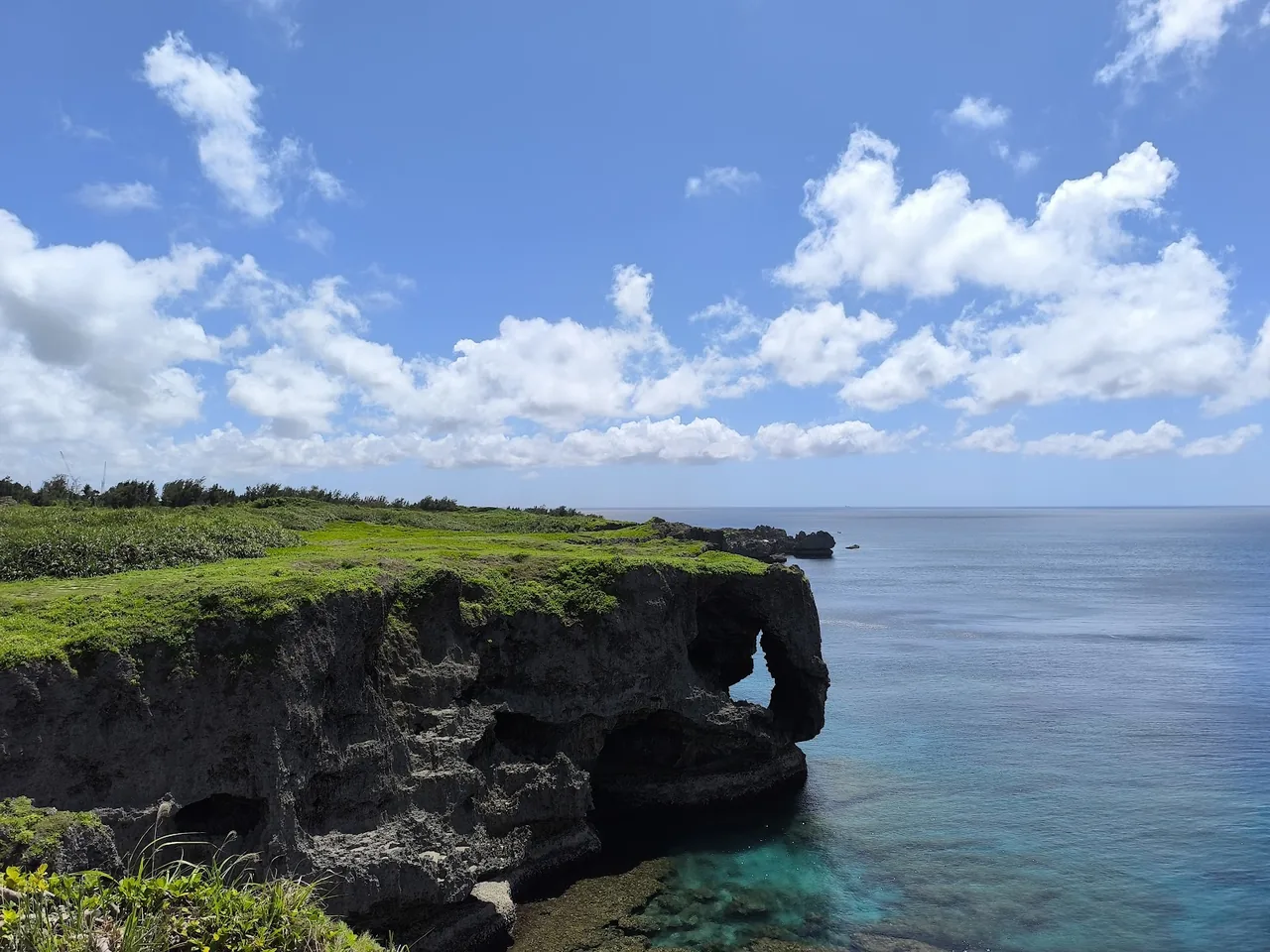
Dramatic limestone cliff in the shape of an elephant's trunk on the main island's west coast, the sunset spot of choice
Coral-fringed archipelago 35 minutes from Naha, with some of Japan's clearest water and best snorkelling
Hidden Gems
Three corners that almost no foreign visitor reaches; even Japanese travellers tend to skip them.
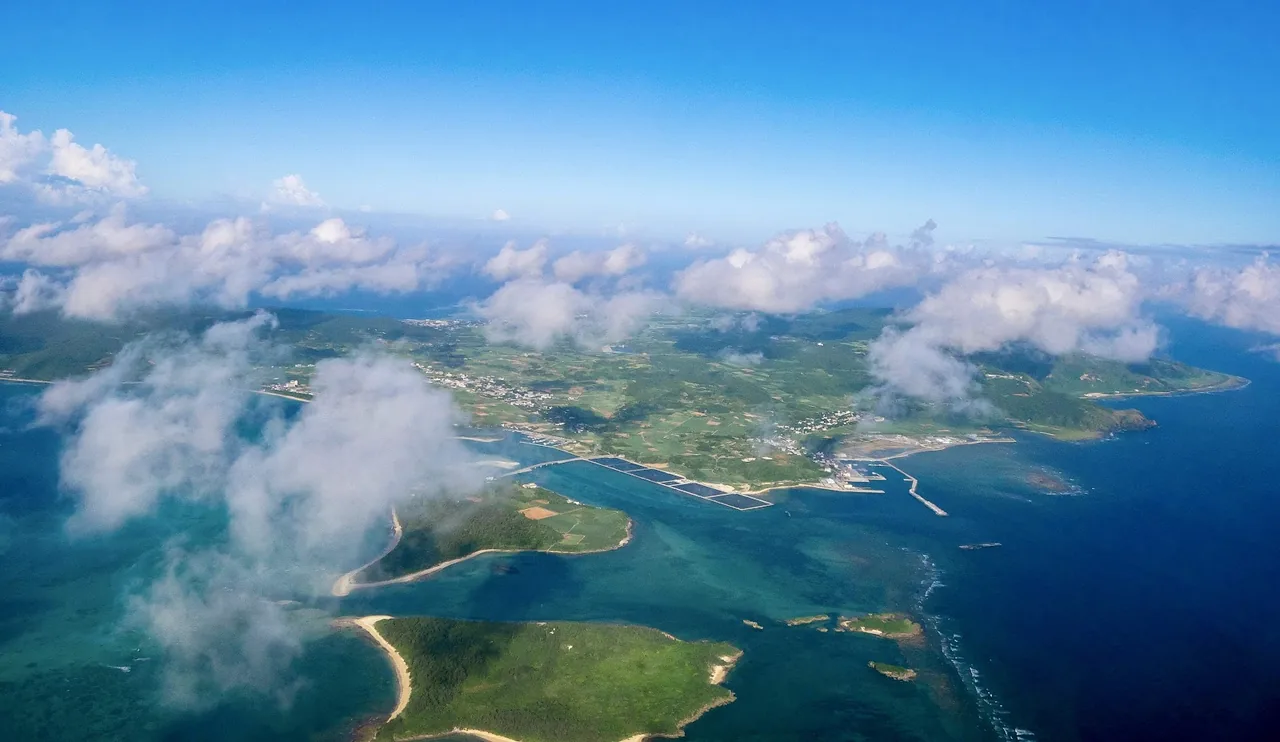 Hidden Gem
Goat farms, milky-white Hateno-hama sandbar, and the longest stretch of empty sand in Okinawa; under 30 min by air from Naha
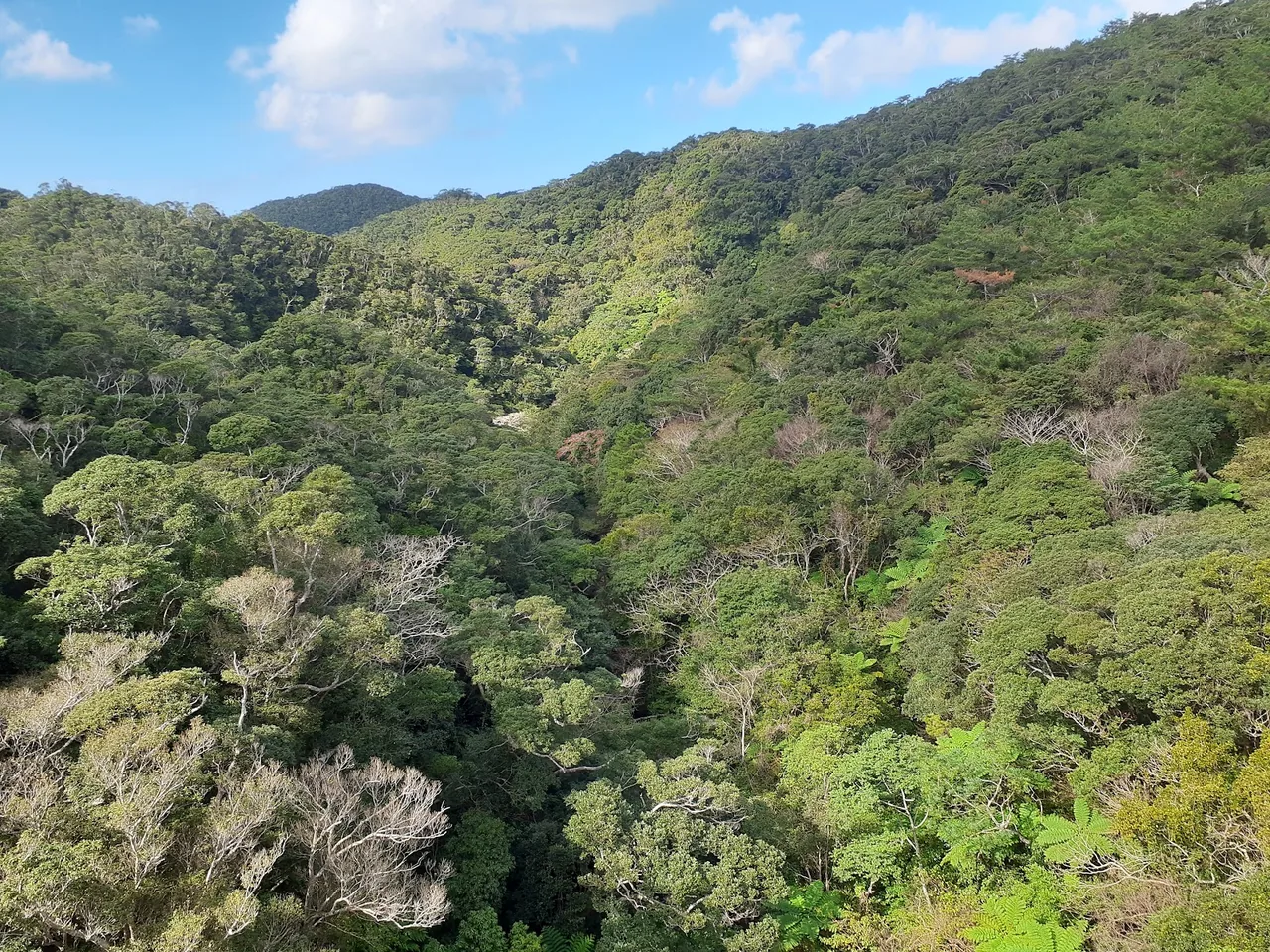 Hidden Gem
UNESCO-listed subtropical rainforest on the main island's wild north: endemic Okinawa rail birds, mangrove kayaking, and ancient coral karst
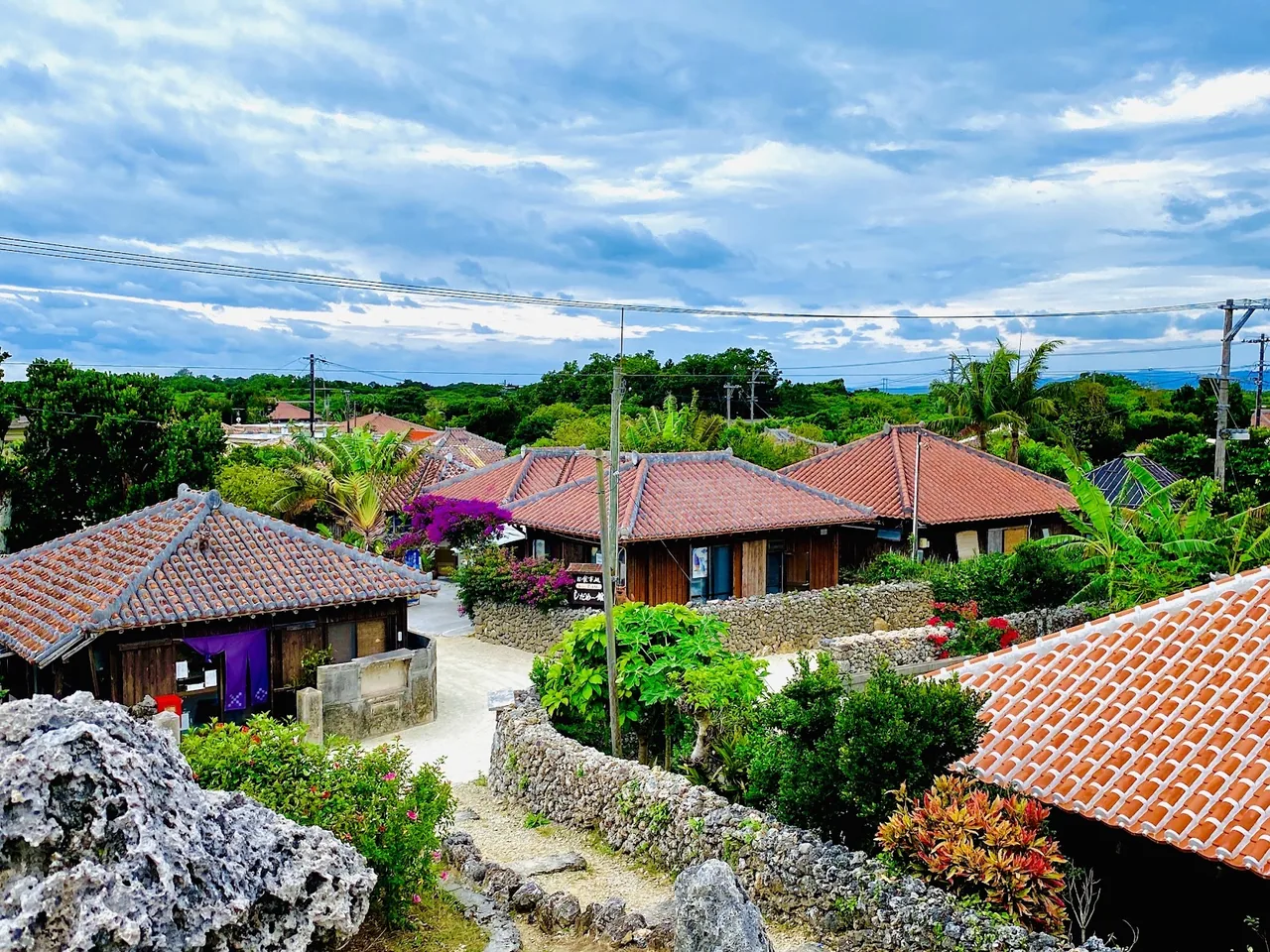 Hidden Gem
Coral-walled Yaeyama village frozen in the 19th century: water buffalo carts, red-tile roofs, and beaches a cycle ride apart
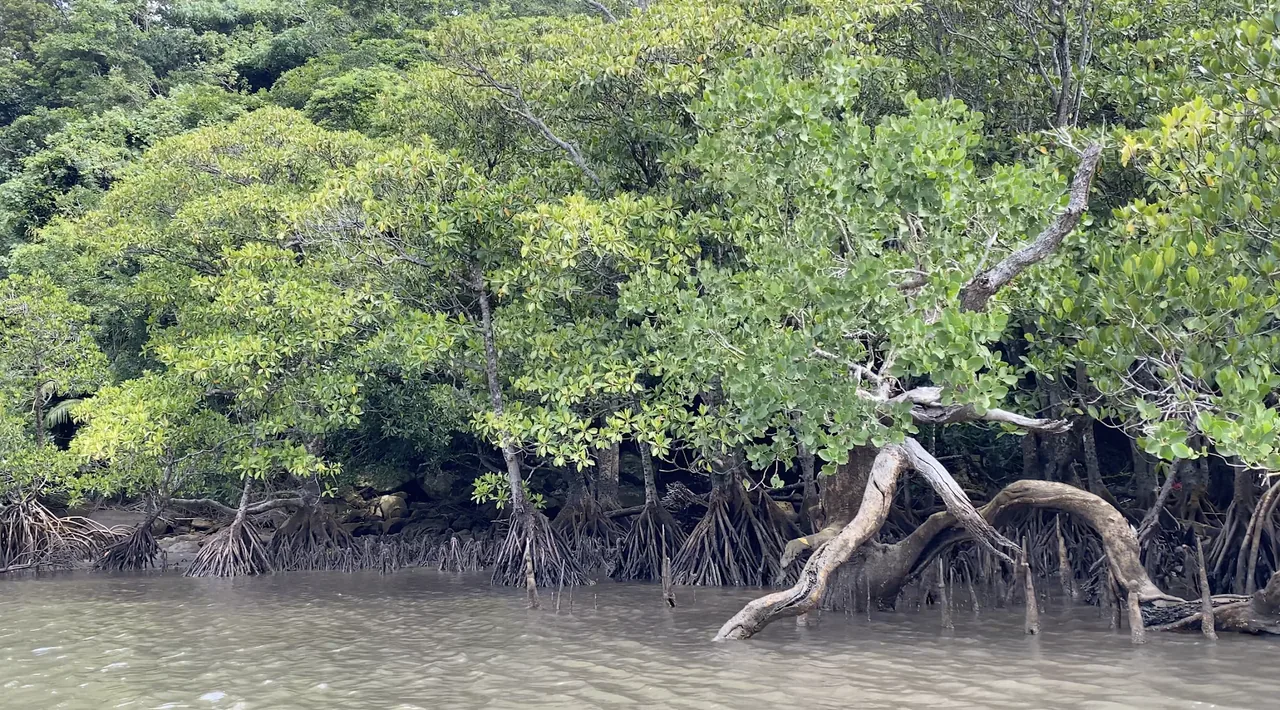 Hidden Gem
Japan's last subtropical wilderness: 90% jungle, mangrove rivers, and the elusive Iriomote wildcat found nowhere else
 Hidden Gem
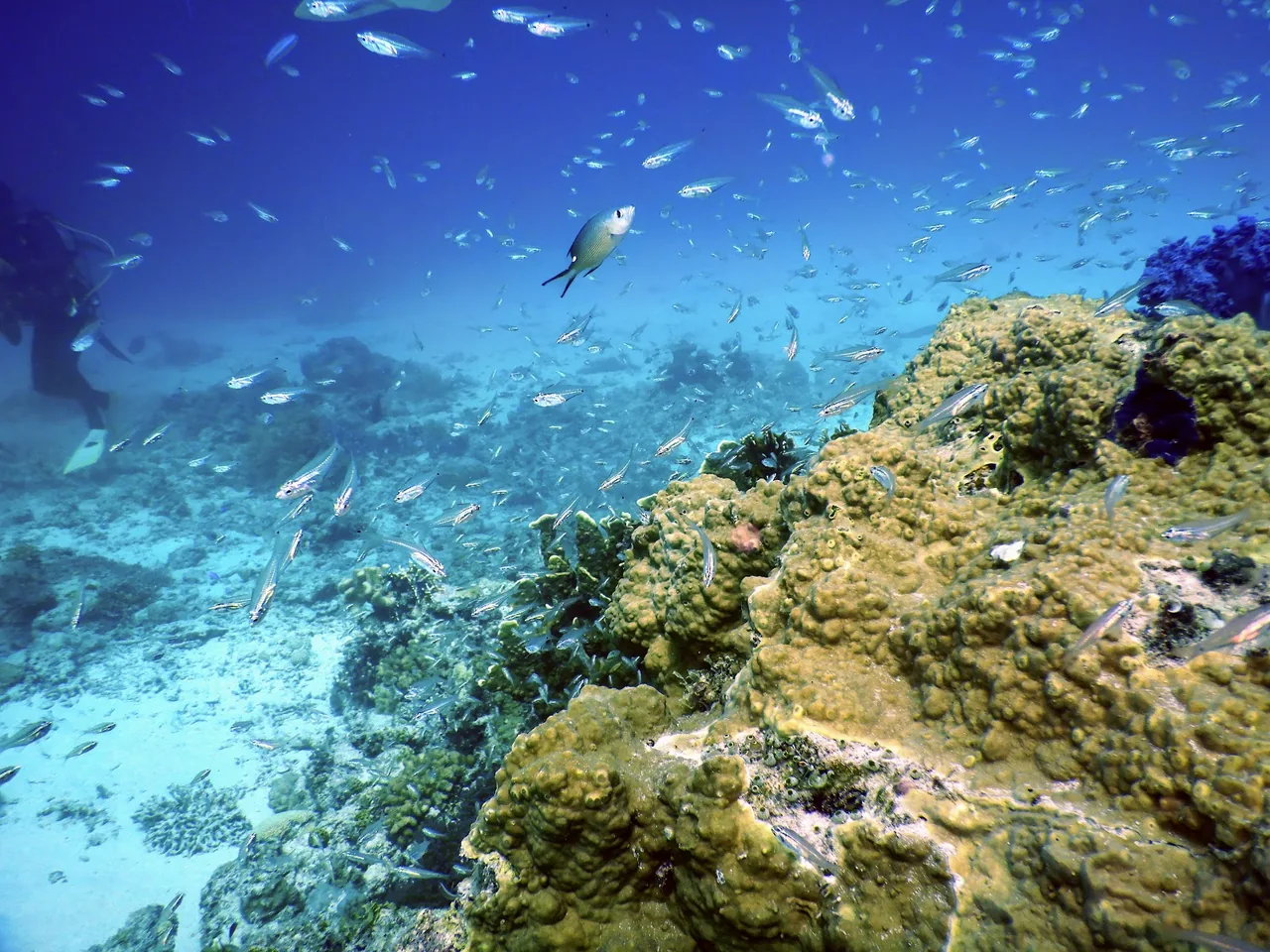
Tiny ferry-port village in the Kerama Islands with a different beach to match every mood, and humpback whales offshore in winter
When to Visit
Subtropical year-round but with a defined typhoon window and a separate cherry blossom calendar from the rest of Japan.
Springharu
Mar – May18–25°CModerate crowds
Springharu
- Late dry season: beach weather without crowds
- Cherry blossoms peak in late January (earliest in Japan)
- Sea cool until April
- Golden Week busy on the main island
Summernatsu
Jun – Aug27–32°CHigh crowds
Summernatsu
- Peak season for snorkelling and diving
- Tsuyu rainy season into early June
- Typhoon risk rises in late July
- Domestic tourism peak
Autumnaki
Sep – Nov22–29°CLow crowds
Autumnaki
- Typhoon risk lingers into October
- Sea remains warm; long dive season
- Lower prices, fewer crowds
- Almost no foreign visitors
Winterfuyu
Dec – Feb16–22°CLow crowds
Winterfuyu
- Mildest winters in Japan
- Whale watching off the Kerama Islands
- Cherry blossoms from late January
- Quieter than mainland resorts
Suggested Itineraries
Pick one island group and go deep, or sample three across a longer stay.
FAQ
Is Okinawa part of Japan?
Yes, since 1879, but culturally it's its own world. Okinawa was the independent Ryukyu Kingdom for centuries, with its own language (Uchinaaguchi), cuisine, music, dress and architecture. The Ryukyuan identity is still visibly distinct today.
How do I get to Okinawa?
Direct flights from Tokyo, Osaka, Fukuoka and Sapporo to Naha Airport take 2–3 hours. Onward flights from Naha reach Miyako Island, Ishigaki and the Yaeyama group. Ferries from Naha's Tomarin terminal serve the Kerama Islands and Kume Island.
How many days do you need in Okinawa?
Five days for the main island plus a Kerama Islands day trip. A week minimum if you want to reach Miyako Island or the Yaeyama group (Ishigaki, Iriomote Island, Taketomi). Ten days lets you sample multiple island groups properly.
What is the best time of year to visit Okinawa?
Late April–May and October–November for the best balance of weather and crowds. Avoid late July through September if typhoons concern you. Winter is excellent for whale watching and mild beach walks but the sea is too cold for swimming.
Which Okinawan island is best?
Depends on what you want. Main island for history and accessibility. Kerama Islands for day-trip beaches. Miyako Island for the bluest water. Iriomote Island for jungle and rare wildlife. Ishigaki as a hub for the Yaeyama group.
Can you swim in Okinawa year-round?
Practically, mid-April to early November. The sea is too cool for comfortable swimming December–March, though diving with a wetsuit continues. Winter is for whale watching, walks, and the surprisingly good winter sun.