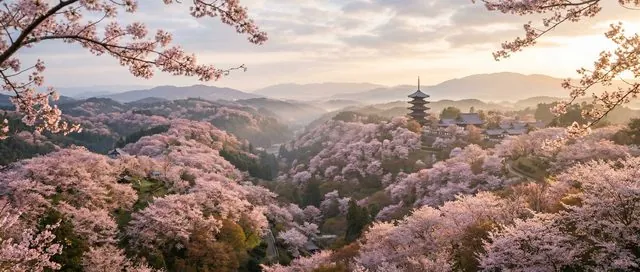
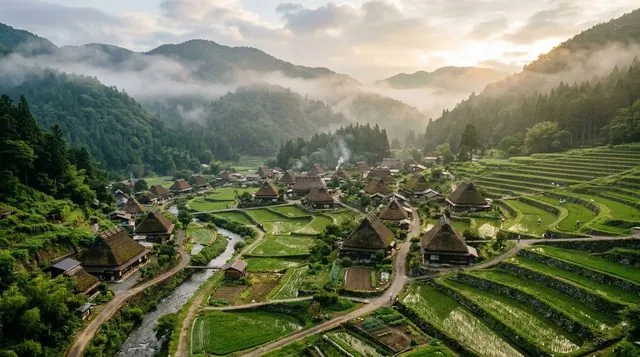
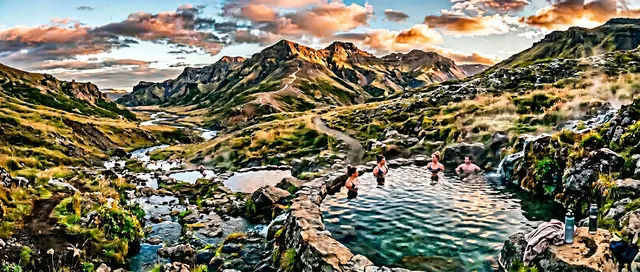
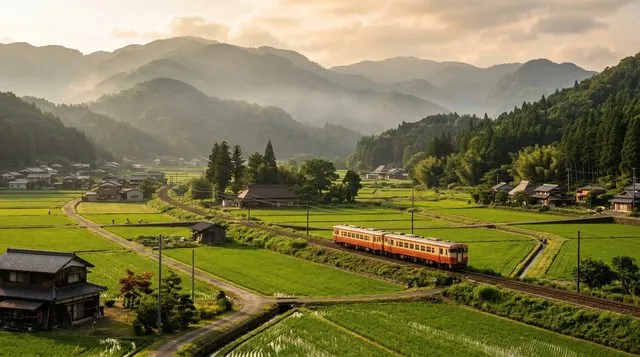
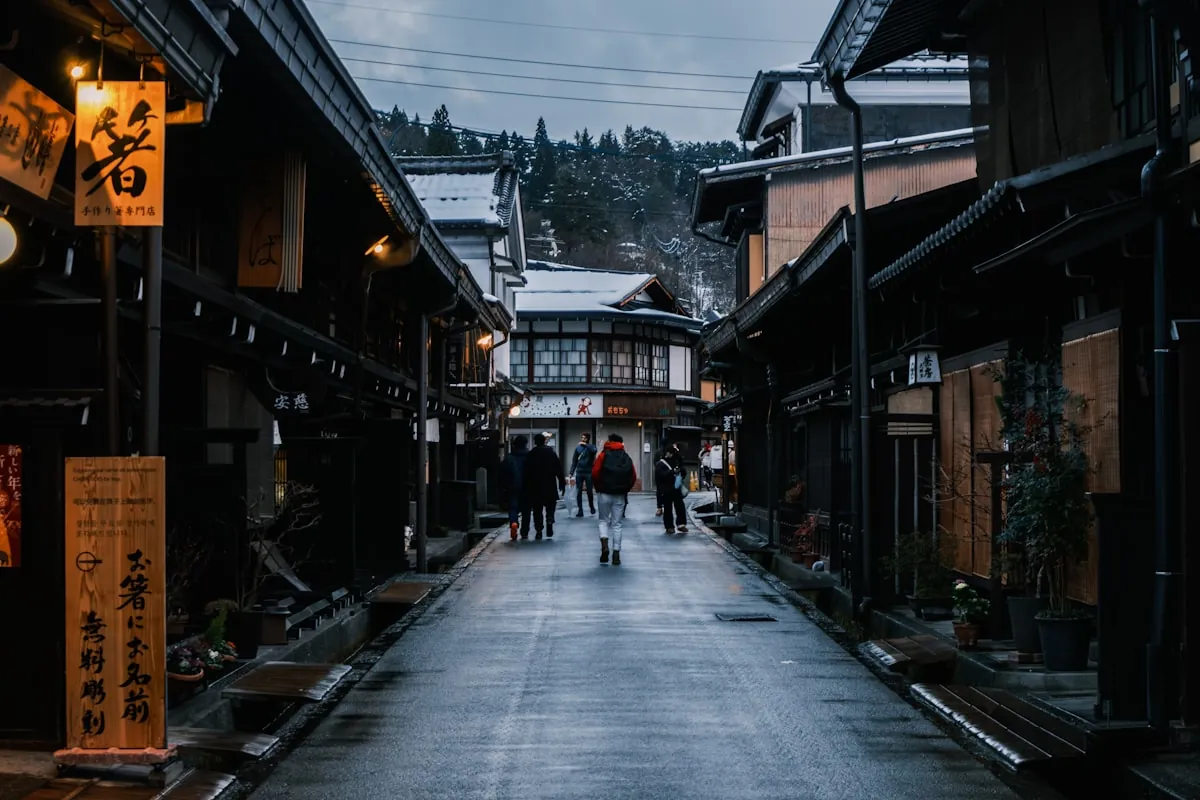
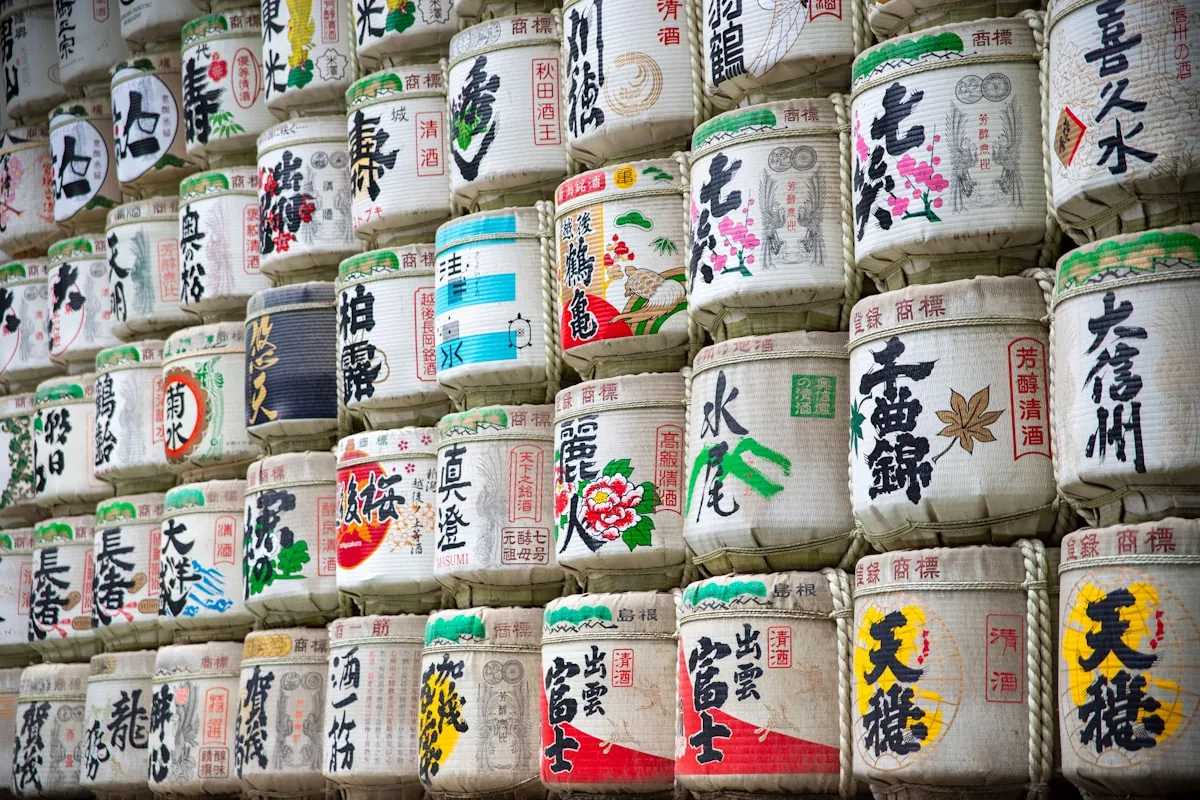
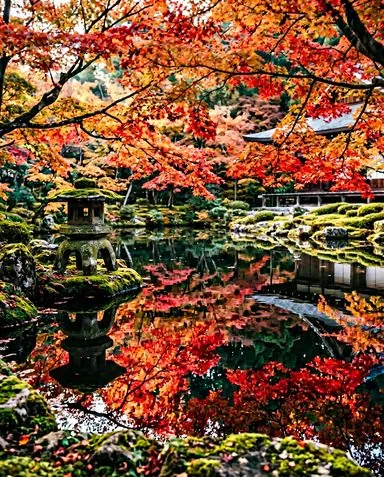
Shiga is the unknown heart of the Kansai, the prefecture surrounding Lake Biwa, from which Kyoto and Osaka draw their water. While millions of travellers speed past on the shinkansen, Shiga remains one of Japan's best-kept secrets: centuries-old temples, unspoiled mountain villages, and the largest freshwater lake in the country.
Cities & Towns
From historic castle towns to mountain villages, Shiga's cities lie tucked around the shores of Lake Biwa.
Otsu
Shiga's lakeside capital, home to one of Japan's three most sacred temples
Lake Biwa capital
- Enryaku-ji tempel
- Biwameer uitzicht
- Ishiyama-dera
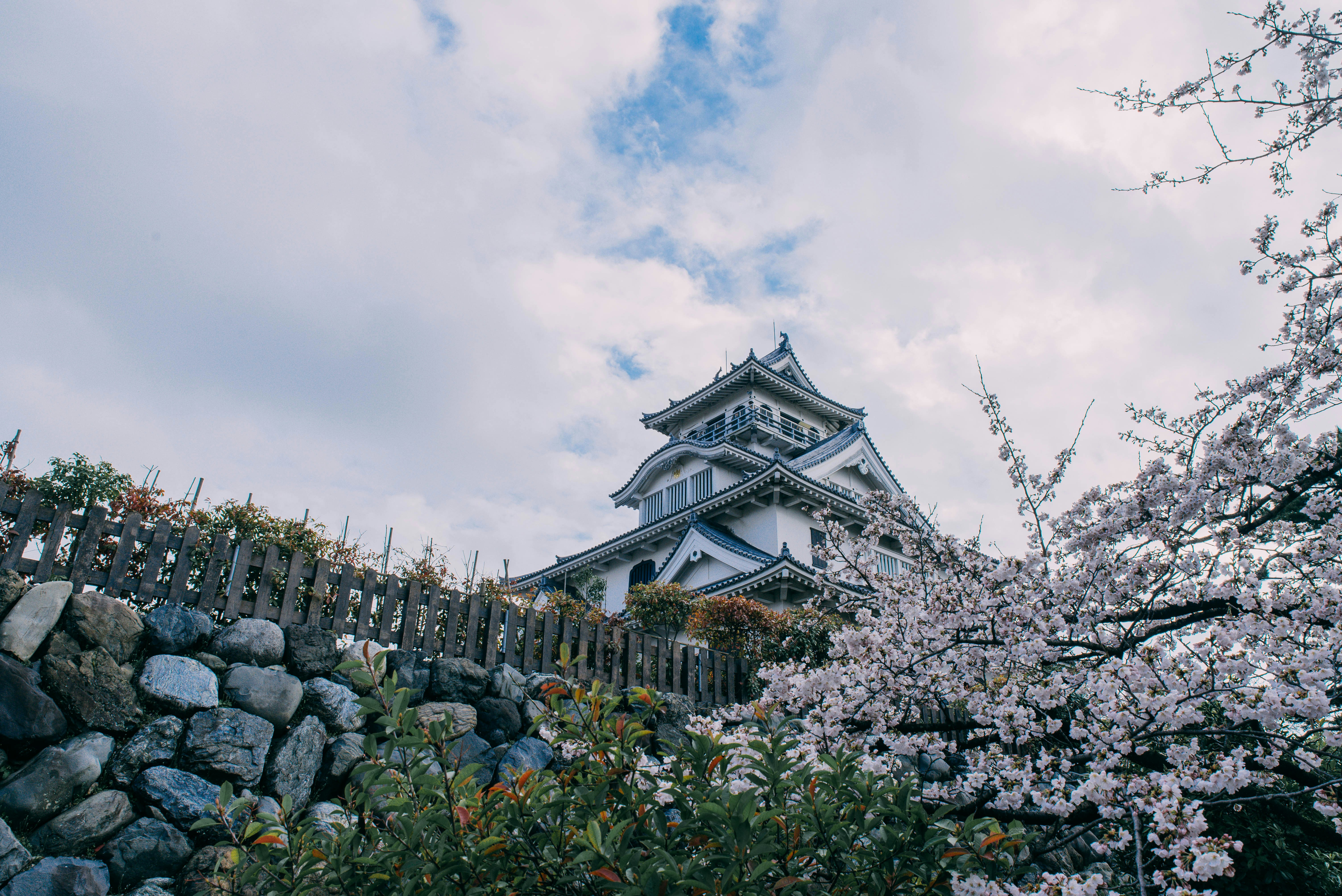
Hikone
One of Japan's twelve original castles, with perfect proportions, immaculate gardens, and deep samurai history
Original castle town
- Hikone Castle
- Genkyu-en tuin
- Samurai museum
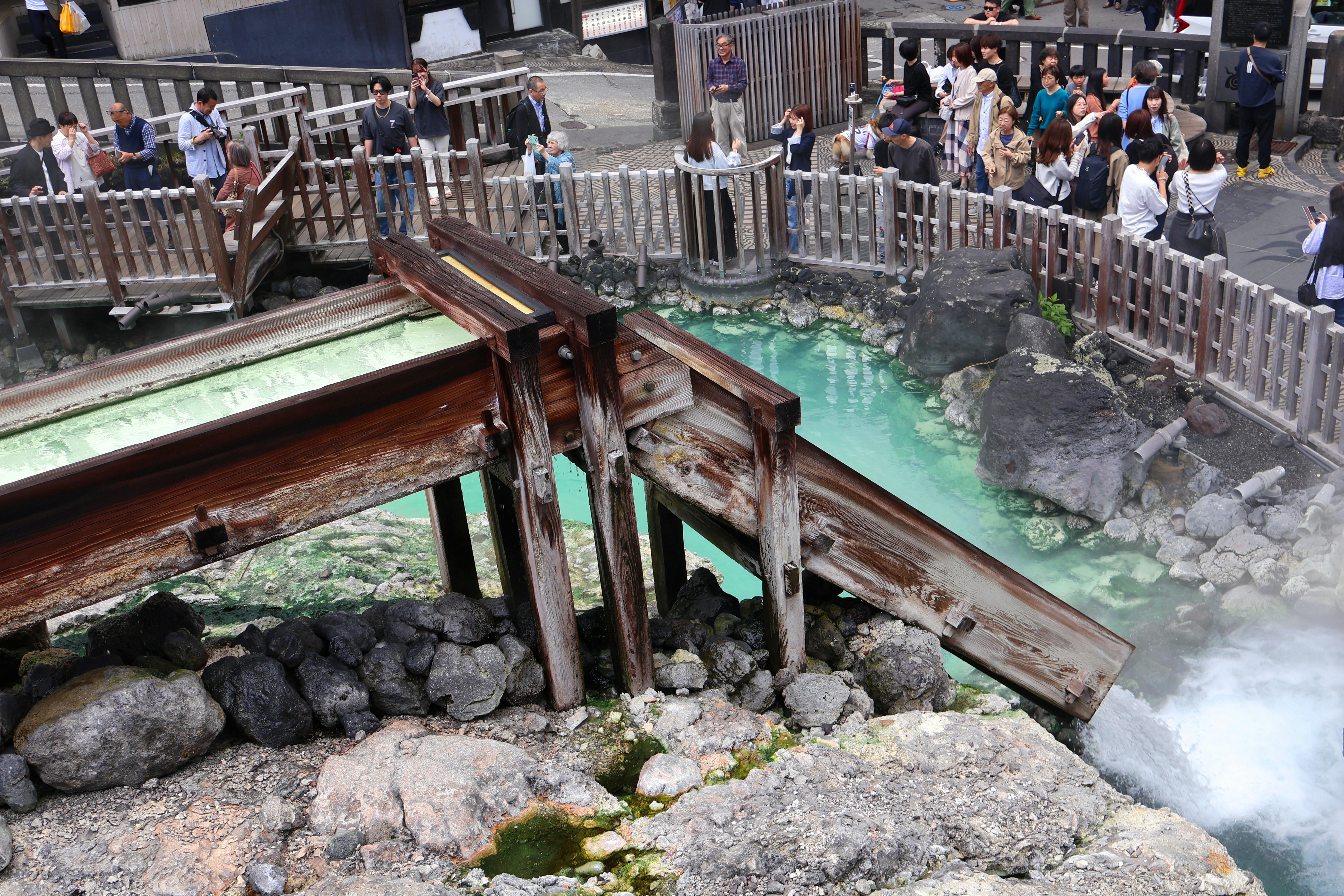
Kusatsu
A historic onsen town where the Tokaido road once rested, now a gateway to the Japanese Alps
Historic onsen town
- Kusatsu Onsen
- Tokaido geschiedenis
- Bergwandelingen
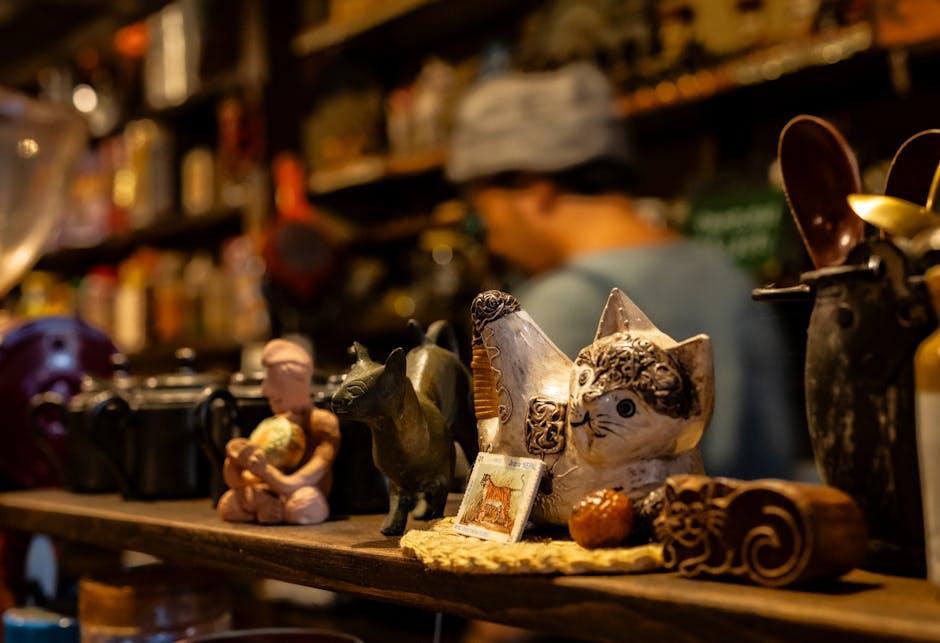
Shigaraki
The pottery village where tanuki figurines are born and ceramic traditions stretch back centuries
Pottery village
- Shigaraki keramiek
- Tanuki-beelden
- Pottery workshops
Top Attractions
Shiga's finest attractions lie scattered around Lake Biwa, from mountain summits to sacred temples.
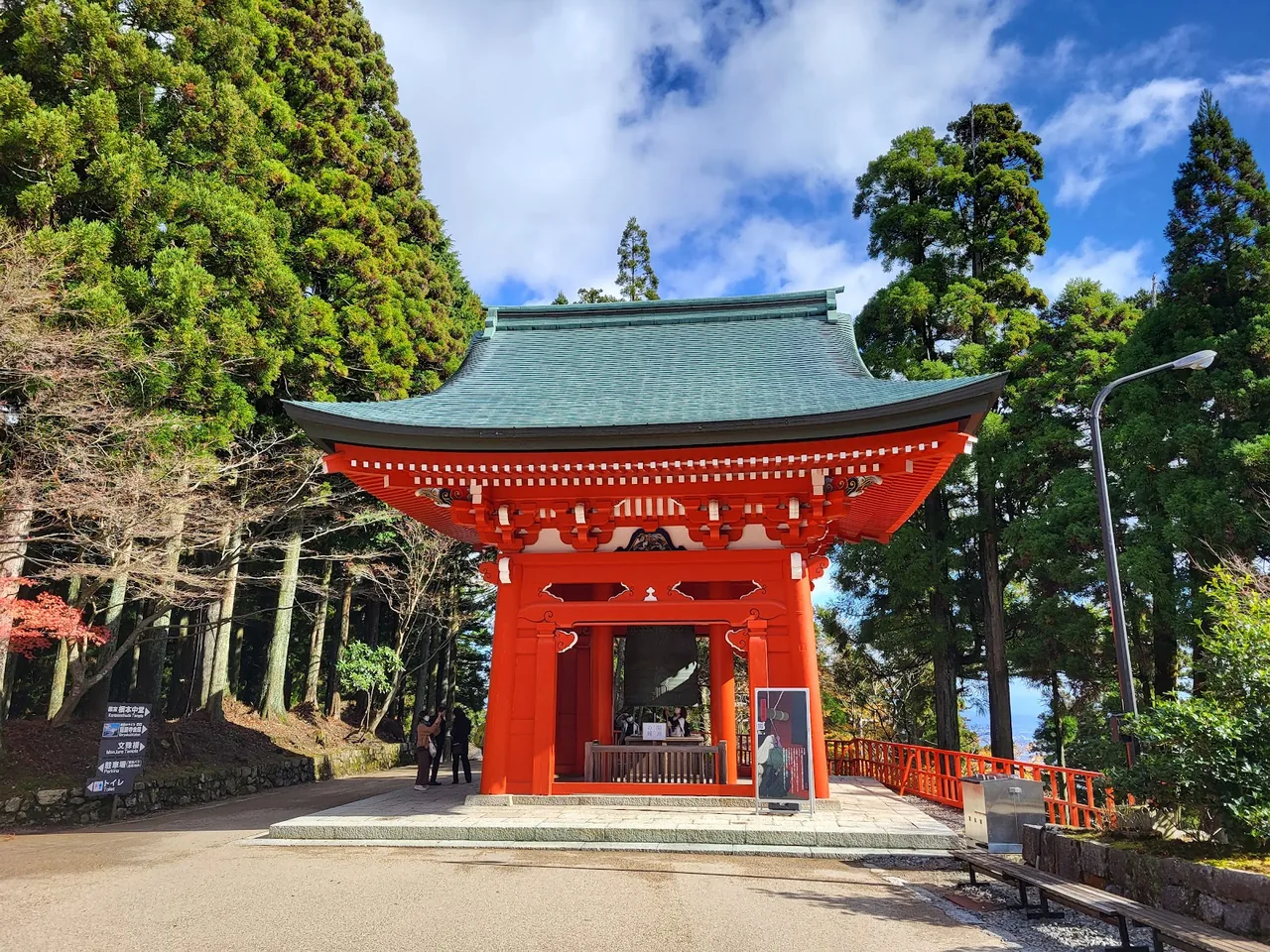
The great head monastery of Tendai Buddhism, hidden in the mountains above Lake Biwa
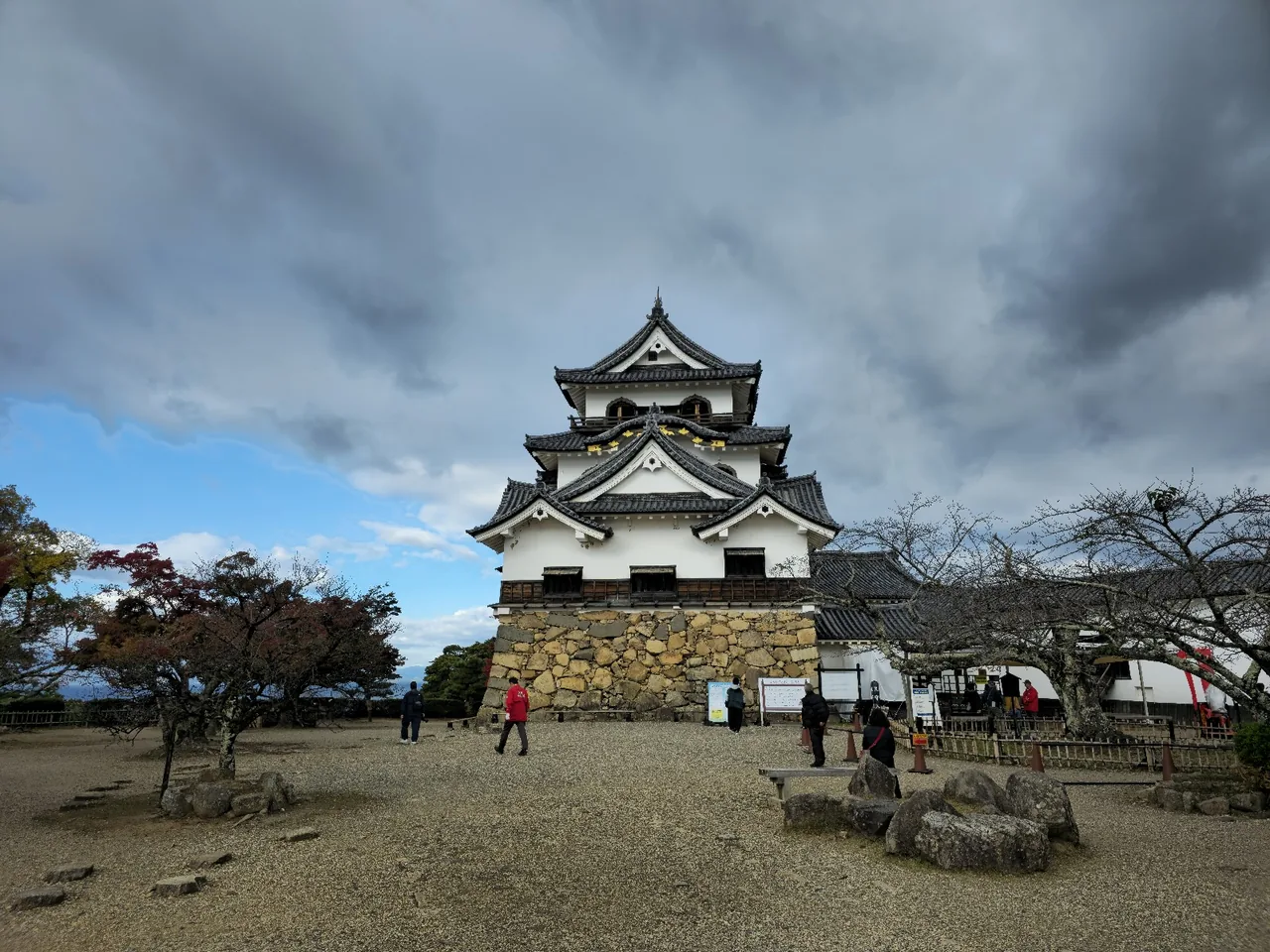
One of Japan's twelve original castles, with perfect proportions and untouched samurai architecture
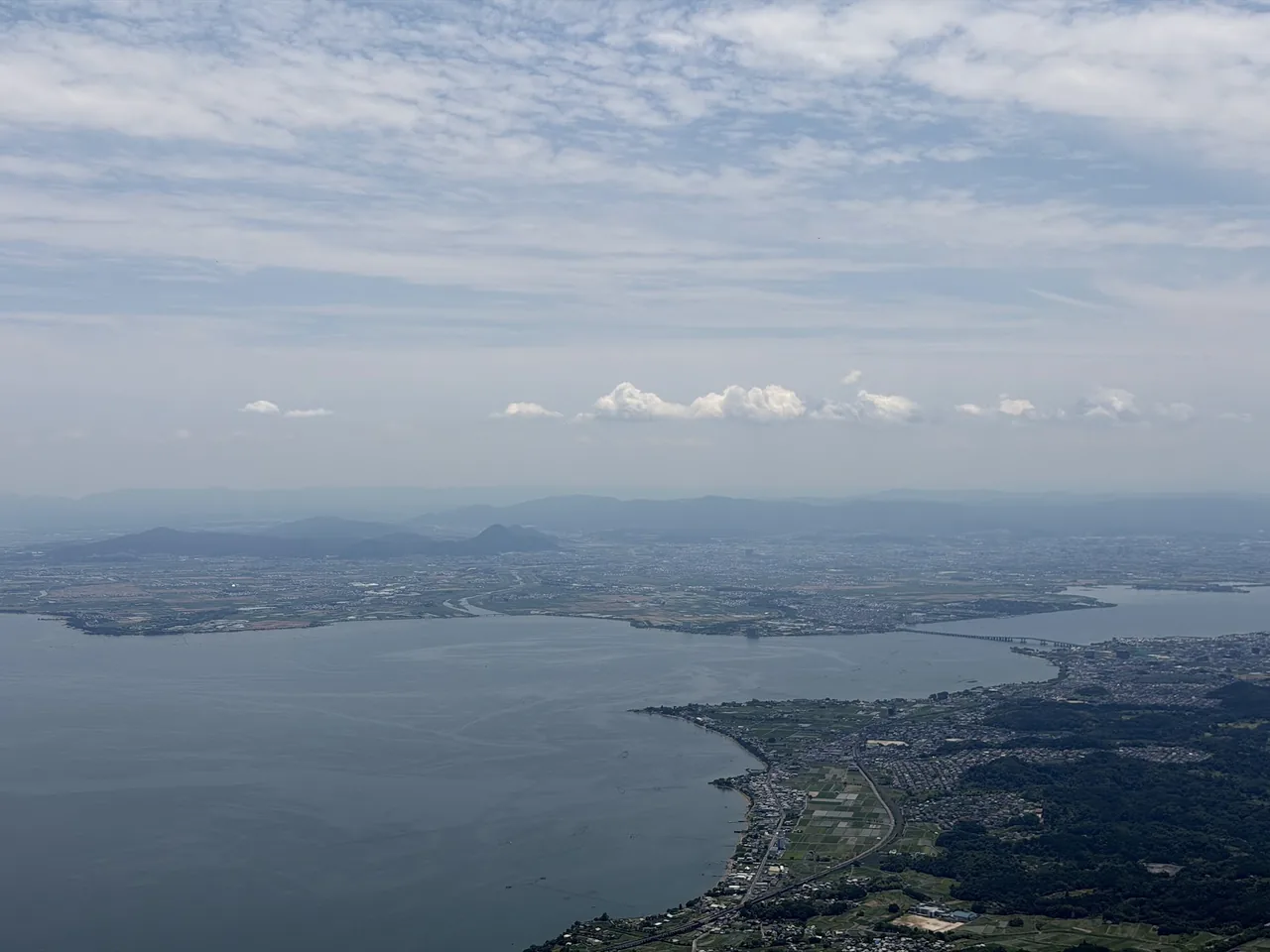
Japan's largest freshwater lake: an inland sea of islands, beaches, and a thousand years of poetry
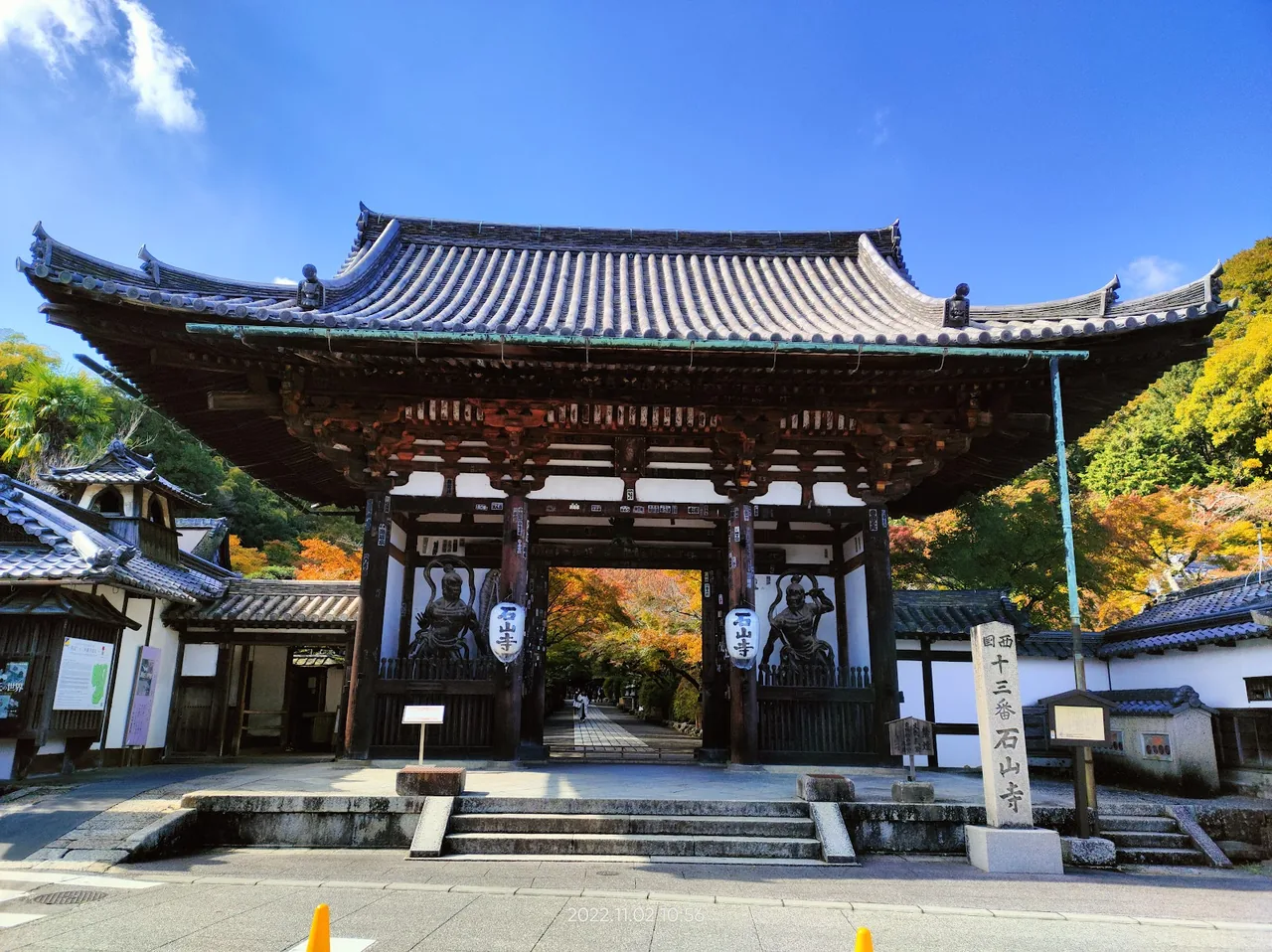 Hidden Gem
The temple where Murasaki Shikibu wrote the Tale of Genji, Japan's first novel
Hidden Gems
Shiga's hidden treasures lie where tourists never venture: mountain villages, forgotten temples, and secret viewpoints.
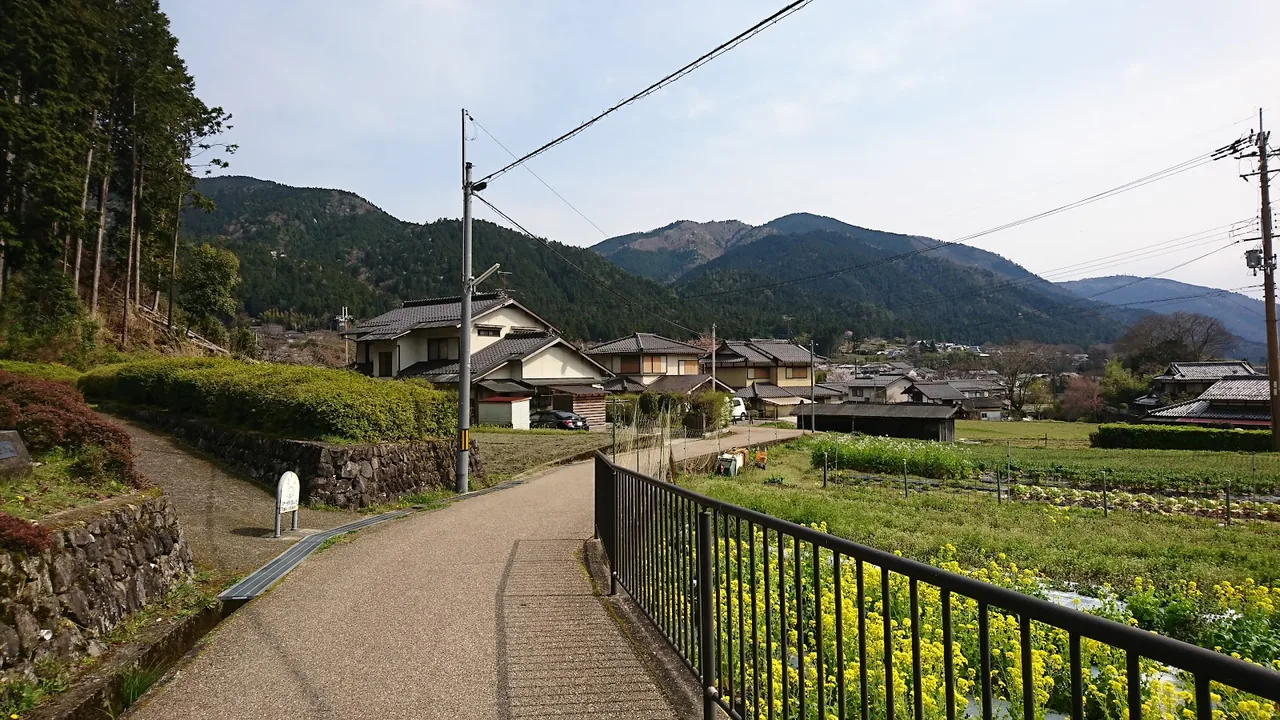 Hidden Gem
A mountain village frozen in time, where tea ceremony and silence are the only sounds
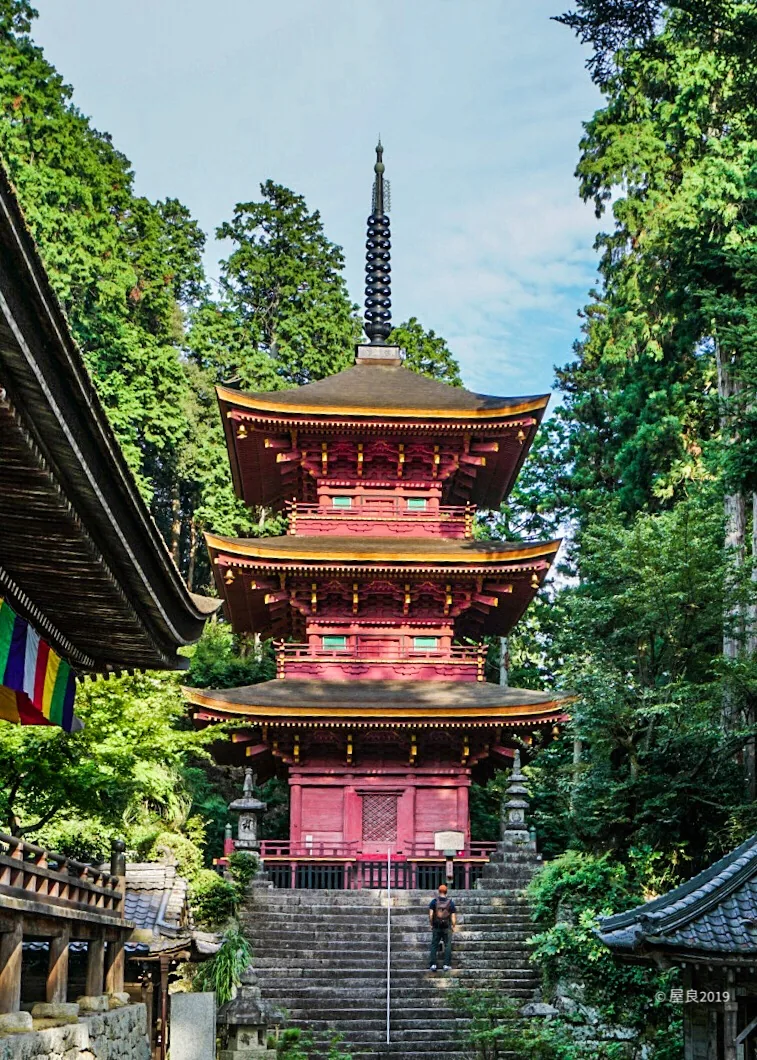 Hidden Gem
The 'bamboo temple' where monks meditate among thousands of swaying bamboo stalks
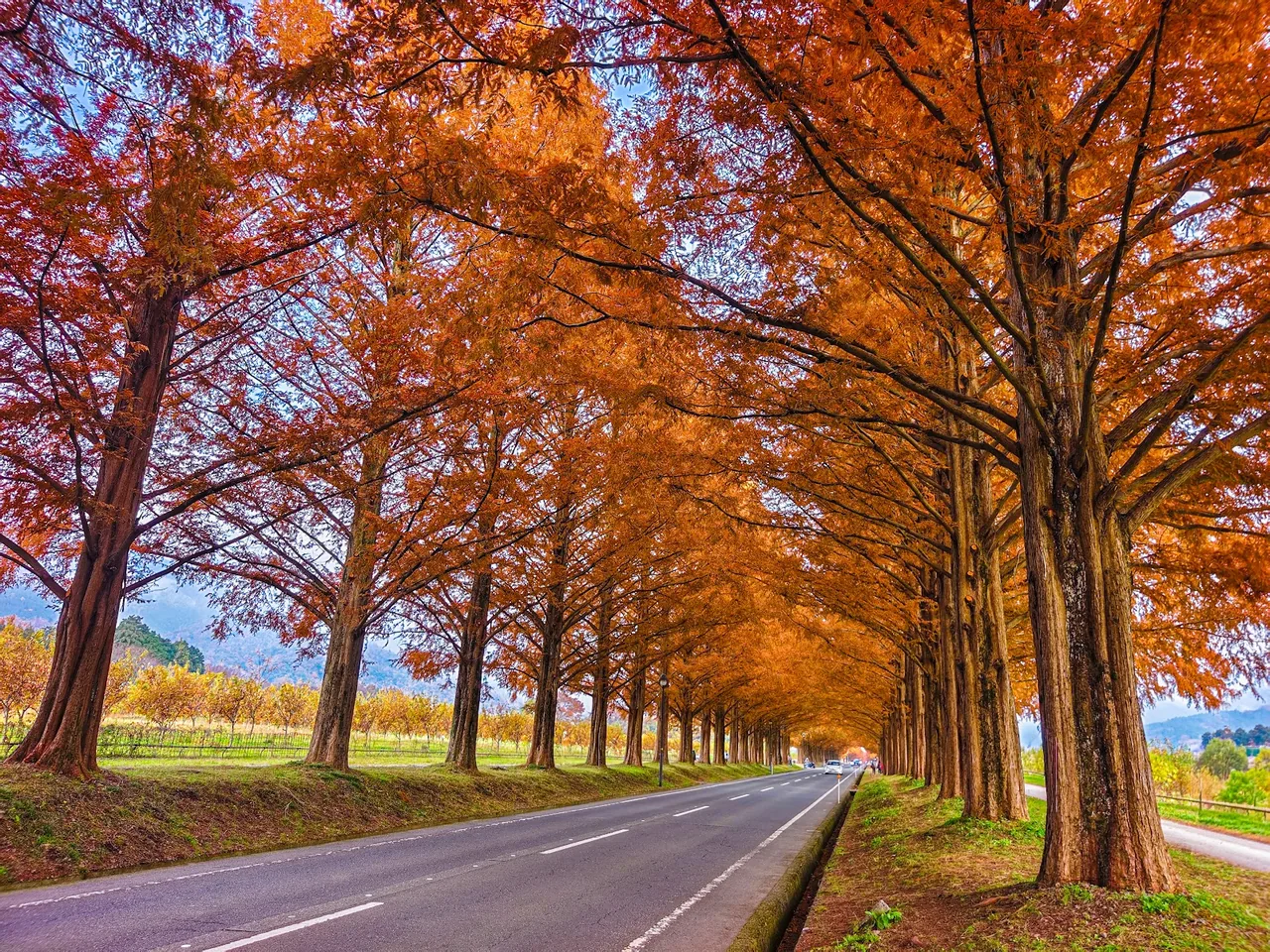 Hidden Gem
A dead-straight avenue of 500 prehistoric trees; Japan's most beautiful tree-lined road that almost no one knows
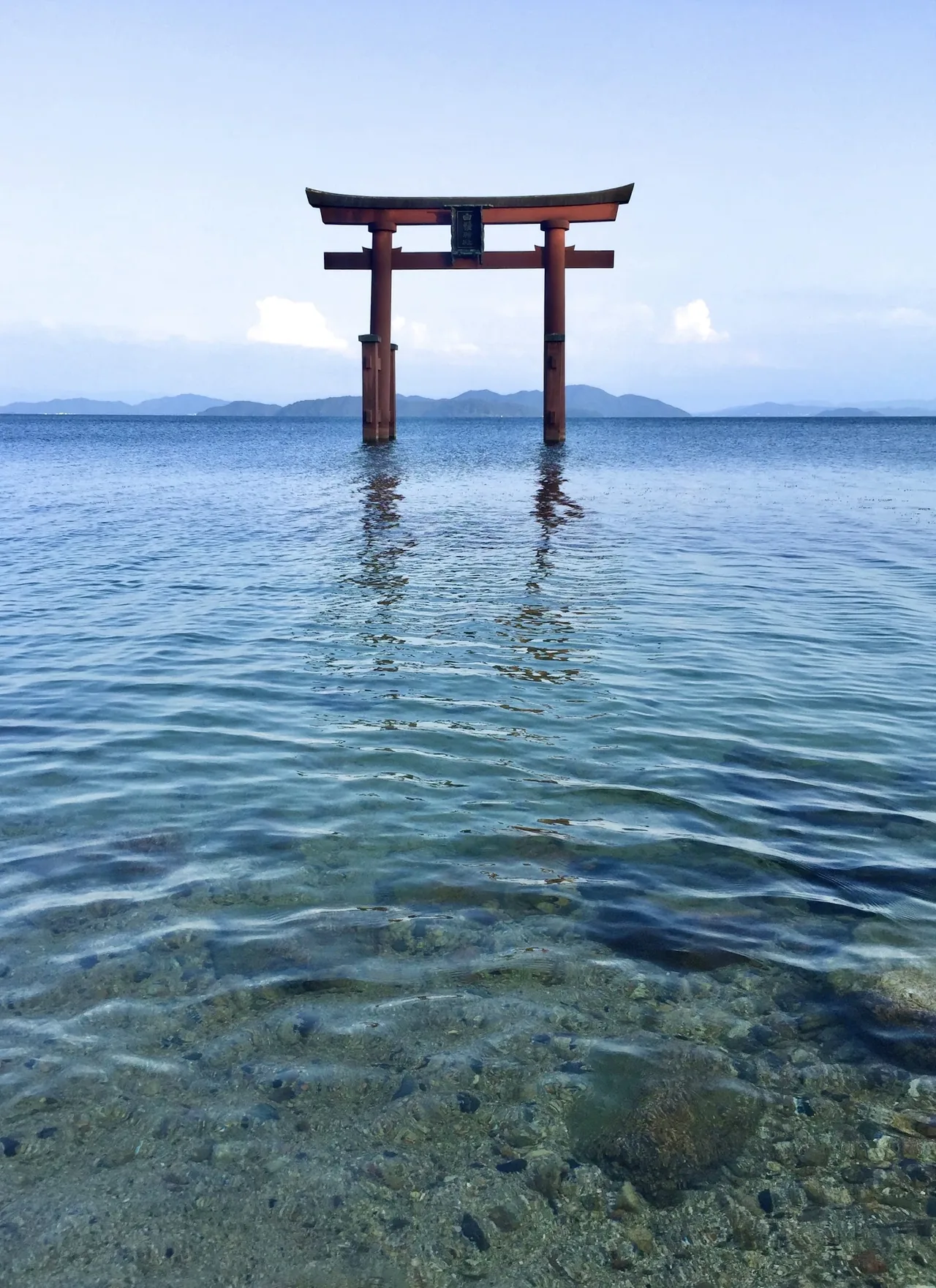 Hidden Gem
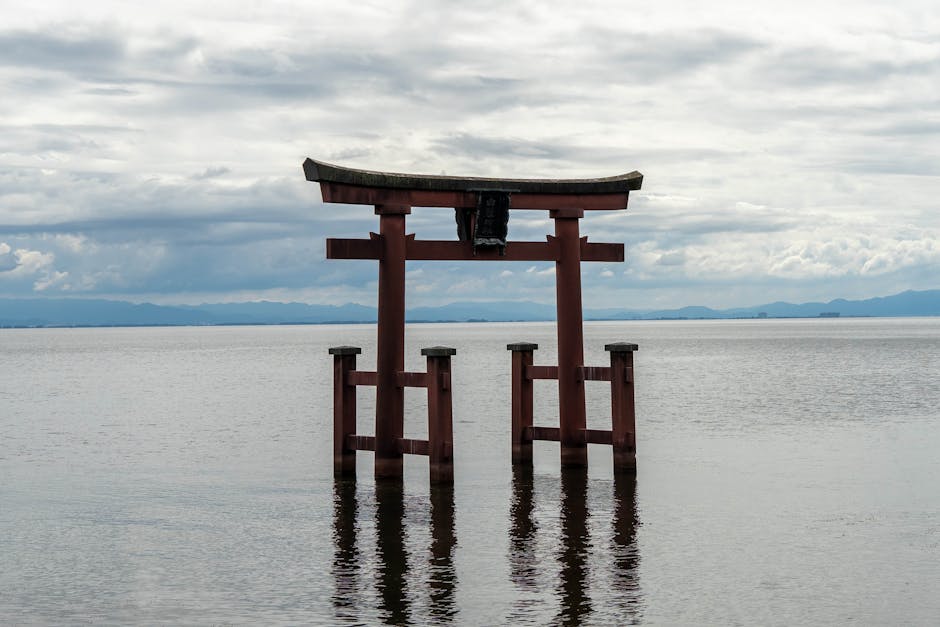
The floating torii of Lake Biwa: Japan's answer to Miyajima, but without the crowds
When to Visit
Shiga moves through four distinct seasons around Lake Biwa, each with its own character and its own crowds.
Springharu
Mar–May9–20°CHigh crowds
Springharu
- Cherry blossoms around Lake Biwa
- Mild temperatures perfect for cycling
- Golden Week crowds at major temples
- Mountain hiking season opens
Summernatsu
Jun–Aug25–32°CModerate crowds
Summernatsu
- Lake Biwa beach season
- Festival season in historic towns
- Hot and humid but great for water activities
- Early morning temple visits recommended
Autumnaki
Sep–Nov9–22°CHigh crowds
Autumnaki
- Spectacular foliage at mountain temples
- Perfect temperatures for hiking
- Metasequoia trees turn golden
- Peak season for photography
Winterfuyu
Dec–Feb0–8°CLow crowds
Winterfuyu
- Snow-capped mountain views
- Onsen season in full swing
- Fewer tourists at major sites
- Clear skies over Lake Biwa
Suggested Itineraries
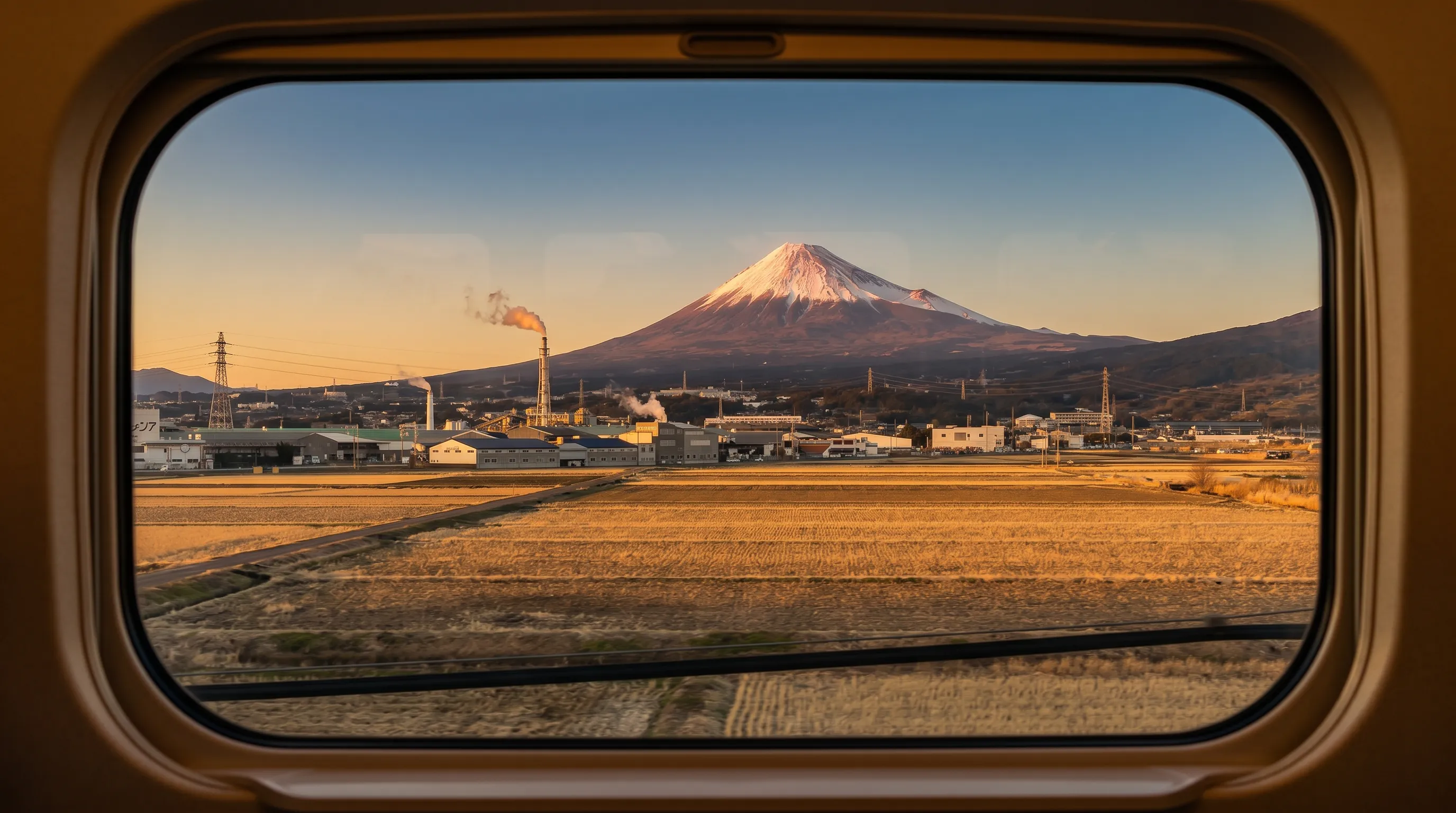
From day trips out of Kyoto to multi-day Lake Biwa adventures, Shiga fits into any travel itinerary.
FAQ
Is Shiga worth visiting if I only have time for Kyoto and Osaka?
Absolutely. Shiga sits literally between Kyoto and Osaka, perfect for a day trip. Hikone Castle is 45 minutes from Kyoto, Lake Biwa just 20. You get authentic Japan without the crowds.
How do I get to Lake Biwa from Kyoto?
Take the JR Tokaido Line to Otsu (20 minutes, ¥240) or the Keihan Main Line to Ishiyama (35 minutes, ¥350). For Hikone Castle: JR Tokaido Line to Hikone Station (45 minutes, ¥760).
Can I cycle around Lake Biwa?
Yes: the Biwaichi cycling route runs 193 kilometres around the entire lake. Rentals are available at stations in Otsu, Hikone, and Kusatsu. Allow 2–3 days for the full loop, or choose a section of 20–40 kilometres.
Which temples in Shiga are the most important?
Enryaku-ji (UNESCO, Tendai head monastery) is the undisputed highlight. Ishiyama-dera (where the Tale of Genji was written) and Mii-dera (with sweeping views over the lake) are equally essential. Check opening times; mountain temples close early.
Is Shiga expensive compared to Kyoto?
No, it's noticeably cheaper. Hotels around Lake Biwa run ¥6,000–12,000 per night (Kyoto: ¥10,000–20,000). Food is locally priced, not tourist-inflated. The JR Pass covers all trains within the prefecture.
When is the best time for Shigaraki pottery workshops?
Workshops run year-round, but autumn (October–November) is ideal: perfect temperatures and beautiful colours around the pottery villages. Book workshops in advance, especially on weekends.