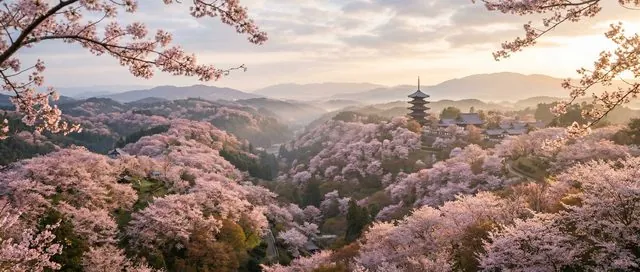
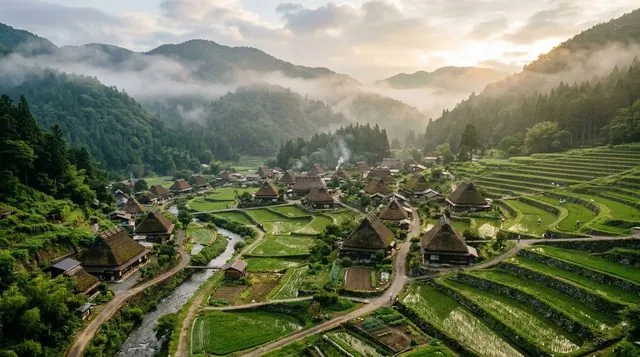
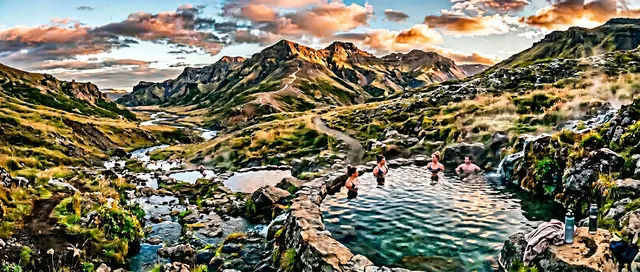
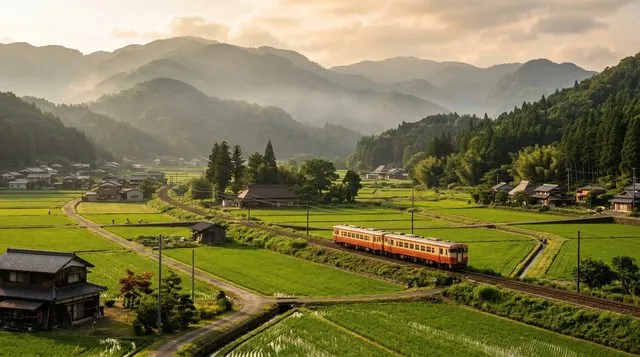
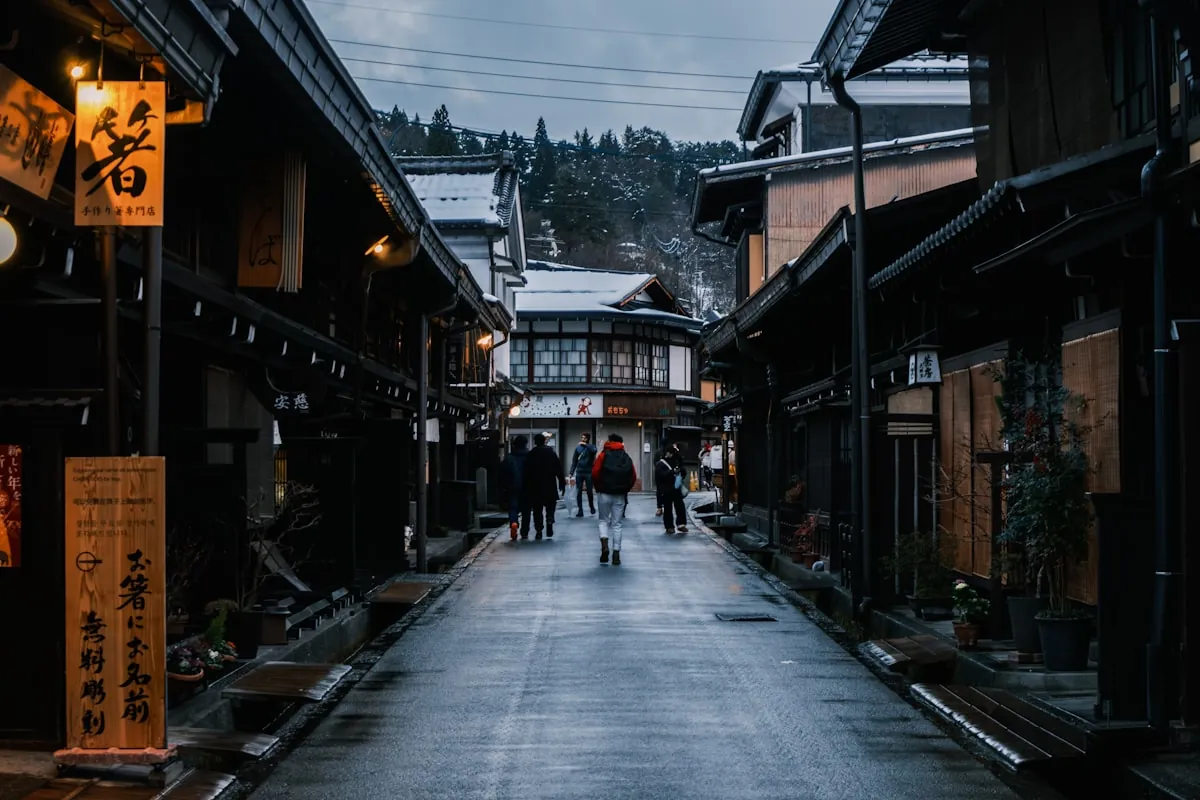
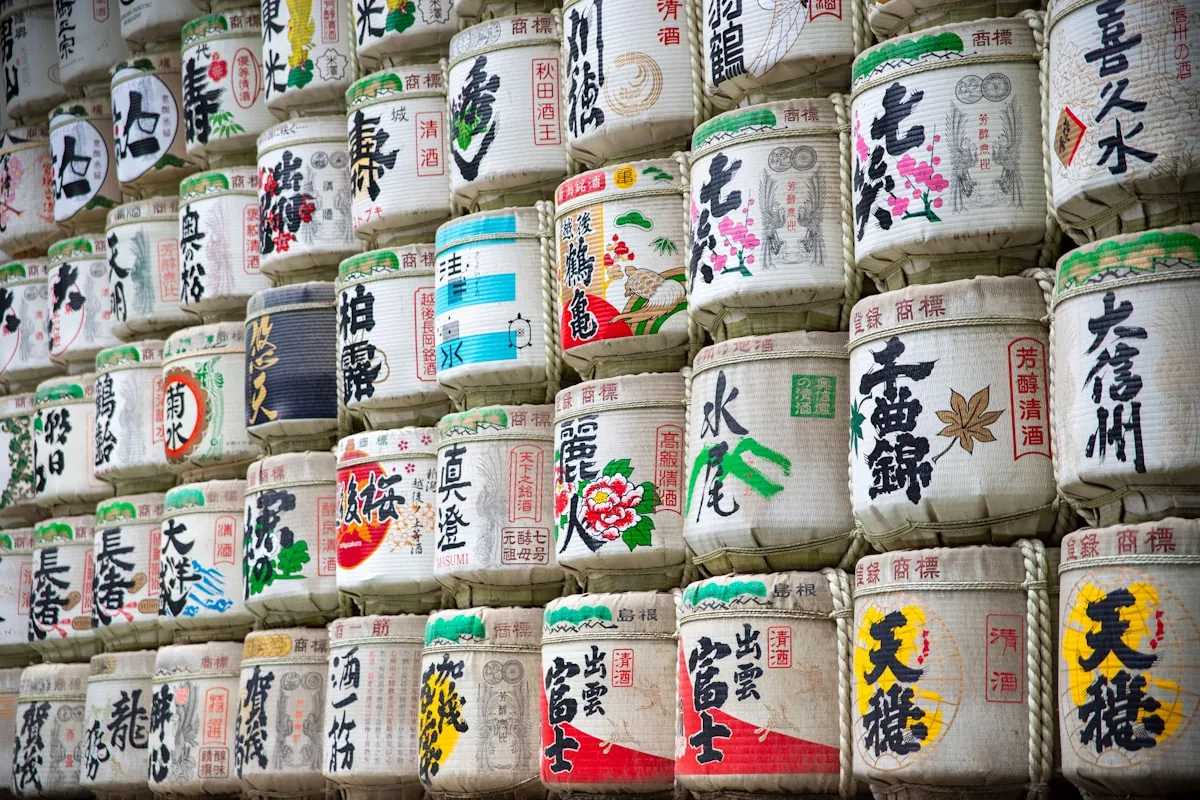
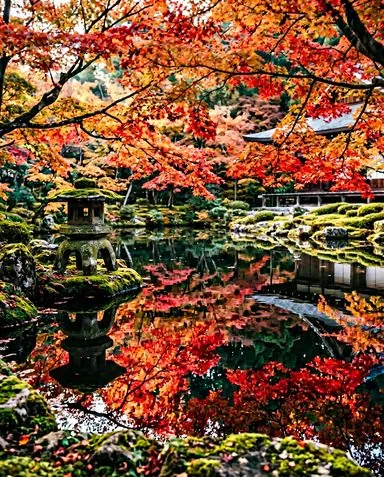
Miyazaki is Kyushu's most underrated prefecture: subtropical, mythological, and crowd-free. The headline draws are the rowboat-accessible Takachiho Gorge in the mountains (where Japan's creation gods reportedly hid), the palm-lined island of Aoshima Island, the seaside cave-shrine of Udo Jingū, the volcanic peaks of Kirishima-Kinkowan National Park, and the wild horses of Cape Toi at the prefecture's southern tip.
Cities & Towns
Miyazaki City
The capital: Aoshima Island day trips, palm-lined boulevards, and easy access to the Heiwadai Park Tower of Peace
Capital and palm city
- Aoshima Island access
- Heiwadai Park
- Mango orchards
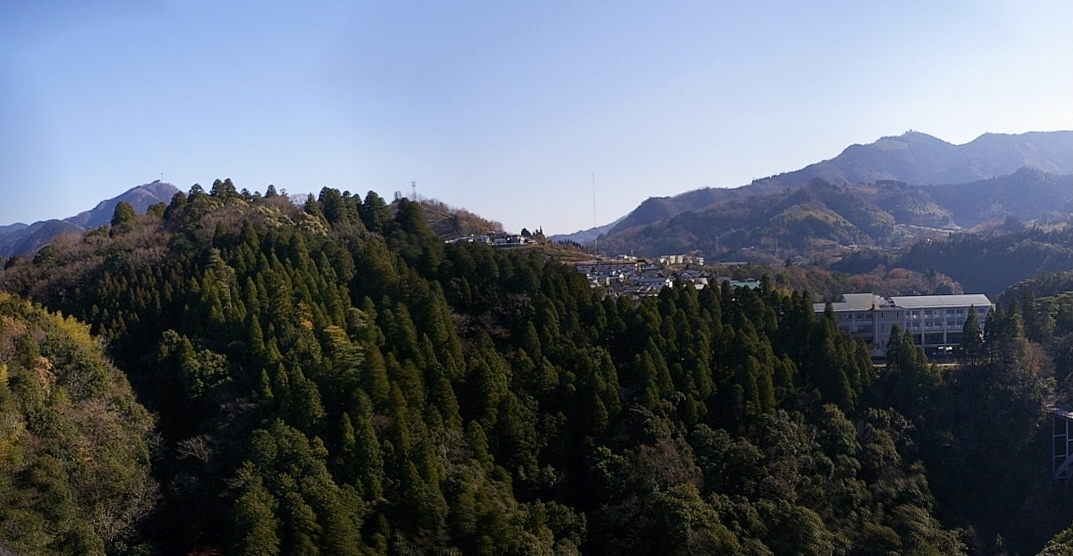
Takachiho
Mountain town deep in northern Miyazaki: gorge, mythology shrines, and night-time kagura sacred dance
Mythology town
- Takachiho Gorge
- Mythology shrines
- Yokagura dance
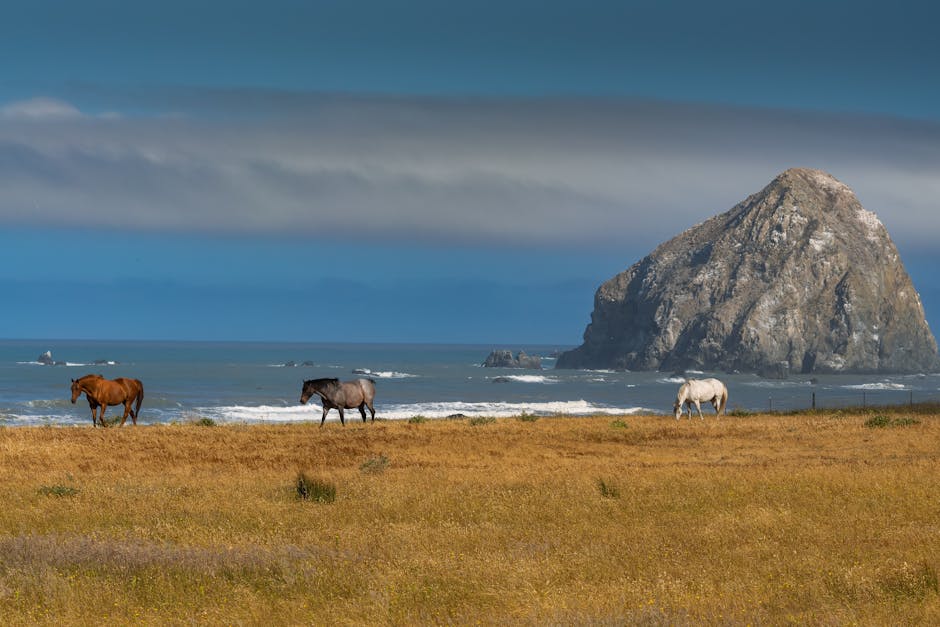
Nichinan (Cape Toi)
Southernmost coastal town: wild Misaki horses on Cape Toi, Udo Jingu cave shrine, and Pacific surf coast
Wild horse coast
- Cape Toi wild horses
- Udo Jingū
- Surf beaches
Top Attractions
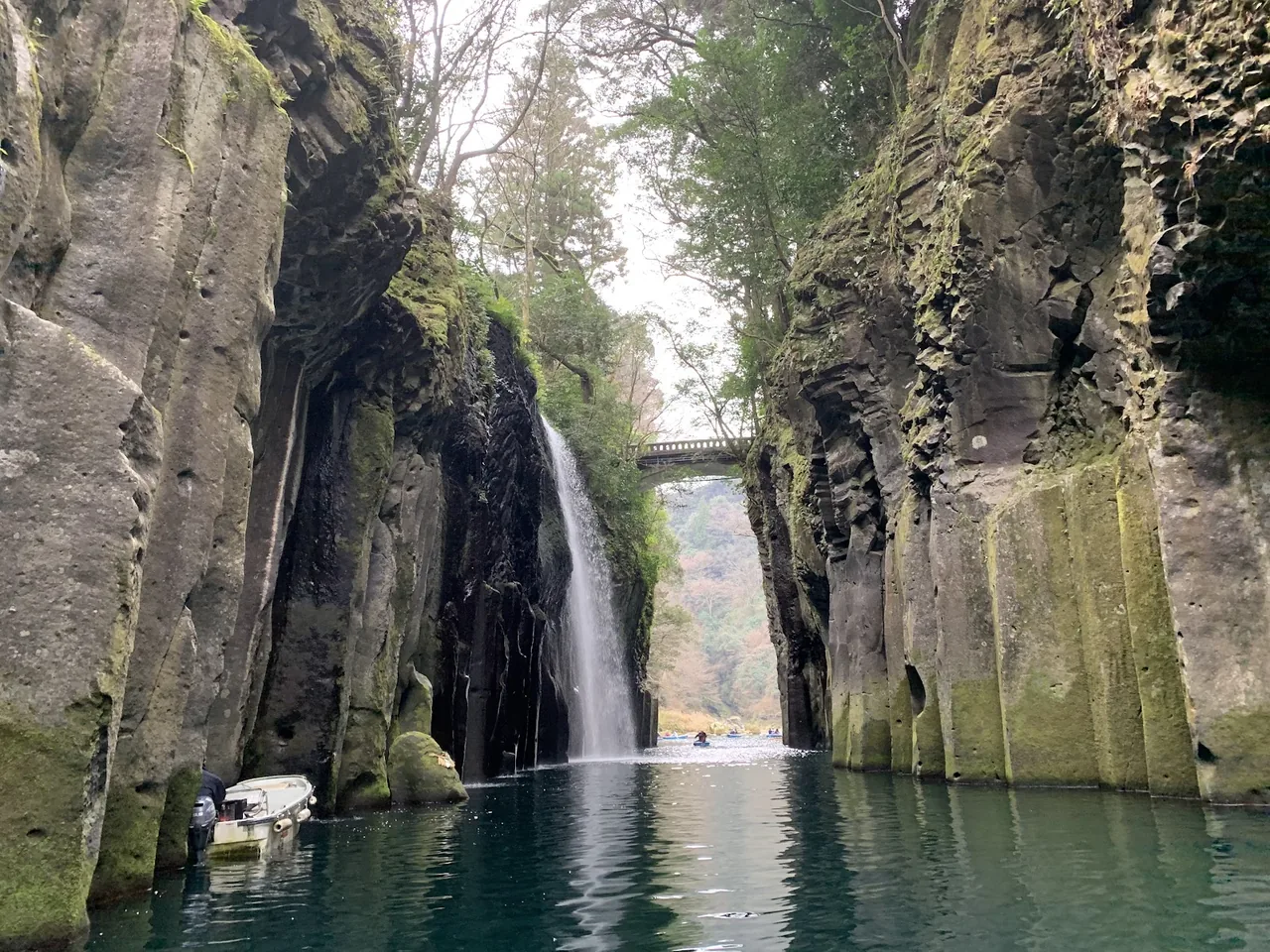
Carved volcanic gorge with the Manai Falls cascading 17m into emerald pools, accessible by rowboat from below
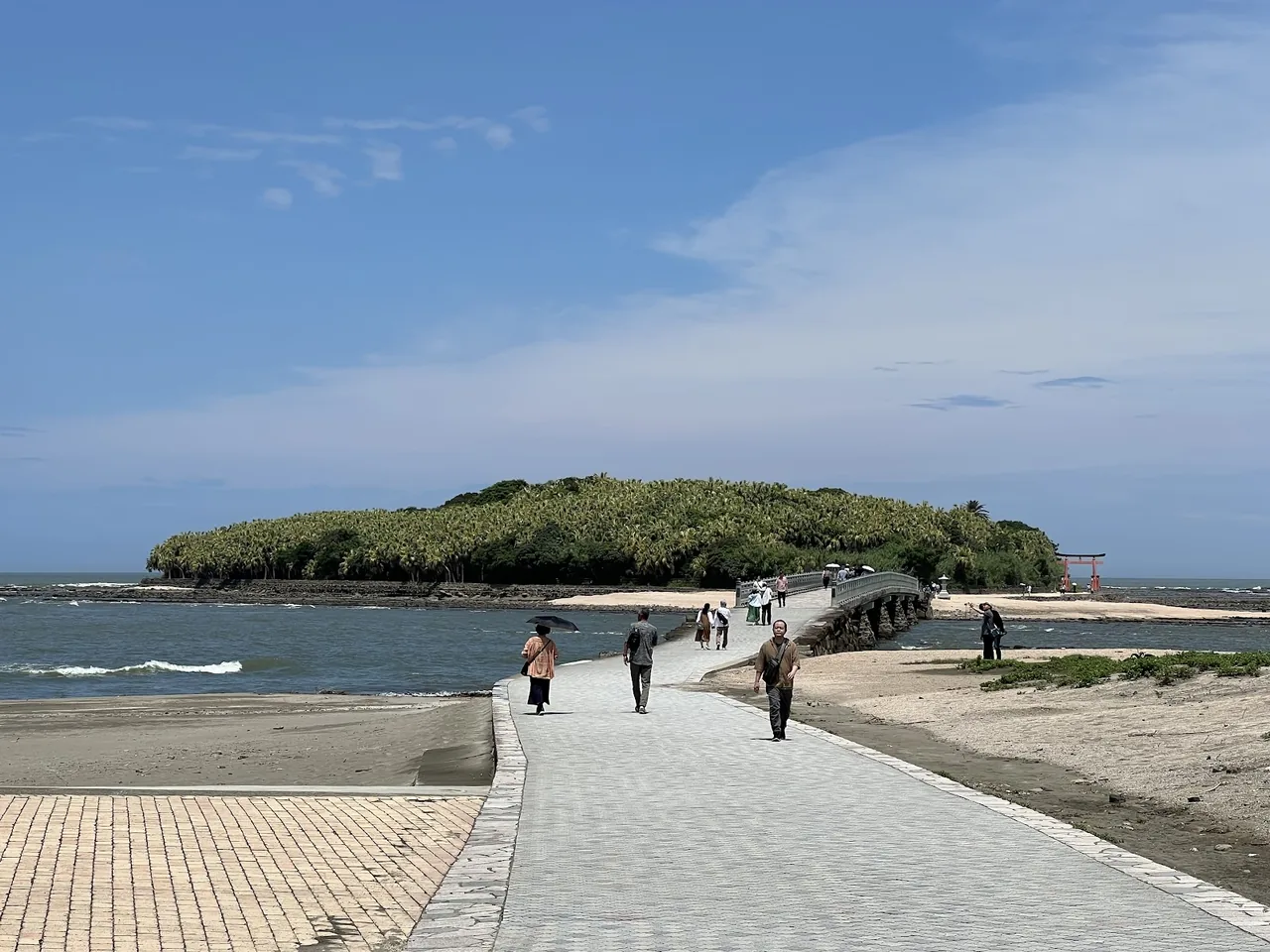
Tiny subtropical island reached by a footbridge: palm-tree shrine grounds, the strange 'devil's washboard' rock formations around the perimeter
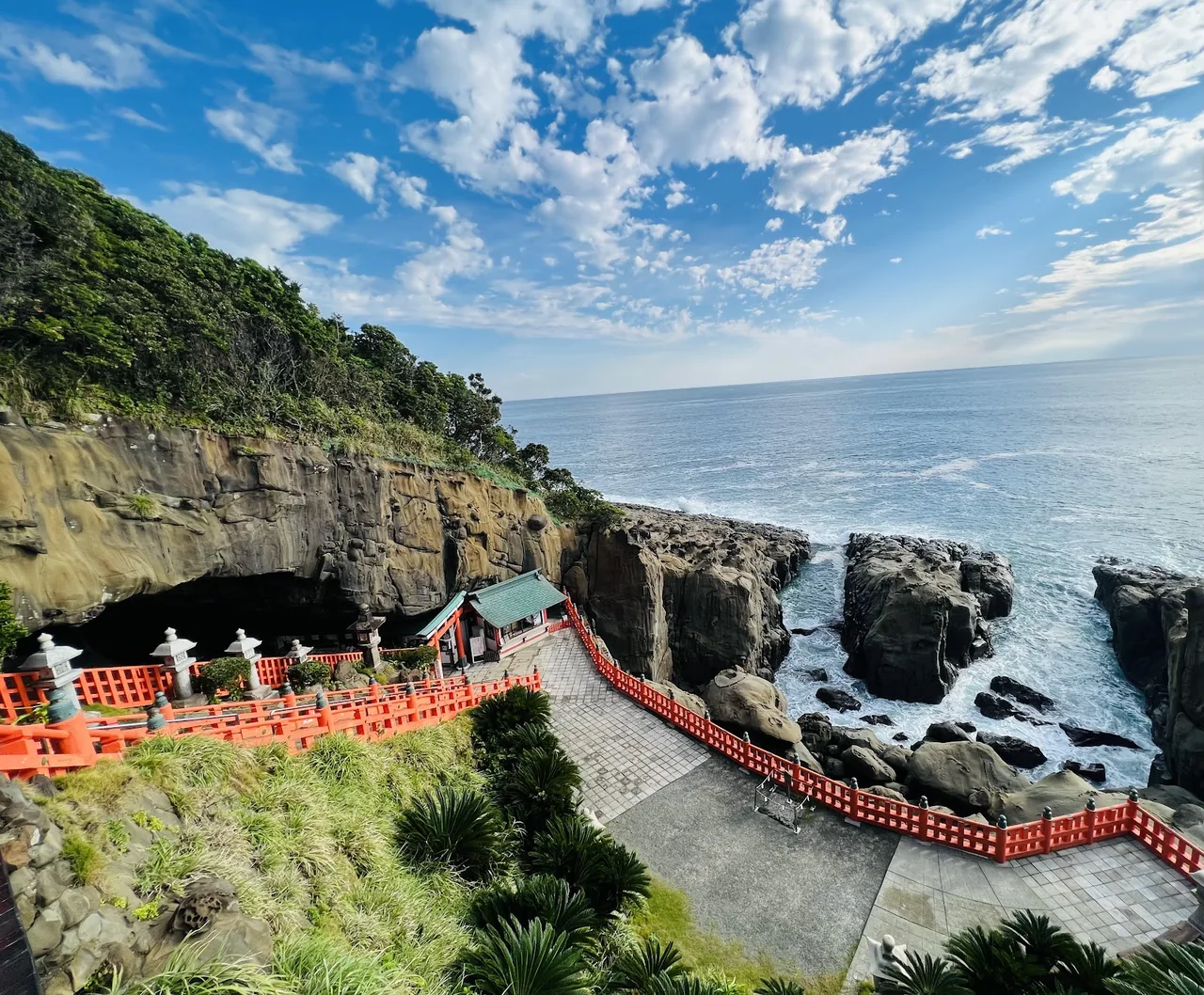
Vermillion shrine inside a sea-facing cave. Pilgrims throw clay pebbles into a turtle-shaped rock for good luck
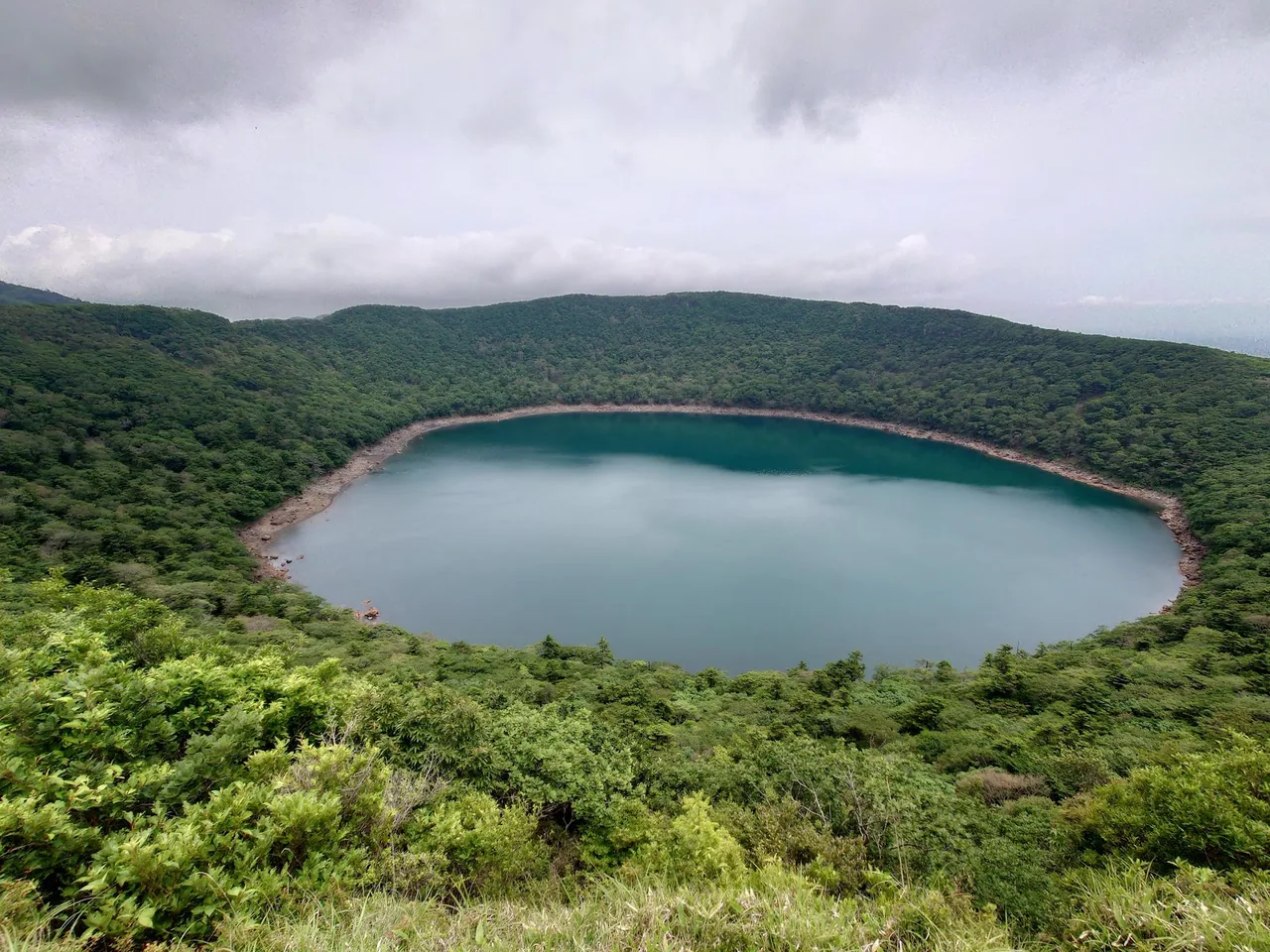
Volcanic peaks straddling the Miyazaki-Kagoshima border: Mt. Karakuni hiking, the Kirishima Shrine, and 23 hot-spring streams
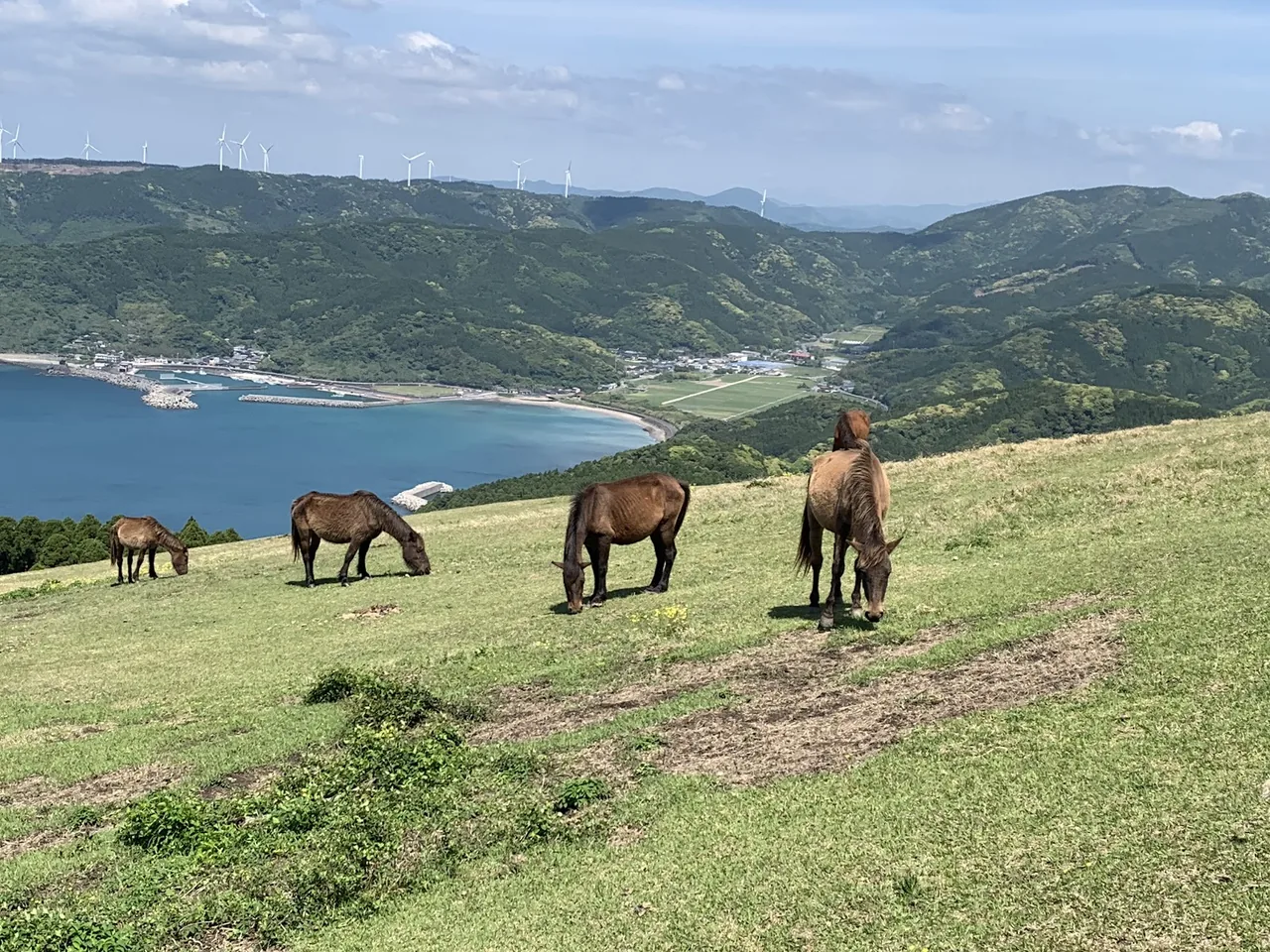
Wild Misaki horses graze freely on grass cliffs at Miyazaki's southernmost cape, protected since the Edo period and still numbering ~100 individuals
Hidden Gems
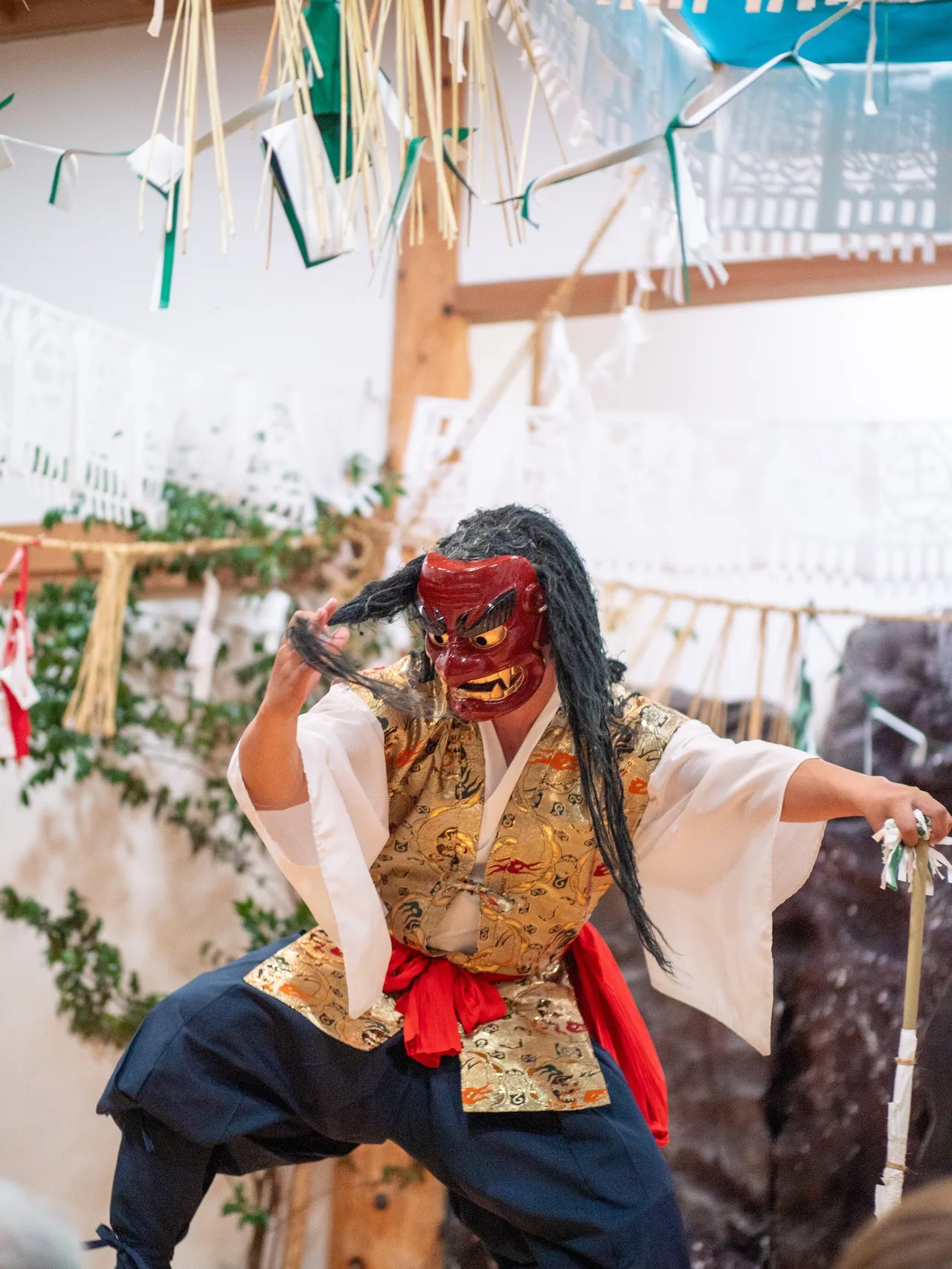 Hidden Gem
Nightly sacred-dance performances enacting the Japanese creation myth: eight hours of dance every November-February in remote villages
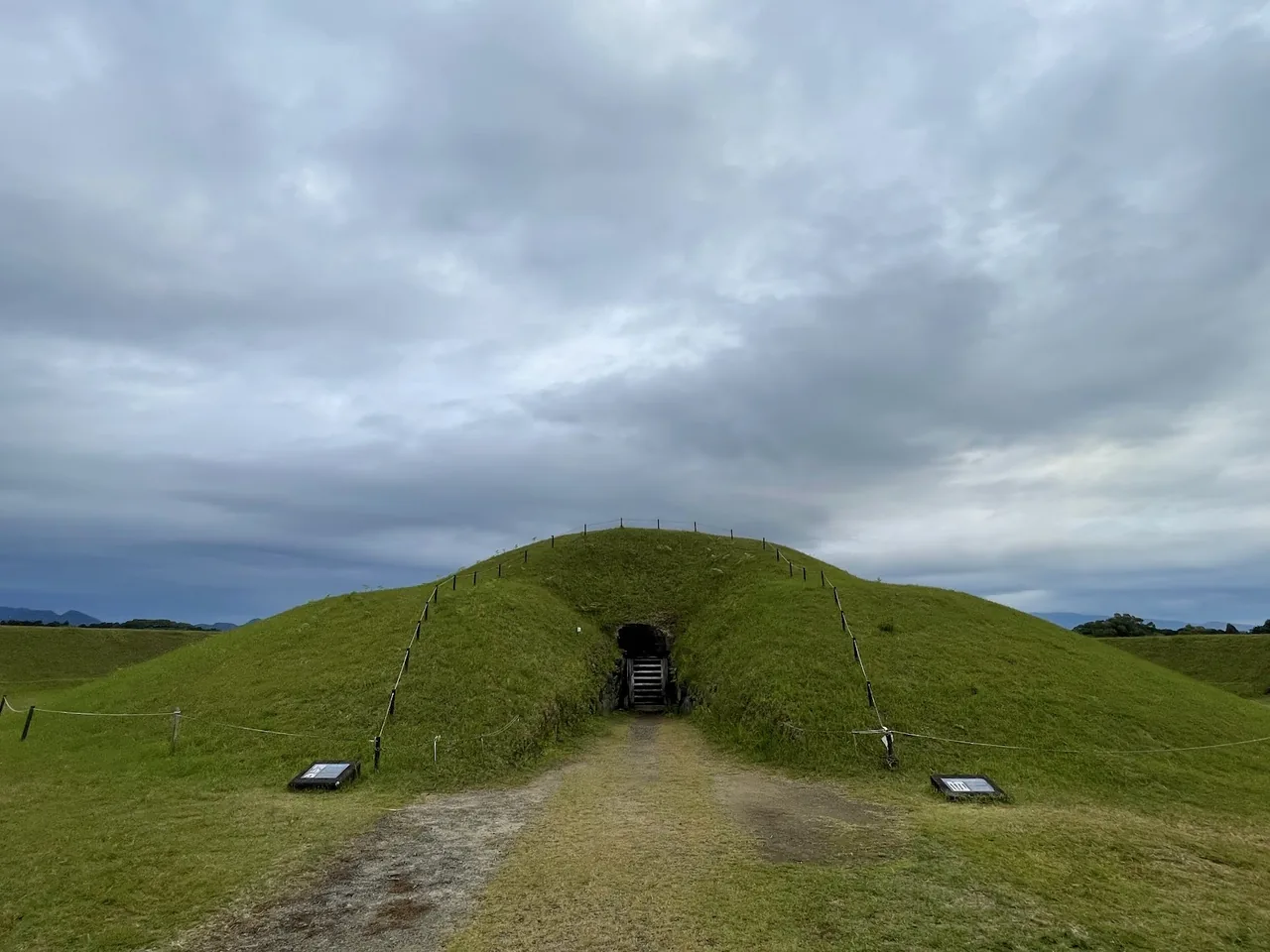 Hidden Gem
Park of 311 ancient kofun (3rd-7th century burial mounds), Japan's largest concentration of historic tumuli outside Nara
 Hidden Gem
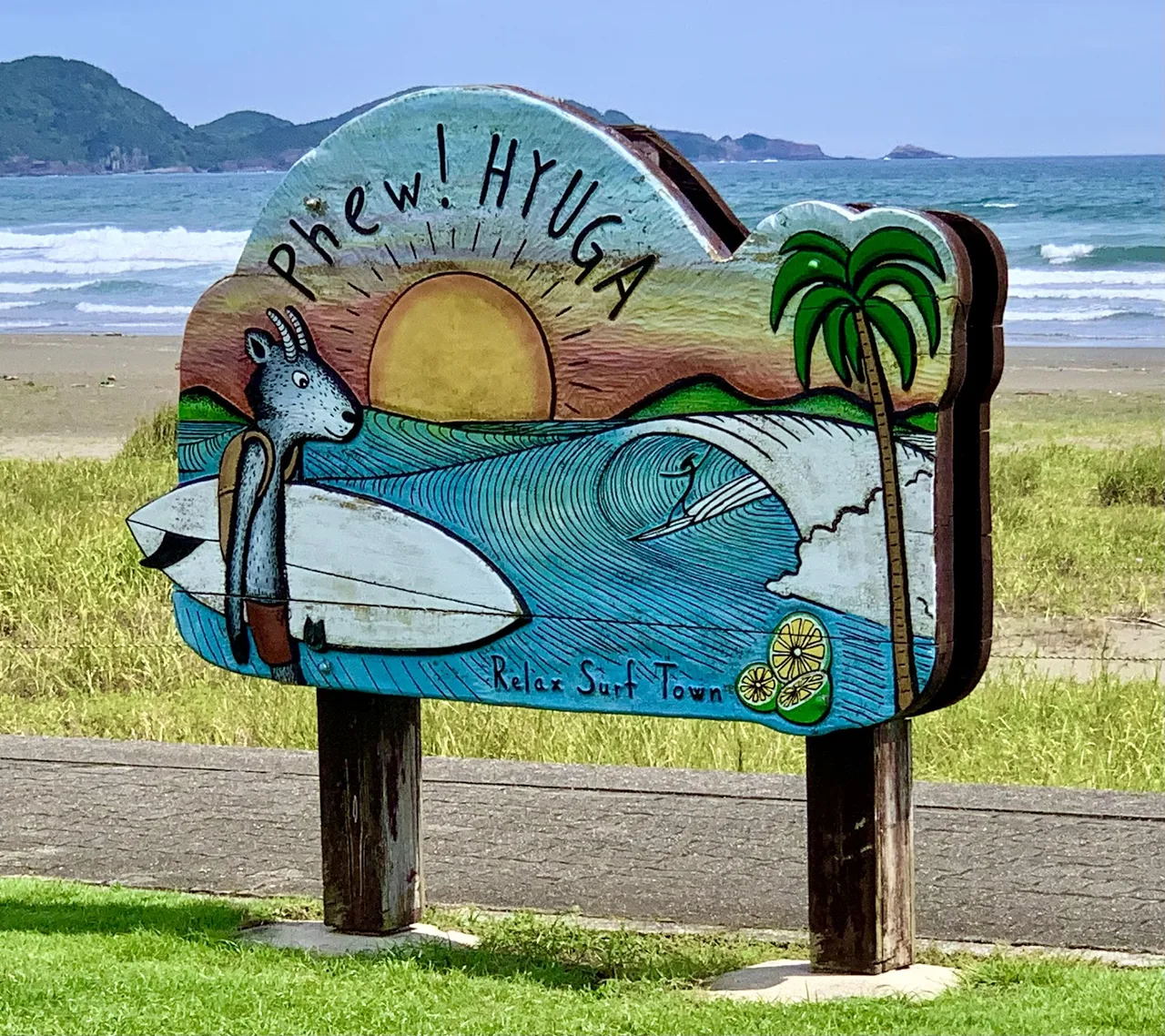
10km Pacific beach near Hyuga: Japan's surfing championship venue, with consistent waves year-round and a relaxed beach-shack culture
When to Visit
Springharu
Mar – May13–24°CModerate crowds
Springharu
- Cherry blossoms at Heiwadai Park
- Comfortable Takachiho rowing
- Wisteria at Kawasaki Falls
- Mild Cape Toi
Summernatsu
Jun – Aug23–32°CHigh crowds
Summernatsu
- Surfing on Okuragahama coast
- Rainy season early July
- Mango harvest peak
- Kirishima hiking
Autumnaki
Sep – Nov13–25°CModerate crowds
Autumnaki
- Foliage at Takachiho late October to mid-November
- Yokagura season starts mid-November
- Comfortable for cape walks
- Light typhoon risk through October
Winterfuyu
Dec – Feb8–15°CLow crowds
Winterfuyu
- Mild Pacific coast; rarely freezing
- Yokagura sacred dance peaks
- Cape Toi horses easier to spot
- Mango pre-season at orchards
Suggested Itineraries
FAQ
How do I get to Miyazaki?
Domestic flight from Tokyo Haneda to Miyazaki Airport (90 min, 30-min bus to city). From Hakata: 6-hour JR Limited Express journey via Kagoshima. From Kagoshima: 2.5 hours by JR Limited Express.
Can I row a boat at Takachiho Gorge?
Yes. Small rowboats rent for ¥4,100 per 30 minutes. Reservations not always required, but the queue can be 1-2 hours long during peak season (April-May, October). The boats glide right under the Manai Falls.
Are the Cape Toi horses always visible?
Yes, about 100 wild Misaki horses live freely on the cape. Best chance of spotting groups is morning or late afternoon when they graze in the open grass cliffs. Stay 5+ metres away (they are wild and will kick).
What is Miyazaki best known for?
Takachiho Gorge and the creation-myth shrines, the surfing coast at Okuragahama, mangoes (the prefecture grows Japan's biggest), Cape Toi's wild horses, and the Yokagura sacred dance.
How many days do I need in Miyazaki?
One day for Miyazaki City and Aoshima Island. Two days adds Takachiho (you'll need to overnight to see Yokagura). Three days lets you reach Cape Toi or Kirishima.
What are Miyazaki's hidden gems?
The Saitobaru burial-mound park (311 ancient kofun in one site), the all-night Yokagura sacred dance performances November-February, and the Okuragahama surf-championship coast at Hyuga.
What surrounds the headline spots?
Beyond the obvious draws, Udo Jingu Shrine, Obi Castle Town, Ama-no-Iwato Shrine, Ebino Plateau, Nobeoka, Kobayashi reward travelers willing to step off the main route: local pace, fewer crowds, and a closer feel for the everyday rhythms of the region.