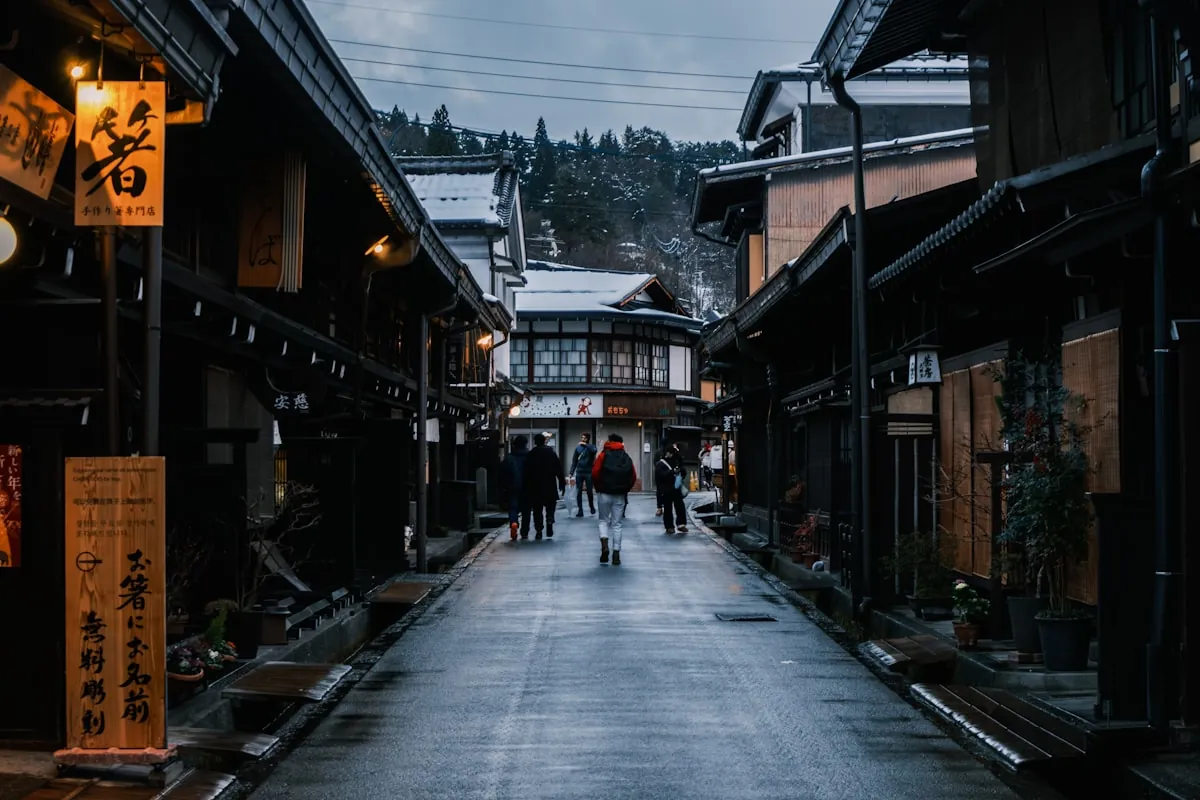
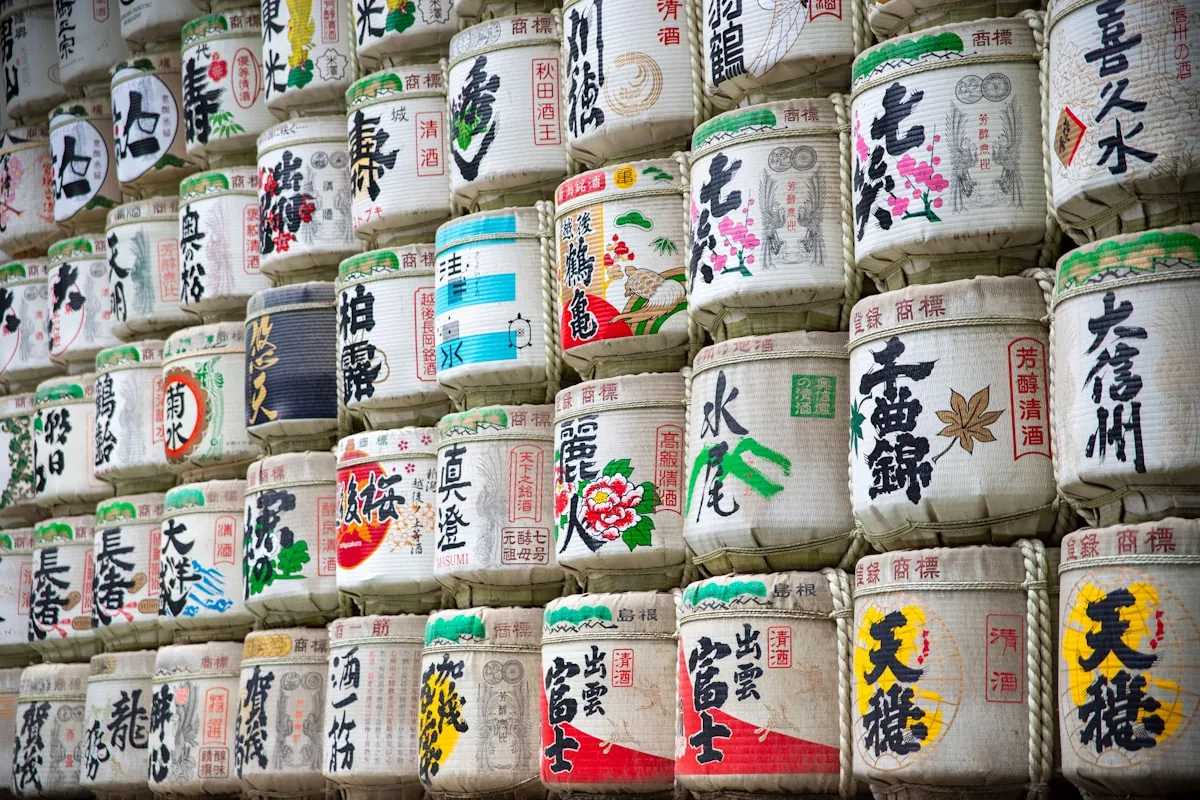
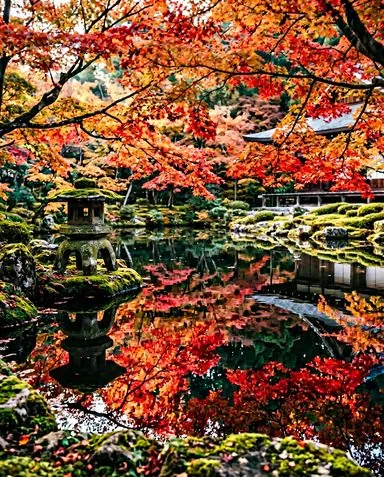
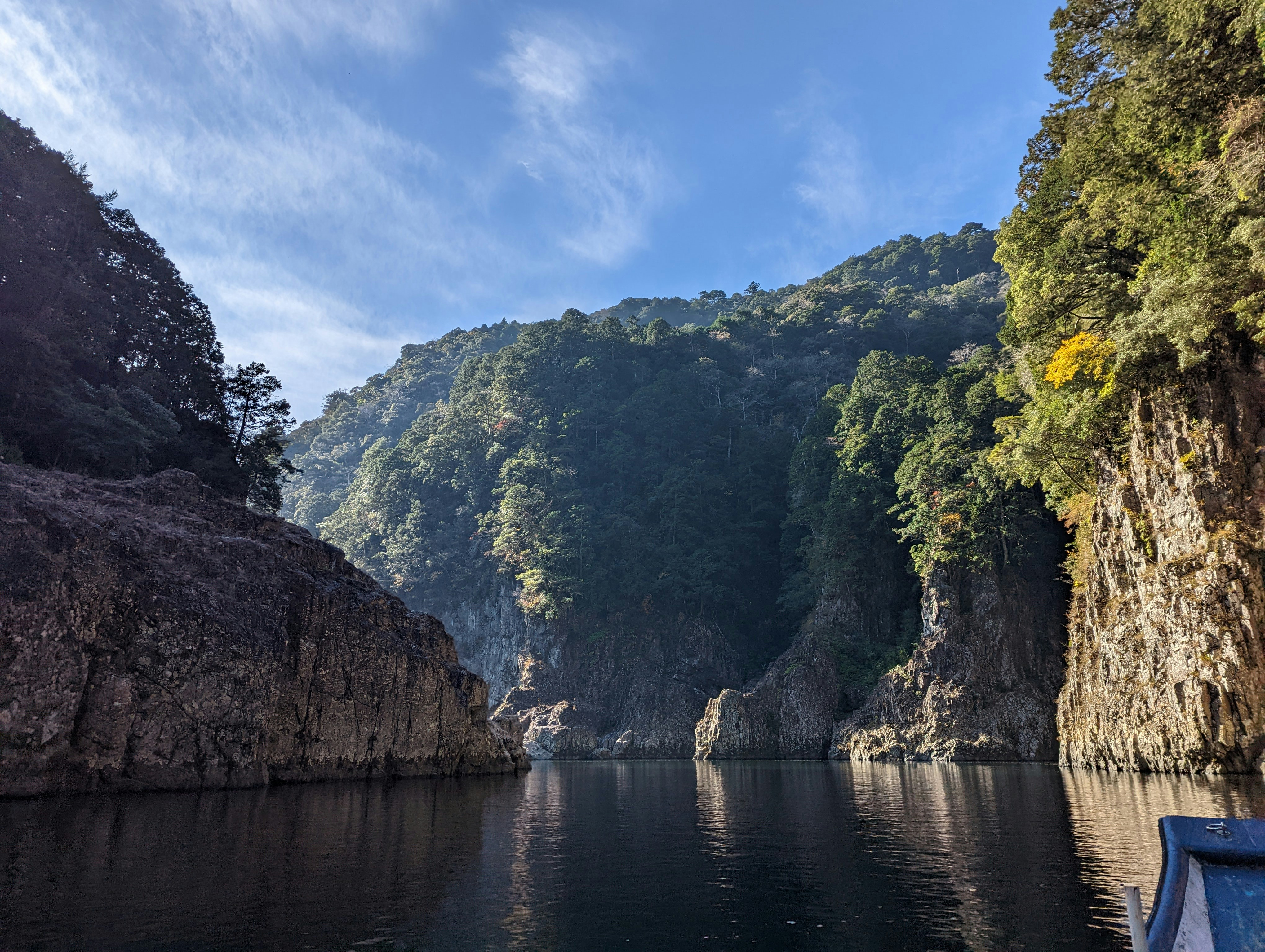
Takachiho is a small town of around 11,000 people in the mountain corner of northern Miyazaki Prefecture, deep in inland Kyushu where Miyazaki, Kumamoto, and Oita meet. The town anchors the Takachiho Gorge, a 7-kilometre volcanic basalt ravine where rented rowboats glide beneath Manai Falls, but its identity is older and more strange than that single photograph suggests. According to Shinto myth, the cave behind Amano Iwato Shrine is where the sun goddess Amaterasu hid from the world, and the cliffs above the gorge are where her descendants first descended to Earth. The town's nightly Yokagura performance still acts that myth out in masked dance. Plan one night minimum; two nights gets you the sunrise from Kunimigaoka.
When to Visit
Autumn is the postcard season; nightly Yokagura runs year-round at 20:00.
What to Do in Takachiho
Six named sites within 20 minutes of the bus center, most reachable by rental car or short taxi.
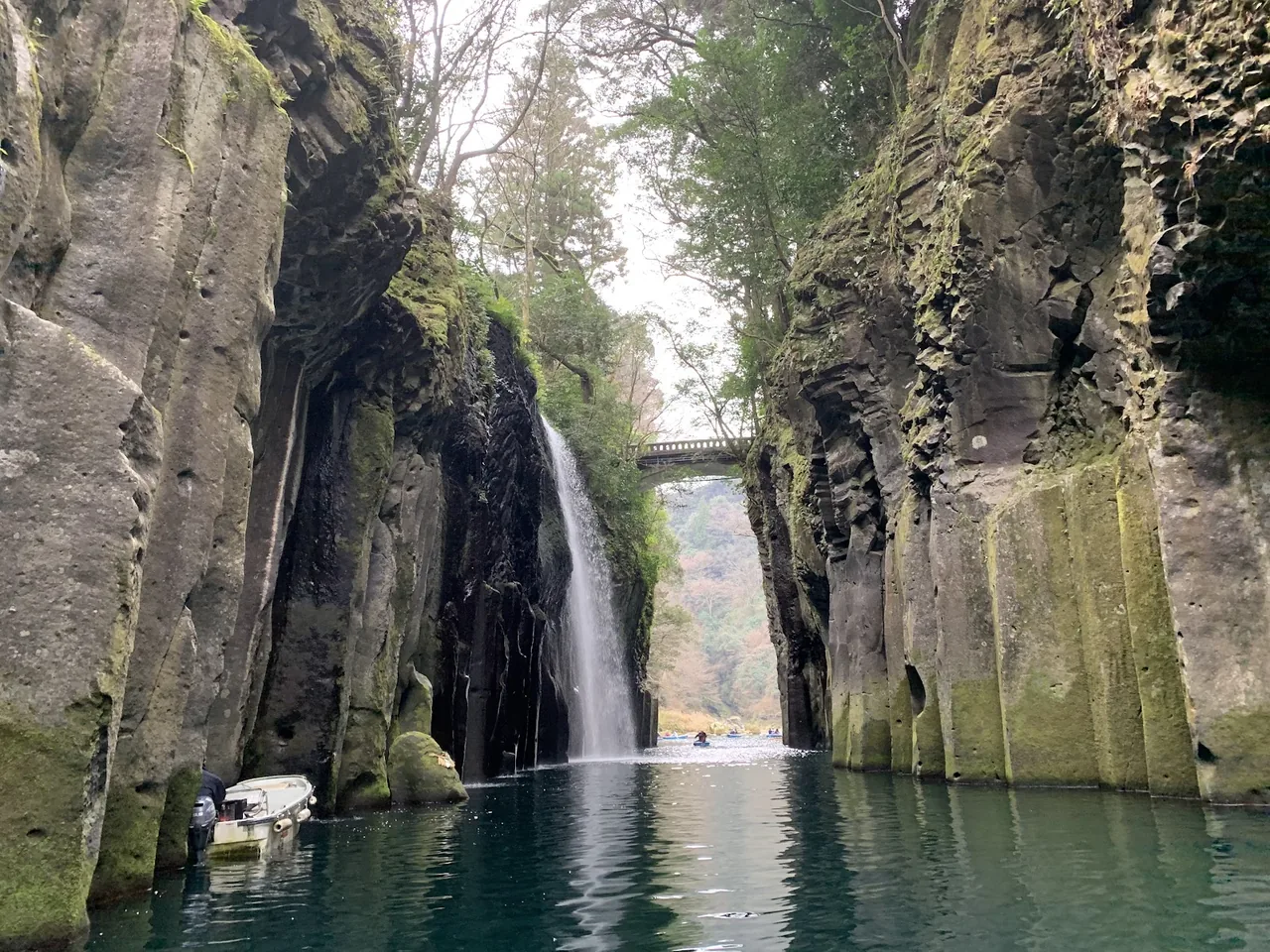
Volcanic basalt ravine with Manai Falls. Rent a rowboat and glide directly under the 17-metre cascade
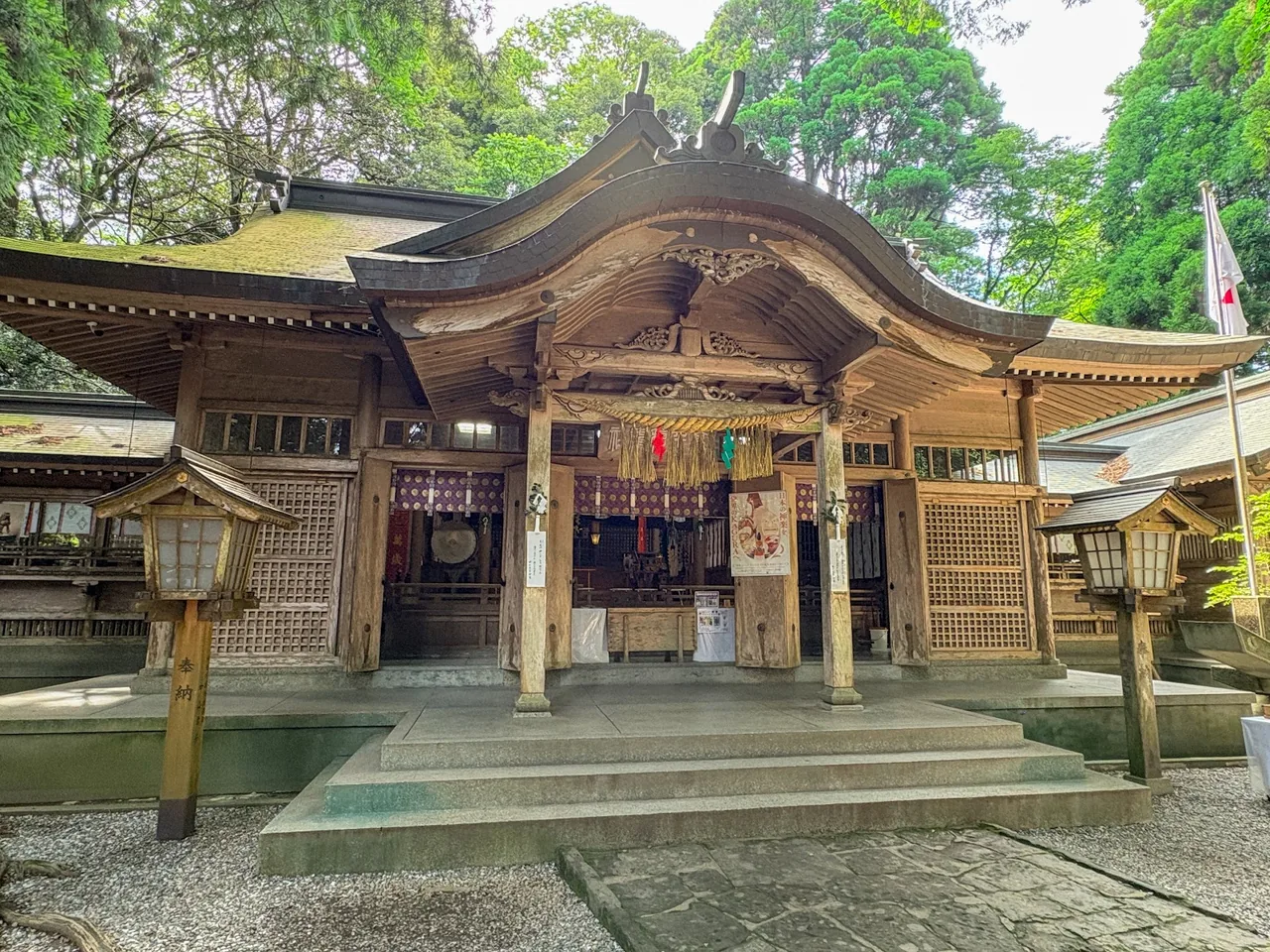
Town shrine hosting the 20:00 nightly Yokagura: four masked dances condensed from an all-night sacred performance
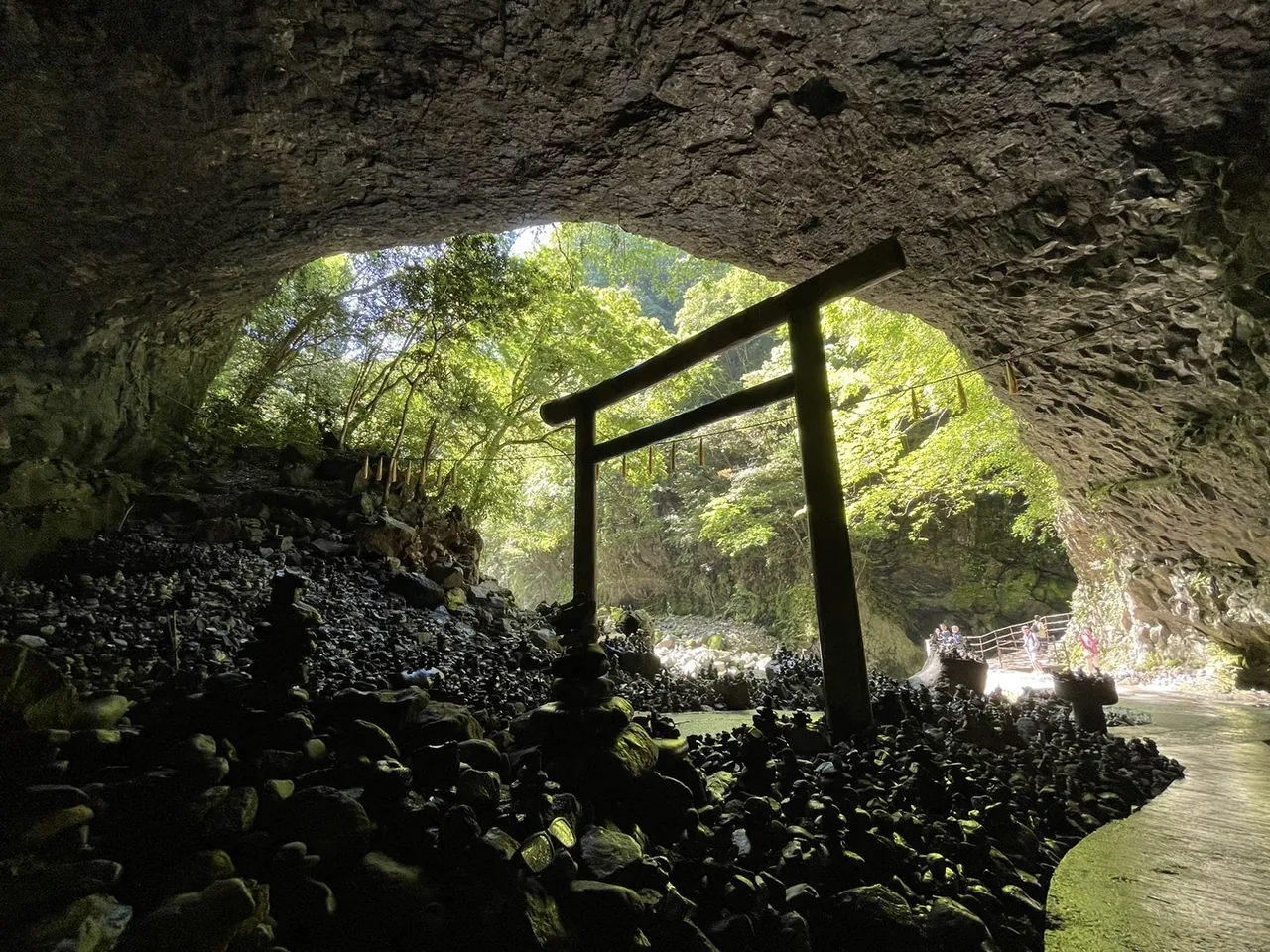
Cave shrine built around the Shinto myth where Amaterasu hid from the world, with a riverside walk to a second prayer cave
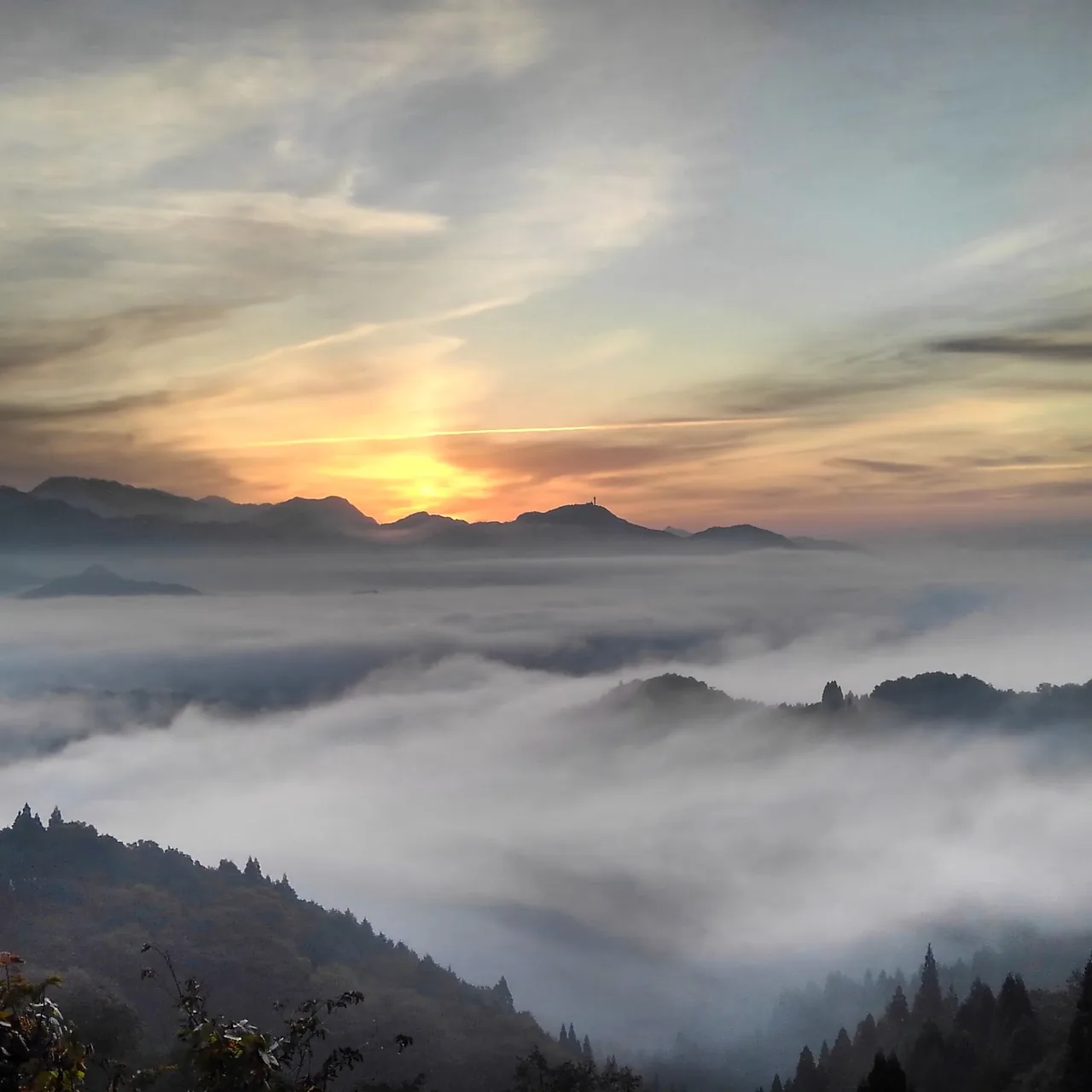 Hidden Gem
Sunrise ridge above town; in autumn and winter a sea of clouds fills the valley below until 07:30
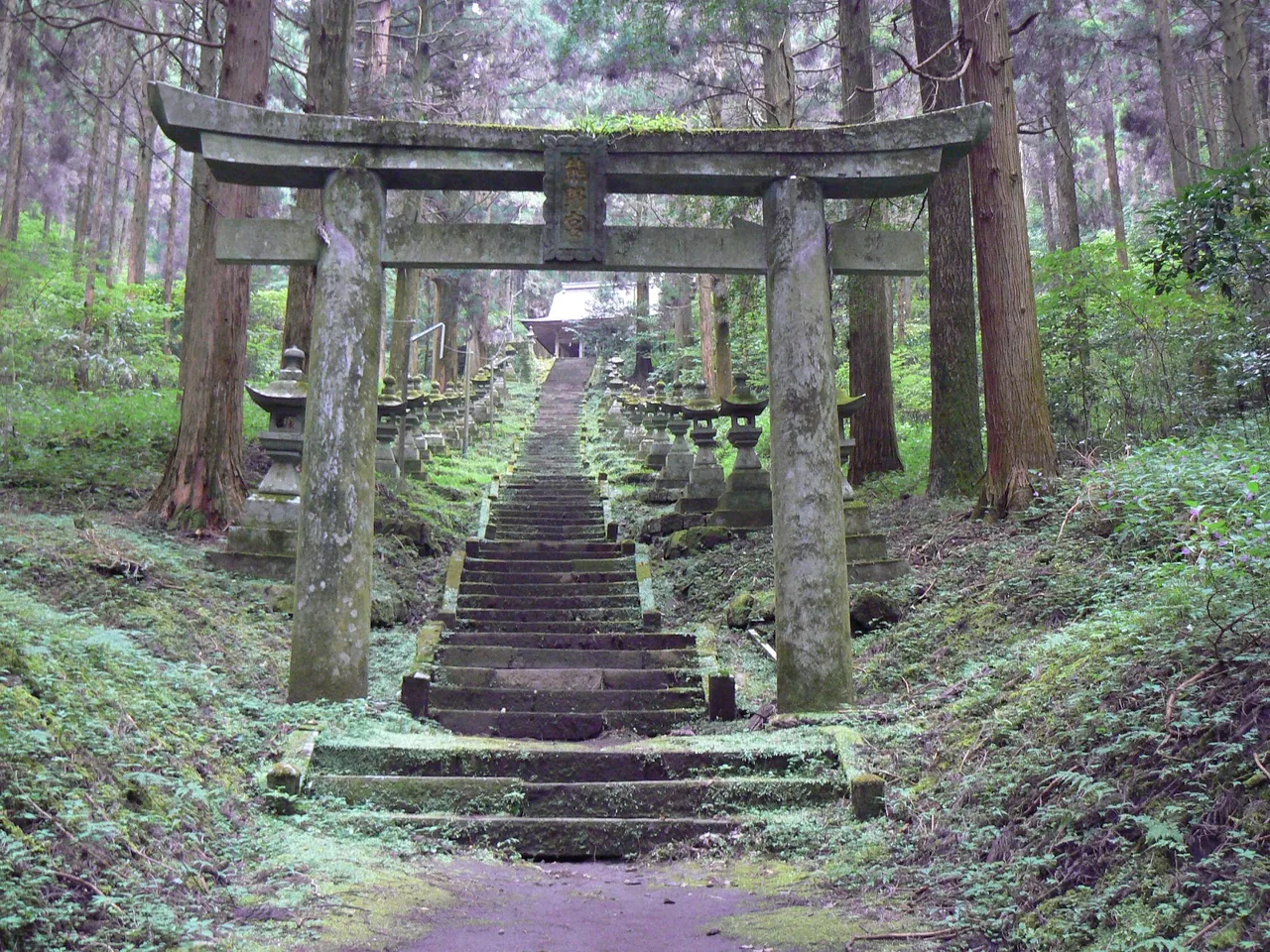 Hidden Gem
Moss-covered jizo statues lining a forest path, a quiet sub-shrine the package tours never reach
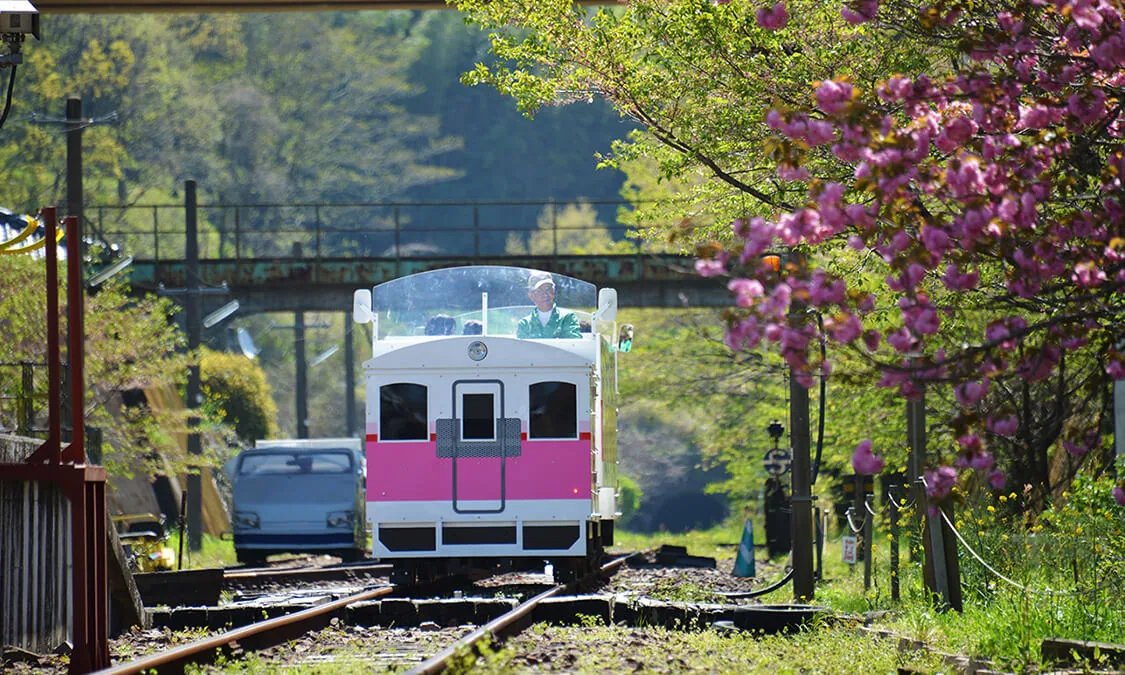 Hidden Gem
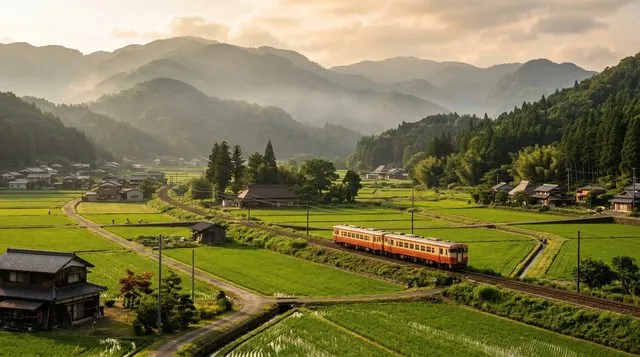
Re-purposed section of the closed rail line, where a sightseeing trolley runs the surviving 5.1-km route across the gorge bridge
Skip the Crowds
- Boat rental before 09:00. The rowboat queue stretches past 90 minutes on weekends after 10:30 and the booth sometimes closes by 13:00 when turnaround can't keep up. Be at the ticket counter by 07:45.
- Yokagura mid-week. The nightly 20:00 performance at Takachiho Shrine fills up on Friday and Saturday with bus tours from Kumamoto. Tuesday or Wednesday is empty.
- Skip the autumn-leaves peak weekend. Mid-to-late November Saturdays at the gorge are the worst day of the year; the bus parking lot is full by 09:00. Visit on a weekday in that same window, or shift to early November.
- Sunrise at Kunimigaoka, not noon. Most tour buses bring visitors midday when the cloud sea has burned off. The whole point of the overlook is the 06:30–07:30 window in autumn-winter.
- Walk the gorge rim path. When the boat queue is long, the paved cliff-top trail gives you Manai Falls from above: no wait, no fee.
Food & Drink
Takachiho's restaurants cluster around the bus center and along the road toward Takachiho Shrine. The two local specialities to track down: takachiho-gyu, wagyu beef raised on the surrounding mountain pastures and served grilled or as shabu-shabu in the higher-end ryokan dining rooms, and daikon-meshi, a rustic radish-and-rice bowl that turns up on lunch menus across the town. The Beni-imo sweet potato runs through everything else: soft-serve, baked goods, even a dark amber liqueur poured at the cluster of izakaya north of the shrine.
For specific addresses, Tabelog and Google Maps surface the current openings within walking distance of any town accommodation; many family-run counters close irregularly, so plan a backup. Cash carries further than card, and the ATM at the post office near the bus center is the most reliable cash point.
Where to Stay
A small cluster of family-run inns and one larger hotel within 15 minutes' walk of Takachiho Shrine. Book ahead in November.
Booking links are affiliate links. They cost nothing extra and support the site.
Day Trips
Takachiho's rural setting makes it a natural pivot point between three Kyushu prefectures.
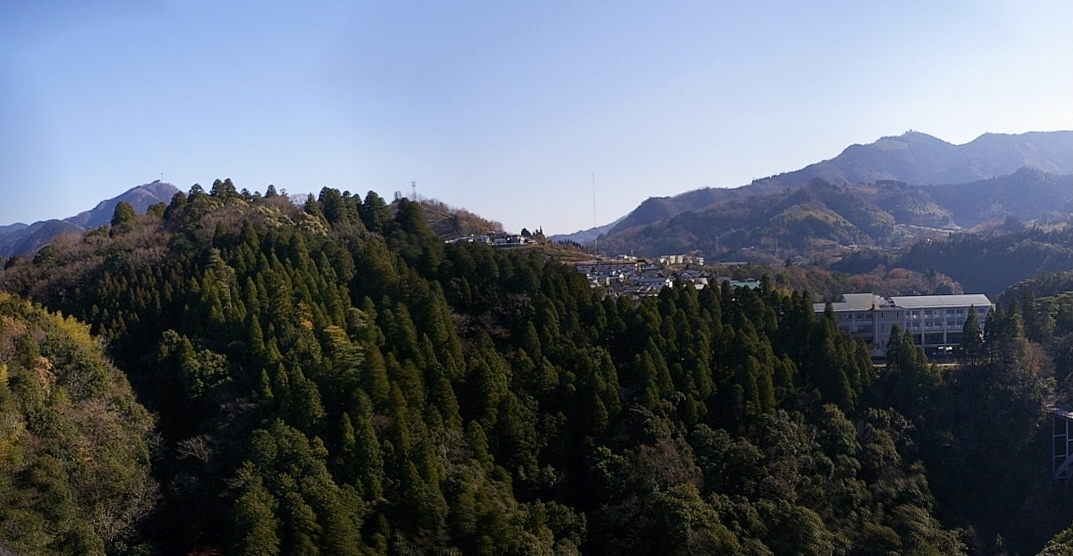
Mt Aso Caldera
Active volcano caldera 90 minutes by car: the world's largest active caldera at 25 km across
Active volcano caldera
- Nakadake crater rim
- Kusasenri grass plains
- Kurokawa Onsen 30 min beyond
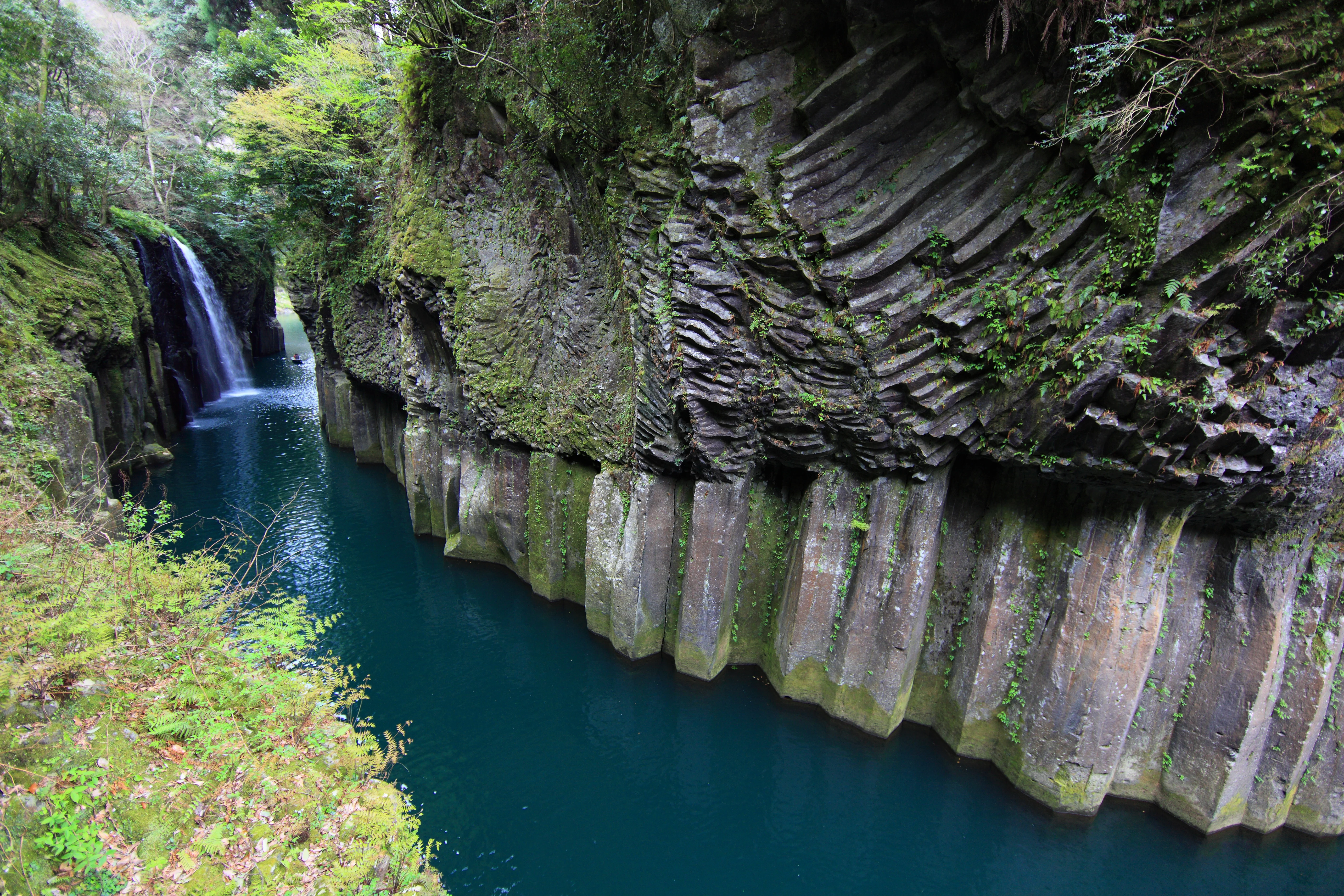
Kumamoto Castle
Black-walled keep undergoing decade-long earthquake reconstruction, visible from a viewing deck
Reconstructed black-walled castle
- Reconstruction viewing deck
- Sakura-no-Baba Josaien
- Onsen day trips nearby
Kurokawa Onsen
Cluster of 30 ryokan along a forest river; Kyushu's best hot-spring village, 90 minutes from Takachiho
Forest-river onsen village
- Rotenburo hop-pass between baths
- No vending machines or convenience stores
- Riverside village layout
How to Get There
FAQ
How do I get to Takachiho from Kumamoto?
The Sanco / Kyushu Sanko bus runs from Kumamoto Sakuramachi Bus Terminal to Takachiho Bus Center, takes about 3 hours, and costs around ¥2,370 one way (verify current schedules). A rental car via Route 218 takes 2h 30min and gives you Amano Iwato and Kunimigaoka access without taxi friction.
Is Takachiho Gorge worth visiting?
Worth it if you can stay one night and catch the 20:00 Yokagura performance at Takachiho Shrine, and ideally a second night for the Kunimigaoka sunrise. Less worth it as a half-day stop from Kumamoto: the bus alone takes three hours each way, so a daytrip is mostly transit.
How many days do you need in Takachiho?
Two days is the working sweet spot. Day one covers the gorge, Takachiho Shrine, and the nightly Yokagura. Day two is Amano Iwato Shrine, Kunimigaoka at sunrise, and either Kamishikimi Kumanoimasu Shrine or the Amaterasu Railway trolley.
What is Yokagura?
Yokagura is a regional Shinto sacred dance from the Takachiho area, with masked performers acting out episodes from the founding myths of Japan. The full all-night version (33 dances) is still performed in surrounding hamlets between November and February. Takachiho Shrine runs a four-dance condensed version nightly at 20:00, year-round, for visitors.
When is the best time to visit Takachiho?
Late October to mid-November for autumn-leaves reflections in the gorge water and the cloud-sea phenomenon at Kunimigaoka. May for fresh greenery and lighter crowds. Avoid the mid-June to mid-July rainy season, when heavy rain occasionally closes the rowboat.
Can you stay overnight in Takachiho?
Yes. The town has a cluster of mid-range ryokan and family-run minshuku within 15 minutes' walk of Takachiho Shrine. Rates run ¥10,000–¥18,000 per person including kaiseki dinner and breakfast. Book at least four weeks ahead for October–November.
Is the Takachiho Line still running?
No. The full JR Takachiho Line closed in 2005 after typhoon damage. A 5.1-kilometre surviving section is run by the privately operated Takachiho Amaterasu Railway, a sightseeing trolley that crosses a 105-metre-high railway bridge over the gorge. Operates daily except Wednesdays in winter.