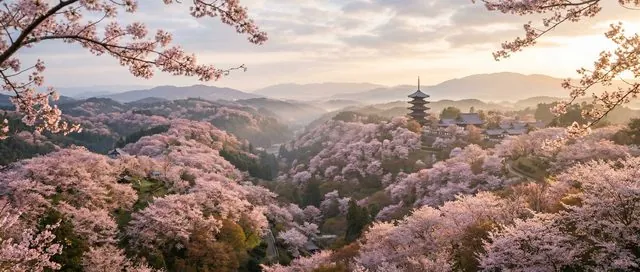
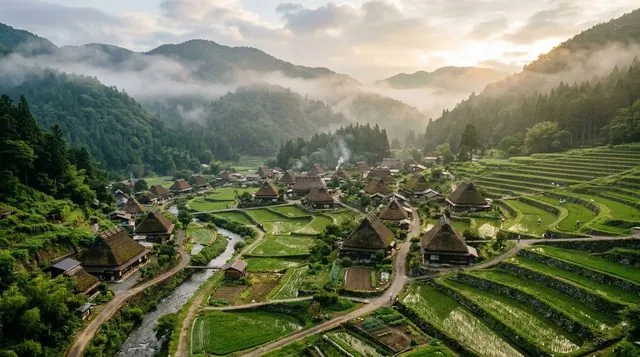
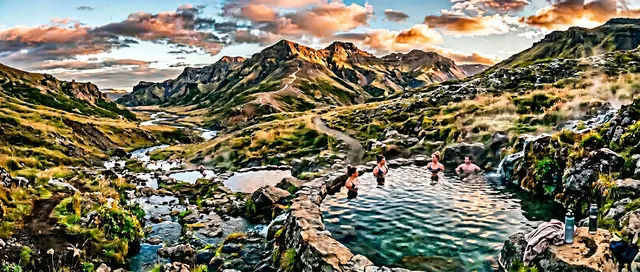
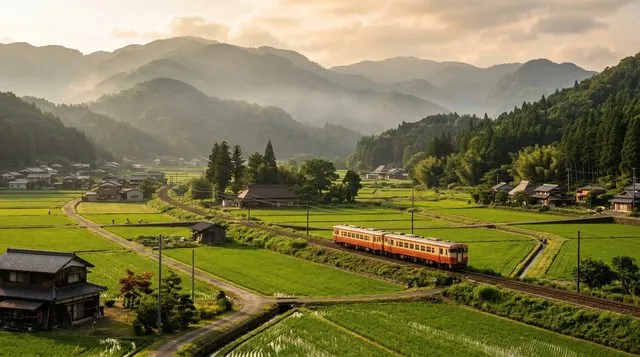
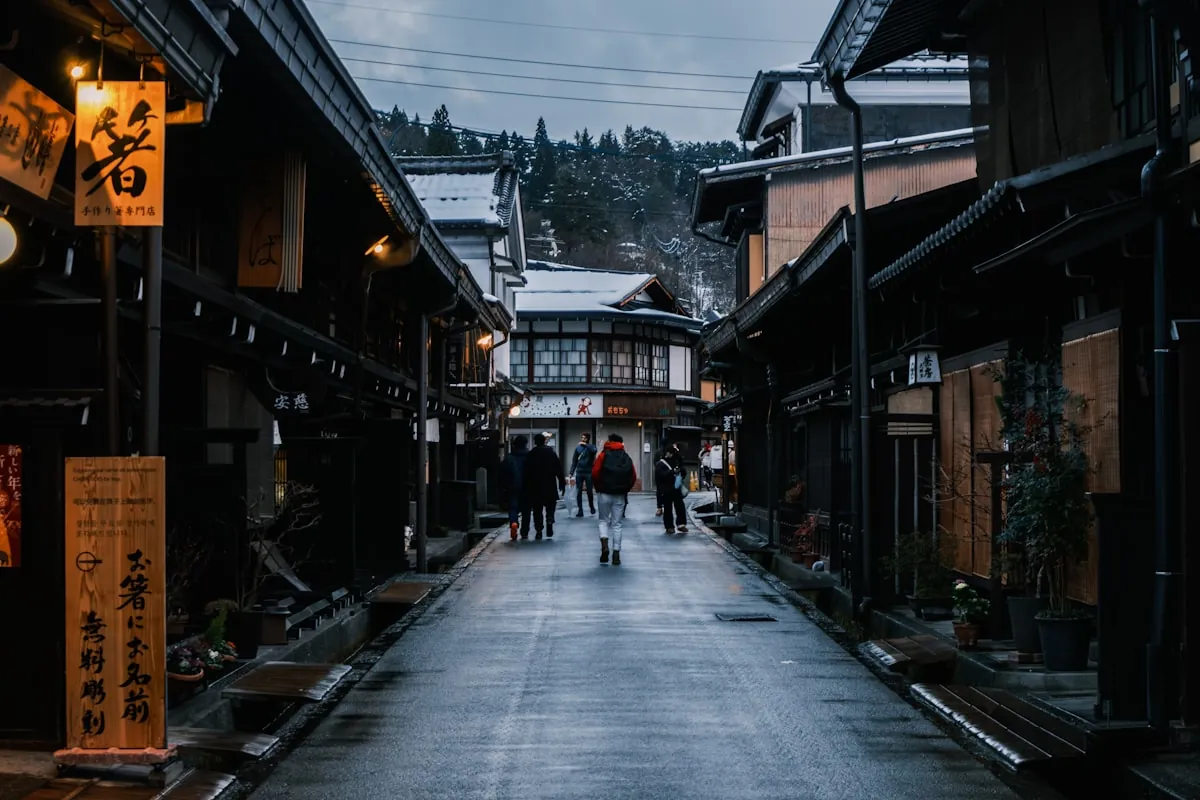
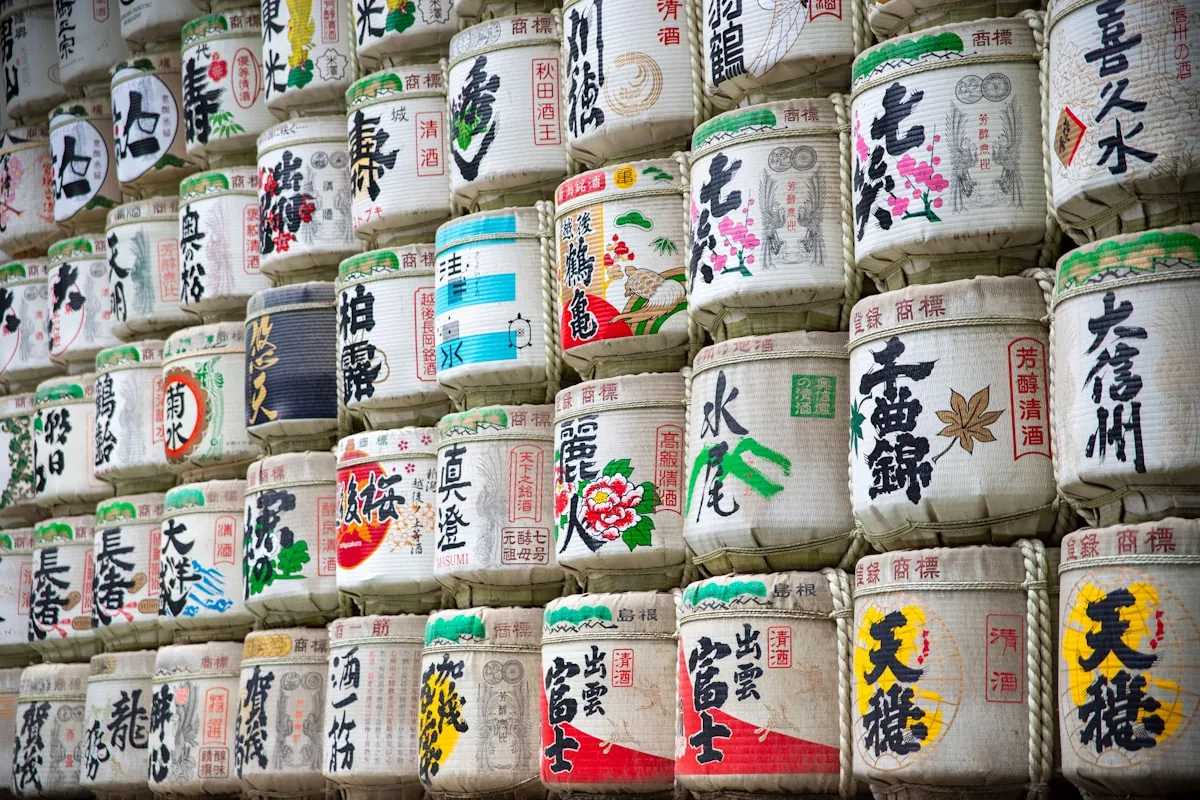
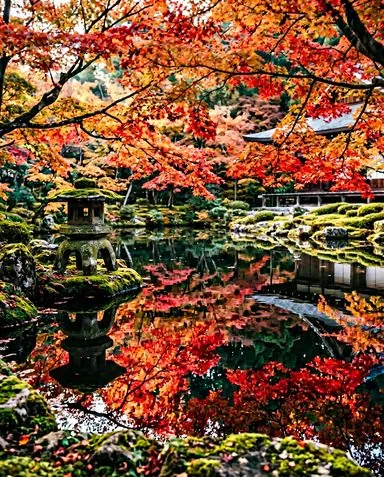
Kagoshima Prefecture sits at the southern tip of Kyushu, where an active volcano dominates the skyline and subtropical islands stretch toward the tropics. Sakurajima erupts daily across Kinko Bay, ancient cedar forests cover the UNESCO-listed island of Yakushima, and natural sand baths bubble up from the volcanic earth at Ibusuki. This is Japan at its most elemental, and most overlooked.
Cities & Towns
Kagoshima City anchors the mainland, but the prefecture's character spreads across volcanic highlands, spa towns, and remote islands.
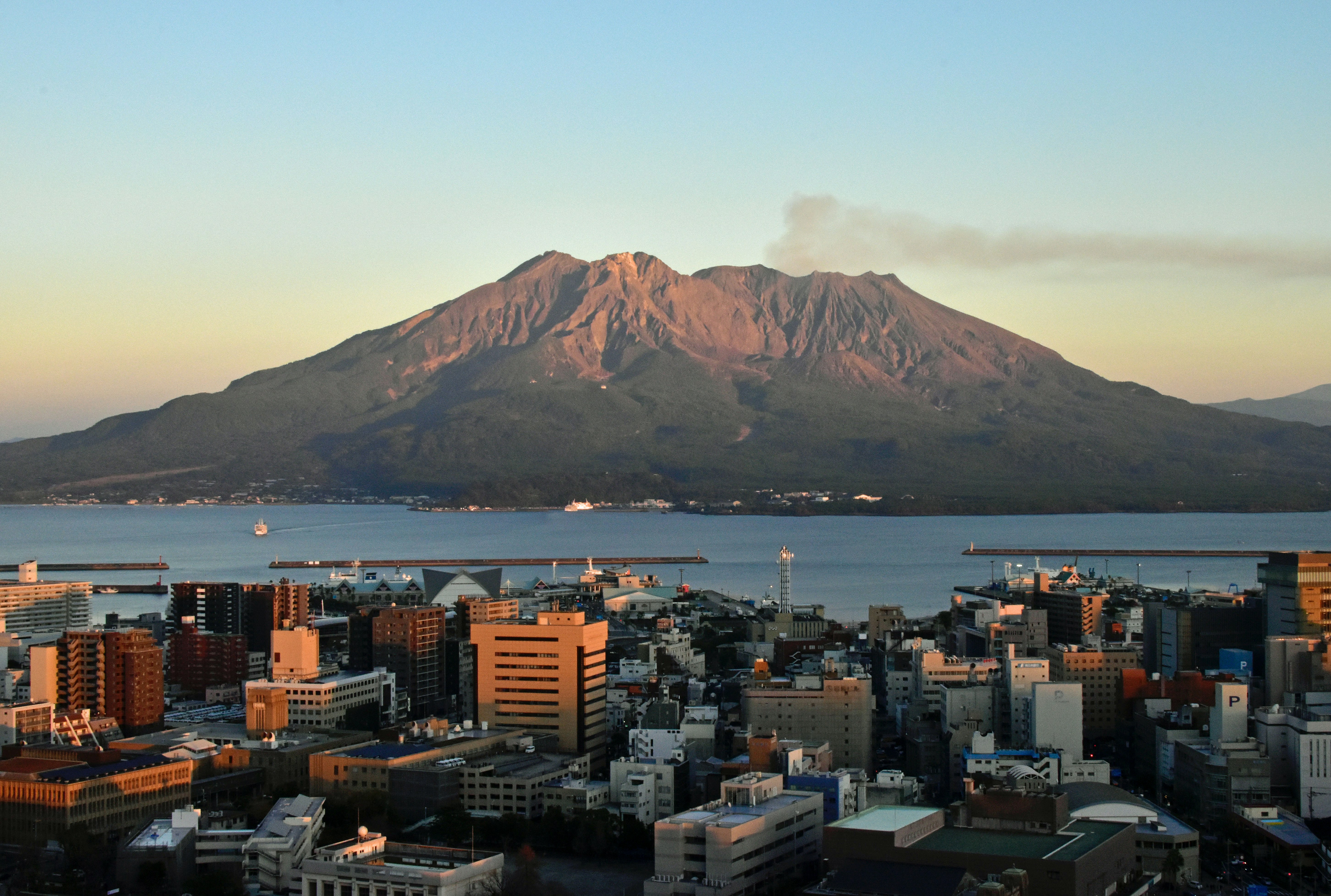
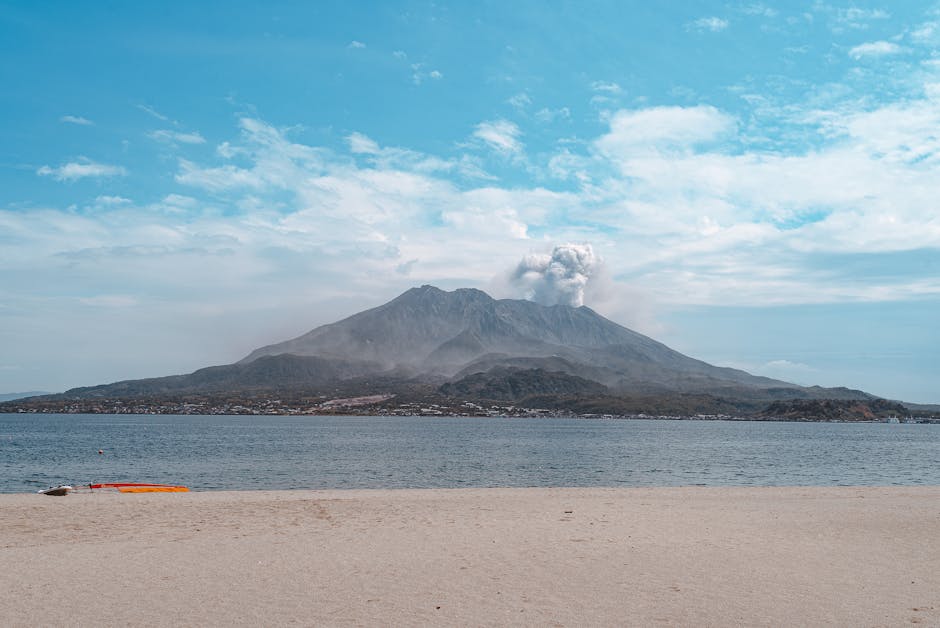
Kagoshima City
Southern Kyushu's largest city, with an active volcano across the bay and a samurai clan's legacy written into every neighbourhood
Volcano city
- Sakurajima views
- Sengan-en Garden
- Tenmonkan district
Ibusuki
A coastal spa town where geothermal heat breaks through the sand: the only place in Japan you can be buried alive and enjoy it
Sand bath onsen
- Sunamushi sand baths
- Onsen ryokan
- Lake Ikeda
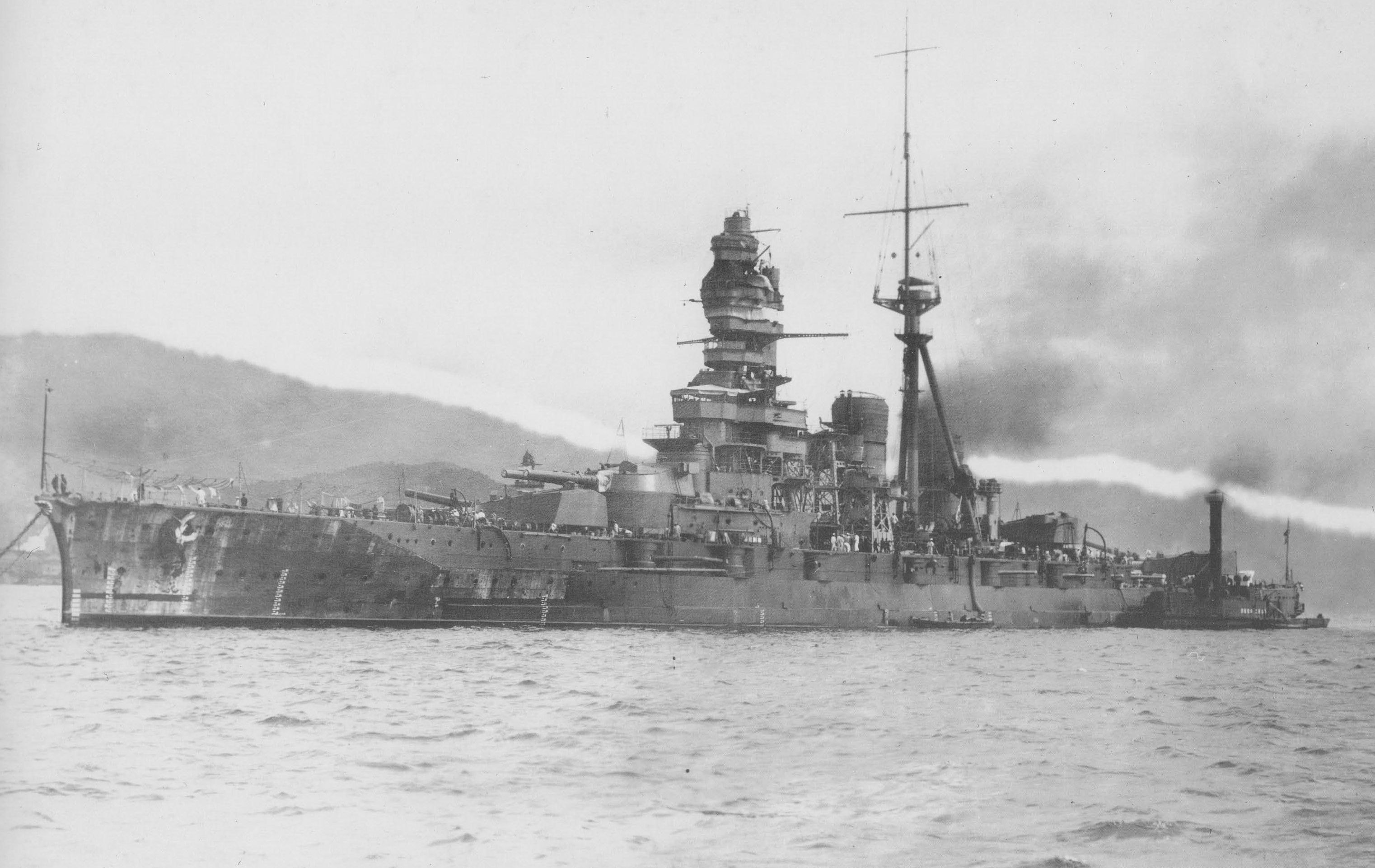
Kirishima
Volcanic highlands, ancient shrine, and some of Kyushu's best hot springs, all within an hour of Kagoshima City
Volcanic highland onsen
- Kirishima Jingu shrine
- Volcanic onsen
- Highland hiking
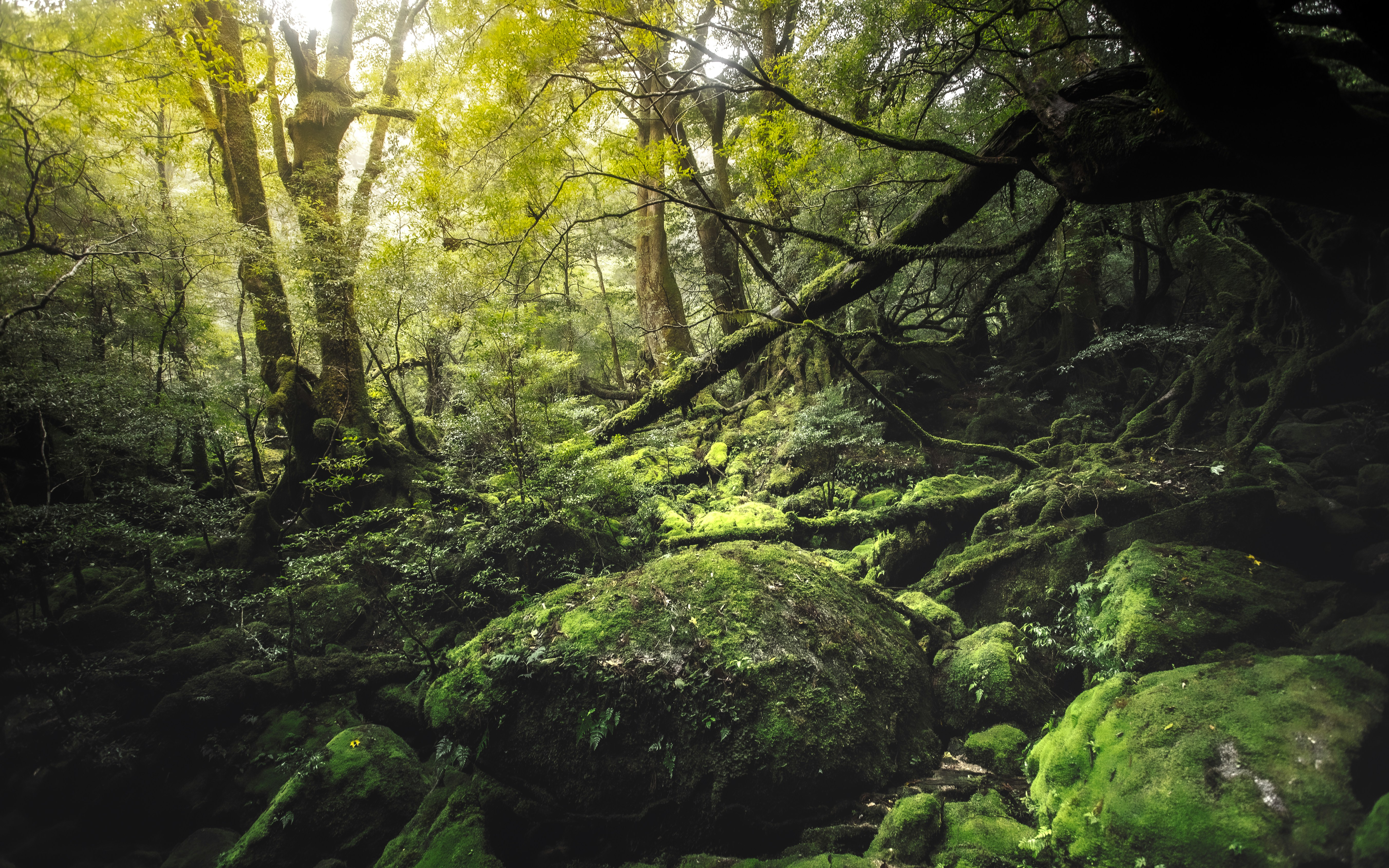
Yakushima
A UNESCO World Natural Heritage island of ancient cedar forests, wild deer, and a 10-hour trail to a tree older than the pyramids
Ancient cedar island
- Jomon Sugi cedar
- UNESCO forest trails
- Wildlife spotting
Top Attractions
From an erupting volcano to ancient UNESCO forests, Kagoshima's landmarks are unlike anything else in Japan.
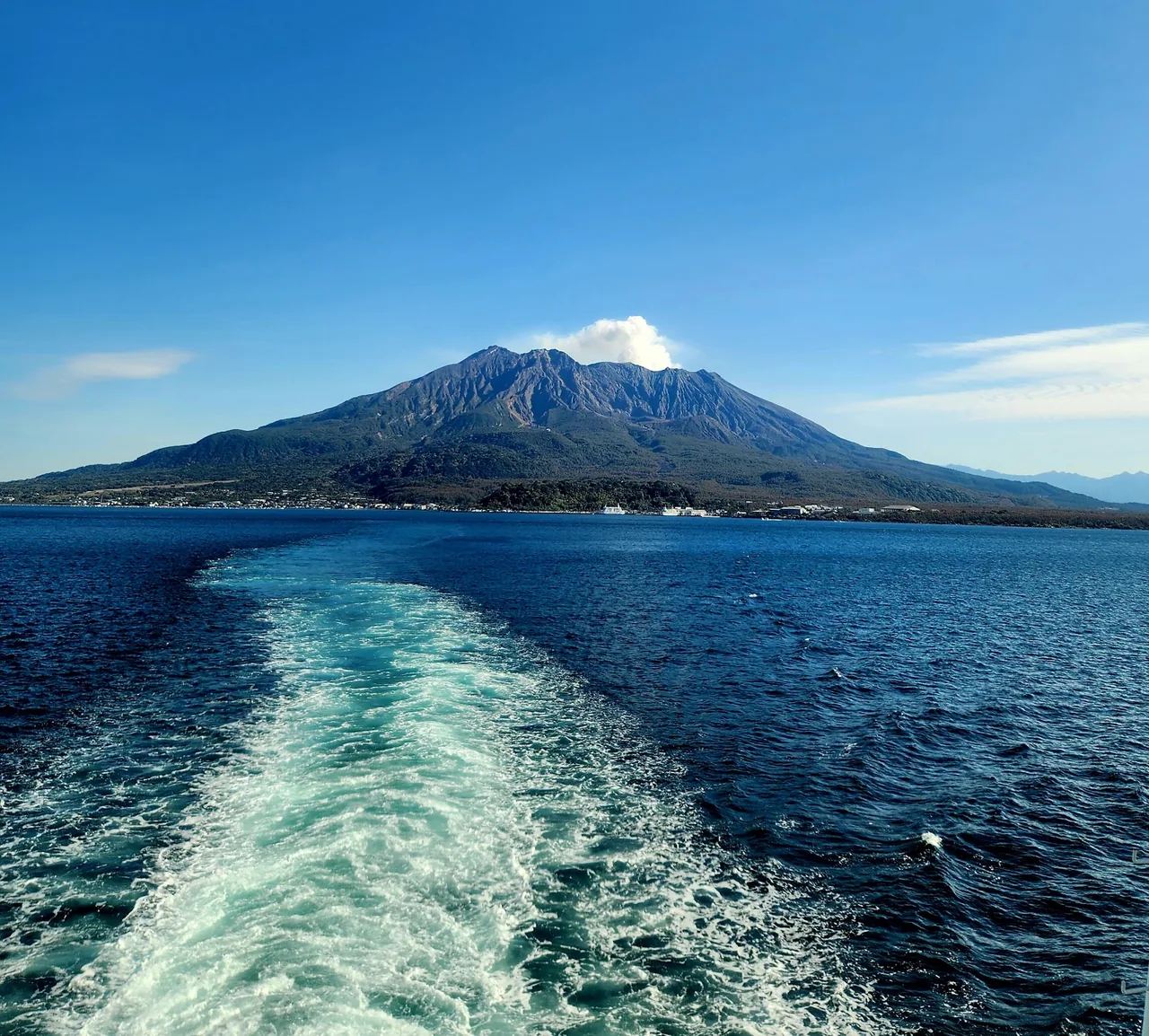
An active volcano erupting daily across the bay from Kagoshima City, one of Japan's most dramatic natural spectacles
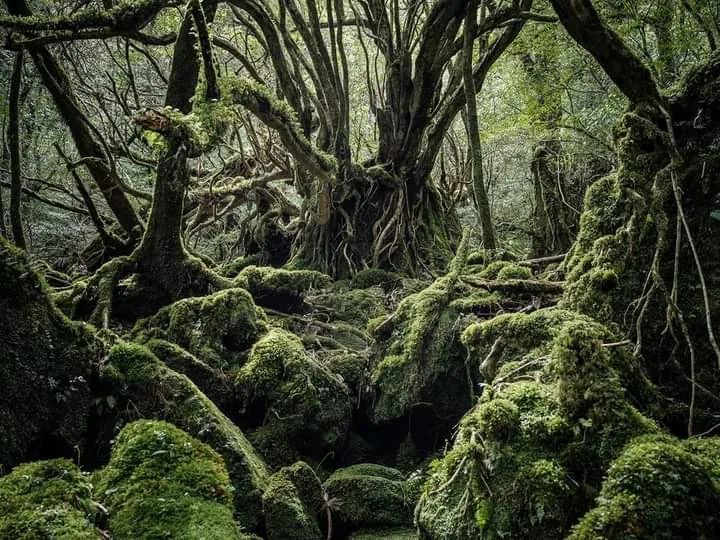
A UNESCO World Natural Heritage island of ancient cedar forests: the landscape that reportedly inspired Princess Mononoke
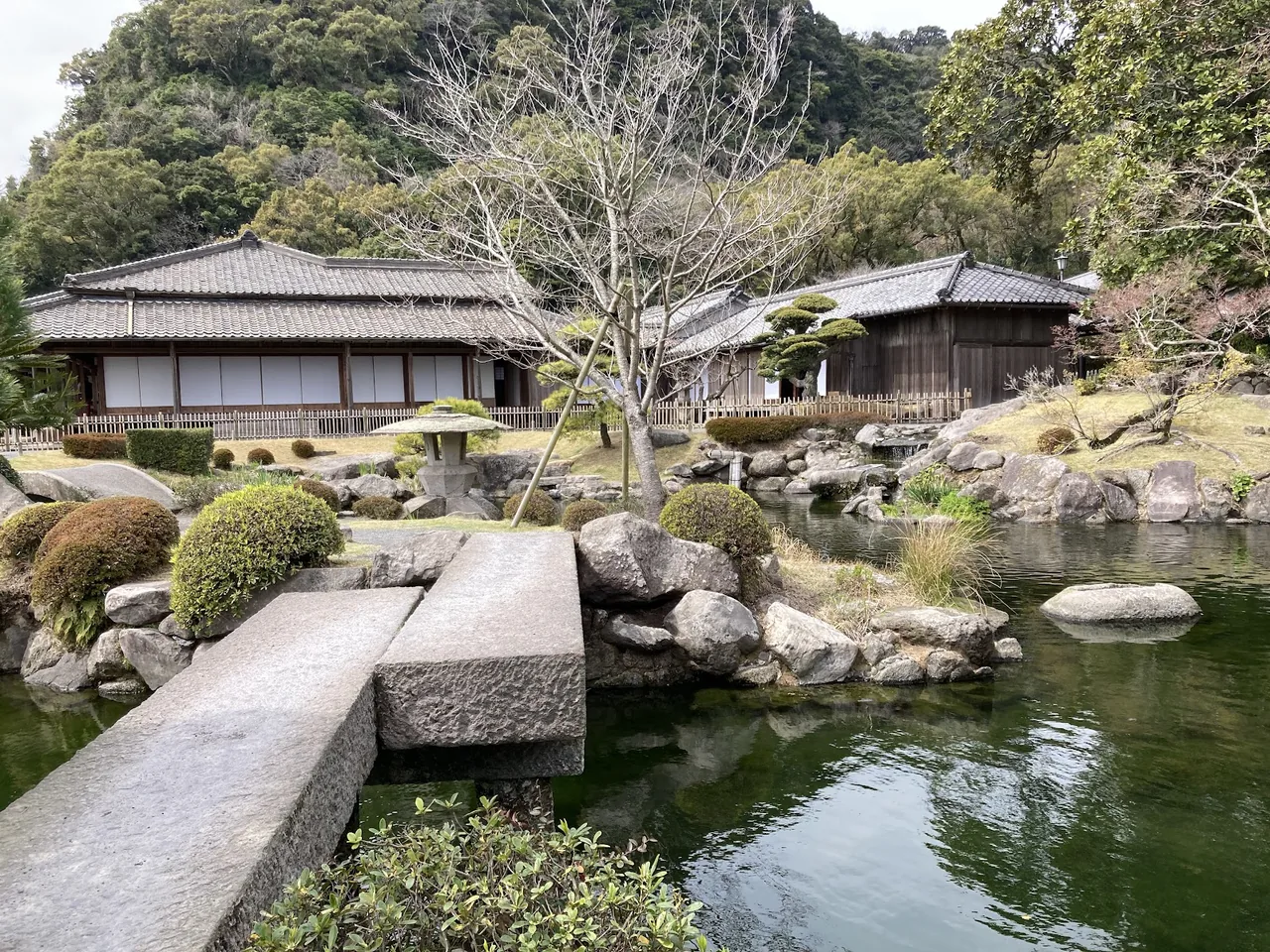
A 350-year-old Shimazu clan villa where the garden's 'borrowed scenery' is an erupting volcano across the water
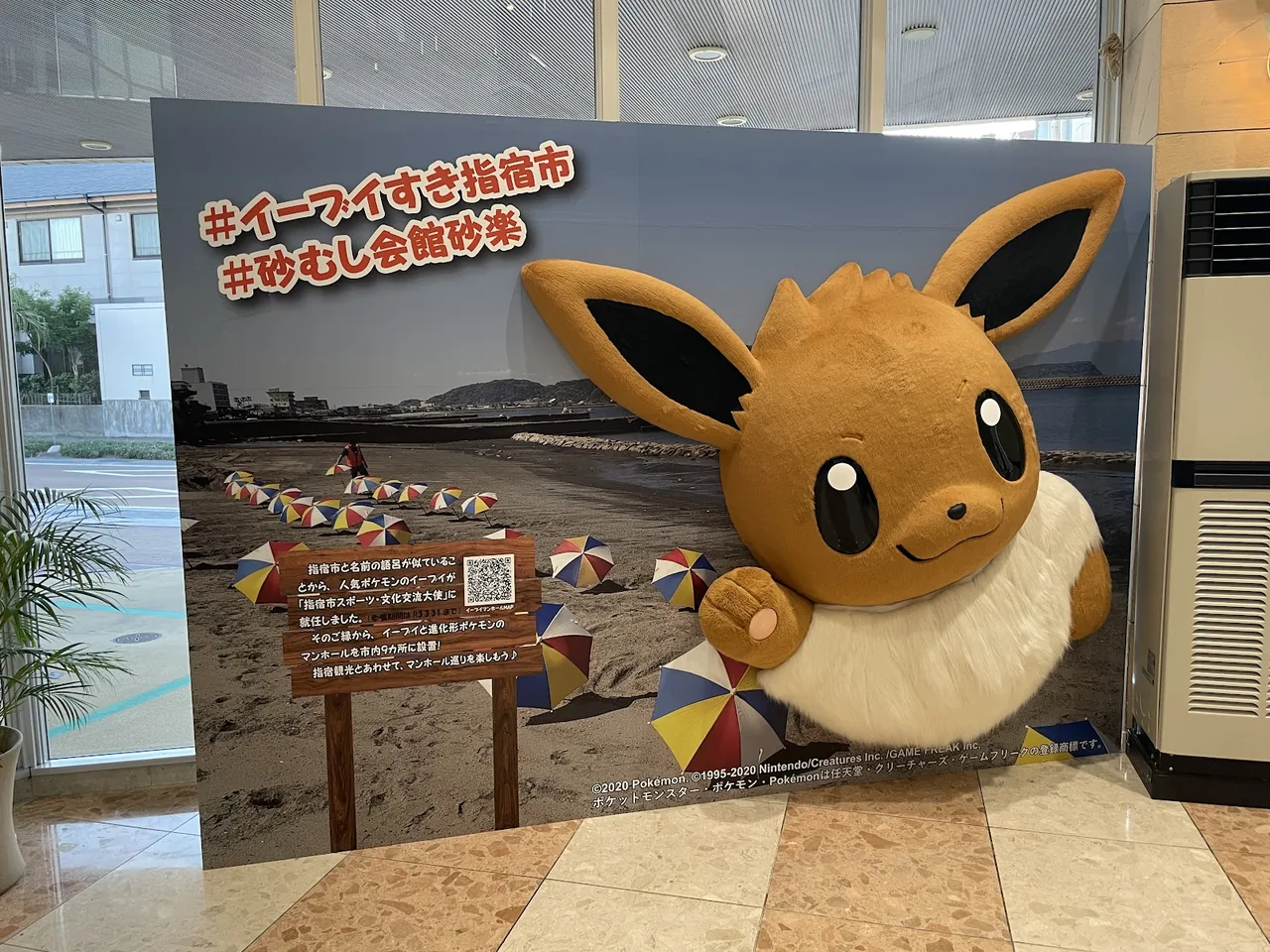
Natural geothermal sand baths where attendants bury you up to the neck in steaming volcanic sand, uniquely Kagoshima
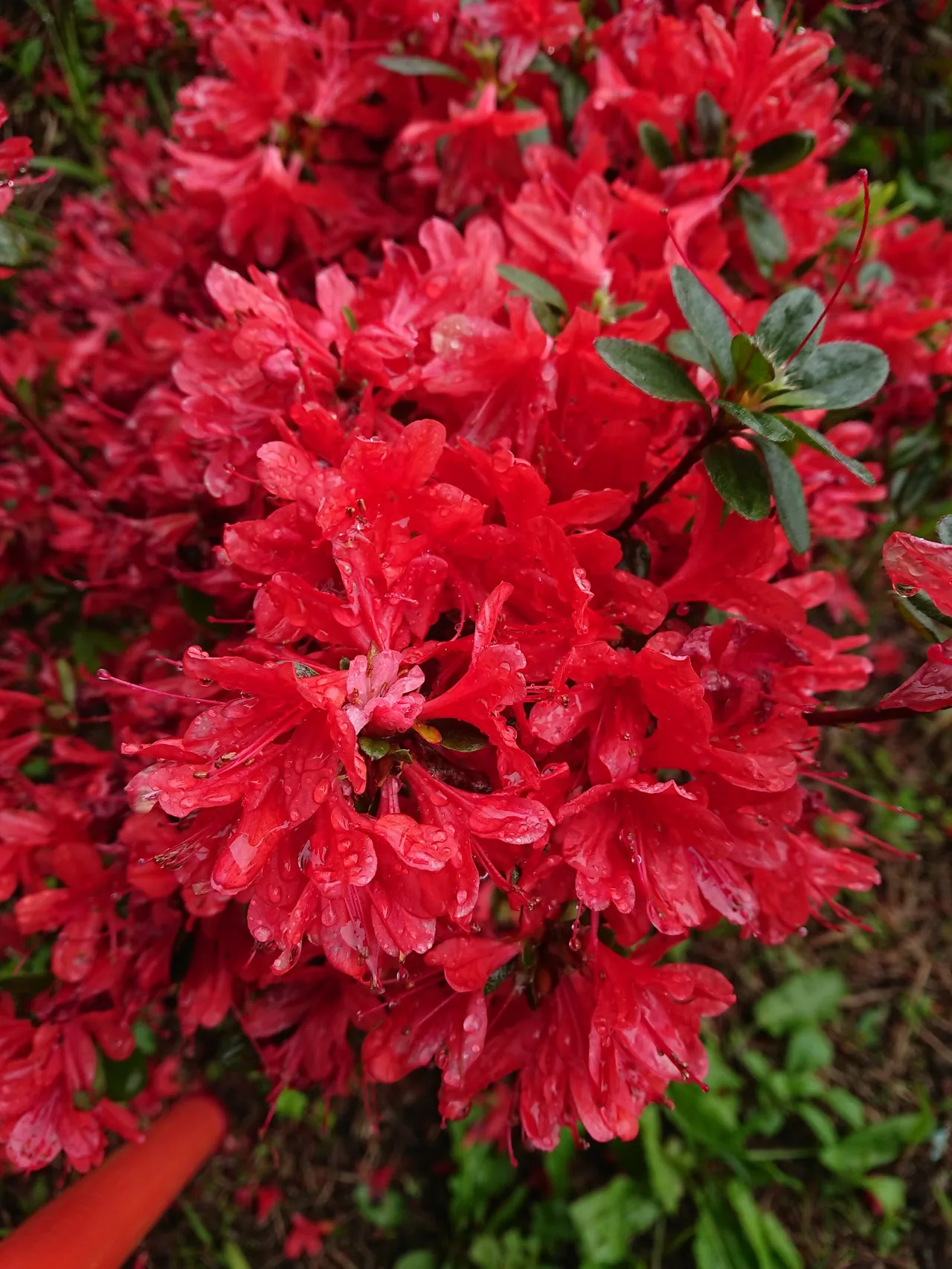
Volcanic highlands, hot spring towns, and a shrine complex set against a backdrop of crater lakes and forested peaks
Hidden Gems
Beyond Sakurajima and Yakushima, Kagoshima hides a samurai town, a volcanic highland retreat, and a subtropical UNESCO island that most visitors never reach.
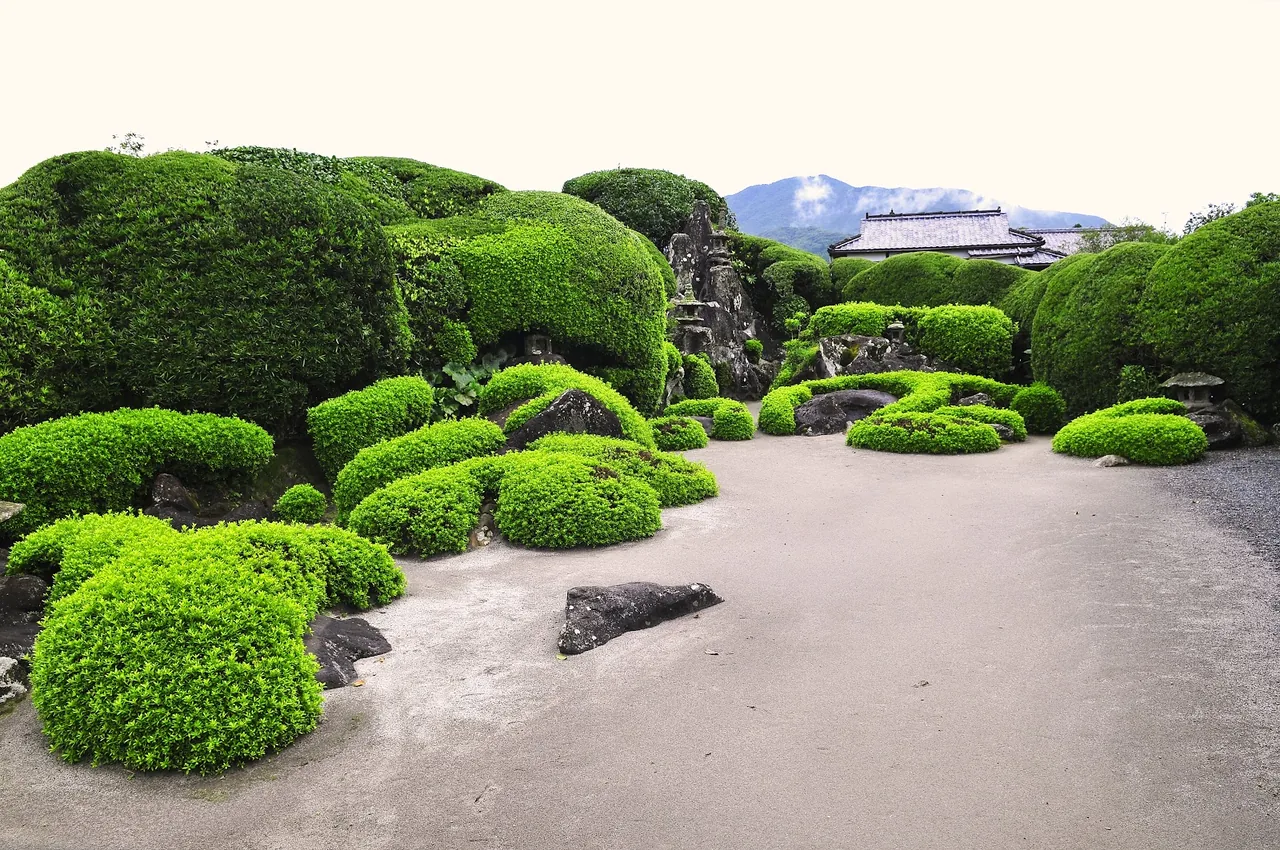 Hidden Gem
A quiet southern town with an intact samurai district and a sobering WWII kamikaze museum: history at its most layered
Hidden GemThe slow alternative to the coast: volcanic highlands, steaming hot springs, and an ancient shrine
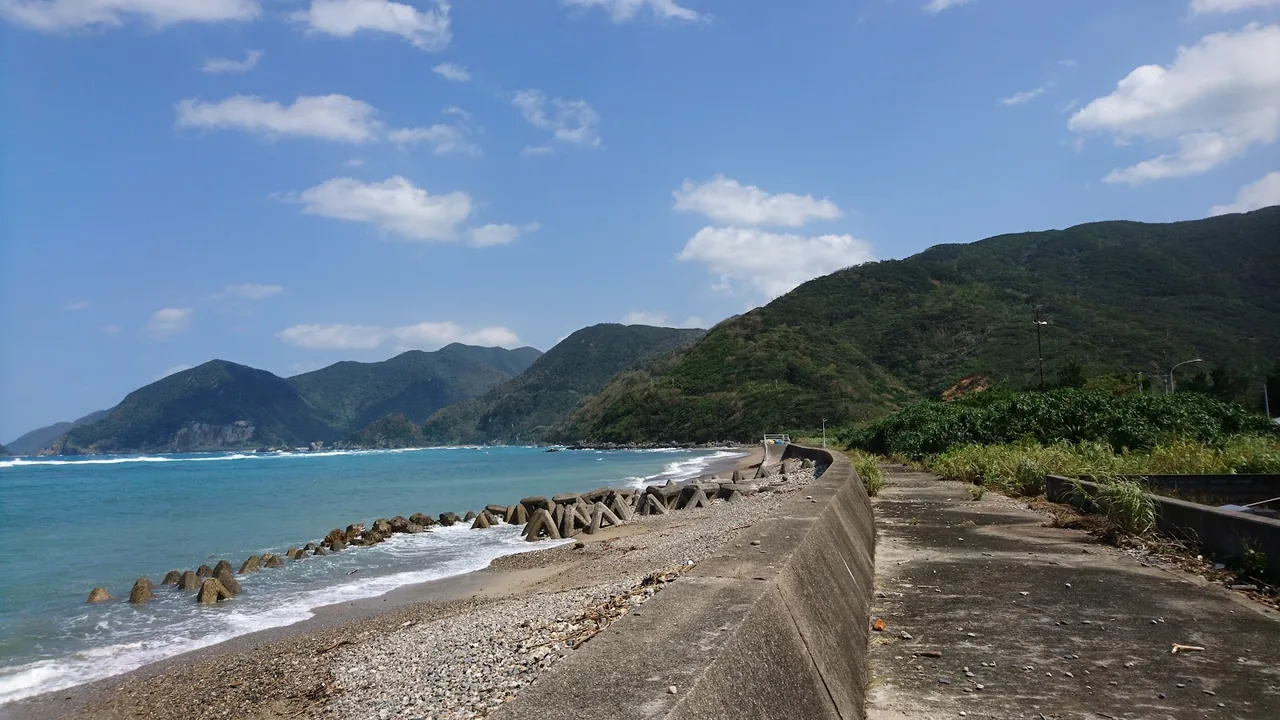 Hidden Gem
A UNESCO subtropical island of mangrove forests, coral reefs, and sea kayaking, closer to Okinawa in feel than to Kyushu
When to Visit
Kagoshima is warm year-round by Japanese standards, but typhoon season and heavy summer rains make timing matter. Spring and autumn are the sweet spots.
Springharu
Mar – May14–22°CModerate crowds
Springharu
- Cherry blossoms peak around early April
- Best hiking conditions on Yakushima
- Mild temperatures for exploring Kagoshima City and Sengan-en
Summernatsu
Jun – Aug28–33°CModerate crowds
Summernatsu
- Hot and humid; August highs reach 33°C
- Typhoon risk from August onwards
- Heavy rainy season through June and July
Autumnaki
Sep – Nov13–25°CModerate crowds
Autumnaki
- Mid-October to mid-November is the most comfortable window
- Typhoon season tapers off by late October
- Good conditions for island trips to Yakushima and Amami Oshima
Winterfuyu
Dec – Feb5–13°CLow crowds
Winterfuyu
- Mild by Japanese standards; snow is rare
- Fewest tourists across the prefecture
- Ideal for Ibusuki sand baths and Kirishima onsen
Suggested Itineraries
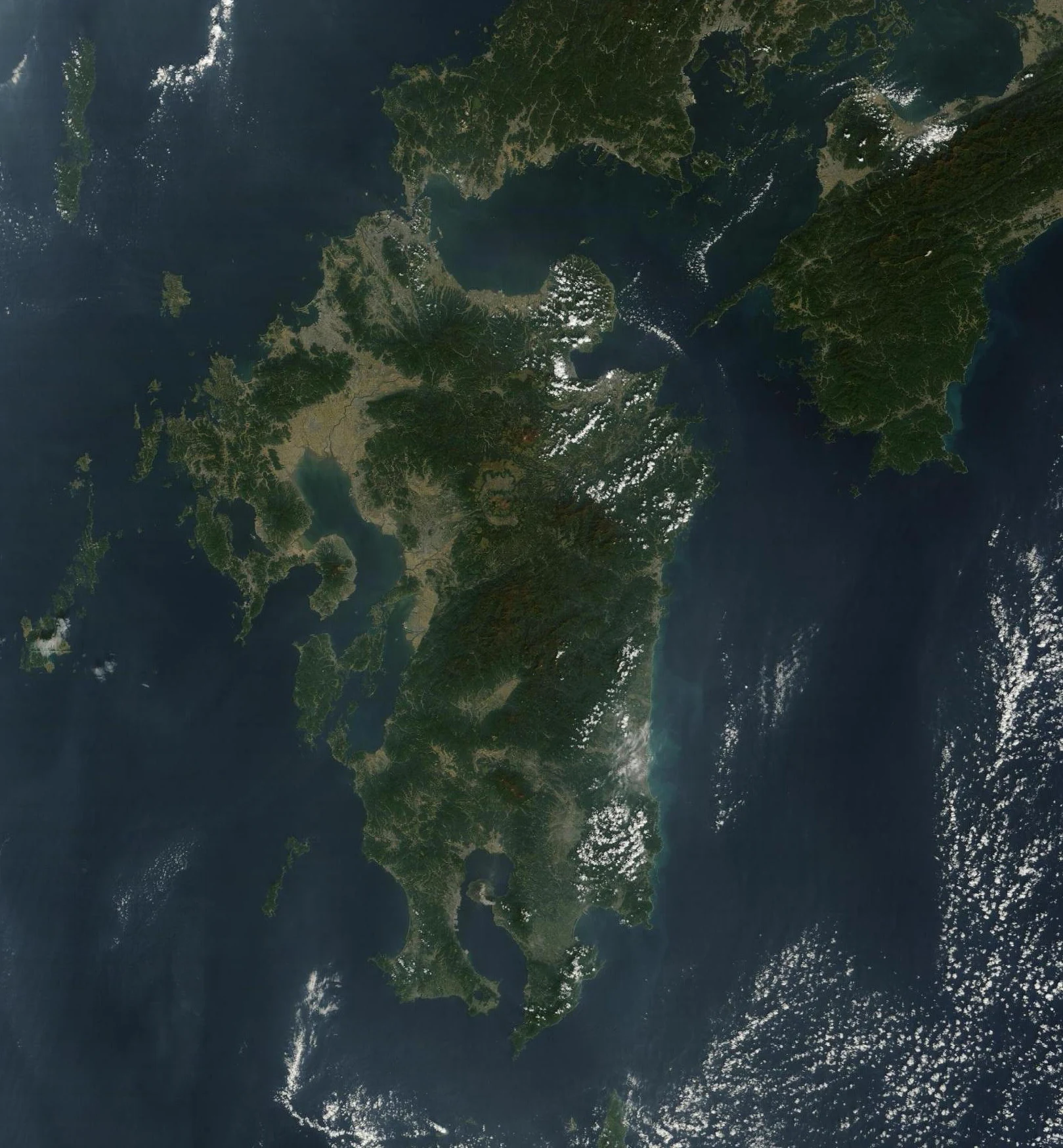
Three days covers Kagoshima City and Sakurajima; extend to a week to reach Yakushima or the southern islands.
FAQ
How do I get to Kagoshima from Tokyo?
The fastest option is a direct flight from Haneda to Kagoshima Airport (around 1 hour 50 minutes). From the airport, a shuttle bus reaches Kagoshima Chuo Station in a minimum of 38 minutes. Alternatively, the Shinkansen from Fukuoka (Hakata) takes about 1 hour 15 minutes, useful if you're combining Kagoshima with a broader Kyushu trip. Check current fares before booking.
Do I need a JR Pass for Kagoshima?
A JR Pass covers the Shinkansen into Kagoshima Chuo Station and some local JR lines, which is useful if Kagoshima is one stop on a longer Japan itinerary. For the Ibusuki sand baths, the JR Ibusuki-Makurazaki Line is also covered. If you're flying directly and staying in the prefecture, point-to-point tickets may work out cheaper. Run the numbers before you buy. See the JR Pass guide for a full breakdown.
Is Sakurajima safe to visit?
Yes. Sakurajima is an active volcano, but the ferry terminal and main observation points operate normally. Daily eruptions are common and visible from Kagoshima City itself. Authorities monitor activity continuously and restrict access to the summit zone. Check the Japan Meteorological Agency alert level before your visit, and follow any posted warnings on the island.
How do I get to Yakushima from Kagoshima?
High-speed ferries (Toppy or Rocket) run from Kagoshima Port and take roughly 2–3 hours. A flight from Kagoshima Airport is faster at around 35 minutes. Ferry and flight schedules vary by season, so confirm timetables and book ahead, especially in spring when hiking demand is high.
When is the best time to visit Kagoshima?
Mid-April to mid-May and mid-October to mid-November are the most reliable windows. Summer is hot and humid with typhoon risk from August through early October. Cherry blossoms typically peak around early April. Winter is mild by Japanese standards (January highs around 13°C) with very few tourists.
What is the Ibusuki sand bath experience like?
At Ibusuki, attendants bury you up to the neck in naturally heated volcanic sand on the beach. Sessions typically last around 10–15 minutes. Yukata robes are usually included in the entry fee (around ¥1,100 per session; verify current pricing before visiting). The main facility, Saraku Sand Bath Hall, is the most accessible option from Ibusuki Station.