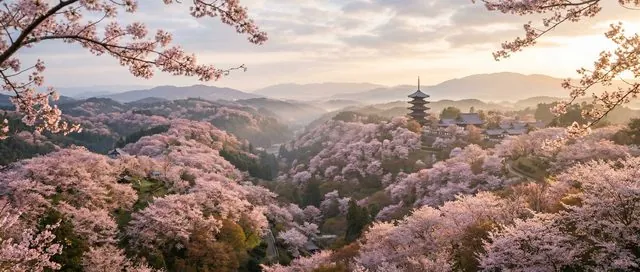
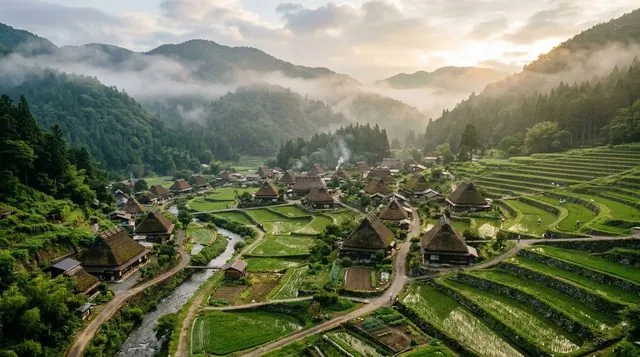
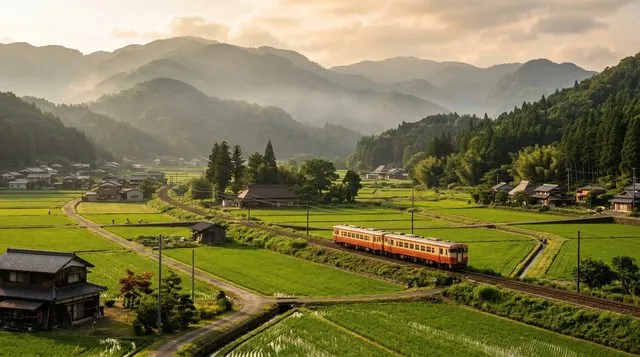
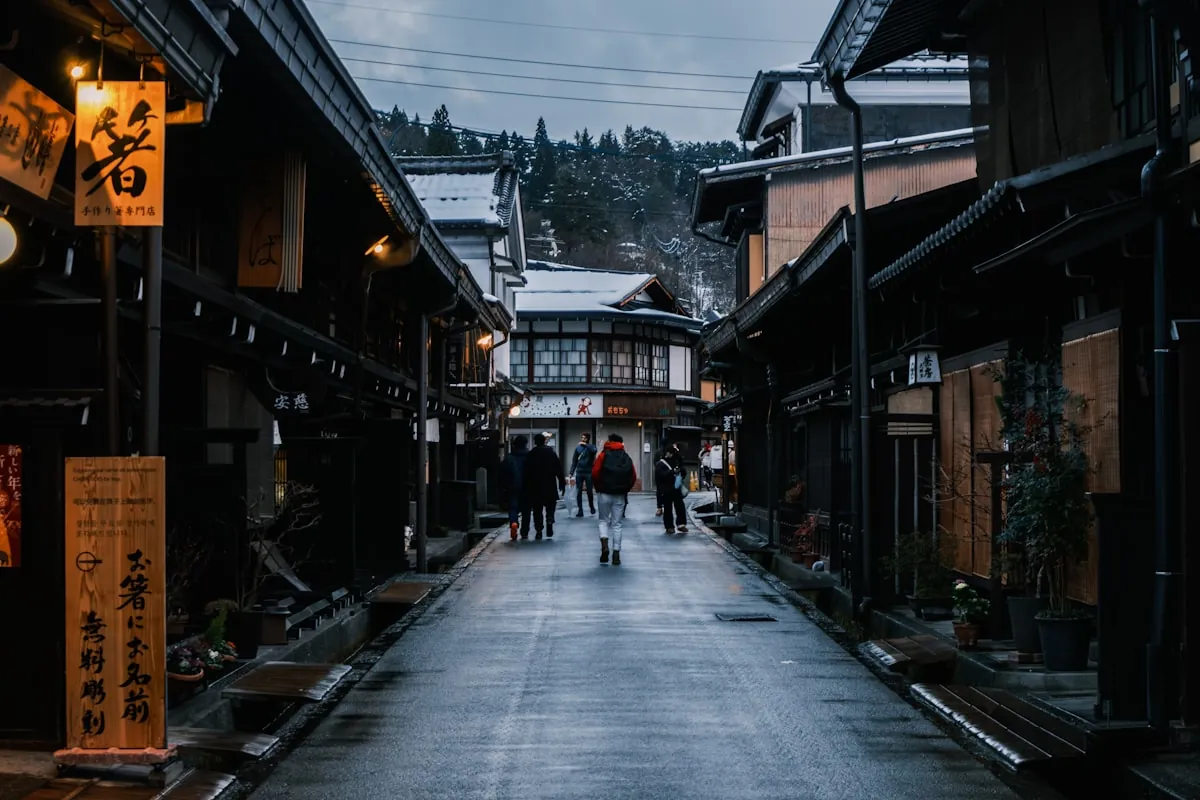
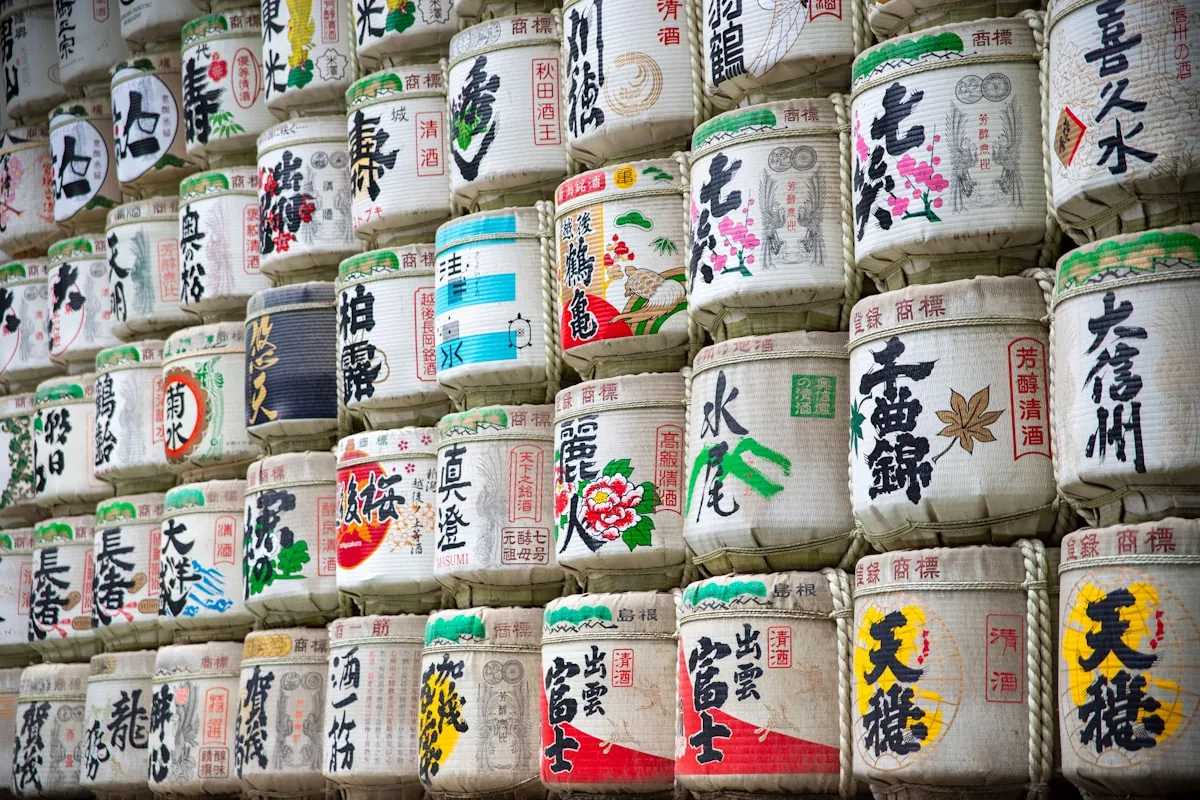
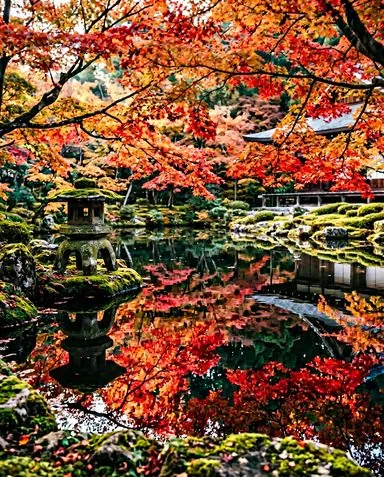
Ehime is Shikoku's most rewarding prefecture for first-timers. It combines the original-keep Matsuyama Castle, the 3,000-year-old Dogo Onsen Honkan bathhouse, the world-famous Shimanami Kaido cycling route across six Inland Sea islands to Hiroshima Prefecture, the henro-pilgrim 51st-temple Ishiteji Temple, and Japan's other small-but-original Uwajima Castle in the south.
Cities & Towns
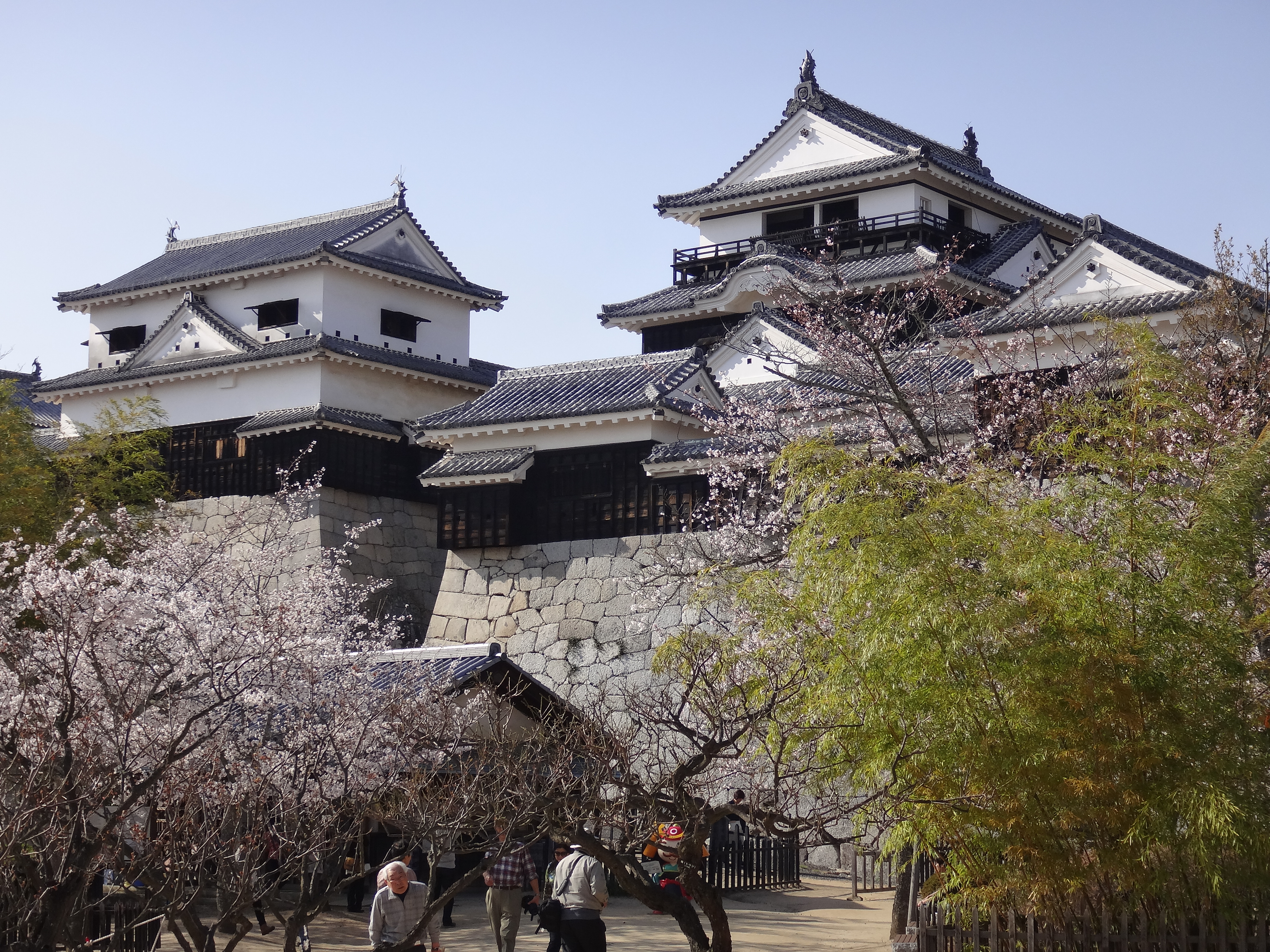
Matsuyama
The capital: Matsuyama Castle on a hilltop, the 3,000-year-old Dogo Onsen Honkan, and the literary inspiration for Natsume Sōseki's 'Botchan'
Castle and onsen capital
- Matsuyama Castle
- Dogo Onsen Honkan
- Botchan tram
Imabari
Northern gateway to the Shimanami Kaido cycling route, and the centre of Japan's towel industry
Cycling and towel city
- Shimanami Kaido start
- Imabari Castle
- Towel district
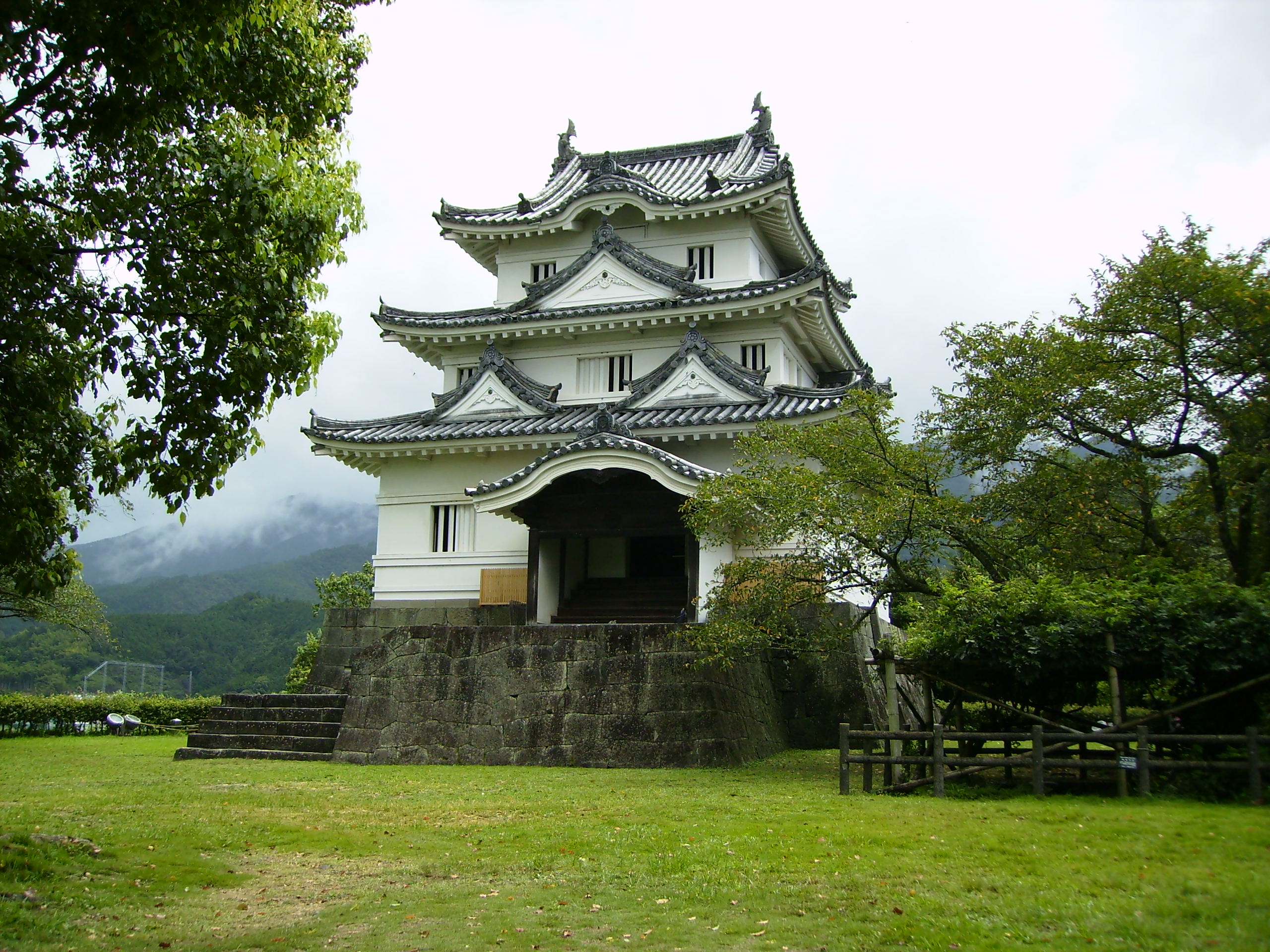
Uwajima
Southern coastal city with Japan's smallest original castle keep, plus an unusual fertility shrine and pearl industry
Southern original castle
- Original castle keep
- Pearl industry
- Tagaichi Shrine
Top Attractions
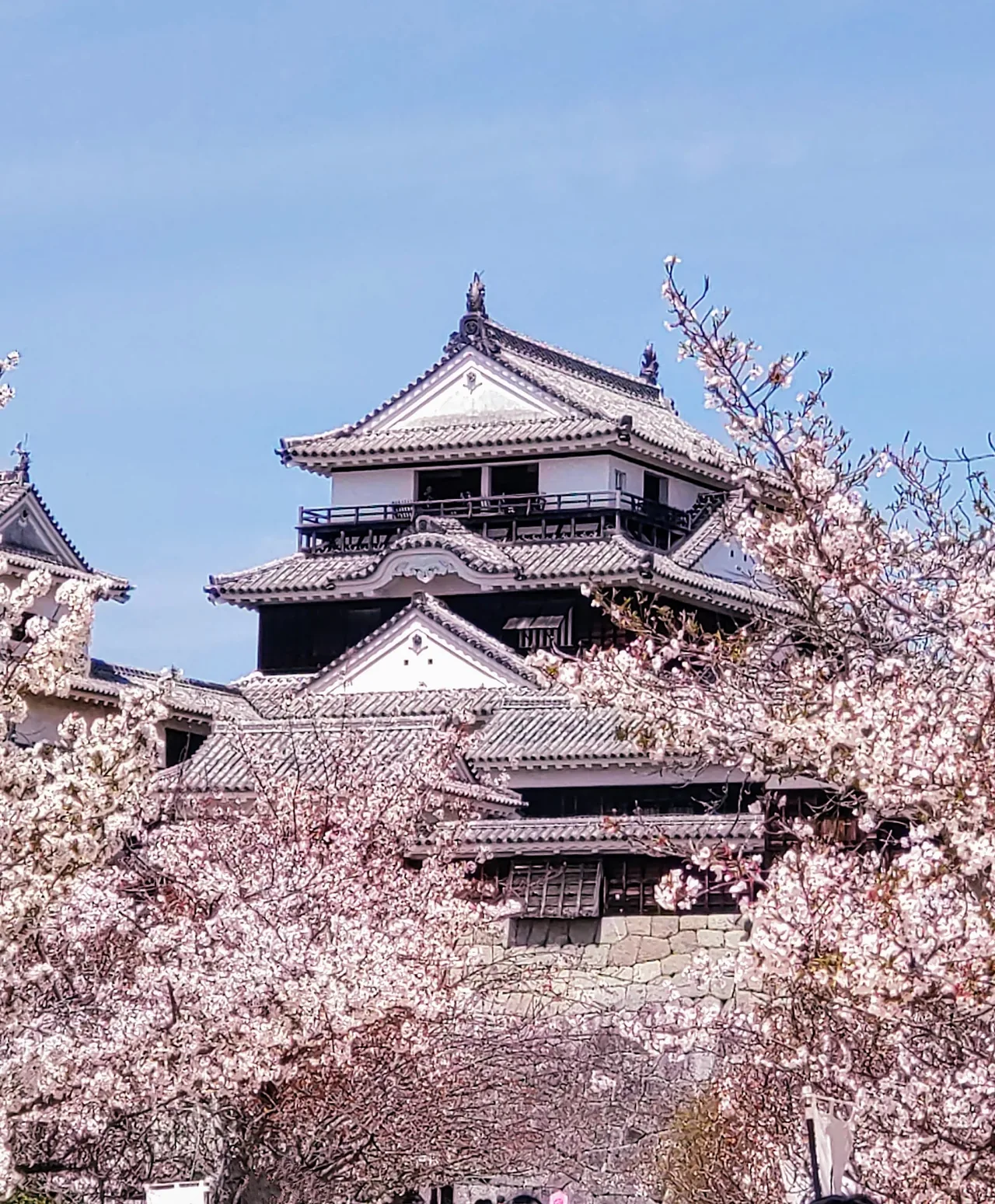
One of only twelve original castle keeps remaining, built in 1602 on Mount Katsuyama with a chairlift or ropeway up
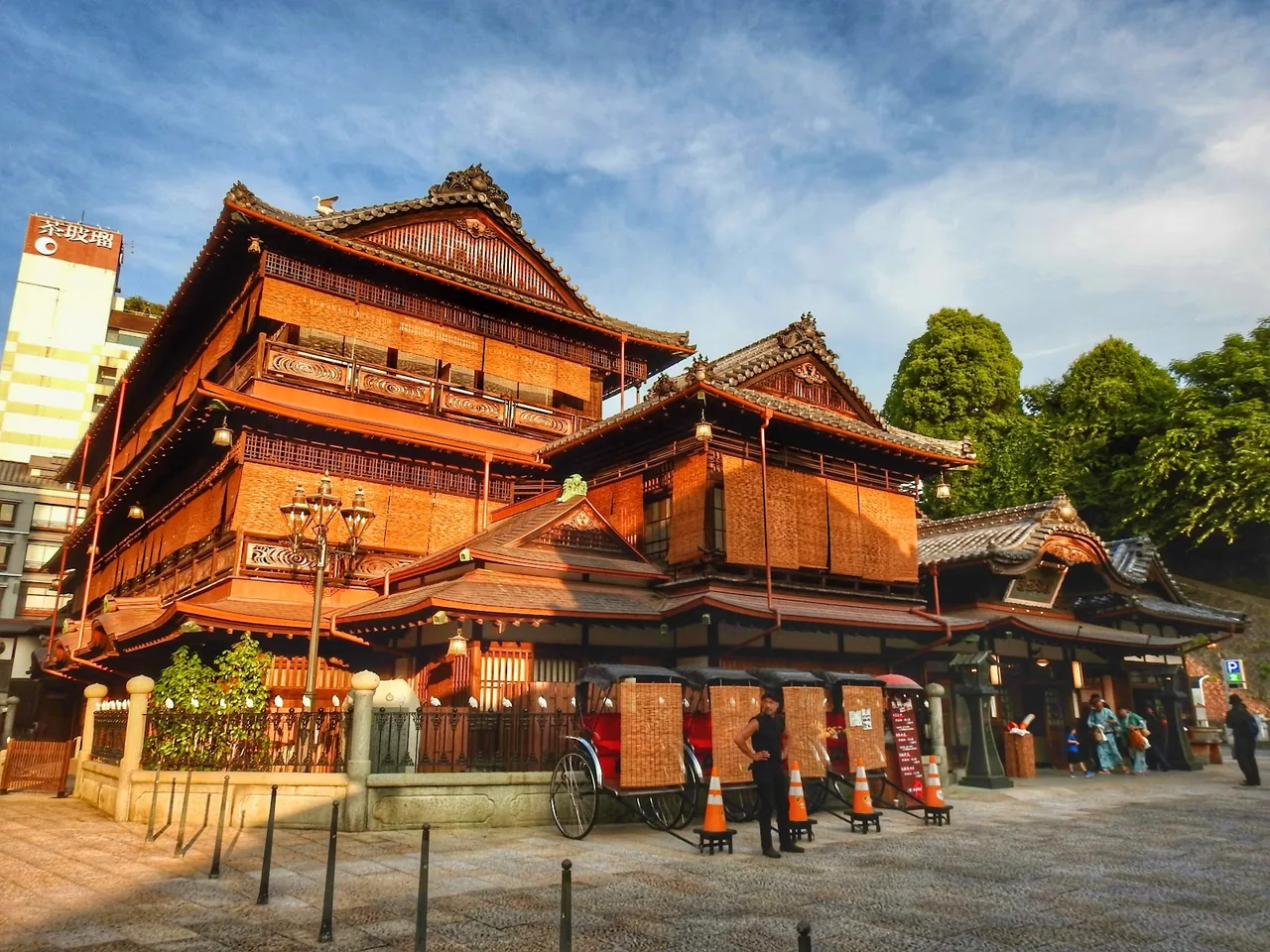
Japan's oldest hot spring, in use for 3,000 years; the wooden Honkan (1894) inspired the bathhouse in Studio Ghibli's 'Spirited Away'
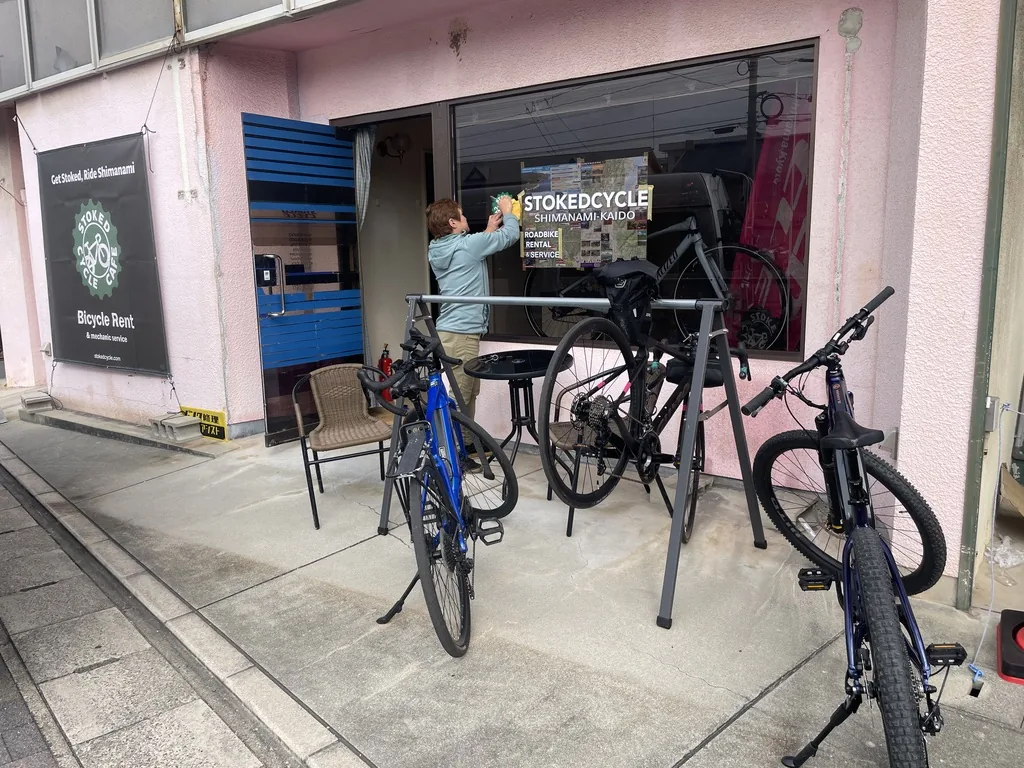
70km cycling expressway across six Inland Sea islands, from Imabari (Ehime) to Onomichi (Hiroshima); one of Japan's most famous bike routes
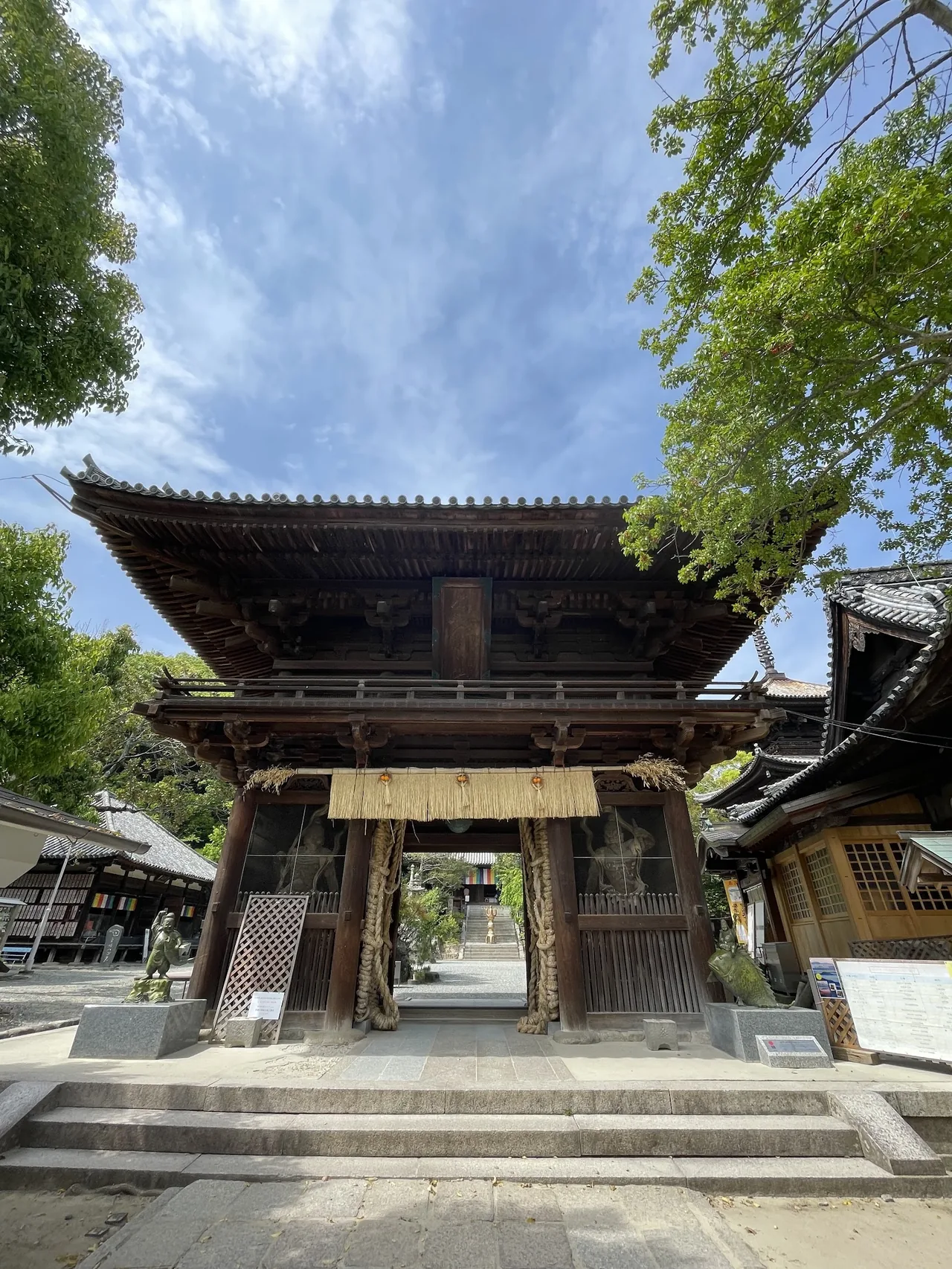
51st temple on the Shikoku 88-temple pilgrimage: a sprawling complex with three-storey pagoda, Niomon gate, and famously eccentric basement gallery
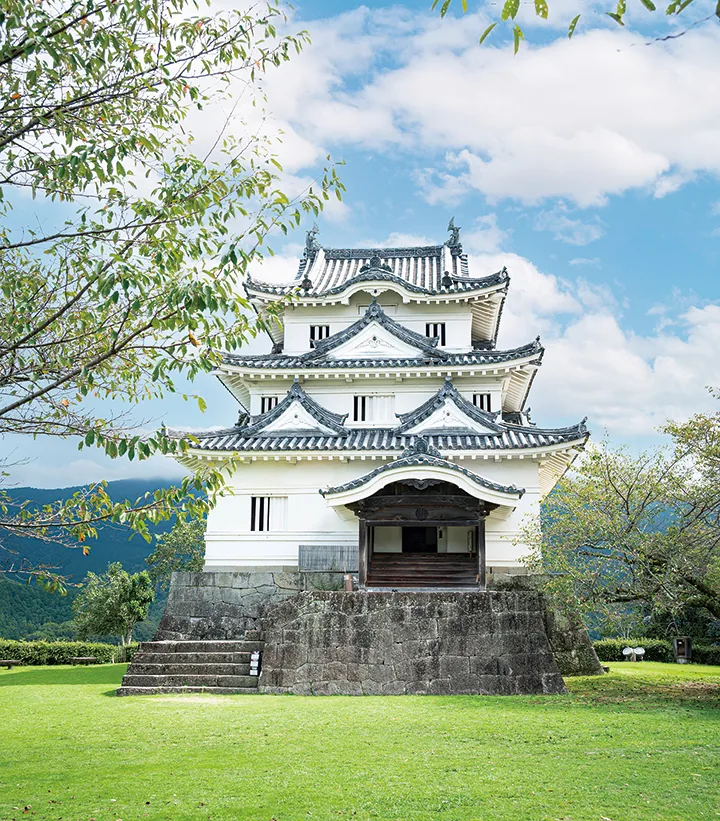
1666 original wooden keep: small, atmospheric, and one of only twelve original castles in Japan
Hidden Gems
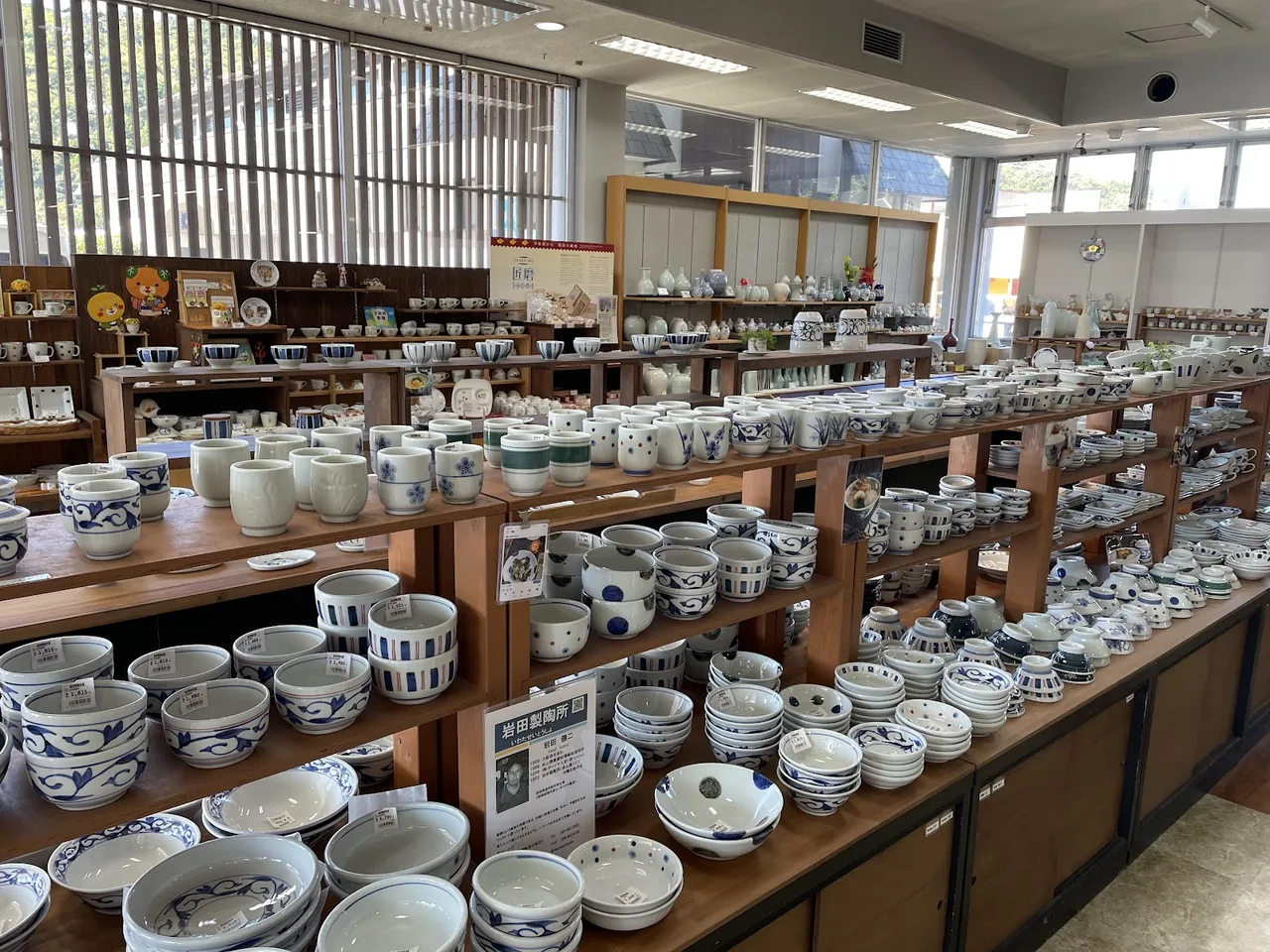 Hidden Gem
Edo-era porcelain village 30km south of Matsuyama, with kiln workshops, hand-painting demonstrations, and the distinctive Tobe-yaki blue style
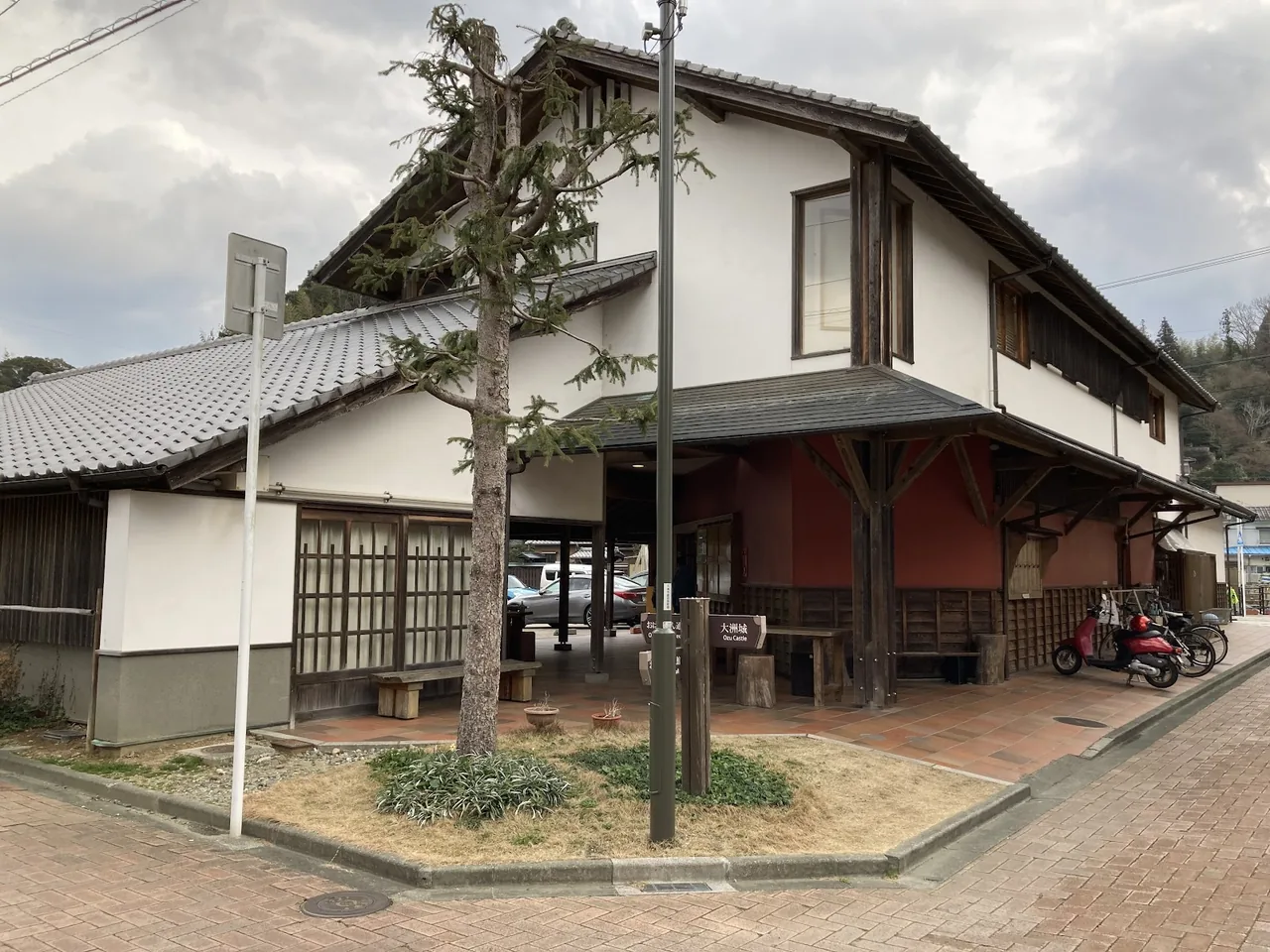 Hidden Gem
Western 'Little Kyoto': Hiji River carriage rides past Edo merchant streets and the partially restored Ozu Castle
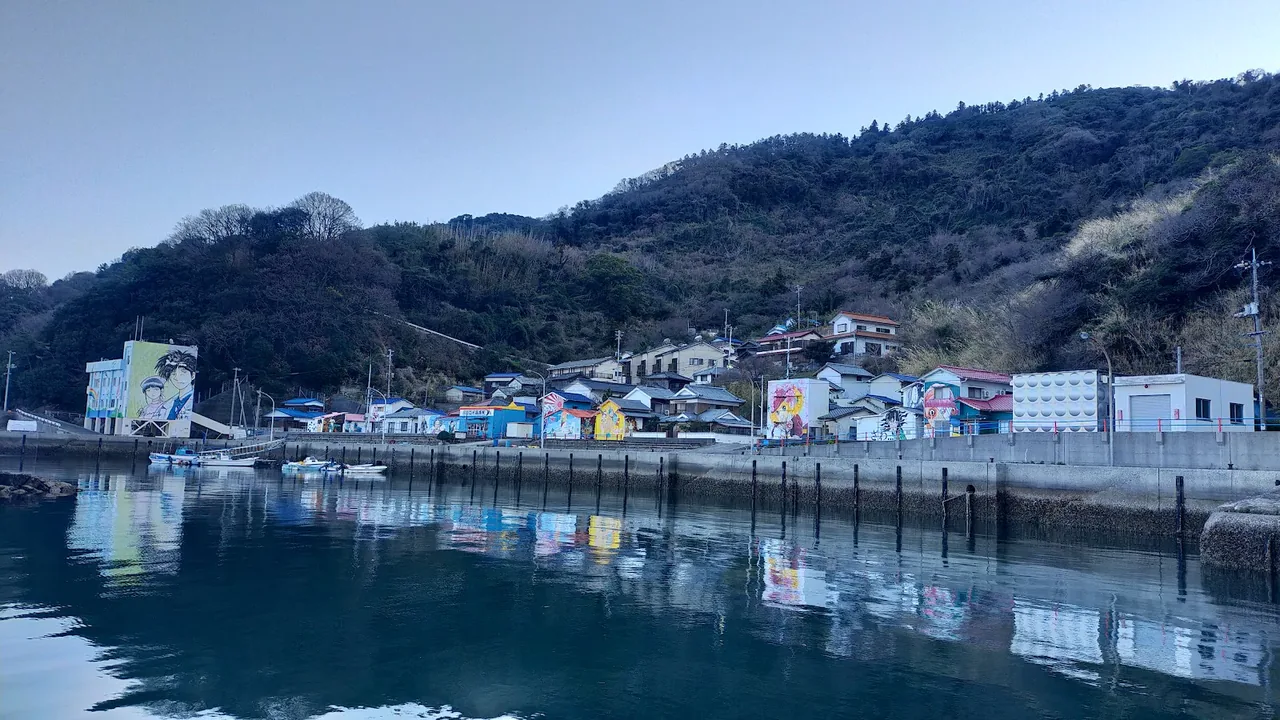 Hidden Gem
Cluster of seven Inland Sea islands south of Imabari, with citrus farms, sea-cycling routes, and one of Japan's quietest archipelagos
When to Visit
Springharu
Mar – May10–22°CHigh crowds
Springharu
- Cherry blossoms at Matsuyama Castle late March
- Cycling season opens on Shimanami Kaido
- Mild Dogo Onsen baths
- Golden Week busiest
Summernatsu
Jun – Aug22–32°CHigh crowds
Summernatsu
- Cycling at peak (book bikes ahead)
- Rainy season early July
- Cormorant fishing season at Ozu
- Citrus orchards green
Autumnaki
Sep – Nov11–24°CHigh crowds
Autumnaki
- Comfortable cycling weather
- Tobe pottery autumn fair
- Ishiteji autumn foliage
- Citrus harvest starts
Winterfuyu
Dec – Feb5–13°CLow crowds
Winterfuyu
- Mild Inland Sea coast
- Citrus mikan and iyokan harvest peak
- Quietest Dogo Onsen
- Plum blossoms at Matsuyama Castle
Suggested Itineraries
FAQ
How do I get to Ehime?
Domestic flight from Tokyo Haneda to Matsuyama Airport (90 min, 30-min bus). From Hiroshima: ferry from Hiroshima Port to Matsuyama (75 min) or full Shimanami Kaido cycling. From Okayama: JR Limited Express Shiokaze (3 hours).
How long does the Shimanami Kaido cycling route take?
Full 70km Imabari-to-Onomichi route is 5-7 hours one-way for fit cyclists. Half route (Imabari to Setoda) takes 3-4 hours. Bike rentals at major bridge stops with one-way drop-off available.
Is Dogo Onsen Honkan worth the visit?
Yes, both for the 3,000-year history and the architectural significance. The 1894 Honkan reopened in 2024 after restoration. ¥420 for the basic bath; ¥920 includes the Tama-no-Yu (private bath above Botchan's room).
What is Ehime best known for?
Matsuyama Castle (one of twelve original keeps), Dogo Onsen (Japan's oldest), the Shimanami Kaido cycling route, the Botchan tram (literary heritage), and citrus fruits. Ehime grows half of Japan's iyokan and mikan.
How many days do I need in Ehime?
One day for Matsuyama (castle, Dogo Onsen, Ishiteji). Two days adds half the Shimanami Kaido cycling route. Three days lets you reach Uwajima or Ozu in the south, or do the full bike route to Hiroshima Prefecture.
What are Ehime's hidden gems?
The blue-and-white Tobe pottery town south of Matsuyama, the carriage-and-cormorant town of Ozu in the southwest, and the seven Kamijima Islands south of Imabari with their citrus farms and sea-cycling routes.
What surrounds the headline spots?
Beyond the obvious draws, Garyu Sanso, Taga-jinja reward travelers willing to step off the main route: local pace, fewer crowds, and a closer feel for the everyday rhythms of the region.