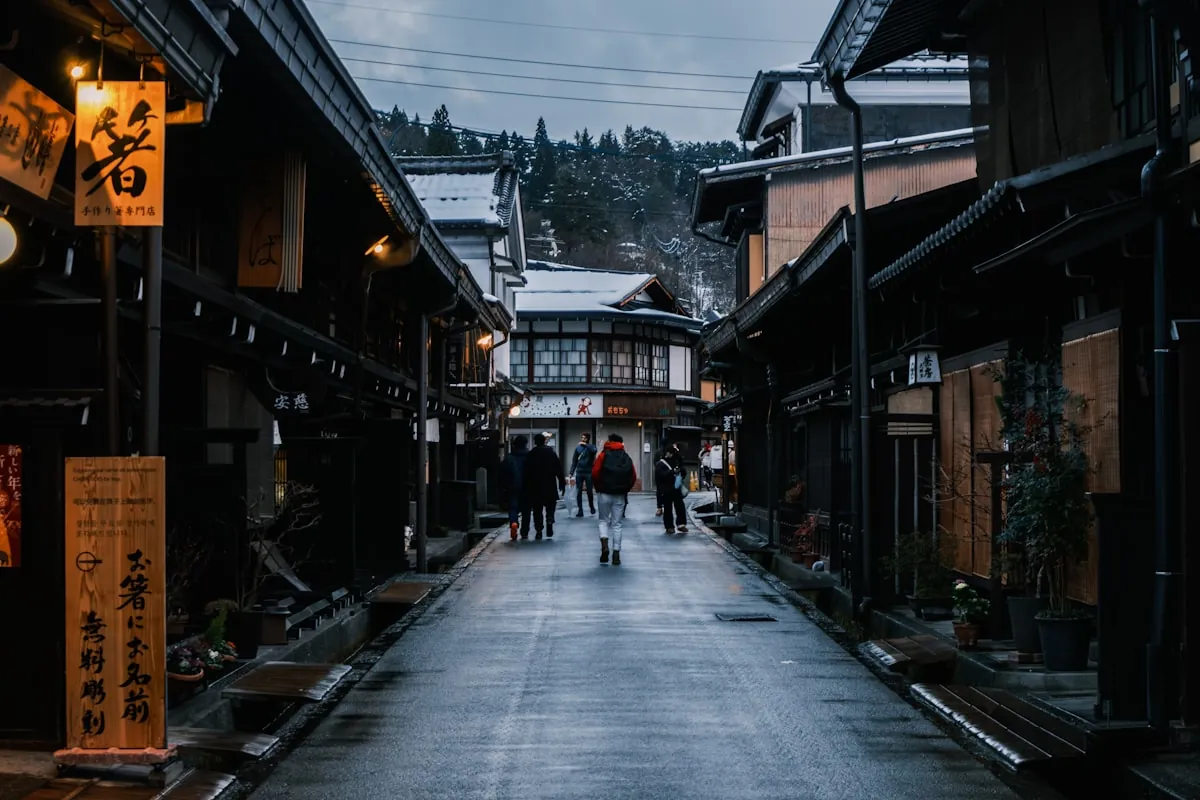
Matsuyama wears its history lightly: Matsuyama Castle looks down from its hilltop onto a city where haiku poets are civic heroes and the evening ritual is a soak at Dogo Onsen Honkan, the bathhouse said to have inspired Spirited Away. It is Shikoku's largest city, yet almost everything you want sits along one tram line.
When to Visit
Mild Seto Inland Sea climate year-round; spring and autumn are the sweet spots.
What to Do in Matsuyama
A castle, a legendary bathhouse, and the quiet corners of Japan's haiku capital.
Icons worth the crowds
Hidden gems
More Matsuyama highlights
Skip the Crowds
- The Honkan queue peaks 15:00–19:00. Go at opening (6:00, with the drum ceremony) or bathe at Asuka-no-Yu instead.
- Walk up to Isaniwa Shrine behind Dogo: 135 steps that lose the entire bathhouse crowd.
- Take the wooded Kenmon-suji path up the castle hill instead of the ropeway; you arrive at the same gate without the wait.
- Dogo's shopping arcade is liveliest (and most crowded) after dinner in yukata; go mid-morning for empty lanes.
- The Shiki Museum and Saka no Ue no Kumo Museum stay quiet even on weekends.
Food & Drink
Ehime's table: sea bream rice (tai-meshi), senzanki fried chicken, and mikan in every possible form.
Where to eat in Matsuyama: tai-meshi, mikan & udon20 verified picks across the city→Where to Stay
Sleep in Dogo for the onsen-town evening; stay near Okaido or the station for food and transport.
Booking links are affiliate links. They cost nothing extra and support the site.
Day Trips
Matsuyama faces the Seto Inland Sea, with ferries and the famous cycling road within reach.
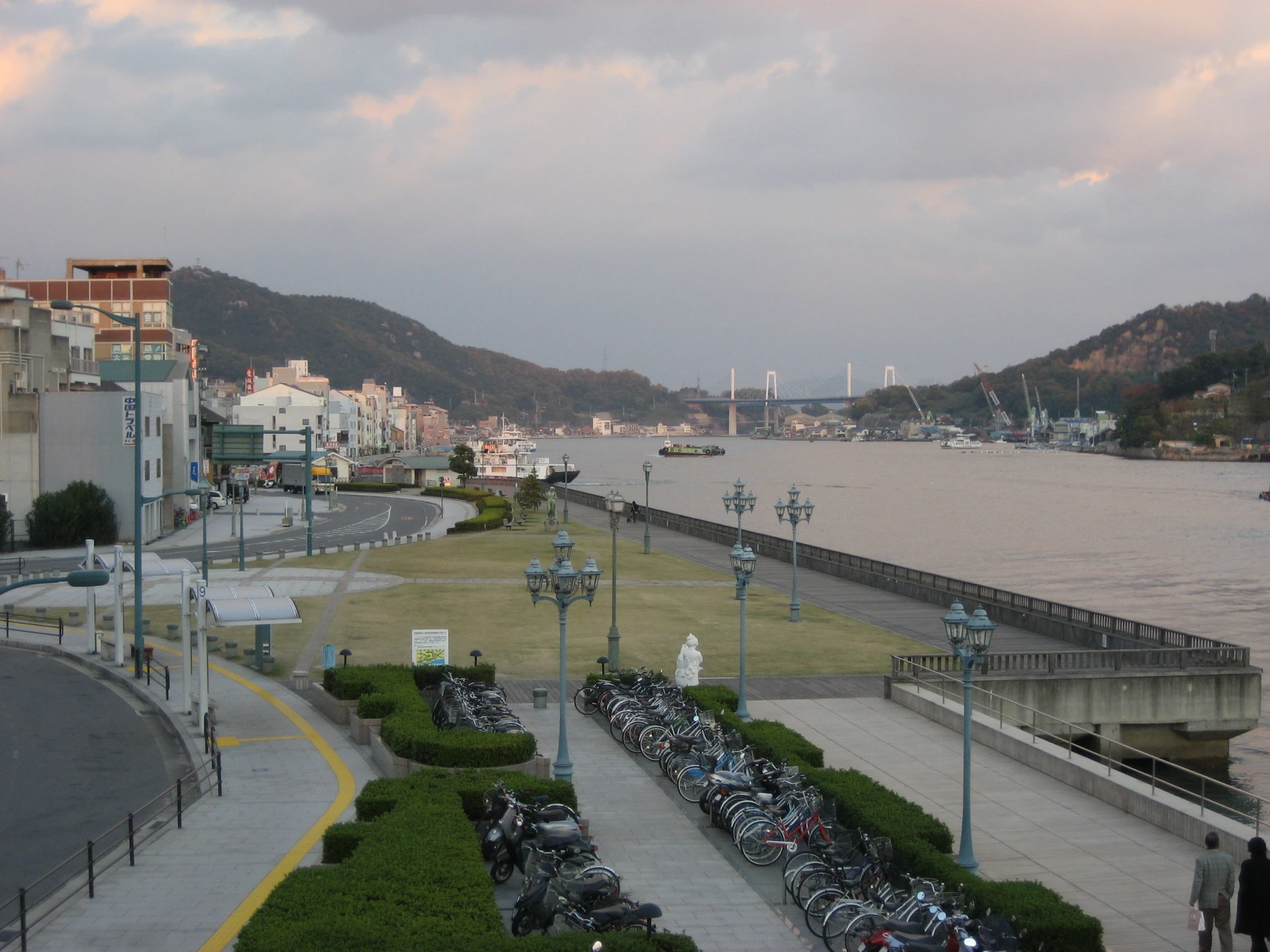
Onomichi
Temple-stairway port town and the far end of the Shimanami Kaido cycling route
Shimanami Kaido & temples
- Shimanami Kaido cycling
- Temple walk
- Cat alleys
Hiroshima
75 minutes across the water by fast ferry: Peace Memorial and okonomiyaki
Ferry to Hiroshima
- Superjet ferry
- Peace Memorial Park
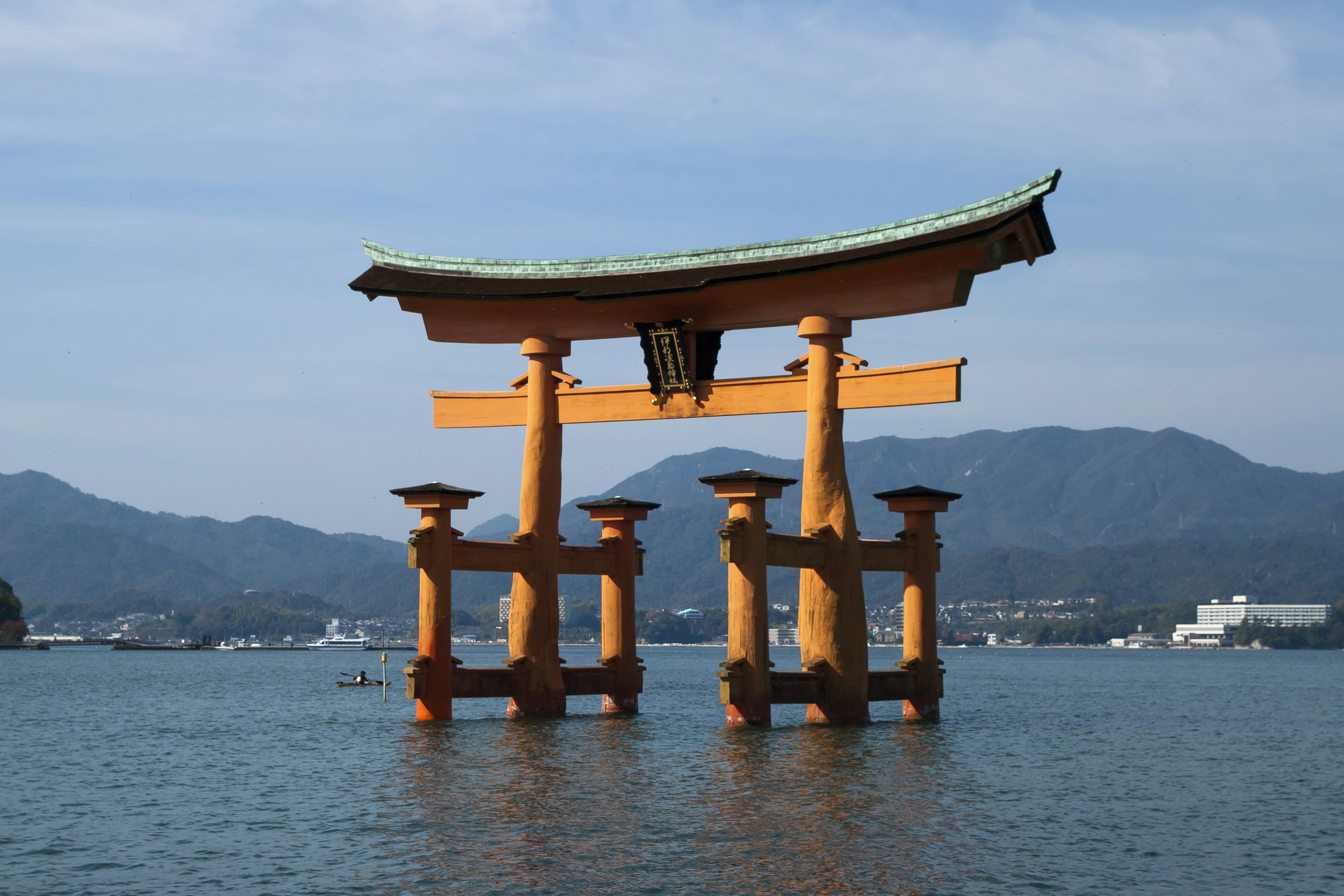
- Miyajima nearby
How to Get There
FAQ
Can you still bathe in Dogo Onsen Honkan?
Yes. The 1894 Honkan fully reopened in July 2024 after five years of restoration. Expect queues at peak hours; the Asuka-no-Yu annex two minutes away has the same water in Asuka-period architecture.
Is Matsuyama Castle an original castle?
Yes, its keep is one of only twelve in Japan never destroyed and rebuilt in modern times. Take the ropeway or chairlift up, or walk one of the wooded paths in about 20 minutes.
What food is Matsuyama known for?
Tai-meshi (sea bream rice, served two ways: cooked Hojo-style or raw over rice Uwajima-style), senzanki fried chicken, and Ehime's famous mikan citrus in juices, ice cream and sweets.
Is Matsuyama worth visiting?
Yes. It combines an original castle, Japan's most famous historic bathhouse and a walkable tram-based city with far fewer international visitors than comparable cities on Honshu.
How many days do I need?
Two days covers the castle, the museums and a proper Dogo evening. Add a third for a Shimanami Kaido cycling day or the ferry to Hiroshima.
What are Matsuyama's hidden gems?
Isaniwa Shrine's staircase above Dogo, the Shiki Museum for haiku context, Tadao Ando's Saka no Ue no Kumo Museum, and the 6:00 opening drum at the Honkan.