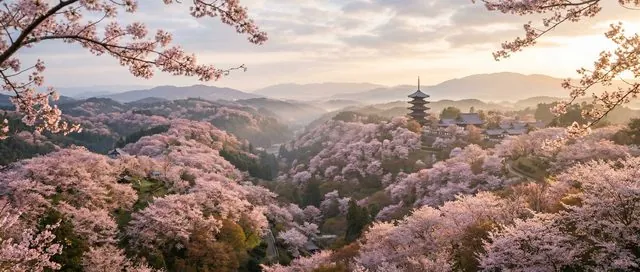
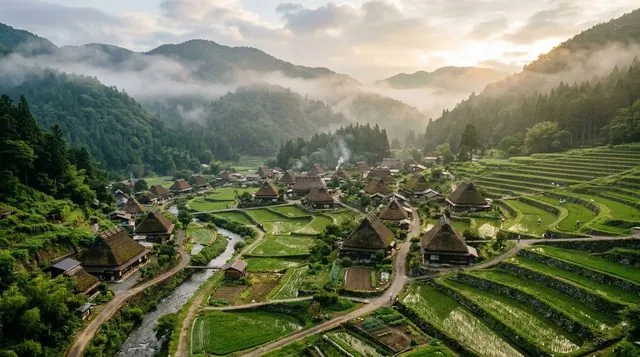
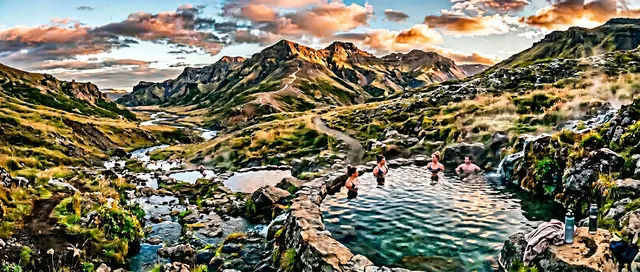
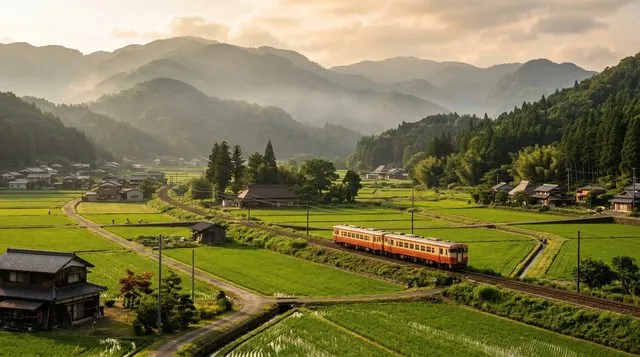
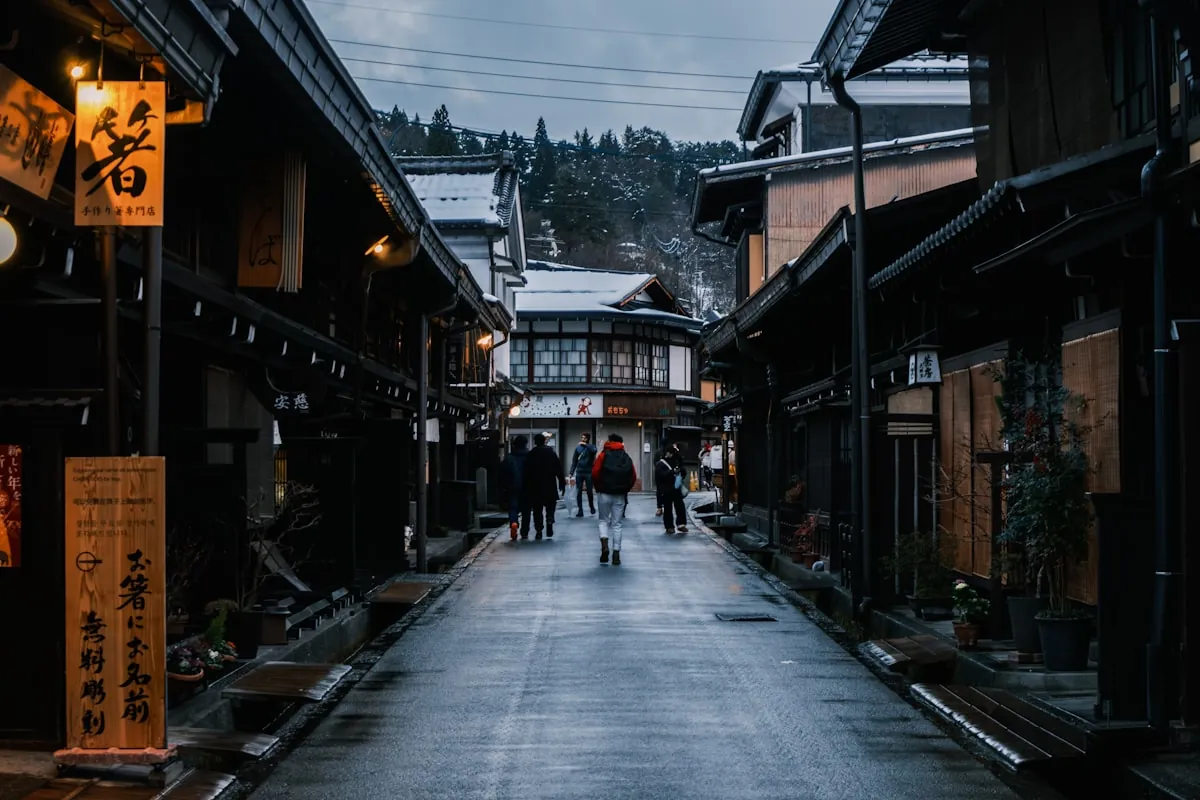
Fukushima is Japan's third-largest prefecture and one of its most diverse: coastal Hama-dori on the Pacific, the central Naka-dori plain along the shinkansen corridor, and the snowy Aizu mountains in the west. The headline sights are Tsurugajo Castle at Aizu-Wakamatsu, the alpine wetland of Oze National Park, Japan's fourth-largest lake at Lake Inawashiro, the perfectly preserved thatched-roof post town of Ouchi-juku, and the ramen-dense Edo merchant town of Kitakata.
Cities & Towns
Aizu-Wakamatsu
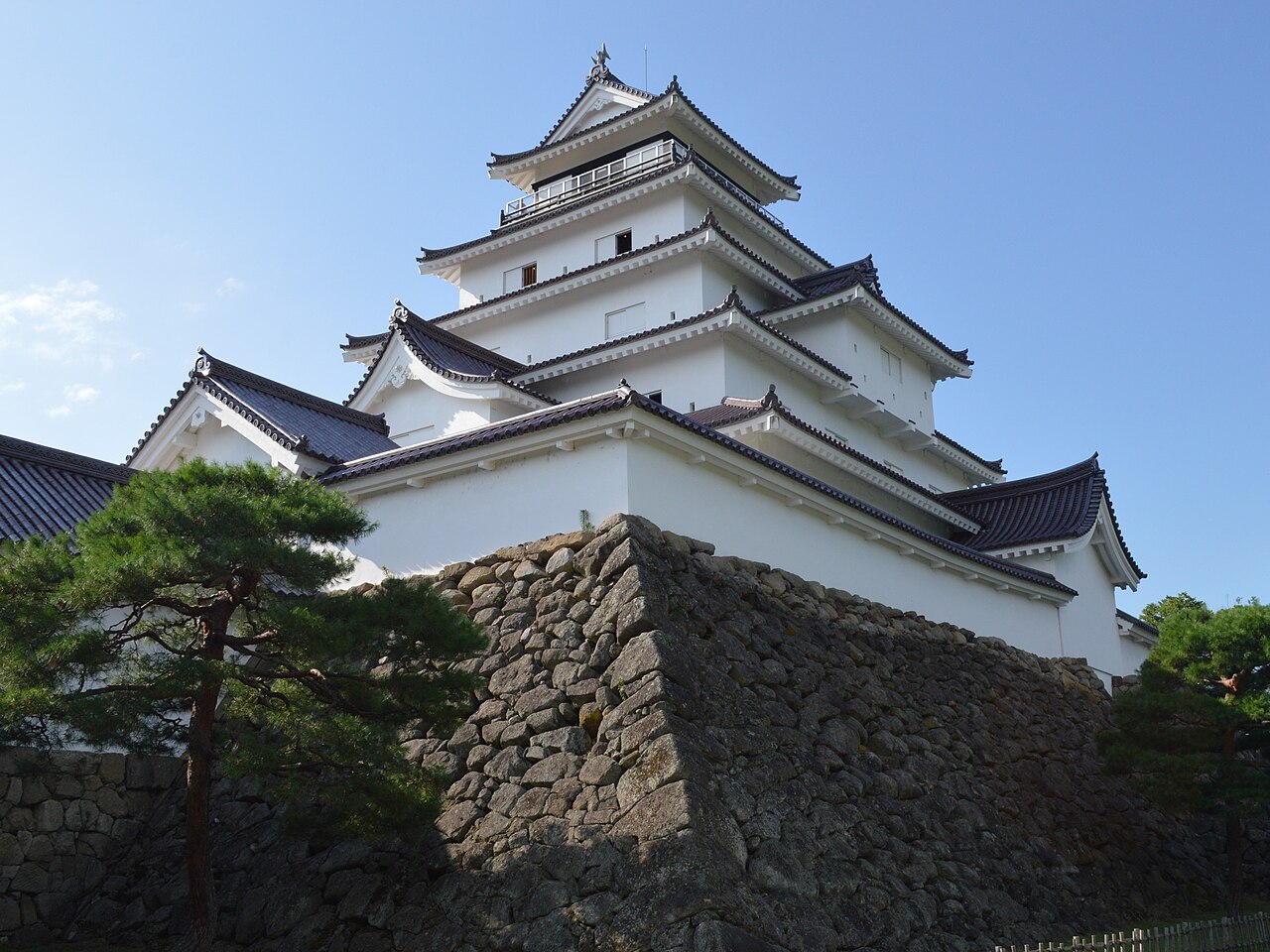
Samurai castle town in the Aizu mountains: Tsurugajo with its red tiled roof, the Byakkotai memorial, and Higashiyama Onsen
Samurai castle town
- Tsurugajo Castle
- Byakkotai memorial
- Aizu samurai history
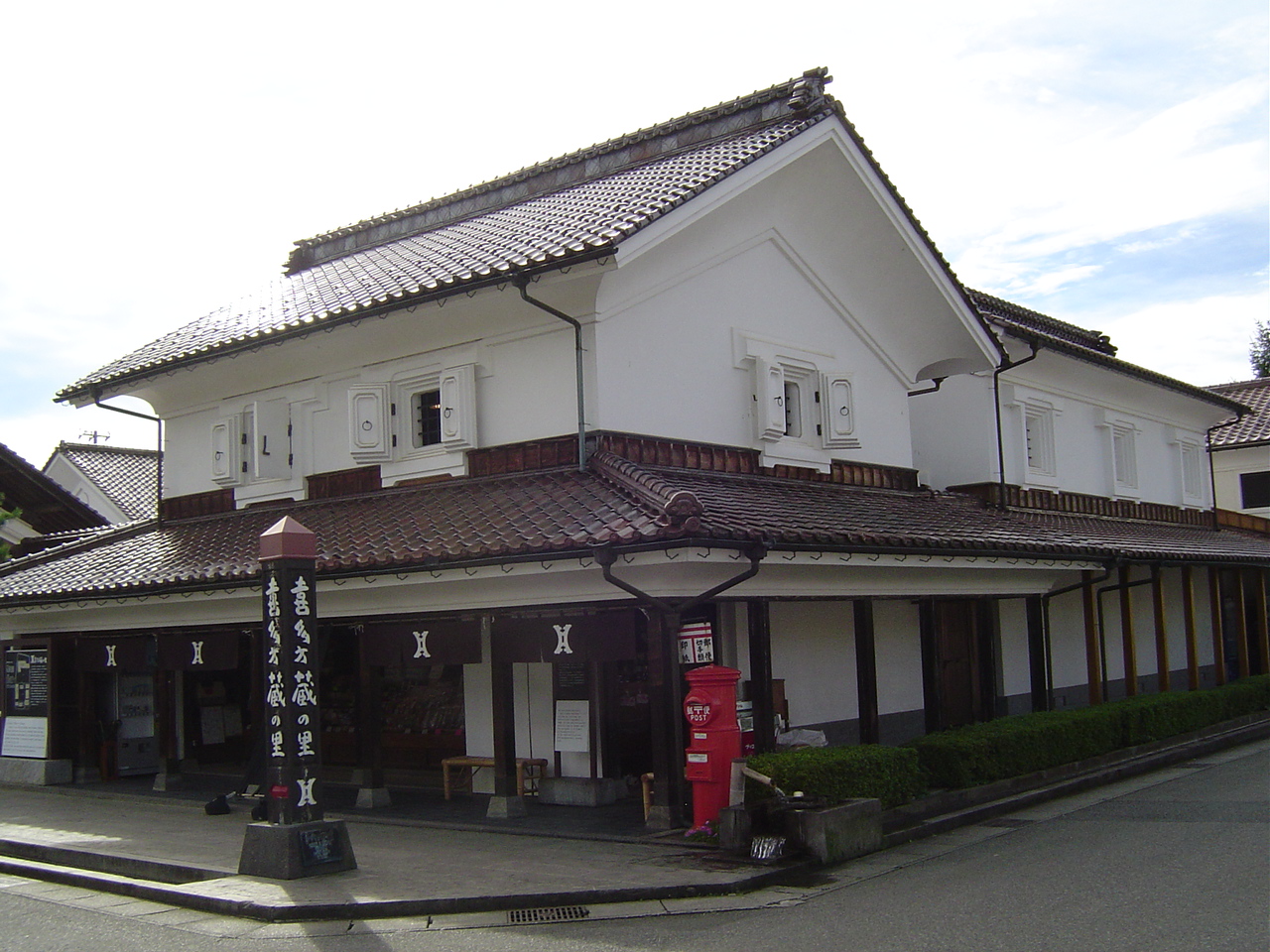
Kitakata
Edo merchant town with 4,000 traditional black-walled storehouses (kura) and over 100 ramen shops. Japan's ramen capital per capita
Ramen and storehouse town
- 4,000 kura warehouses
- 100+ ramen shops
- Edo merchant streets
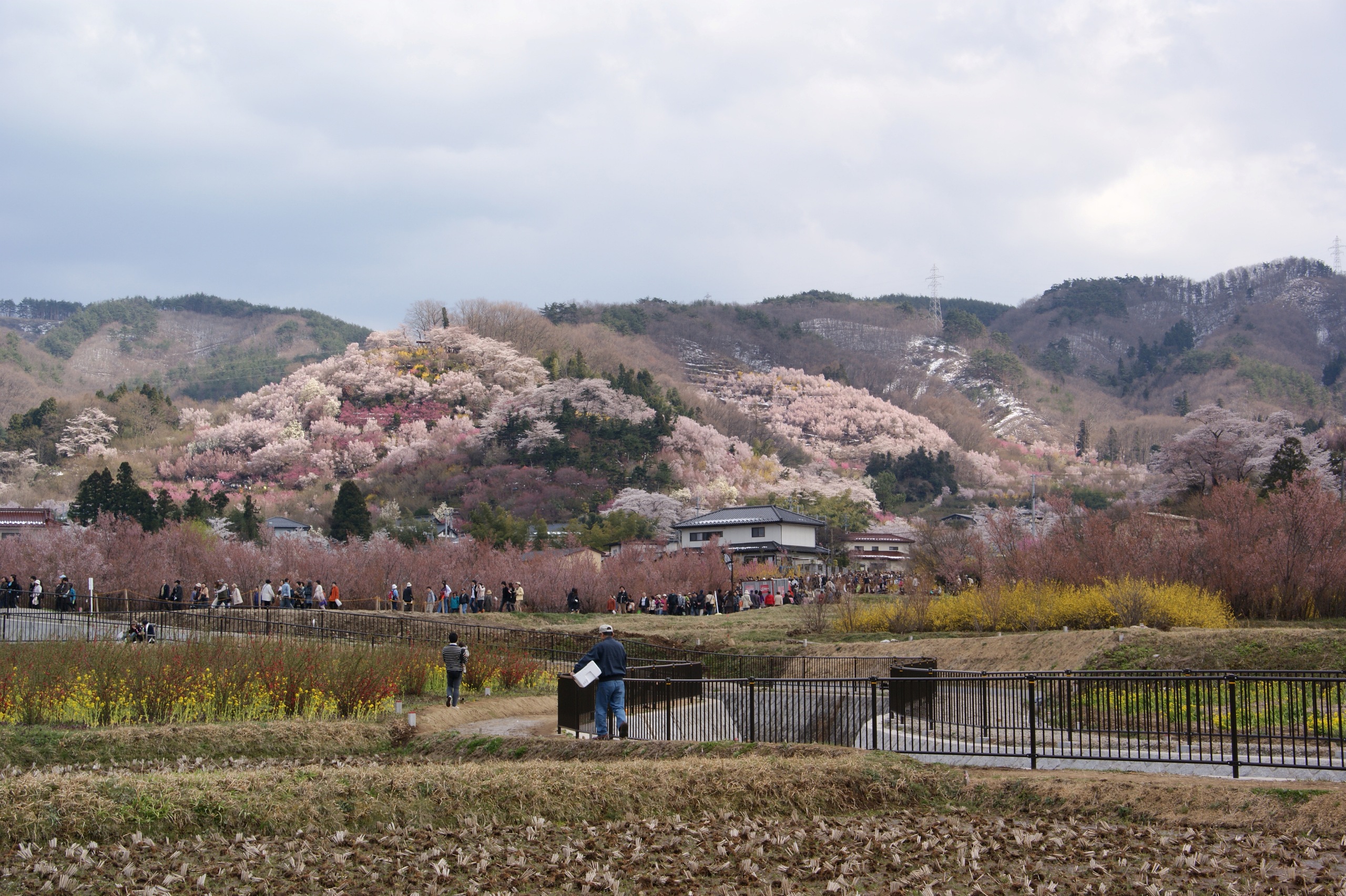
Fukushima City
The capital: a fruit-growing hub, Hanamiyama Park's spring blossoms, and the gateway to Aizu via the Tadami Line scenic railway
Capital and fruit city
- Hanamiyama Park
- Iizaka Onsen
- Fruit orchards
Top Attractions
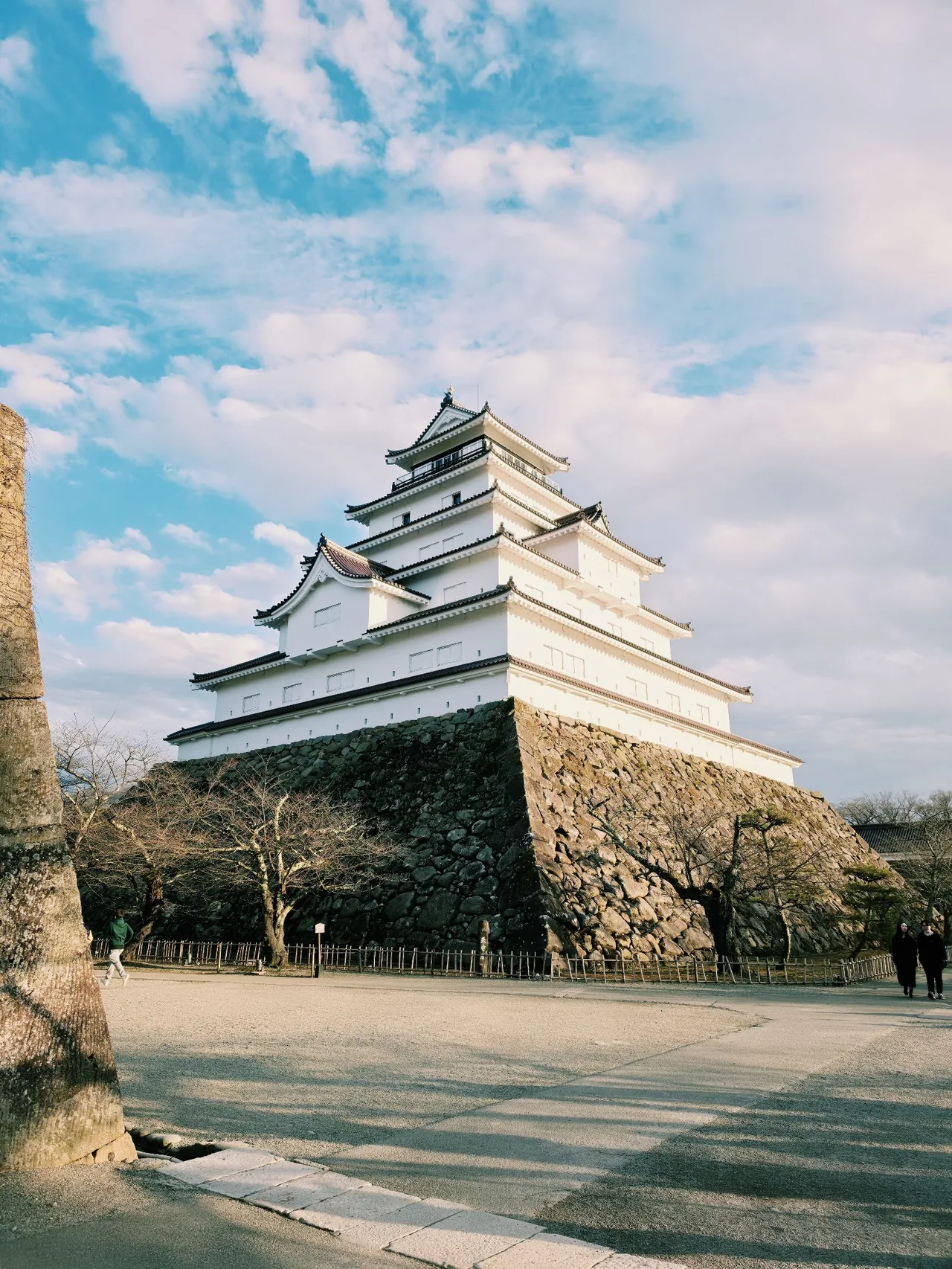
Reconstructed castle of Aizu-Wakamatsu, the only Japanese castle with a red-tiled roof and scene of the 1868 Boshin War siege
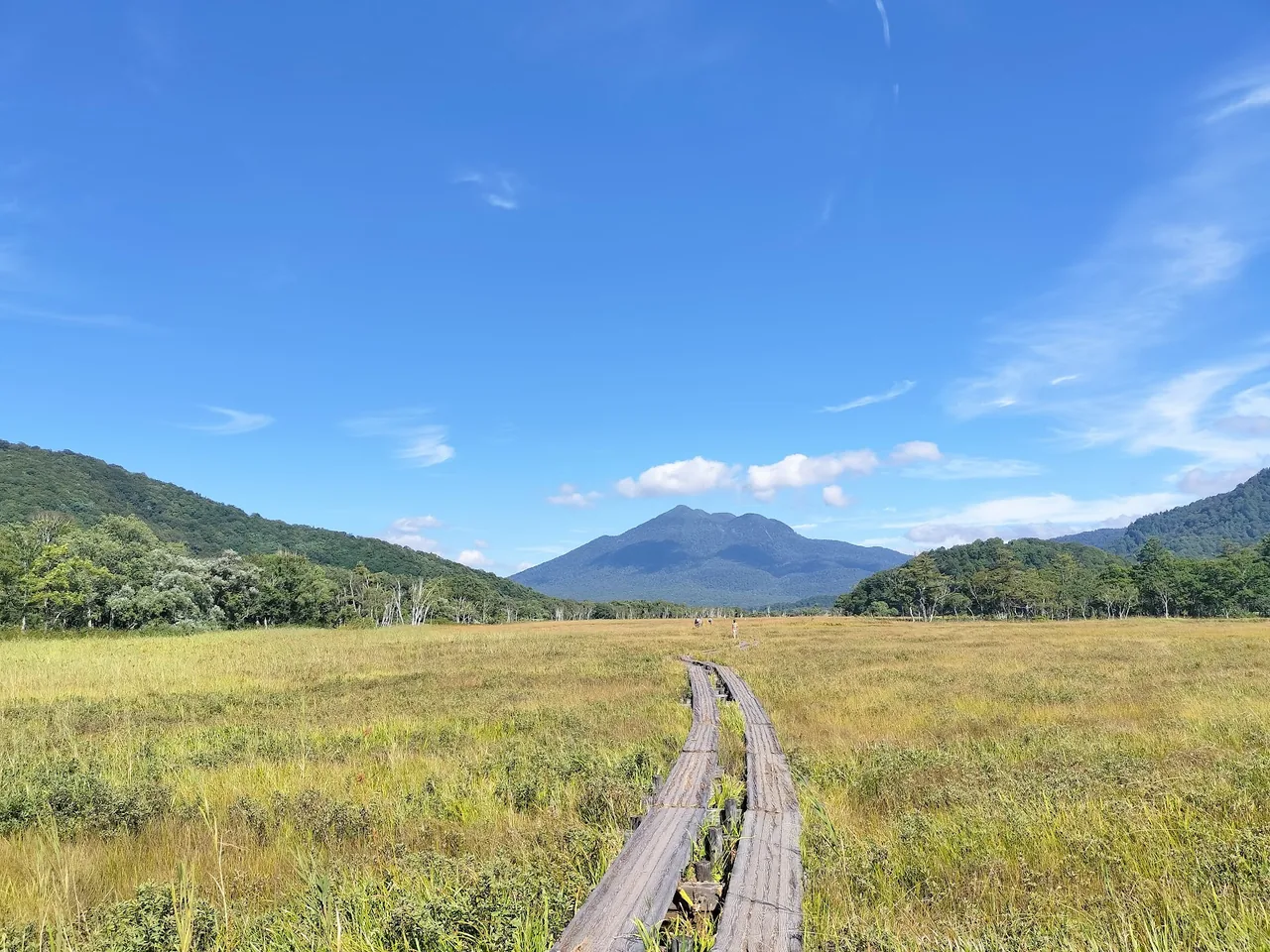 Hidden Gem
1,400m alpine wetland straddling Fukushima, Niigata, Gunma, and Tochigi. Boardwalk trails through skunk-cabbage marshes peak in late May
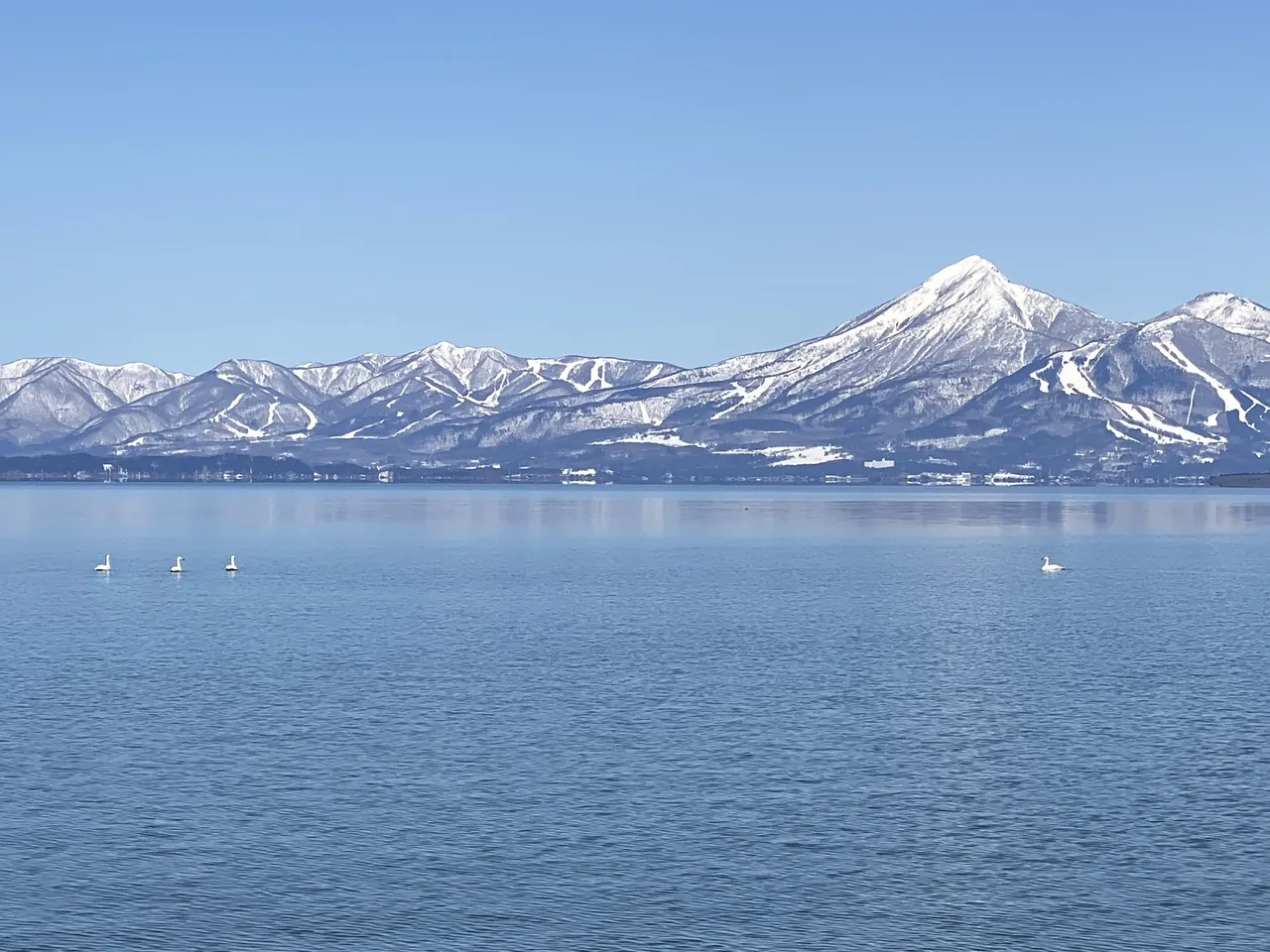
Japan's fourth-largest lake, with Mt Bandai rising above its north shore: clear water with swans on winter ice
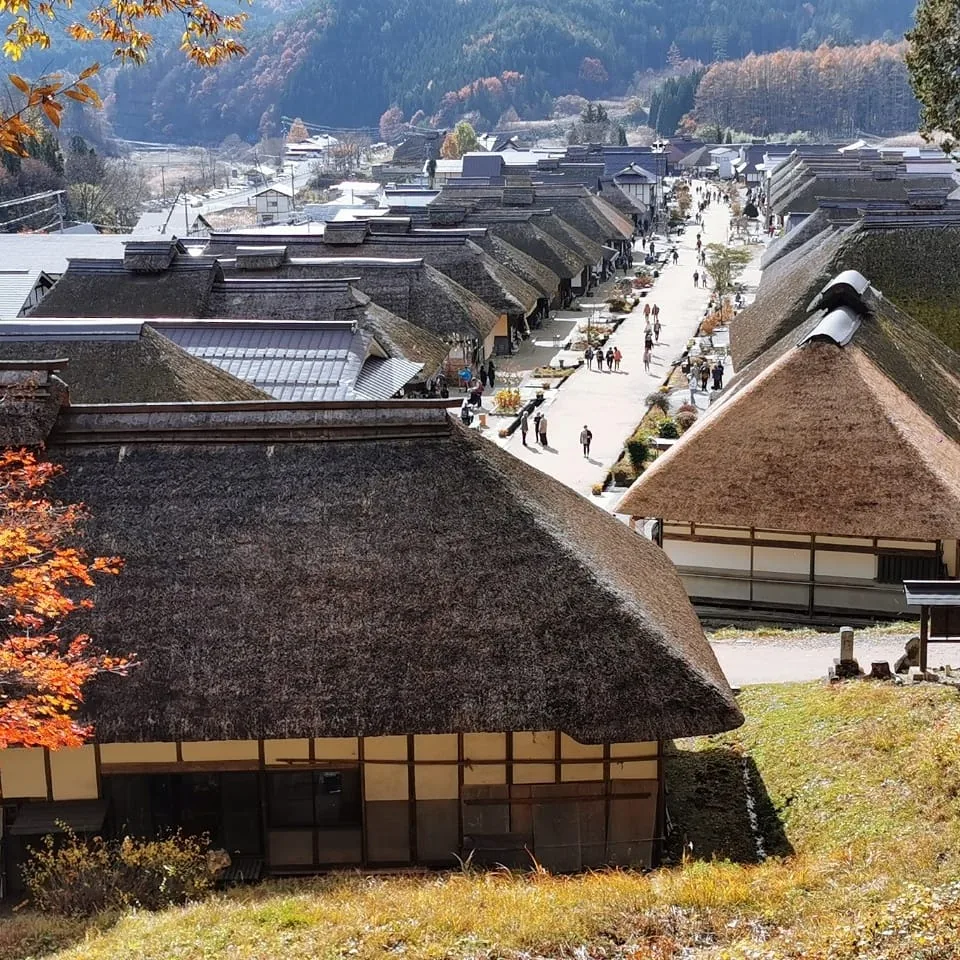
Edo-period post town frozen in time: 30 thatched-roof houses on a single street, famous for negi-soba (eaten with a leek instead of chopsticks)
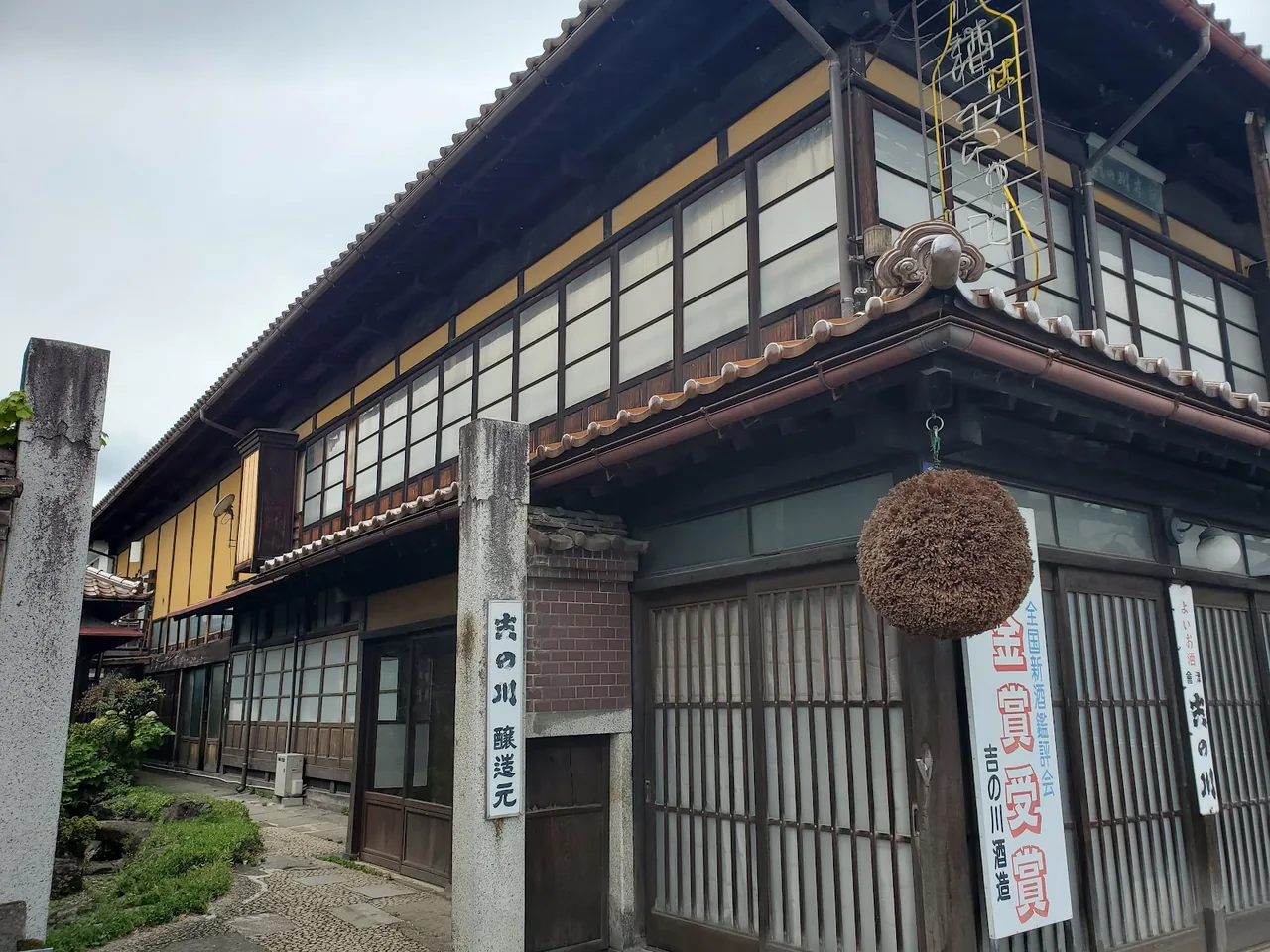
100+ ramen shops in a 5km² area make this Japan's ramen capital, with a soy-sauce-and-pork-bone broth and curly noodles unique to the town
Hidden Gems
Scenic local railway between Aizu-Wakamatsu and Niigata's Koide, one of Japan's most beautiful train rides through snowy gorges and stone-arch bridges
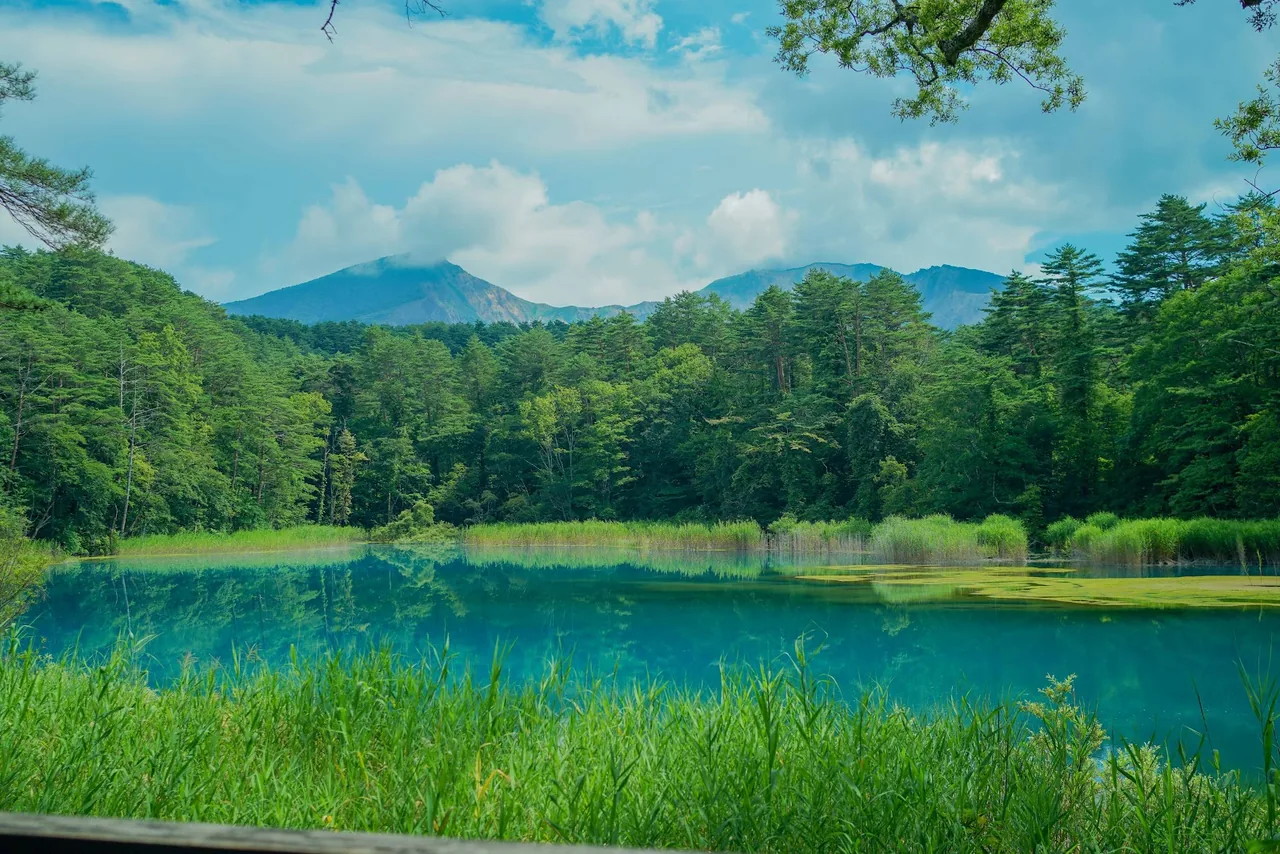 Hidden Gem
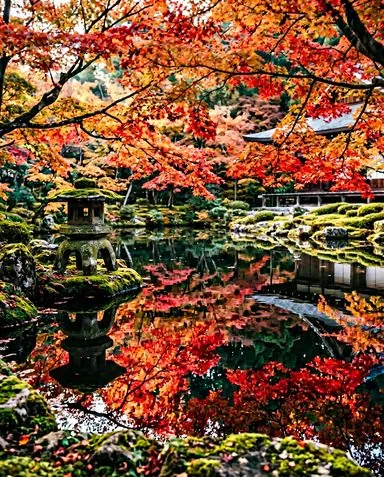
Volcanic ponds at the foot of Mt Bandai, each a different mineral colour: turquoise, emerald, cobalt, ruby, brown
Quiet 9th-century hot-spring town in Fukushima City, visited by Bashō in 1689 and home to one of the oldest public bathhouses in northern Japan
When to Visit
Springharu
Apr – May5–18°CHigh crowds
Springharu
- Cherry blossoms at Tsurugajo Castle late April
- Hanamiyama Park spring colour explosion
- Skunk cabbage at Oze late May
- Snow lingers in Aizu mountains
Summernatsu
Jun – Aug18–28°CHigh crowds
Summernatsu
- Oze wetland boardwalks at peak
- Lake Inawashiro swimming and SUP
- Cool retreats in Mt Bandai
- Aizu Festival in late September
Autumnaki
Sep – Nov5–20°CHigh crowds
Autumnaki
- Foliage at Goshikinuma late October
- First Tadami Bridge view at peak colour
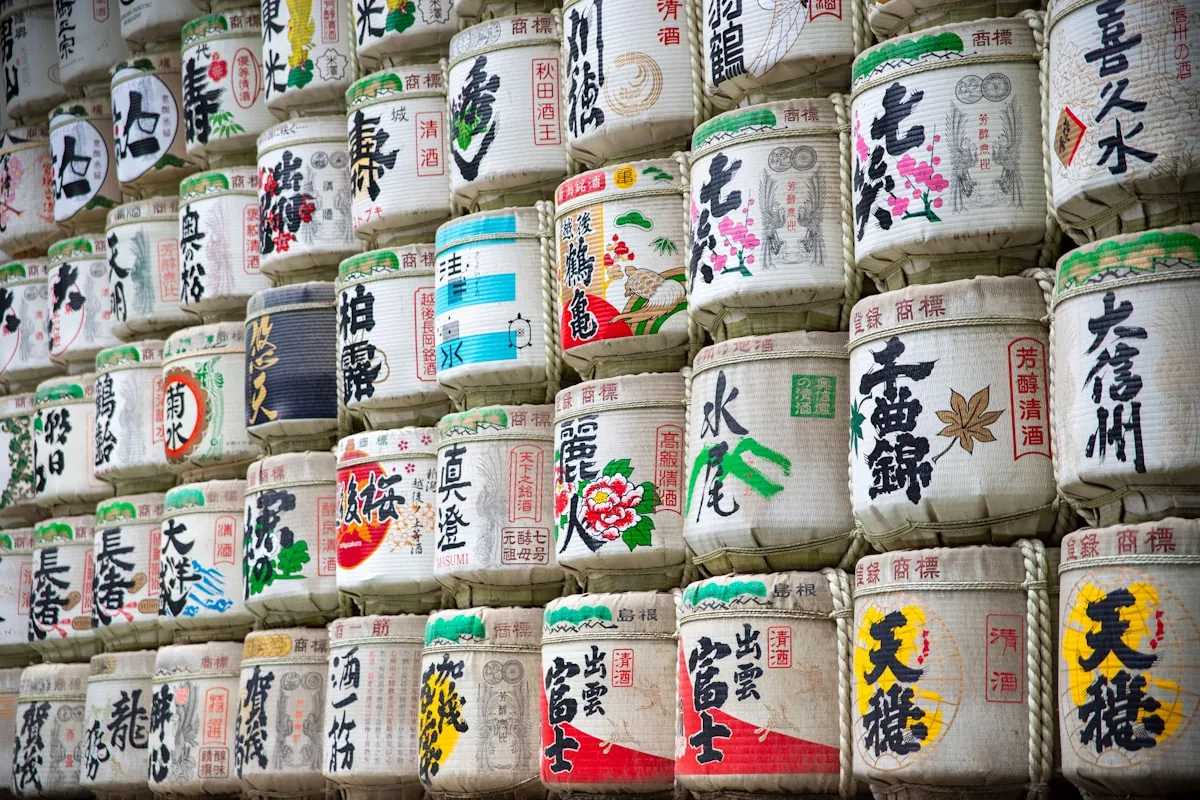
- Kitakata sake brewery tours
- Persimmons hung outside Aizu farms
Winterfuyu
Dec – Mar-3 to 6°CModerate crowds
Winterfuyu
- Ouchi-juku Snow Festival mid-February
- Tsurugajo in snow
- Tadami Line in winter scenery
- Skiing at Mt Bandai
Suggested Itineraries
FAQ
Is Fukushima safe to visit?
Yes. Radiation levels in Fukushima City, Aizu, Kitakata, and the rest of the prefecture are normal background. The 2011 Daiichi exclusion zone is a small coastal area still off-limits. Most of Fukushima Prefecture is unaffected and has been welcoming travellers since 2012.
How do I get to Fukushima from Tokyo?
Tohoku Shinkansen Yamabiko direct from Tokyo to Fukushima Station in 90 minutes. Aizu-Wakamatsu via Koriyama (transfer to JR Banetsu West Line) takes 2.5 hours total. Tadami Line continues from Aizu-Wakamatsu west.
What is Fukushima best known for?
Tsurugajo Castle's red roof at Aizu, the Boshin War samurai history, Kitakata ramen, the Ouchi-juku thatched post town, Mt Bandai, and Lake Inawashiro. Plus the prefecture is Japan's largest fruit-producer (peaches especially).
How many days do I need in Fukushima?
Two days for Aizu-Wakamatsu and Kitakata. Three days adds Ouchi-juku and Lake Inawashiro. Five days lets you reach Oze National Park or the coastal Hama-dori.
Is the Tadami Line worth riding?
Yes, particularly for the First Tadami Bridge crossing (Daiichi Tadami-gawa Kyoryo) seen from a roadside viewpoint. The full Aizu-to-Niigata route is 5 hours; many travellers do the scenic central section as a half-day excursion.
What are Fukushima's hidden gems?
The five-coloured volcanic ponds at Goshikinuma, the 1,200-year-old Iizaka Onsen visited by Bashō, and the Tadami Line scenic railway through snowy gorges and stone-arch bridges.
What surrounds the headline spots?
Beyond the obvious draws, Goshikinuma (Five-Colored Lakes), Shiramizu Amidado, Yunokami Onsen, Miharu Takizakura, Buke Yashiki reward travelers willing to step off the main route: local pace, fewer crowds, and a closer feel for the everyday rhythms of the region.