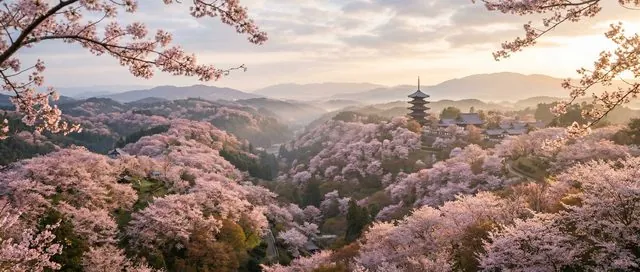
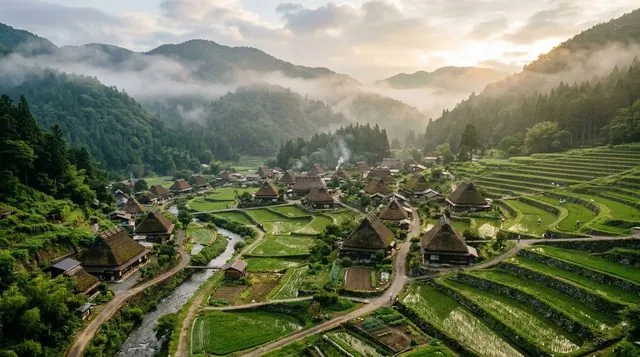
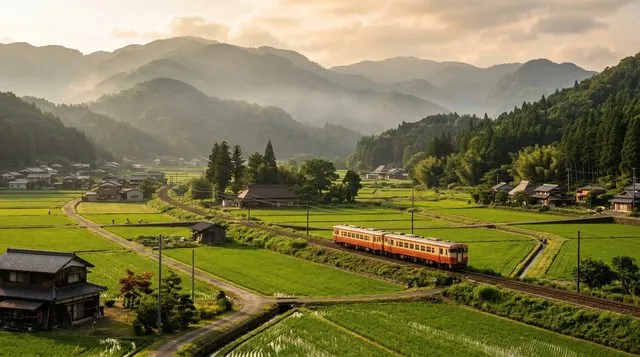
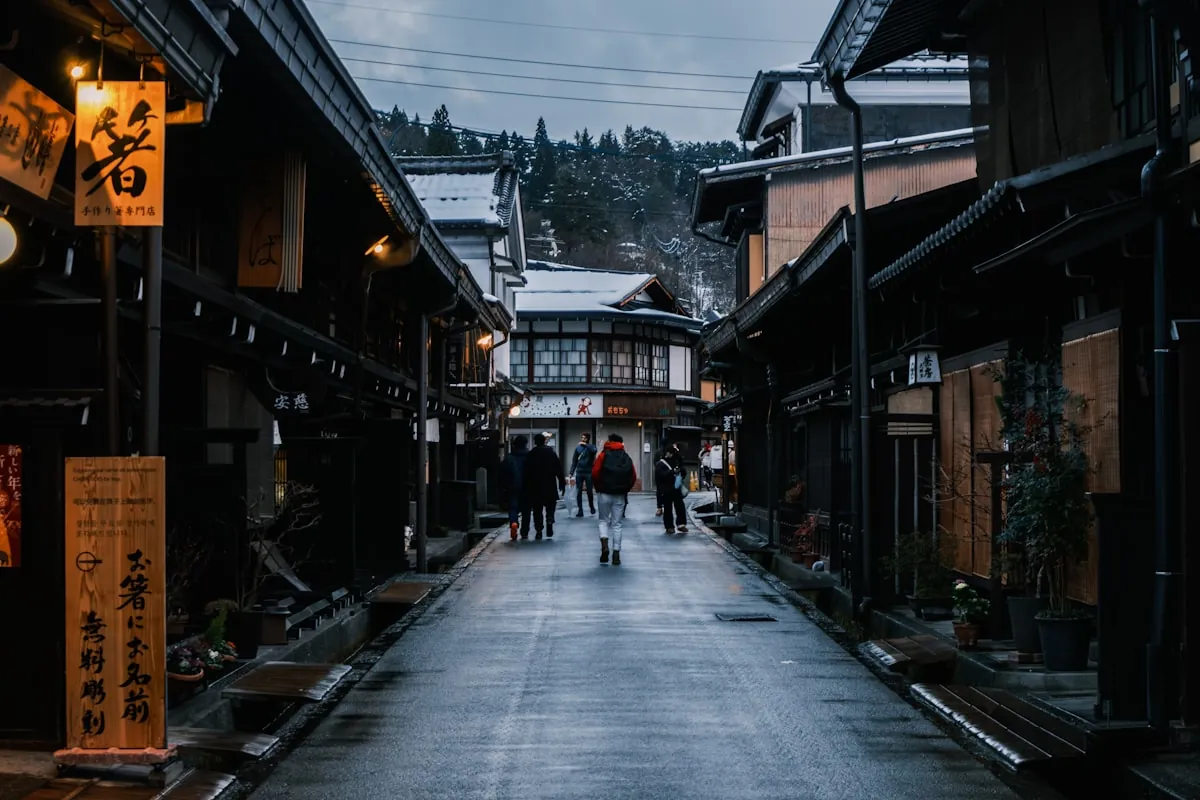
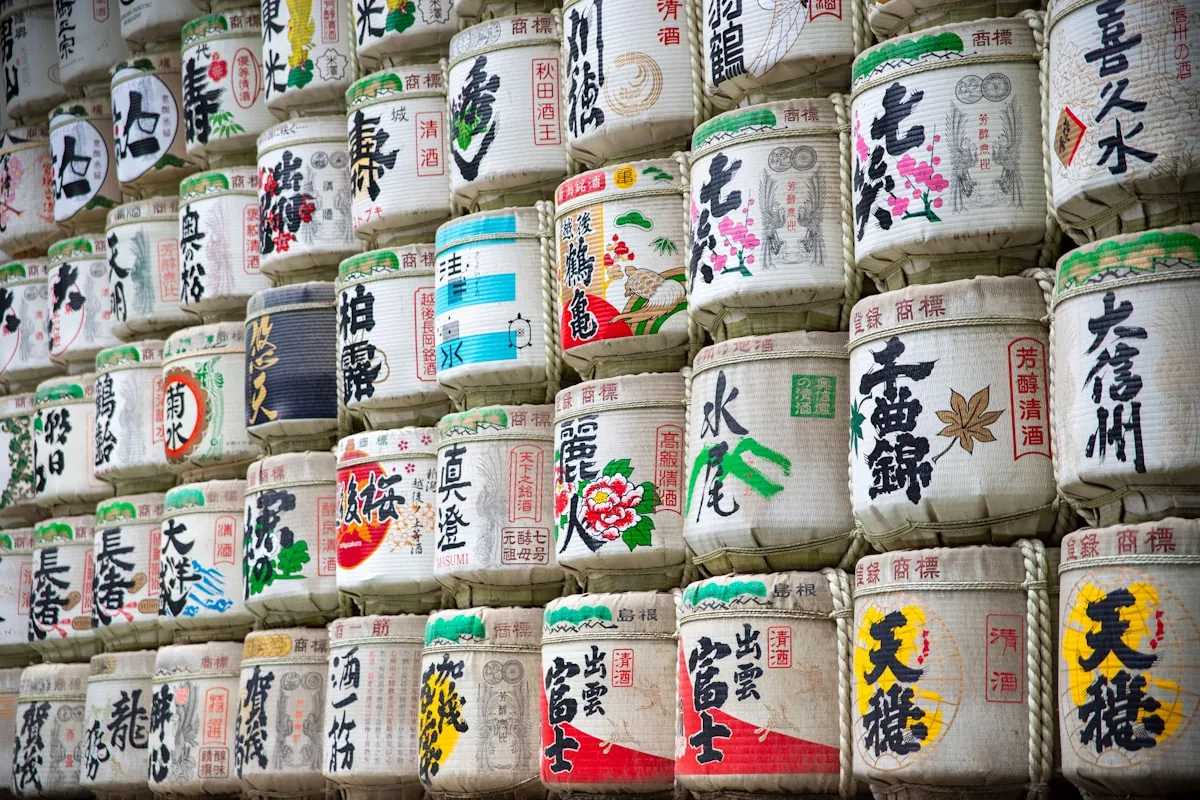
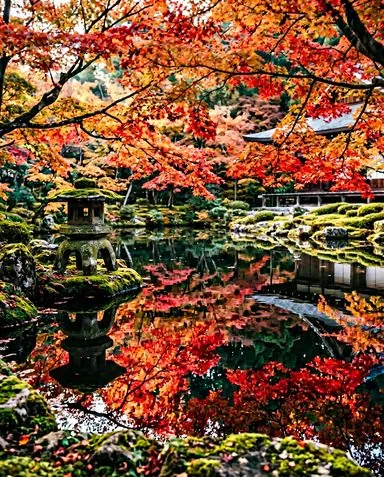
Yamaguchi is the prefecture most foreign travellers fly past on their way to Hakata. The reward for stopping is a remote-feeling western frontier with some of Honshu's most striking sights. The 123-torii sea-cliff shrine of Motonosumi Shrine hugs the Sea of Japan; the karst plateau of Akiyoshidai spreads above Japan's largest limestone cave, Akiyoshido Cave; the elegant five-arch Kintaikyo Bridge spans the Nishiki river at Iwakuni; the half-mile-long Tsunoshima Bridge reaches a quiet offshore island. The samurai town of Hagi preserves Edo merchant streets around Hagi Castle and the philosopher-poet shrine of Shoin-jinja. Inland, the five-storey Rurikoji Pagoda rises among cedar grounds; the cliff-side Ryugu no Shiro opens to crashing sea waves; and the Xavier Memorial Cathedral in Yamaguchi City reminds visitors that this was the first prefecture to host Christian missionaries in 1551.
Cities & Towns
Five anchors stretching from the Inland Sea to the wild northern coast.
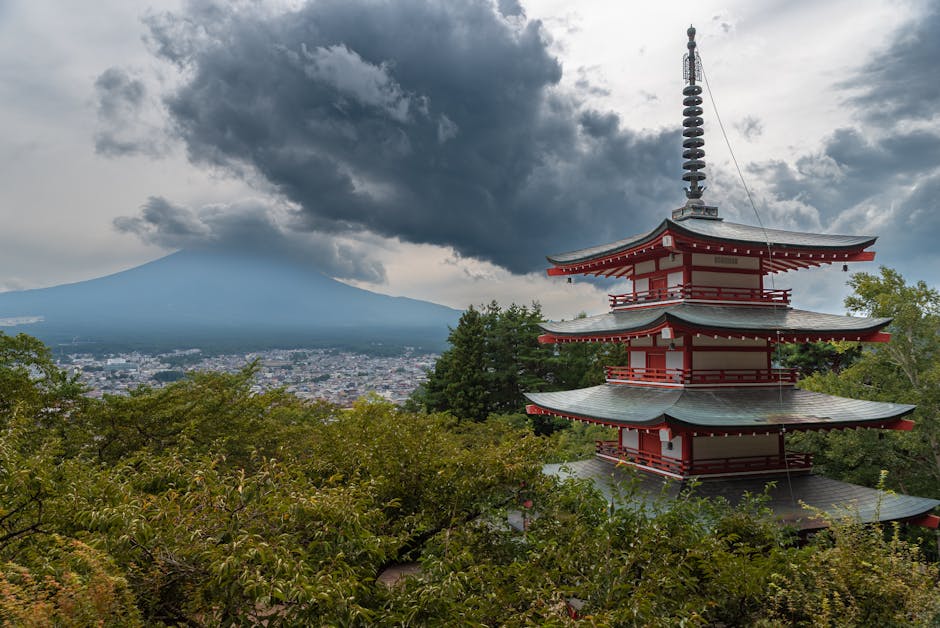
Yamaguchi City
The prefectural capital: Rurikoji Pagoda, Xavier Memorial Cathedral, and the quiet Sesshu-tei zen garden
Capital and pagoda
- Rurikoji Pagoda
- Xavier Cathedral
- Yuda Onsen
Hagi
Edo-era samurai castle town on the Sea of Japan: preserved merchant streets, the Hagi Castle ruin, and the Shoin-jinja shrine to Yoshida Shoin
Samurai castle town
- Hagi Castle ruin
- Shoin-jinja
- Hagi-yaki pottery
Iwakuni
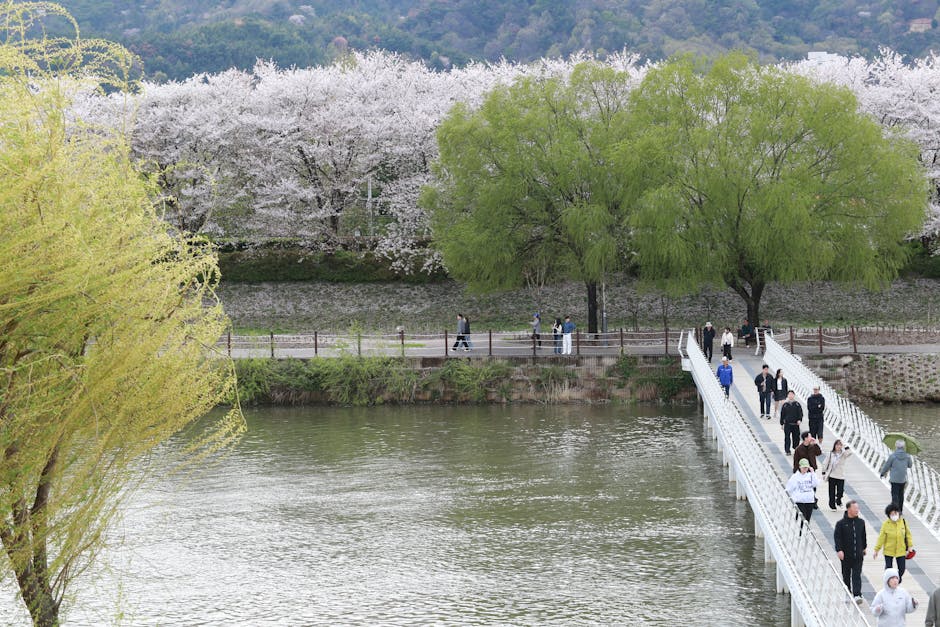
Eastern Yamaguchi: the famous five-arched Kintaikyo Bridge, a white snake shrine, and a hilltop castle reached by ropeway
Five-arch bridge town
- Kintaikyo Bridge
- Iwakuni Castle
- White snake shrine
Shimonoseki
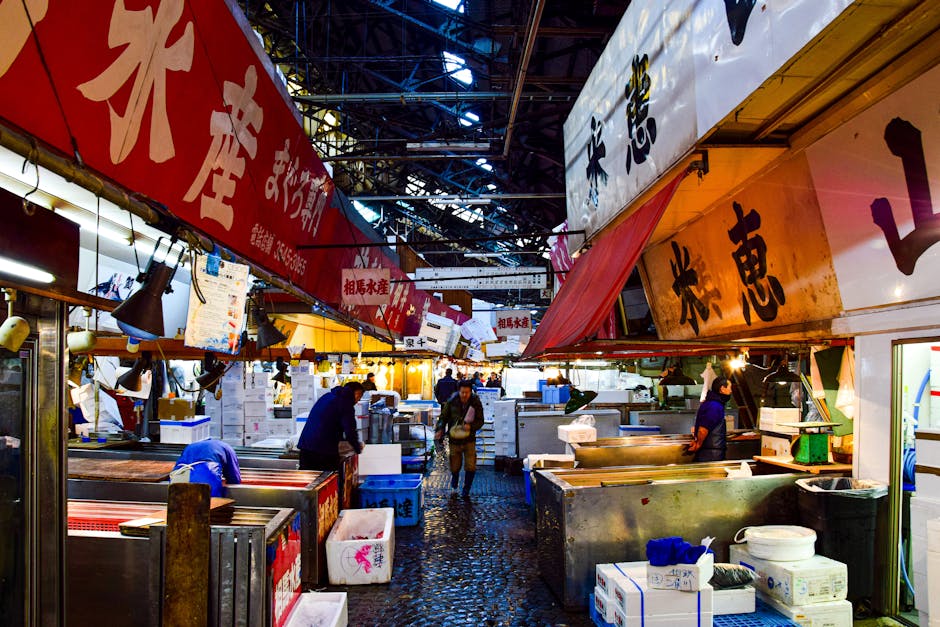
Honshu's western tip: site of an 1185 sea battle, Karato fish market, and the Kanmon Strait crossing to Kyushu
Honshu's western tip
- Karato Market fugu
- Kanmon Strait
- Akama Shrine
Nagato
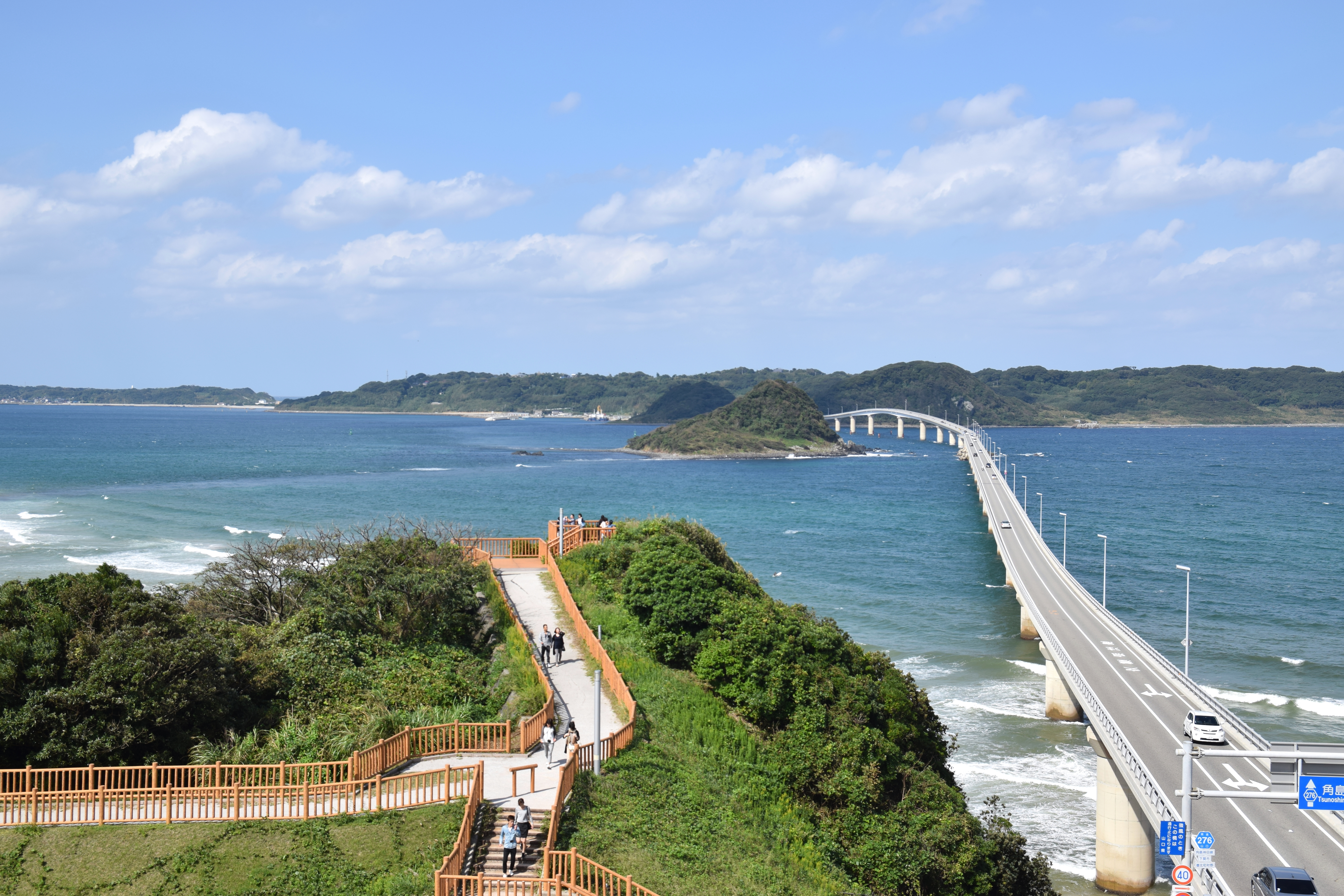
Northern coastal town and gateway to the 123-torii Motonosumi Shrine and the offshore Tsunoshima Bridge
Coast and torii shrine
- Motonosumi Shrine
- Tsunoshima Bridge
- Yumoto Onsen
Top Attractions
Yamaguchi's headline draws across its dramatic geography.
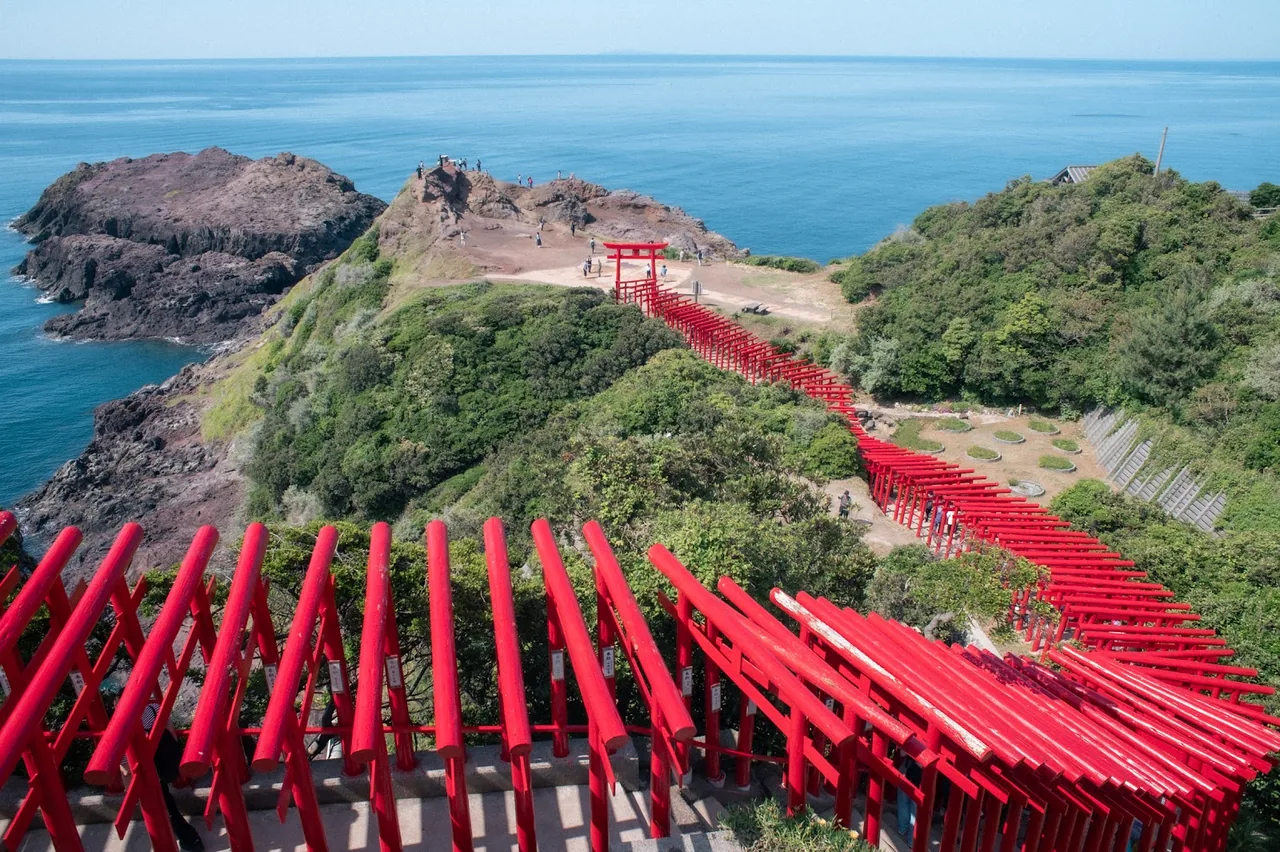
123 vermillion torii descending a sea-cliff to the Sea of Japan; one of Japan's most photographed shrines, ranked by CNN among the world's most beautiful spots
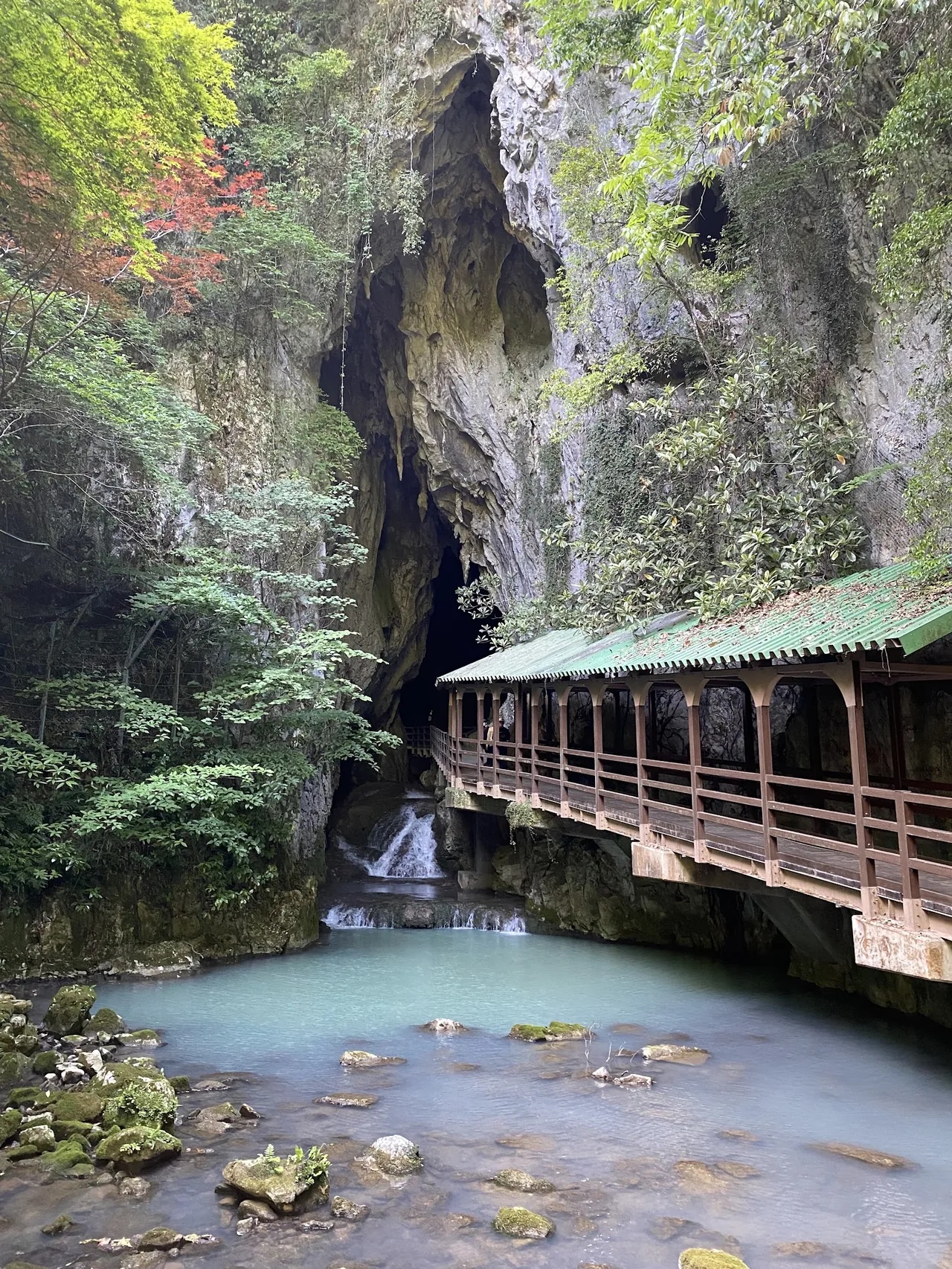
Japan's largest karst plateau: 130 km² of grassland studded with limestone outcrops, hiking trails, and the entrance to Akiyoshido Cave
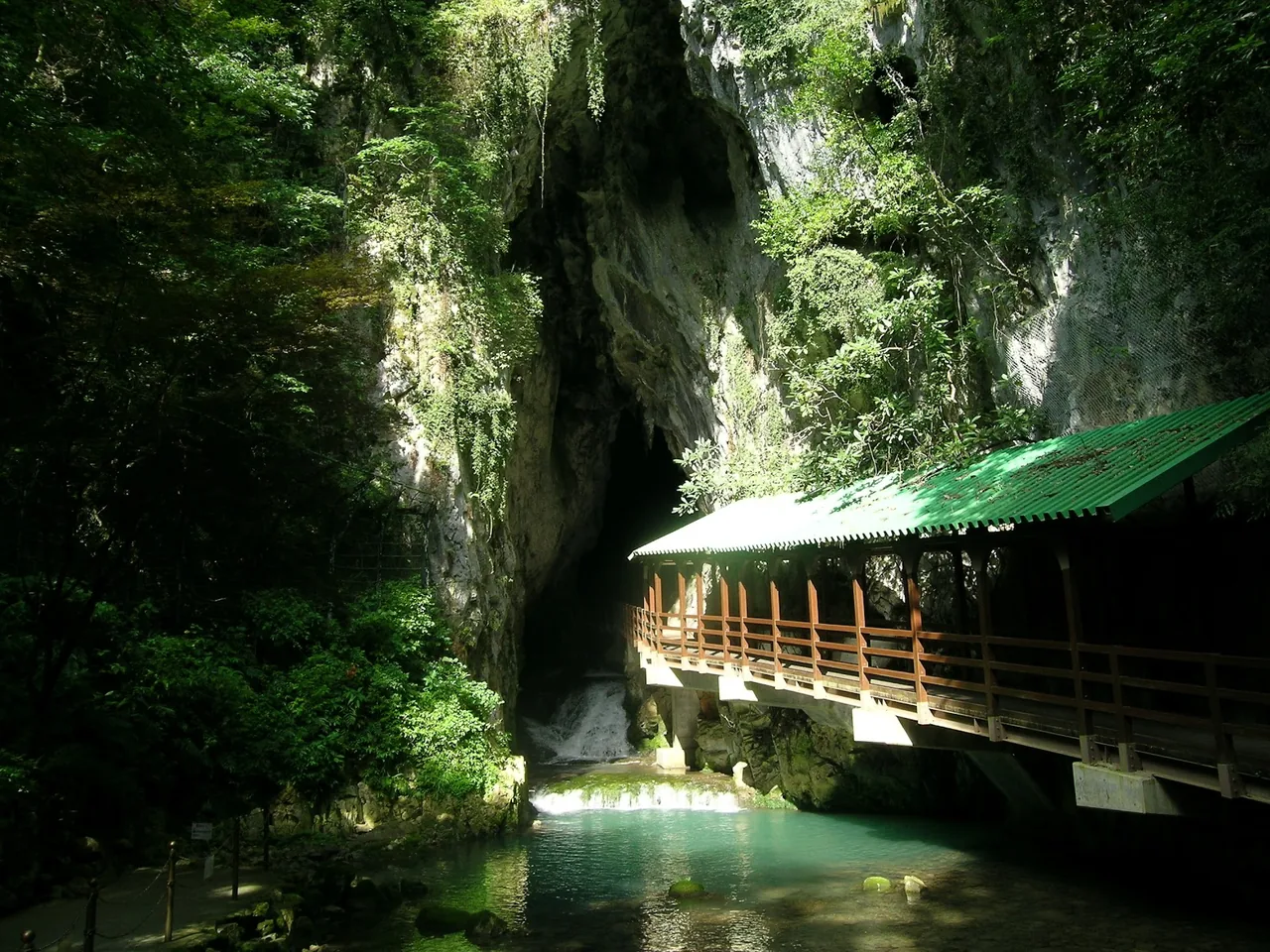
Japan's largest limestone cave: a 1km lit walking route past underground rivers, terraced stone basins, and a 25m-high cathedral chamber
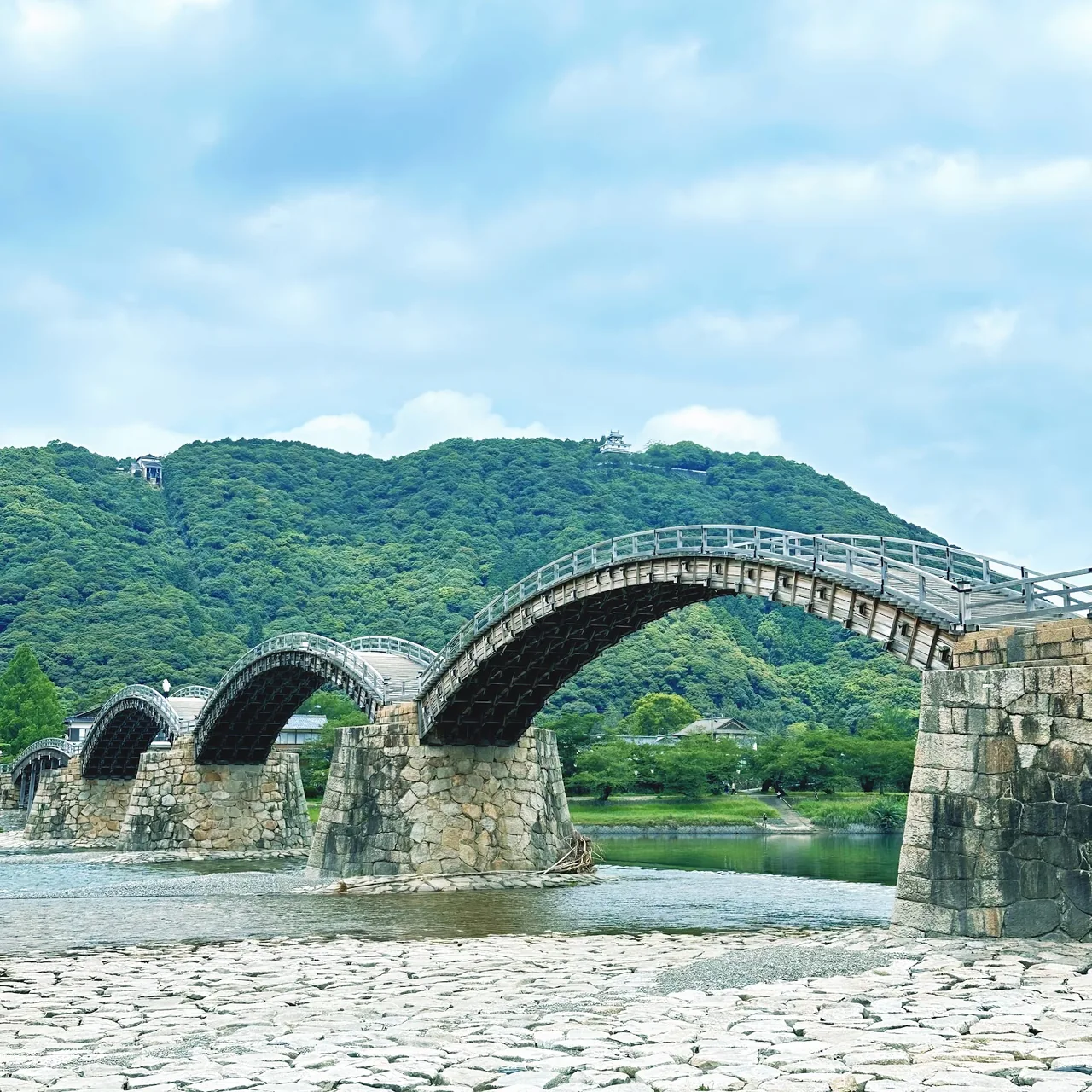
Five-arched wooden footbridge built in 1673, Iwakuni's defining sight, especially with cherry blossoms or autumn maples on Mount Yokoyama behind
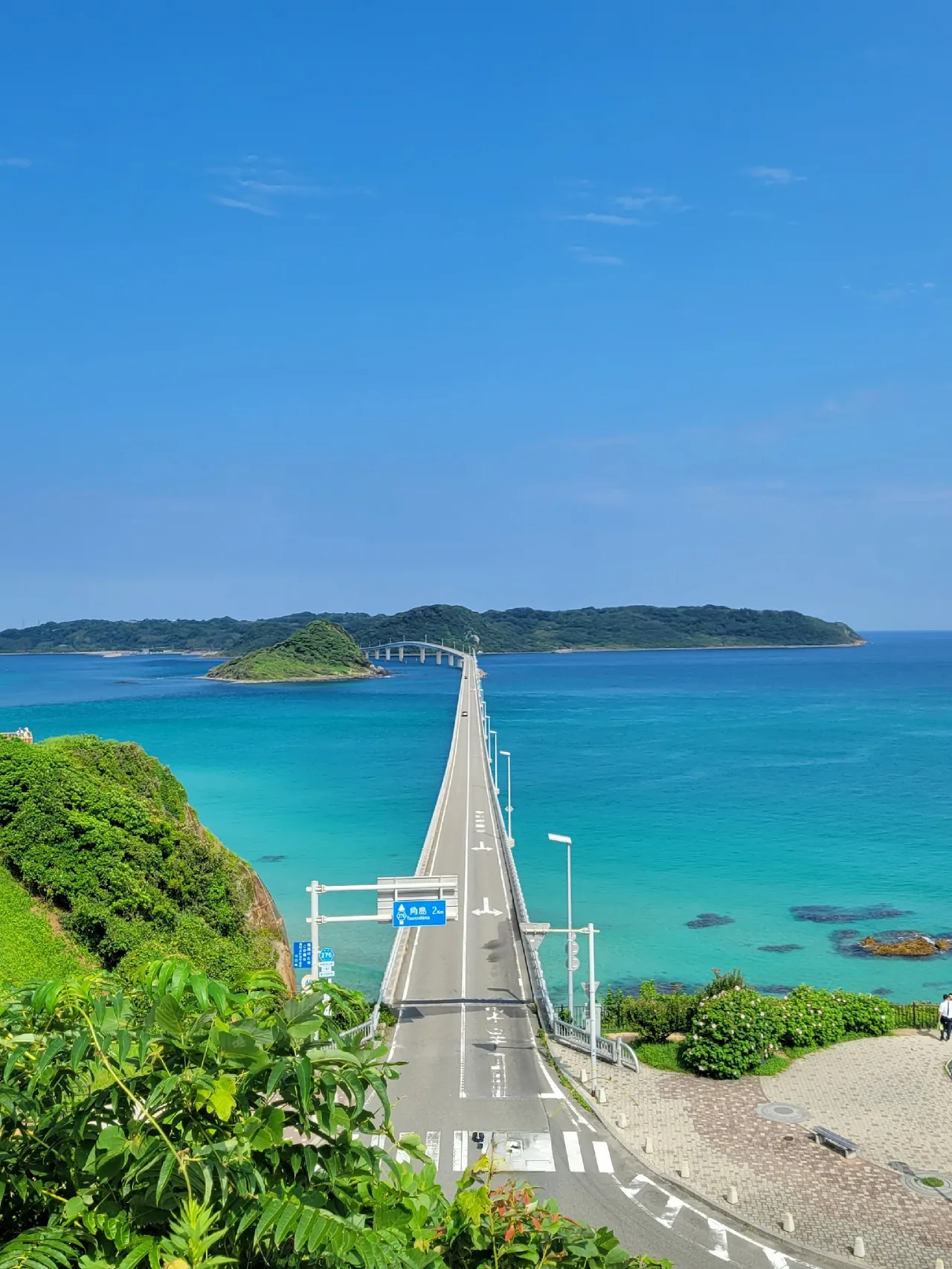
1,780-metre arching bridge to the small island of Tsunoshima: turquoise water below, scenic-route status, and quiet beaches at the end
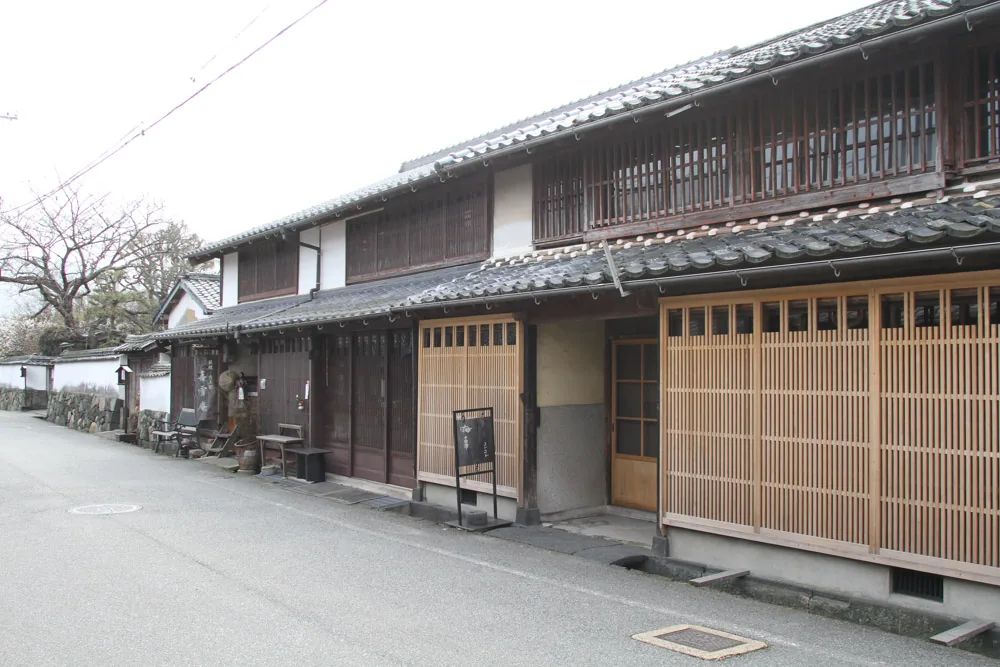 Hidden Gem
Stone-walled castle ruin and the surrounding samurai-residence streets of Edo's Choshu domain, preserved largely intact since the 1860s
Hidden Gems
Three corners almost no foreign visitor reaches.
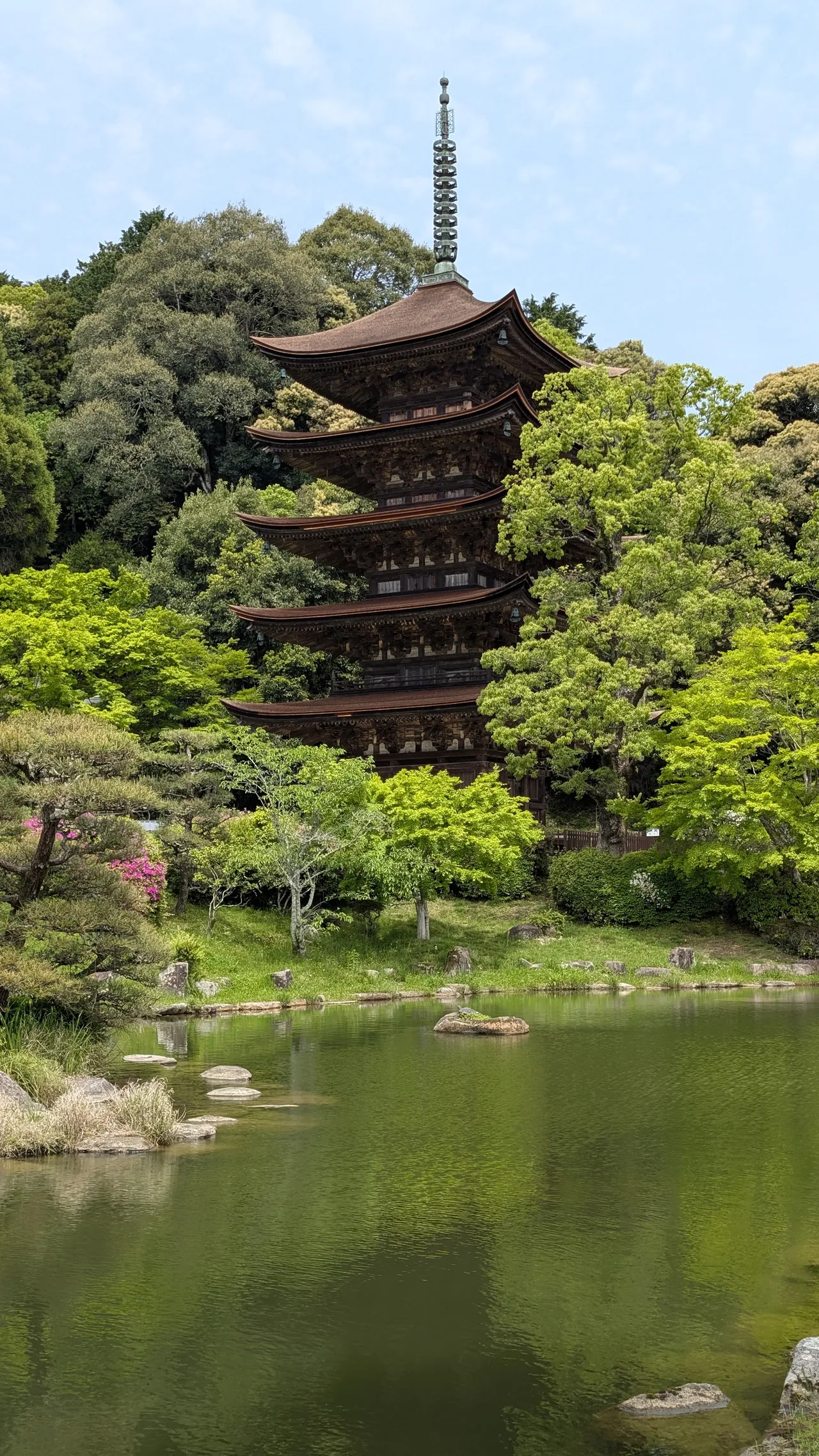 Hidden Gem
A 15th-century five-storey wooden pagoda rising from cedar grounds in Yamaguchi City; one of Japan's three most beautiful pagodas
Hagi's shrine to Yoshida Shoin, the Bakumatsu-era philosopher whose students drove the Meiji Restoration, with his preserved school house on site
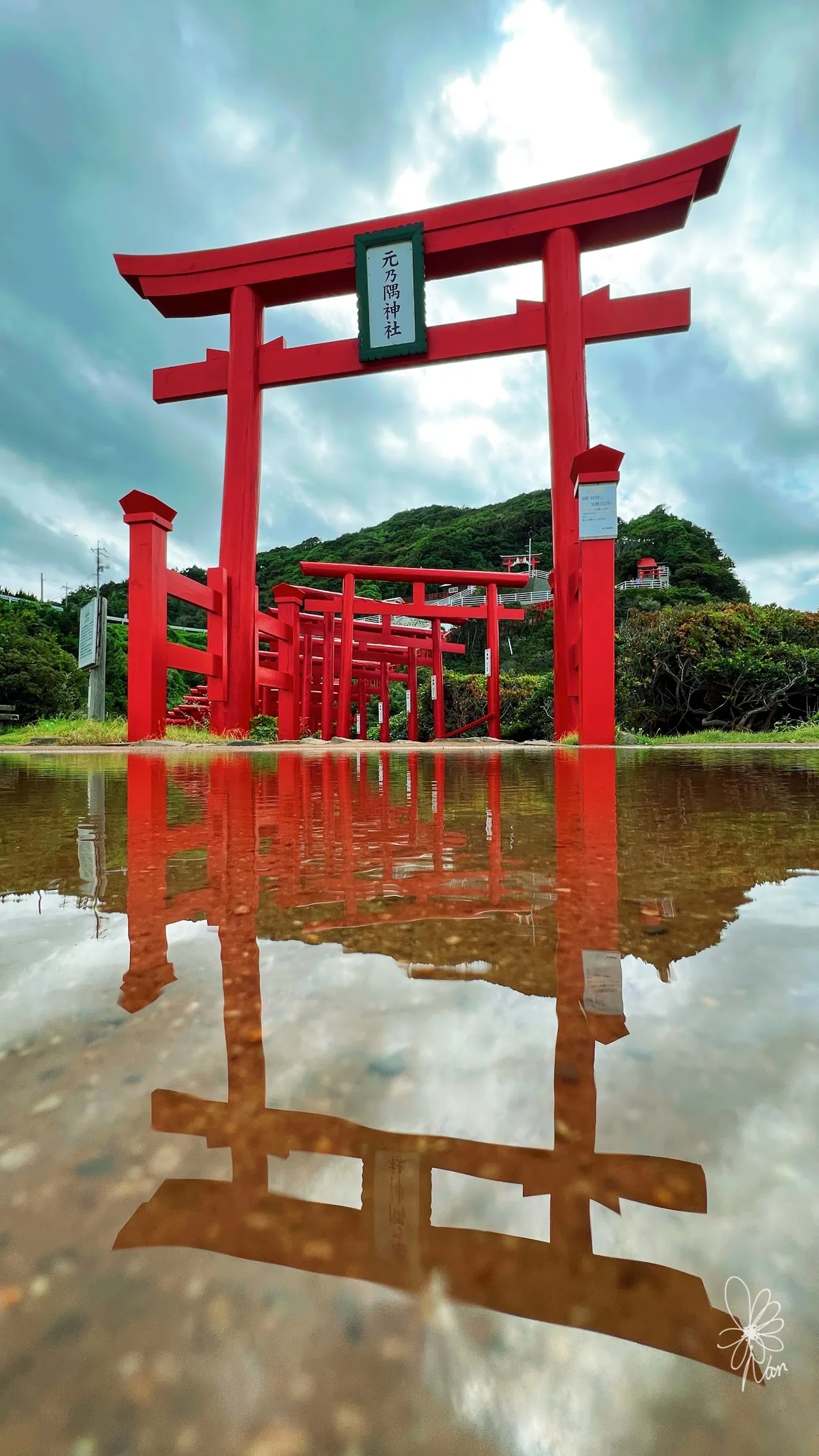 Hidden Gem
Cliff-edge sea cave at the Sea-of-Japan tip of Nagato, where winter waves shoot 30m into the air through the rock
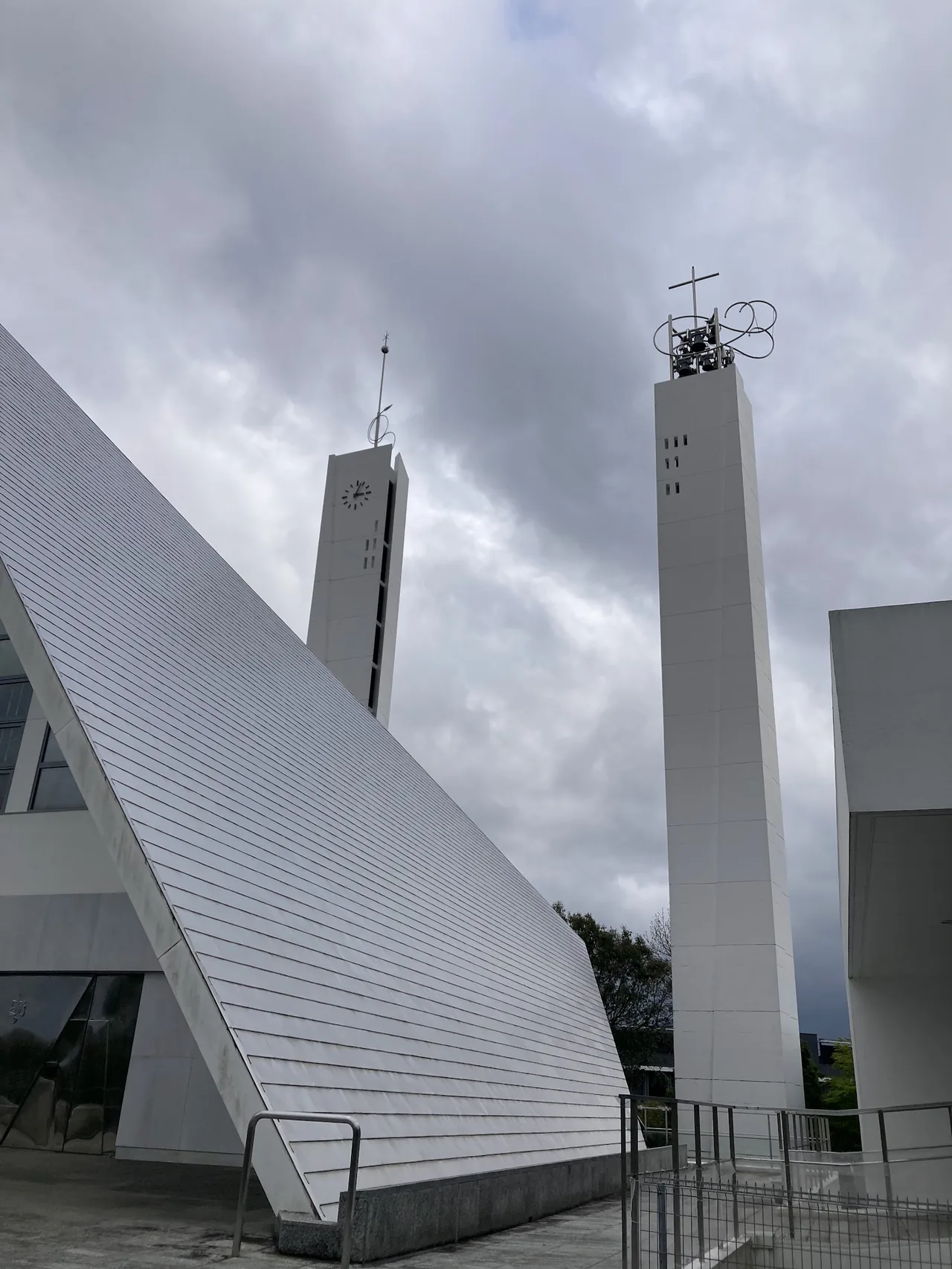 Hidden Gem
A modernist Catholic cathedral in Yamaguchi City, marking St Francis Xavier's 1551 mission to Japan, the first Christian outpost in the country
When to Visit
Yamaguchi has four distinct seasons; the Sea of Japan north coast feels significantly cooler than the southern Inland Sea side.
Springharu
Mar – May10–22°CModerate crowds
Springharu
- Cherry blossoms early April at Kintaikyo Bridge
- Wisteria at Hofu late April
- Hagi cherry blossom castle moat
- Golden Week last week of April
Summernatsu
Jun – Aug22–32°CModerate crowds
Summernatsu
- Rainy season through early July
- Hagi Summer Matsuri
- Tsunoshima beach season
- Hot and humid Inland Sea
Autumnaki
Sep – Nov10–22°CModerate crowds
Autumnaki
- Foliage at Akiyoshidai mid to late November
- Iwakuni Kintaikyo with autumn maples
- Comfortable for hiking
- Light typhoon risk through October
Winterfuyu
Dec – Feb2–10°CLow crowds
Winterfuyu
- Sea spray dramatic at Ryugu no Shiro
- Snow on Akiyoshidai
- Fugu pufferfish season at Karato Market
- Mild Inland Sea coast
Suggested Itineraries
From a Hagi weekend to a deeper west-coast loop.
FAQ
How do I get to Yamaguchi from Tokyo or Hiroshima?
Shinkansen Nozomi from Tokyo is 4.5 hours to Shin-Yamaguchi; from Hiroshima 30 minutes. Iwakuni is 15 minutes from Hiroshima on the JR Sanyo line. Hagi requires a bus or rental car from Shin-Yamaguchi.
Is Yamaguchi worth visiting?
For travellers who've done the Tokyo-Kyoto-Osaka circuit, very much yes. Motonosumi Shrine, Akiyoshidai's karst plateau, and Hagi's preserved samurai streets are all genuinely first-rate sights, and almost no foreign tourists visit them.
What is the best time to visit Yamaguchi?
Late March to mid-April for cherries at Kintaikyo Bridge and Hagi Castle moat. November for autumn foliage at Akiyoshidai. Winter for dramatic sea spray at Ryugu no Shiro and fugu pufferfish at Shimonoseki's Karato Market.
What is Yamaguchi best known for?
Motonosumi Shrine's 123 sea-cliff torii, the Akiyoshido Cave and surrounding karst plateau, Hagi's samurai-town heritage, Kintaikyo Bridge in Iwakuni, and Shimonoseki's fugu pufferfish (Japan's main fugu trading port).
How many days do I need in Yamaguchi?
One day for Iwakuni and Kintaikyo Bridge as a Hiroshima day trip. Two to three days for Hagi or the Sea of Japan coast (Motonosumi, Tsunoshima, Akiyoshidai). Five days for the full prefecture loop.
What are Yamaguchi's hidden gems?
Rurikoji Pagoda among cedars in Yamaguchi City, the cliff-edge blowhole at Ryugu no Shiro near Nagato, the Edo-era school house at Shoin-jinja in Hagi, and the modernist Xavier Memorial Cathedral commemorating Japan's first Christian mission.