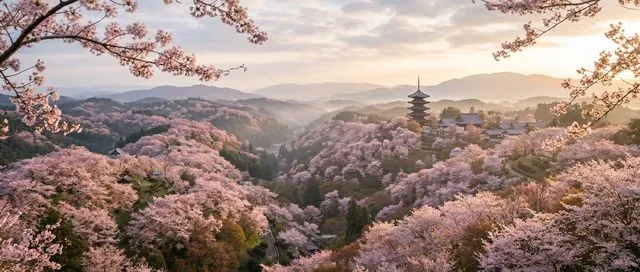
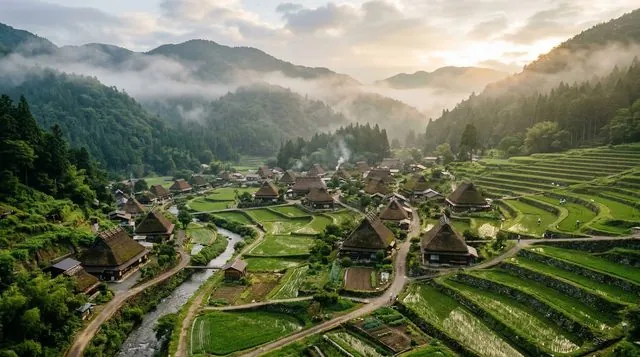
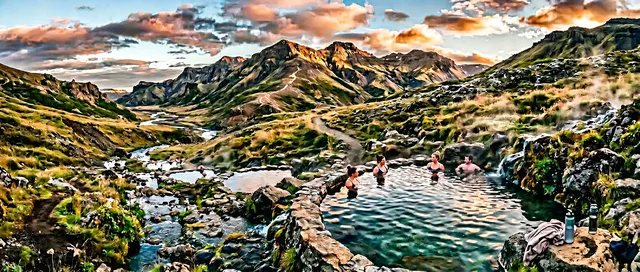
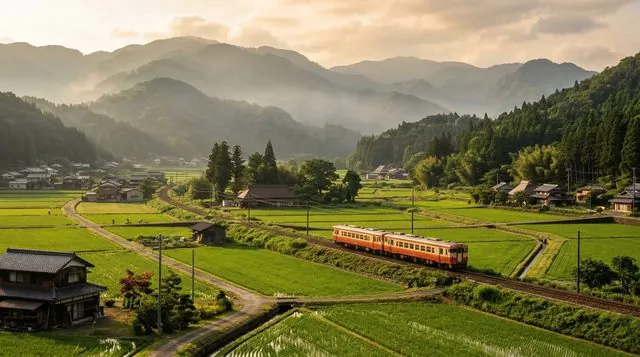
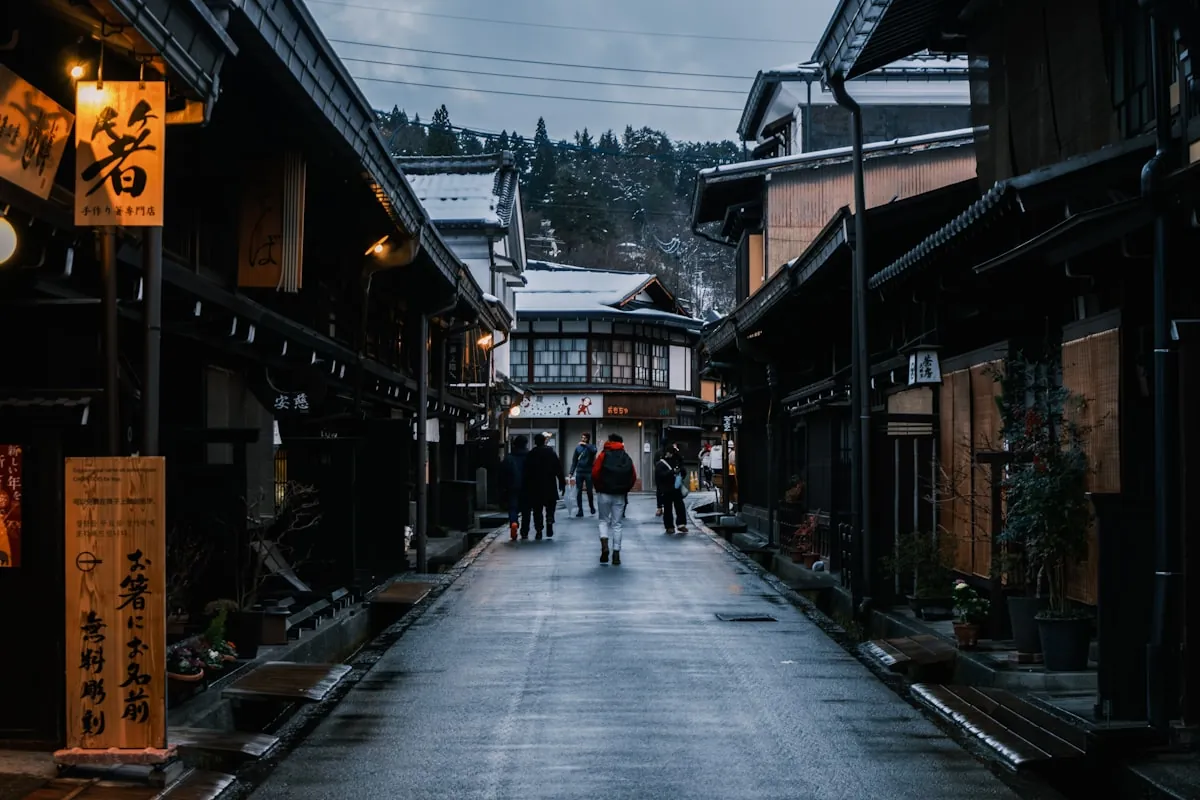
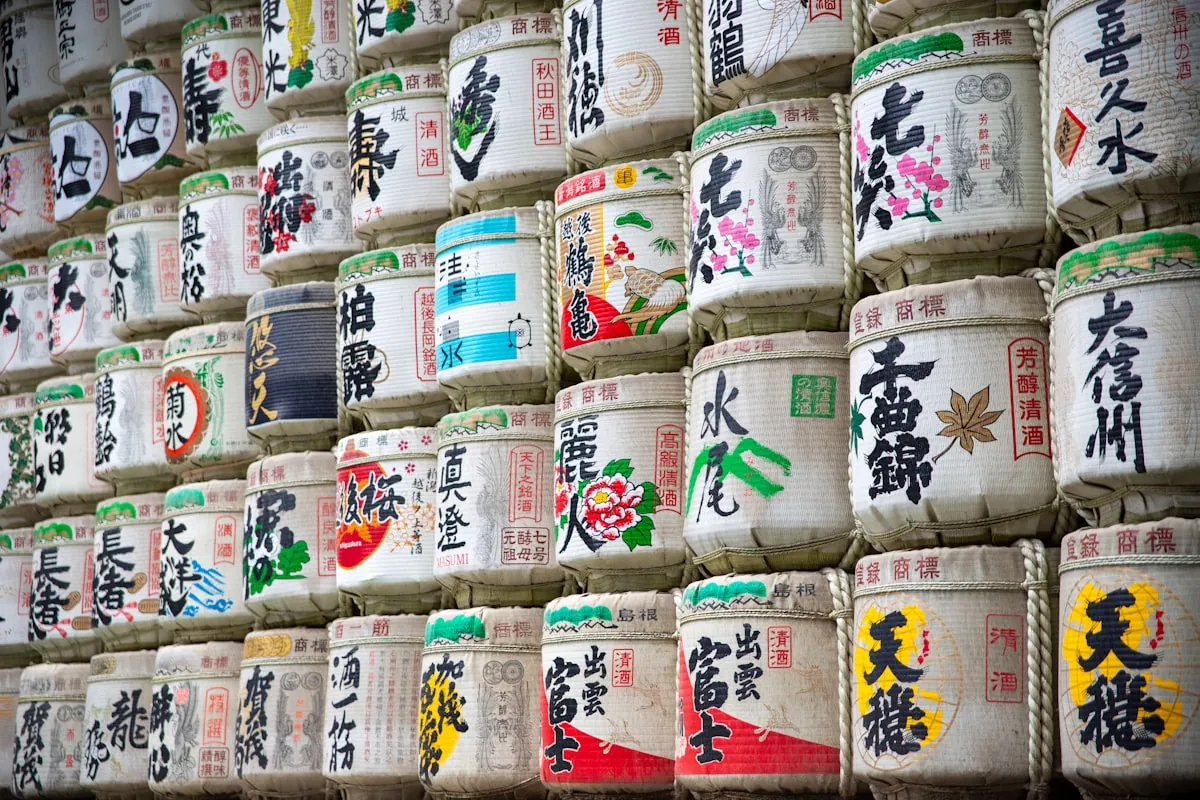
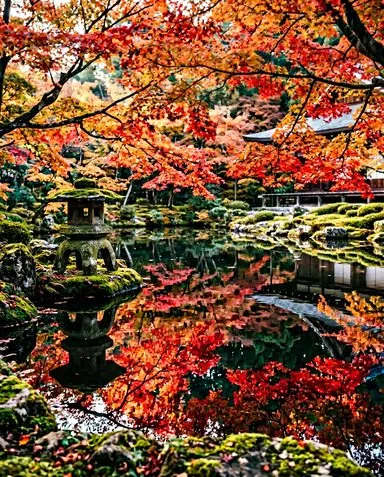
Hokkaido is Japan's wild northern frontier. At 83,000 square kilometres it is the country's largest prefecture by far, larger than Ireland and home to just over five million people. Volcanic national parks, dairy farmland, drift-ice coastlines, and the homeland of the indigenous Ainu. The headline draws are spread across the island: Daisetsuzan National Park at the volcanic core, the UNESCO-listed Shiretoko Peninsula on the eastern tip, Noboribetsu Onsen with its sulphurous Hell Valley, and the Meiji-era Otaru Canal District a short ride from Sapporo. Beyond them lie the corners most travellers skip: the cobalt cliffs of Shakotan, the herring-boom merchant town of Esashi, and Rishiri Island and Rebun off the far northwest coast.
Cities & Towns
Five distinct urban anchors, each pointing at a different slice of the island.
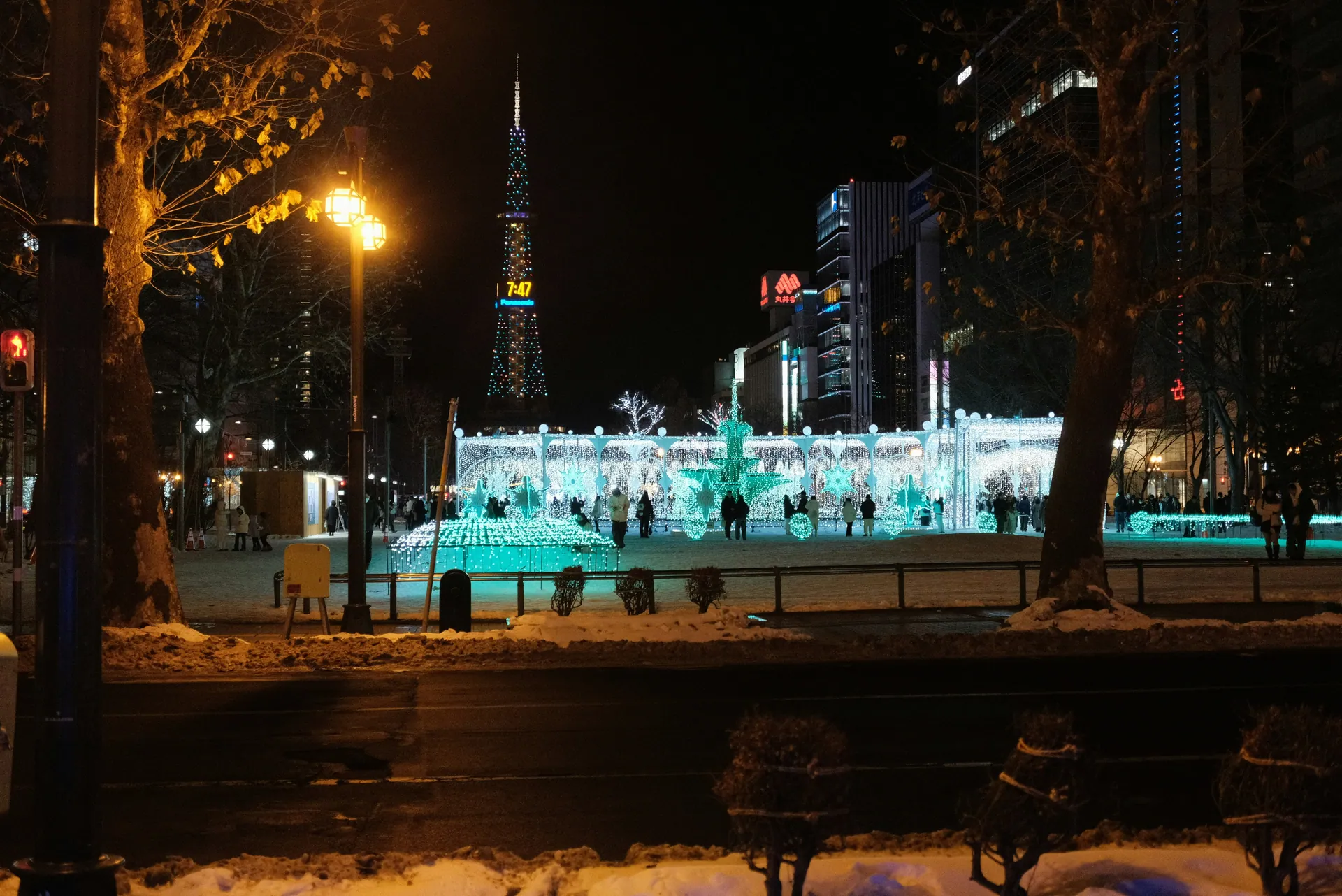
Sapporo
Hokkaido's capital and Japan's fifth-largest city: miso ramen, the February Snow Festival, and the gateway to everywhere else on the island
Capital and snow festival
- Sapporo Snow Festival
- Odori Park
- Susukino nightlife
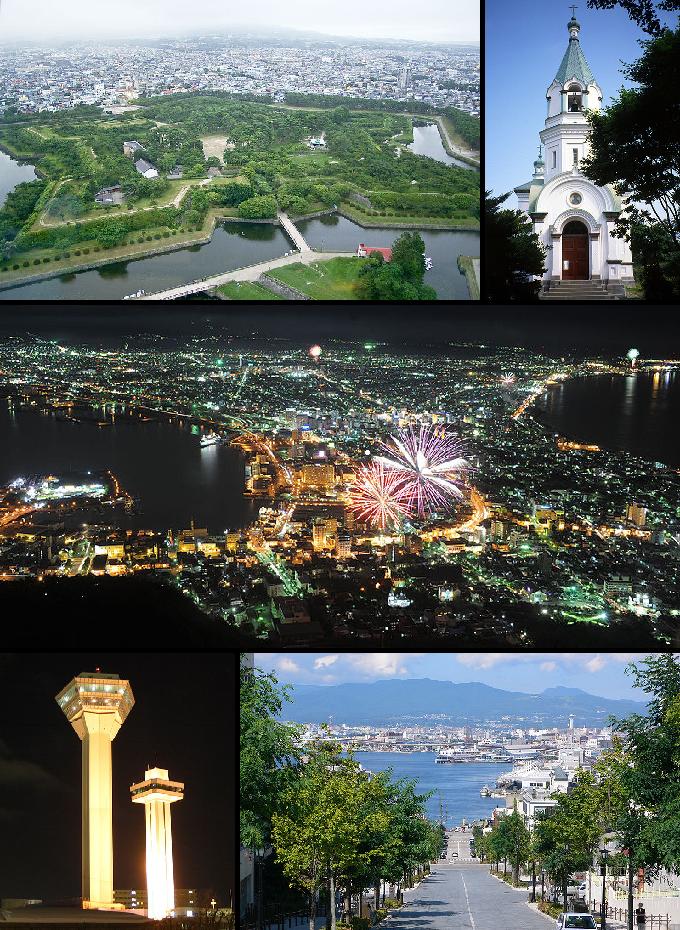
Hakodate
Hokkaido's southernmost city, home to Meiji-era Western architecture, Japan's best morning market, and a million-dollar night view from Mount Hakodate
Meiji port and night view
- Mount Hakodate night view
- Morning market
- Motomachi district
Asahikawa
Central Hokkaido's gateway to Daisetsuzan, home to the country's most famous zoo and a winter ice festival to rival Sapporo's
Zoo and Daisetsuzan gateway
- Asahiyama Zoo
- Asahikawa Winter Festival
- Gateway to Daisetsuzan
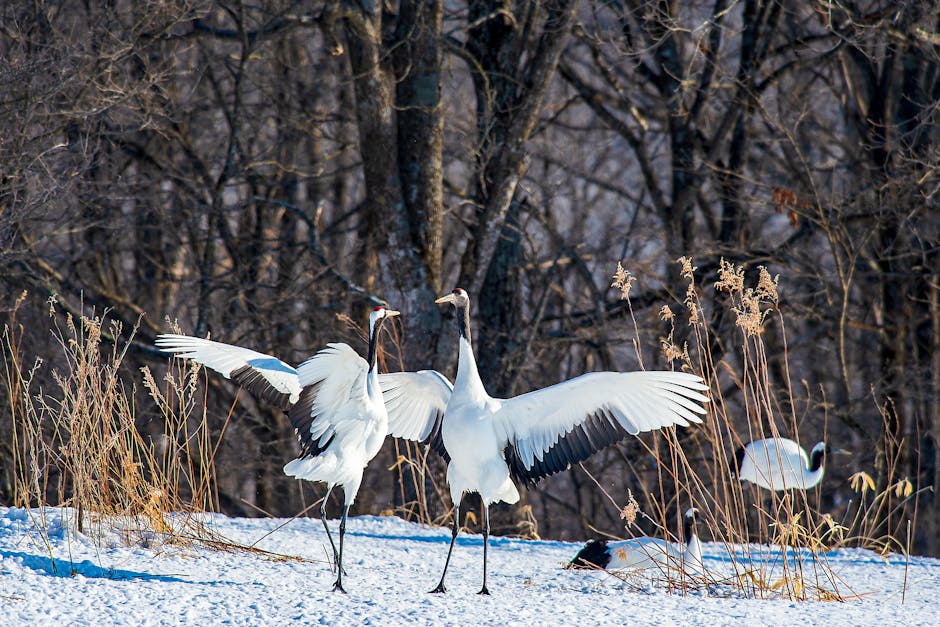
Kushiro
Eastern Hokkaido's port city: Japanese cranes in the wetlands, smoky robatayaki grills, and the country's longest twilight on summer evenings
Cranes and wetlands
- Kushiro Marshland cranes
- Robatayaki grills
- Akan caldera lakes
Obihiro
Capital of the Tokachi farming plain: butadon pork rice bowls, dairy farms, and one of Japan's least-touristed regional cities
Farm country and butadon
- Tokachi dairy farms
- Butadon
- Tokachigawa Onsen
Top Attractions
The headline draws: Hokkaido's volcanic parks, flower fields, and onsen towns.
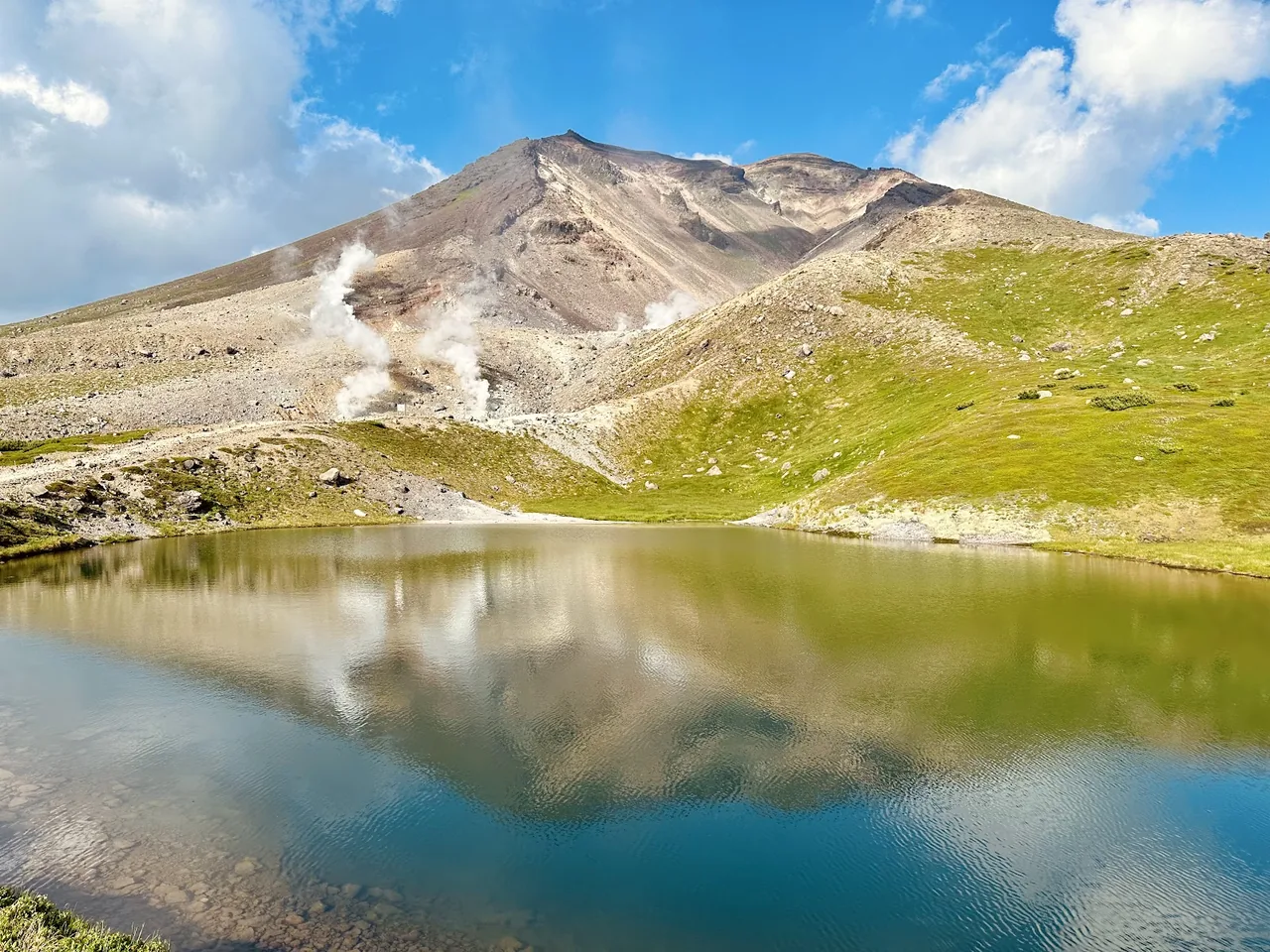
Japan's largest national park, with volcanic peaks, summer hiking, and the country's earliest autumn foliage from mid-September
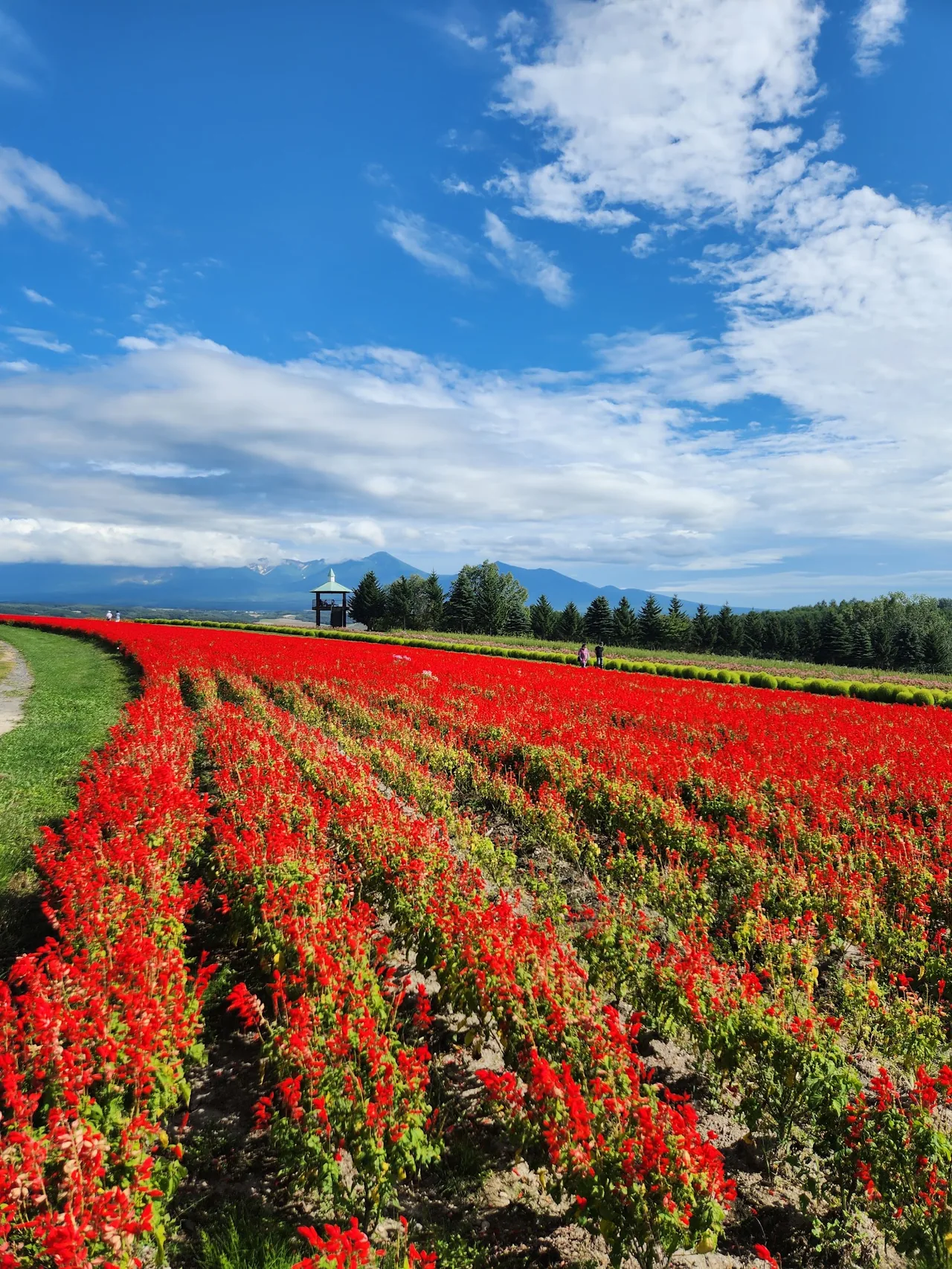
Patchwork lavender and wildflower hills stretching to the horizon; peak bloom in July, photogenic year-round
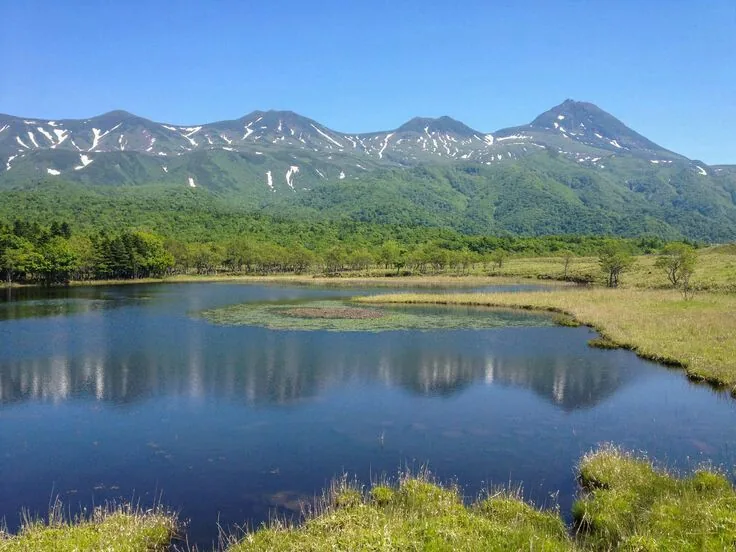
UNESCO-listed wilderness on Hokkaido's eastern tip: brown bears, sperm whales, drift ice, and trails almost no foreign visitor reaches
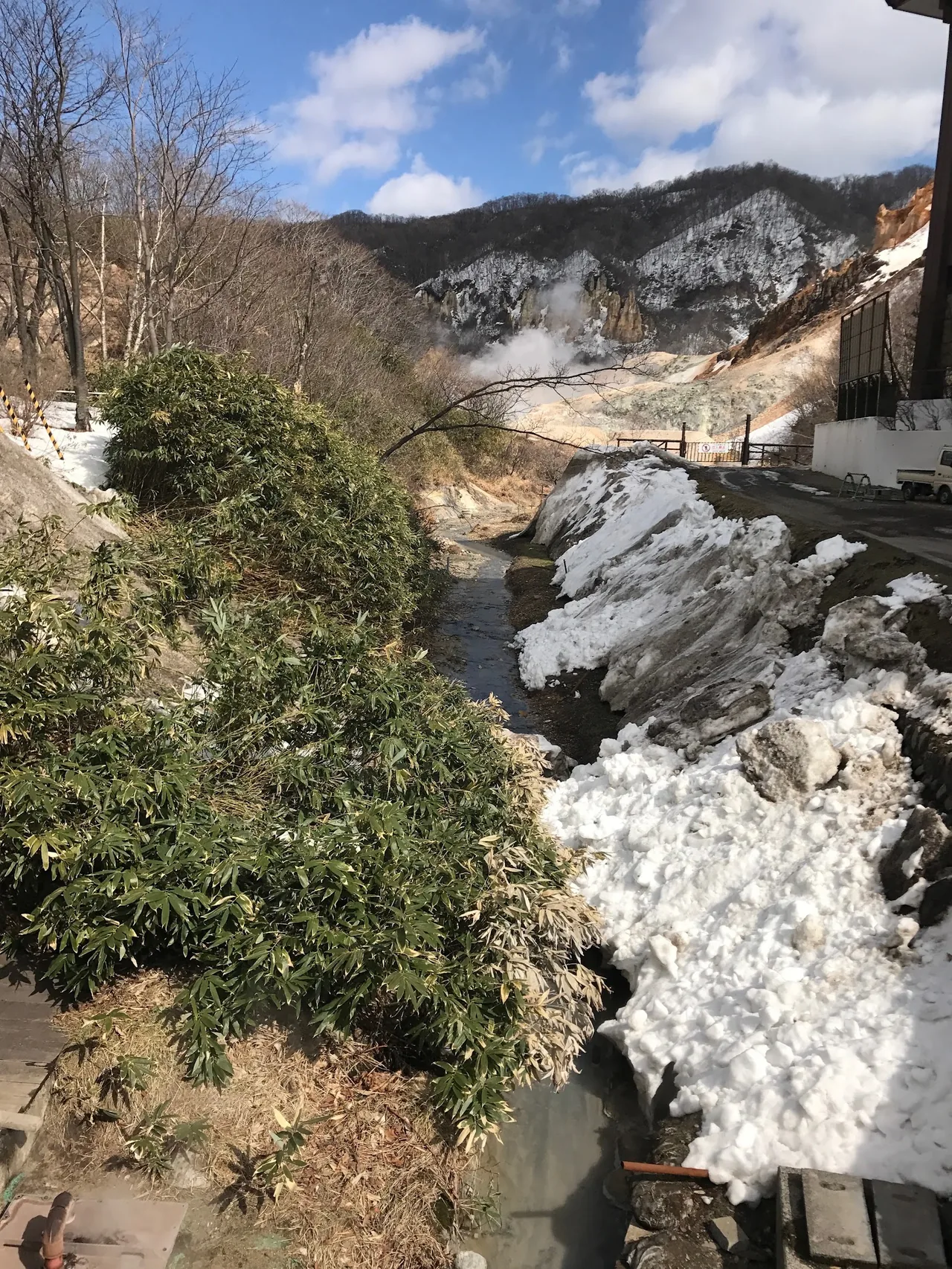
Hokkaido's most dramatic hot spring town, with a sulphurous Hell Valley above and nine different waters in the bathhouses below
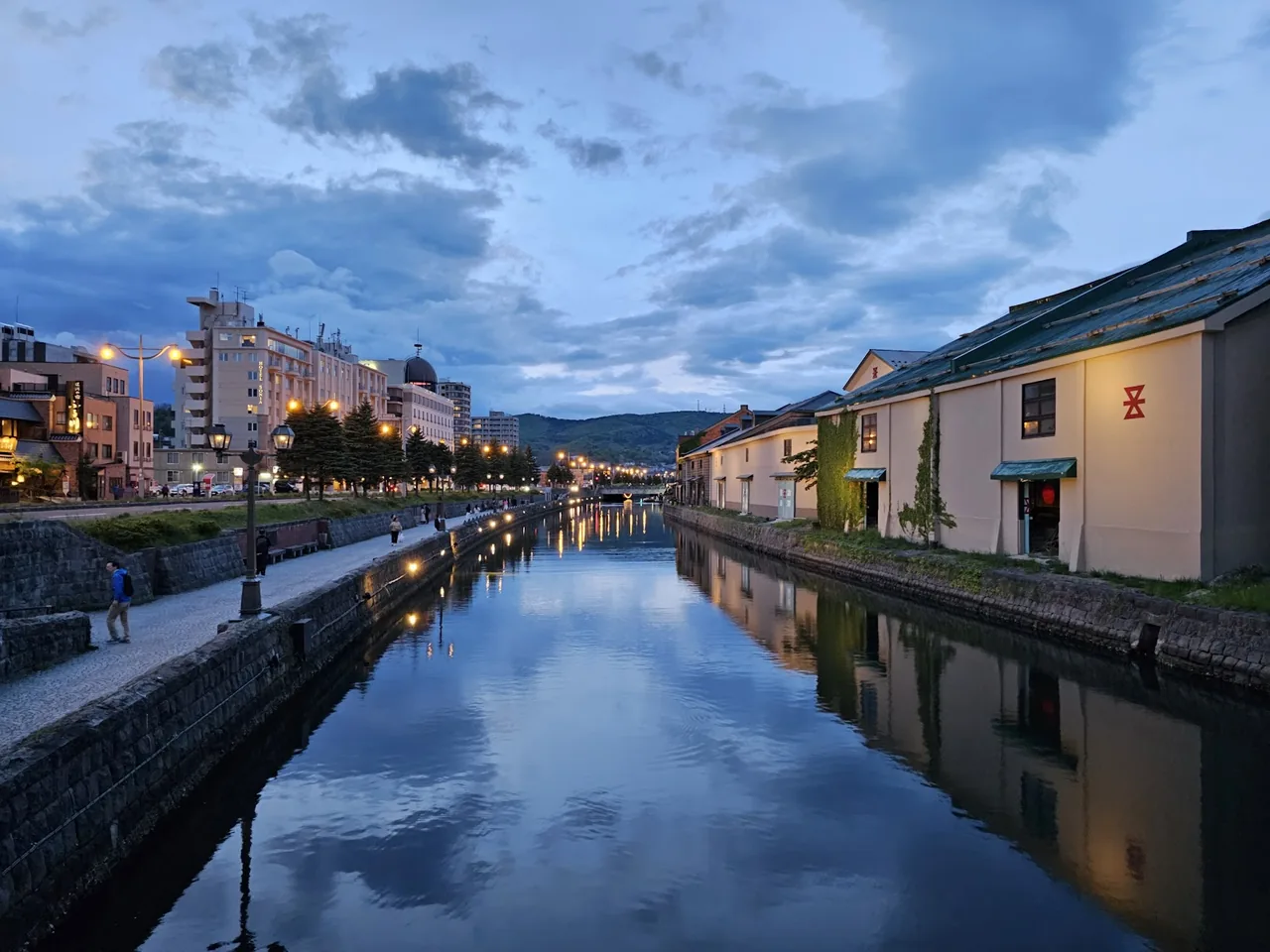
Meiji-era port town with a stone canal, glass-blowing studios, and some of Hokkaido's freshest sushi, twenty minutes from Sapporo
Hidden Gems
Three corners that almost no foreign visitor reaches, but every Japanese traveller knows.
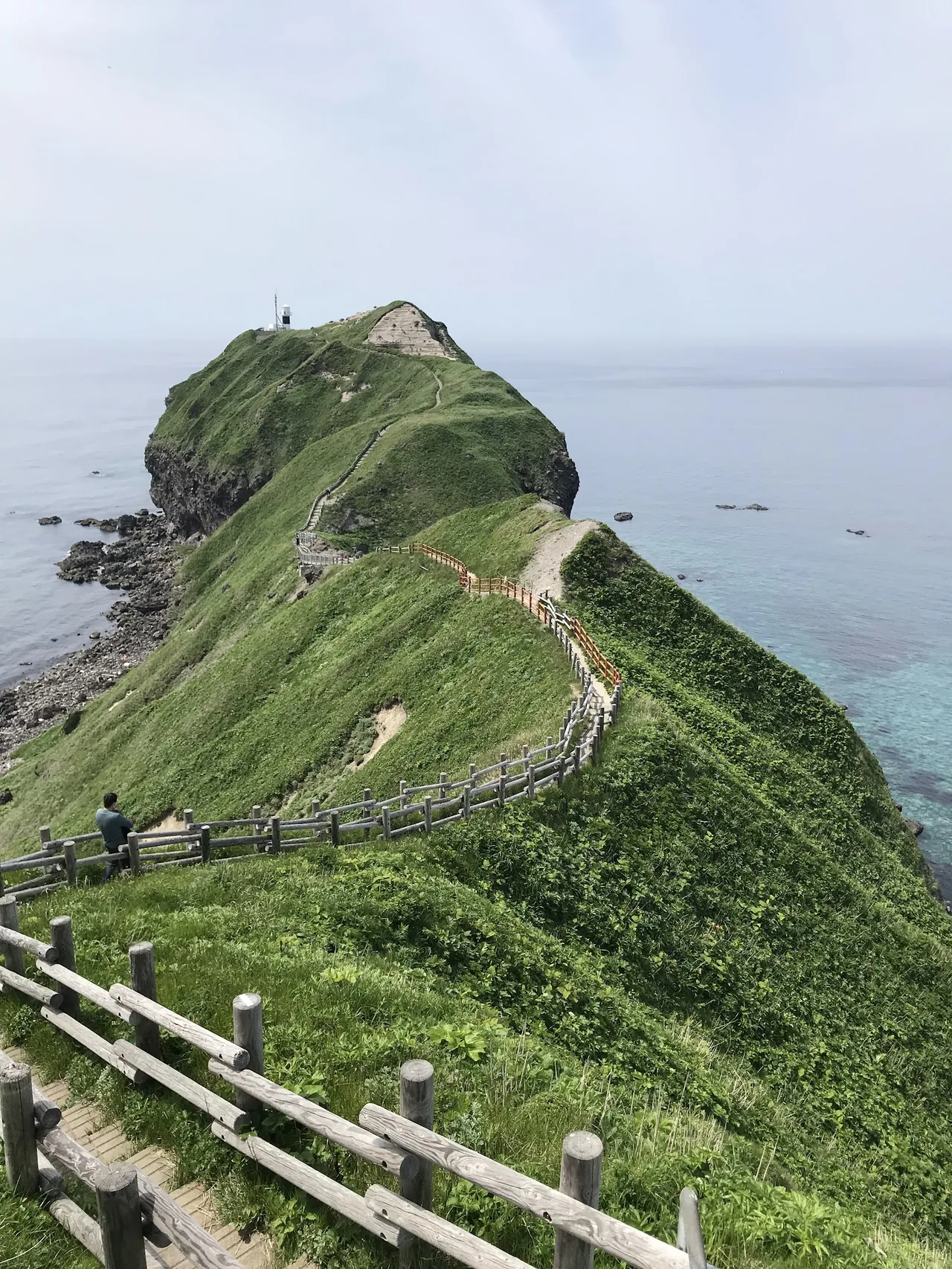 Hidden Gem
Cobalt-blue sea cliffs west of Otaru, home to sea urchin pulled straight from the boat, on a coastline most foreign tourists never even hear about
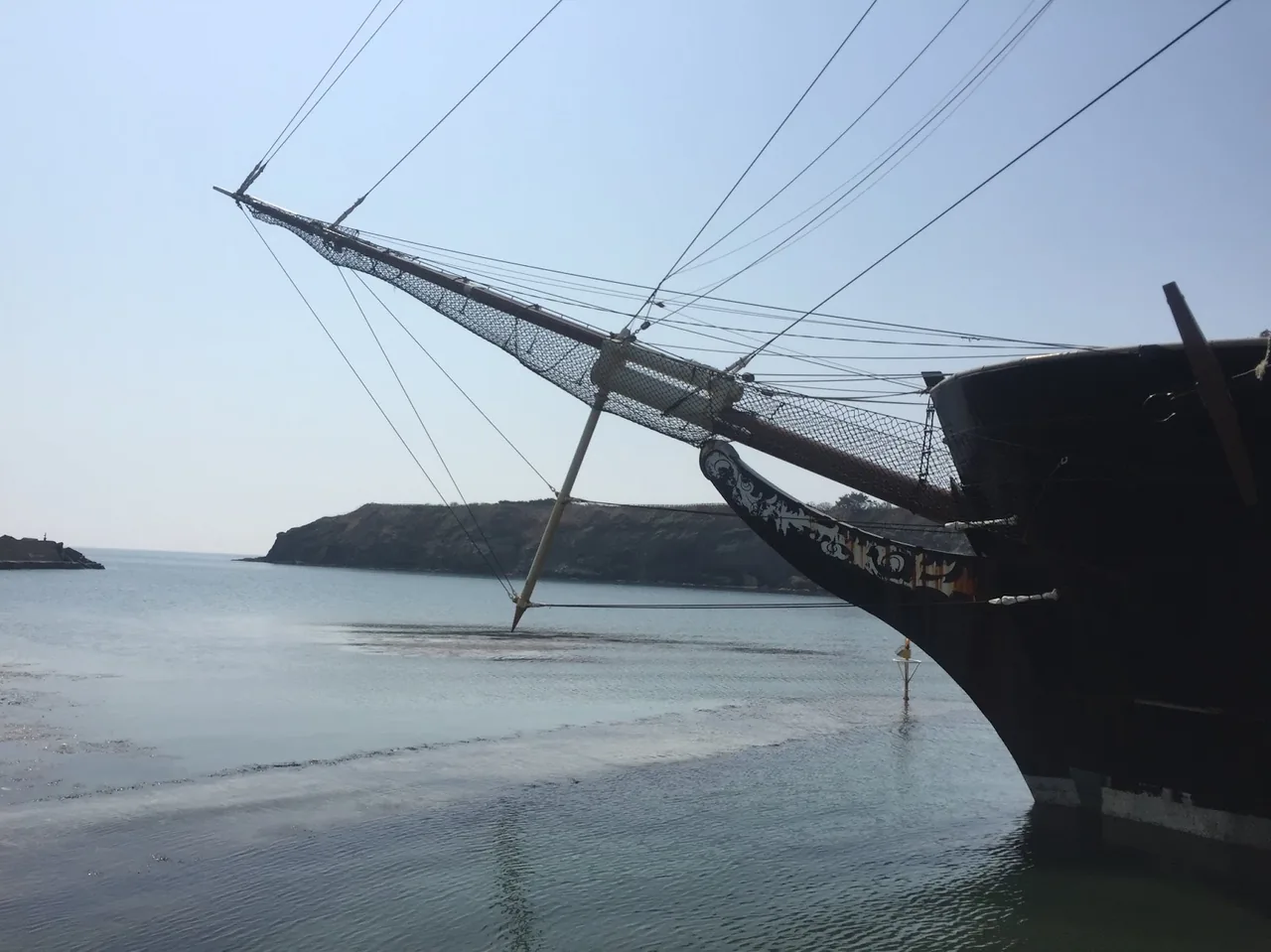 Hidden Gem
Meiji-era herring-boom merchant town on Hokkaido's quiet southwest coast: wooden warehouses, lacquered townhouses, and almost no visitors
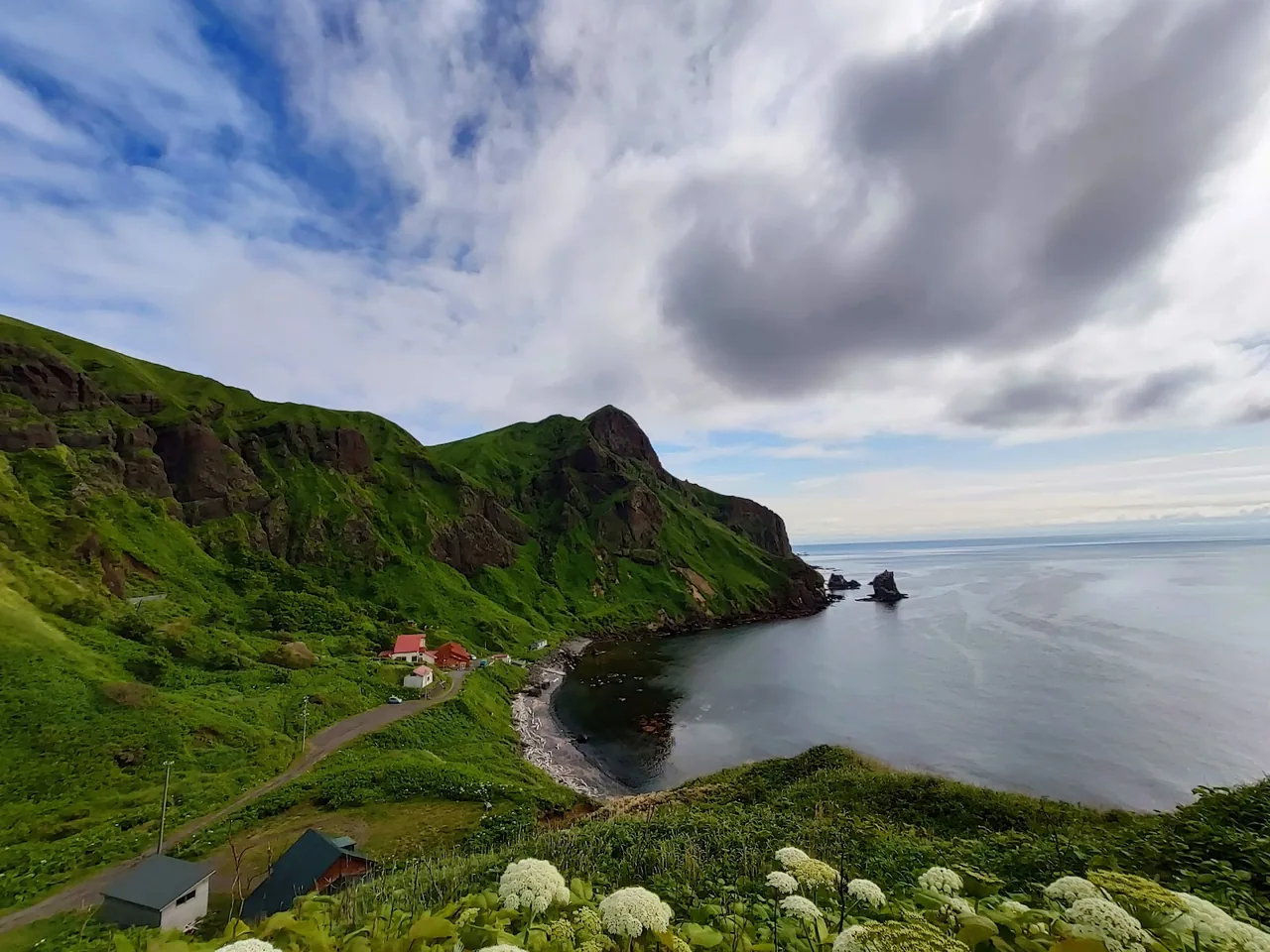 Hidden Gem
Twin alpine islands off Hokkaido's far northwest tip: Rishiri's solitary 1,721m volcano, Rebun's wildflower trails, and the country's emptiest hiking
When to Visit
Hokkaido has no rainy season and four sharply distinct seasons, including the country's earliest autumn foliage and a separate winter from the rest of Japan.
Springharu
Apr – May2–12°CLow crowds
Springharu
- Cherry blossoms peak in early May, weeks after the rest of Japan
- Snow lingers in mountain areas through April
- Few crowds before Golden Week
- Fresh seafood season begins
Summernatsu
Jun – Aug18–26°CHigh crowds
Summernatsu
- Furano and Biei lavender peaks early to mid-July
- Comfortable temperatures with no rainy season
- Hiking season in Daisetsuzan and Shiretoko
- Best wildlife viewing in Shiretoko: bears and whales
Autumnaki
Sep – Nov5–18°CModerate crowds
Autumnaki
- Foliage starts mid-September in Daisetsuzan, the earliest in Japan
- Vivid burnt oranges, reds and yellows across the highlands
- Comfortable for hiking and road trips
- Fewest crowds of any non-winter month
Winterfuyu
Dec – Feb-8 to 2°CHigh crowds
Winterfuyu
- World-class powder snow at Niseko, Furano and Rusutsu
- Sapporo Snow Festival in early February
- Drift ice on the Sea of Okhotsk near Abashiri (Feb–Mar)
- Heavy snowfall; flights and rail can be disrupted
Suggested Itineraries
Three routes from a quick weekend to a full eastern wilderness loop.
FAQ
What is the best time of year to visit Hokkaido?
February for powder snow and the Sapporo Snow Festival, July for lavender at Furano and Biei, and mid-September to mid-October for Japan's earliest autumn foliage in Daisetsuzan. Avoid late April to early May only if you specifically expect cherry blossoms; they arrive weeks later than the rest of Japan.
Do I need a car to travel around Hokkaido?
For Sapporo, Otaru, Hakodate, and Furano, trains and buses are sufficient. To reach Shiretoko, the Shakotan Peninsula, the Tokachi farming region or the Esashi coast, a rental car is the only practical option. Hokkaido's roads are wide and quiet, and driving here is unusually pleasant by Japanese standards.
Is Hokkaido worth visiting in winter?
Hokkaido is one of the world's great winter destinations. Niseko and Furano deliver some of the best powder snow on earth, the Sapporo Snow Festival is unique in scale, and drift ice cruises off Abashiri exist nowhere else in Japan. Pack heavier than you would for Honshu: temperatures stay below freezing for weeks at a time.
How many days should I spend in Hokkaido?
Three days for Sapporo and Otaru. Five days adds Furano, Biei, and Hakodate. A full week is needed to reach Shiretoko in the east or the Rishiri-Rebun islands in the far northwest. Hokkaido is genuinely vast; distances catch most first-time visitors off guard.
What food is Hokkaido famous for?
Sapporo's miso ramen, fresh sea urchin and snow crab from the cold northern waters, dairy products from Tokachi (especially soft-serve ice cream), Genghis Khan grilled lamb, and Hakodate's morning seafood market. Hokkaido grows much of the country's dairy and is regarded as Japan's finest seafood region.
Is Hokkaido safe for tourists?
Yes, as safe as anywhere in Japan. The genuine risks are weather-related: heavy snow can disrupt flights and trains in winter, and brown bears live in the parks of Daisetsuzan and Shiretoko. Stick to established trails, carry a bear bell on backcountry hikes, and check forecasts in winter.