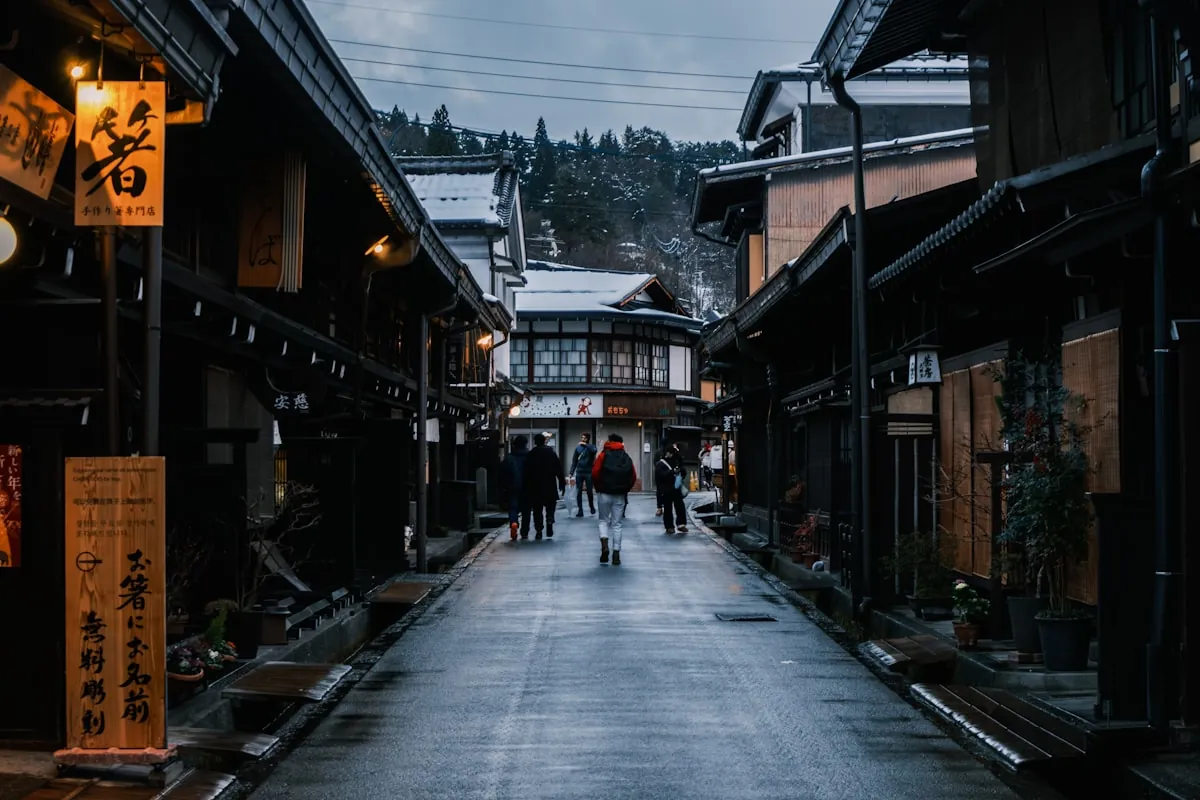
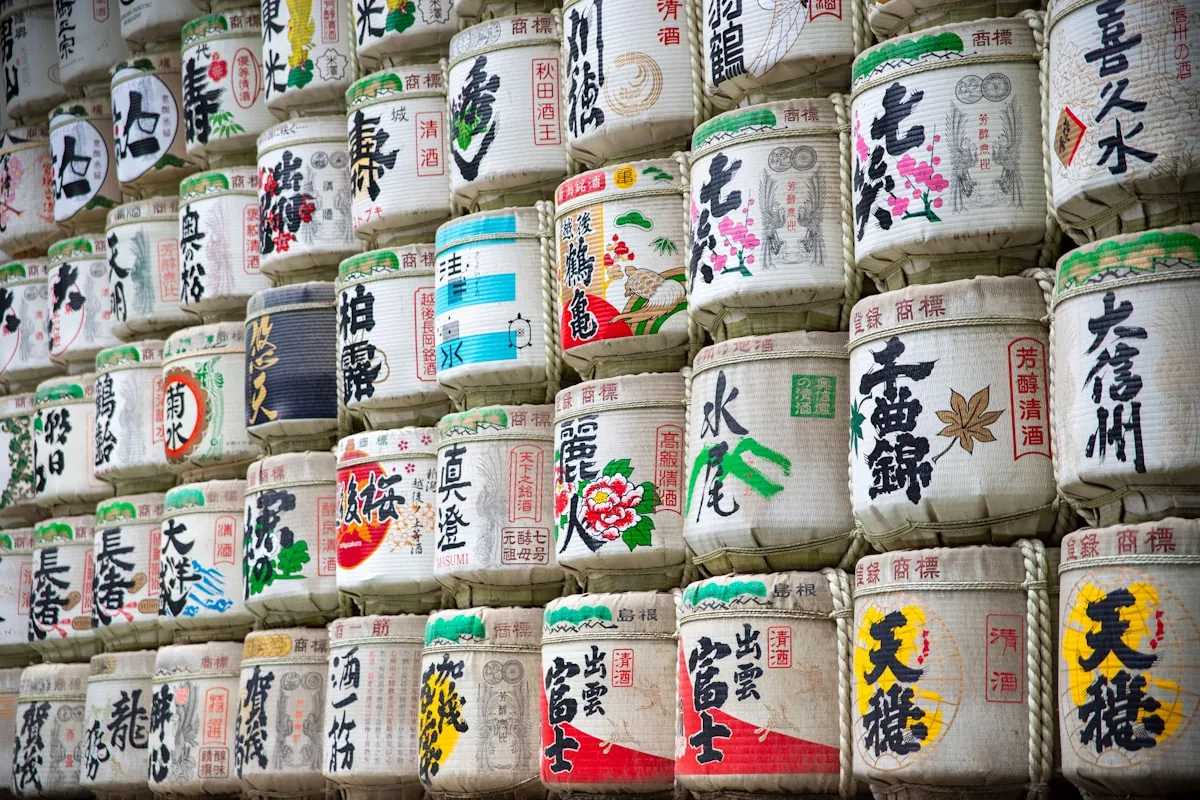
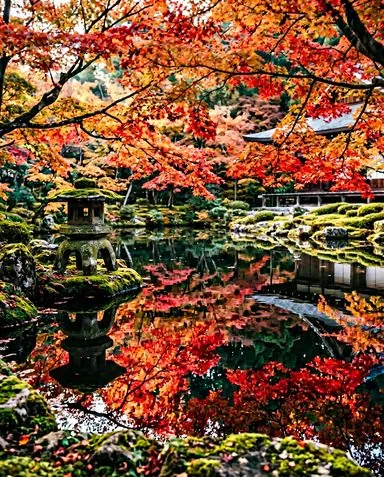
Niigata is Japan's quintessential yukiguni (snow country): a long Sea-of-Japan coast, mountain passes that drop more snowfall than nearly anywhere on earth, and the rice plains that produce the country's most prized koshihikari and the sake to match. The headline draws are Sado Island offshore, the contemporary-art landscape of Echigo-Tsumari Art Field, the powder skiing of Myoko Kogen, the sake-tasting fountains at Ponshukan in Niigata Station, and the cherry-blossom festival ground of Takada Park in Joetsu.
Cities & Towns
Three urban anchors plus the offshore island.
Niigata City
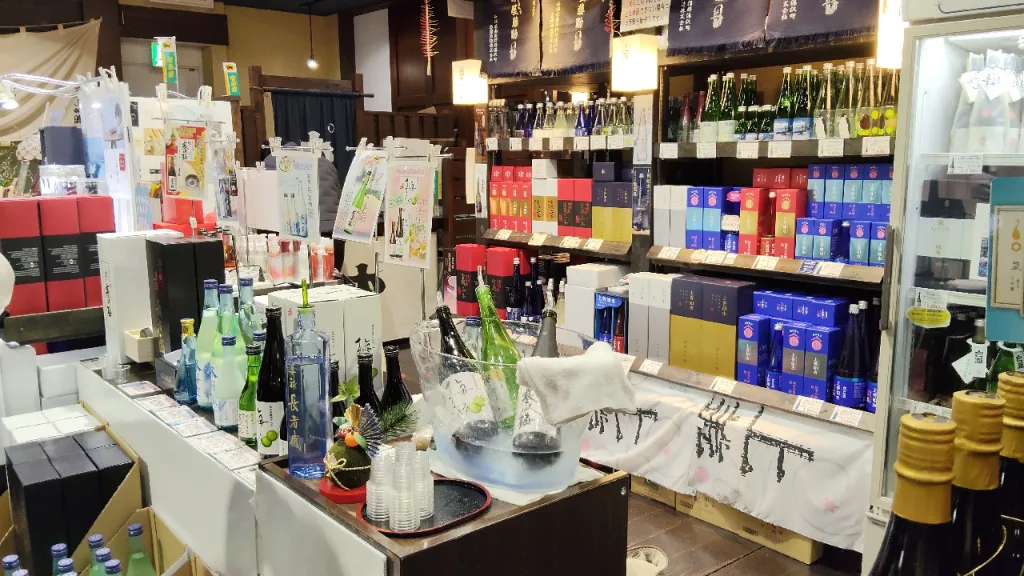
Capital with the country's biggest sake-tasting hall (Ponshukan), a fish market, and the Shinano-river-side cherry blossoms
Capital and sake city
- Ponshukan sake hall
- Pia Bandai market
- Hakusan Park
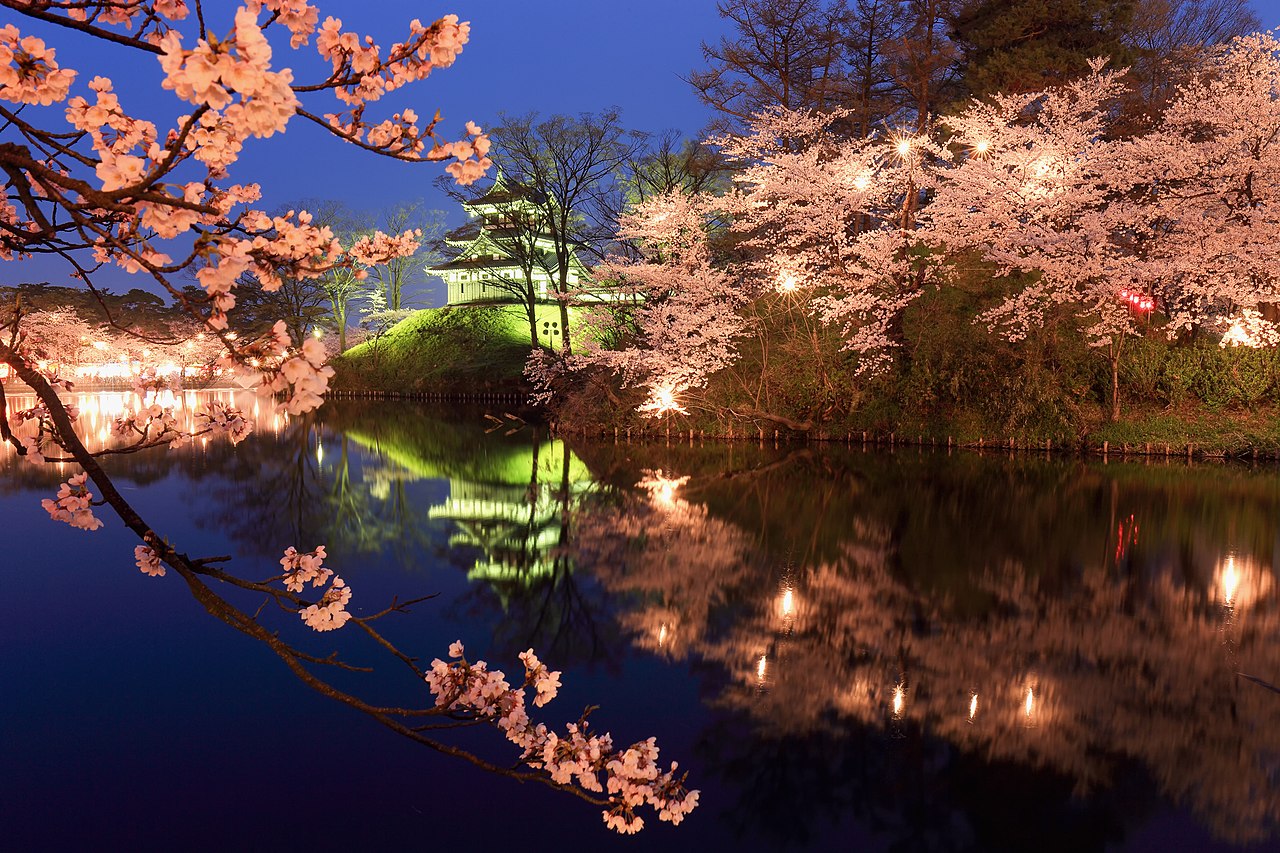
Joetsu
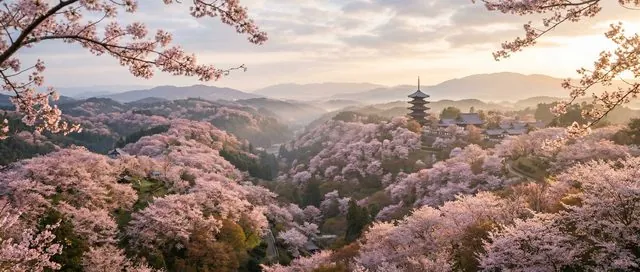
Snow-country castle town with Takada Park's 4,000 cherry trees lit each spring, among Japan's three great night-cherry spots
Cherry blossom town
- Takada Park
- Takada Castle
- Joetsu Myoko station
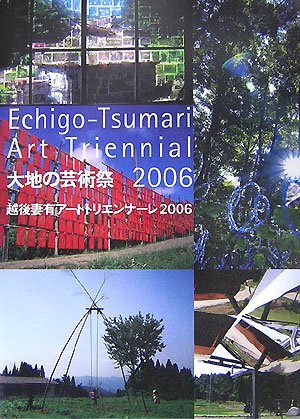
Tokamachi
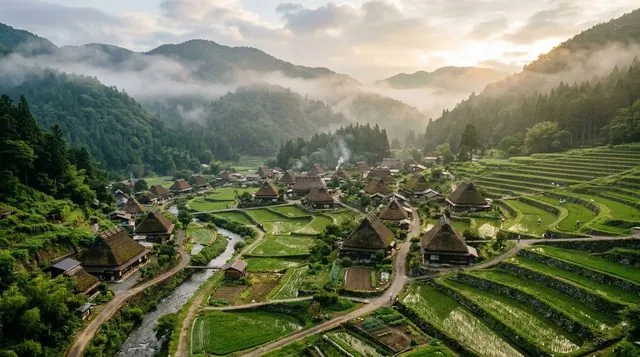
Inland snow-country town that hosts the Echigo-Tsumari Art Triennale, with outdoor installations across 760 km² of rural valleys
Triennale art trails
- Echigo-Tsumari art
- Triennale (3-yearly)
- Snow festival
Sado Island
Offshore island reached by jetfoil: gold-mine UNESCO heritage, taiko drumming, and giant tarai-bune washtub boats
Offshore gold-mine island
- Sado gold mine
- Tarai-bune boats
- Kodo taiko drummers
Top Attractions
The headline draws across coast and mountain.
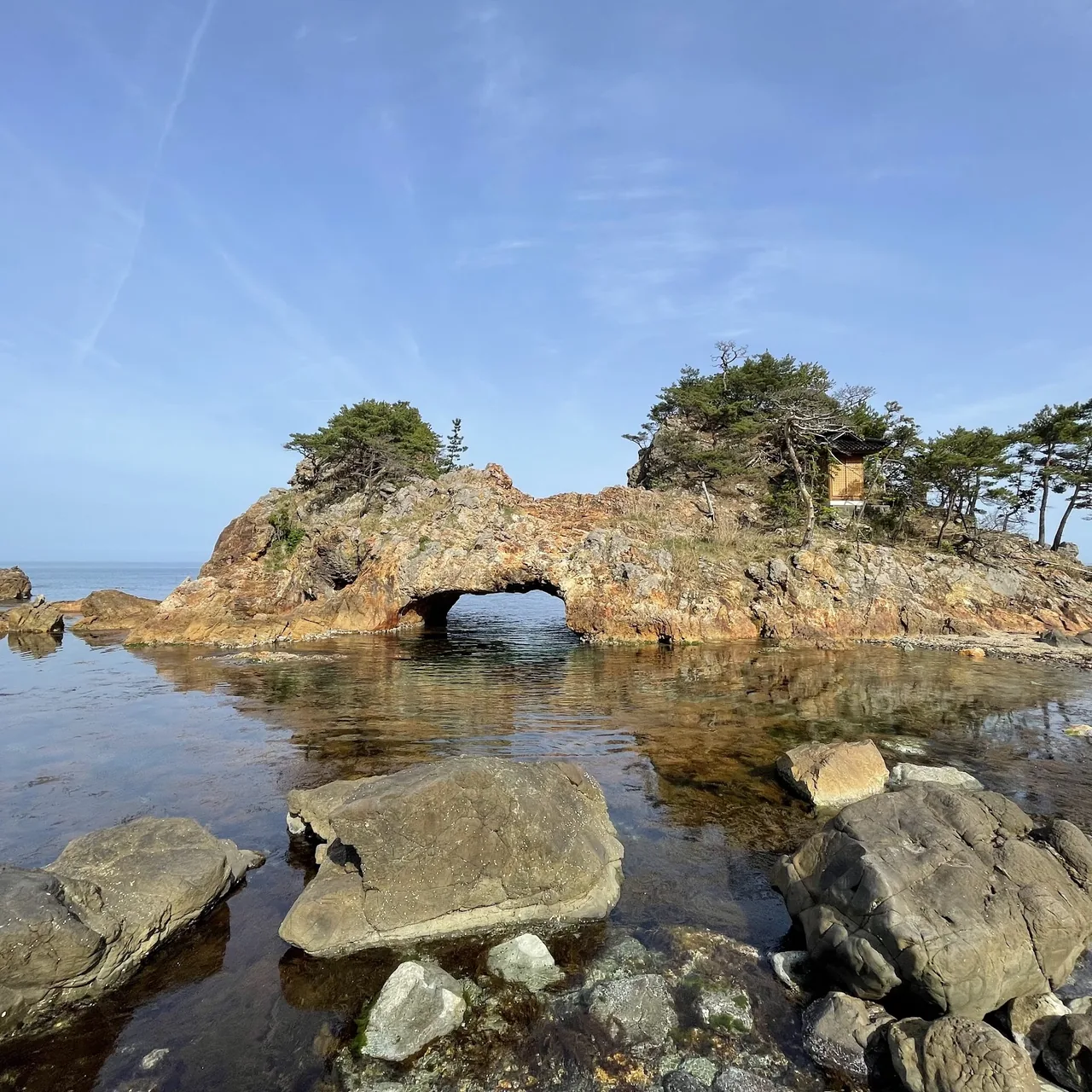
UNESCO-recognized former gold mine, taiko-drumming Kodo collective, and turquoise coves with traditional tarai-bune boats
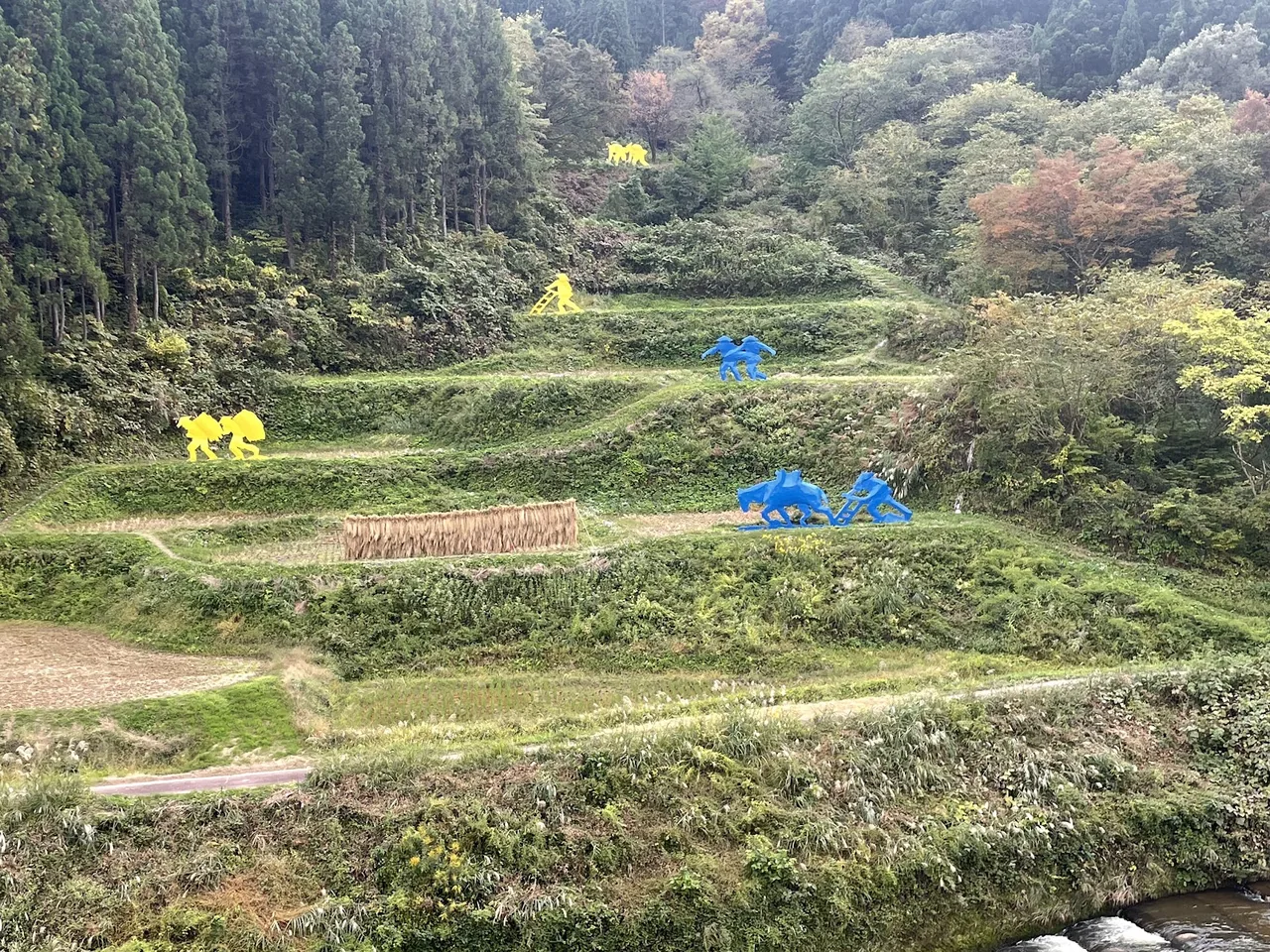
World's largest outdoor art festival region: 200+ permanent installations across rural valleys, plus a triennale every three years
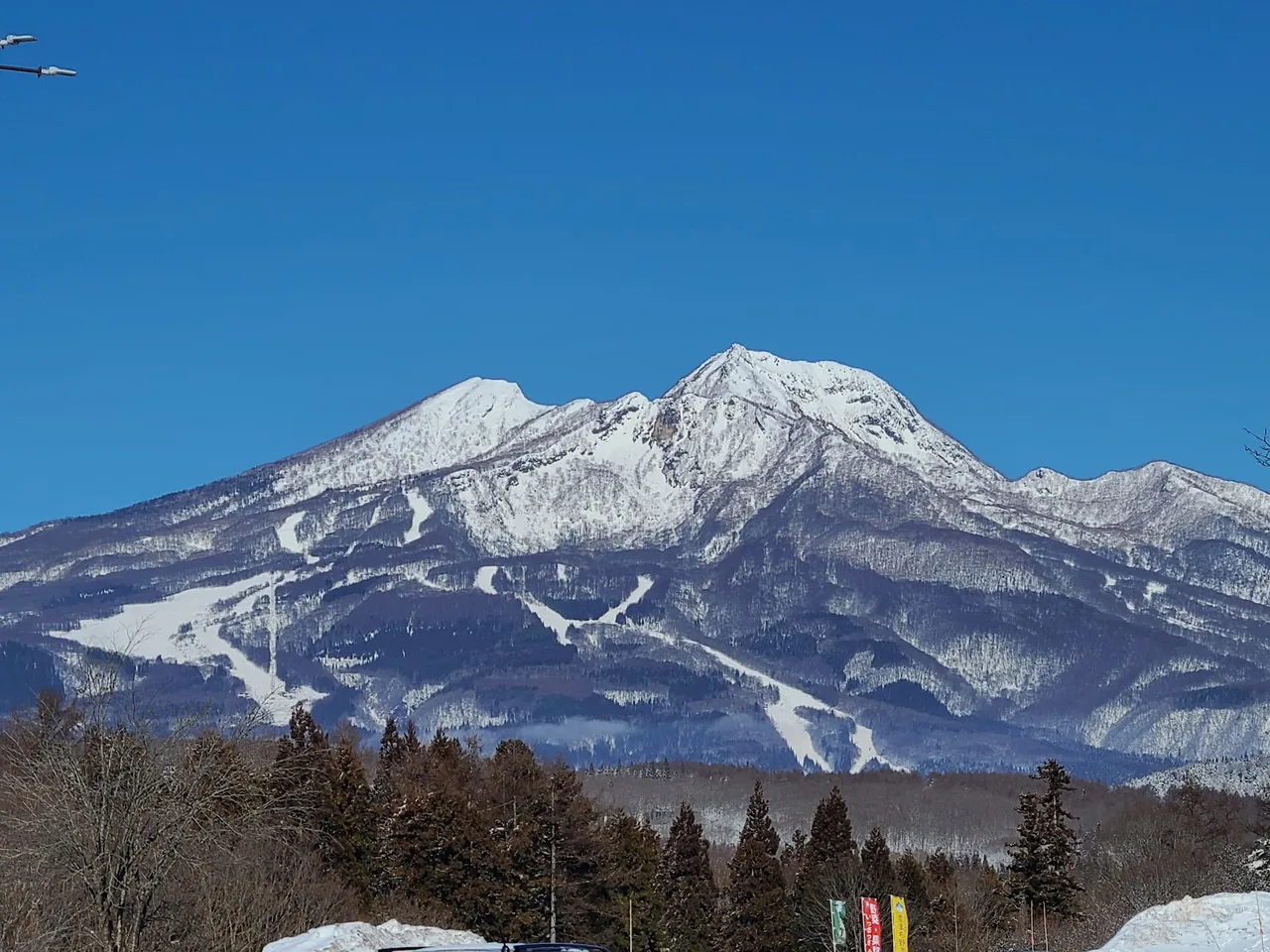
Japan's deepest powder snow region in the southern Niigata mountains, with six interconnected ski areas plus year-round onsen baths
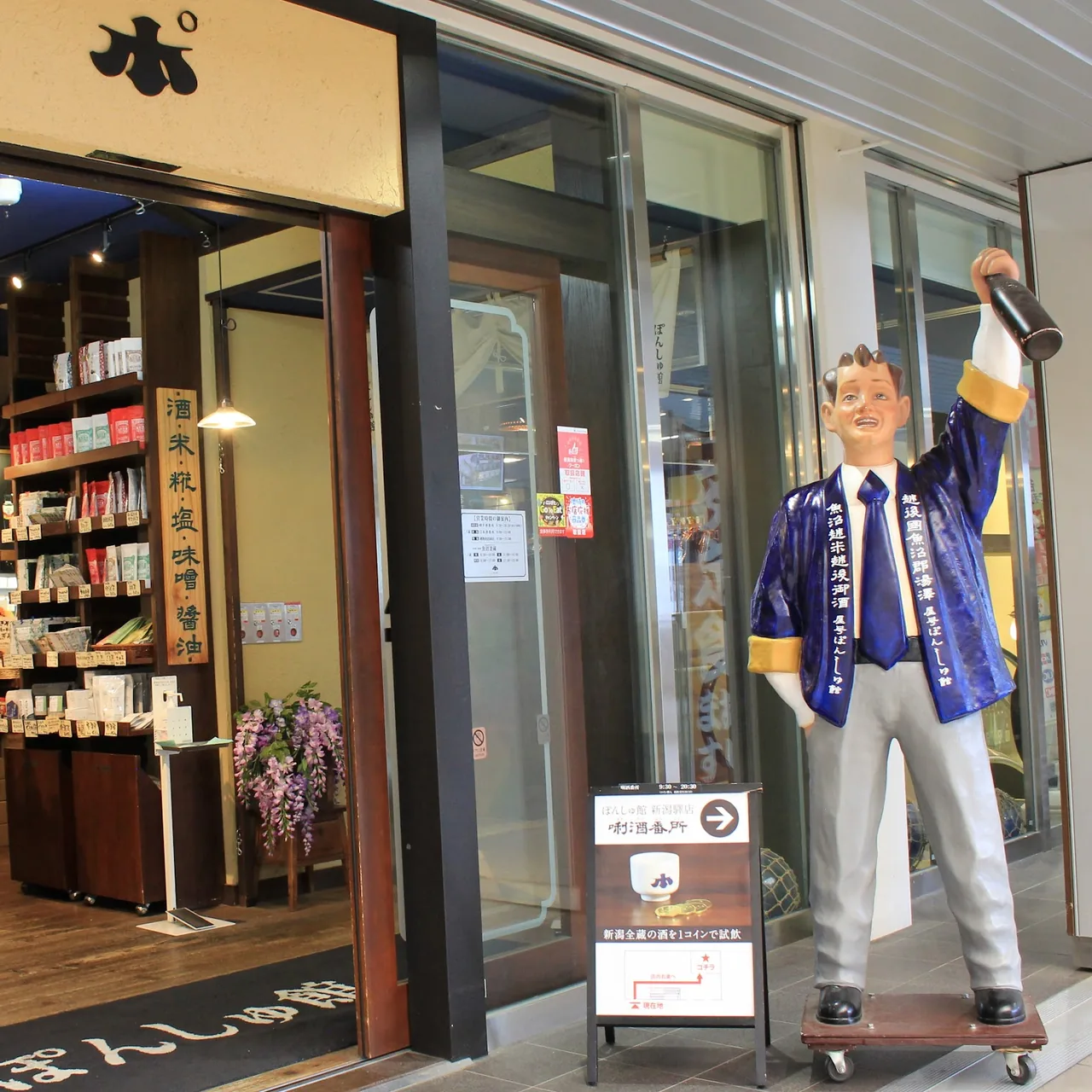
Sake-tasting hall inside Niigata Station: over 100 brewery taps, ¥500 for five samples, plus a salt bar and sake bath
Hidden Gems
Three quieter Niigata corners.
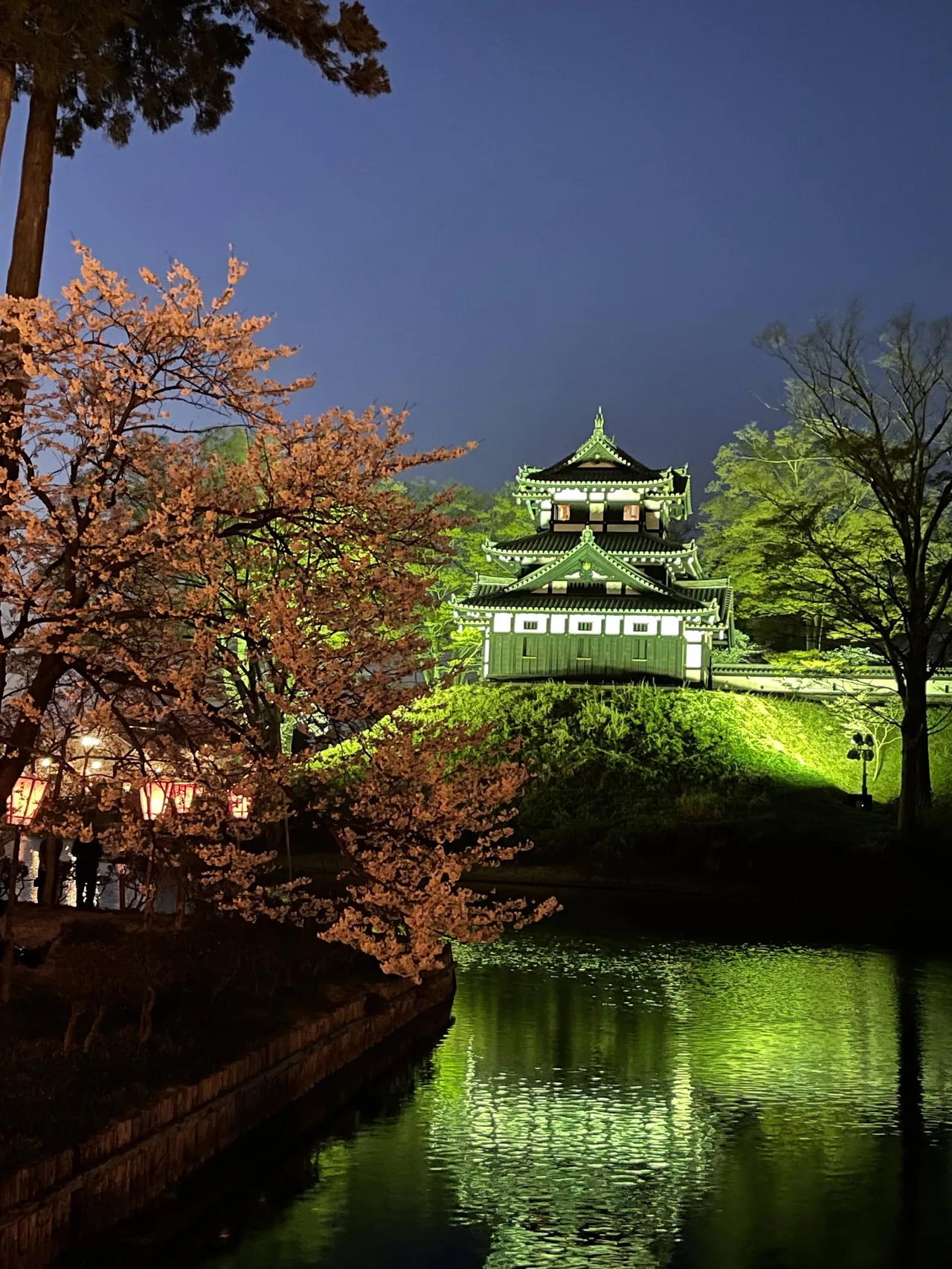 Hidden Gem
One of Japan's three great night-cherry blossom spots, with 4,000 trees lit at night around the Takada Castle moat in early April
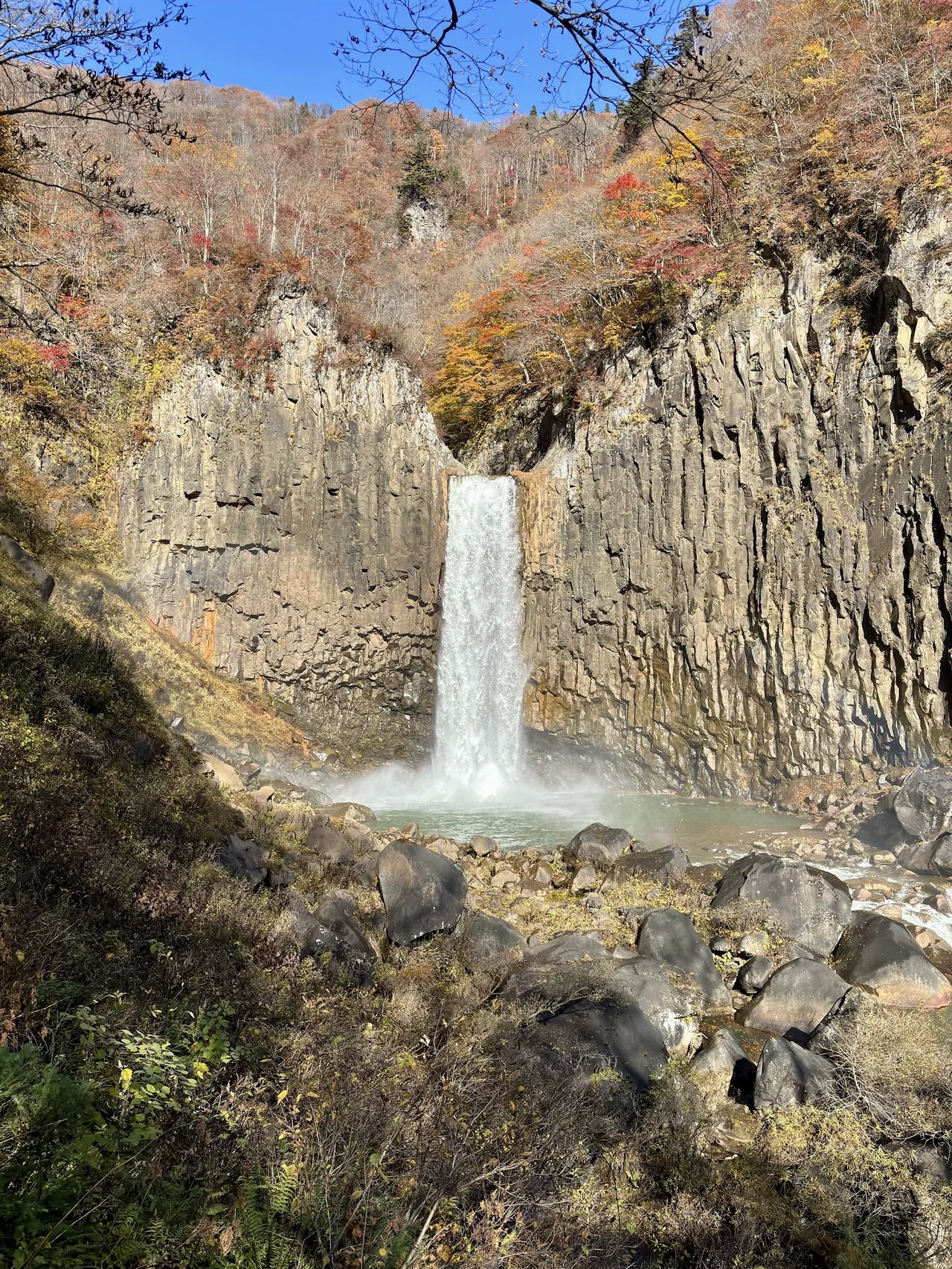 Hidden Gem
75-metre waterfall plunging through volcanic rock walls in Myoko-Togakushi; one of Japan's '100 famous falls'
 Hidden Gem
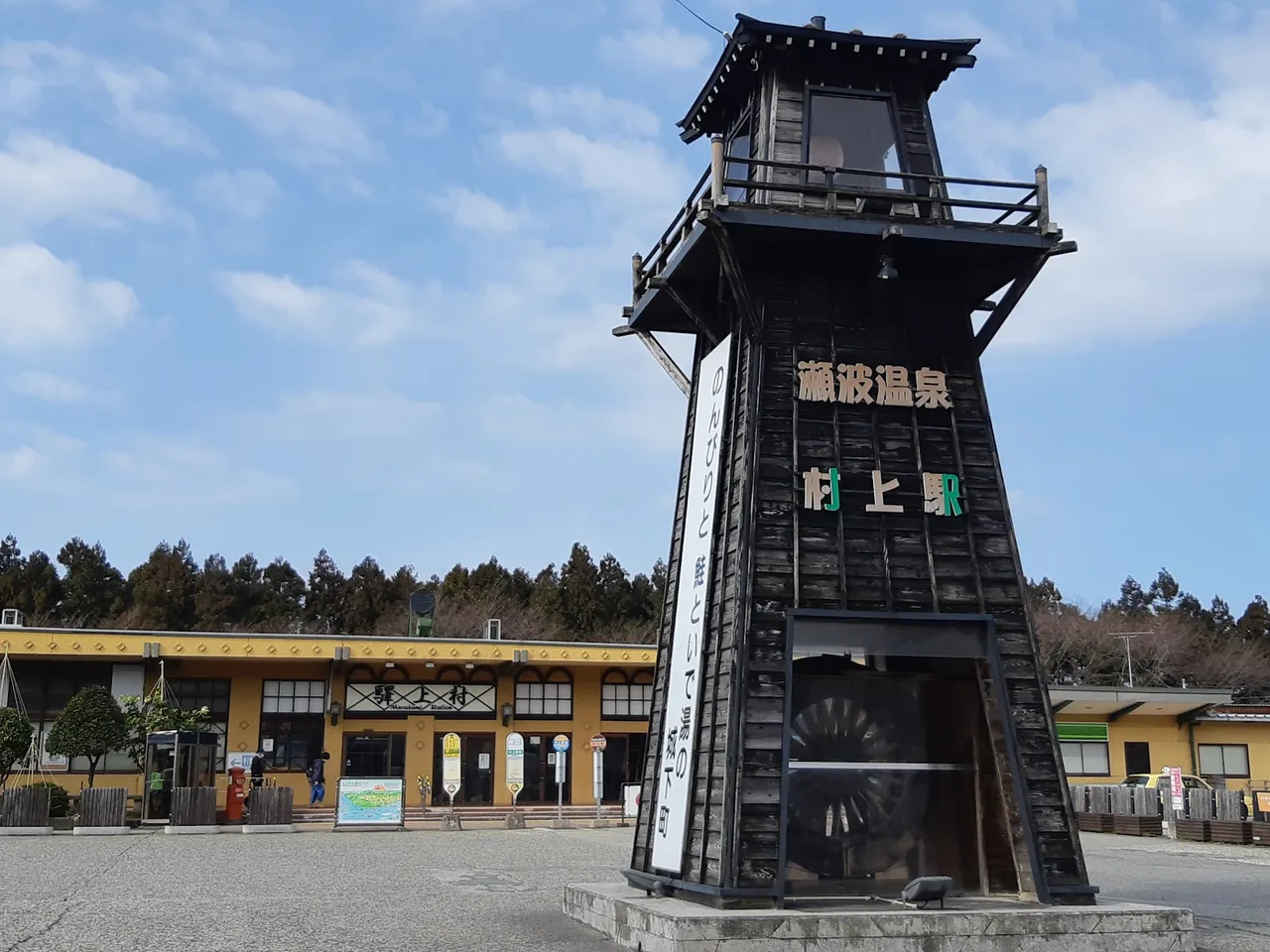
Northern fishing town famous for its salt-cured salmon: wooden merchant houses and rows of salmon hanging in shop entrances
When to Visit
Niigata's winters are extreme; spring and summer are prime sake-and-rice season.
Springharu
Apr – May8–20°CHigh crowds
Springharu
- Takada Park night cherries early April
- Sake brewery tours peak season
- Snow lingers in Myoko mountains
- Echigo-Tsumari art trail reopens
Summernatsu
Jun – Aug20–30°CModerate crowds
Summernatsu
- Echigo-Tsumari Triennale (every 3 years)
- Sado Earth Celebration drumming festival
- Coastal beaches and rice harvest start
- Nagaoka fireworks first weekend of August
Autumnaki
Sep – Nov8–20°CModerate crowds
Autumnaki
- Foliage in Naena and Tadami valleys mid-October
- New koshihikari rice harvest
- Comfortable for hiking Sado
- Sake season opens with new brews
Winterfuyu
Dec – Mar-2 to 6°CHigh crowds
Winterfuyu
- Powder skiing in Myoko Kogen
- Tokamachi snow festival in February
- Sea-of-Japan storms and crab season
- Heated tatami at every onsen ryokan
Suggested Itineraries
From a sake weekend to a deeper coast-and-island loop.
FAQ
How do I get to Niigata from Tokyo?
Joetsu Shinkansen direct from Tokyo Station to Niigata Station in 100 minutes. Echigo-Yuzawa (gateway to Myoko skiing) is 75 minutes. Sado Island is reached by jetfoil from Niigata Port (1 hour) or car ferry (2.5 hours).
Is Niigata worth visiting outside ski season?
Absolutely. Spring brings Takada Park's night cherries and the start of sake brewery tours. Summer is rice and seafood season with the Echigo-Tsumari Triennale every three years. Autumn foliage in Naena and Tadami valleys is among Japan's quietest.
Is the Echigo-Tsumari Art Triennale always running?
The full Triennale runs every three years (next: 2027). But 200+ permanent installations are visitable year-round, best in summer when access roads and rural shuttles operate.
What is Niigata best known for?
Sake (the country's biggest sake-producing prefecture), koshihikari rice, powder skiing in Myoko Kogen and Yuzawa, the offshore Sado Island gold-mine UNESCO site, and the Echigo-Tsumari art trails.
How many days do I need in Niigata?
Two days for Niigata City and Joetsu's cherries (in season). Three days adds Sado Island. A full week opens up Echigo-Tsumari, Myoko skiing, and the Murakami salmon coast.
What are Niigata's hidden gems?
Takada Park's night cherries in Joetsu (one of Japan's three great night-sakura spots), the volcanic Naena Falls in Myoko, the salt-cured salmon town of Murakami in the north, and the pre-Triennale year for Echigo-Tsumari when crowds are minimal.
What surrounds the headline spots?
Beyond the obvious draws, Kiyotsu Gorge, Nagaoka, Tsugawa reward travelers willing to step off the main route: local pace, fewer crowds, and a closer feel for the everyday rhythms of the region.