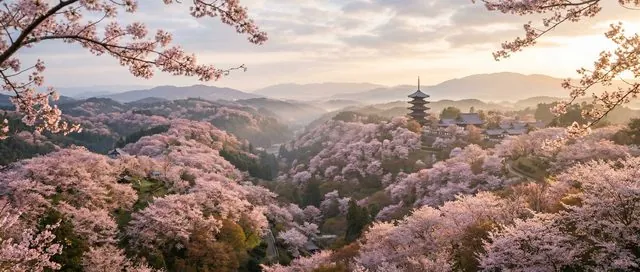
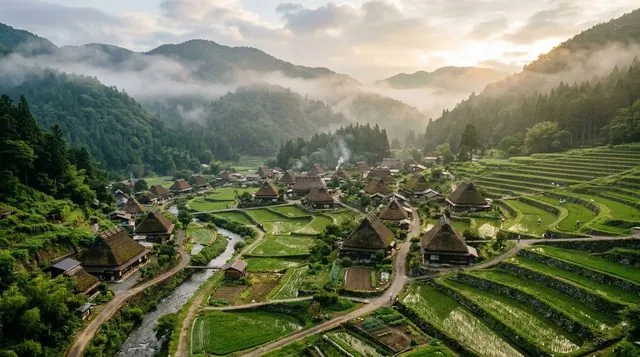
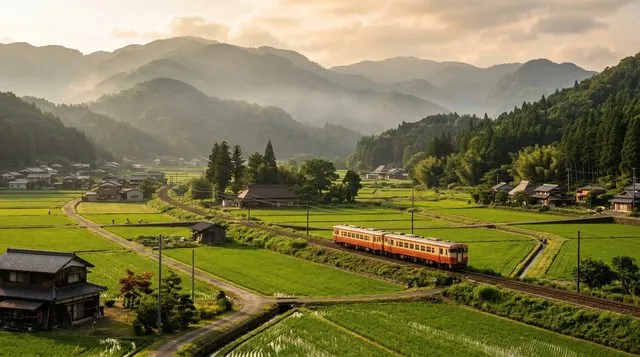
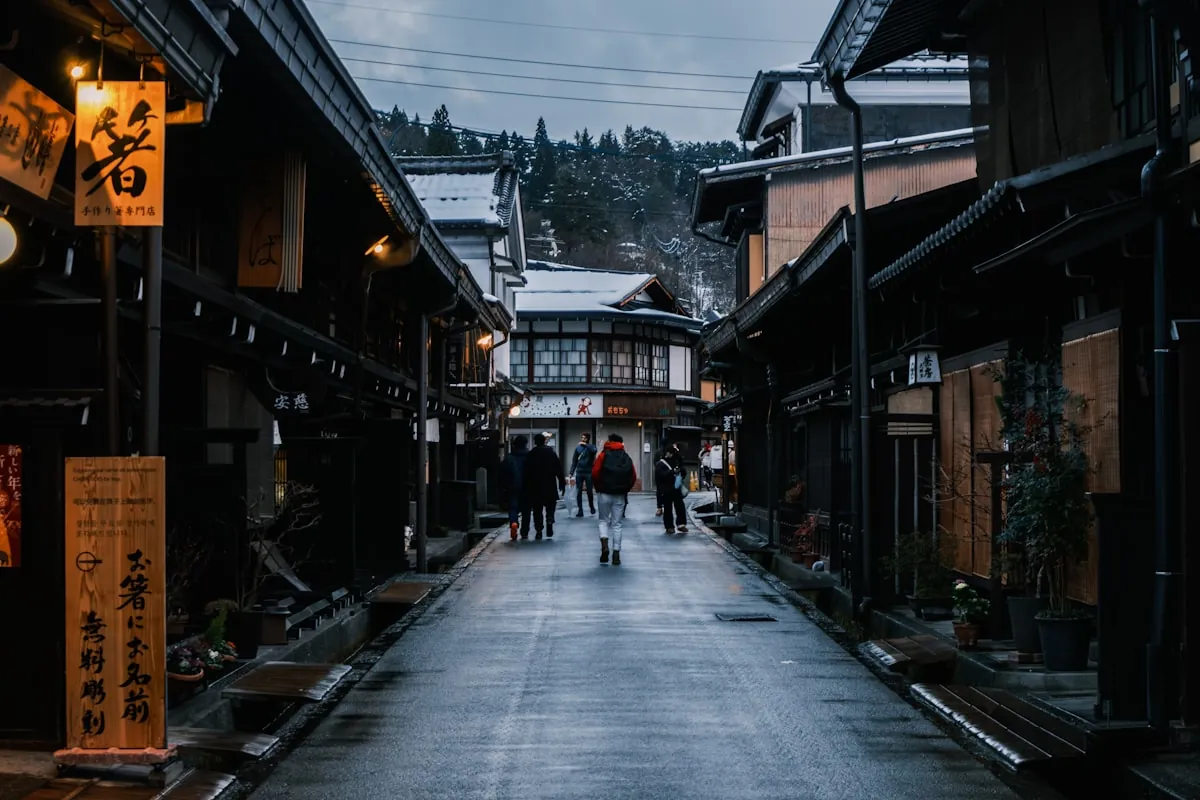
Toyama is the prefecture most travellers connect through on the Alpine Route between Nagano and Kanazawa, and few stop. The headline draws are the seasonal Tateyama Kurobe Alpine Route with its 17-metre snow corridor, the Kurobe Dam (Japan's tallest), the UNESCO-listed gassho-zukuri farmhouse hamlet of Ainokura and its neighbour Suganuma, and the 17th-century Zuiryuji Temple in Takaoka with its national-treasure halls.
Cities & Towns
Three urban anchors plus the farmhouse villages.
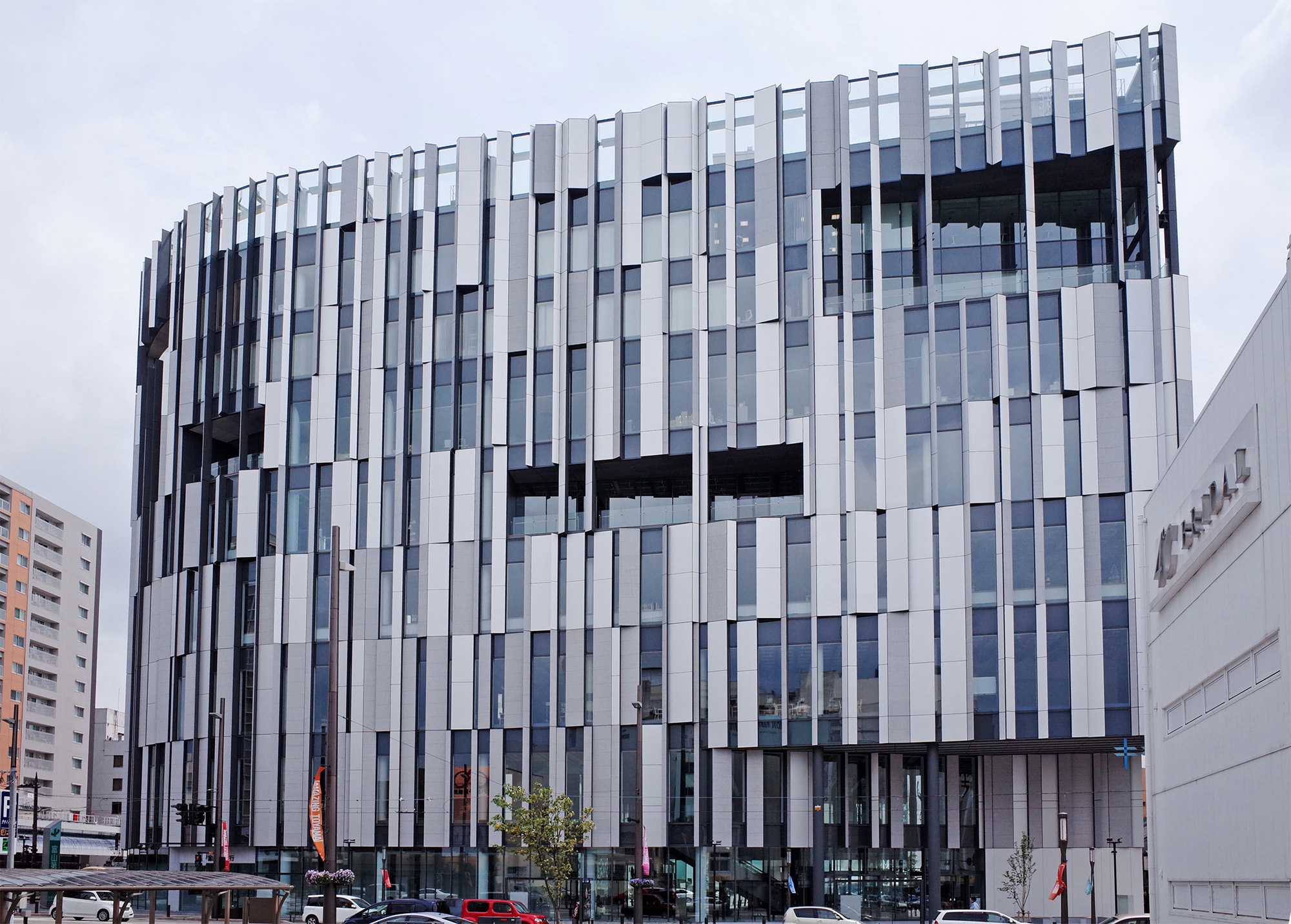
Toyama City
Capital with the contemporary Toyama Glass Art Museum and the Iwase canal-warehouse district; the base for the Alpine Route
Capital and Alpine gateway
- Glass Art Museum
- Iwase canal district
- Alpine Route start
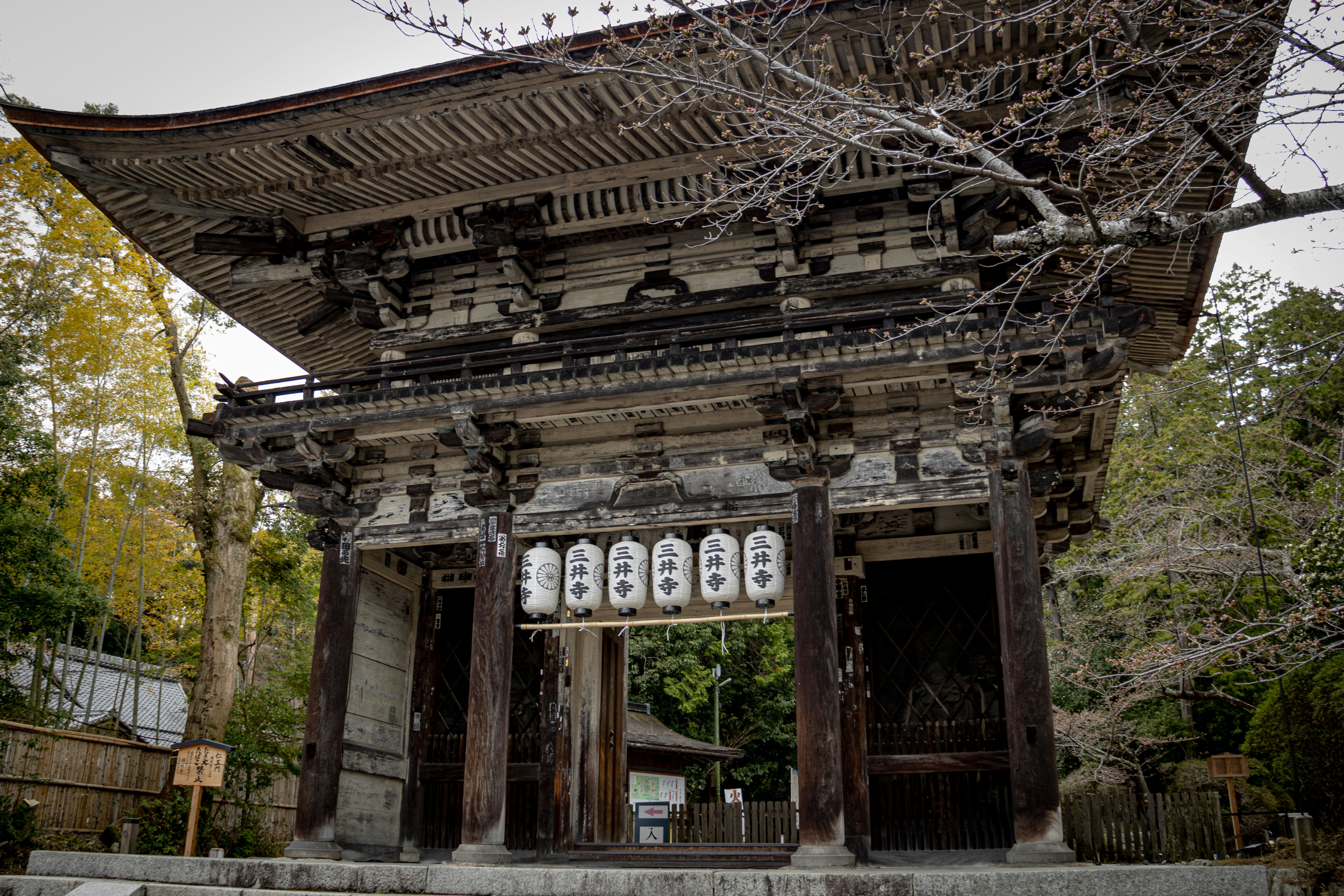
Takaoka
Ancient bronze-casting town with Zuiryuji Temple's national-treasure halls and a giant Daibutsu
Bronze and temple town
- Zuiryuji national treasure
- Takaoka Daibutsu
- Bronze artisans
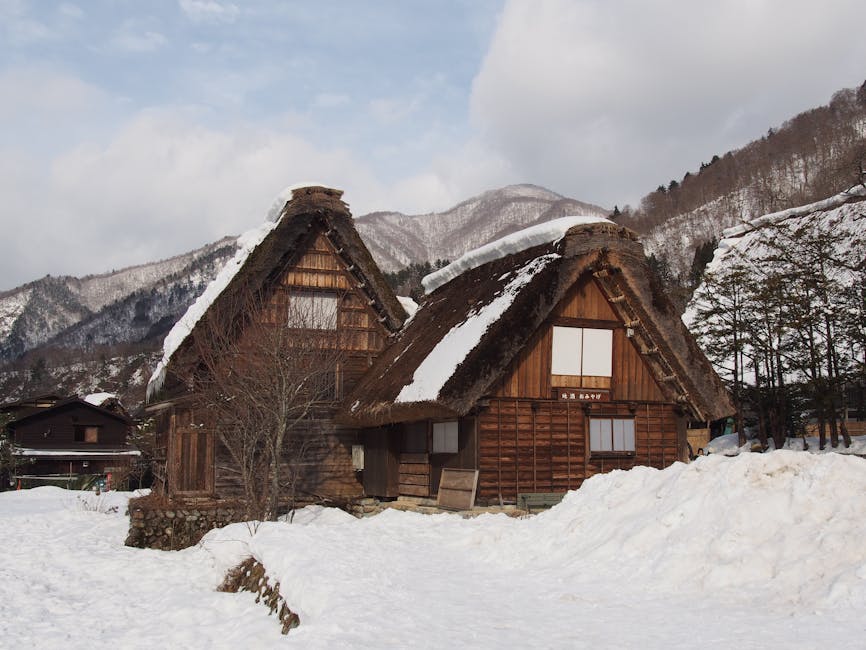
Nanto (Gokayama villages)
Mountain town spanning the UNESCO-listed Ainokura and Suganuma gassho-zukuri farmhouse villages, quieter than Shirakawa-go
UNESCO farmhouse villages
- Ainokura UNESCO
- Suganuma village
- Quieter than Shirakawa-go
Top Attractions
Toyama's headline draws across the Alpine and bay sides.
37km mountain crossing with cable cars, trolleybuses, ropeway, and the spring 'snow corridor' of 17m walls; open mid-April to November
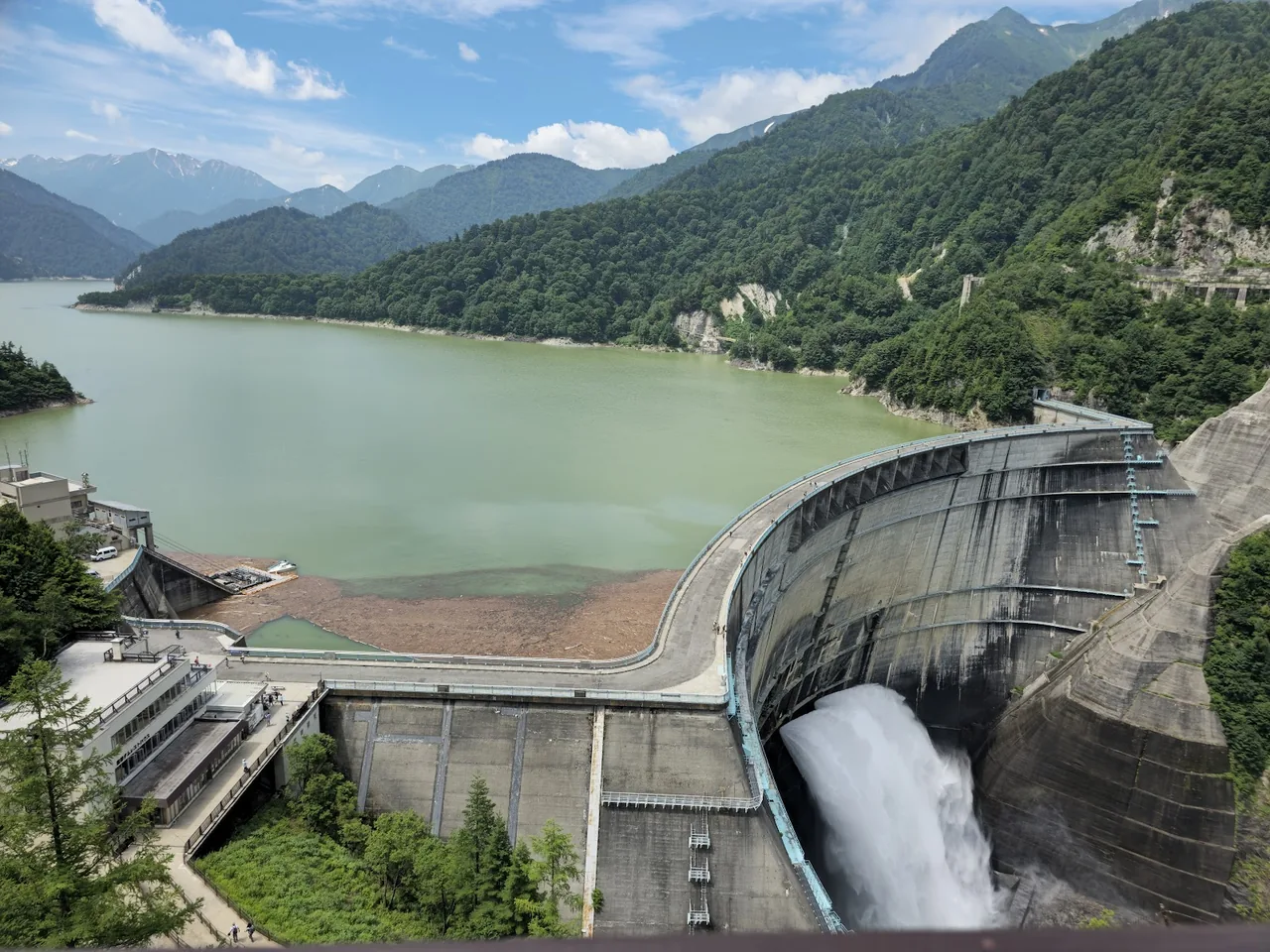
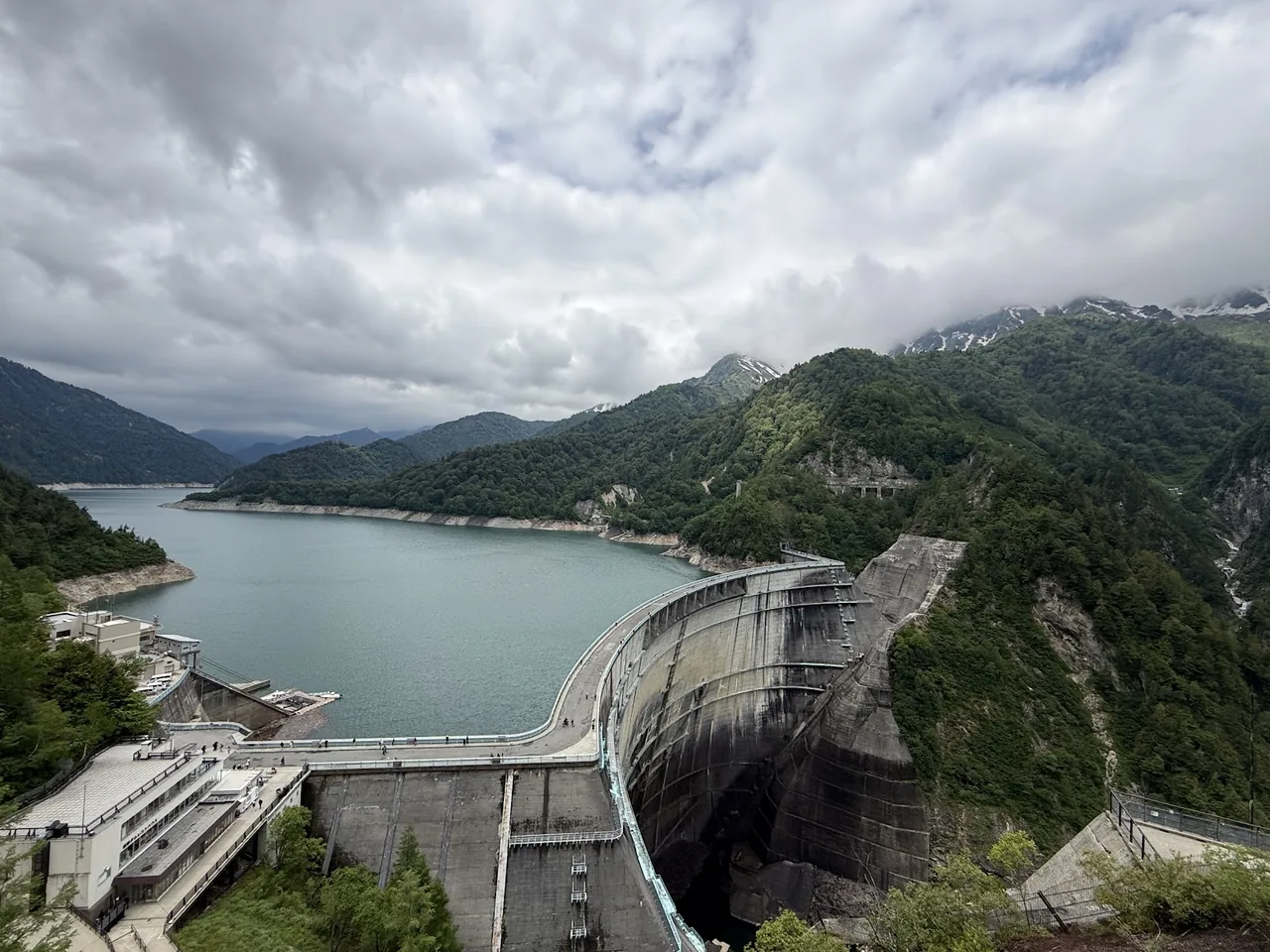
Japan's tallest dam at 186m: controlled water releases plus an alpine reservoir reached only via the Alpine Route
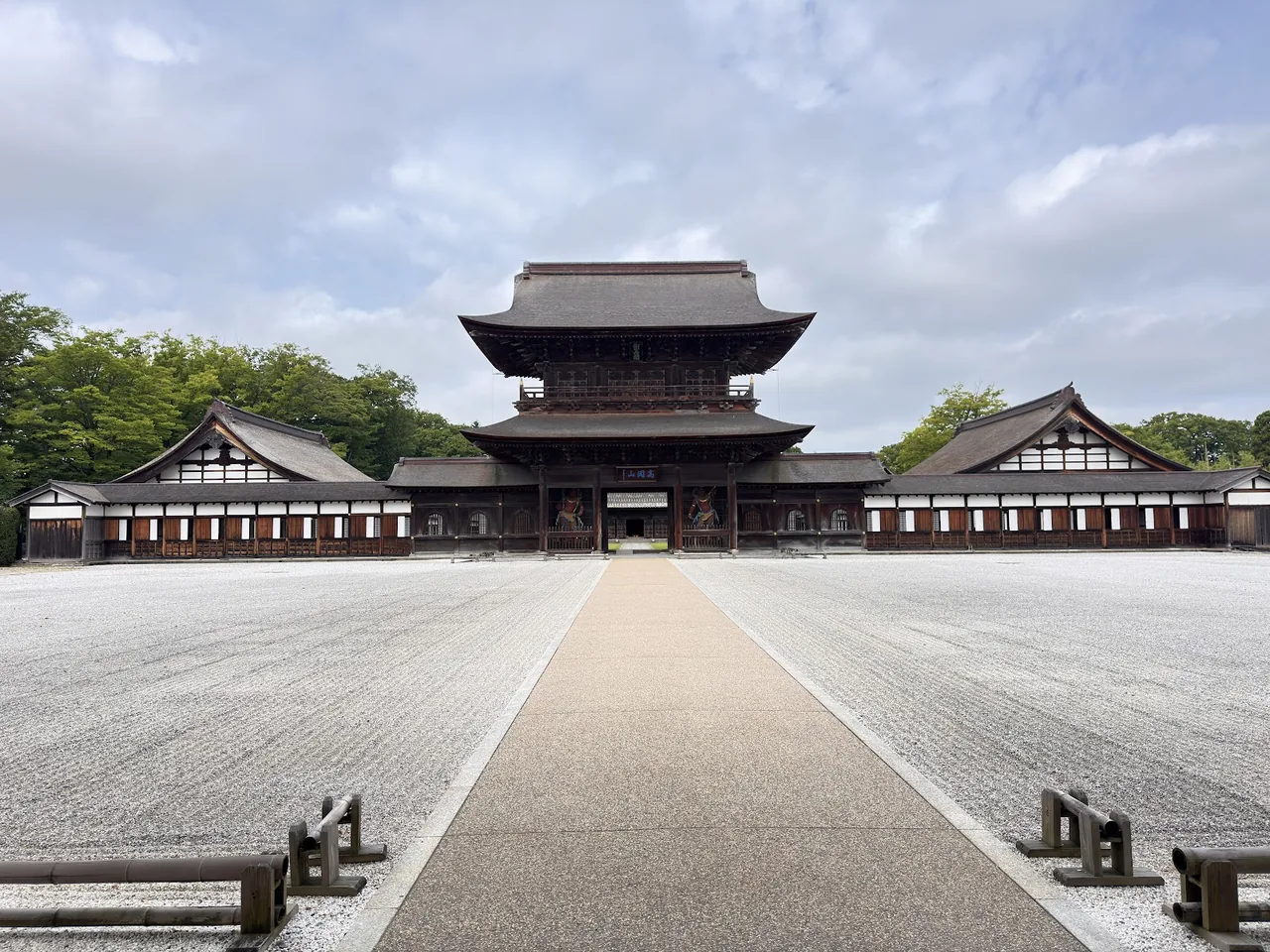
17th-century Takaoka temple with the national-treasure Sanmon, Buddha hall, and lecture hall in symmetrical Zen layout
Hidden Gems
Three quieter Toyama corners.
 Hidden Gem
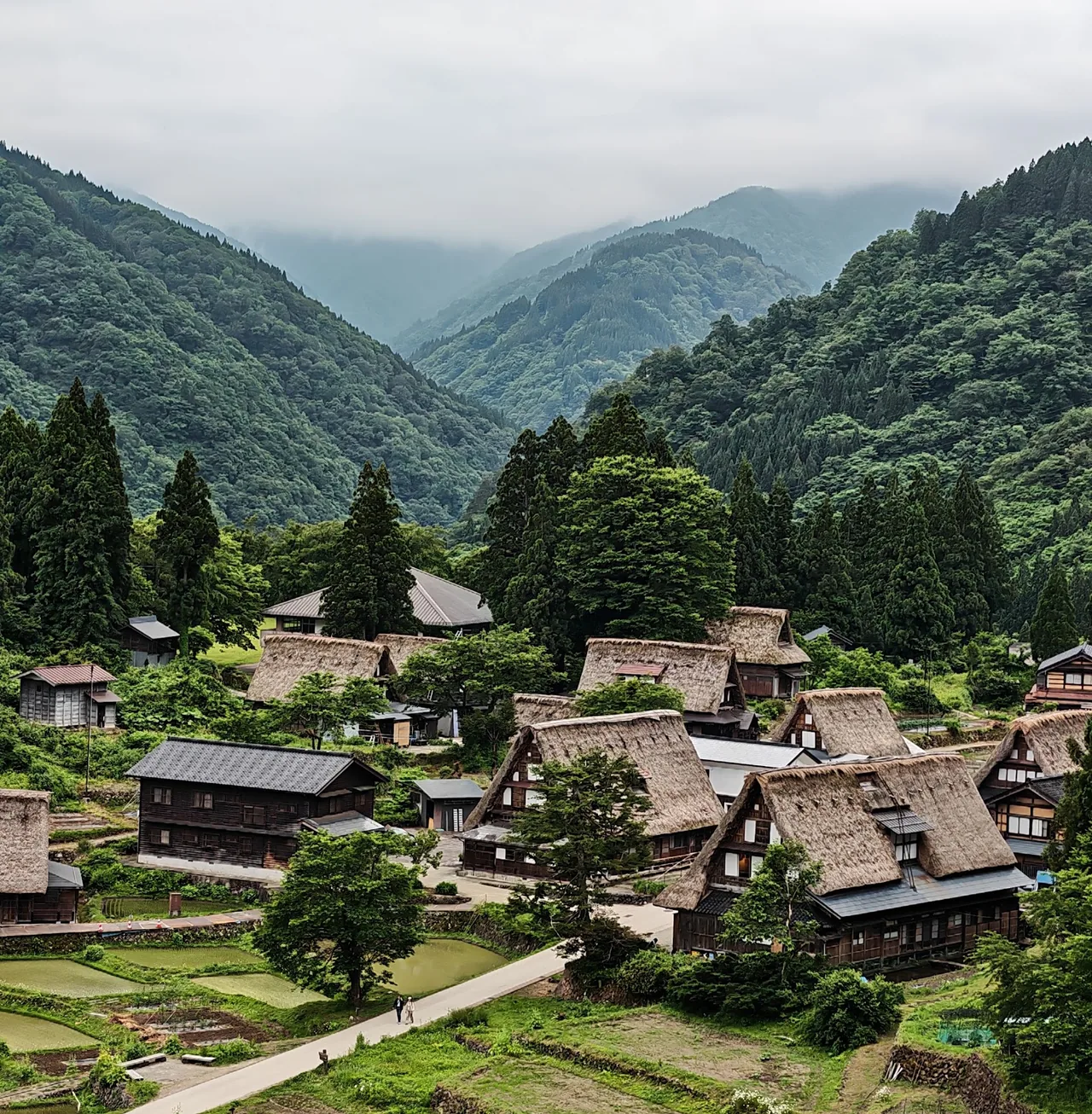
20-house gassho-zukuri farmhouse village in a quiet valley, UNESCO-listed but with a fraction of Shirakawa-go's crowds
 Hidden Gem
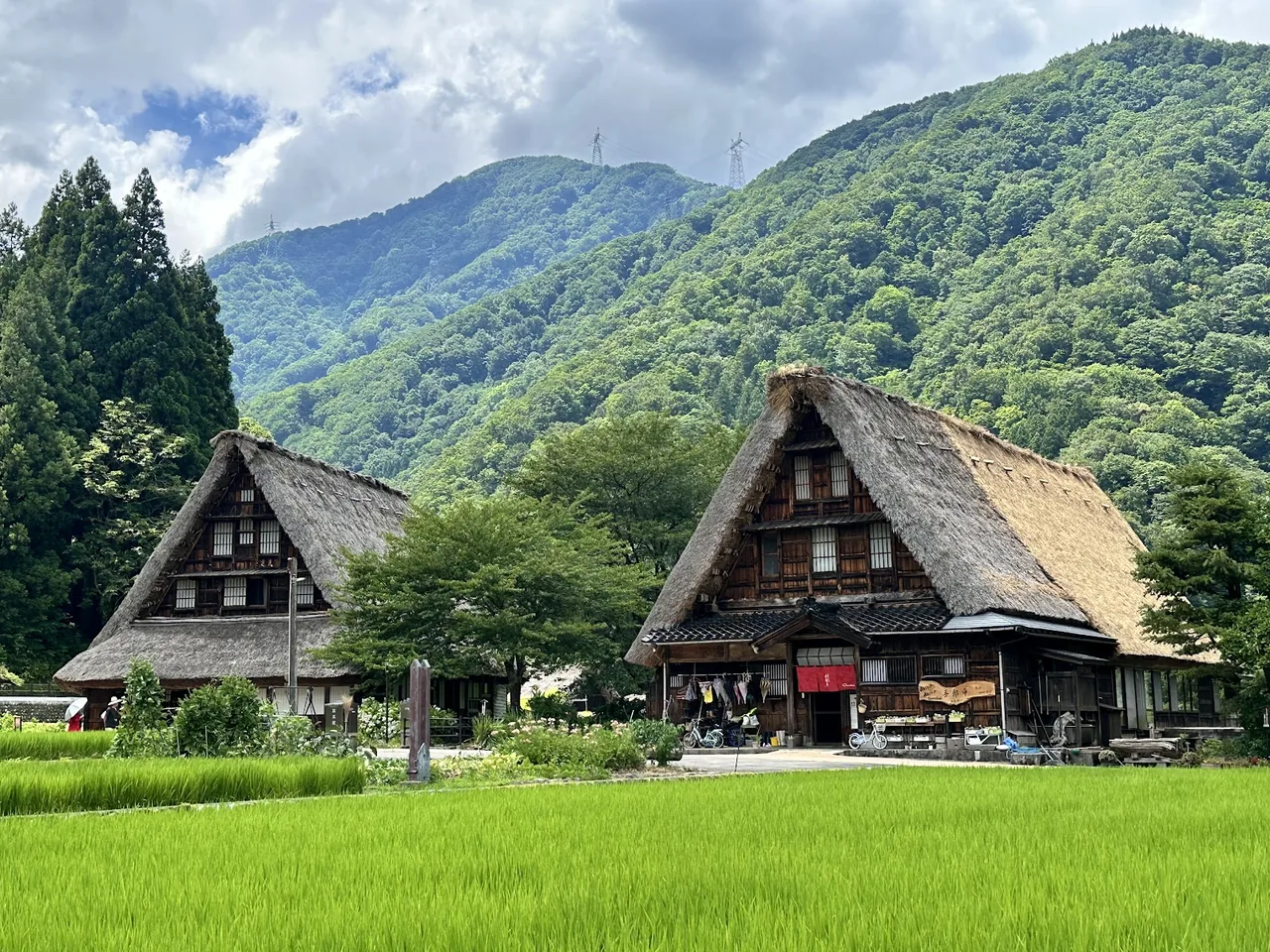
Smaller sister village to Ainokura: nine gassho-zukuri houses, an open-air folk museum, and almost no foreign visitors
 Hidden Gem
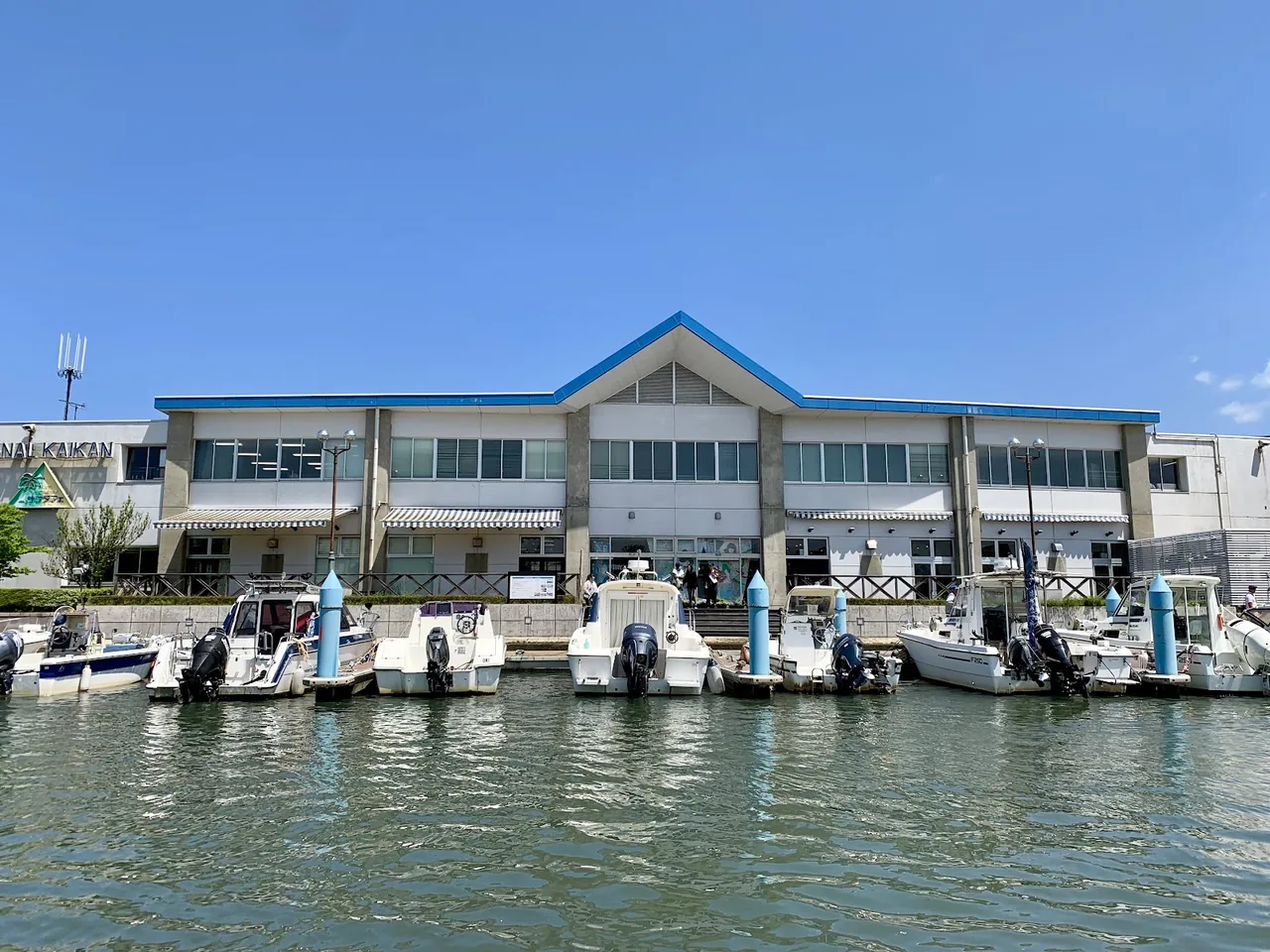
Edo-period sake-merchant warehouses lining a canal in northern Toyama City, with boutique sake bars and craft cafés
When to Visit
The Alpine Route is the prime draw and dictates timing.
Springharu
Apr – May5–18°CHigh crowds
Springharu
- Alpine Route opens mid-April with 17m snow corridor
- Cherry blossoms at Matsukawa River
- Tulips in Tonami late April
- Quiet Ainokura before summer
Summernatsu
Jun – Aug18–30°CHigh crowds
Summernatsu
- Alpine Route hiking and ropeway peak
- Toyama Bay shrimp season
- Owara Kaze no Bon dance festival early September
- Cool Kurobe gorge train rides
Autumnaki
Sep – Nov5–20°CHigh crowds
Autumnaki
- Foliage on Alpine Route mid-October
- Ainokura red persimmons
- Comfortable Iwase walks
- Last Alpine Route month: November
Winterfuyu
Dec – Mar-2 to 8°CLow crowds
Winterfuyu
- Alpine Route closed
- Ainokura snow scenes (December cabling)
- Toyama Bay snow crab season
- Tateyama backcountry skiing
Suggested Itineraries
Routes around the Alpine crossing.
FAQ
When is the Tateyama Kurobe Alpine Route open?
Mid-April to late November. The famous 17-metre snow corridor at Murodo is best in mid to late April. Closed completely December through mid-April.
How do I get to Toyama from Tokyo?
Hokuriku Shinkansen direct from Tokyo to Toyama Station in 2 hours. From Kanazawa it's 25 minutes. The Alpine Route can be done west-to-east (Toyama → Nagano) or east-to-west.
Is Ainokura better than Shirakawa-go?
Quieter, yes, but smaller (20 houses vs 100+ in Shirakawa-go). For the photogenic UNESCO experience without crowds, Ainokura wins. For depth and museum infrastructure, Shirakawa-go wins.
What is Toyama best known for?
The Tateyama Kurobe Alpine Route with its spring snow corridor, the UNESCO gassho-zukuri villages of Gokayama (Ainokura, Suganuma), Toyama Bay's firefly squid and snow crab, and Takaoka's bronze casting heritage including Zuiryuji Temple.
How many days do I need in Toyama?
One full day for the Alpine Route crossing. Two to three days lets you add Toyama City, Takaoka, and one of the Gokayama villages comfortably.
What are Toyama's hidden gems?
The compact Suganuma village (smallest of Gokayama's UNESCO trio), the Iwase sake-merchant canal district north of Toyama City, and the Kurobe Gorge Railway running through alpine valleys to remote onsen.
What surrounds the headline spots?
Beyond the obvious draws, Gokayama (Ainokura & Suganuma), Toyama Glass Art Museum, Himi Fishing Port, Shogawa Gorge reward travelers willing to step off the main route: local pace, fewer crowds, and a closer feel for the everyday rhythms of the region.