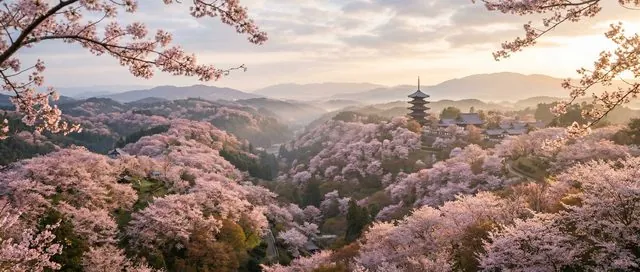
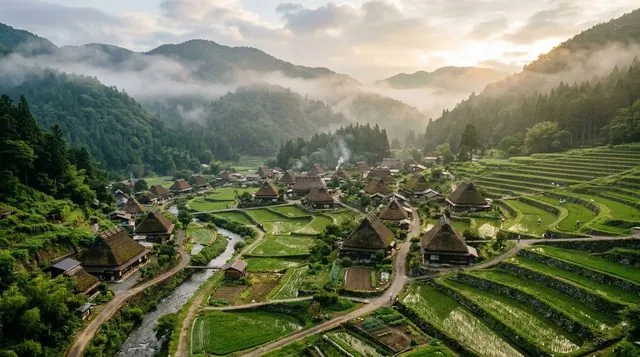
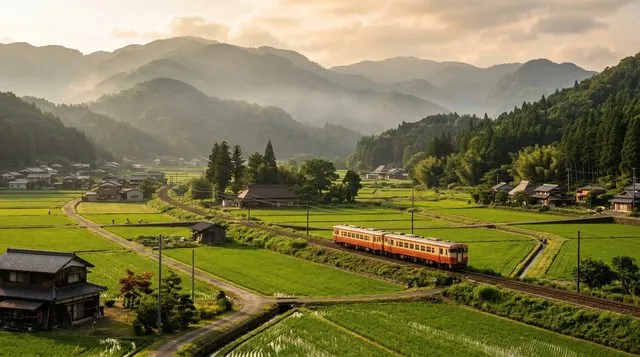
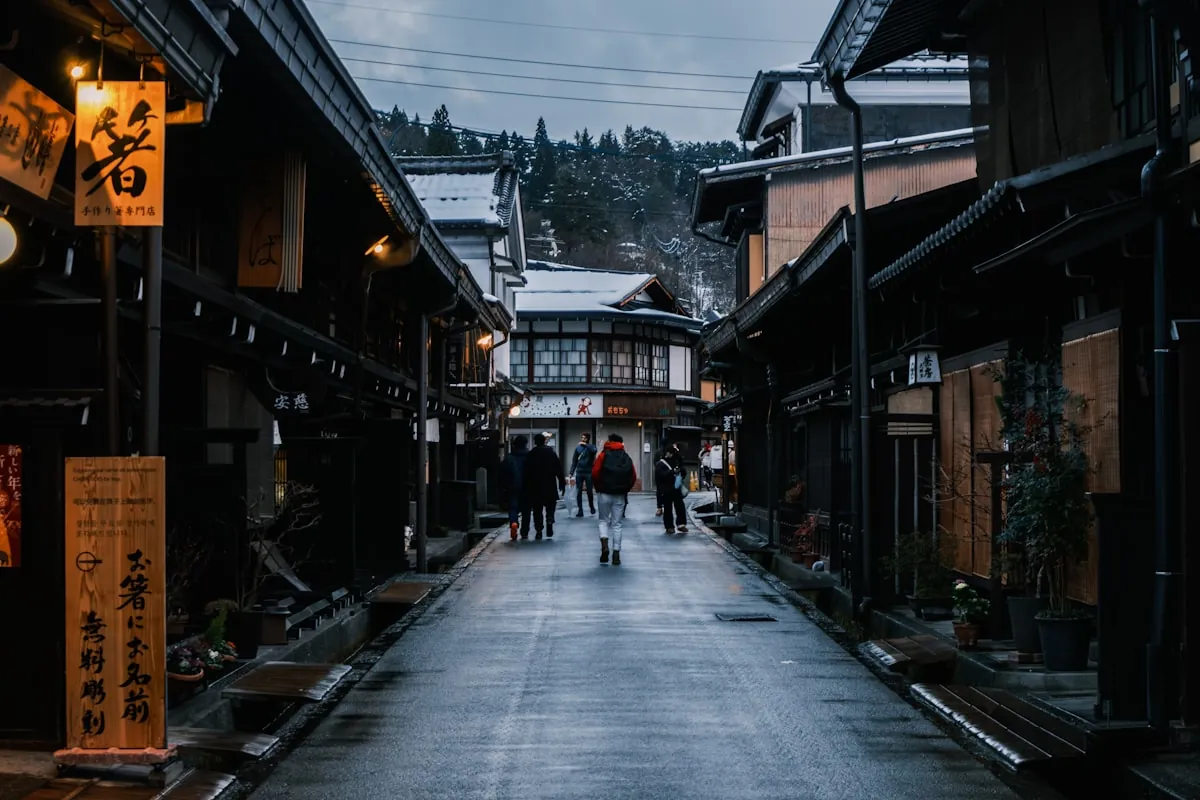
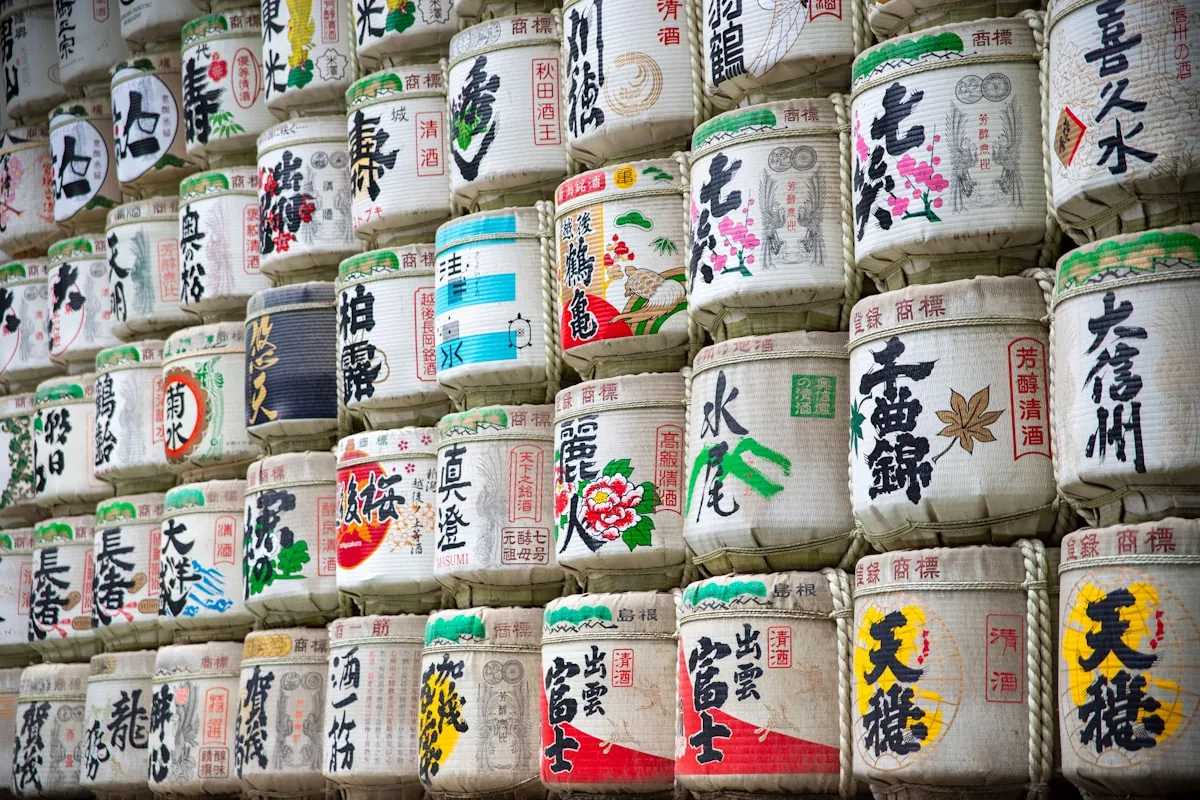
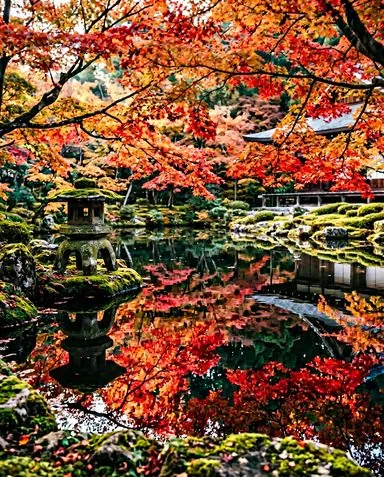
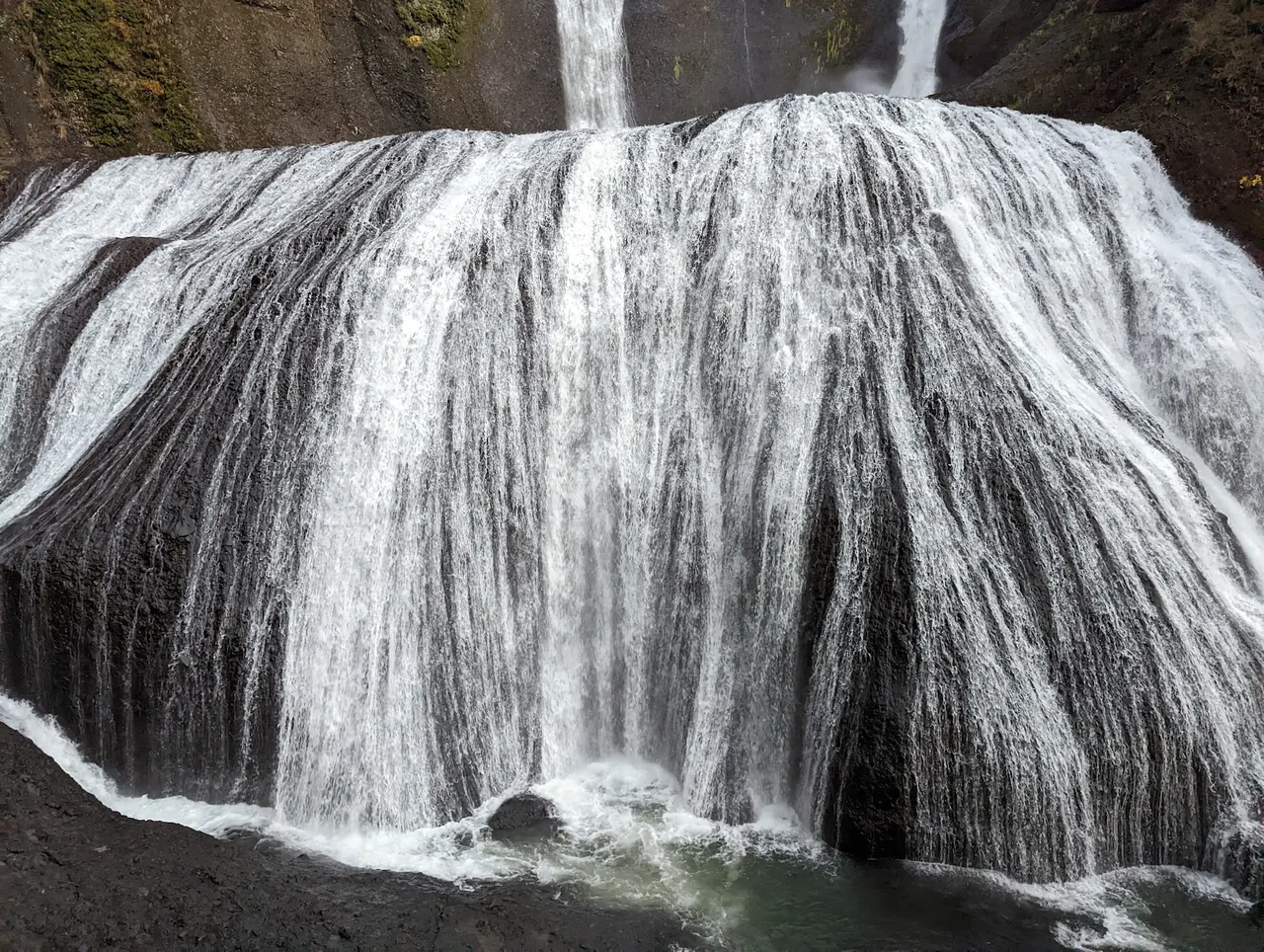
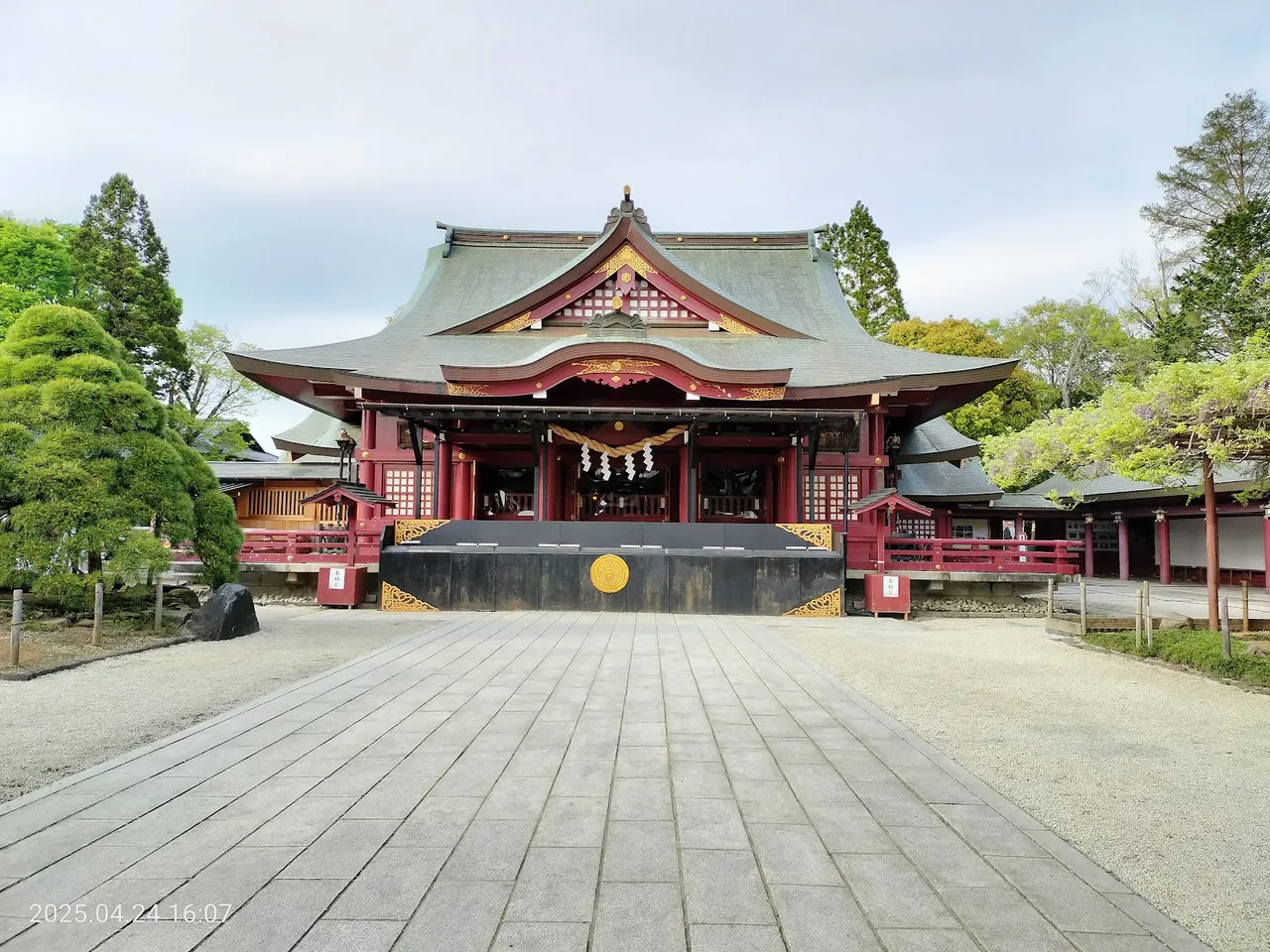
Ibaraki is the prefecture most foreign travellers pass through without stopping, heading north on the shinkansen from Tokyo to Sendai. That's a mistake. Hitachi Seaside Park is one of Japan's most photographed flower landscapes, the spring nemophila and autumn kohia blanketing whole hillsides; Kairakuen Garden is one of the country's three great landscape gardens, peaking with 3,000 plum trees in February; Kashima Jingu Shrine is one of Japan's three oldest Shinto shrines; Mount Tsukuba rises twin-peaked above the plain; Fukuroda Falls tumbles 120 metres in four cascades; Kasama Inari Shrine ranks among the country's three great Inari shrines; the wave-battered torii of Oarai Isosaki Shrine stands offshore; and the Edo-era school of Kodokan in Mito preserves Japan's largest historic academy compound.
Cities & Towns
Five anchors stretching from the Pacific coast to the inland mountain.
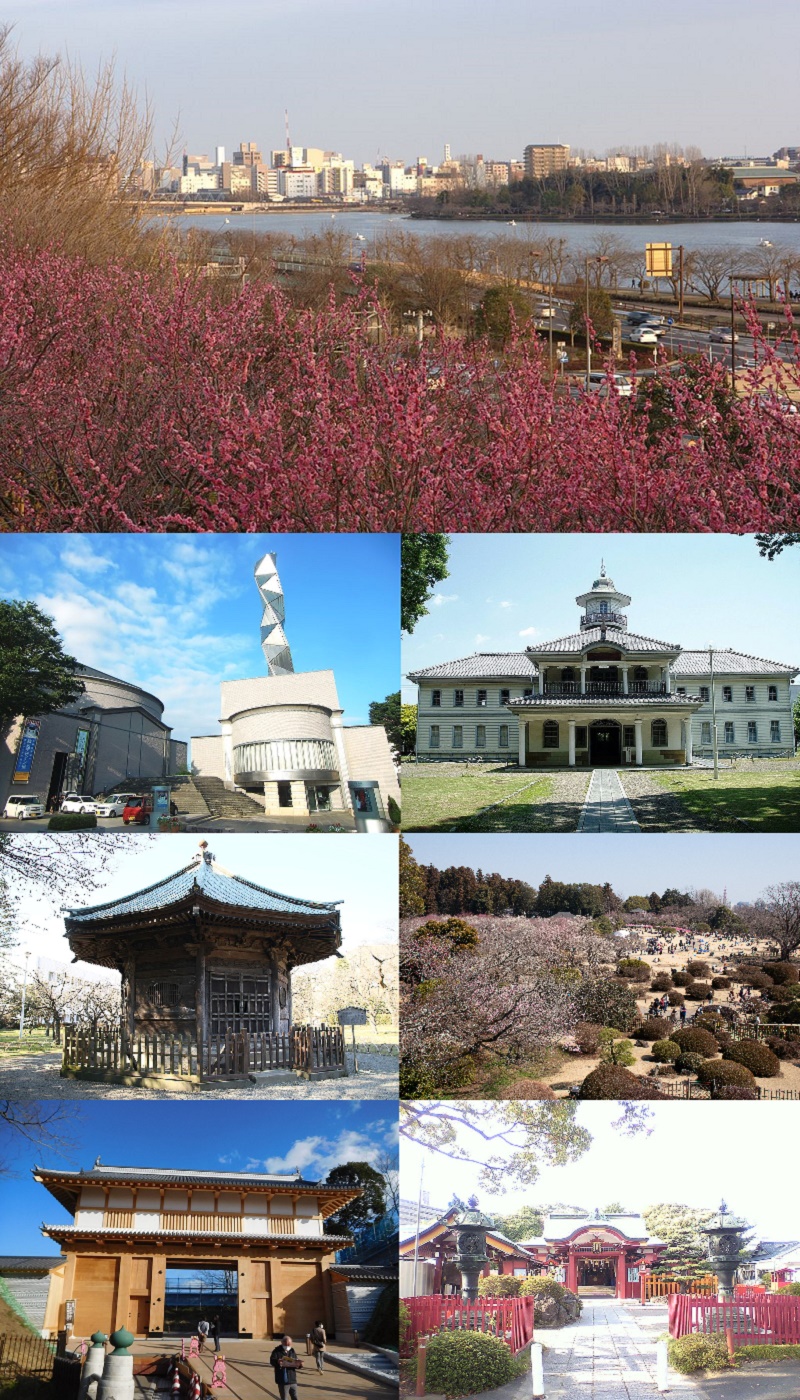
Mito
Ibaraki's prefectural capital, anchored by the historic Kodokan academy and the plum-tree spectacular at Kairakuen Garden
Capital and plum garden
- Kairakuen Garden
- Kodokan
- Senba Lake
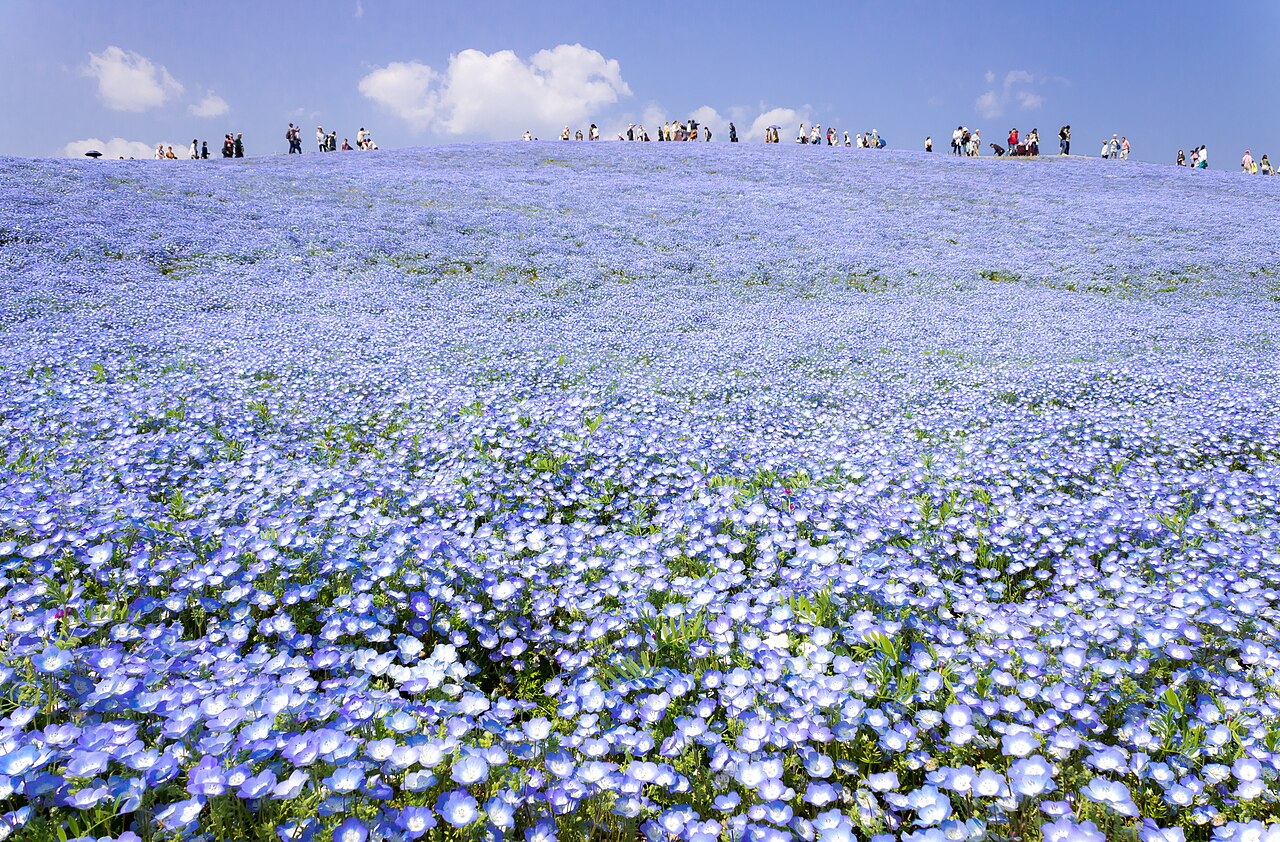
Hitachinaka
Home to Hitachi Seaside Park's nemophila and kohia hills: Ibaraki's image to the world, set on the Pacific coast
Flower park gateway
- Hitachi Seaside Park
- Nemophila Harmony April
- Kohia red autumn
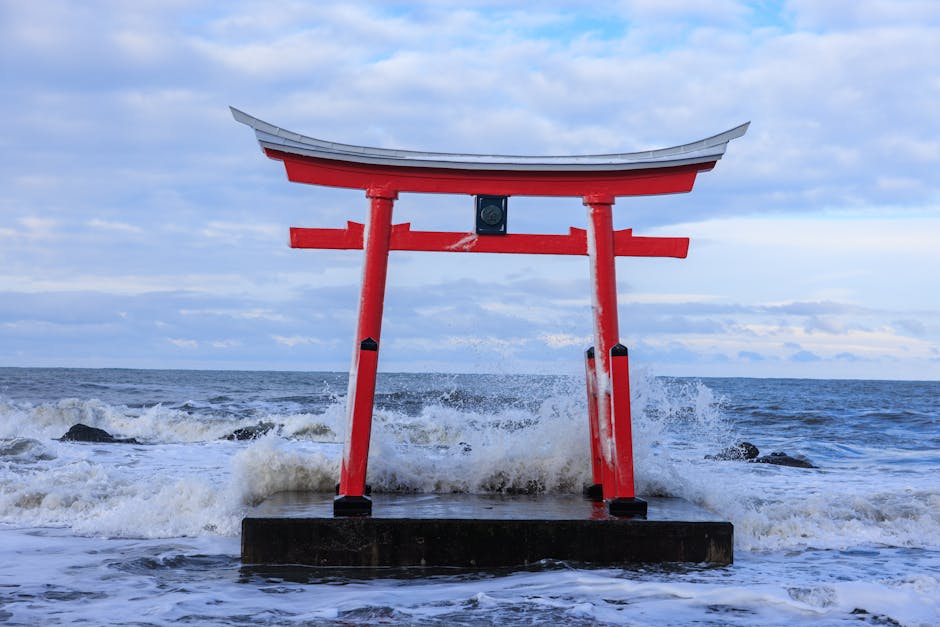
Oarai
A working ferry port with a famously sea-battered offshore torii at sunrise, plus a strong morning seafood market
Sea torii and ferry port
- Oarai Isosaki Shrine
- Mealtime fish market
- Mediterranean ferries to Hokkaido
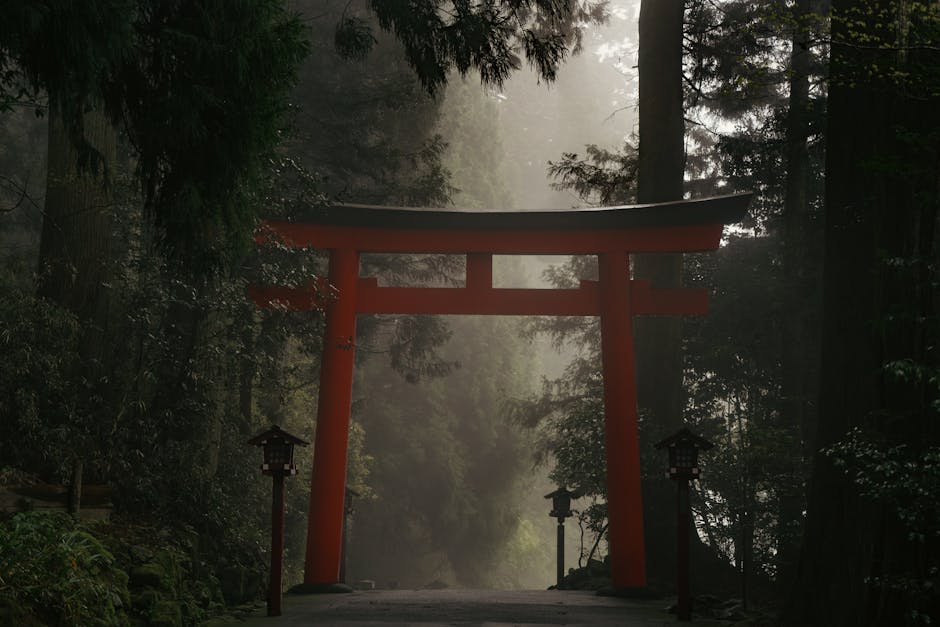
Kashima
A small Pacific city around one of Japan's three oldest Shinto shrines: deep cedars, sacred deer, and a martial-arts heritage
Ancient shrine town
- Kashima Jingu Shrine
- Sacred forest
- Deer sanctuary
Tsukuba
A planned science city beneath the twin peaks of Mount Tsukuba: research labs by day, a hiking-and-cable-car peak by weekend
Science city under Mount Tsukuba
- Mount Tsukuba
- Cable car and ropeway
- Tsukuba Science City
Top Attractions
Ibaraki's headline draws across coast, garden, and shrine country.
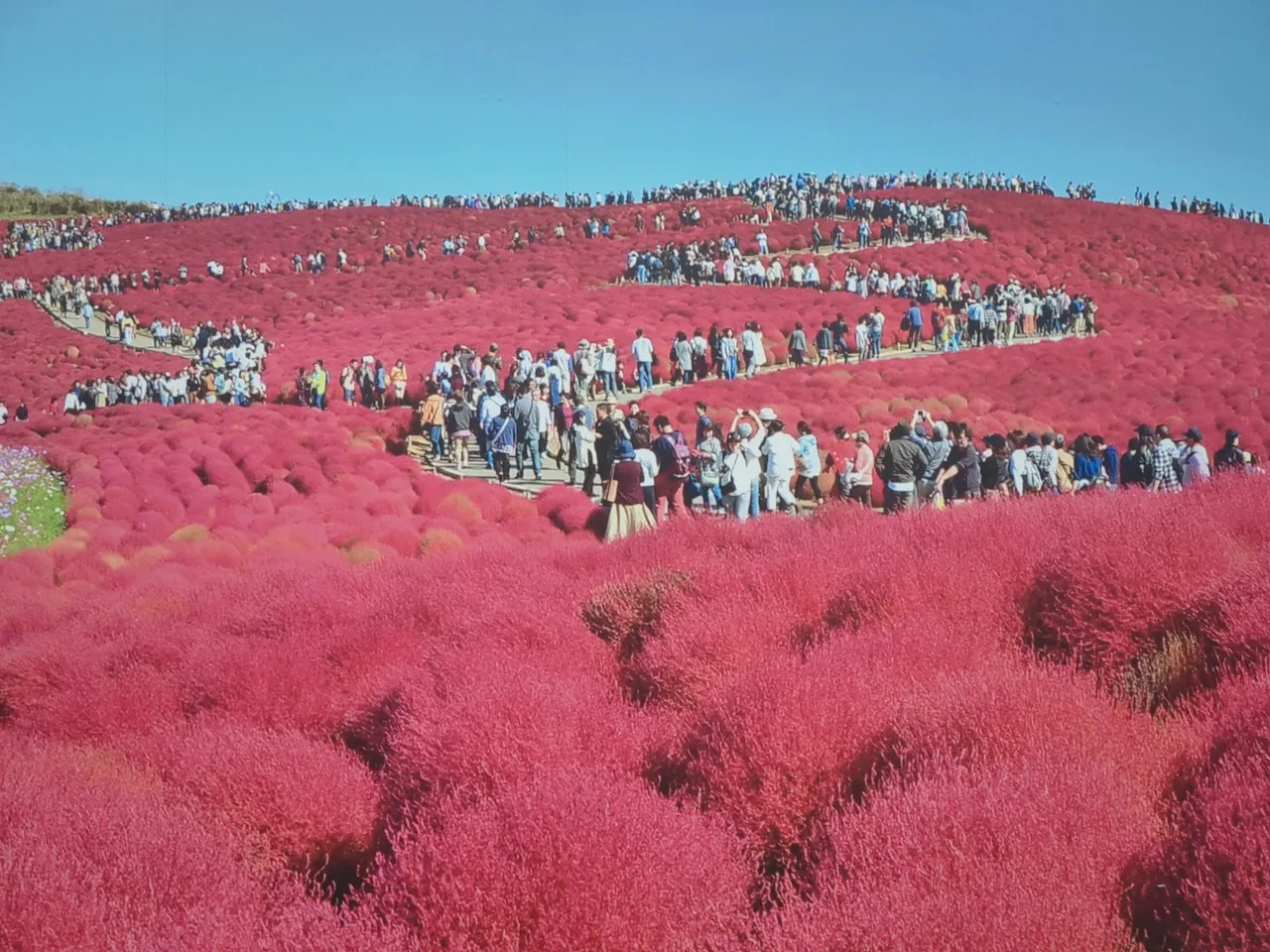
Coastal park with seasonal flower spectaculars: nemophila in late April, kohia red in October, plus rose, tulip, and narcissus seasons in between
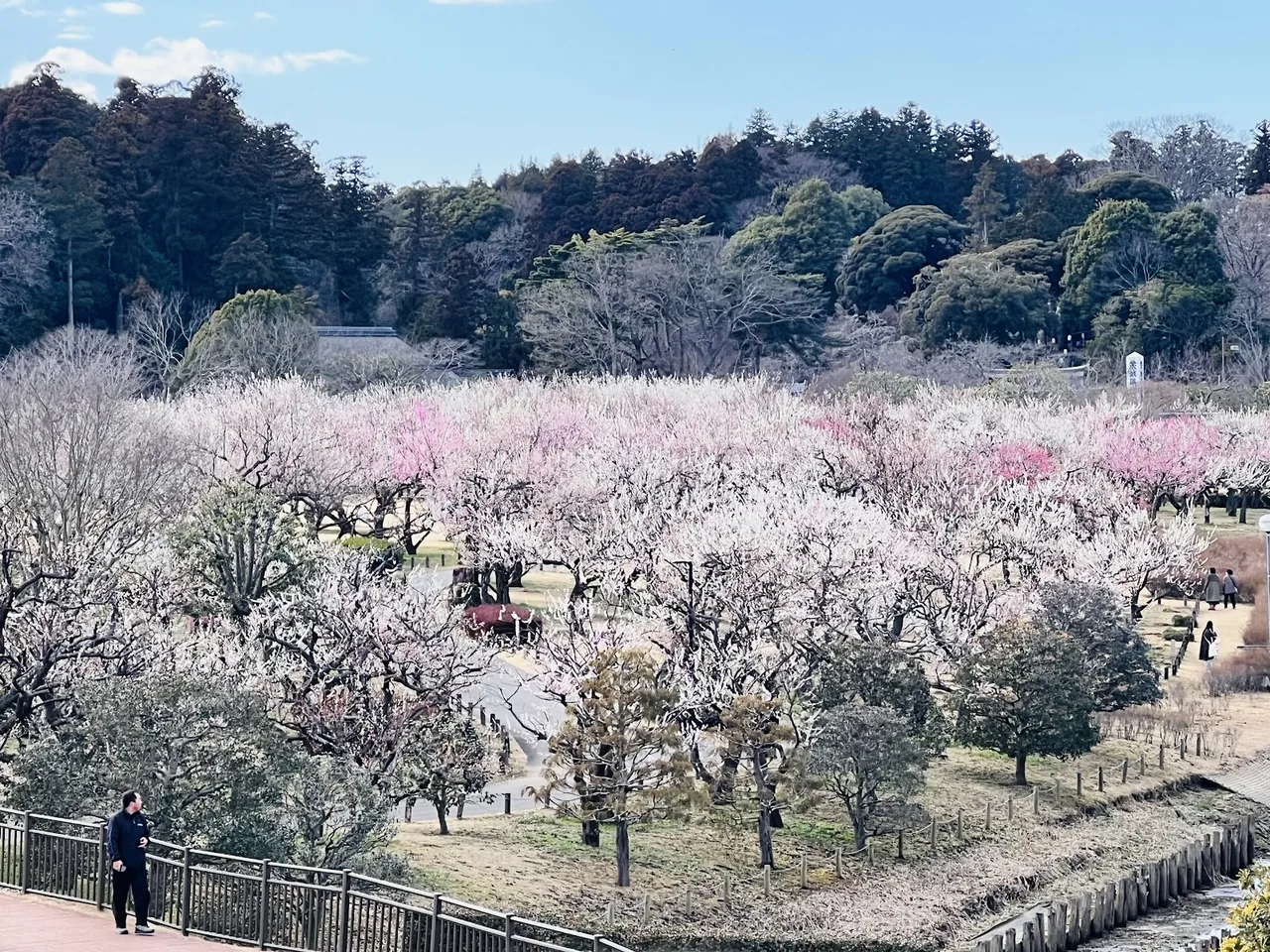
One of Japan's three great landscape gardens, where 3,000 plum trees in 100 varieties bloom from late February through March
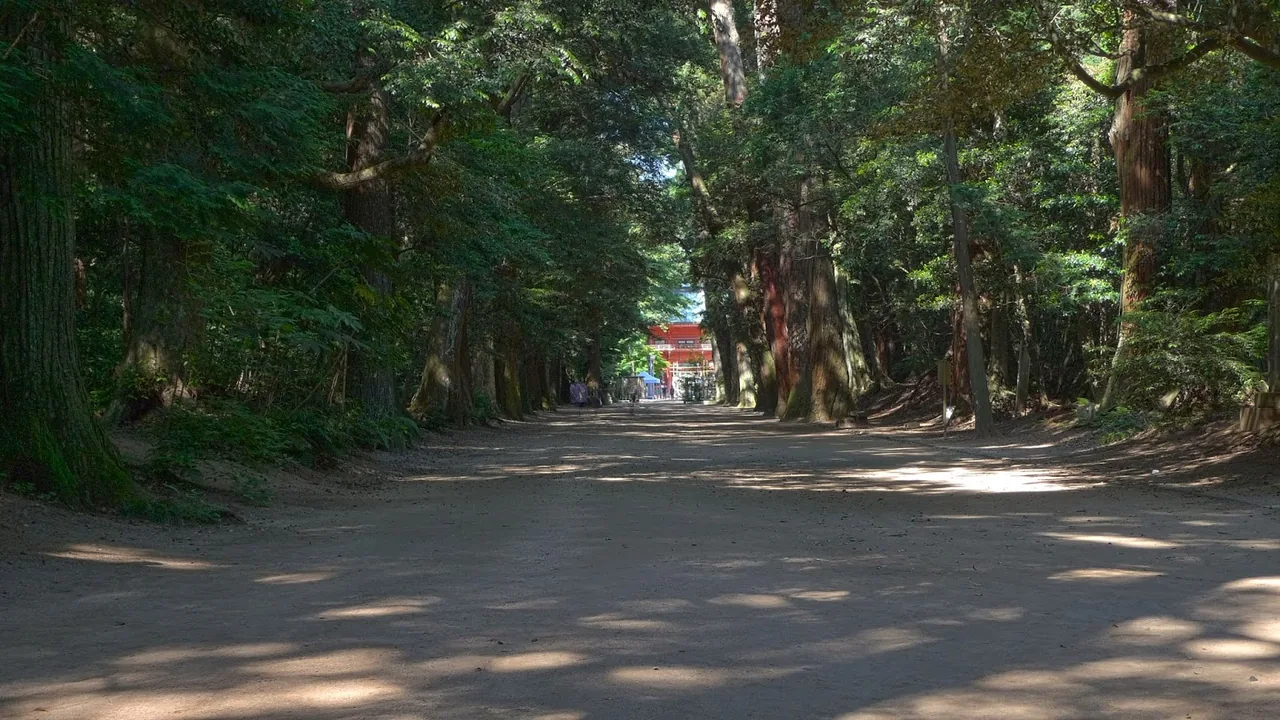
One of Japan's three oldest Shinto shrines: vast cedar forest grounds, sacred deer, and the Mitarashi spring at the back of the precinct
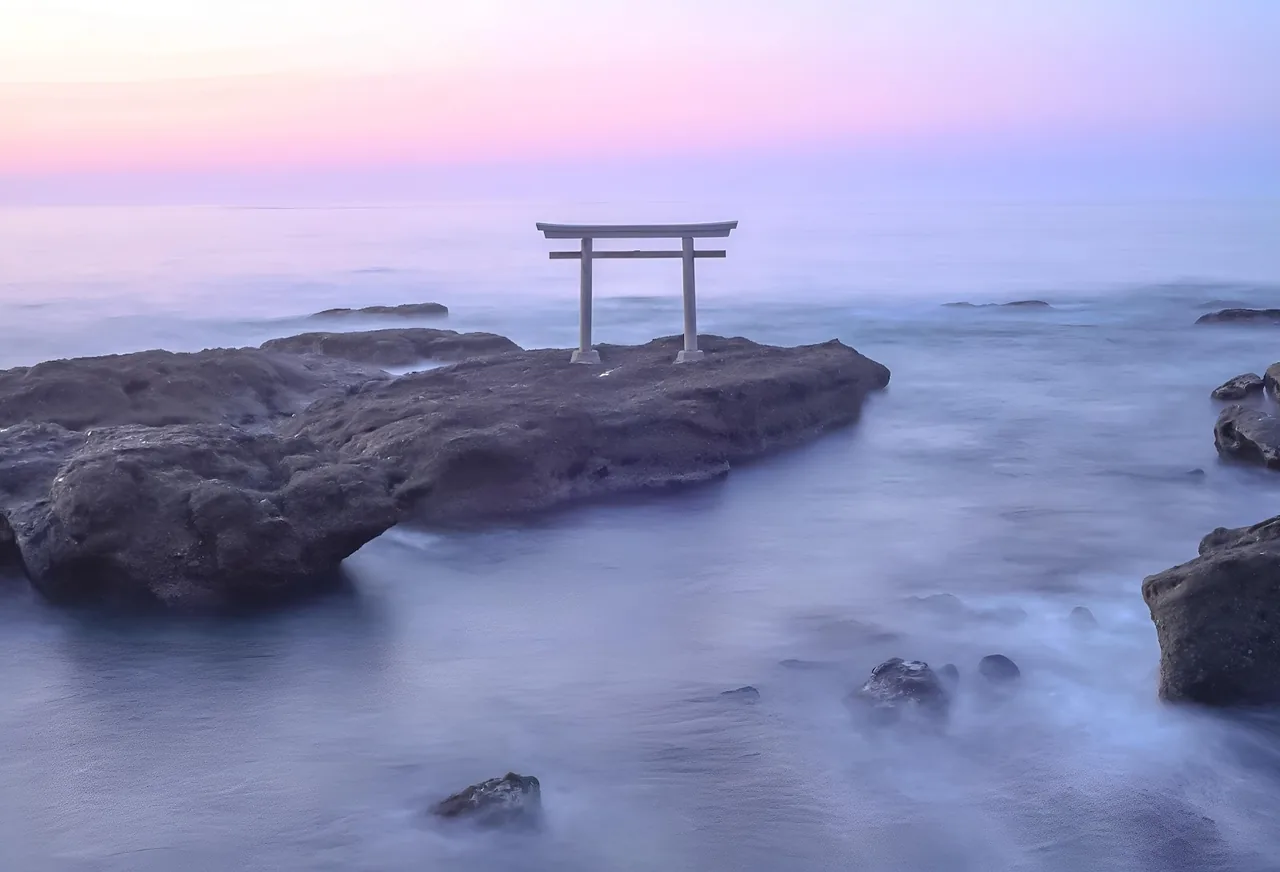 Hidden Gem
A vermillion torii standing offshore in the Pacific surf; a famous sunrise spot and one of Japan's most-photographed shrine settings
Hidden Gems
Three corners of Ibaraki most foreign visitors miss completely.
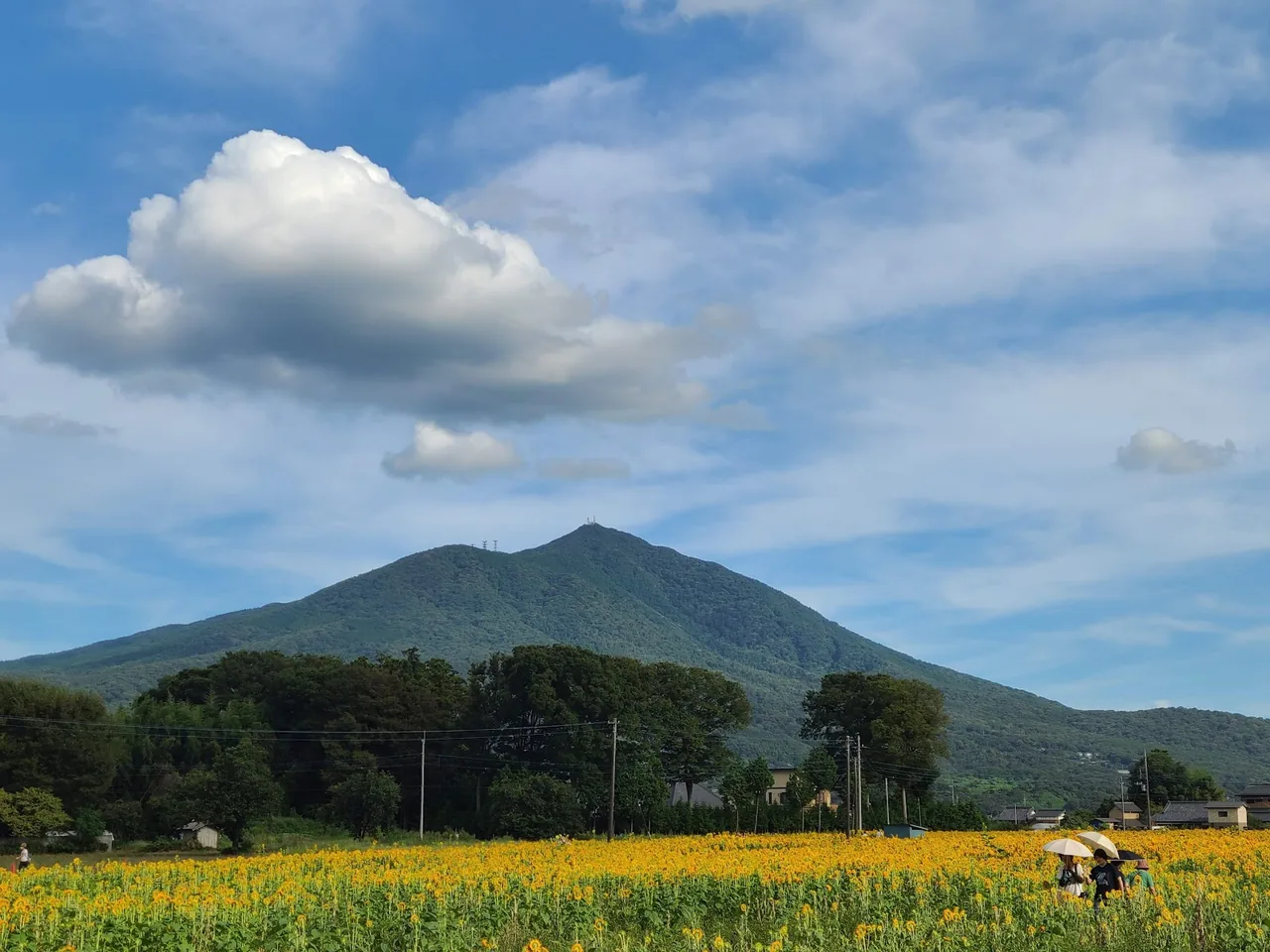 Hidden Gem
Twin volcanic peaks rising 877 metres above the Kanto plain, with cable car or hiking access and views back to Tokyo on clear days
 Hidden Gem
A 120-metre four-tier waterfall in northern Ibaraki, freezing into ice climbs in winter and lit nightly during autumn foliage
 Hidden Gem
One of Japan's three great Inari shrines: a vast wooden complex framed by a long path of small fox-flanked sub-shrines
When to Visit
Ibaraki's seasons closely follow Tokyo's, but the Pacific coast stays a few degrees milder year-round.
Springharu
Mar – May10–22°CHigh crowds
Springharu
- Hitachi Seaside Park nemophila peak late April to early May
- Mito Plum Festival February-March
- Tulip festival mid-April at Hitachi Park
- Mount Tsukuba plum blossoms February-March
Summernatsu
Jun – Aug23–31°CModerate crowds
Summernatsu
- Rainy season through early July
- Pacific coast cooler than Tokyo
- Fukuroda Falls fullest after rains
- Coastal lighthouse walks
Autumnaki
Sep – Nov10–22°CHigh crowds
Autumnaki
- Hitachi Seaside Park kohia turn red October
- Fukuroda Falls foliage with night lighting late October
- Mount Tsukuba foliage mid-November
- Comfortable for shrine walks
Winterfuyu
Dec – Feb1–11°CLow crowds
Winterfuyu
- Mito Plum Festival opens late January
- Frozen Fukuroda Falls late January-February
- Sunrise at Oarai Isosaki Shrine
- Quiet coast with the fewest visitors
Suggested Itineraries
From a flower-park day trip to a deeper coastal loop.
FAQ
How do I get from Tokyo to Ibaraki?
Mito is 80 minutes from Ueno on the Joban Limited Express. Hitachi Seaside Park is reached via Katsuta Station (Joban line) plus a 15-minute bus. Kashima Jingu is 100 minutes from Tokyo Station via the highway bus. Tsukuba is 45 minutes on the Tsukuba Express line.
When are the nemophila in bloom at Hitachi Seaside Park?
Late April to early May is peak, typically the last week of April. The flowers form a pale-blue carpet across whole hillsides. Expect significant crowds during Golden Week, when Tokyo day-trippers flood in.
What is Ibaraki best known for?
Hitachi Seaside Park's seasonal flower fields, Kairakuen Garden's 3,000 plum trees, Kashima Jingu Shrine's deep cedar forest, the Pacific torii of Oarai Isosaki, and Mount Tsukuba: Ibaraki has more "top three" rankings than any other Kanto prefecture.
Is Ibaraki worth visiting?
Yes, especially during nemophila or kohia seasons at Hitachi Seaside Park, or in February-March when Kairakuen's plums bloom. Outside those windows, the prefecture is genuinely quiet and offers a contrast to the Tokyo–Kyoto–Osaka rush.
How many days do I need in Ibaraki?
One day for Hitachi Seaside Park alone, two days to add Mito and Oarai, three days to include Kashima Jingu and Mount Tsukuba. Most visitors do a flower-park day trip; a longer stay reveals a much fuller prefecture.
What are Ibaraki's hidden gems?
Mount Tsukuba's twin-peak hike with views back to Tokyo, the four-tier Fukuroda Falls in the north, and Kasama Inari Shrine (one of Japan's three great Inari shrines, but with almost no foreign visitors compared to its Kyoto sister).