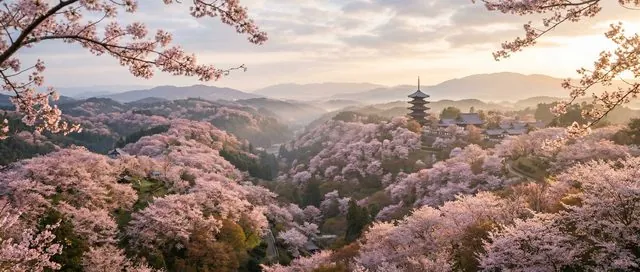
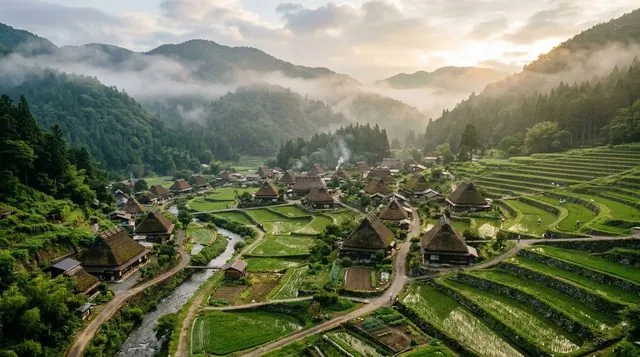
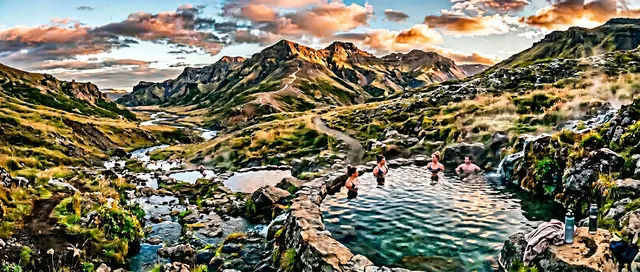
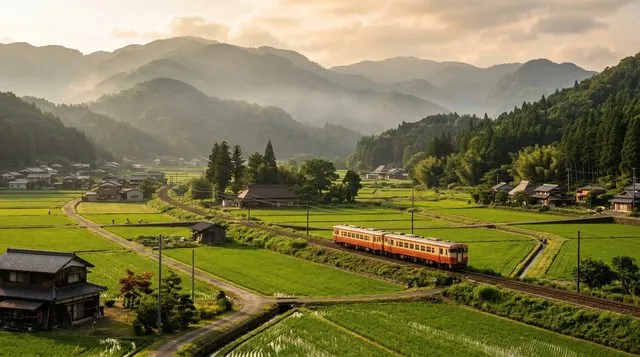
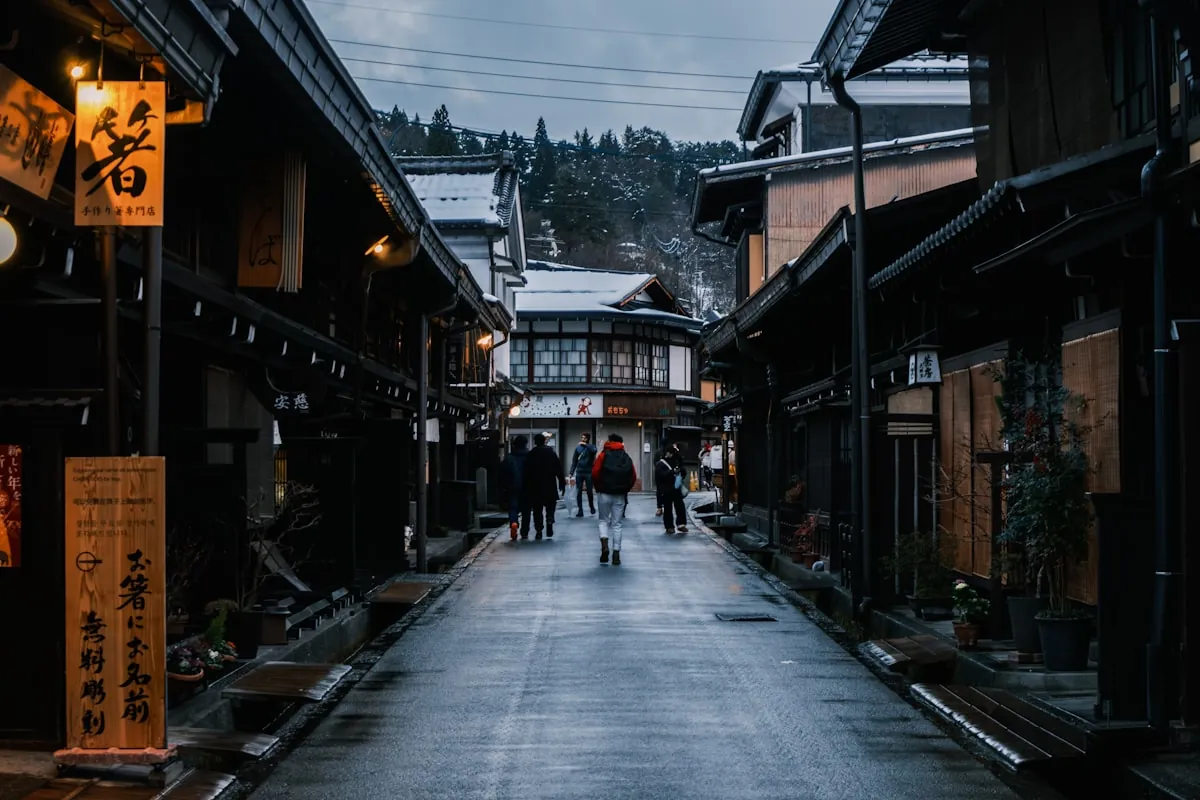
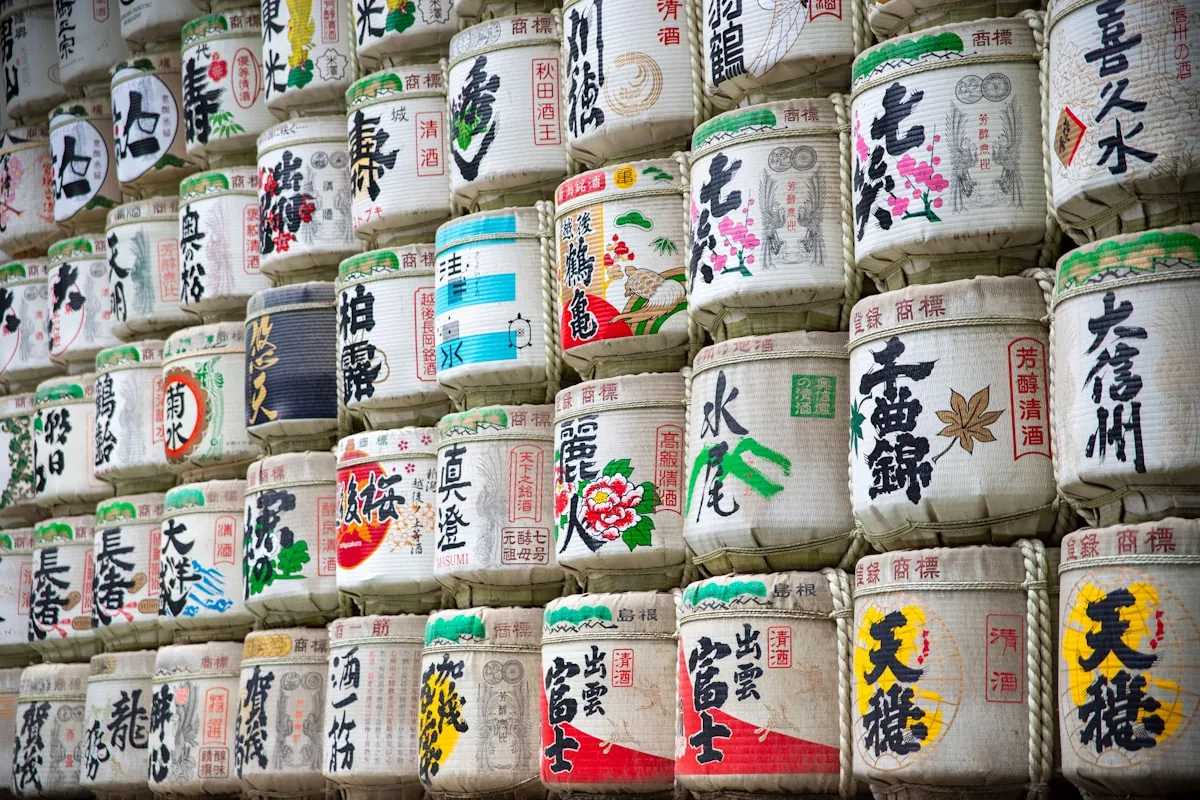
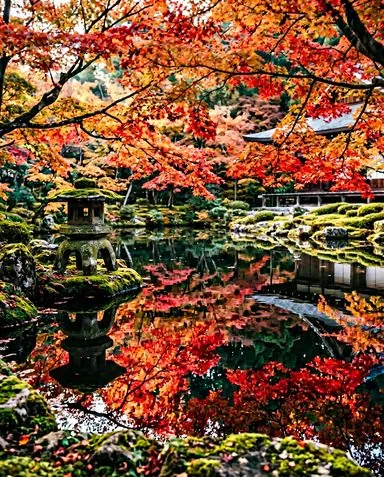
Tokyo is technically a 'metropolis', not a prefecture, and the distinction matters. Beyond the famous central wards lies a vast western Tama region of forested mountains and university towns, plus an offshore chain of Pacific islands. The headline sights (Senso-ji in Asakusa, Meiji Shrine in Shibuya, the gardens of Shinjuku Gyoen, the views from Tokyo Skytree, the temple lanes of Yanaka) anchor most visits. But Tokyo Metropolis also includes Mitaka's Ghibli-flavoured parks, Hachioji's commuter mountains, Okutama's gorges, the volcanic island of Oshima, and the UNESCO-listed Ogasawara Islands a 24-hour ferry south.
Cities & Towns
Tokyo's 23 wards plus the western Tama cities and the offshore islands.
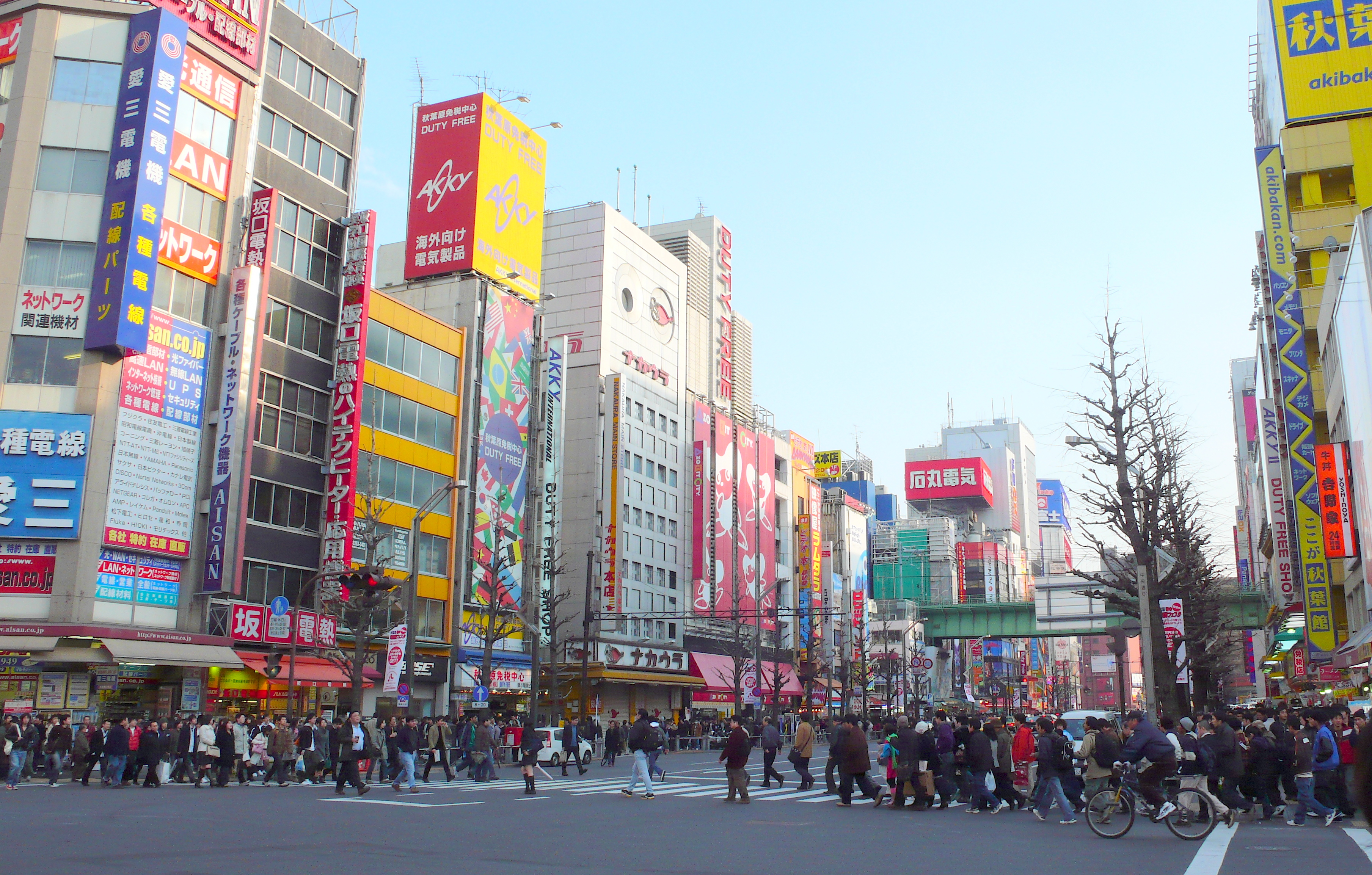
Central Tokyo
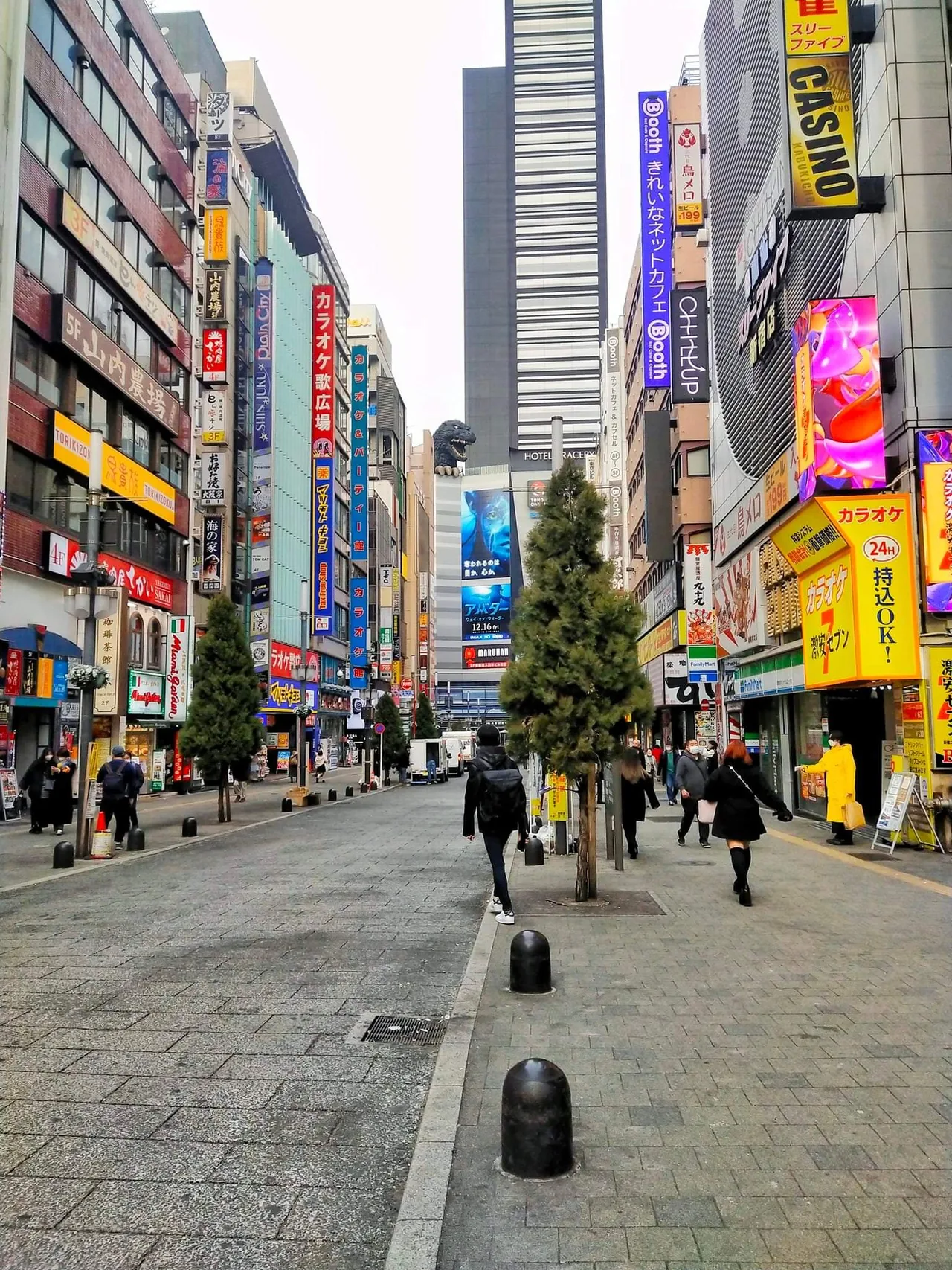
The 23 wards: Shibuya, Shinjuku, Asakusa, Ginza, and the rest of the famous skyline
The 23 wards
- Shibuya & Shinjuku
- Asakusa & Yanaka
- Ginza & Tsukiji
Mitaka
A leafy western suburb best known as the home of the Ghibli Museum, with Inokashira Park's lake and izakaya alleys nearby
Ghibli and Inokashira
- Ghibli Museum
- Inokashira Park
- Kichijoji izakaya
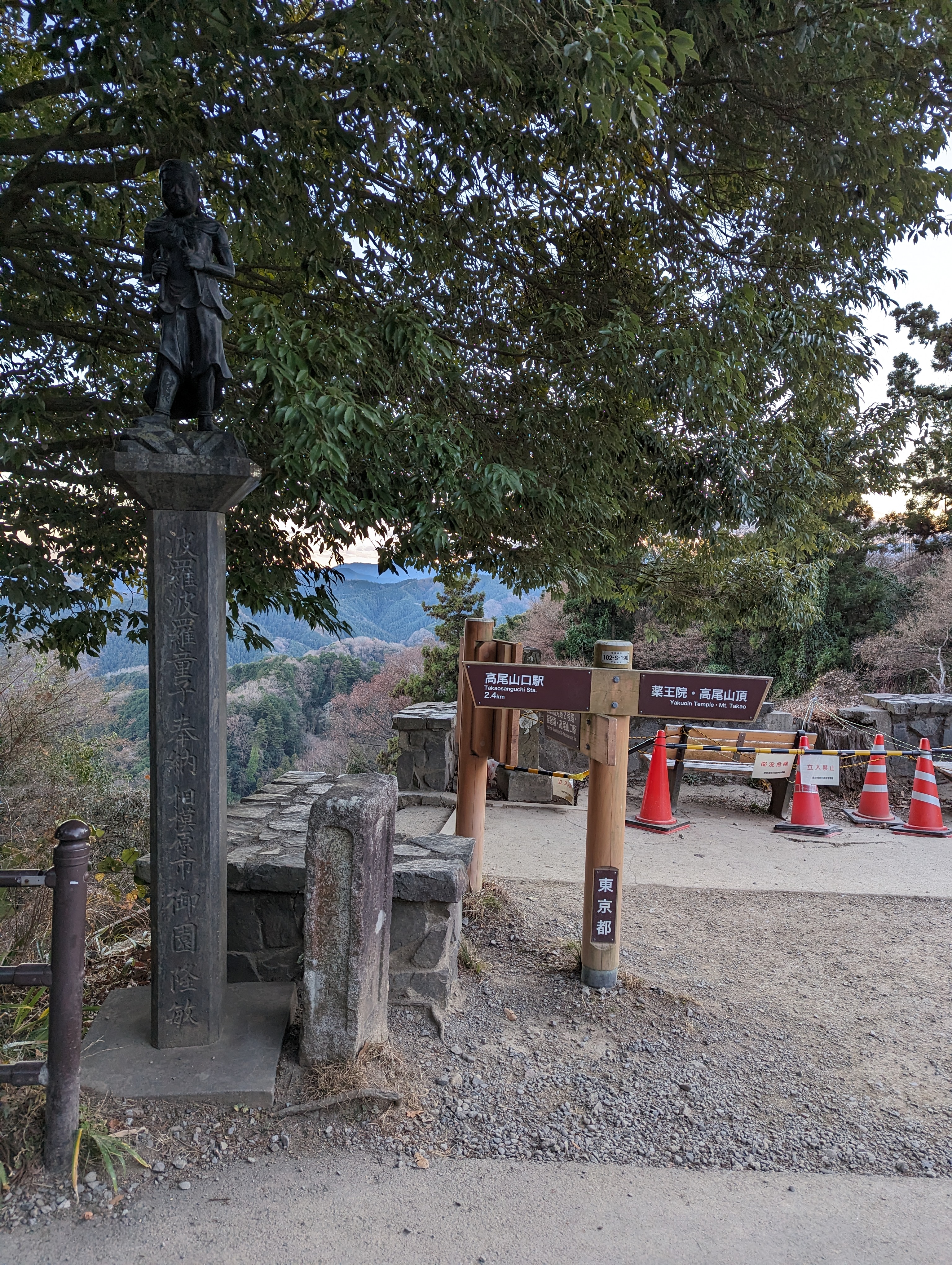
Hachioji
Tokyo's largest western city, with temple-topped Mount Takao on its doorstep and quiet sake breweries on its outskirts
Mount Takao gateway
- Mount Takao
- Takiyama Castle ruins
- Sake breweries
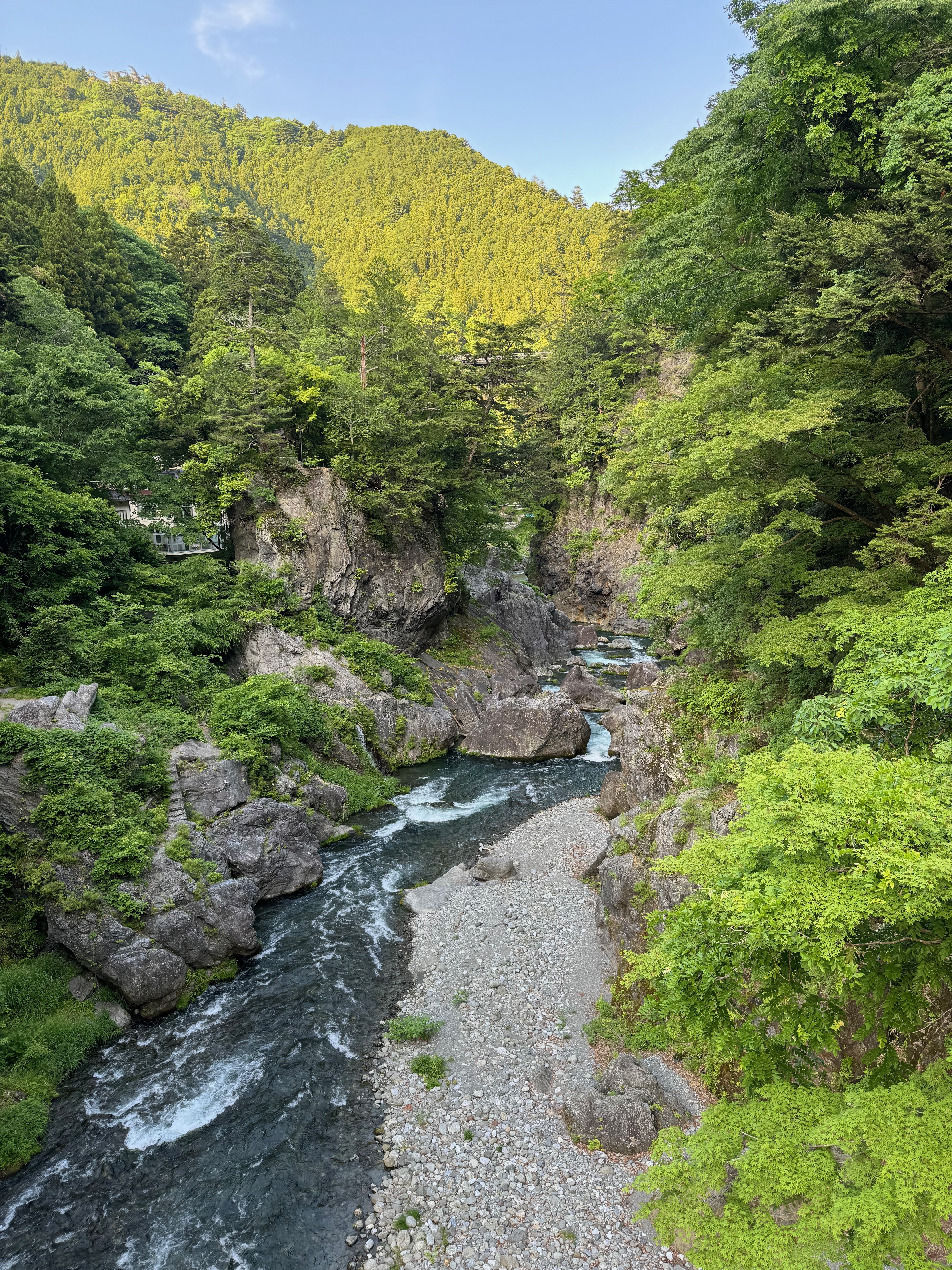
Okutama
A wild river gorge town two hours from Shinjuku: limestone caves, swimming holes, and hiking trails almost no foreign tourist reaches
River gorge and hiking
- Okutama-ko lake
- Hatonosu gorge
- Mount Mitake
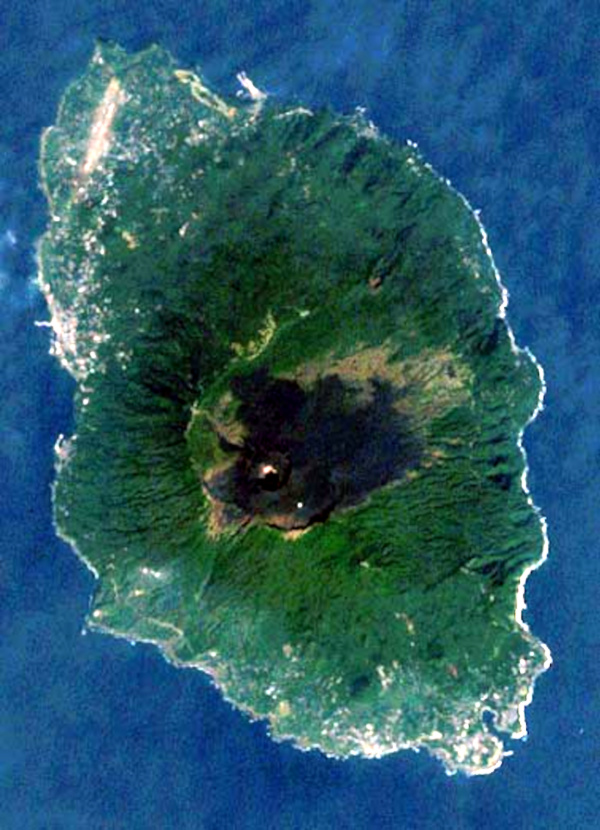
Oshima Island
An active volcanic island a fast ferry from Tokyo: black-sand beaches, camellia forests, and a steaming caldera
Volcanic Pacific island
- Mount Mihara caldera
- Black sand beaches
- Camellia season
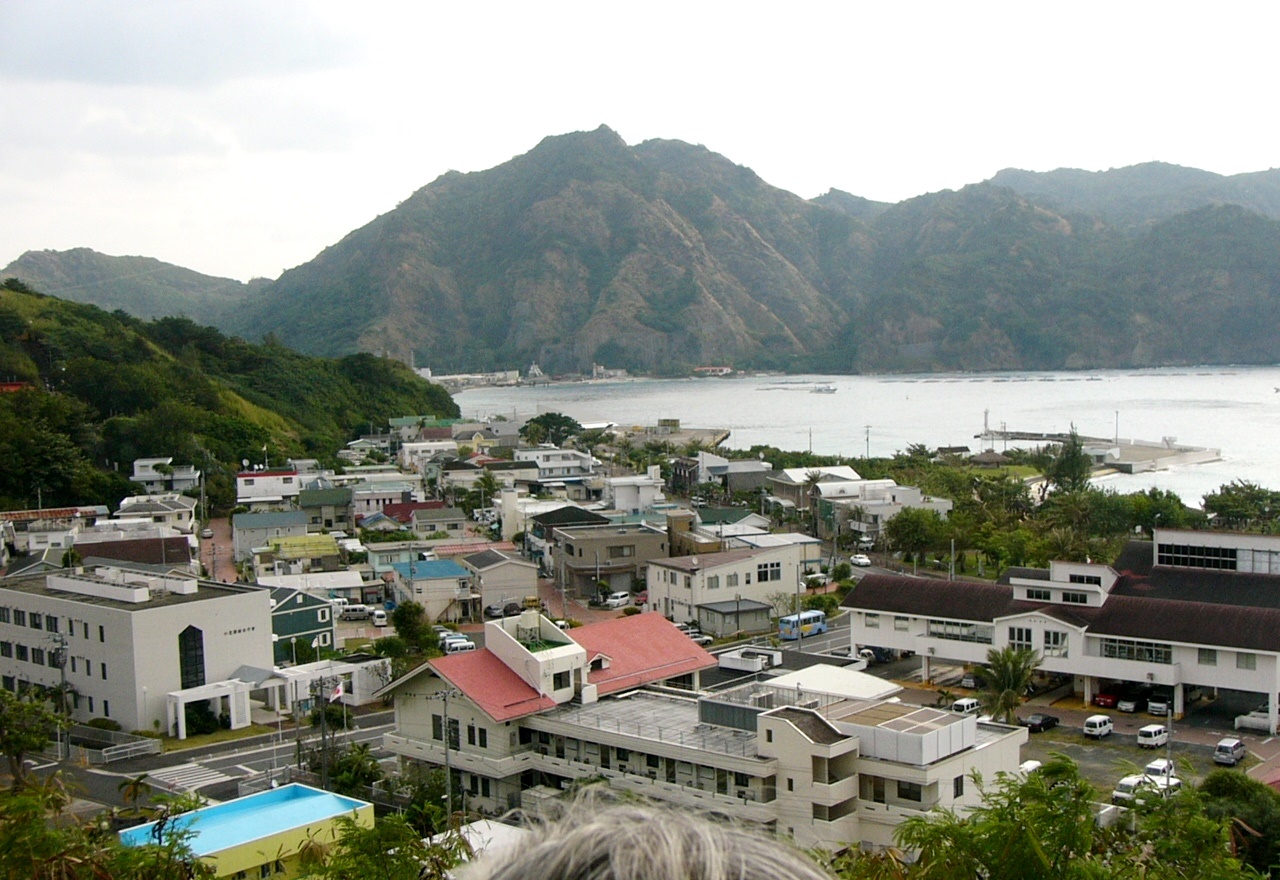
Ogasawara Islands
A 24-hour ferry south of Tokyo: a UNESCO-listed Pacific archipelago with whales, dolphins, and reefs that feel like another country
UNESCO Pacific archipelago
- Chichijima beaches
- Whale watching
- World Heritage forest
Top Attractions
Tokyo's most enduring draws across the central wards.
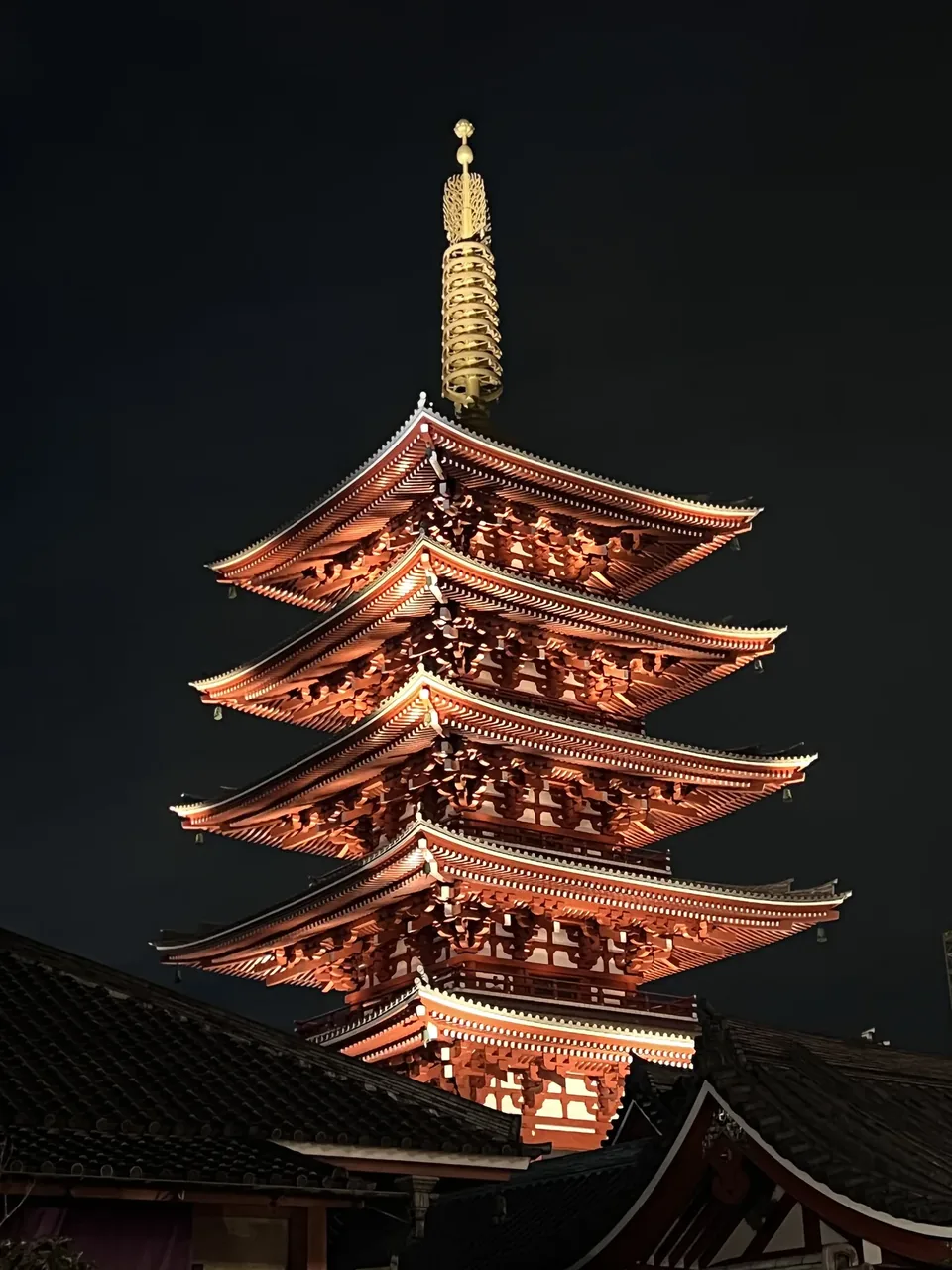
Tokyo's oldest temple, framed by the Kaminarimon gate and the lantern-lit Nakamise shopping street that runs to its main hall
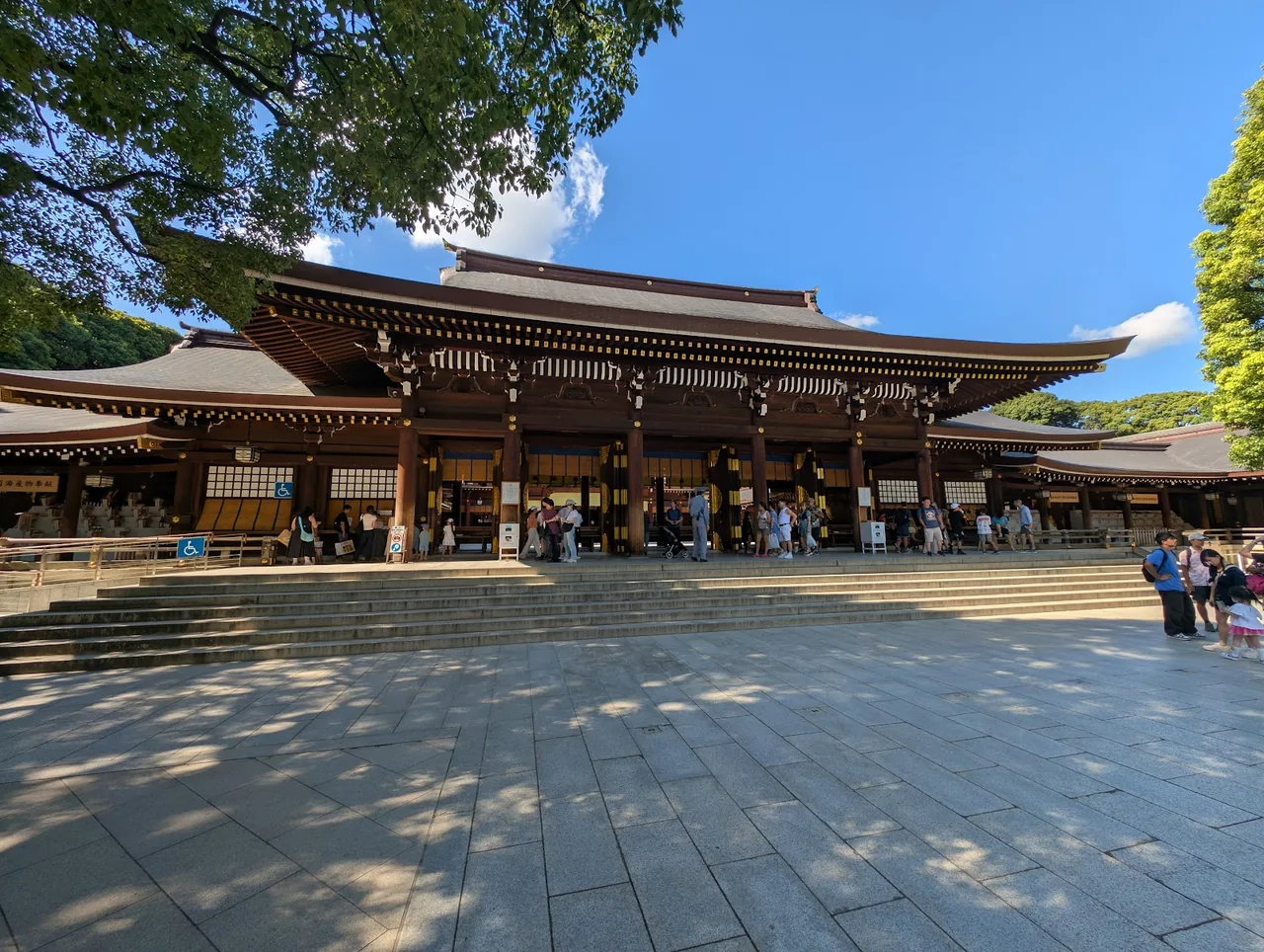
Tokyo's largest forested shrine grounds: a quiet 100-year-old cedar forest in the heart of Shibuya
Tokyo's most complete classical garden: Japanese, English, and French landscapes over 58 hectares in central Shinjuku
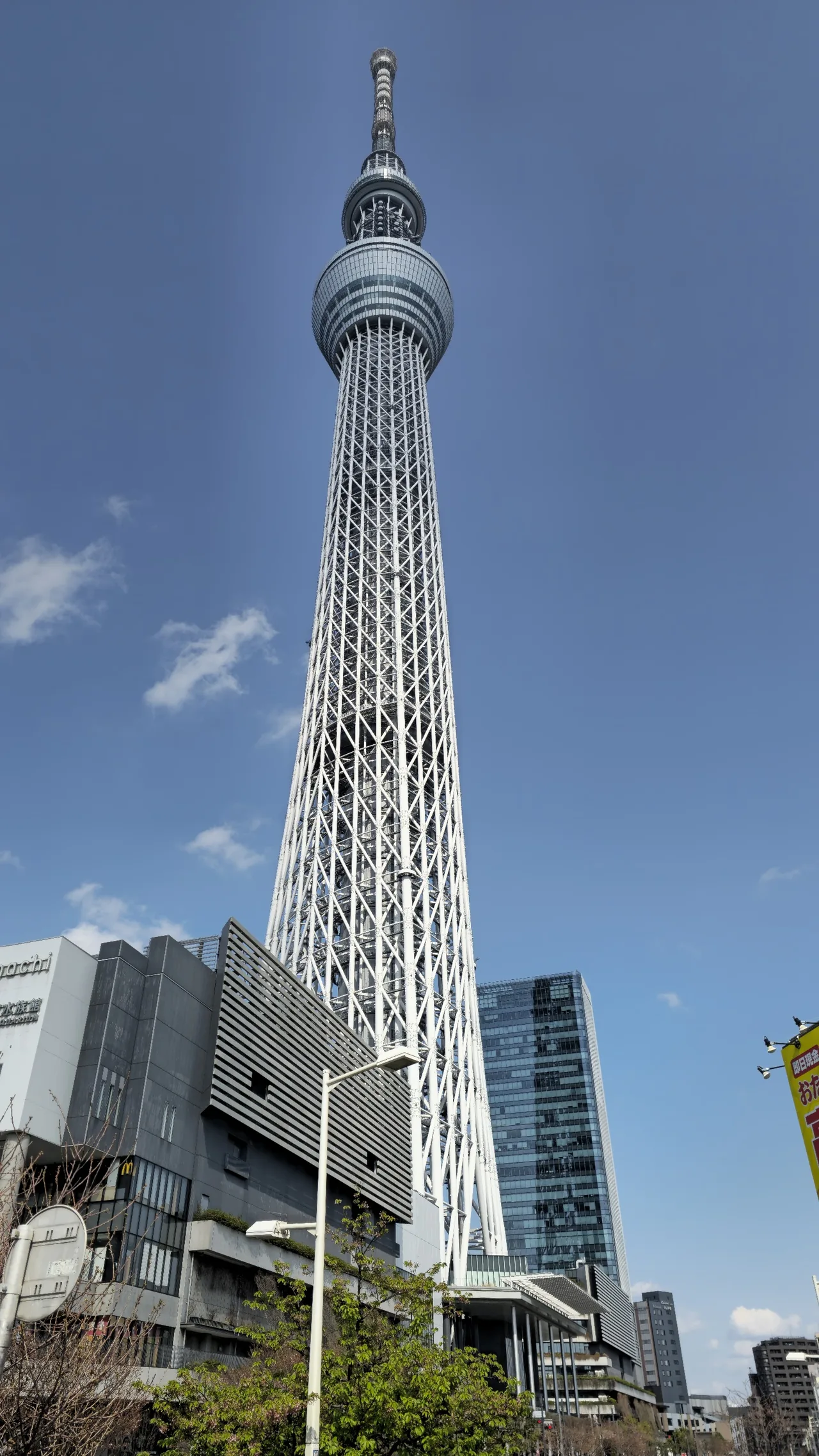
The world's tallest free-standing tower at 634m, with two observation decks above the eastern Sumida skyline
Hidden Gems
Three corners of Tokyo Metropolis most travellers never reach.
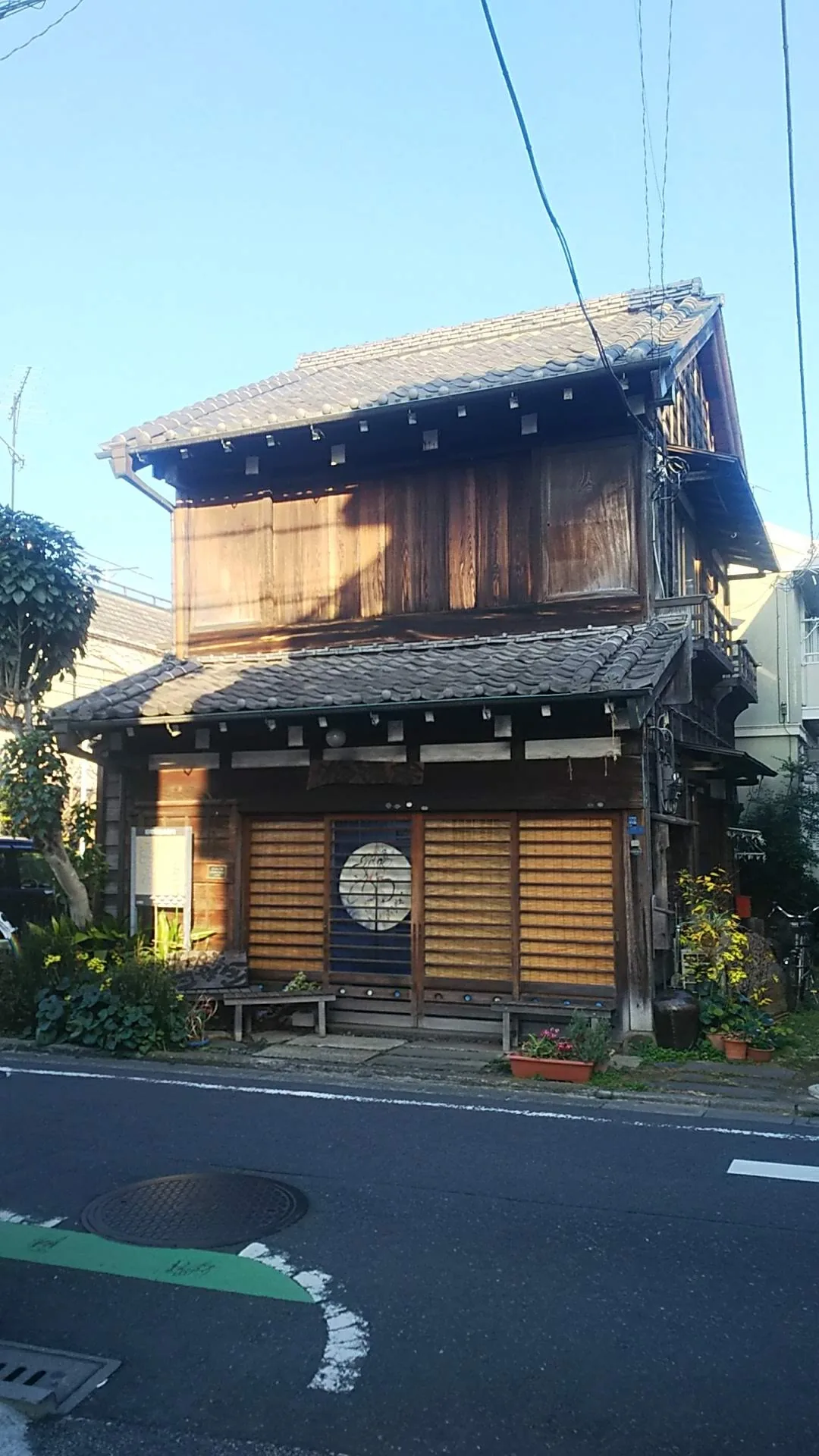 Hidden Gem
An old shitamachi survivor of the wartime bombing: temple lanes, cat-themed cafes, and a graveyard cherry-blossom tunnel
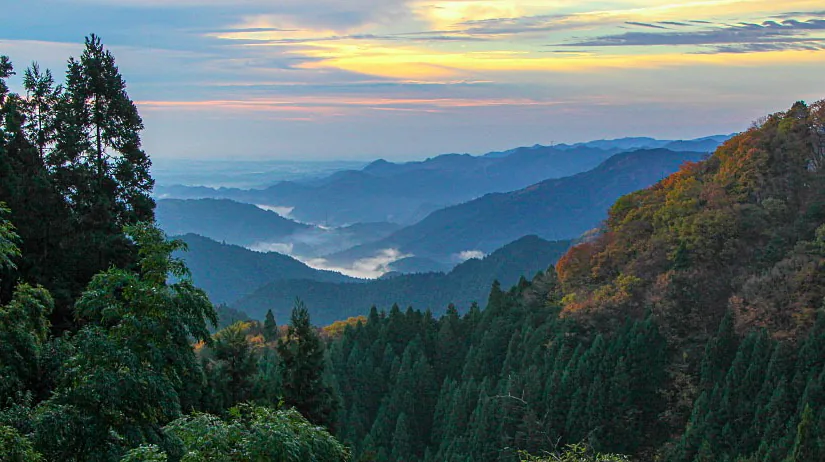 Hidden Gem
An ancient mountain shrine inside Tokyo Metropolis: a cable car climb followed by alpine forest trails to a stone-built holy site
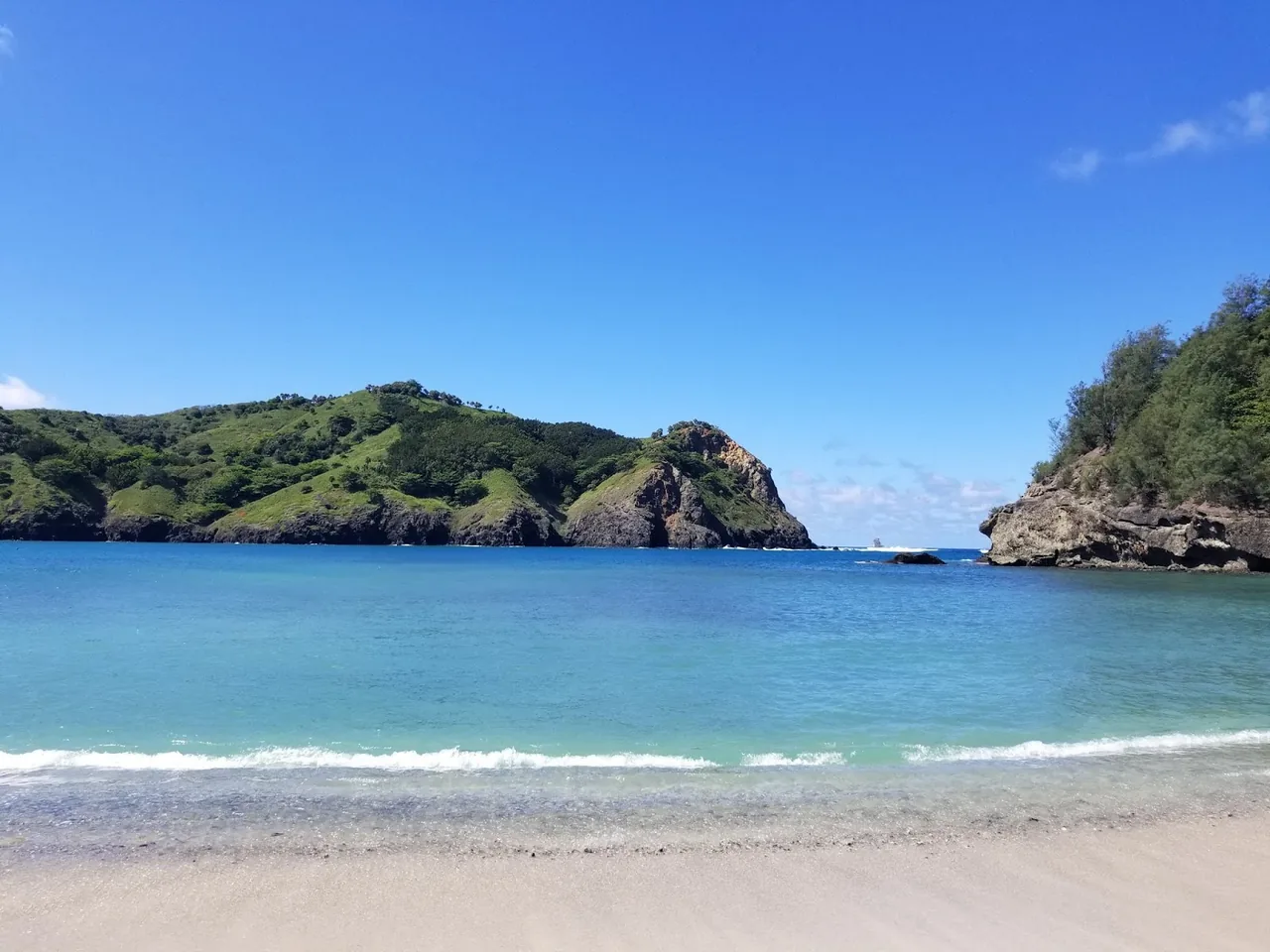 Hidden Gem
Tropical beaches and dolphin pods in the Ogasawara archipelago, the part of Tokyo that takes 24 hours to reach by ferry
When to Visit
Tokyo's lowlands have four sharply distinct seasons; the Ogasawara islands stay subtropical year-round.
Springharu
Mar – May10–22°CHigh crowds
Springharu
- Cherry blossoms peak late March to early April
- Shinjuku Gyoen and Yoyogi Park busiest in early April
- Wisteria at Kameido Tenjin late April
- Golden Week last week of April
Summernatsu
Jun – Aug25–34°CModerate crowds
Summernatsu
- Rainy season through early July
- Hot and humid lowlands; Okutama and Mitake are cooler
- Sumida fireworks late July
- Beach season opens on Oshima
Autumnaki
Sep – Nov10–24°CHigh crowds
Autumnaki
- Foliage in Okutama mid-November
- Shinjuku Gyoen ginkgo peaks late November
- Comfortable temperatures across central Tokyo
- Light typhoon risk through October
Winterfuyu
Dec – Feb2–11°CModerate crowds
Winterfuyu
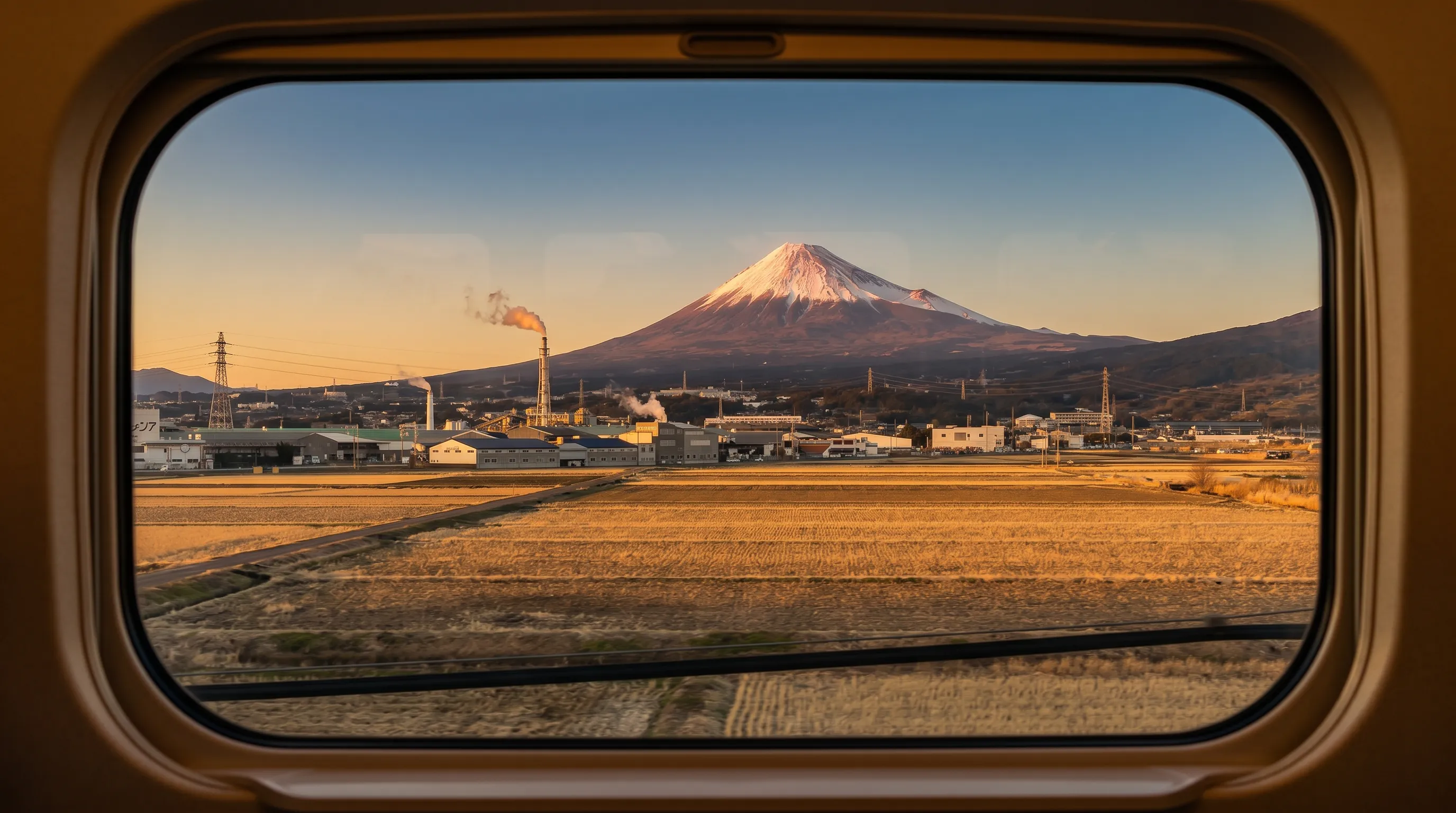
- Dry, sunny days, with the best Mount Fuji visibility from western Tokyo
- Camellia season on Oshima
- Plum blossoms appear by early February
- Fewest tourists in central wards
Suggested Itineraries
From a quick city break to a deep dive into the prefecture.
FAQ
How many days do I need in Tokyo?
Three days covers the central highlights: Asakusa, Shibuya, Shinjuku, and one Tama or museum-day. A week opens up Yanaka's old town, Mount Takao or Okutama, and an overnight to Hakone or Nikko. Two weeks lets you reach Oshima or even the Ogasawara Islands.
Is Tokyo only the famous central wards?
No. Tokyo Metropolis includes the western Tama region (Mitaka, Hachioji, Okutama) and a chain of Pacific islands (Oshima, Hachijojima, the Ogasawara group). Officially, Tokyo extends over 1,000 kilometres south of central Shibuya.
What is the best time of year to visit Tokyo?
Late March to early April for cherry blossoms (busiest), late November for ginkgo and maple foliage, and December to February for dry winter days with the year's clearest views of Mount Fuji from the city's western edge.
How do I get from the airport to central Tokyo?
From Haneda: 30 minutes via Tokyo Monorail or Keikyu line. From Narita: 60-90 minutes via Narita Express, Keisei Skyliner, or limousine bus. Both airports have 24-hour service to most central neighbourhoods.
Is Tokyo safe for solo travellers?
Yes. Tokyo is one of the safest large cities in the world, with low petty crime and a 24-hour transit network. Solo women travellers report few issues; standard urban precautions apply in late-night entertainment districts.
What are Tokyo's hidden gems?
Yanaka's old shitamachi temple lanes, the cedar trails of Mount Mitake in Okutama, the camellia forests of Oshima Island, and, for the truly committed, the UNESCO-listed beaches of the Ogasawara Islands a 24-hour ferry south.