

Senso-ji (Asakusa Kannon-do) was founded in 645 AD around a Kannon statue allegedly fished from the Sumida river by two brothers, making it Tokyo’s oldest established temple. By day it’s the most-visited temple in Japan; visit at sunrise or after 21:00 to walk the Nakamise empty.
What to Expect
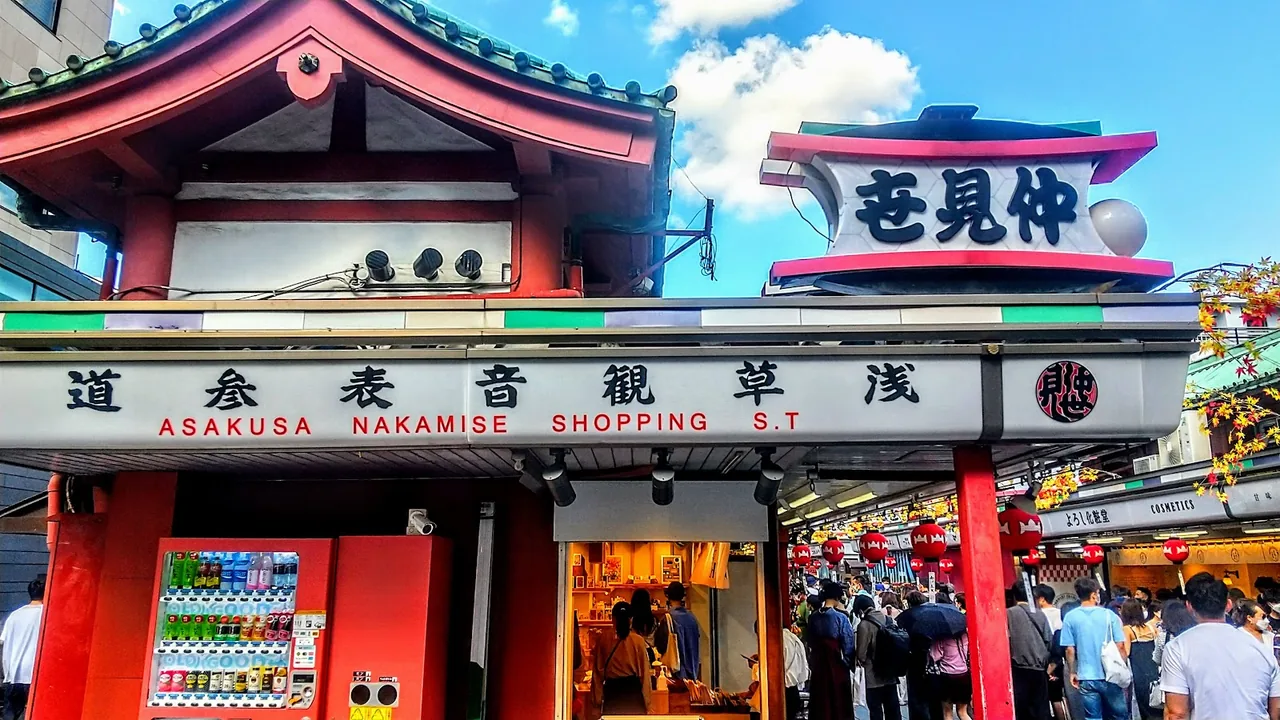
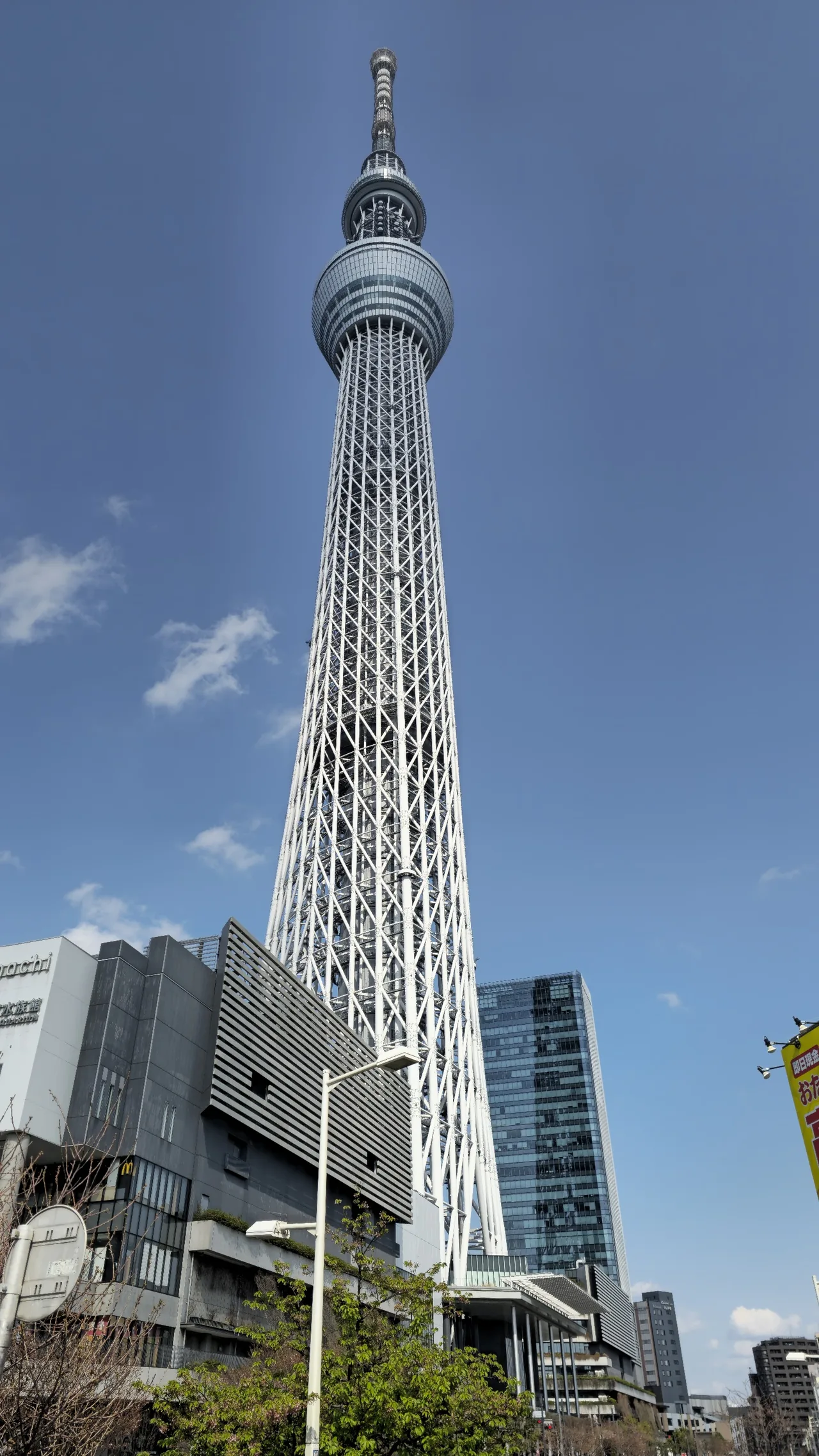
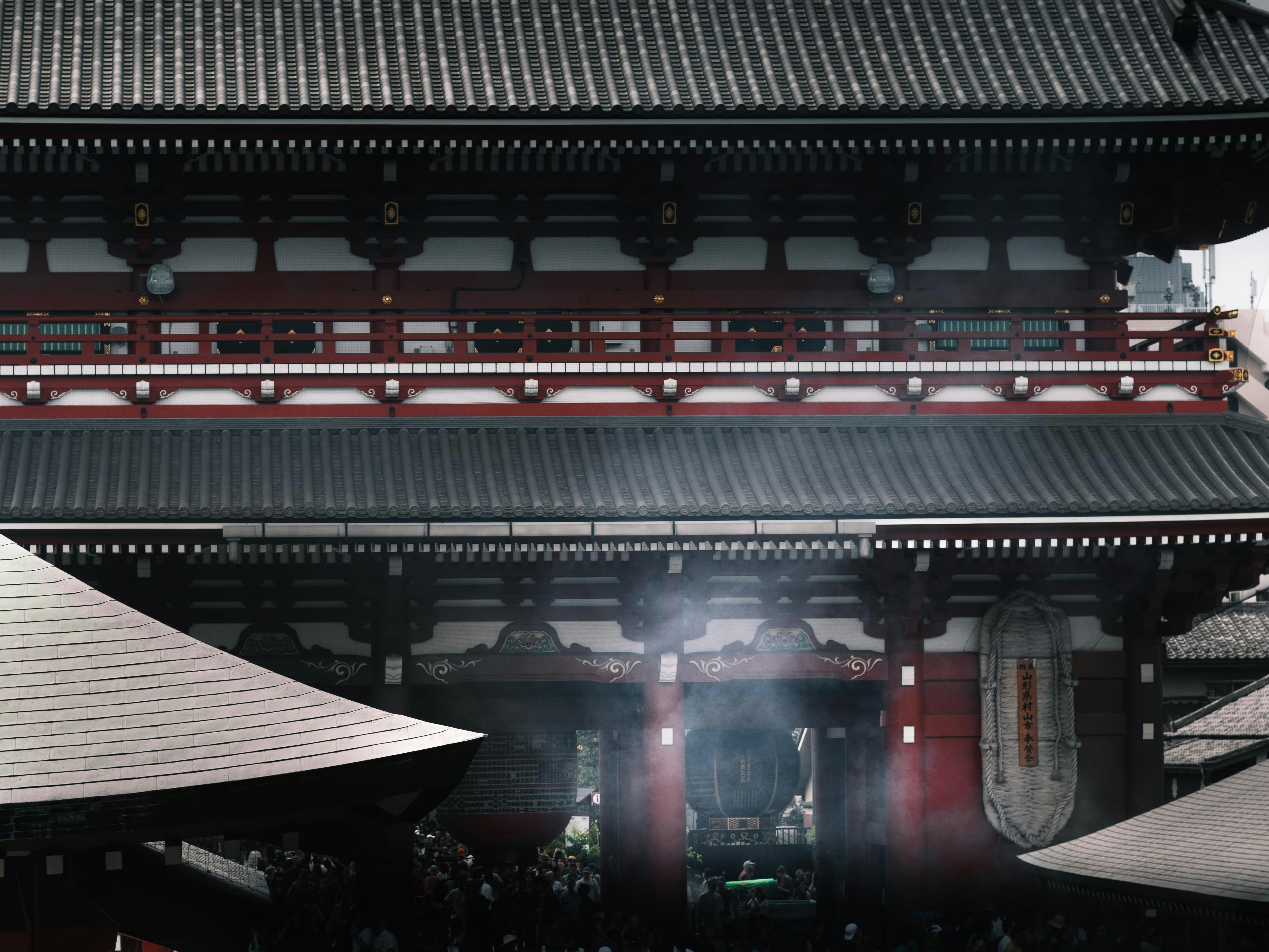
You enter through the 4m red Kaminarimon (Thunder Gate), walk the 250m Nakamise-dori shopping street with 90+ stalls of senbei, ningyo-yaki, kimono, fans and tourist sweets, and arrive at the main hall. The Kannon statue itself isn’t on display (it sits behind a curtain), but the incense smoke, omikuji fortune-drawing and the five-story pagoda framed against the Tokyo Skytree are the visual experience.
The complex was destroyed in WWII air raids and rebuilt in the 1950s in concrete, but the layout and the giant Kaminarimon lantern (4m tall, 700kg) are faithful to the Edo original. Allow 90 minutes for Kaminarimon → Nakamise → main hall → pagoda → Sumida river view.
How to Get There
Getting There
- 1Take Tokyo Metro Marunouchi Line → Otemachi Station
- 2Transfer to Tozai + Ginza lines → Asakusa Station
- 1Take JR Chuo-Sobu Line → Akihabara Station
- 2Transfer to Tsukuba Express → Asakusa Station
Tips
- Sunrise or after 21:00 only. Between 10:00 and 17:00 the Nakamise is shoulder-to-shoulder.
- Eat ningyo-yaki at the gate. Small bean-paste cakes shaped like the Sumida pagoda, ¥150 each; eat them at the stall (don’t walk-and-eat).
- Climb the Sumida riverside across the Asahi golden-flame headquarters for the postcard pagoda + Skytree photo.
- Sanja Matsuri (mid-May) is Asakusa’s biggest festival, with 1.5 million visitors over three days. Worth seeing once; book accommodation 4 months ahead.
Consider Kita-in Instead

- Where
- 1-20-1 Kosenbamachi, Kawagoe, Saitama 350-0036
- Hours
- Monday: 9:00 AM – 4:30 PM / Tuesday: 9:00 AM – 4:30 PM / Wednesday: 9:00 AM – 4:30 PM / Thursday: 9:00 AM – 4:30 PM / Friday: 9:00 AM – 4:30 PM / Saturday: 9:00 AM – 4:30 PM / Sunday: 9:00 AM – 4:50 PM
- Price
- ¥
- Map
- Open in Google Maps →
Kita-in is a major Buddhist temple 36 km northwest of Tokyo in Kawagoe, reachable by train in under an hour. While it lacks Senso-ji's iconic five-storey pagoda and historic gate, it offers comparable scale, free entry, and a similar devotional atmosphere with fewer crowds. The trade-off is aesthetic rather than experiential: Kita-in suits visitors seeking authentic temple worship without the commercial shopping street that defines Senso-ji.

- Where
- 1-28-9 Nezu, Bunkyo-ku, Tokyo 113-0031
- Hours
- Shrine grounds open 24 hours; reception 9:00–16:30
- Price
- Free entry
- Map
- Open in Google Maps →
Nezu Shrine offers a similar spiritual atmosphere with vermilion torii gates and Edo-period architecture, located just 3.3 km away in the same city. While Senso-ji is Tokyo's oldest temple with greater historical prominence and a bustling shopping street, Nezu provides a quieter alternative with comparable free entry and cultural significance as a registered Important Cultural Property. The trade-off is aesthetic rather than experiential—you exchange iconic scale for intimate garden-like grounds and seasonal azalea blooms.
FAQ
How long do I need at Senso-ji?
90 minutes covers Kaminarimon, Nakamise, the main hall, pagoda and a quick Sumida river view. Add 60-90 minutes for an Asakusa neighbourhood walk, including Hoppy Street and the Sumida riverside.
Can I visit Senso-ji at night?
Yes. The temple grounds and pagoda stay open and beautifully lit until midnight. Nakamise stalls close around 18:00. Evening (after 21:00) is the best time for crowd-free photos.
Is Asakusa worth a separate visit beyond Senso-ji?
Yes. Hoppy Street izakaya, Sumida riverside, Tokyo Skytree across the river (10-minute walk), Kappabashi kitchenware street and old-school monjayaki shops easily fill a half-day around the temple.