



Tokyo is the best sushi city on earth, and the good news is you do not need a ¥30,000 reservation to prove it. This is a shortlist you can actually get into, spanning conveyor belts, standing counters, the famous fish market and one approachable Ginza classic. The rule throughout: go where the fish turns over fast, not where the tourist queue is longest.
1. Best for first-timers
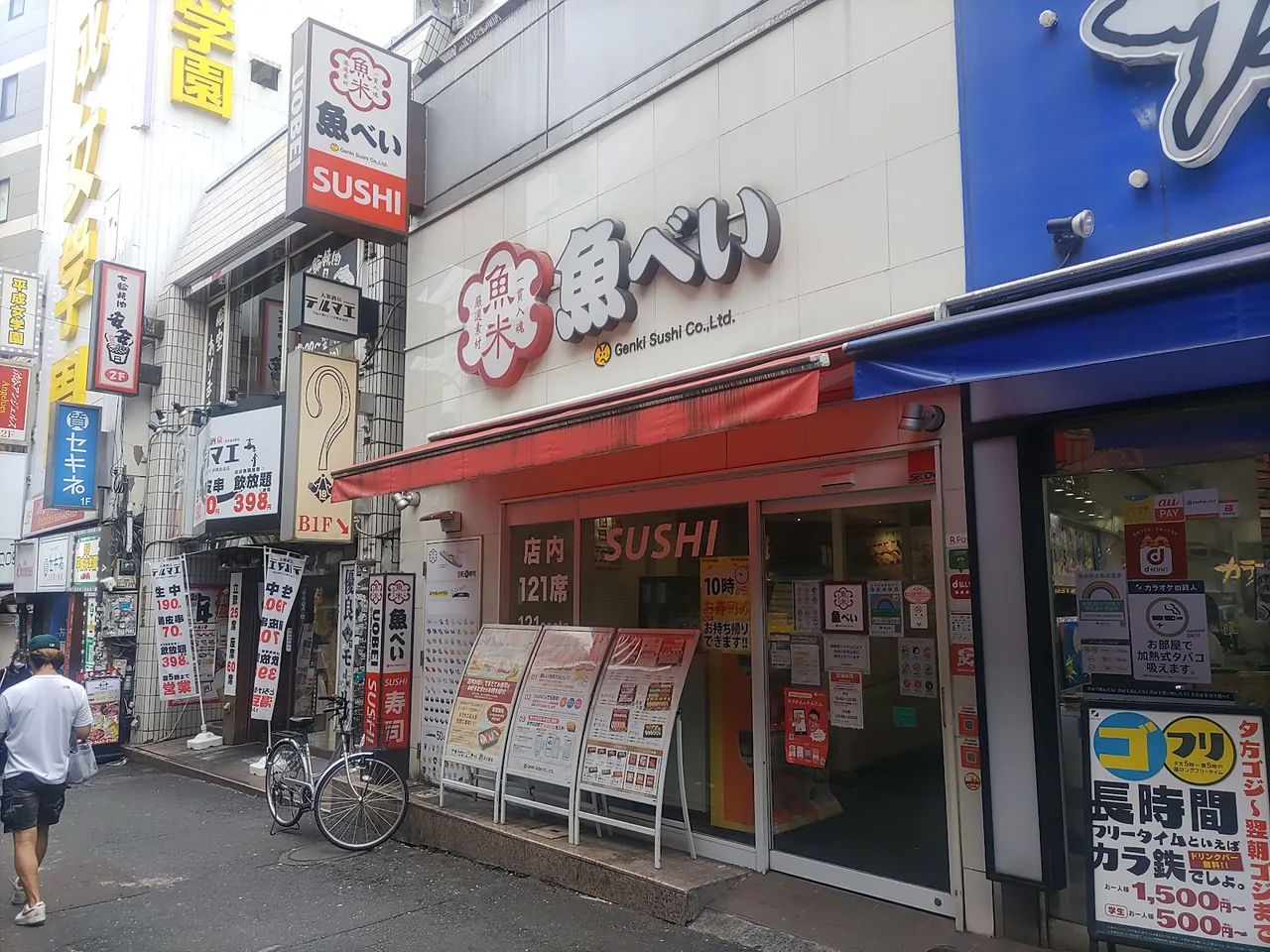
Uobei Shibuya, high-tech, no-pressure sushi with everything ordered by touch screen.
 Hiroyuki Kikuchi
Sushi
Uobei Shibuya Dogenzaka Store
There is no belt at all here: you tap a tablet and your plates rocket over on an express lane. Cheap, fun and genuinely tasty, it is the friendliest possible introduction to sushi in Tokyo.
2. Best budget quality
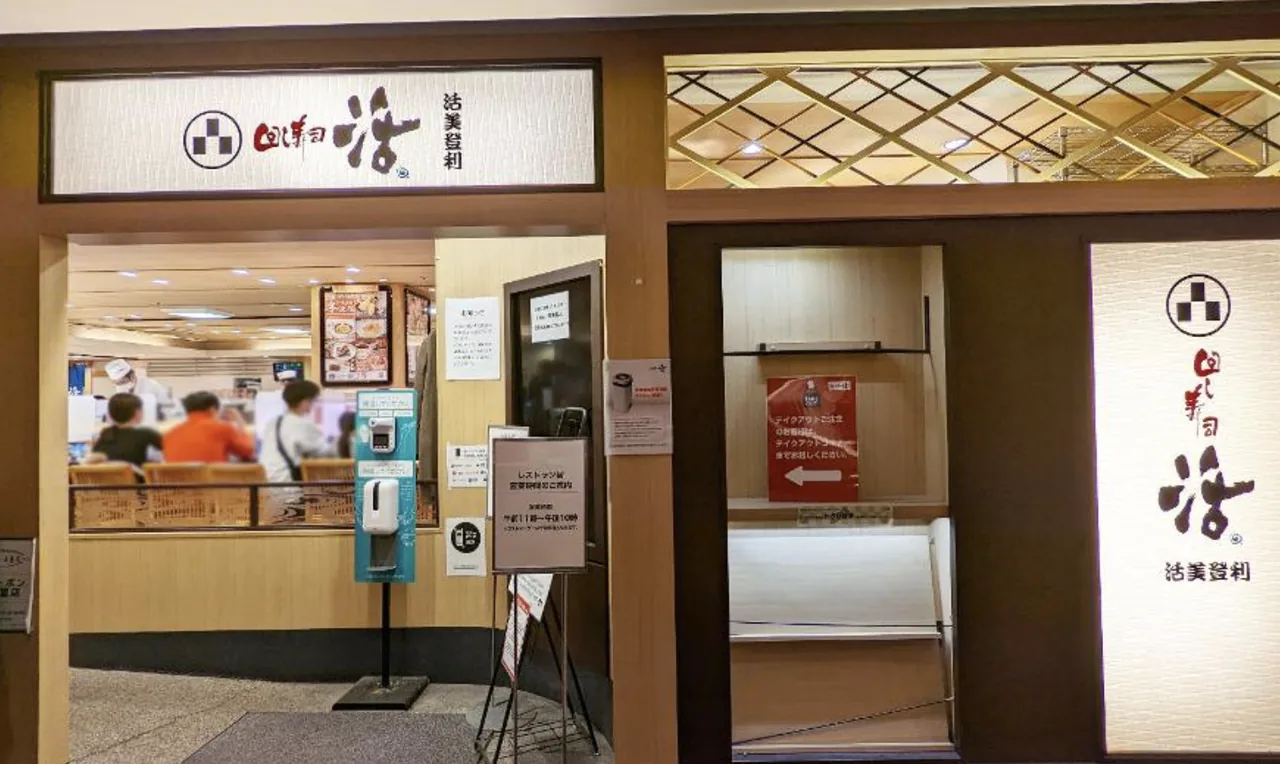
Katsu Midori, a conveyor belt that eats far above its plate prices.
 回し寿司活 西武渋谷店
Sushi
Mawashi Sushi Katsu Seibu Shibuya
The queue moves fast and the fish is a cut above the usual belt fare. Order fresh from the tablet for the best of it.
3. Best near the main station
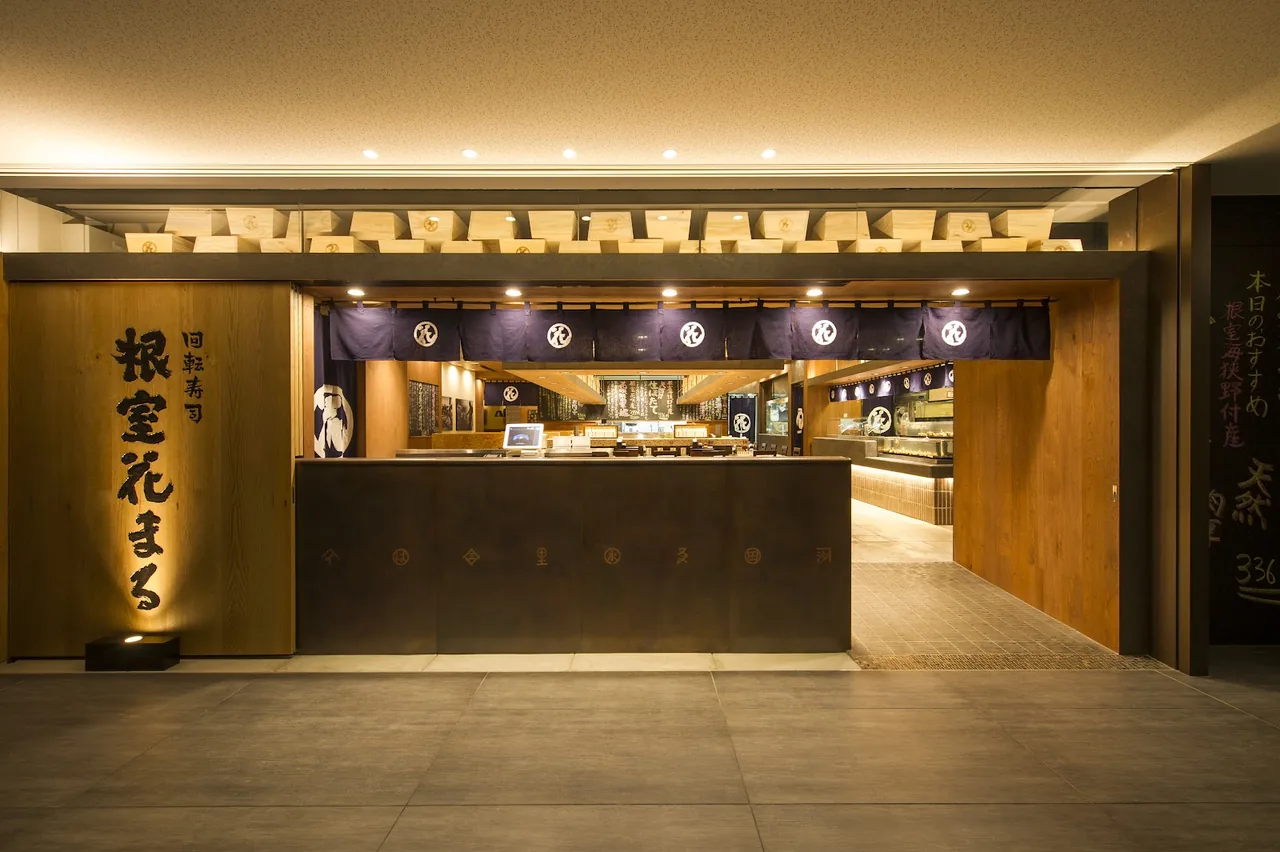
Nemuro Hanamaru, Hokkaido-sourced fish a few minutes from the trains.
 回転寿司 根室花まる KITTE丸の内店
Sushi
Kaitenzushi Nemuro Hanamaru KITTE Marunouchi
This northern chain brings notably fresh fish to a busy, welcoming counter inside the KITTE building. Ideal for a great-value meal between journeys.
4. Best cheap standing sushi
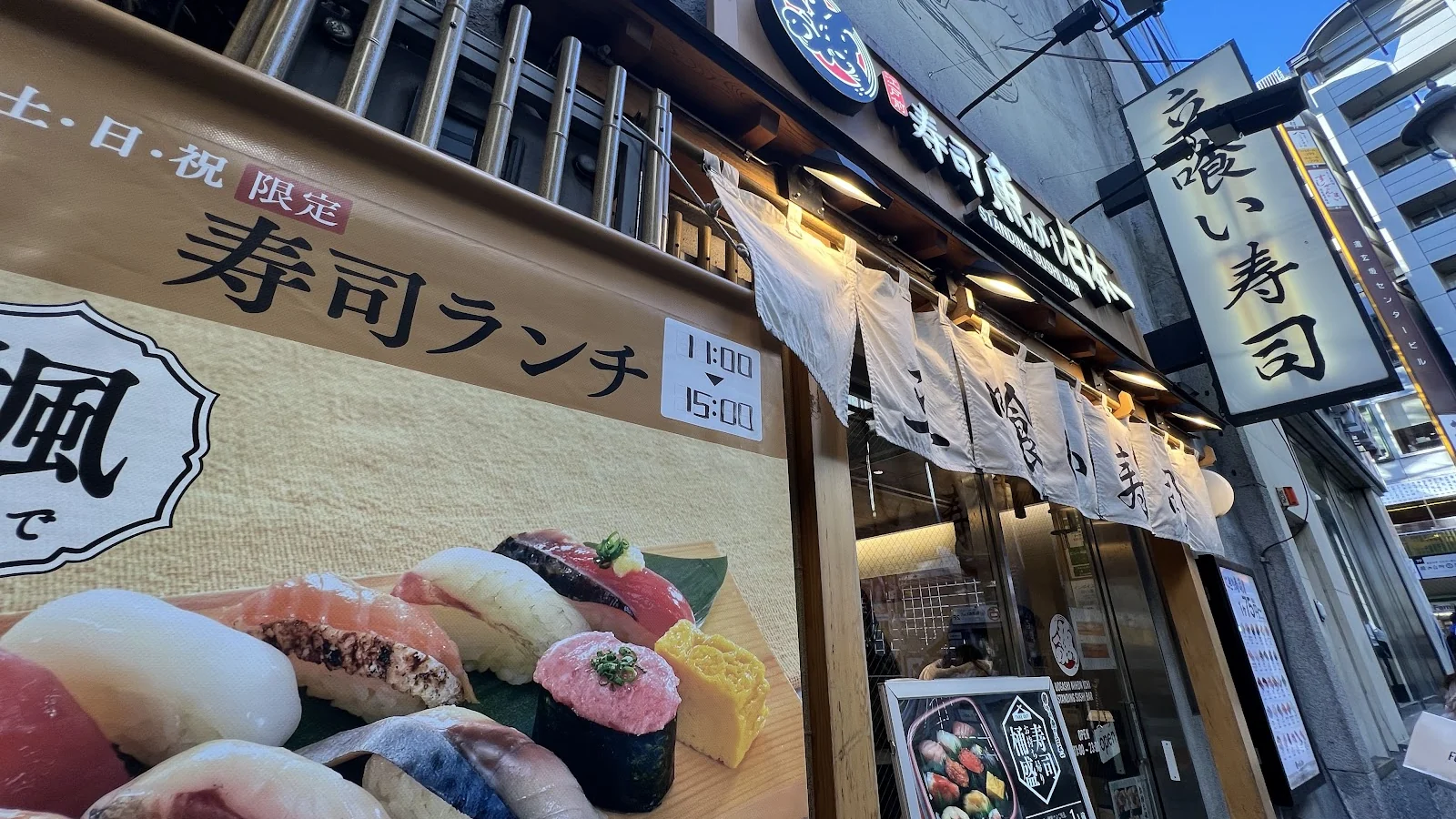
Uogashi Nihon-Ichi, everyday counter sushi, eaten on your feet.
 Google
Sushi
Uogashi Nihon-Ichi Shibuya Dogenzaka
Standing bars are how many locals grab sushi: fast, fresh and cheap, with the chef right in front of you. A brilliant crash course in ordering by name.
5. Best all-hours reliability
Sushizanmai, the dependable 24-hour name by the old fish market.
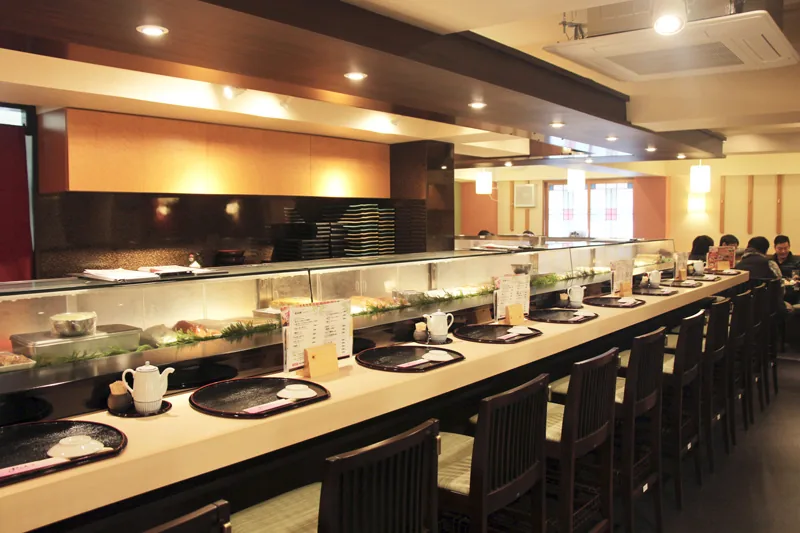 すしざんまい 本店
Sushi
Sushizanmai Main Store
Solid, honest sushi at any hour, in the heart of the Tsukiji outer market district. A safe, satisfying choice when everything else has closed.
6. Best market experience at dawn
Daiwa Sushi, a legendary breakfast counter inside the wholesale market.
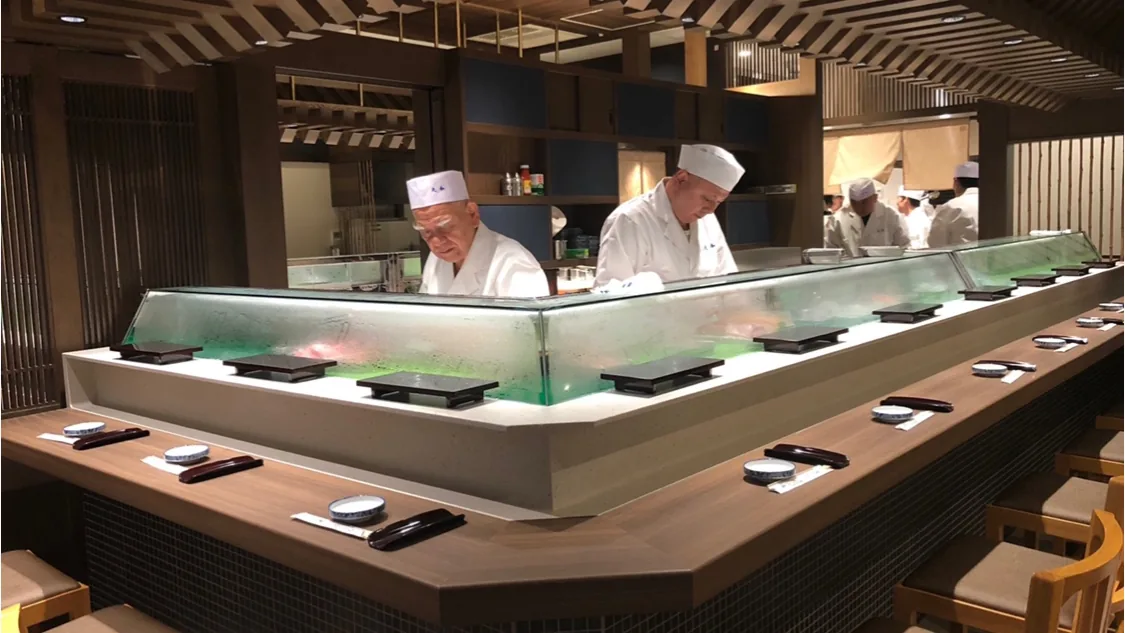 大和寿司 東京 豊洲市場
Sushi
Daiwa Sushi
Eating sushi at the market at 7am, straight from the morning auction, is a Tokyo rite of passage. Expect a queue, a set menu and some of the freshest fish of your life.
7. Another dawn market classic
Sushi Dai, the market's other famous early-morning omakase set.
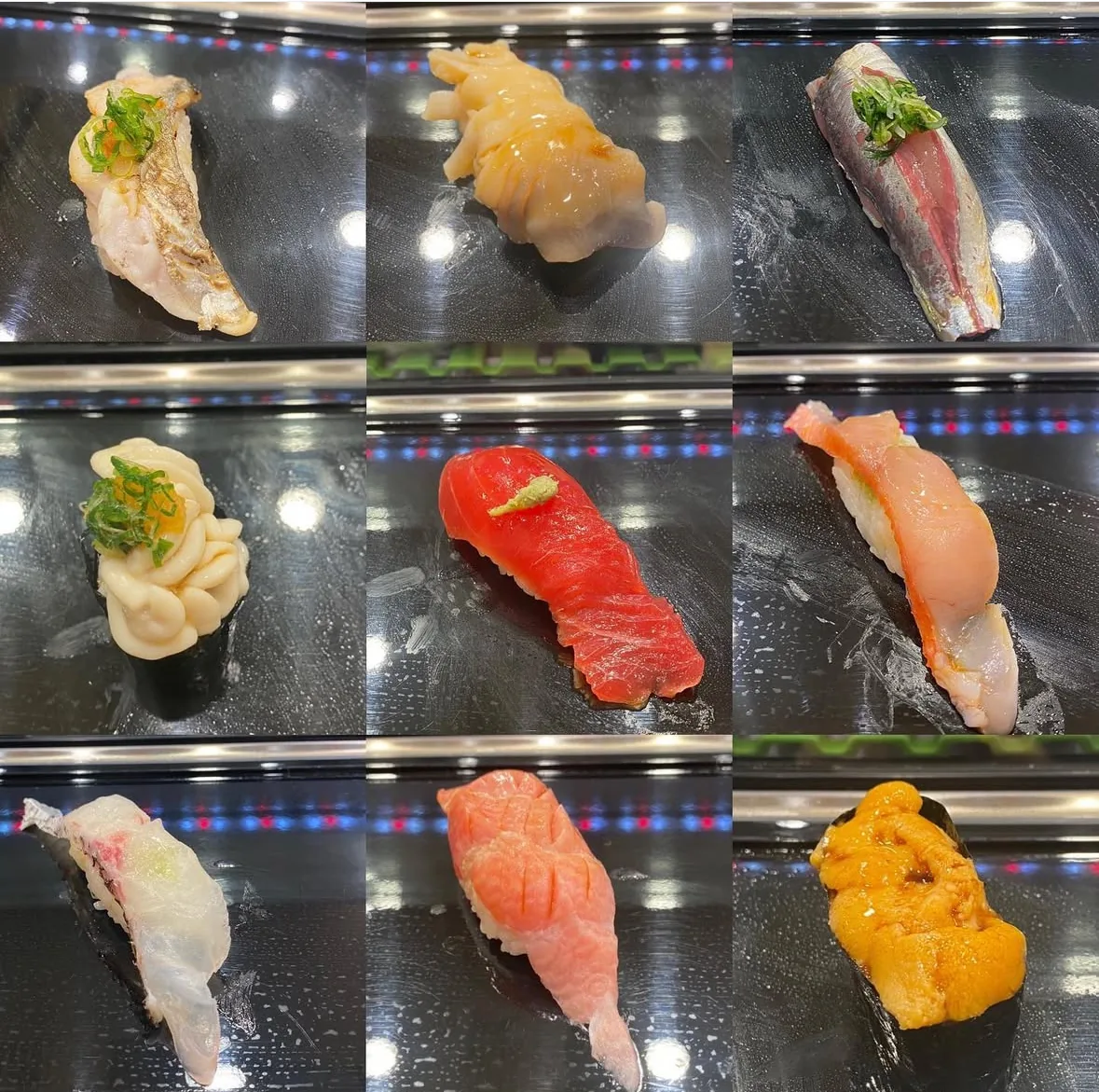 yumi mika
Sushi
Sushi Dai
The queue can run for hours, and regulars will tell you it is worth it. A chef-chosen set, piece by piece, to start the day the way Tokyo intends.
8. Best value in Ginza
Sushi no Midori, generous, well-priced sushi in Tokyo's smartest district.
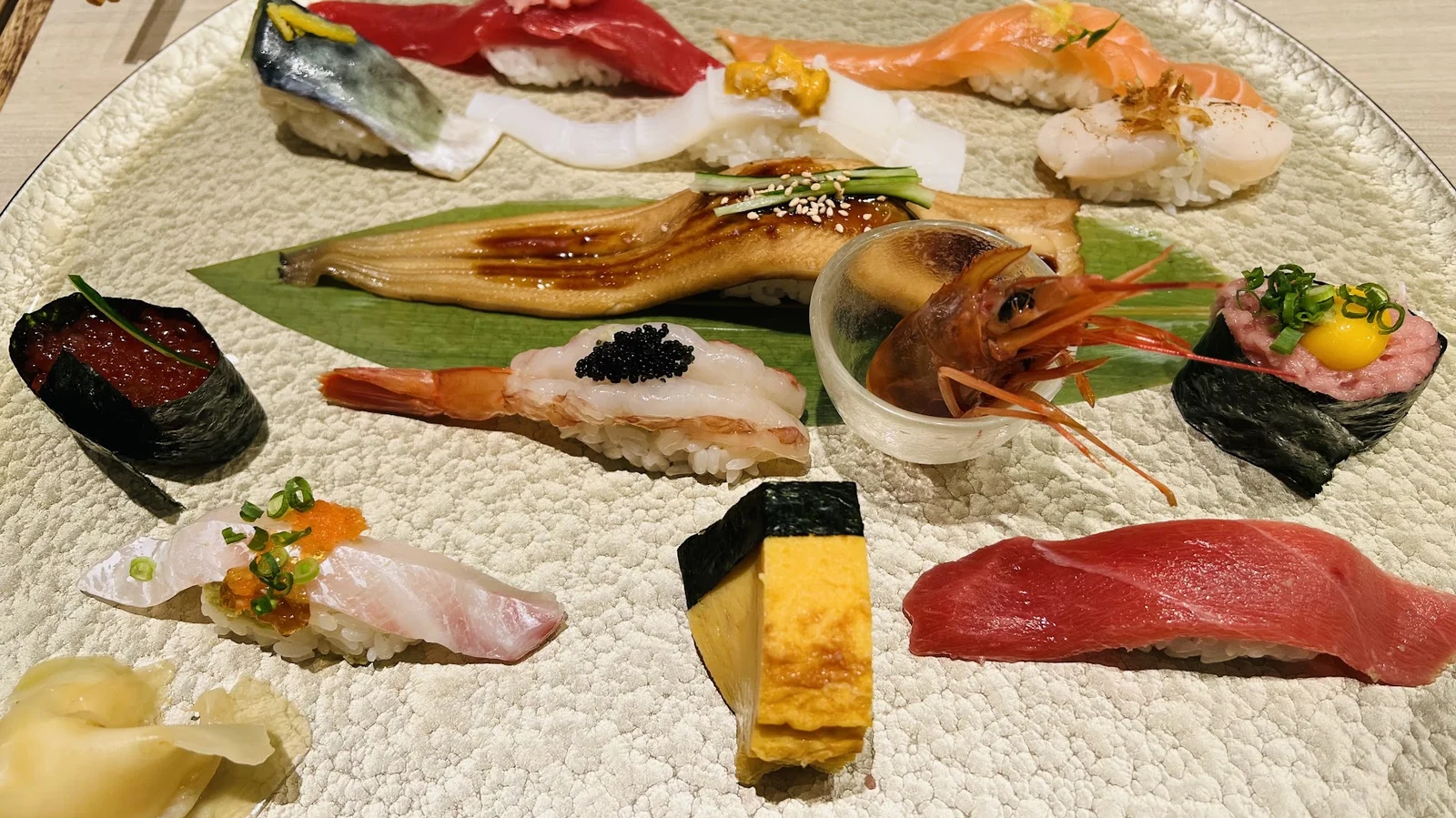 Google
Sushi
Sushi no Midori
Famous for oversized cuts and fair prices, this is how to eat well in Ginza without the wallet damage. Go at off-peak times to beat the line.
9. Best accessible omakase-style counter
Manten Sushi, a chef-led counter without the reservation marathon.
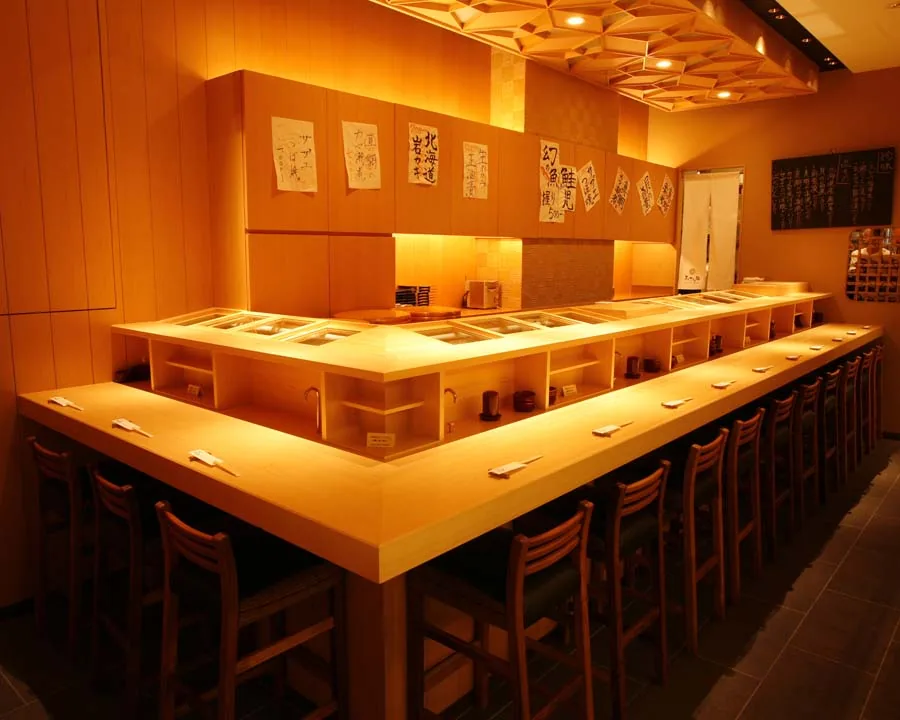 まんてん鮨 丸の内
Sushi
Manten Sushi Marunouchi
A polished, made-to-order experience that gives you a taste of the counter tradition at a fraction of the top-tier price. A smart first step up from the belt.
10. Best approachable high-end
Kyūbey, a classic Ginza sushi house that welcomes visitors.
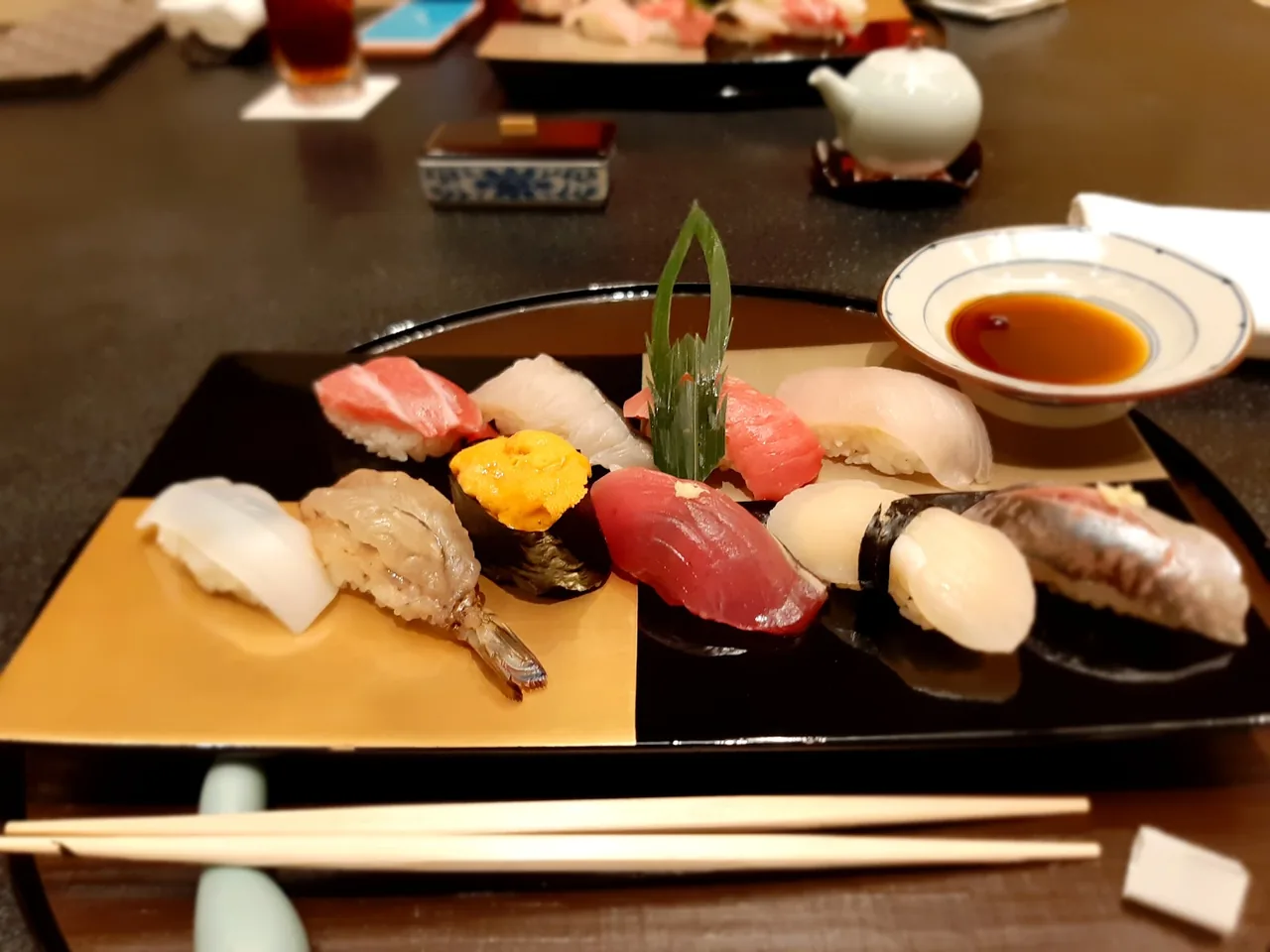 Max Wright
Sushi
Ginza Kyūbey Ginza Honten
Serving refined sushi since the 1930s, it is English-friendly and used to first-timers, which makes it the gentlest way to try genuine high-end sushi. Book ahead, and consider the lunch set.
Honorable mentions
You will see the famous three-Michelin-star counters on every other list, the near-impossible bookings that photograph beautifully. They are not here on purpose: if you cannot get a seat, a recommendation is just a tease. Great sushi also waits well beyond Tokyo, from Hokkaido to Kanazawa and Kyushu. Eat local wherever your route runs.
FAQ
Where is the best sushi in Tokyo for the money?
The conveyor belts and standing bars, the ¥ picks above, deliver astonishing quality for the price. For a step up, the value Ginza counters give you a made-to-order experience without the top-tier bill.
Do I need reservations for sushi in Tokyo?
Not for conveyor belts, standing bars or the market counters, where you simply queue. Higher-end counters like the Ginza classics do take bookings, and lunch is the easier way in.
Is the fish market worth the early start?
Yes. Eating sushi at the Toyosu market at dawn, straight from the auction floor, is one of Tokyo's signature food experiences. Just be ready for a queue and an early alarm.
How much should I budget?
From about ¥1,000–2,500 at a belt or standing bar, ¥3,000–6,000 at a value counter, and more for a high-end house. Mixing a couple of tiers across a trip is the smart move.
New to it all? Start with the complete guide to sushi in Japan, brush up on the types of sushi, or ease in at a conveyor belt.