

Three days is enough for Tokyo's icons, but only if you respect the clock. Every big sight here has a quiet window and a crush window, usually two hours apart. This route runs east to west, puts the crowd-heavy stops at their calm hours, and swaps one packed classic for a quieter neighbor each day. Every stop links to a full guide with hours and a crowd calendar.
Route overview
Day 1 covers the old east side on foot and ends above it: Asakusa, Tsukiji, Ueno, the Yanaka lanes, then Tokyo Skytree at dusk. Day 2 crosses to the west: Meiji Jingu at opening, Harajuku and Omotesando before lunch, Shinjuku in the afternoon, Shibuya after dark. Day 3 is booked art in the morning and a deliberate gap in the afternoon, because the best Tokyo day is the one where you go back to the neighborhood that surprised you.
Itinerary · 3 days
 06:30
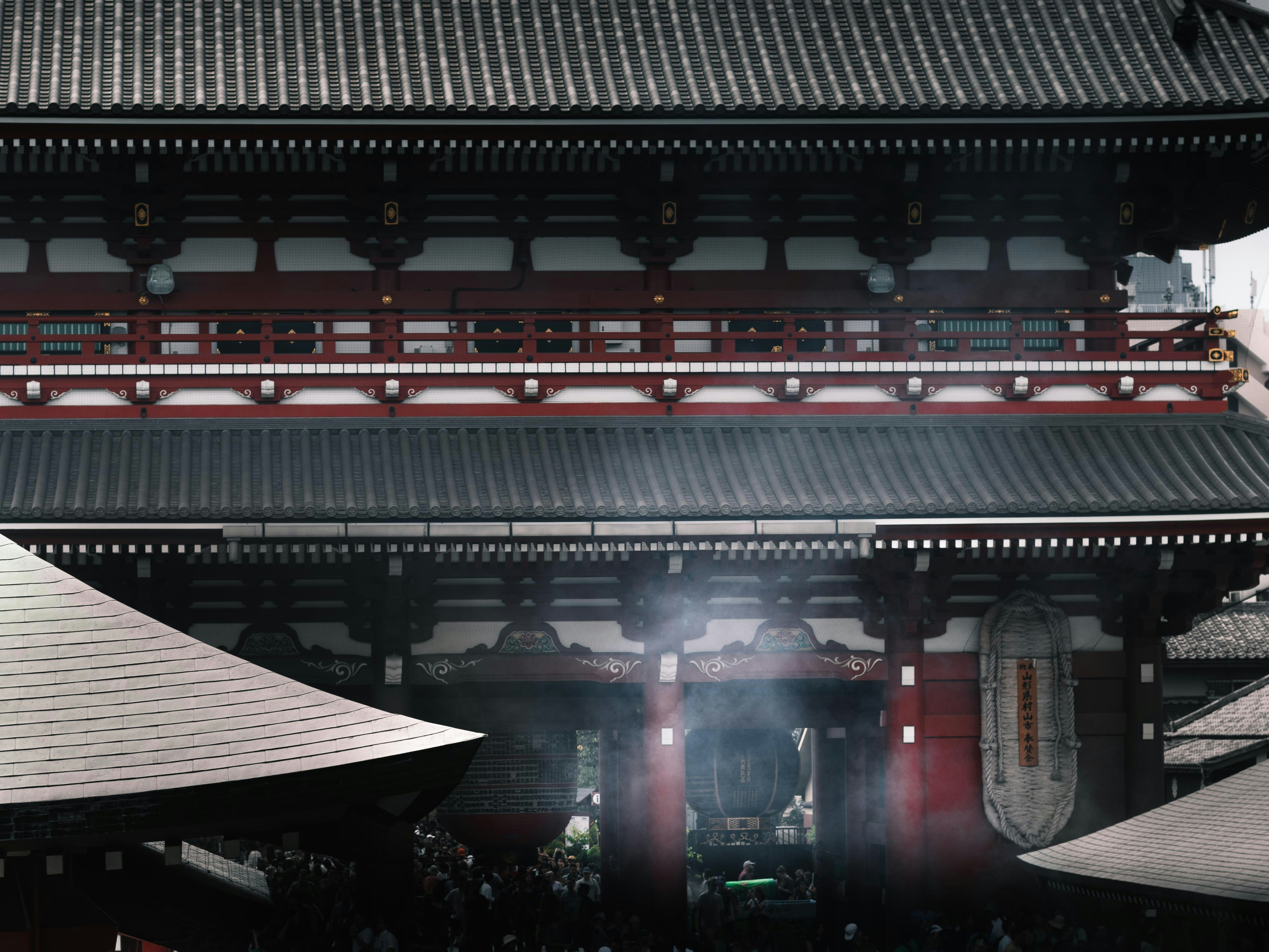
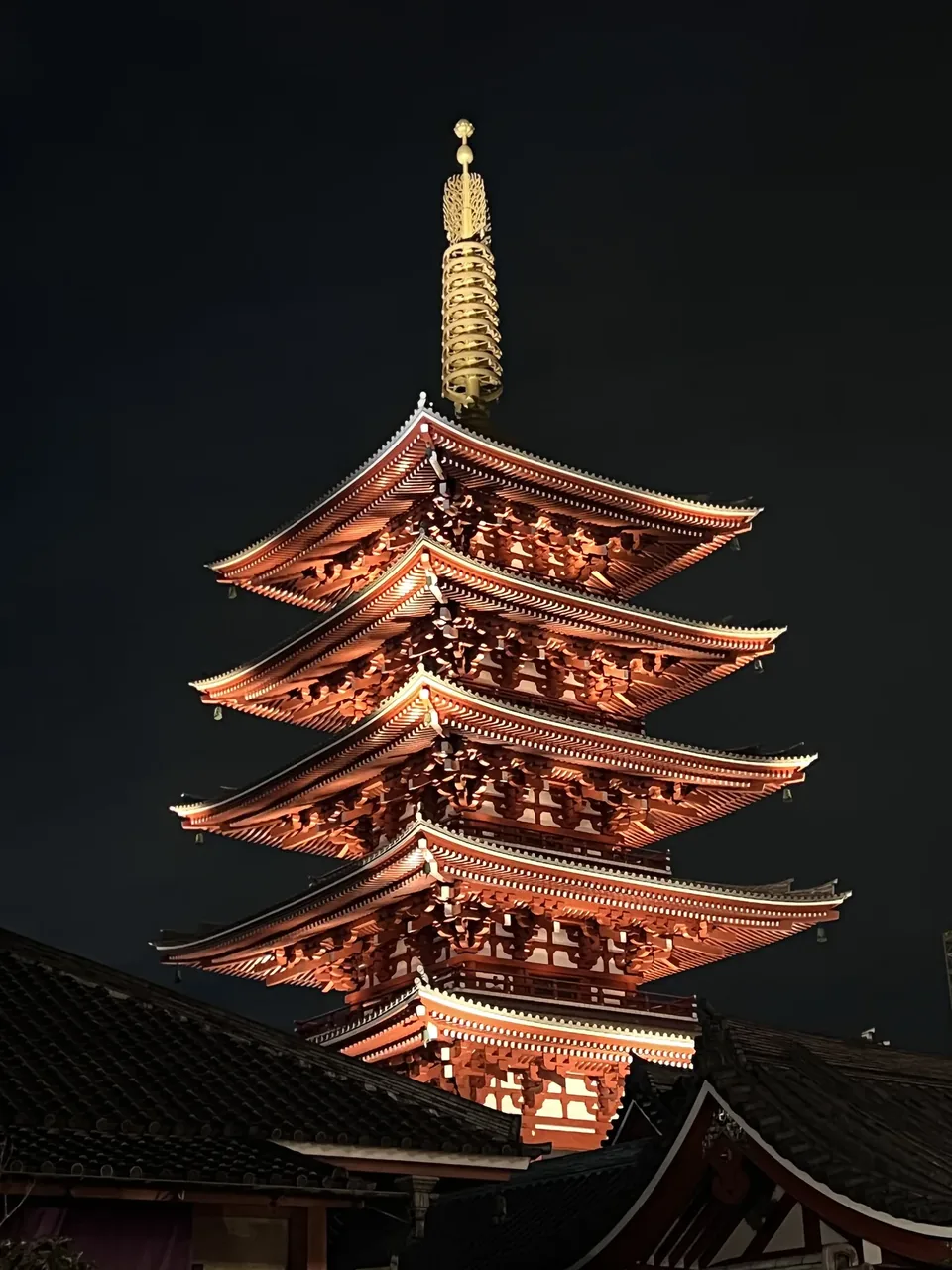
06:30The grounds are open around the clock and the main hall opens early. Before 08:00 you share Nakamise-dori with shopkeepers, not tour groups.
Route 08:30
08:30Breakfast at the stalls. The lanes clog from mid-morning; earlier is calmer and the seafood is the same.
Route 11:00
11:00 14:30
14:30 16:30
16:30Vermilion torii tunnels ten minutes from Yanaka, at a fraction of the crowds of the famous ones.
Route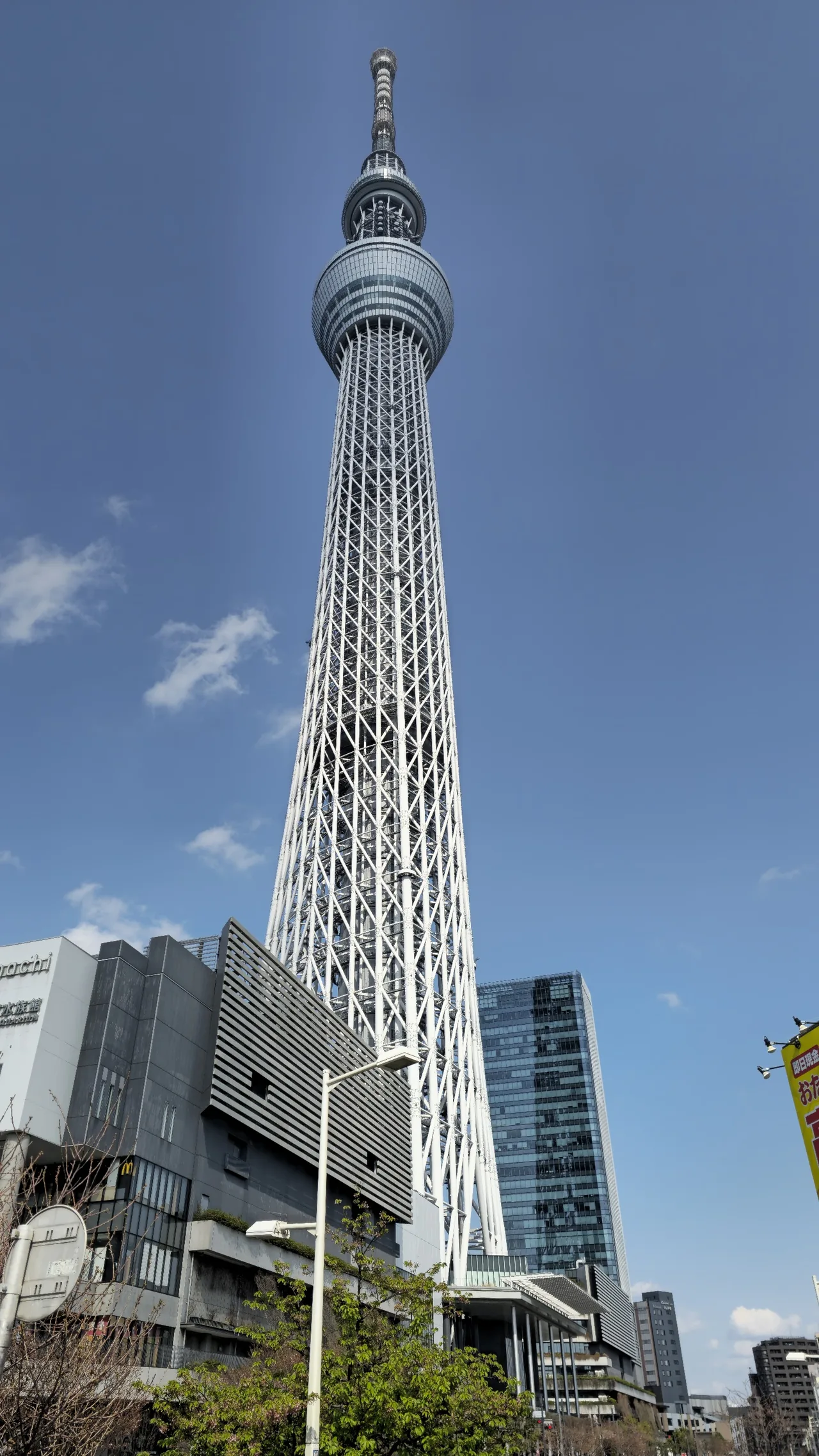 18:30
18:30Book a timed evening slot online. Dusk gives you the city in daylight and in lights on one ticket.
RouteQuieter alternative
Everything before 09:00 on this route is the quiet version of itself. The same walk started at 10:30 is a different, far busier day.
 07:00
07:00Meiji Jingu Shrine
The forest approach opens at sunrise. At this hour the gravel paths are yours and the shrine is at its most serious.
Route09:00Harajuku and Omotesando on foot
Takeshita-dori before the shops open is a photo; after 11:00 it is a queue. Coffee on Omotesando bridges the gap.
 12:30
12:30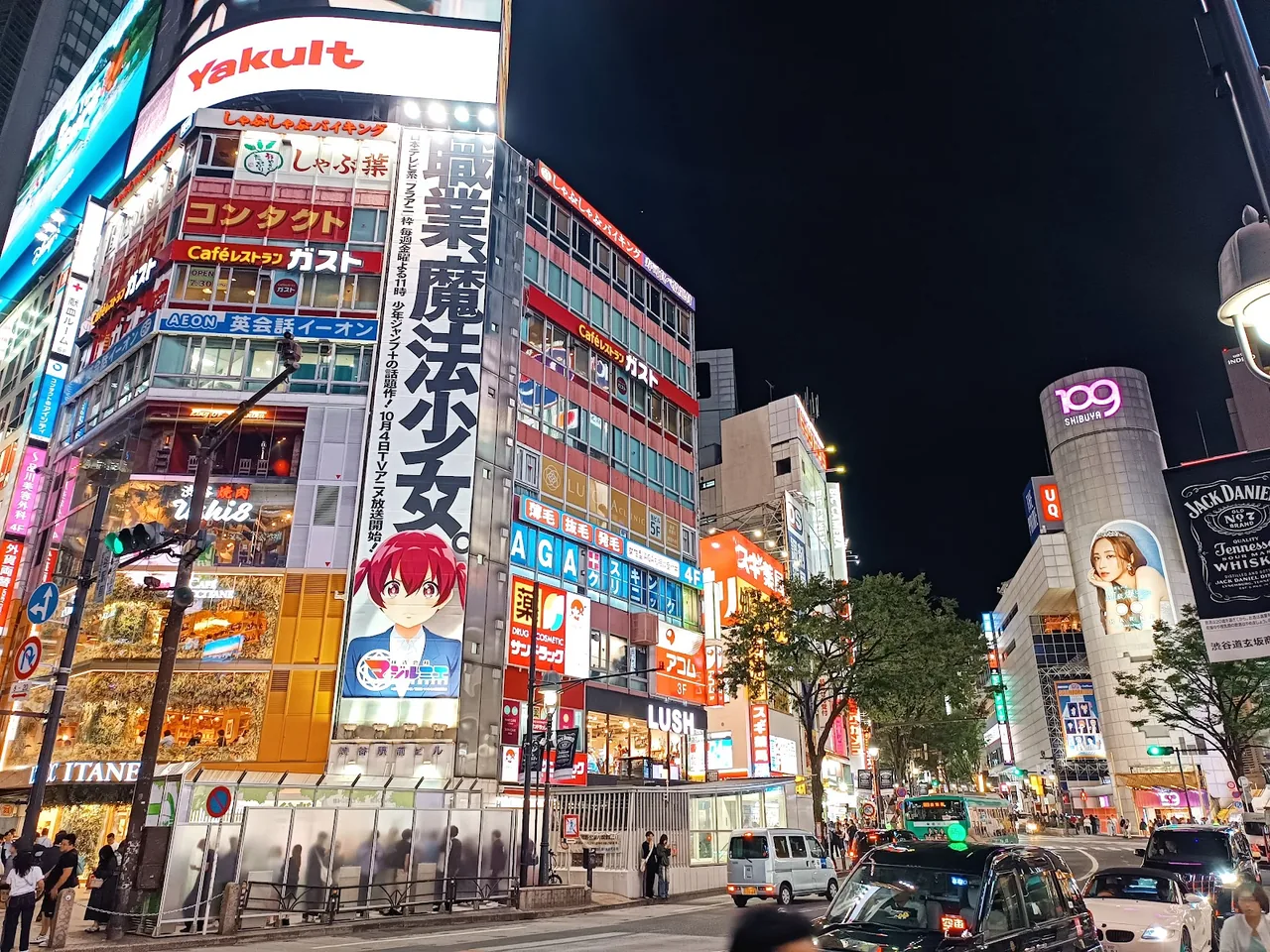 17:30
17:30Cross it once at street level, then watch it from above. Blue hour is the shot.
Route19:00Izakaya evening in Shibuya or Ebisu
Skip the towers with English picture menus at the crossing itself; two streets back the food improves and the bill drops.
Quieter alternative
If Shibuya at night is not your scene, Yanaka Ginza from day 1 is the calm evening alternative: dinner in the lanes, last train home.
 09:00
09:00Timed tickets sell out days to weeks ahead. Book the first morning slot before you fly; the rooms are emptier and the art needs the space.
Route12:00Lunch around Azabudai Hills
The food halls under the towers beat queueing at the museum cafe.
14:00Your open afternoon
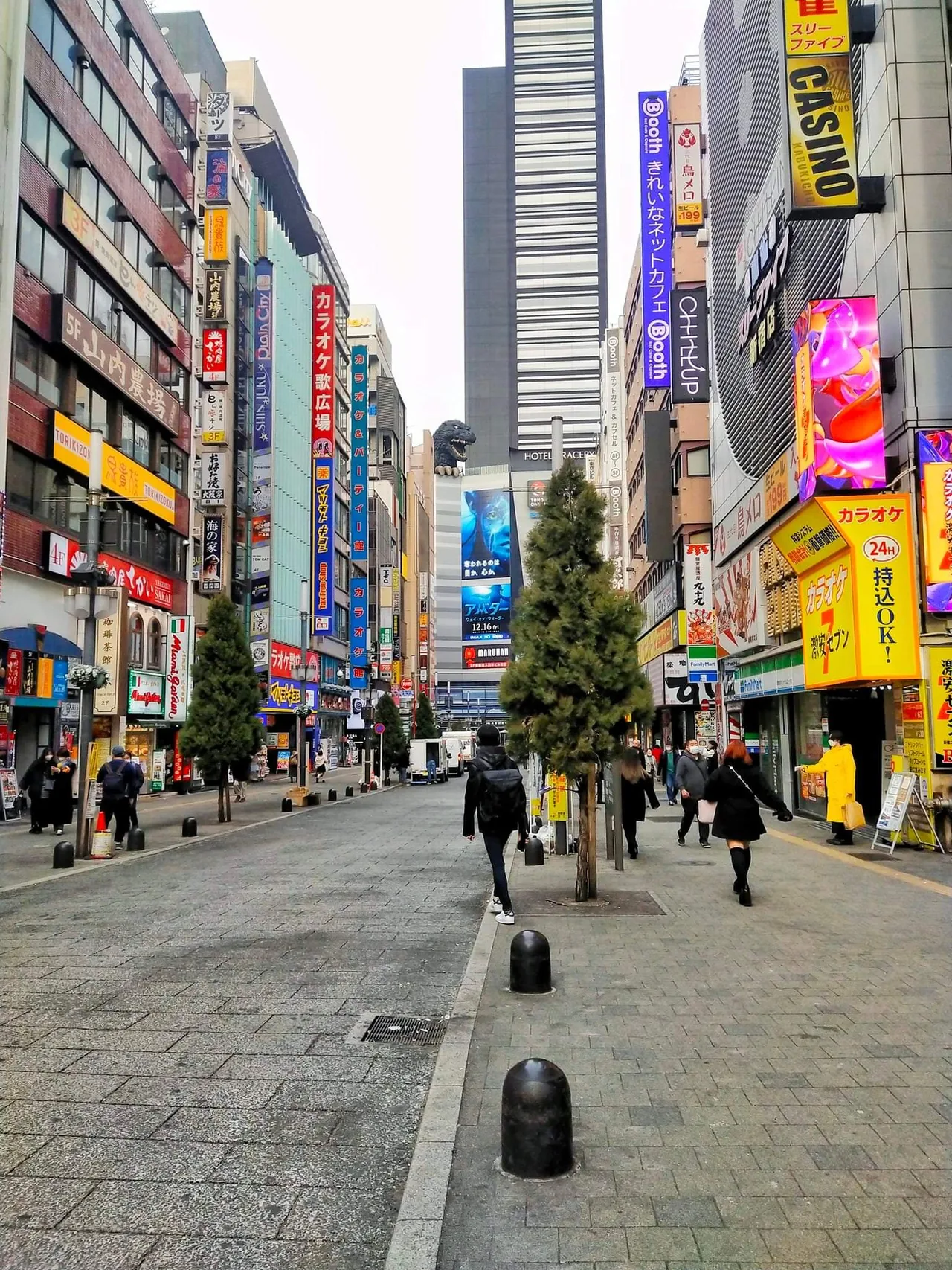
Go back to whichever neighborhood pulled at you: more Yanaka, more Shinjuku record stores, or the Ginza department store food floors.
Quieter alternative
Resist the urge to fill day 3 to the edges. Tokyo rewards a slow afternoon more than a fourth ticked box.
Photo: Senso-ji Temple — Photo: Nick · Tsukiji Outer Market — Jonathan Forage jonathanforage · Ueno Park — CC-BY-SA-3.0 · Yanaka Ginza — CC-BY-SA · Nezu Shrine — CC-BY-SA · Tokyo Skytree — Riccardo Widera · Meiji Jingu Shrine — CC-BY-SA-4.0 · Shinjuku — Jong doo Choi · Shibuya Crossing — Equaaliuetea Poetowski · teamLab Borderless — CC-BY-SA-4.0
Where to stay
For a first visit, sleep on the Yamanote loop: Shinjuku for connections, Ueno or Asakusa to be inside day 1 before breakfast. The Tokyo city guide breaks the neighborhoods down by temperament and budget.
Budget breakdown
Per person, per day, excluding flights. Tokyo can be done cheaper than most expect; the spread below is realistic rather than optimistic.
| Item | Budget | Comfort |
|---|---|---|
| Hotel (per night) | ¥9,000 | ¥25,000 |
| Food (three meals) | ¥3,500 | ¥8,000 |
| Transit (IC card day) | ¥800 | ¥1,200 |
| Attractions | ¥0–2,000 | ¥4,000–8,000 |
| Per day | ≈ ¥13,000–15,000 | ≈ ¥38,000–42,000 |
Variations
With a fourth day, take one day trip instead of stacking more city: Kamakura for the giant bronze buddha and the coast in about an hour, or Nikko for shrines under cedars in just under two. With only two days, cut day 3: teamLab moves to day 2 evening only if you book the late slot, otherwise it is the first thing to drop. Traveling with children, swap the Shinjuku afternoon for Ueno Zoo and give day 3 to Odaiba.
Tips
- Buy a Suica or Pasmo card on arrival; it covers every train, metro and bus in this route.
- Book Skytree and teamLab online before you fly. Everything else on this route is walk-in.
- Carry cash for Tsukiji and Yanaka; the stalls are the last card-free holdouts.
- Rain plan: swap Ueno Park for its museums, and Harajuku for the Omotesando arcades. The route survives a wet day.
- Avoid starting this itinerary on a Monday: several museums close, and Tsukiji is at half strength on Wednesdays.
FAQ
Is 3 days in Tokyo enough?
Enough for the icons and two real neighborhoods, if you follow the early starts. A fourth day buys you a day trip or a slow repeat of your favorite area, and is worth it if your route allows.
Is 3 days in Tokyo too much?
No. Tokyo is a cluster of cities wearing one name; three days covers one considered slice. Travelers who find it too much are usually doing four districts a day at midday pace.
What shouldn't I miss in Tokyo?
Senso-ji before 08:00, the view from Skytree at dusk, and one unplanned evening in a neighborhood you liked. The specific list matters less than the timing.
Is Tokyo walkable?
Within districts, completely; between them, take the train. This route walks inside Asakusa, Yanaka, Harajuku and Shibuya and rides everything in between on an IC card.