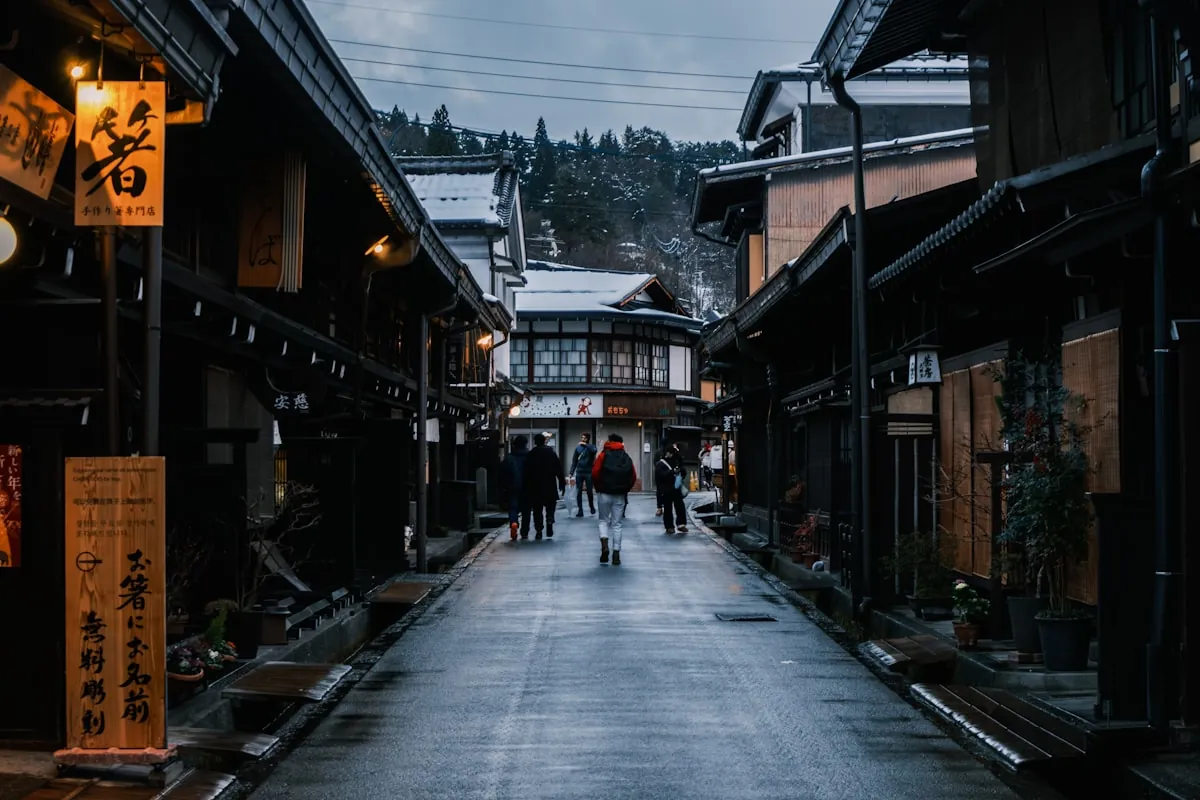

Shinjuku is Tokyo’s busiest district. 3.5 million people pass through Shinjuku Station daily (the world’s busiest), and the streets stack offices, department stores and Kabukicho’s nightlife into a single ward. East side = neon and bars; west side = high-rises and the free Tower observatory; south side = Shinjuku Gyoen garden refuge.
Character of the District
Built up after the 1923 Kanto earthquake when the imperial palace district moved its administrative weight west, Shinjuku became the city’s commercial answer to Marunouchi. Mitsui’s 1971 Keio Plaza Hotel was Japan’s first 100m+ tower; the 1991 Tokyo Metropolitan Government Building (Tochomae) made the west-side skyline you photograph today. Kabukicho, on the east side, never quite cleaned up. The ward’s entertainment zone still has hostess clubs, pachinko parlours and the famous robot-restaurant kitsch alongside more recent J-rock venues.
The district works around the station. Pick which exit to leave from before you arrive, or you’ll add 15 minutes finding the right one.
What to See in Shinjuku
Five stops inside Shinjuku that earn the visit:
How to Get There
Getting There
- 1Take JR Chuo Rapid Line → Shinjuku Station
- 1Take JR Yamanote Line → Shinjuku Station
- 1Narita Express direct → Shinjuku Station
Tips
- Pick your exit BEFORE you arrive. Shinjuku Station has 200+ exits across 12 lines: South Exit for Gyoen, East Exit for Kabukicho, West Exit for the Tower. Wrong exit = 15 min walk.
- West-side day, east-side night. Tower observatory at sunset, Kabukicho/Golden Gai after dark.
- Omoide Yokocho > Kabukicho for first izakaya. ‘Memory Lane’ under-tracks alley has 60 yakitori stalls; lower price + lower hassle than Kabukicho touts.
- Skip the Robot Restaurant clones. Original closed; the ‘new’ ones are tourist-only and overpriced. Visit Don Quijote 24h instead for the Tokyo-strange-souvenir experience.
Consider Daikanyama Instead

- Where
- Daikanyamachō, Shibuya-ku, Tokyo 150-0034
- Hours
- Open daily; individual shops and venues have varying hours
- Map
- Open in Google Maps →
Daikanyama offers a similar urban exploration experience to Shinjuku but with a distinctly different character: boutique shopping and independent cafes replace the high-volume commercial sprawl, and the low-rise residential architecture creates a more intimate neighborhood feel. Located 6 km south via the Tokyu Toyoko Line (15 minutes), it's easily reached within the same day trip. The trade-off is less nightlife density and fewer major entertainment venues, making it better suited to visitors prioritizing curated retail and quieter urban discovery over Shinjuku's scale and intensity.
Adjacent Neighborhoods
Districts on Shinjuku’s edge, all walkable or one stop:
FAQ
Is Shinjuku safe at night?
Yes. Kabukicho is policed and tourist-friendly. Avoid signing anything offered by street touts (massage parlours, hostess clubs); ignore them and they leave you alone.
How much time do I need?
Half a day for west-side (Tower + Gyoen) or east-side (Kabukicho + Omoide Yokocho). Full day if you do both. Two evenings if you also want Golden Gai.
Best base for staying?
South Exit (Shinjuku Gyoen-side) for quieter sleep. West Exit for business hotels with Tower views. Avoid hotels in Kabukicho proper unless you want zero sleep.