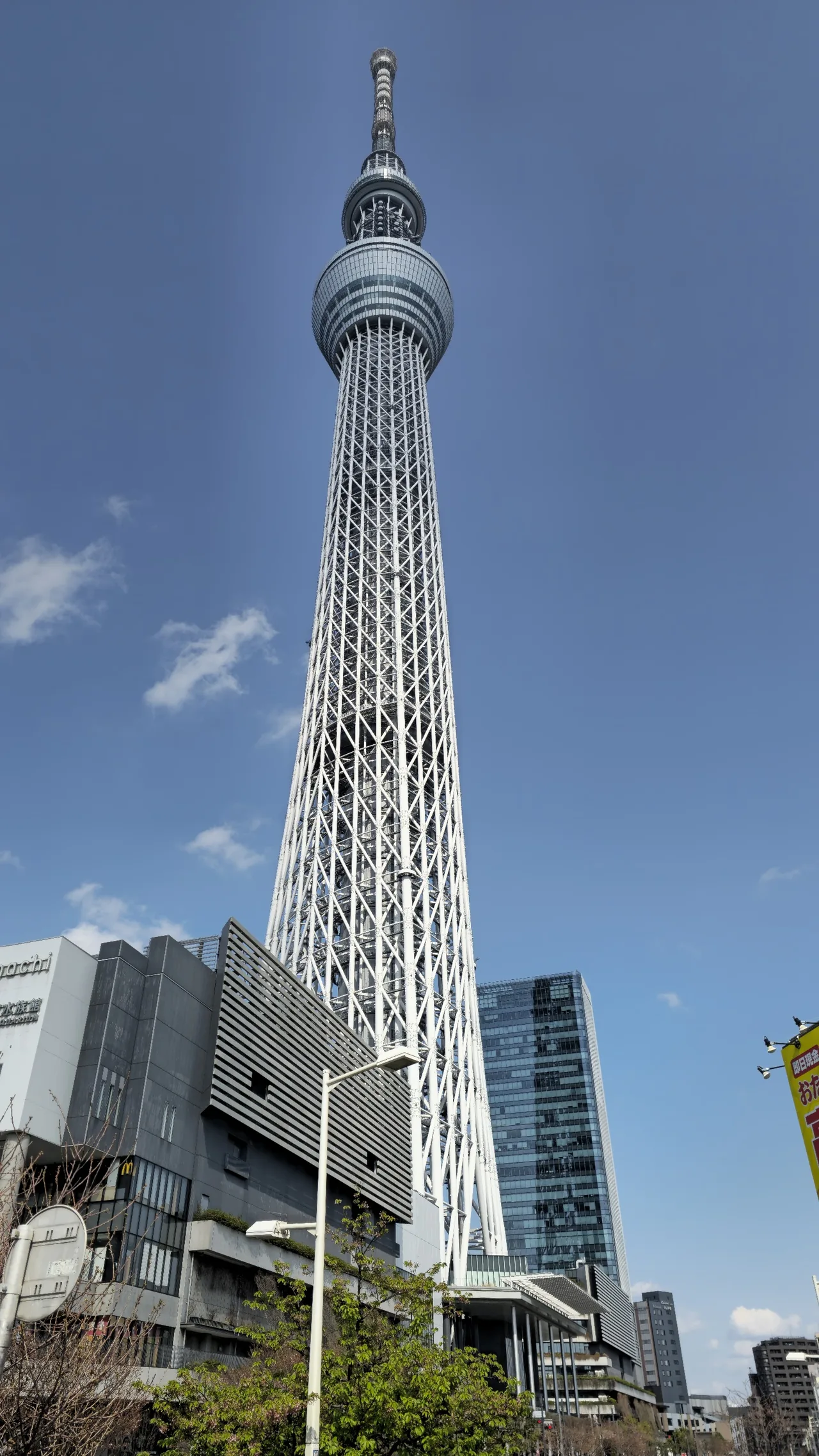

Asakusa is the old-Tokyo district north-east of the Imperial Palace, built around the 7th-century Senso-ji temple, devastated by the WWII firebombing, rebuilt in concrete but still felt like the working-class east-side it always was. The temple anchors the visit; the post-war shopping arcades, the Sumida-river boats and the Skytree view across the river fill the rest of the day.
Character of the District
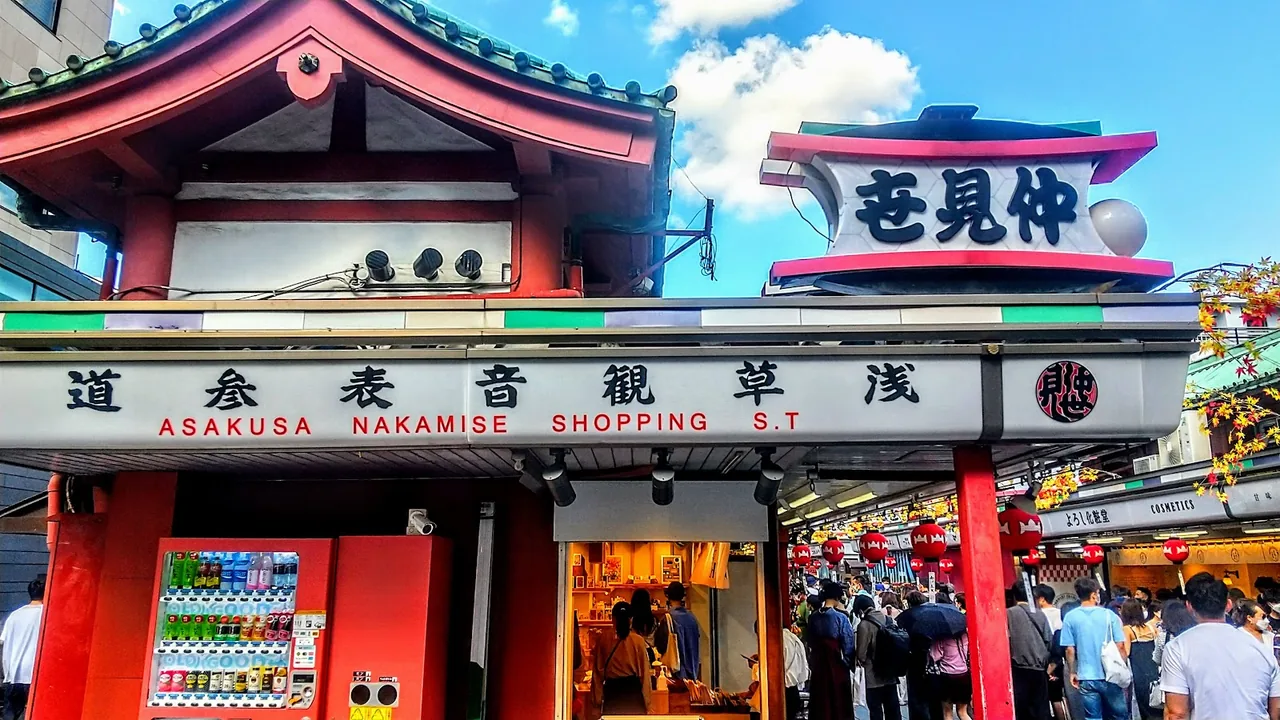
Asakusa pre-dates Tokyo as a city: Senso-ji was founded in 645 AD around a Kannon statue fished from the Sumida by two brothers. The district grew up as a working-river port: porters, shipwrights, fishmongers and the entertainment district that served them (kabuki theatres, food stalls, brothels) clustered north of the temple. The 1923 earthquake and WWII firebombing flattened the wood; concrete reconstructions stand on the same street grid, with the Edo-era arcades preserved as the Nakamise shopping street.
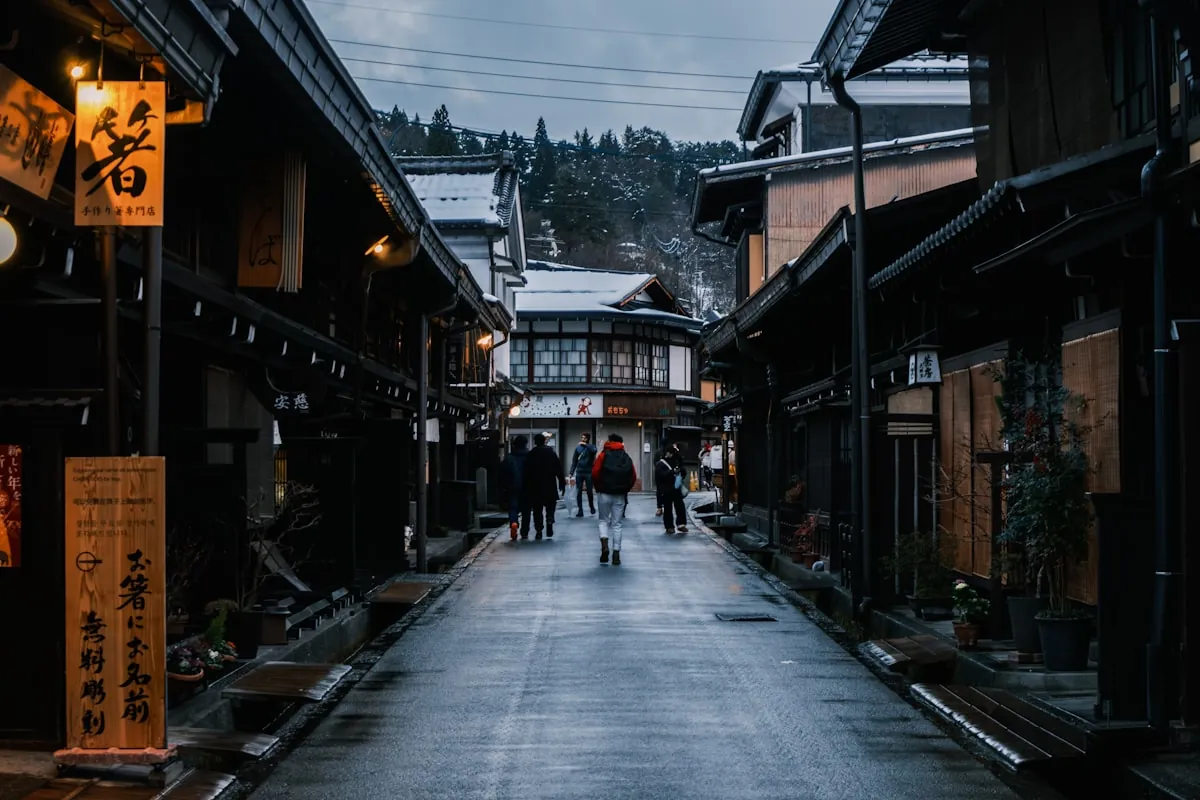
Today the working-river vibe is mostly tourist-photographable. The temple, the Sumida boats and the Skytree across the river are the icons; the side streets keep the old craftsmen (tatami makers, knife sharpeners, woodblock printers) for those who walk them.
What to See in Asakusa
The four anchors that fill an Asakusa day, plus one combine across the river:
How to Get There
Getting There
- 1Take JR Yamanote Line to Kanda → Kanda Station
- 2Transfer to Tokyo Metro Ginza Line → Asakusa Station
- 1Take Toei Shinjuku Line to Bakuro-yokoyama → Bakuro-yokoyama
- 2Walk to Asakusa → Asakusa
- 1Keisei Skyliner direct to Ueno, then Tokyo Metro Ginza Line → Asakusa Station
Tips
- 06:00 sunrise at Senso-ji. Kaminarimon gate is open and lit but Nakamise stalls are still closed, so it's empty for photos.
- Sumida ferry to Hama-rikyu. 35 min downstream beats the metro and ends inside the Edo garden.
- Avoid the rickshaws. ¥3,000–9,000 for a 30-min loop is fun once but performative; walking is free and you see more.
- Eat melonpan at Kagetsudo. Three locations near Senso-ji; the original on Nakamise back-street has the lowest queue.
Consider Tsukuda Instead

- Where
- Tsukuda, Chuo Ward, Tokyo
- Map
- Open in Google Maps →
Tsukuda preserves Edo-period Tokyo atmosphere similar to Asakusa's shitamachi character, with historic wooden buildings and traditional food culture (tsukudani) along the Sumida River instead of crowded temple grounds. The 5.4 km distance makes it easily accessible by train or taxi within the same day visit. However, Tsukuda lacks Asakusa's scale and iconic temple draw, making it a quieter complement rather than a direct substitute for first-time visitors.
Adjacent Neighborhoods
Districts on Asakusa’s edge or one bridge away:
FAQ
Best time to visit Asakusa?
06:00–08:00 for empty Senso-ji photos, then breakfast on Nakamise as it opens. Avoid 10:00–14:00 (peak tour-bus arrivals).
How long do I need?
Half a day for Senso-ji + Nakamise + Sumida-bank walk. Full day if you add Skytree across the river or Hama-rikyu via ferry.
Asakusa or Yanaka for old-Tokyo feel?
Asakusa = the famous one, photographable, full of foreign visitors. Yanaka = the actual surviving old neighborhood with working artisans and far fewer tourists. Do Asakusa once for the icons; Yanaka for the texture.